Pressure Washer Sprayers
Transform your outdoor cleaning routine with the power and efficiency of pressure washer sprayers. Perfect for tackling tough grime on driveways, decks, patios, and vehicles, these versatile tools make maintaining a spotless exterior effortless. Whether you're a homeowner looking to spruce up your space or a professional in need of reliable equipment, pressure washer sprayers offer an ideal solution for every cleaning task. Explore our wide selection to find the perfect match for your needs and experience the satisfaction of pristine results with minimal effort.
Sort

Why cleaning control depends on more than pressure
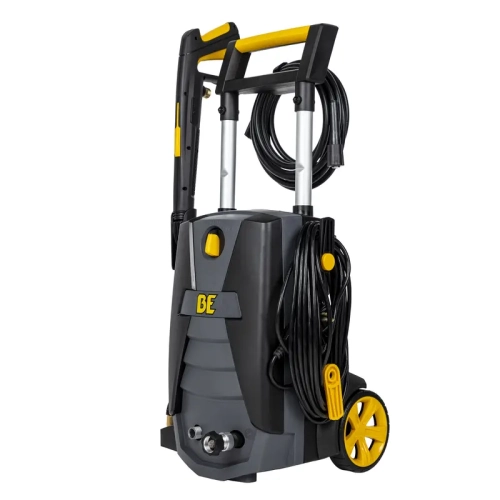
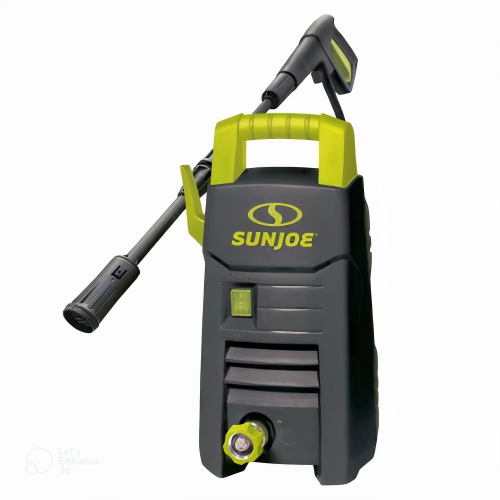
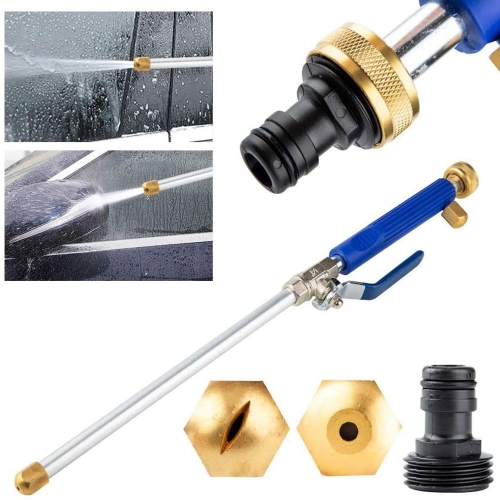
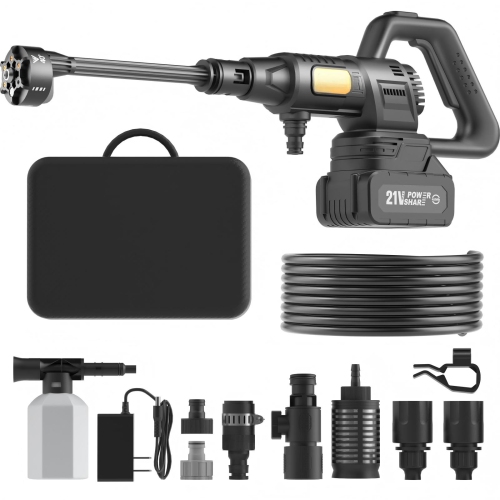
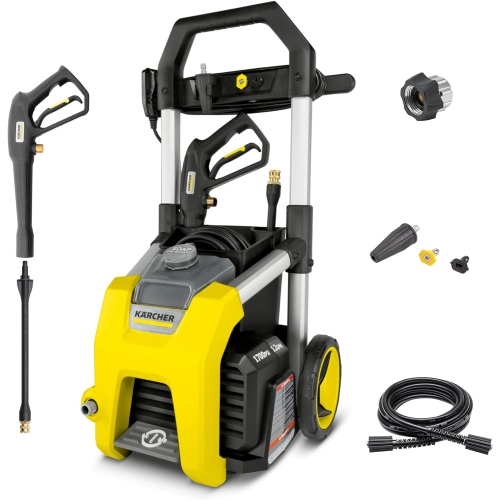
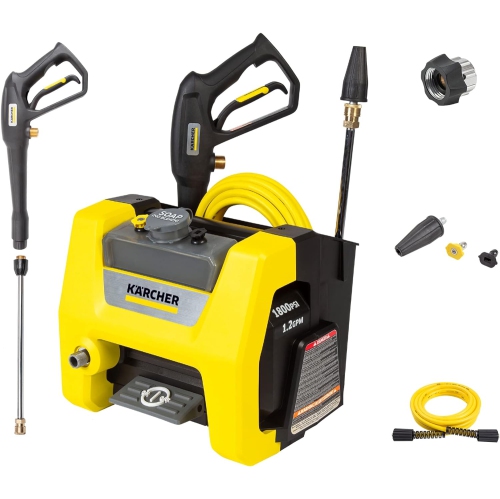
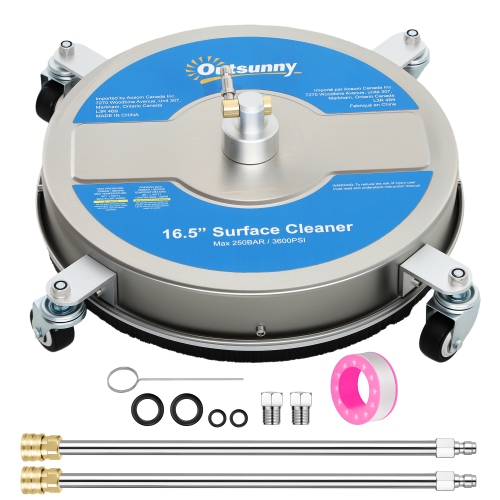
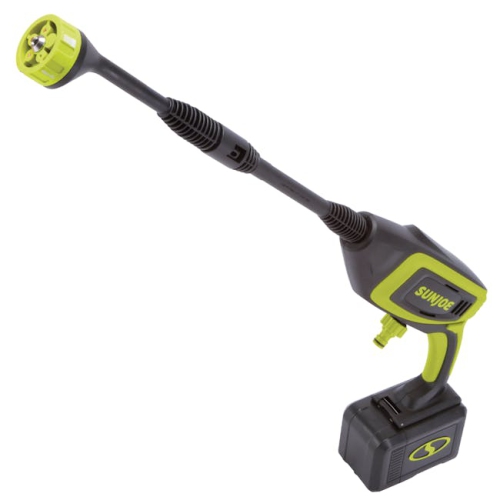
Pressure washer sprayers direct pressurized water onto surfaces to loosen dirt, lift grime, and rinse away residue. The term commonly covers the spray guns, wands, lances, and nozzle attachments used with a pressure washer, as well as handheld powered cleaners designed for lighter washing tasks. A trigger-operated spray gun controls the flow, a wand extends reach, and the nozzle shapes the water into a focused stream or a wider fan. These components work together, but they do not create pressure on their own; cleaning performance also depends on the washer’s pump, water supply, and compatible connections. Unlike a manual pump bottle or backpack garden sprayer, a pressure washer sprayer is intended for surface cleaning rather than misting plants or applying lawn treatments. That distinction matters when matching equipment to jobs around a home, garage, workshop, or property. Dirt packed into a textured concrete walkway calls for a different approach from dust on patio furniture or road film on a vehicle. Pressure, measured in pounds per square inch (PSI), describes the force of the water, while flow rate, commonly expressed in litres per minute or gallons per minute (GPM), indicates how much water moves through the system. Neither measurement tells the whole story in isolation: nozzle angle, working distance, surface condition, and detergent compatibility all influence the result. A wider fan spreads the spray across a larger area, while a narrow stream concentrates force and can damage paint, wood fibres, seals, or other vulnerable materials. For homeowners handling routine upkeep, vehicle owners washing exterior panels, and property maintenance teams tackling repeated cleaning tasks, a well-matched sprayer provides useful control over where the water goes. Compact cordless cleaners can offer convenient handling for modest rinsing jobs, while attachments for full-size pressure washers serve tasks requiring the output of a compatible machine. The most useful choice is the one suited to both the cleaning surface and the equipment that supplies the water.
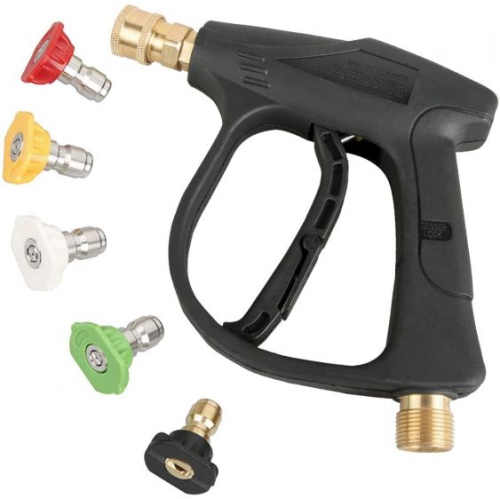
Fit is central to pressure washer sprayer selection because attachments that look similar may use different fittings, thread dimensions, or connection systems. A quick-connect coupling, a threaded hose fitting, and a manufacturer-specific bayonet connection are not automatically interchangeable. Even fittings described by the same nominal size can have different internal dimensions, so the connection details on the hose, gun, wand, and accessory all matter. The sprayer’s maximum pressure and flow ratings must accommodate the washer’s output, and an adapter needs suitable ratings too; it cannot make an under-rated attachment safe to use. A replacement Pressure Washer Gun is particularly relevant when the existing trigger assembly is uncomfortable, leaking, or no longer operating properly, provided the replacement matches the washer and hose specifications. Nozzle selection adds another layer of compatibility. Spray angle determines the shape of the pattern, while the nozzle’s opening must suit the machine’s pressure and flow requirements. Interchangeable tips can make it easier to move between broad rinsing and more concentrated cleaning, though tip colours alone are not a substitute for checking the stated angle and intended application. An adjustable nozzle changes the spray pattern without swapping tips, while a rotating nozzle delivers a concentrated moving spray intended for suitable hard surfaces rather than delicate finishes. Foam attachments introduce detergent into the wash process, but the required pressure, flow, connection, and detergent type vary. Some washers draw detergent only through a designated low-pressure setting or nozzle. Handling is just as important as technical fit during a longer cleaning session. A comfortable grip, manageable trigger resistance, and a balanced wand can reduce the strain of repeatedly squeezing the handle or holding the spray on target. Longer lances provide reach but add leverage, making them more demanding to control. A swivel connection may help limit hose twisting, while a shorter assembly can be easier to manoeuvre around wheels or in confined spaces. These details become noticeable when a quick rinse turns into cleaning several chairs, a long fence, or a broad paved area.
Materials and construction affect how pressure washer sprayers stand up to water exposure, repeated connections, and everyday handling. Brass and stainless steel are common in fittings and internal components, while impact-resistant plastics help keep handles and housings manageable in weight. Metal construction alone does not establish quality: secure joints, suitable seals, properly rated components, and smooth trigger operation are equally important. O-rings and seals need to match the fitting dimensions and any cleaning solutions used, and accessible replacement parts can make ongoing care more straightforward. A sprayer that drips at a coupling may have a worn seal or an incorrectly seated connection rather than a failed gun, but inspection and servicing should take place only after the machine has been switched off, isolated from its power source, and depressurized according to its instructions. Routine care generally includes flushing approved detergent from the assembly, checking nozzles for obstructions, inspecting hoses and fittings for damage, and draining and storing components as directed by the manufacturer. For actual cleaning, control matters more than simply applying the strongest stream. A discreet test patch, a suitable nozzle, and the surface manufacturer’s cleaning recommendations help establish whether an attachment is appropriate. On wood, excessive force can leave raised fibres and visible tracks; around doors and windows, a poorly directed spray can drive water past seals. Vehicle finishes, trim, and sensitive components also require care, with pressure washing unsuitable for some areas. Pressure washer spray can cause serious injury, so a functioning trigger lock, a stable stance, and appropriate eye and foot protection are practical necessities. Jets must stay clear of people, pets, and electrical components, and high-pressure work should not be attempted from a ladder. For a gift recipient who enjoys car care or takes pride in a tidy patio, a compatible sprayer attachment can be a thoughtful addition to equipment they already own. Confirming their washer’s model and connection requirements makes the gift more useful than choosing by appearance alone. Across routine rinsing and more demanding surface cleaning, dependable fit, comfortable handling, and serviceable construction give pressure washer sprayers their everyday value.
Fit is central to pressure washer sprayer selection because attachments that look similar may use different fittings, thread dimensions, or connection systems. A quick-connect coupling, a threaded hose fitting, and a manufacturer-specific bayonet connection are not automatically interchangeable. Even fittings described by the same nominal size can have different internal dimensions, so the connection details on the hose, gun, wand, and accessory all matter. The sprayer’s maximum pressure and flow ratings must accommodate the washer’s output, and an adapter needs suitable ratings too; it cannot make an under-rated attachment safe to use. A replacement Pressure Washer Gun is particularly relevant when the existing trigger assembly is uncomfortable, leaking, or no longer operating properly, provided the replacement matches the washer and hose specifications. Nozzle selection adds another layer of compatibility. Spray angle determines the shape of the pattern, while the nozzle’s opening must suit the machine’s pressure and flow requirements. Interchangeable tips can make it easier to move between broad rinsing and more concentrated cleaning, though tip colours alone are not a substitute for checking the stated angle and intended application. An adjustable nozzle changes the spray pattern without swapping tips, while a rotating nozzle delivers a concentrated moving spray intended for suitable hard surfaces rather than delicate finishes. Foam attachments introduce detergent into the wash process, but the required pressure, flow, connection, and detergent type vary. Some washers draw detergent only through a designated low-pressure setting or nozzle. Handling is just as important as technical fit during a longer cleaning session. A comfortable grip, manageable trigger resistance, and a balanced wand can reduce the strain of repeatedly squeezing the handle or holding the spray on target. Longer lances provide reach but add leverage, making them more demanding to control. A swivel connection may help limit hose twisting, while a shorter assembly can be easier to manoeuvre around wheels or in confined spaces. These details become noticeable when a quick rinse turns into cleaning several chairs, a long fence, or a broad paved area.
Materials and construction affect how pressure washer sprayers stand up to water exposure, repeated connections, and everyday handling. Brass and stainless steel are common in fittings and internal components, while impact-resistant plastics help keep handles and housings manageable in weight. Metal construction alone does not establish quality: secure joints, suitable seals, properly rated components, and smooth trigger operation are equally important. O-rings and seals need to match the fitting dimensions and any cleaning solutions used, and accessible replacement parts can make ongoing care more straightforward. A sprayer that drips at a coupling may have a worn seal or an incorrectly seated connection rather than a failed gun, but inspection and servicing should take place only after the machine has been switched off, isolated from its power source, and depressurized according to its instructions. Routine care generally includes flushing approved detergent from the assembly, checking nozzles for obstructions, inspecting hoses and fittings for damage, and draining and storing components as directed by the manufacturer. For actual cleaning, control matters more than simply applying the strongest stream. A discreet test patch, a suitable nozzle, and the surface manufacturer’s cleaning recommendations help establish whether an attachment is appropriate. On wood, excessive force can leave raised fibres and visible tracks; around doors and windows, a poorly directed spray can drive water past seals. Vehicle finishes, trim, and sensitive components also require care, with pressure washing unsuitable for some areas. Pressure washer spray can cause serious injury, so a functioning trigger lock, a stable stance, and appropriate eye and foot protection are practical necessities. Jets must stay clear of people, pets, and electrical components, and high-pressure work should not be attempted from a ladder. For a gift recipient who enjoys car care or takes pride in a tidy patio, a compatible sprayer attachment can be a thoughtful addition to equipment they already own. Confirming their washer’s model and connection requirements makes the gift more useful than choosing by appearance alone. Across routine rinsing and more demanding surface cleaning, dependable fit, comfortable handling, and serviceable construction give pressure washer sprayers their everyday value.
Top selling and popular products
-
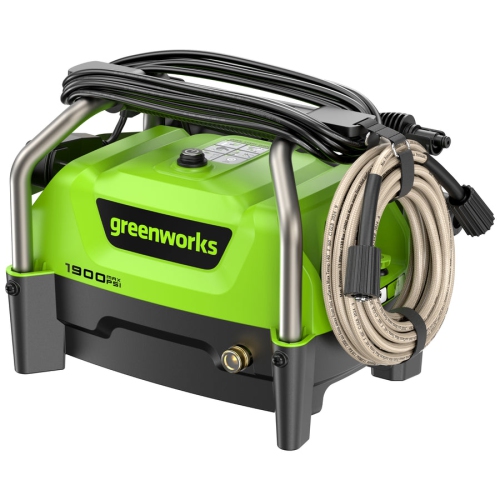 Your price for this item is $169.99
 -
 Your price for this item is $554.39
 -
 Your price for this item is $879.99
 -
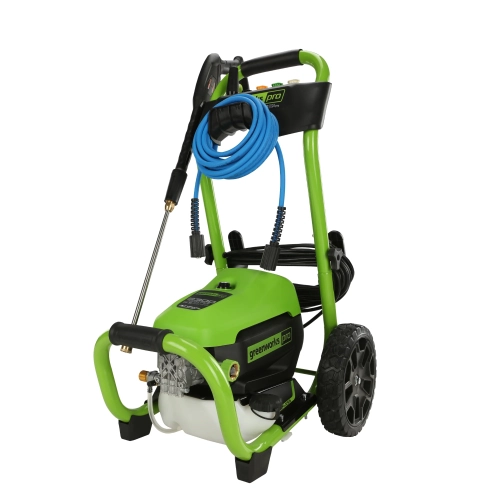 Your price for this item is $439.99
 -
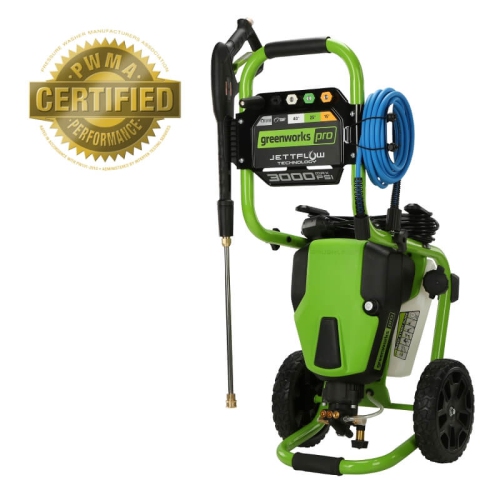 Your price for this item is $499
 -
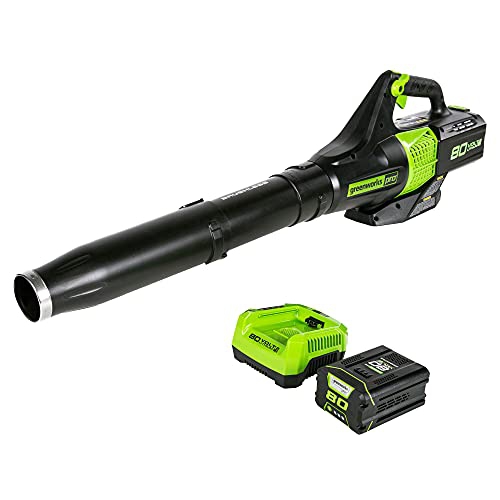 Your price for this item is $255
 -
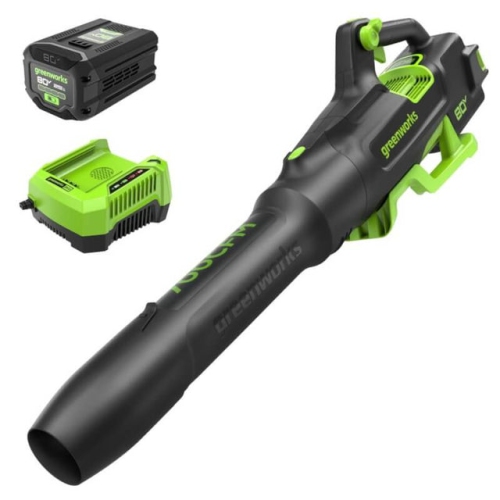 Your price for this item is $272
 -
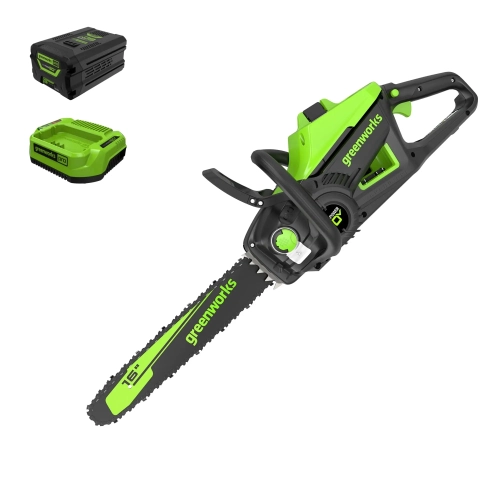 Your price for this item is $329.99
Discover more categories related to Pressure Washer Sprayers
Top Collections:
Pokemon Centers, Kindle Devices, Best Budget Office Chairs, Apple iPhones 16, Best Laptops for Writers, iPhone 15 Apple, Canon G7X Cameras, Refurbished Apple Laptops, Alarm Clock, Motorola Razr Phones
Some products may be subject to Environmental Handling Fees
(EHF) depending on your province.
Learn more about EHFs.