Waterproof LED Lights
Transform your space with the magic of waterproof LED lights. Whether you're looking to create a relaxing ambiance in your backyard, add a touch of glamour to your home decor, or enhance the atmosphere of your next party, these versatile lights are the perfect solution. With their waterproof design, you can easily use them both indoors and outdoors, giving you endless possibilities for illuminating any area. From vibrant colors to customizable settings, these LED lights will bring life and style to almost any space.
Sort
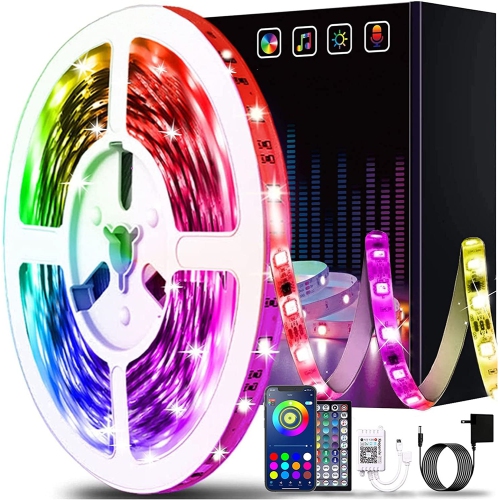

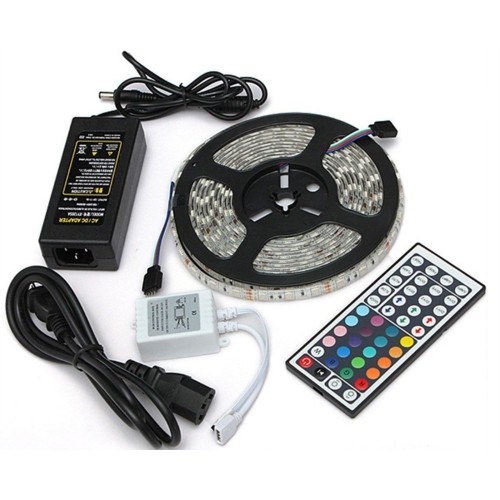


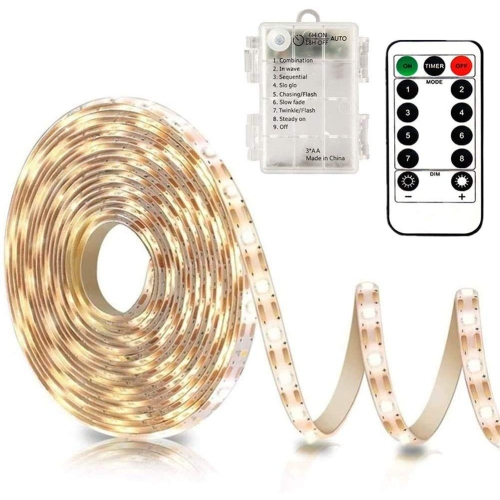


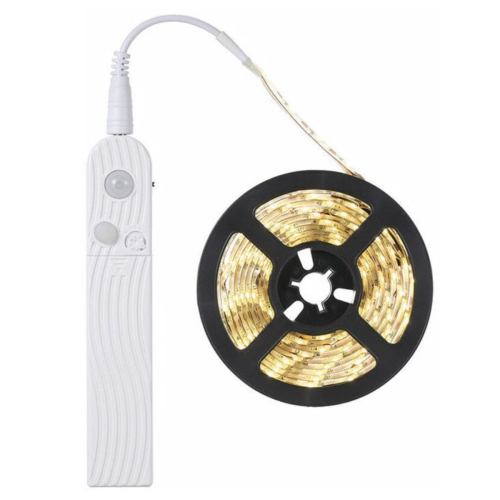
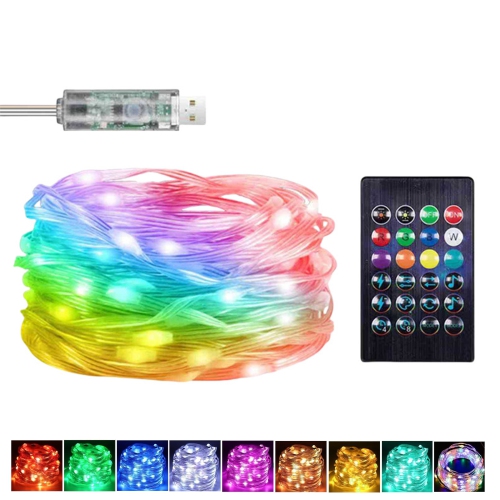
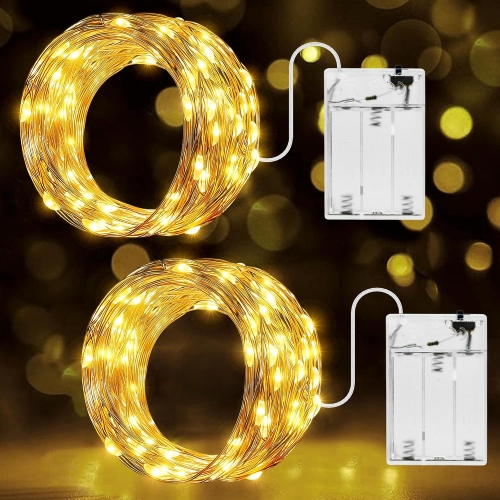

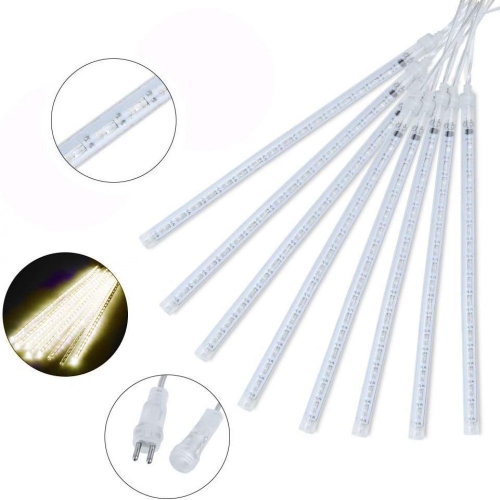

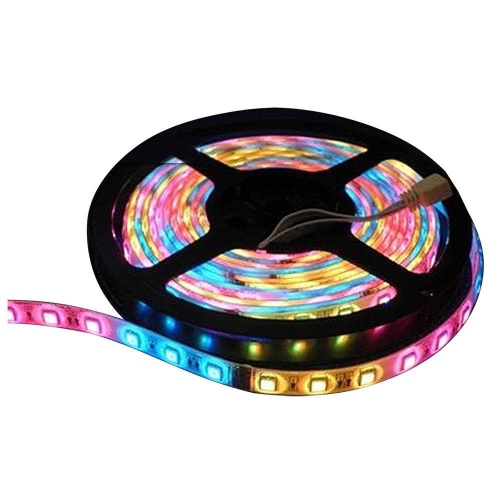




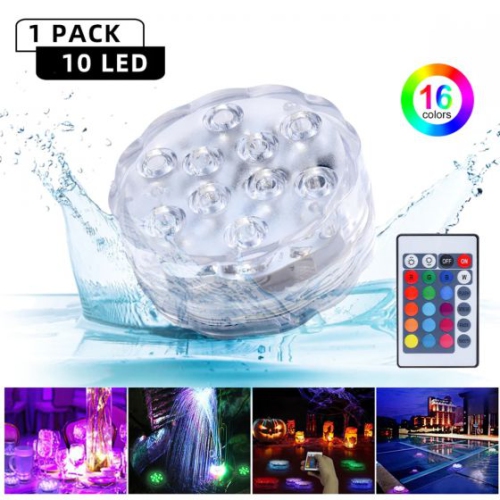


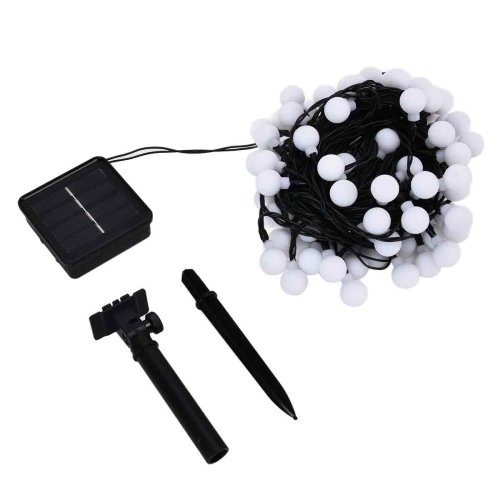


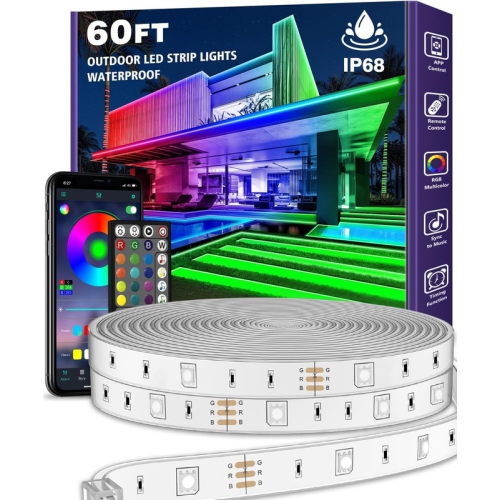

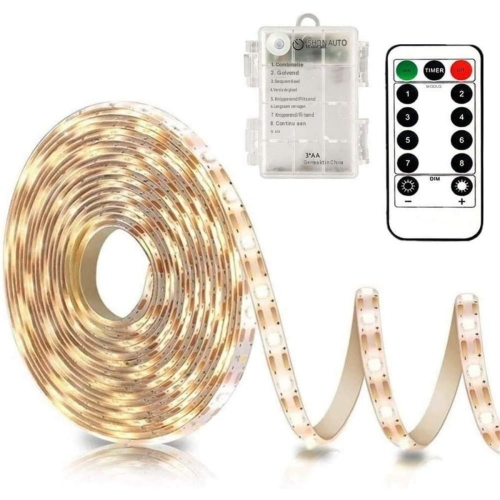










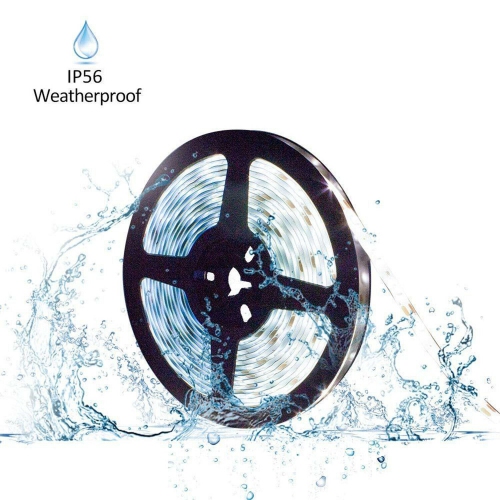


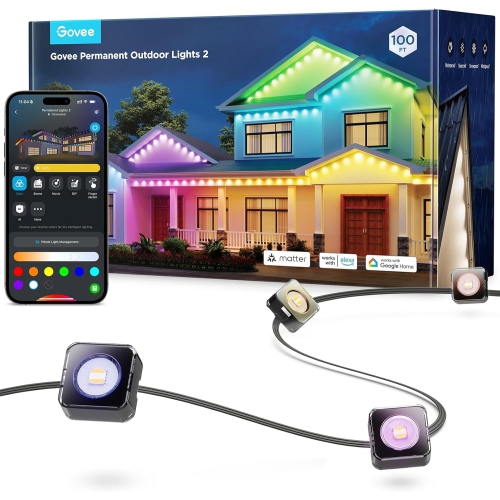
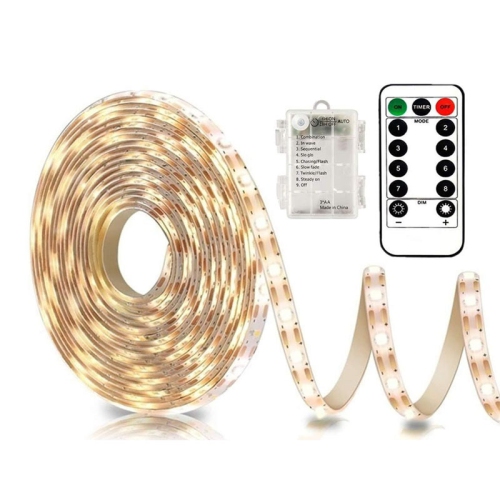

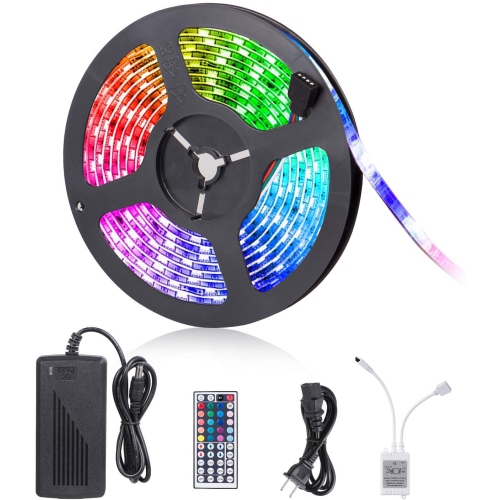
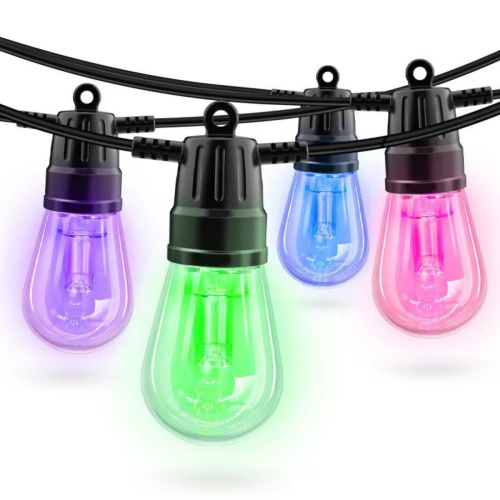

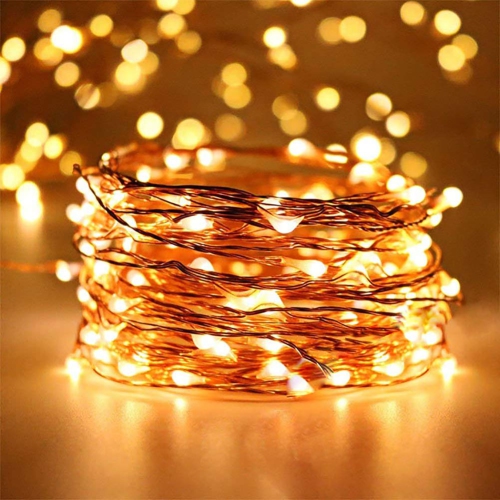


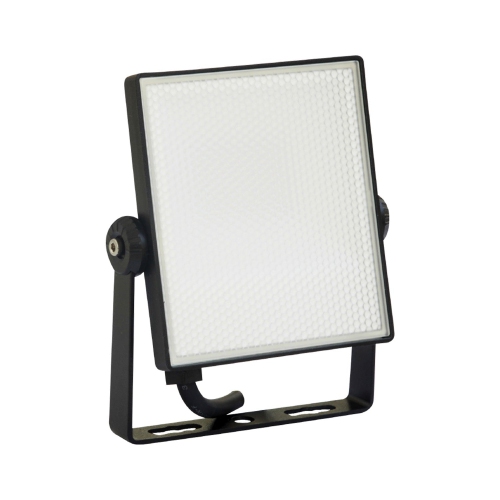
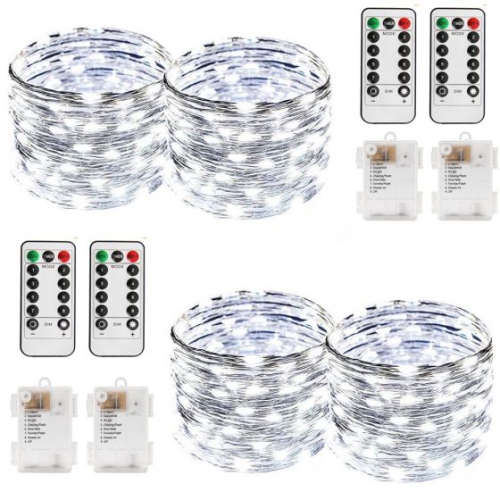





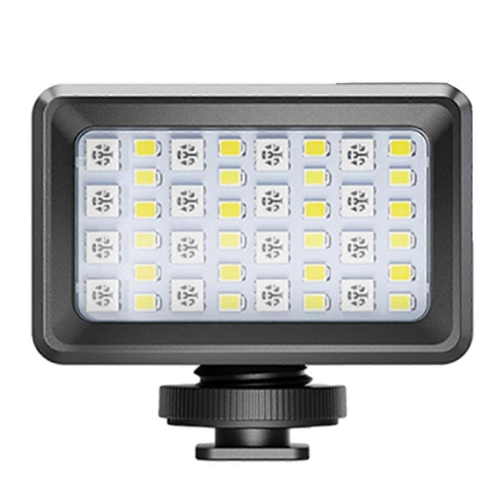


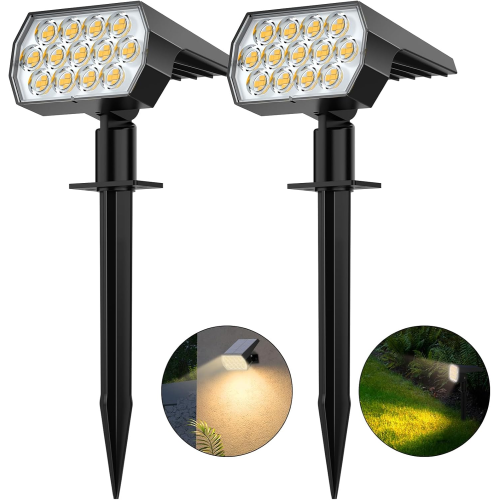
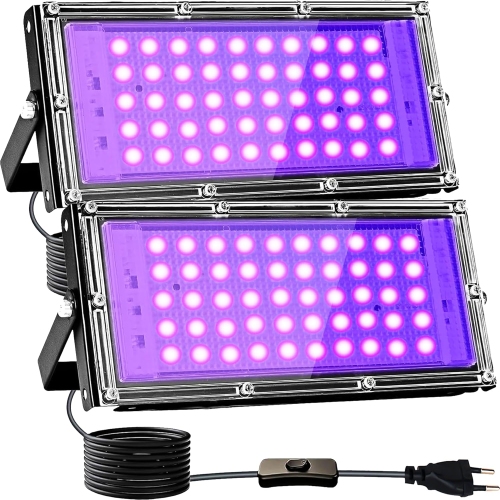
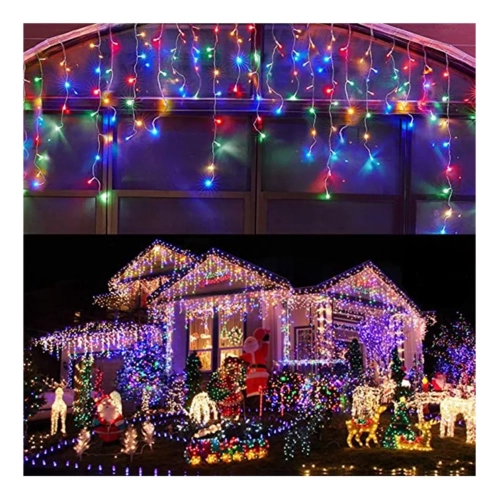






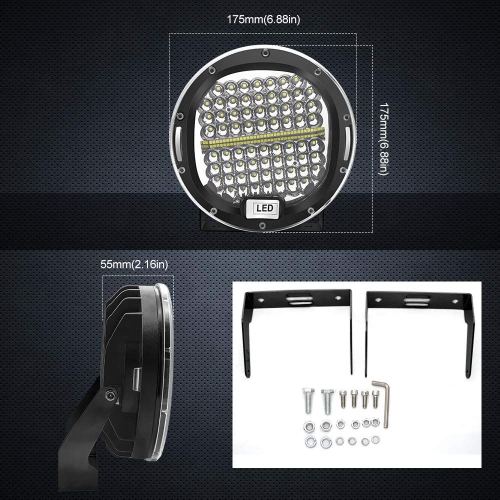

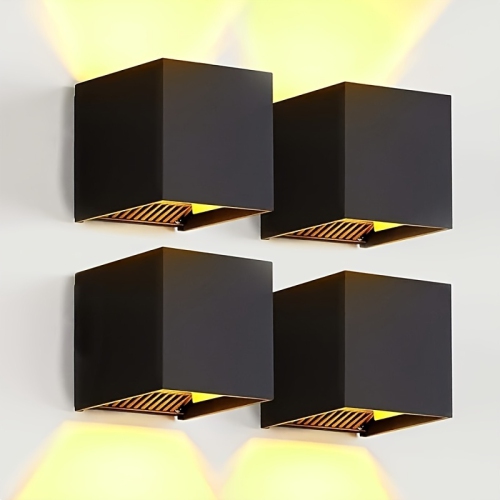
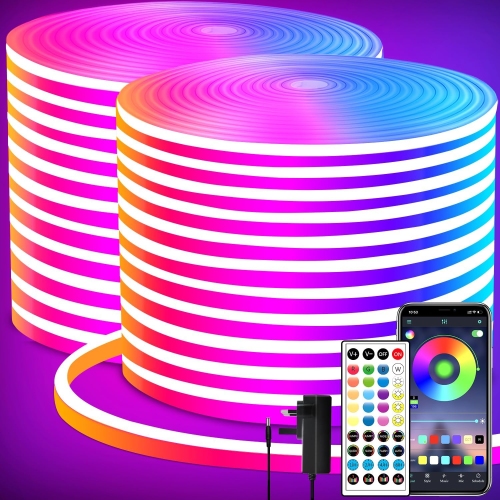


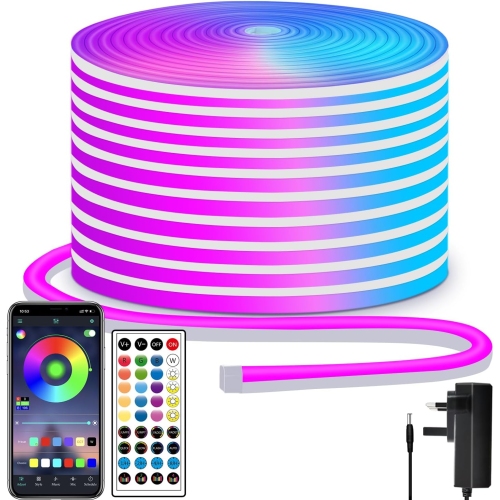
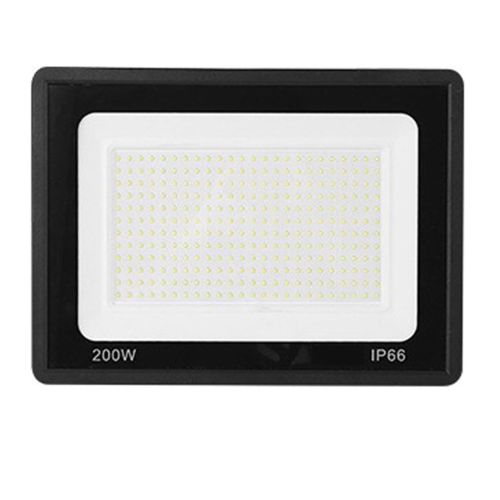


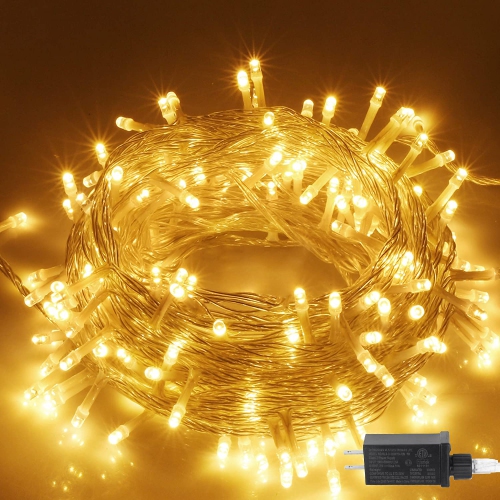


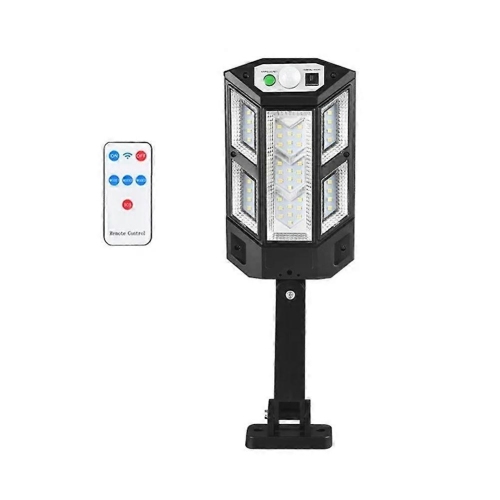

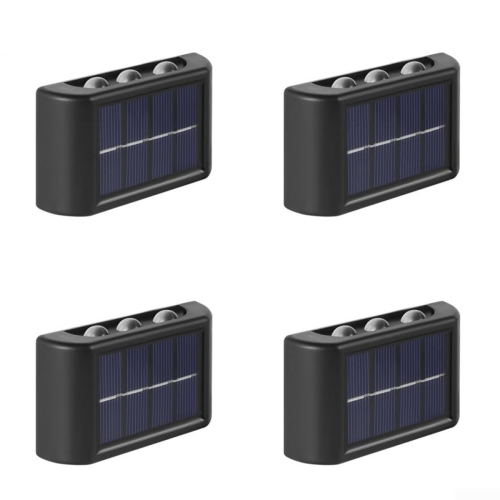



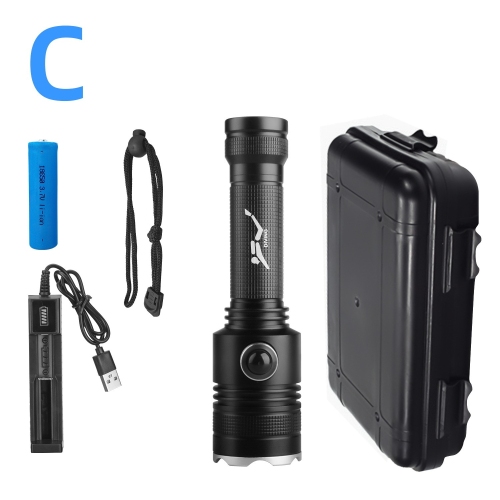
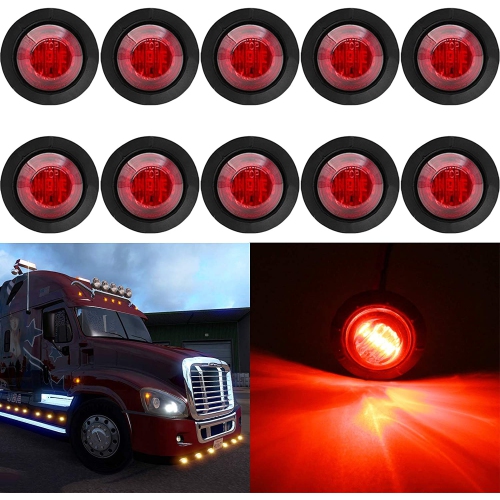
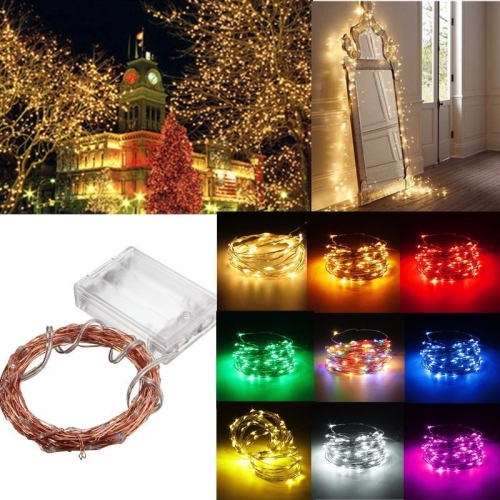
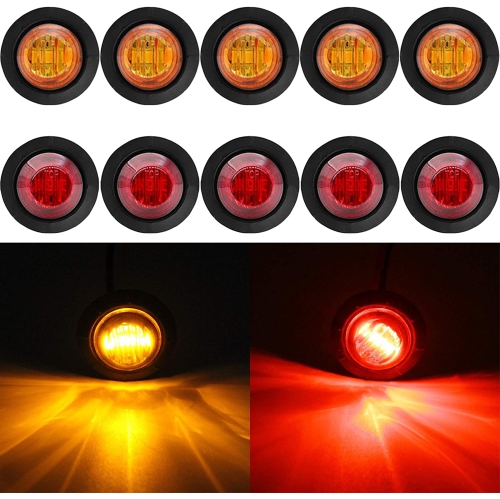


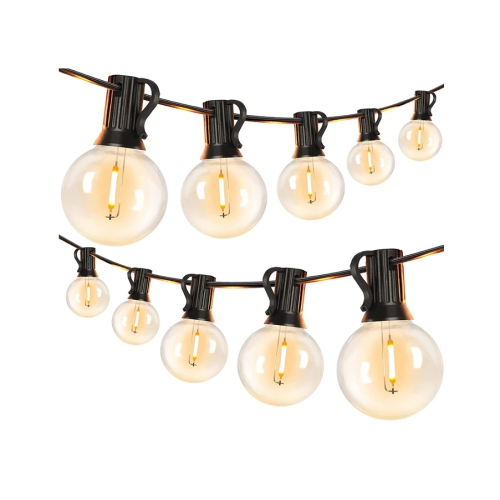
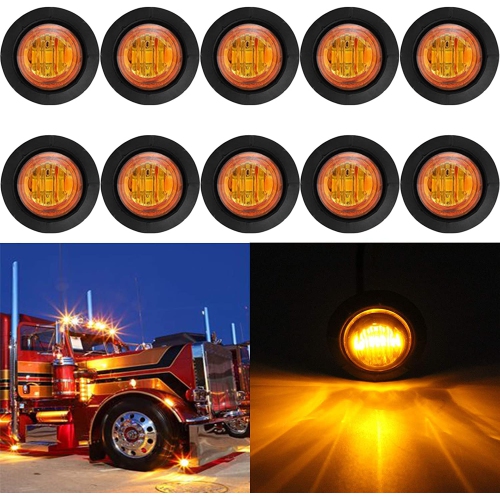
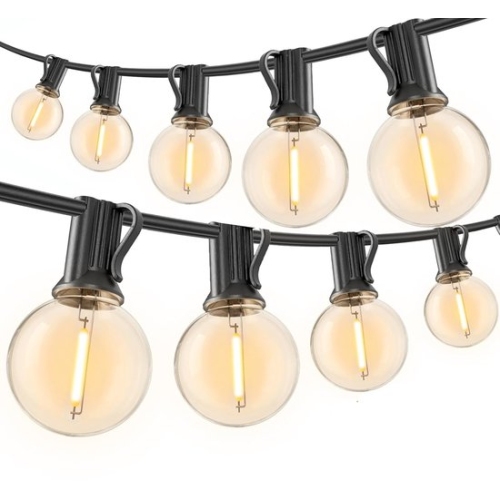
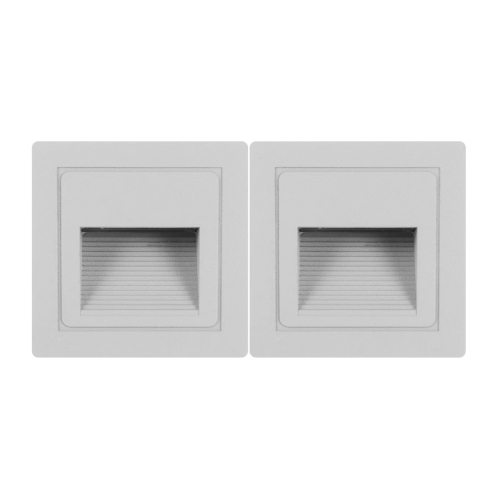

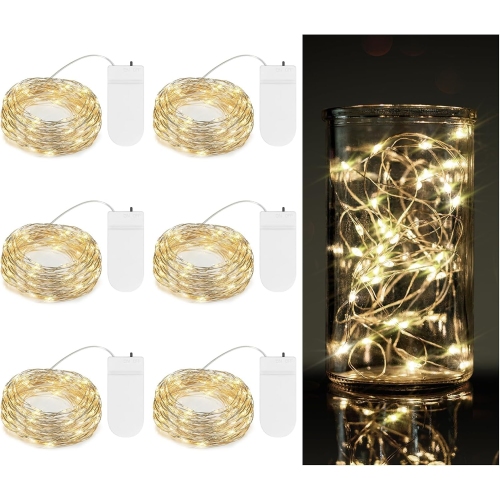
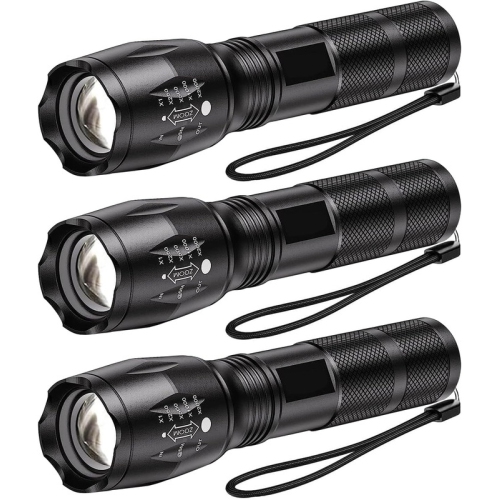

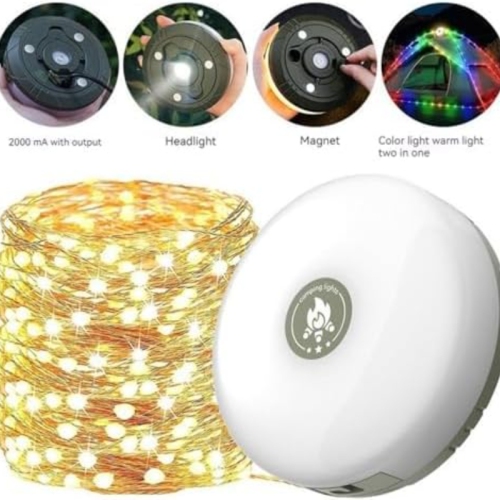
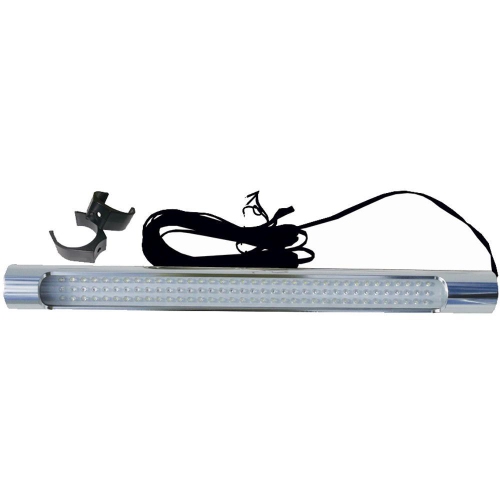

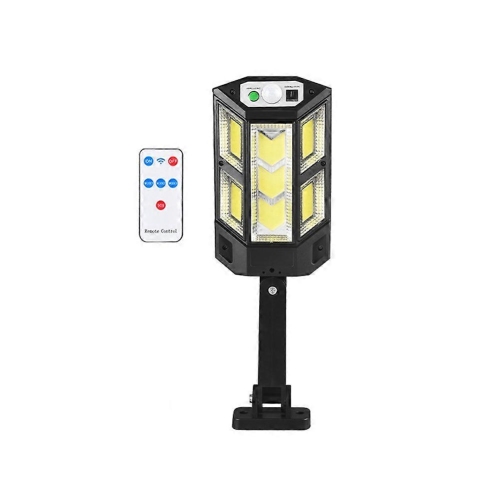
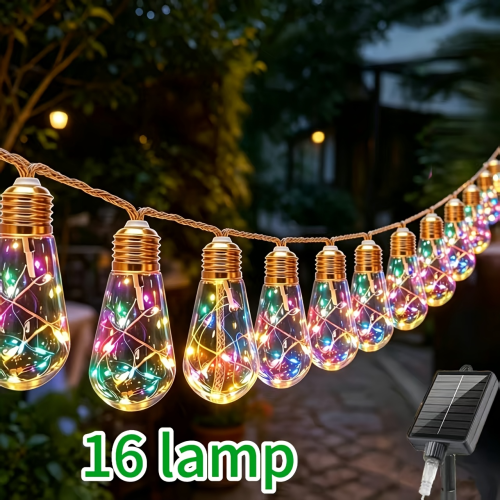


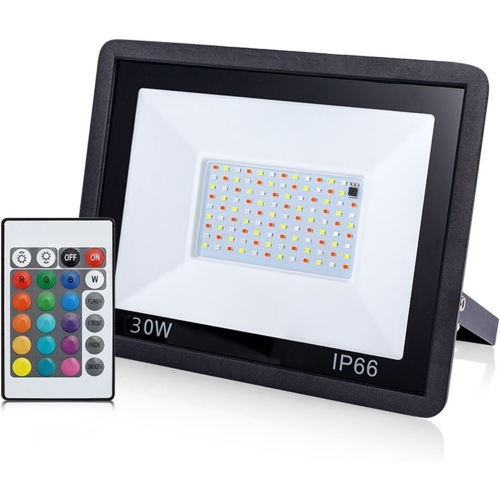
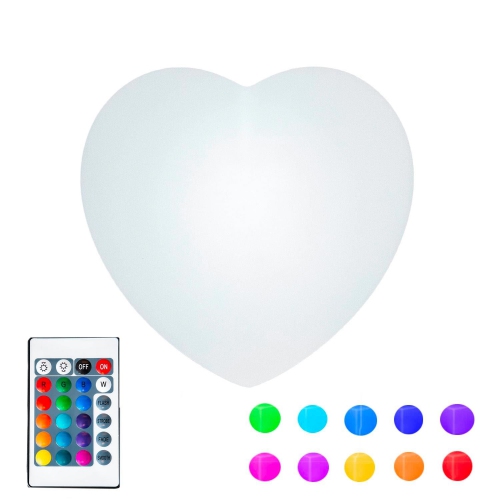
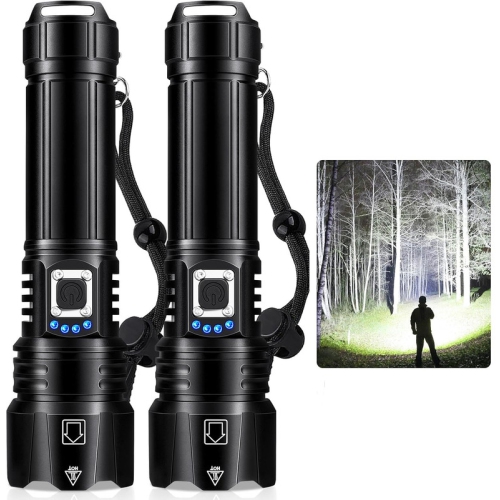
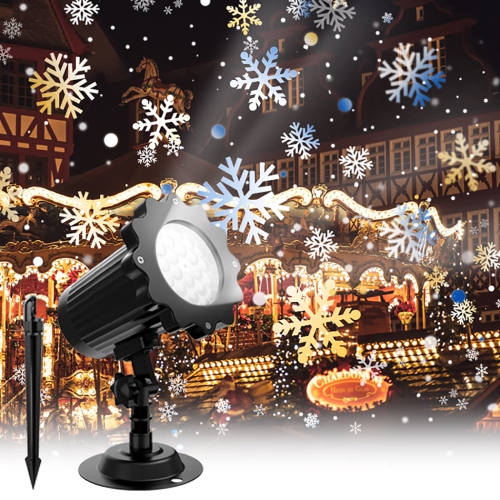
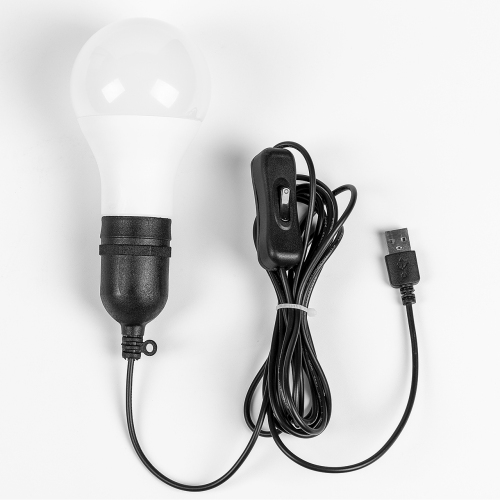
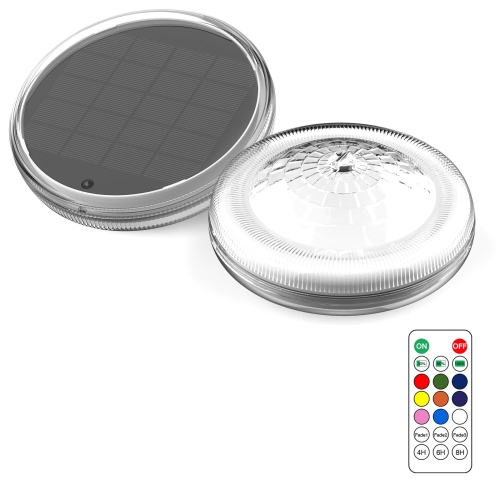




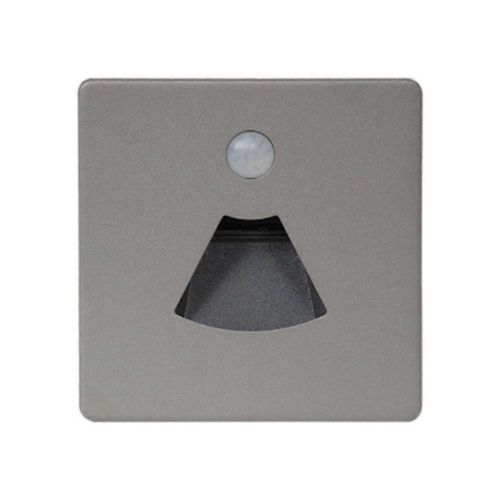
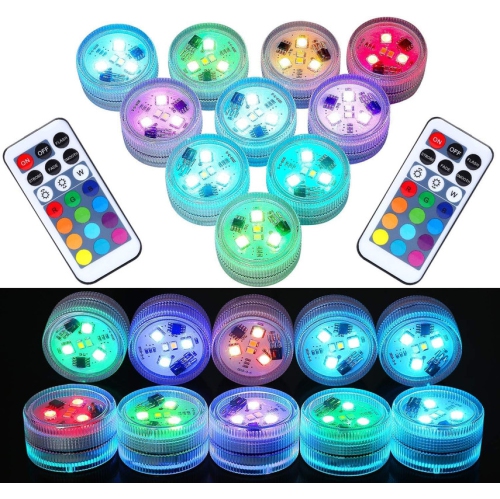
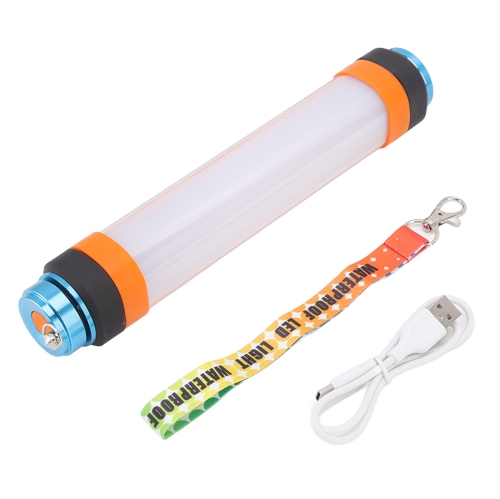
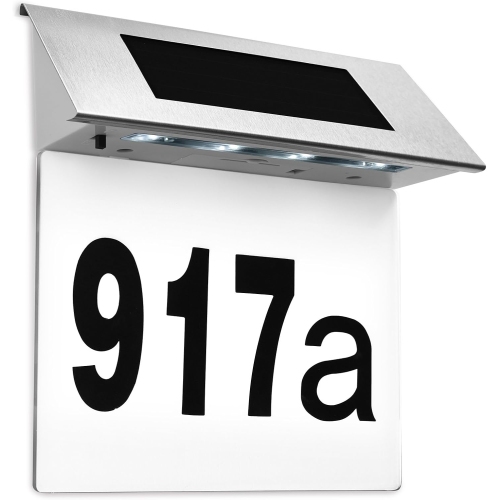
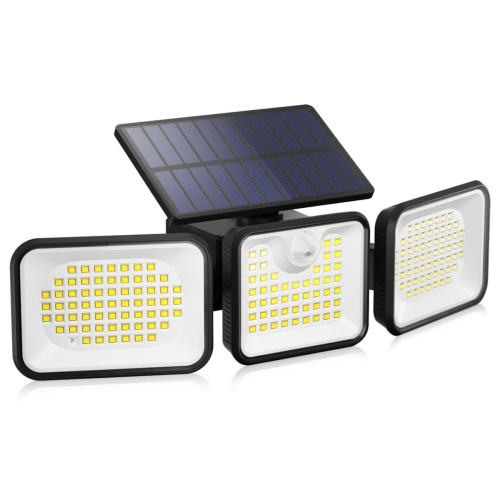

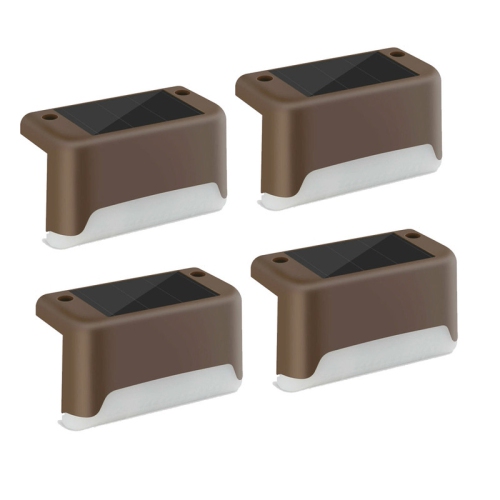
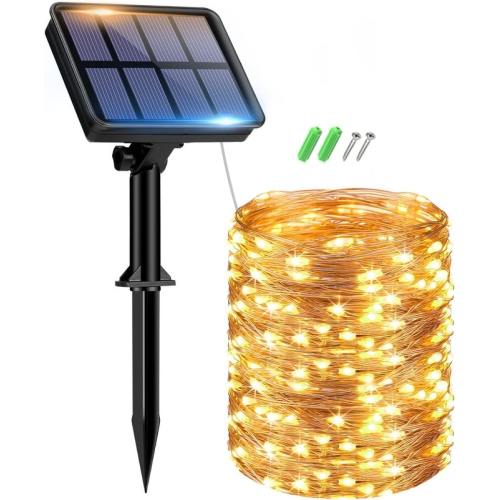

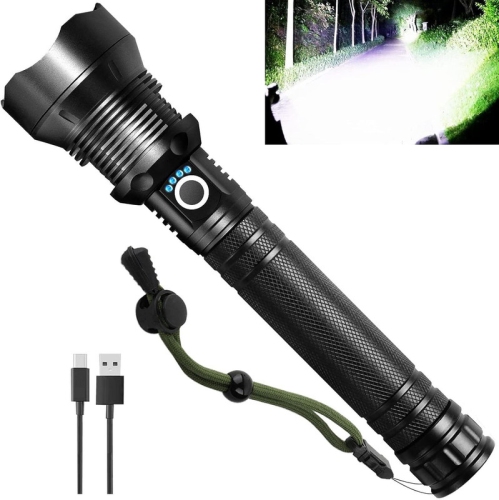
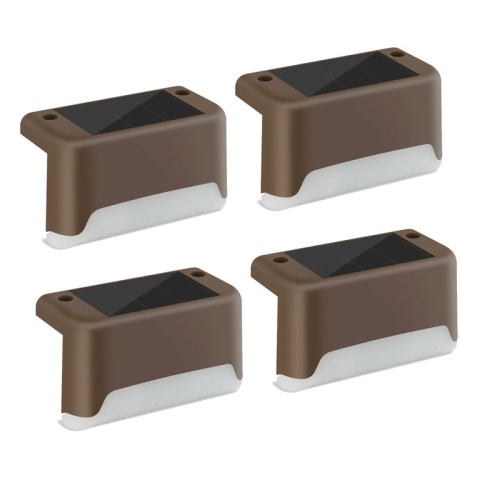

Why some sealed lights can’t go underwater
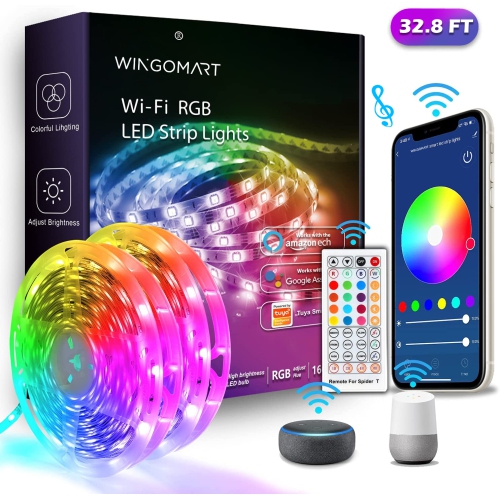
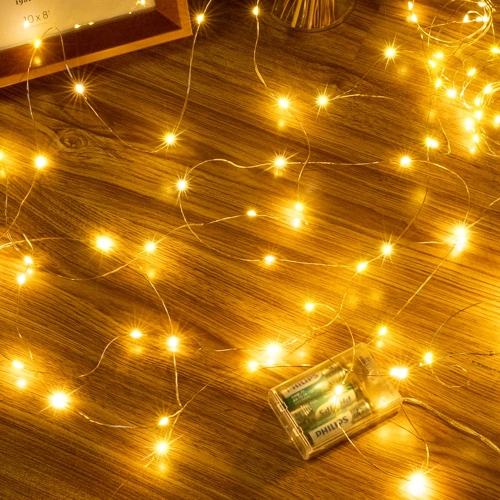
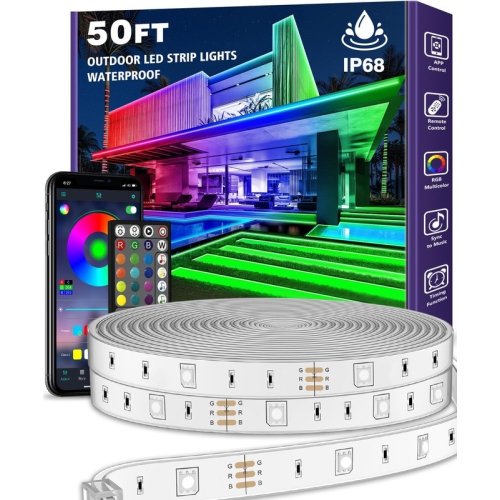
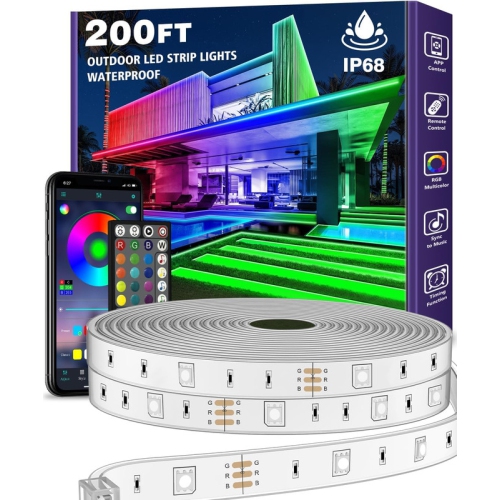
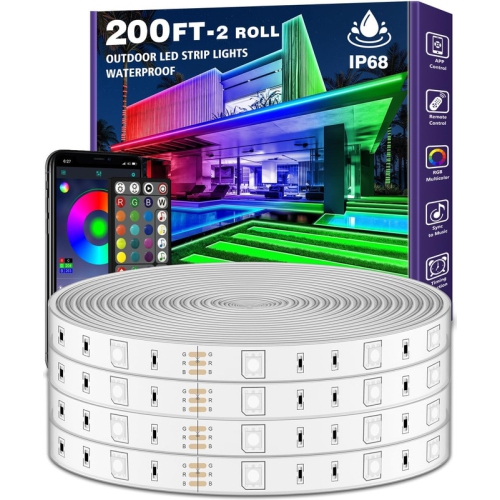
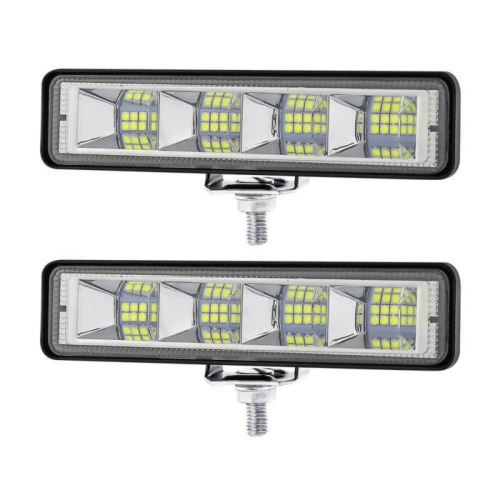
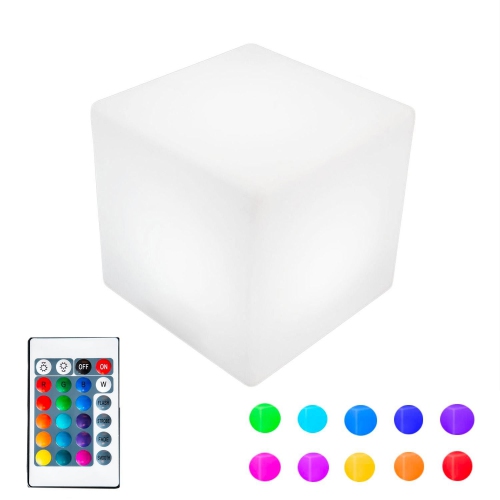
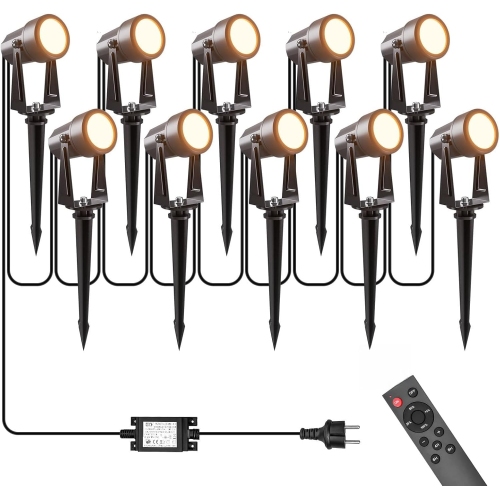
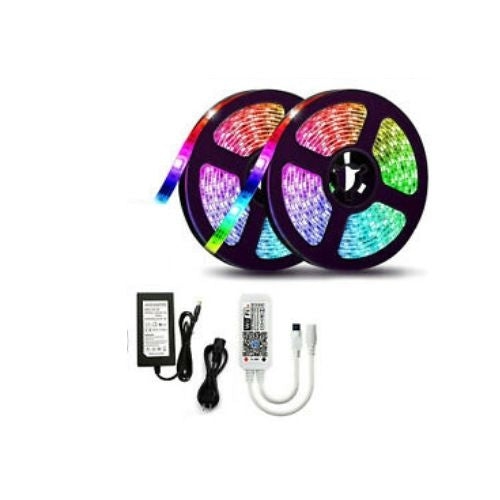
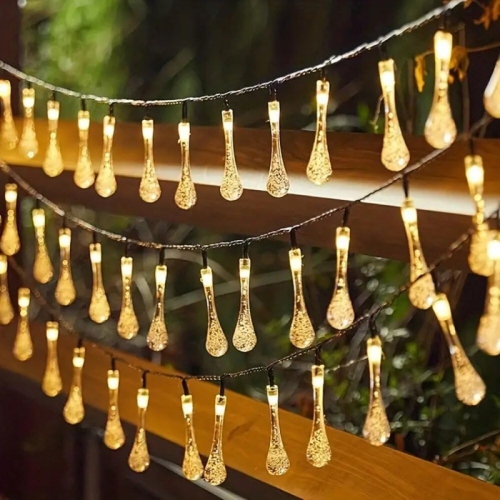
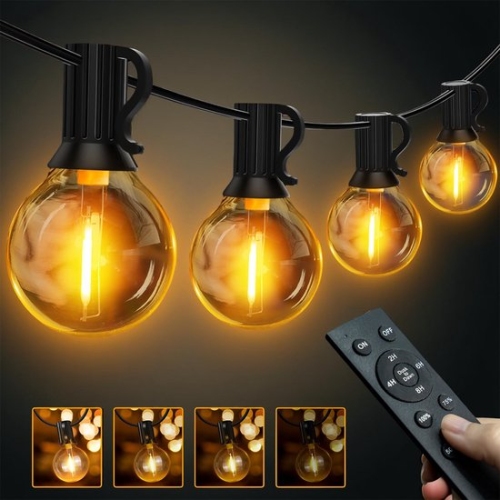
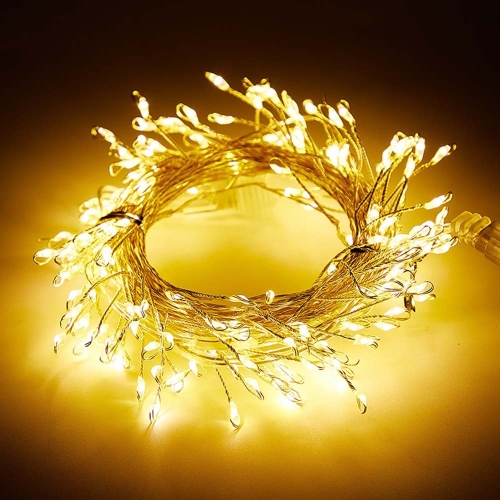
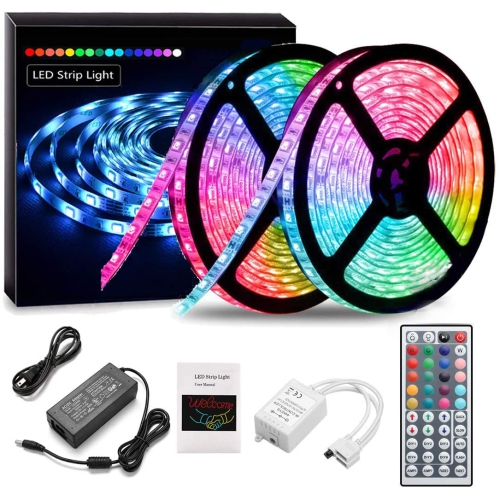
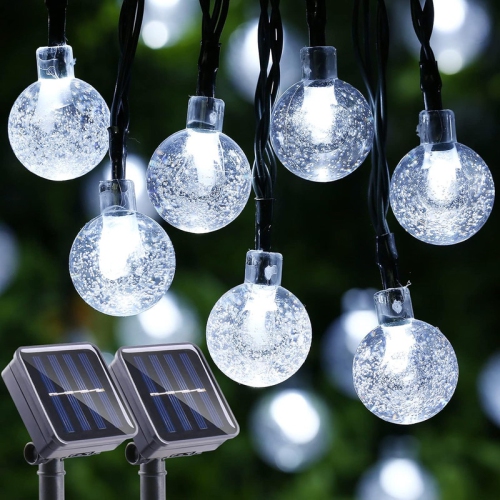
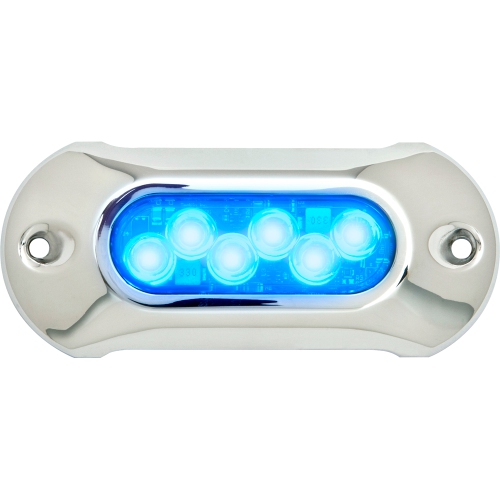
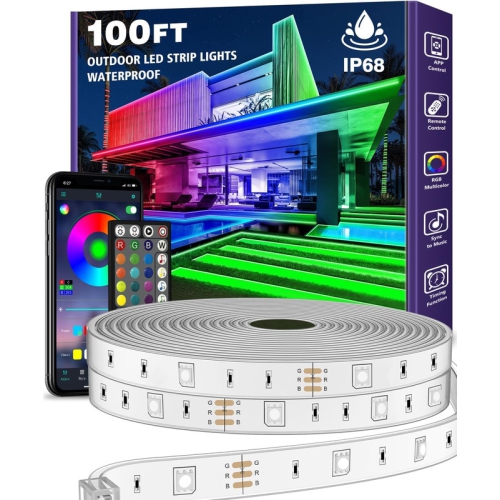
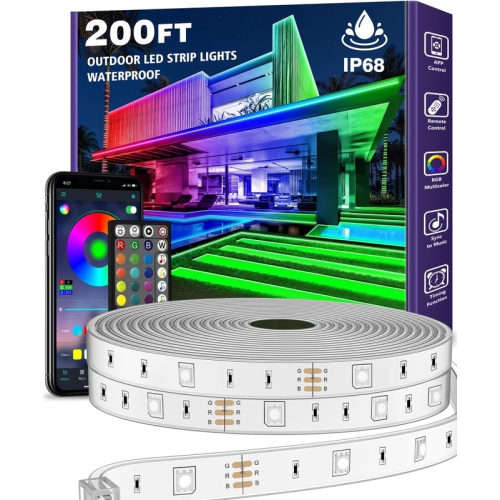
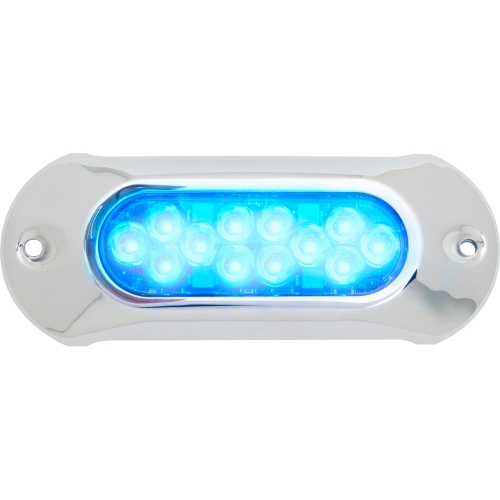
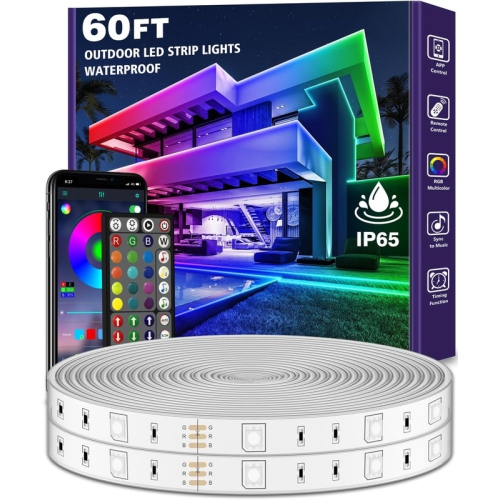
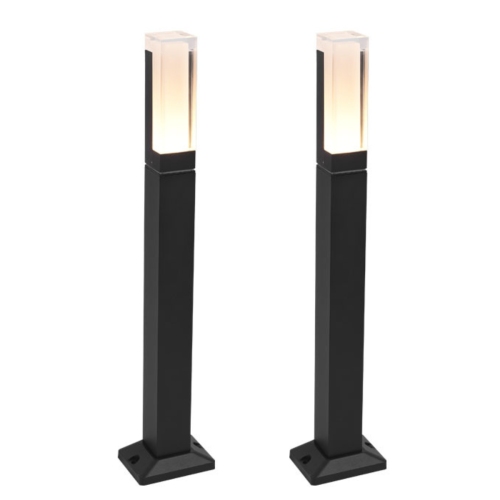
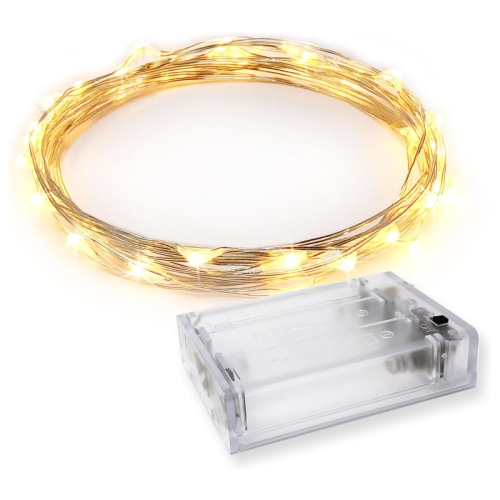
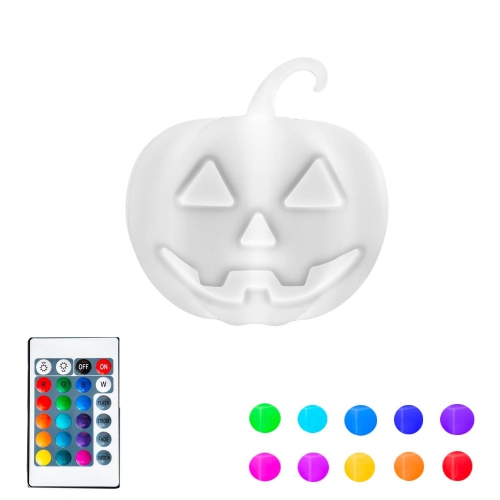
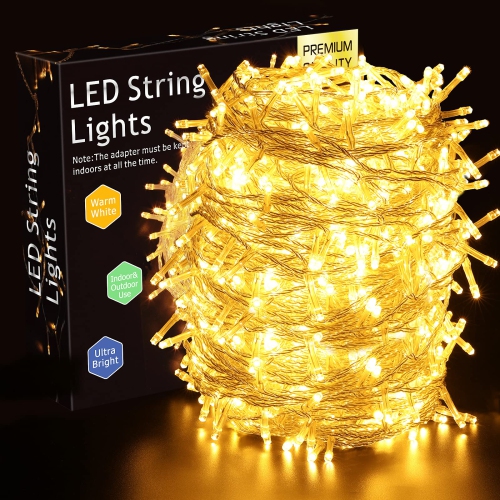
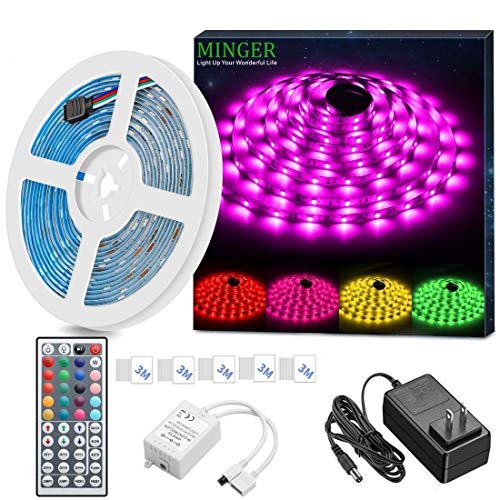
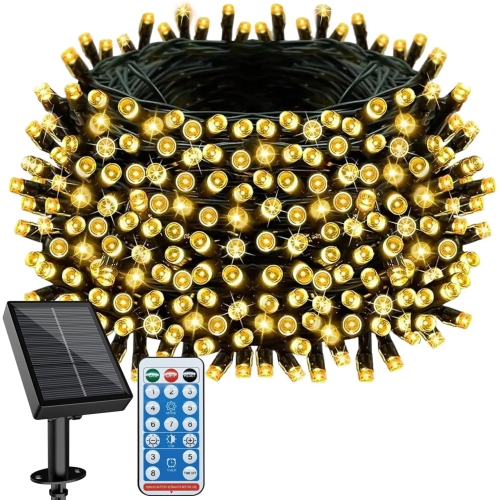
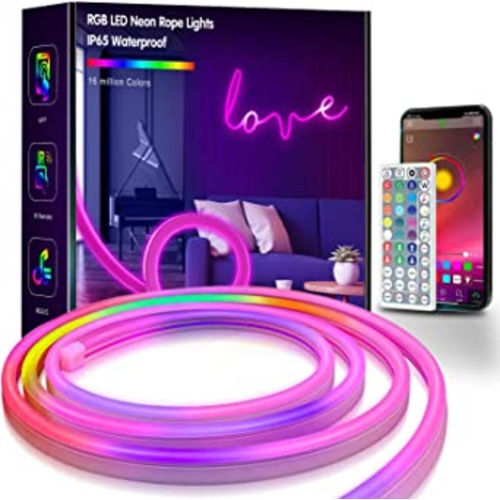
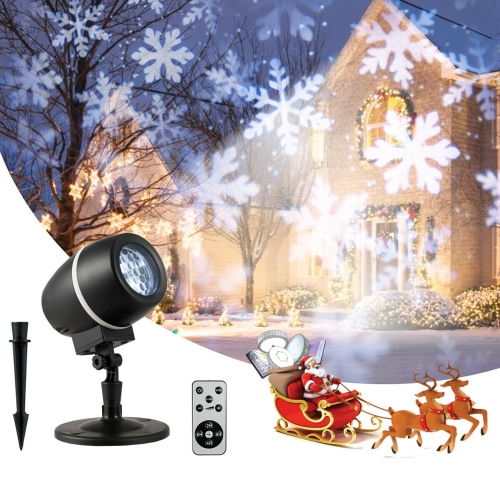
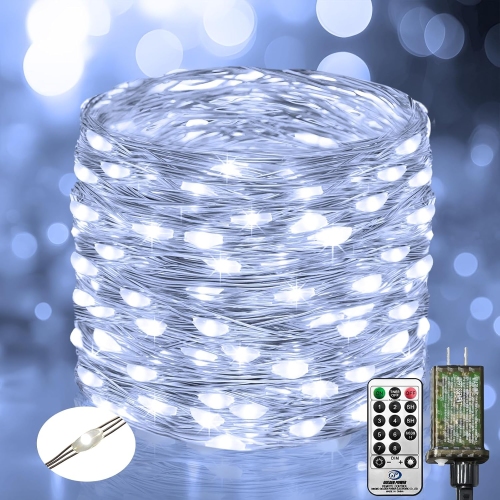
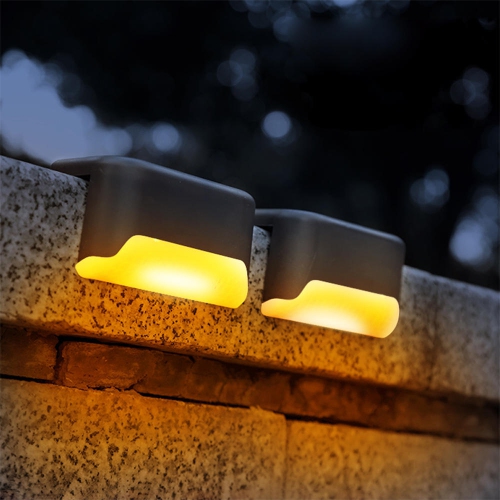
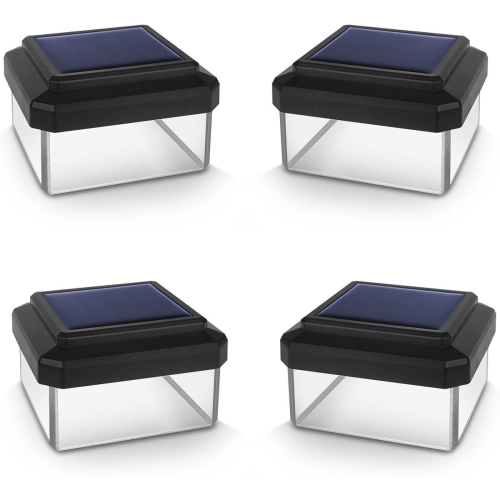
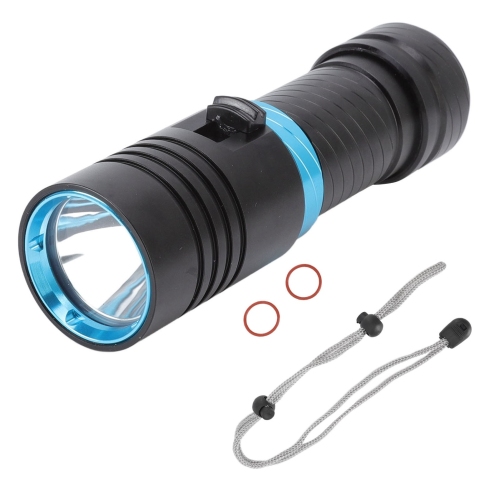
Waterproof LED lights are sealed lighting strips, fixtures, or portable lamps designed to resist water exposure, with the level of protection determined by their construction and Ingress Protection, or IP, rating. They can bring a soft outline to deck steps, brighten a rain-exposed entrance, or add colour around a water feature when the lighting is specifically approved for that installation. The word “waterproof” does not mean that every light can remain underwater: splash resistance, protection against water jets, and suitability for submersion are different capabilities. An IP rating has two digits, with the first indicating protection against solid particles and the second indicating protection against water. IP65 lights are dust-tight and protected against water jets under specified test conditions, but they are not rated for immersion. IP67 lights are dust-tight and protected against temporary immersion, typically in water up to one metre deep for 30 minutes under test conditions. IP68 lights are rated for immersion under conditions specified by the manufacturer, so permitted depth and duration still need to be checked. Neither rating alone establishes that a light is suitable for a swimming pool, salt water, or exposure to cleaning chemicals. IP20 lighting has no rated water protection and belongs in dry indoor locations. For patios, exterior walls, and other areas exposed to rain rather than submersion, weatherproof LED lights offer a closely related category, with suitability still dependent on each light’s stated use and rating. This distinction matters in everyday settings: a strip tucked beneath a covered railing faces different conditions from a fixture beside a splash-prone fountain. Waterproof LED lighting can serve homeowners adding visibility near an entrance, renters looking for removable accent lighting where permitted, or hobbyists illuminating purpose-built displays. Its appeal is both practical and visual, from making a doorway easier to find after dark to creating a comfortable glow around outdoor seating during the cooler months.
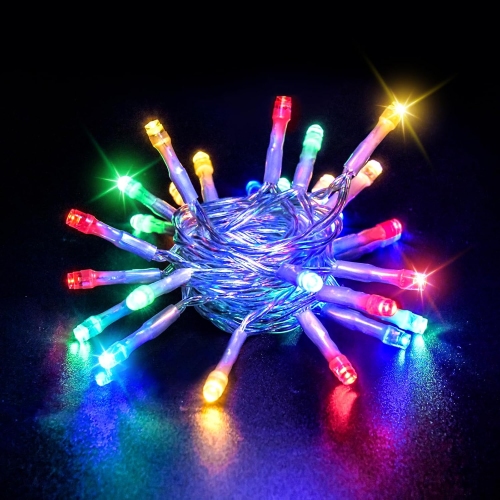
The physical design of waterproof LED lights affects where they fit, how they look, and how well they hold up over time. Flexible LED strips follow straight edges and gentle curves, making them useful beneath handrails or along sheltered architectural details, while rigid bars and enclosed fixtures provide a more defined shape and mounting arrangement. Silicone or resin encapsulation can shield strip components from moisture, and sealed housings may combine aluminium, plastic, glass, or stainless steel parts. Material names alone do not establish durability; UV resistance, corrosion resistance, impact protection, and the stated operating temperature range are separate details worth considering. Outdoor lighting in Canada may face wind-driven rain, snow, and repeated temperature changes, so a water rating should be considered alongside suitability for freezing conditions. In coastal locations or near treated pool water, compatibility with salt or chemicals is especially important. Fit also involves more than the illuminated length. Cable runs, connector size, mounting clearance, and the location of the power supply all affect whether a light can sit neatly in its intended position. For strips, designated cutting points and maximum run lengths matter, and cutting an encapsulated strip may compromise its water protection unless the manufacturer provides an approved resealing method. Tight bends, stretched cables, and pinched seals can also weaken an otherwise suitable installation. Light output deserves equal attention. Lumens indicate brightness, while beam angle influences whether that light spreads across an area or forms a concentrated pool. Warm white light around 2700–3000 K creates a softer feel near seating; cooler white tones can give utility spaces a crisper appearance. Colour-changing lighting adds flexibility for gatherings or a favourite team’s colours, but a useful white-light setting may matter more for regular evening use. Diffused covers and closely spaced LEDs can create a smoother line of light, particularly where the strip itself is visible. Near windows or neighbouring properties, careful positioning helps keep brightness on the intended surface rather than shining into someone’s eyes.
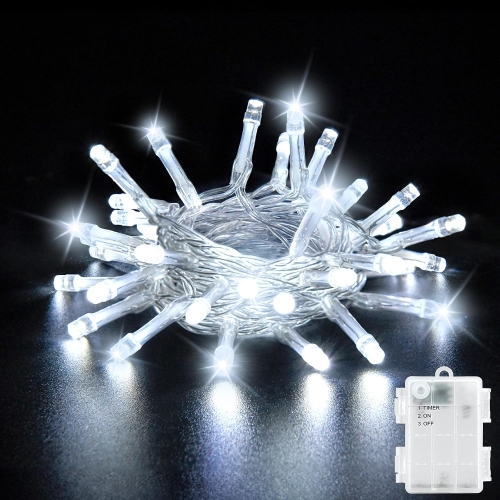
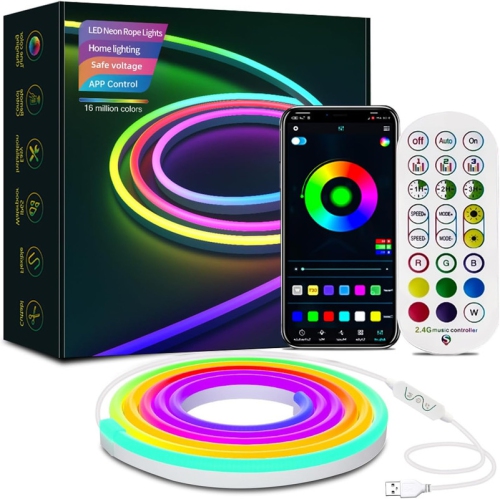
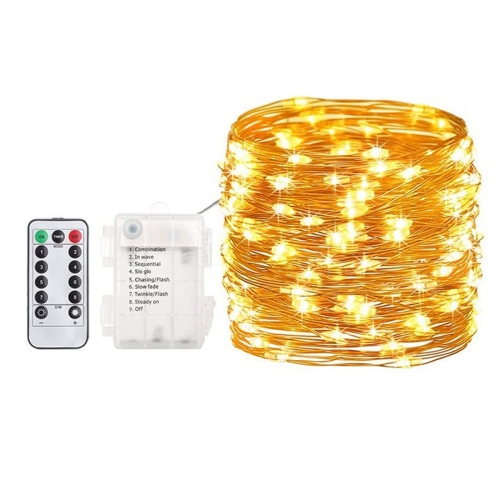
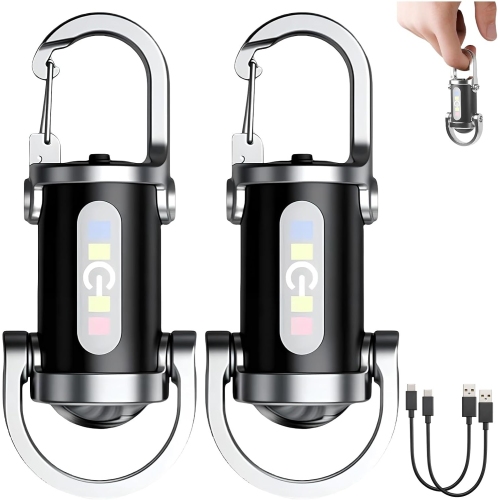
Power, controls, and routine care round out the experience of using waterproof LED lights. Plug-in lighting needs a suitable power source, and a sealed light does not automatically make its adapter, controller, connectors, or extension cord safe outdoors. Every exposed component needs to be suitable for its location, with connections arranged as the manufacturer directs. Outdoor electrical installations should use appropriate ground-fault protection, and hardwired work or lighting near pools and spas calls for qualified installation that meets applicable electrical requirements. Low-voltage strips commonly use a separate power supply; matching voltage, allowing the specified power capacity, and observing run-length limits helps prevent uneven brightness and unreliable operation. Battery-powered lighting can be convenient where a cord would be awkward, although runtime depends on brightness, settings, battery type, and temperature. Rechargeable designs also have charging-port seals that need to be closed correctly before exposure to moisture. Controls range from simple switches and remotes to timers, motion sensors, and app-based features. For connected lighting, Wi-Fi coverage at the actual installation point matters, especially beyond an exterior wall or at the far end of a deck. Physical controls can still be useful when a phone is not nearby, while a timer can keep accent lighting on a predictable schedule. Care is usually straightforward but should follow the instructions for the light’s materials and seals. Disconnect power before cleaning, use a soft cloth and an approved cleaning method, and avoid directing a pressure washer at housings or connectors. Periodic checks for cracked covers, loose mounts, damaged cables, and worn seals are particularly useful after severe weather. Leaves and debris should not collect around fixtures or obstruct drainage. Removable lights may need dry storage when temperatures fall outside their operating range. As a gift, waterproof LED lighting can suit someone who enjoys hosting outdoors, improving a workshop, or adding atmosphere to a balcony, provided the mounting style, power source, and permitted use match their space. A well-matched setup feels unobtrusive in daylight and purposeful after dark, whether it casts an even wash across an entryway or traces a quiet line beneath a deck railing.
Top selling and popular products
-
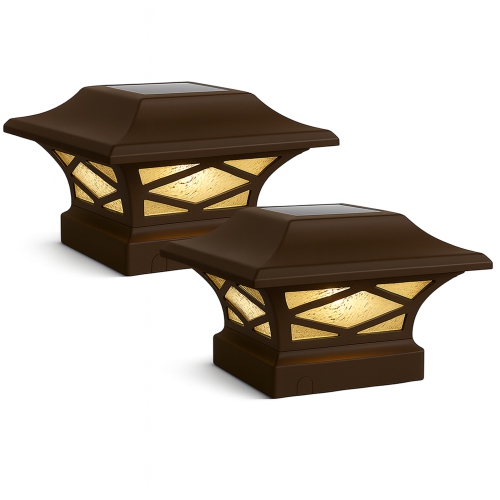 Your price for this item is $99.99
-
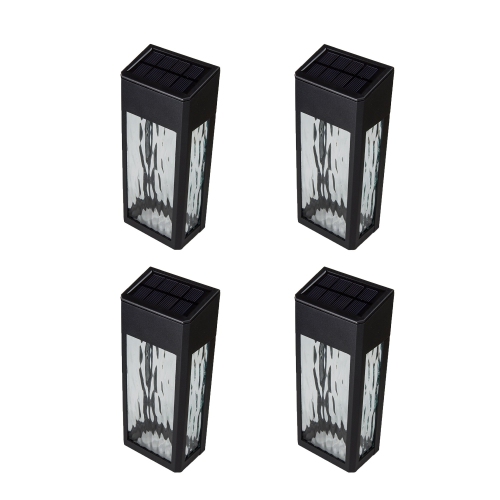 Your price for this item is $73.99
-
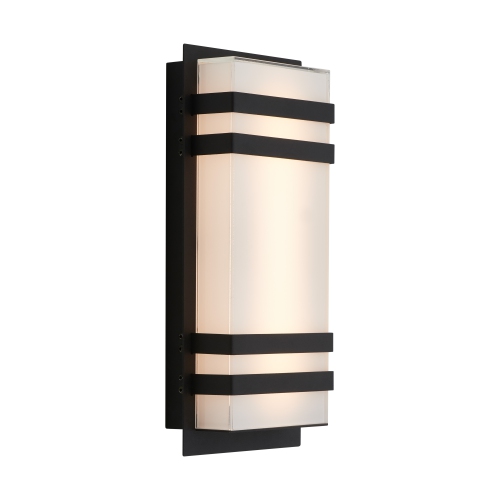 Your price for this item is $59.99
-
 Your price for this item is $69.99
-
 Your price for this item is $99.99
-
 Your price for this item is $99.99
-
 Your price for this item is $99.99
-
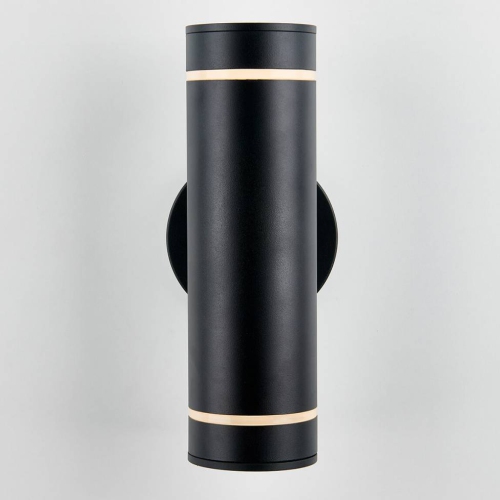 Your price for this item is $99
Discover more categories related to Waterproof LED Lights

Top Collections:
Pokemon Centers, Best Cameras for Sports Photography, Kindle Devices, Samsung Galaxy Phones, Canon G7X Cameras, Pokémon 30th Celebration Cards, Refurbished Apple Laptops, iPhone 15 Apple, Laptops for Students, Budget Smartphones
Some products may be subject to Environmental Handling Fees
(EHF) depending on your province.
Learn more about EHFs.