Ways To Display Indoor Plants
Ways To Display Indoor Plants can transform any room into a vibrant, inviting space. Whether you’re looking to create a cozy corner or add a touch of greenery to your shelves, the right display options make all the difference. Explore creative solutions that help showcase your favorite foliage, elevate your home décor, and bring natural beauty indoors. Discover versatile choices to suit every style and space, making it easy to highlight your indoor plants with flair.
Sort

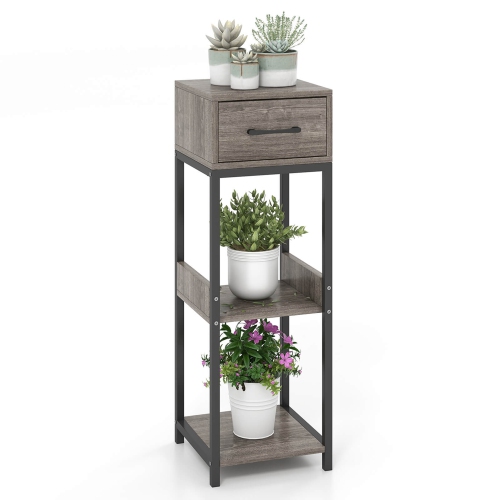
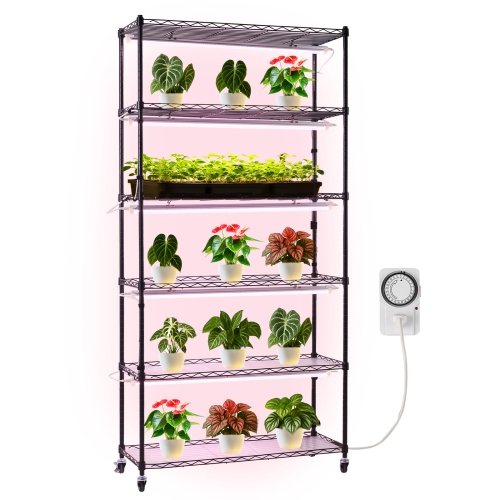
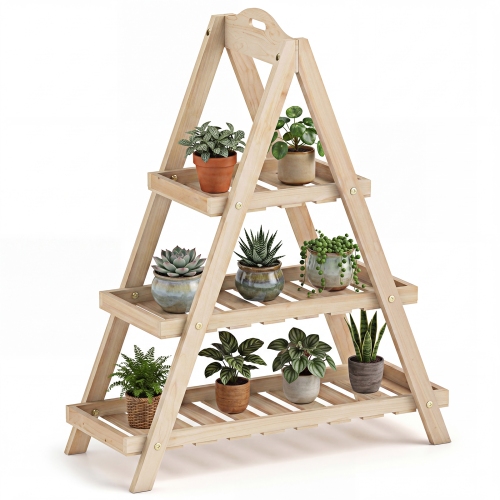
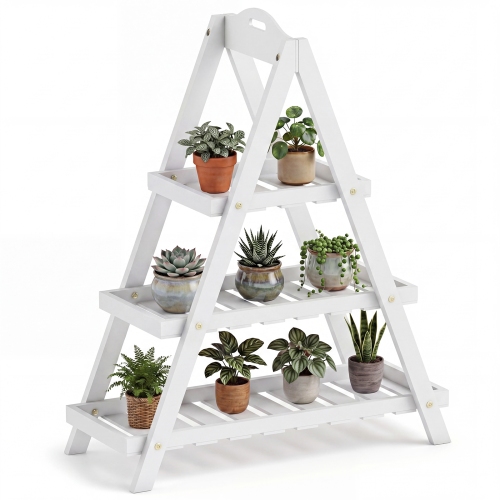
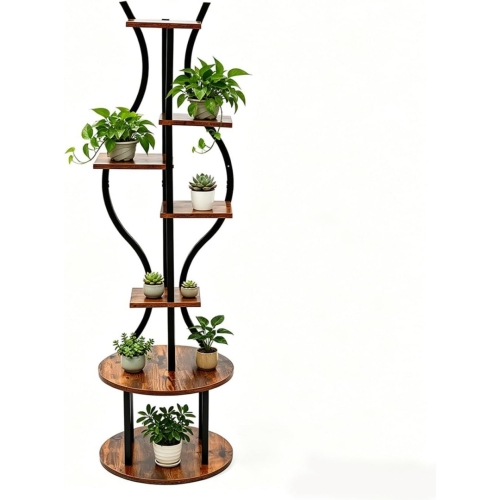
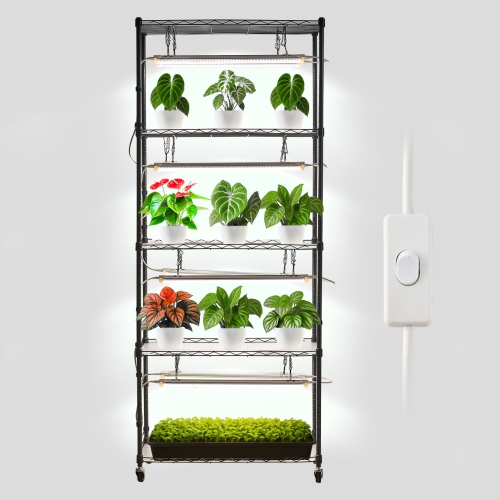
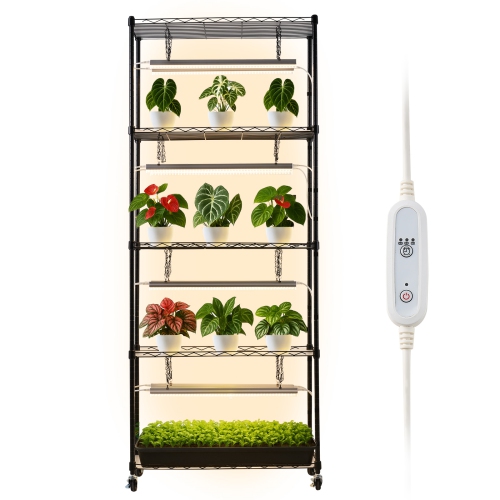
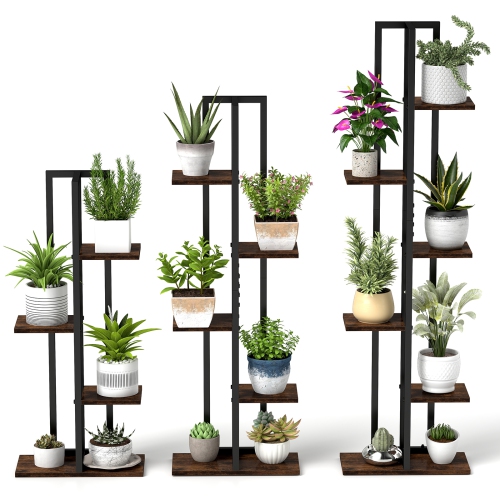

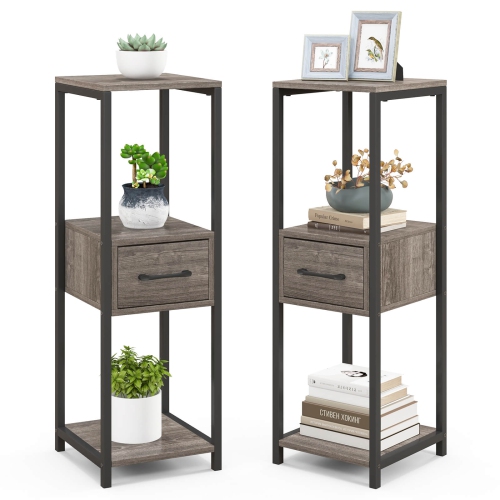
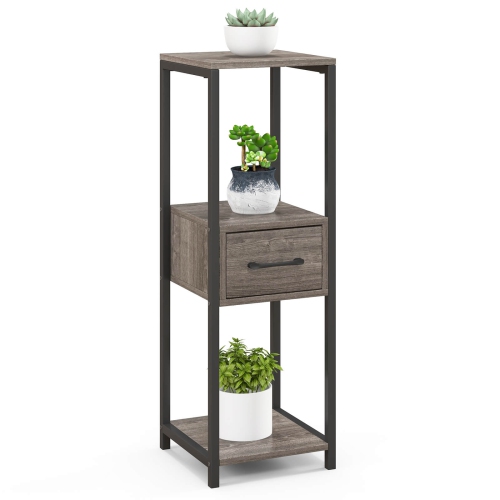
What makes a plant display work beyond its looks
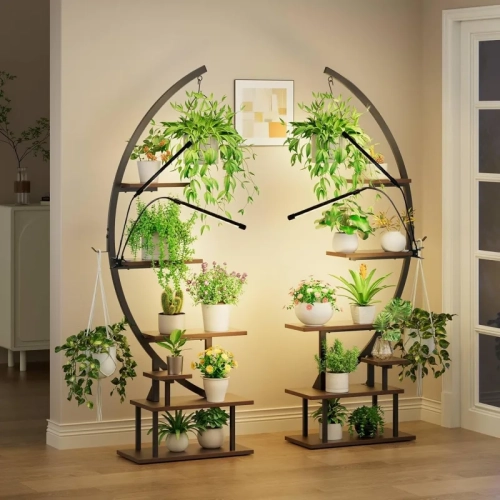
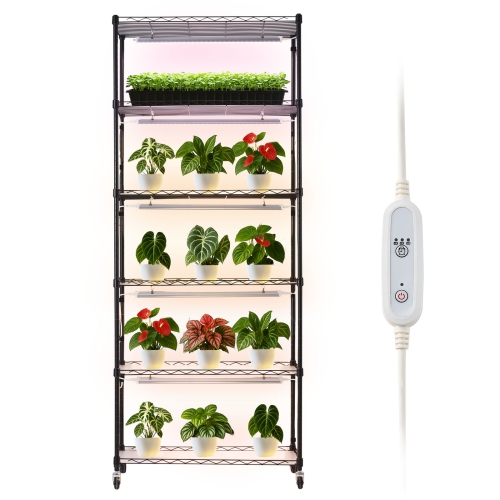
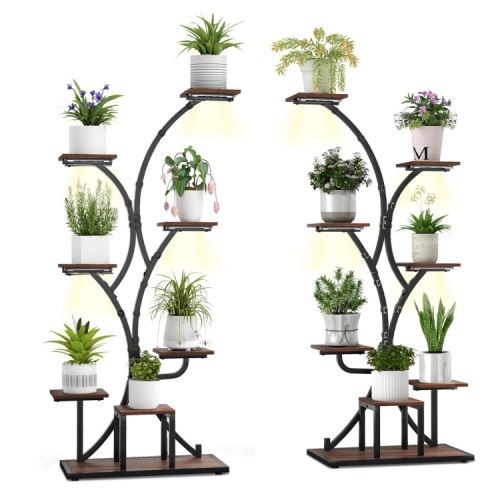
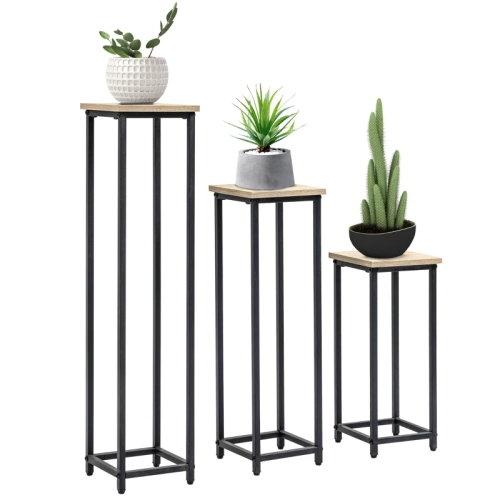
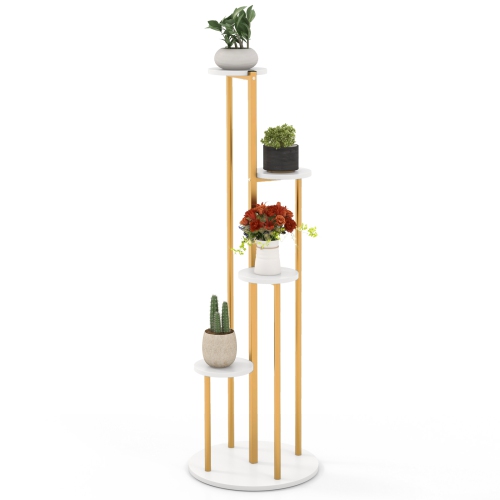
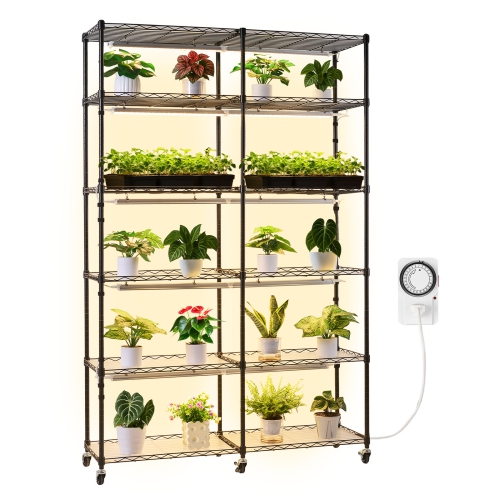
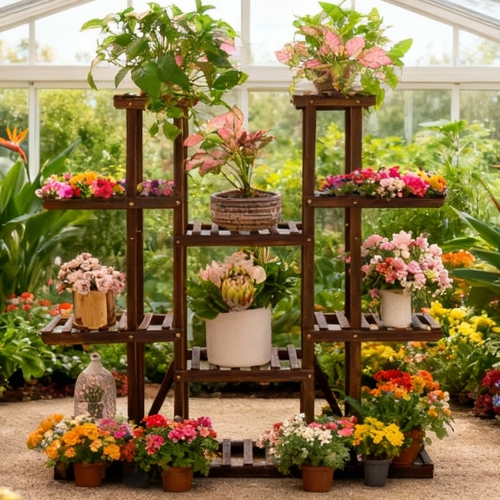
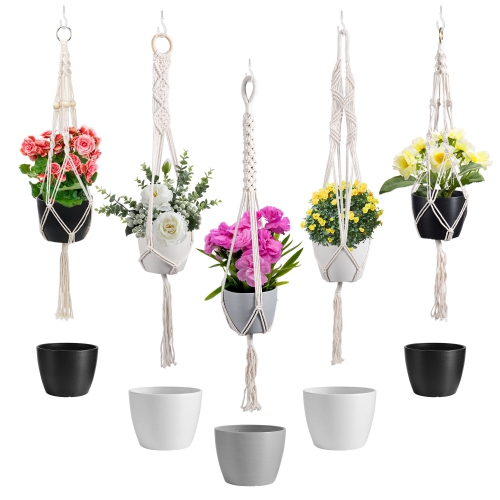
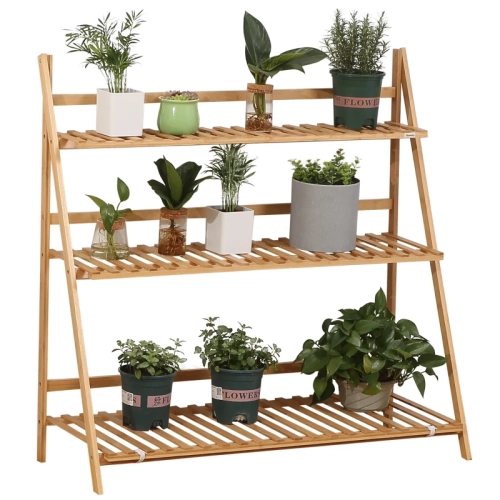
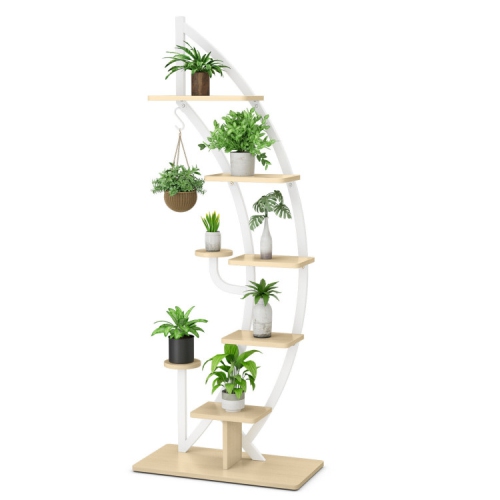
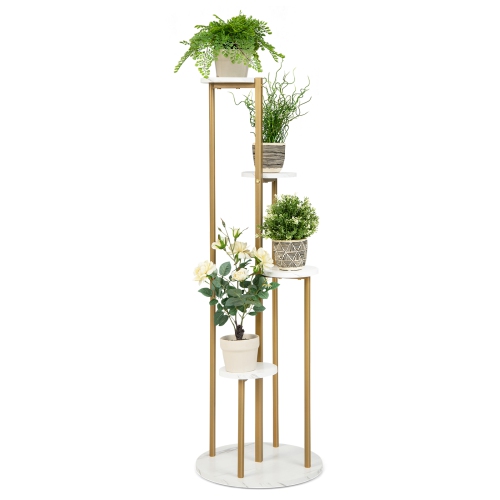
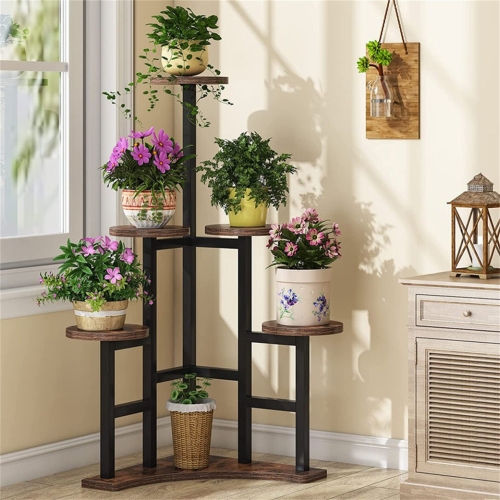
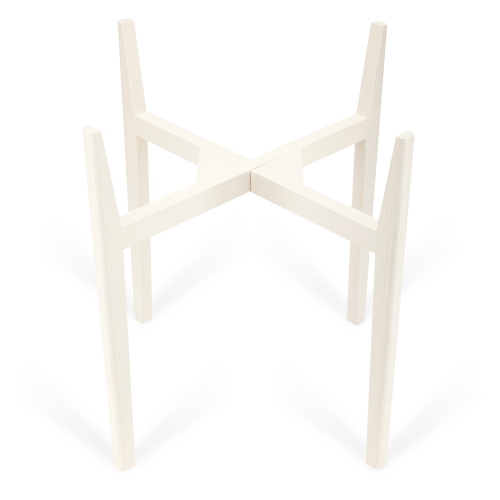
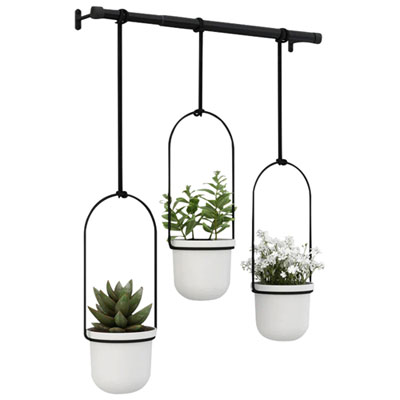
Plant stands, tiered shelves, hanging holders, wall-mounted supports and tabletop planters offer different ways to display indoor plants, from a single leafy accent beside a chair to a layered arrangement across an open wall. Each format changes how greenery fits into a room. A raised stand gives a floor-level plant more presence without requiring a larger pot, while a tiered design groups several containers within a relatively small footprint. Hanging holders leave the floor clear and give trailing stems room to fall naturally. Wall-mounted displays can bring interest to an otherwise unused area, provided the wall structure and mounting hardware can support the full load. For a quieter arrangement, a planter on a side table or a low shelf adds texture without becoming the room’s main feature. The most suitable display balances the plant’s light requirements with the practical demands of the space. A bright corner may work well for some varieties, but a holder’s appearance alone does not determine whether a plant will thrive there. Access for watering, room for leaves to spread and clearance around curtains also affect the fit. In a narrow living room, a slim stand beside a sofa can be easier to accommodate than a wide shelving unit. In a home office, a compact display beside the desktop keeps greenery visible without crowding a keyboard or monitor. Useful measurements include the container’s outside diameter, the holder’s inside opening, shelf depth and the distance between tiers. A pot that fits across a shelf may still be too tall once the foliage is included. The weight of the container, soil and water matters as much as its dimensions, particularly for suspended or elevated arrangements. Displays also need to leave comfortable routes through doorways and around furniture, with no trailing stems or projecting supports catching on clothing. These everyday details help distinguish a holder that simply looks appealing from one that suits the room and remains convenient to use.
Materials influence both the character of a plant display and the care it needs. Wood brings visible grain and warmth to shelving and stands, with finishes ranging from pale and understated to darker tones that complement substantial furniture. Bamboo has a distinctive texture and can suit lighter-looking arrangements. Both need protection from standing water, since repeated spills may mark a finish or affect joints over time. Metal frames can create slender outlines, geometric shapes or a more substantial furniture-like base; their suitability for damp contact depends on the material and protective finish. Glazed ceramic containers offer smooth surfaces and a wide range of colours, while unglazed clay has a more textured appearance and allows moisture to pass through its porous walls. Glass can keep an arrangement visually light, although water marks and soil residue may be more noticeable. Lightweight resin or plastic containers can be easier to move, especially when a display needs occasional rearranging, but their stability still depends on shape, weight distribution and the surface beneath them. Construction deserves as much attention as appearance. A broad base, secure joints and shelves that sit level help support a dependable arrangement. Adjustable feet can be useful on slightly uneven flooring, while a raised rim may help keep a container positioned on its platform. Neither feature replaces the need to follow the holder’s stated load limit. Drainage is another important distinction: a decorative outer pot may hold a nursery container without providing a drainage hole of its own. A removable inner pot makes watering and draining easier, while a correctly sized saucer helps protect furniture and flooring. Water-resistant surfaces are not necessarily waterproof, and moisture trapped beneath a container can leave marks even when no spill is visible. Removable trays, accessible shelves and smooth, wipeable surfaces simplify routine care. Hanging and wall-mounted arrangements also require suitable fixings for the mounting surface and the fully watered weight, rather than relying on appearance or an empty-container measurement.
The visual effect of a plant display comes from the relationship between the holder, the container and the foliage. Repeating one finish across several holders can make a varied collection feel connected, while mixing heights gives each plant a clearer outline. A tall, upright plant often looks balanced in a simple floor-level container or a low stand; trailing growth has more room on a raised shelf or in a hanging holder. Broad leaves need breathing space around neighbouring objects, whereas smaller plants can sit comfortably within a more closely grouped arrangement. Matching every pot is not essential. Similar colours, related textures or a consistent shape can provide enough continuity without making the display feel rigid. From a single tabletop accent to a layered arrangement, Indoor Plant Holders help give each container a defined place within the room. In a dining area, a lower display can preserve sightlines across the table, while a kitchen countertop arrangement needs to leave working space clear and remain separate from food preparation. A living-room grouping can sit alongside books and framed photographs, with enough open space to lift out individual pots. Renters may prefer freestanding designs that do not require drilling, and people with limited floor space may appreciate vertical arrangements that keep frequently used surfaces open. Households with children or pets need particular care with tip resistance, hanging cords, reachable containers and the suitability of the plants themselves; placing a plant higher does not automatically make it inaccessible. For someone who already enjoys houseplants, a well-sized holder can be a thoughtful housewarming or birthday gift without adding another plant to maintain. Neutral finishes are easier to coordinate when the recipient’s room style is uncertain, but the dimensions of their existing pots remain important. A display that allows comfortable access for watering, leaf cleaning and turning containers is more likely to remain useful as the plants grow and the room’s arrangement changes.
Top selling and popular products
-
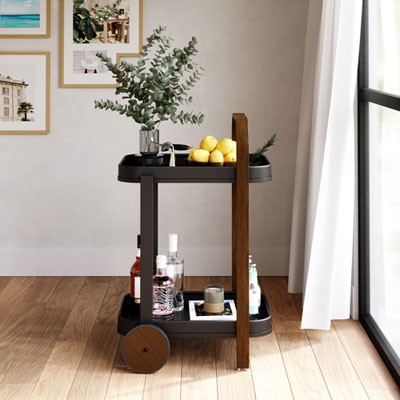 Your price for this item is $194.98
-
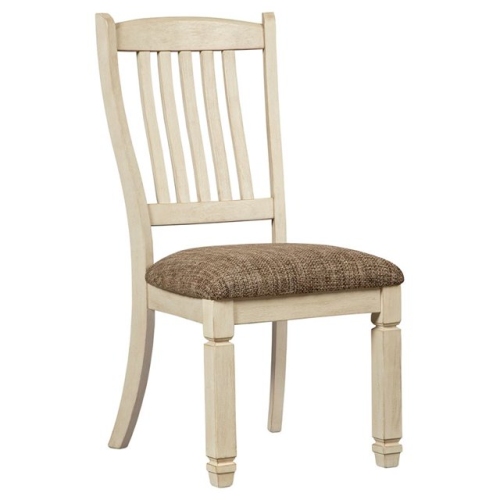 Your price for this item is $289.99
-
 Your price for this item is $269.99
-
 Your price for this item is $109.99
-
 Your price for this item is $129.99
-
 Your price for this item is $59.99
-
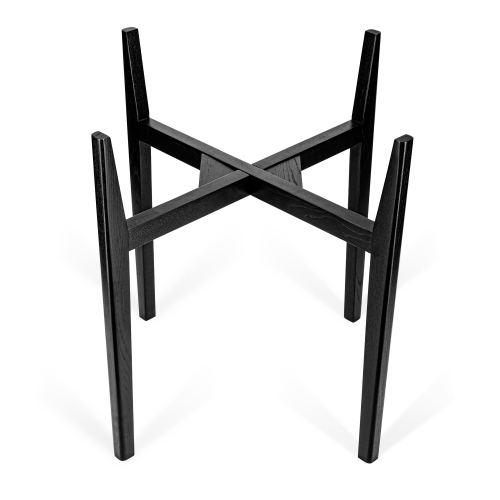 Your price for this item is $129.99
-
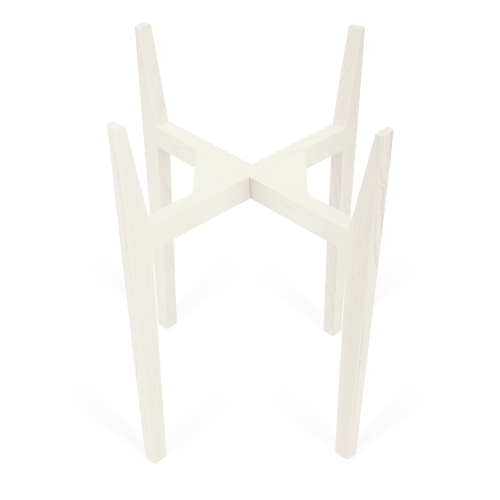 Your price for this item is $129.99
Discover more categories related to Ways To Display Indoor Plants
Top Collections:
Best Black Friday Deals This Year, Best Black Friday Deals On Electronics, Kindle Devices, Pokemon Centers, Best Black Friday Deals On Apple Products, Best Cameras for Sports Photography, Dyson Airwrap, Pokémon 30th Celebration Cards, Apple iPhone 17 Pro, Canon G7X Cameras
Some products may be subject to Environmental Handling Fees
(EHF) depending on your province.
Learn more about EHFs.