Weatherproof Furniture Covers
Protect your outdoor furniture investment with our range of weatherproof furniture covers. Designed to shield your patio sets, sofas, tables, and more from the elements, these durable covers are essential for keeping your outdoor space looking its best year-round. Crafted from high-quality materials that are resistant to water, UV rays, and other environmental factors, our weatherproof furniture covers provide reliable protection and peace of mind. Browse our selection today to find the perfect cover to keep your outdoor furniture in top condition for years to come.
Sort

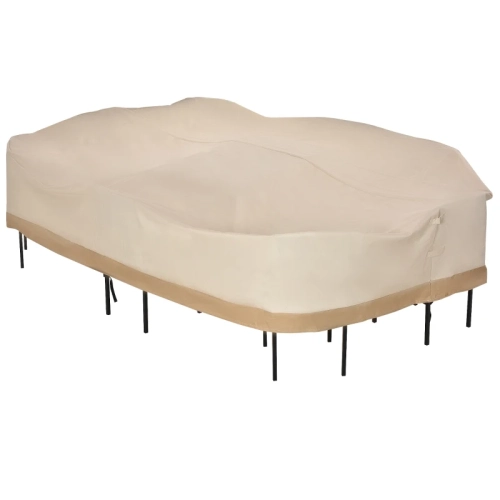

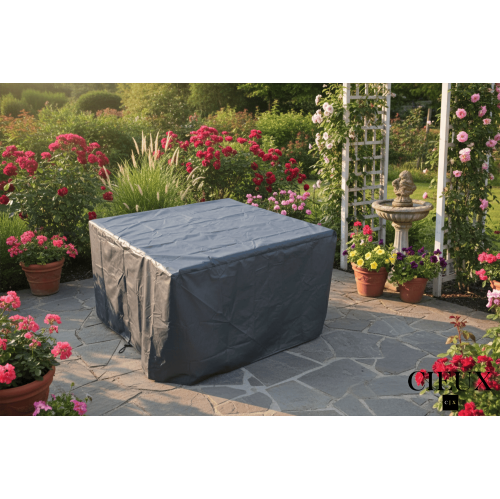
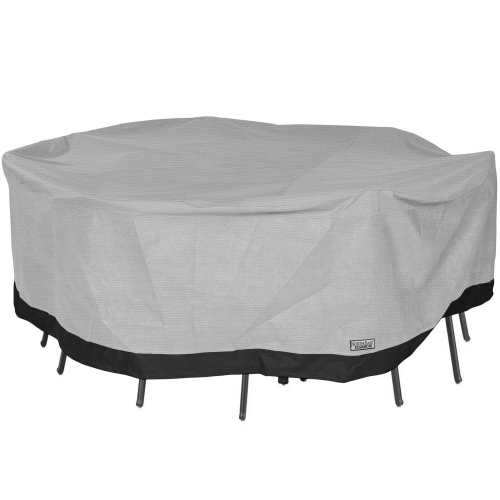


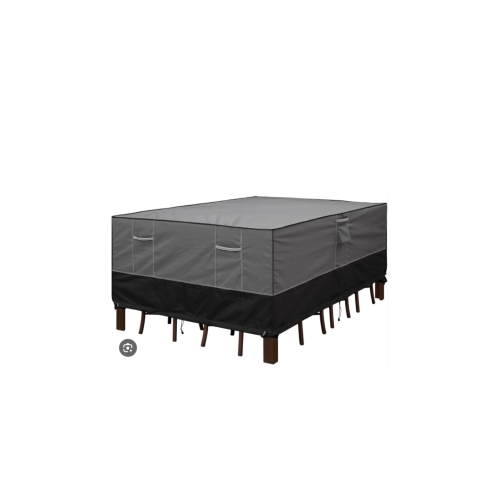




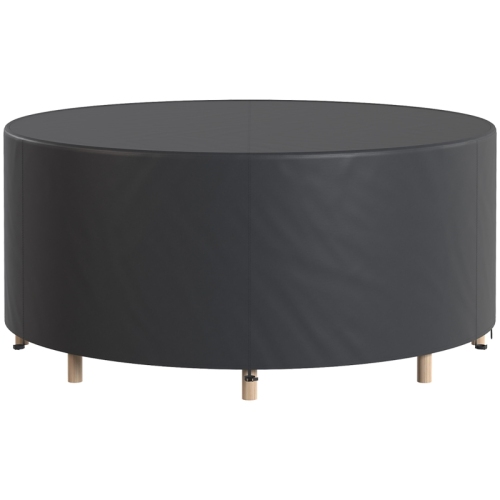


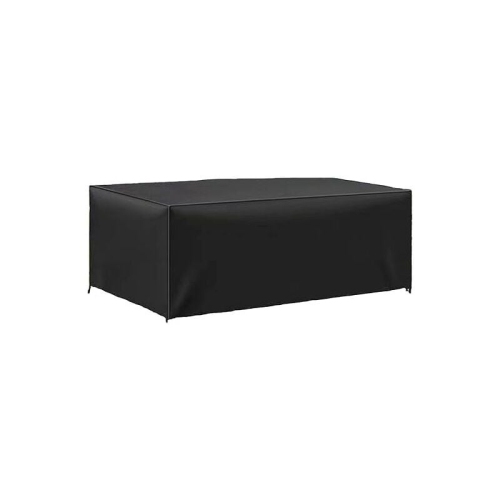
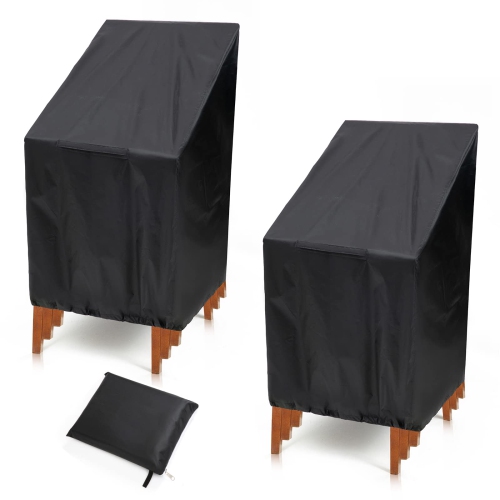
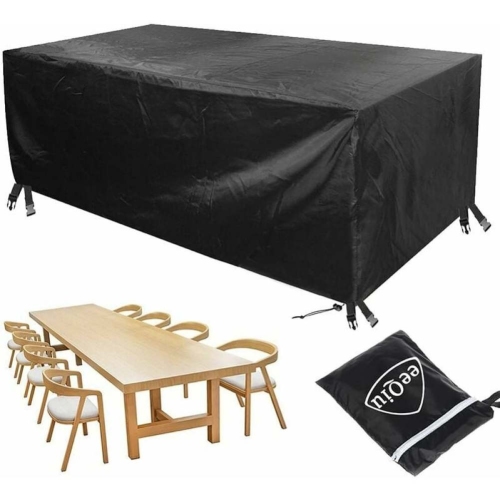










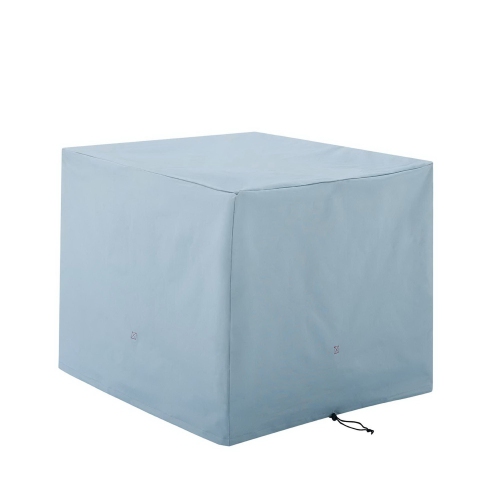


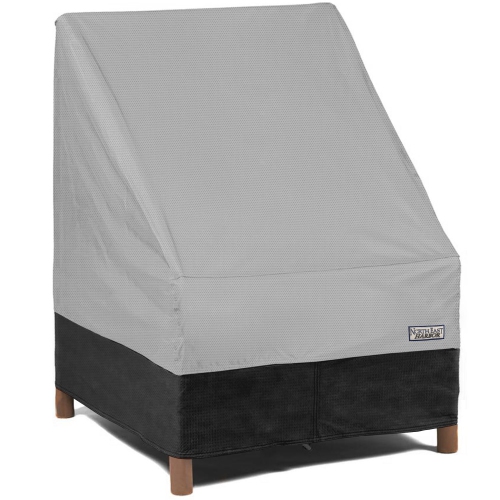


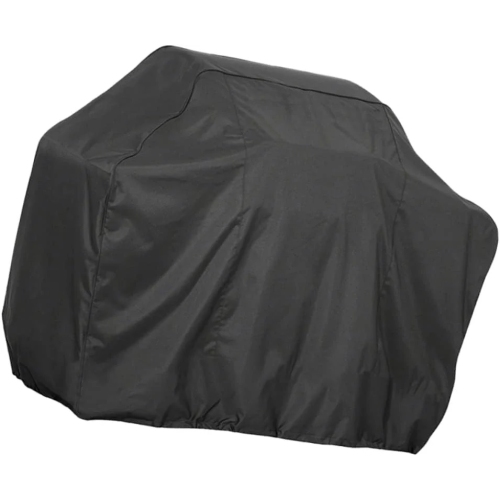


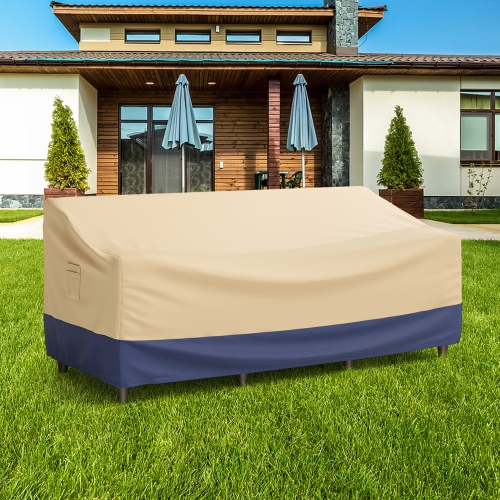



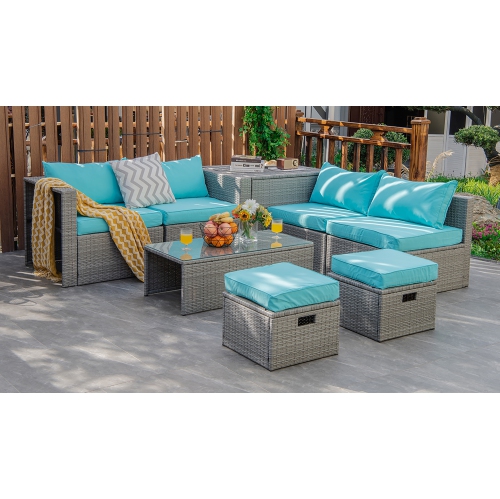
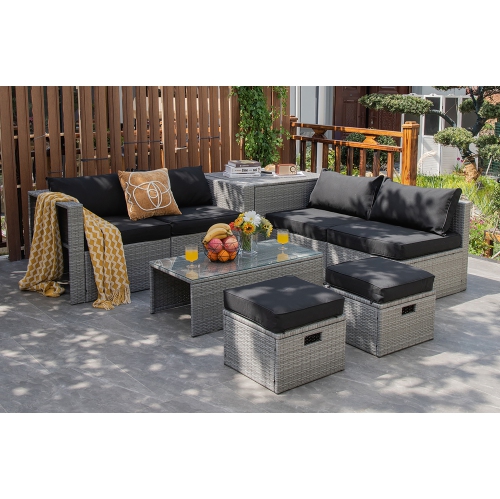
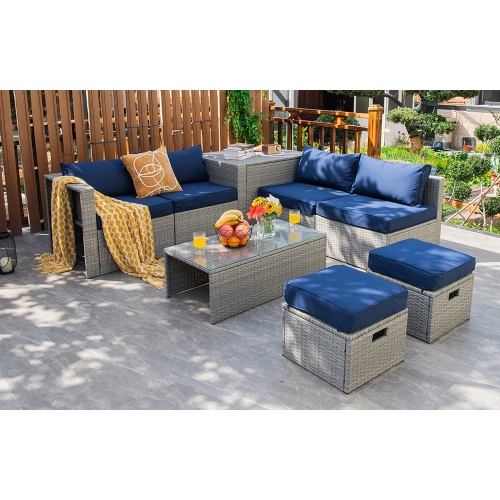
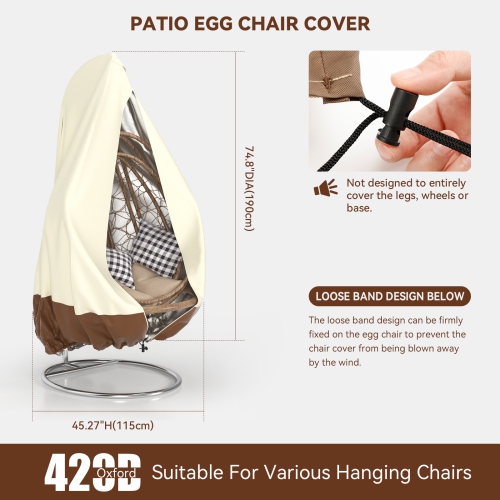

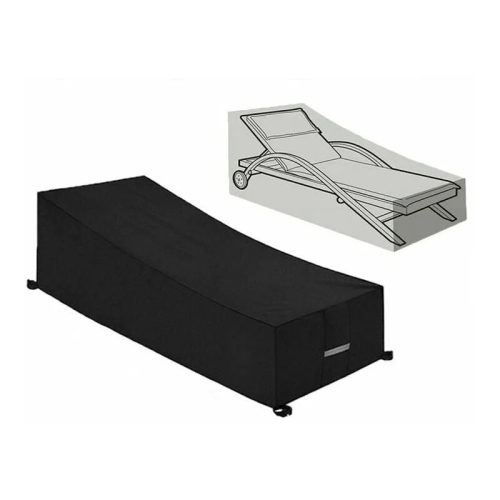
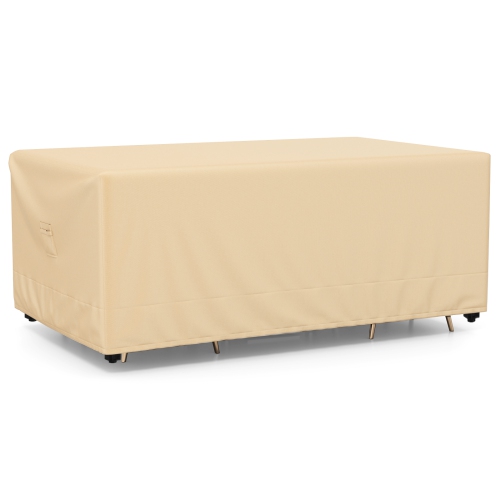
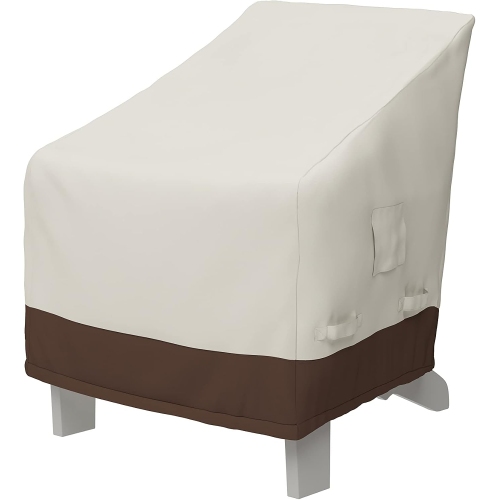
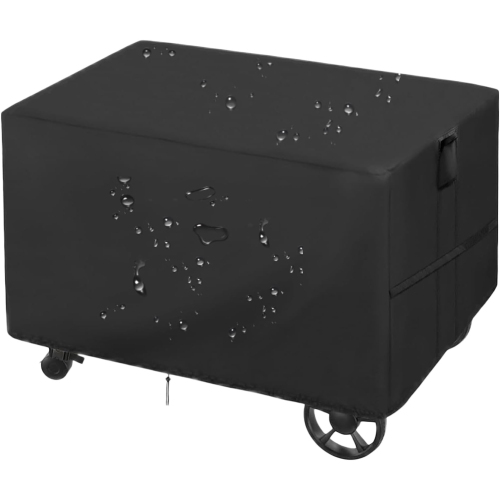






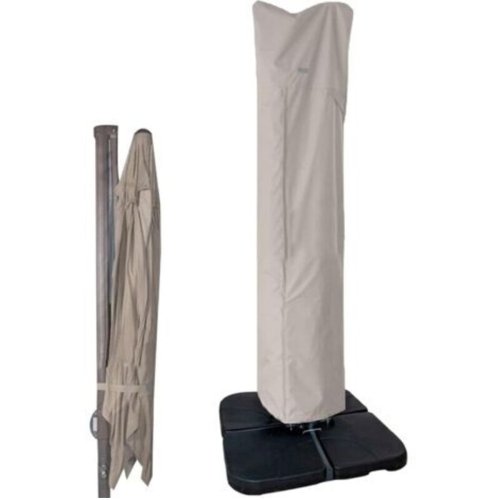
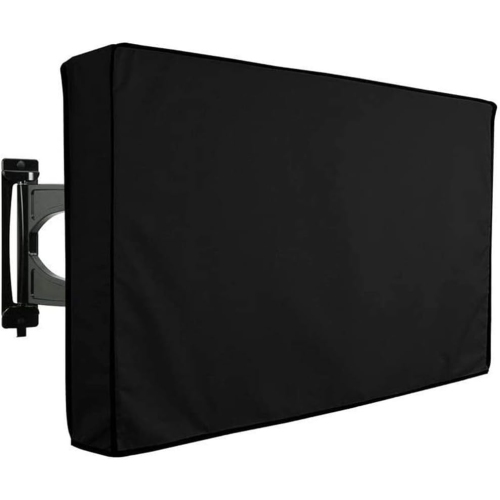
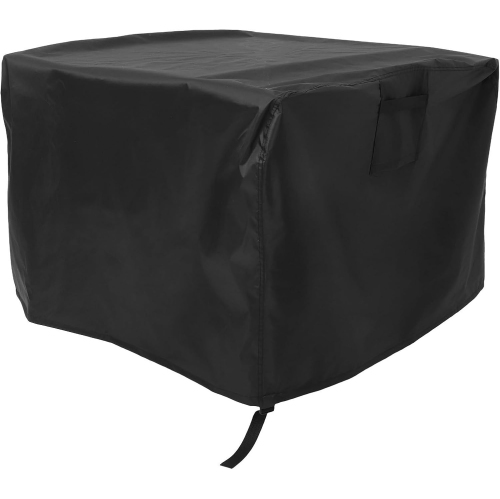
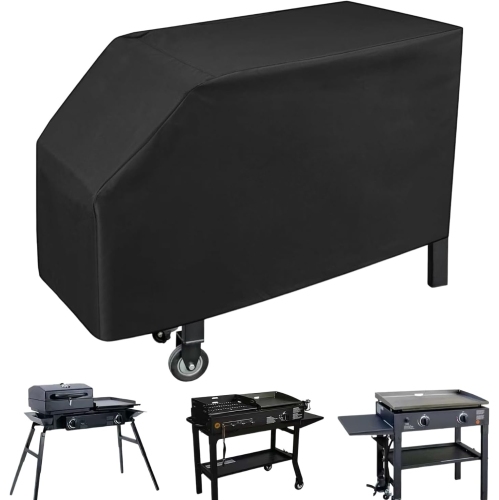
How well-fitted covers help protect your patio furniture
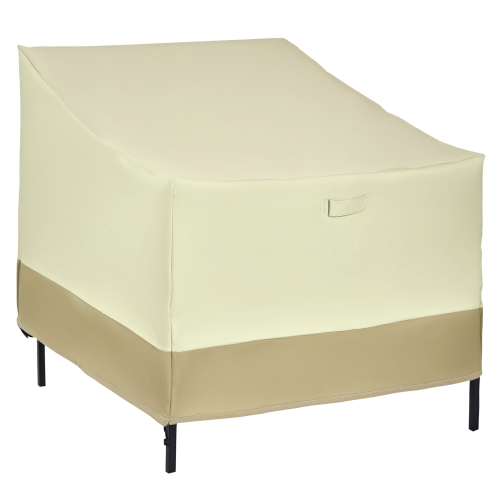
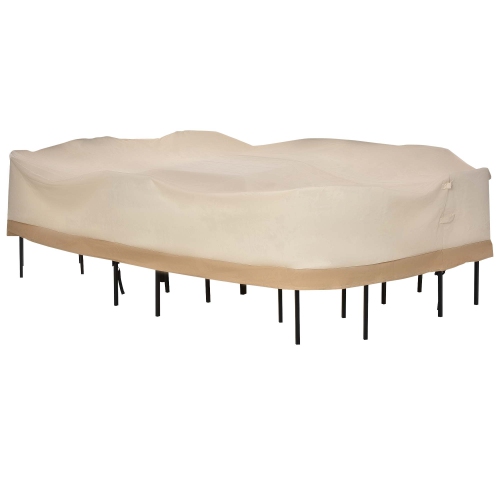
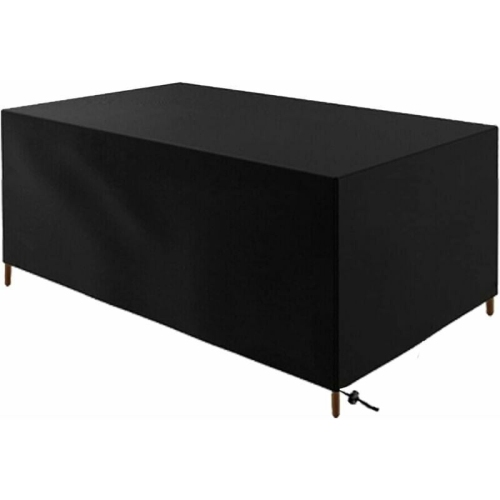
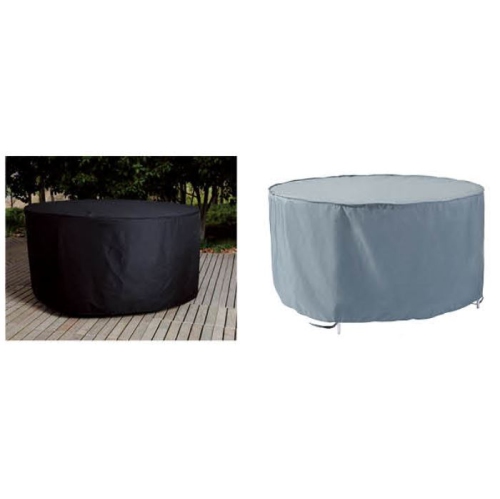
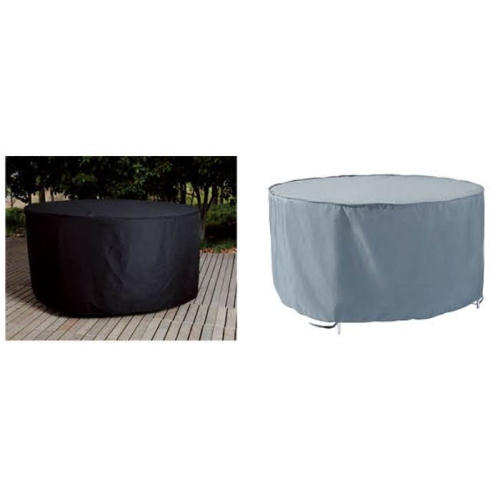
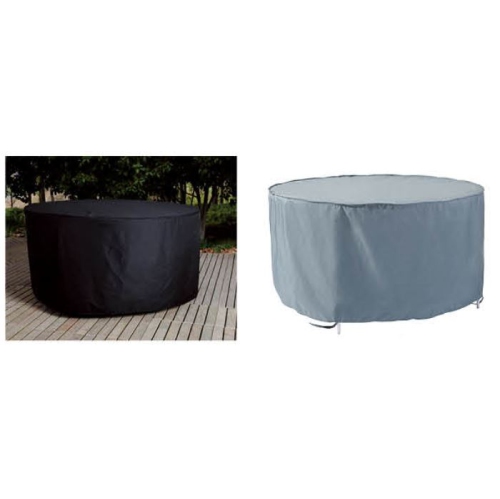
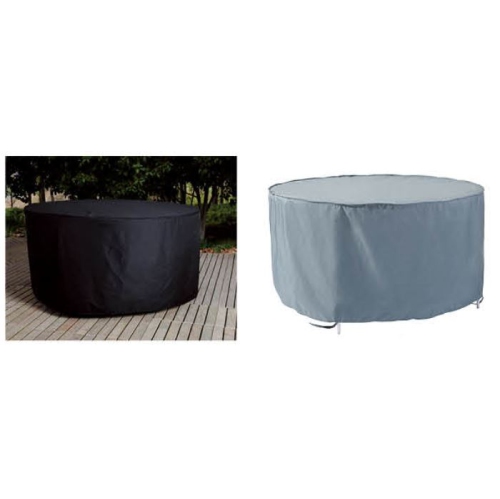
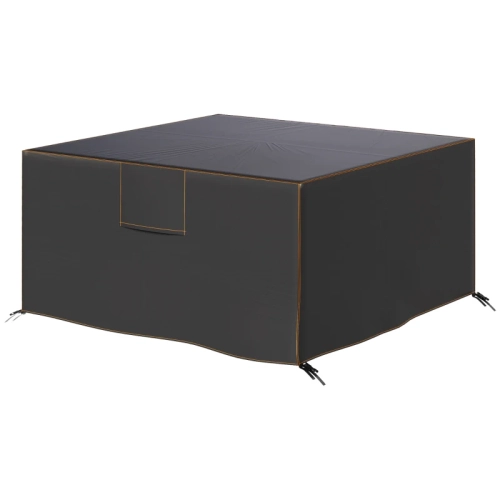
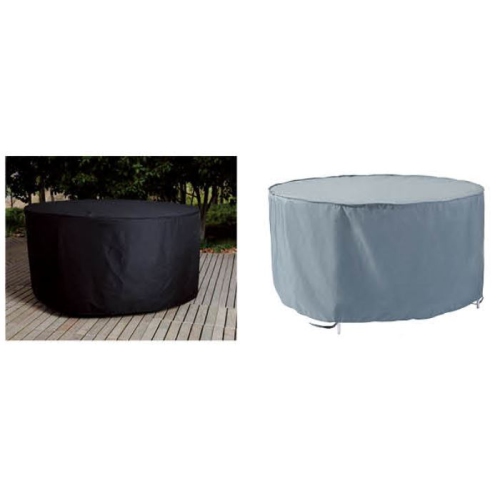
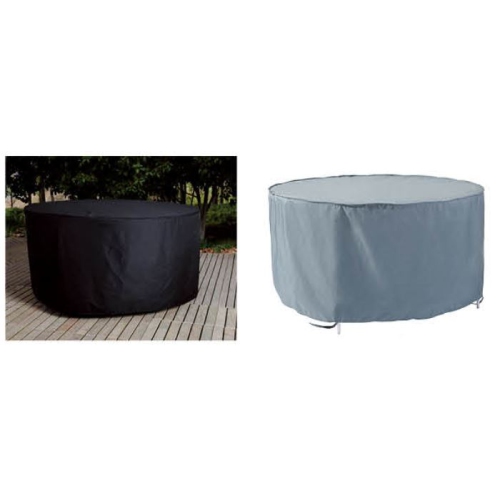
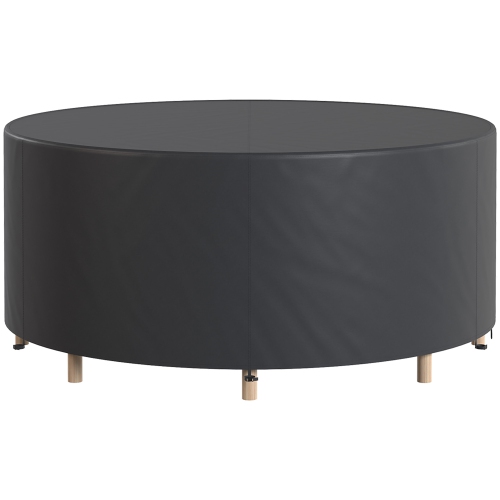
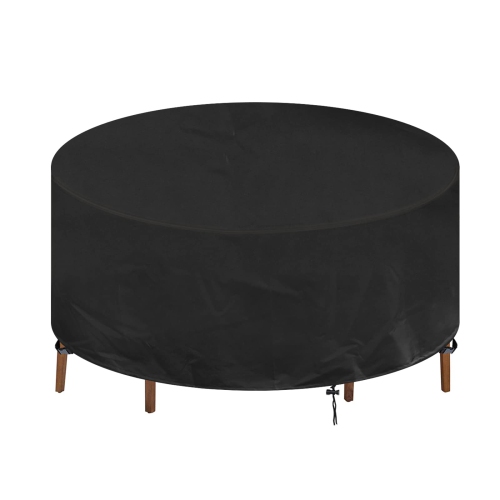
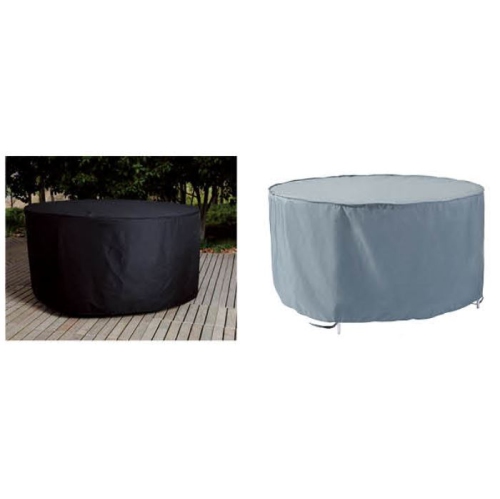
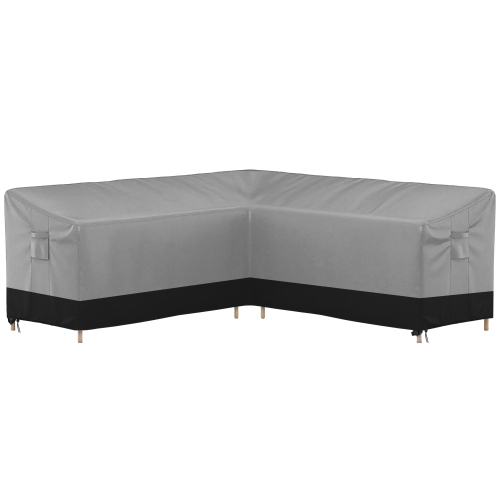
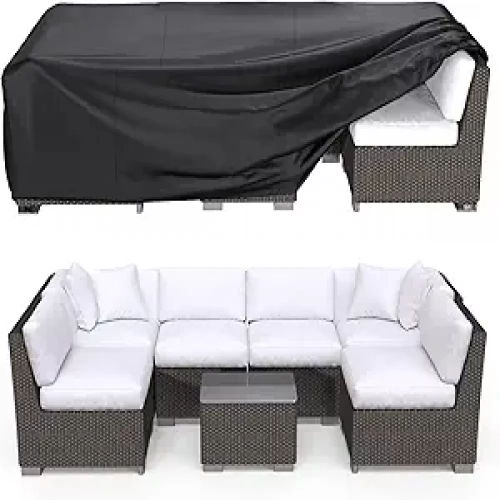
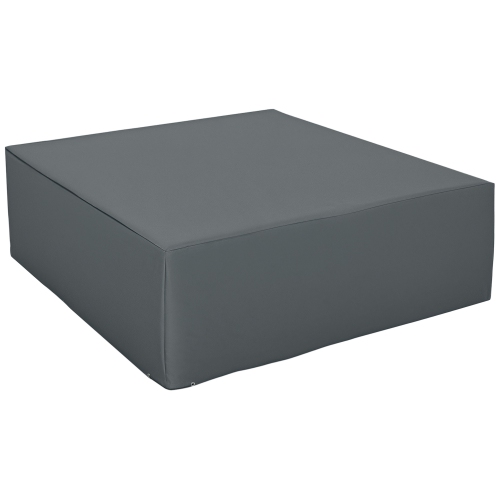
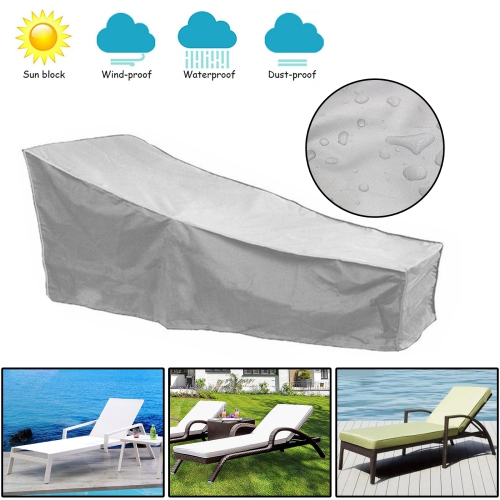
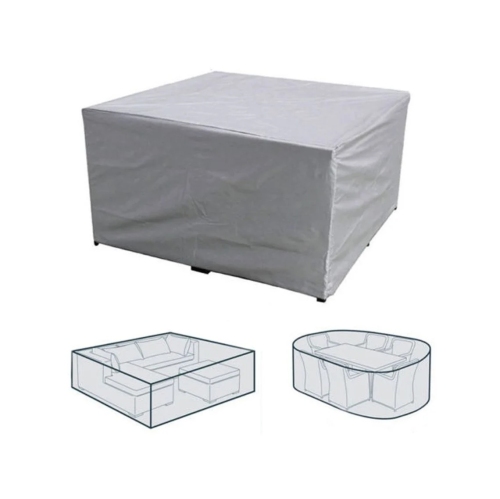
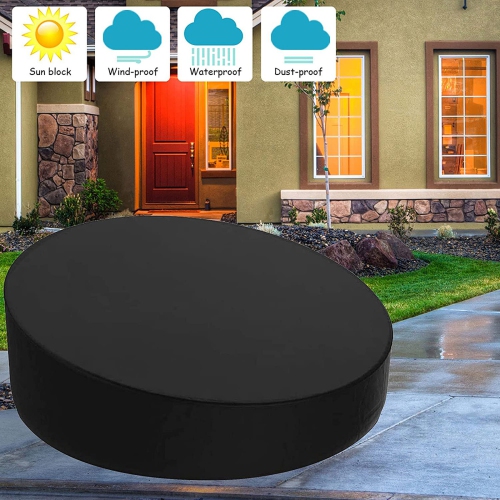
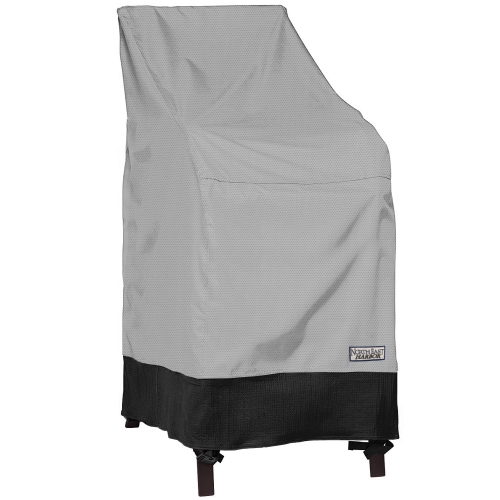
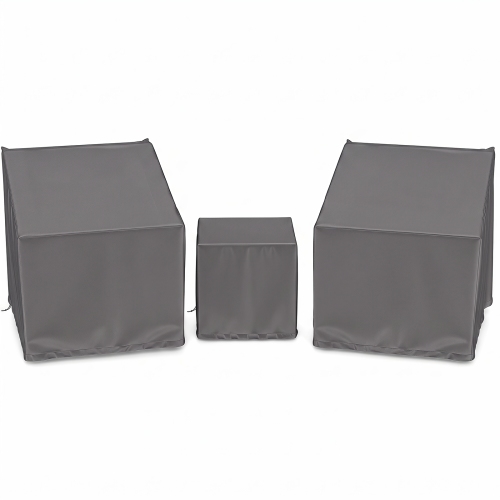
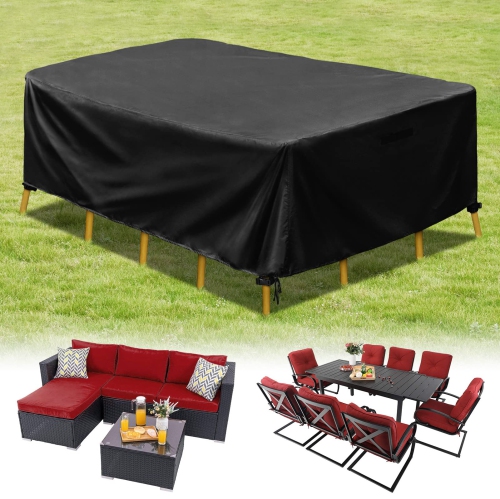
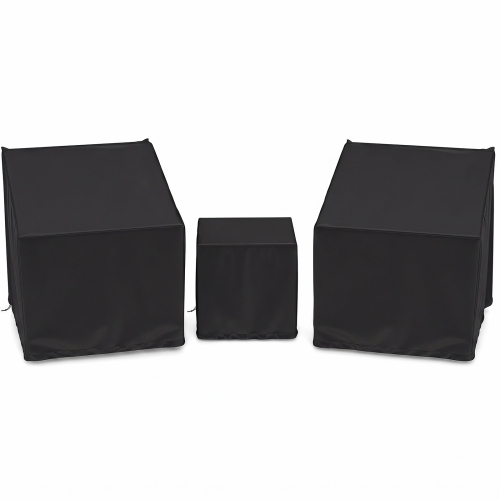
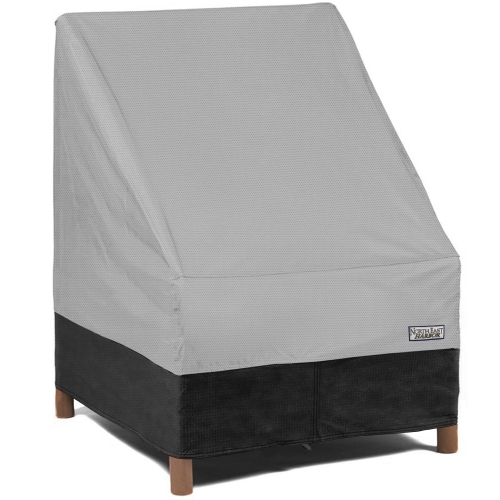
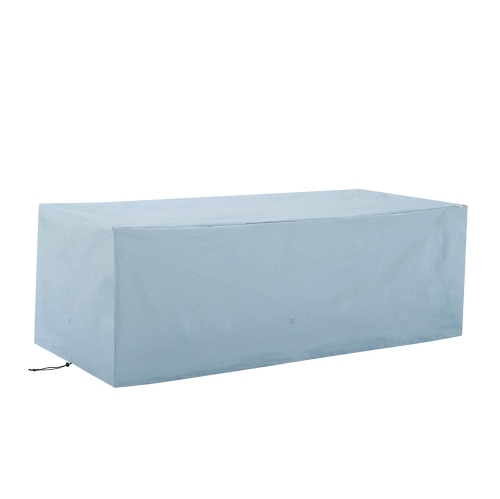
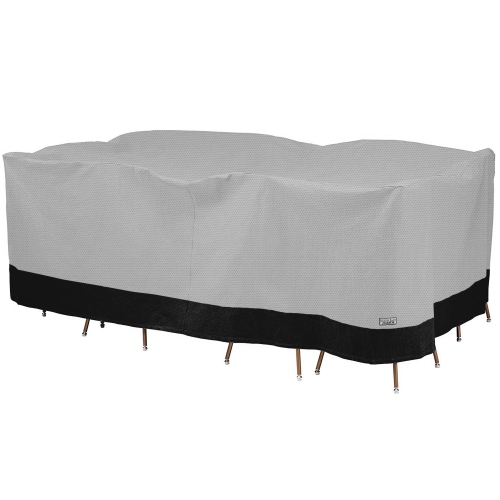
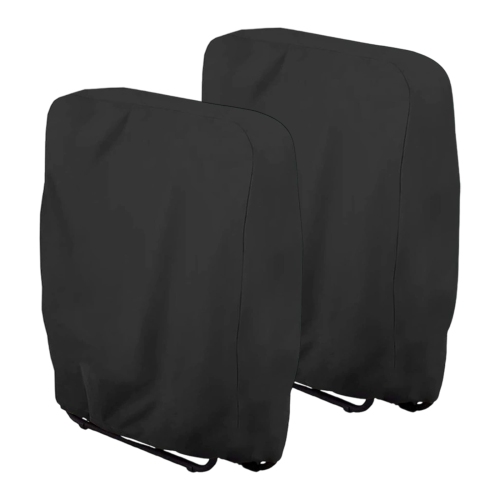
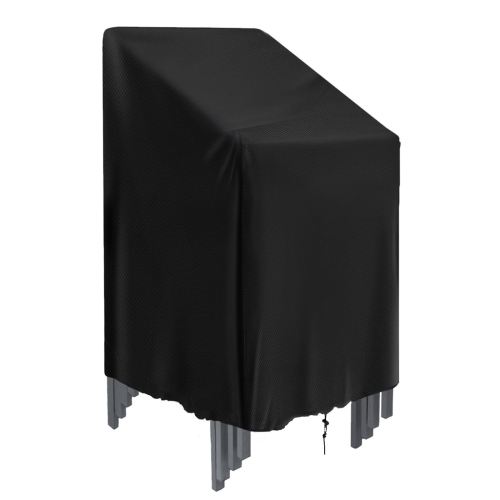
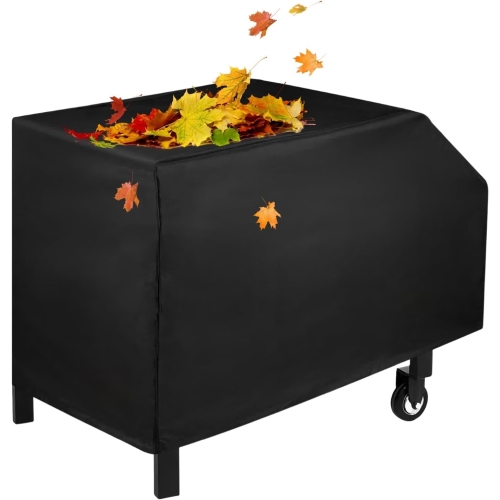
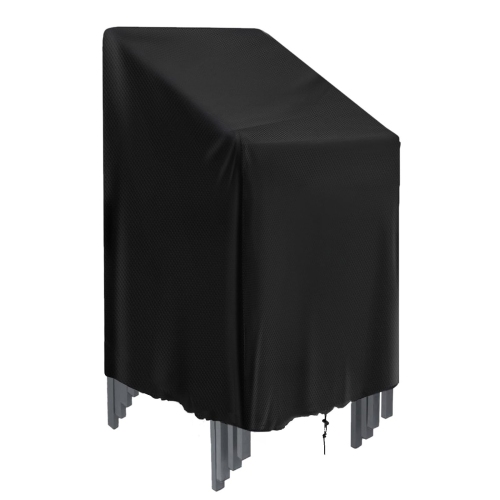
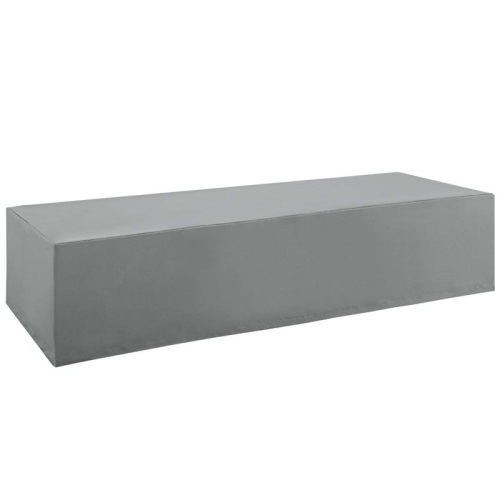
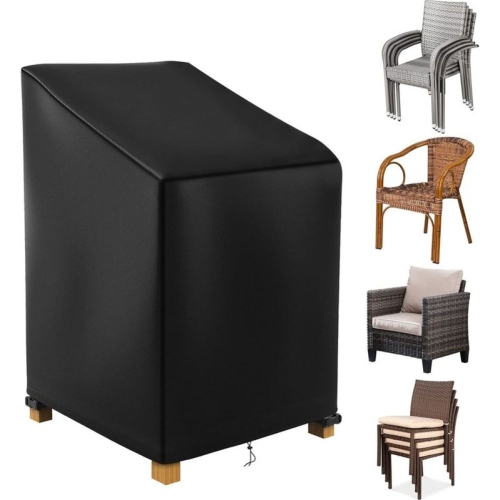
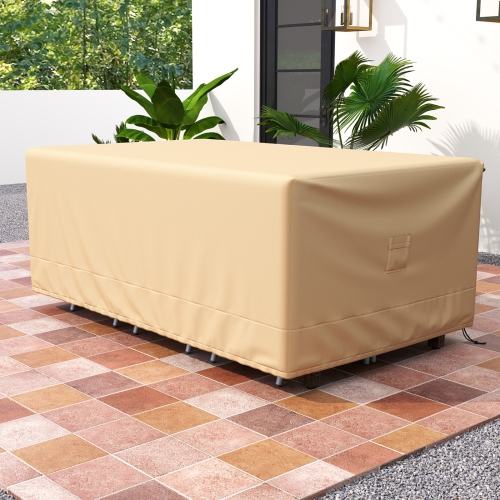
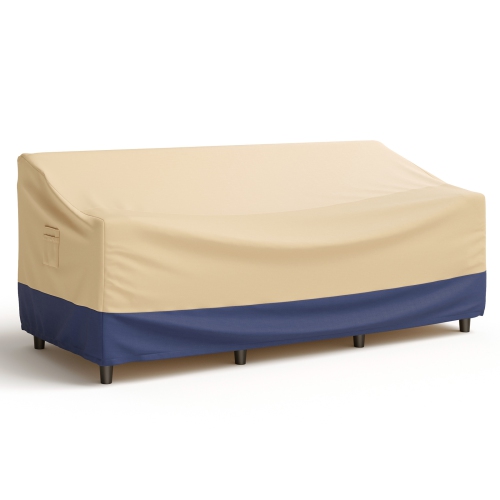
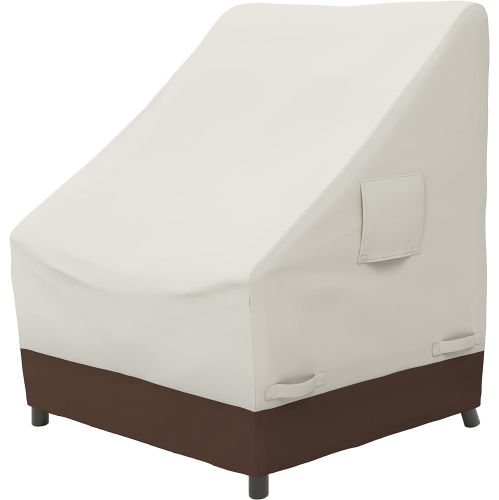
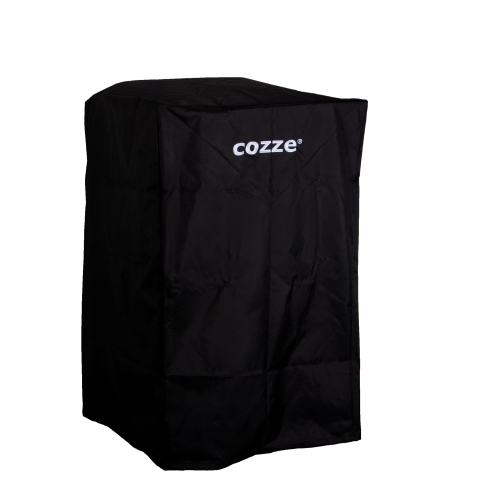
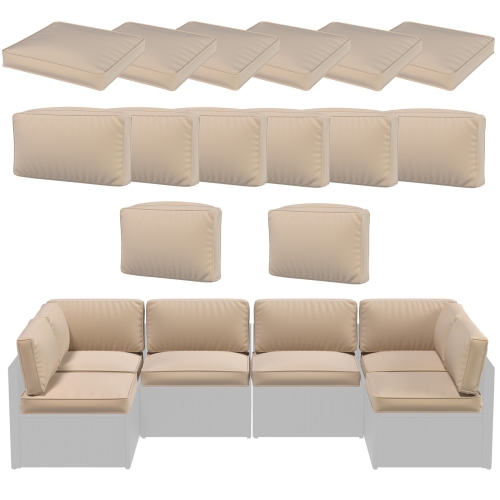
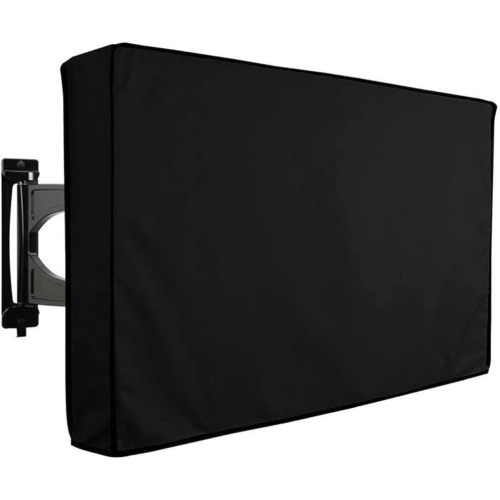
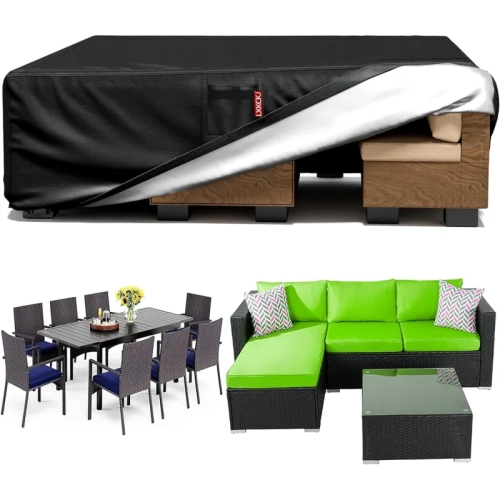
Weatherproof furniture covers help shield outdoor furniture from rain, snow, sunlight, dust, fallen leaves, and bird droppings when it is not in use. They provide a protective outer layer for patio dining sets, lounge chairs, outdoor sofas, benches, and other furnishings that spend time on a deck, balcony, or backyard terrace. The right cover can reduce the amount of cleaning needed before sitting down and help limit direct exposure to moisture and sun, although its performance depends on the fabric, construction, fit, and care requirements. For a dining area beneath a tree, coverage helps keep leaves and sap off the tabletop; on an open balcony, secure fastenings become especially important because wind can lift a loose edge. Covers are useful for households that leave substantial furniture outside between gatherings, as well as cottage owners who want seating protected between visits. Fit matters just as much as the material. A cover should accommodate the furniture’s widest, deepest, and highest points, including projecting arms, chair backs, and any arrangement of chairs tucked around a table. A cover pulled too tightly over corners can strain its seams, while one that is much too large can flap, catch water, or drag across a wet surface. Shaped designs follow the outline of individual pieces, whereas larger set covers shelter grouped furniture beneath one layer. For sofas and sectional seating, Weather Resistant Couch Covers offer a more focused category to explore. Sectional configurations deserve particular attention because an L-shaped arrangement, a curved seating group, and a straight sofa do not share the same footprint. A little clearance near the bottom can support airflow, provided the cover still offers the intended coverage and follows the manufacturer’s fitting recommendations. Furniture with unusually tall backs or broad armrests may need a different shape even when its overall width appears to match.
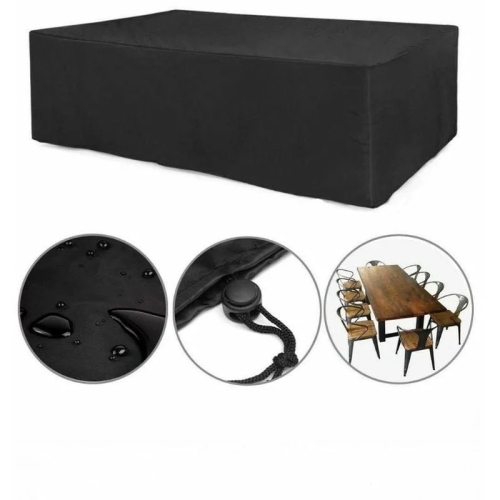
Materials and construction determine how a furniture cover handles repeated exposure outdoors. Woven polyester is commonly used because it combines manageable weight with resistance to everyday wear, and some fabrics have a backing or surface treatment designed to shed water. Vinyl and coated fabrics can provide a substantial moisture barrier, though flexibility, breathability, and suitability for freezing temperatures vary. Fabric weight alone does not establish protection: the quality of the coating, stitching, seams, and fastening points also matters. Reinforced corners can help where a cover rests against a table edge or chair arm, while securely attached handles make a large cover easier to lift without pulling on the fabric itself. Seams are potential entry points for moisture, so taped or sealed construction can be valuable where specified. Water-resistant, waterproof, and weatherproof descriptions should be considered alongside the manufacturer’s stated performance rather than treated as interchangeable promises. A fabric that sheds a brief shower may respond differently to prolonged rain or water pooled in a low spot. Likewise, protection against ultraviolet light can help limit the cover’s deterioration, but it does not mean the material will retain its original colour indefinitely. Ventilation is another practical consideration, particularly where damp air can become trapped beneath a cover. Covered vents or breathable panels may help moisture escape while limiting direct entry of rain, depending on their placement and design. Adjustable hems, straps, buckles, and drawcords help keep the cover close to the furniture, and leg fastenings can provide useful anchoring on exposed patios. These features serve different purposes: a drawcord shapes the lower edge, while a strap secured around a furniture leg helps resist lifting. Even a well-fastened cover has limits in strong wind, heavy snowfall, or extended wet conditions. Furniture and cushions should still be stored indoors whenever their care instructions require it. Handles, vents, and closures should also remain accessible once the cover is fitted, rather than being stretched out of position by an undersized cut.
Everyday care helps a weatherproof furniture cover remain easier to use and less likely to transfer dirt or moisture onto the furniture beneath it. Both the furniture and the cover should be clean and dry before covering, since enclosing damp cushions or a wet tabletop can encourage mildew and leave marks on some finishes. Breathable construction does not replace the need to dry furnishings properly, especially after prolonged rain. Where a cover spans a broad tabletop or a gap between chairs, a low area may collect water; a compatible support can help create runoff if the manufacturer recommends one. Heavy snow and pooled water place extra weight on fabric and seams, so gentle removal in line with the care instructions is preferable to letting a load build up. Sharp tools and forceful scraping can damage coatings, and frozen material may need to thaw before it can be handled safely. Routine cleaning is often straightforward, but the correct method depends on the fabric. A soft brush can remove loose debris, while mild soap and water may be suitable for surface dirt when permitted by the label. Machine washing, bleach, pressure washing, and tumble drying are not appropriate for every cover and can harm protective finishes or seams. Complete drying before folding is particularly important when a cover will be tucked into a storage bag or kept in a deck box. A compact folded cover is convenient for a small balcony, while larger covers may be easier to manage when they have well-positioned handles and a dedicated storage space. Occasional checks around corners, seams, vents, and straps can reveal wear before a small opening becomes a larger tear. Covers also need to suit the way the space is used: lightweight designs can be easier to remove for frequent meals outside, while more substantial constructions may suit longer periods between uses. With suitable dimensions, secure attachment, and care matched to the material, outdoor furniture covers provide practical protection without making the seating area difficult to enjoy.
Top selling and popular products
-
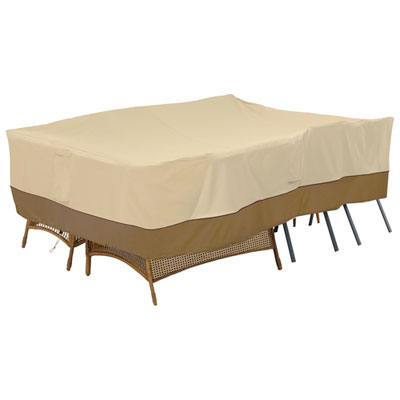 Your price for this item is $189.99
-
 Your price for this item is $44.99
-
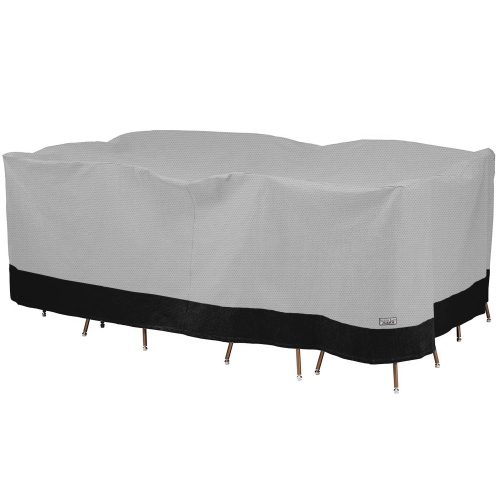 Your price for this item is $55.99
-
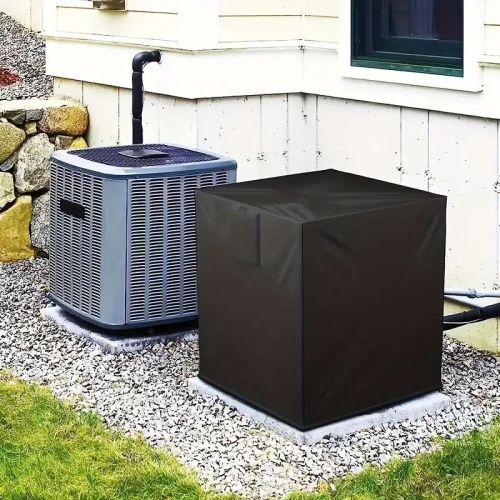 Your price for this item is $19.99
-
 Your price for this item is $41.99
-
 Your price for this item is $59.99
-
 Your price for this item is $55.99
-
 Your price for this item is $139.99
Discover more categories related to Weatherproof Furniture Covers

Top Collections:
Pokemon Centers, Kindle Devices, Best Black Friday Deals This Year, Pokémon 30th Celebration Cards, Best Black Friday Deals On Electronics, Best Cameras for Sports Photography, Best Black Friday Deals On Apple Products, Canon G7X Cameras, iPhone 15 Apple, Candle Warmer Lights
Some products may be subject to Environmental Handling Fees
(EHF) depending on your province.
Learn more about EHFs.