Weather Resistant Couch Covers
Weather Resistant Couch Covers are a smart choice for protecting your outdoor furniture from the elements while maintaining a stylish appearance. Designed to fit a variety of couch sizes and styles, these covers help keep your patio or garden seating looking fresh season after season. Explore a wide selection of Weather Resistant Couch Covers to find the perfect match for your outdoor space and enjoy added peace of mind when it comes to caring for your furniture.
Sort


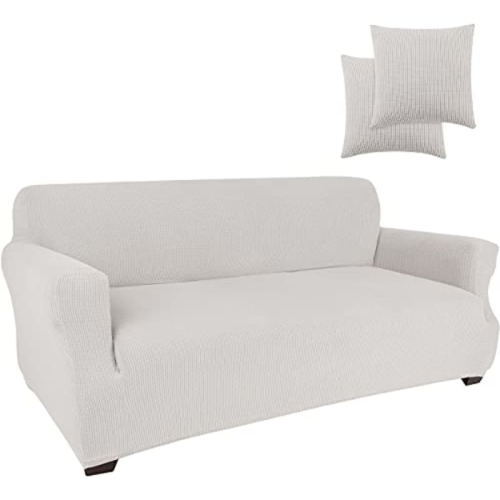

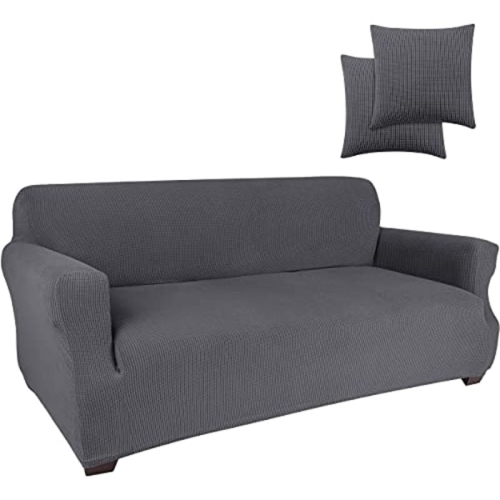


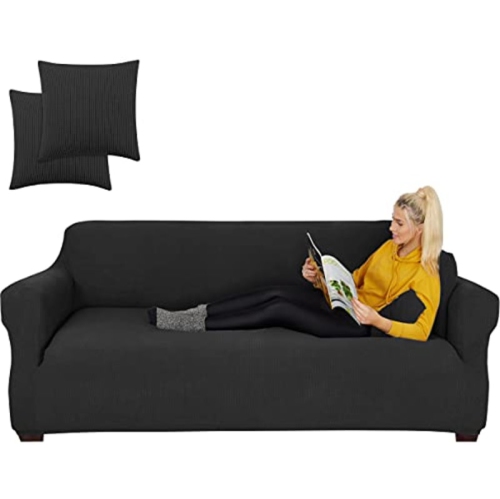
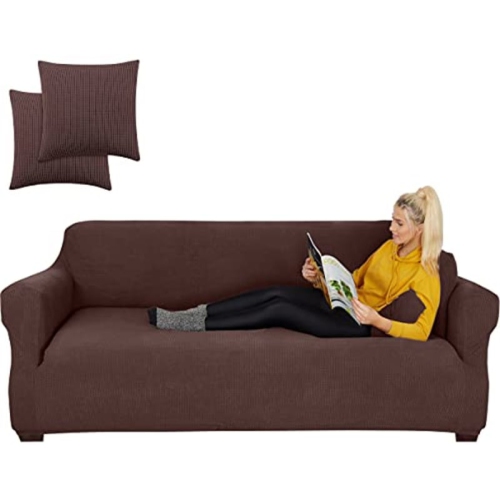

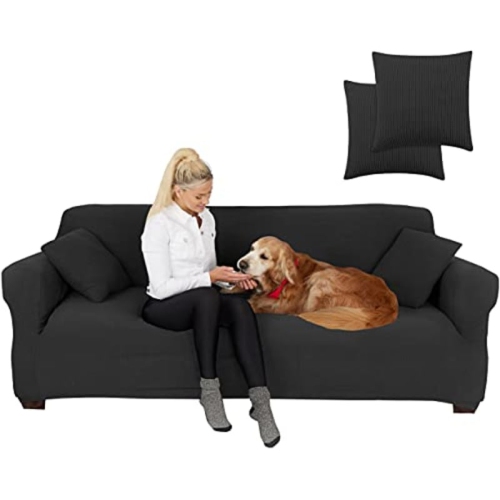

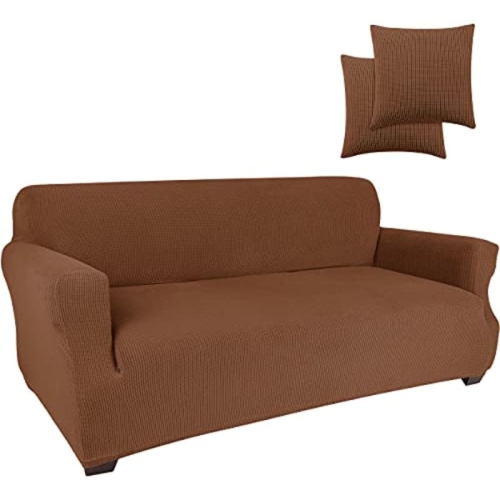
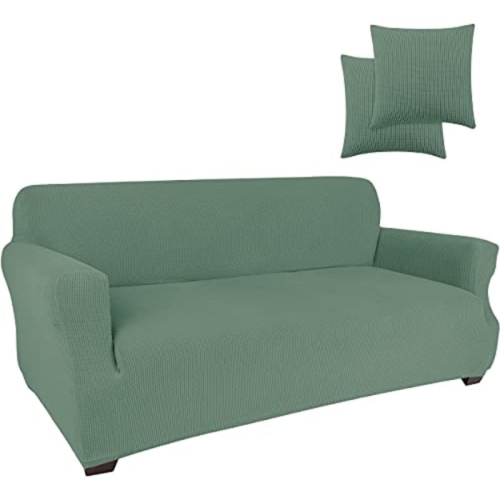
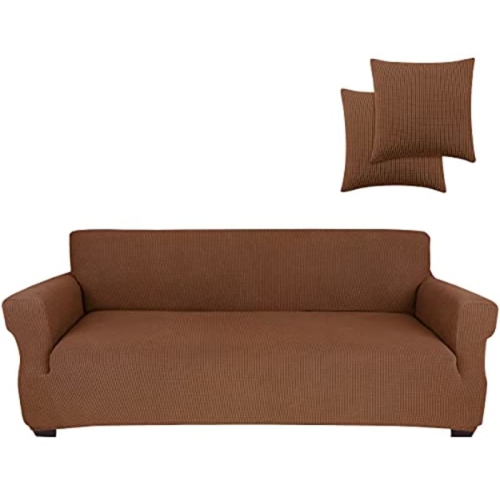
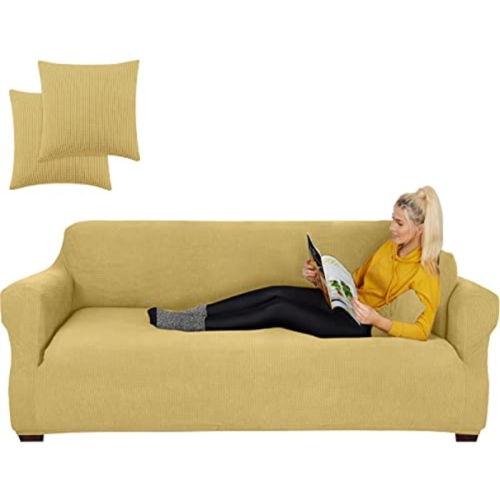

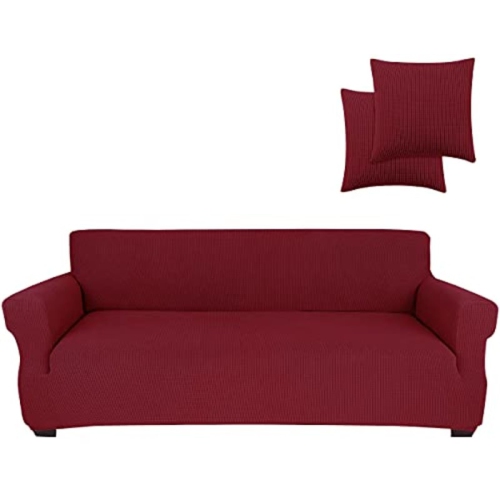
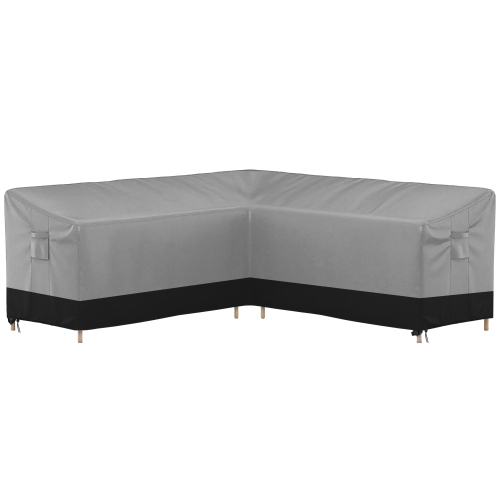

Outdoor sofa protection goes beyond waterproof fabric
Weather-resistant couch covers help protect outdoor sofas and loveseats from rain, windblown dirt, bird droppings and prolonged sun exposure when seating is not in use. They provide a protective layer between patio furniture and the elements, helping keep seat surfaces cleaner and reducing the amount of preparation needed before sitting down. The most suitable cover depends on where the couch sits, how exposed it is and whether it remains outside between uses or for longer periods. A sofa beneath a covered porch has different protection needs from one on an open deck, where rain can strike from several directions. Water-resistant and waterproof are not interchangeable descriptions: water-resistant materials can shed light moisture, while a waterproof construction needs an effective barrier against water penetration, including at vulnerable seams. Even waterproof fabric does not make every cover watertight, particularly where stitching, openings or standing water are involved. Polyester and woven fabrics with protective coatings are common choices because they combine manageable weight with resistance to everyday outdoor wear. Heavier constructions may offer greater resistance to abrasion, while lighter fabrics can be easier to fold and remove frequently. Fabric weight alone does not establish performance; the coating, seam construction, fasteners and suitability for outdoor exposure all matter. UV-resistant treatments can help limit deterioration from sunlight, although no fabric remains unaffected by prolonged exposure indefinitely. Reinforced corners are useful where a cover rubs against armrests or the top of a backrest, and sealed or taped seams can reduce potential entry points for rain. A smooth inner surface may also help minimize rubbing against furniture finishes. Weather resistance should be understood as a combination of features rather than a single promise. For cushioned outdoor seating, a cover is an added layer of protection, not a substitute for following the furniture maker’s storage instructions or bringing cushions inside when their care requirements call for it.
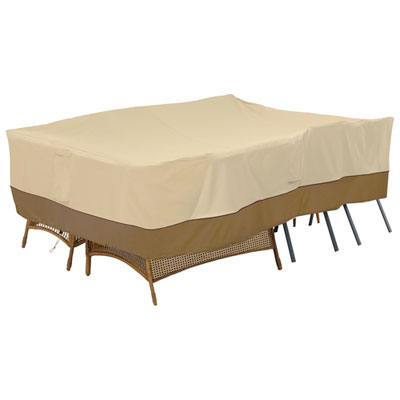
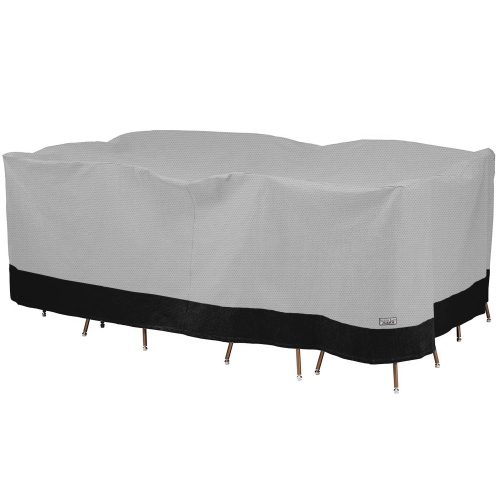
A well-fitting couch cover follows the furniture’s overall shape without being stretched tightly across protruding corners or leaving large sections exposed. Width, depth and height are the starting points, but arm shape, back height and the position of projecting legs can affect how the fabric settles. Measurements taken across the widest and deepest points help account for curved arms and frames that extend beyond the cushions. A little clearance makes a cover easier to put on and allows air to move, while excessive loose fabric can flap against the frame or collect rain in low spots. The hem should generally sit clear of the ground rather than trail across a wet deck or patio, subject to the cover’s intended fit. For an outdoor sectional, the overall footprint matters as much as the seat count: an L-shaped arrangement, a chaise extension and a straight sofa require different proportions. Covers shaped for an entire seating arrangement can simplify protection, while separate covers can suit furniture that is moved or rearranged. Adjustable straps, buckles and drawcord hems help secure the fabric around the base, especially on exposed balconies and decks. Fasteners work best when attached to suitable parts of the furniture frame according to the cover instructions; a tightly cinched hem alone may not prevent wind from lifting a loose cover. Air vents are another useful detail, allowing moisture vapour to escape and helping reduce billowing without leaving the seating fully exposed. Handles can make removal less awkward, particularly with a broad cover that would otherwise drag across cushions. For spaces that also include dining chairs, side tables or other patio pieces, Weatherproof Furniture Covers can help extend protection beyond the couch. Consistent coverage across a seating area is practical, but fit and fastening should still be assessed for each furniture shape rather than relying on appearance alone.
Care and storage habits influence how well a weather-resistant couch cover performs over time. Covering a clean, dry couch helps avoid trapping dampness, crumbs or leaves against upholstery and frame joints. Moisture can still develop beneath a cover through condensation, so ventilation and occasional checks remain important during extended periods without use. A musty smell, damp cushion undersides or water caught in fabric folds are signs that the seating and cover need time to dry. A cover that sheds rain effectively on a sloped surface may still allow trouble where water pools between the backrest and seat; an approved support, where specified by the manufacturer, can help maintain a shape that encourages runoff. Snow adds weight, and accumulated snow or ice should not be treated as something the fabric can necessarily support. Following the stated winter-use limits, removing loose buildup gently and avoiding sharp tools can help prevent tears and damage to coatings. The furniture itself may still require sheltered storage, particularly when its frame, cushions or finishes are not intended for prolonged winter exposure. Routine cleaning is usually straightforward, but the care label determines whether gentle hand cleaning, spot cleaning or machine washing is appropriate. Harsh cleaners, abrasive brushes and high heat can damage protective finishes, so a washable appearance should never be taken as permission to use any cleaning method. Thorough drying before folding helps prevent musty storage, and a dry storage bag or shelf keeps the cover ready between uses. For households with children or pets, an outdoor cover can also reduce contact with dust and stray debris, though it should not be assumed to resist claws, chewing or rough play. Indoor spill-resistant sofa protectors serve a different purpose and are not automatically suitable for outdoor exposure. Whether protecting a compact balcony loveseat or a family-sized patio couch, dependable coverage comes from matching the material, shape and care requirements to the setting.
Top selling and popular products
-
 Your price for this item is $599.97
-
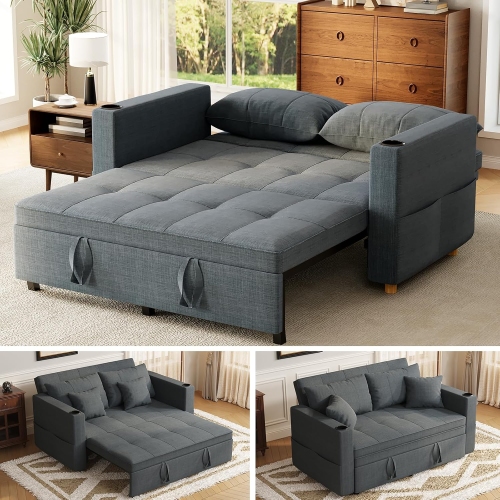 Your price for this item is $549.99
-
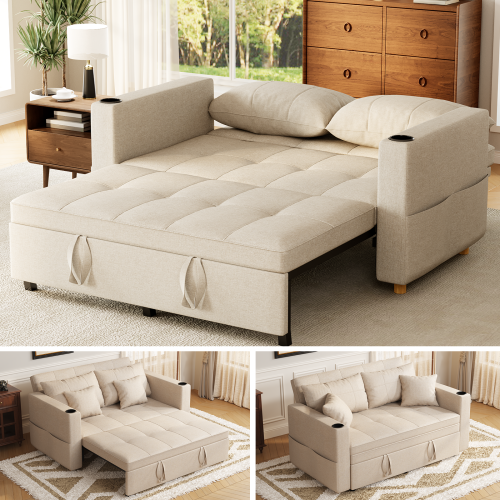 Your price for this item is $559.99
-
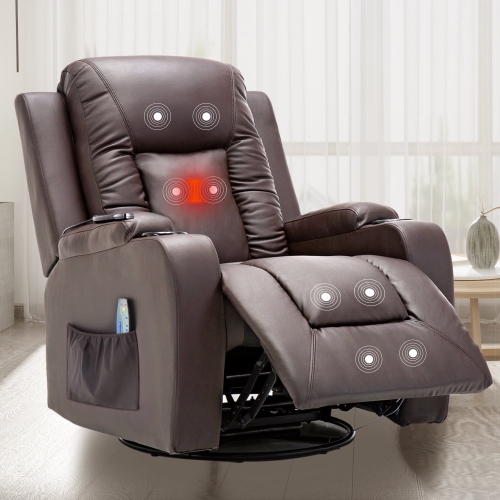 Your price for this item is $599.99
-
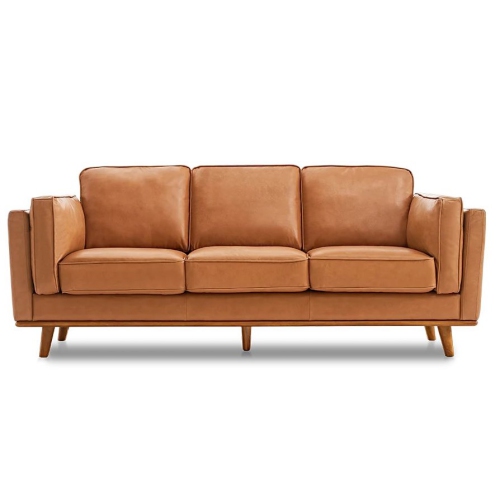 Your price for this item is $2399.99
-
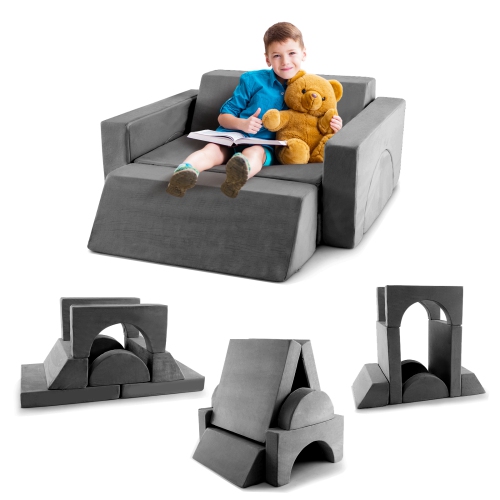 Your price for this item is $167.99
-
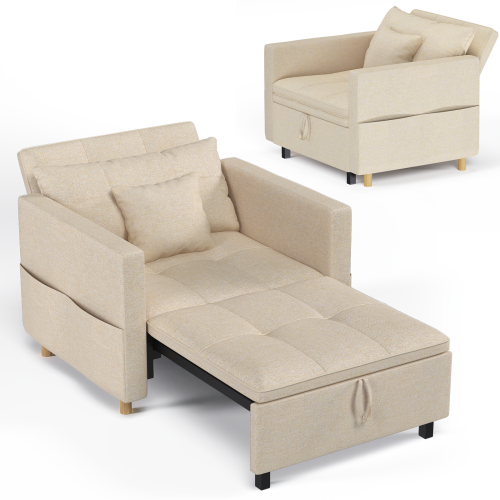 Your price for this item is $299.99
-
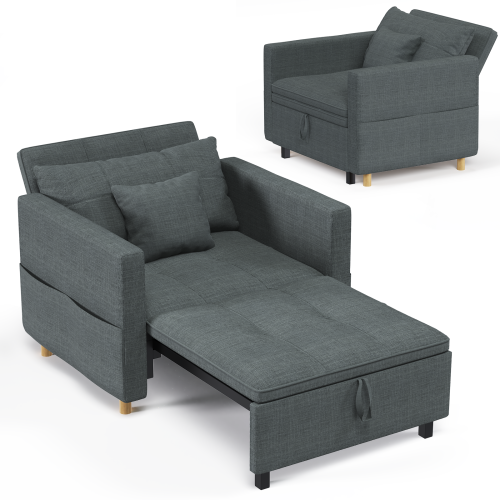 Your price for this item is $289.99
Discover more categories related to Weather Resistant Couch Covers


Top Collections:
Pokemon Centers, Kindle Devices, Best Black Friday Deals This Year, Pokémon 30th Celebration Cards, Best Black Friday Deals On Electronics, Best Cameras for Sports Photography, Best Black Friday Deals On Apple Products, Canon G7X Cameras, iPhone 15 Apple, Candle Warmer Lights
Some products may be subject to Environmental Handling Fees
(EHF) depending on your province.
Learn more about EHFs.