White Artificial Flowers
Transform your living space into a serene oasis with the timeless elegance of white artificial flowers. Perfect for any home or office setting, these stunning floral arrangements offer a maintenance-free way to enjoy the beauty of nature all year round. Whether you're looking to add a touch of sophistication to your dining room table, brighten up a cozy corner, or create an inviting atmosphere in your entryway, white artificial flowers provide endless possibilities for enhancing your decor. Explore our selection and find the perfect blooms to complement your style and taste, all while enjoying the convenience and longevity that only artificial flowers can offer.
Sort
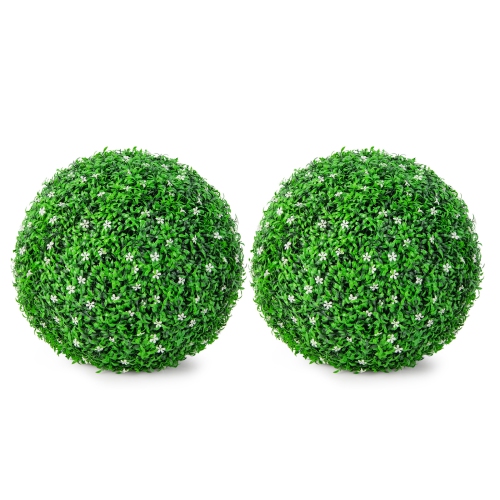
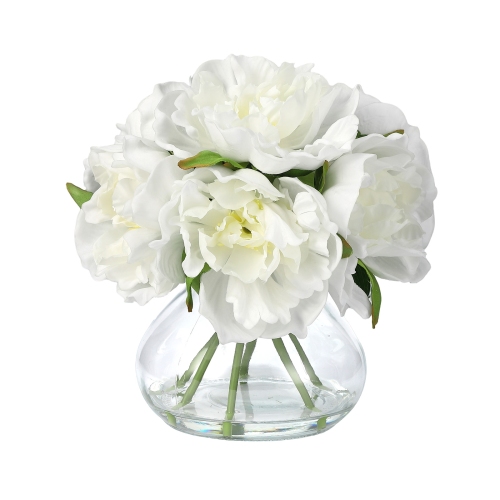
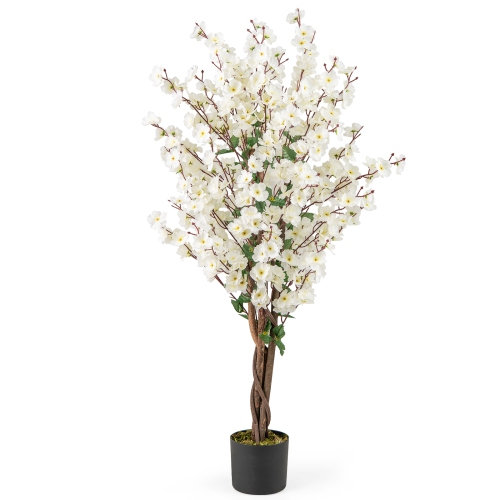
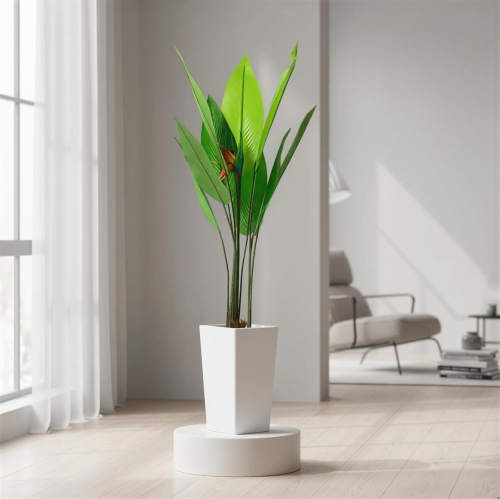
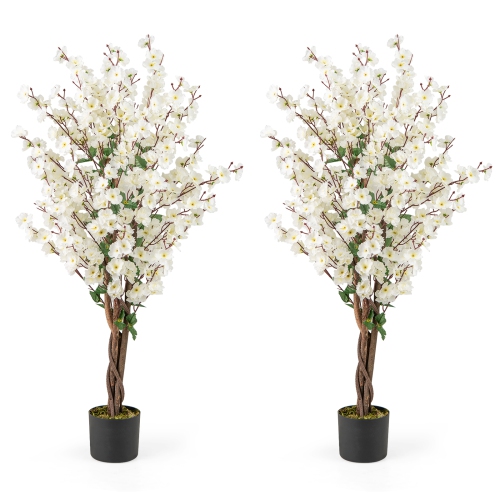
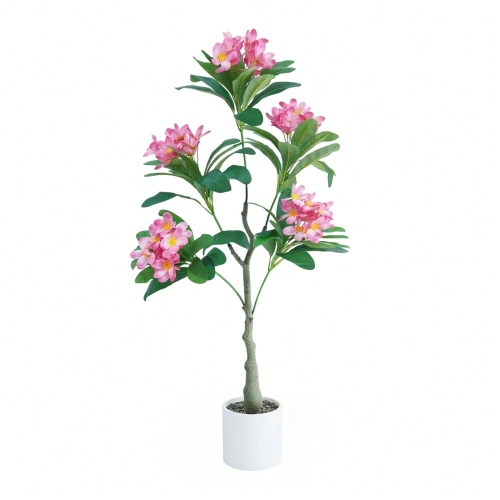
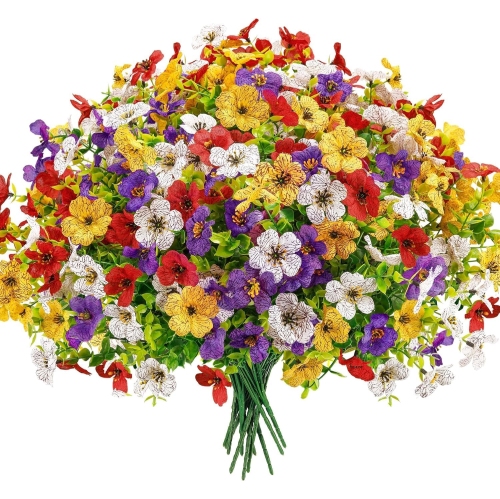
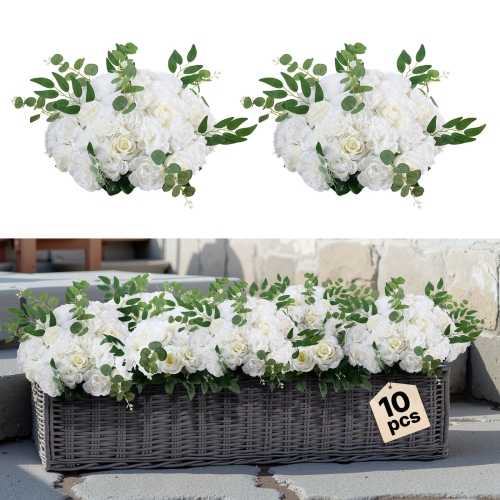
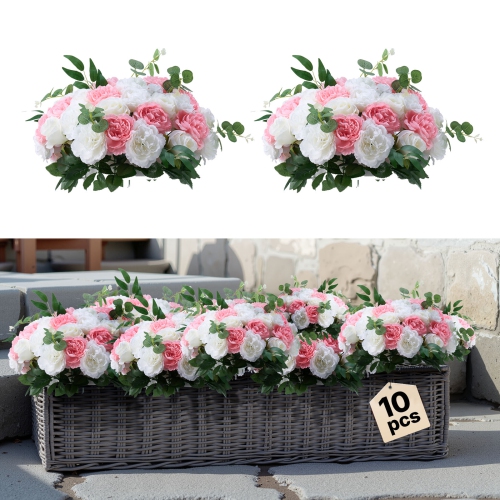
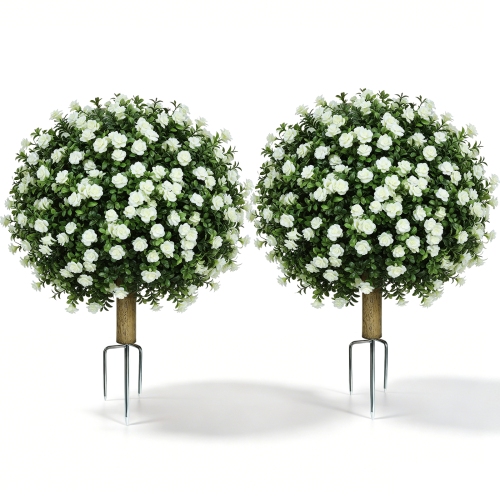
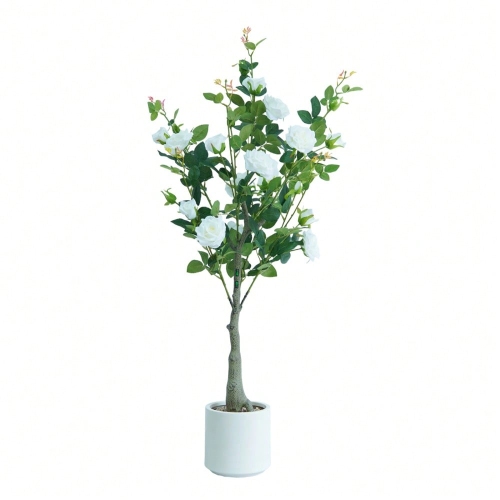
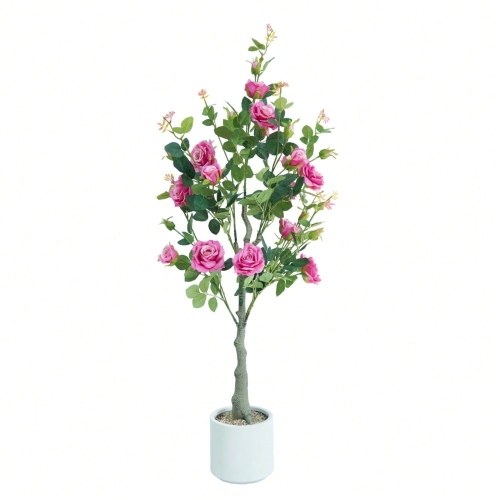
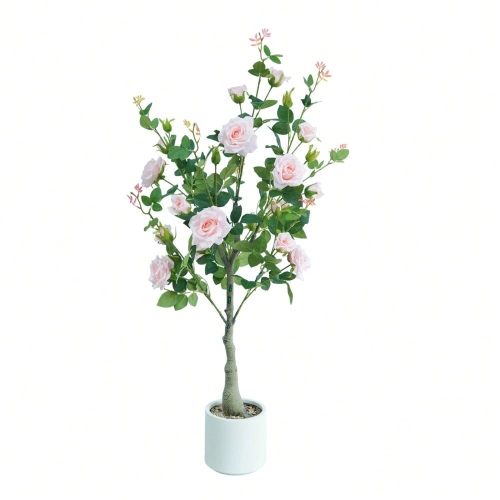
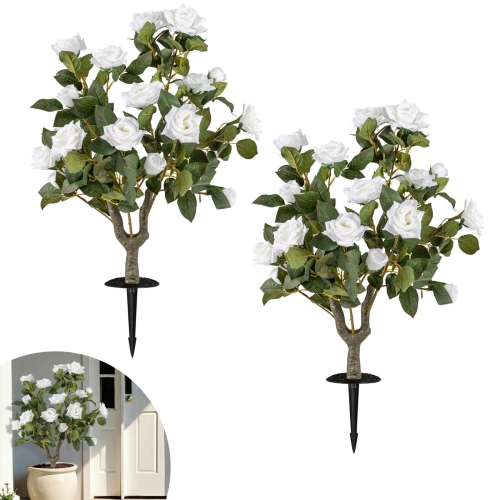
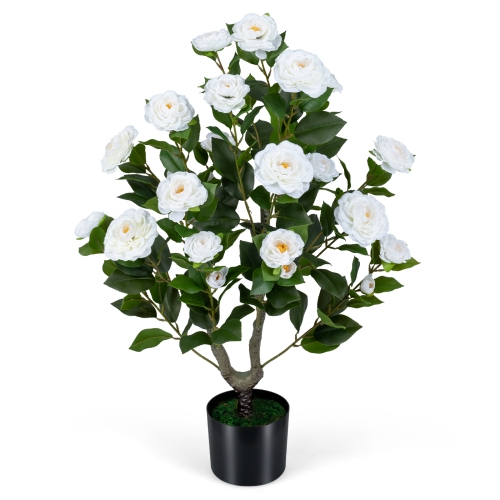
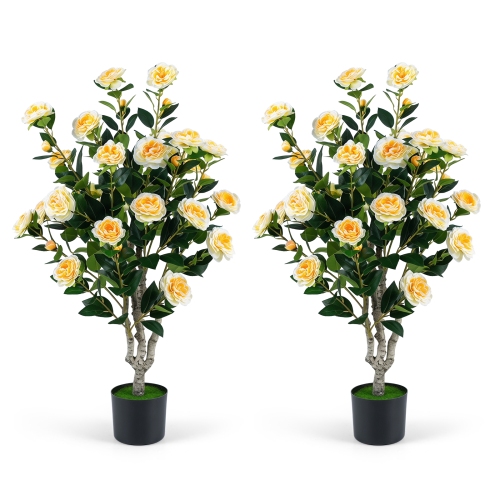
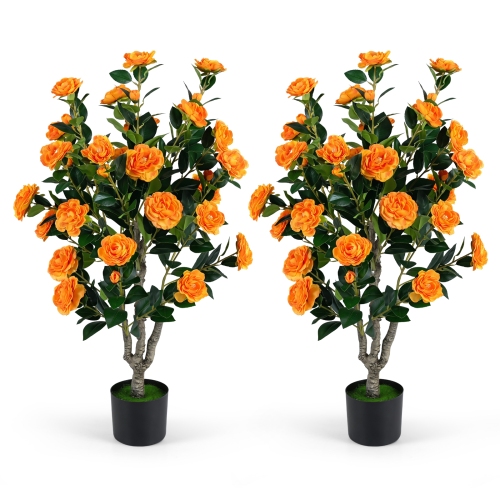
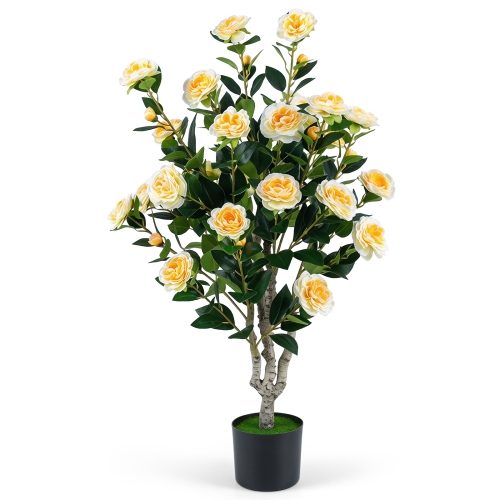
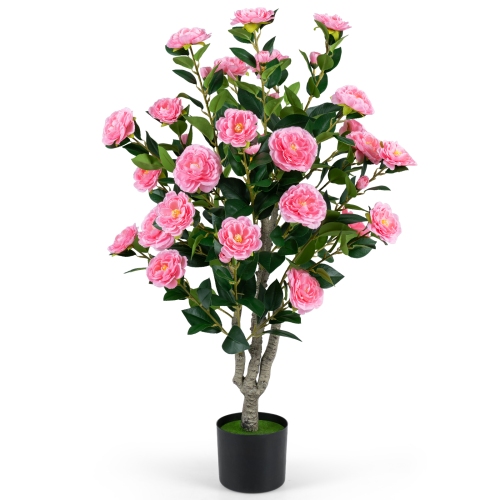
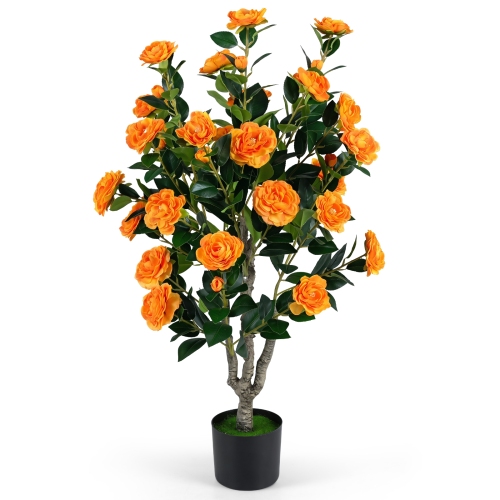
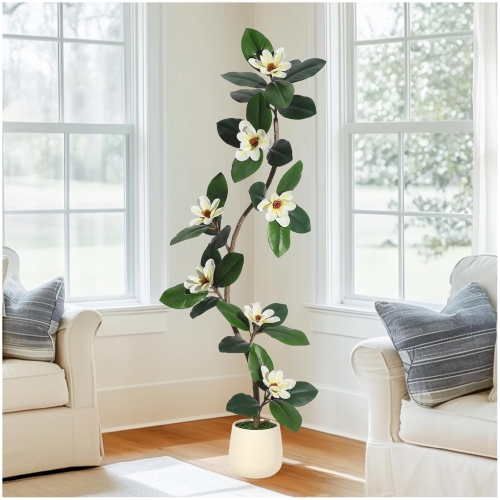
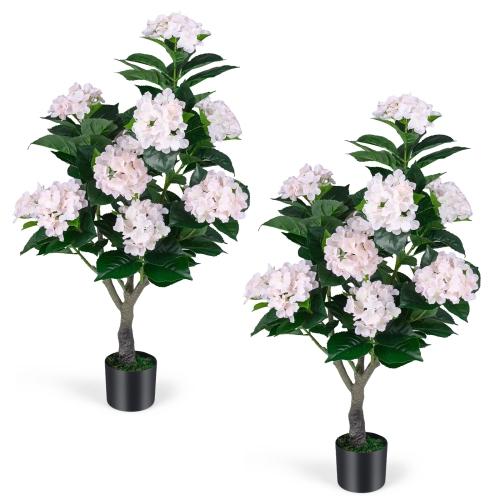
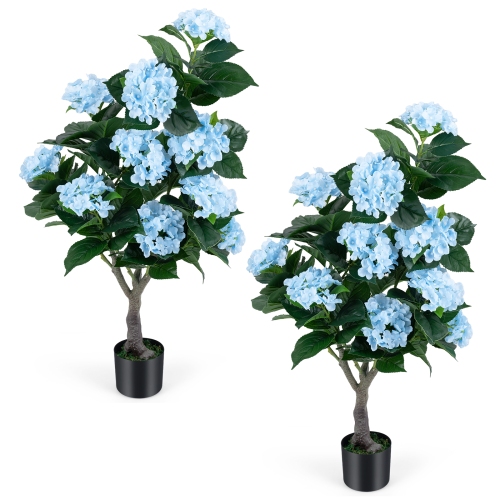
The subtle details behind natural-looking white floral displays
White artificial flowers are decorative stems, bunches, and arrangements designed to resemble natural blooms without the watering or regular replacement associated with cut flowers. Their appeal lies in both their colour and their flexibility: a few white stems can soften a desk, while a fuller arrangement can give a dining table or reception counter a distinct focal point. Rose, peony, hydrangea, orchid, and lily shapes each bring a different character to a display. Rounded blossoms create fullness, branching stems introduce movement, and open flowers with visible centres offer more defined detail. Arrangements featuring artificial roses can look formal or relaxed depending on the container, the amount of greenery, and how closely the blooms are grouped. White itself also has considerable variety. Crisp white petals look clean against dark wood or charcoal upholstery, while ivory and cream tones sit comfortably beside beige textiles, pale oak, and warm metallic finishes. A subtle difference between the flowers and their backdrop helps individual petals remain visible; bright white blossoms against a bright white wall can lose some definition. Lighting matters, too, since warm bulbs can make white petals appear creamier, while cooler lighting may emphasize a sharper white finish. For a natural-looking effect, small variations in petal shape, bloom size, and stem direction often matter more than perfect symmetry. A mix of partially opened and fuller flower heads can give an arrangement depth without requiring several colours. White artificial flowers suit homes, offices, reception areas, and event settings where a consistent floral display is useful. They can also make a thoughtful housewarming or thank-you gift, particularly for someone who enjoys floral décor but prefers not to look after living plants. For gifting, a finished arrangement in a neutral container is often easier to place than loose stems that need a separate vase.
Materials influence the appearance, feel, and structure of artificial flowers. Fabric petals, often made from polyester, can have soft edges and fine printed or moulded details, although the weave may be visible at close range. The term silk flowers is used broadly, so the stated material composition is more informative than the name alone. Plastic components can provide firmer shapes for small blossoms, leaves, or branching stems, while foam and coated petals may create a smoother, more substantial surface. Flowers described as real-touch may use different materials or finishes, making the individual description important when texture is a priority. Some designs combine several materials, such as fabric petals, plastic foliage, and wire-supported stems. A convincing result depends on the combination: neatly finished petal edges, discreet joins, believable leaf colouring, and flower heads that sit naturally on their stems. Viewing distance also changes what matters. Flowers placed on a bedside table are seen close up, where texture and construction are noticeable; a larger arrangement across a room relies more on silhouette and proportion. Dimensions deserve attention beyond the stated stem length. The width of each flower head, the spread of branching stems, and the overall arrangement height affect whether a display feels balanced in its intended space. A tall, narrow vase generally needs enough stem length to support an upright composition, while a low bowl works better with shorter stems and flowers grouped near its rim. The vase opening matters as much as its height: a wide mouth allows stems to spread but may need more support to keep them positioned. Bendable, wire-supported stems can help create a less rigid outline, but not every stem is adjustable or suitable for cutting. For stems that are, shortening them gradually helps preserve options for another container later. Visible stems in a clear vase also become part of the display, so their finish and arrangement deserve the same attention as the blooms.
The intended location helps determine how full, tall, or practical a white floral arrangement should be. On a dining table, a lower display allows people to see one another comfortably, with enough space around the vase for serving dishes. A narrow console can carry a taller arrangement if the base is stable and the stems do not extend into a walkway. Beside a computer monitor, a compact cluster adds detail without crowding the workspace or obstructing the screen. In shared spaces, flowers with securely attached heads and a sturdy container are sensible choices where a display may be brushed by passing bags or sleeves. Artificial flowers can also suit wedding tables, celebration backdrops, and keepsake arrangements, especially when matching colours and repeatable shapes are important. Their lack of fresh-flower fragrance may appeal to someone who prefers an unscented display, although artificial materials can still have an initial odour and can collect household dust. Care depends on the construction rather than the flower style alone. Gentle dusting with a soft brush is often suitable for delicate petals, while wiping or rinsing should be reserved for materials whose care instructions permit it. Soaking a mixed-material arrangement can affect adhesives, fabric finishes, or exposed wire. White petals tend to show settled dust and handling marks clearly, making occasional light cleaning preferable to waiting until the display looks dull. Prolonged direct sunlight can discolour some materials, and heat sources or open flames should be kept well away from artificial foliage and petals. Unless specifically labelled for outdoor use, an arrangement is best treated as an indoor decoration. When flowers are stored between uses, a roomy container helps prevent crushed petals and bent heads; packing them tightly can leave creases that are difficult to remove. With suitable placement and material-specific care, white artificial flowers offer a lasting decorative accent that can be restyled with different vessels, greenery, or surrounding accessories as a room changes.
Top selling and popular products
-
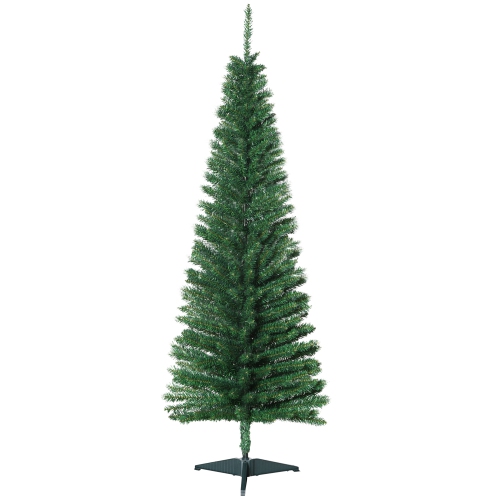 Your price for this item is $49.99
-
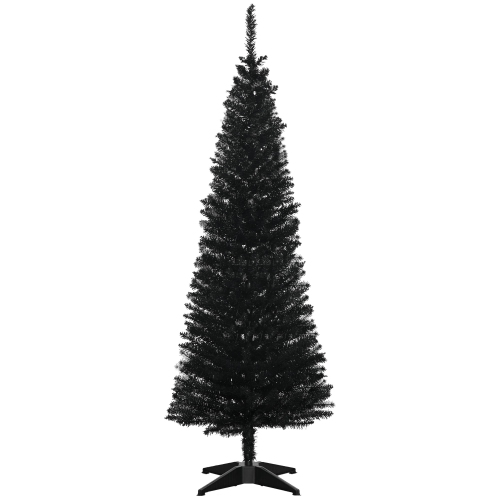 Your price for this item is $51.99
-
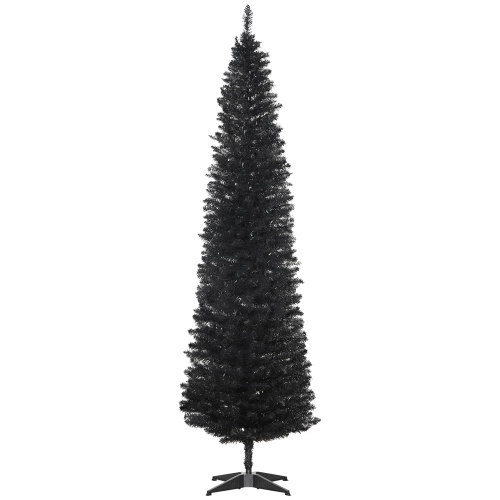 Your price for this item is $69.99
-
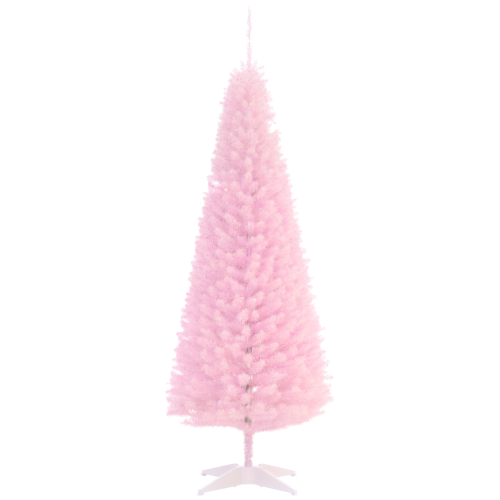 Your price for this item is $48
-
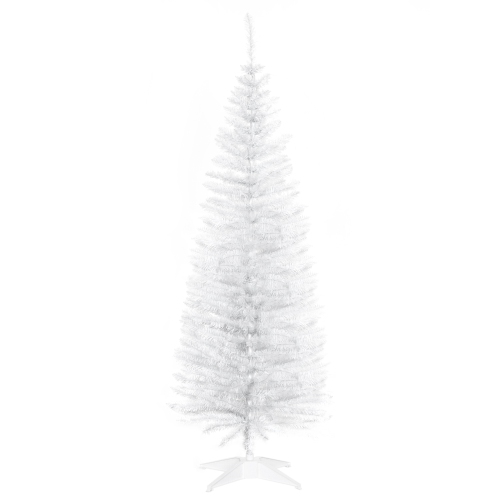 Your price for this item is $49.99
-
 Your price for this item is $125.99
-
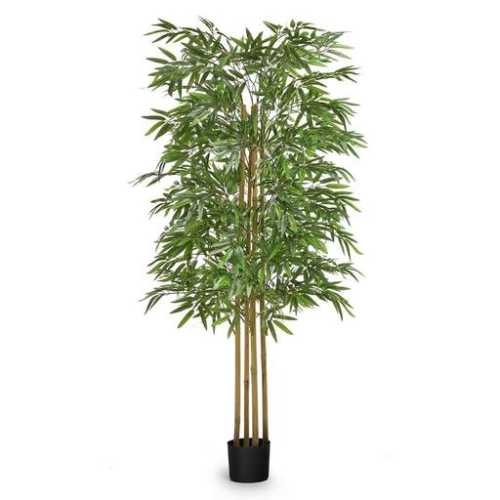 Your price for this item is $167.99
-
 Your price for this item is $107.99
Discover more categories related to White Artificial Flowers
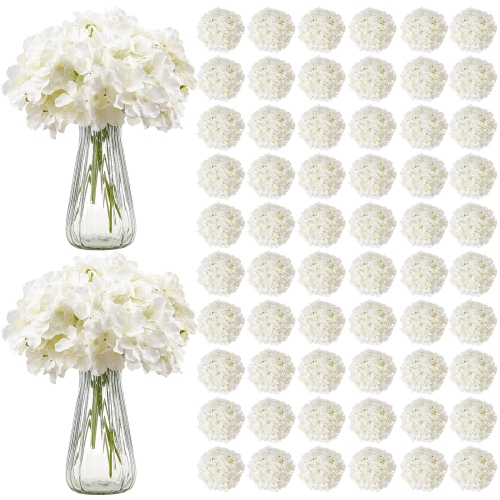
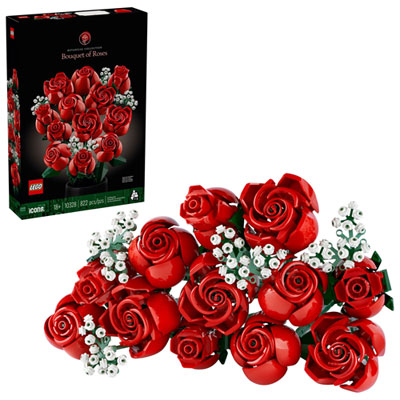
Top Collections:
Best Black Friday Deals This Year, Best Black Friday Deals On Electronics, Kindle Devices, Dyson Airwrap, Best Cameras for Sports Photography, Best Black Friday Deals On Apple Products, PS5 Pro Consoles, Portable Snow Blowers, Canon G7X Cameras, Pokémon 30th Celebration Cards
Some products may be subject to Environmental Handling Fees
(EHF) depending on your province.
Learn more about EHFs.