White Bathroom Wall Storage Cabinets
White Bathroom Wall Storage Cabinets offer a stylish and practical solution for organizing essentials in your bathroom. With their clean and versatile look, these cabinets seamlessly complement a variety of décor styles while maximizing vertical space. Whether you’re looking to keep toiletries, towels, or other necessities within easy reach, White Bathroom Wall Storage Cabinets provide an attractive way to enhance both storage and visual appeal in your bathroom. Explore a range of options designed to help you create a clutter-free and inviting space.
Sort

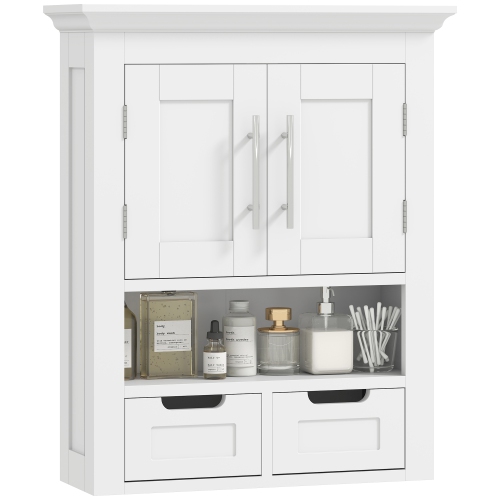
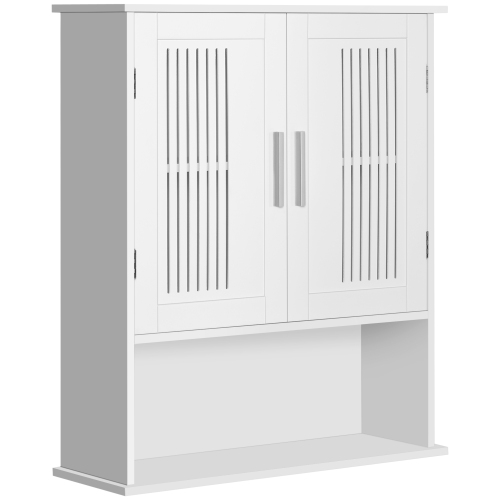
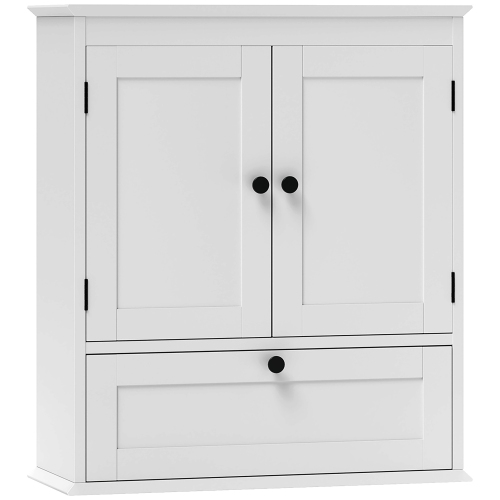
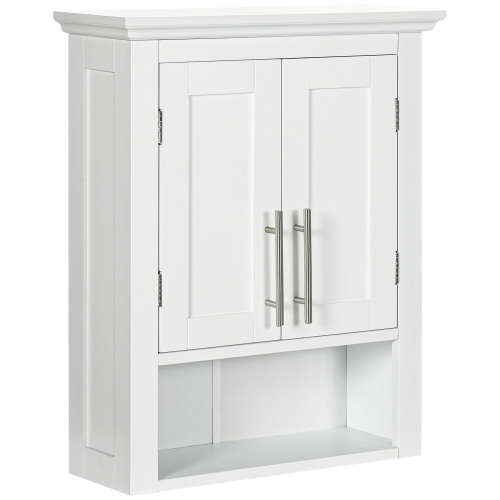
Bathroom essentials tucked away without sacrificing floor space
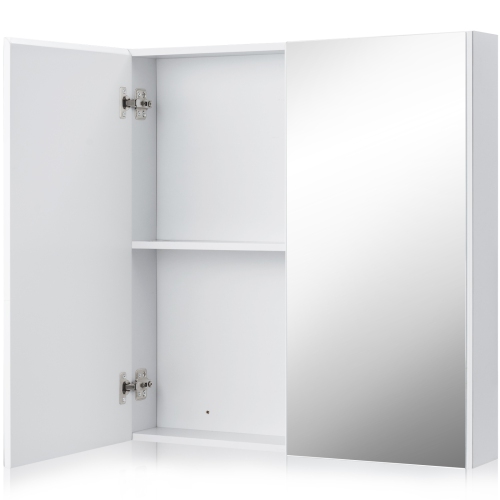
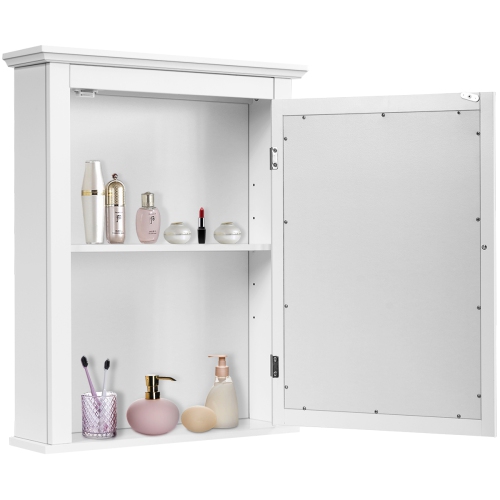
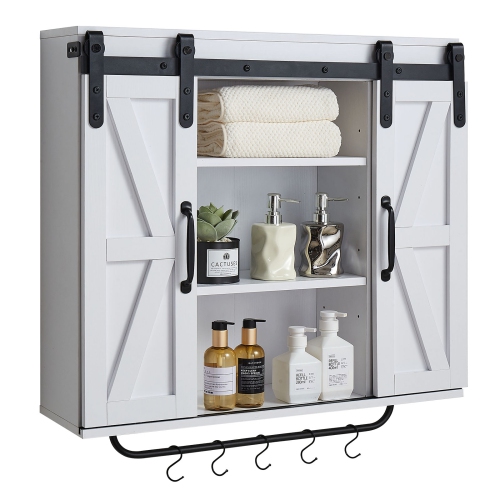
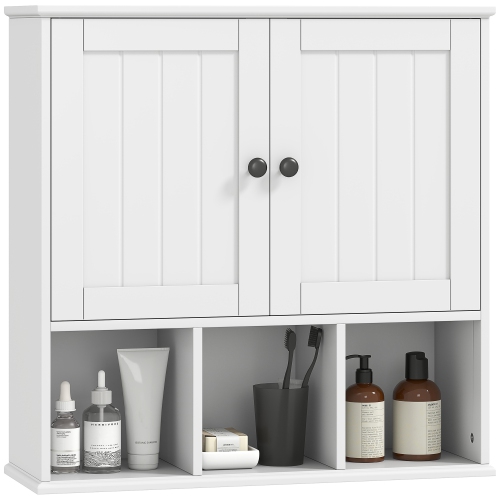
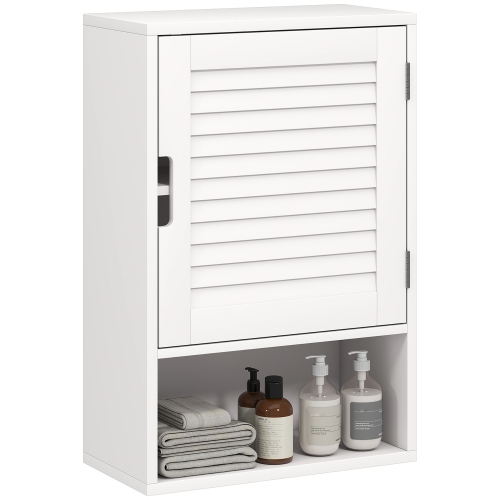
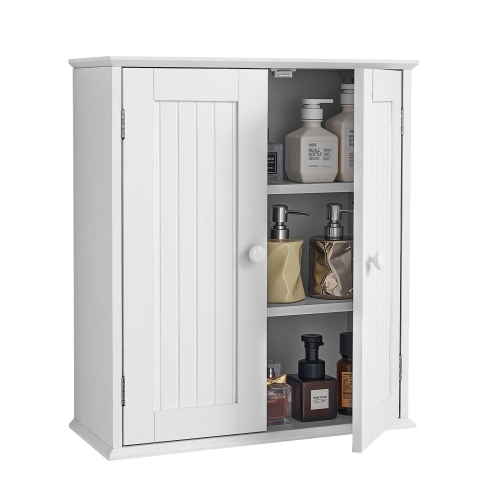
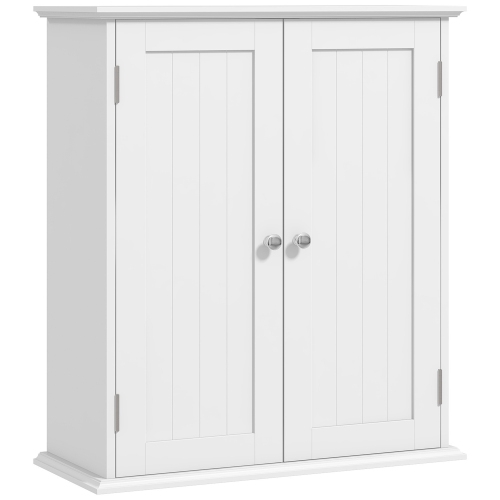
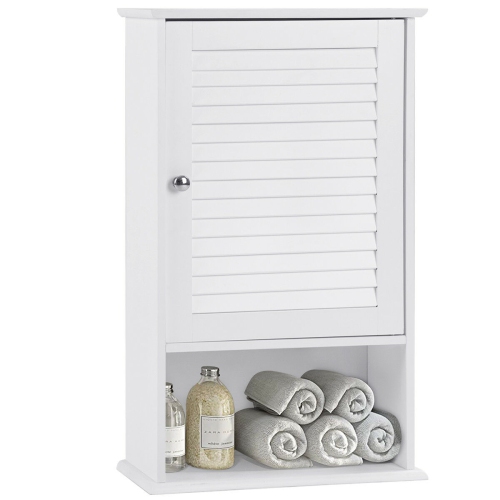
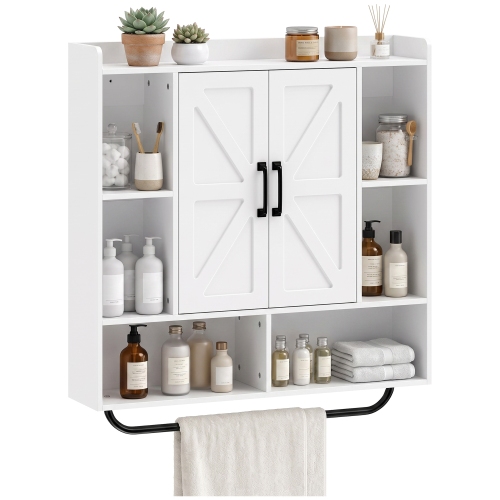
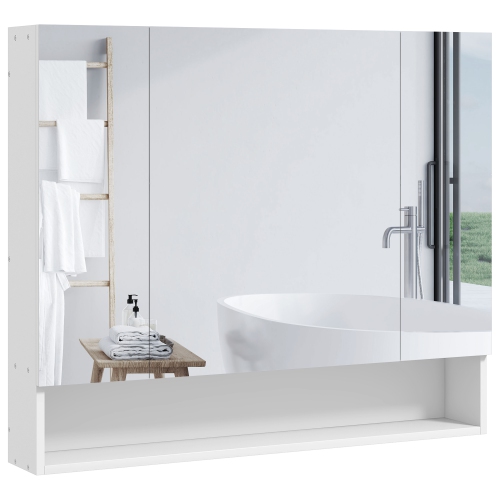
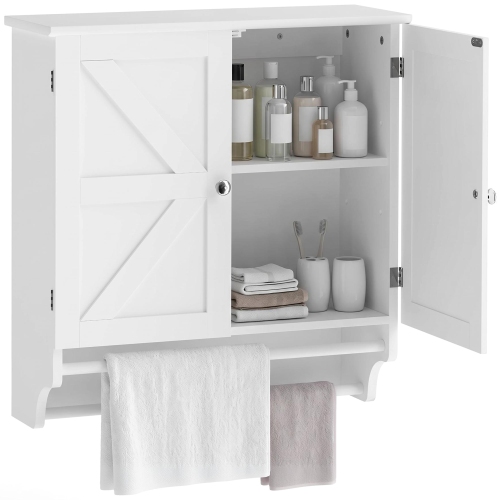
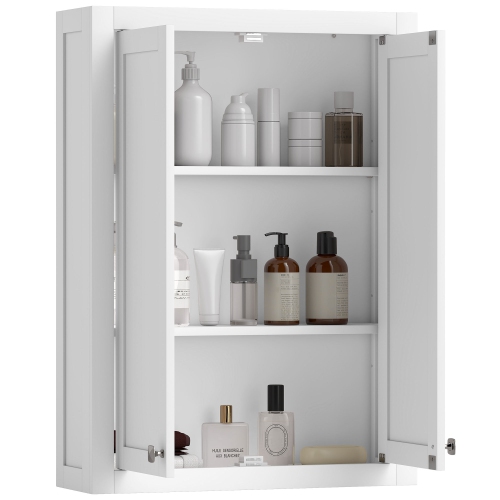
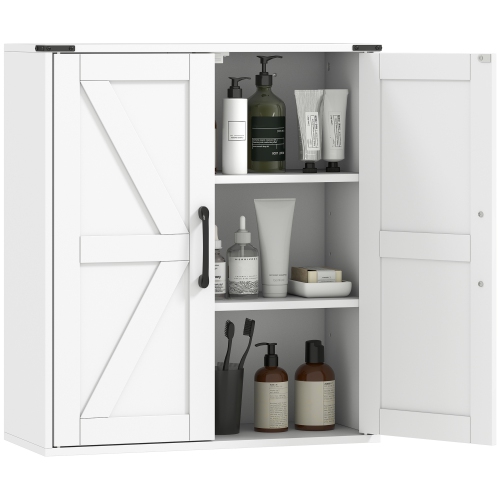
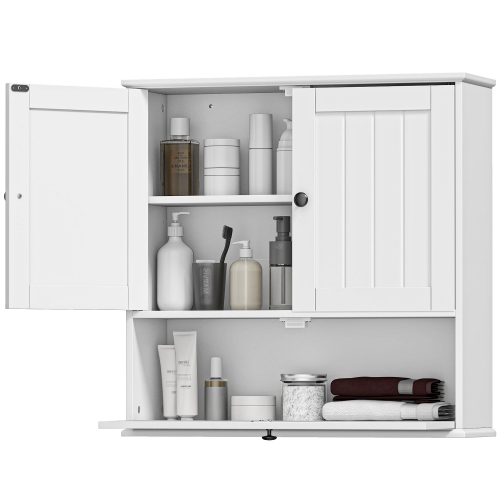
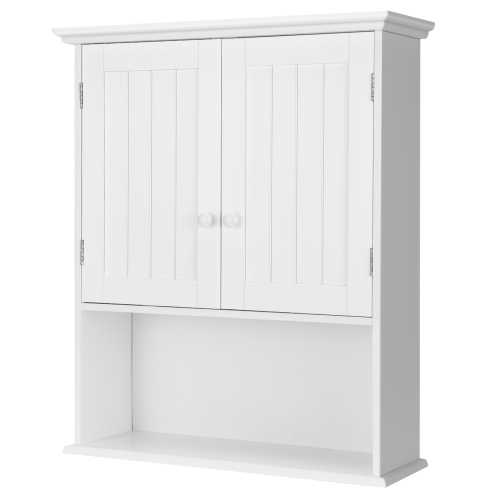
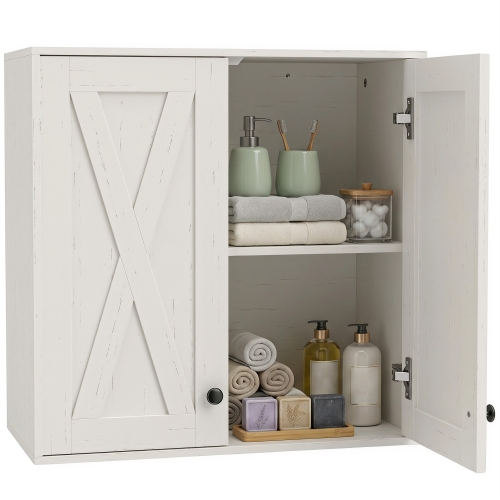
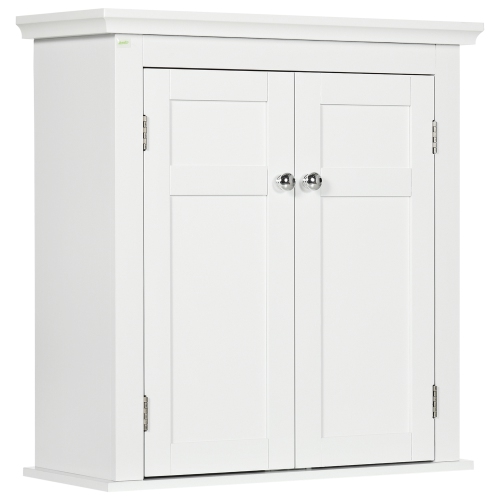
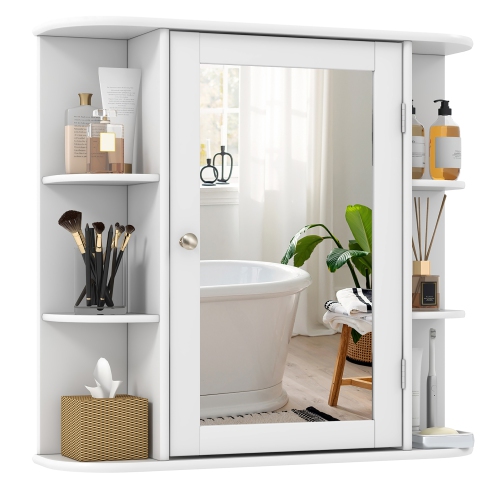
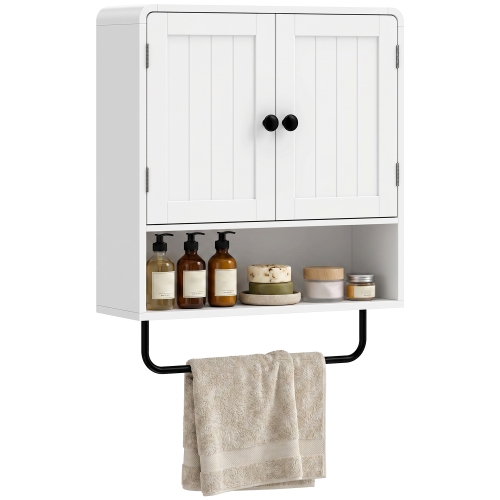
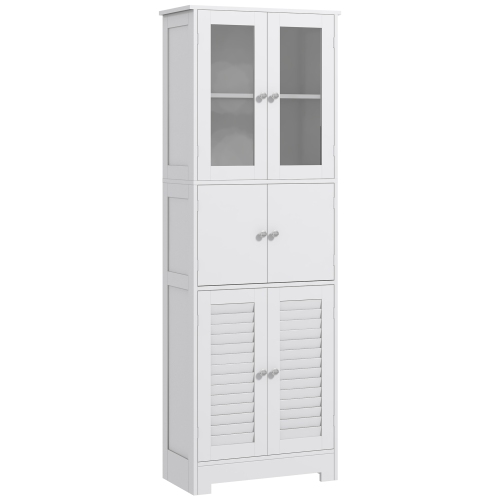
White bathroom wall storage cabinets add enclosed storage without taking up floor space, making them a practical choice for powder rooms, shared family bathrooms, and compact ensuites. Mounted above a toilet, beside a vanity, or along an otherwise unused wall, they keep everyday supplies organized while leaving the room easier to move through. Common configurations include compact single-door cabinets, wider double-door designs, mirrored fronts, and combinations of closed cupboards with open shelving. A shallow cabinet can hold toothpaste, skin care, and spare soap without projecting too far into a narrow room, while a deeper design may accommodate folded hand towels and larger toiletries. Closed doors keep packaging out of sight and help protect contents from everyday splashes, although they do not make a cabinet watertight. An open shelf beneath the doors provides a convenient spot for frequently used essentials or a small basket, provided the shelf depth suits what it needs to hold. White finishes work with many bathroom styles, from simple flat-front cabinetry paired with chrome fixtures to panelled doors alongside traditional taps and framed mirrors. The effect depends partly on the shade: a crisp white can look quite different beside cream tile, while a softer white may blend more comfortably with warm stone colours. Gloss finishes reflect more light and show fingerprints differently from matte or satin surfaces; none is automatically easier to maintain without considering the finish itself. Mirrored doors can combine grooming space and storage, particularly where there is little room for a separate mirror and cupboard. Their usefulness depends on mounting height, lighting, and whether an open door interferes with nearby fixtures. For a coordinated look beyond the bathroom, White Wall Cabinets can complement storage elsewhere in the home, while bathroom placement requires particular attention to moisture exposure and secure mounting. The most useful arrangement balances a clean appearance with enough accessible space for the supplies used every day, rather than simply filling the largest available section of wall.
Materials and construction make a noticeable difference to how a bathroom wall cabinet handles regular use. Painted solid wood offers a familiar furniture-like appearance, but wood can still expand or contract with changes in moisture. Engineered wood, including medium-density fibreboard, can provide a smooth surface for a white finish; its suitability for a bathroom depends on the protective coating, sealed edges, and the manufacturer's stated intended use. Exposed edges, damaged coatings, and standing water can leave some materials vulnerable to swelling or deterioration. A moisture-resistant finish is useful in a bathroom, but it should not be treated as permission to install a cabinet inside a shower enclosure or anywhere it receives direct spray unless it is specifically designed for that location. Door hinges, handles, shelf supports, and the back panel also contribute to durability. Corrosion-resistant hardware is worth considering where damp air is common, and adjustable shelves make it easier to accommodate bottles of different heights without wasting vertical space. Fixed shelves may suit a straightforward arrangement of towels and toiletries, while adjustable layouts allow the contents to change over time. Fit involves more than the cabinet's overall width and height. Depth affects how far it projects above a toilet or beside a sink, and door clearance determines whether it can open fully without striking a mirror, light fitting, or adjacent wall. Above a toilet, access to the tank lid and flushing mechanism still matters. Beside a vanity, a projecting corner should not crowd the space used for washing or brushing teeth. Installation requirements vary with cabinet weight, wall construction, and the load it will carry. Secure attachment to appropriate structural support or correctly rated fixings is essential, and the cabinet's stated load limits apply after installation. Plumbing and electrical services may run behind bathroom walls, so suitable installation expertise can be especially valuable. In a rental home, permission for wall mounting is another practical consideration before making a permanent change.
Thoughtful interior organization helps white bathroom wall storage cabinets earn their place in a busy room. In a shared bathroom, separate shelves or small washable containers can give each person a defined space for daily essentials, reducing the need to move several bottles just to reach one. A lower open shelf may be convenient for adults' frequently used toiletries, while less frequently needed supplies can sit behind the doors. That arrangement should still account for who can reach the cabinet: a high mounting position is not a substitute for secure storage when children are present, and cleaning chemicals or other hazardous contents need appropriate safeguards. For someone with limited reach or shoulder mobility, a cabinet mounted well above eye level may be less useful than a shallower design positioned within comfortable reach. Heavy contents are best kept where they can be handled safely and within the limits specified for each shelf. Towels need enough depth to sit neatly without pressing against the doors, and damp washcloths should dry before being put away. Personal care labels also matter, since some contents require cool, dry storage that a humid bathroom cannot reliably provide. Everyday care is generally straightforward when it follows the cabinet manufacturer's recommendations. A soft cloth and a suitable mild cleaner can remove fingerprints and toothpaste marks without unnecessary abrasion; excess moisture should be wiped away rather than left along seams or around hardware. Mirrored fronts benefit from keeping cleaning liquid away from vulnerable edges and joints. Good bathroom ventilation supports the condition of cabinetry, but it does not replace a finish suited to the location. Periodic attention to loose handles, hinge alignment, shelf supports, and damaged paint can help address small issues before they affect everyday use. Whether furnishing a first apartment, adding order to a family bathroom, or refreshing a guest washroom, a well-proportioned white wall cabinet provides a defined home for essentials while preserving valuable space around the sink and floor.
Top selling and popular products
-
 Your price for this item is $90
-
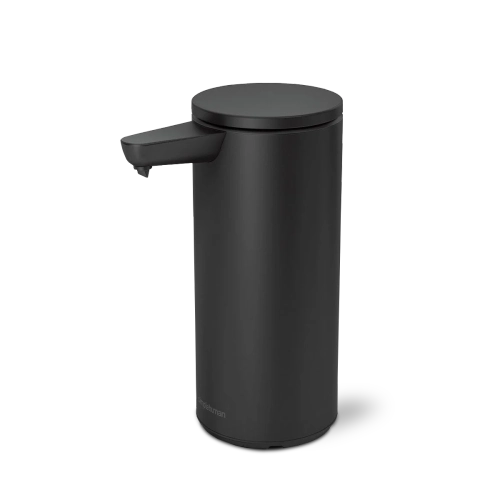 Your price for this item is $100
-
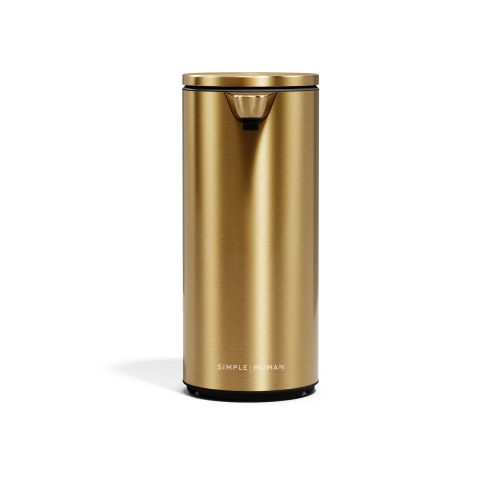 Your price for this item is $100
-
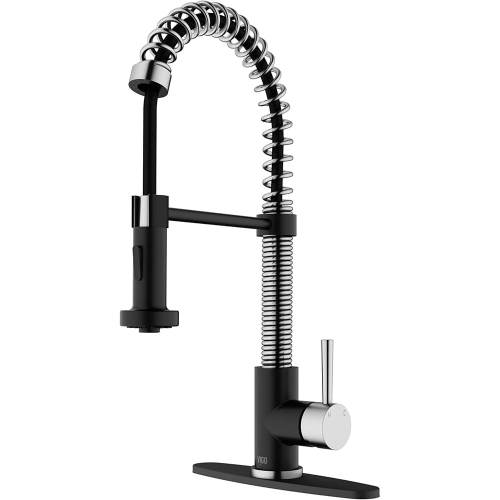 Your price for this item is $426.55
-
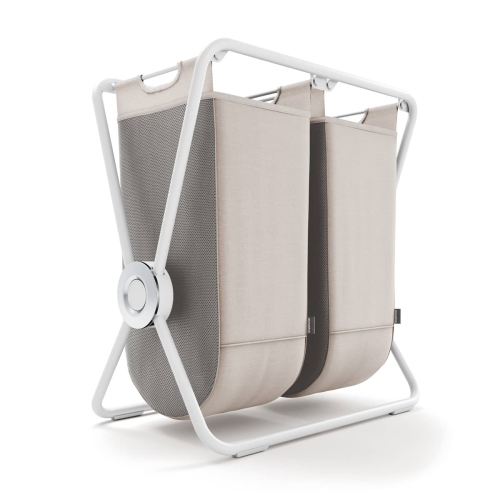 Your price for this item is $300
-
 Your price for this item is $120
-
 Your price for this item is $160
-
 Your price for this item is $180
Discover more categories related to White Bathroom Wall Storage Cabinets
Top Collections:
Best Black Friday Deals This Year, Best Black Friday Deals On Electronics, Kindle Devices, Pokemon Centers, Best Black Friday Deals On Apple Products, Best Cameras for Sports Photography, Dyson Airwrap, Pokémon 30th Celebration Cards, Apple iPhone 17 Pro, Canon G7X Cameras
Some products may be subject to Environmental Handling Fees
(EHF) depending on your province.
Learn more about EHFs.