White Contemporary Metal Desks
If you're looking for a desk that will work in almost any room of your house, from the family room to the bedroom, and won't take up too much space, consider these white contemporary metal desks. These desks are perfect for those who need a place to work but don't have a lot of space available. They come in a variety of styles and sizes, so you can find one that fits your needs perfectly. Here are some of the great options.
Sort
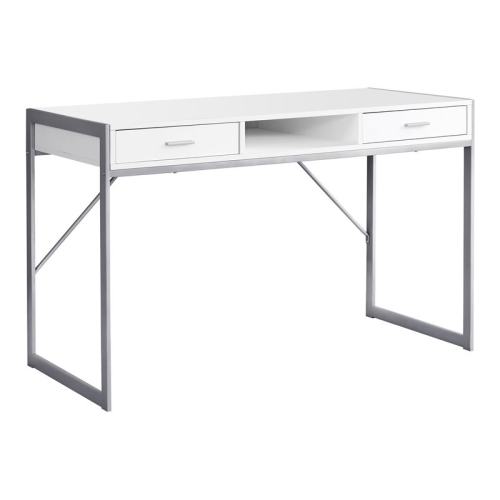
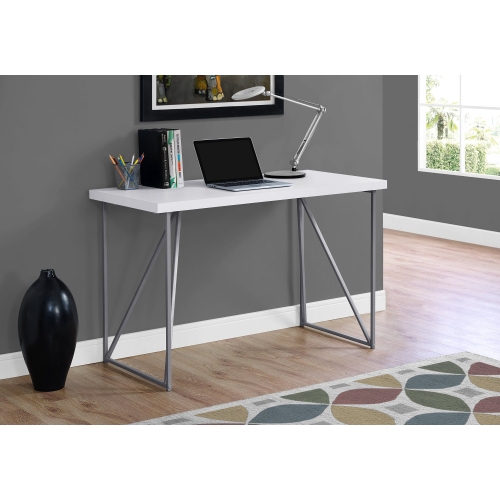
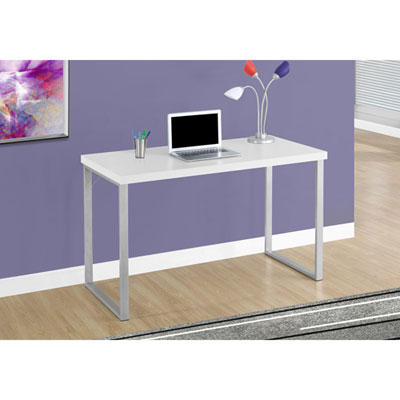
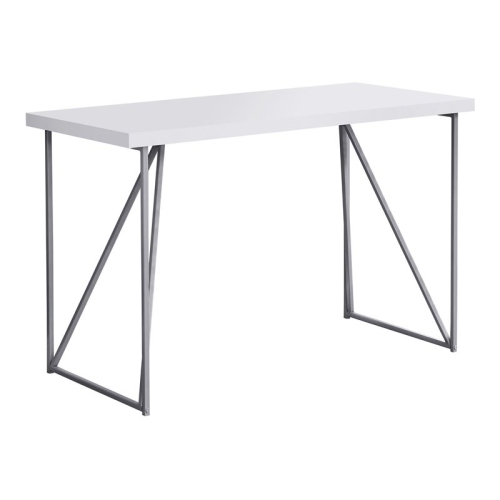

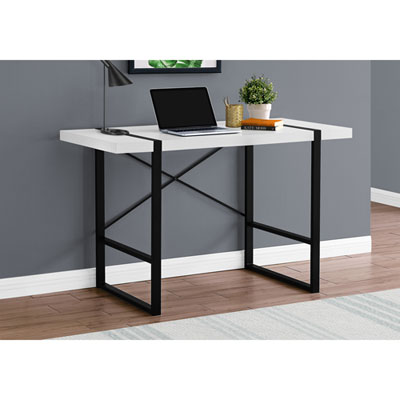
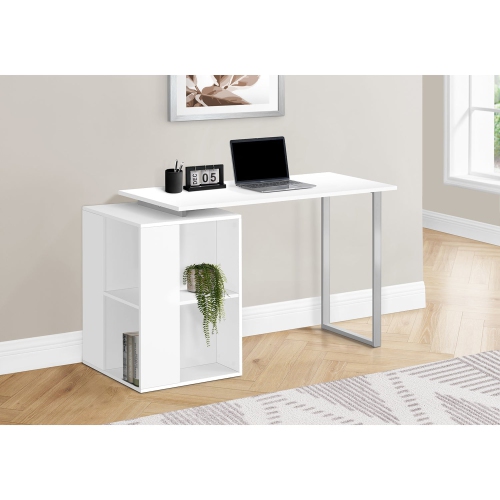
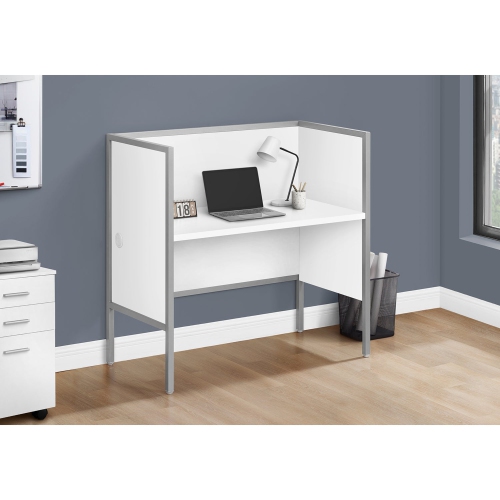
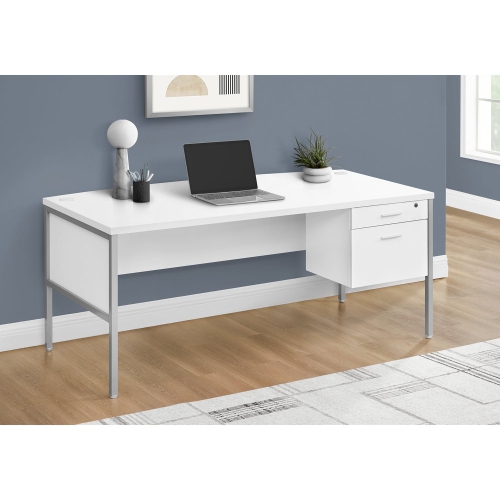
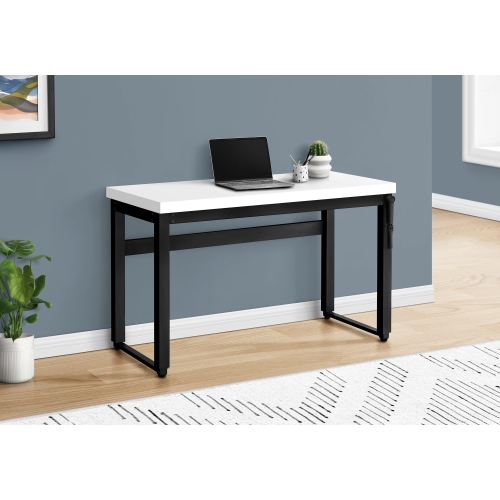
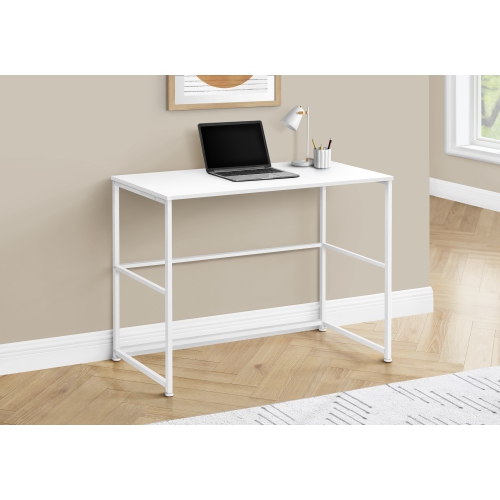

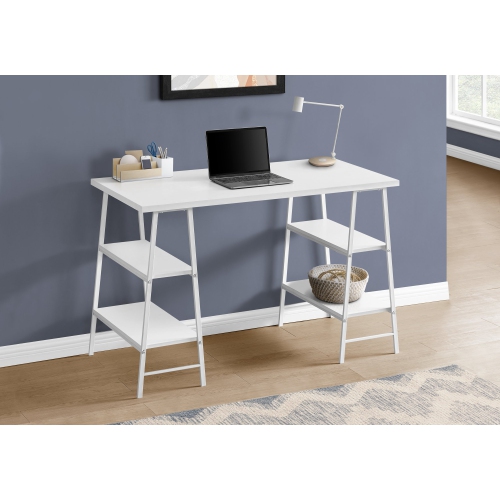

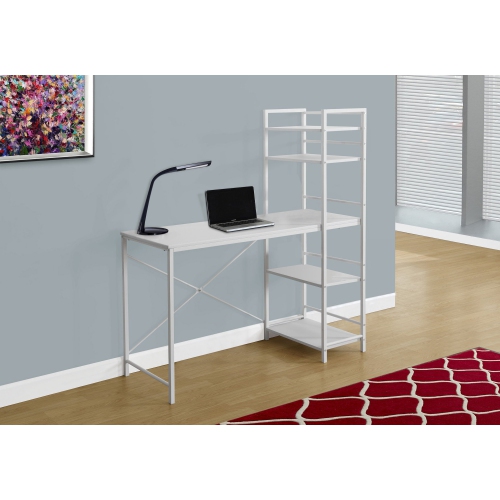
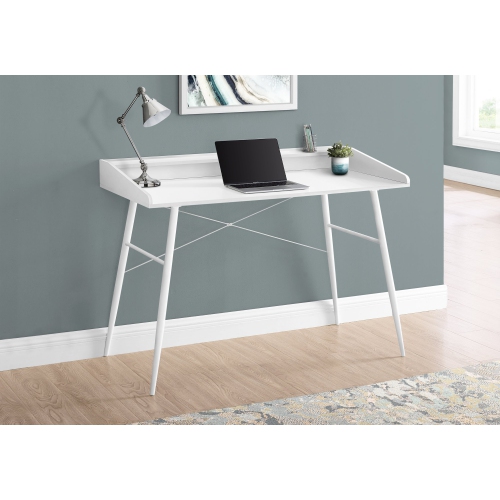
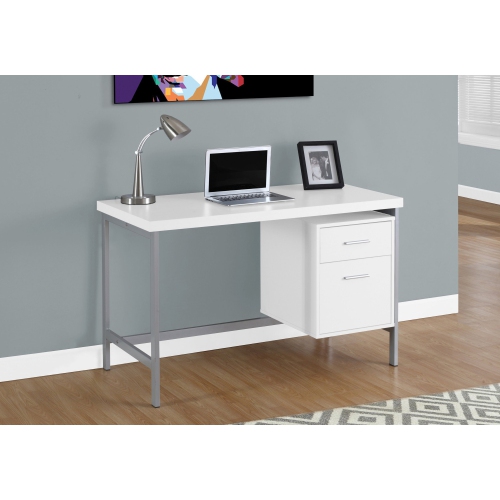
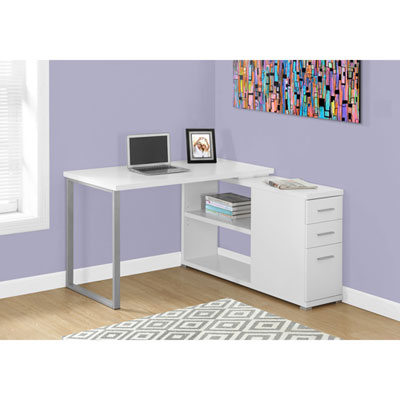
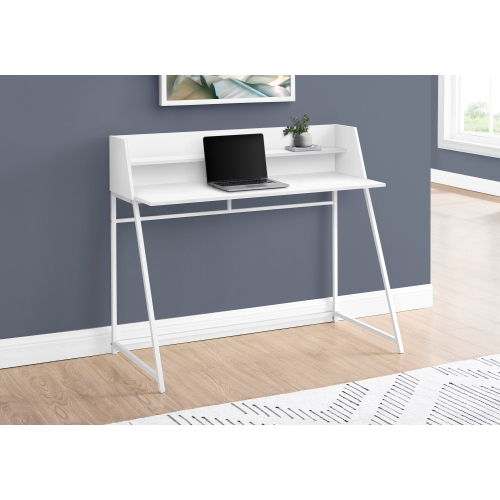

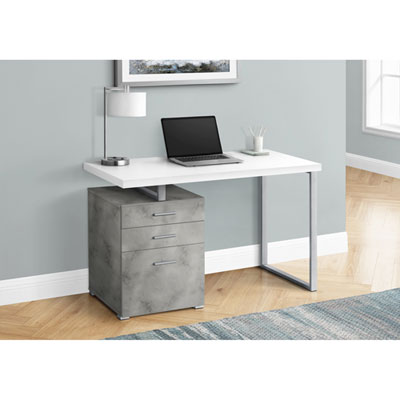
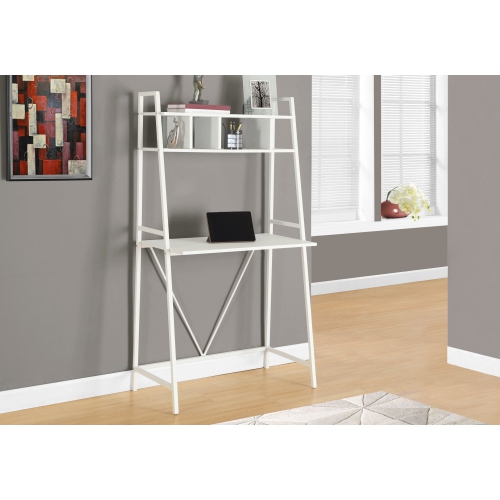
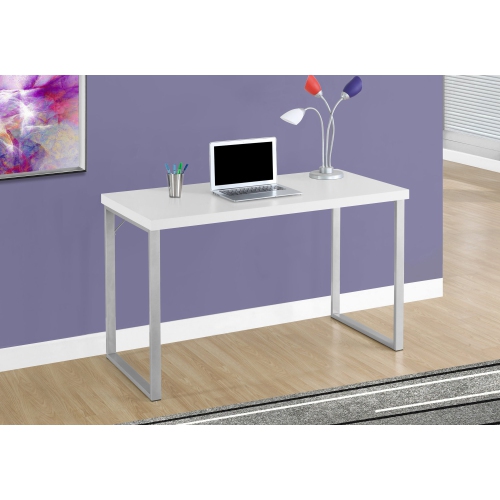
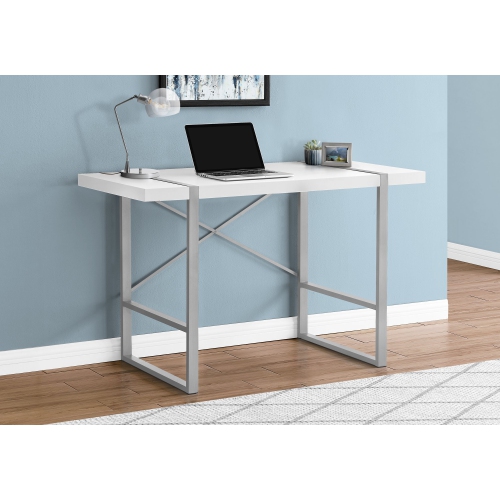
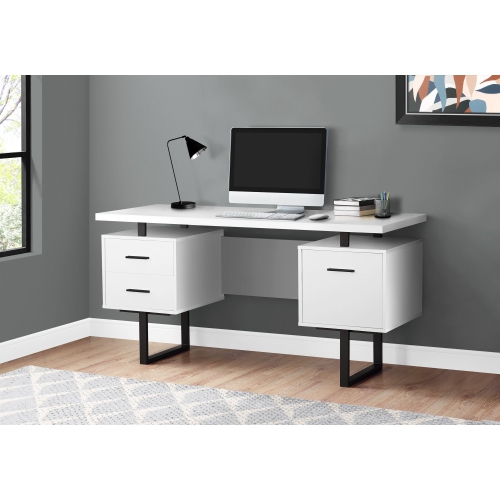
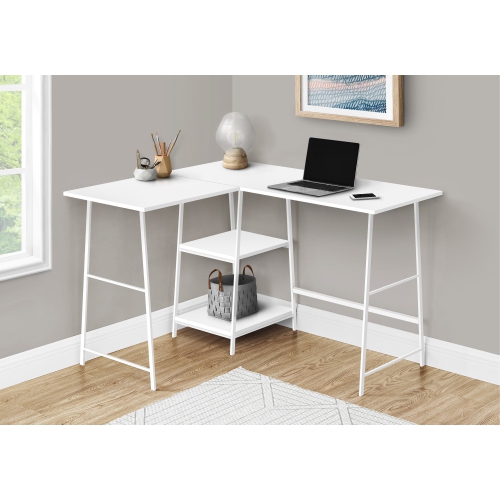
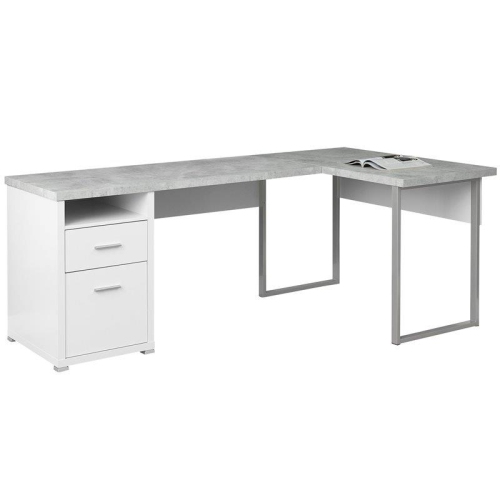
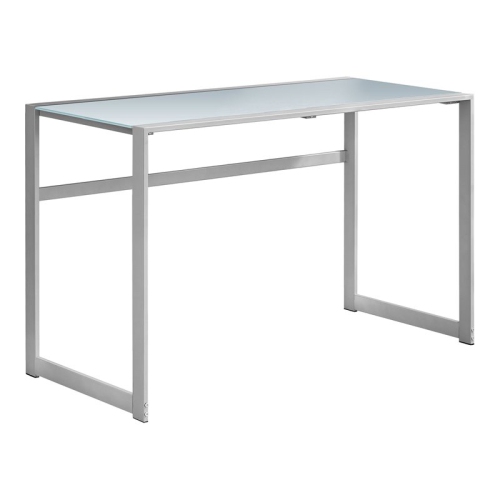
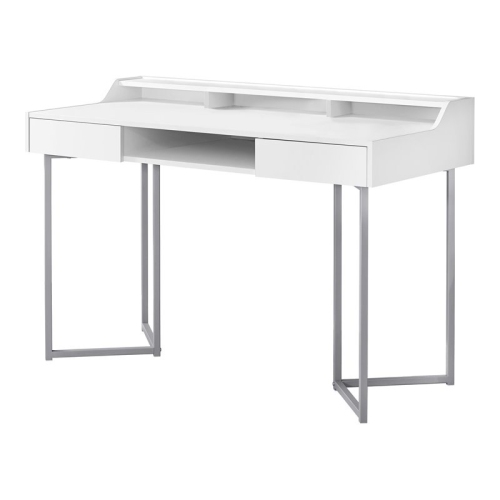
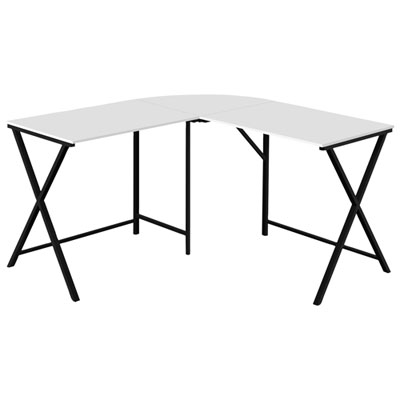
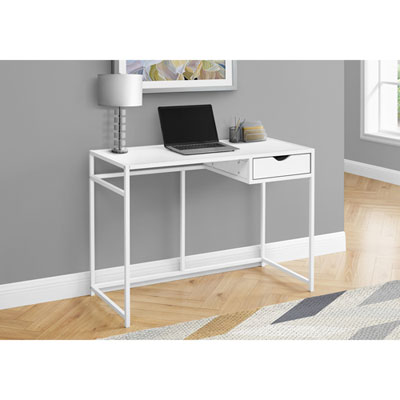
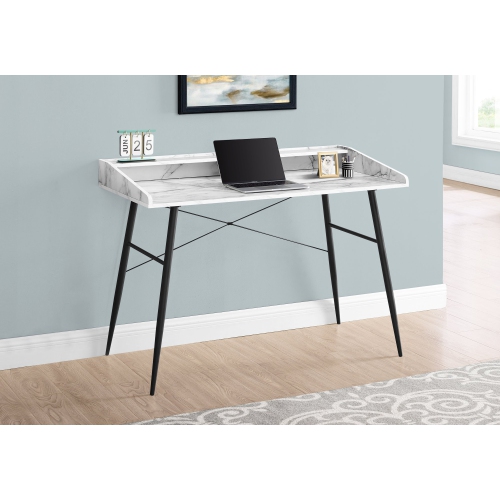
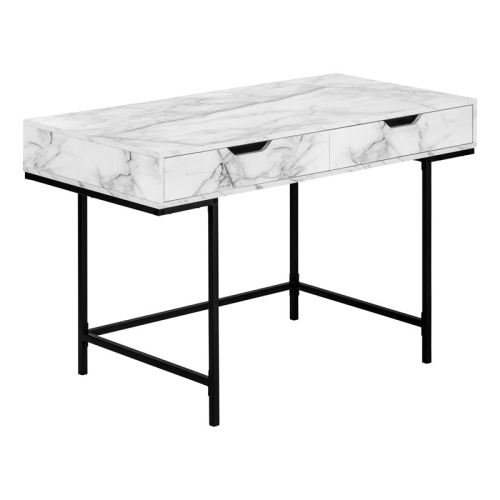
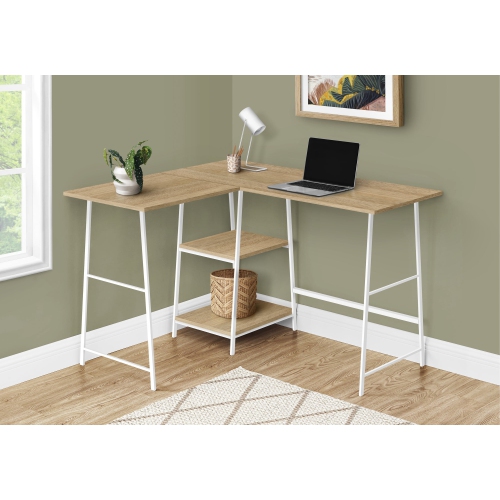
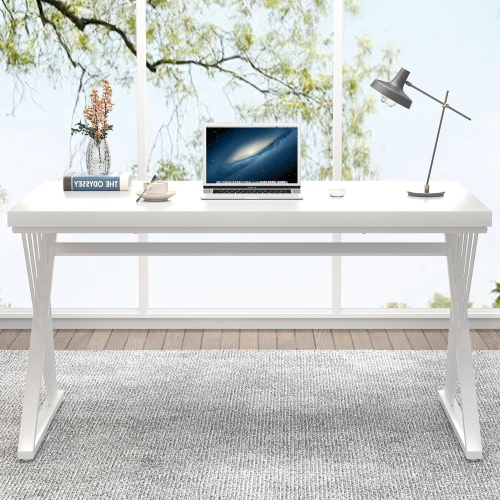
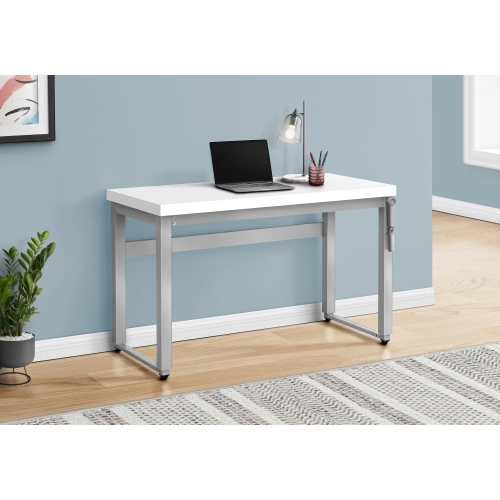

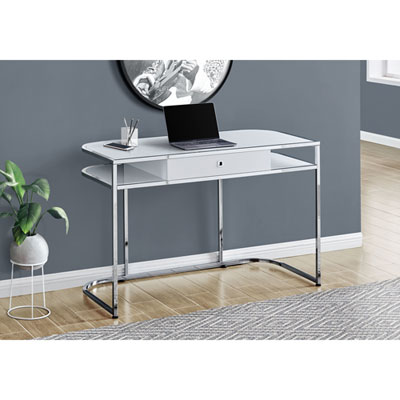
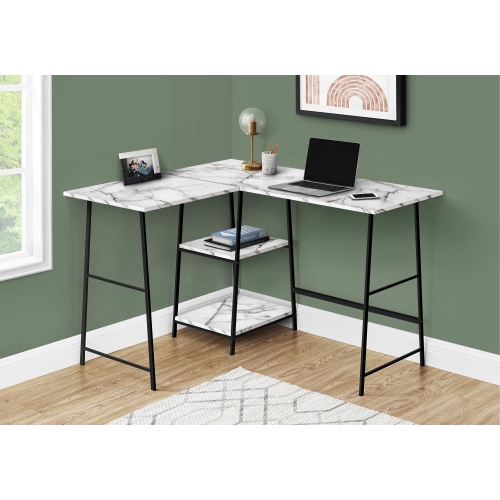
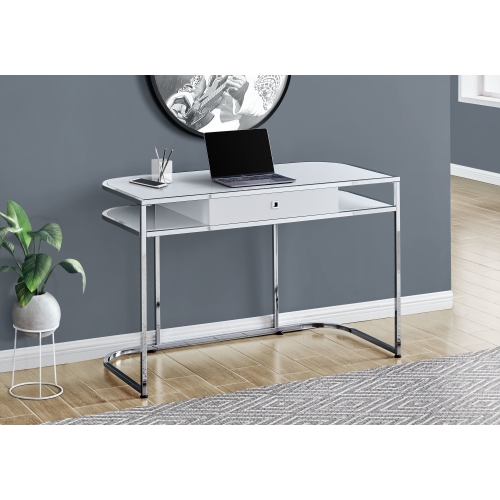

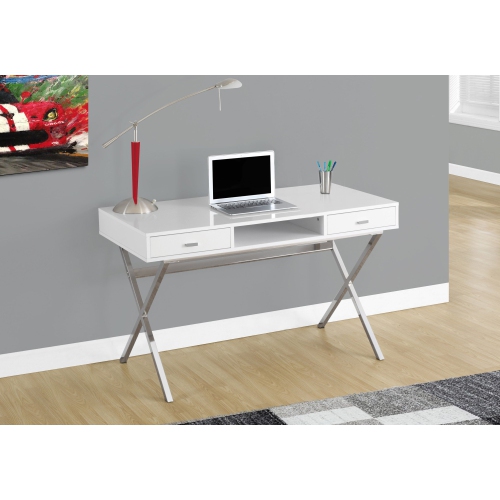
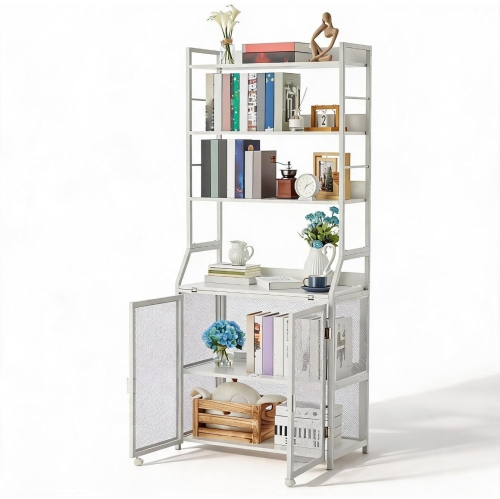
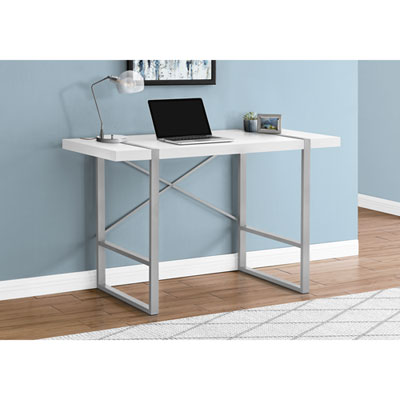
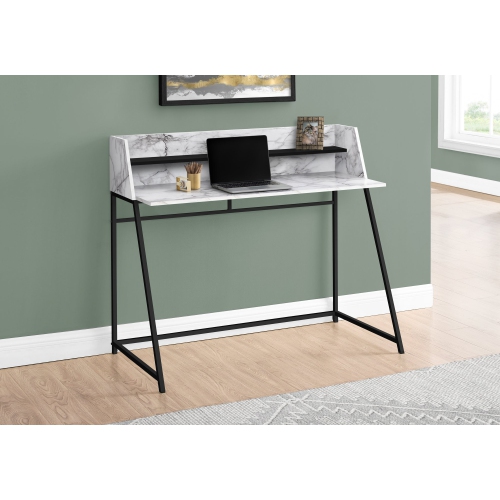
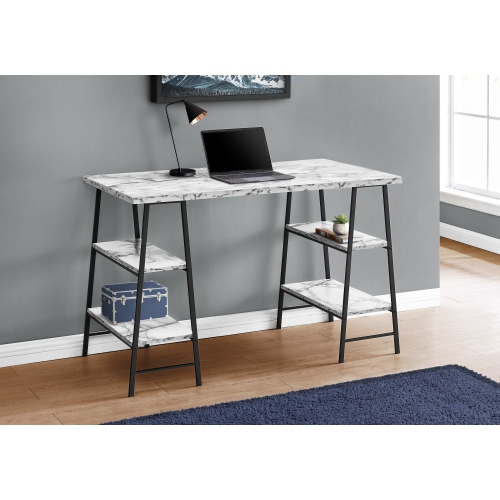
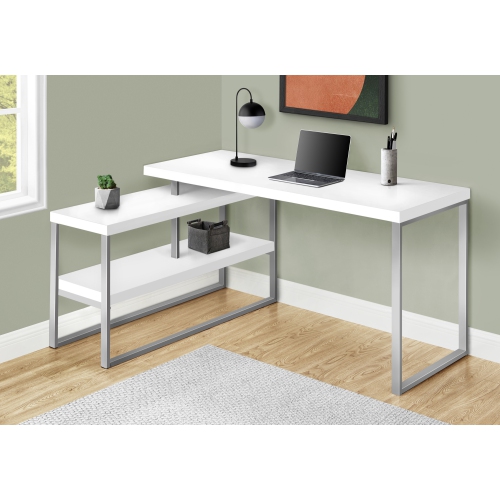
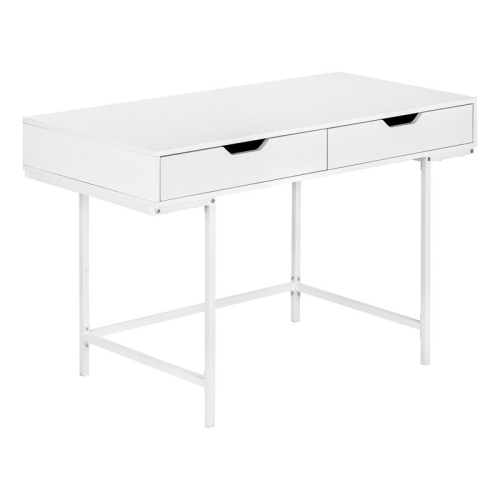
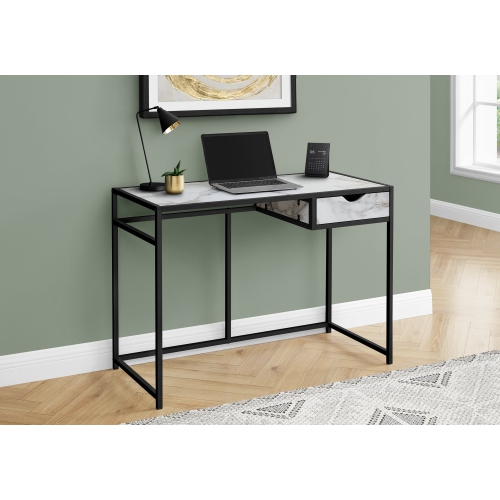
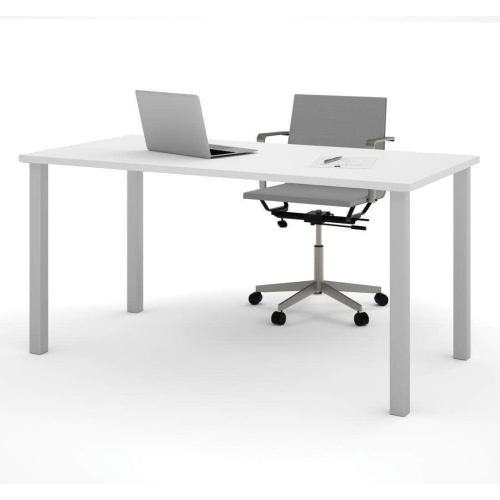


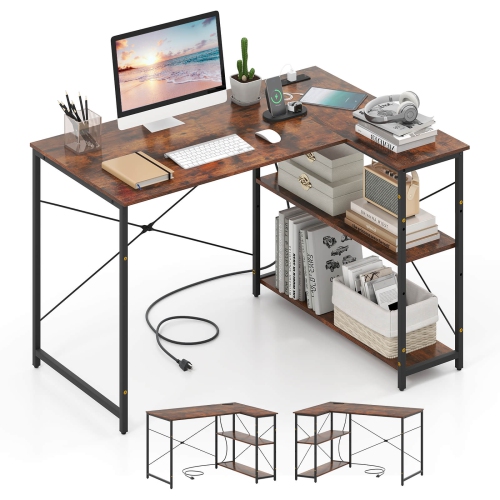
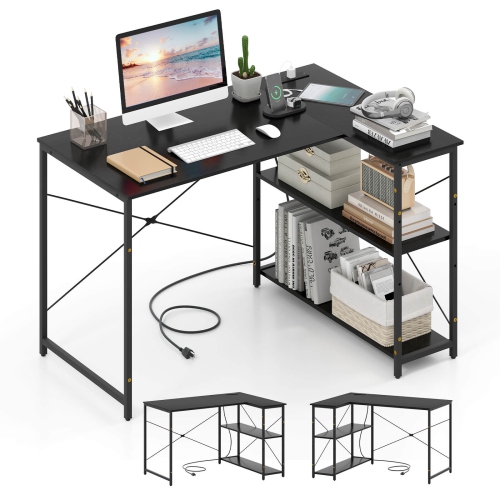
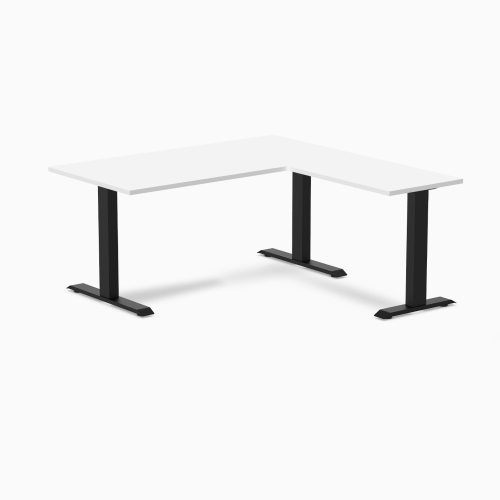
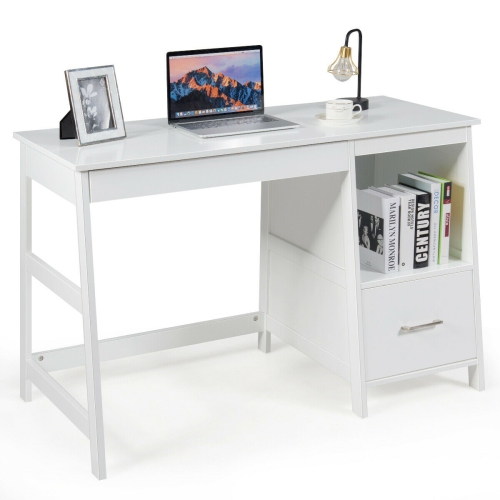
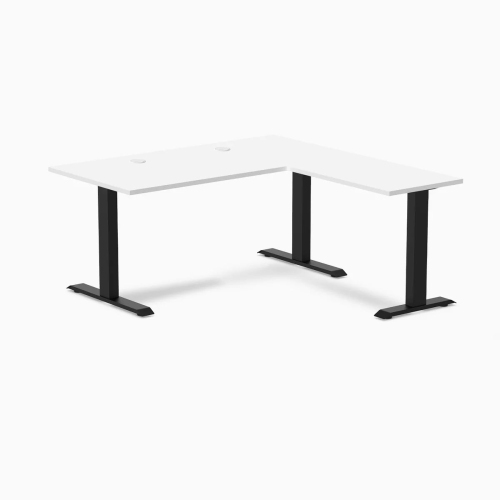
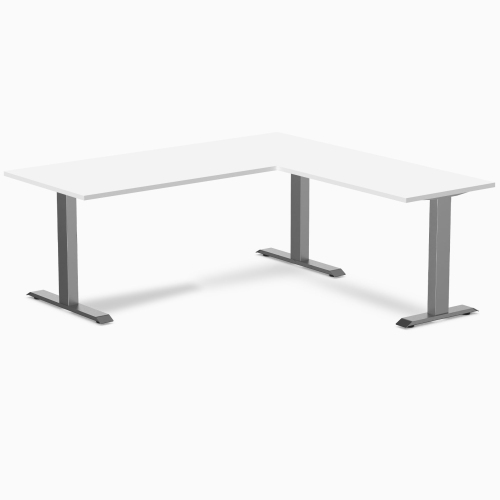
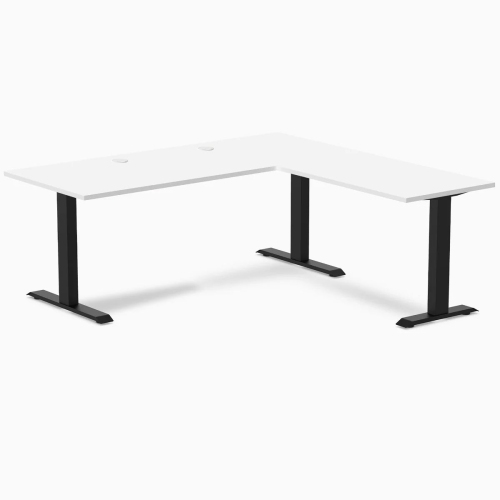

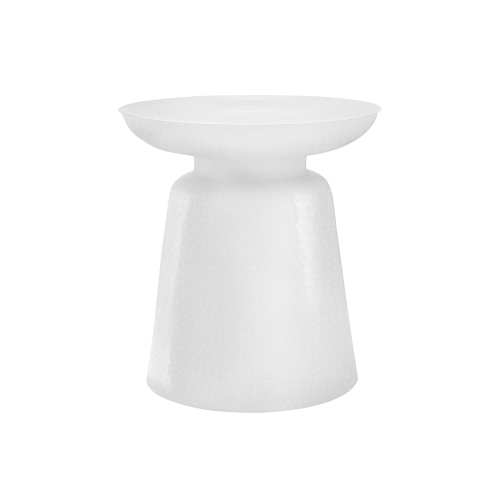
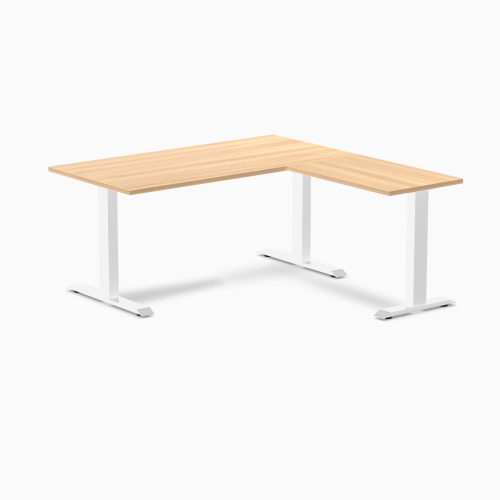
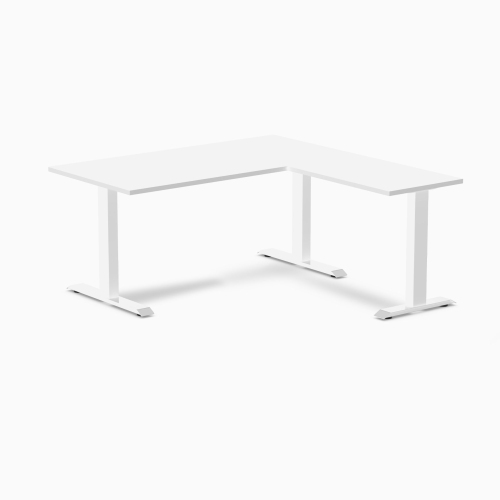
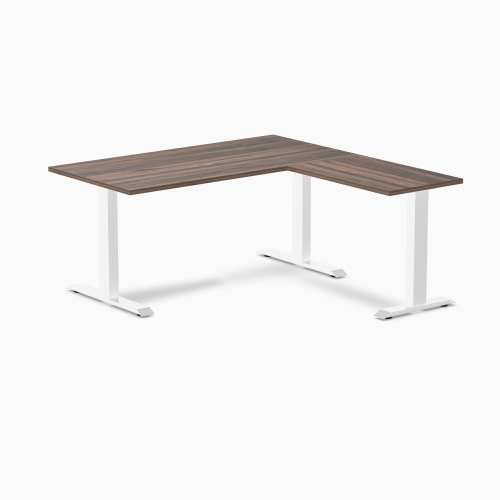
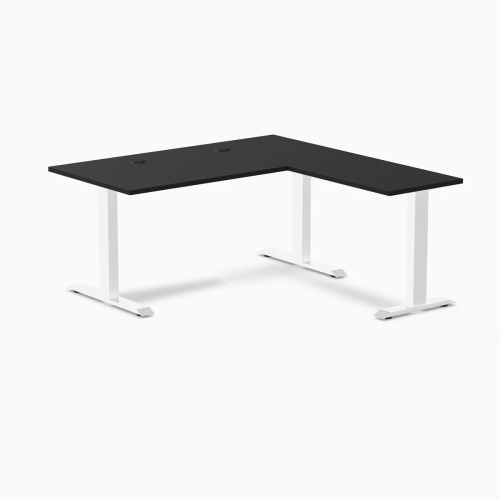


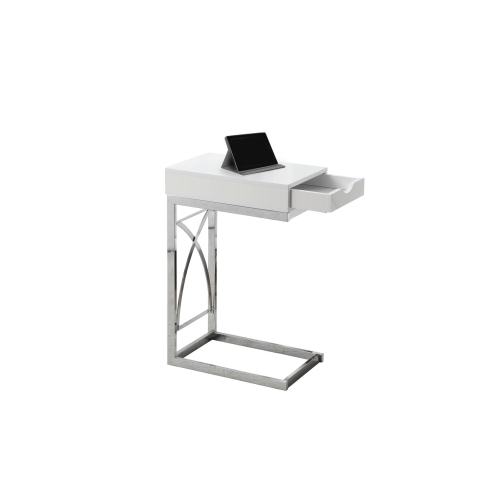
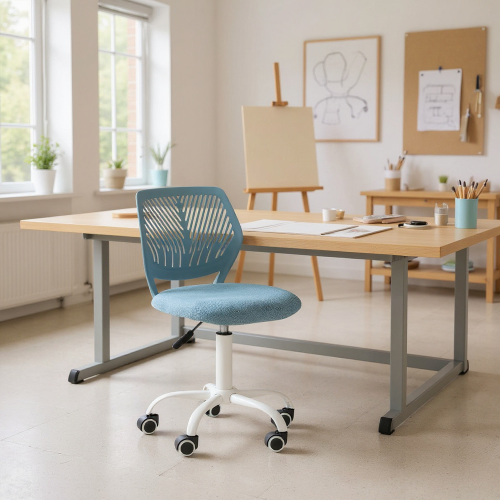
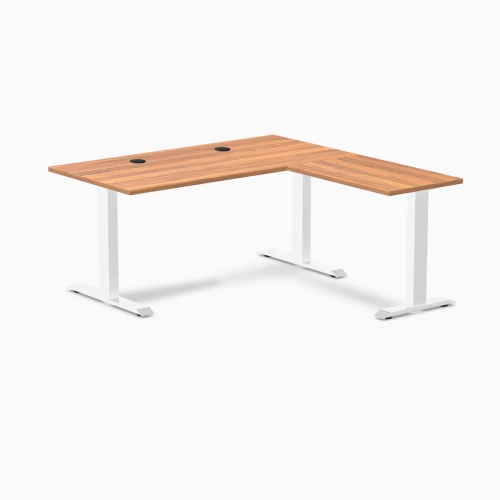
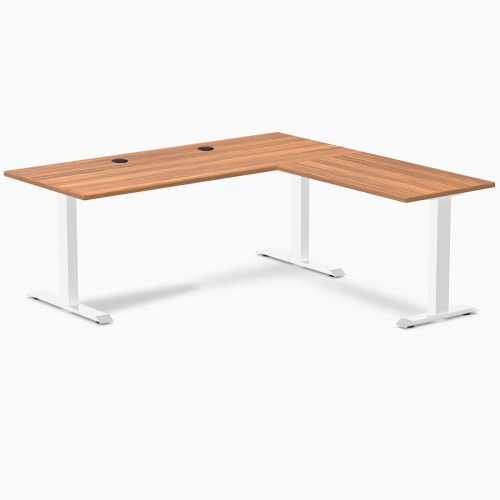
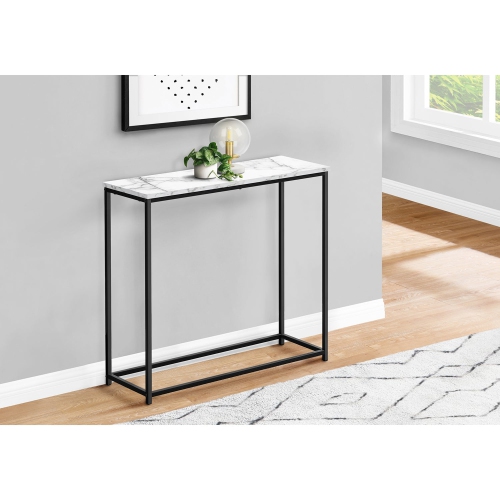
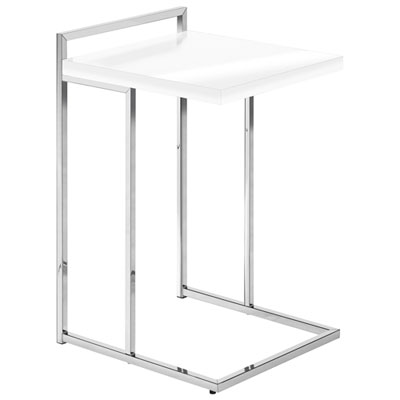

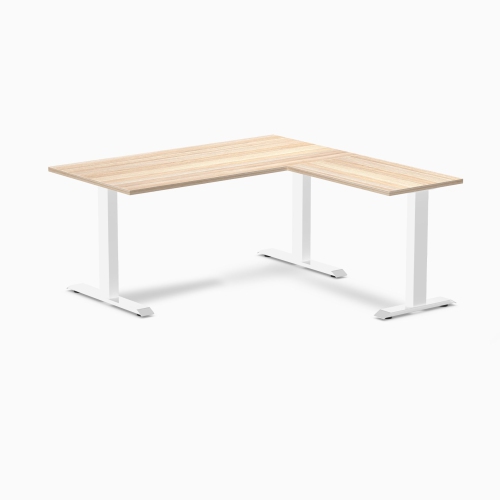
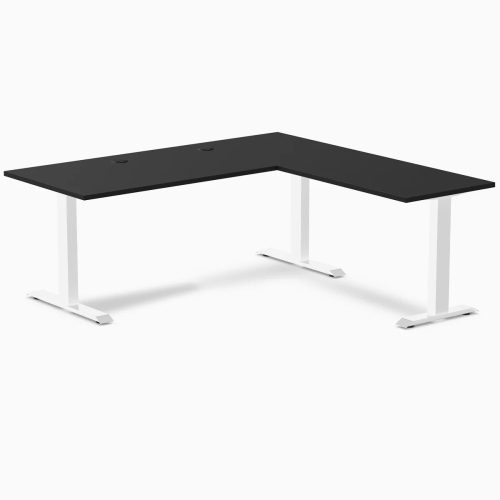
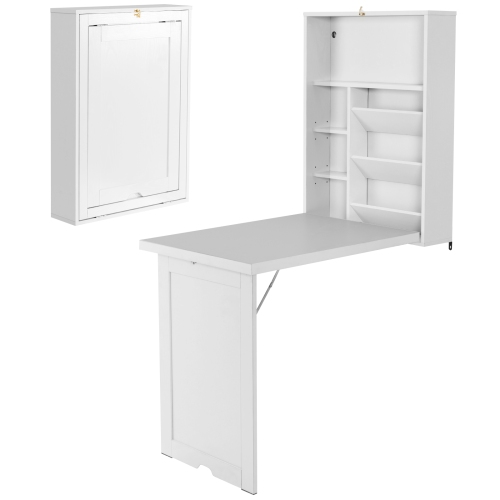
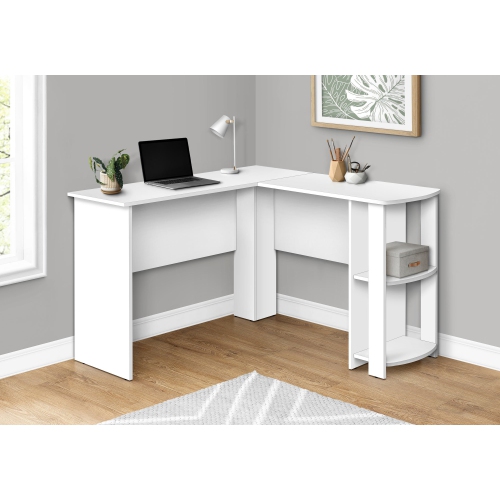
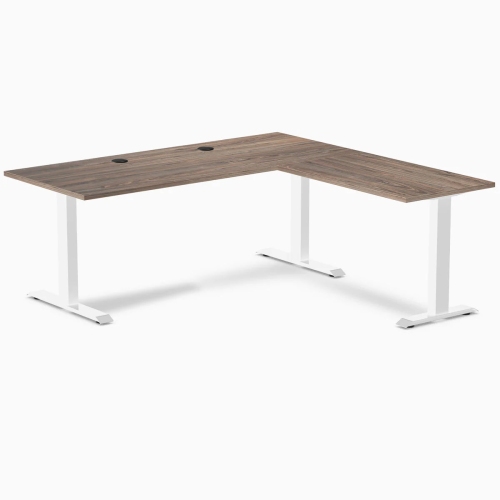
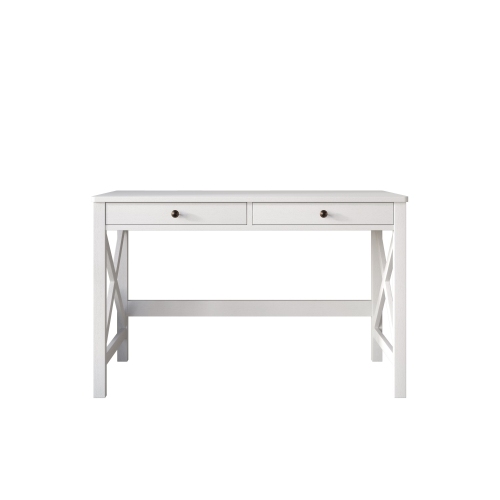

Light finishes and slim frames for everyday workspaces
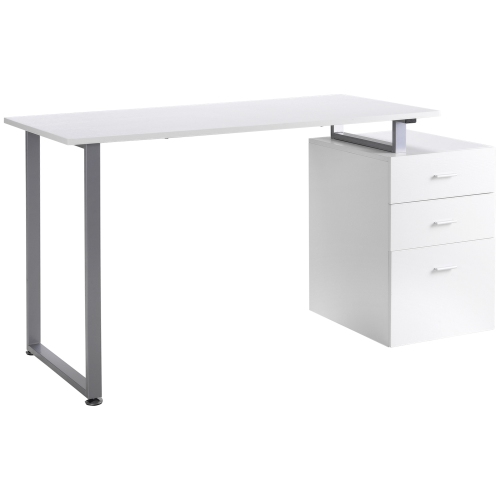
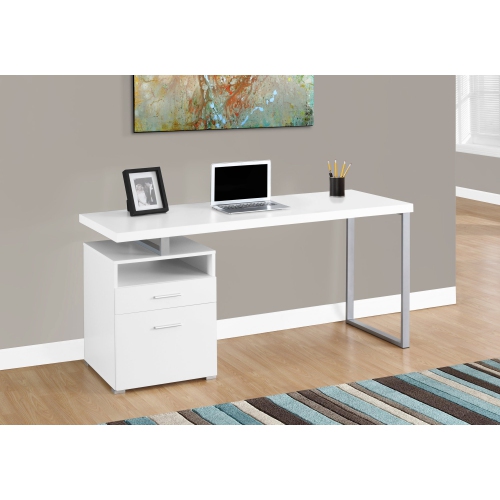
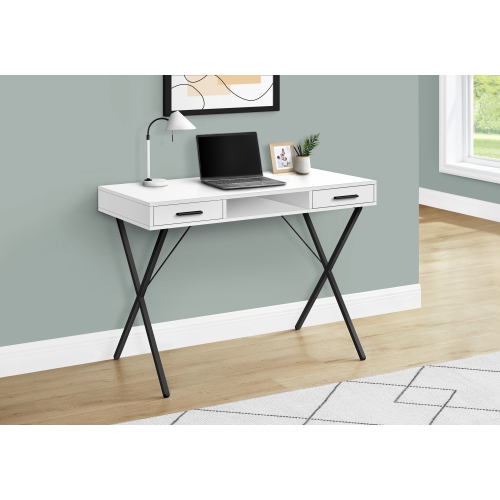
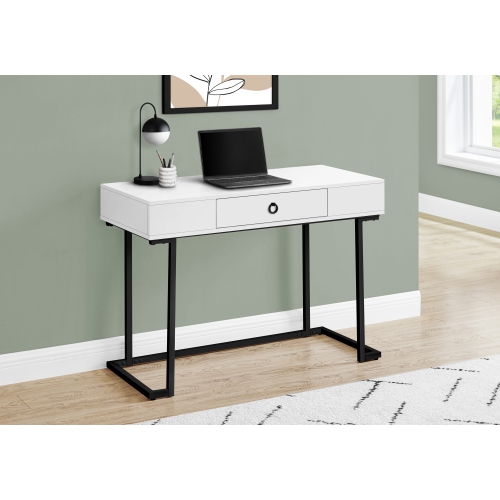
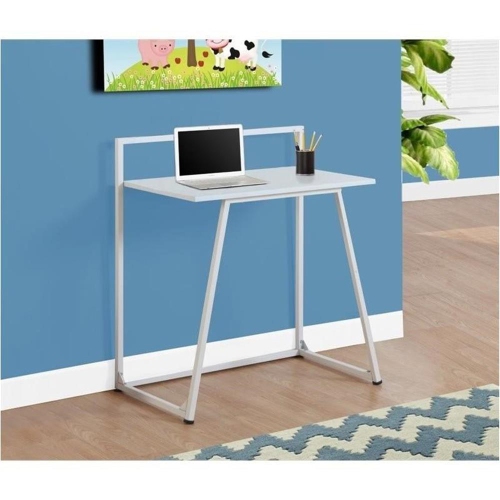
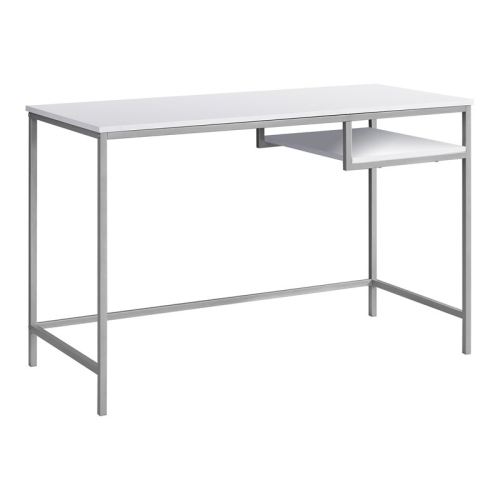
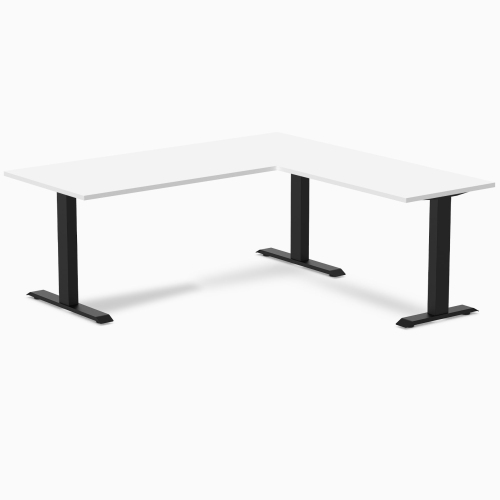
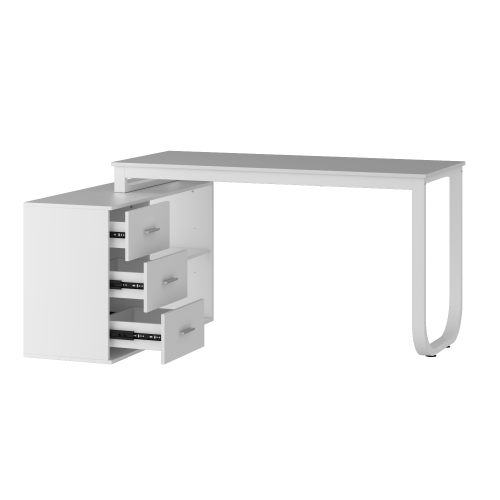
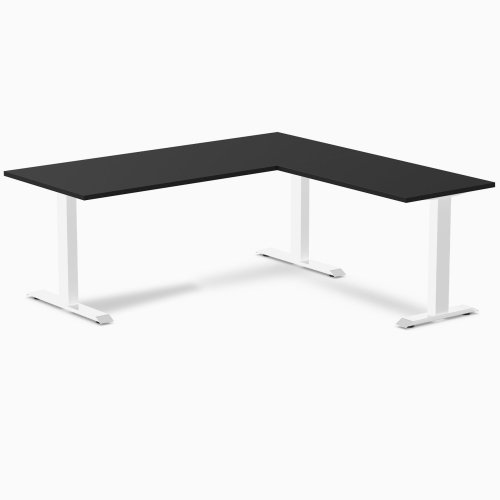
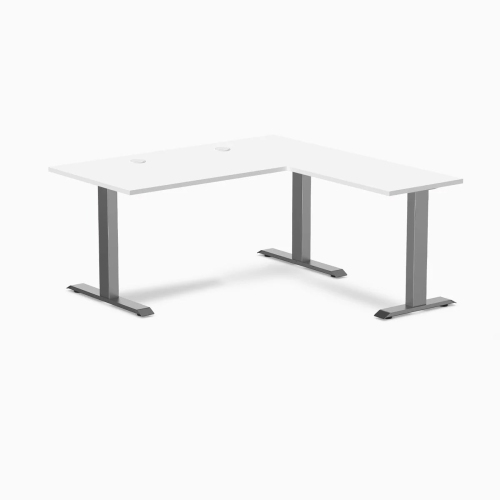
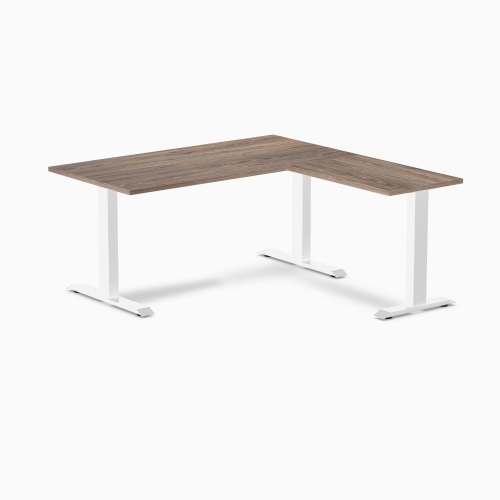
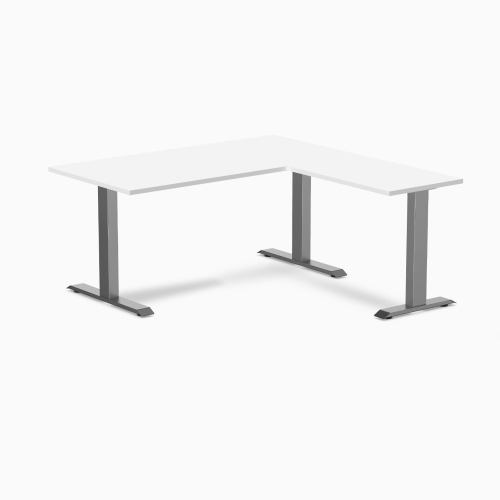
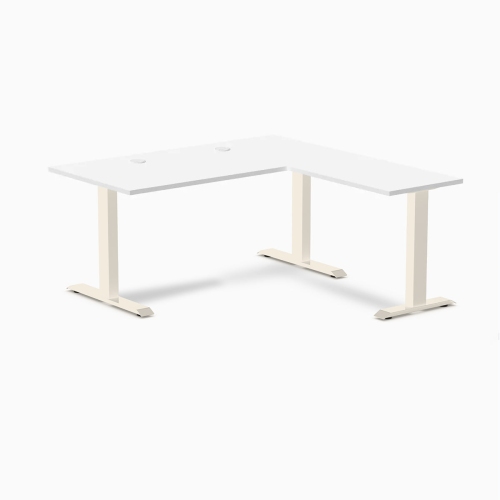
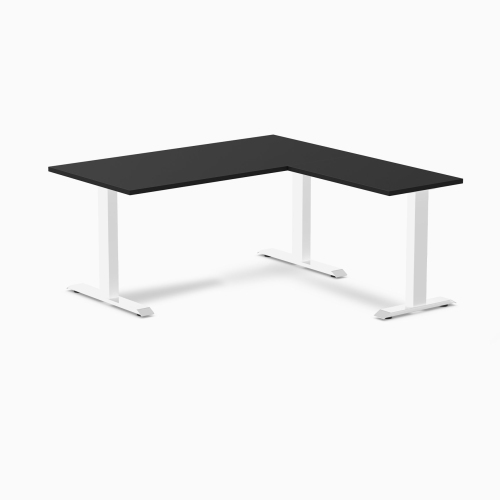
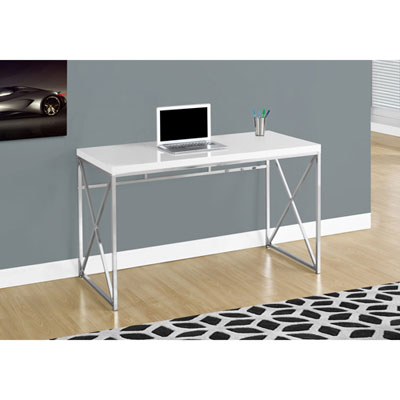
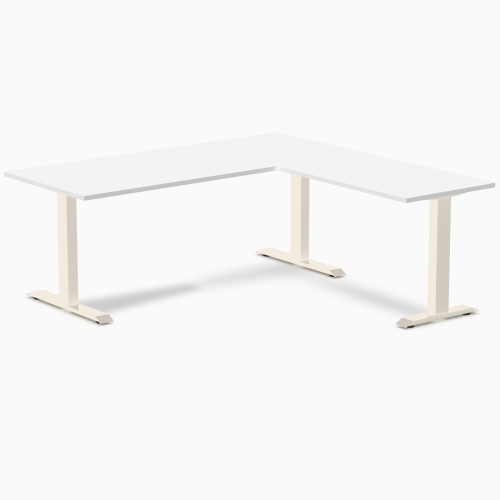
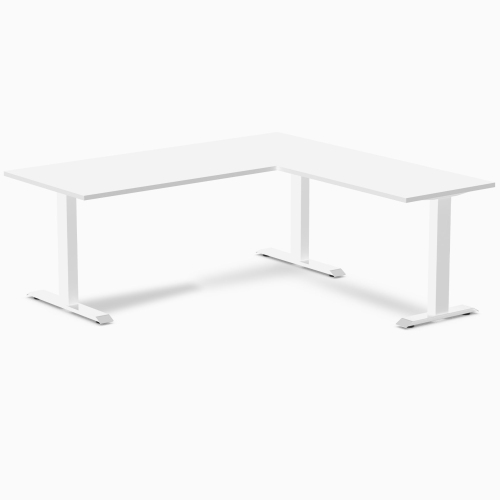
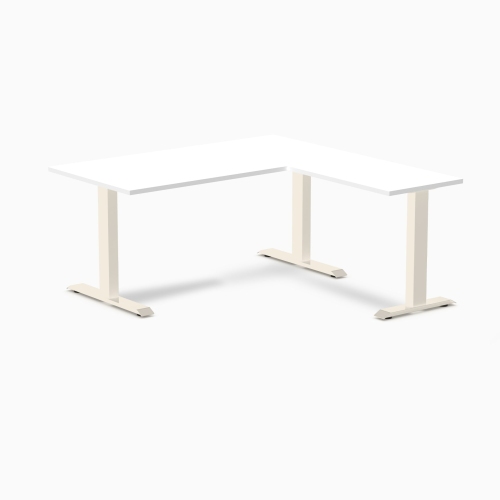
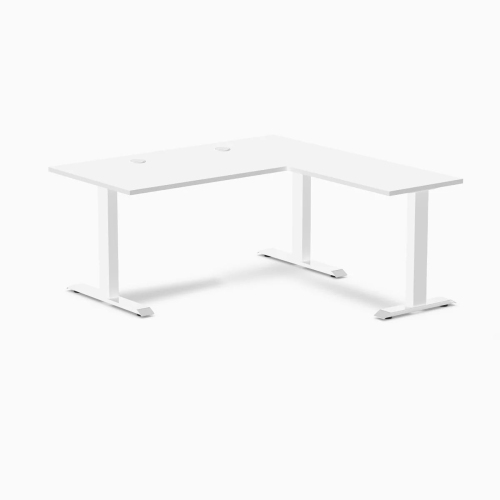
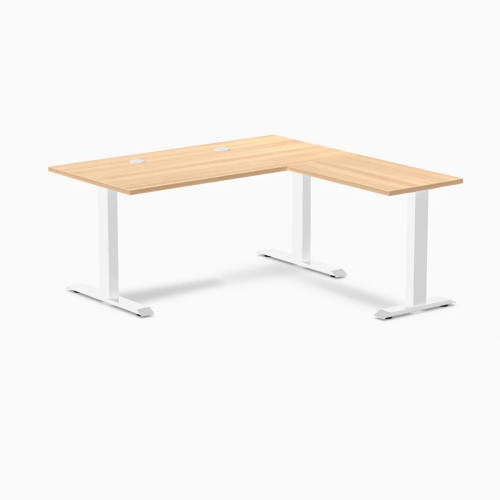
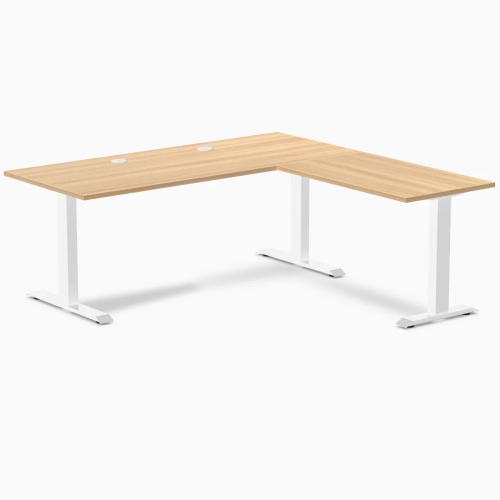
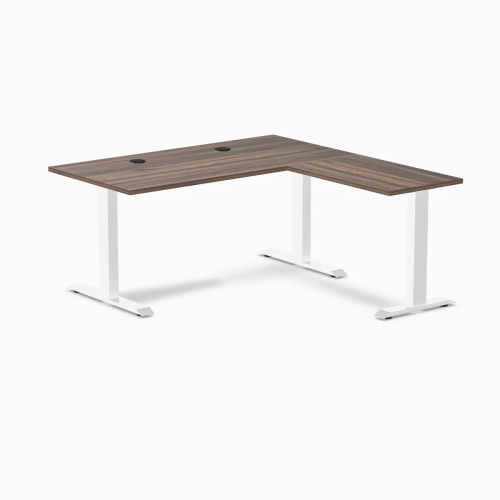
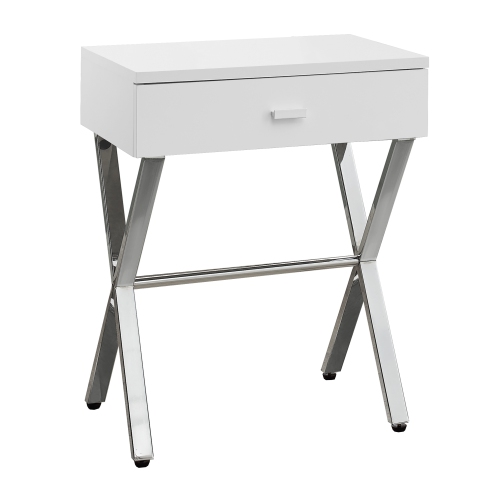
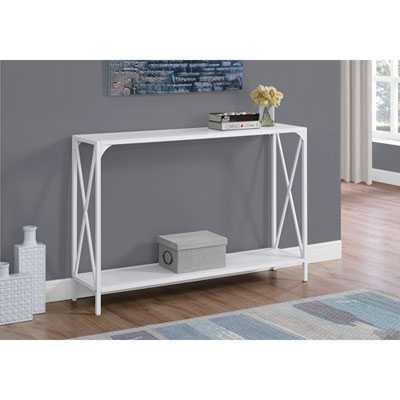
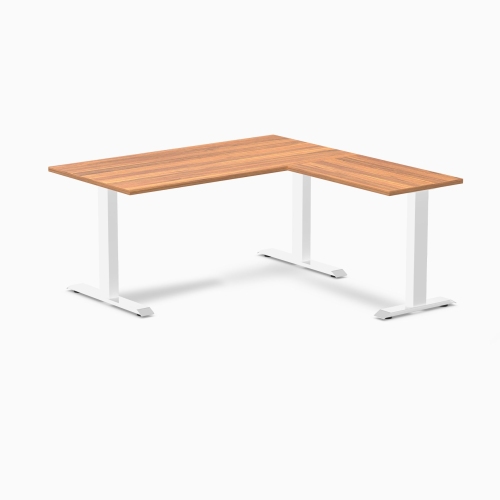
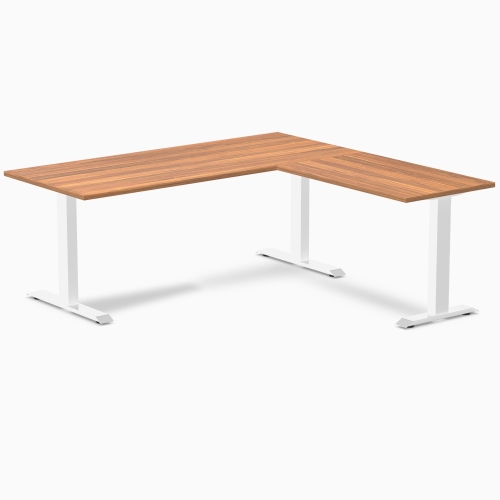
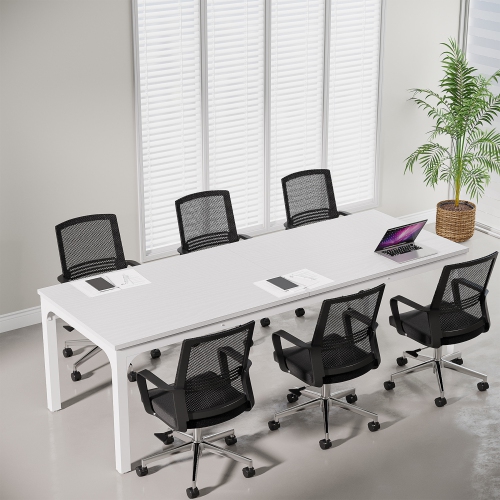
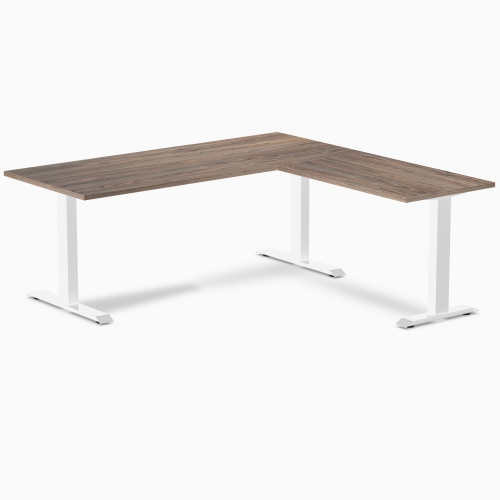
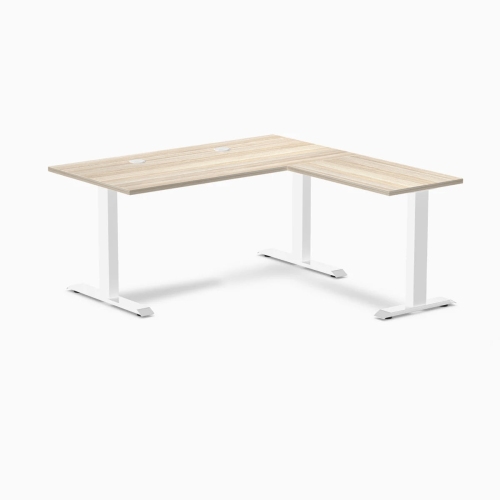
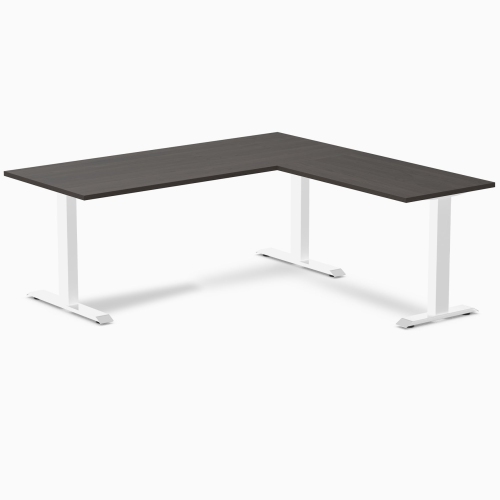
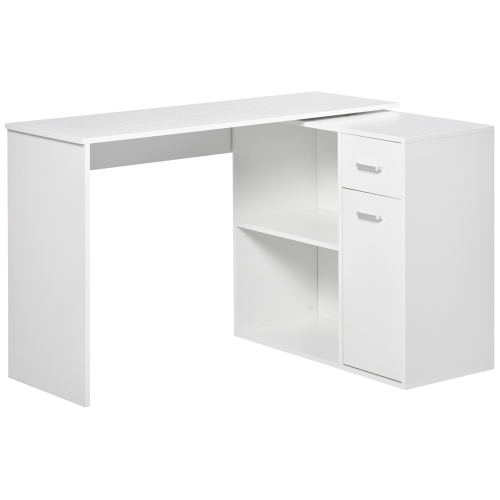
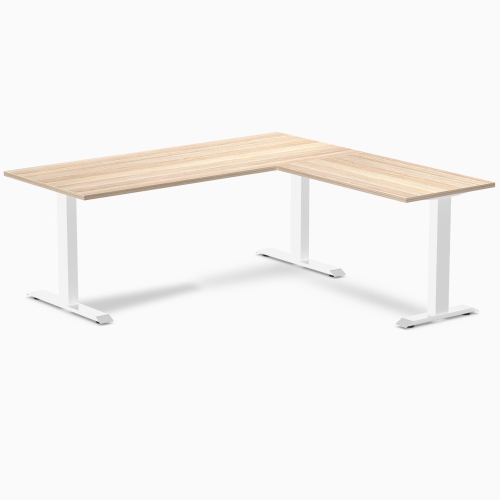
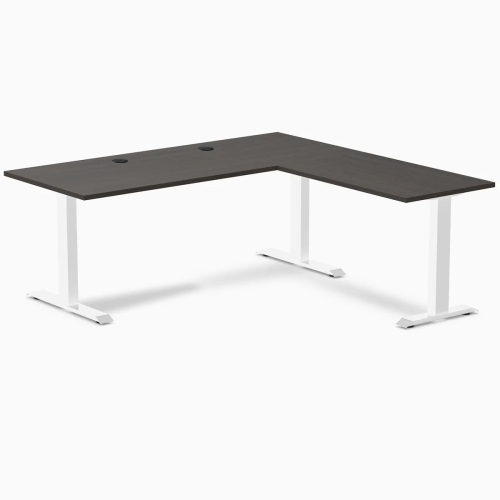
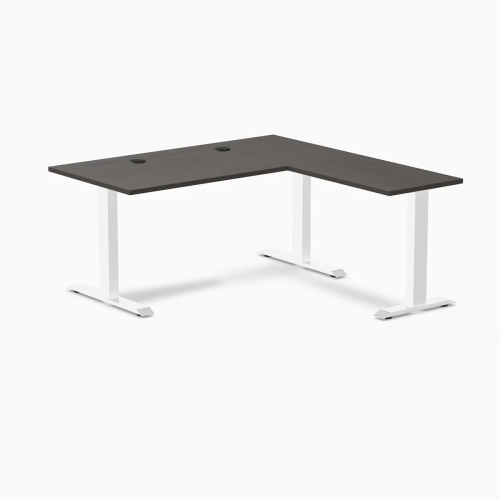
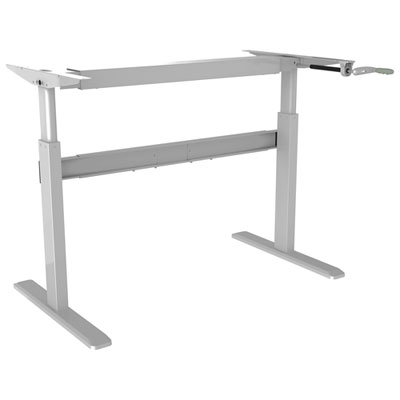
White contemporary metal desks combine light-coloured finishes, clean-lined styling, and metal structural components to create practical workspaces for home offices, study areas, and multipurpose rooms. The term usually describes the desk’s overall appearance and frame construction, rather than a desk made entirely from metal. Many designs pair a white laminate or engineered-wood desktop with steel legs, while others use a white-coated frame beneath a contrasting surface. Chrome-finished supports can introduce a reflective accent, whereas an all-white base creates a more uniform look. Contemporary styling tends to favour straightforward shapes, slim profiles, and restrained detailing, making these desks easy to place alongside bookcases, upholstered chairs, or existing storage cabinets. White contemporary metal desks fall within the broader category of White Metal Desks, with particular emphasis on modern proportions and functional layouts. A simple rectangular desk can define a quiet work area along a living-room wall without making the room feel dominated by office furniture. A corner or L-shaped layout offers separate zones for a screen and paperwork, while an open writing-table design leaves more of the floor visible beneath it. That visual openness can be useful in a condo, bedroom, or shared study space where furniture needs to serve a purpose without appearing bulky. The finish also influences how the desk fits into a room: a matte white surface has a softer appearance, while a glossy top reflects more light and makes a sharper contrast against dark accessories. White pairs naturally with pale wood, charcoal, black, and colourful accents, so a desk can remain part of the room as chairs, lamps, and storage change. The metal frame provides structure, but its shape matters as much as its material. Straight legs, angled supports, and cross-bracing each create a different silhouette and leave different amounts of usable space underneath. The result can range from a compact surface for occasional laptop use to a substantial workstation for a full working day.
A desk’s footprint is only one part of how comfortably it fits. Width determines how much equipment can sit side by side, while depth affects the distance between the user and the screen and the space left for a keyboard, notebook, or drawing pad. A laptop and a small task lamp need less surface area than two monitors, a separate keyboard, and a place to review printed documents. Even a wide desktop can feel crowded if it is too shallow for the equipment on it. Usable space beneath the desk is equally important: a drawer unit, low shelf, or diagonal brace may reduce knee room or prevent a chair from tucking fully under the top. In a smaller room, that can affect the walkway whenever the desk is not in use. Chair arms also need enough clearance beneath the desktop, particularly when a chair is shared between a dining area and a work corner. A comfortable seated arrangement allows relaxed shoulders, supported feet, and enough room to move without pressing against the frame. For regular computer work, screen placement and chair adjustment contribute to comfort alongside the desk itself. Storage changes the experience of using the space, too. Drawers can keep stationery and charging cables out of sight, while open shelves make frequently used supplies accessible but leave them visible. A plain metal-frame desk offers flexibility for a separate filing cabinet or movable storage cart, provided these do not crowd the seating area. Cable openings and trays, where included, help keep cords away from feet and chair wheels. Access to wall outlets still matters, especially when a workstation supports a monitor, lamp, and laptop charger. For heavier equipment, the stated weight capacity and the way that weight is distributed across the top are more useful measures than appearance alone. Monitor arms require particular attention because a clamp concentrates force along a small section of the desktop; surface material, thickness, and any raised edge or rear support can affect compatibility. These practical details distinguish a desk that simply fits the room from one that supports the work taking place there.
White contemporary metal desks suit a range of everyday routines, from a student spreading out textbooks to a remote worker keeping a dedicated surface for calls and focused tasks. In a shared household, a straightforward desktop can move between homework, household paperwork, and personal projects without needing a different furniture arrangement for each activity. A compact desk may also suit someone setting up a first apartment or adding a workspace to a guest room, while a larger layout can accommodate creative work that involves reference material and equipment together. Durability depends on the complete construction, not just the presence of metal legs. Frame joints, fasteners, desktop support, and surface finish all contribute to how the desk holds up to repeated use. Adjustable feet, when fitted, can help compensate for minor unevenness in the floor; protective pads can reduce direct contact between metal feet and hard flooring. A properly assembled frame should feel stable during typing and writing, and loose fasteners may need attention according to the manufacturer’s instructions. Powder-coated metal has a painted finish that benefits from gentle cleaning and protection from chips, while polished metal can show fingerprints and may need a cleaner suited to its finish. White desktops make ink marks, drink rings, and dust easy to notice, so simple habits can help preserve their appearance. A coaster beneath a mug, a desk mat under frequently moved accessories, and prompt attention to spills reduce unnecessary wear. Laminate and engineered-wood surfaces generally benefit from a soft cloth and minimal moisture, particularly around edges, seams, and cable openings where liquid could reach the underlying material. Abrasive pads and harsh cleaners can dull or damage finishes, so care should follow the instructions supplied with the desk. Sunlight can also affect some finishes over time, making placement worth considering alongside access to outlets and room layout. With proportions matched to the space and construction suited to the intended workload, a white contemporary metal desk can provide a dependable place to work while retaining the clean, uncluttered appearance that defines the style.
Top selling and popular products
-
 Your price for this item is $97.99
-
 Your price for this item is $89.99
-
 Your price for this item is $84.99
-
 Your price for this item is $97.99
-
 Your price for this item is $649
-
 Your price for this item is $749
-
 Your price for this item is $649
-
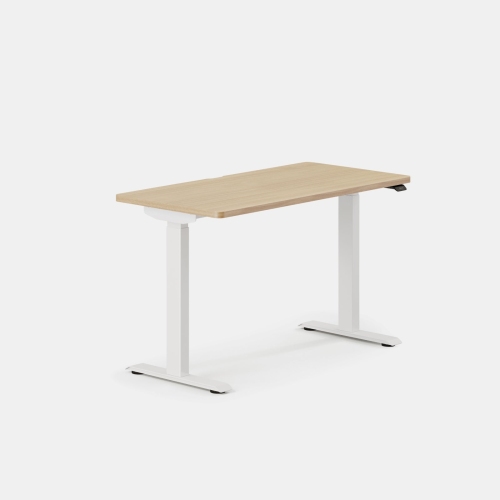 Your price for this item is $749
Discover more categories related to White Contemporary Metal Desks
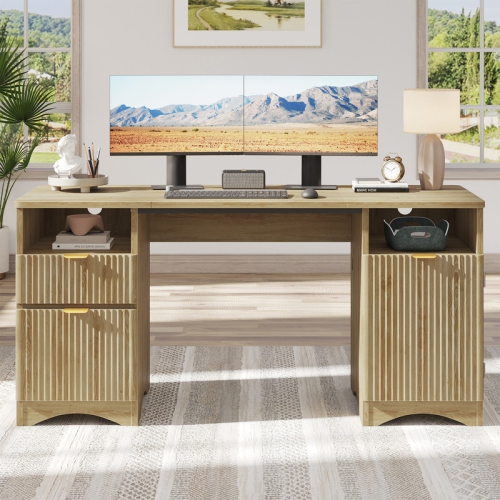
Top Collections:
Best Black Friday Deals This Year, Best Black Friday Deals On Electronics, Kindle Devices, Pokemon Centers, Best Black Friday Deals On Apple Products, Best Cameras for Sports Photography, Dyson Airwrap, Pokémon 30th Celebration Cards, Apple iPhone 17 Pro, Canon G7X Cameras
Some products may be subject to Environmental Handling Fees
(EHF) depending on your province.
Learn more about EHFs.