White Metal File Cabinets
Organize your office space with these white metal file cabinets. These sleek and stylish storage solutions are perfect for keeping your important documents, files, and folders neatly arranged. Whether you're working from home or in a professional setting, these file cabinets offer both functionality and aesthetics to enhance your workspace. With a variety of sizes and designs to choose from, you can find the perfect white metal file cabinet to suit your needs and complement your existing decor.
Sort
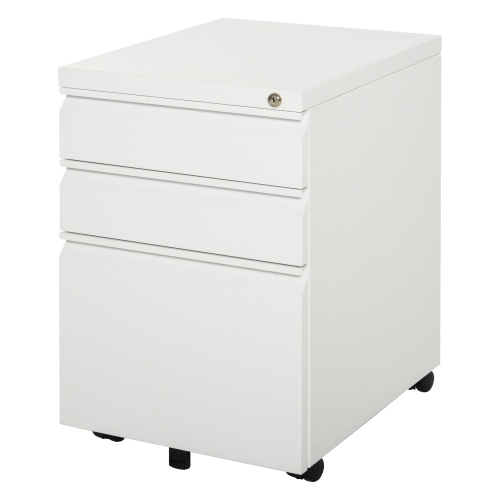
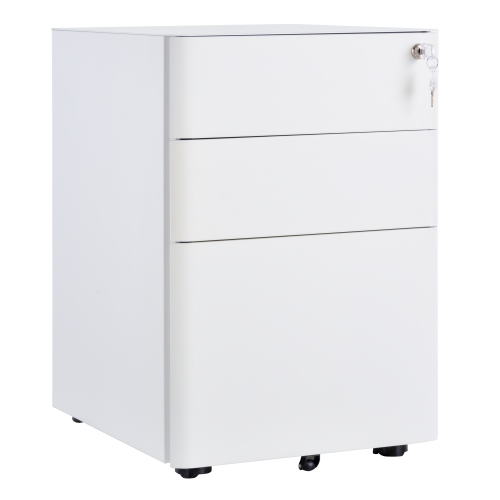
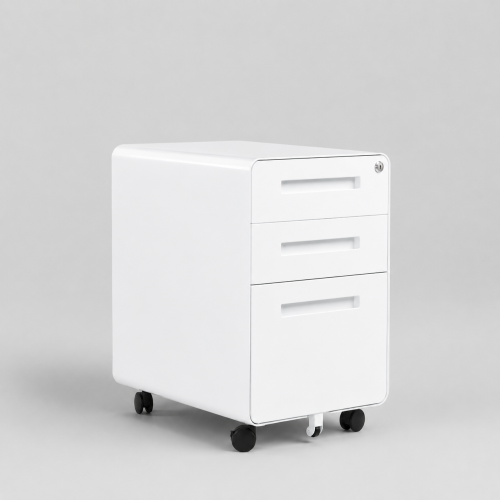
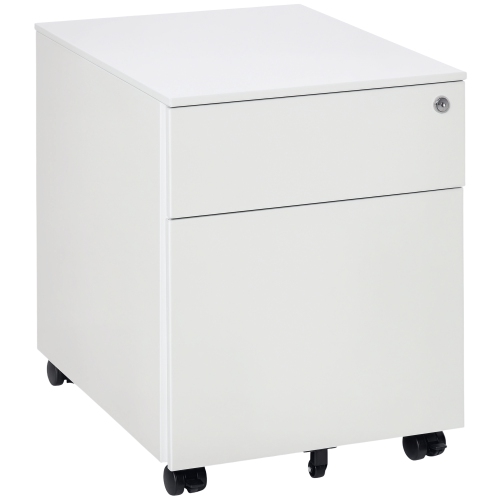
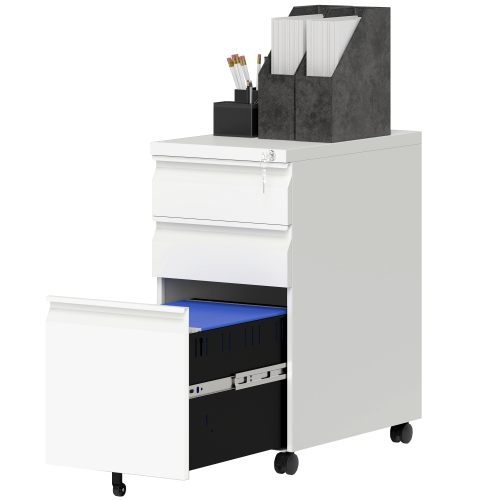
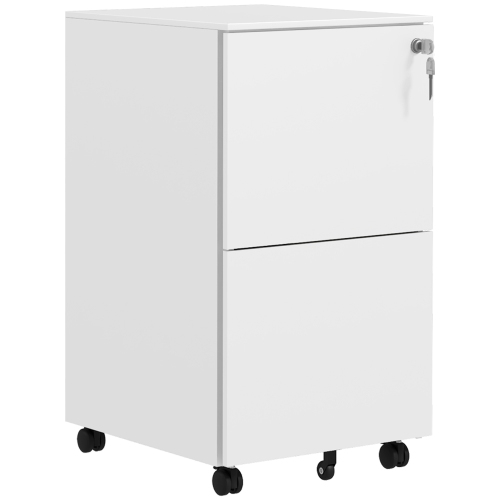
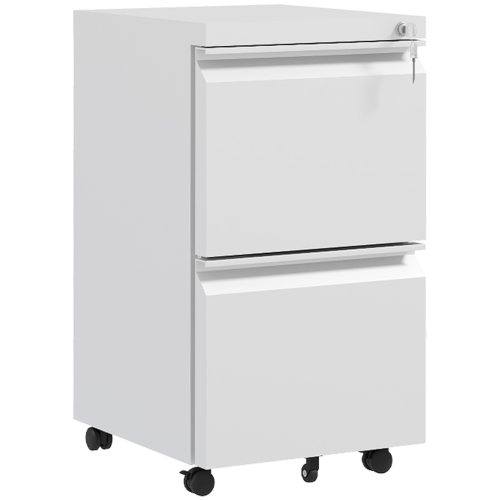
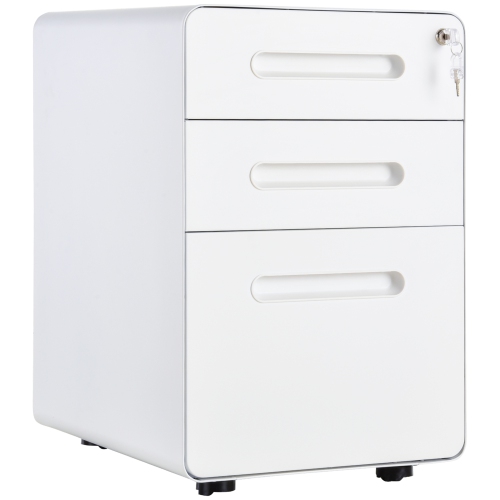

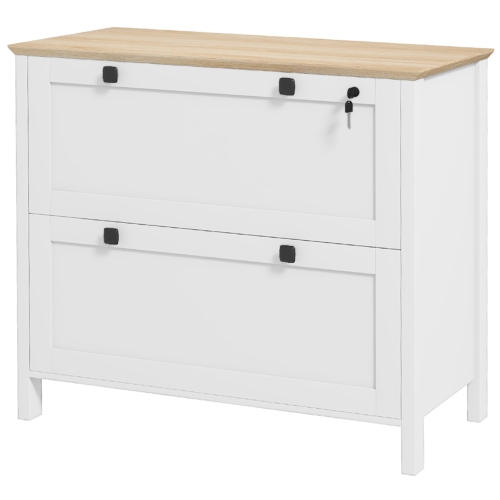
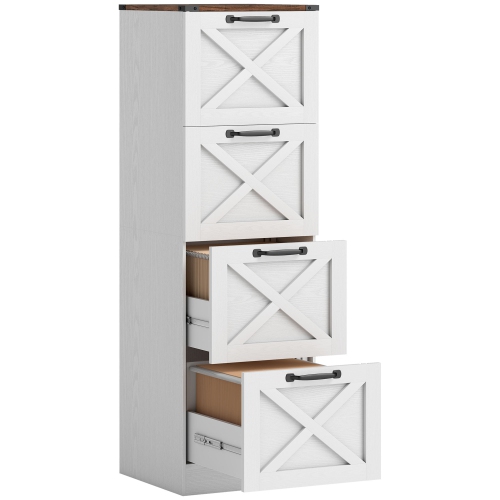
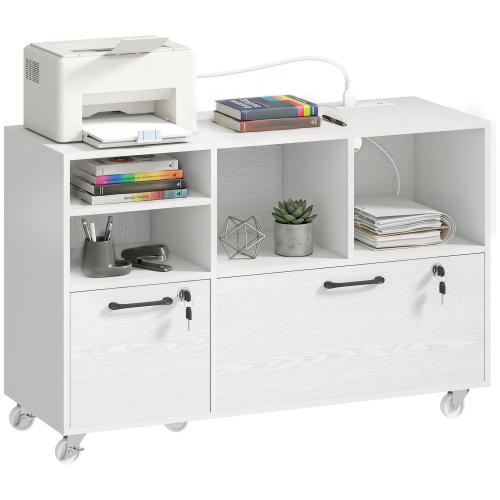
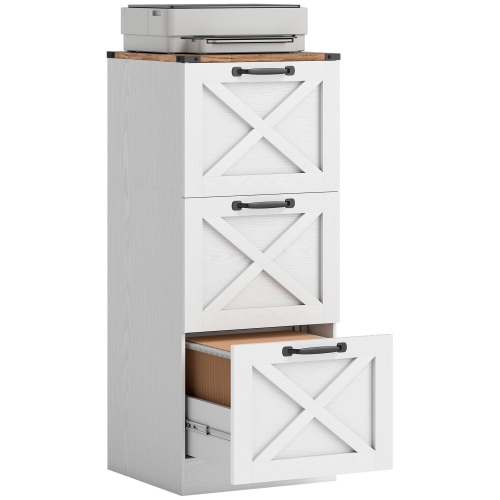
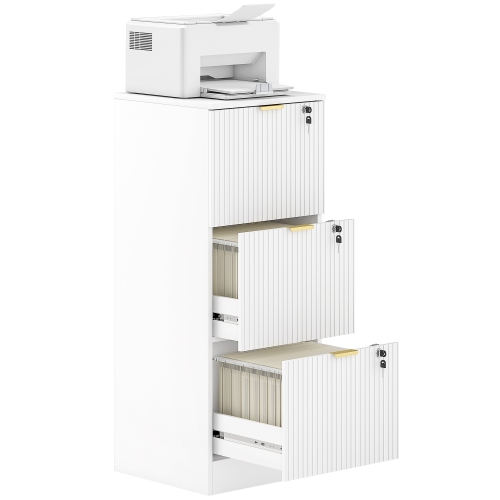
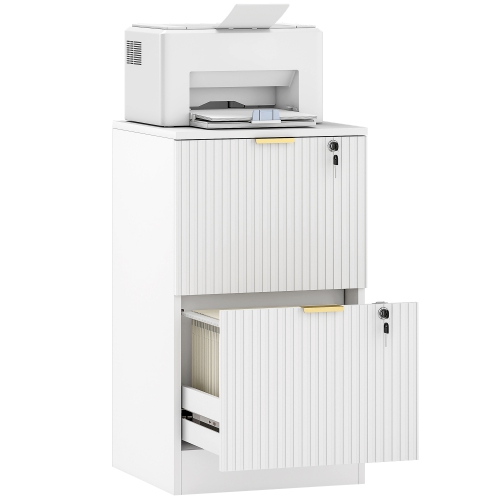
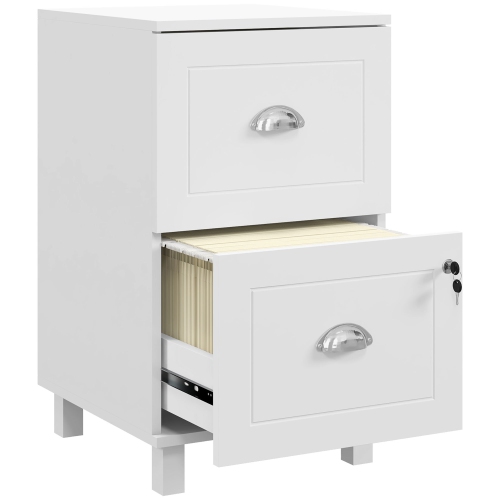
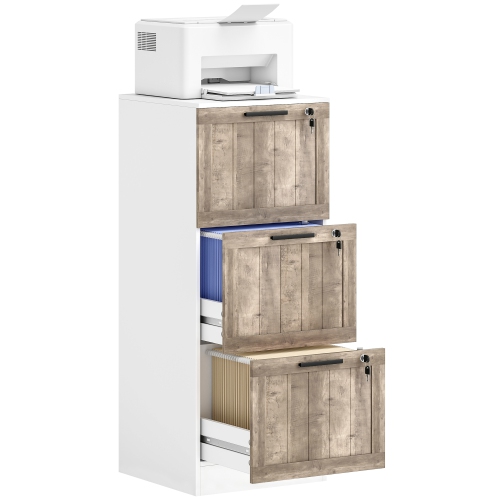
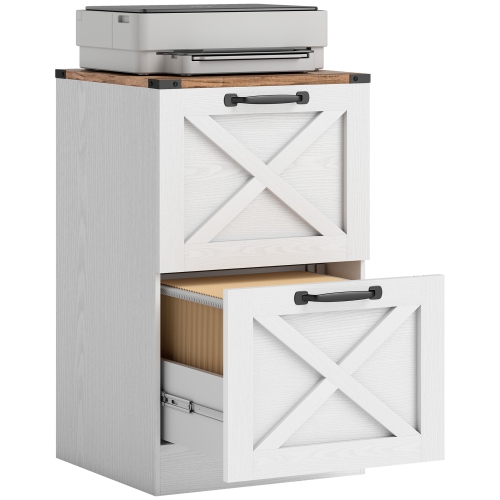
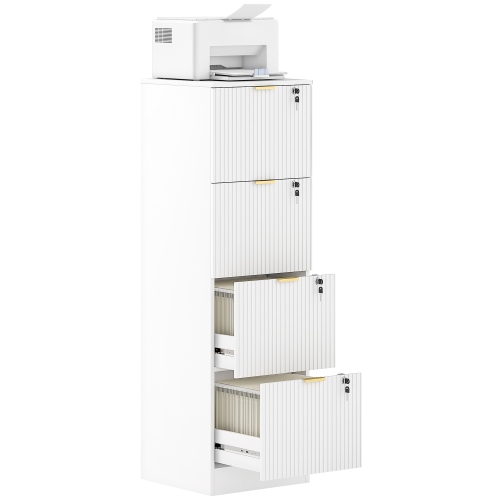
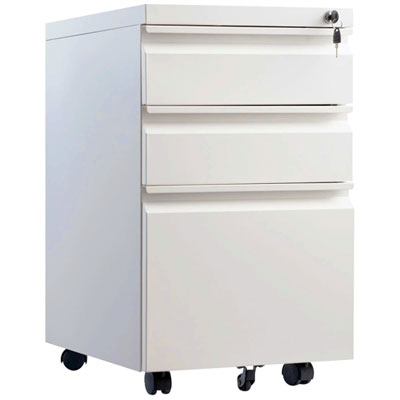
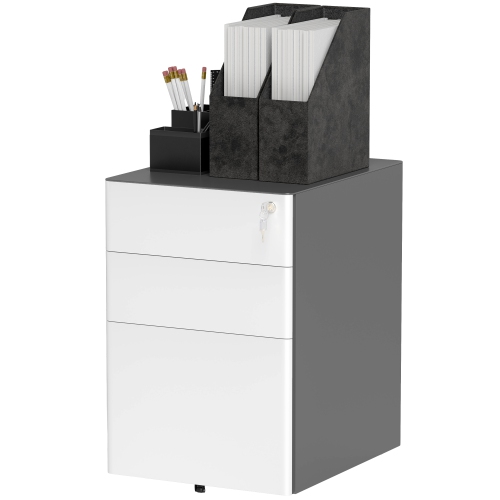
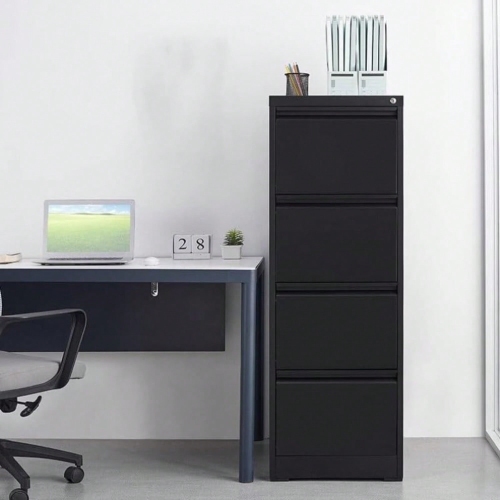
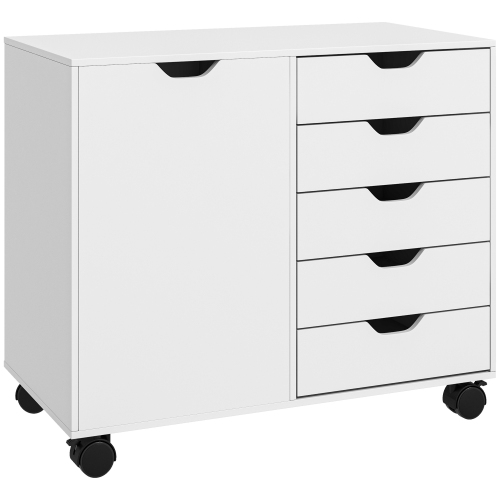
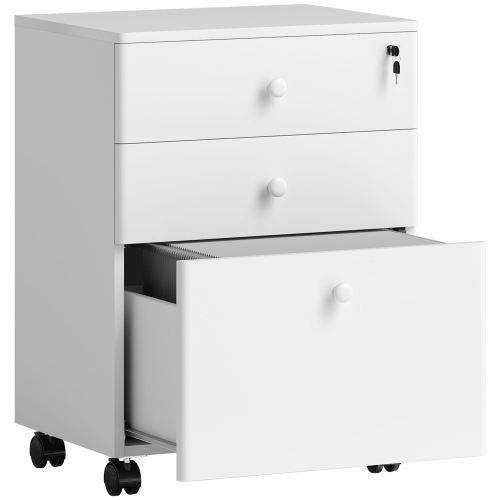


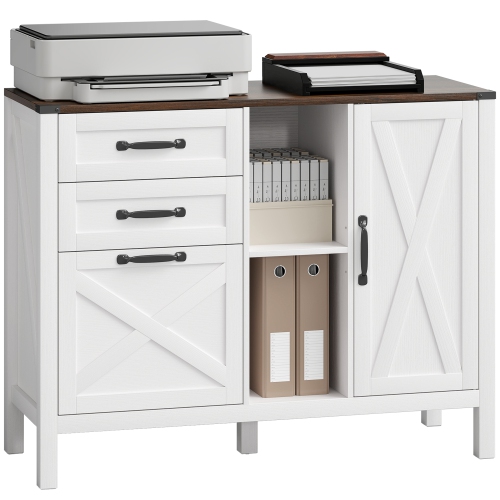

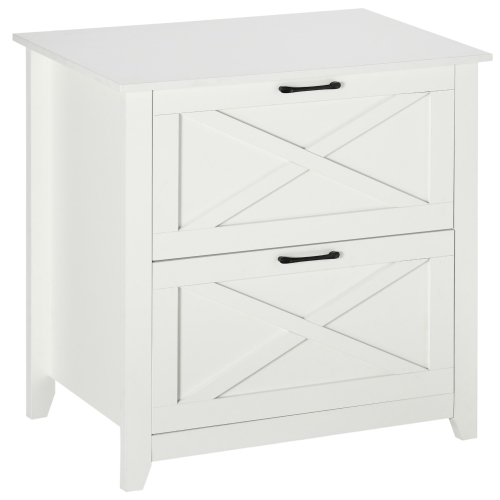
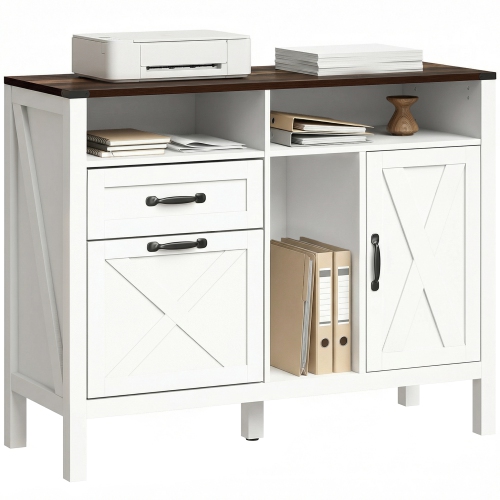
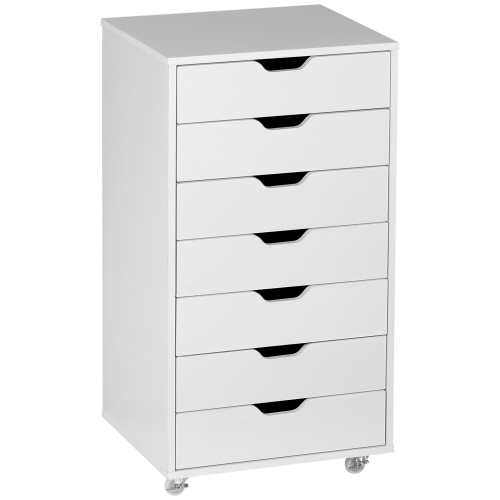
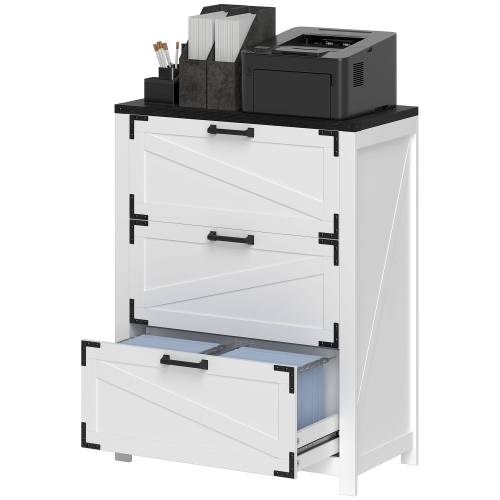

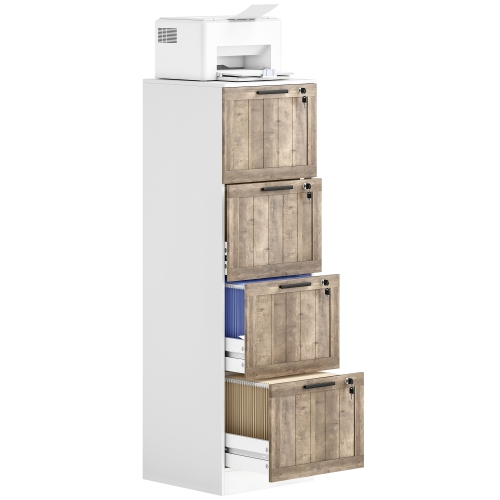
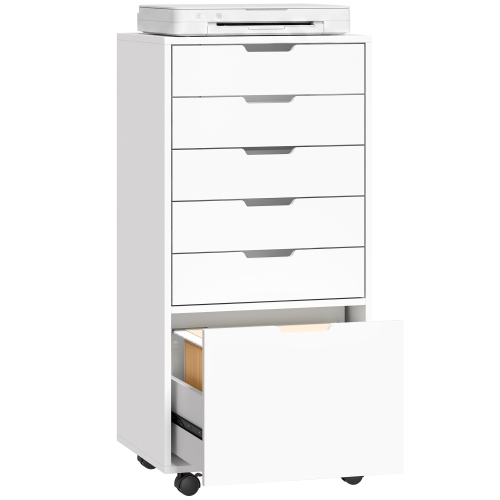
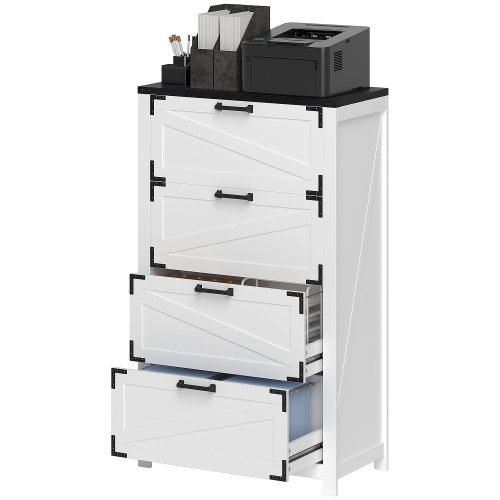

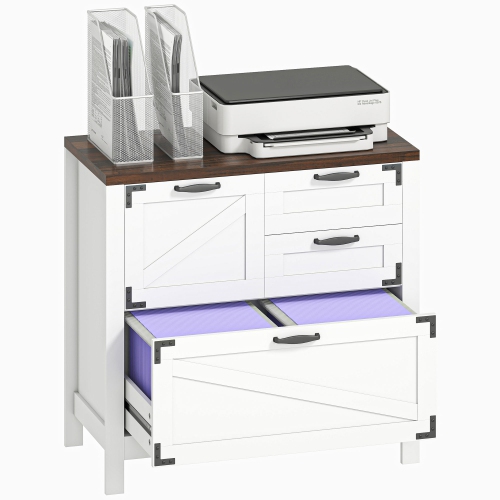
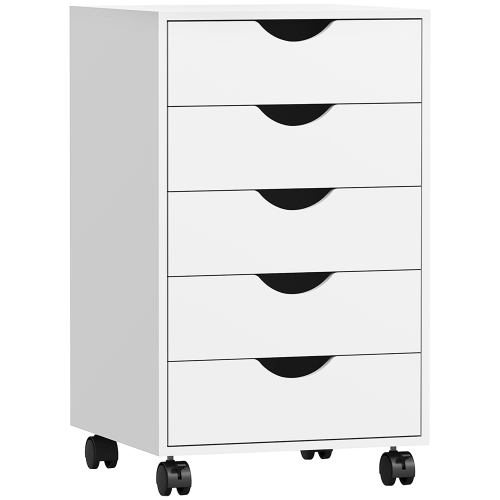
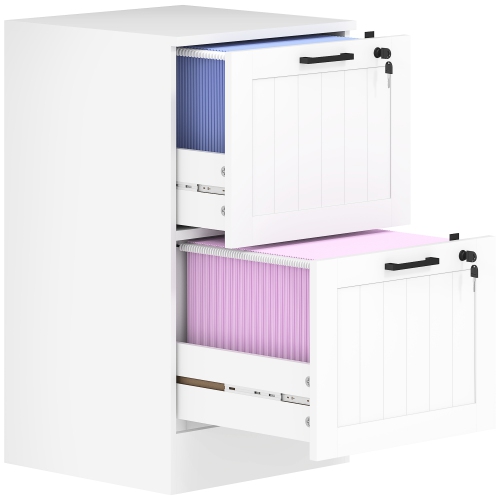

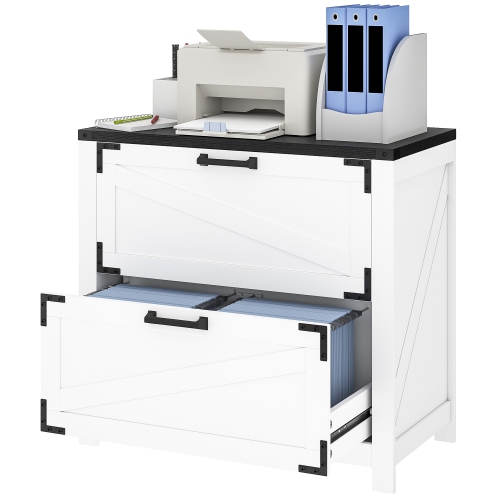
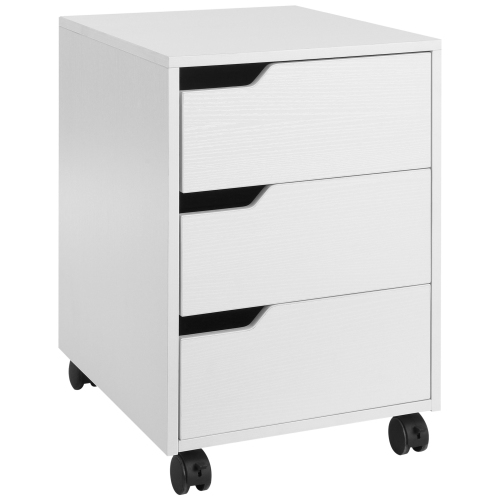
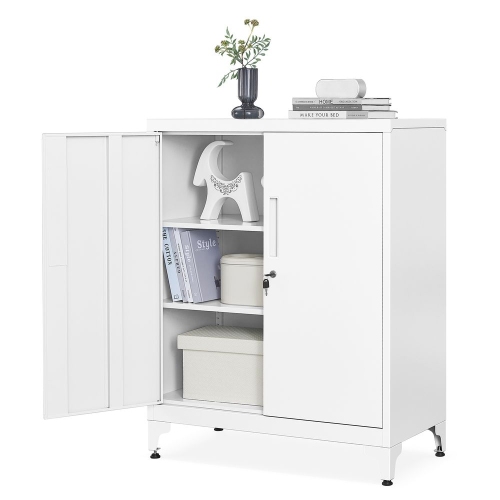
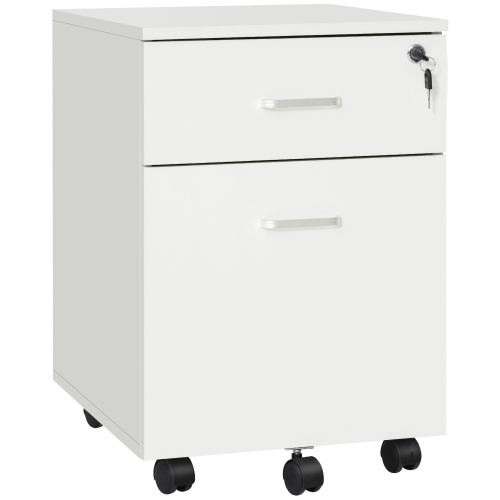
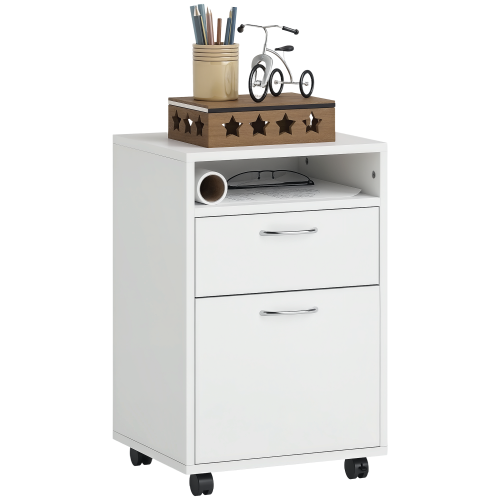
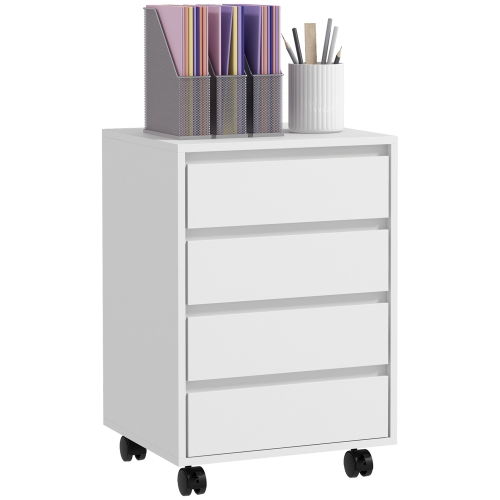
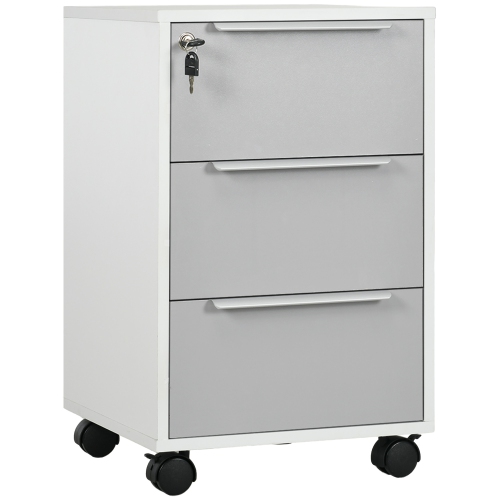
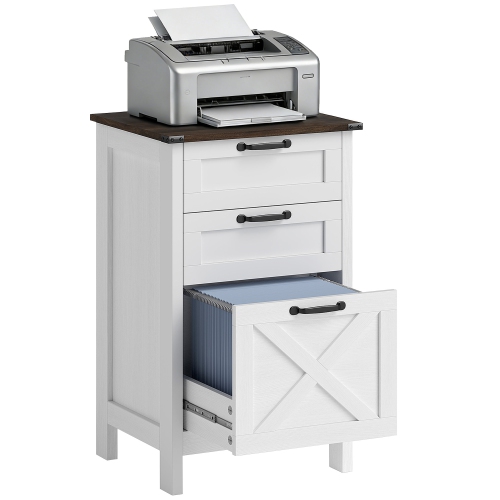
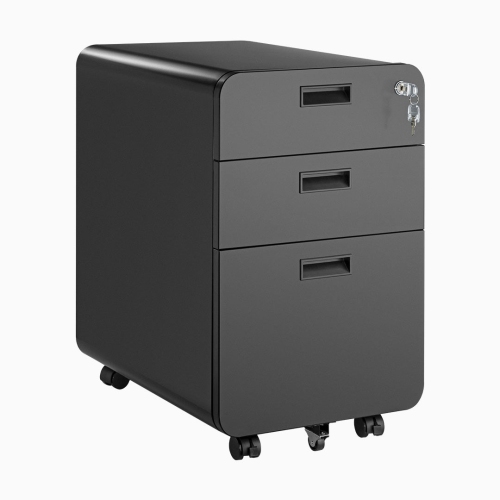

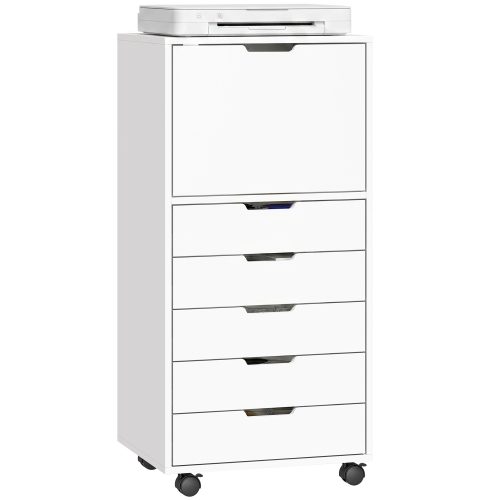
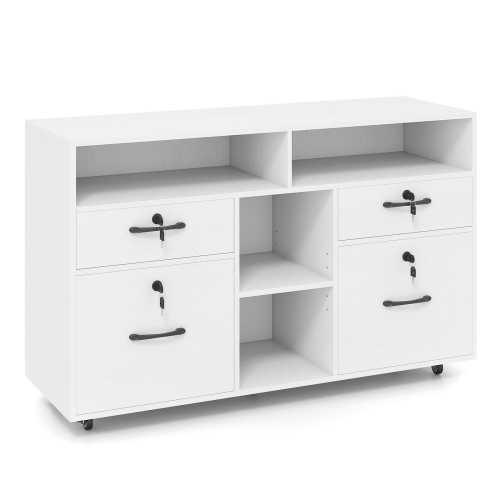
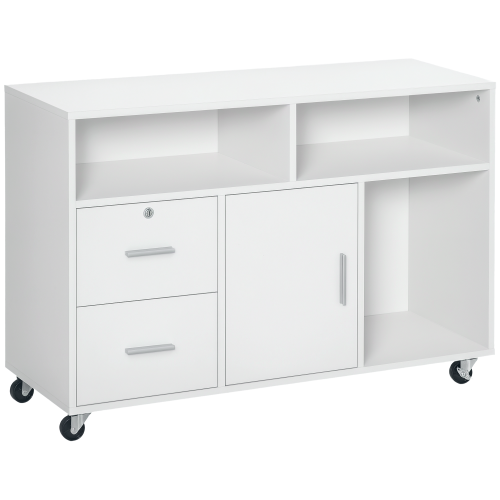
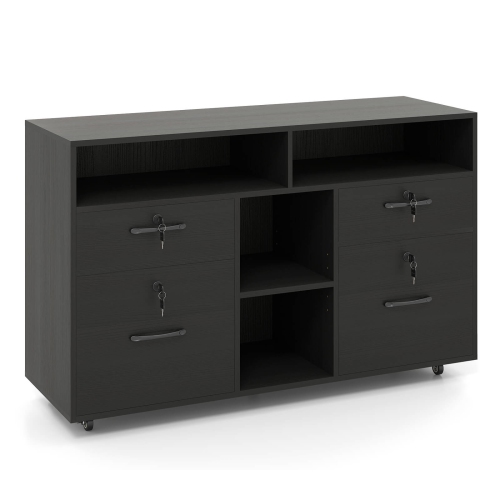
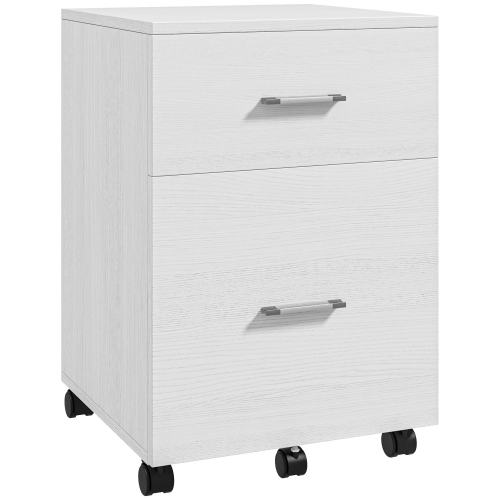
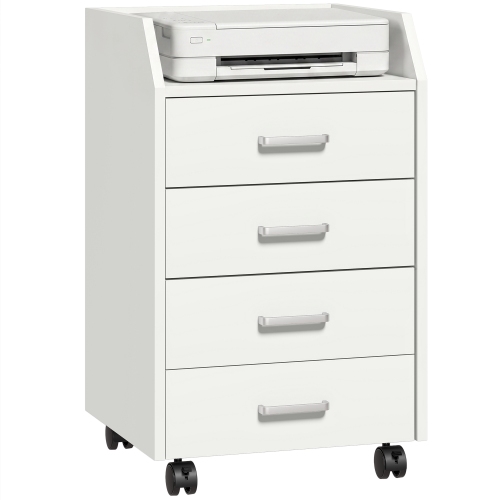
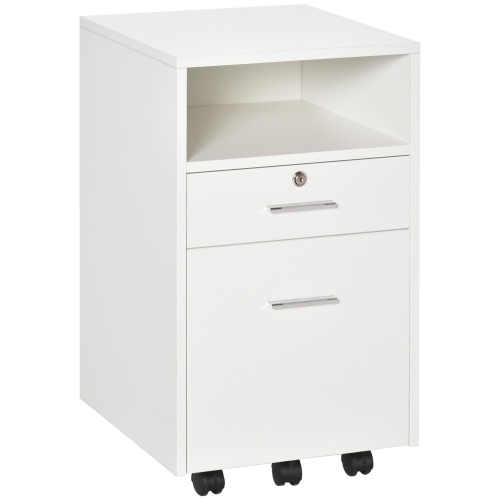
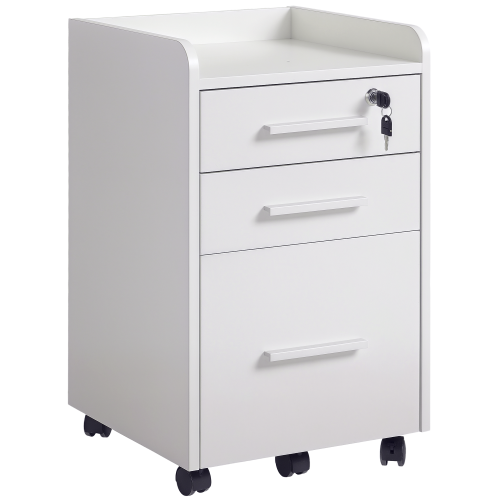
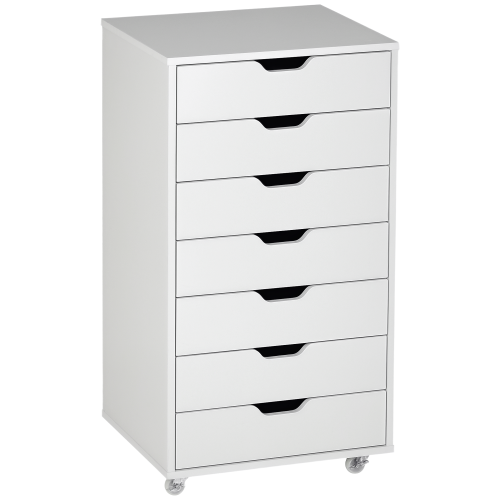
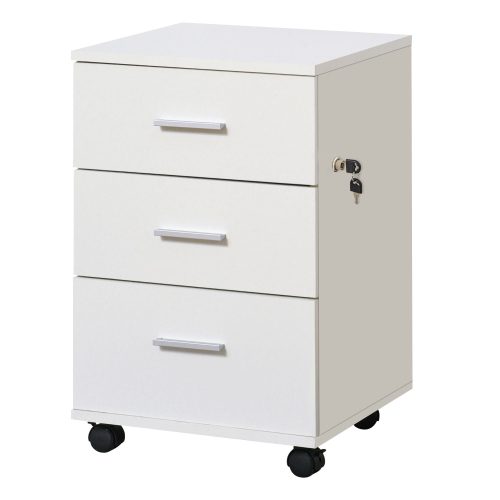
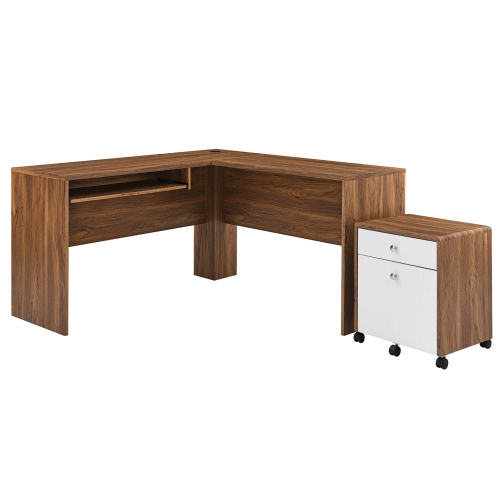
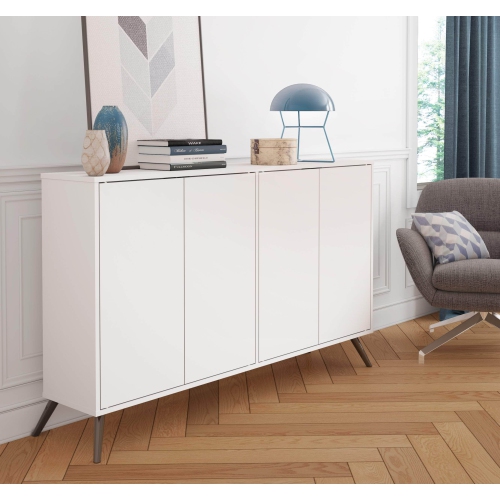
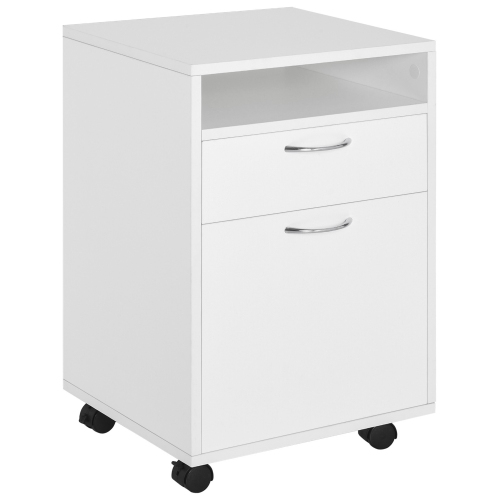


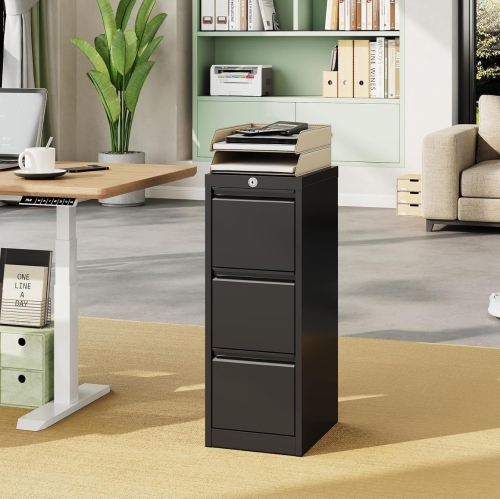
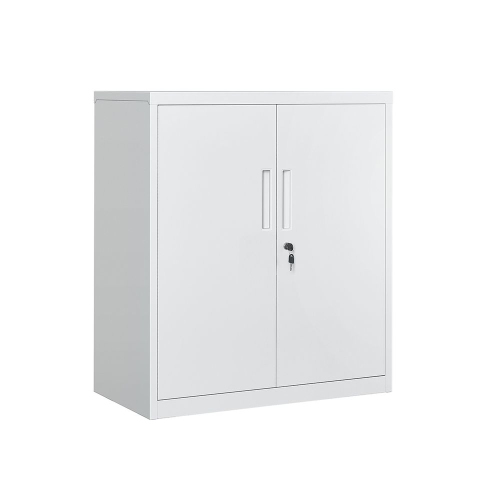
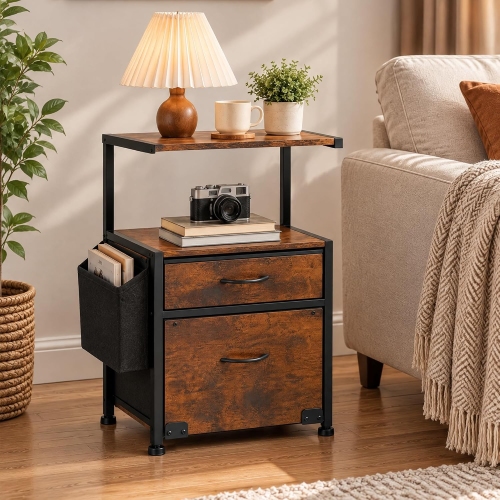
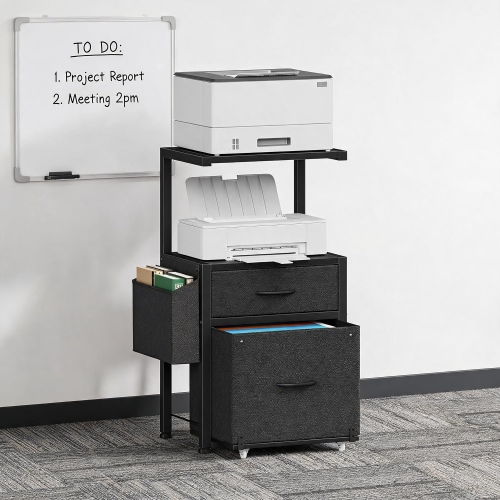
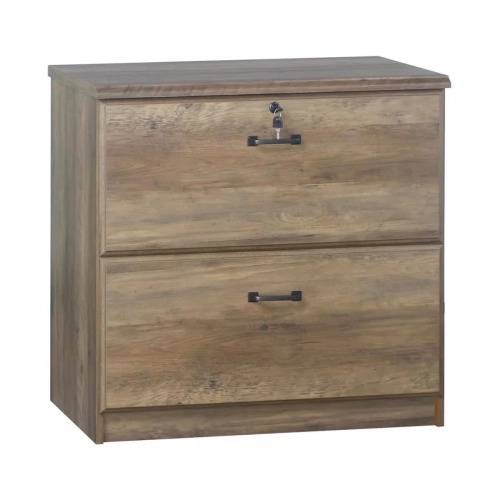
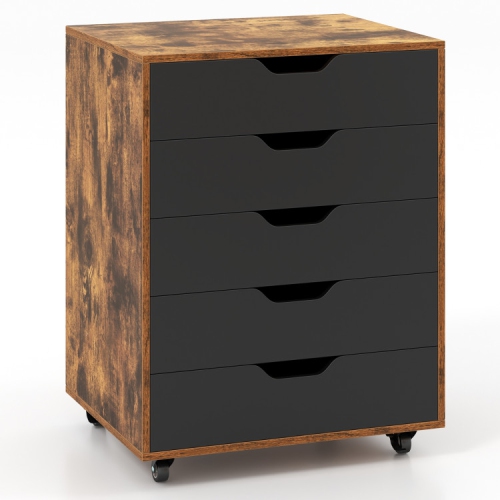
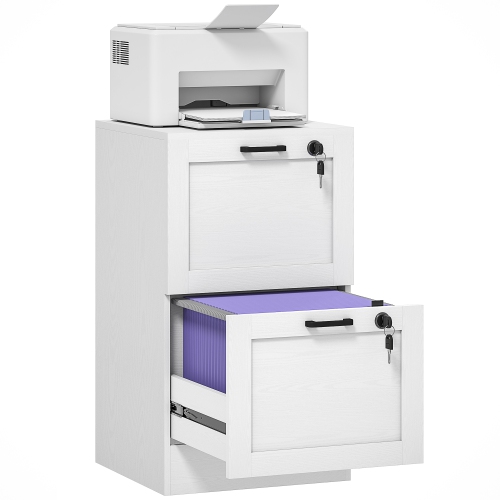

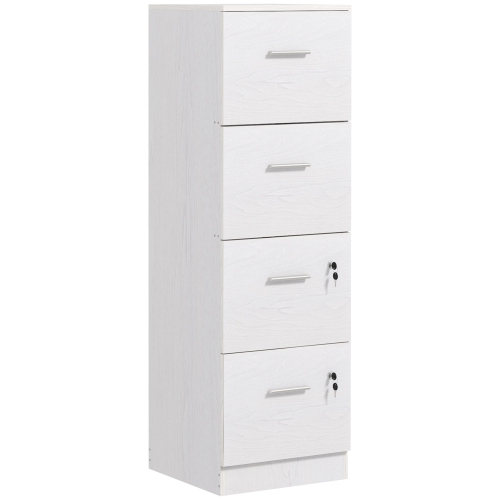
Paperwork within reach and off your desk
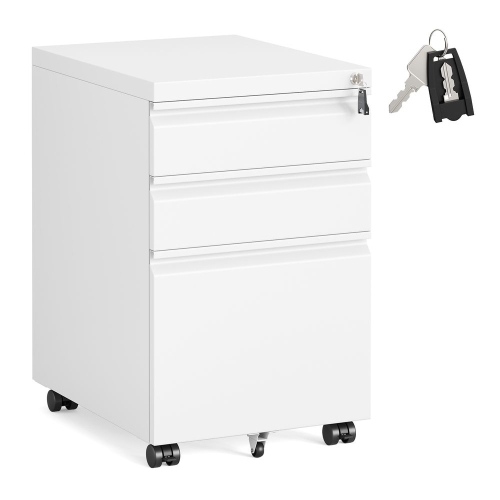
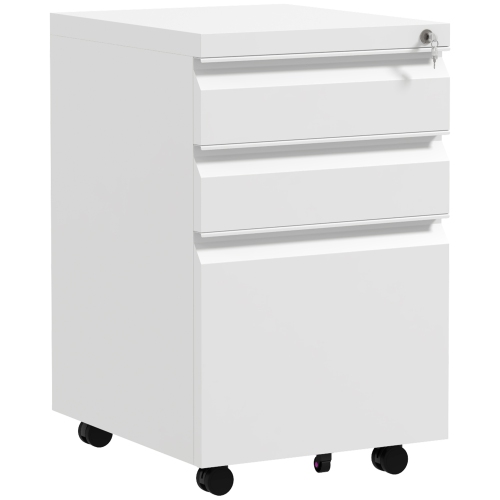
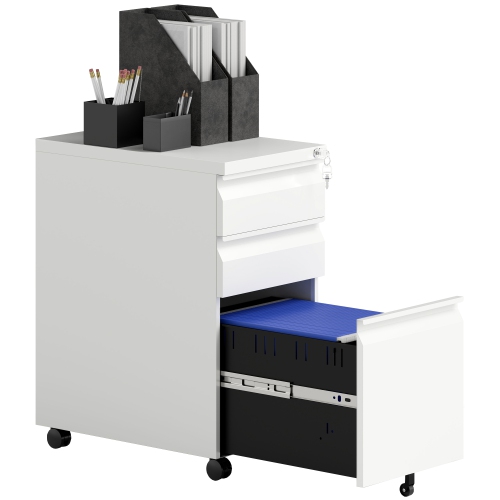
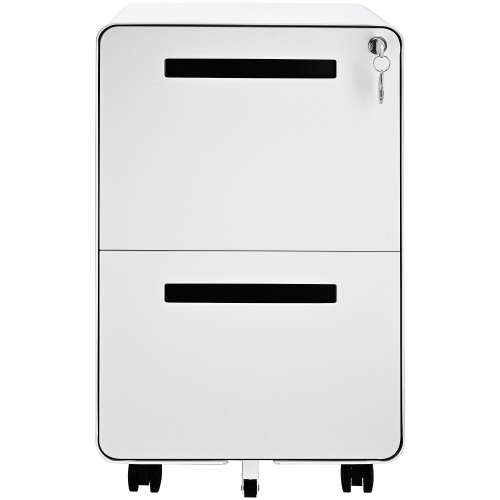
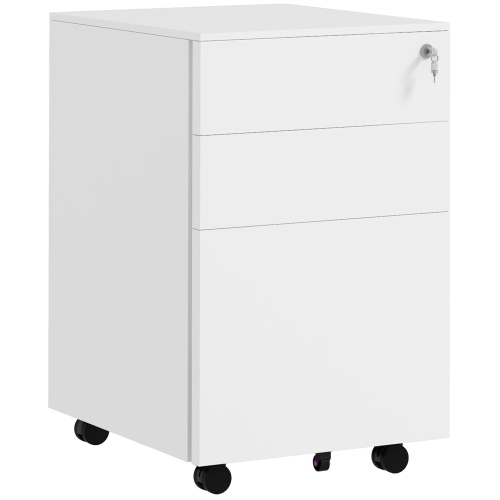
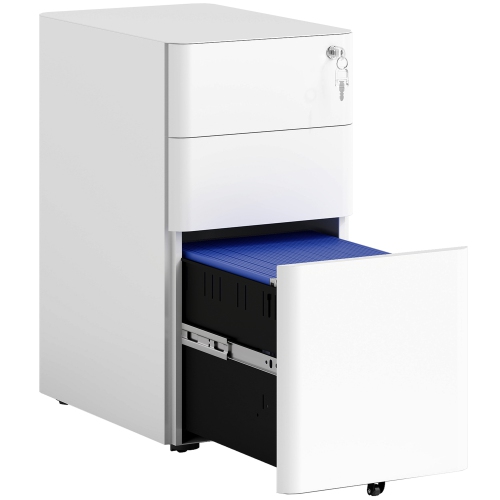
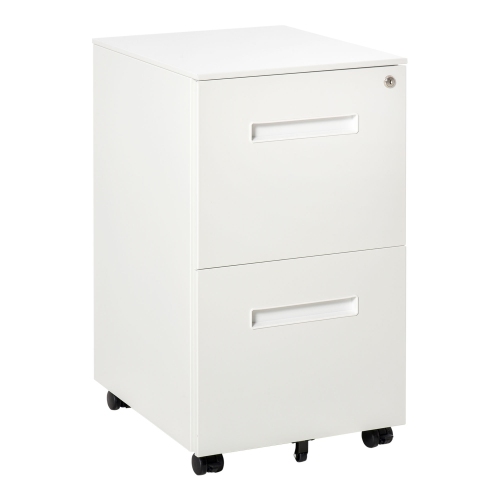
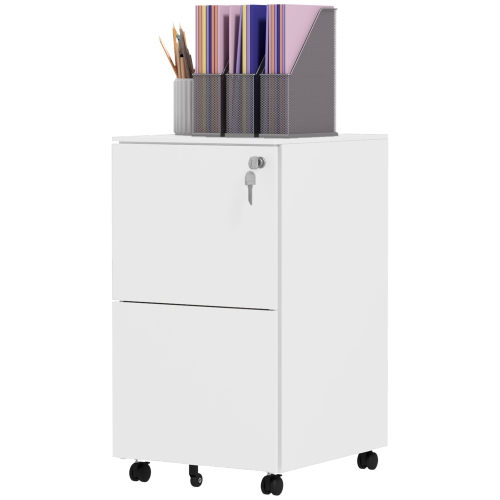
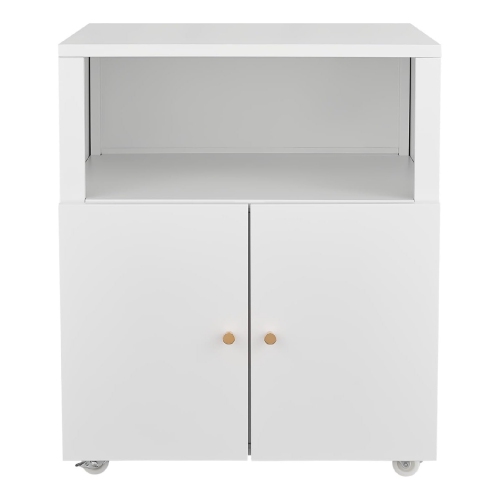
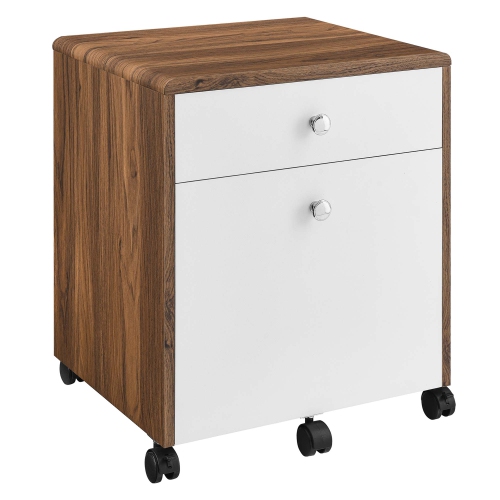
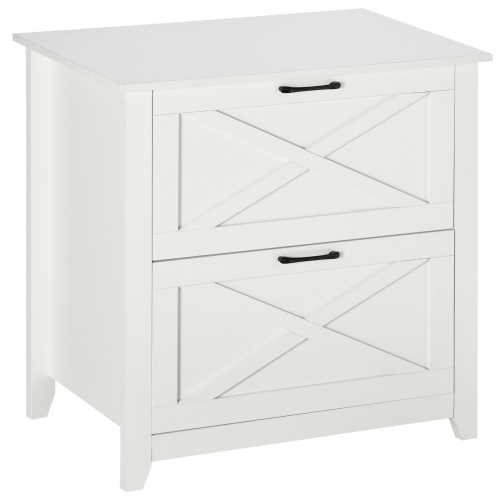
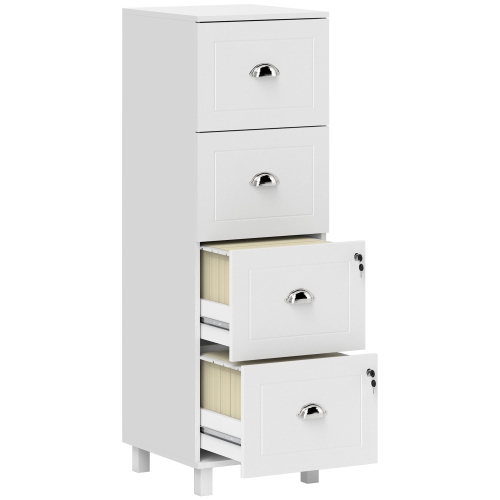
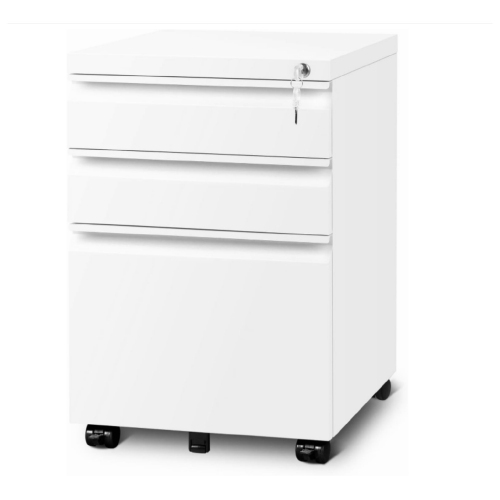
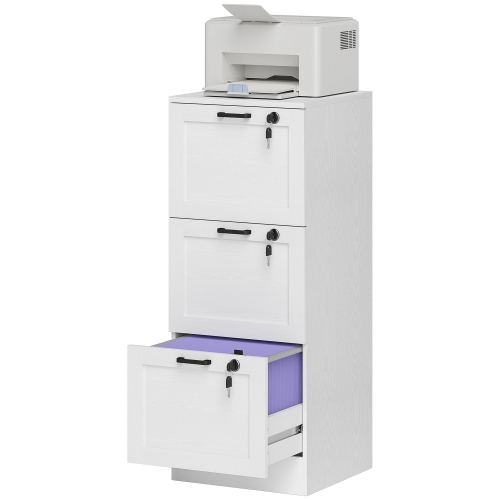
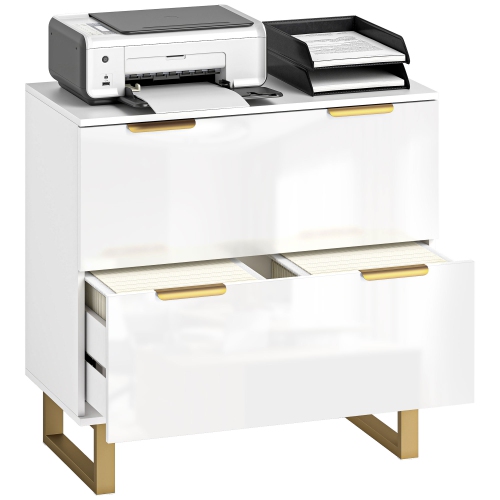
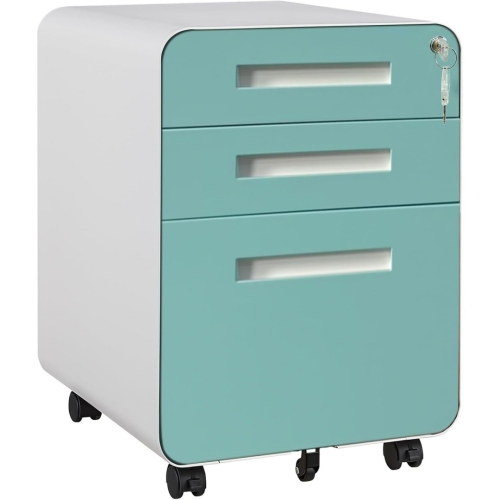
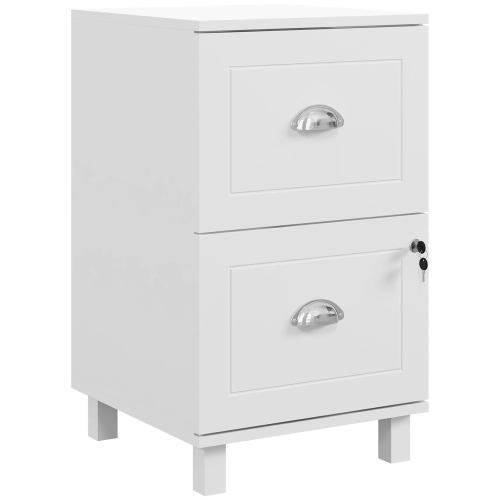
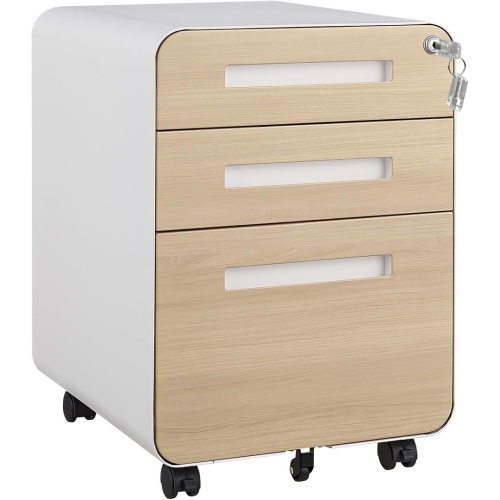
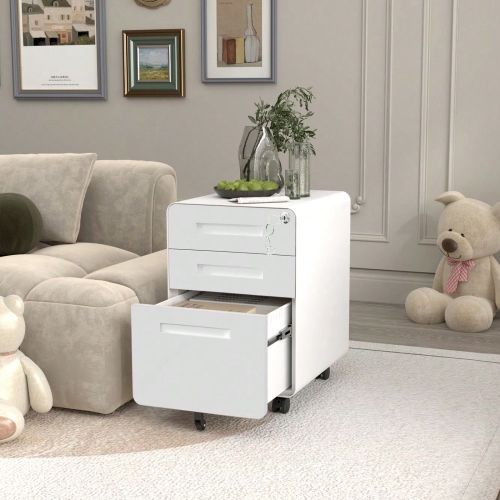
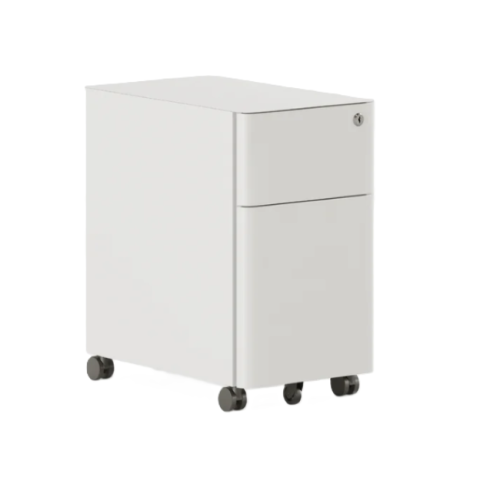
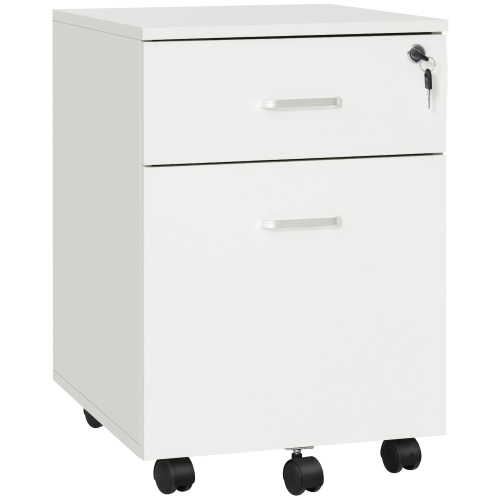
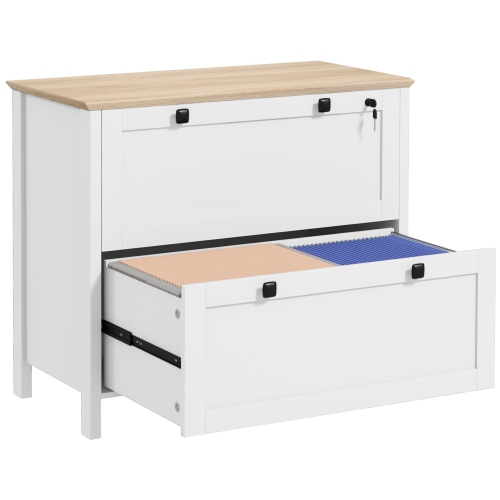
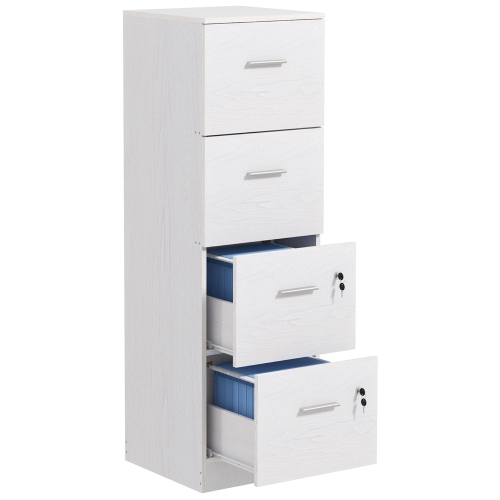
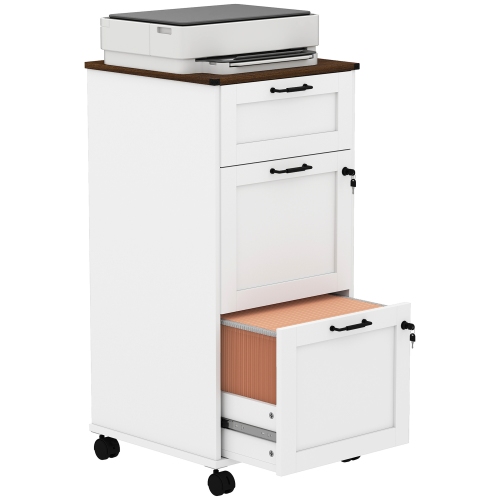
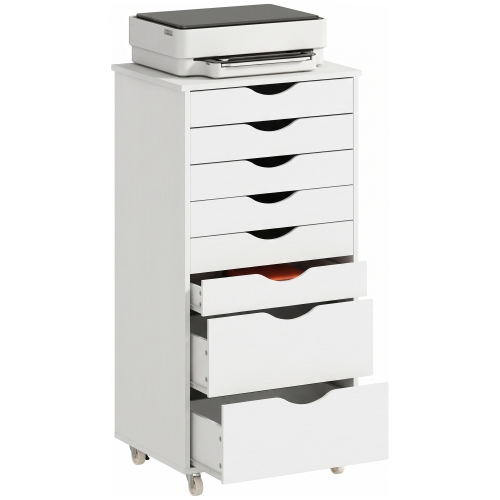
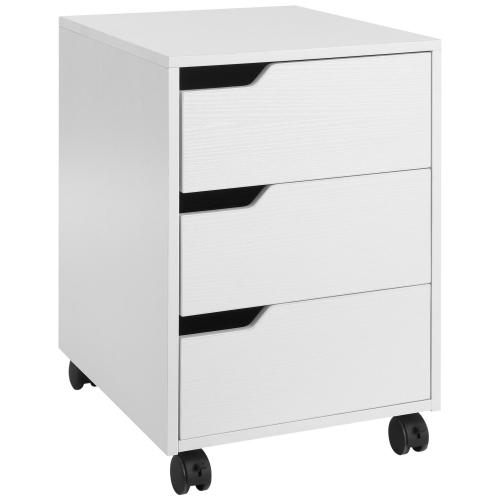
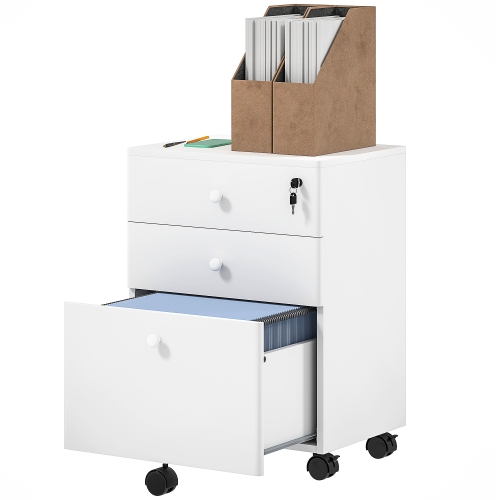
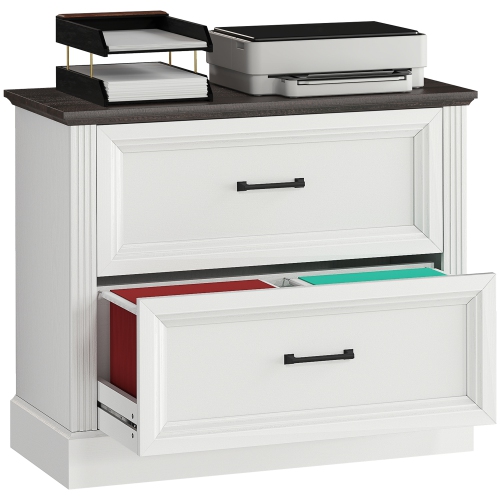
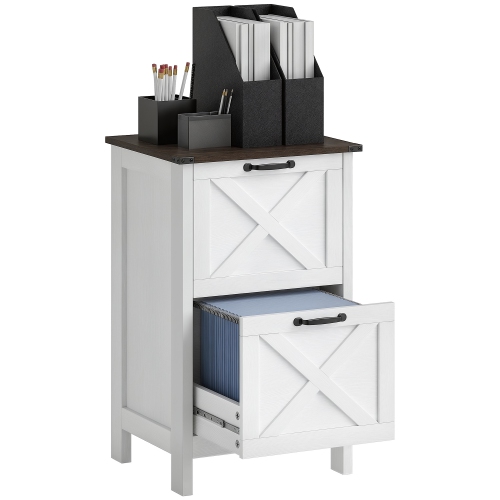
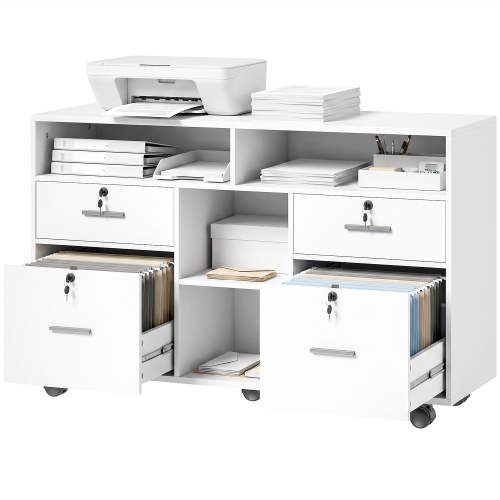
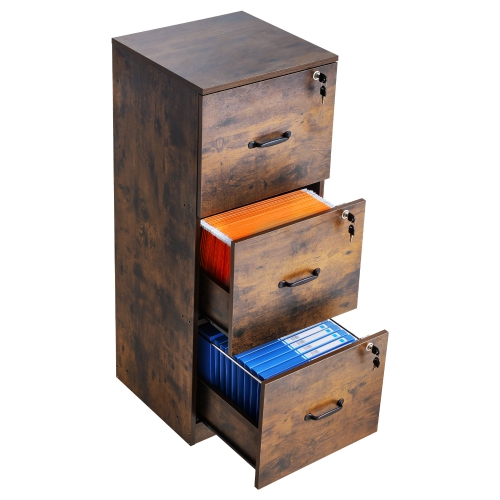
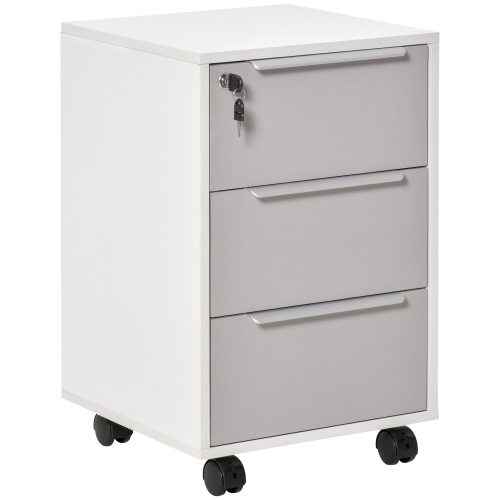
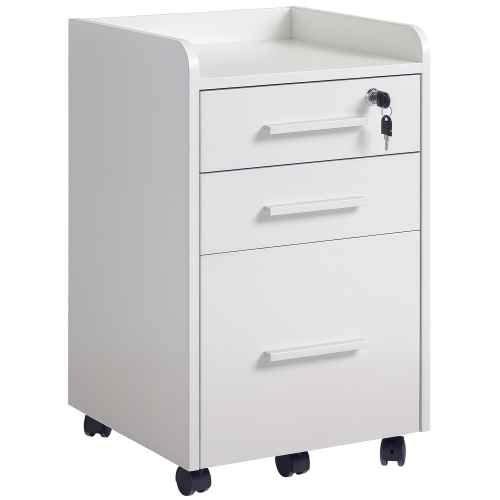
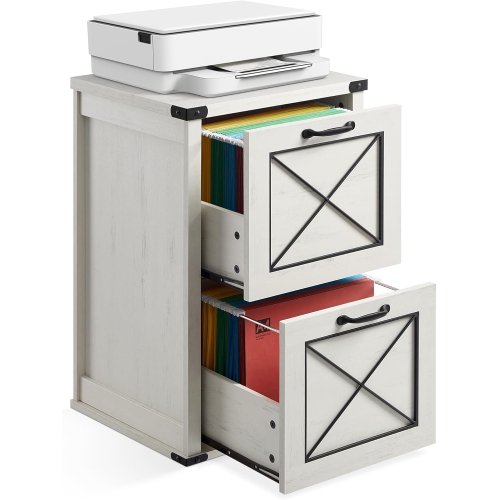
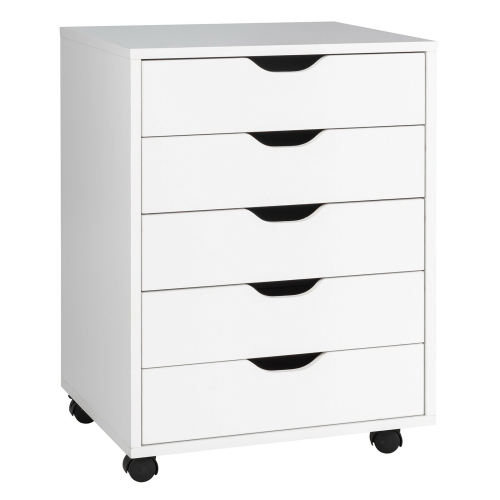
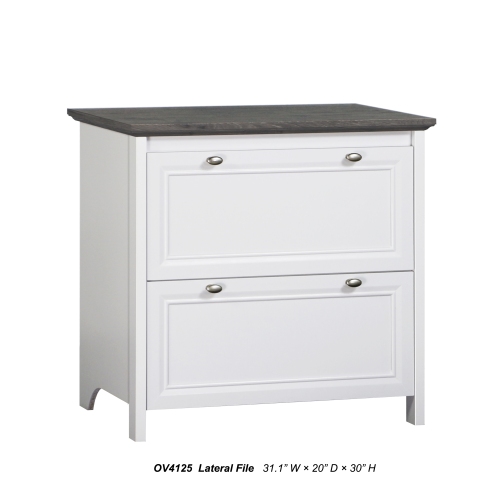
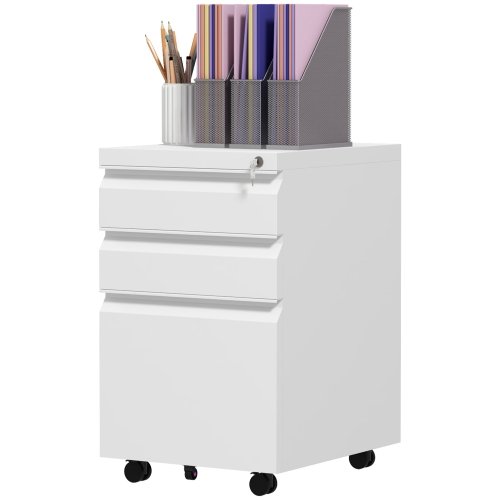
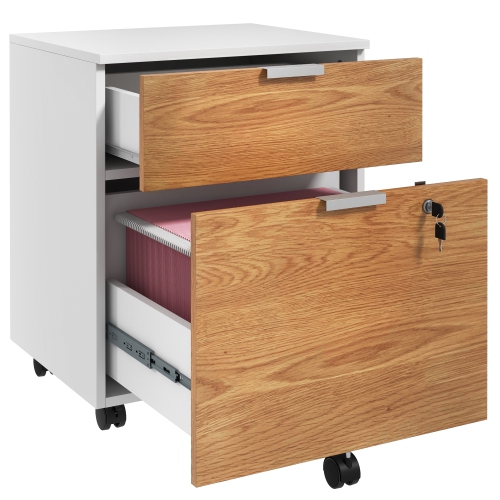
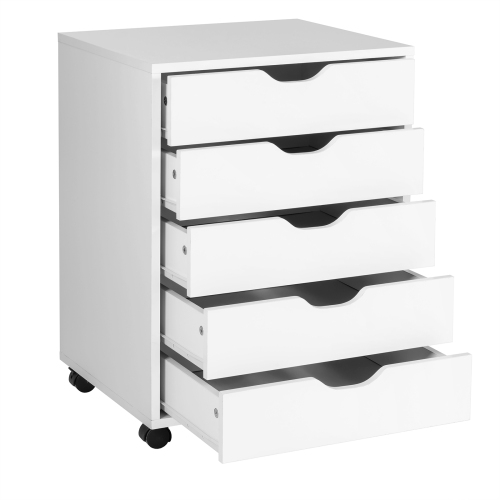
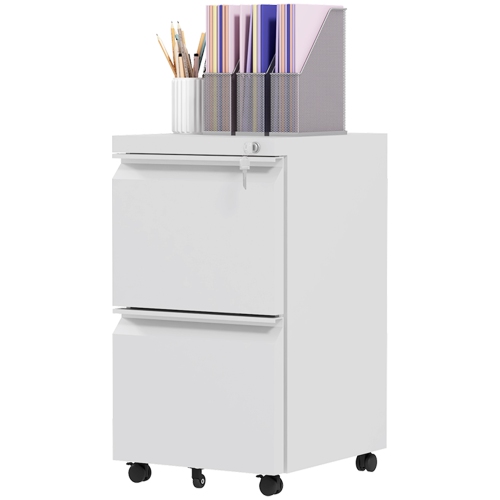
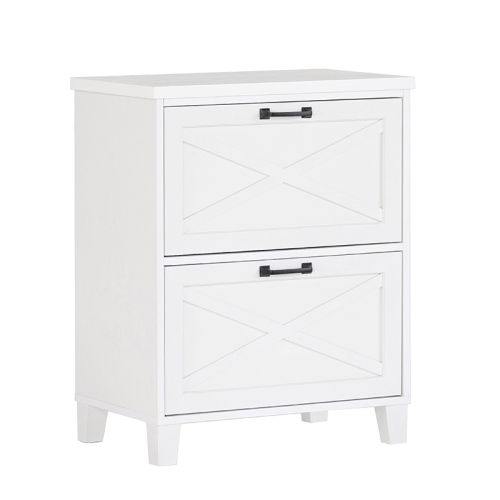
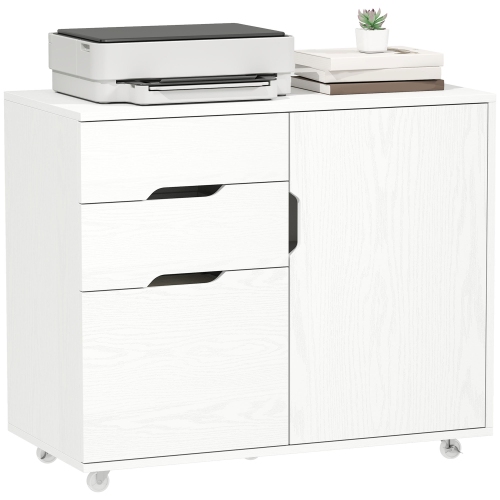
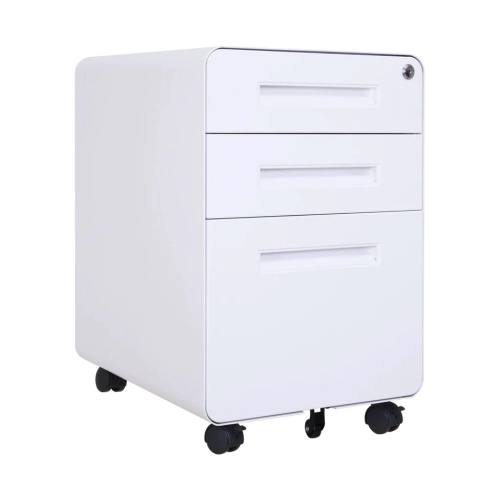
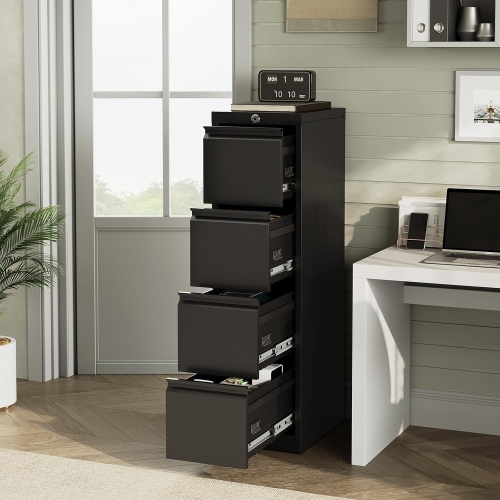
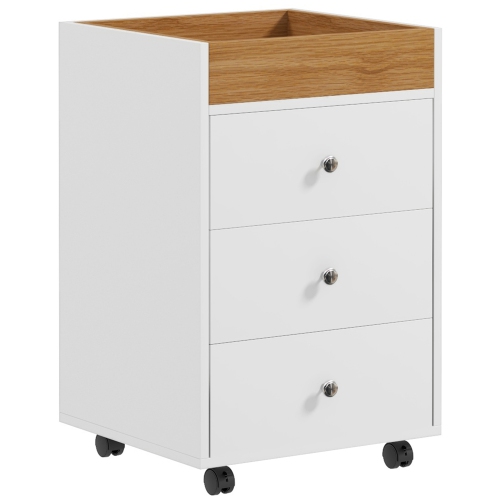
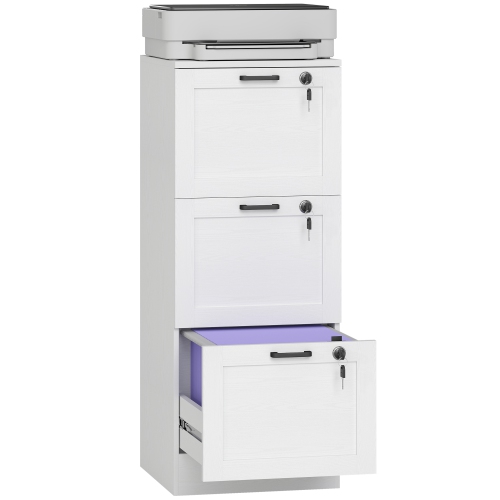
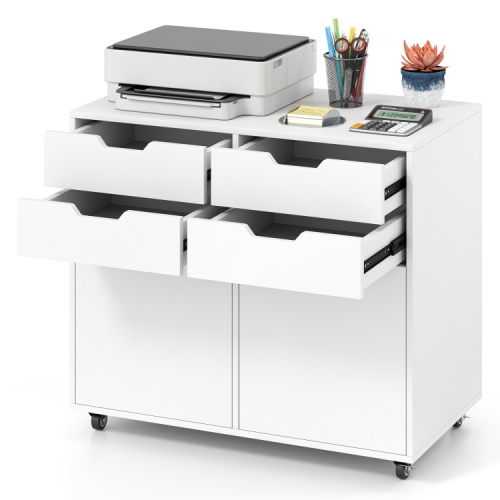
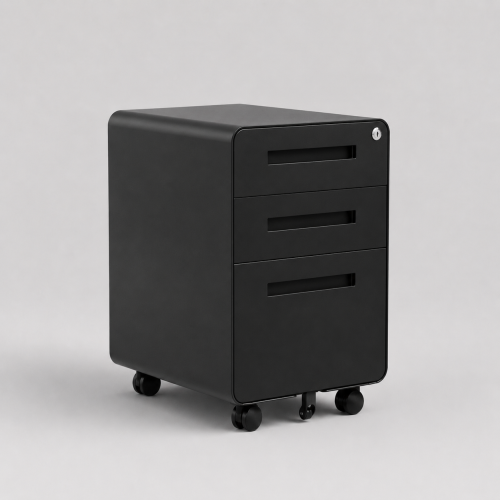
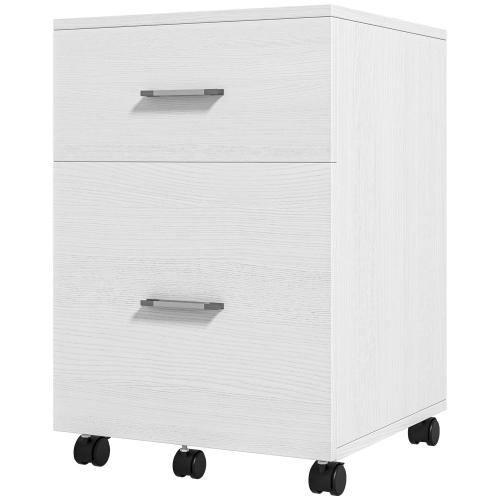
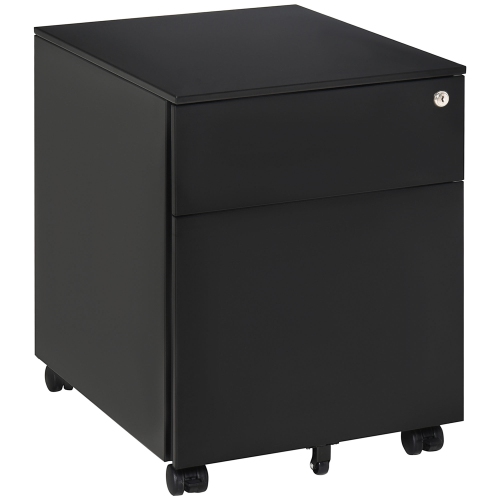
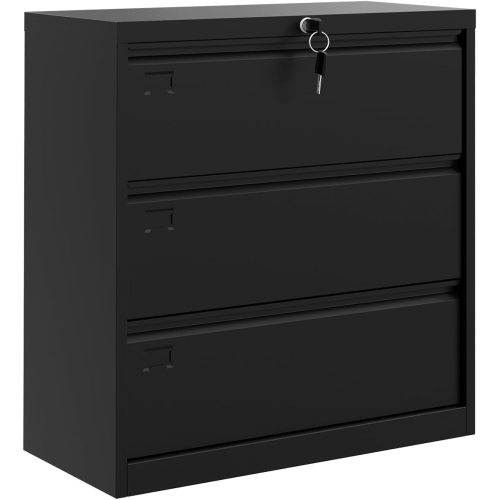
White metal file cabinets provide dedicated storage for paper documents in a durable metal body, with a light finish that suits home offices, shared workspaces, reception areas, and study corners. Their main purpose is straightforward: keeping folders upright, separated, and easy to retrieve without leaving paperwork spread across a desk. Household bills, insurance documents, client files, school records, and appliance warranties all benefit from a consistent place to land. A white finish can sit quietly beside pale walls and shelving or create a clean contrast with a dark desktop, wood furniture, and black office accessories. The cabinet’s shape has as much influence on the room as its colour. Vertical file cabinets stack drawers in a relatively narrow footprint, making them useful beside a desk or along a short stretch of wall. Their drawers typically extend farther into the room when opened, so a narrow cabinet still needs clear space in front. Lateral file cabinets have wider drawers and can suit longer walls, with filing arrangements that vary according to the drawer design and included rails. Low-profile cabinets may fit beneath a compatible desk, while taller units offer more filing capacity without taking up as much wall width. In a compact apartment, a cabinet beside a work surface can separate household paperwork from work documents. In a small business, dedicated drawers can keep supplier invoices apart from customer files and administrative records. For students or people working from home, accessible filing helps prevent an everyday task from becoming a search through stacked envelopes and loose sheets. The most useful layout reflects how the paperwork is handled: frequently accessed folders within comfortable reach, separate sections for different responsibilities, and enough room to add documents without packing drawers so tightly that folders become difficult to move. This makes white metal file cabinets practical working furniture rather than simply another place to put paper.
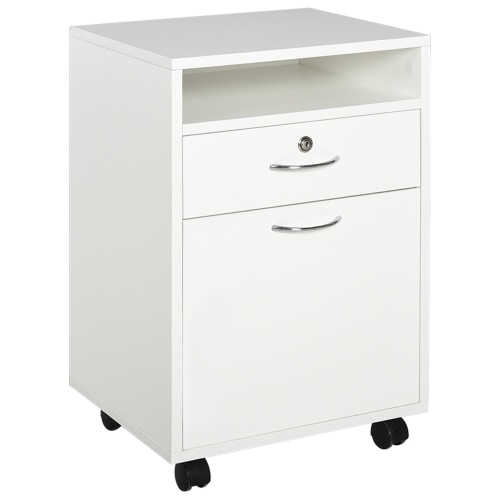
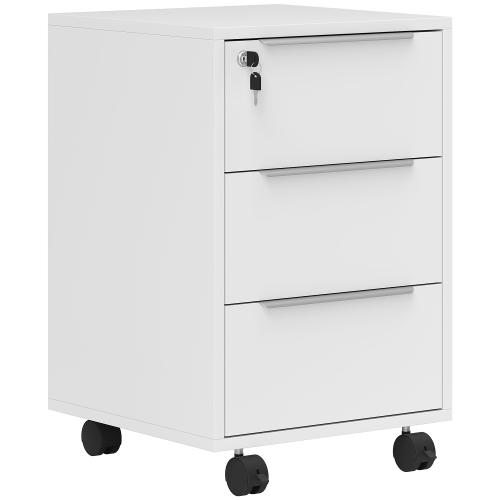
Paper size, drawer construction, and overall dimensions determine how well a file cabinet works in daily use. Letter-size and legal-size documents require different amounts of space, and not every drawer accommodates both formats. Hanging-file compatibility also depends on the rails or supports inside the drawer; a deep drawer alone does not guarantee that suspended folders will fit correctly. Adjustable filing bars can offer flexibility where included, while separate stationery drawers may provide space for pens, labels, and small desk supplies. Full-extension slides can make folders at the rear easier to reach, although the stated drawer capacity and loading instructions remain important. Smooth operation matters most when a drawer is holding a substantial amount of paper, not just when it is empty. Fit involves more than the cabinet’s listed width and height. Drawer handles, base details, castors, and the distance needed to open a drawer all contribute to the space it occupies. Beneath a desk, the cabinet also shares room with a chair, knees, cables, and any structural supports under the work surface. Beside a desk, its height may affect access to nearby outlets or interfere with an overhanging desktop. Mobile designs can be useful in flexible workspaces where files move between a desk and a shared work area, particularly when locking castors are included to help keep the unit stationary. A fixed-base cabinet may be better suited to a permanent filing position. Locking drawers add a measure of access control for personal correspondence, employee paperwork, or other documents that should not be left openly accessible. Lock arrangements differ: some secure a single drawer, while others operate several drawers through one lock. Ordinary filing locks are not a substitute for a safe, and a metal body does not by itself establish fire or water protection. Those forms of protection require specific ratings. In shared spaces, the cabinet’s location and the way keys are managed also contribute to keeping sensitive paperwork private.
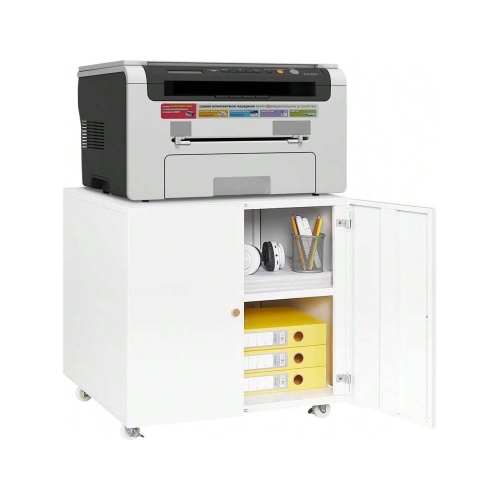
The durability of white metal file cabinets depends on the construction beneath the finish as well as the finish itself. Steel bodies are common, and details such as reinforced corners, well-fitted drawer fronts, secure handles, and stable bases influence how solid a cabinet feels over time. A painted or powder-coated surface provides the white colour and a protective outer layer, but neither finish makes a cabinet immune to scratches, chips, or dents. Contact with chair arms, moving equipment, or sharp objects can leave marks, especially around exposed edges and drawer handles. Routine care is generally simple: a soft cloth removes dust, and a lightly dampened cloth with a mild cleaner can address fingerprints or small spills when permitted by the manufacturer’s care instructions. Abrasive pads, harsh solvents, and excessive moisture can damage finishes or hardware. Drying cleaned surfaces helps prevent moisture from lingering around seams and fasteners. Placement away from persistent dampness, plumbing leaks, and splash-prone areas also helps protect both the cabinet and its contents. A filing drawer becomes heavy surprisingly quickly, so load limits and stability features deserve attention in any workspace. Heavier contents generally belong in lower drawers, with weight distributed evenly and drawers closed after use. Anti-tip mechanisms, where included, help limit unsafe drawer combinations, but they do not replace correct loading or any required restraint installation. Castors and levelling feet should be fitted and used as directed, and a loaded cabinet should not be dragged by an open drawer. Where paperwork shares space with bulkier supplies, the distinction between filing furniture and general storage becomes useful. White Metal Storage Cabinets can complement a filing area when the room also needs enclosed shelf space for binders, boxed supplies, or equipment. Dedicated file drawers remain better suited to an organized hanging-folder system. With an appropriate footprint, compatible filing supports, and construction suited to the workload, a white metal file cabinet can keep essential documents close at hand while maintaining a tidy, coordinated workspace.
Top selling and popular products
-
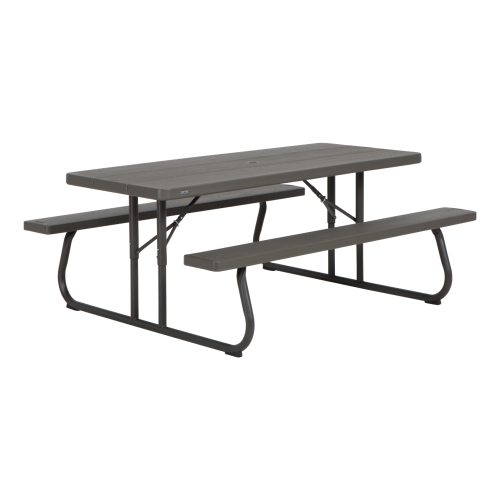 Your price for this item is $369.99
-
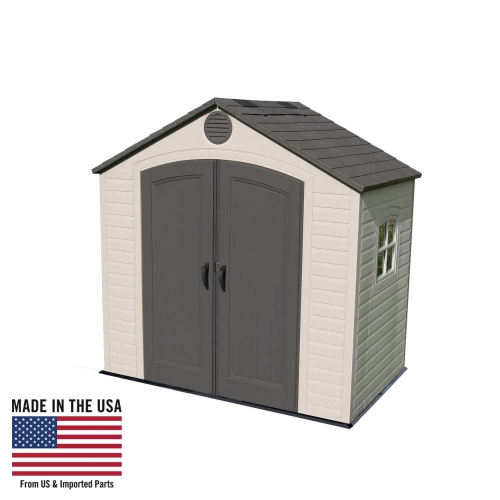 Your price for this item is $2249
-
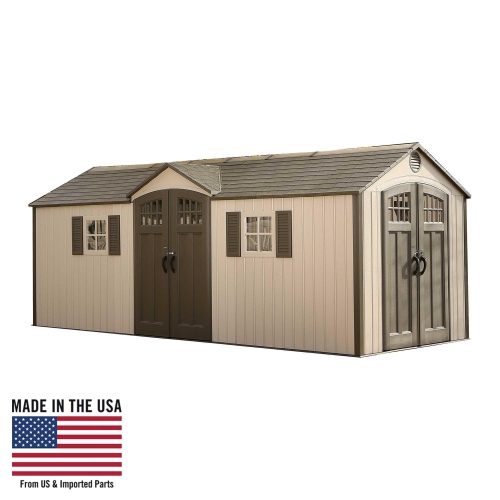 Your price for this item is $5999.99
-
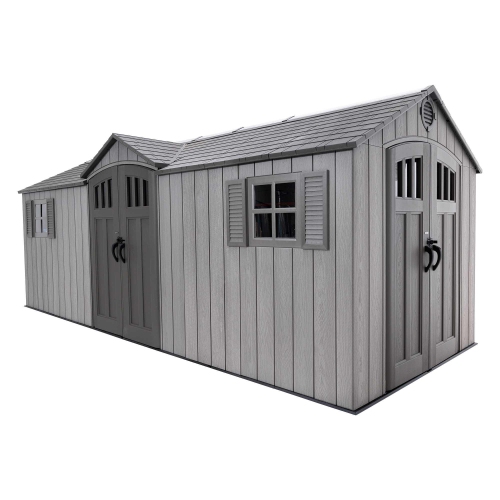 Your price for this item is $5999.99
-
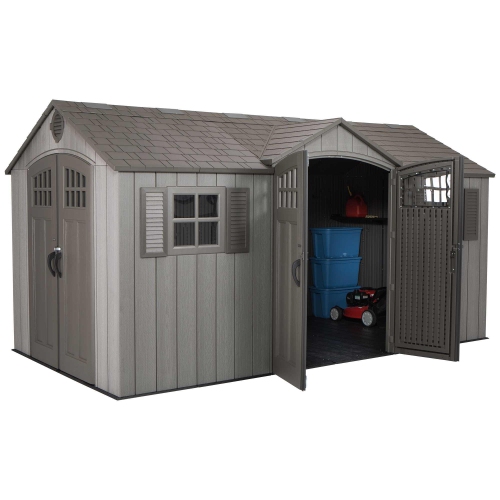 Your price for this item is $4499.99
-
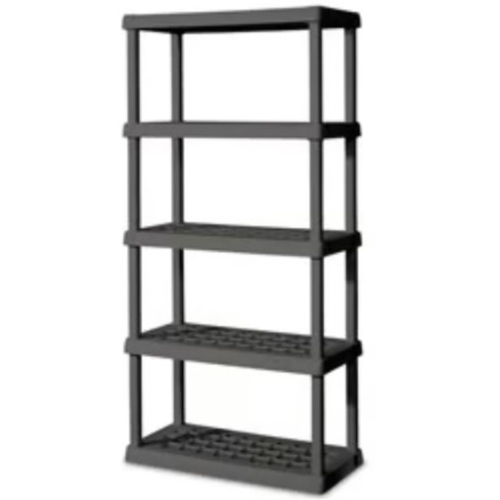 Your price for this item is $629.99
-
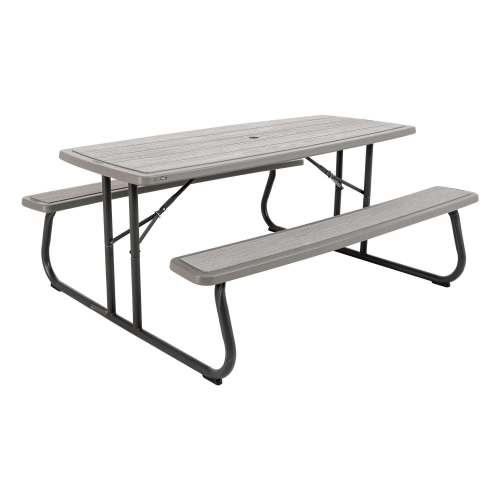 Your price for this item is $369.99
-
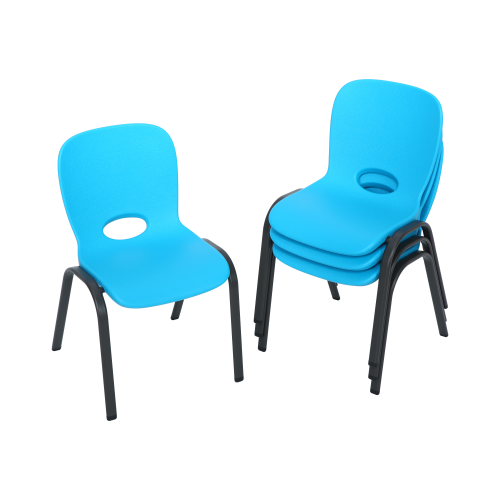 Your price for this item is $119.99
Discover more categories related to White Metal File Cabinets
Top Collections:
Best Black Friday Deals This Year, Best Black Friday Deals On Electronics, Kindle Devices, Dyson Airwrap, Best Cameras for Sports Photography, Best Budget Office Chairs, Canon G7X Cameras, PS5 Pro Consoles, Best Black Friday Deals On Apple Products, XBOX One S Consoles
Some products may be subject to Environmental Handling Fees
(EHF) depending on your province.
Learn more about EHFs.