White Mid Century Chairs
Transform your living space with the timeless elegance of a white mid century chair. Perfect for adding a touch of sophistication and style, these chairs blend seamlessly with various décors, offering a chic yet understated aesthetic. Whether you're looking to create a cozy reading nook or enhance your dining area, the sleek lines and minimalist design of mid-century modern furniture make it an ideal choice. Explore our collection to find the perfect piece that complements your home’s unique character while providing comfort and functionality.
Sort
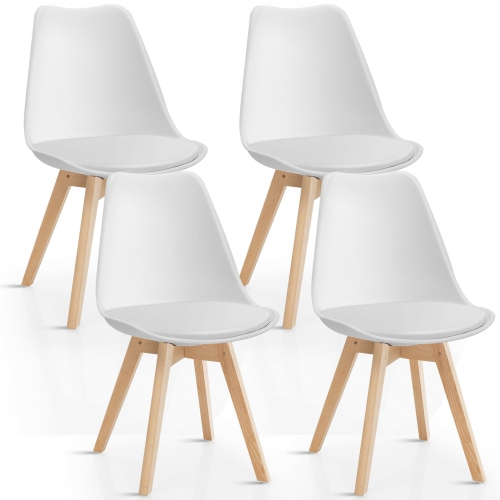
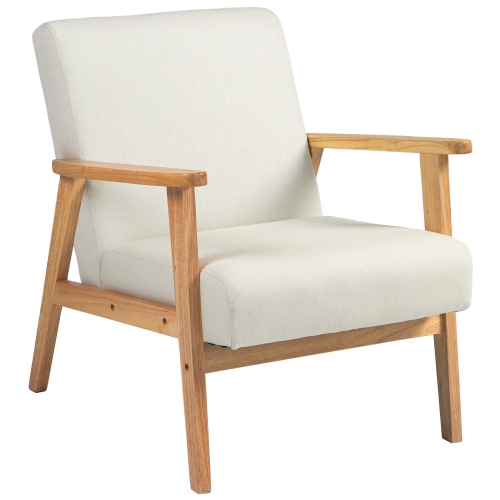
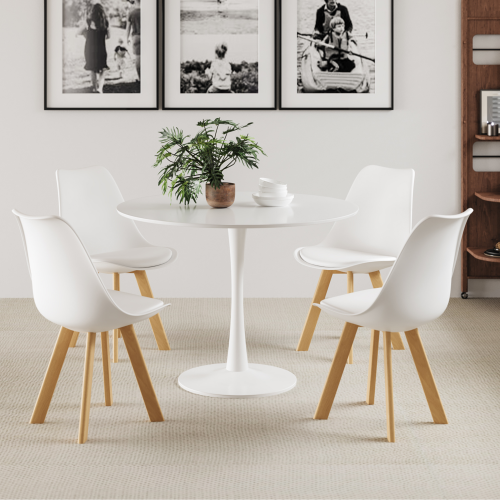
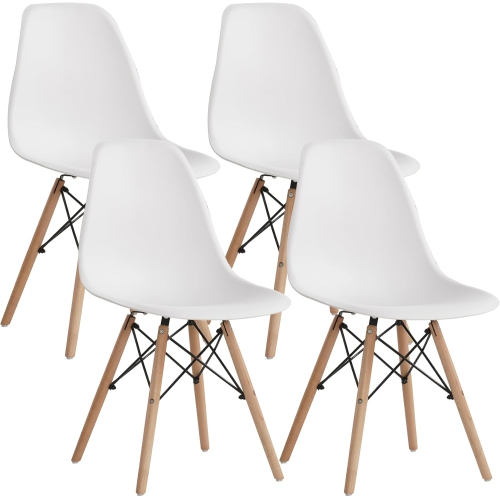
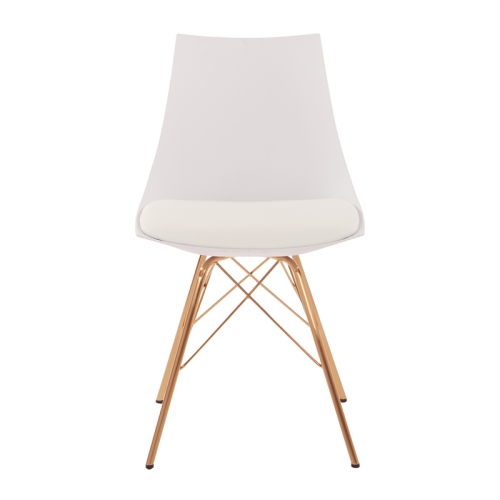
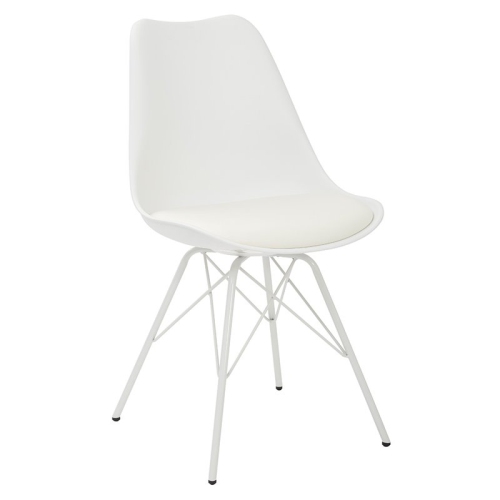
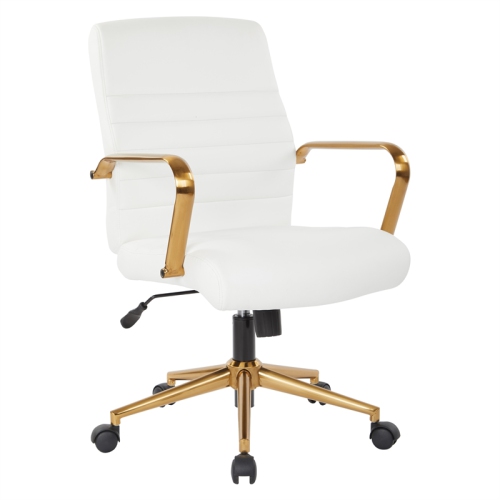
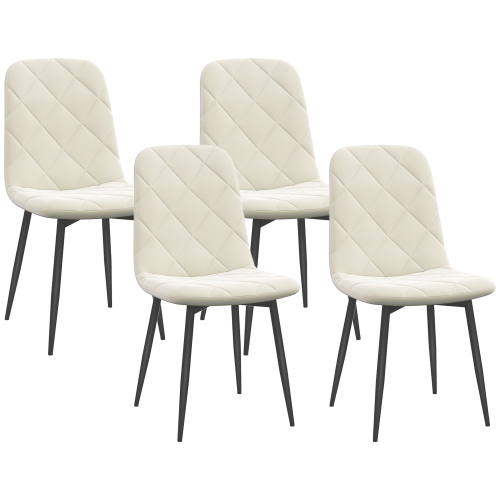

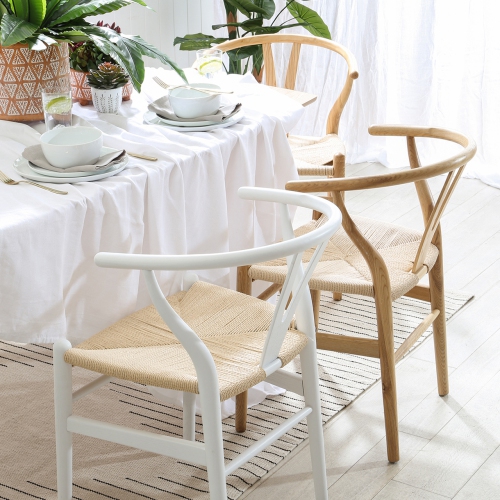
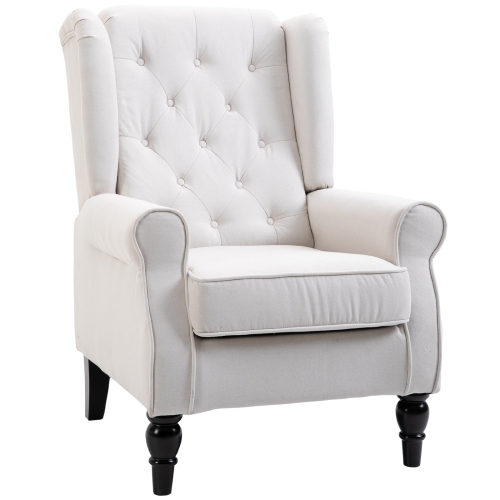
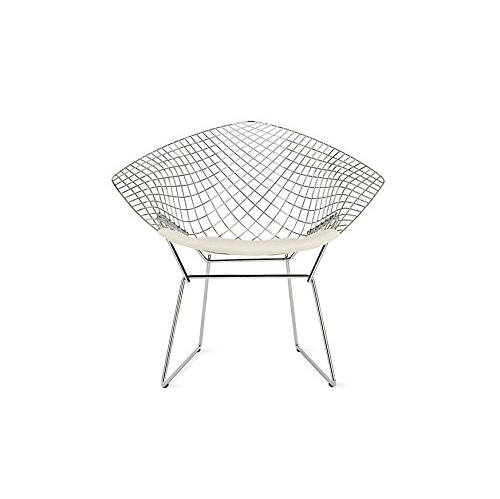
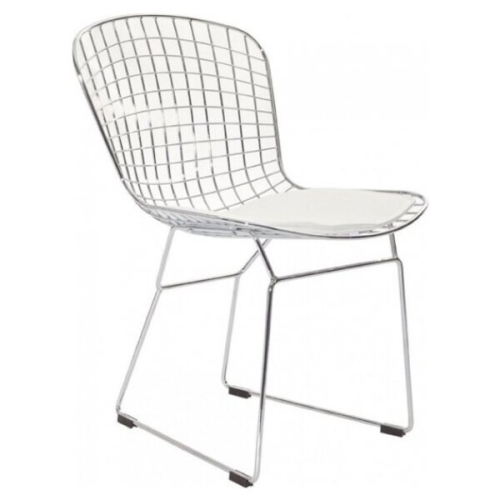
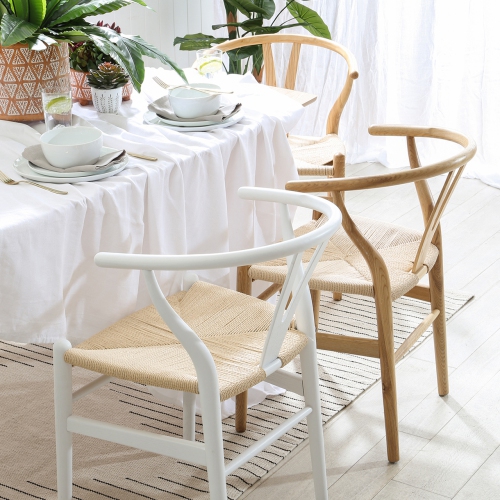
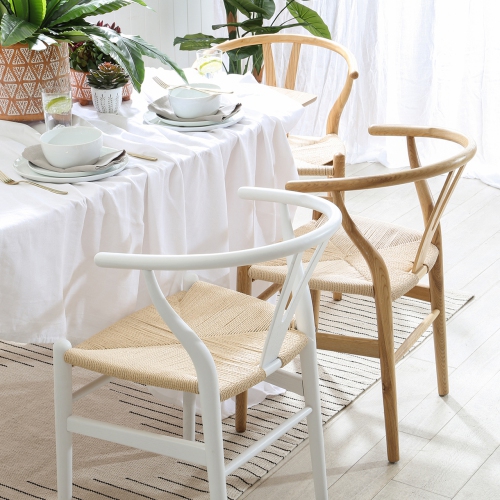
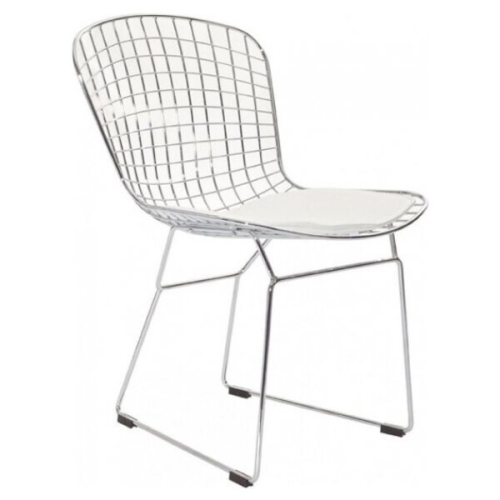
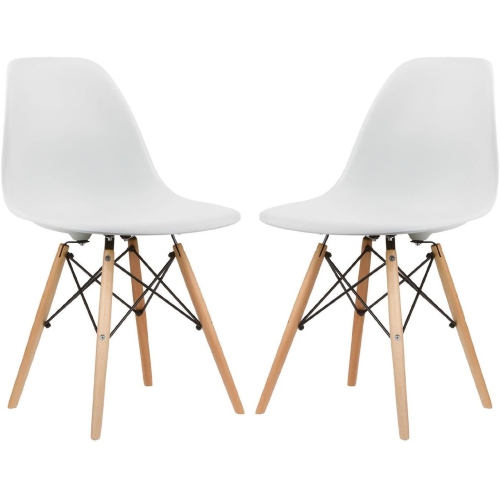
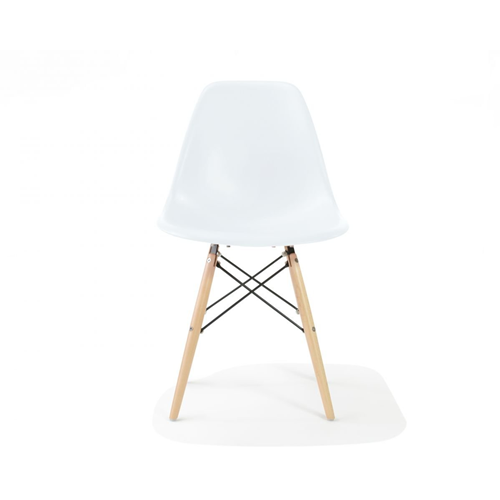
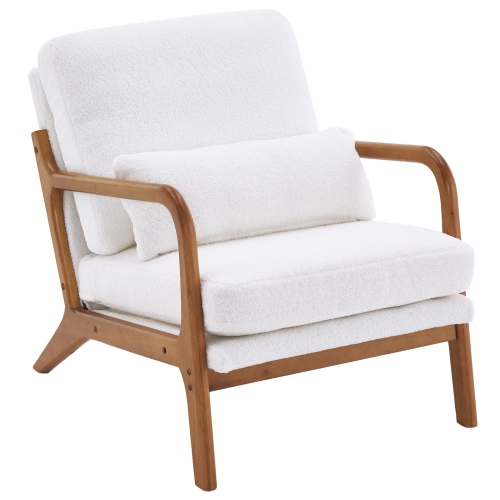
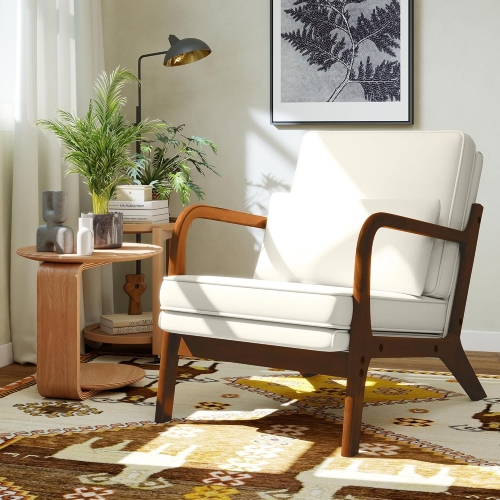
How white seating brings sculpted silhouettes into focus
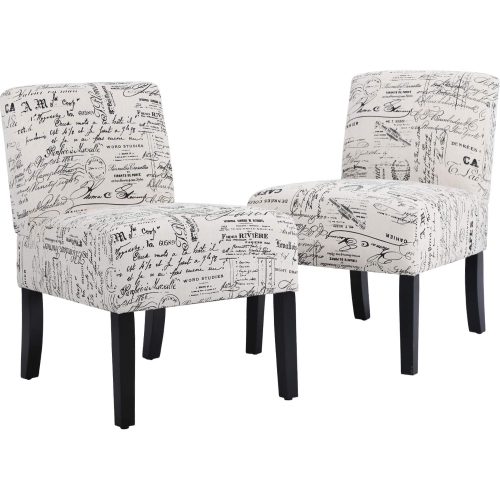
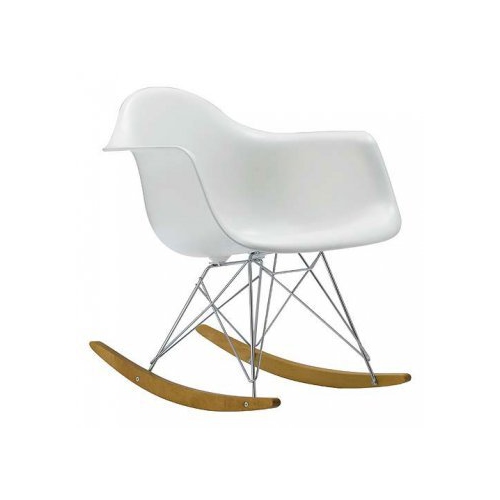
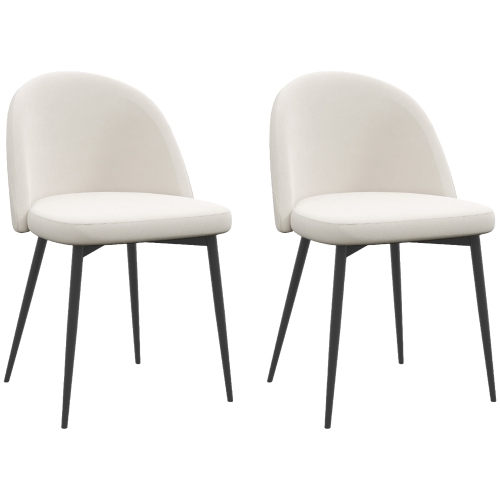
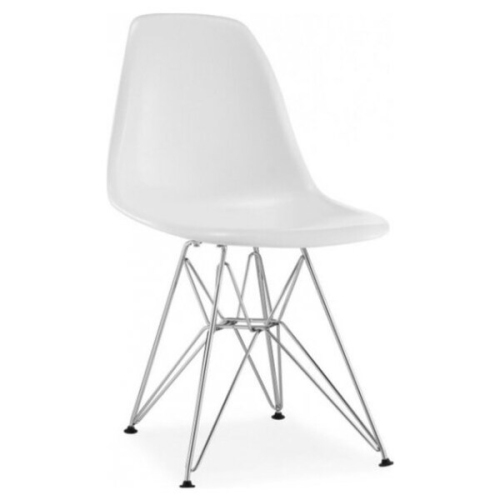
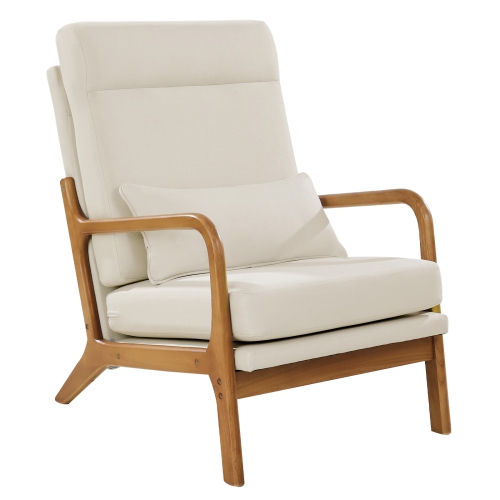
White mid-century chairs pair light-coloured seating with the clean lines, tapered legs, and sculpted shapes associated with mid-century modern furniture. The style draws on design ideas popular around the middle of the twentieth century, with an emphasis on practical forms and relatively little ornament. Common interpretations include upholstered accent chairs with exposed wooden arms, curved dining chairs, moulded shell seats, and low lounge chairs with gently angled backs. White brings a distinct quality to these silhouettes: it highlights the outline of a curved backrest, contrasts with walnut-toned wood, and gives a substantial upholstered seat a lighter visual presence. The colour can work equally well beside a compact dining table, across from a charcoal sofa, or in a quiet reading corner. Shades matter, though. A bright white seat has a crisp appearance against pale walls, while ivory and cream introduce a softer contrast with oak, woven rugs, and warm-toned textiles. Looking at the chair’s finish alongside the room’s existing whites helps avoid an unintended mismatch, especially where a white table or cabinet sits close by. Texture adds another layer of distinction. Smooth upholstery emphasizes a streamlined shape, while bouclé, corduroy, or a visible fabric weave gives the same colour more depth. For a cohesive room without a matching-suite effect, repeating one detail, such as a rounded back or tapered wooden leg, can connect the chair to nearby furniture. White seating also leaves room for colour elsewhere, whether that means a rust-coloured cushion, a patterned rug, or a framed print above a sideboard. The broader Mid Century Chairs category provides context for these shared design features across different colours and seating formats. Within a white palette, the balance of upholstery, frame finish, and shape determines whether a chair feels crisp and architectural or soft and relaxed.
The intended use of a white mid-century chair matters as much as its appearance. Dining chairs generally need a more upright posture and a seat height that works with the table, while lounge chairs often have deeper seats and more reclined backs suited to reading or conversation. An accent chair can bridge those roles, but a generous lounge seat may feel awkward when pulled up to a dining surface. In a small condo, an armless chair can leave clearer sightlines and move more easily between a living area and a bedroom; in a larger room, a pair of armchairs can define a conversation area without adding another sofa. Measurements are especially useful with mid-century silhouettes because splayed legs and angled backs may extend beyond the seat itself. Overall width and depth show the floor space required, while seat width, seat depth, and arm height give a better sense of how the chair will feel in use. A shorter person may find a deep seat difficult to sit back in while keeping their feet supported. Someone who prefers an upright position may be more comfortable with a shallower seat and a firmer back. For dining spaces, clearance beneath the tabletop and apron determines whether armrests can slide underneath, and there should be enough room behind each chair to pull it out comfortably. A reading chair benefits from a nearby surface for a book and a lamp positioned where its light reaches the page. A bedroom chair used for putting on shoes may be better with a stable frame, supportive arms, and a seat that is not too low. For regular desk work, a mid-century appearance alone does not establish suitability: adjustability, support, and the relationship between seat and desk height remain important. White mid-century chairs can also make thoughtful housewarming gifts when the recipient’s room measurements, preferred seating position, and taste are known, although larger furniture is usually best chosen with their input.
Materials and construction influence both the look of white mid-century chairs and the attention they need over time. Upholstered fabric seats offer softness and a broad range of textures, but fibre content, weave, and cleaning instructions are more informative than colour alone. A tightly woven fabric may be easier to keep free of crumbs than a deeply textured surface, while looped upholstery can catch on pet claws. Leather, where specified, has its own care requirements and may develop visible changes with use; faux leather has a different surface and should not automatically receive the same cleaning treatment. Moulded plastic seats create a smooth, sculptural profile and can suit dining or occasional seating, although their firmness feels different from a padded chair. Exposed wood introduces grain and warmth, while metal legs can give the outline a finer, more angular appearance. Durability depends on the whole construction, including frame joints, leg attachments, upholstery seams, and cushion support. A substantial-looking seat is not proof of a higher weight capacity, so stated limits and assembly requirements deserve attention. On white finishes, marks from dark denim, pens, food, or everyday handling may be more noticeable, particularly on armrests and the front edge of the seat. Routine care starts with the manufacturer’s directions: vacuum suitable upholstery with a soft attachment, blot spills promptly rather than rubbing, and test permitted cleaners on an inconspicuous area. Removable cushion covers are not necessarily machine washable, and strong cleaners can damage fabric, coatings, or colour. Wooden arms and legs generally benefit from gentle dusting and prompt removal of moisture, while suitable floor protectors help limit scratches beneath frequently moved dining chairs. Direct sunlight may alter upholstery and wood finishes over time, making placement worth considering. In a busy dining area, a surface with straightforward cleaning requirements may take priority; in a reading corner, cushioning and tactile comfort may matter more. Matching those everyday habits to the chair’s materials helps white seating remain an inviting, useful part of the room rather than a piece reserved only for appearance.
The intended use of a white mid-century chair matters as much as its appearance. Dining chairs generally need a more upright posture and a seat height that works with the table, while lounge chairs often have deeper seats and more reclined backs suited to reading or conversation. An accent chair can bridge those roles, but a generous lounge seat may feel awkward when pulled up to a dining surface. In a small condo, an armless chair can leave clearer sightlines and move more easily between a living area and a bedroom; in a larger room, a pair of armchairs can define a conversation area without adding another sofa. Measurements are especially useful with mid-century silhouettes because splayed legs and angled backs may extend beyond the seat itself. Overall width and depth show the floor space required, while seat width, seat depth, and arm height give a better sense of how the chair will feel in use. A shorter person may find a deep seat difficult to sit back in while keeping their feet supported. Someone who prefers an upright position may be more comfortable with a shallower seat and a firmer back. For dining spaces, clearance beneath the tabletop and apron determines whether armrests can slide underneath, and there should be enough room behind each chair to pull it out comfortably. A reading chair benefits from a nearby surface for a book and a lamp positioned where its light reaches the page. A bedroom chair used for putting on shoes may be better with a stable frame, supportive arms, and a seat that is not too low. For regular desk work, a mid-century appearance alone does not establish suitability: adjustability, support, and the relationship between seat and desk height remain important. White mid-century chairs can also make thoughtful housewarming gifts when the recipient’s room measurements, preferred seating position, and taste are known, although larger furniture is usually best chosen with their input.
Materials and construction influence both the look of white mid-century chairs and the attention they need over time. Upholstered fabric seats offer softness and a broad range of textures, but fibre content, weave, and cleaning instructions are more informative than colour alone. A tightly woven fabric may be easier to keep free of crumbs than a deeply textured surface, while looped upholstery can catch on pet claws. Leather, where specified, has its own care requirements and may develop visible changes with use; faux leather has a different surface and should not automatically receive the same cleaning treatment. Moulded plastic seats create a smooth, sculptural profile and can suit dining or occasional seating, although their firmness feels different from a padded chair. Exposed wood introduces grain and warmth, while metal legs can give the outline a finer, more angular appearance. Durability depends on the whole construction, including frame joints, leg attachments, upholstery seams, and cushion support. A substantial-looking seat is not proof of a higher weight capacity, so stated limits and assembly requirements deserve attention. On white finishes, marks from dark denim, pens, food, or everyday handling may be more noticeable, particularly on armrests and the front edge of the seat. Routine care starts with the manufacturer’s directions: vacuum suitable upholstery with a soft attachment, blot spills promptly rather than rubbing, and test permitted cleaners on an inconspicuous area. Removable cushion covers are not necessarily machine washable, and strong cleaners can damage fabric, coatings, or colour. Wooden arms and legs generally benefit from gentle dusting and prompt removal of moisture, while suitable floor protectors help limit scratches beneath frequently moved dining chairs. Direct sunlight may alter upholstery and wood finishes over time, making placement worth considering. In a busy dining area, a surface with straightforward cleaning requirements may take priority; in a reading corner, cushioning and tactile comfort may matter more. Matching those everyday habits to the chair’s materials helps white seating remain an inviting, useful part of the room rather than a piece reserved only for appearance.
Top selling and popular products
-
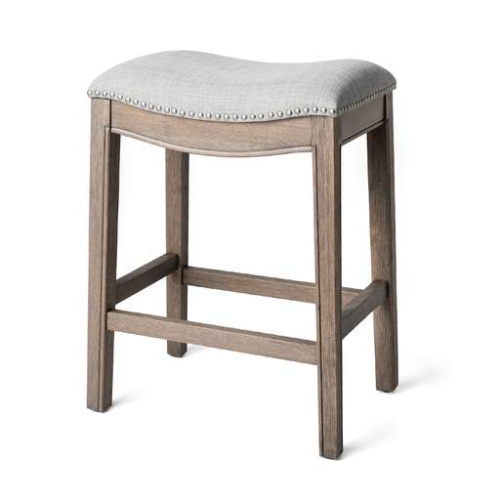 Your price for this item is $210.99
 -
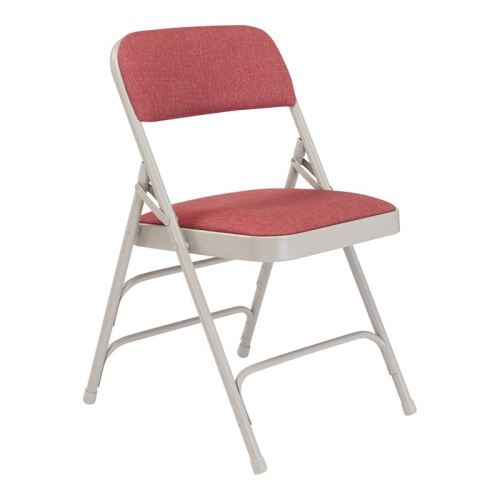 Your price for this item is $399.16
 -
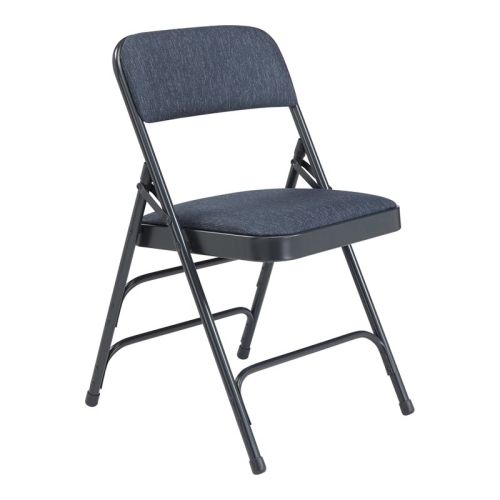 Your price for this item is $413.92
 -
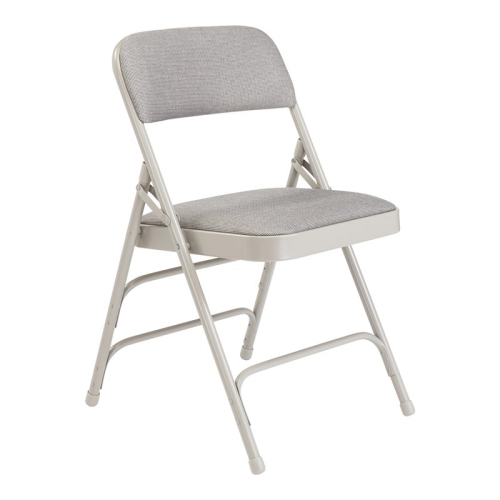 Your price for this item is $395.27
 -
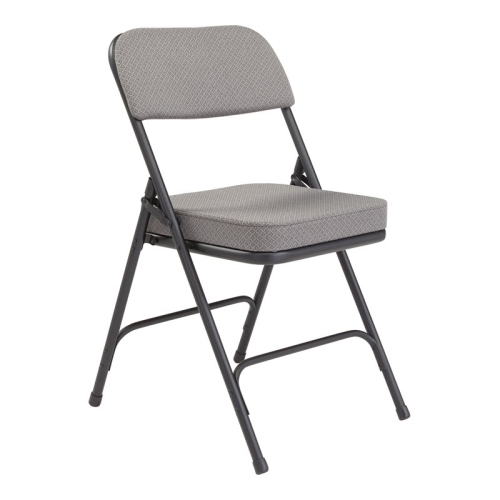 Your price for this item is $282.44
 -
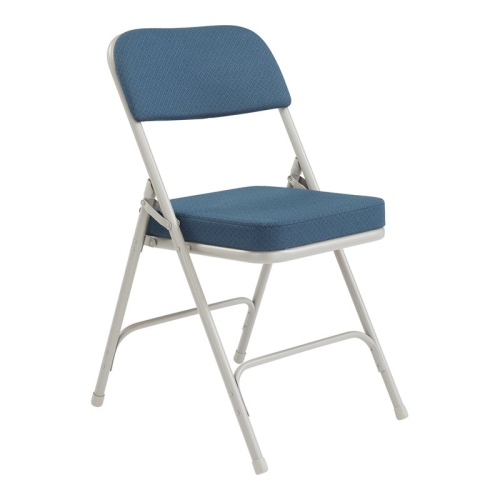 Your price for this item is $279.98
 -
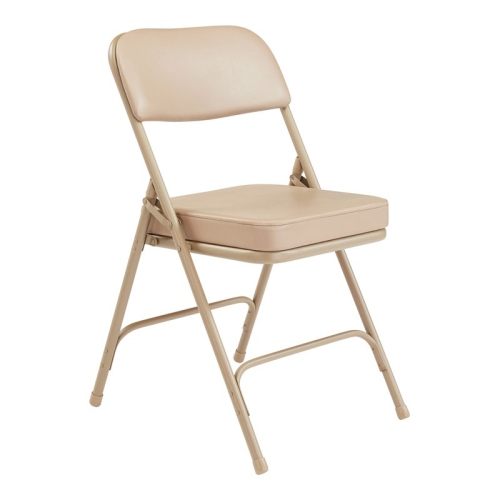 Your price for this item is $278.44
 -
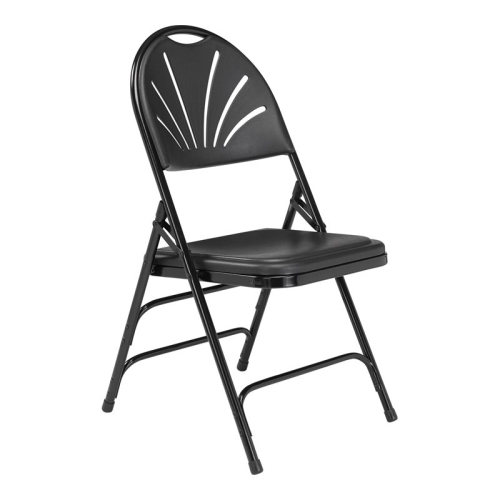 Your price for this item is $409.5
Discover more categories related to White Mid Century Chairs
Top Collections:
Pokemon Centers, Kindle Devices, Best Budget Office Chairs, Apple iPhones 16, Best Laptops for Writers, iPhone 15 Apple, Canon G7X Cameras, Refurbished Apple Laptops, Alarm Clock, Motorola Razr Phones
Some products may be subject to Environmental Handling Fees
(EHF) depending on your province.
Learn more about EHFs.