Mid Century Wood Chairs
Enhance your home's aesthetic with the timeless charm of a mid-century wood chair. Combining sleek lines, organic curves, and warm wood tones, these chairs effortlessly bring a touch of retro sophistication to almost any space. Crafted with meticulous attention to detail, mid-century wood chairs offer both comfort and style, making them the perfect addition to your dining room, living area, or study. Here are some great options available.
Sort

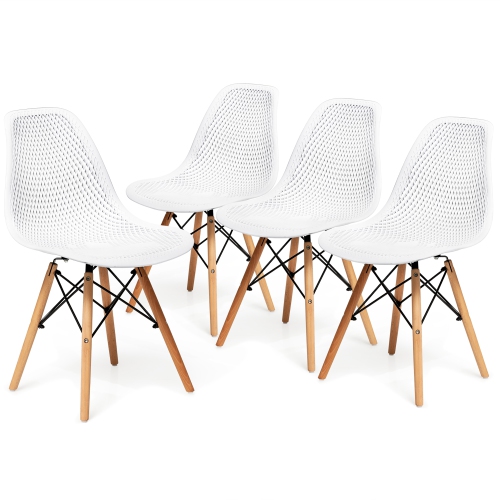

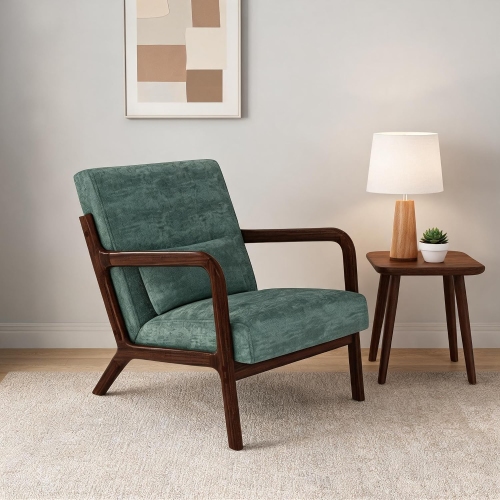
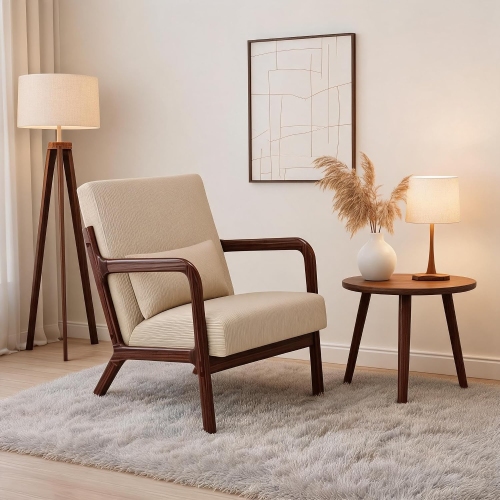
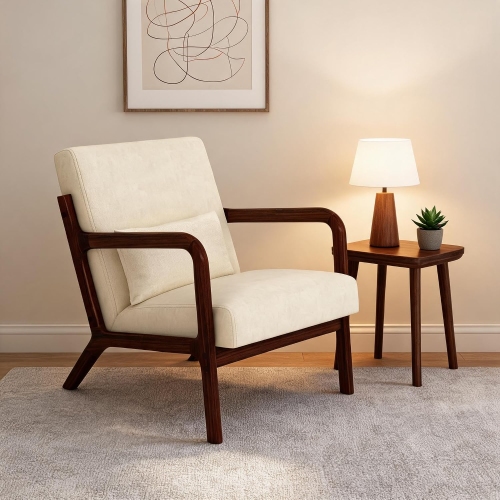
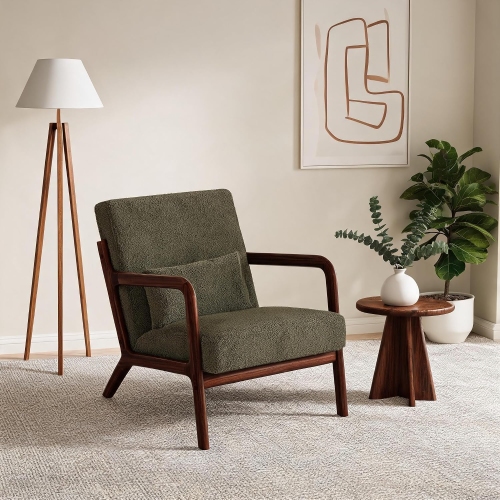
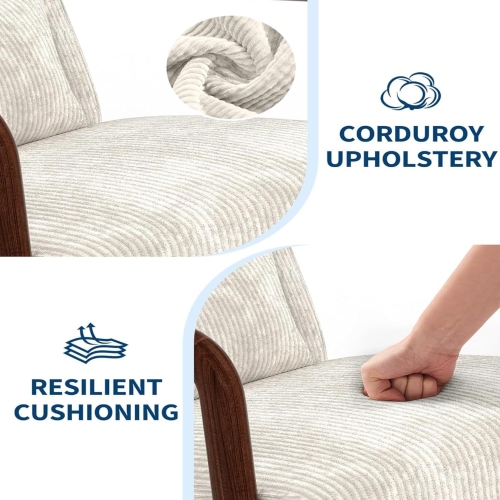
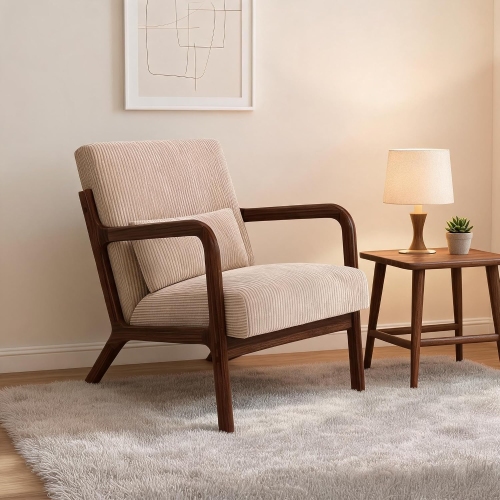
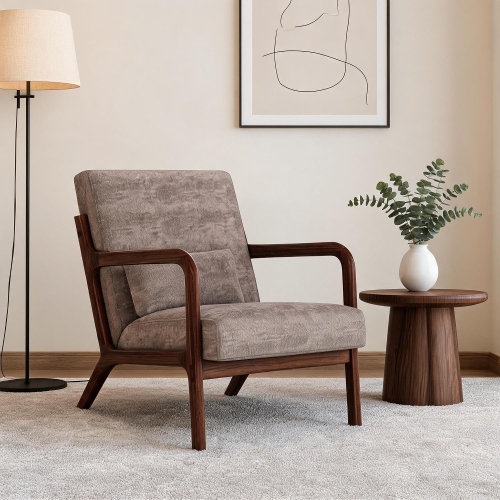
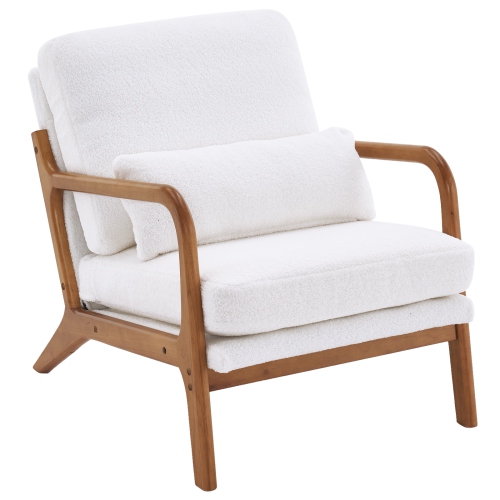
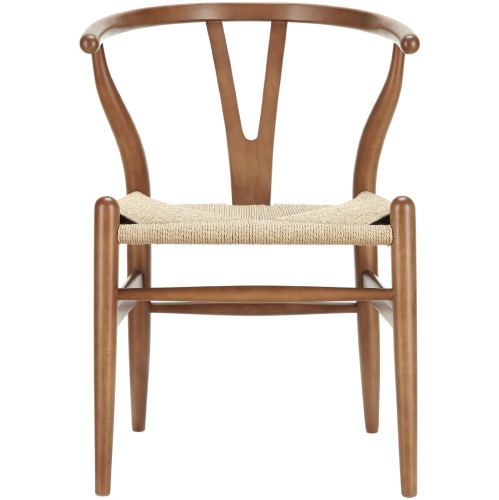
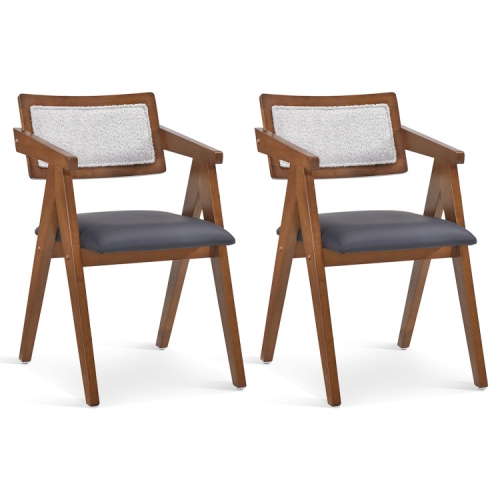

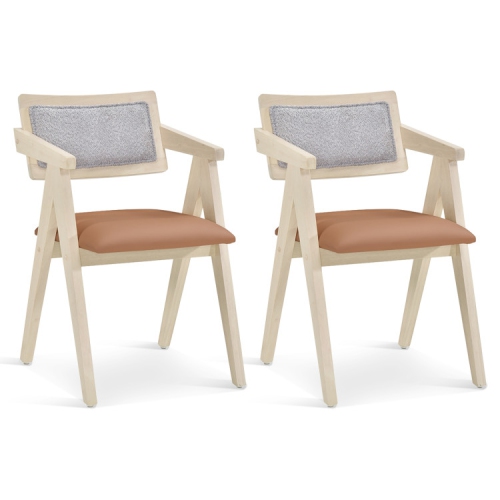
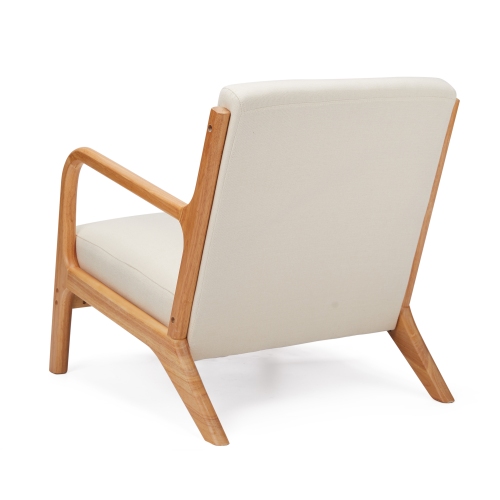
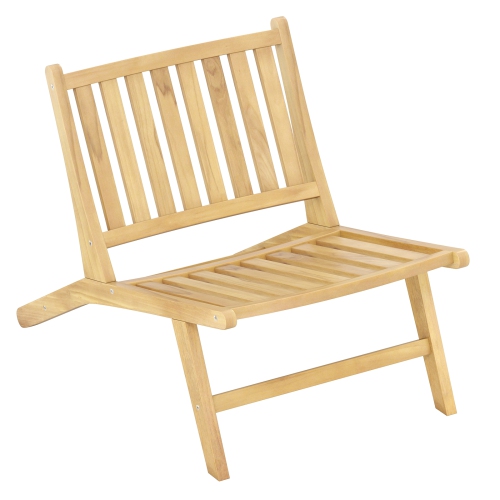
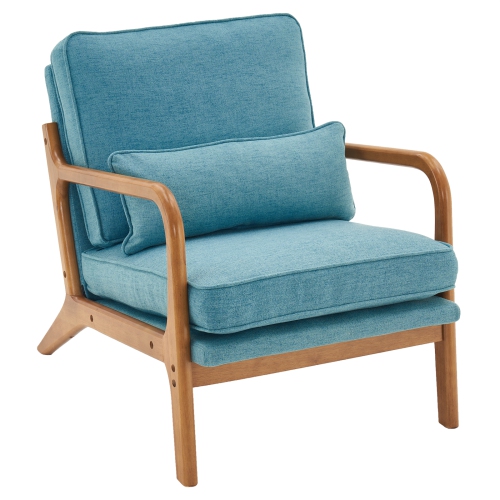
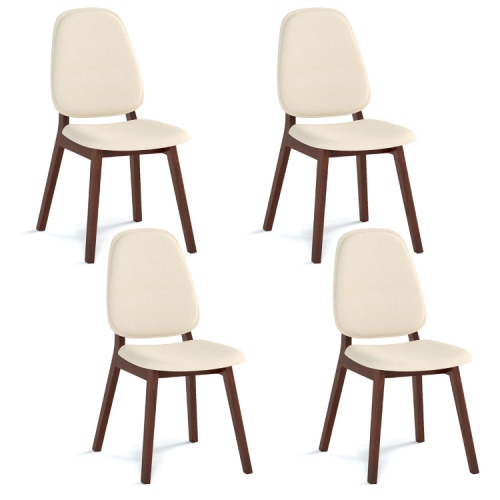
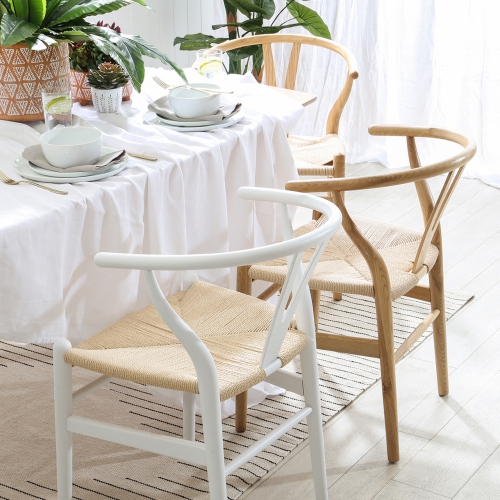
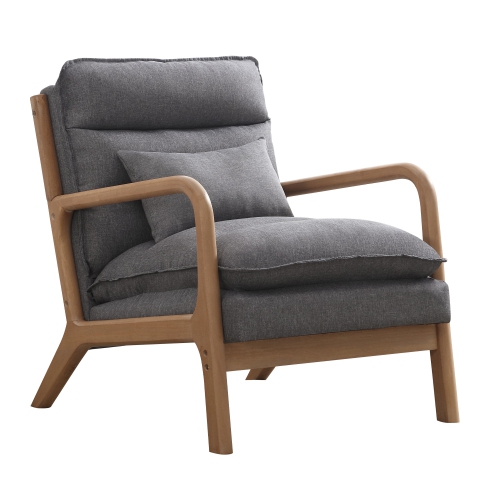
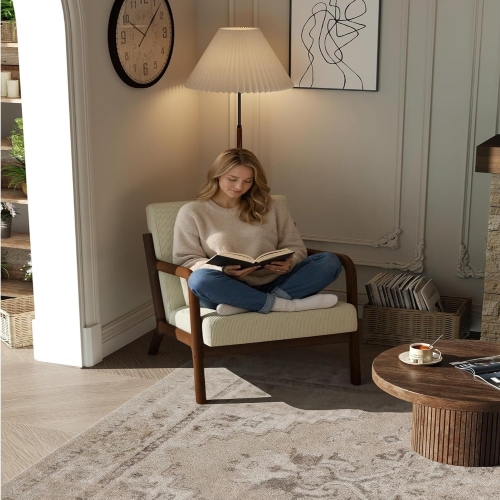

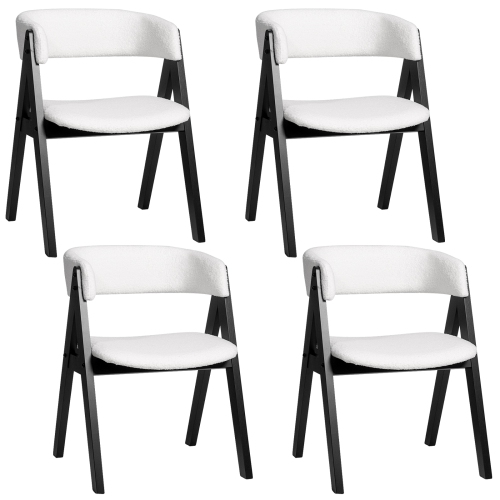


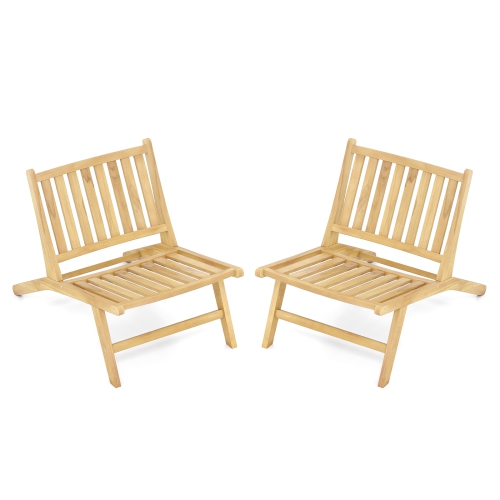
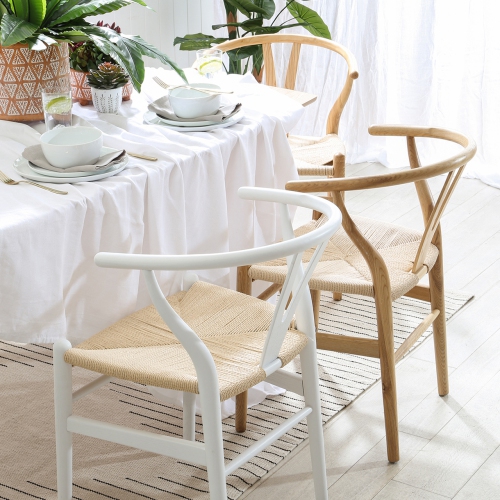


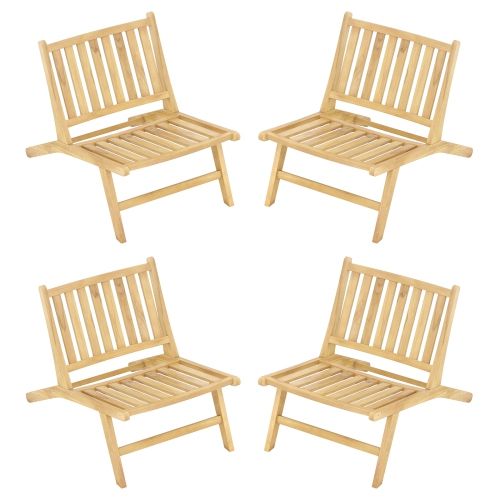
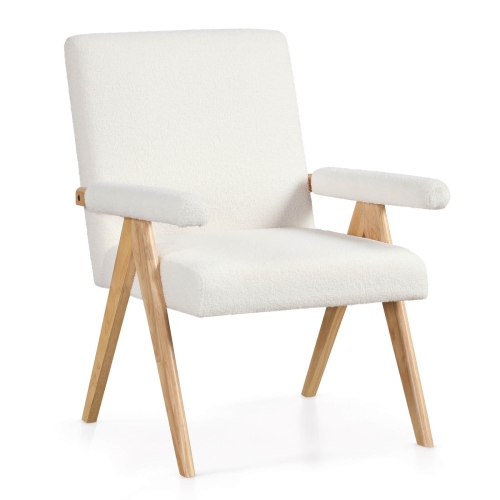

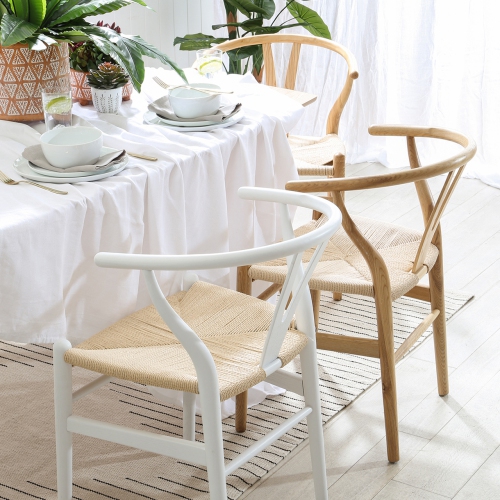
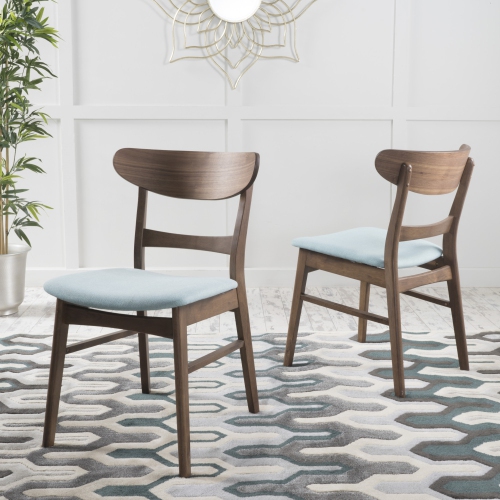
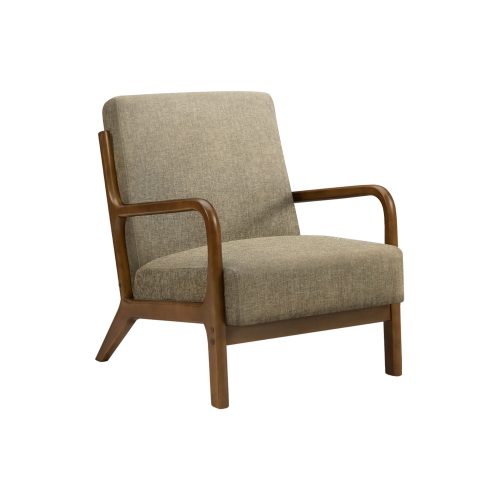
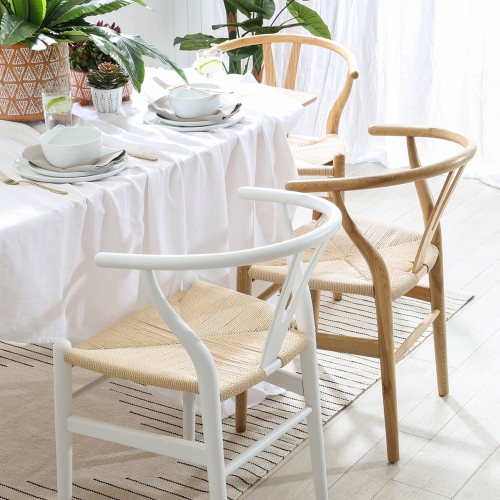
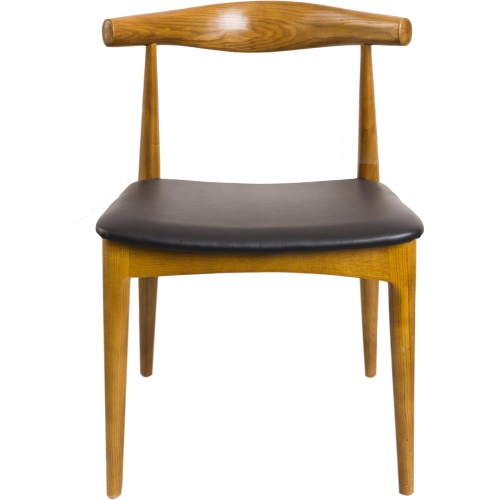
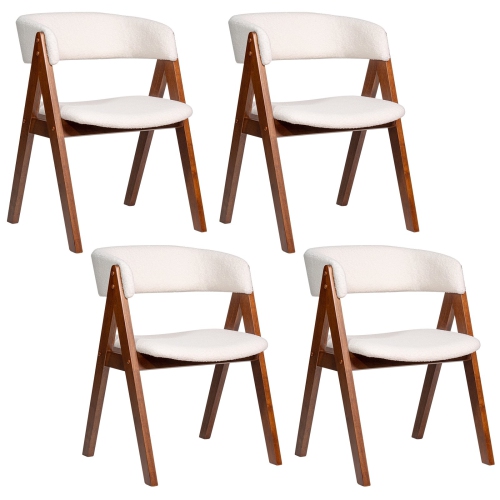
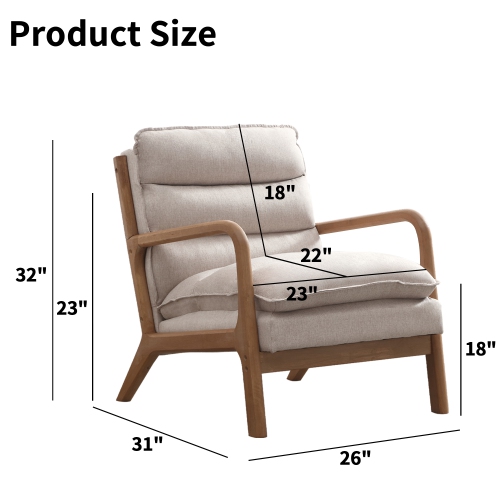
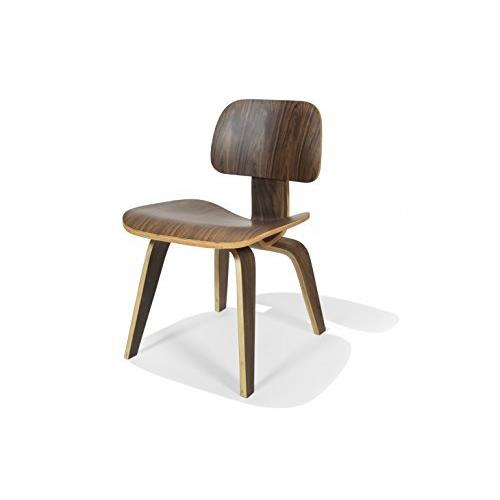
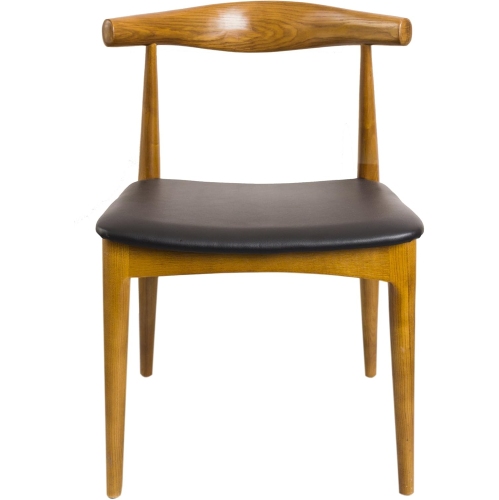
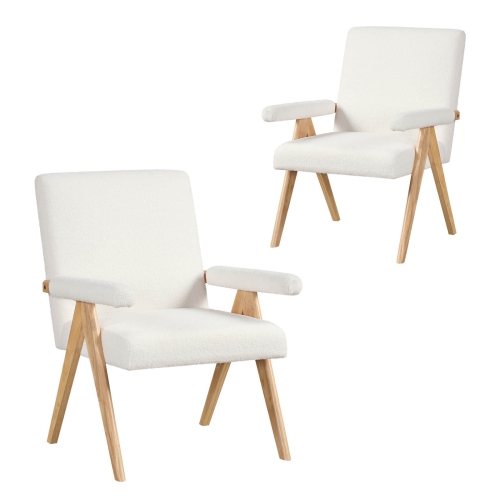
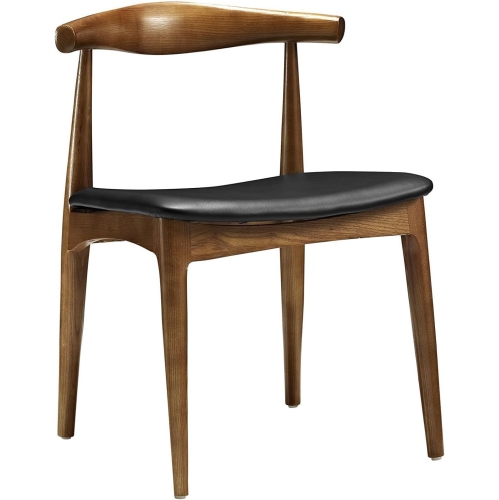
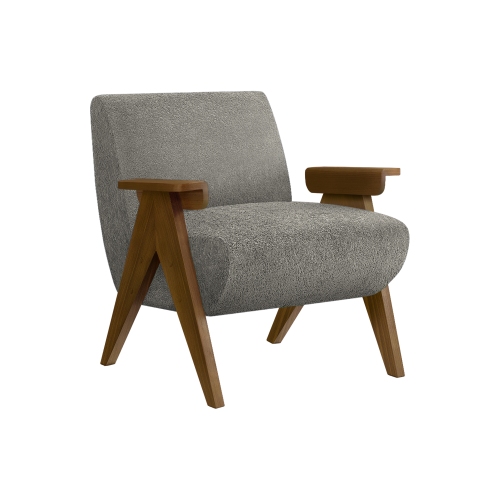
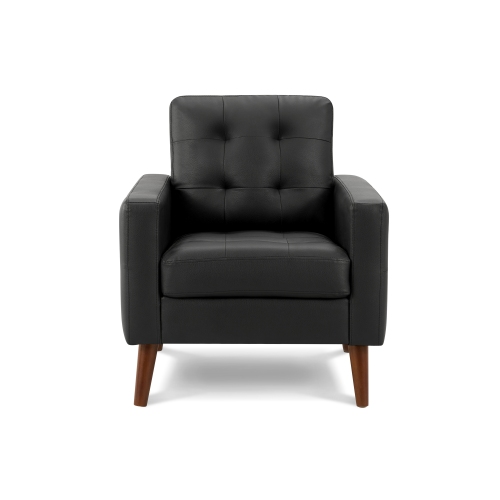
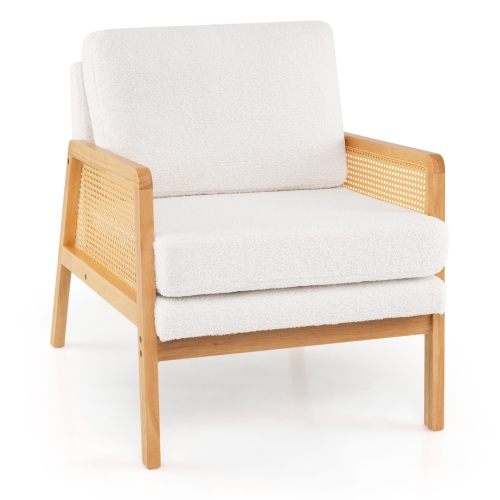
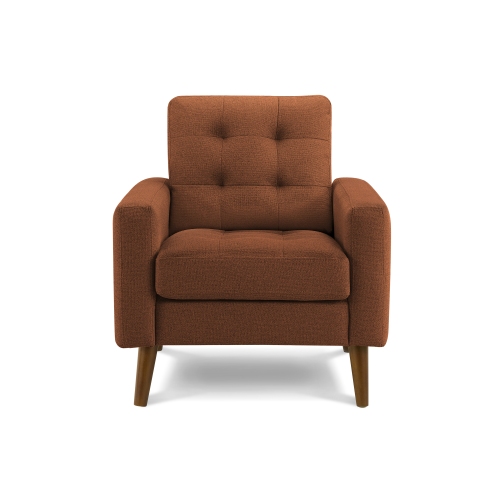
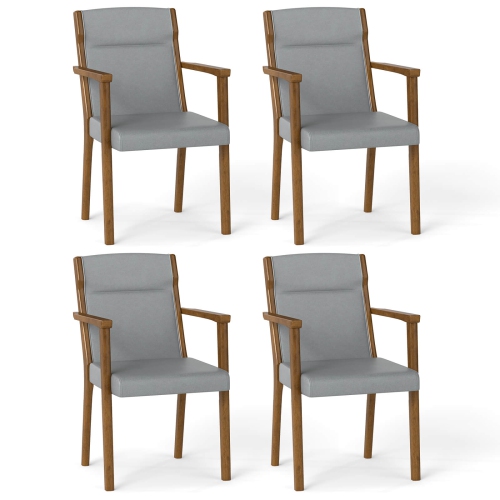
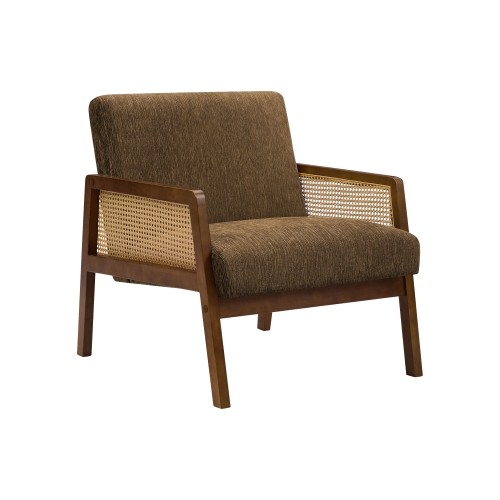
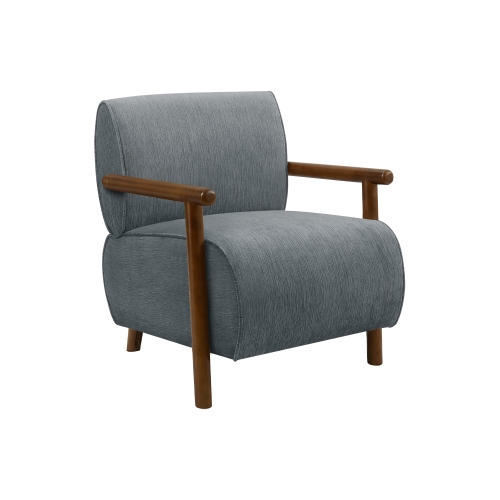
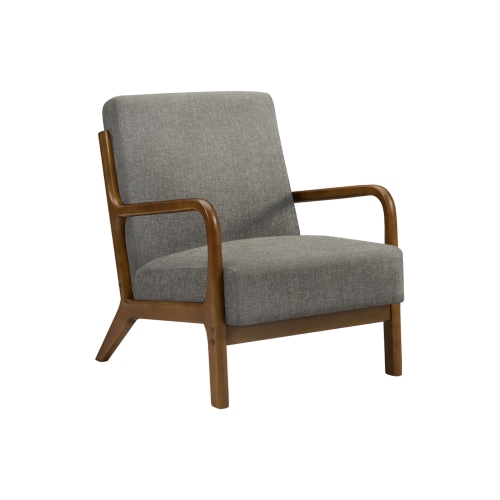
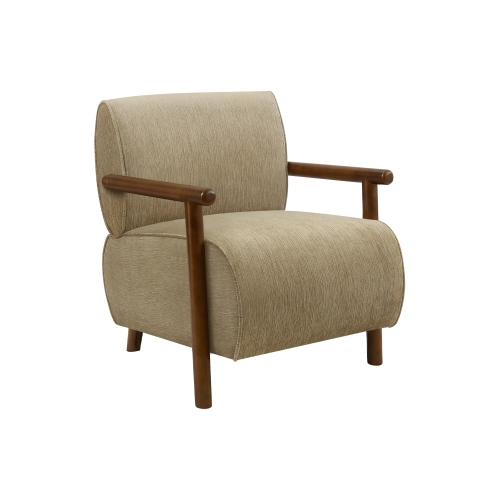
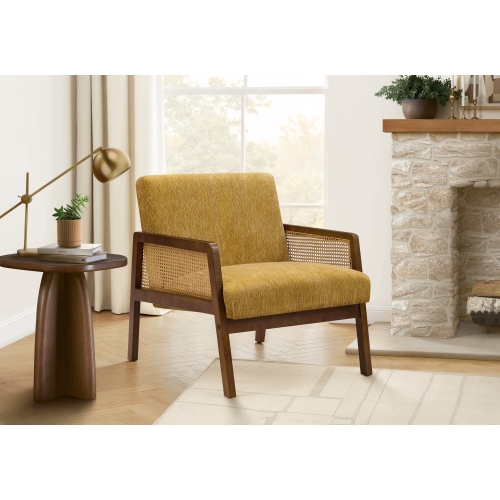
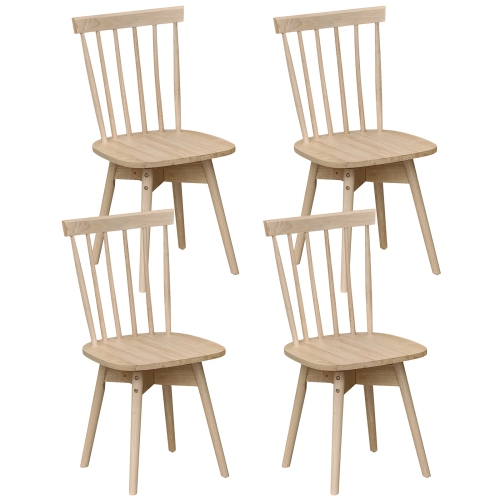
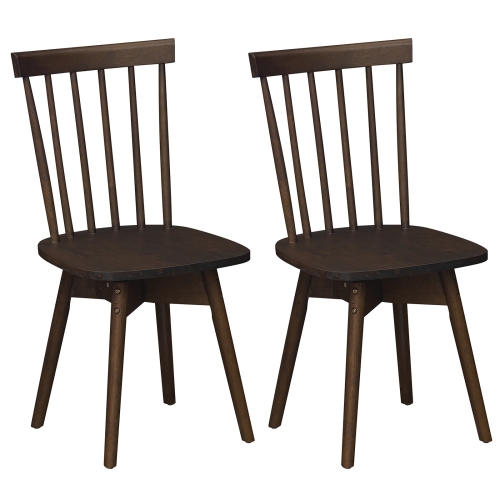
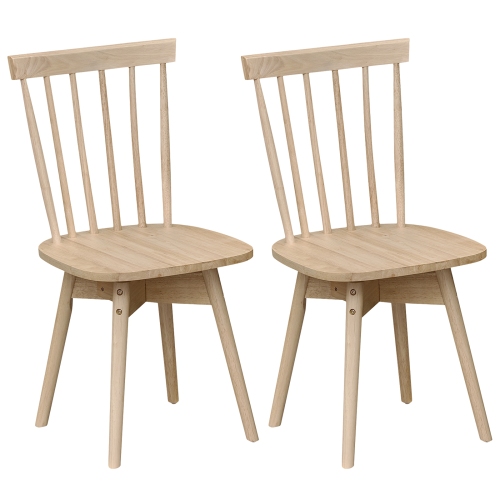
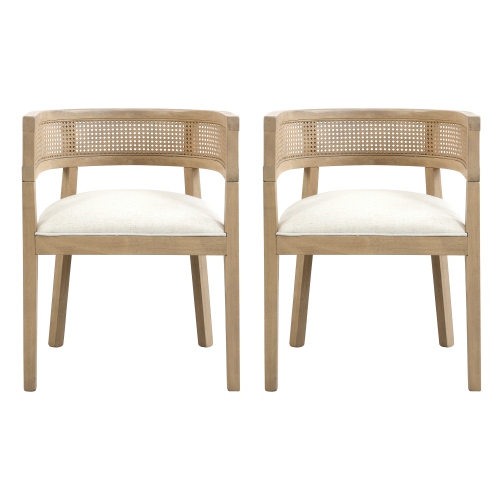
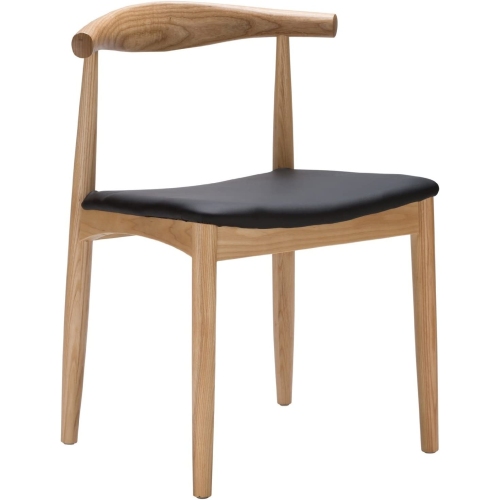
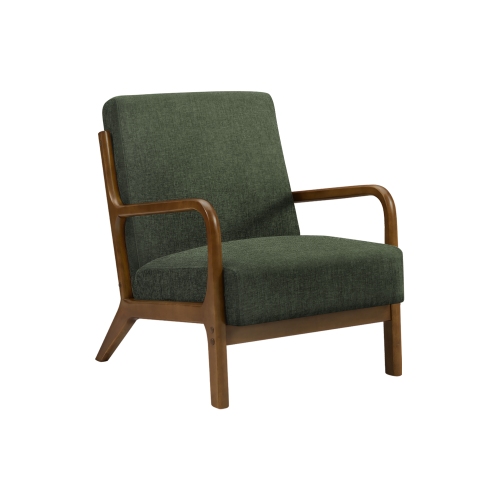
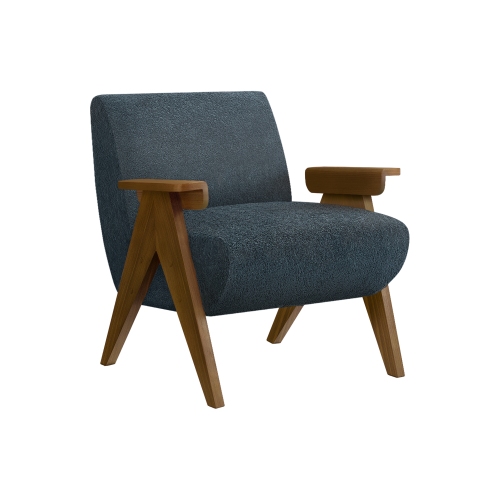
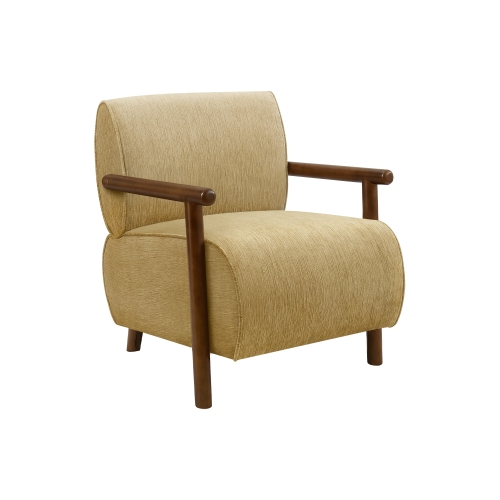
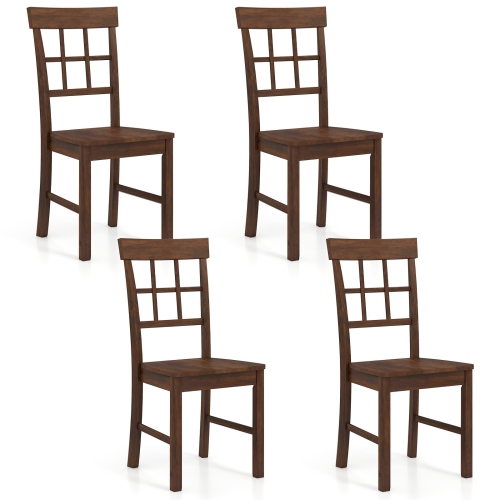
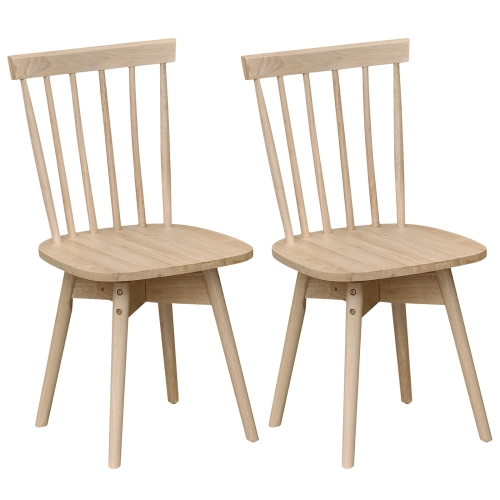
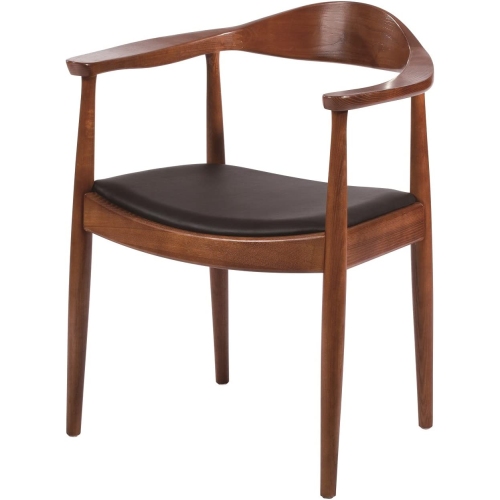
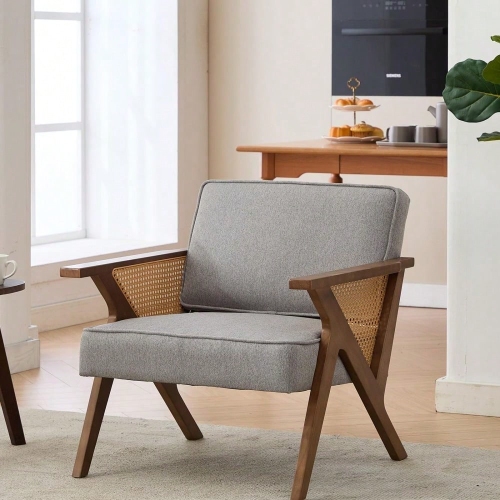
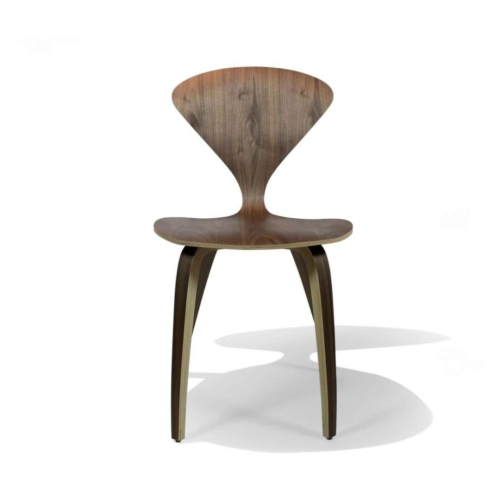
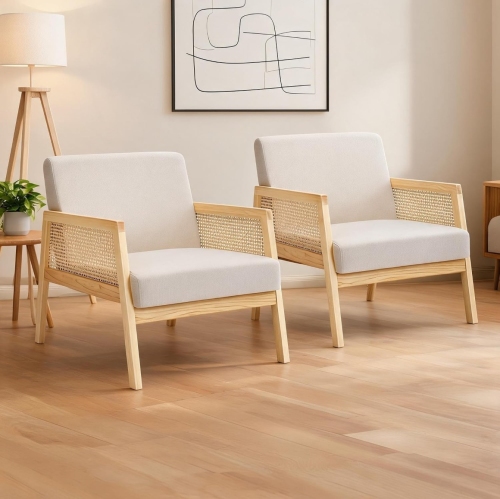
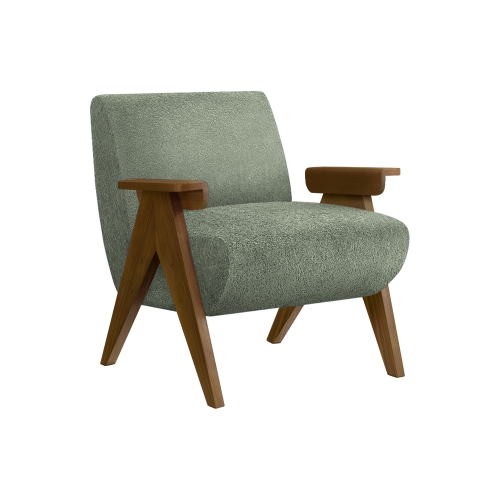
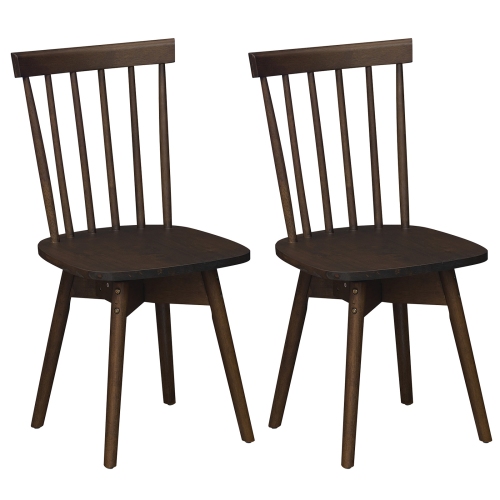

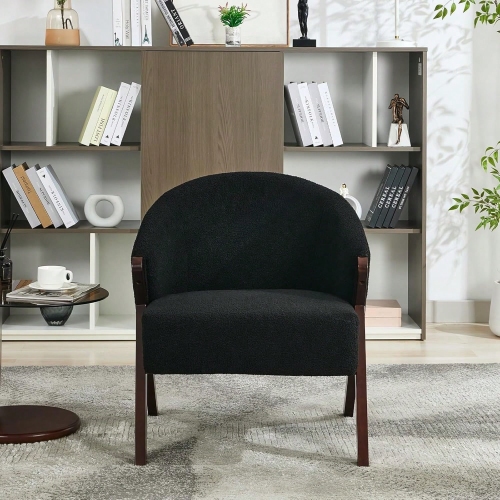
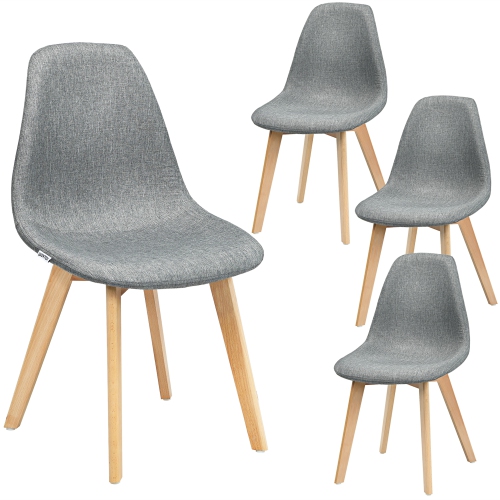
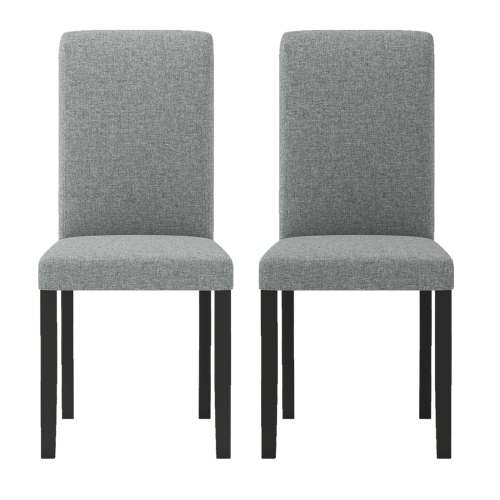

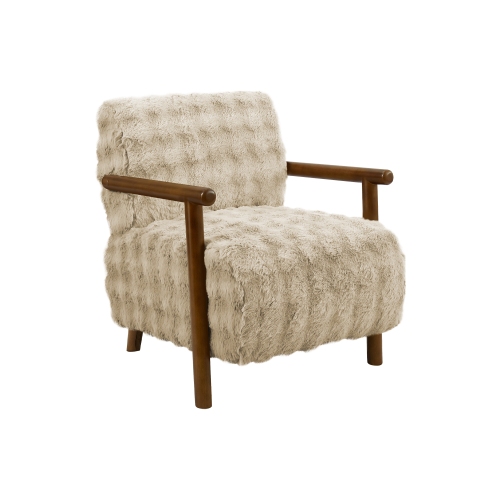
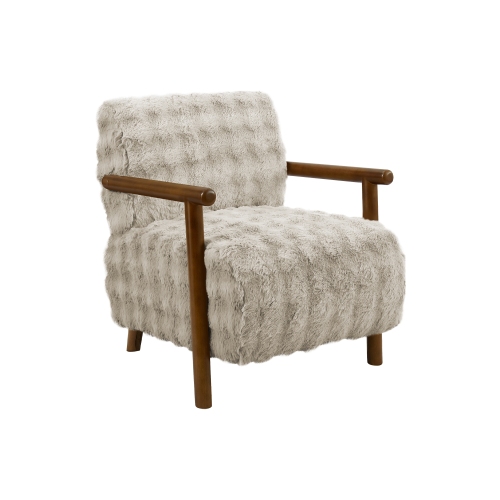
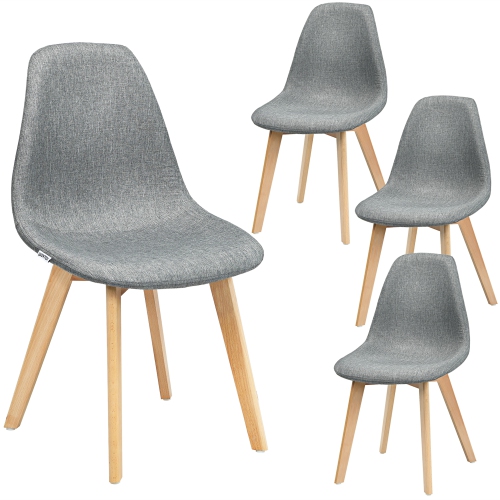
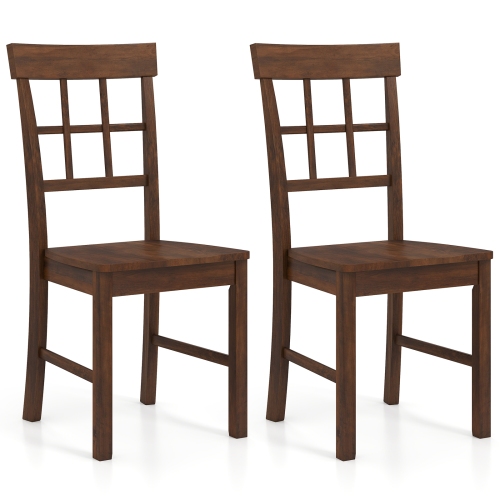
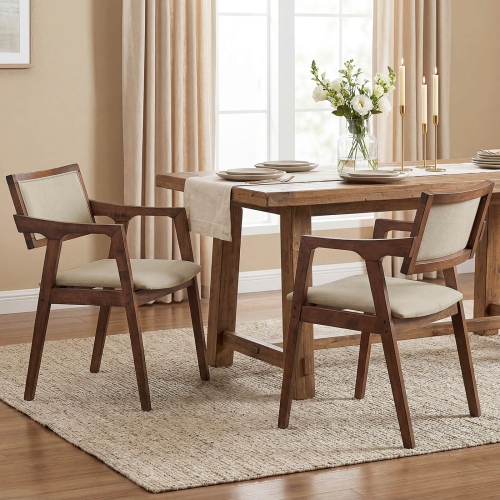
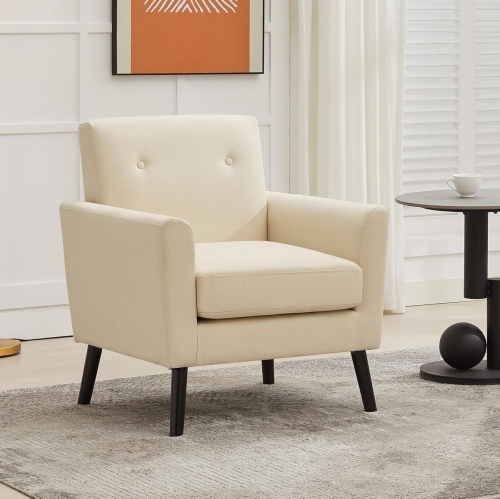

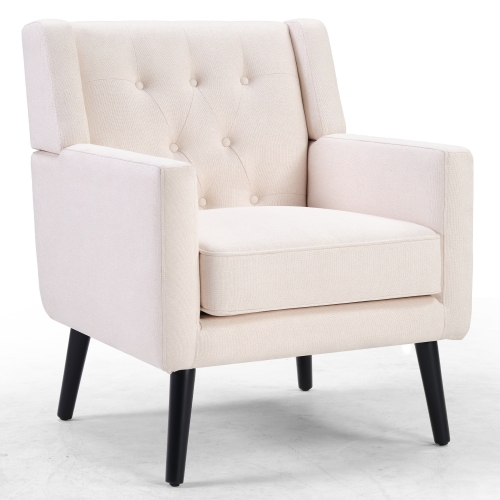
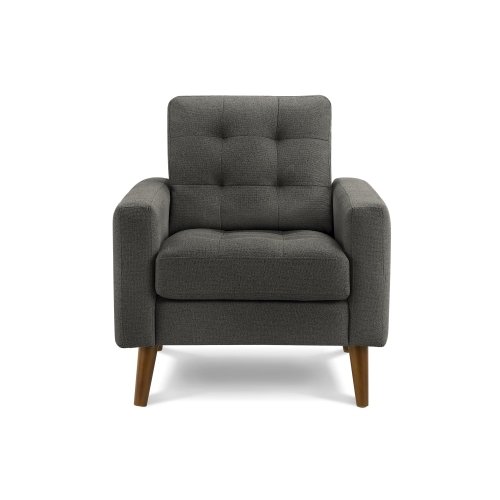
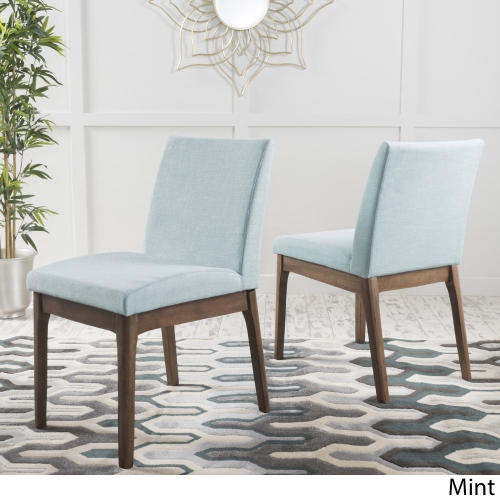
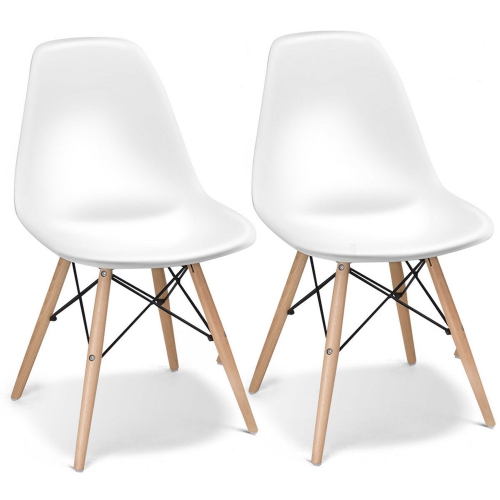
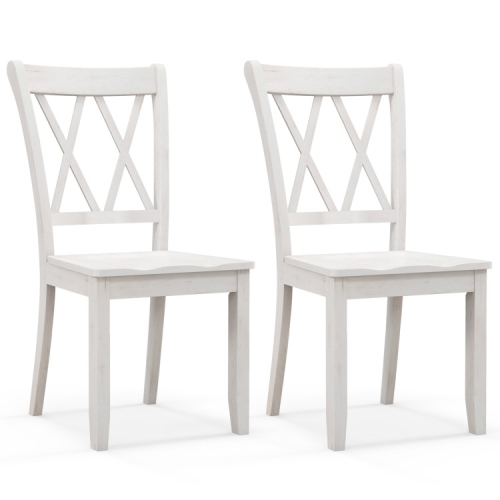
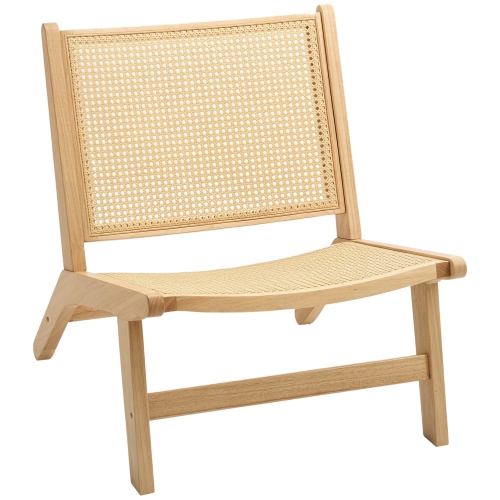
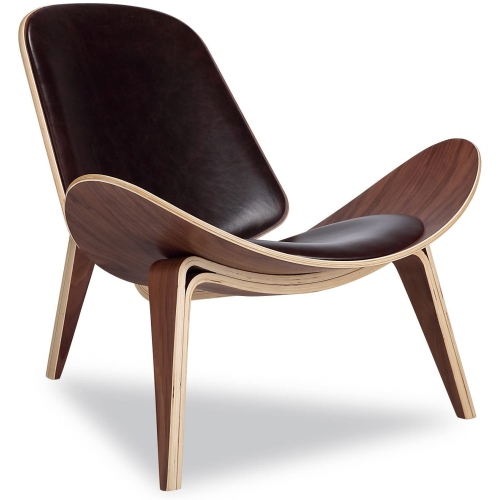
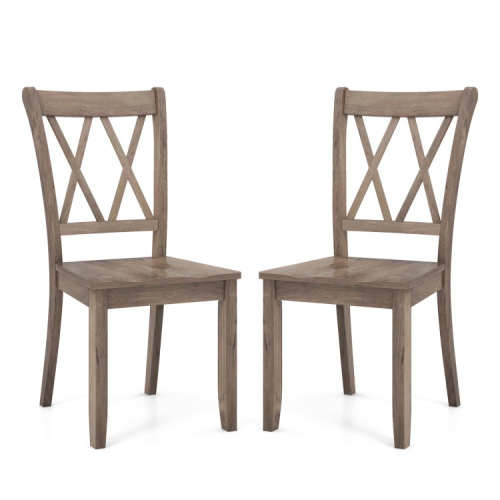
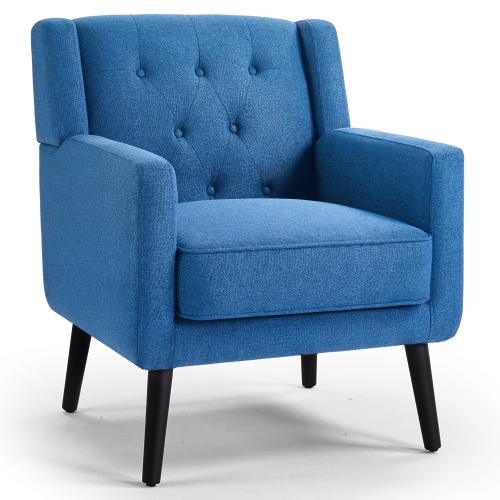
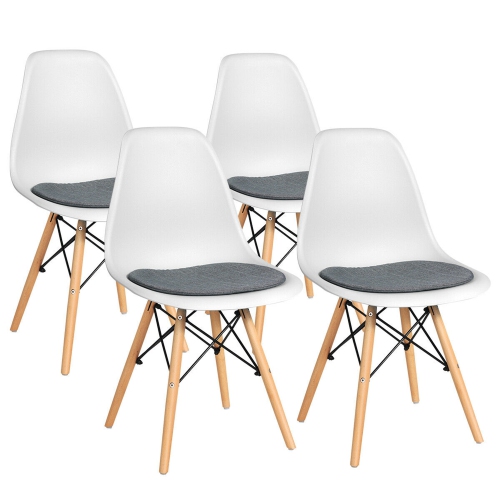
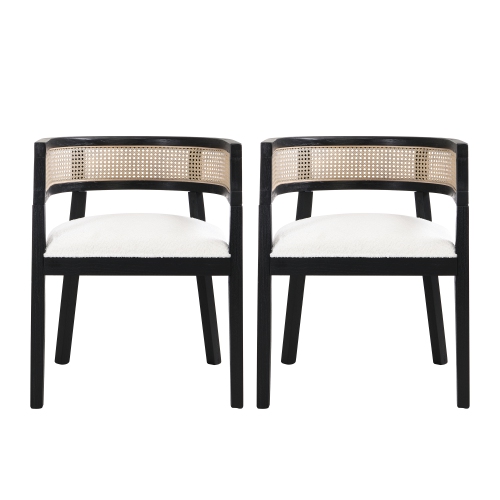

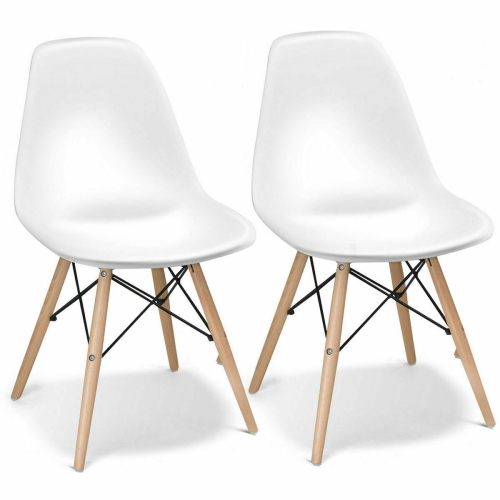
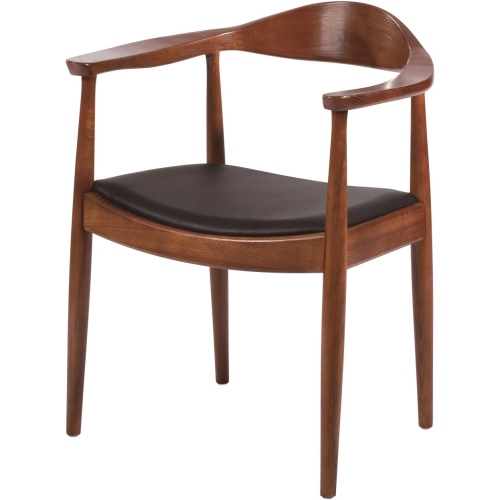
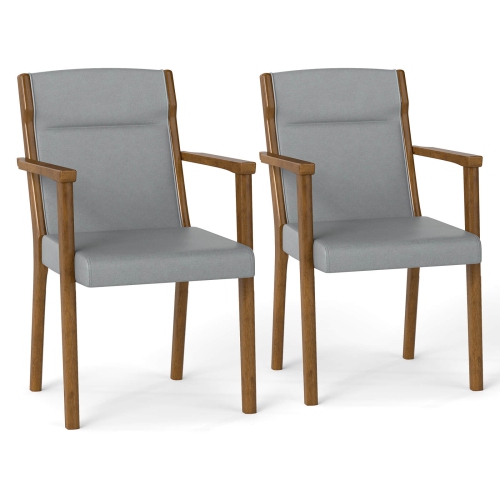
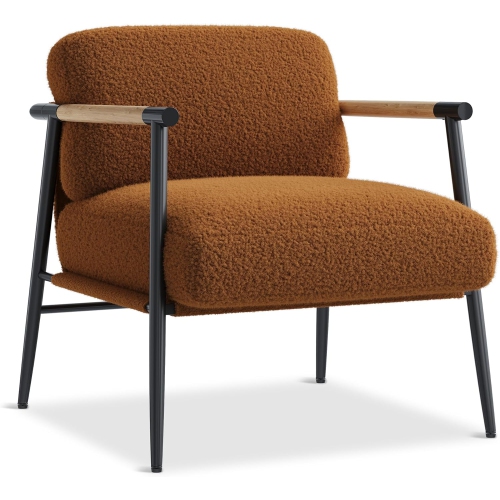
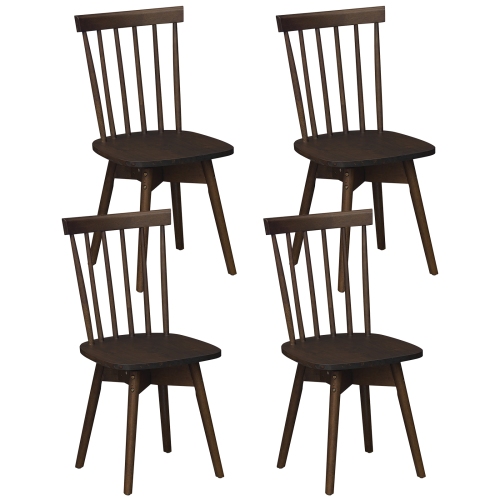
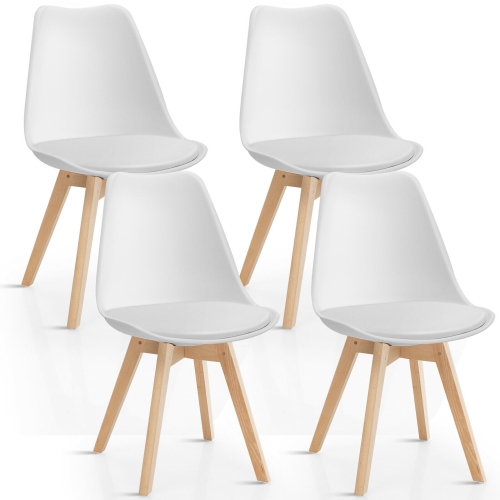
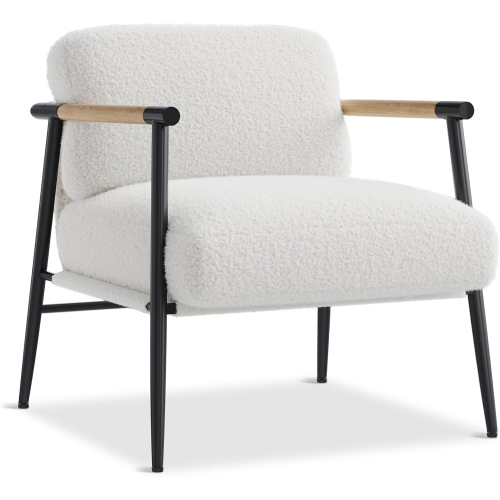
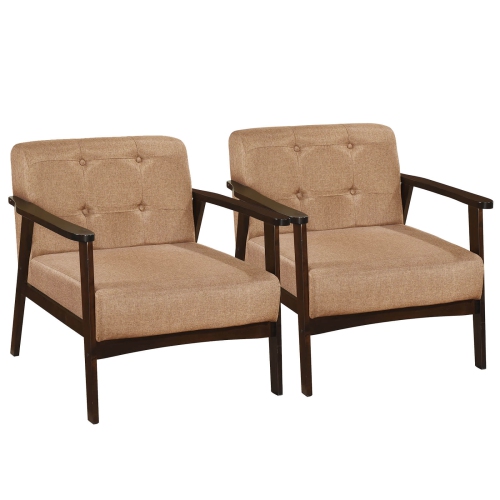
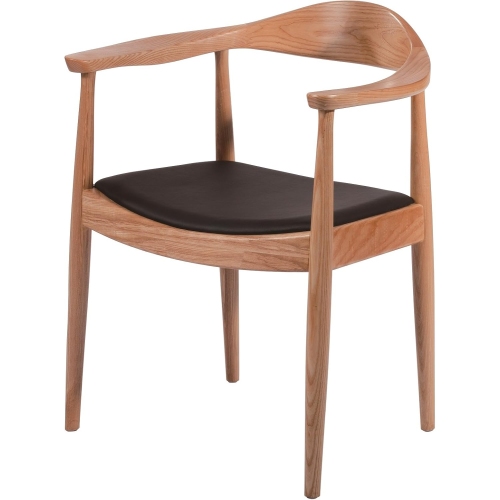
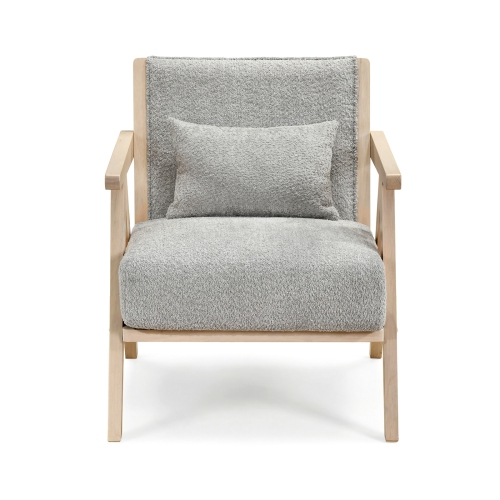
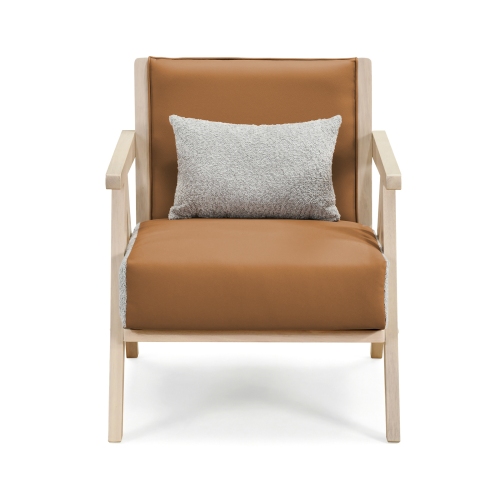
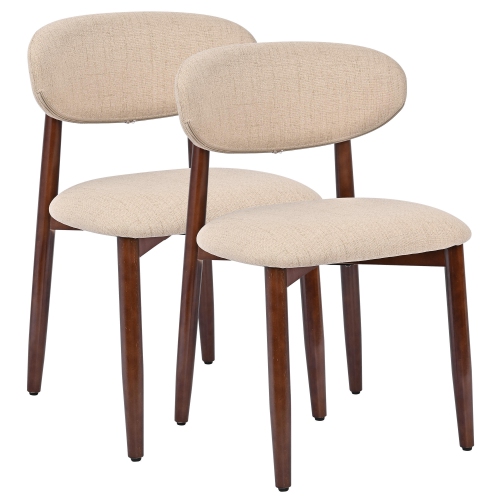

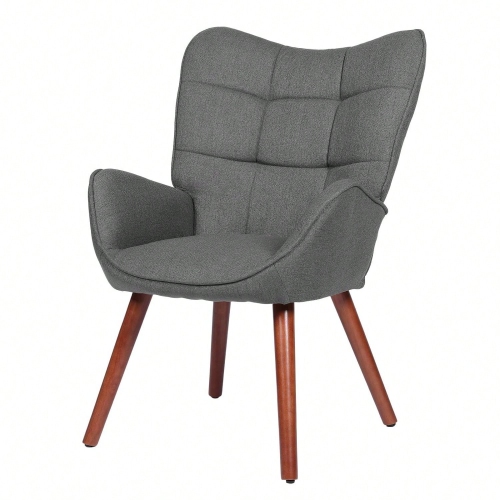
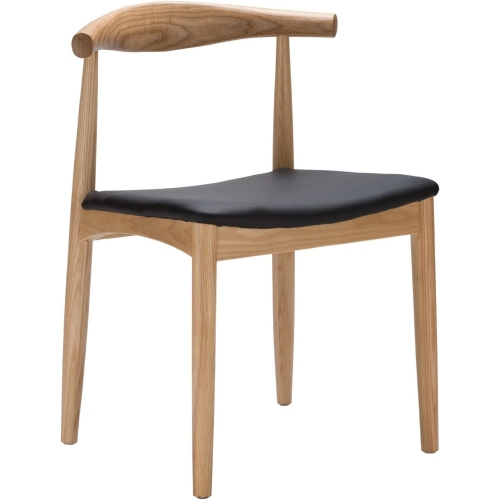
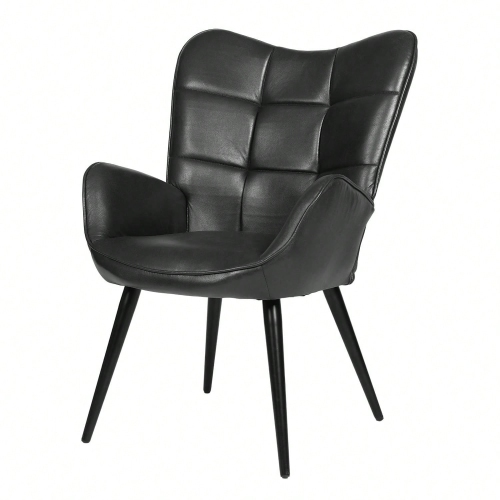
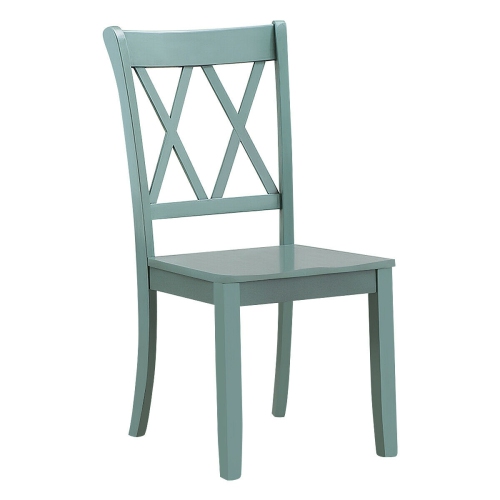
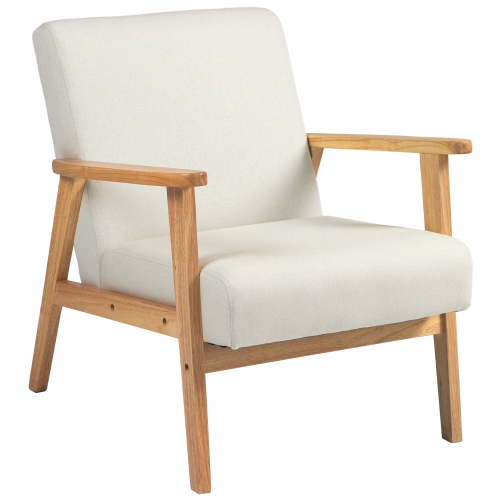
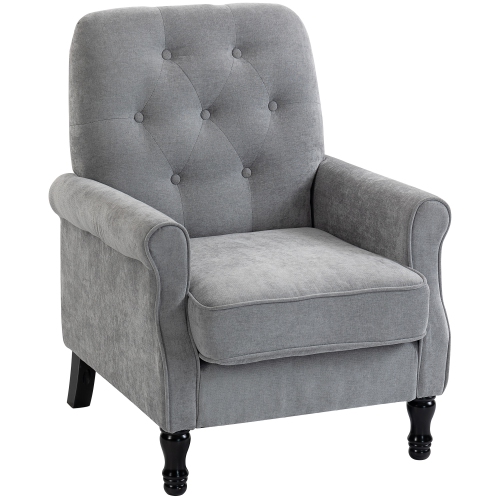

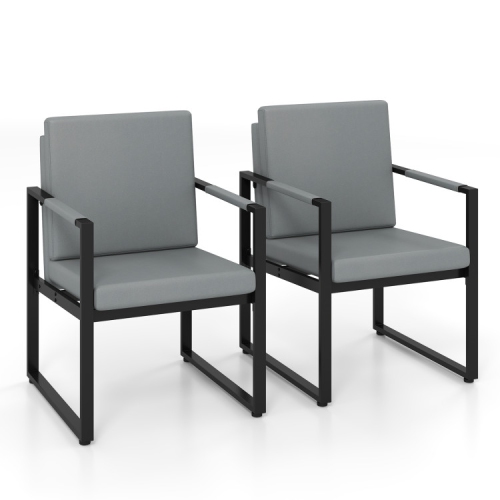
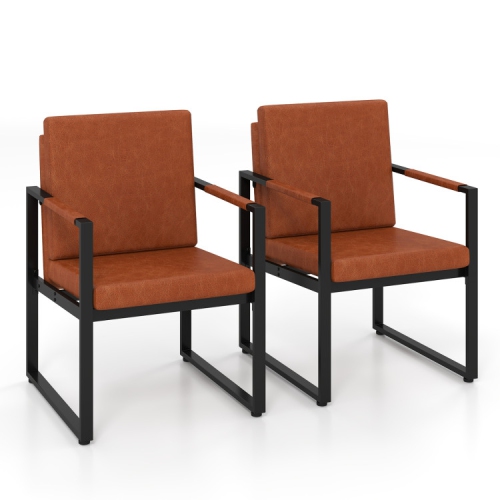
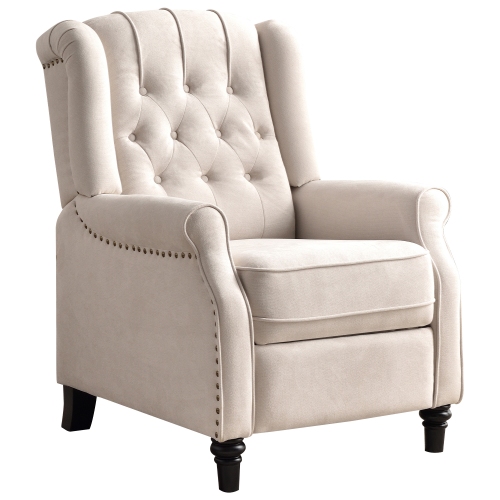
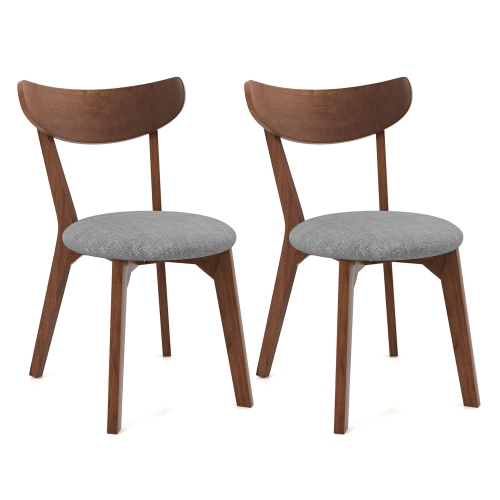
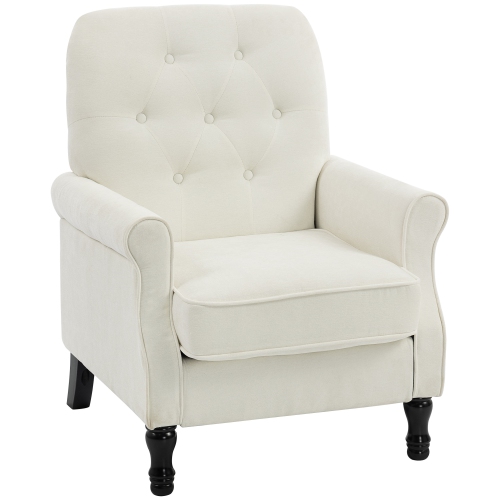

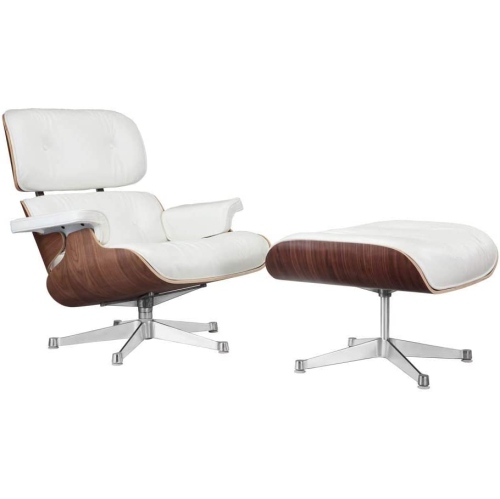
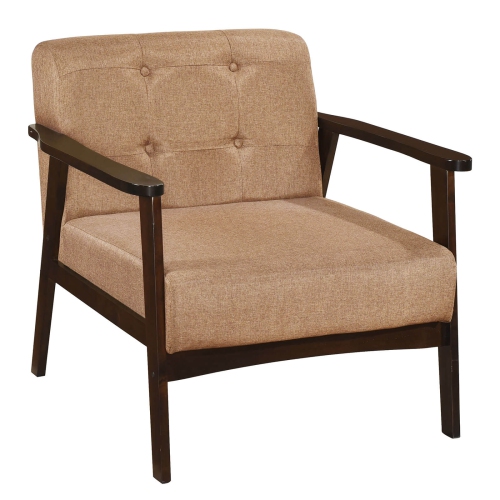
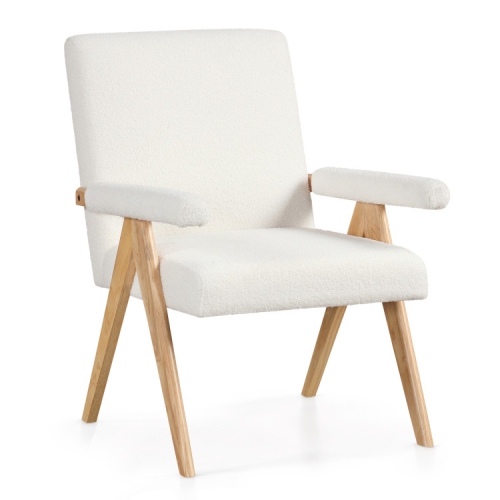
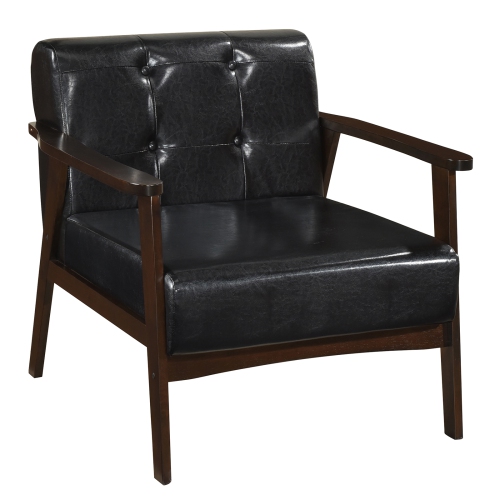
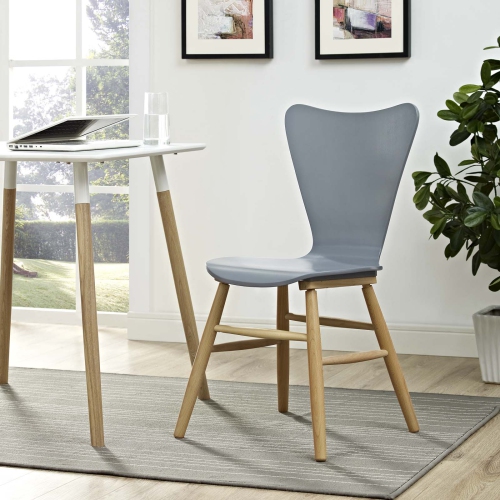
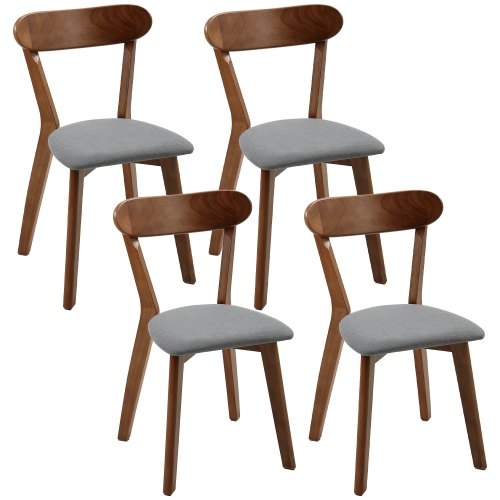
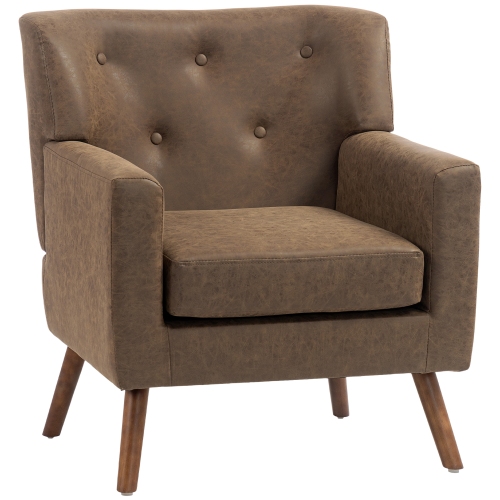

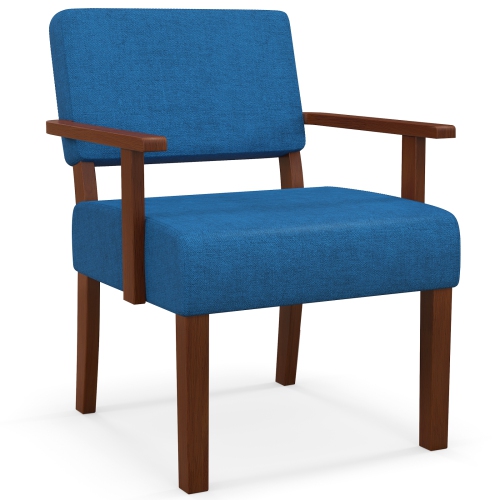
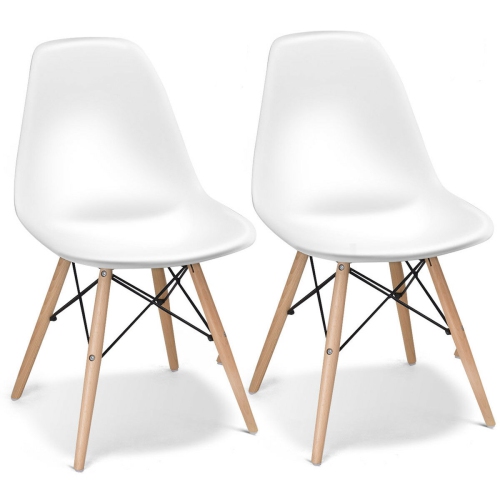
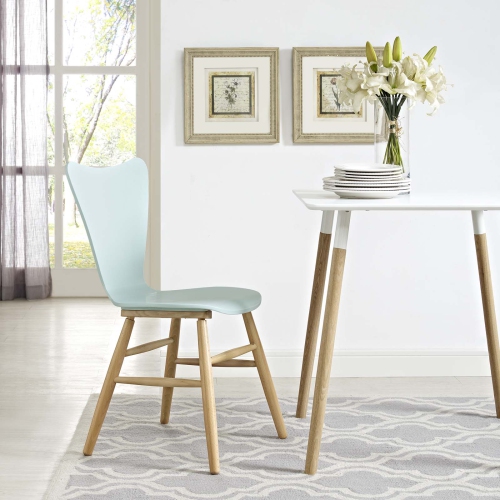
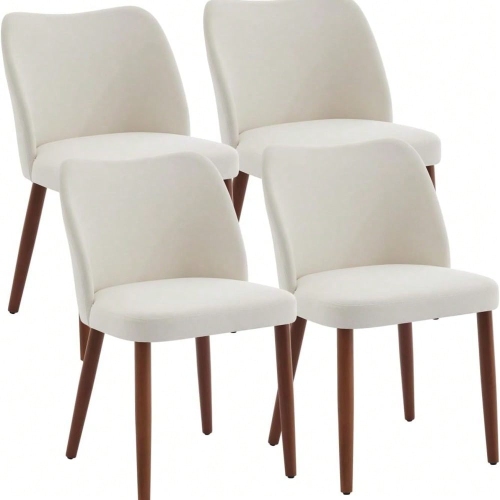
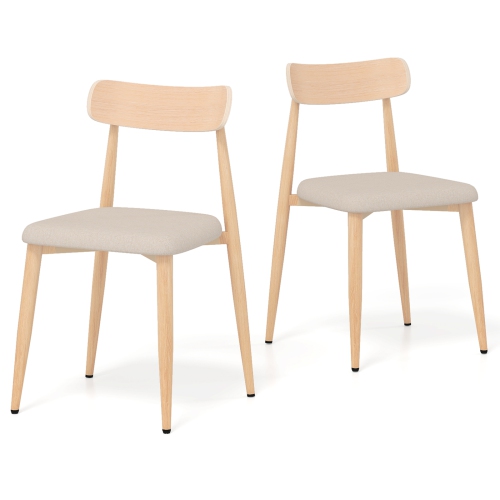
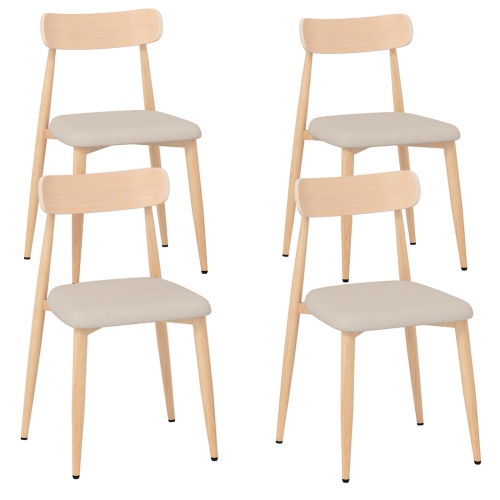

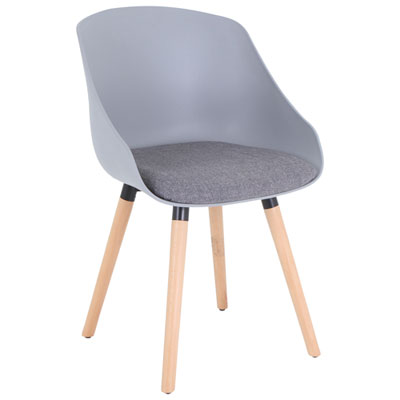
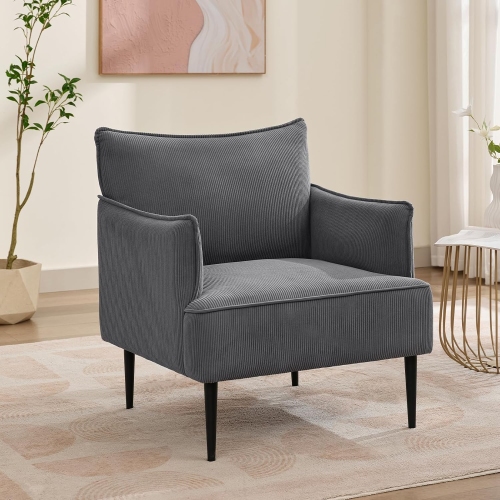
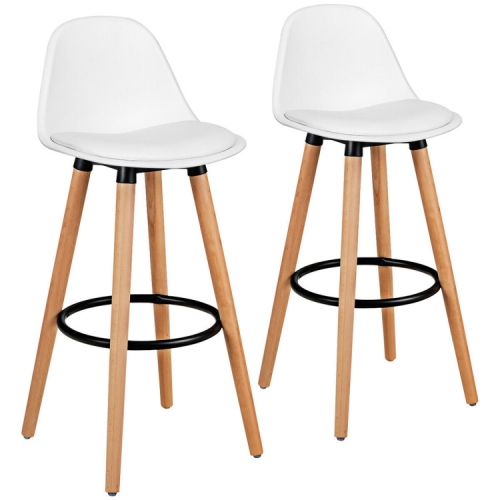
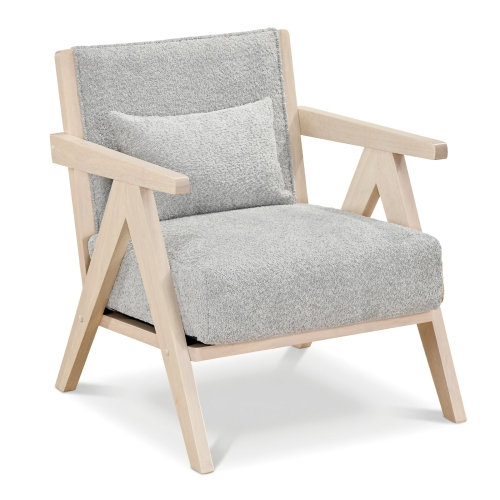


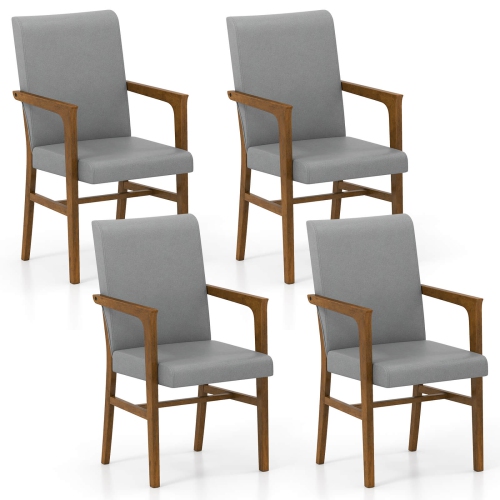
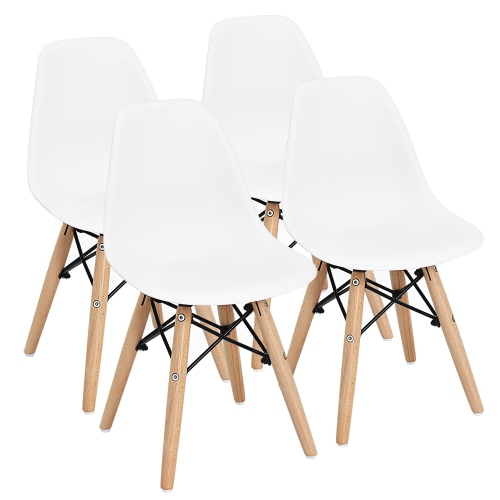
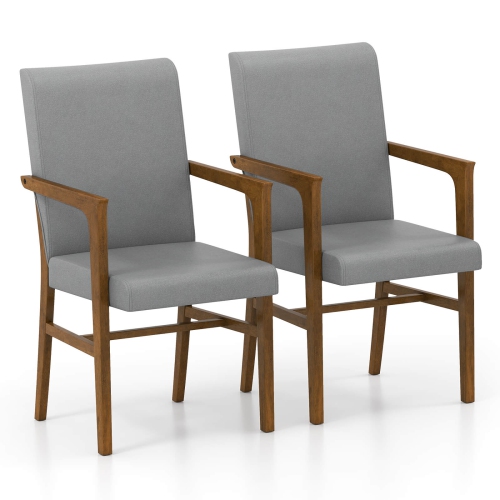

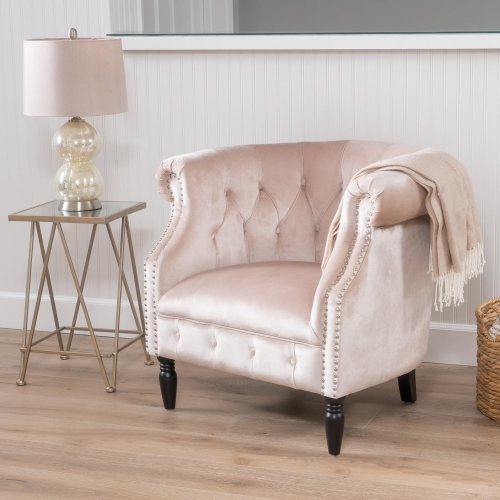
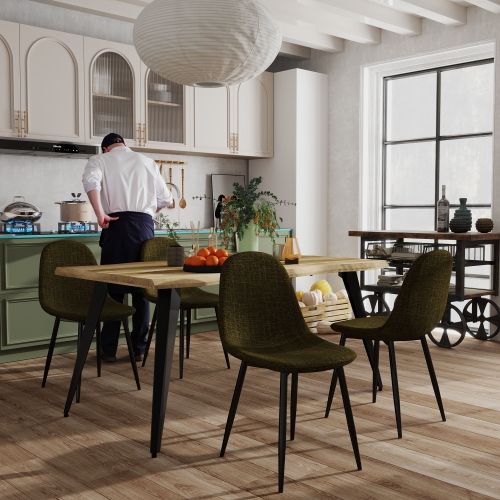
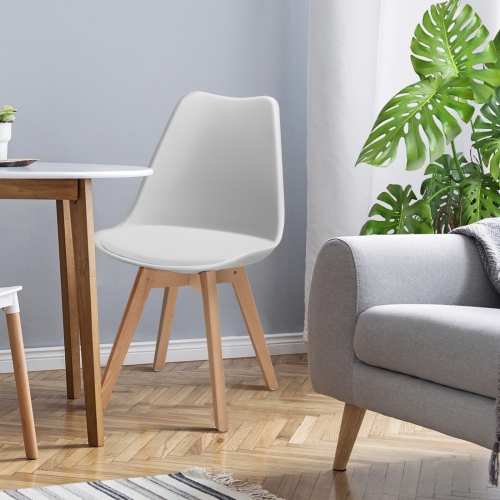
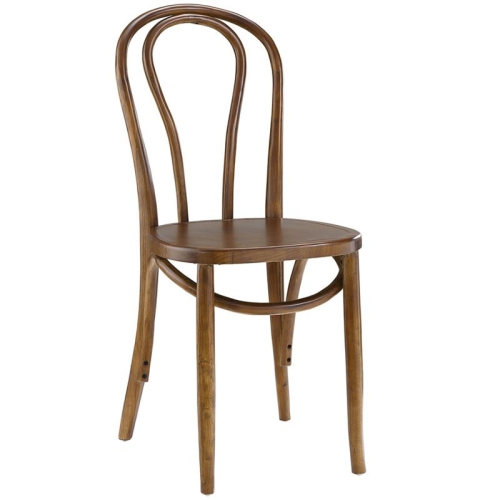

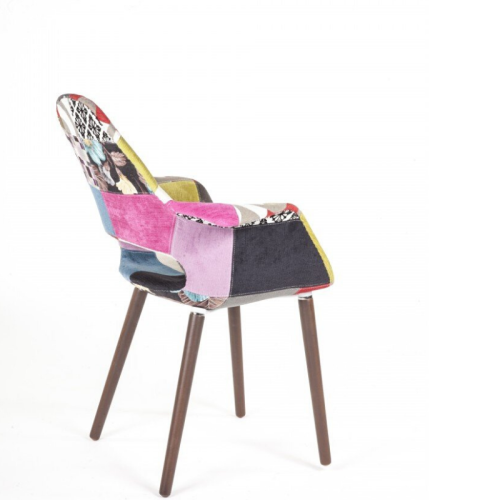
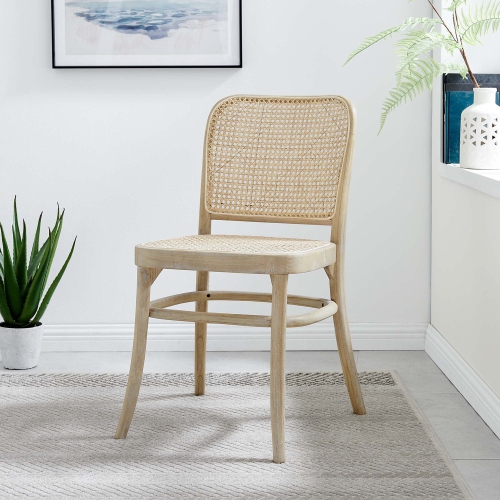
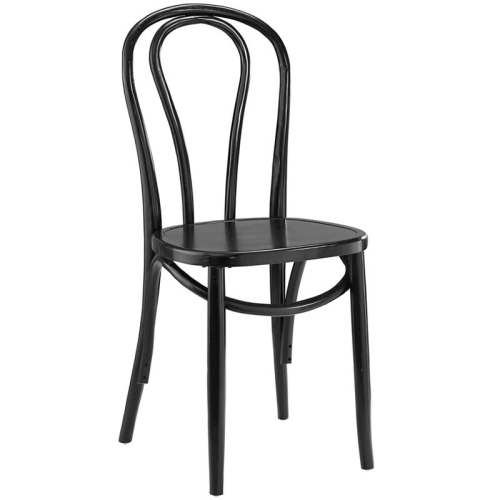
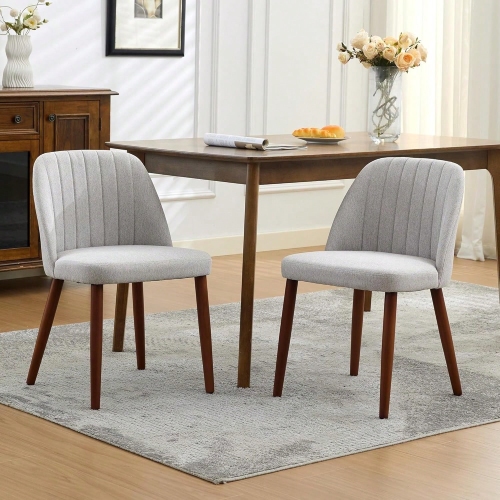
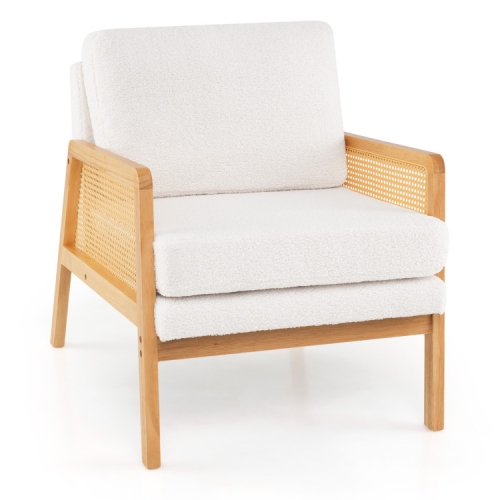
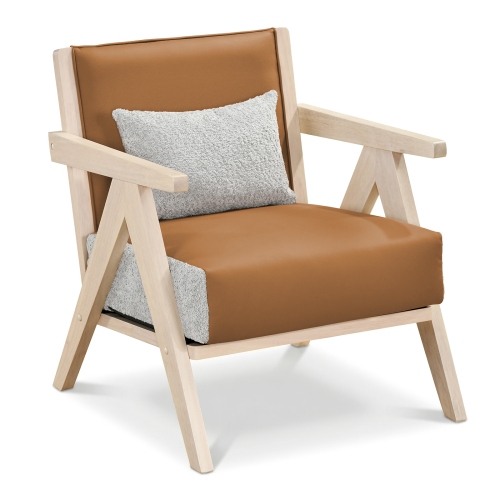
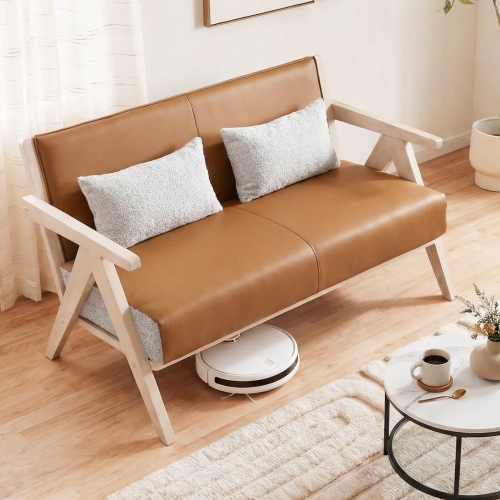
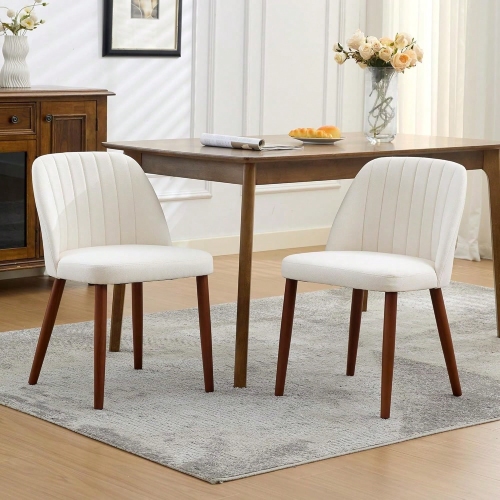
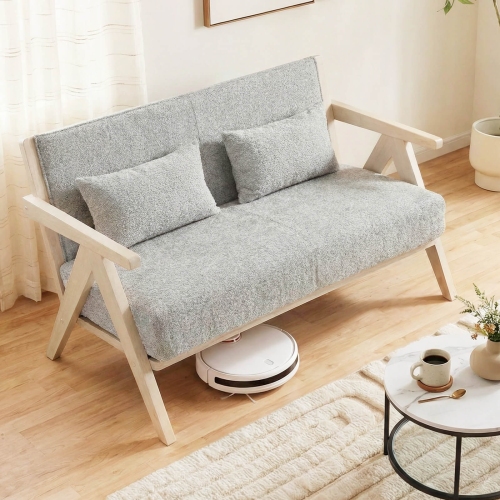
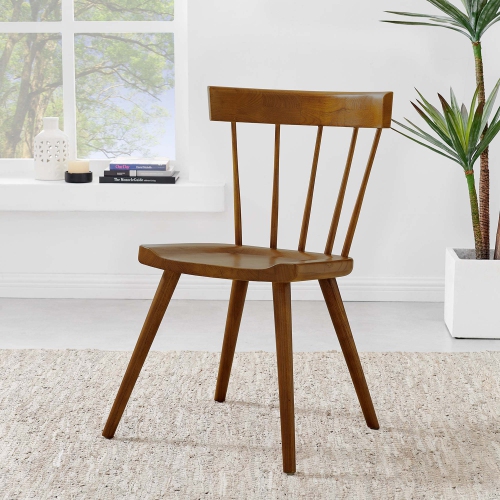
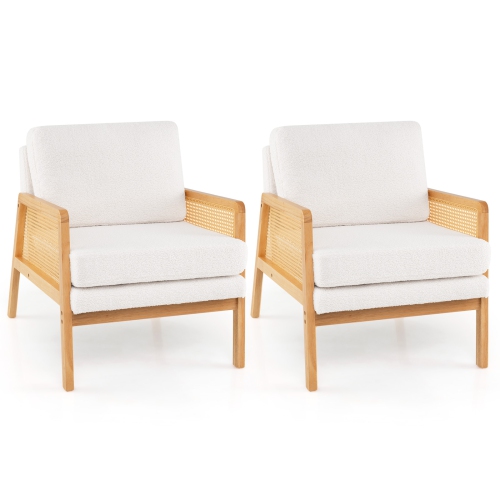
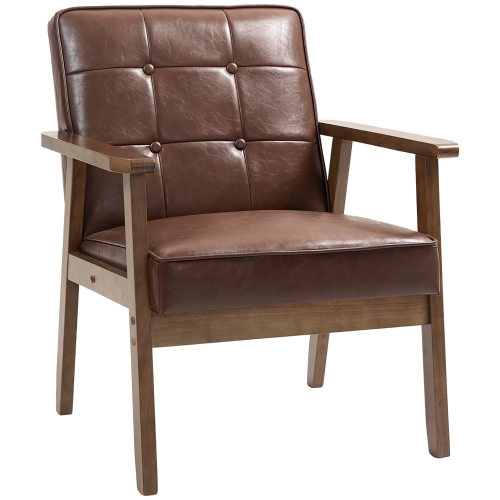
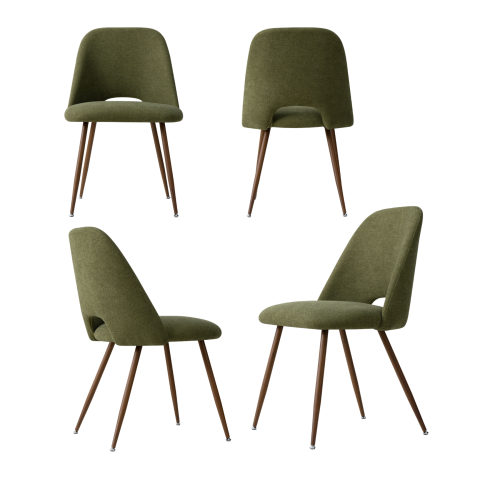

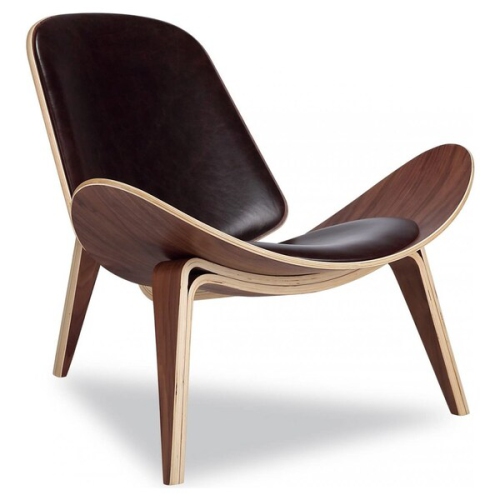
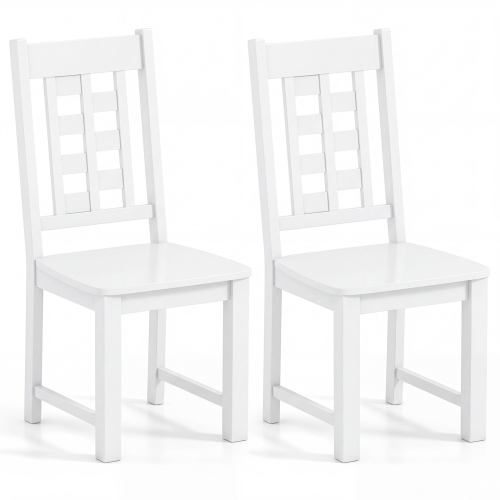
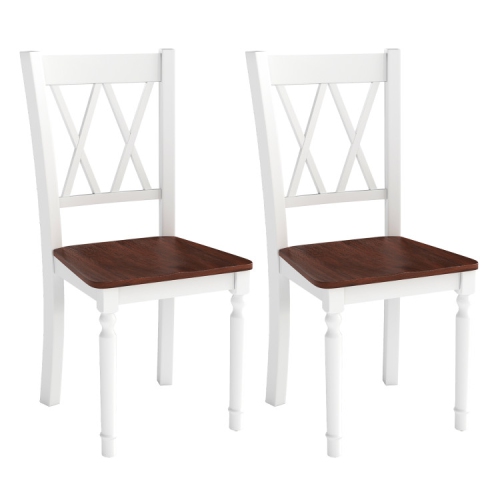
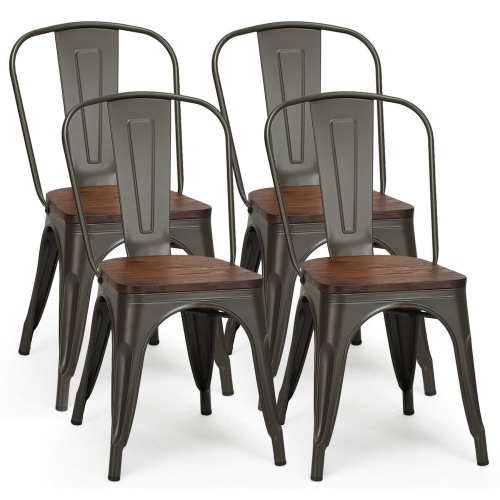
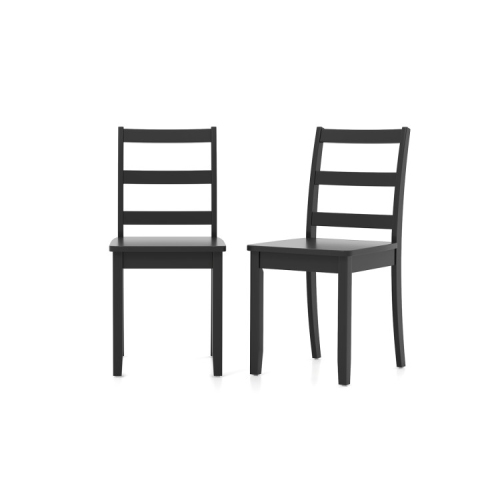
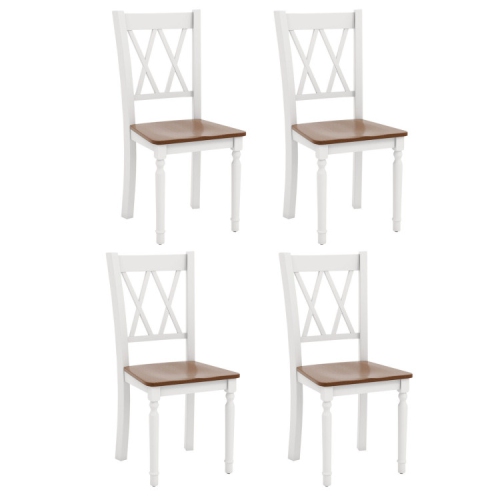
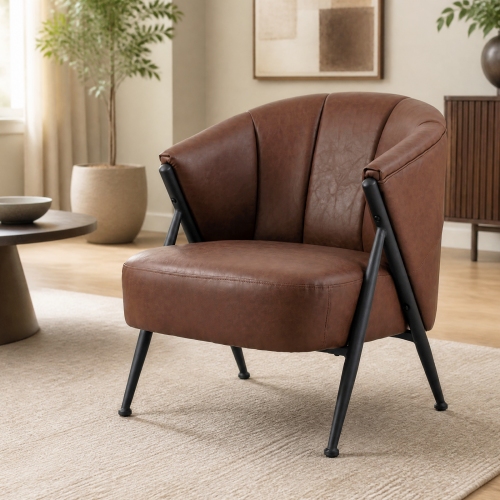
How sculpted wood balances character with everyday comfort
Mid-century wood chairs combine clean lines, gently curved profiles, and visible wood grain in seating designed for dining rooms, living rooms, and smaller sitting areas. The style draws on mid-twentieth-century furniture design, when tapered legs, sculpted backs, and lighter-looking frames helped seating feel less bulky without losing its presence in a room. Today, mid-century-inspired chairs range from upright dining seats to low lounge chairs with deep cushions and exposed wooden arms. Their appeal comes from the balance of useful proportions and expressive details: an angled rear leg, a rounded back rail, or the sweep of a moulded seat can give a simple chair its character. Walnut often brings rich brown colouring and distinctive grain, while oak can create a lighter, more textured appearance. Teak is also associated with the style, although a teak-coloured finish does not necessarily indicate teak construction. The wood species, underlying material, and surface finish each contribute something different to the finished chair. Solid wood frames can highlight shaped joints and continuous grain, while moulded plywood allows broad, curved surfaces that follow the body. Wood veneer is a thin layer of real wood applied over another material; it can provide a consistent grain pattern and is not the same as a printed wood-look surface. Many chairs combine materials, such as solid wood legs, a plywood seat, and upholstered cushioning. These combinations can be practical as well as visually appealing, so construction is more informative than judging a chair by its finish alone. An open wooden back keeps a dining area visually airy, while a padded back introduces a softer outline. Upholstered seats add colour and texture, whether through a tightly woven neutral fabric, a nubby weave, or a smooth leather surface. Mid-century-inspired styling describes the design rather than the age of the chair, making it distinct from an authenticated vintage piece.
The intended use of a mid-century wood chair matters as much as its silhouette. Dining chairs generally support a more upright posture, with proportions suited to sitting close to a table for meals, conversation, or a board game. Lounge and accent chairs often have a lower seat, a more reclined back, and a deeper sitting area, making them better suited to reading or relaxing beside a sofa. That relaxed shape may feel comfortable in a living room but sit too low for a dining table or desktop. For a good dining fit, consider the relationship between the seat height and the underside of the table, including any apron beneath the tabletop. Armrests need enough clearance to slide underneath if the chairs are meant to tuck away. Overall width matters too: several chairs that fit individually may feel crowded when arranged side by side, particularly when their arms flare outward. Allow room behind the seating for someone to pull out a chair and stand without blocking a doorway or pressing against nearby furniture. In a compact condo, an armless profile can be easier to move between the dining area and a spare corner when guests visit. In a larger room, a wood-framed lounge chair can create a distinct reading spot beside a lamp and small table. Comfort depends on more than thick padding. Seat depth, back angle, the shape of the front edge, and the position of wooden arms all affect how a chair feels over time. A curved back may provide a more supportive contact area than a flat panel, while a broad seat can offer room to shift position. Firmer cushioning can make rising easier for some people, though individual preferences vary. A home office corner used for occasional tasks may suit a dining-style chair, but extended computer work generally calls for seating with suitable adjustability and support. For shared spaces, the best fit accounts for the people who will use the chair regularly, not just how neatly it fills an empty corner.
Durability comes from the whole construction, including sound joints, stable legs, suitable upholstery, and a finish that matches the demands of the room. A chair used at every meal faces different wear from an accent chair used mainly when company visits. Joinery that holds the frame firmly, secure seat attachments, and an appropriate weight capacity are useful considerations for everyday seating. Fabric texture also affects upkeep: crumbs and pet hair may settle into a pronounced weave, while smooth surfaces can be simpler to wipe, depending on their care requirements. Removable cushions or covers can make maintenance more convenient when the design includes them, but washing methods should always follow the stated care directions. Wooden frames usually benefit from regular dusting with a soft cloth and prompt attention to spills. When a damp cloth is permitted, drying the surface afterwards helps prevent lingering moisture around seams and joints. Harsh cleaners, abrasive pads, and unapproved oils can alter a finish, so a product intended for one wooden surface should not automatically be used on another. Direct sunlight can gradually change wood and fabric colour, while positioning a chair close to a heat source can affect its materials. Floor protectors suited to both the chair legs and flooring help reduce scratches; keeping them clean prevents trapped grit from dragging across the floor. Visually, these chairs do not require an entirely matching room. Repeating one wood tone or a similar curved detail can connect them to a table, sideboard, or shelving without making every piece identical. The clean profiles associated with Mid Century Vintage Dining Chairs also pair naturally with understated tables, textured rugs, and simple pendant lighting. A darker frame can add definition beside pale upholstery, while lighter wood can soften a room with dark cabinetry. For someone furnishing a first home or refreshing a favourite reading corner, a well-proportioned wood chair offers useful seating and a distinctive focal point, with dimensions and personal comfort taking priority over appearance alone.
Top selling and popular products
-
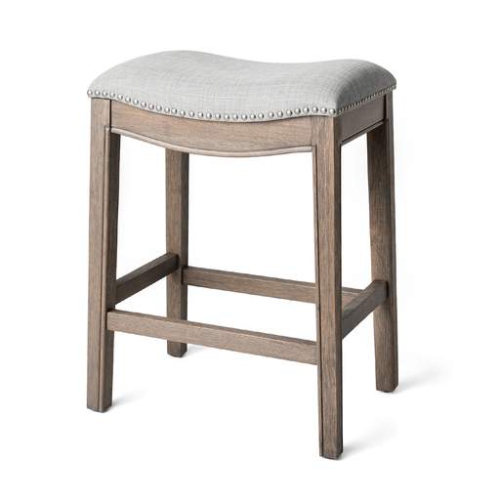 Your price for this item is $226.99
-
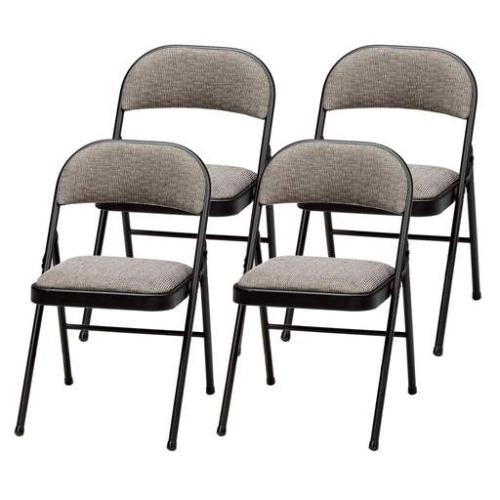 Your price for this item is $373.99
-
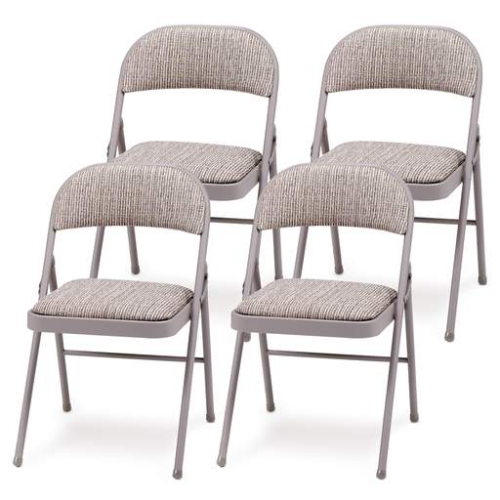 Your price for this item is $398.99
-
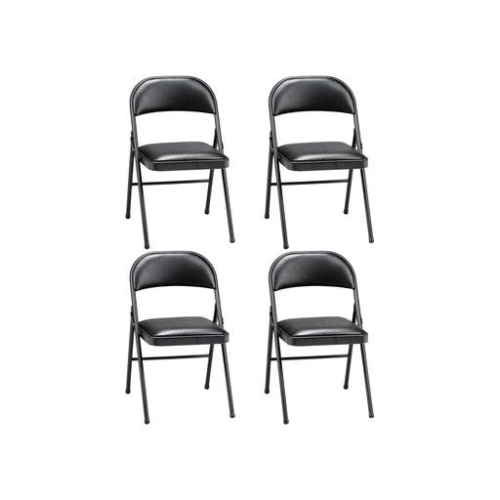 Your price for this item is $379.99
-
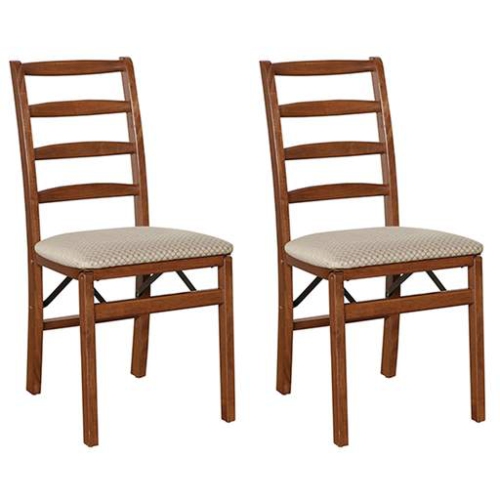 Your price for this item is $374.99
-
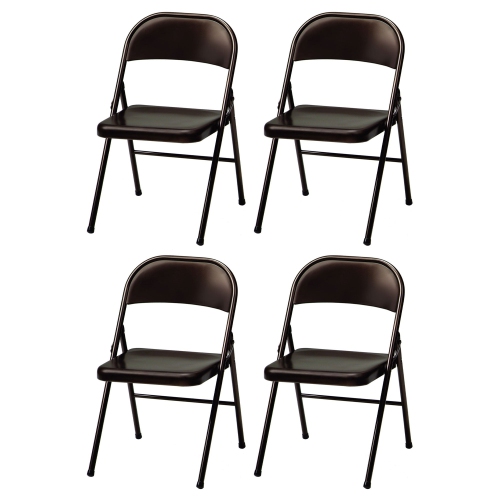 Your price for this item is $212.99
-
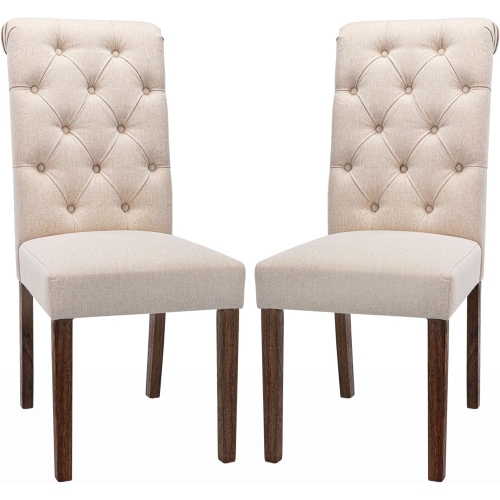 Your price for this item is $210
-
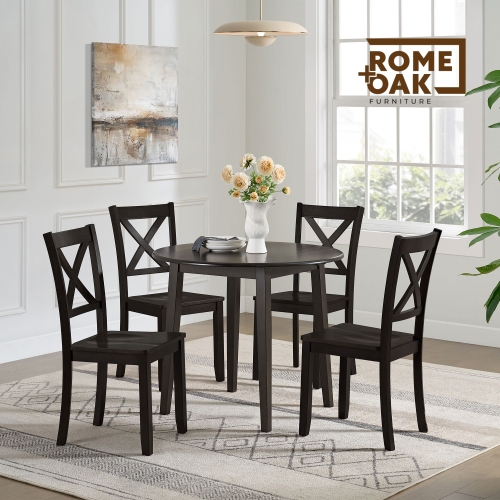 Your price for this item is $421.99
Discover more categories related to Mid Century Wood Chairs
Top Collections:
Best Black Friday Deals This Year, Best Black Friday Deals On Electronics, Kindle Devices, Dyson Airwrap, Best Cameras for Sports Photography, Best Budget Office Chairs, Canon G7X Cameras, PS5 Pro Consoles, Best Black Friday Deals On Apple Products, XBOX One S Consoles
Some products may be subject to Environmental Handling Fees
(EHF) depending on your province.
Learn more about EHFs.