White Oak Cabinet Doors
Transform your space with the timeless elegance of white oak cabinet doors. Crafted from high-quality materials, these white oak cabinet doors offer a sleek and sophisticated look that will elevate any room in your home. Whether you're renovating your kitchen, bathroom, or any other living area, our white oak cabinet doors provide a versatile and stylish option to enhance your interior design.
Sort
How the wood cut shapes your cabinetry’s character
White oak cabinet doors bring the texture of real wood to kitchens, bathroom vanities, laundry rooms, and built-in storage, with a colour range that typically runs from light beige to warm tan and soft brown. White oak is a hardwood species, not a white paint finish, so these doors usually show visible grain and natural variation rather than a uniform white surface. Its appeal lies in the balance between character and simplicity: a pale oak front can soften a kitchen with stone counters and stainless steel appliances without making the room feel heavily patterned. The way the wood is cut has a noticeable effect on the finished appearance. Plain-sawn, sometimes called flat-cut, white oak often displays sweeping cathedral-shaped grain, giving larger doors a more expressive look. Rift-cut white oak generally has straighter, more consistent grain that suits clean-lined cabinetry, while quarter-sawn white oak can reveal distinctive ray flecks across the surface. These markings are a natural feature of the wood, not a flaw in the finish. Door style changes how that grain reads across a room. Shaker cabinet doors have a framed, recessed centre panel that works with both traditional and contemporary interiors. Narrow-frame variations offer a lighter outline, while slab doors create an uninterrupted face that lets the wood pattern take the lead. Raised-panel designs add depth and a more traditional profile. On a tall pantry cabinet, vertical grain can emphasize height; across a run of lower cabinets, closely coordinated grain can make separate fronts feel visually connected. Exact matching is not a given, however, because boards and veneer sheets differ naturally. White oak also pairs comfortably with painted cabinetry, allowing wood doors on an island or storage wall to add contrast without covering every surface in the same material. The result can feel restrained or richly textured depending on the cut, finish, and proportion of wood in the space.
Construction matters as much as appearance when comparing white oak cabinet doors. A door described as white oak may use solid wood throughout, a solid oak frame with a veneered centre panel, or white oak veneer over an engineered core. Each construction has its own practical qualities, so the material description is more informative than the species name alone. Solid wood provides natural depth and character, but it expands and contracts as indoor humidity changes. Traditional frame-and-panel construction accommodates some of that movement by allowing the centre panel to move within the frame. Veneer construction uses a thin layer of real white oak over a core such as plywood or medium-density fibreboard; a properly made panel can provide a stable, flat face, particularly for slab-style doors. Edge treatment, balanced construction, and the quality of the finish all contribute to how well the door performs. White oak is strong and naturally more resistant to moisture penetration than red oak, but a cabinet door is not waterproof. Joints, exposed edges, and unfinished areas still need protection, especially near sinks and dishwashers. For replacement cabinet doors, fit involves more than matching the height and width of the old front. Door thickness, hinge type, hinge cup boring, and the position of existing mounting hardware affect whether the new door will attach and operate correctly. Overlay doors sit over part or all of the cabinet frame or box edge, while inset doors fit within the opening and require carefully controlled gaps. On paired doors, the centre clearance matters alongside the outside dimensions. Nearby walls, projecting handles, and adjacent drawers can also limit the opening swing. A wider replacement door may look right when closed yet catch a neighbouring pull when opened. Existing cabinet boxes should be sound, square, and capable of supporting the doors and hardware. Hinges need to suit the door’s dimensions and weight, including any limits specified for soft-close operation. Coordinating drawer fronts, end panels, and visible cabinet edges also helps a refacing project look complete rather than like a set of new doors attached to unrelated cabinetry.
The finish on white oak cabinet doors influences both their everyday care and their final colour. A clear coating can preserve much of the wood’s natural appearance, although some finishes add amber warmth and others leave a paler effect. Stains can shift the tone towards honey, brown, or muted grey, but the outcome depends on surface preparation, the grain, and the finishing system. White oak’s open grain remains part of its character, and colour may gather differently in its pores than on the surrounding surface. A physical sample viewed beside flooring, counters, and wall paint gives a more useful impression than a screen image alone. It also reveals whether a pale finish looks balanced under the room’s lighting or whether a warmer tone better connects with existing woodwork. Unfinished doors require appropriate preparation and a compatible protective finish before regular use; finished doors should be cared for according to the finish manufacturer’s directions. For routine cleaning, a soft cloth lightly dampened with a suitable mild cleaner is generally preferable to abrasive pads, with the surface dried promptly afterwards. Water collecting along a lower rail, grease around a frequently used pull, and cleaning spray left near a joint can gradually affect the finish. Spraying cleaner onto the cloth rather than directly onto the door helps control excess moisture. Steam cleaners, harsh solvents, and prolonged soaking can damage coatings or construction materials. Durable hardwood can still dent or scratch, and veneer should not be treated as though it has the same sanding allowance as thick solid wood. These considerations make white oak a practical choice for households that want visible wood character and are comfortable with straightforward, regular care. In a busy kitchen, simple profiles have fewer corners where residue can collect; in a living room built-in, a more detailed frame can complement furniture and trim. For a broader view of wood tones and door styles, Oak Kitchen Cabinet Doors provides a related category to explore. Whether used for a full cabinetry refresh or a smaller bank of storage, white oak doors work best when their construction, finish, and proportions suit both the cabinet boxes and the way the room is used.
Top selling and popular products
-
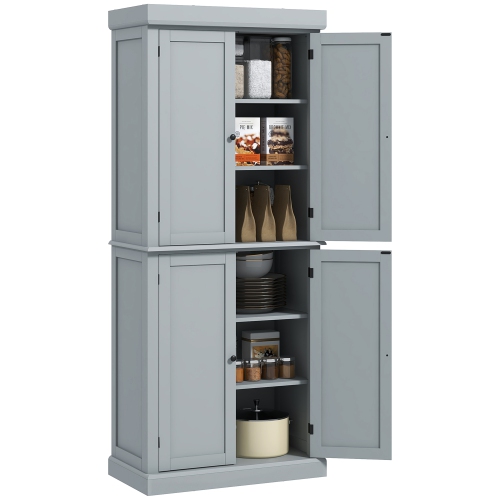 Your price for this item is $285
-
 Your price for this item is $155.99
-
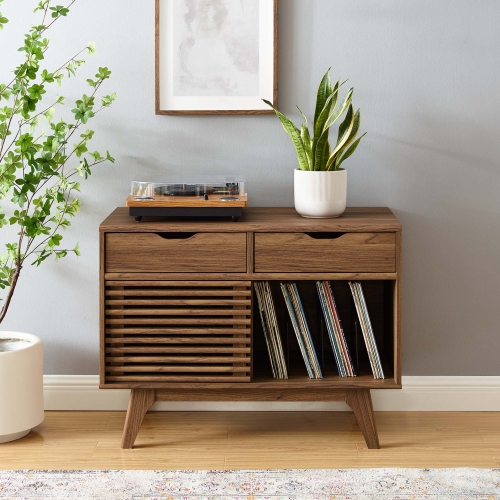 Your price for this item is $452.93
-
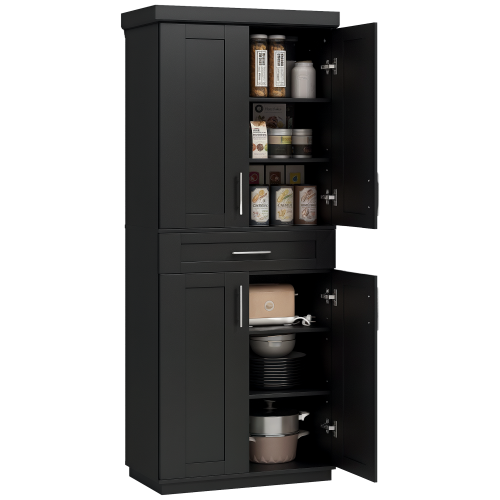 Your price for this item is $269.99
-
 Your price for this item is $12.97
-
 Your price for this item is $155.99
-
 Your price for this item is $885.06
-
 Your price for this item is $132.99
Discover more categories related to White Oak Cabinet Doors

Top Collections:
Best Black Friday Deals This Year, Best Black Friday Deals On Electronics, Kindle Devices, Dyson Airwrap, Best Cameras for Sports Photography, Best Budget Office Chairs, Canon G7X Cameras, PS5 Pro Consoles, Best Black Friday Deals On Apple Products, XBOX One S Consoles
Some products may be subject to Environmental Handling Fees
(EHF) depending on your province.
Learn more about EHFs.