White Oak Cabinets
Enhance your living space with the timeless elegance and natural beauty of white oak cabinets. Crafted to perfection, these cabinets effortlessly blend style and functionality to elevate any room in your home. Whether you're looking to upgrade your kitchen, bathroom, or any other area, white oak cabinets offer a versatile and sophisticated solution that complements a variety of decor styles. Explore our selection of high-quality white oak cabinets to discover the perfect addition to your home today.
Sort
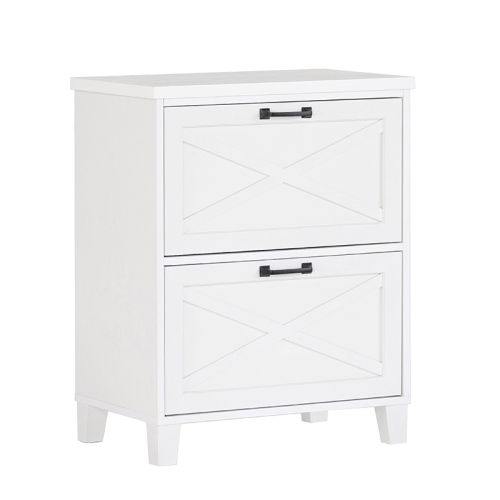
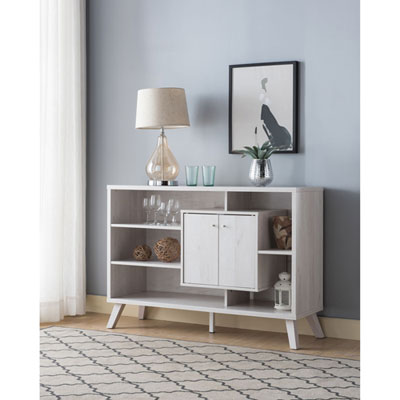
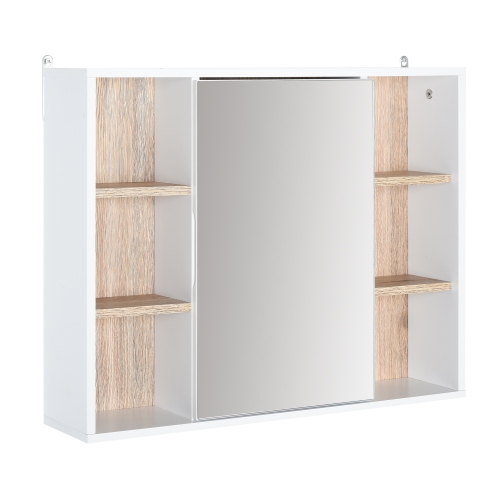
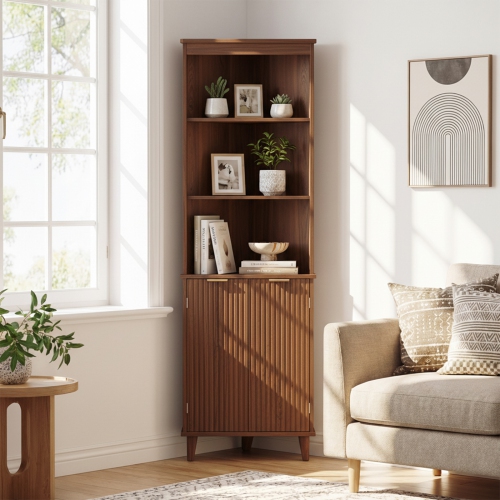

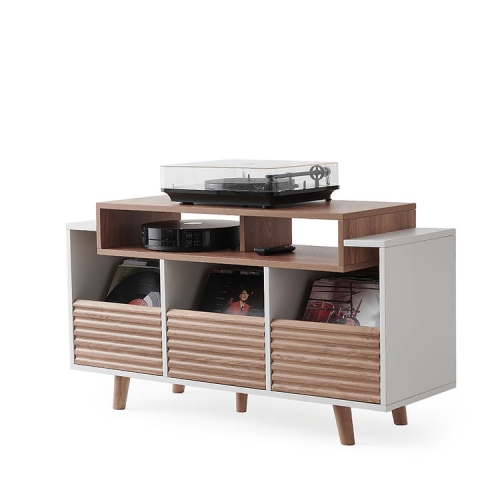
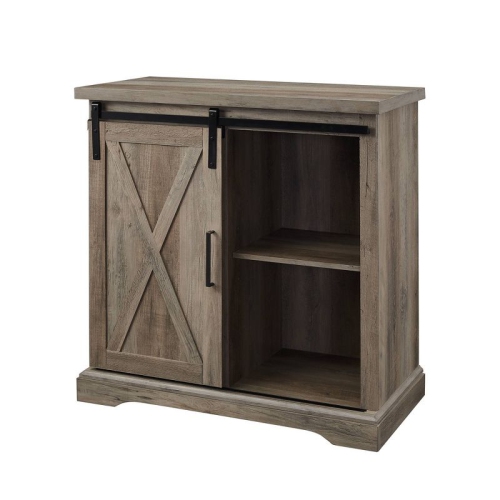
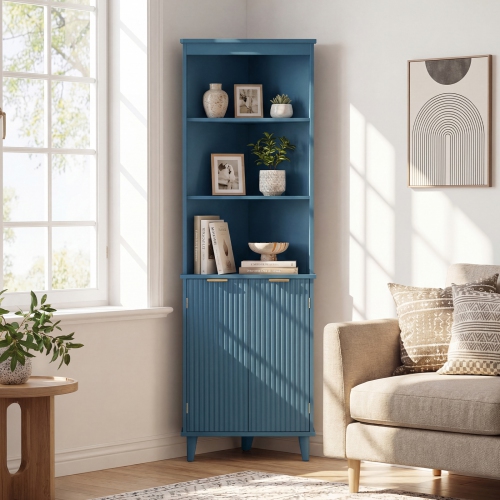
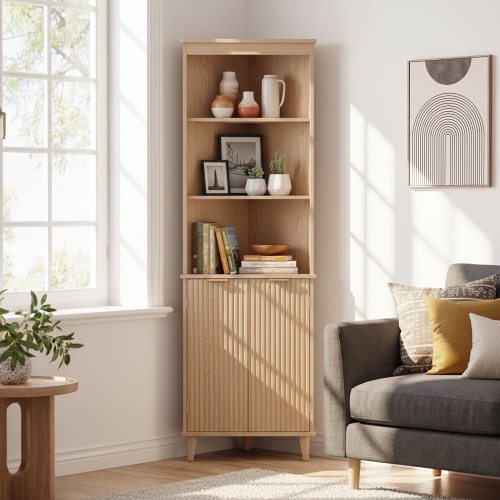
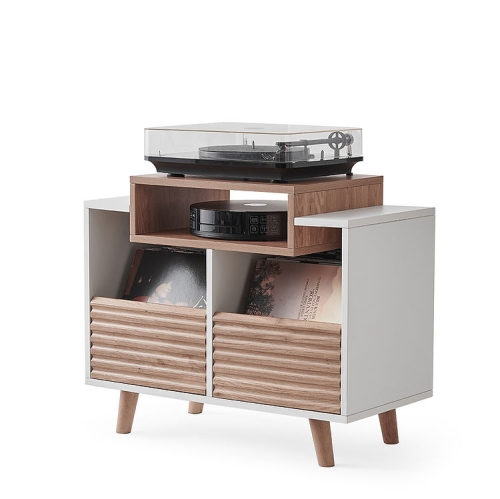
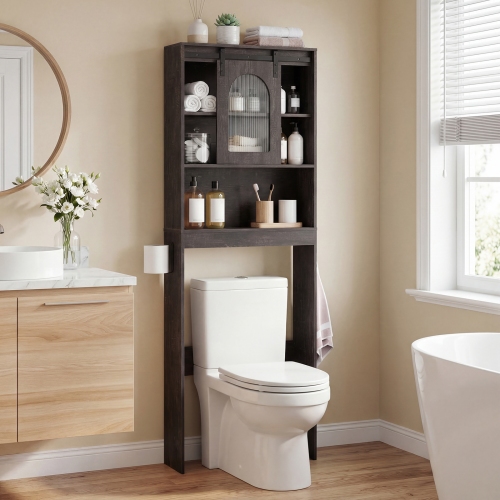
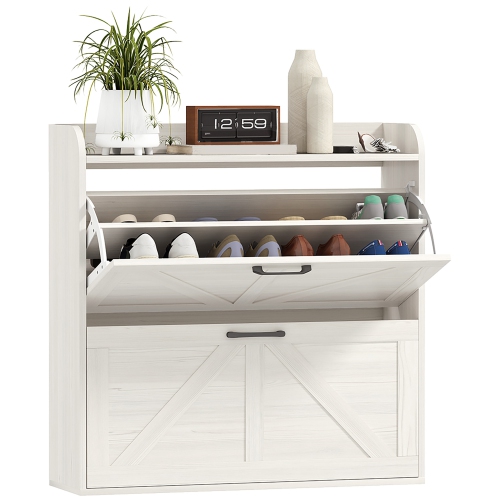
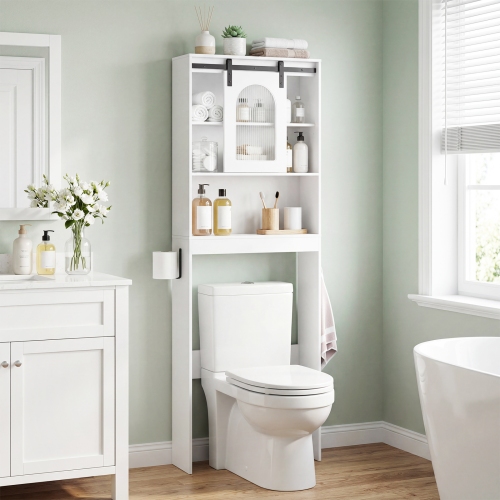
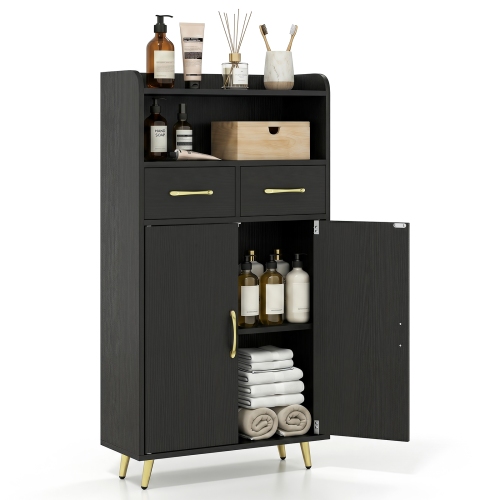
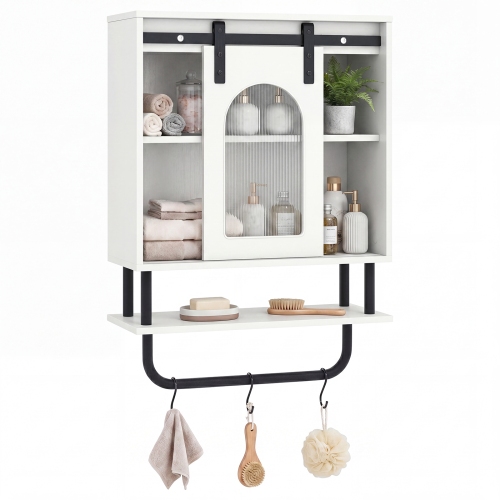
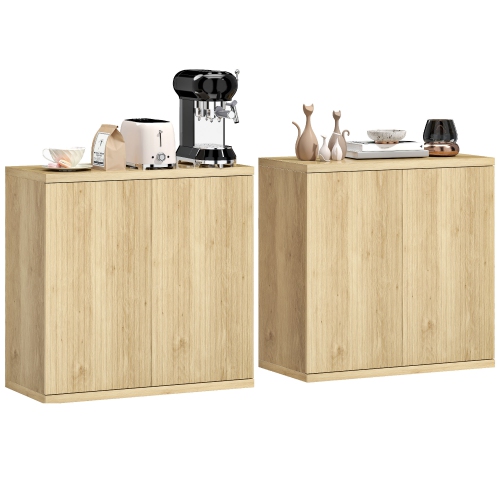
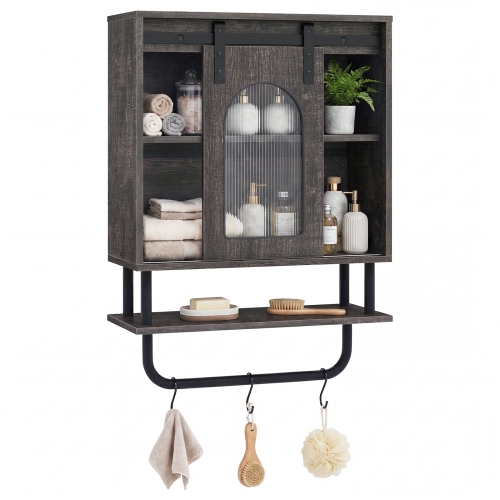
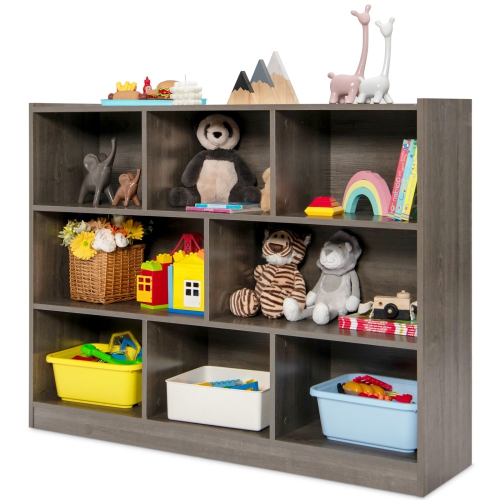

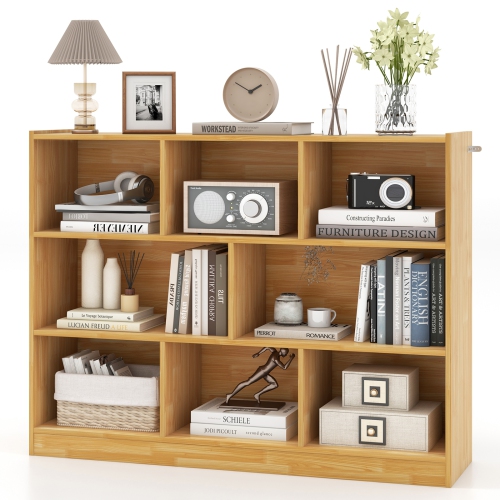
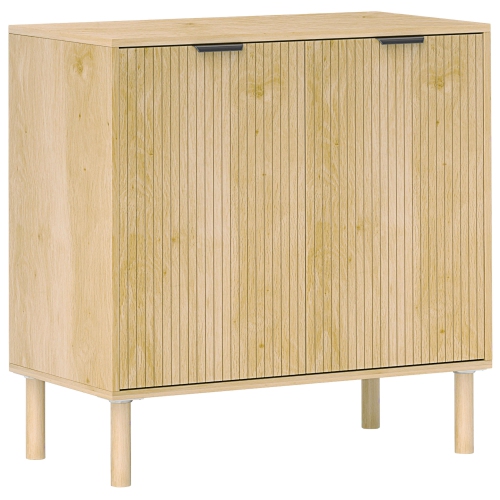
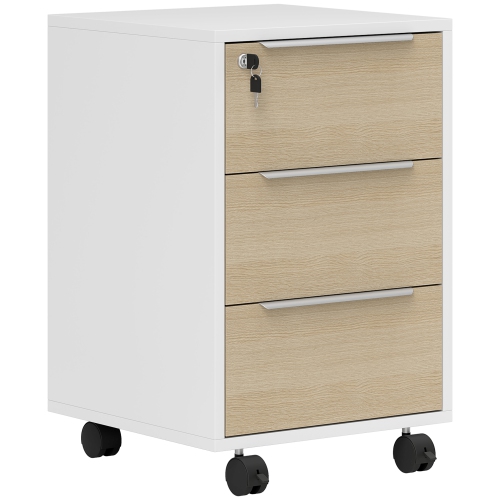
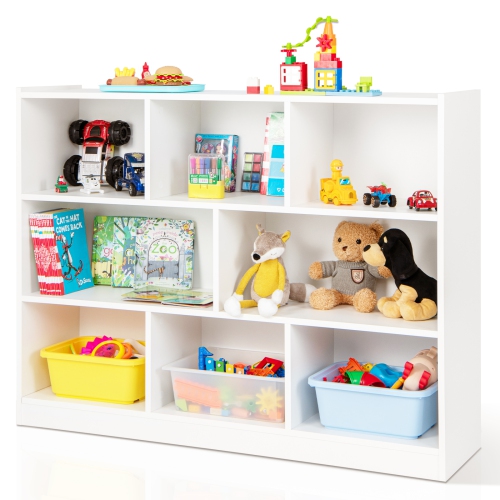
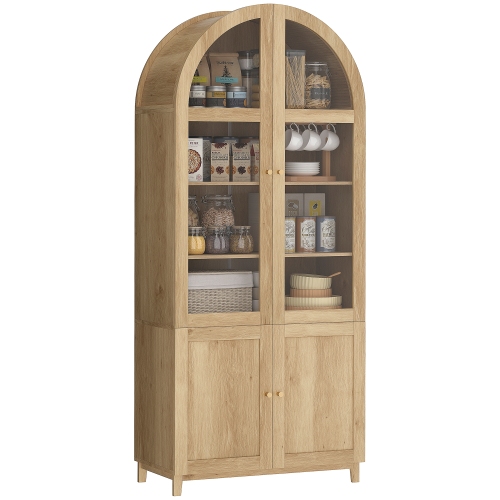
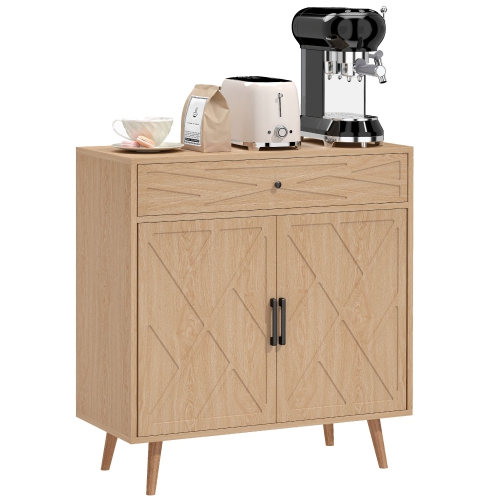
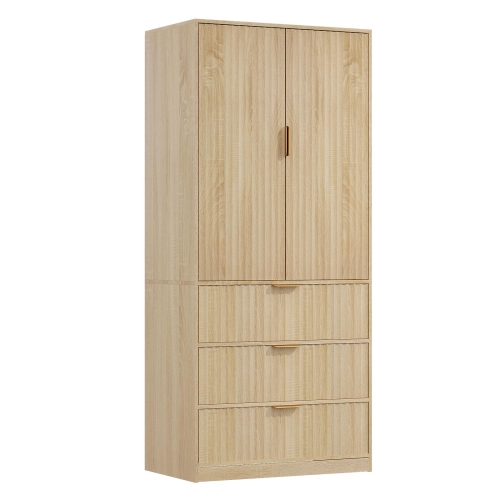

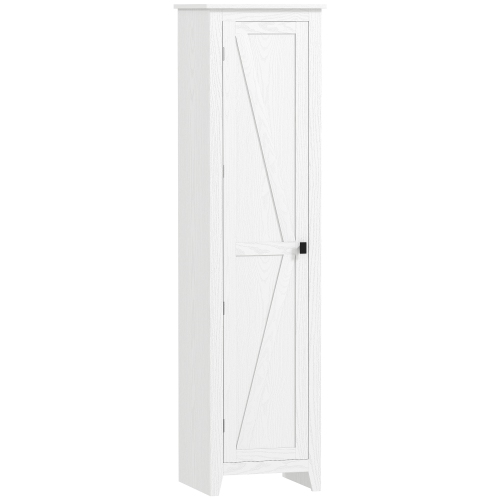
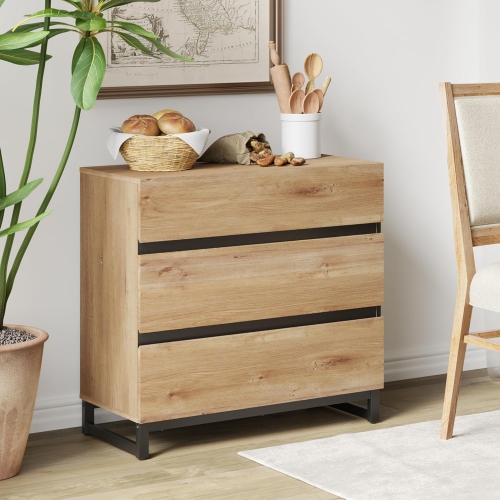
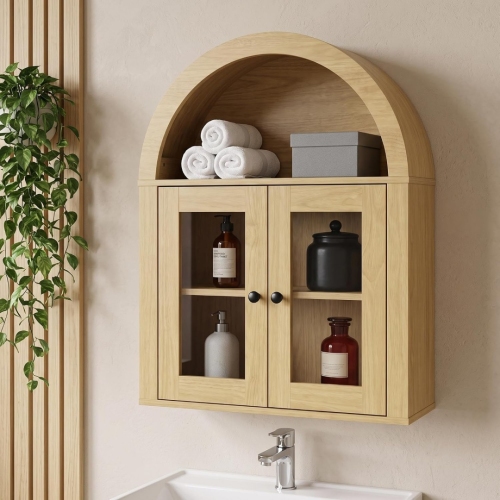
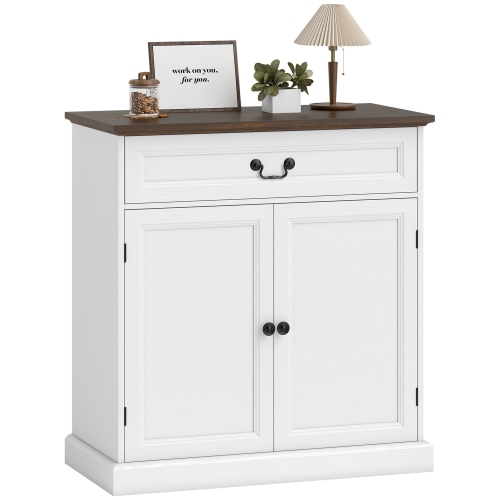
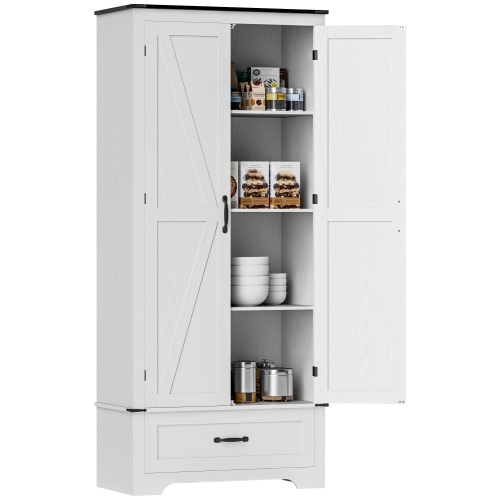
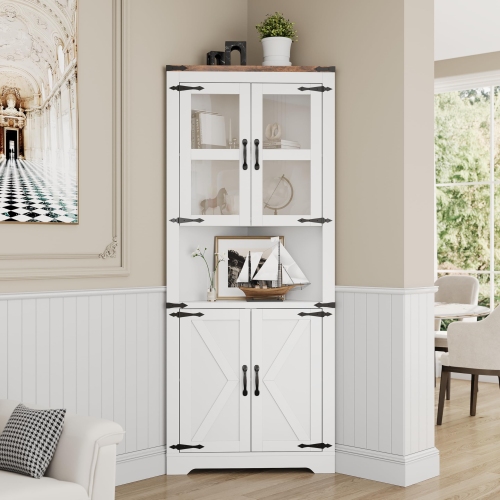
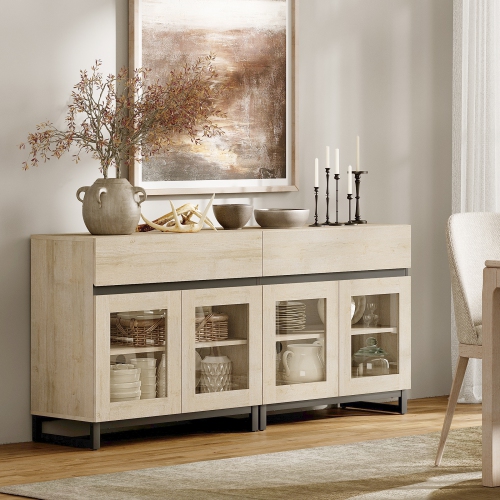
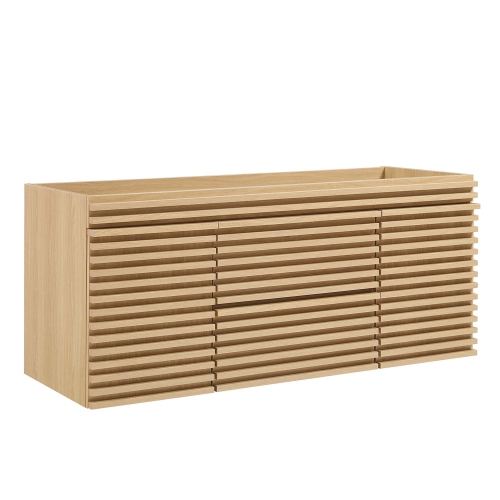
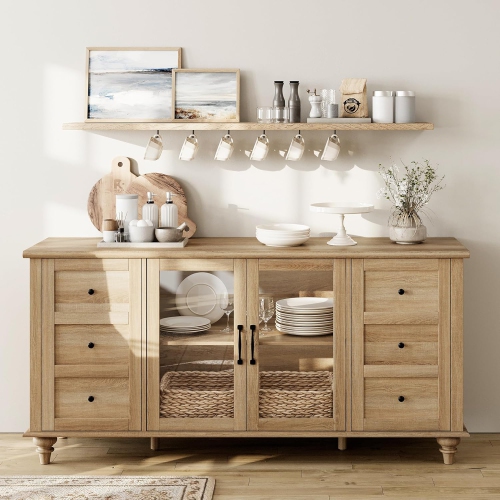
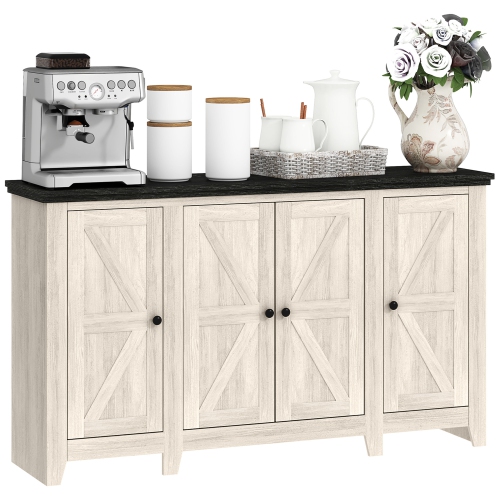
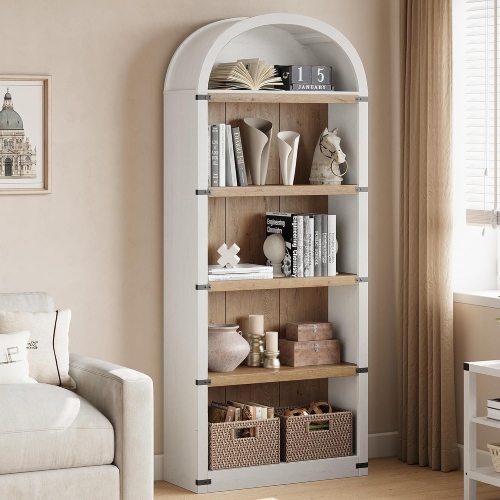
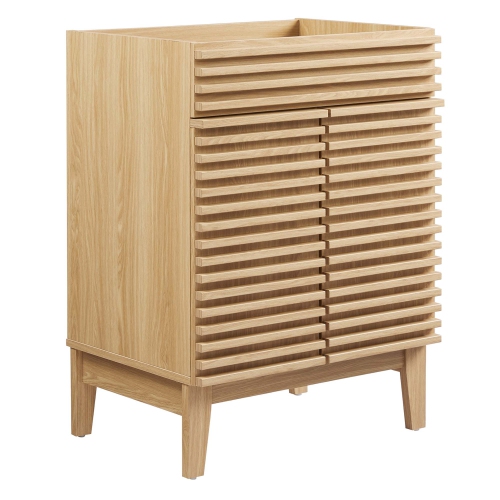
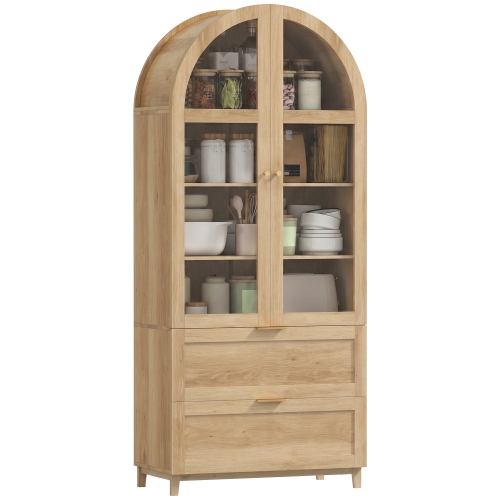
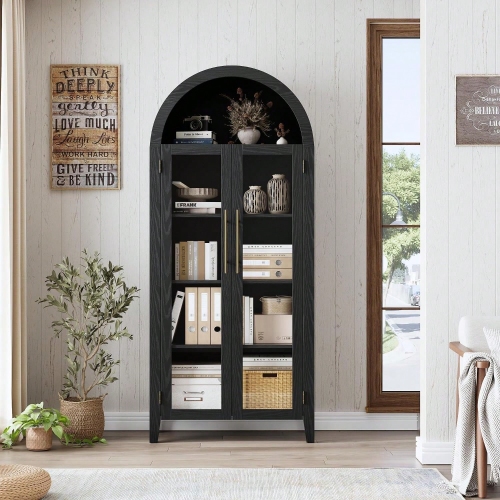
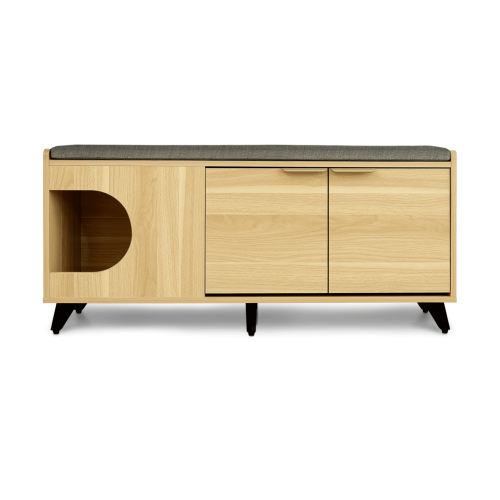
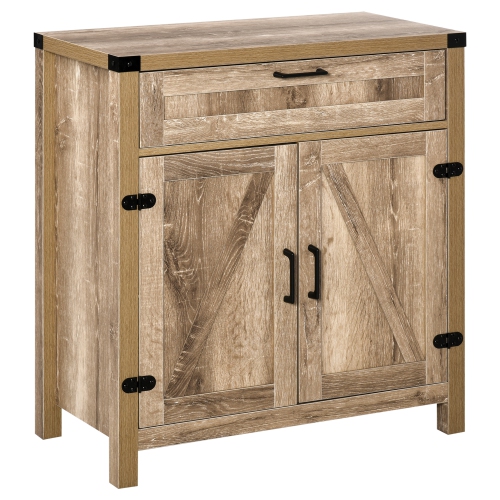
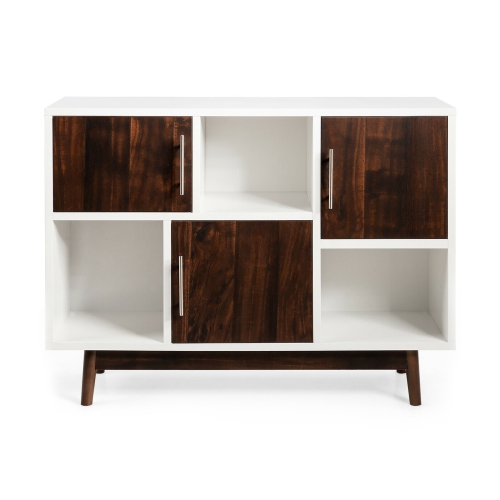
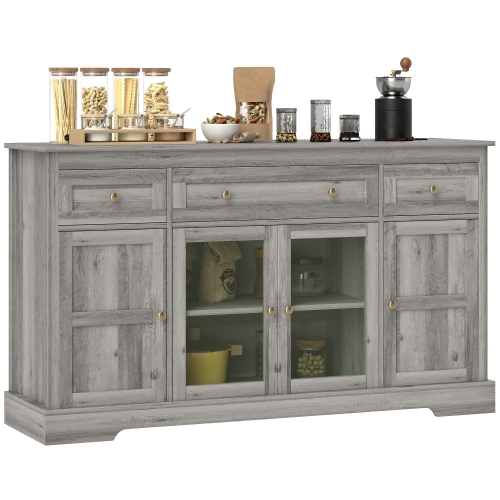
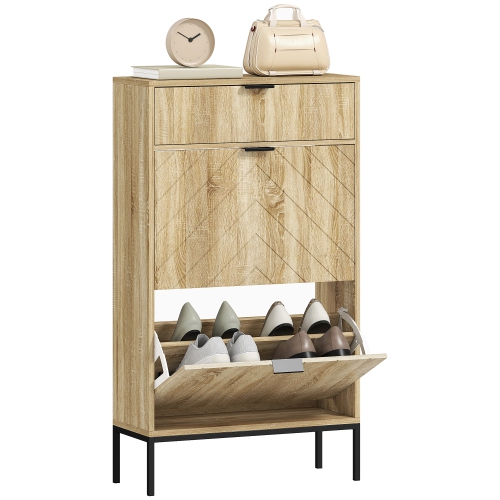
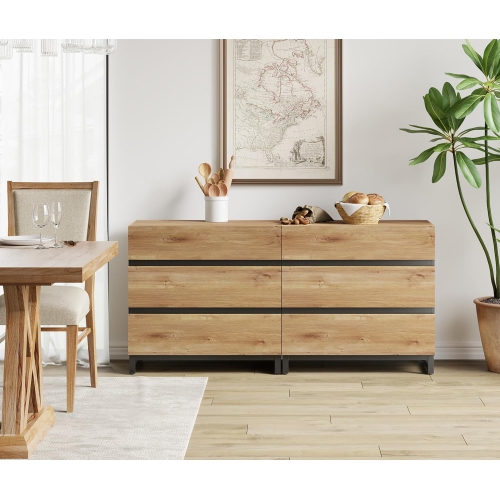
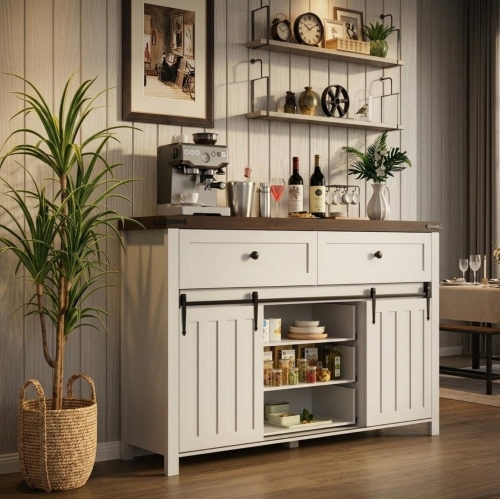
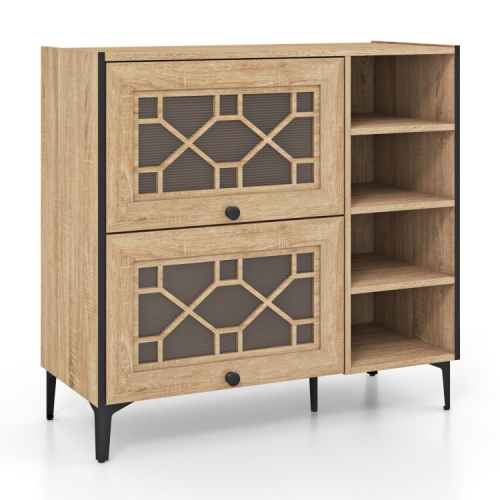
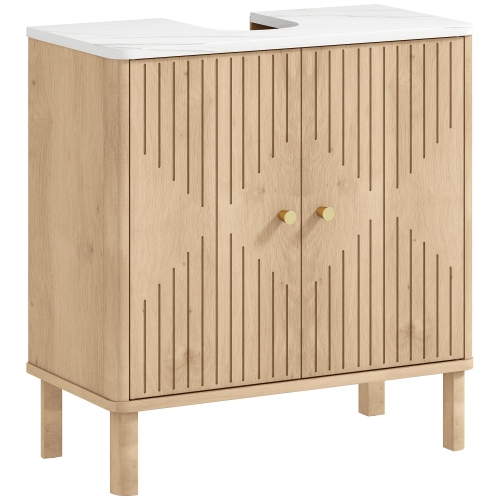
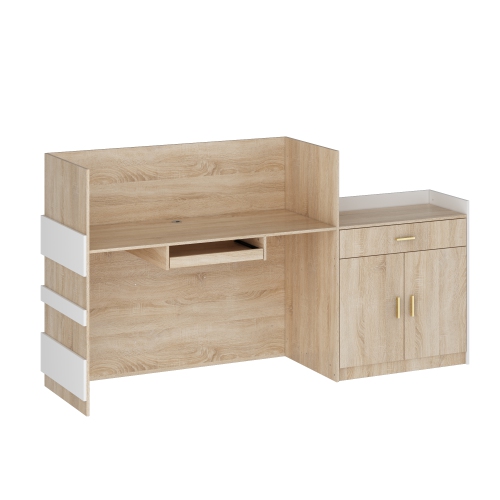

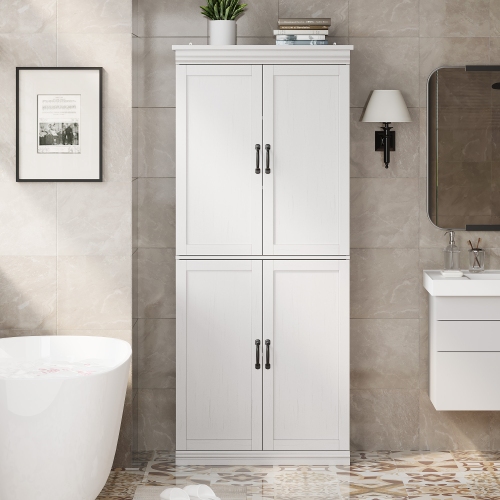
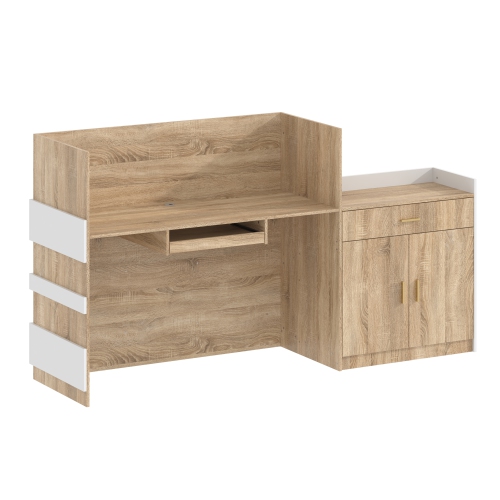
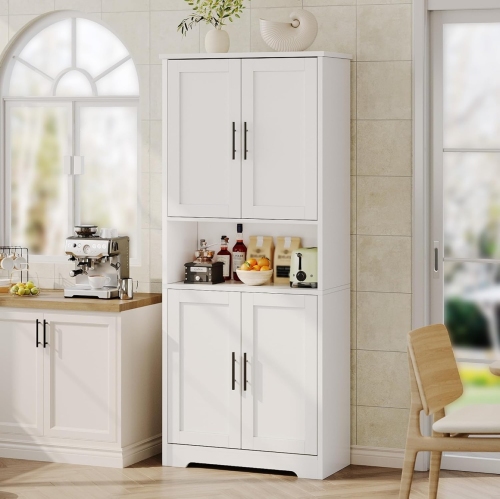
There’s more to oak storage than its colour
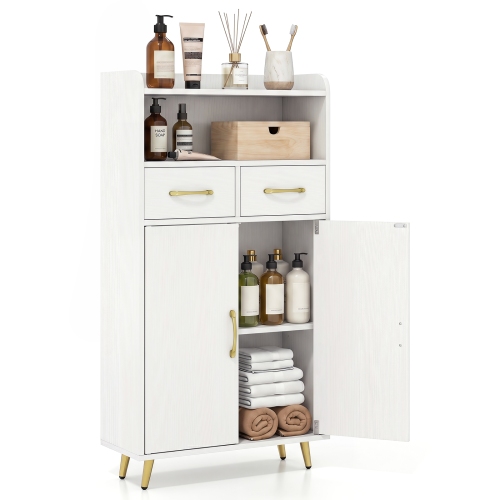
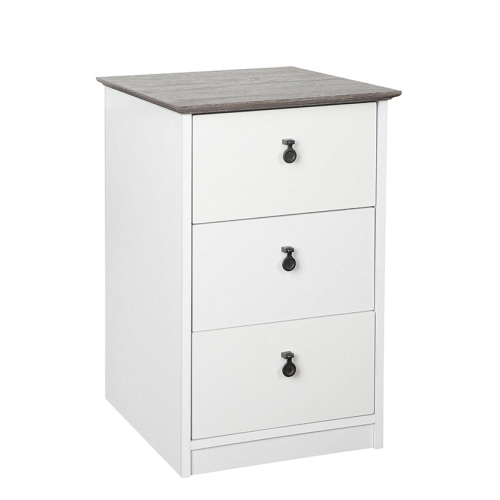
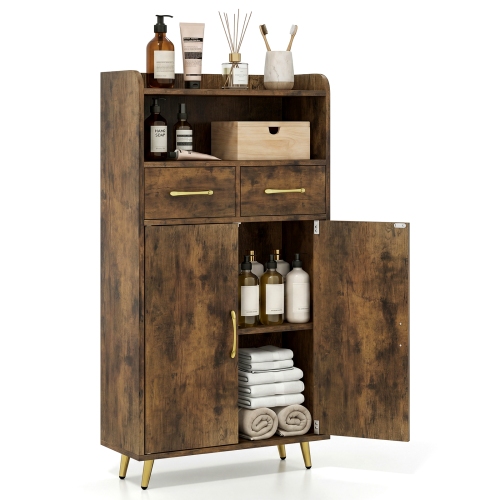
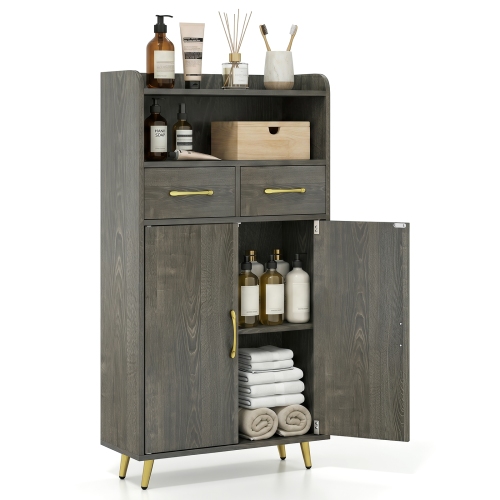
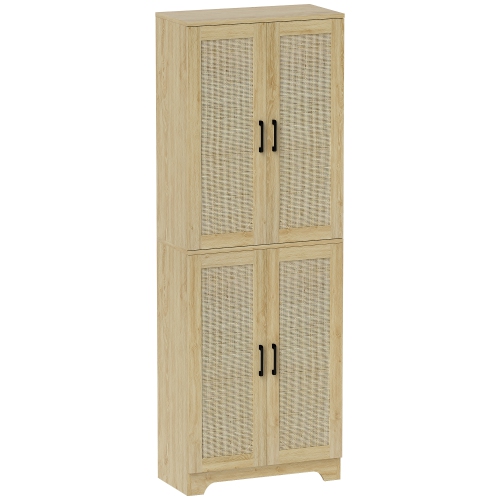
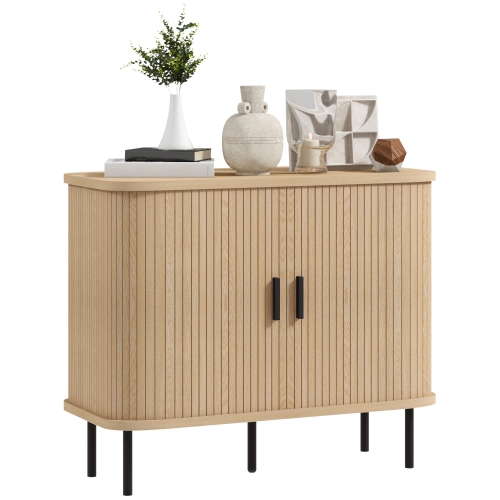
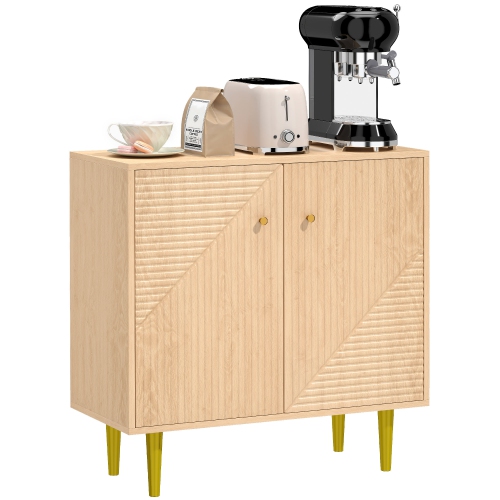
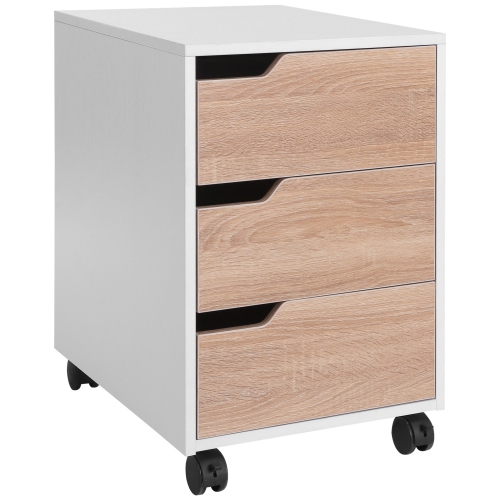
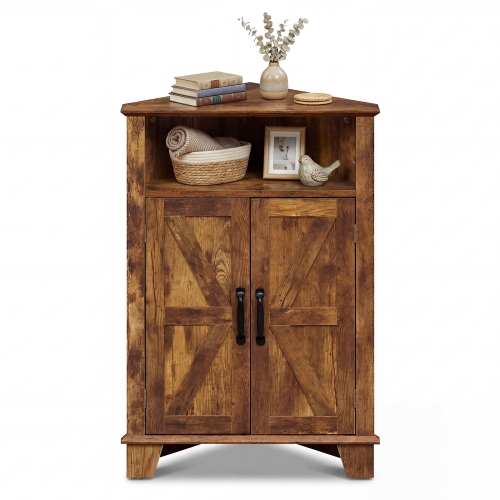
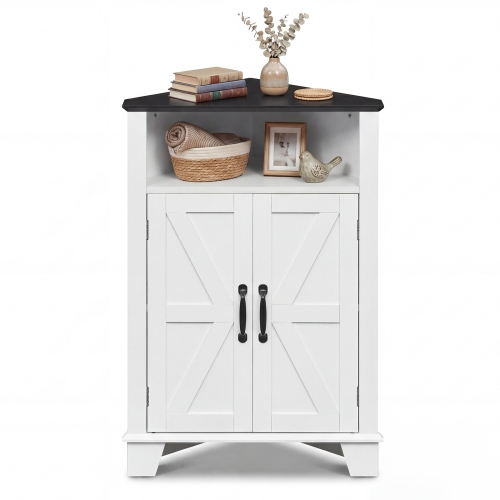
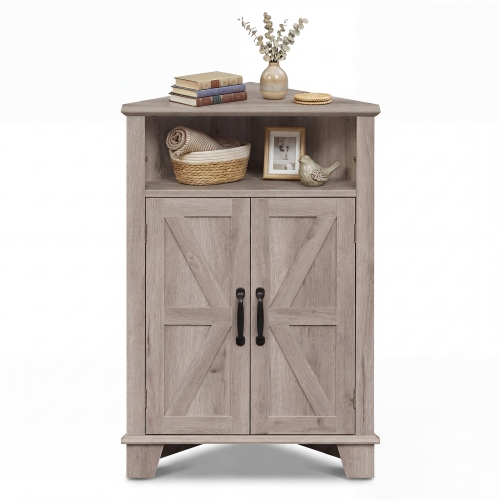
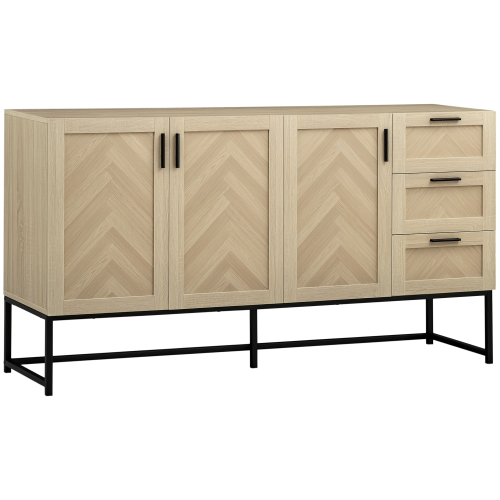
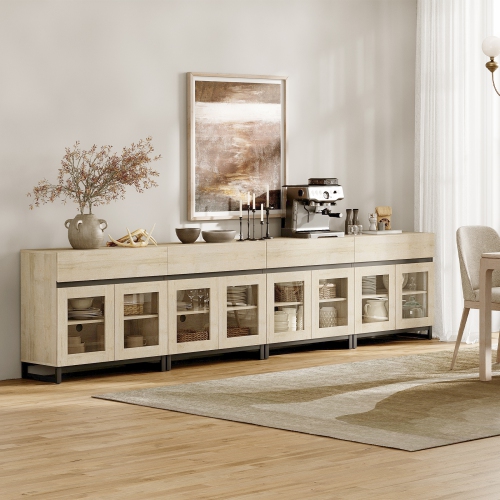
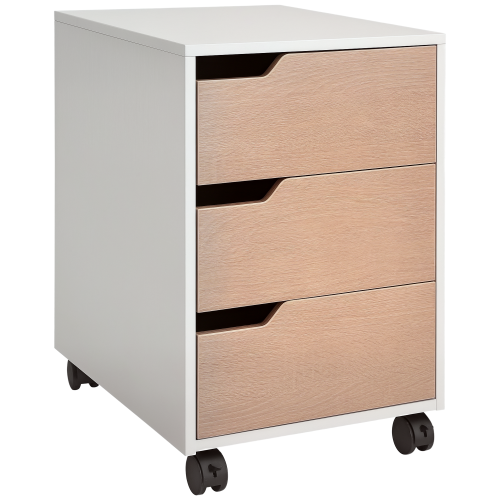
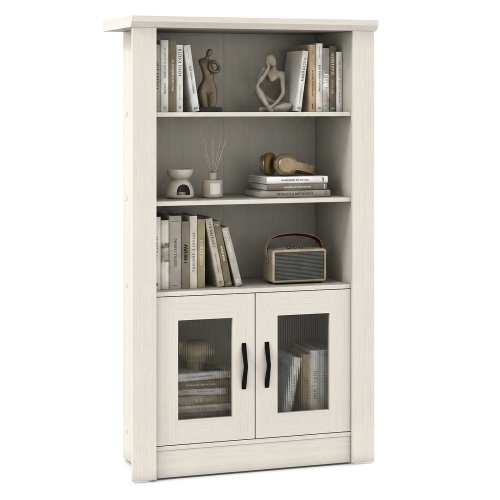
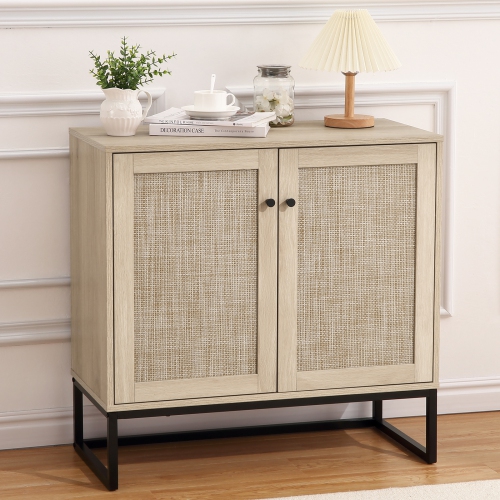
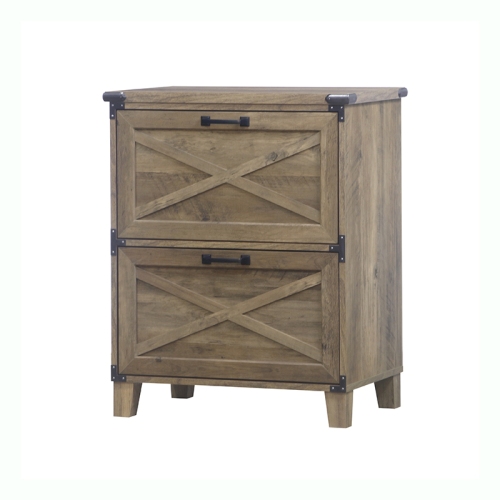
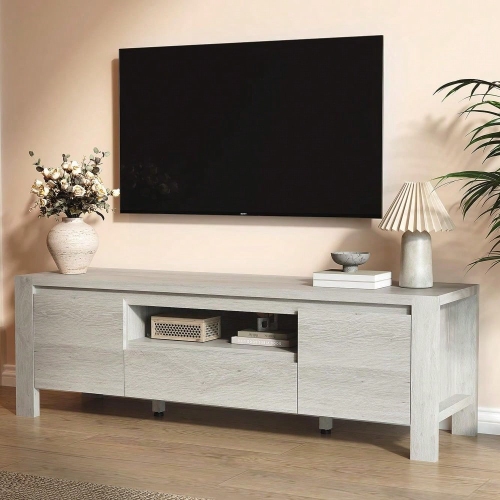
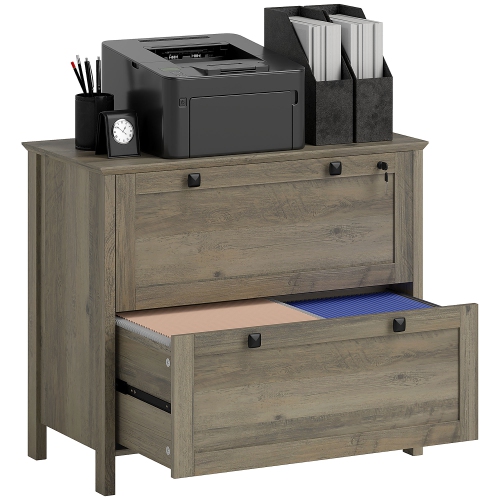
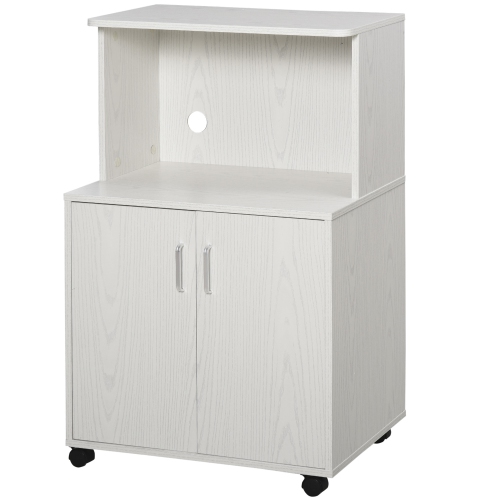
White oak cabinets are storage furnishings made with white oak wood, white oak veneer, or a finish designed to resemble white oak. Their appeal comes from the balance of visible grain, light-to-medium neutral colour, and a substantial appearance that suits both relaxed and more structured interiors. Despite its name, white oak is not naturally white: its wood typically ranges from pale tan to warm brown, sometimes with muted grey undertones. A clear finish lets those variations remain visible, while stains can create a lighter, warmer, or deeper appearance. White oak has a Janka hardness rating of approximately 1,360 pounds-force, a measure of resistance to indentation that helps explain its suitability for frequently used furniture. That rating describes the wood itself, however, rather than the strength of an entire cabinet or its resistance to every scratch. Overall durability also depends on construction, the protective finish, door alignment, hinges, shelf supports, and how the cabinet is used. Solid wood and veneer offer different forms of construction without necessarily producing dramatically different appearances. A veneer is a thin layer of real wood bonded to a supporting panel; it provides genuine grain while allowing broad, flat surfaces to be built around a stable core. A white oak-look finish may instead use a printed or textured surface over engineered wood, so the material description matters more than the colour name alone. Cabinet doors, frames, shelves, and backs may also use different materials within the same piece. Grain direction contributes just as much to the overall effect as colour. Plain-sawn oak often shows broad, arching patterns, rift-sawn oak tends towards straighter lines, and quarter-sawn oak can display distinctive ray flecks. These variations explain why two cabinets described as white oak can have noticeably different personalities. A restrained, straight-grained front creates a quieter surface, while larger grain patterns bring more movement to a room. Natural differences between boards are part of real wood’s appearance, rather than an indication that every panel should match exactly.
The most useful white oak cabinets bring their proportions and internal layout into balance with the room they serve. In a dining area, enclosed shelving can keep serving dishes and table linens together without leaving everything on display. In a living room, lower cabinets can provide a landing place for a lamp while keeping games, paperwork, and everyday belongings behind closed doors. A hallway may benefit from a shallower profile that leaves a comfortable passage, while a home office may need enough internal depth for files or larger supplies. Exterior measurements tell only part of that story. Interior shelf dimensions, door openings, hinge placement, and fixed dividers determine what actually fits inside. Adjustable shelves, where included, make it easier to accommodate a tall pitcher beside shorter stacks of dishes, but each shelf still has a stated load limit. Deep storage is useful for bulky belongings, although smaller objects can become difficult to reach at the back. Drawer layouts and shelf spacing should reflect daily routines rather than simply the cabinet’s overall size. Fit also includes the space around the furniture: doors need room to swing, drawers need clearance to extend, and nearby seating should remain usable when the cabinet is open. Baseboards, wall outlets, floor vents, and uneven flooring can affect placement even when the measured width seems suitable. Delivery access matters too, particularly where a route includes a narrow stairwell, a tight turn, or a small lift. For cabinets used beneath a television, the supported weight, surface dimensions, cable openings, and ventilation provisions need to suit that purpose; a general storage cabinet should not automatically be treated as a media stand. Similarly, freestanding furniture with a white oak appearance is not interchangeable with cabinetry designed for a fitted kitchen or bathroom. Those uses call for appropriate installation specifications and finishes. Tall or top-heavy cabinets should be secured as directed by the manufacturer, with suitable hardware for the wall, and heavy belongings generally belong on lower shelves.
White oak’s neutral character makes it adaptable, but the undertone and finish determine how comfortably it sits beside existing furniture. Pale oak against cream walls can create a soft, continuous look, while the same cabinet beside charcoal upholstery or black metal accents introduces a clearer contrast. Warm brown oak often works naturally with muted green, clay, and off-white fabrics. Matching every wood surface is not essential; a room can feel more considered when a few related tones repeat without every grain pattern being identical. Where floors already have strong markings, simpler cabinet fronts can keep the space from feeling visually crowded. Shoppers comparing wood tones may also find Natural Oak Cabinets useful for considering how an oak finish relates to the wider room. Handles, door profiles, and the base shape further influence the result: slim pulls and flat fronts emphasize clean lines, while framed doors and more substantial hardware create a more traditional impression. Everyday care helps preserve both that appearance and the cabinet’s function. Dusting with a soft cloth prevents grit from being dragged across the finish, and spills are best blotted promptly rather than left around door edges or panel seams. A lightly dampened cloth may be suitable for routine cleaning when the manufacturer permits it, followed by drying; excess water, abrasive pads, and harsh cleaners can damage many furniture finishes. Even though white oak is relatively hard, sliding a rough ceramic bowl across the top can still leave marks, so felt pads, coasters, and protective mats have practical value. Prolonged direct sunlight can alter wood colour, and placing furniture beside a strong heat source can contribute to uneven drying or movement. Real wood naturally expands and contracts as indoor humidity changes, making sensible placement and consistent indoor conditions helpful. Hinges and handles may need occasional adjustment according to the care instructions, especially after assembly. A cabinet that combines suitable materials, accessible storage, a well-proportioned footprint, and manageable care requirements can remain useful as a room’s furnishings and storage needs change.
Top selling and popular products
-
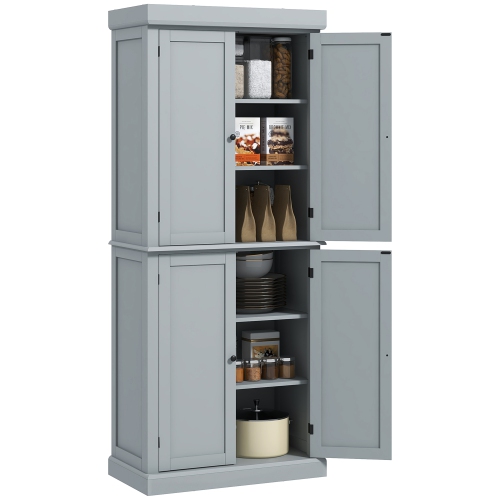 Your price for this item is $285
-
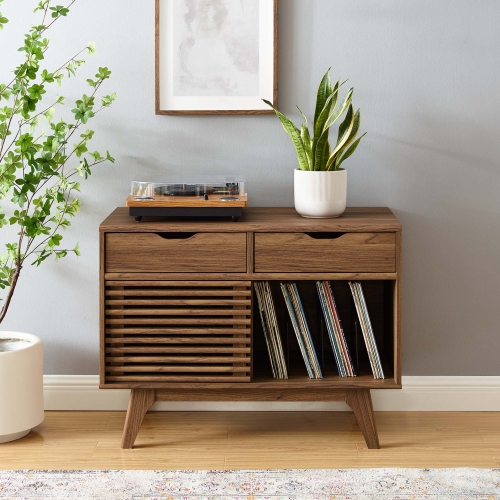 Your price for this item is $452.93
-
 Your price for this item is $155.99
-
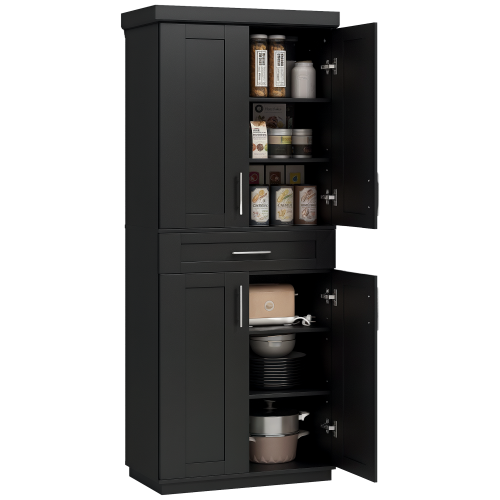 Your price for this item is $269.99
-
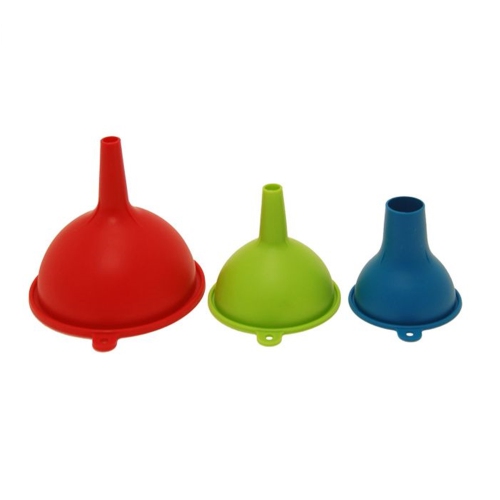 Your price for this item is $12.97
-
 Your price for this item is $155.99
-
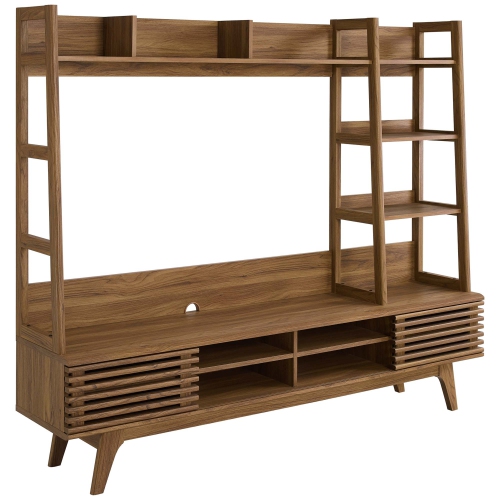 Your price for this item is $885.06
-
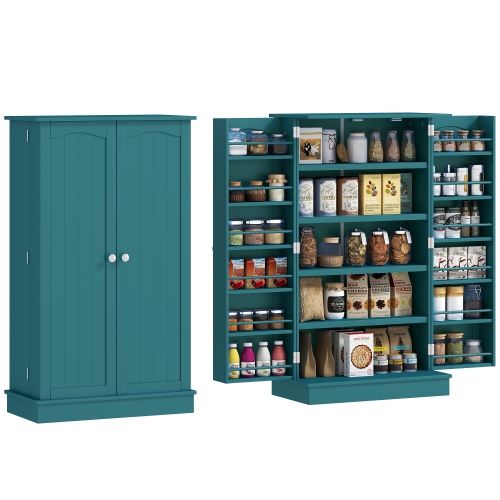 Your price for this item is $132.99
Discover more categories related to White Oak Cabinets
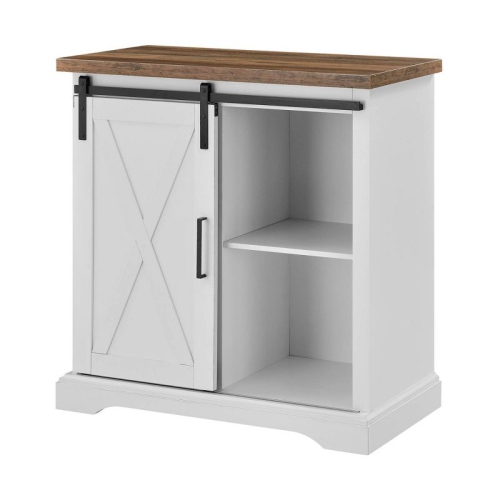
Top Collections:
Best Black Friday Deals This Year, Best Black Friday Deals On Electronics, Kindle Devices, Dyson Airwrap, Best Cameras for Sports Photography, Best Budget Office Chairs, Canon G7X Cameras, PS5 Pro Consoles, Best Black Friday Deals On Apple Products, XBOX One S Consoles
Some products may be subject to Environmental Handling Fees
(EHF) depending on your province.
Learn more about EHFs.