White Oak Table Tops
Looking to add a touch of elegance and sophistication to your space? Look no further than our white oak table tops. Crafted with care and precision, these white oak table tops are not only visually stunning but also incredibly durable. Whether you're revamping your dining area or creating a stylish workspace, our white oak table tops offer the perfect blend of functionality and aesthetic appeal. With their timeless beauty and versatile design, these tabletops are sure to elevate any room in your home or office.
Sort
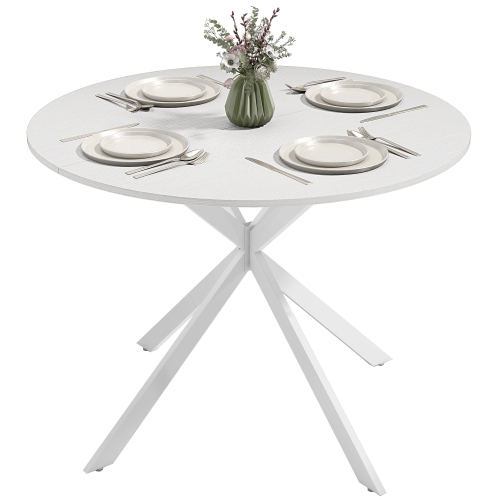
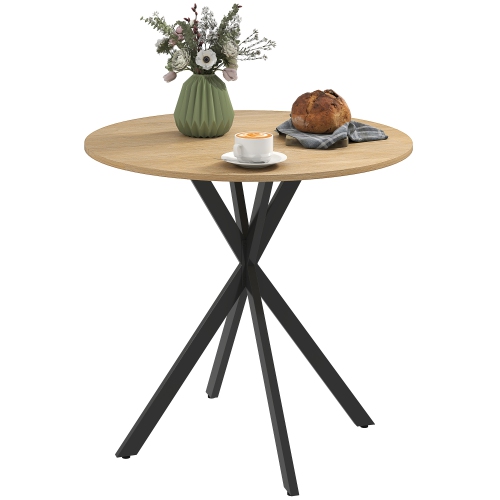
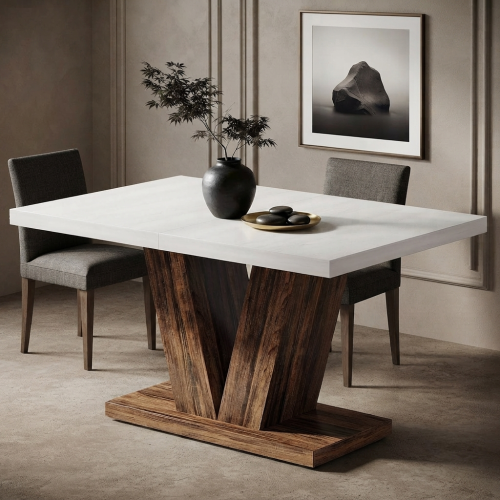
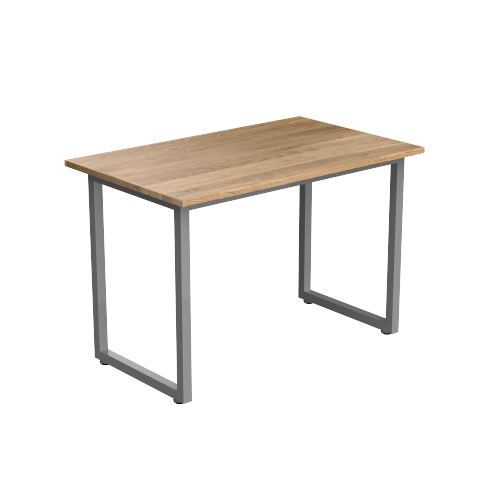
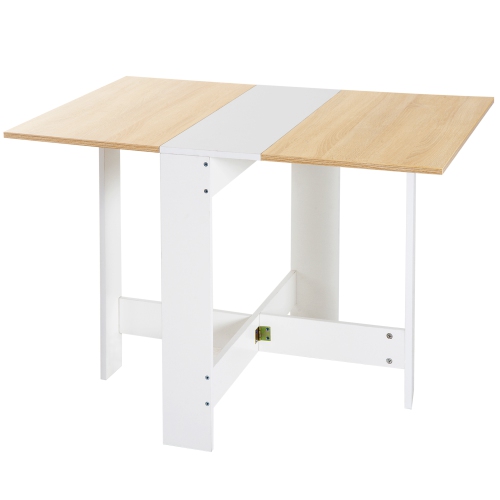
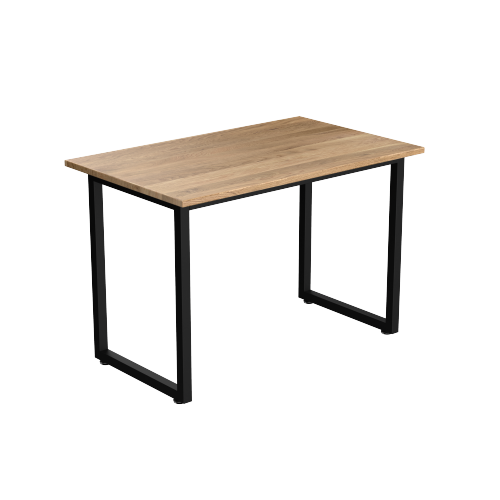
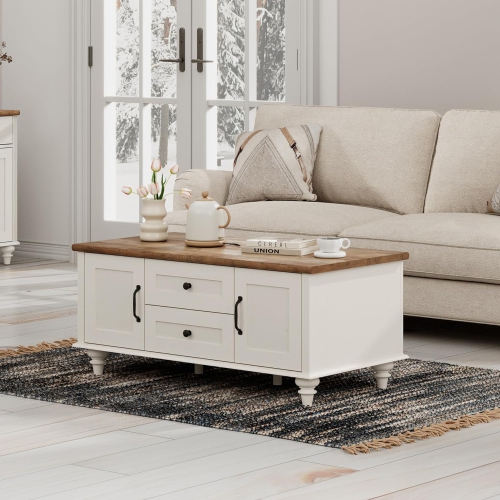
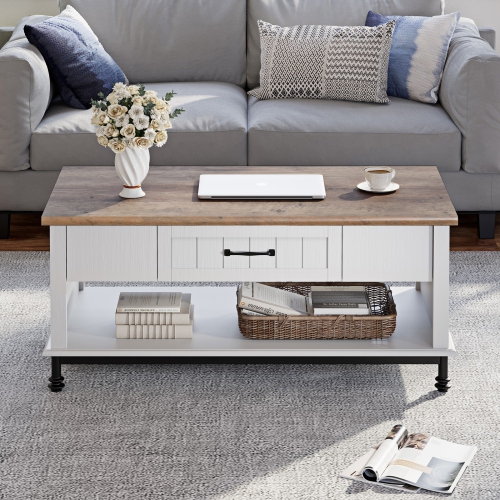

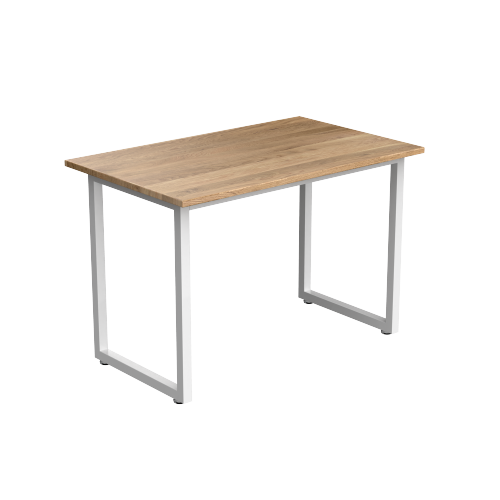

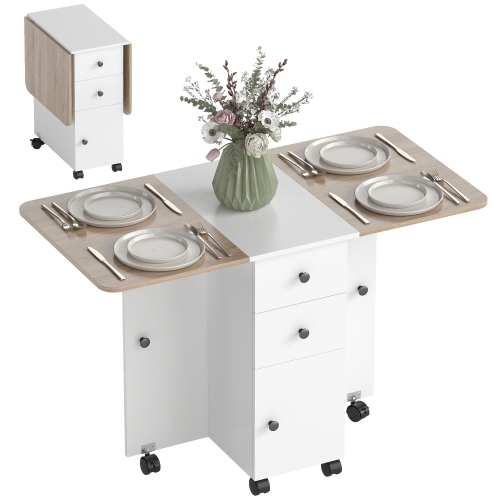

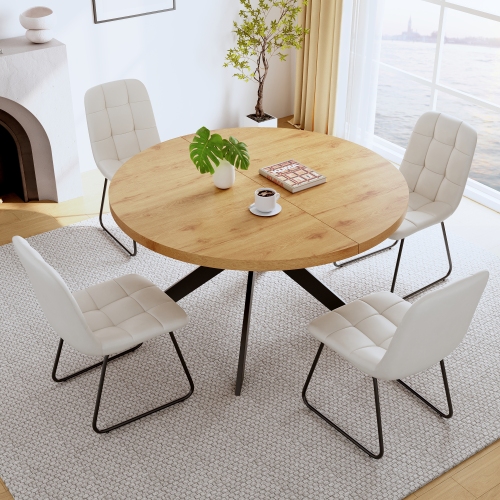
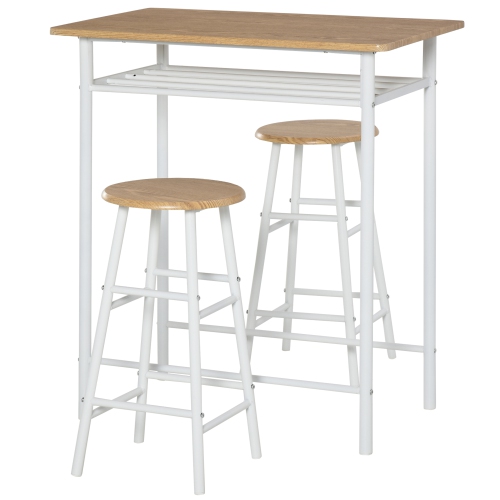
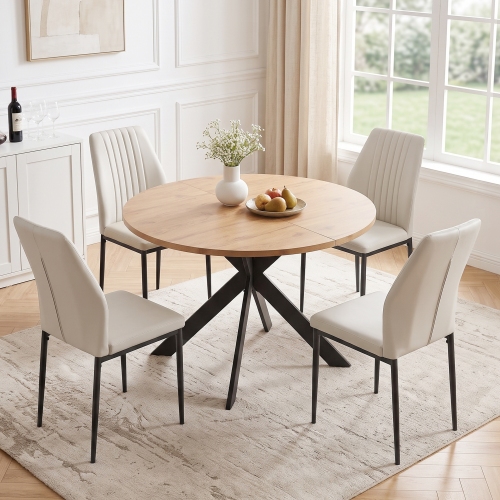
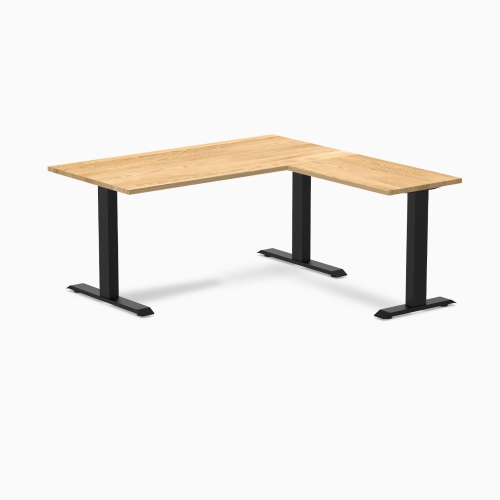

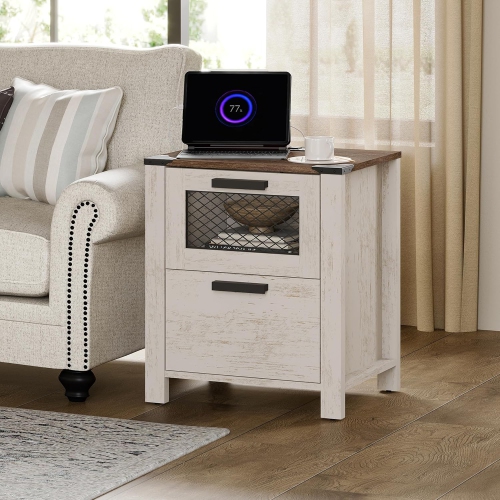
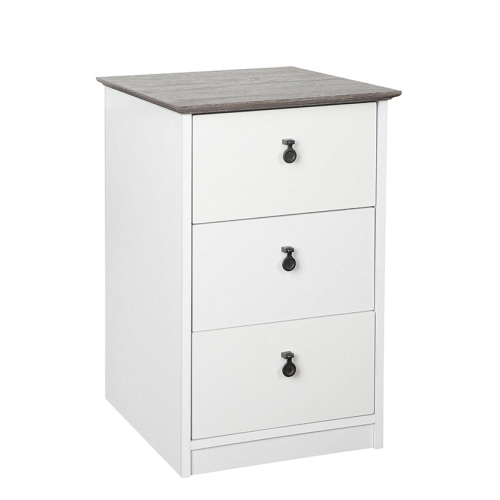
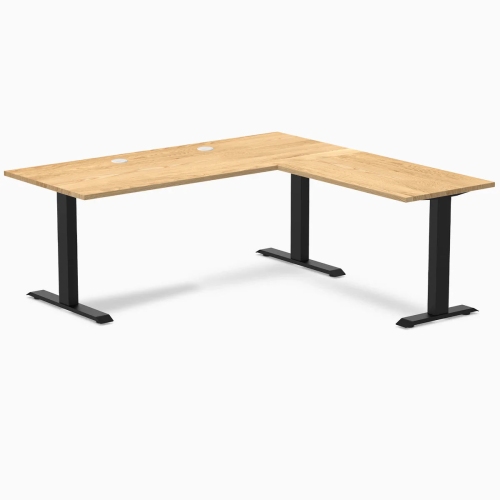
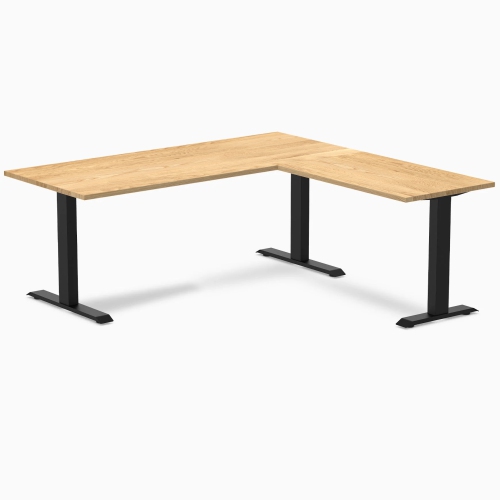
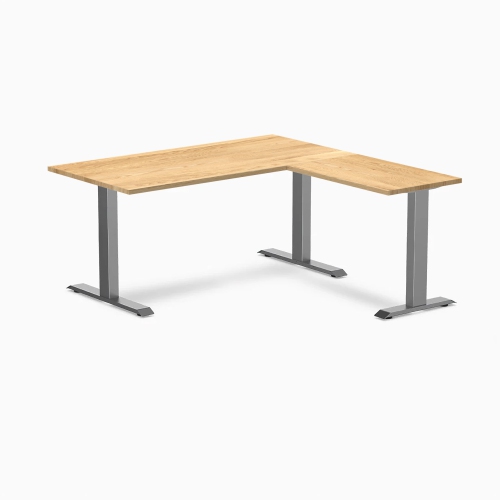
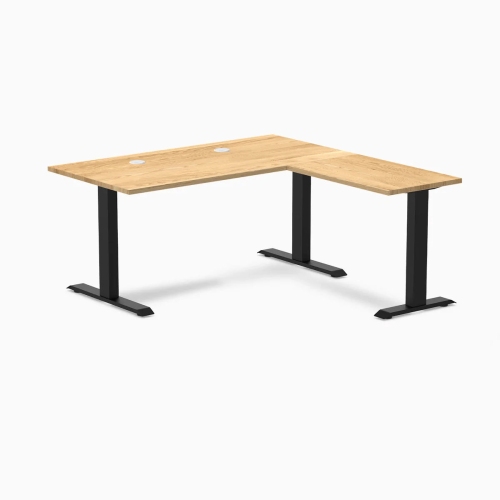


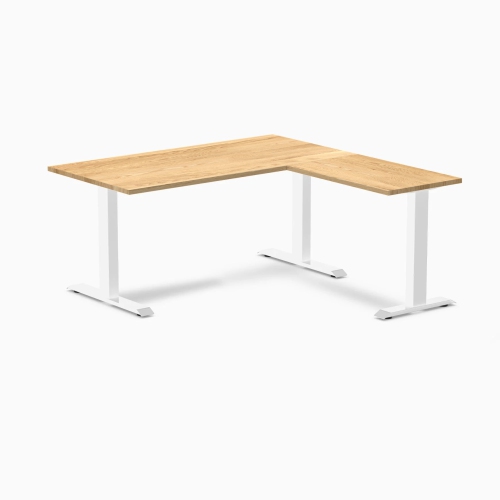
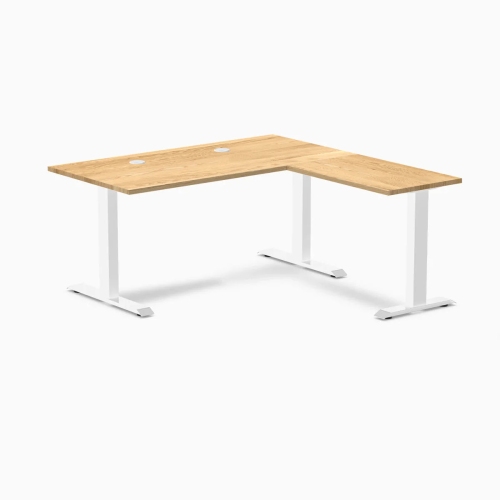
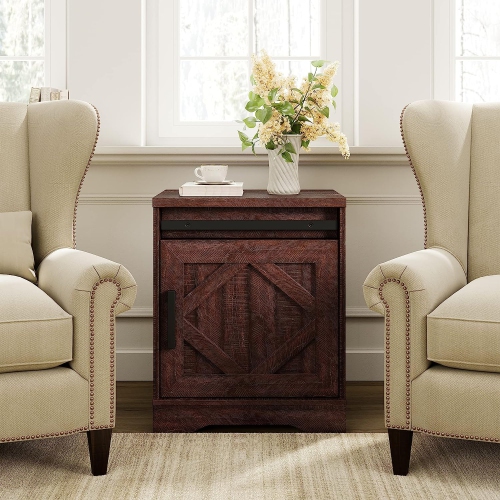
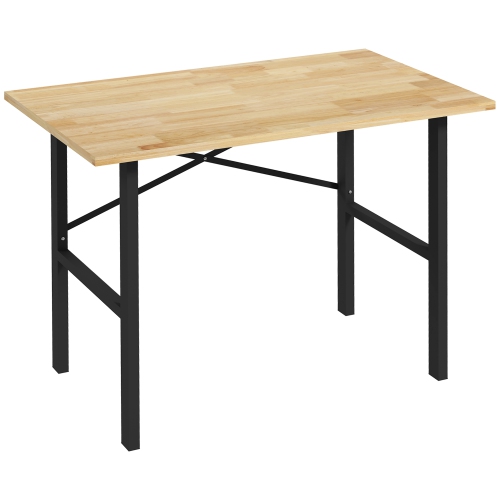


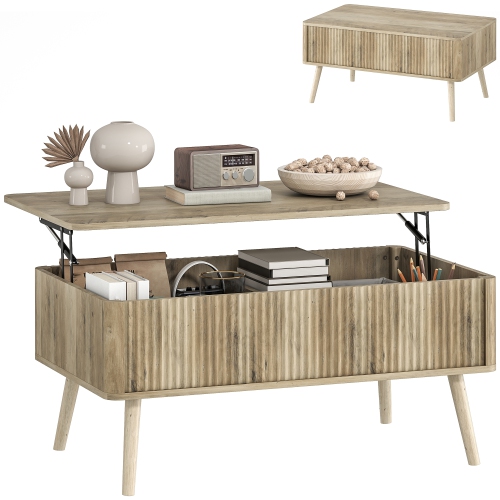
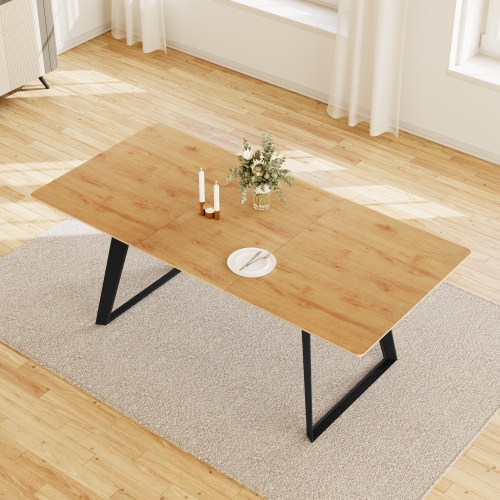
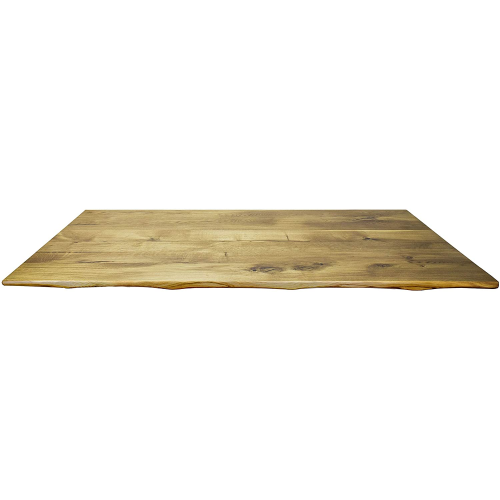
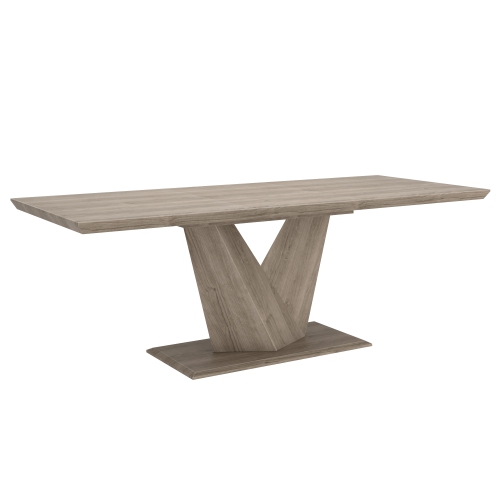
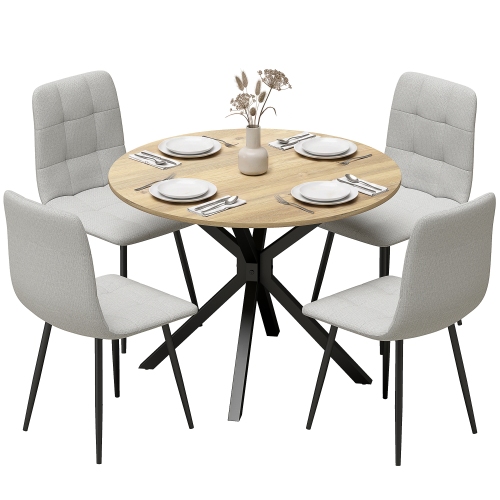
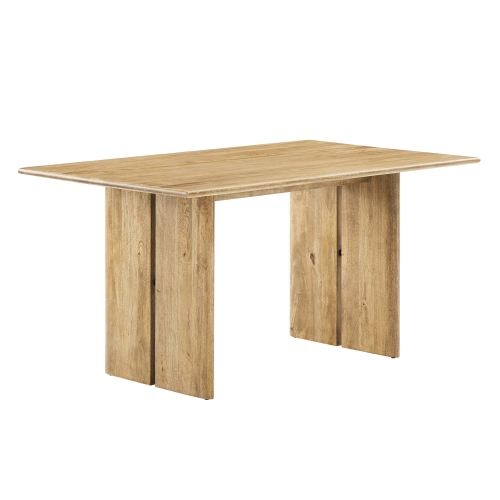
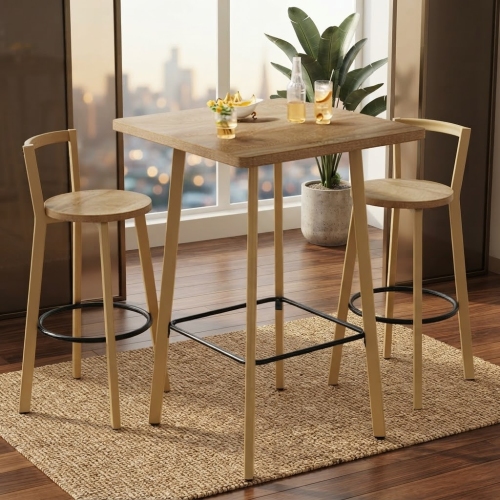

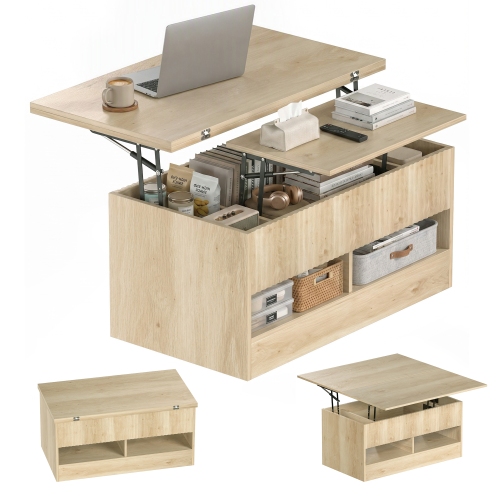
Why grain and finish give each top its character
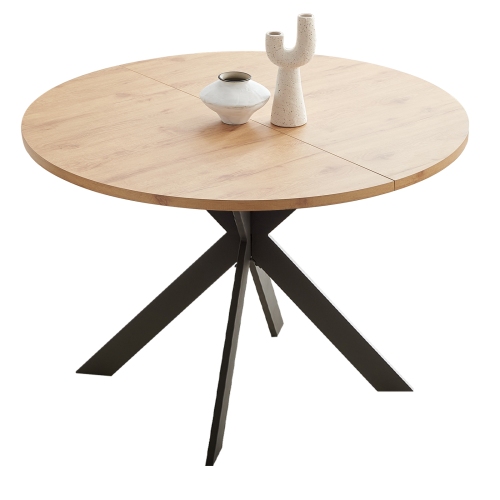
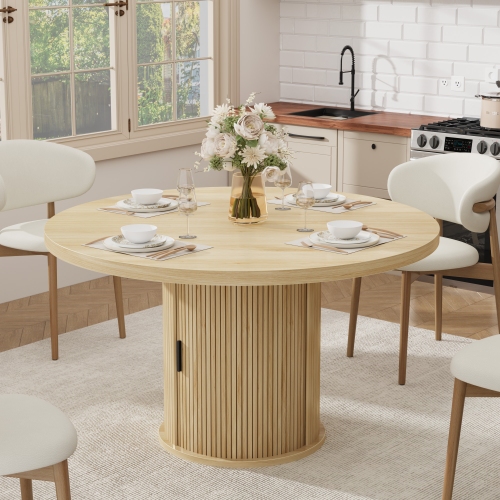
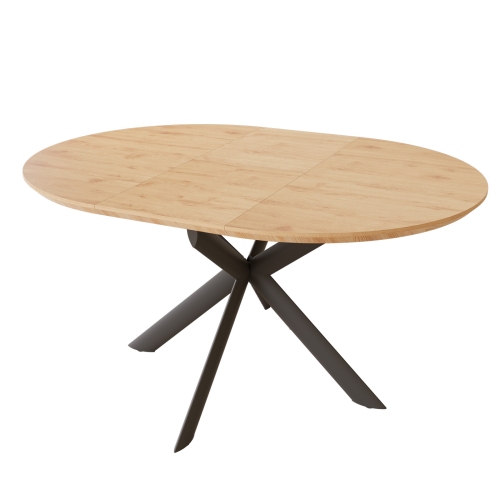
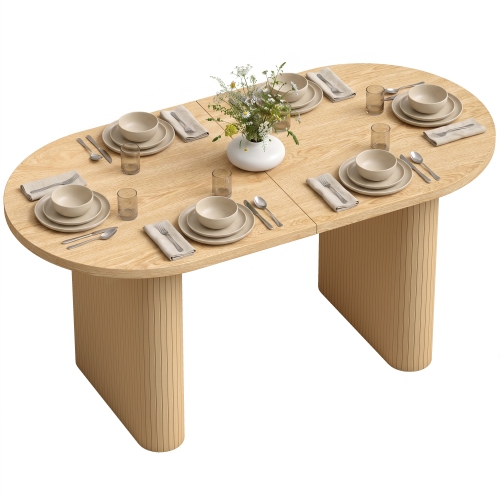
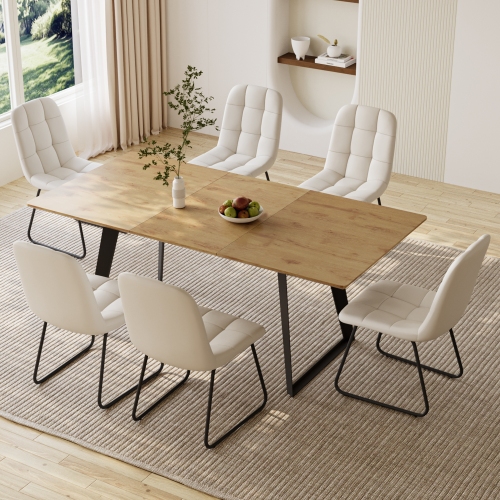
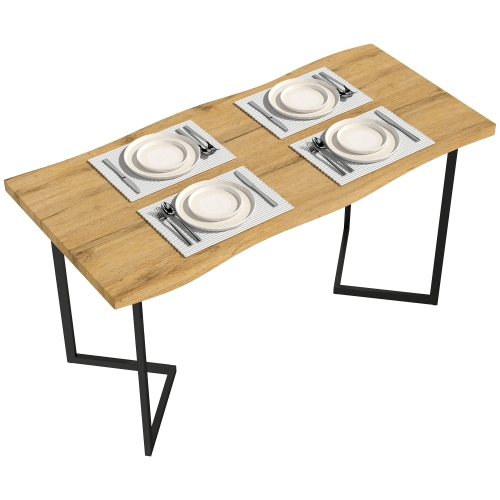
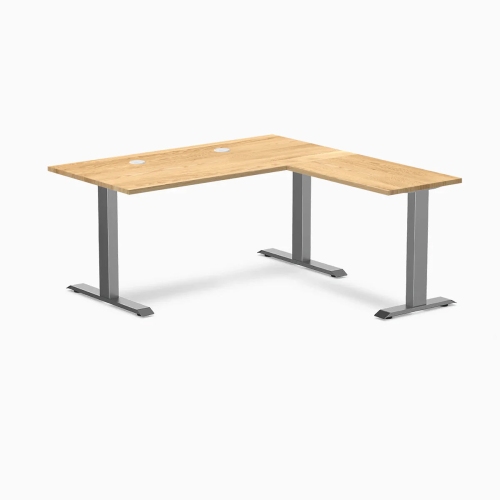
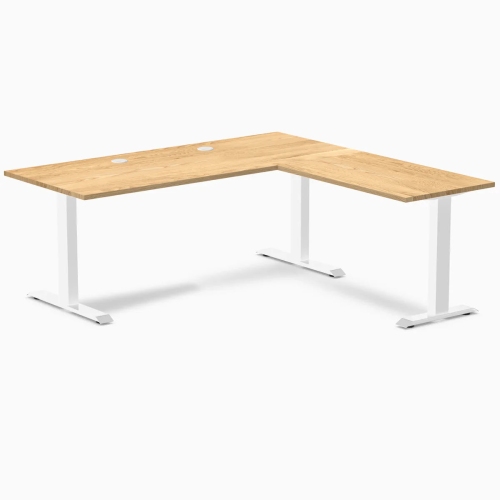
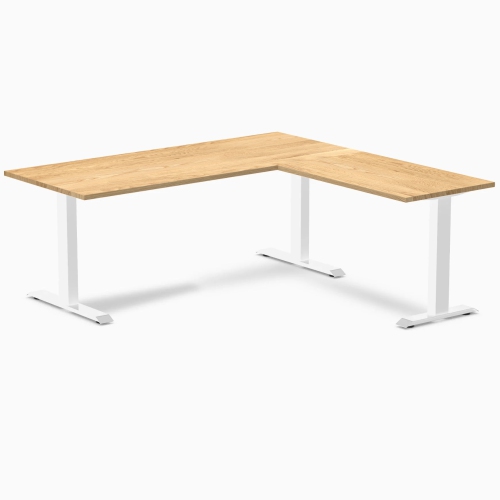
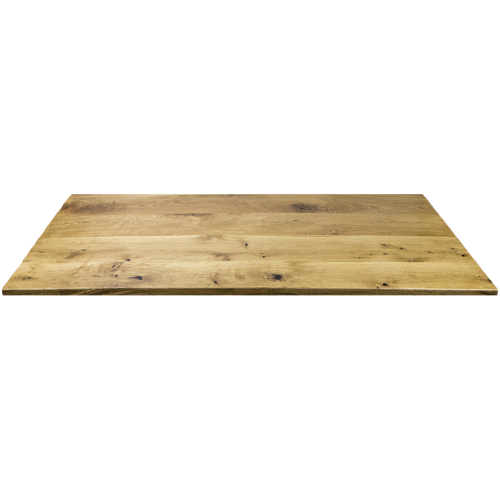
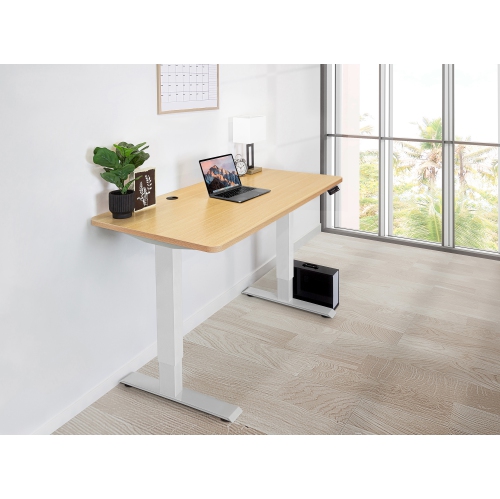
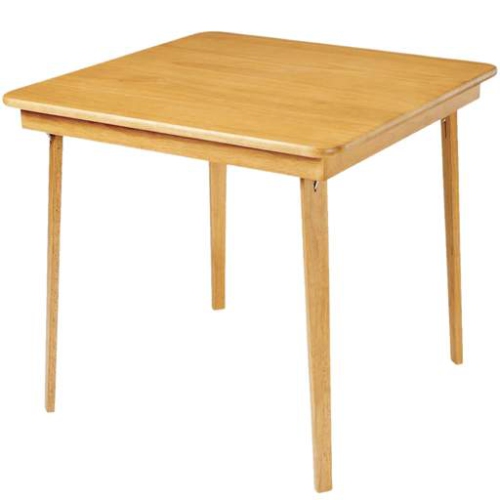
White oak table tops bring a warm, natural surface to dining areas, home offices, kitchens, and shared workspaces. The wood typically ranges from pale tan to golden brown, with grain patterns that give each top its own character. Despite the name, white oak is not naturally white; its finished appearance depends on the boards selected, how they are cut, and the oil, clear coat, or stain applied. Plain-sawn boards often show broad, curved grain patterns, while quarter-sawn white oak can display distinctive flecks across a straighter grain. Rift-sawn boards tend to have a more consistently linear appearance, which suits simple furniture with clean edges. These differences help explain why two white oak surfaces can have noticeably different personalities even when their dimensions are similar. A lightly finished top can sit comfortably alongside cream upholstery and pale cabinetry, while a deeper finish adds contrast against black metal legs or painted storage furniture. White oak is a hard, strong hardwood suited to everyday furniture, although it can still develop scratches, dents, and marks with use. Its closed cellular structure gives it greater resistance to moisture penetration than red oak, but an indoor table top is not waterproof and still needs an appropriate finish and prompt spill cleanup. Solid white oak tops are generally made from joined boards, creating a broad surface while retaining the grain and characteristics of real wood throughout their thickness. White oak veneer tops use a thin layer of oak over a supporting core, offering a similar surface appearance with different weight, repair, and refinishing considerations. The distinction matters for a dining table expected to serve through years of family meals or a desk that may eventually need its surface refreshed. For a broader look at solid oak construction, Solid Oak Table Tops includes the wider oak category; the species and construction details remain important when seeking white oak specifically.
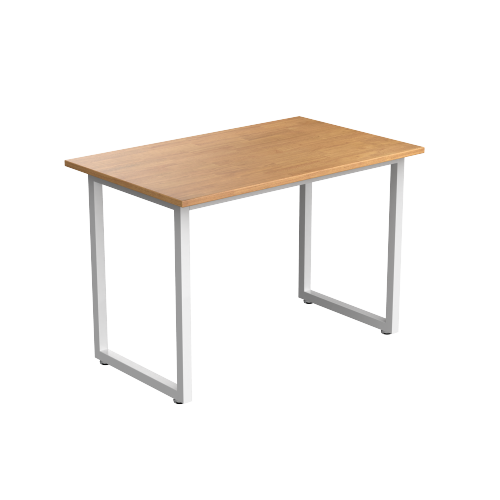
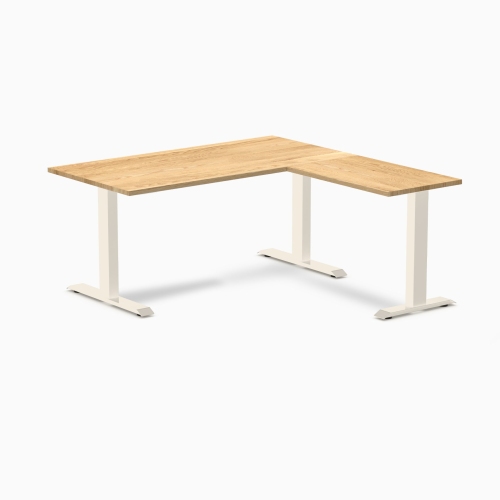
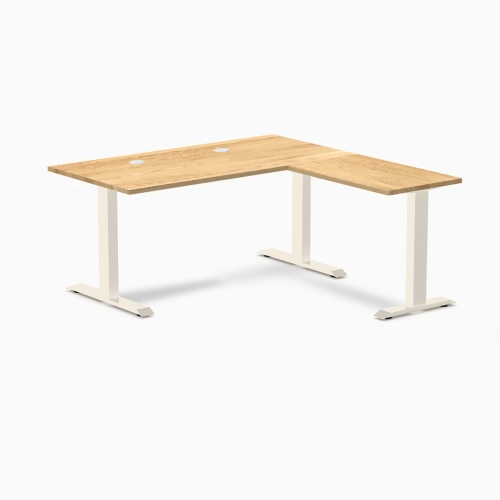
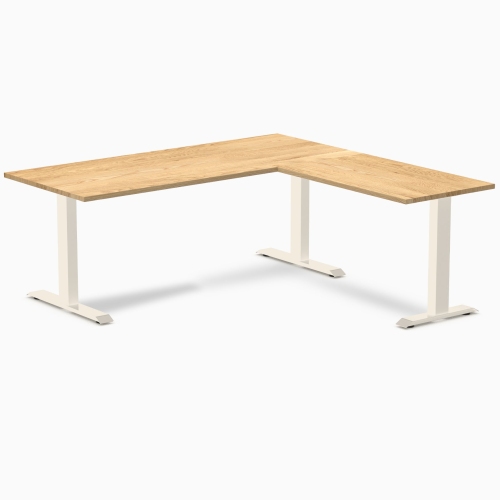
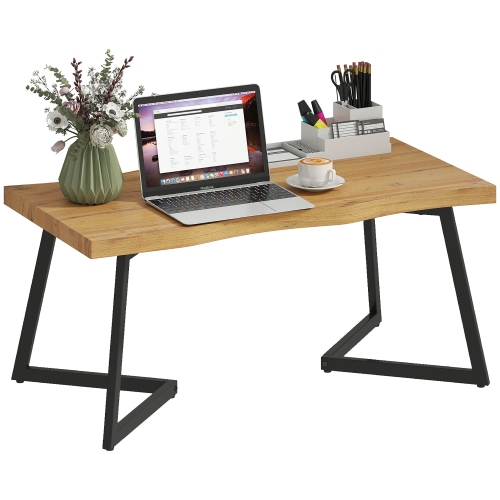
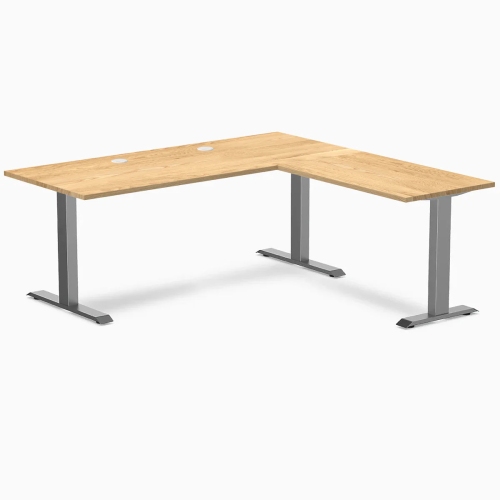
Size, shape, and thickness influence how a white oak table top fits into a room and how comfortably it works with its base. Rectangular tops make efficient use of longer dining spaces and provide a familiar layout for laptops, monitors, and paperwork. Round tops soften the feel of compact eating areas, while oval shapes offer an extended surface without projecting corners. A live edge preserves some of the tree’s natural outline, adding an irregular profile that needs to be considered when judging usable depth and seating space. Straight edges create a more predictable footprint, particularly where a desk sits against a wall or a table shares space with a walkway. Furniture table tops commonly measure around 1 inch to 1.75 inches thick, while some heavier designs reach 2 inches or more; these are typical proportions rather than a requirement for strength. A thicker top has greater visual weight and usually adds physical weight, which matters when pairing it with a pedestal, adjustable desk frame, or existing legs. Stability also depends on the span, base placement, joinery, and support beneath the surface. Long tops may need additional support to limit sagging, and wide overhangs can affect balance. For seated use, the finished height includes both the base and the top, with enough space below for knees, chair arms, and any apron or crossbar. At a dining table, roughly 24 inches of edge space per person is a useful starting point, though wider chairs and generous place settings need more room. At a desk, depth determines whether a screen can sit at a comfortable distance while leaving space for a keyboard and forearms. Mounting deserves equal attention: solid wood expands and contracts across its grain as indoor humidity changes, so compatible fasteners must accommodate that movement. Existing mounting holes, screw length, frame capacity, and clearance for hardware all affect whether a replacement top will work with a chosen base. A broad oak surface can transform a compact workstation, but its dimensions and weight still need to suit the frame beneath it.
Finish and everyday care shape how a white oak table top feels to live with, from a breakfast surface used by children to a home office desk supporting daily video calls. A smooth, sealed finish makes crumbs and ordinary spills easier to manage, while a textured or deeply brushed surface may hold small particles in its grain. Matte finishes tend to give the wood a quieter appearance, whereas higher-sheen coatings reflect more light and can make surface marks more noticeable. Film-forming finishes, such as polyurethane or lacquer, create a protective layer over the wood; penetrating oils and hardwax oils have different maintenance needs, with some allowing local touch-ups when applied according to the finish manufacturer’s directions. No finish makes wood immune to hot cookware, standing water, or abrasive objects. Coasters beneath drinks, trivets beneath hot serving dishes, and felt pads under accessories help protect the surface without hiding its grain. For routine cleaning, a soft cloth lightly dampened with water is often sufficient, followed by drying, provided that approach suits the applied finish. Harsh cleaners, abrasive pads, and prolonged contact with wet cloths can damage the coating or leave marks. Oak’s tannins can also react with moisture and iron, making damp metal objects a particular concern. During the cooler months, heated indoor air may cause solid wood to contract; reasonably steady indoor humidity helps reduce movement and stress. Direct sunlight can gradually alter the colour, while nearby radiators or heat vents may cause uneven drying. Unfinished white oak tops offer flexibility for a furniture project, but they need suitable preparation and protection before regular use, including treatment of the edges and underside as specified for the chosen finish. Solid wood can often be sanded and refinished, depending on its condition and construction, while veneer allows much less sanding because the oak layer is thin. That difference is worth considering for a frequently used family table, craft surface, or long-term workspace. Whether paired with an existing base or incorporated into a new furniture project, a well-matched white oak top offers a practical surface whose grain, proportions, and finish remain central to its appeal.
Top selling and popular products
-
 Your price for this item is $97.99
-
 Your price for this item is $89.99
-
 Your price for this item is $84.99
-
 Your price for this item is $97.99
-
 Your price for this item is $649
-
 Your price for this item is $749
-
 Your price for this item is $649
-
 Your price for this item is $649
Discover more categories related to White Oak Table Tops
Top Collections:
Best Black Friday Deals This Year, Best Black Friday Deals On Electronics, Kindle Devices, Pokemon Centers, Best Black Friday Deals On Apple Products, Best Cameras for Sports Photography, Dyson Airwrap, Pokémon 30th Celebration Cards, Apple iPhone 17 Pro, Canon G7X Cameras
Some products may be subject to Environmental Handling Fees
(EHF) depending on your province.
Learn more about EHFs.