Solid Oak Table Tops
Solid oak table tops are a great way to add a touch of elegance to any room in your home. They come in a variety of colors and grain patterns, so you can choose one that matches the look and feel of your home. Solid oak table tops are also very durable, so they can stand up to years of use without showing any signs of wear. Here are some of the great options.
Sort

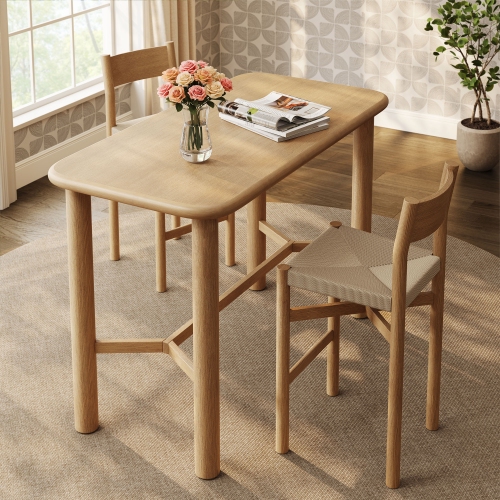
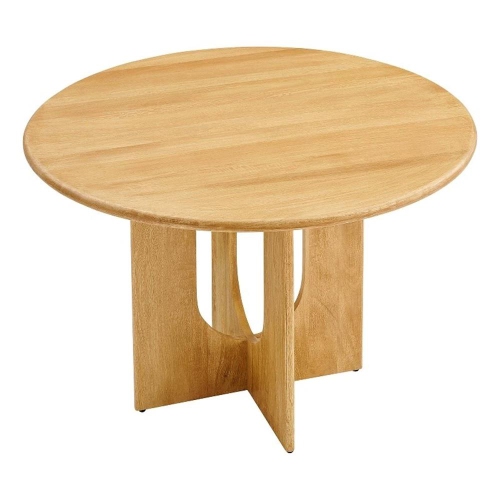
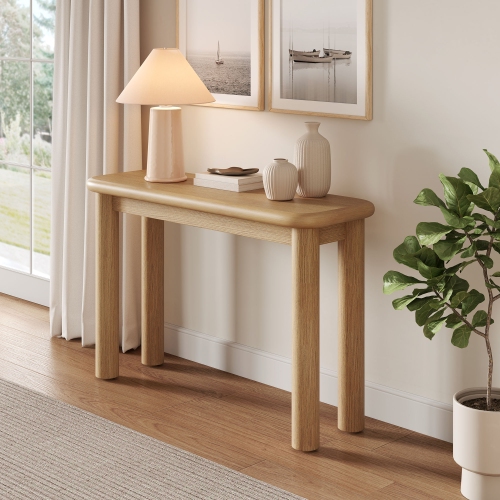
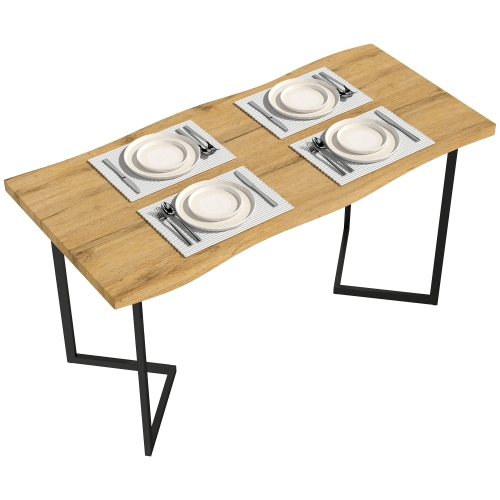
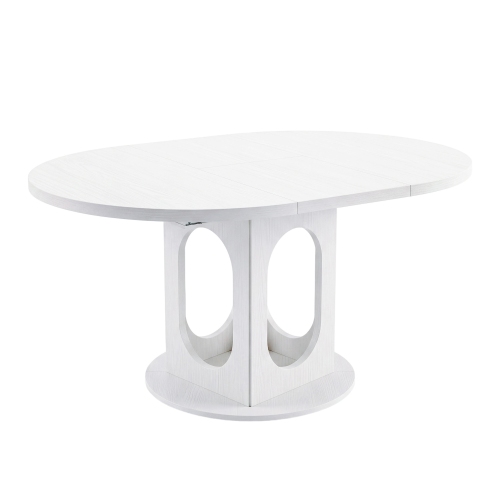
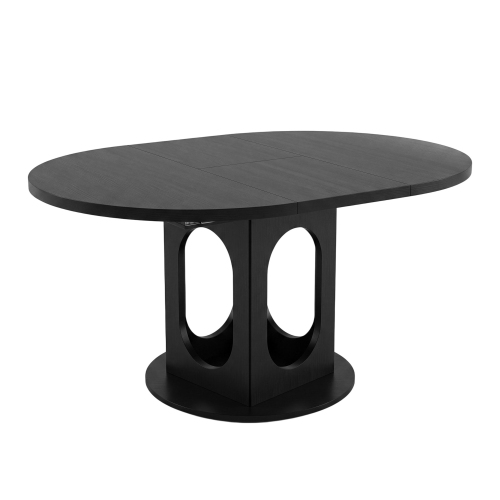


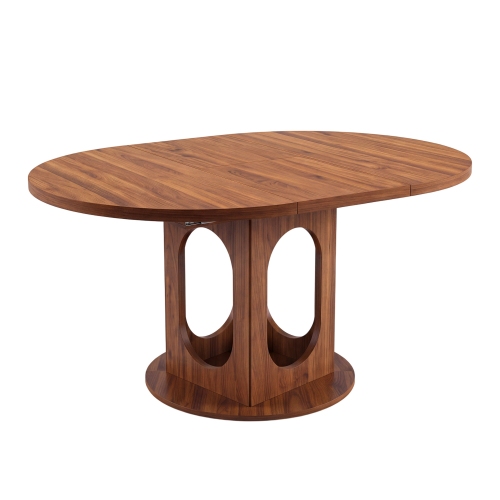
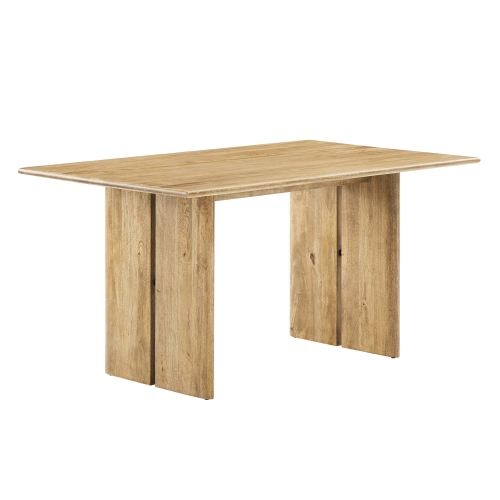
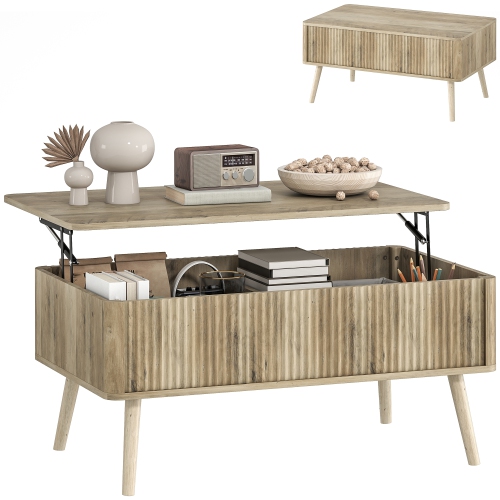
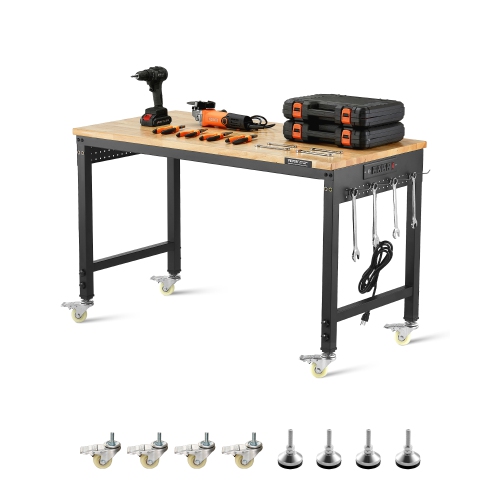
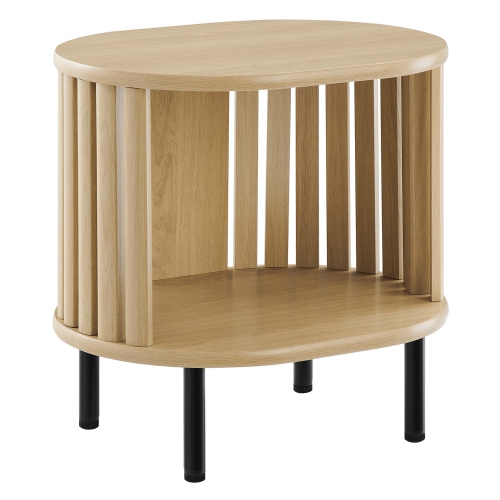
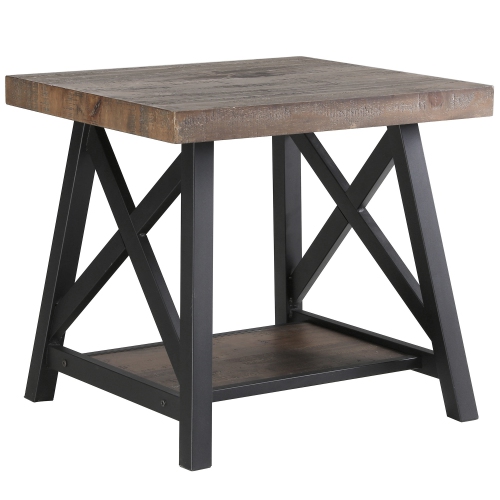
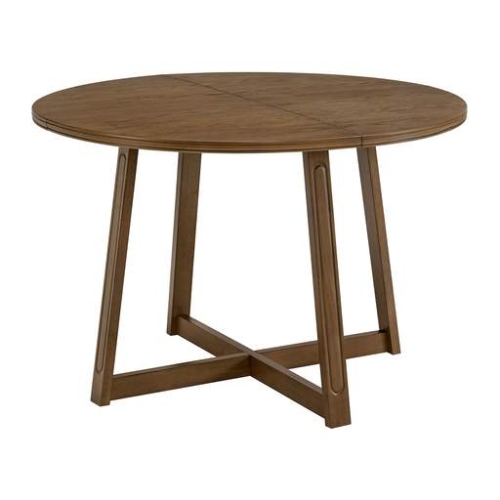
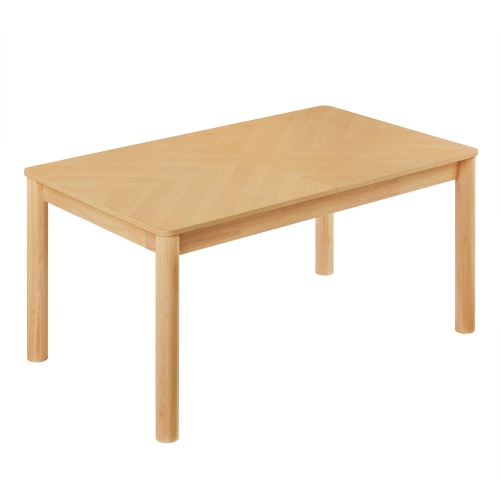
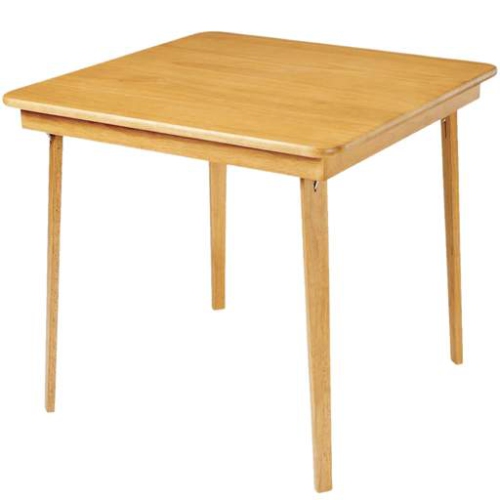
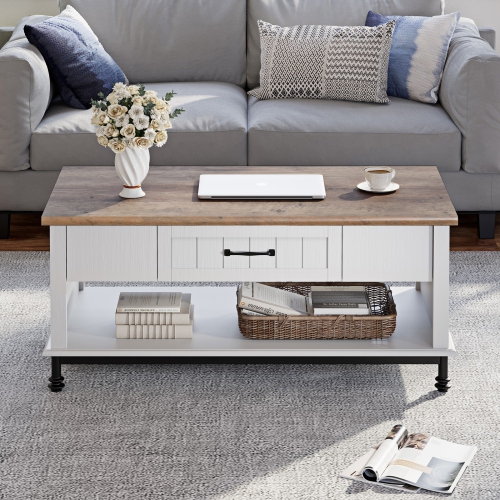
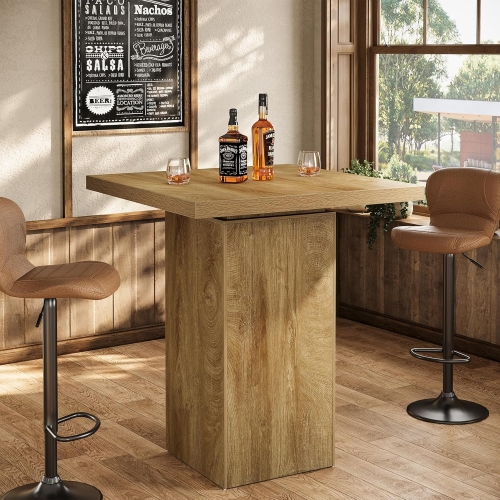
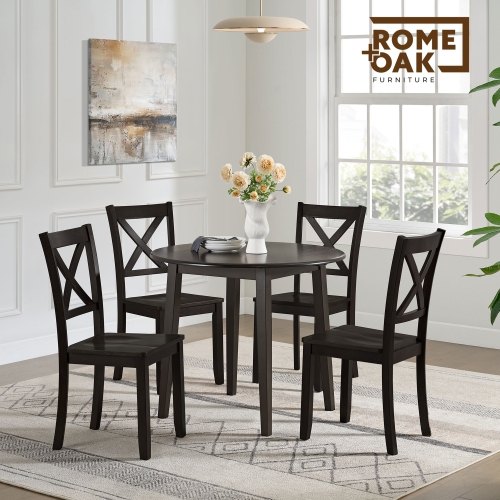
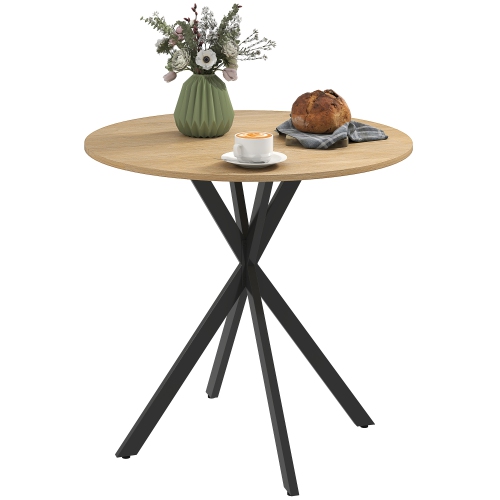
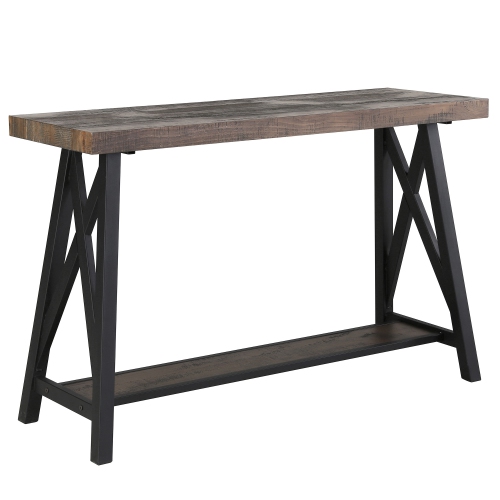
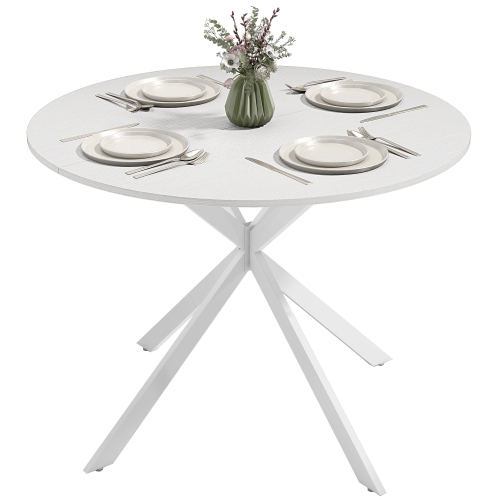

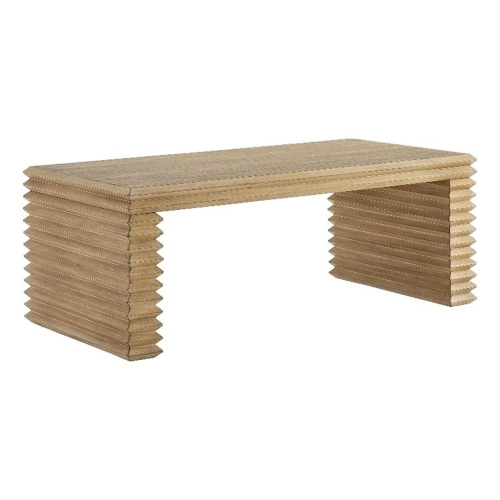
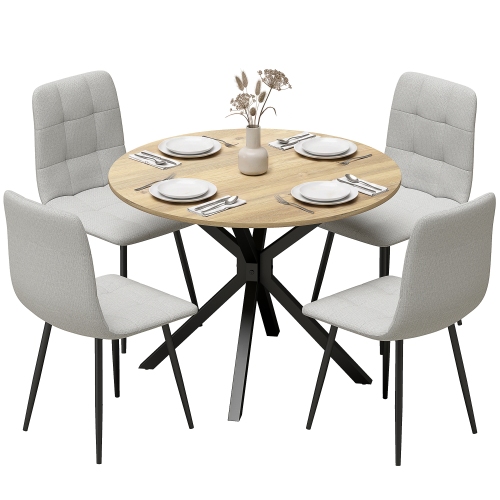
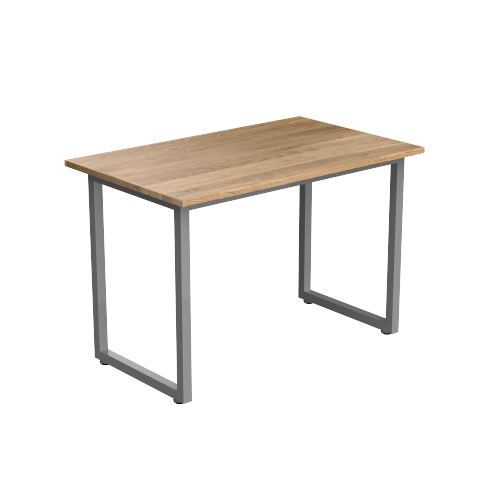


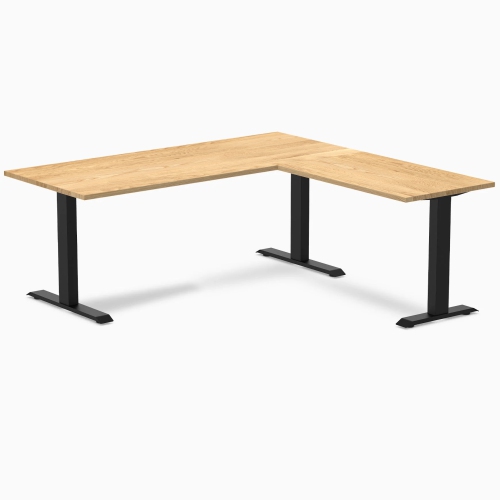
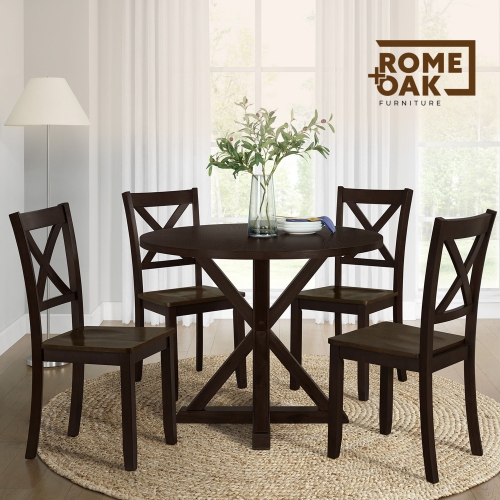
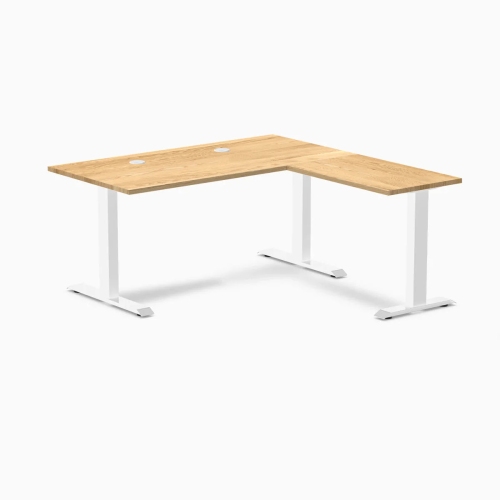
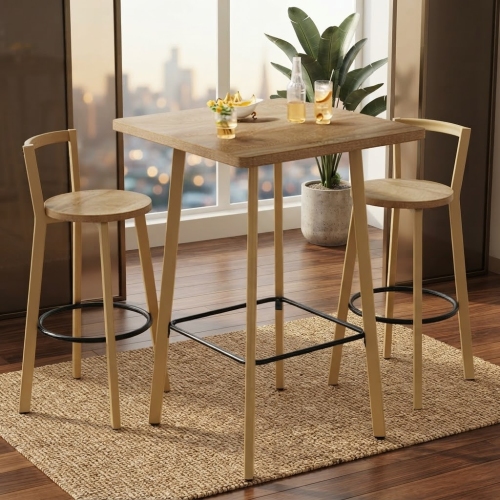
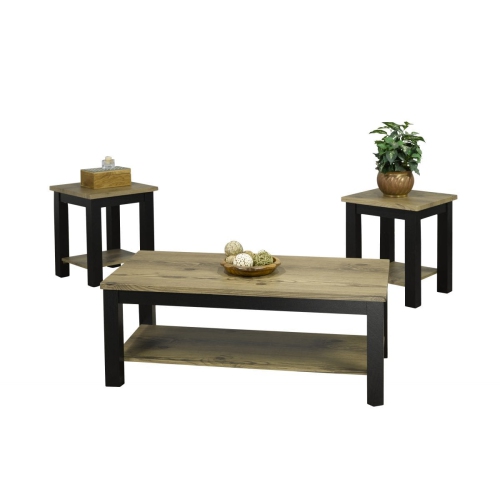
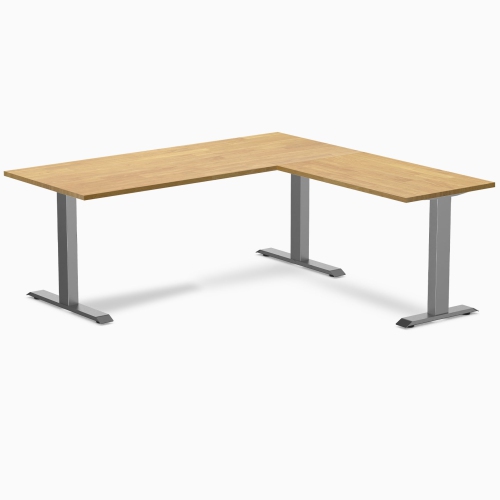
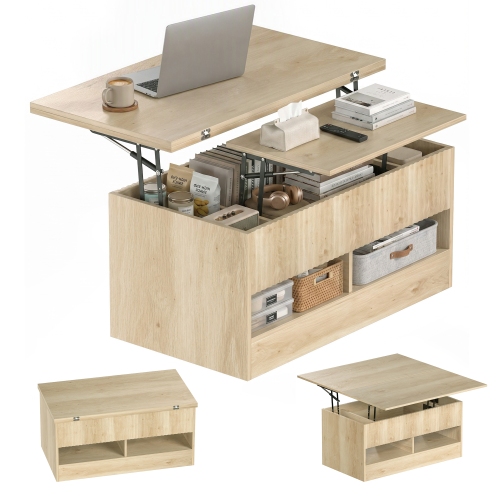
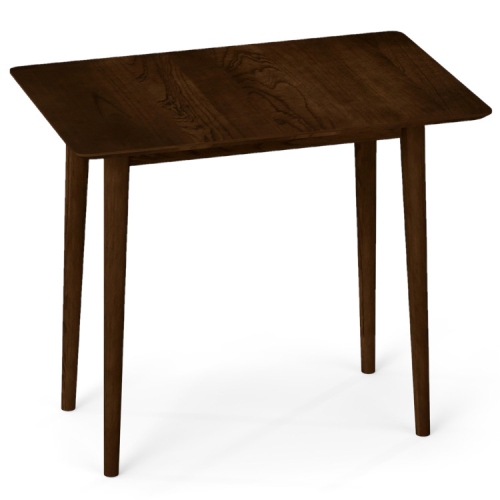

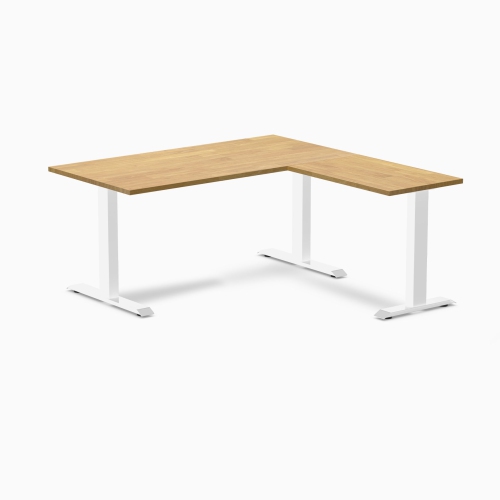

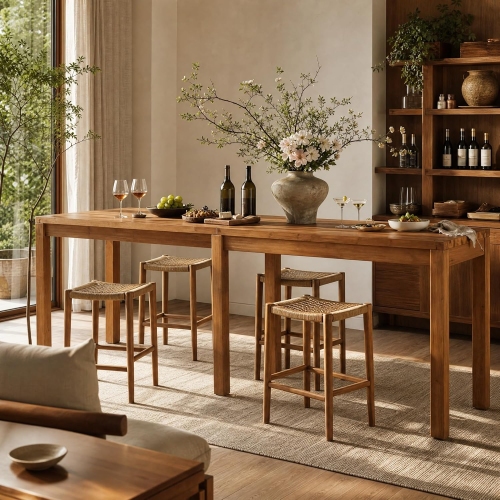
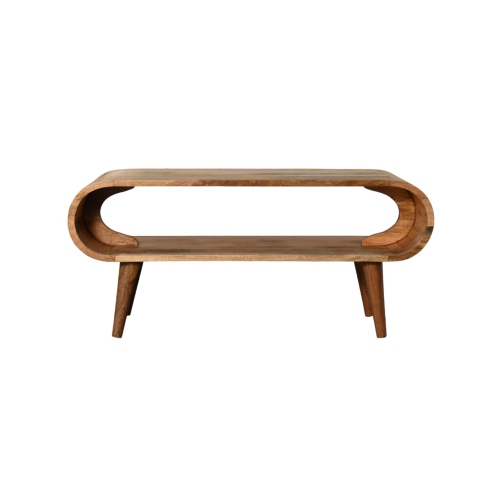
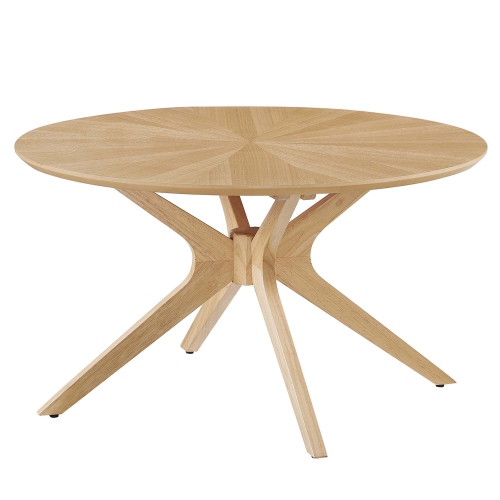
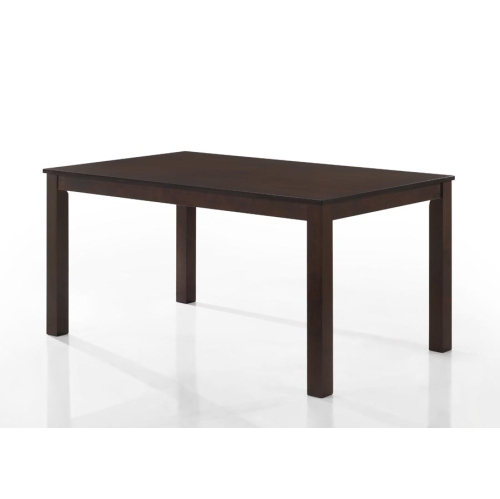
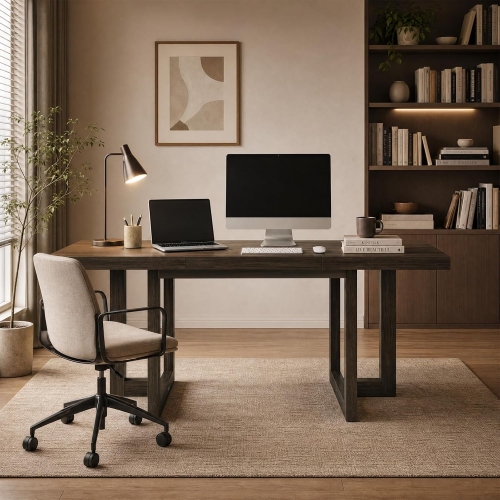
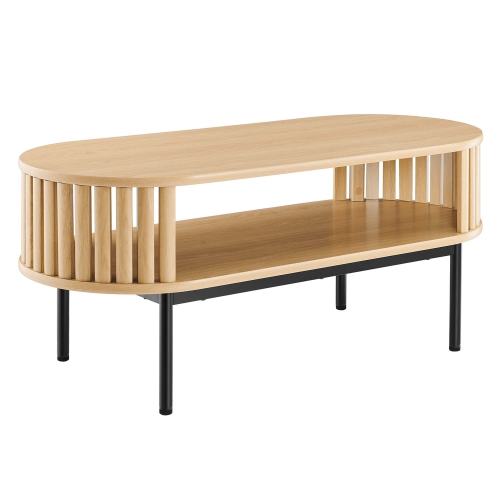
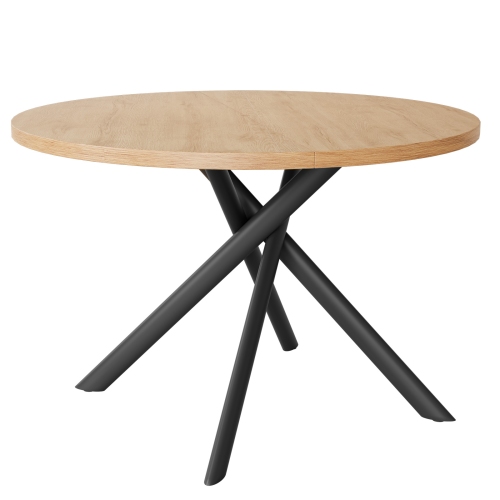
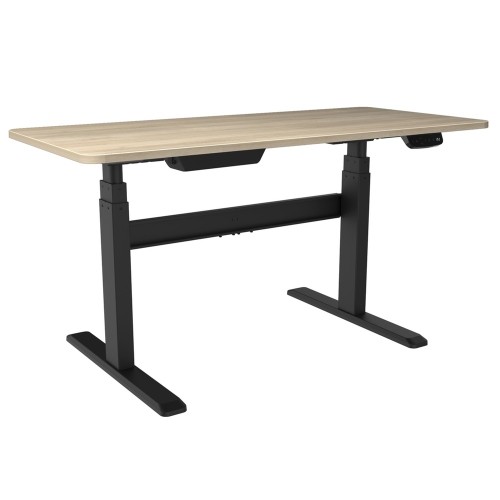
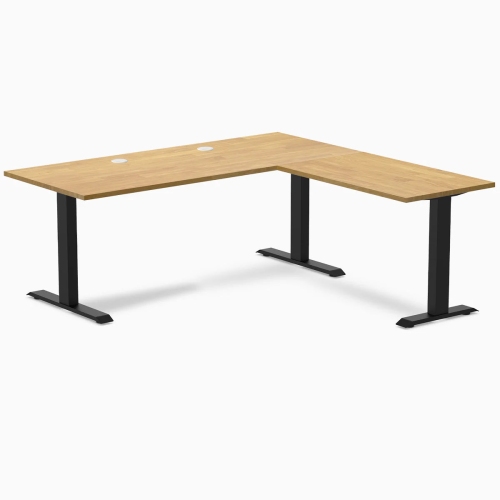
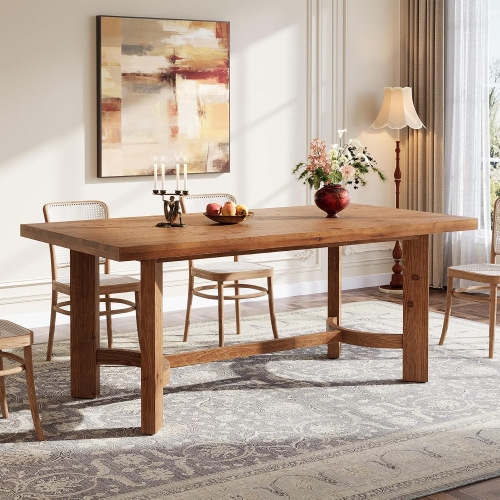
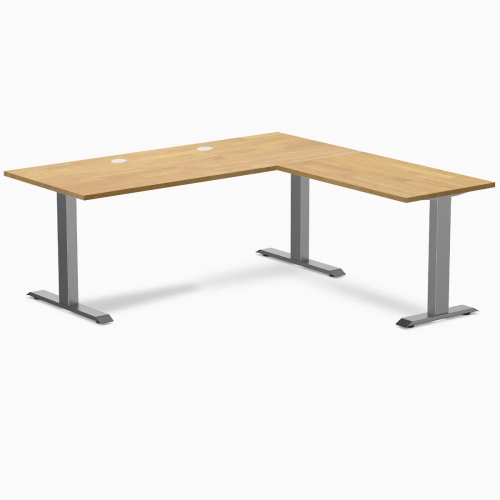
How oak’s grain and construction shape everyday use
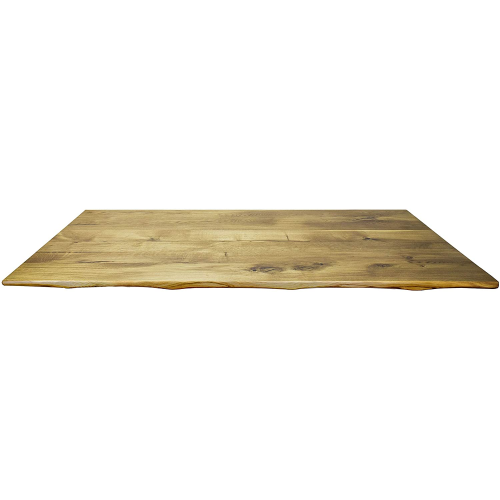
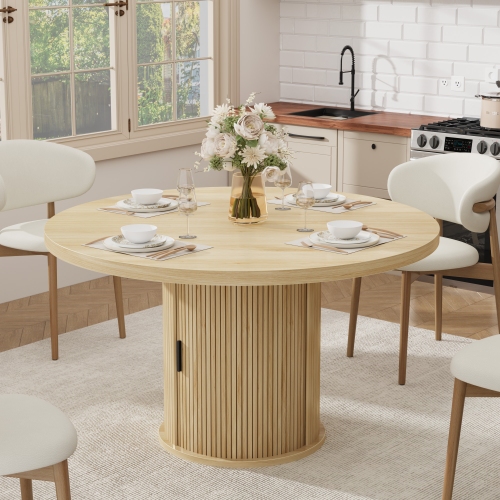
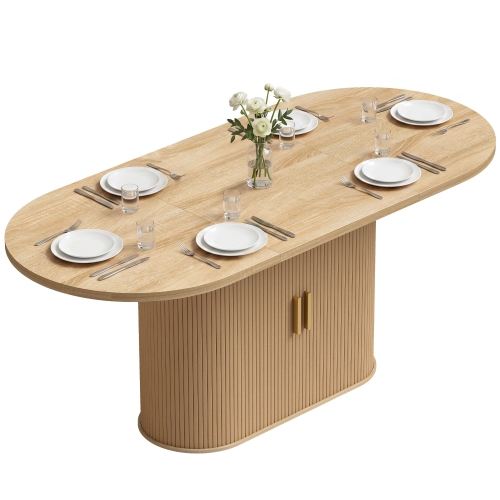
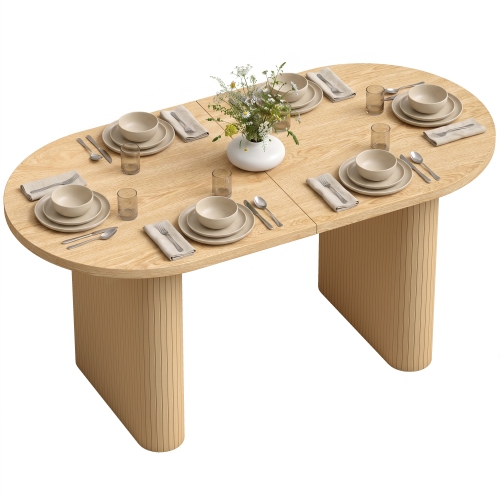
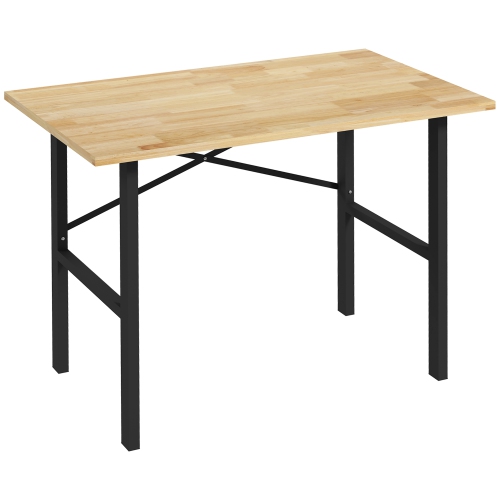
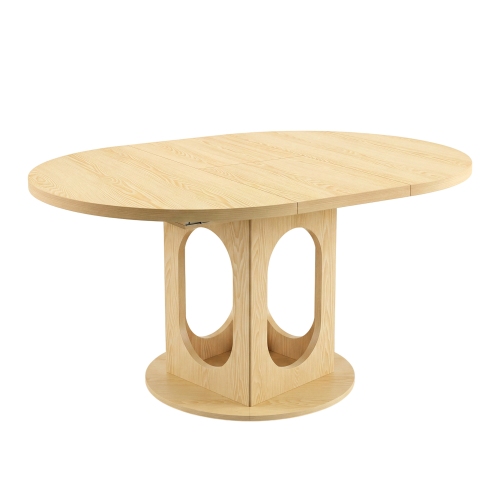
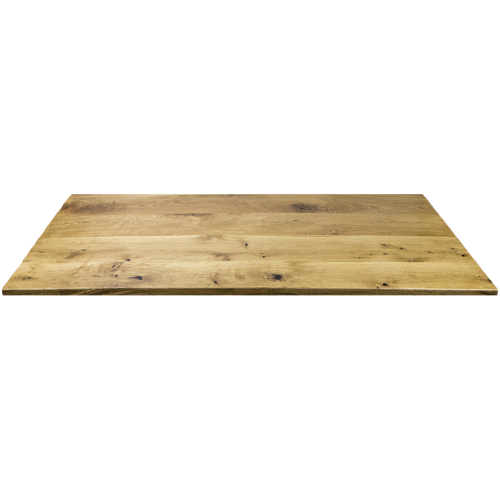
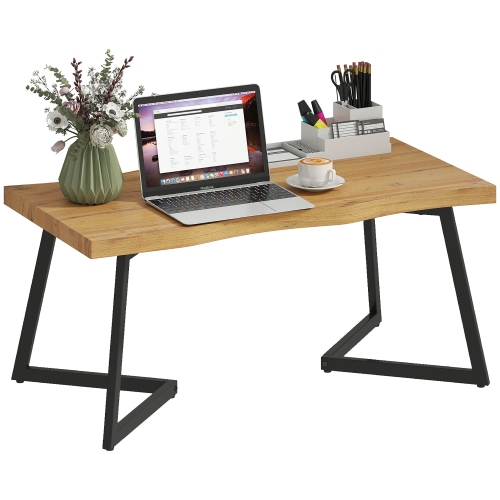
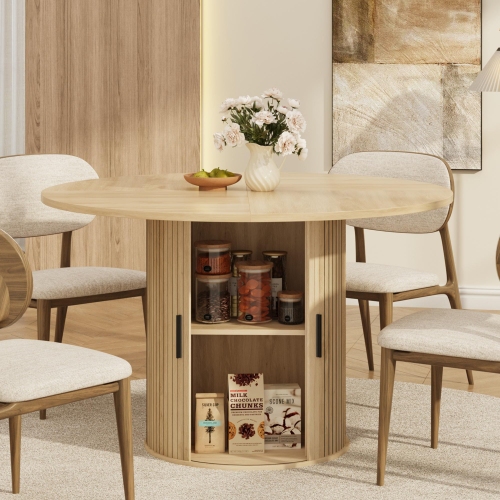
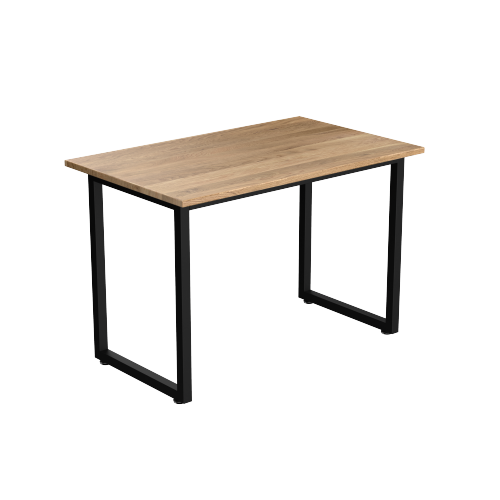
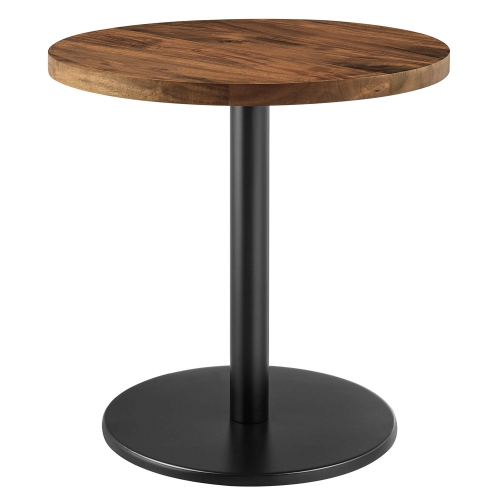
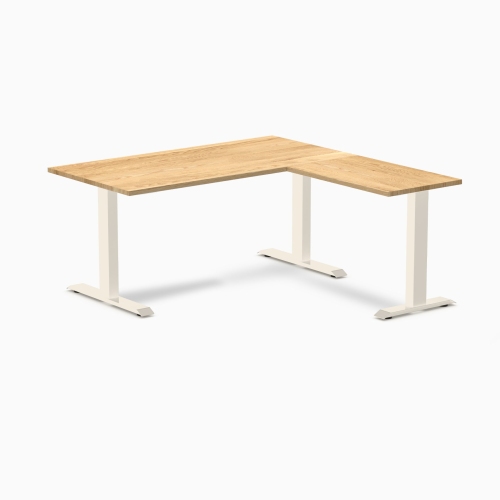
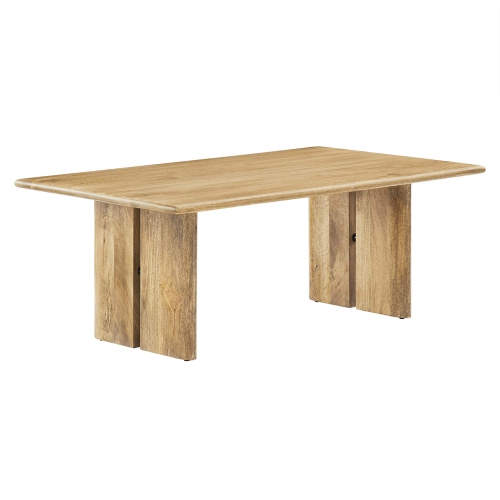
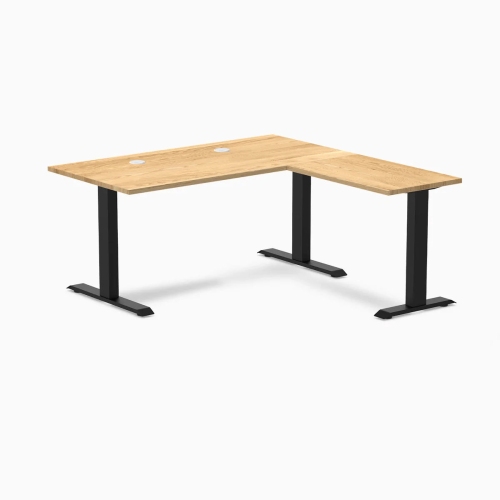
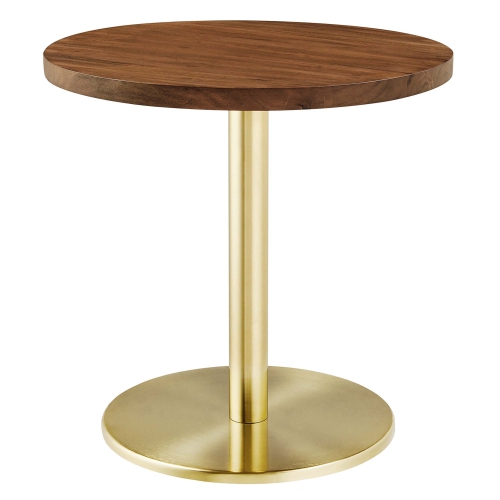
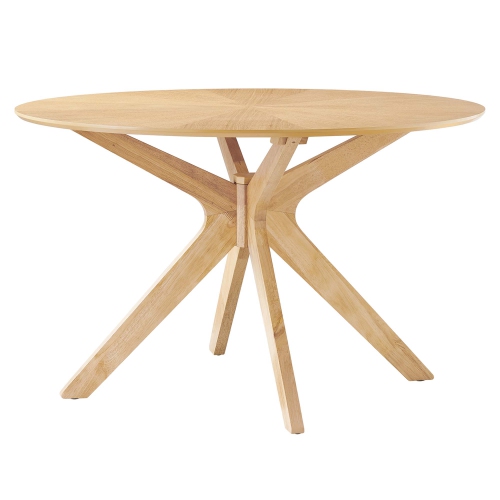
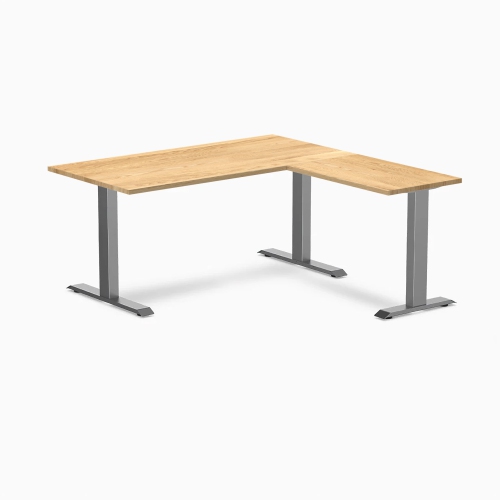
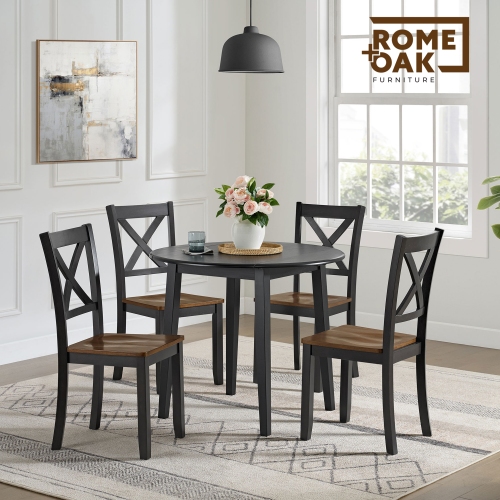
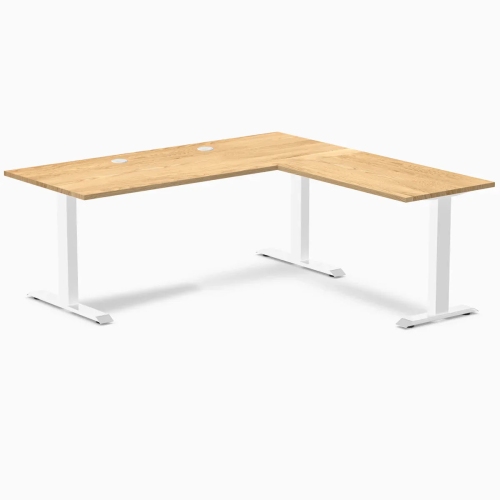
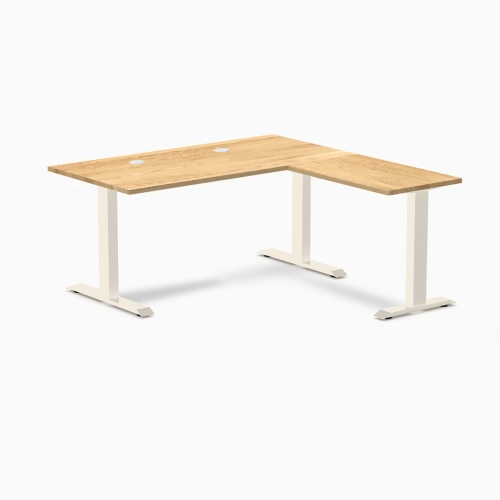
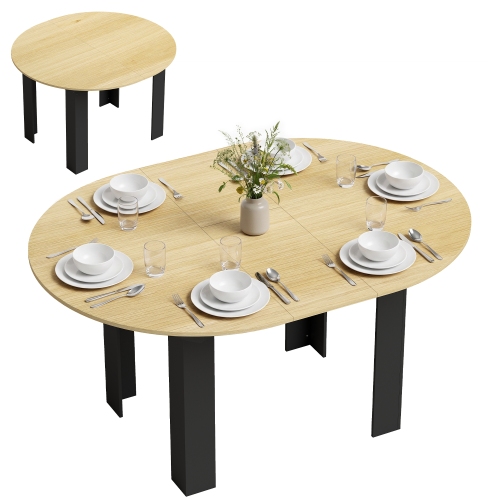
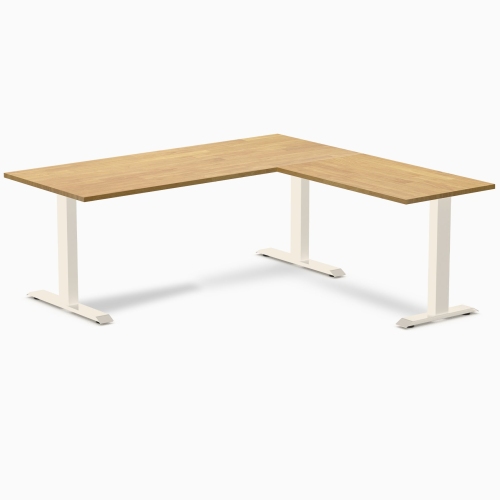
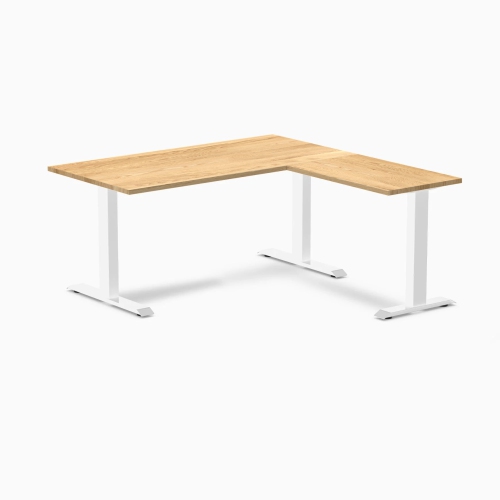
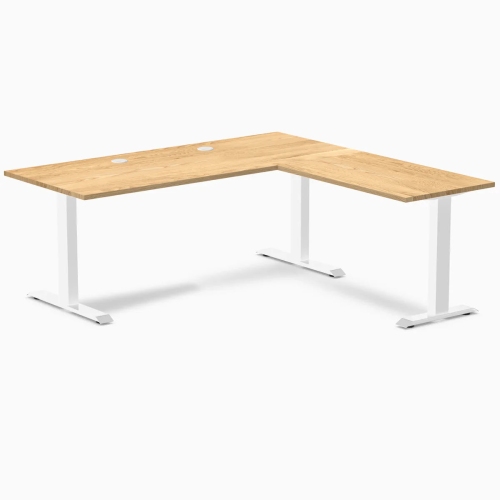
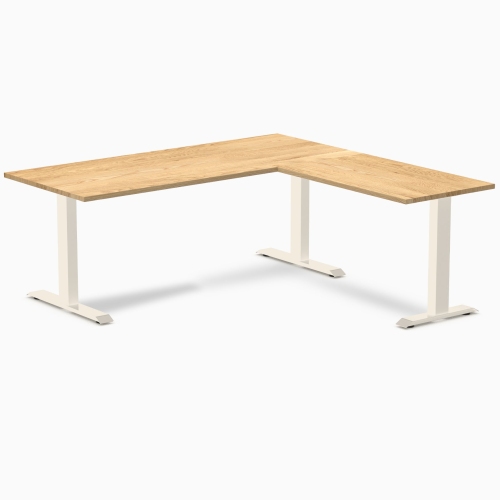
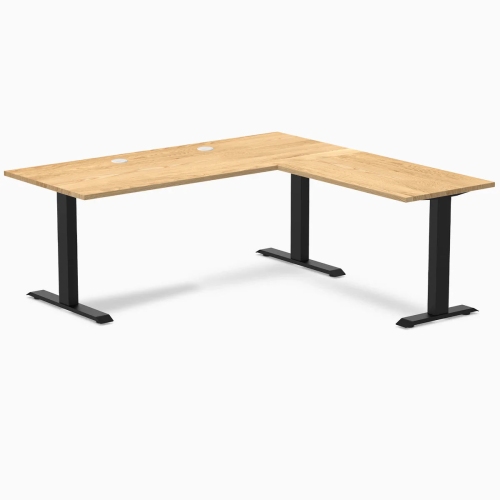
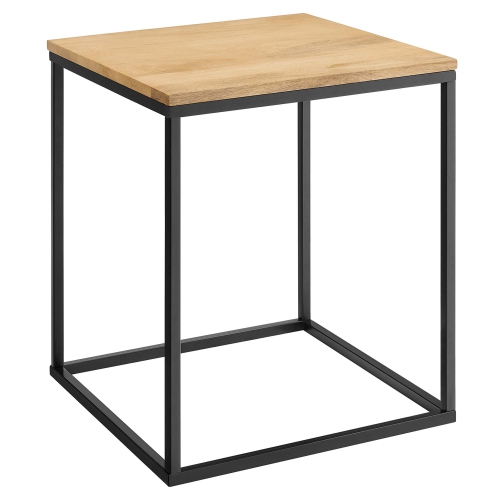
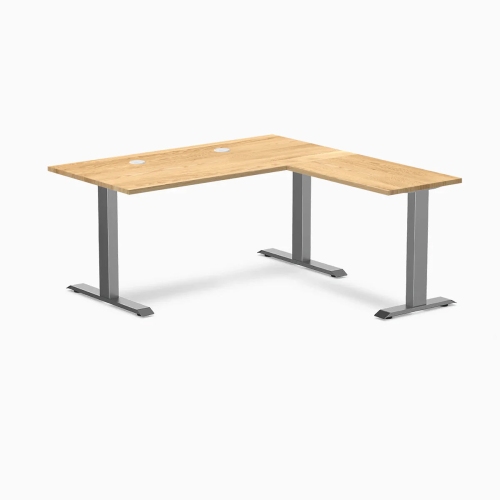
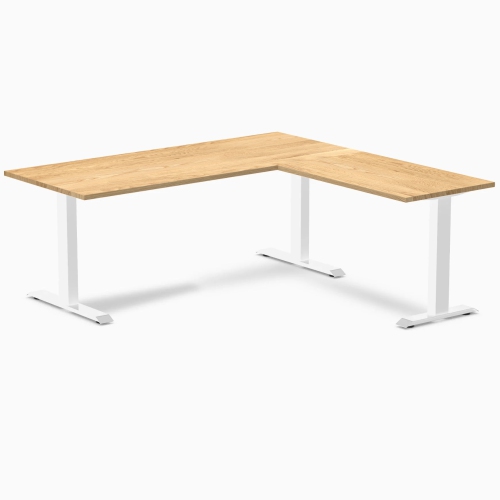
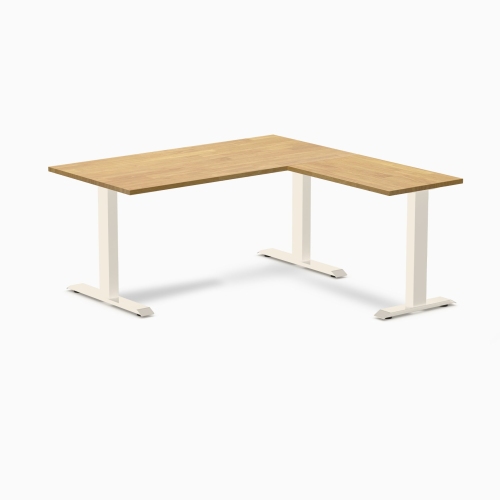
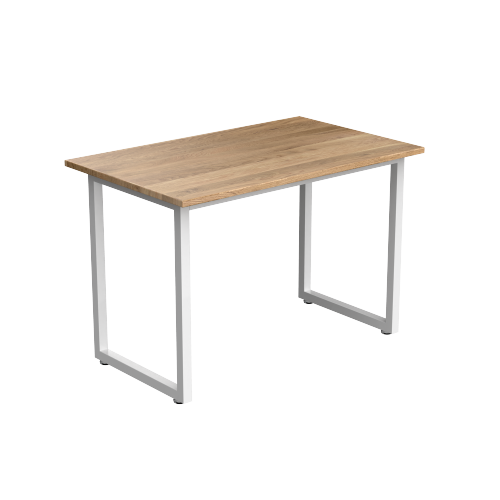
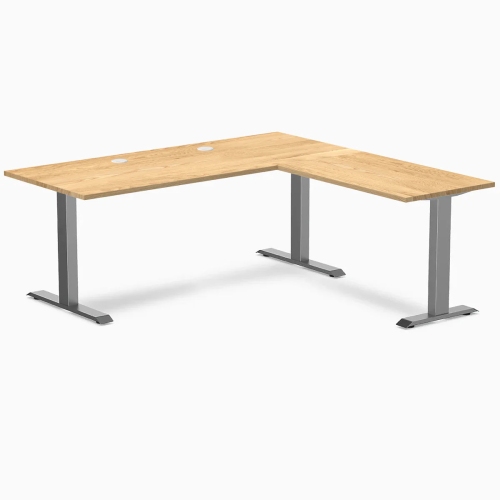
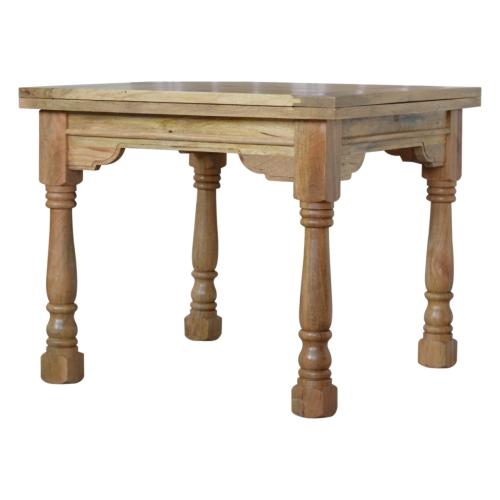
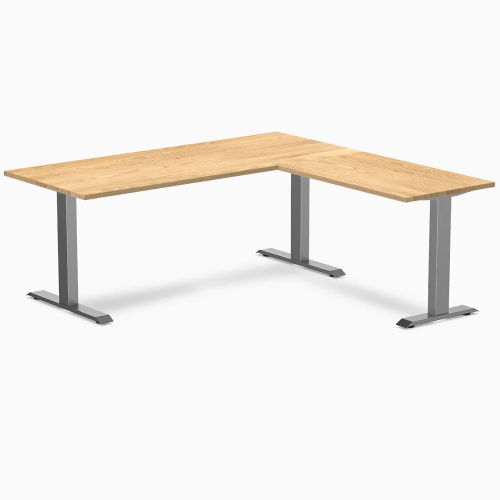
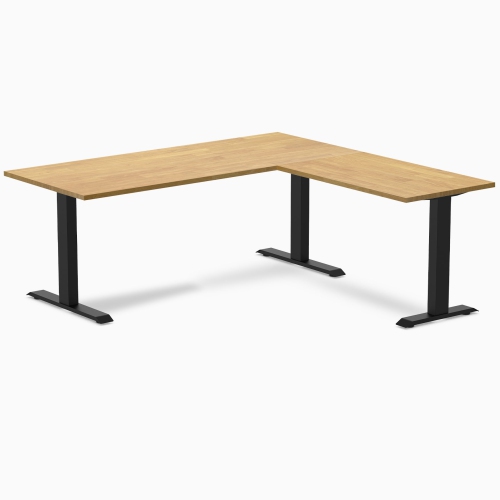
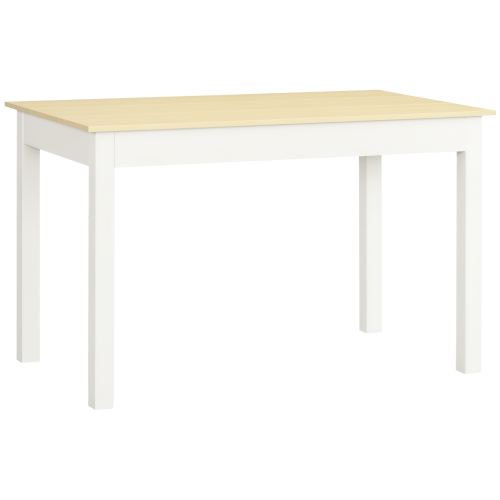
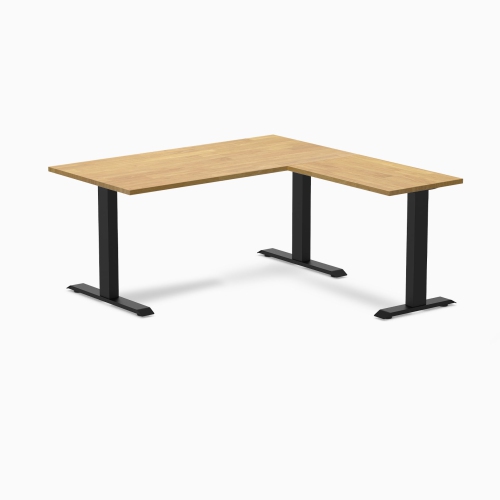
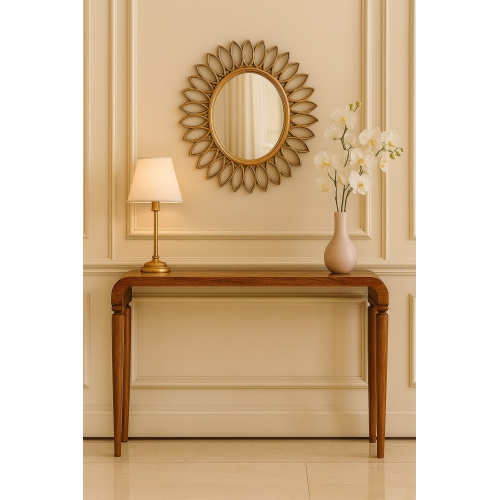
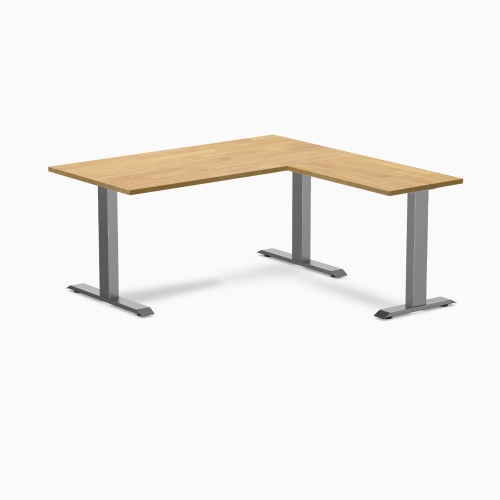
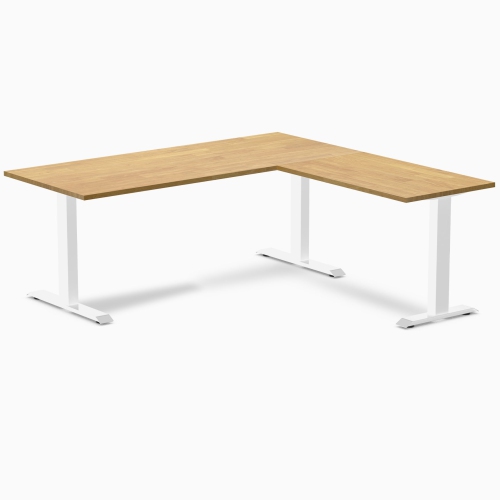
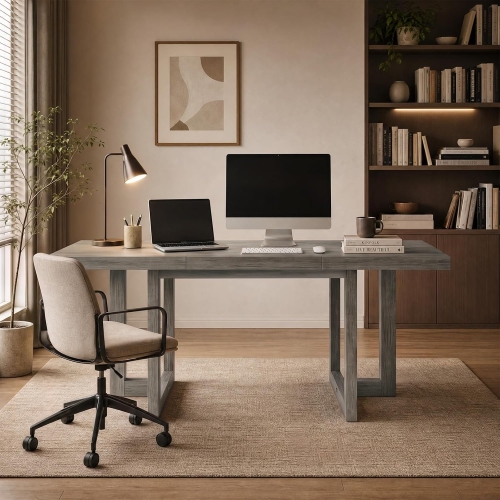
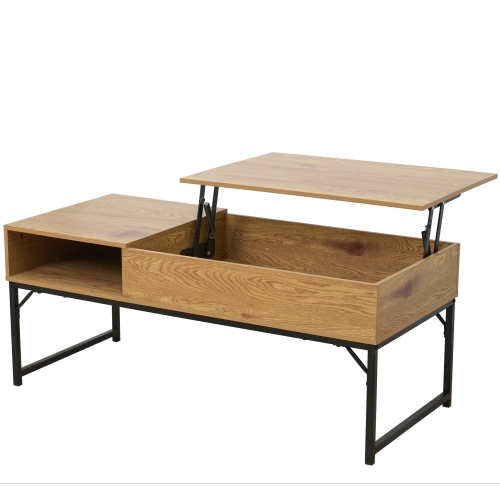
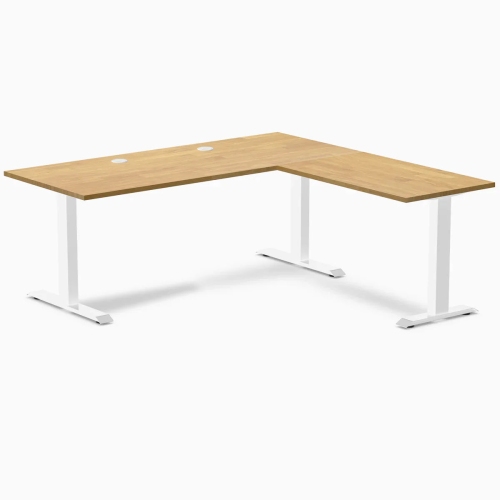
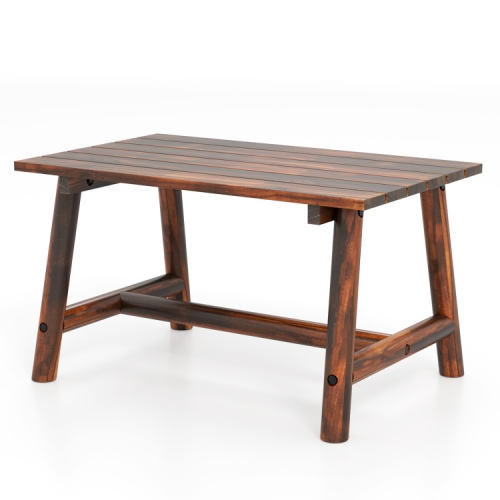
Solid oak table tops are hardwood surfaces made from oak throughout their thickness, rather than a thin oak veneer over a different core. They combine distinctive grain, a substantial feel, and good resistance to everyday wear, making them well suited to dining tables, desks, and other frequently used furniture. Many solid oak tops are assembled from joined boards; solid wood does not necessarily mean a single wide slab. These joined surfaces can offer a balanced appearance while retaining the natural variations that make oak recognizable. Grain lines, small knots, and differences in colour give each surface its own character, whether the overall effect is clean and understated or more rustic. Red oak often has warmer, pinkish undertones and an open grain, while white oak commonly leans towards beige, brown, or muted olive tones. The final appearance also depends on the cut of the timber, the stain, and the protective finish. Quarter-sawn oak can display distinctive ribbon-like markings across the grain, while other cuts show broader, sweeping patterns. Within the wider category of Solid Wood Table Tops, oak appeals to people who want visible texture without relying on elaborate detailing. A rectangular oak surface can anchor a family dining area, provide room for a laptop and notebooks in a home office, or replace a worn tabletop while keeping a sound existing base. Rounded shapes can soften a compact eating area, while a longer surface creates space for shared meals, creative projects, or two people working side by side. Oak also pairs readily with different base materials: black metal creates a crisp contrast, painted legs introduce colour, and a wooden base gives the finished table a more unified appearance. Its suitability comes down to more than looks, however. The dimensions, construction, finish, and connection to the base all influence how comfortably the completed table fits into daily life.
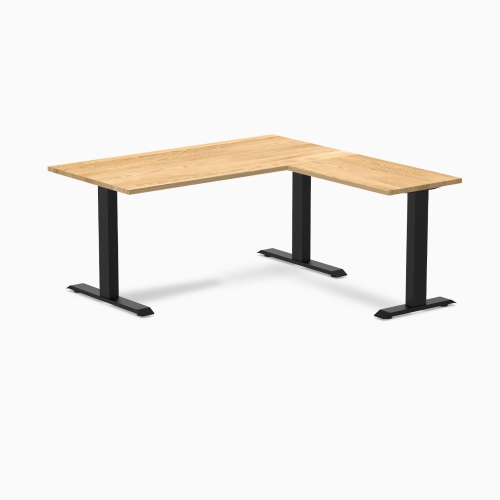
The right fit starts with the relationship between the tabletop, its supports, and the people using it. Length and width determine the usable surface, but the position of the legs or pedestal determines where chairs can sit and how much knee room remains. A wide top on a narrow base may feel awkward or become unstable, particularly when someone leans on an overhanging edge. A larger dining surface also needs enough room around it for chairs to pull out without blocking a doorway or a nearby cabinet. At a desk, depth matters as much as width: a monitor, keyboard, and writing area can quickly fill a shallow work surface. Thickness affects both appearance and practicality. A thicker oak top has a more substantial profile and adds weight, while a thinner top may suit a lighter-looking frame. The finished working or dining height depends on the base height plus the tabletop thickness, so replacing an existing surface can change how a familiar chair fits beneath it. Edge profiles matter, too. A gently rounded edge can feel more comfortable against forearms during long stretches at a desk, while a square edge gives a sharper visual line. Live-edge designs retain the natural outline of the timber and may have varying widths, making the narrowest usable section especially relevant. Attachment details deserve equal attention because solid oak naturally expands and contracts across its grain as indoor moisture levels change. Appropriate mounting hardware allows that movement rather than holding the wood rigidly in every direction. Screw length, pilot holes, support spacing, and the base manufacturer’s requirements all affect a secure installation. For a height-adjustable desk, the lifting capacity must accommodate the oak top as well as monitors and other equipment. Monitor arms, cable trays, and under-desk storage also need compatible mounting locations, with enough clearance to avoid the frame and its moving parts.
The finish determines much of how a solid oak table top feels and how it responds to spills, marks, and regular cleaning. Unfinished oak needs an appropriate protective treatment before everyday use; a bare surface can readily absorb liquids and develop stains. An oil finish often emphasizes the grain and leaves a more natural-feeling surface, although maintenance intervals and water resistance vary by formulation. A film-forming finish, such as polyurethane or lacquer, creates a protective layer over the wood, with performance depending on the coating and how it has been applied. Neither approach makes oak immune to scratches, moisture, or heat. For a dining table, the practical demands might include wiping up spilled juice, setting down serving dishes, and clearing crumbs from the grain. For a desktop, they may include repeated contact with a mouse, notebook edges, or a chair arm. A smooth, well-finished surface makes these routines easier, while textured or deeply brushed finishes can require more attention during cleaning. Routine care is usually straightforward: remove dust with a soft cloth, wipe spills promptly, and use a lightly damp cloth with a cleaner approved for the finish. Standing water, abrasive pads, and harsh cleaning products can damage the surface or its protective coating. Coasters, placemats, and heat-resistant trivets help protect busy dining surfaces, while a desk mat can reduce localized wear beneath computer accessories. Consistent indoor humidity and a position away from direct heat sources help limit excessive wood movement. Oak is durable, but dropped objects can still leave dents, and grit dragged beneath a heavy object can scratch the finish. One advantage of genuine solid oak is that many surfaces can be sanded and refinished when wear becomes noticeable, provided their construction, remaining thickness, and existing treatment allow it. Refinishing is not always a simple spot repair, since a repaired patch may differ from the surrounding colour or sheen. With suitable support and care, an oak top can remain useful through changes in room layout, seating, or personal style, offering a lasting surface for meals, work, and everyday gatherings.
Top selling and popular products
-
 Your price for this item is $97.99
-
 Your price for this item is $89.99
-
 Your price for this item is $84.99
-
 Your price for this item is $97.99
-
 Your price for this item is $649
-
 Your price for this item is $749
-
 Your price for this item is $649
-
 Your price for this item is $649
Discover more categories related to Solid Oak Table Tops

Top Collections:
Best Black Friday Deals This Year, Best Black Friday Deals On Electronics, Kindle Devices, Pokemon Centers, Best Black Friday Deals On Apple Products, Best Cameras for Sports Photography, Dyson Airwrap, Pokémon 30th Celebration Cards, Apple iPhone 17 Pro, Canon G7X Cameras
Some products may be subject to Environmental Handling Fees
(EHF) depending on your province.
Learn more about EHFs.