White Ropes
Looking to add a touch of elegance and functionality to your space? Explore our collection of white ropes, designed to meet your various needs and preferences. Whether you're looking for durable ropes for outdoor activities, decorative ropes for DIY projects, or versatile ropes for everyday use, we have a wide selection to choose from. Elevate your home decor, tackle your next craft project, or gear up for your next adventure with our high-quality white ropes that offer both style and practicality.
Sort

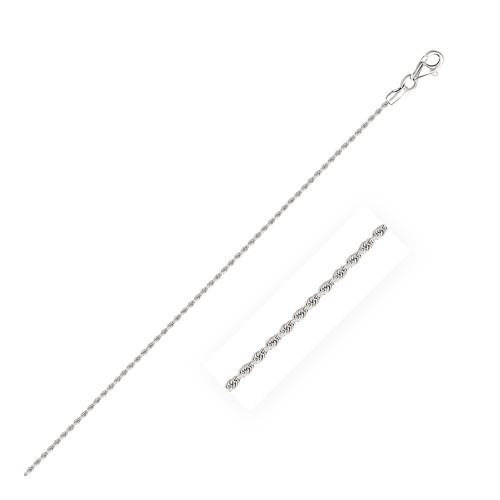
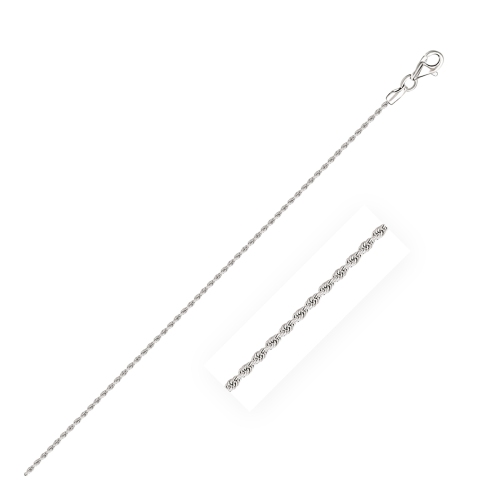

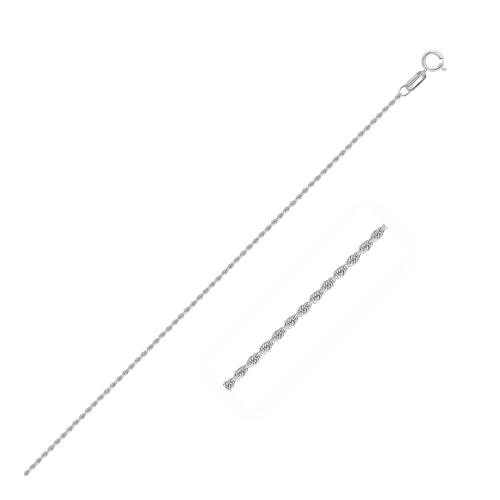
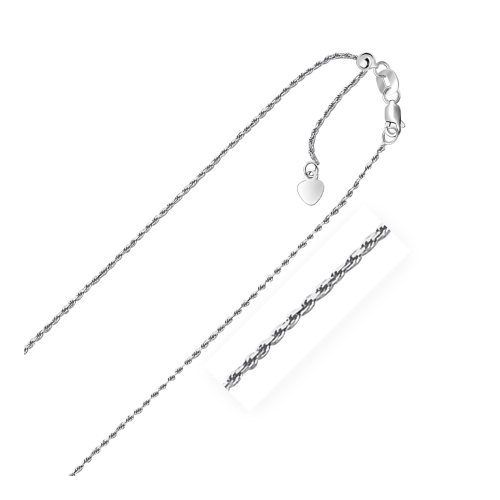
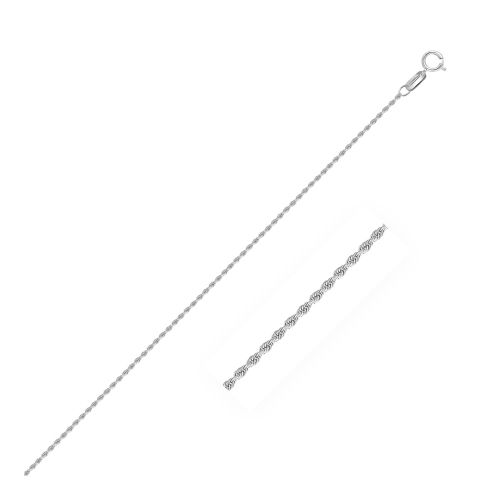
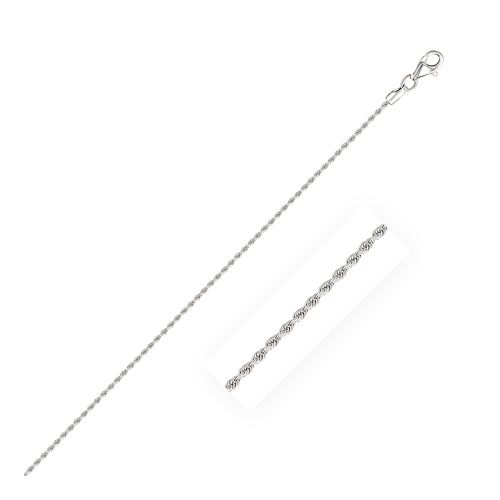
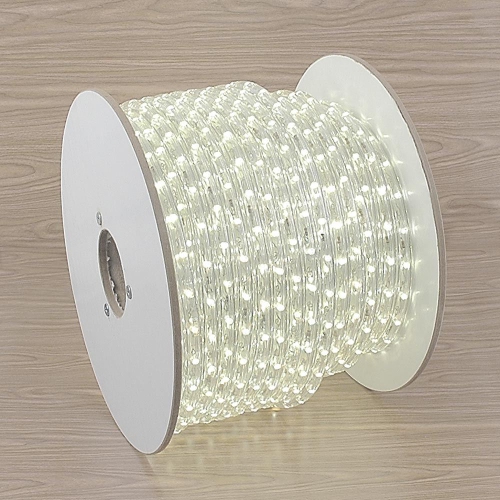
Material and construction determine performance across everyday rope uses
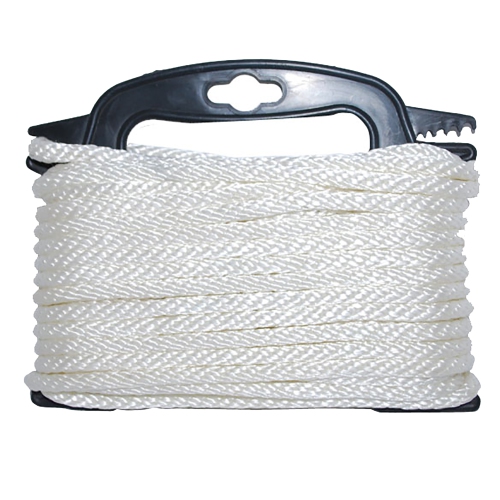
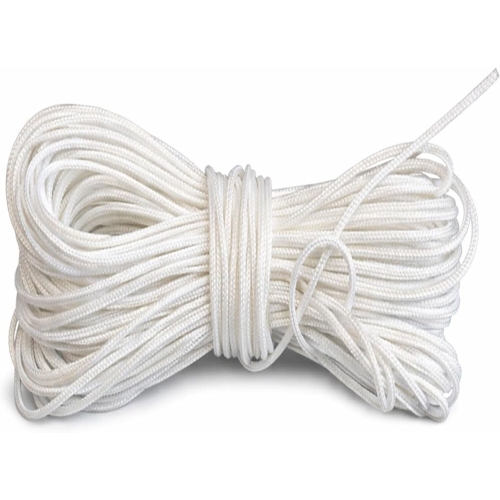
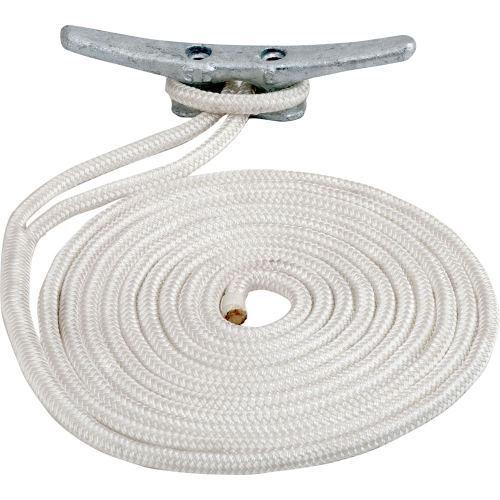
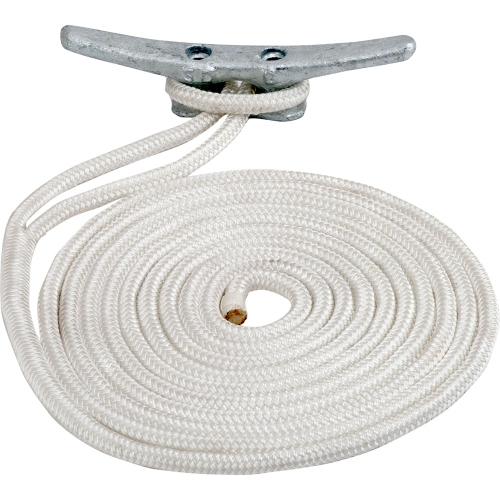
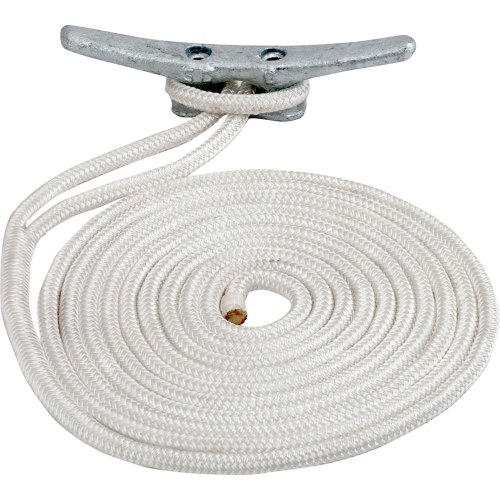
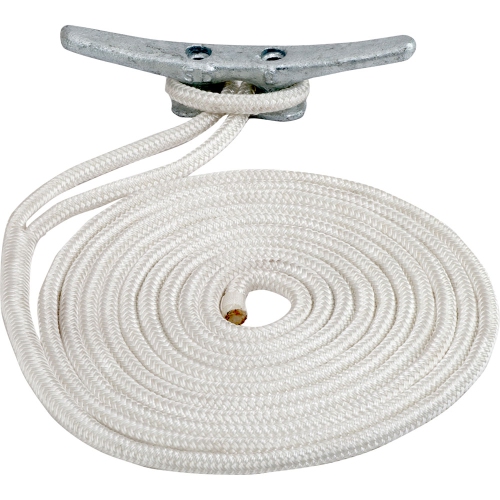
White ropes are versatile utility lines that can bring together practical strength, easy handling, and a clean, understated appearance. Their bright colour makes them simple to spot against dark soil, timber, water, grass, and workshop surfaces, while also giving decorative projects a crisp, finished look. Depending on the construction, white rope may be made from nylon, polyester, polypropylene, cotton, or a blend of fibres, and each material behaves differently under tension, moisture, friction, and sunlight. Nylon rope is known for its strength and elasticity, which can help absorb sudden shock in suitable utility, towing, or mooring applications. Polyester rope generally has less stretch and offers dependable resistance to weather and abrasion, making it useful where a stable line is preferred. Polypropylene rope is lightweight, floats on water, and can be a practical choice around pools, docks, and other damp areas. Cotton rope has a softer hand and a natural, flexible feel that suits crafts, display pieces, indoor projects, and decorative accents. When browsing white ropes, consider the job first rather than choosing by colour alone. A rope used to secure a light household item has very different requirements from one used around a boat, trailer, garden structure, or load. Check the product’s stated working load, breaking strength, material, construction, and intended application, and remember that knots, bends, friction, wet conditions, and repeated movement can reduce usable capacity. Rope diameter also affects handling: thinner lines are easy to tie and coil for lighter tasks, while thicker rope can offer a more comfortable grip and greater strength for demanding work. Length matters just as much. A short cut is convenient for small repairs and craft projects, while longer lengths allow room for knots, loops, adjustments, and safe handling without joining several sections together.
For outdoor use, think about exposure to rain, snow, splashing water, sun, dirt, and changing temperatures during the cooler months. Synthetic fibres are often selected for their resistance to moisture and everyday wear, but that does not make every rope suitable for permanent outdoor exposure or for lifting people. A white rope may show dust, grease, and scuff marks sooner than a darker line, which can be helpful when you want to notice wear, but it also benefits from regular inspection and cleaning. Look along the full length for flattened sections, fuzzy fibres, cuts, stiffness, discolouration, melted spots, or areas that have become unusually thin. Wash away grit with clean water when appropriate, allow the rope to dry fully, and store it loosely coiled in a dry place away from sharp tools, heat sources, and chemicals. Avoid dragging it over rough concrete or letting it rub continuously against a sharp edge. For marine settings, a rope’s ability to resist water, salt, mildew, and ultraviolet exposure may be especially important. If your project involves sailing or dockside handling, explore purpose-specific options such as Sailing Ropes rather than assuming a general-purpose line will meet every need. For towing, anchoring, climbing, fall protection, lifting, or any situation where a person’s safety depends on the line, follow the manufacturer’s instructions and use equipment specifically rated for that purpose. General utility rope should never be treated as climbing or life-safety equipment unless it is clearly certified and labelled for that use. Measuring the distance before ordering can prevent frustrating surprises: include the length needed for the working span, plus extra for knots, wraps, tie-offs, and adjustments. It is also worth considering whether the rope will be handled with gloves, passed through hardware, or threaded through a small opening, since these details can influence the best diameter and construction.
White ropes can be useful in many settings, from a home workshop or garage to a cottage, dock, garden, recreation area, or creative workspace. They can help with light-duty bundling, hanging, tying, securing, organizing, and making temporary barriers, provided the application remains within the rope’s rated capabilities. Gardeners may use them to guide plants, support simple trellising, or mark an area, while campers and outdoor hobbyists may appreciate a line that coils neatly and is easy to see at dusk. In a home, soft cotton rope can add texture to baskets, wall features, wrapped handles, display pieces, and other craft work, with the bright shade pairing naturally with wood, metal, glass, and neutral fabrics. A spool or length of rope can also be a thoughtful gift for someone who enjoys do-it-yourself projects, boating, camping, gardening, home organization, or hands-on making. The best choice depends on the recipient’s plans: a flexible, soft rope may suit a crafter, a floating synthetic line may be more useful around water, and a strong, low-stretch construction may appeal to someone working on outdoor repairs or utility tasks. Before purchasing, confirm the required length and diameter, decide whether stretch is helpful or undesirable, and check whether the line will remain indoors or face regular exposure to the elements. Matching the rope to its environment makes tying, coiling, cutting, and storing easier, while selecting the right construction helps the line perform more consistently over time. With the appropriate material, size, and care, white rope can be a practical addition to a collection of household supplies and a simple starting point for projects that range from everyday organization to detailed, hands-on creations.
Top selling and popular products
-
 Your price for this item is $726.86
-
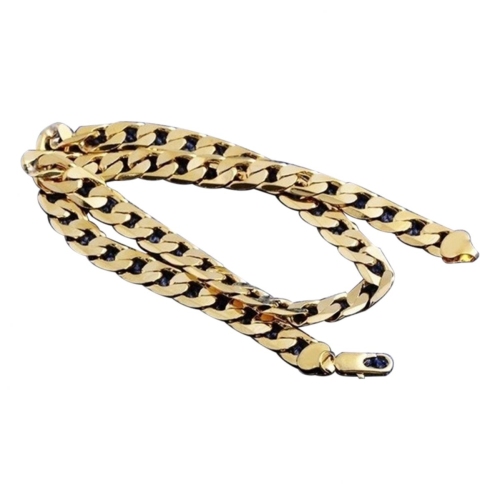 Your price for this item is $18.88
-
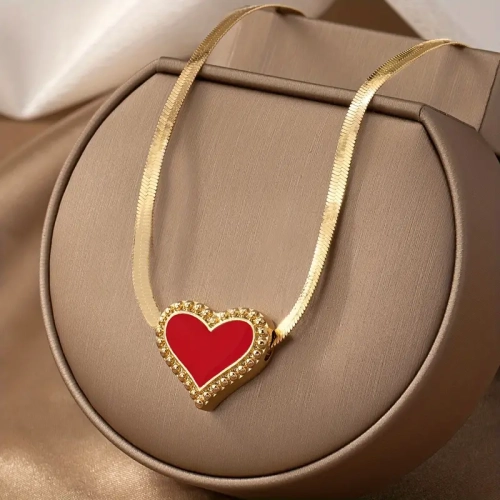 Your price for this item is $19.99
-
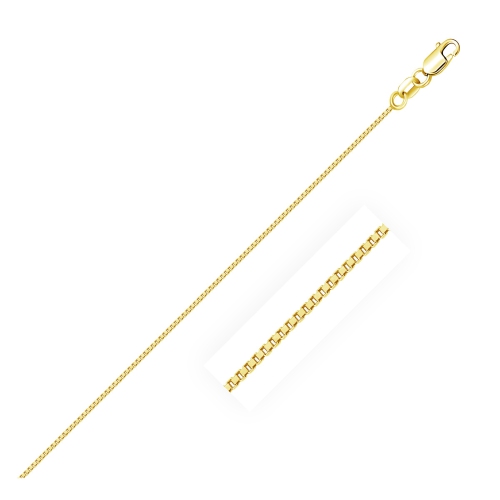 Your price for this item is $751.05
-
 Your price for this item is $99.99
-
 Your price for this item is $59.99
-
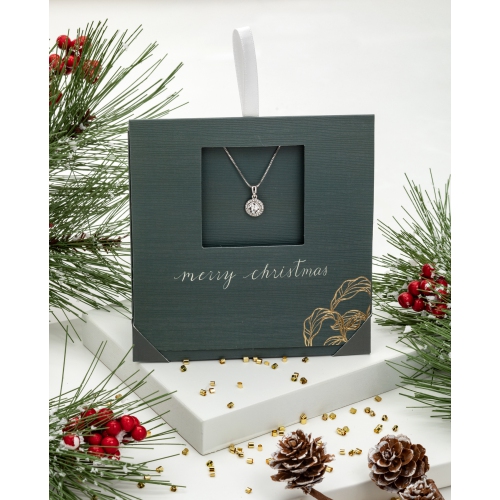 Your price for this item is $49.99
-
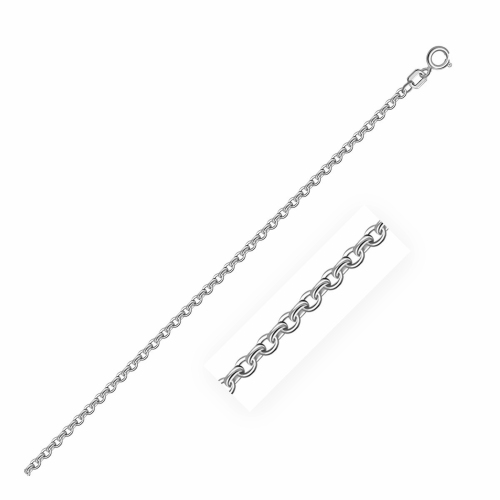 Your price for this item is $1719.3
Discover more categories related to White Ropes

Top Collections:
Best Black Friday Deals This Year, Best Black Friday Deals On Electronics, Kindle Devices, Pokemon Centers, Best Black Friday Deals On Apple Products, Best Cameras for Sports Photography, Dyson Airwrap, Pokémon 30th Celebration Cards, Apple iPhone 17 Pro, Canon G7X Cameras
Some products may be subject to Environmental Handling Fees
(EHF) depending on your province.
Learn more about EHFs.