Sailing Ropes
Whether you're a seasoned sailor or just starting out, having the right sailing ropes is essential for a smooth and enjoyable experience on the water. From durable anchor lines to versatile docking ropes, our collection offers a wide range of options to suit your specific needs. Explore our selection of high-quality sailing ropes designed to provide strength, reliability, and performance to enhance your boating adventures.
Sort
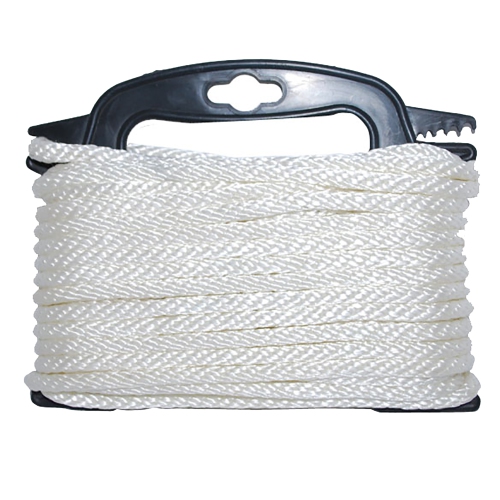
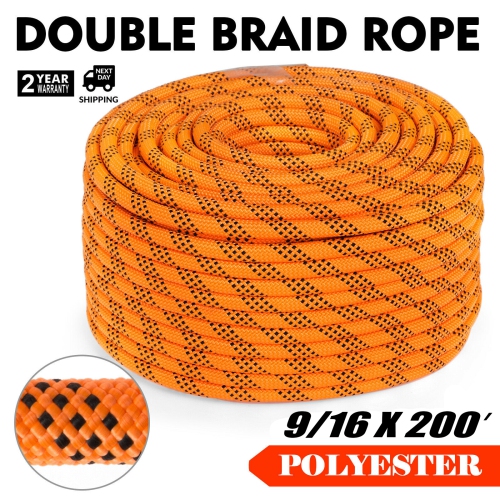
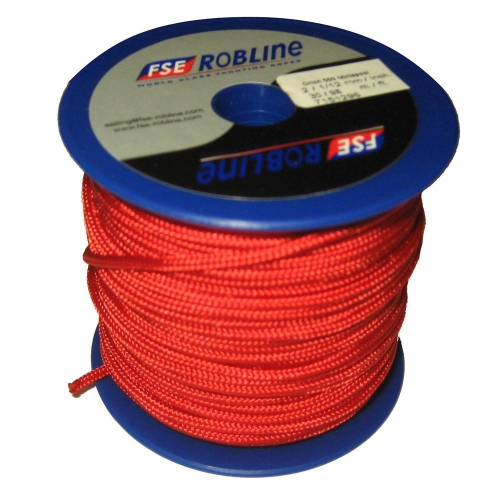

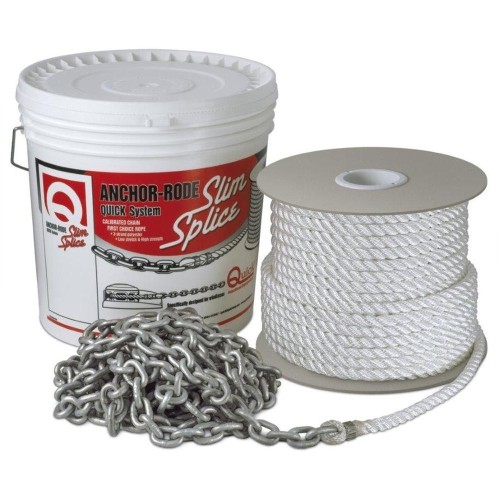
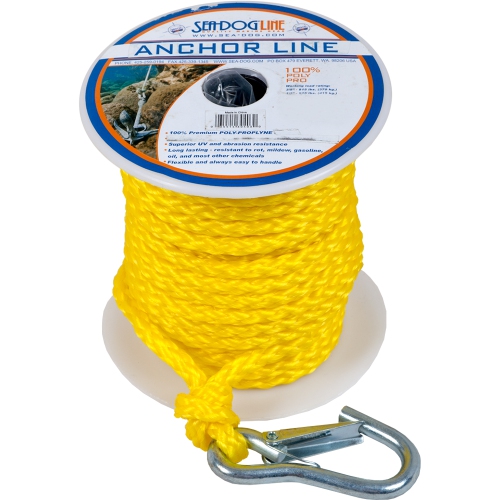
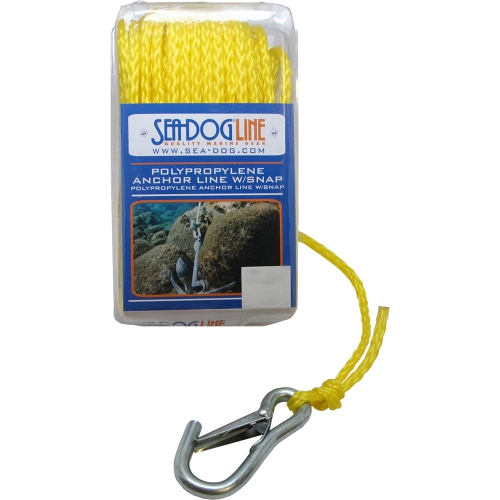
Why rope stretch matters from mast to dock
Sailing ropes, often called lines once assigned a job aboard a boat, connect the crew’s movements to the sails, rigging, and dock. Their suitability depends on the task they perform, the fibres they contain, and the way they are constructed. Sheets control sail trim, halyards raise and support sails, and control lines adjust features such as the boom vang, outhaul, or reefing system. Dock lines and anchor rodes serve different purposes, so a rope suited to one job is not automatically a good match for another. Polyester is a common choice for sheets and general-purpose control lines because it combines abrasion resistance, dependable handling, and relatively low stretch. Double-braid polyester, with a braided core inside a braided cover, offers a useful balance of flexibility, grip, and durability for many cruising applications. Where maintaining precise sail position matters, high-modulus polyethylene cores can provide lower stretch and high strength for their weight. A protective cover can improve handling and help the rope work with deck hardware, although the right construction depends on the particular application. Nylon has more elasticity than polyester, which can help absorb movement in dock lines and certain anchoring arrangements; that same stretch generally makes it less suitable for halyards or sail controls that need to hold a consistent setting. Polypropylene is lightweight and floats, but its resistance to abrasion, heat, and ultraviolet exposure varies by construction and treatment, making application-specific specifications especially important. Material alone does not tell the whole story: two ropes of the same diameter can differ substantially in strength, stretch, surface feel, and service life. A cruising sailor adjusting a headsail by hand may value a supple cover, while a club racer may place greater emphasis on low elongation and reduced weight aloft. Matching those characteristics to the rope’s actual role is more useful than choosing by appearance or thickness alone.
Construction and fit have a direct effect on how sailing ropes behave through blocks, around winches, and inside clutches or cleats. A line needs to suit the hardware manufacturer’s specified diameter range, but diameter is only part of that relationship. Cover texture, firmness, flexibility, and the way the rope holds its shape under load all influence grip and handling. A very thin line may have sufficient rated strength yet feel uncomfortable during repeated trimming or fail to hold properly in a clutch designed for a larger diameter. Conversely, an oversized line can run poorly through a small block or crowd a turning point. Three-strand constructions remain familiar for certain mooring applications, while braided constructions are common where smooth handling through sailing hardware is important. Spliceability also varies: a method suitable for one fibre or braid may be unsuitable for another, and some high-performance constructions require specialist techniques. Knots and splices can change the strength of the finished assembly, so published breaking strength should not be treated as an allowable working load. The boat’s rigging specifications, hardware ratings, expected loads, and an appropriate safety margin all matter. Length deserves similar attention. A halyard must accommodate its full route through the mast and leave enough usable tail, while a sheet needs sufficient travel for manoeuvres without creating unnecessary coils in the cockpit. Reefing lines and other controls may follow longer paths than their deck-level appearance suggests. Colour can be practical as well as personal: distinct colours or tracer patterns help crew members identify the correct control when several lines lead to the same area. Clear identification is particularly helpful on a shared boat or when someone is learning an unfamiliar layout. For dinghy sailors, comfortable hand feel and manageable bulk can matter as much as strength; aboard larger cruising boats, repeated contact with winches and deck fittings places more emphasis on cover durability and hardware compatibility.
Care and inspection help sailing ropes retain useful handling characteristics and make developing wear easier to spot. Salt deposits, grit, and dirt can work into the fibres, while repeated movement over a rough fitting can damage a cover long before the rest of the rope looks worn. Fresh-water rinsing, where appropriate under the manufacturer’s care instructions, helps remove abrasive residue. Thorough drying before storage and a clean, ventilated storage area help prevent persistent dampness and odours. Cleaning products, machine washing, and exposure to heat should be assessed against the rope maker’s instructions rather than assumed safe for every fibre. Bleach, solvents, and other harsh chemicals can damage rope, sometimes without obvious surface changes. Inspection is most useful when it includes the full length, particularly the sections that sit in clutches, bend around sheaves, pass through fairleads, or bear against dock fittings. Flattened areas, glazing, cuts, exposed core, unusual stiffness, and pronounced changes in diameter warrant closer assessment. Light surface fuzz and serious structural damage are not the same thing, but appearance alone cannot confirm that a rope remains suitable for a loaded application. Persistent chafe also calls for attention to its cause, such as a damaged sheave or sharp edge, rather than replacement of the line alone. Neatly flaked or coiled ropes keep working areas clearer and make tangles less likely during the next manoeuvre. Suitable chafe protection and properly finished ends can also support orderly handling when matched to the application. Alongside the wider range of Sailing Equipment, ropes are practical essentials for boat owners, sailing-school participants, cruising crews, and recreational racers. They can also make a thoughtful gift for a sailor when the intended use, required length, diameter, and construction are already known. Those details turn a simple coil of rope into something that fits the boat’s systems and the sailor’s routine, whether the priority is a comfortable sheet in the hand, a halyard that holds its setting, or a dock line suited to its assigned load.
Top selling and popular products
-
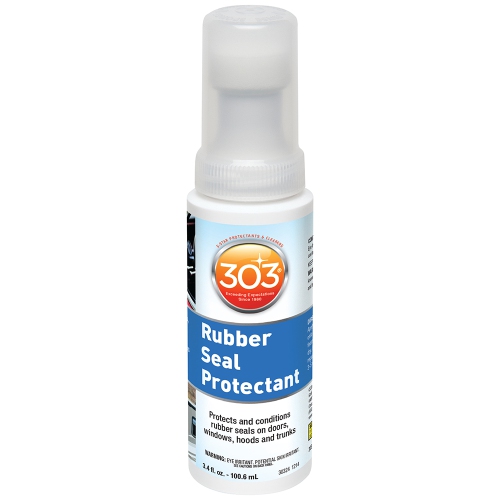 Your price for this item is $28.18
-
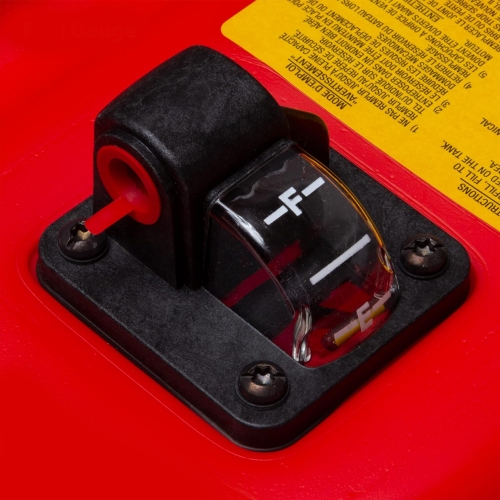 Your price for this item is $226.99
-
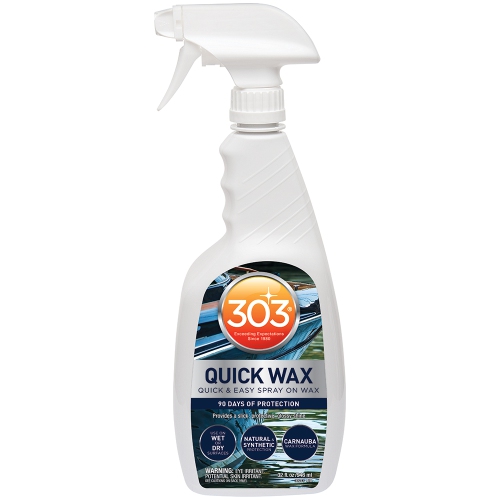 Your price for this item is $38.85
-
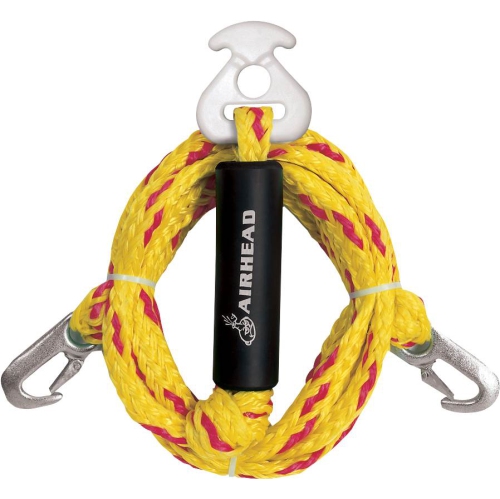 Your price for this item is $91.99
-
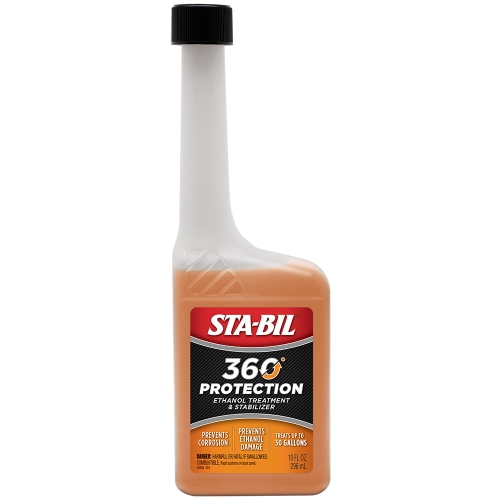 Your price for this item is $32.05
-
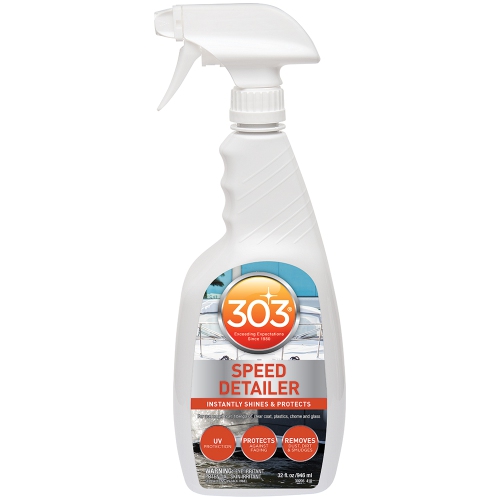 Your price for this item is $35.35
-
 Your price for this item is $837.99
-
 Your price for this item is $63.24
Discover more categories related to Sailing Ropes
Top Collections:
Best Black Friday Deals This Year, Best Black Friday Deals On Electronics, Kindle Devices, Pokemon Centers, Best Black Friday Deals On Apple Products, Best Cameras for Sports Photography, Dyson Airwrap, Pokémon 30th Celebration Cards, Apple iPhone 17 Pro, Canon G7X Cameras
Some products may be subject to Environmental Handling Fees
(EHF) depending on your province.
Learn more about EHFs.