White Wood Dining Tables
Enhance your dining space with the timeless elegance of white wood dining tables. Whether you prefer a modern minimalist design or a classic farmhouse aesthetic, our selection of white wood dining tables offers something to suit every taste and decor. Here are some great options available.
Sort


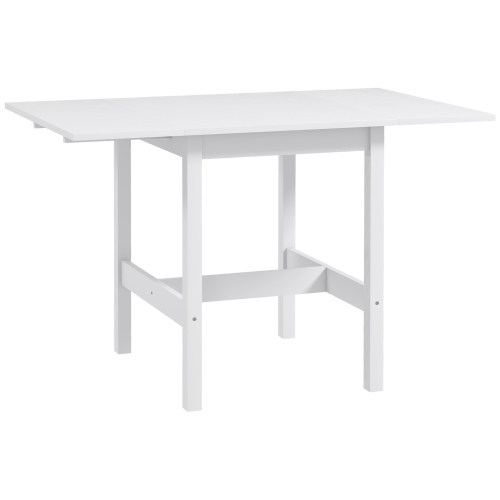

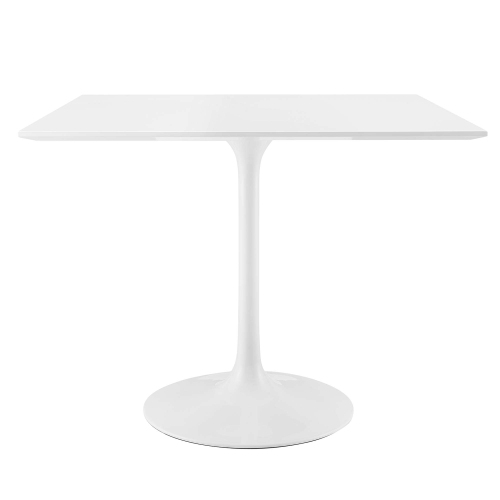

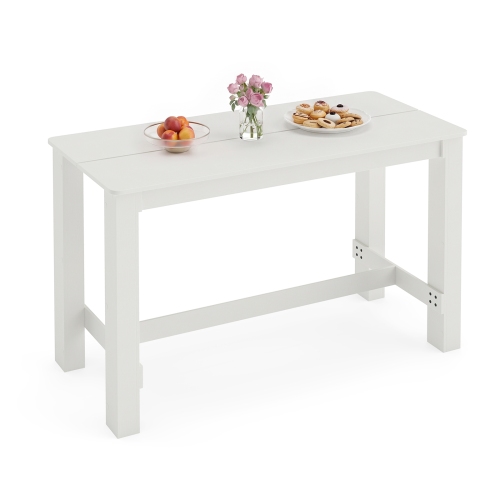

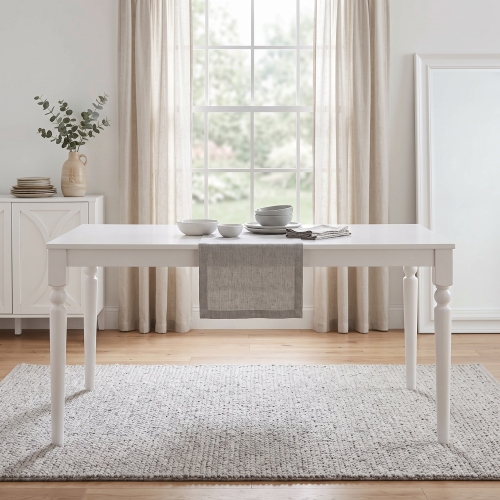

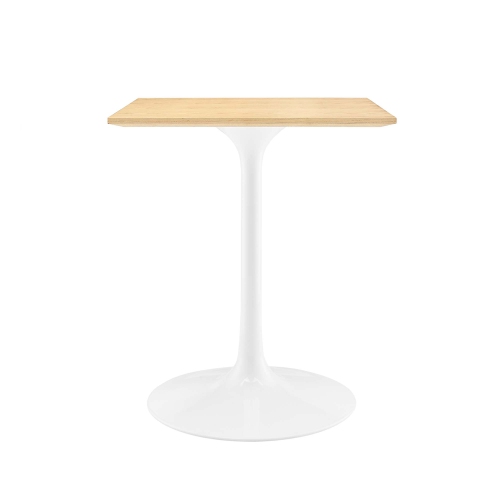
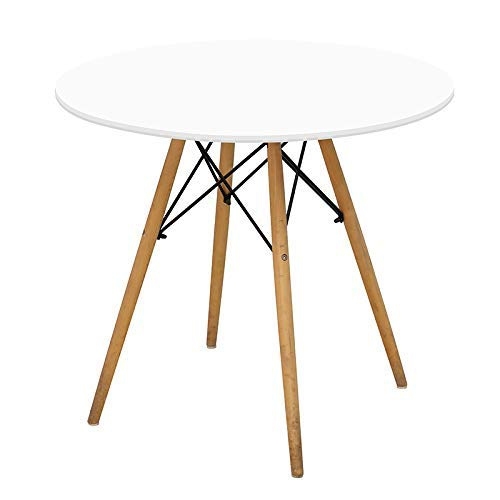

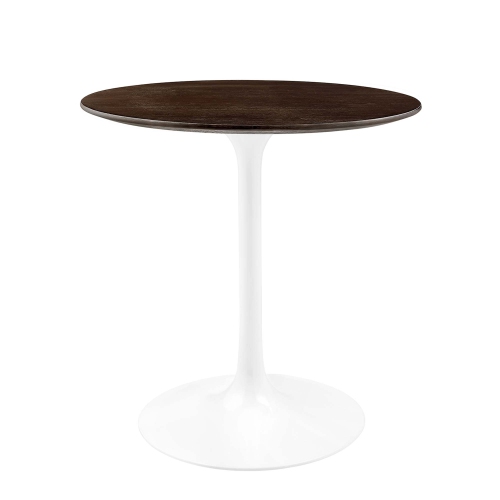
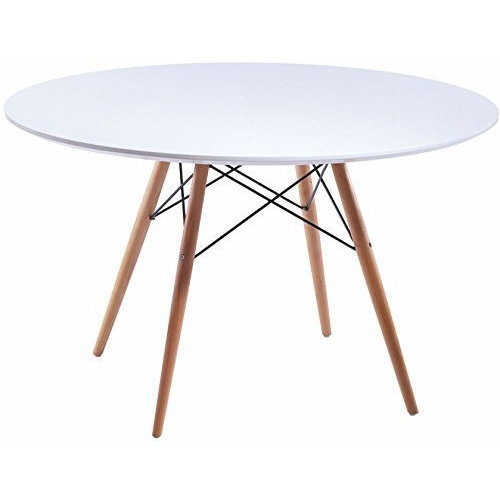


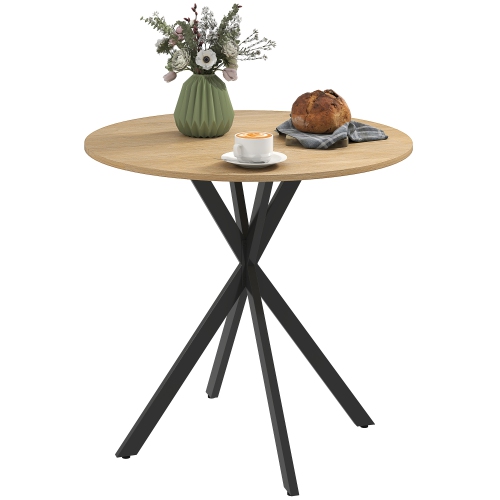
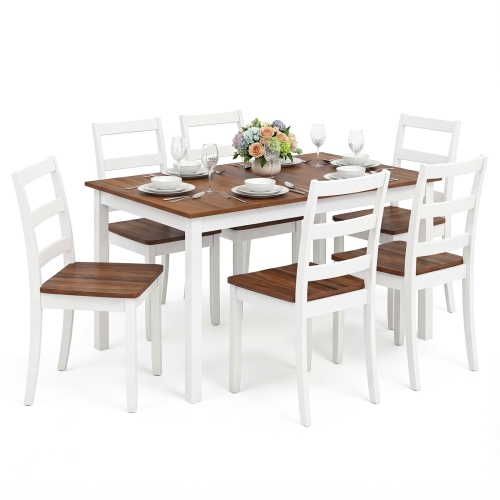

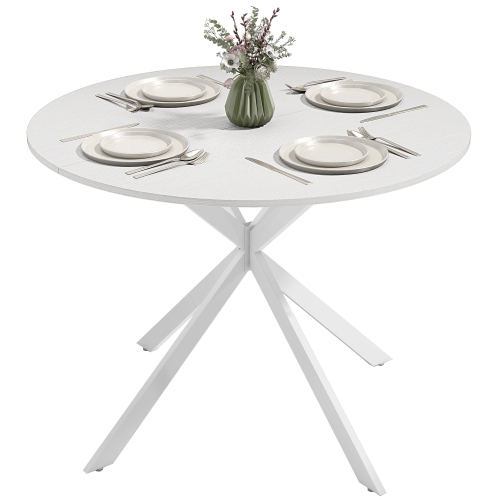
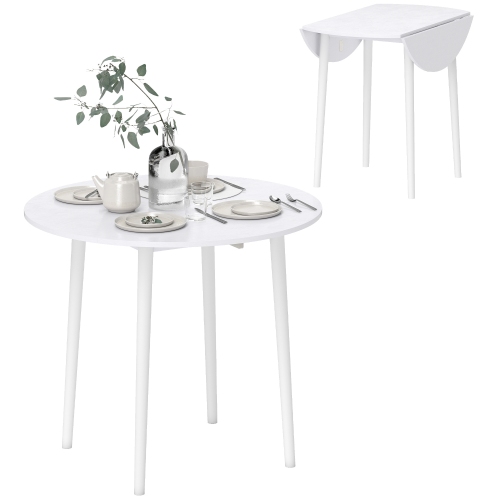


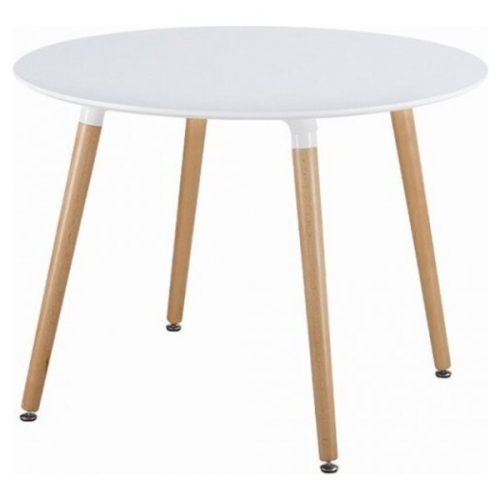
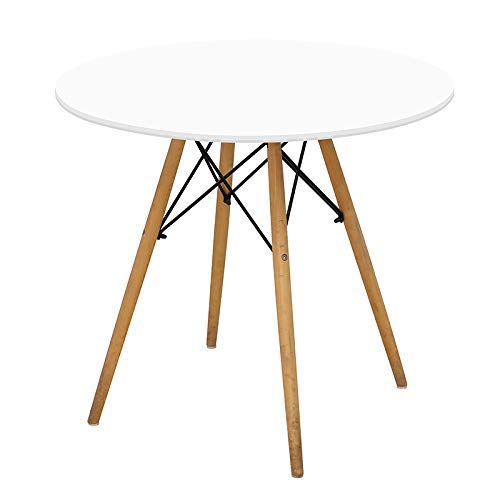
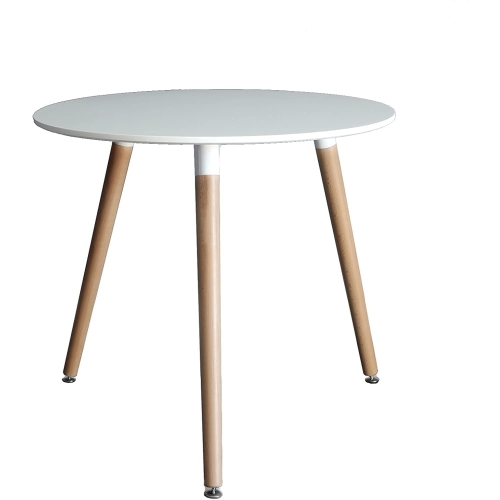
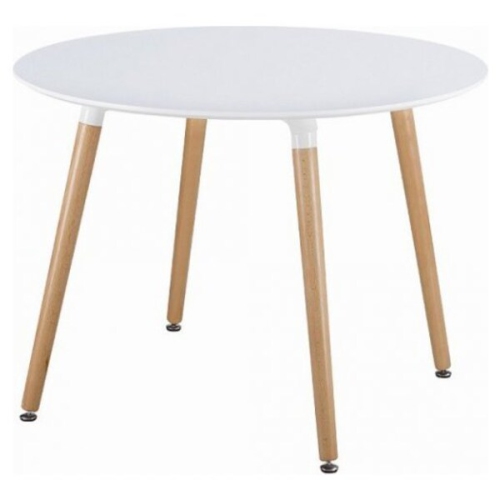





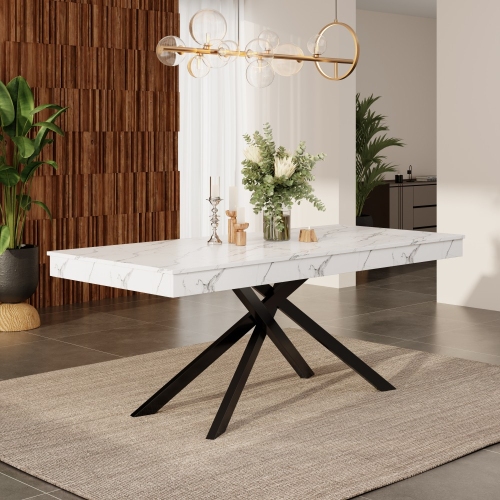


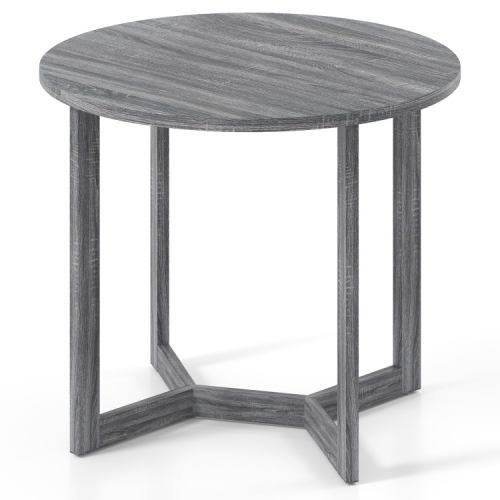
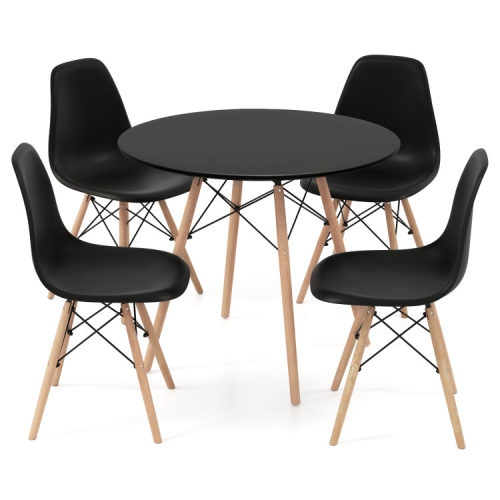

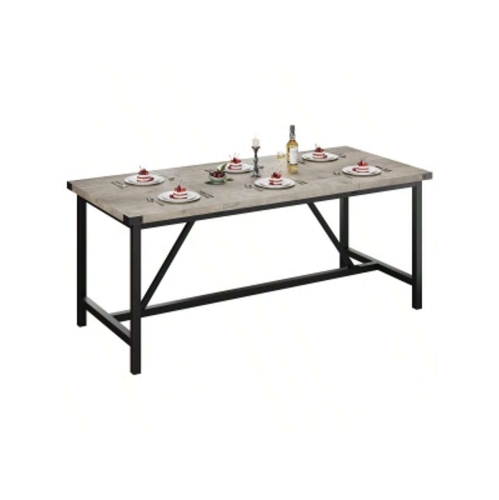

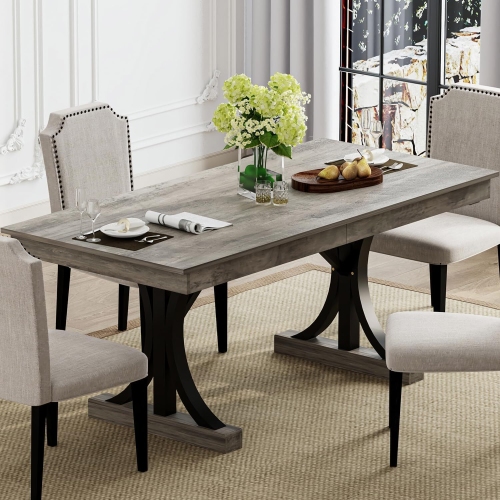
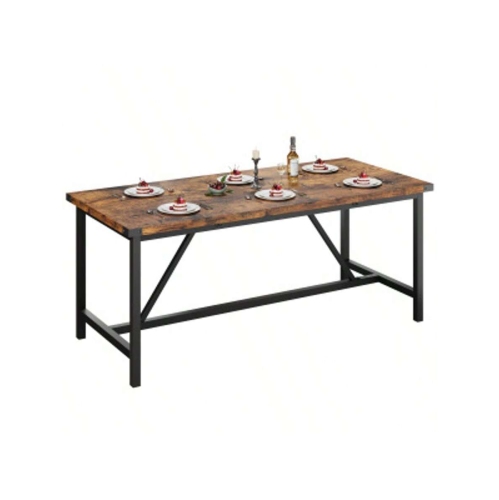


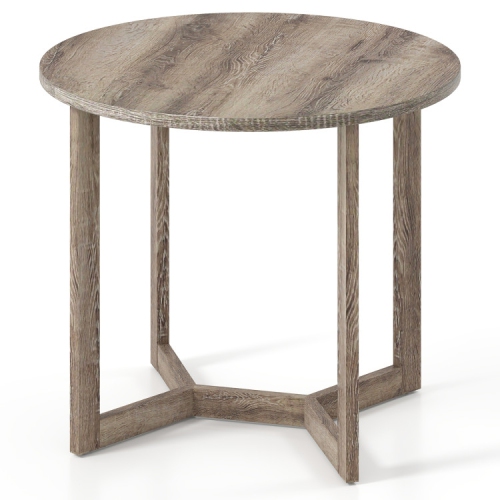
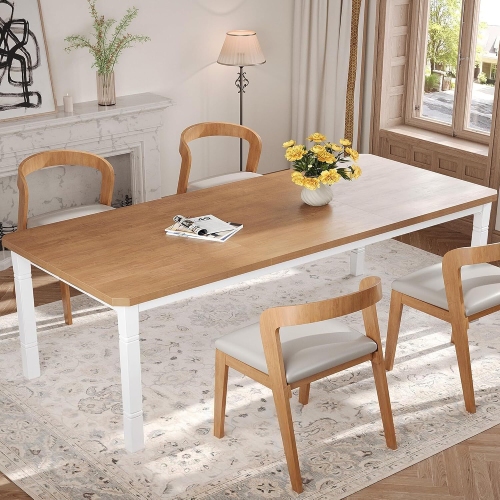

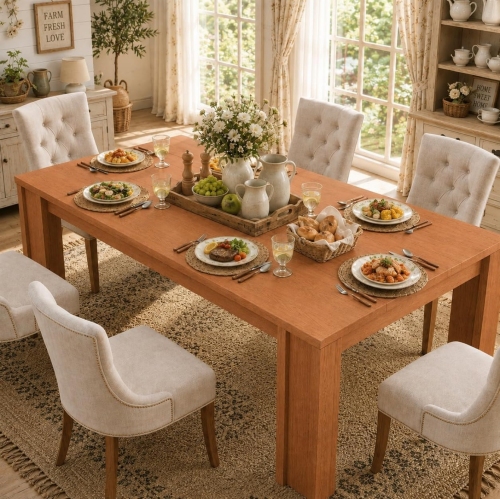

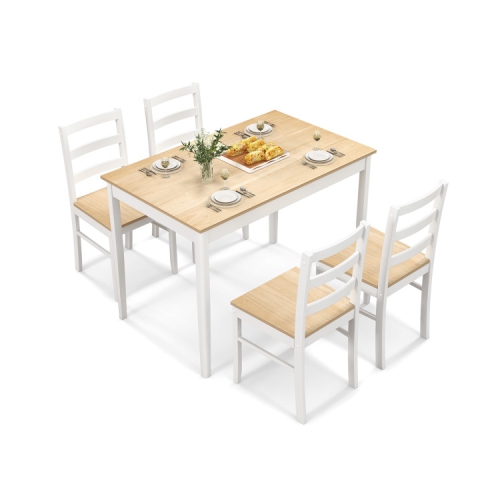
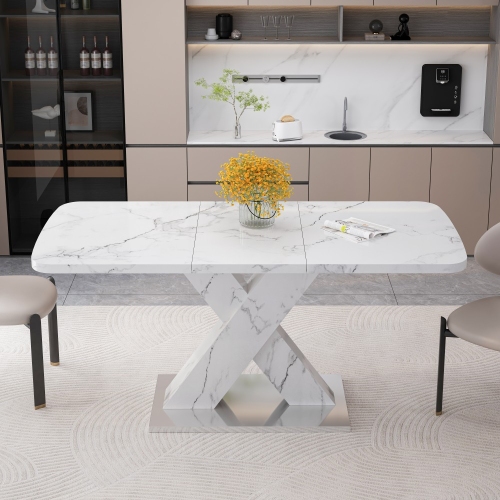
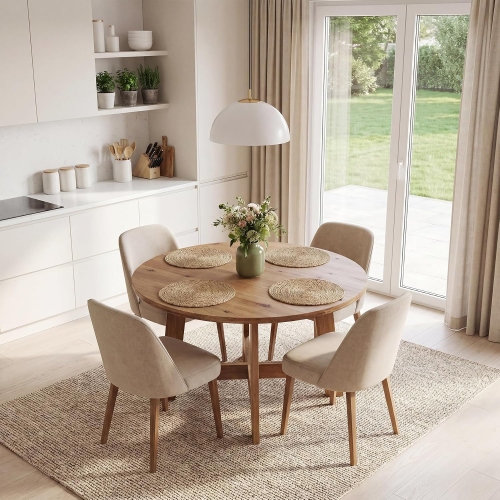
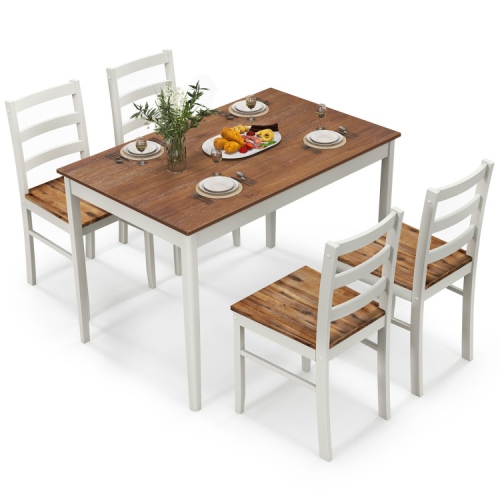


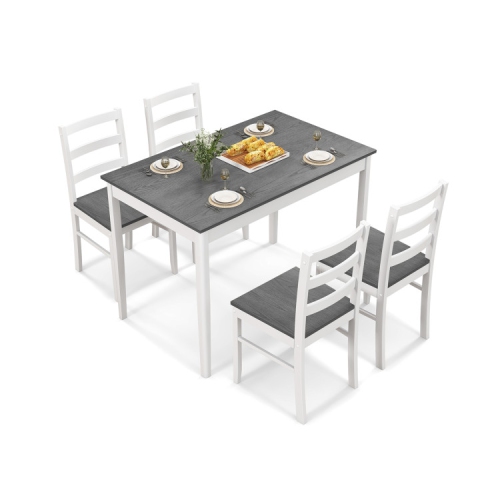
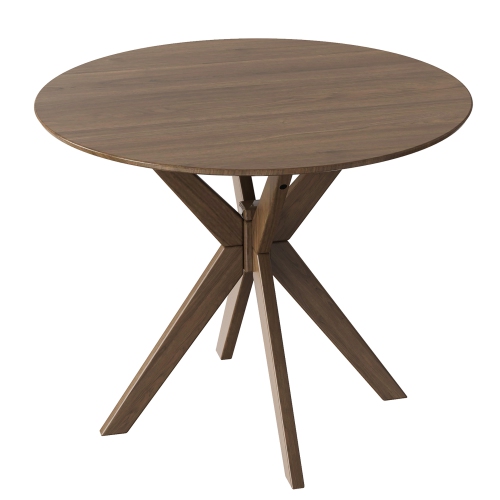


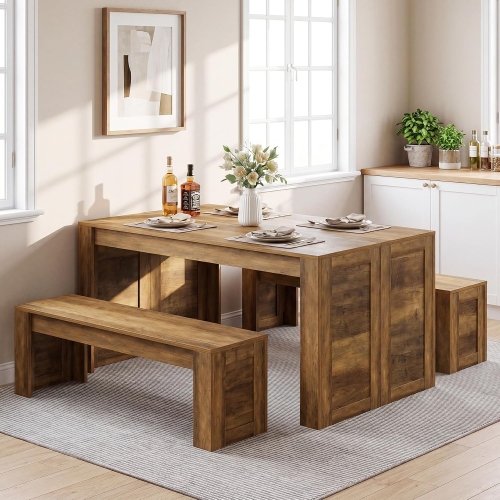

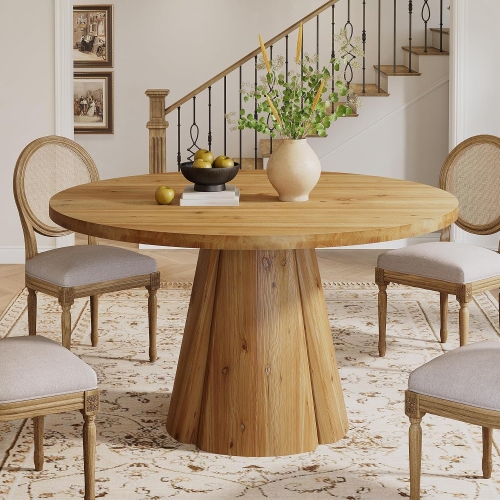
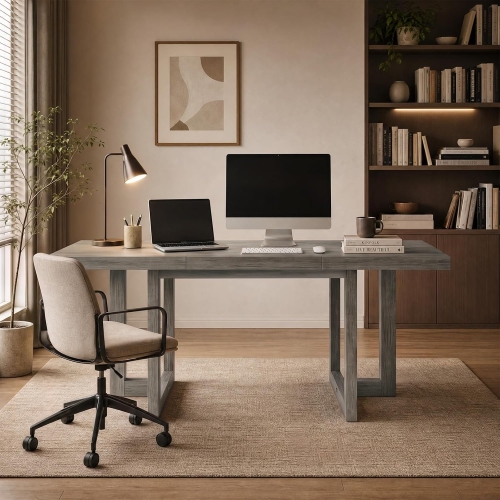
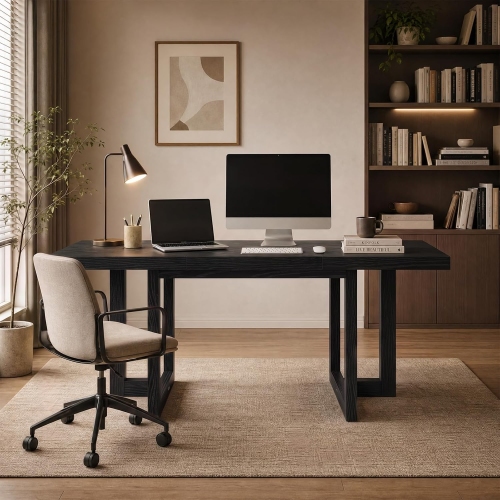
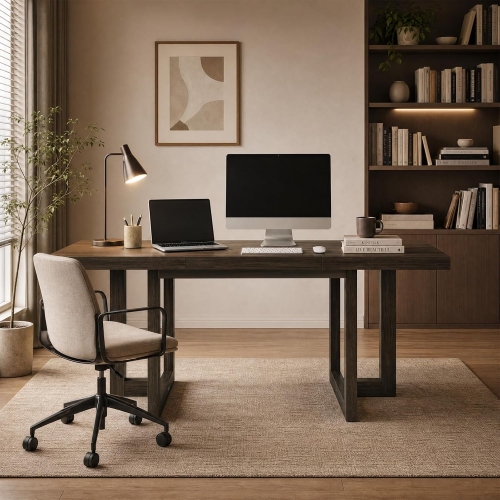
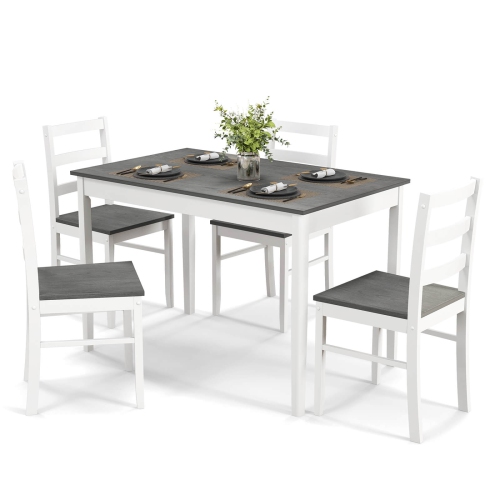

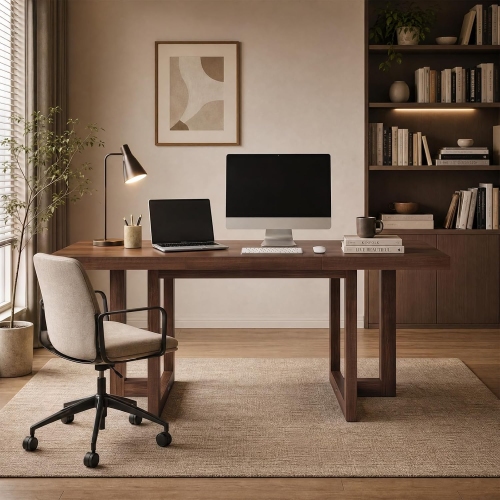
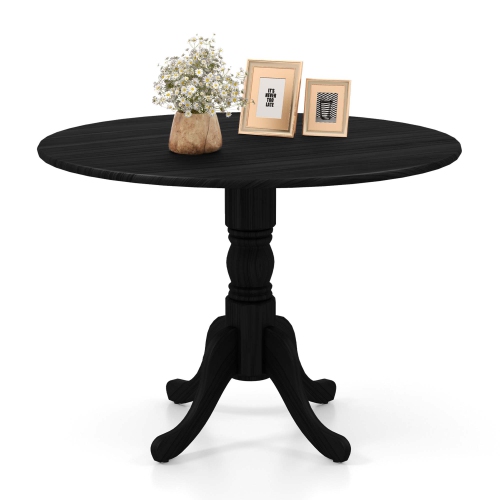


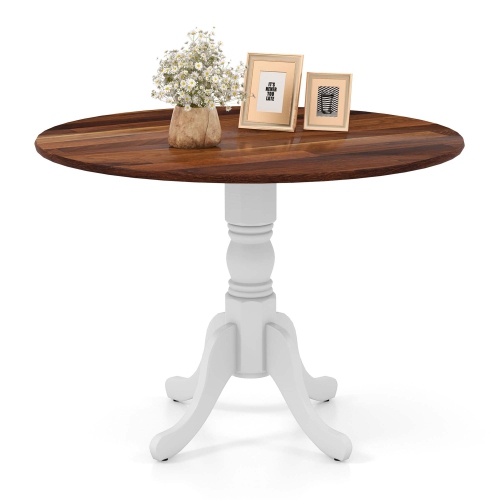

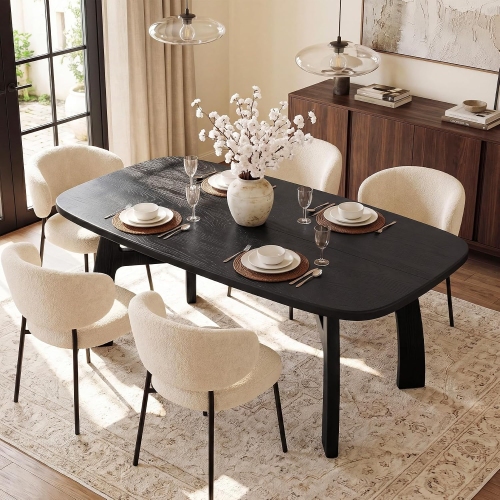
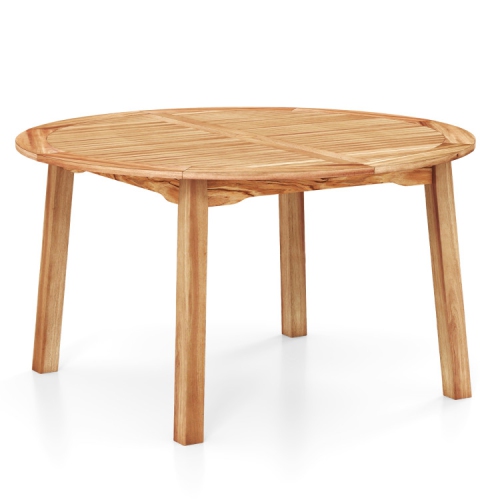
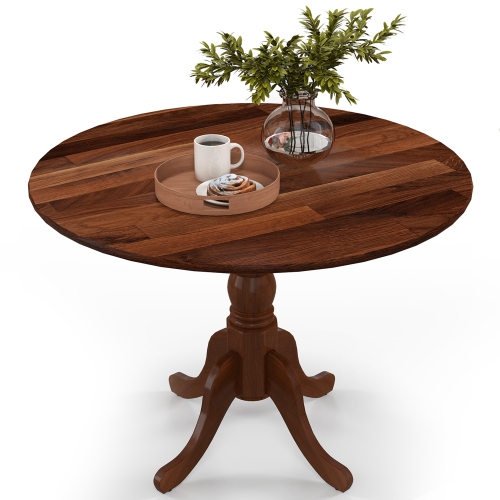


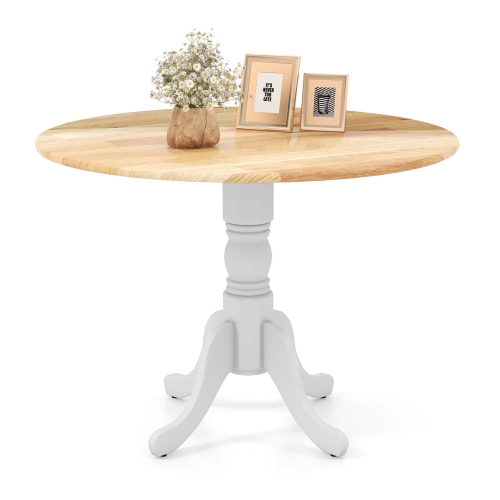


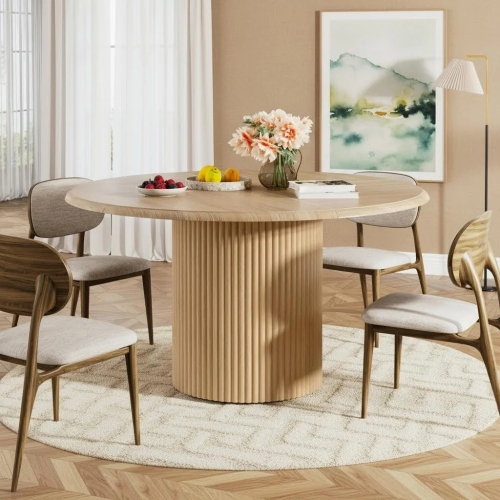

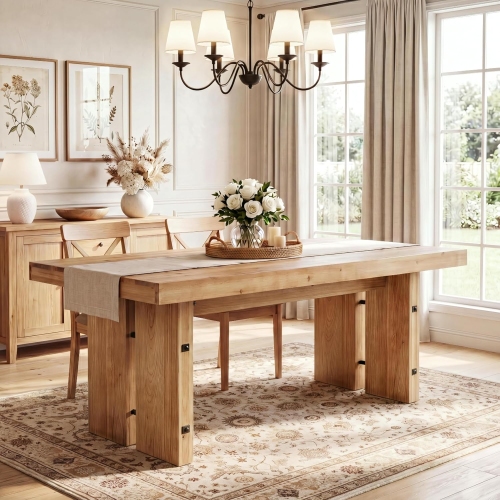


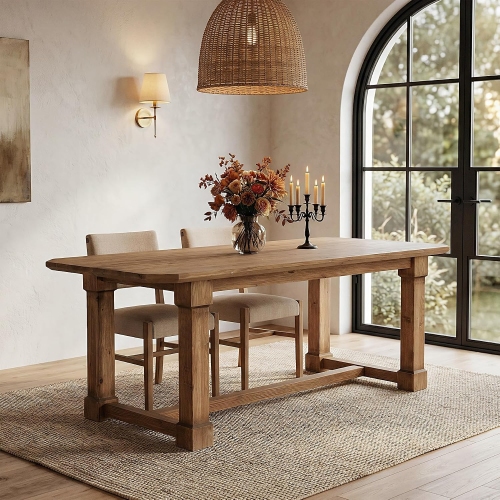


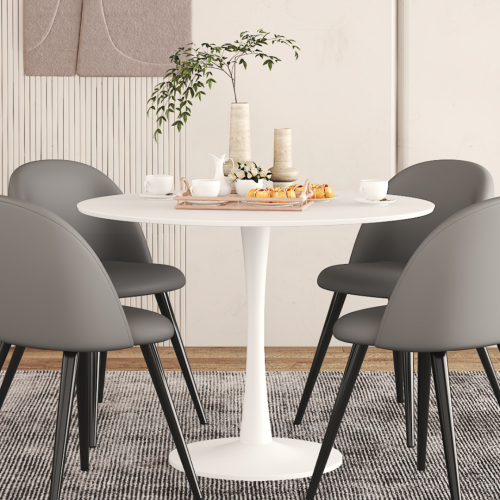
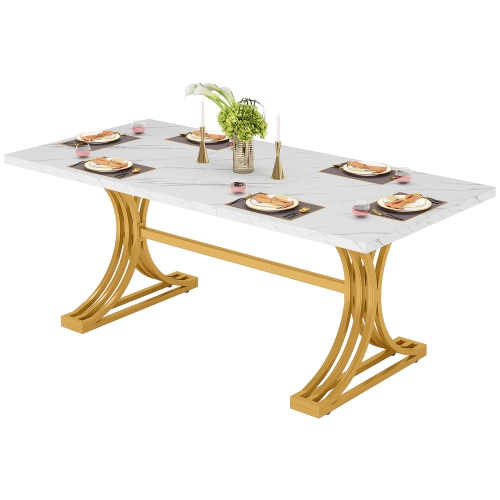


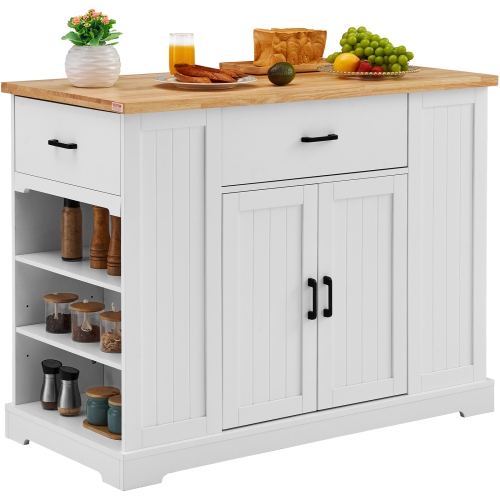
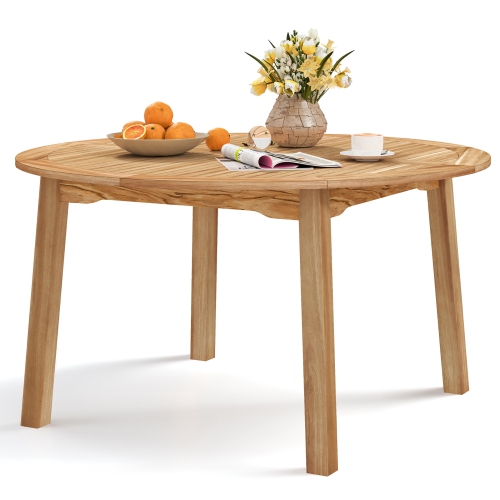

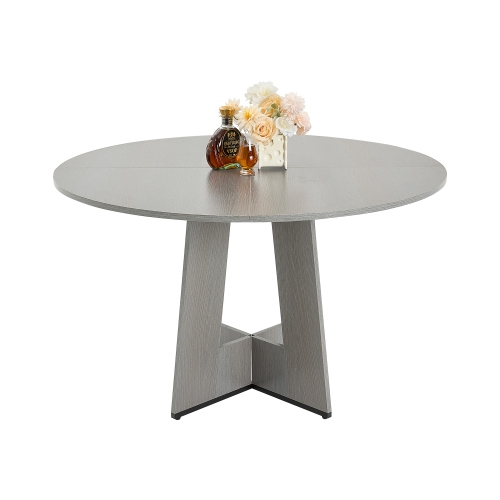


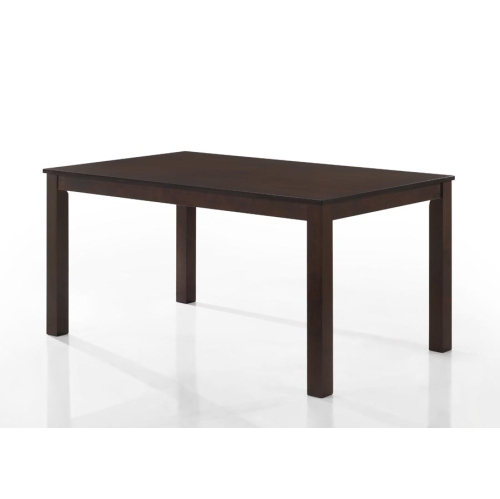
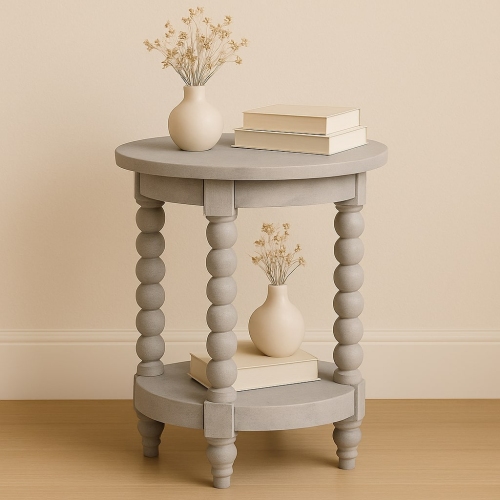
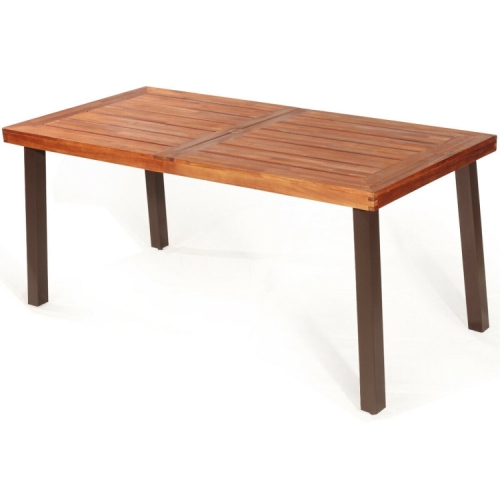
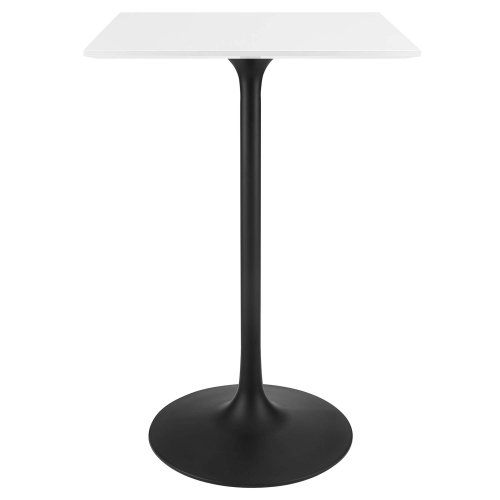

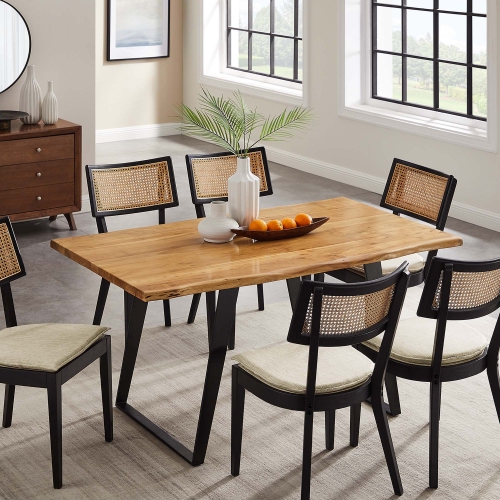
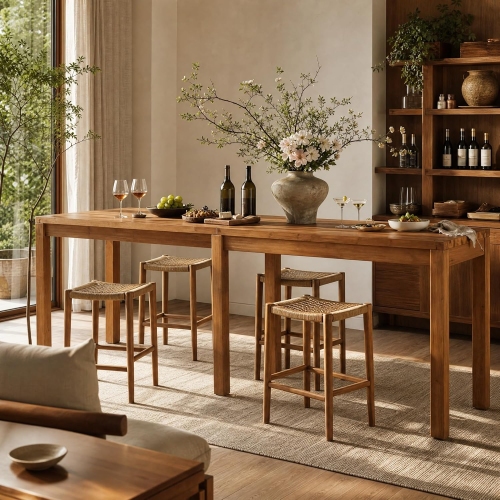
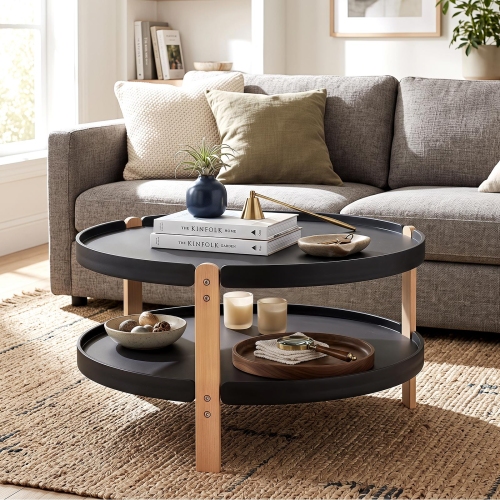
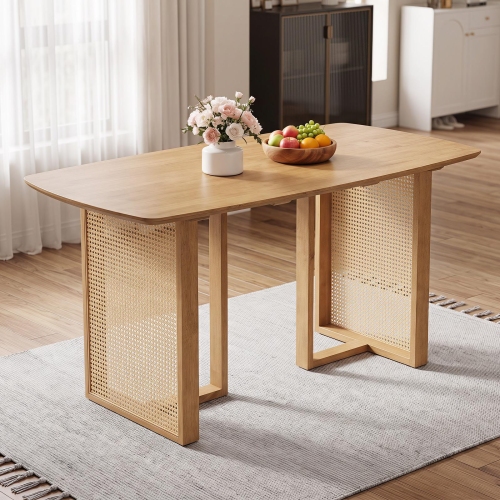


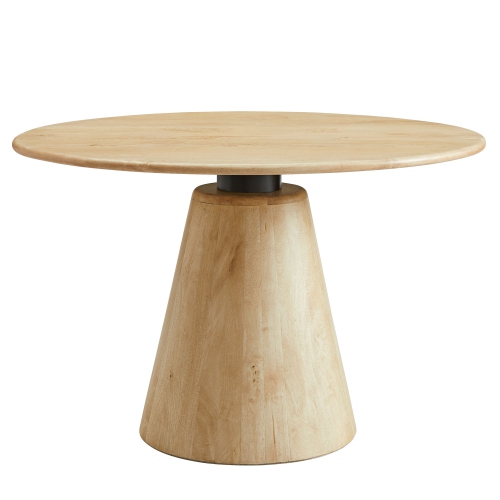
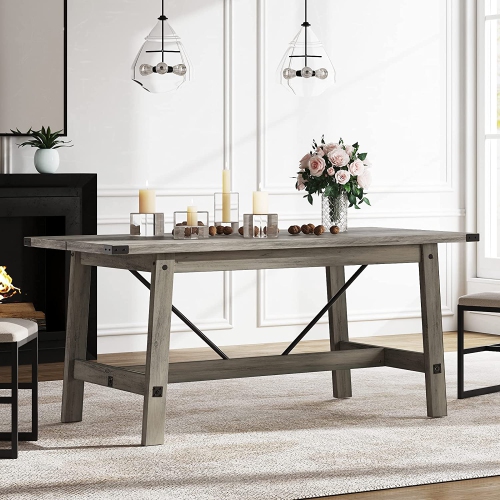
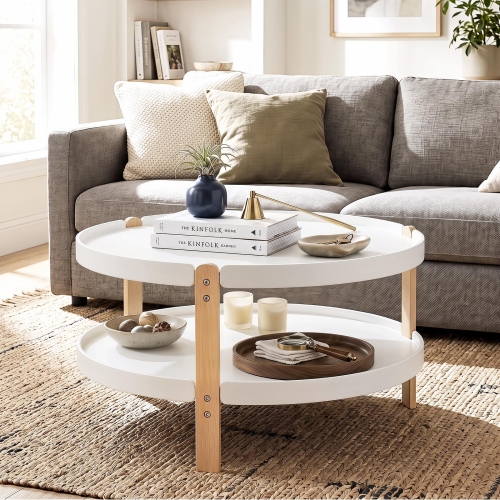


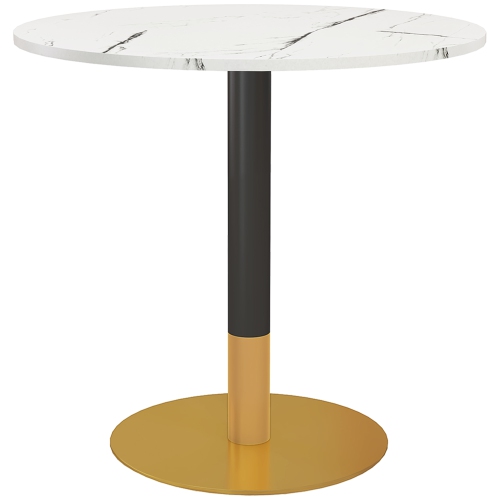


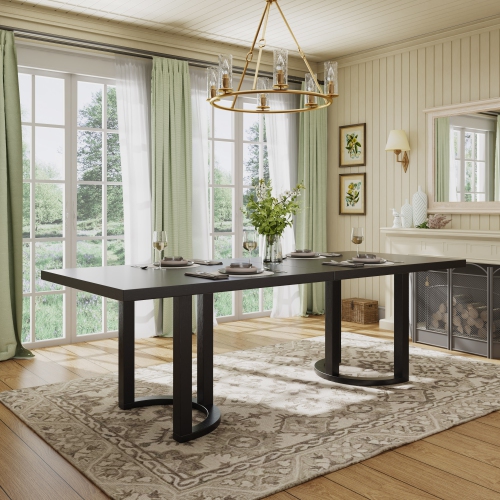
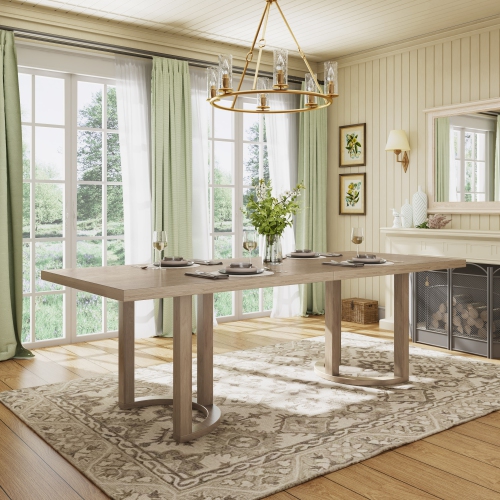
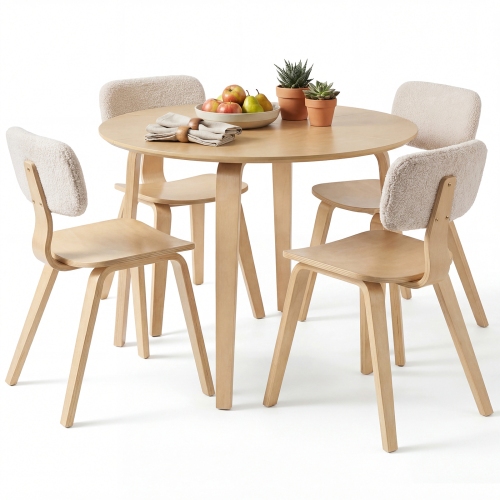
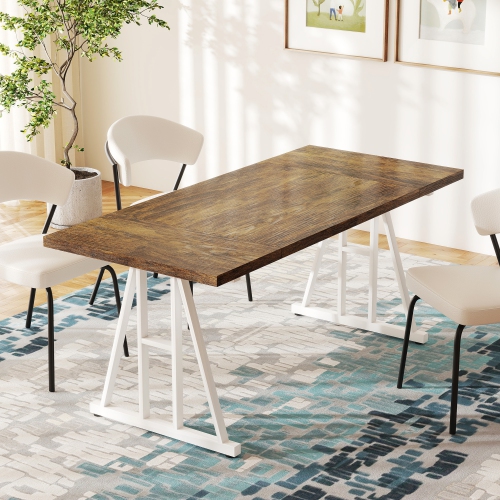
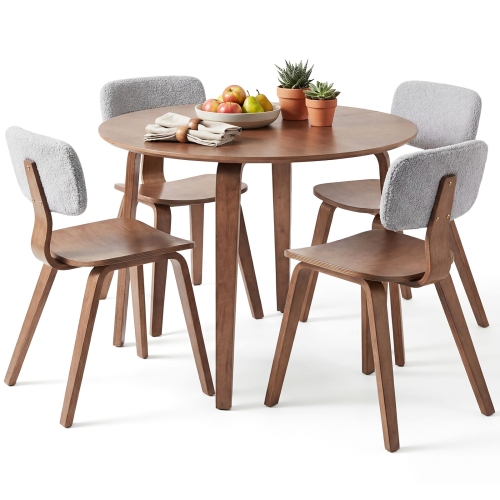


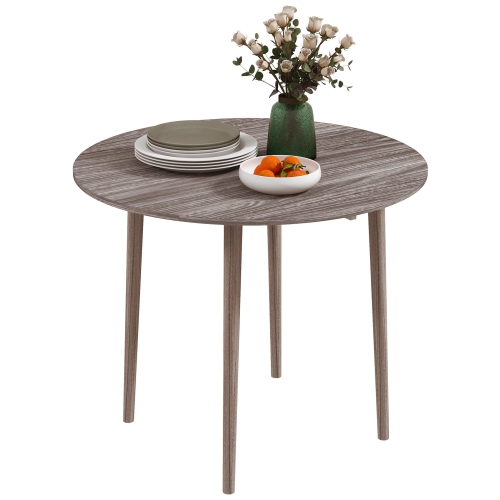
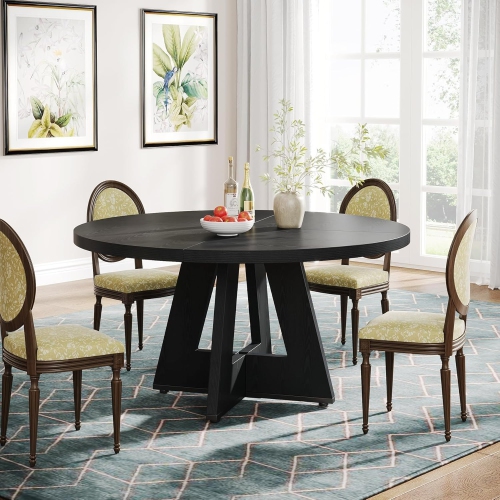


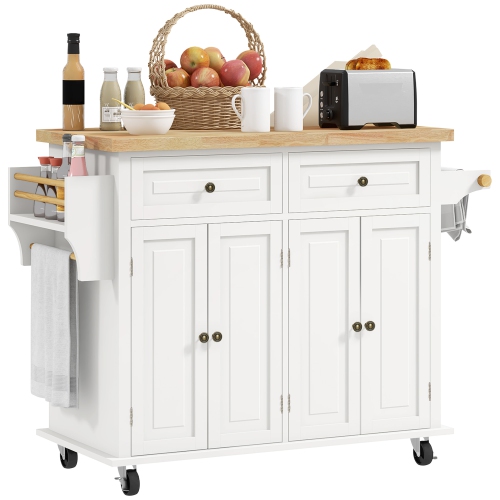
How white finishes shape the feel of everyday dining
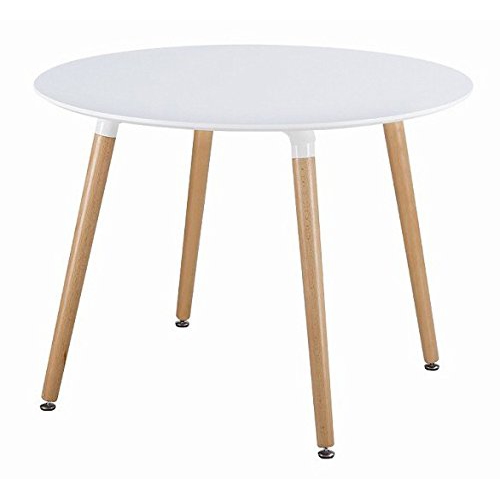
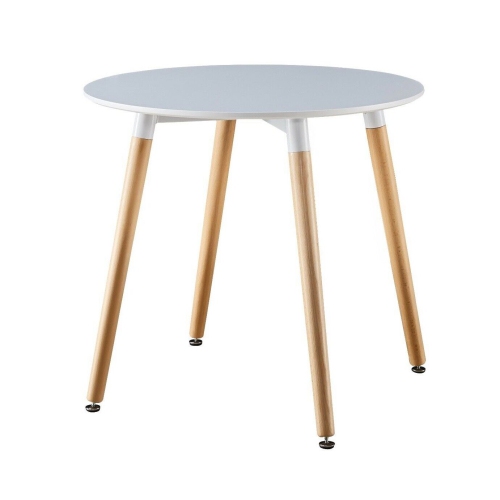
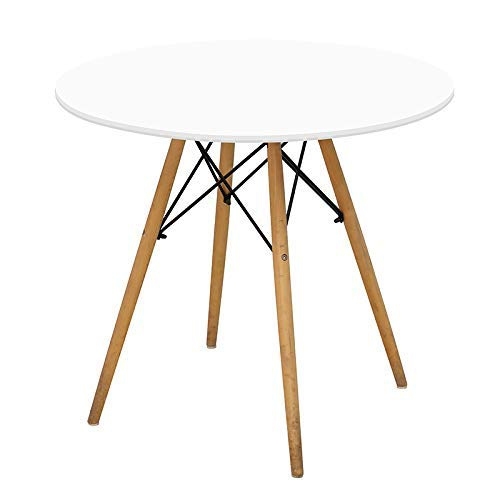
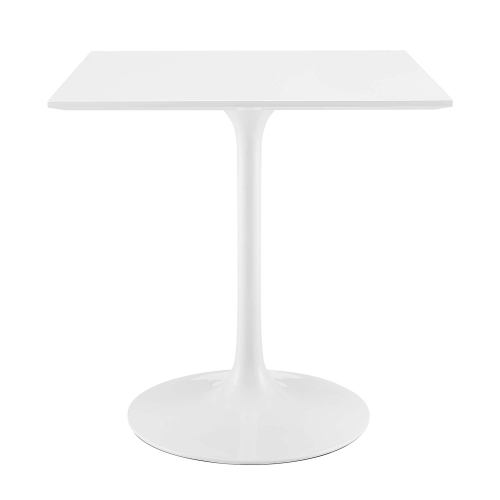
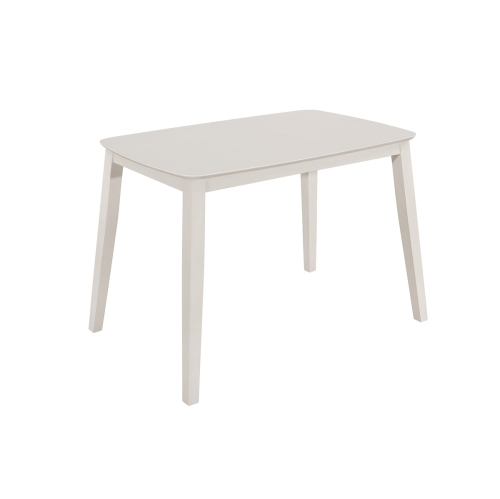
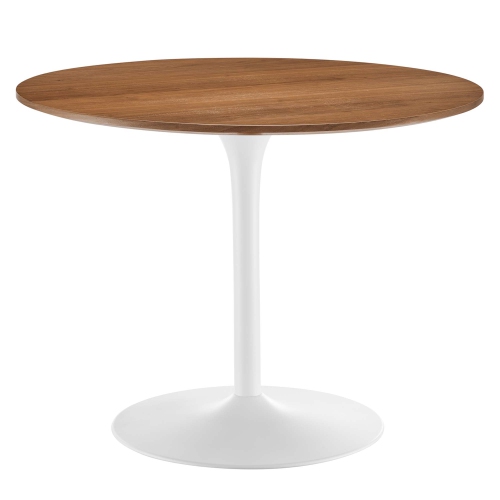
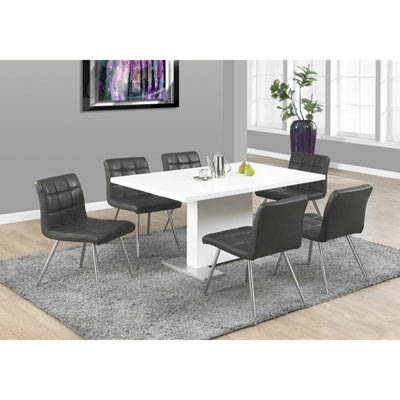
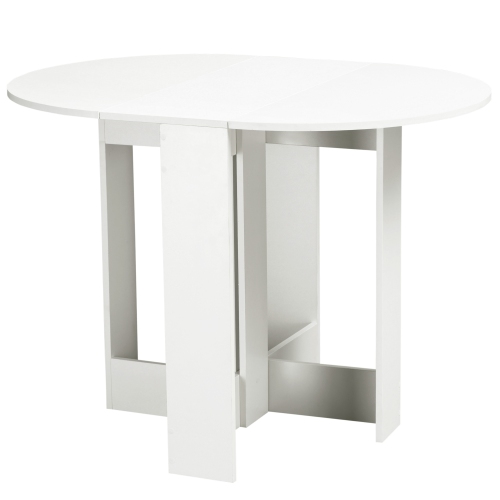
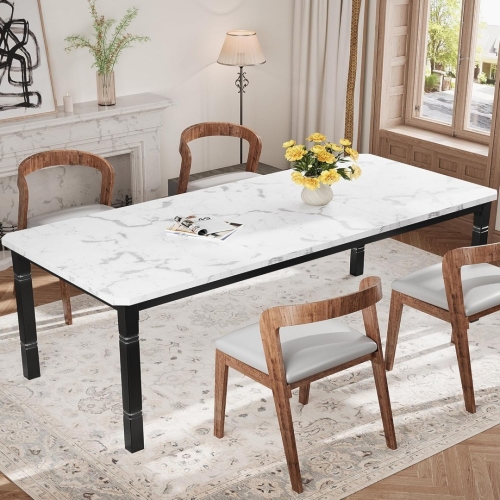
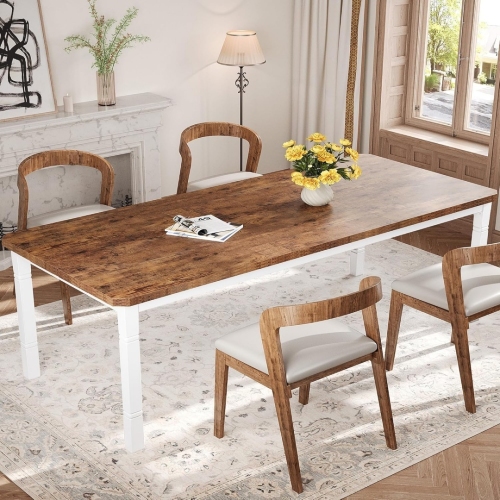
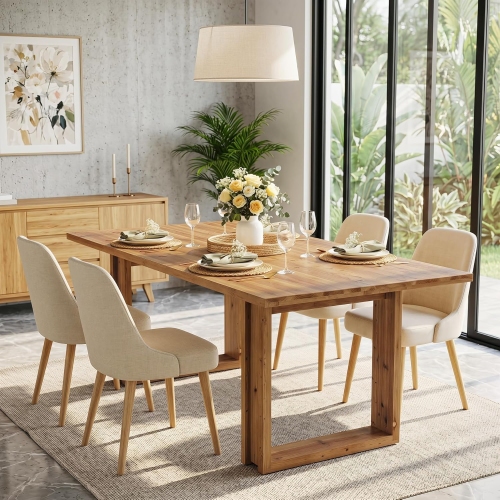
White wood dining tables bring a light, welcoming presence to the room where everyday meals, family conversations, and casual gatherings take place. A white finish can soften the visual weight of a substantial table, making it a natural fit for an open dining area, a compact condo, or an eat-in kitchen. The effect depends on both the shade and the shape: a crisp white tabletop feels clean and defined against darker flooring, while a warmer ivory finish sits comfortably beside cream upholstery and muted wall colours. Straight legs and a slim apron create a simple silhouette, while turned legs, substantial pedestals, and framed tops give a table a more traditional character. Painted white surfaces can provide a uniform appearance, whereas whitewashed finishes may leave some of the grain visible for a more textured look. These differences matter when coordinating a table with existing cabinetry, a sideboard, or dining chairs, especially when several white finishes share the same room. A close match is not always necessary; contrast in texture or a deliberate difference in tone can feel more settled than whites that almost match. Wood construction also varies beneath the finish. Solid wood, wood veneer over a supporting core, and combinations of wood with engineered panels each have their own characteristics, so the material description is more useful than colour alone when assessing a table. Solid wood may show natural grain variation and respond to changes in indoor humidity, while veneer provides a real wood surface over another material. A painted finish does not, by itself, indicate what lies underneath or how well a tabletop will resist wear. For a room that would benefit from more visible grain and warmer wood tones, Natural Wood Dining Tables offer a different visual direction. White wood remains an appealing choice when the aim is a bright centrepiece that works with woven seats, upholstered chairs, or simple wooden seating without making the room feel overly formal.
The right proportions help a white wood dining table feel comfortable in daily use, not just balanced in the room. A rectangular table often suits a longer dining space and gives place settings a clear arrangement, while a round tabletop can encourage conversation and soften the layout of a square breakfast nook. Square tables work well for smaller households, and oval shapes offer a longer surface with curved ends that can ease movement around nearby furniture. Rounded edges may make a busy walkway more comfortable, although the full footprint still needs to leave enough space for people to pass. Allowing approximately 36 inches between the table edge and a wall or cabinet is a useful starting point for pulling out chairs; a route used regularly for walking may need more room. Chair dimensions matter just as much as the tabletop. Wide seats, splayed chair legs, and armrests can reduce the number of people who fit comfortably, even when a table's stated seating capacity appears suitable. Around 24 inches of table edge per person is a common starting allowance, with extra space helpful for broad chairs or generous place settings. Beneath the surface, corner legs can restrict where chairs tuck in, while a pedestal may provide more freedom around the perimeter but occupy foot space at the centre. The apron also affects clearance, particularly for armchairs. An extendable table can suit a household that keeps a compact arrangement for breakfast and opens up the dining area for guests. Its usefulness depends on having room for the extended length, additional chairs, and any removable leaves that need separate storage. In an open-plan home, the table should also sit comfortably within the path between the kitchen and living area. A rug can help define that space, provided it is large enough for chair legs to remain on it when seats are pulled back. Measuring the room alongside the chairs, nearby storage, and walkways gives a clearer sense of fit than judging the table in isolation.
Daily routines help determine which construction details and finishes deserve the most attention. A table used mainly for evening meals has different demands from one that also hosts school projects, puzzles, remote work, and weekend baking preparations. For frequent use, a steady base, secure joints, and a finish suited to ordinary spills are practical priorities. A heavier table is not automatically more durable; the quality of the connections, the supporting structure, and the surface treatment all contribute to how it holds up. White finishes can make crumbs and spills easy to spot, but they may also reveal coloured marks, scratches, or chips more clearly than some wood tones. Placemats and coasters help limit contact with dishes and moisture, while trivets protect the surface from hot serving pieces. A washable protective covering is useful for crafts, though it should not trap moisture against the tabletop. Gentle cleaning with a soft cloth, followed by drying when needed, is generally preferable to leaving water on the surface, and the manufacturer's care directions should determine which cleaners are suitable. Abrasive pads and harsh cleaning products may dull or damage a finish. Spills from coffee, tomato sauce, or brightly coloured drinks are best addressed promptly rather than left until the end of a long meal. Placement also affects long-term appearance: strong sunlight can alter some finishes, and nearby heating vents or radiators may expose wood to uneven drying. During the cooler months, maintaining reasonably steady indoor humidity can help reduce excessive wood movement. Assembly requirements are another practical consideration, particularly in homes with stairs, narrow doorways, or limited space to turn a large tabletop. Once in place, a white wood dining table can serve as a quiet backdrop for changing textiles and everyday objects: linen napkins for a shared supper, a low bowl that leaves sightlines open, or a lamp nearby for homework after dinner. Its lasting usefulness comes from a comfortable fit, suitable materials, and a surface that supports the way the household actually gathers.
Top selling and popular products
-
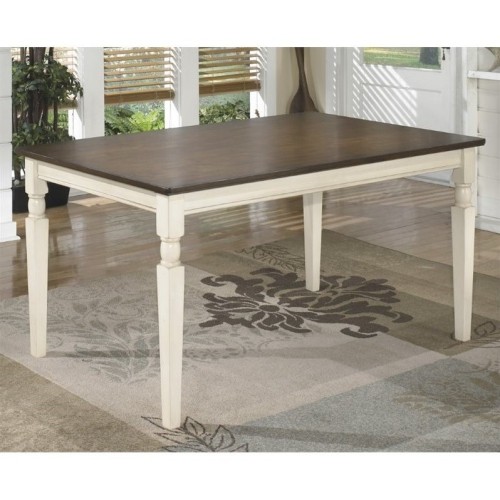 Your price for this item is $399
-
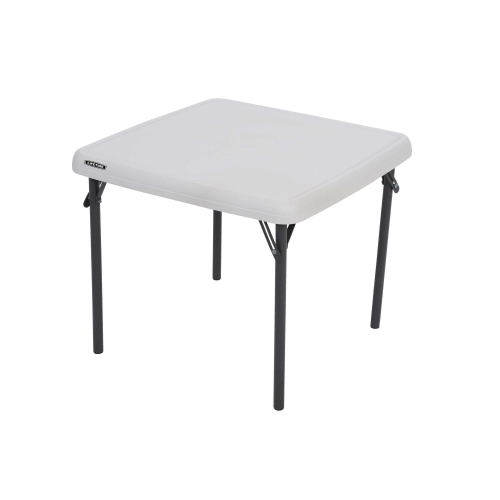 Your price for this item is $71.99
-
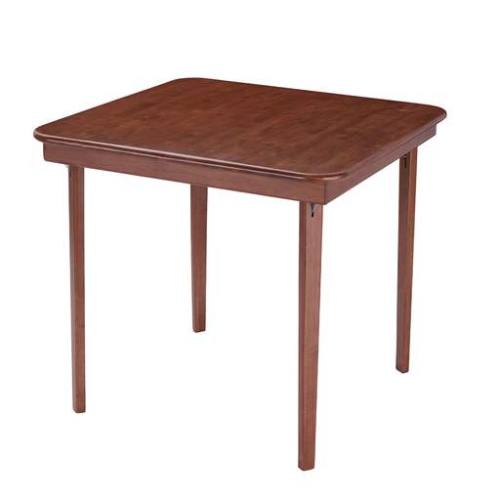 Your price for this item is $323.99
-
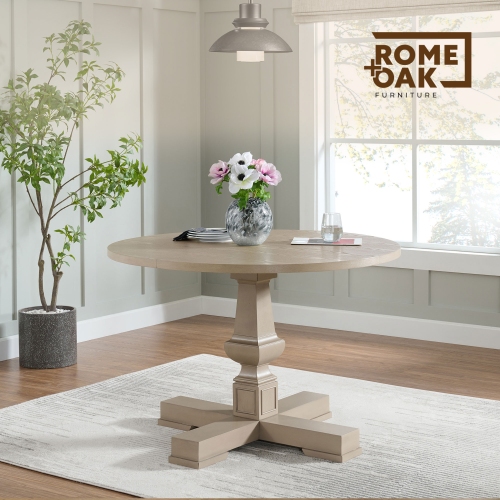 Your price for this item is $763.99
-
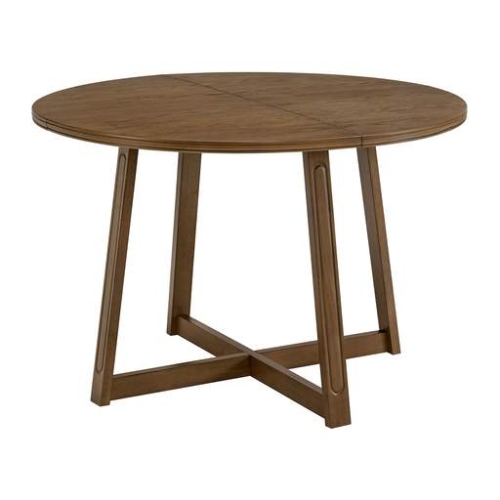 Your price for this item is $627.99
-
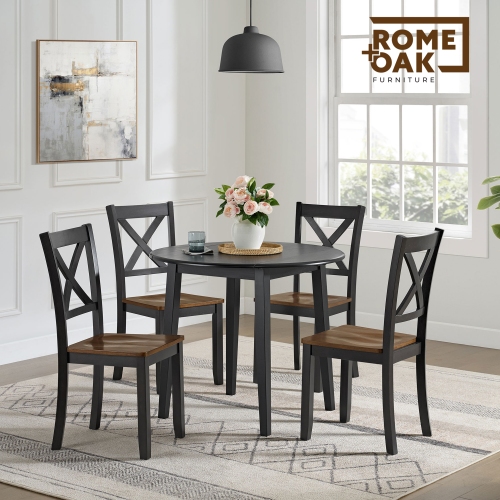 Your price for this item is $304.99
-
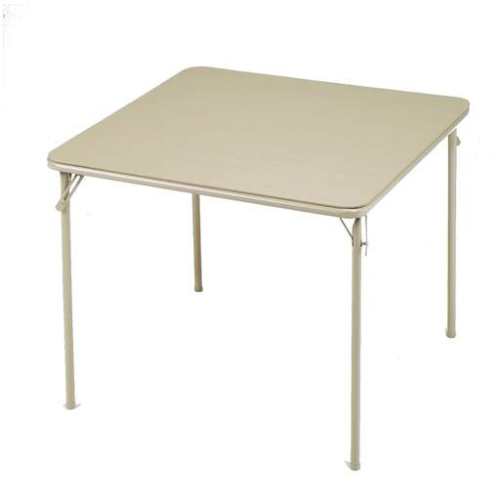 Your price for this item is $190.99
-
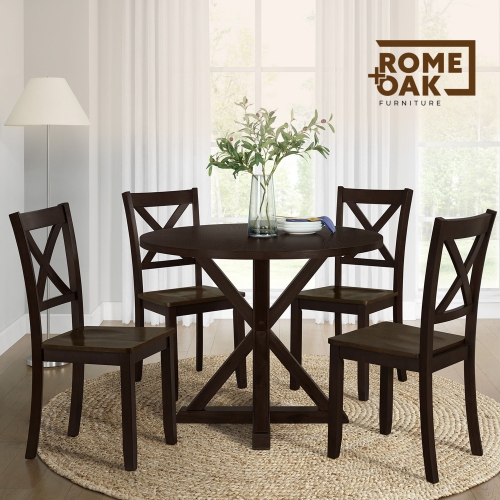 Your price for this item is $651.99
Discover more categories related to White Wood Dining Tables

Top Collections:
Pokemon Centers, Kindle Devices, Best Cameras for Sports Photography, Pokémon 30th Celebration Cards, Apple iPhones 16, Canon G7X Cameras, iPhone 15 Apple, Flip Phones, Samsung Galaxy Phones, Alarm Clock
Some products may be subject to Environmental Handling Fees
(EHF) depending on your province.
Learn more about EHFs.