White Wooden Tables
Looking to add a touch of elegance and functionality to your home or office space? Look no further than our collection of white wooden tables. Whether you're in need of a sleek and modern desk for your workspace or a stylish dining table for entertaining guests, these tables are sure to add timeless beauty to your decor. Here are some great options available.
Sort
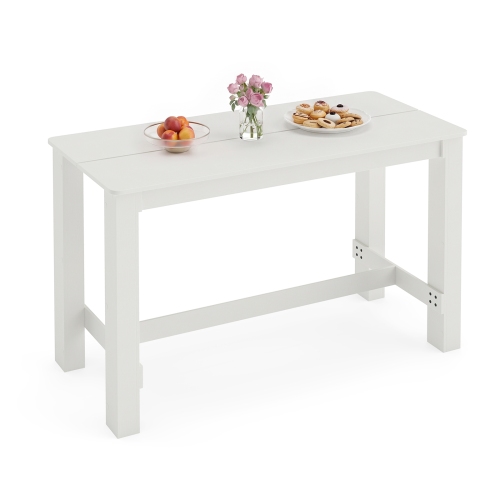
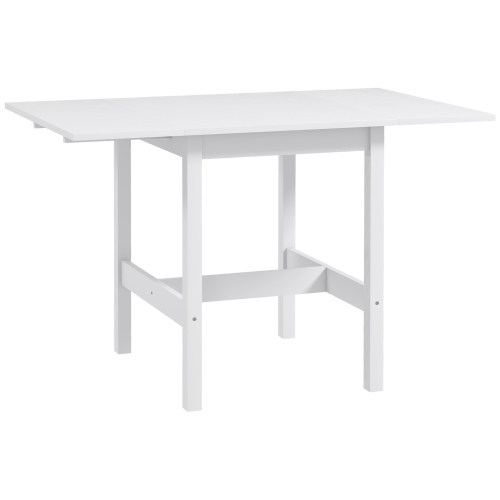


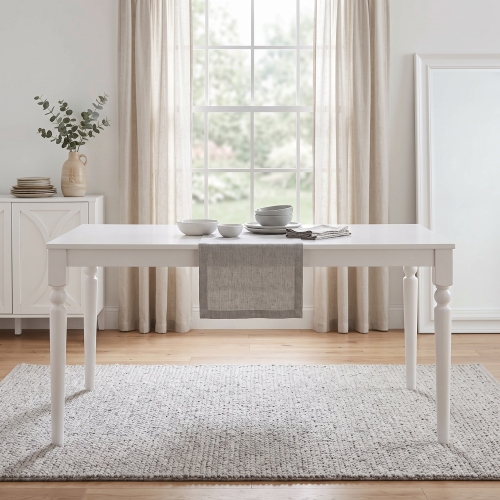
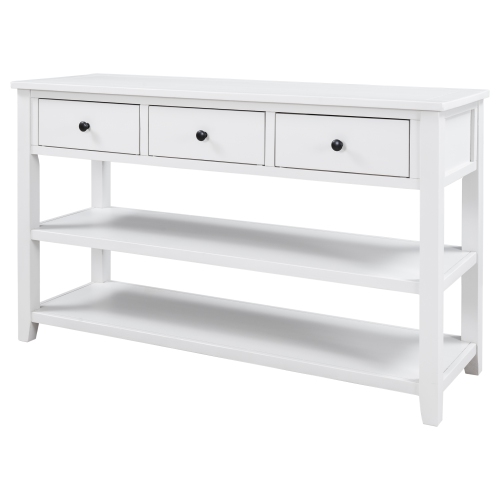
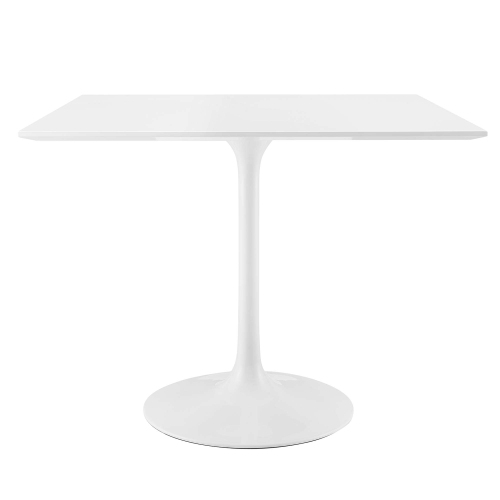

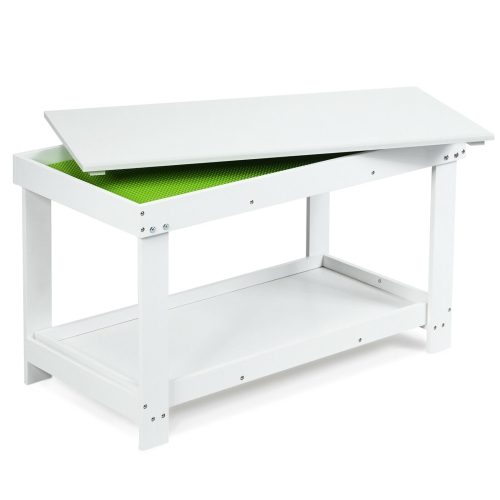
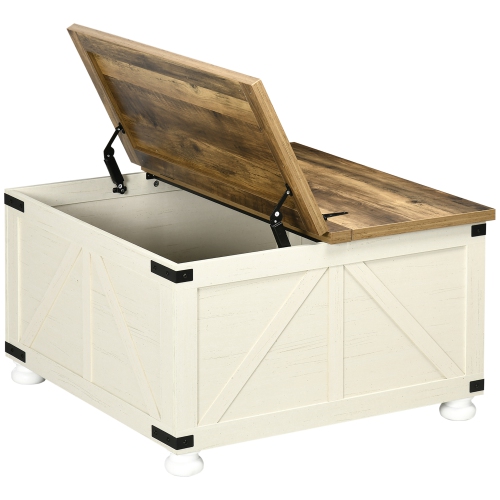
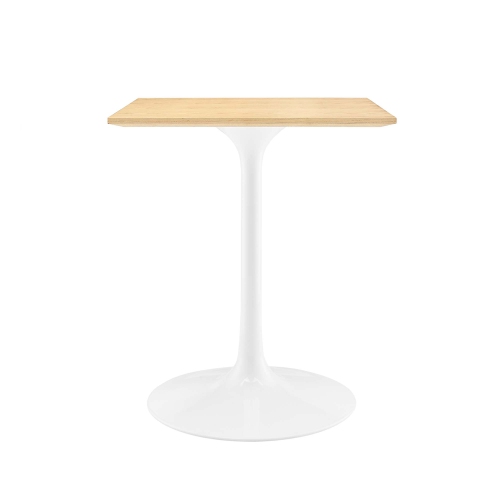


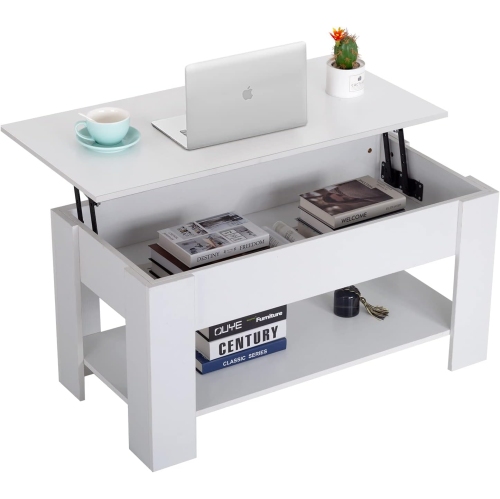
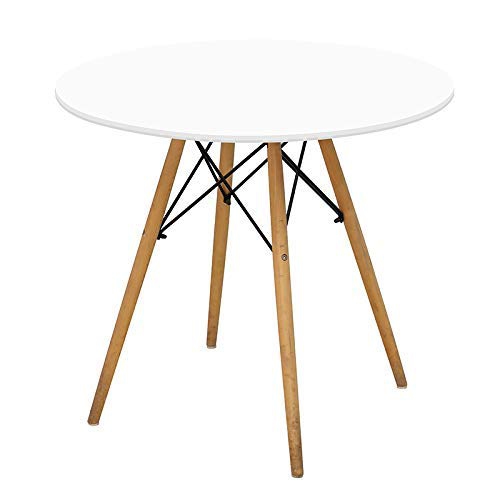
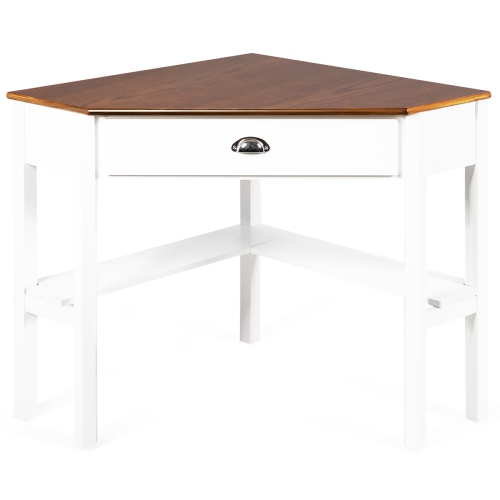

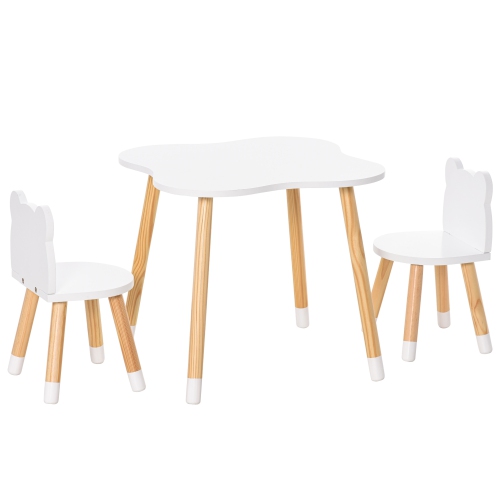
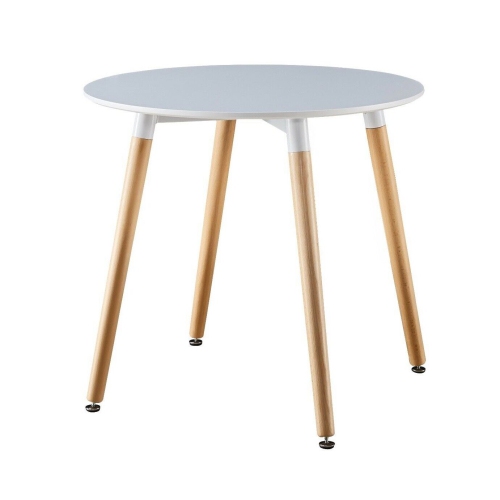

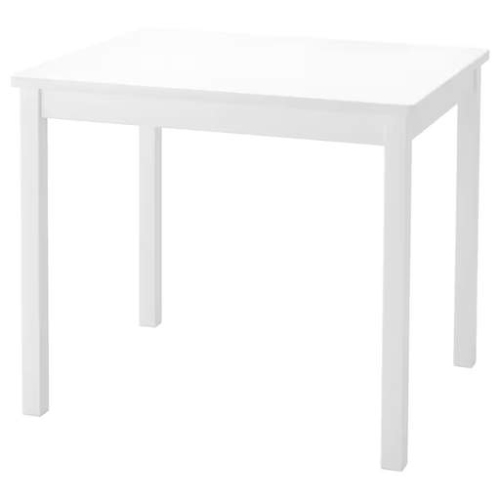
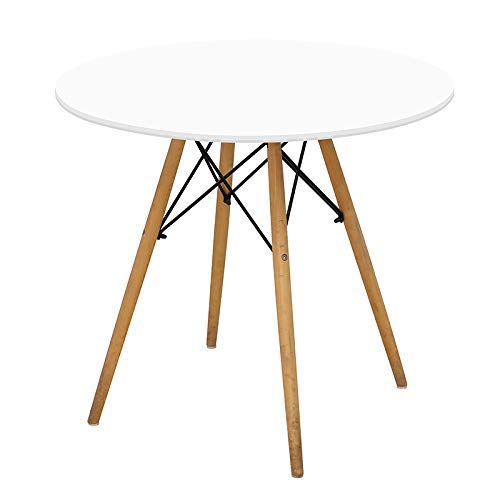


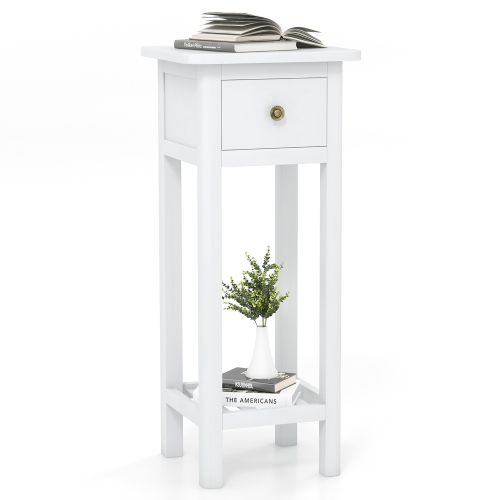
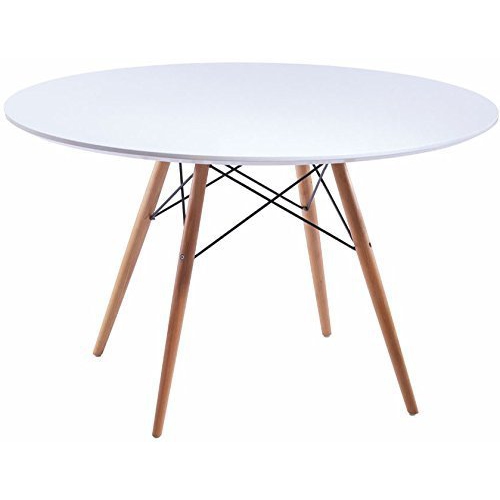
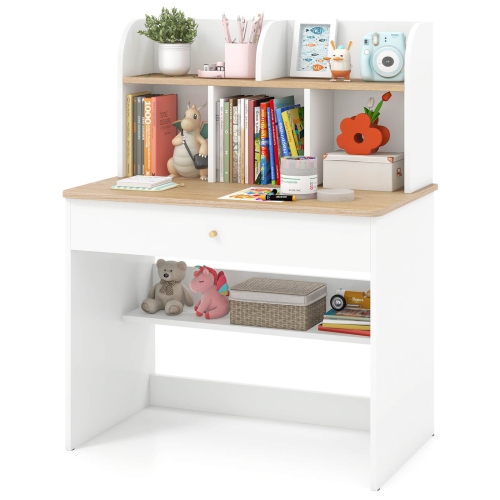


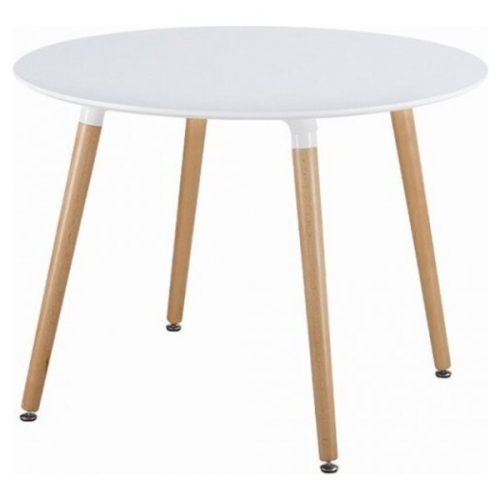


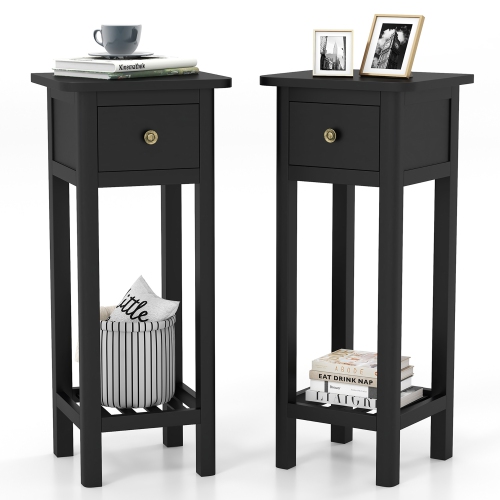
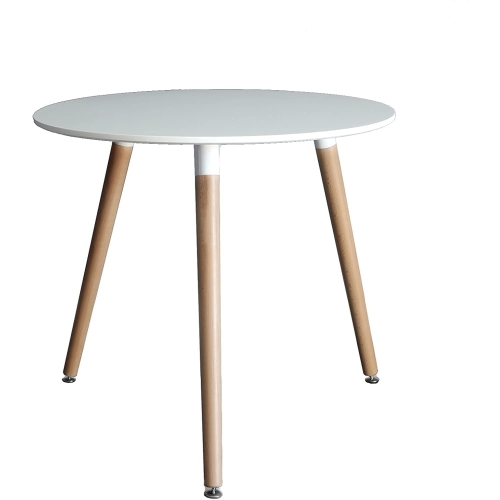
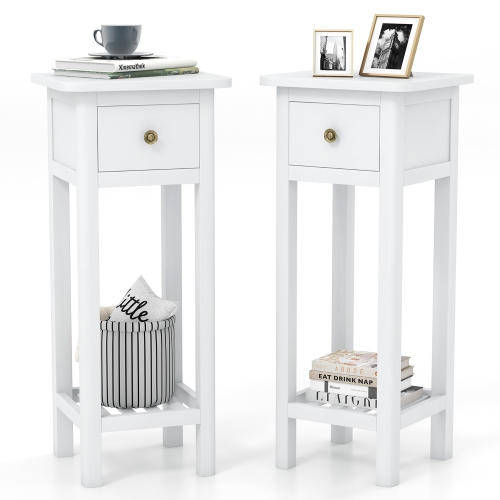

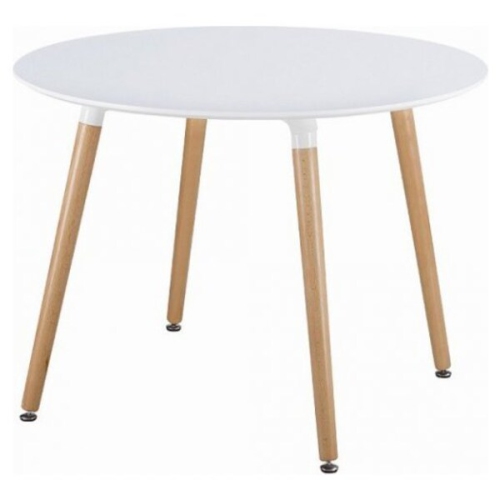
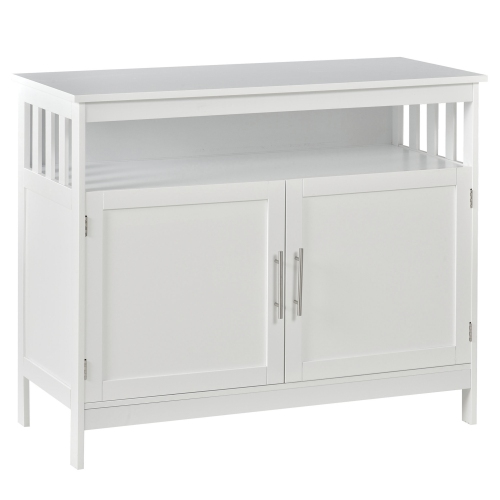
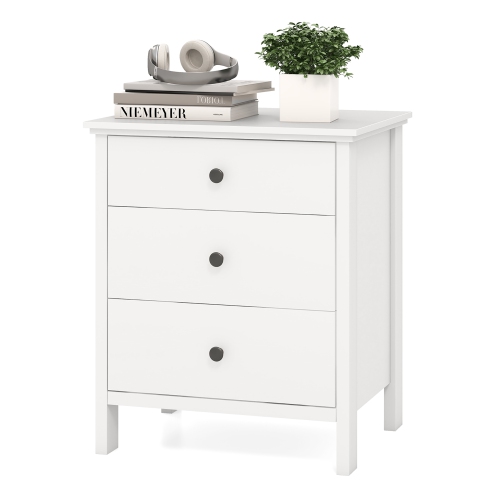


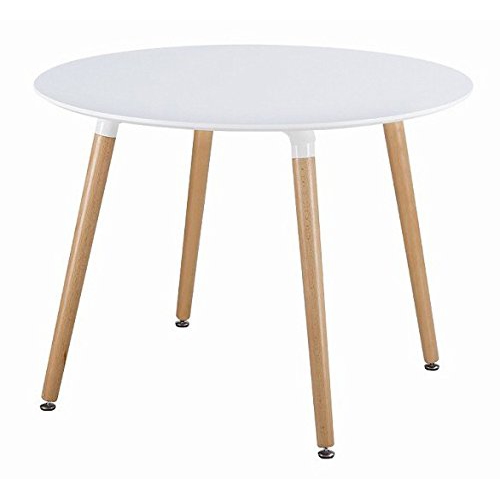


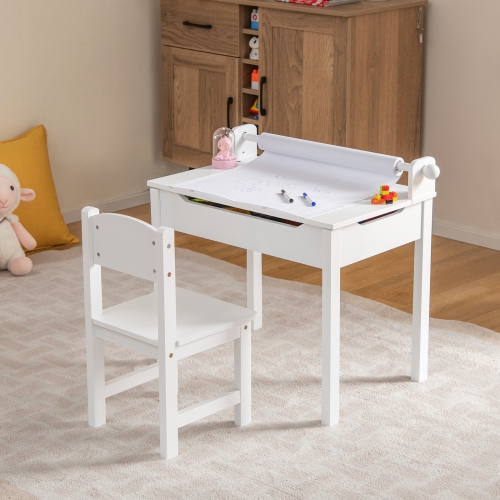


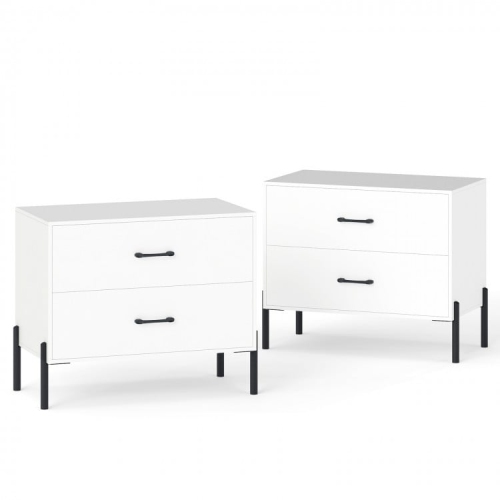
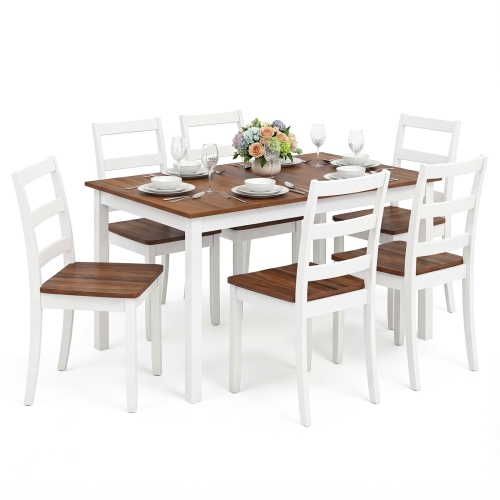

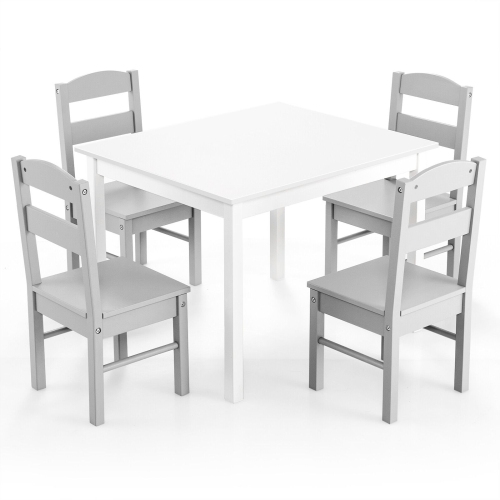
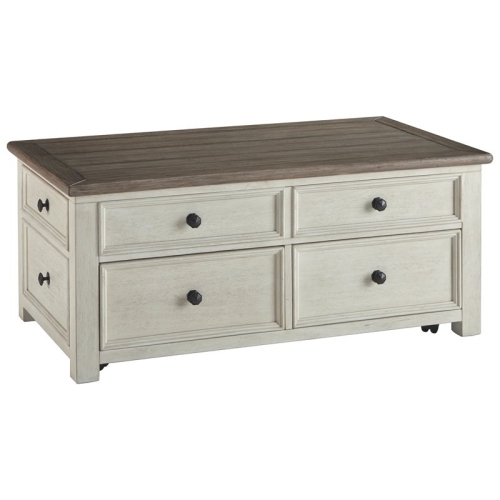
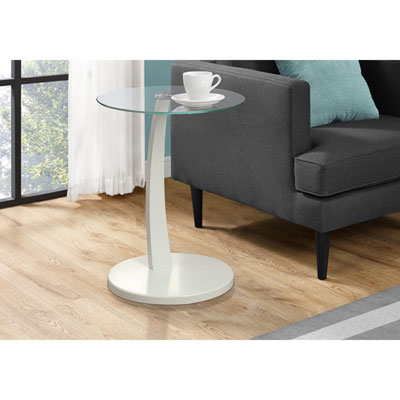
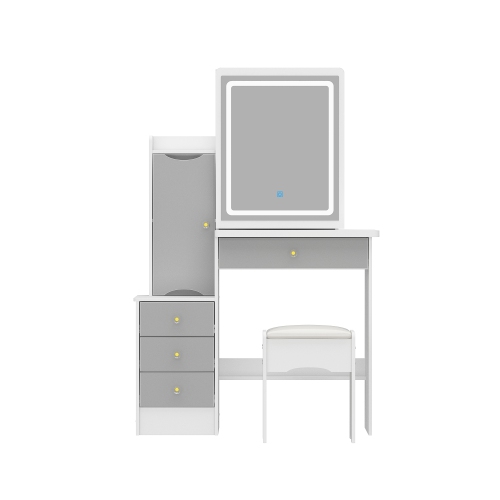
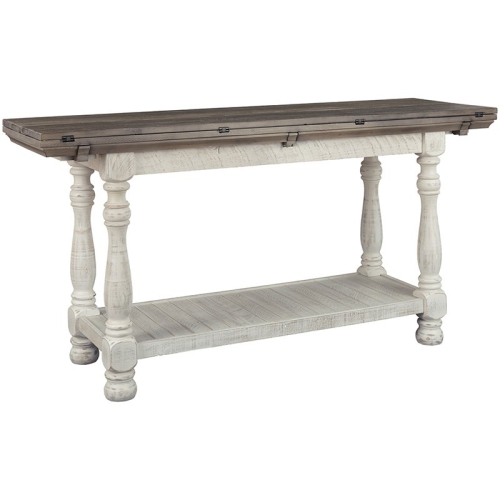


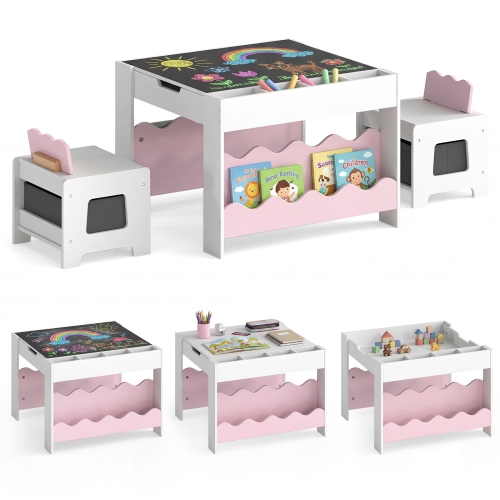
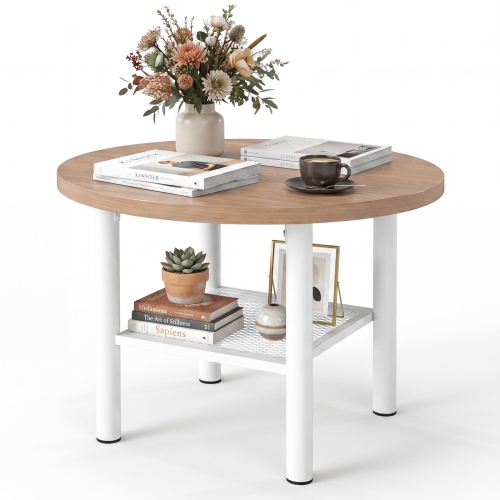
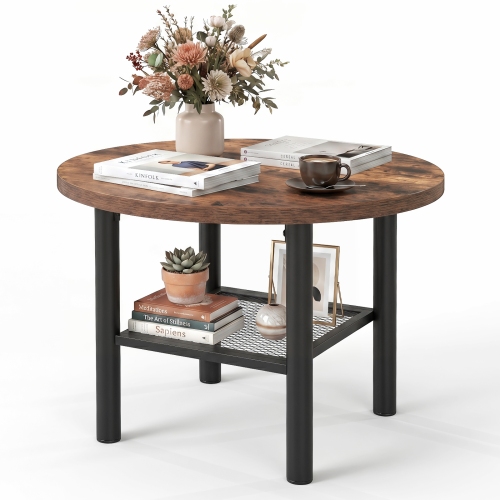
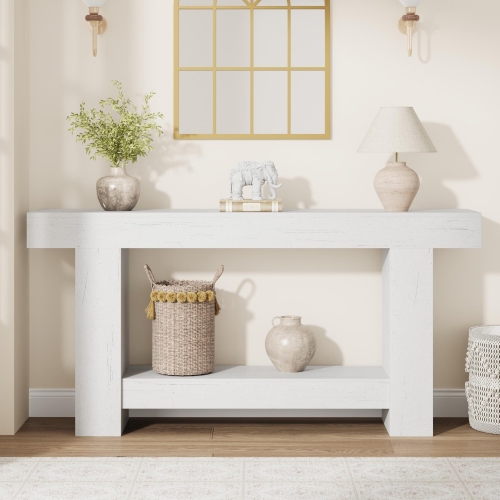
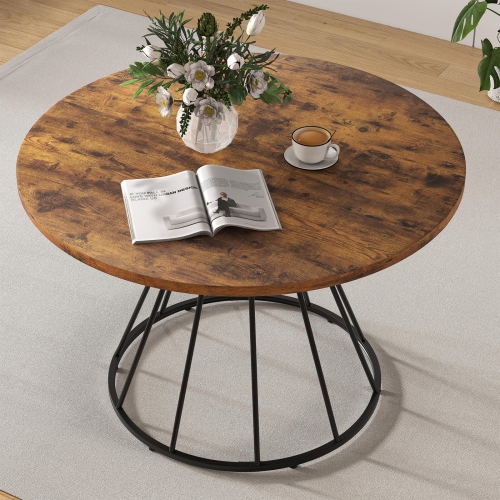

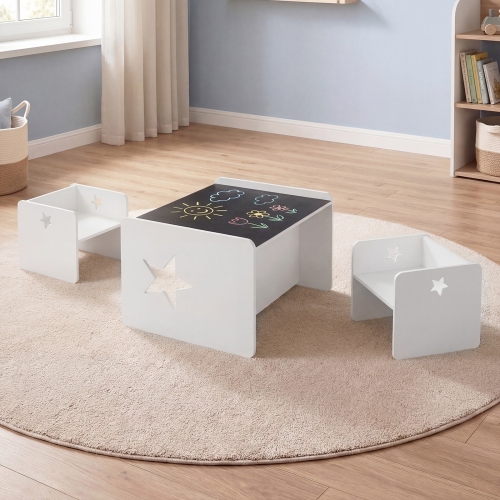

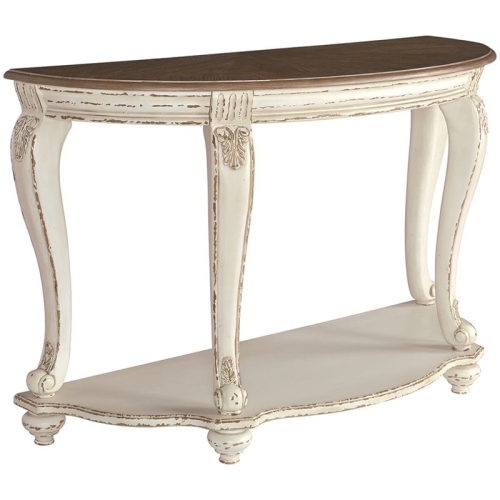
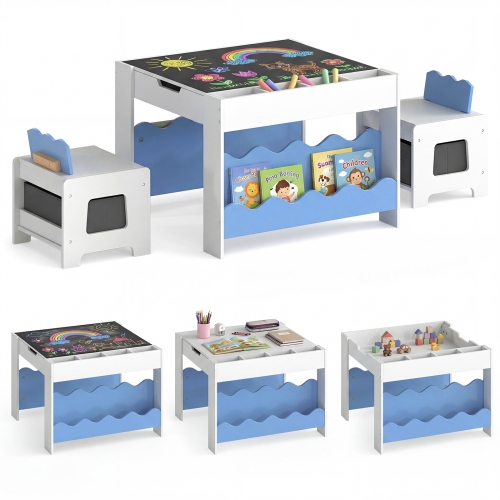


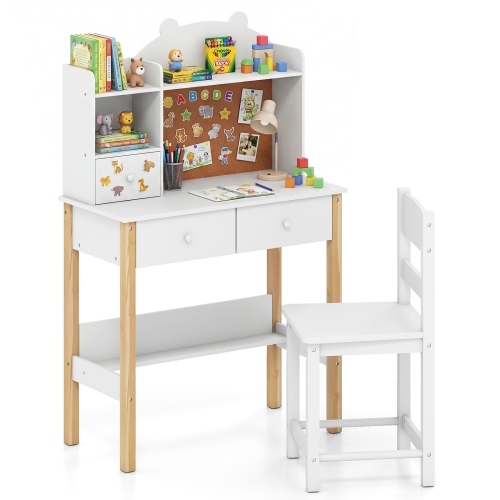


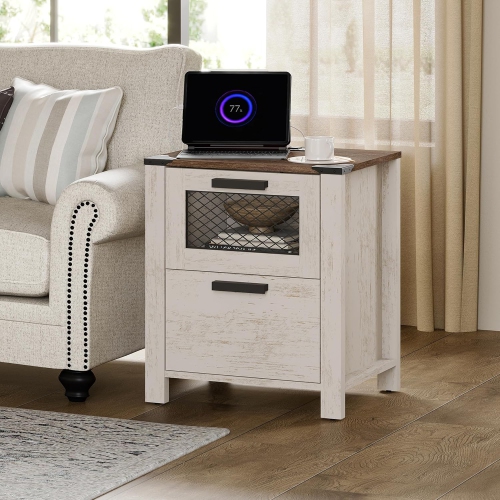

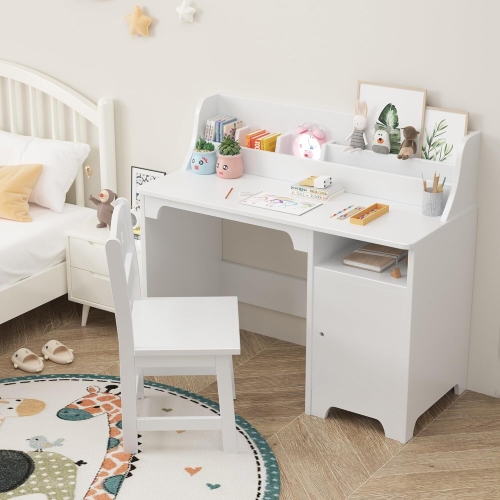

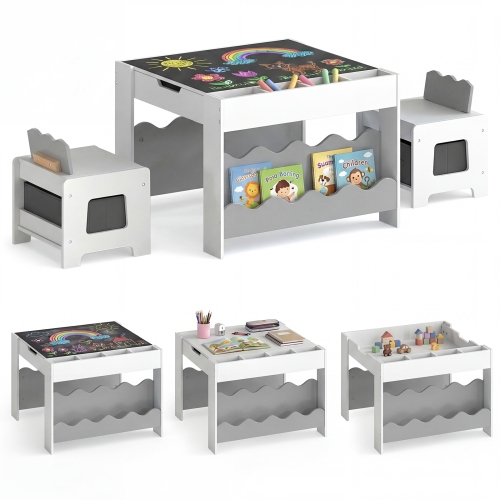
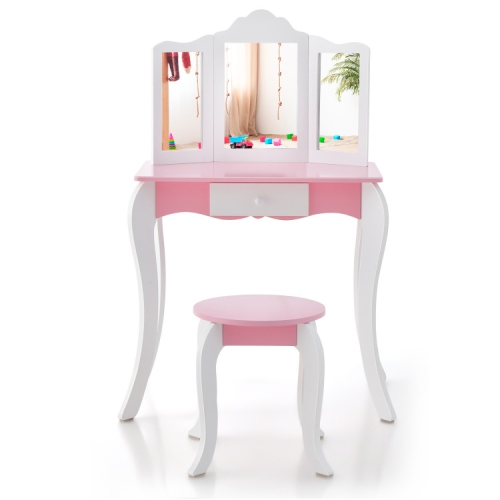


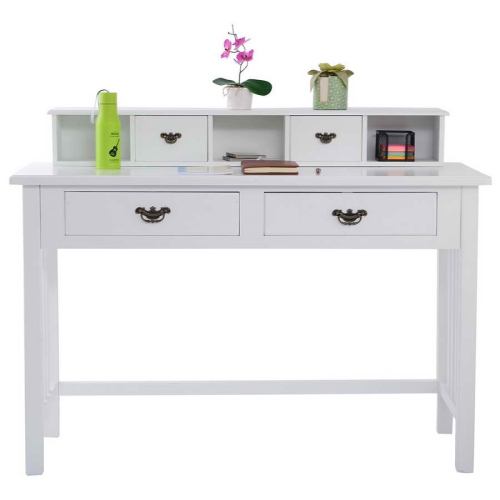
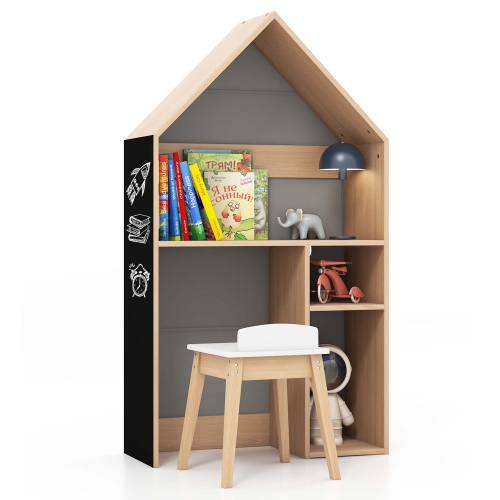


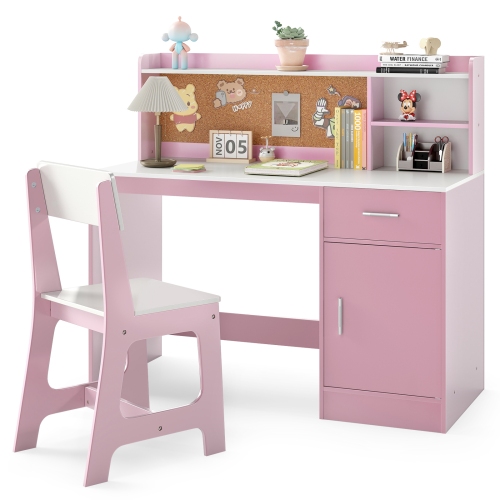
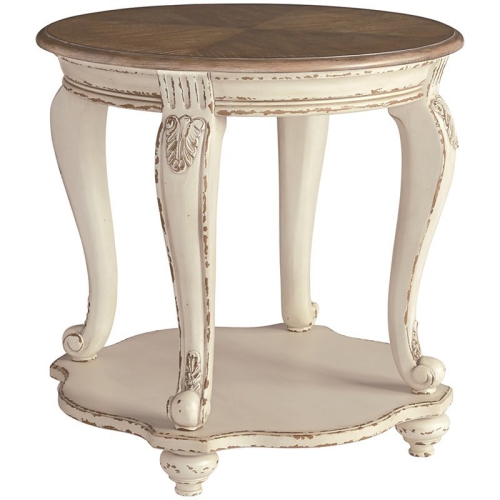

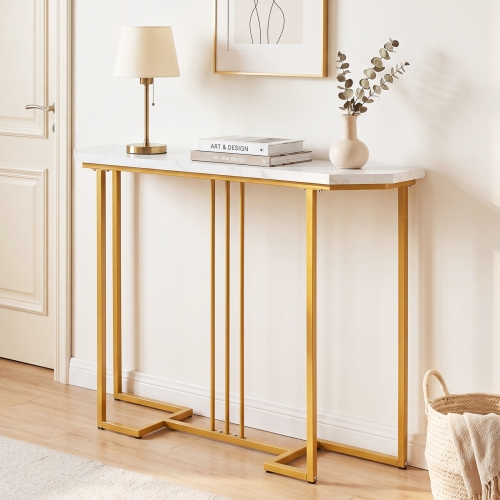
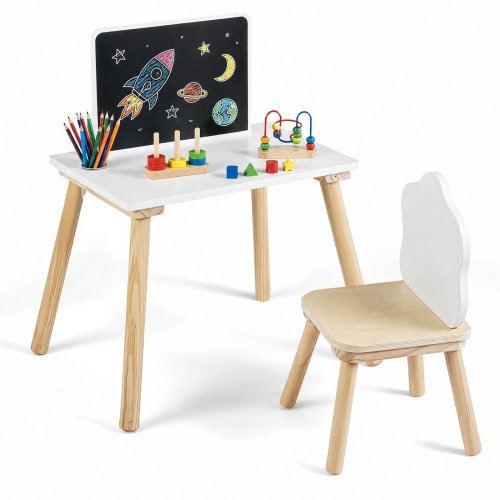
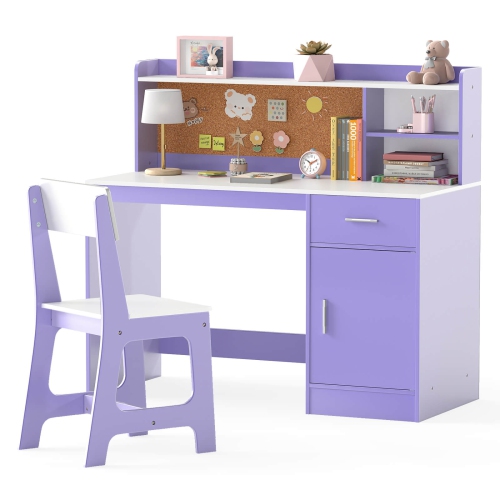


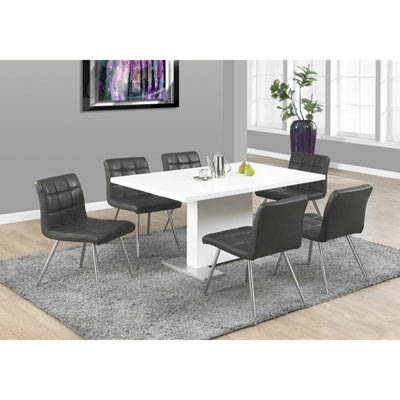

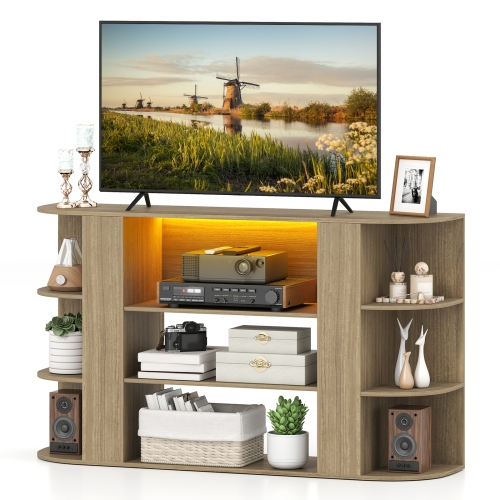


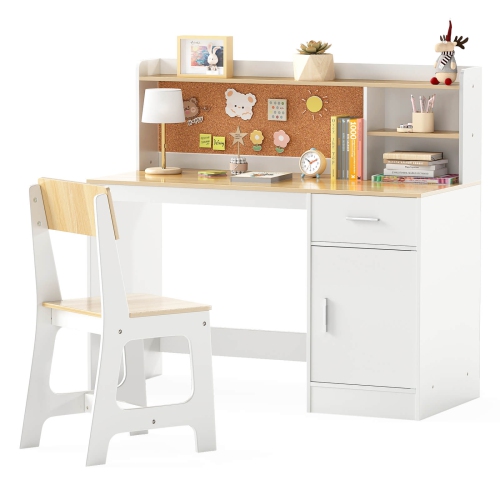

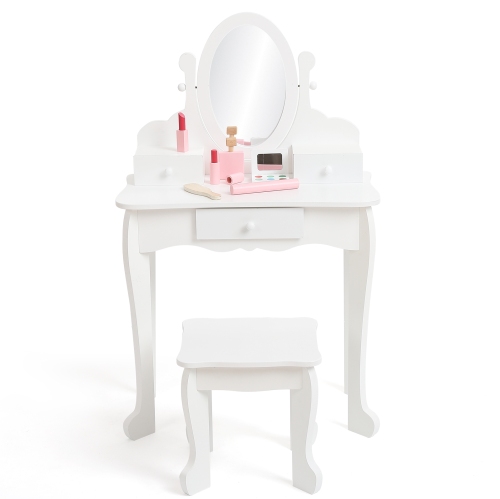

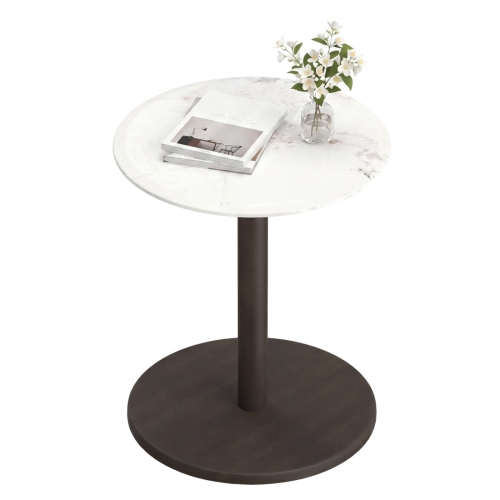
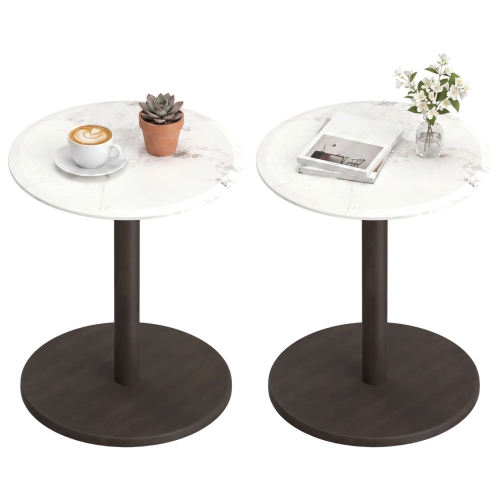
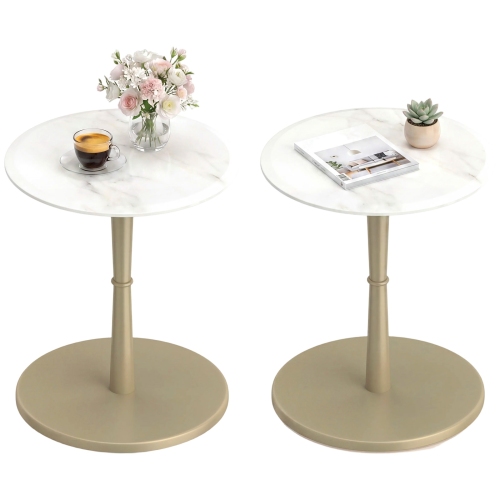

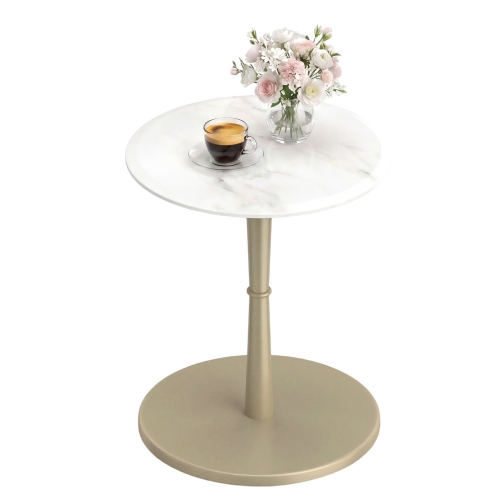

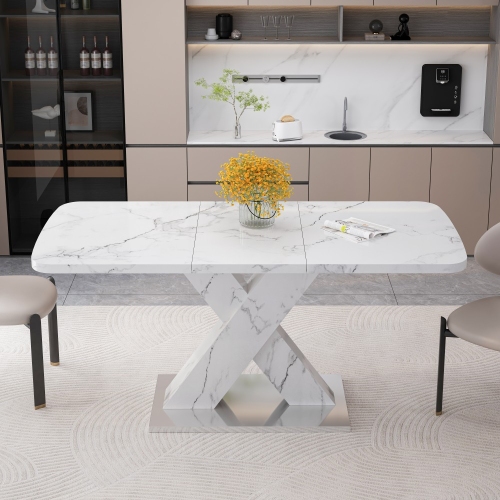






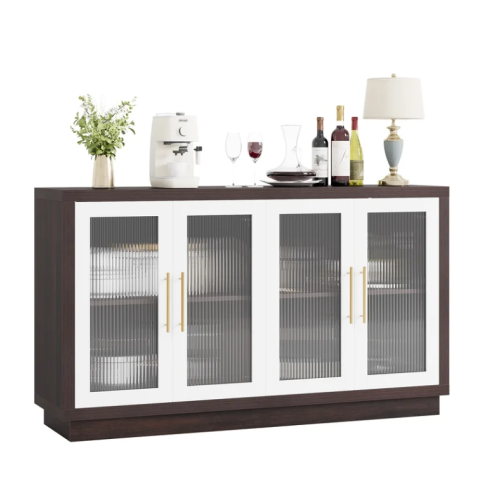


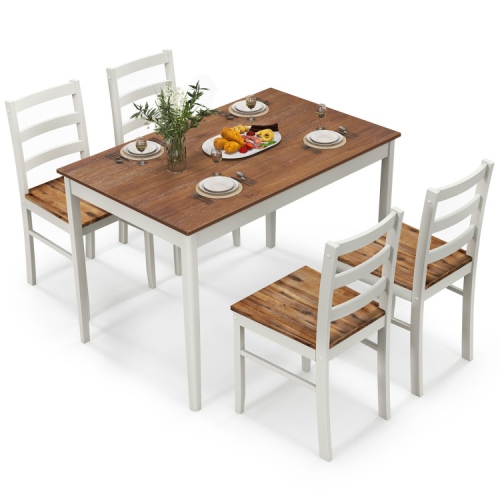
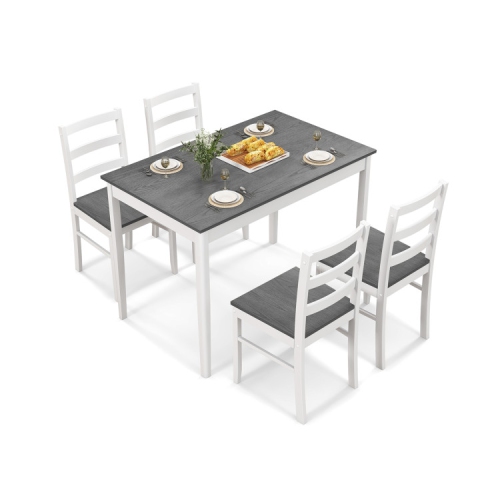
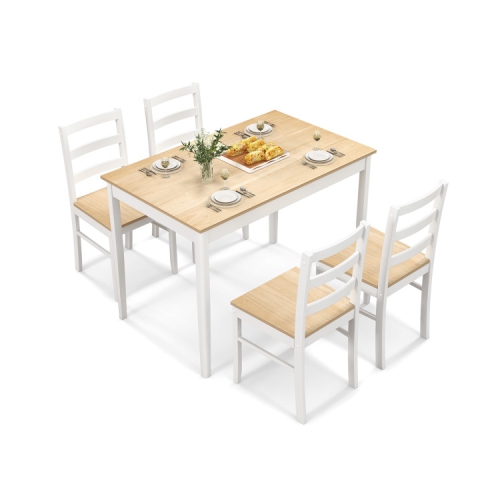


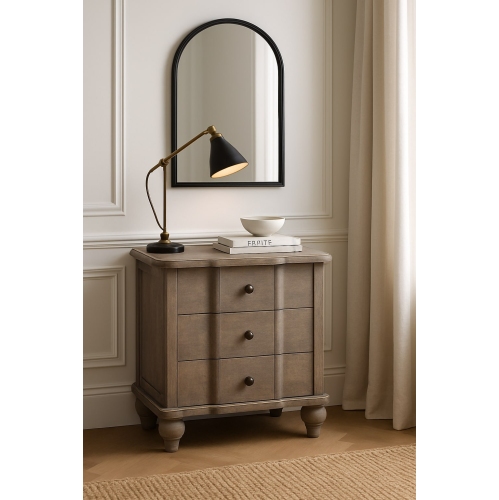

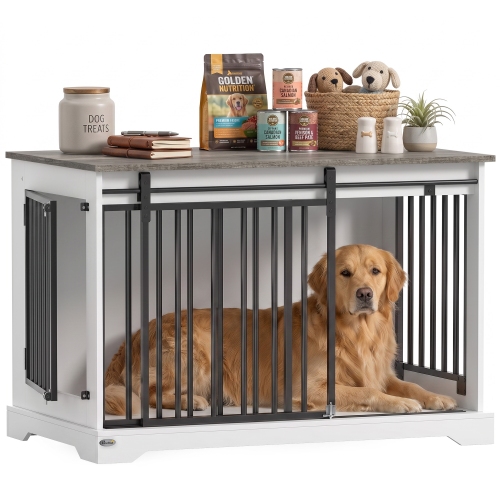
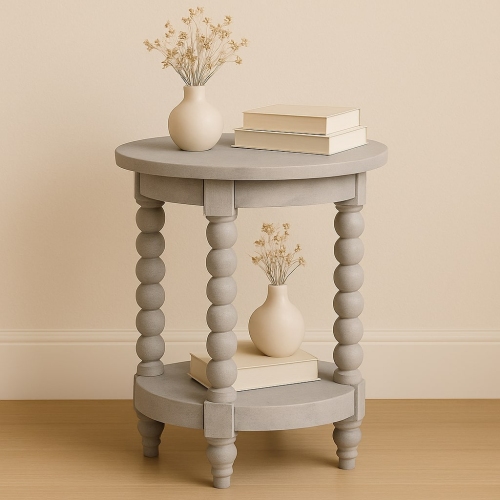
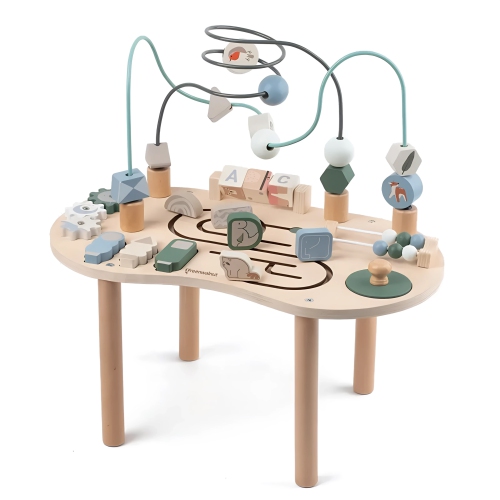
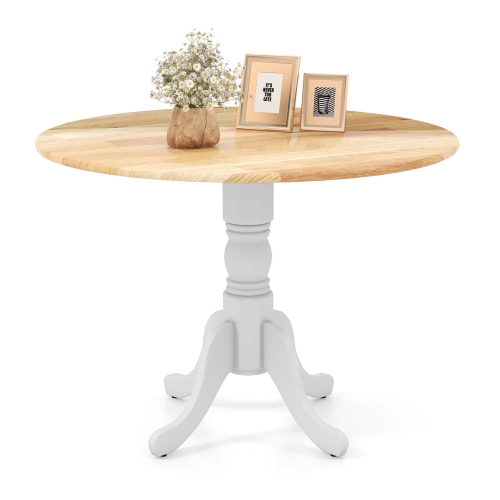

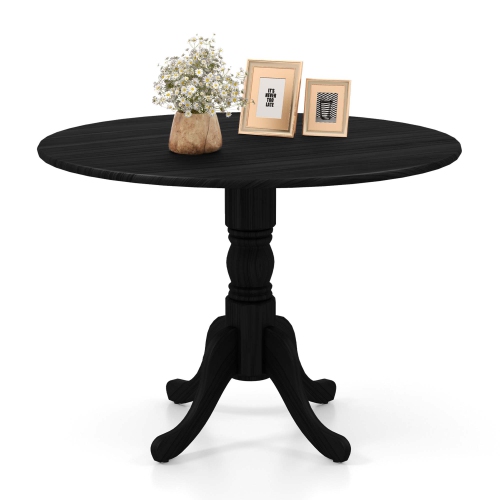
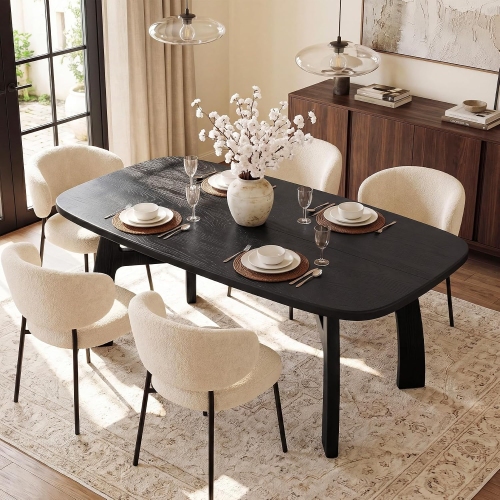
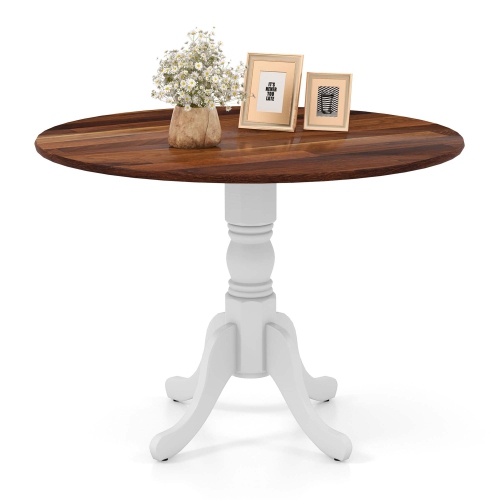


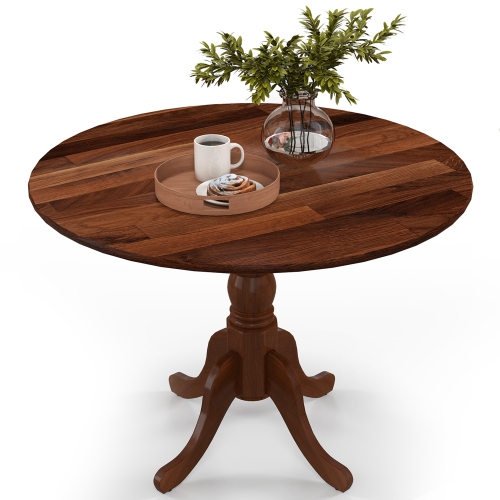


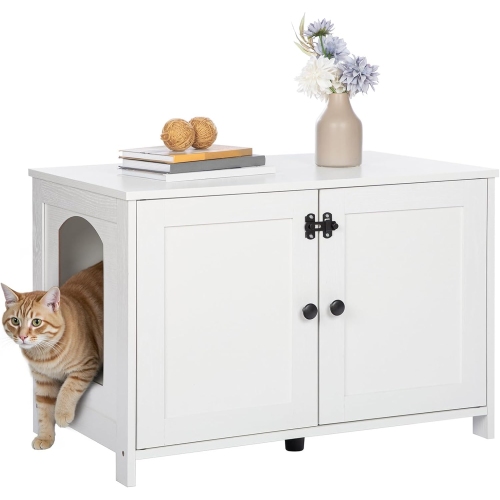
There’s more to a table than its white finish
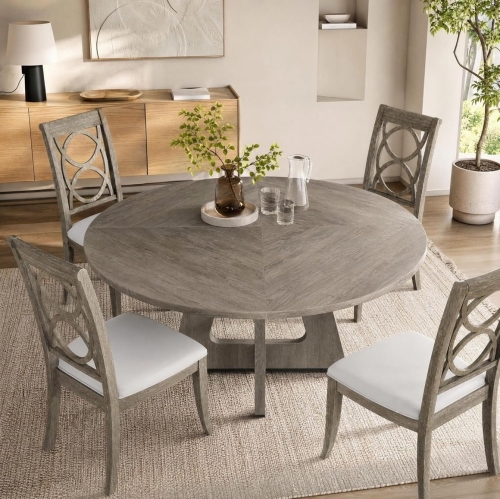
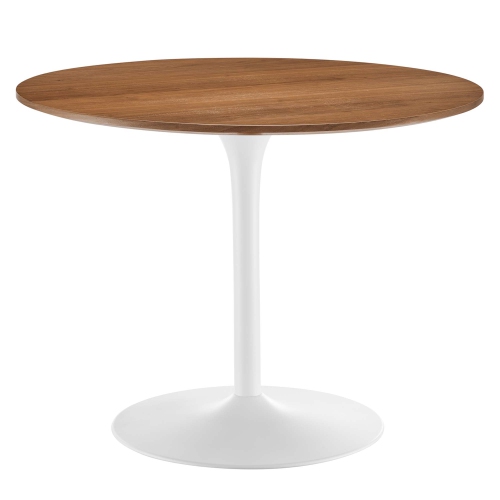
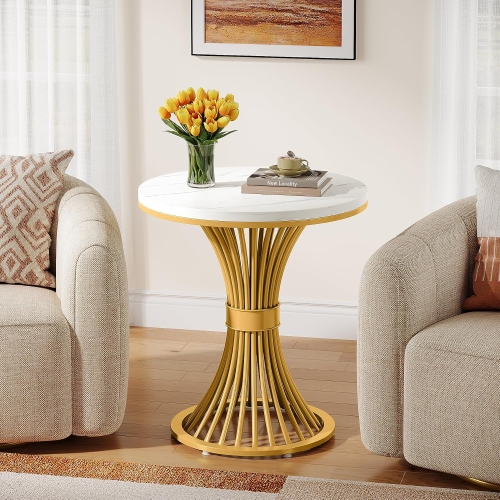
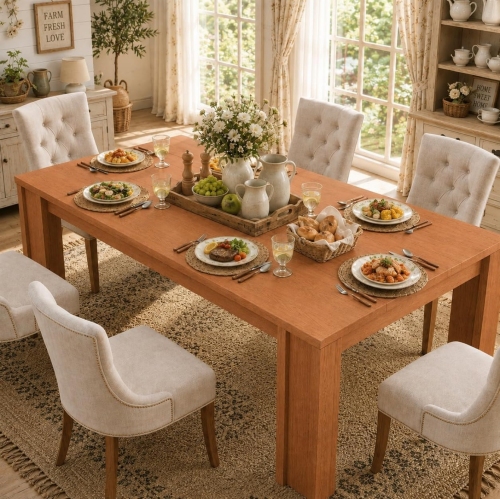
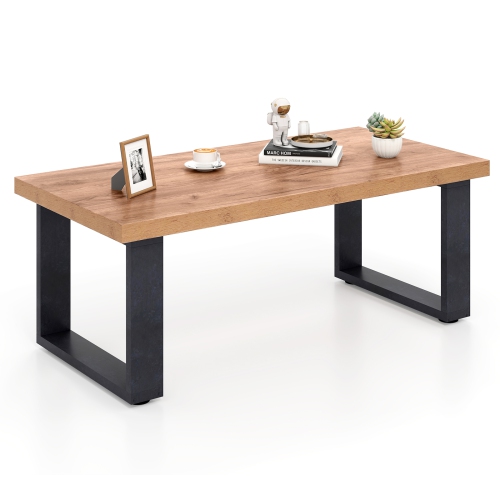
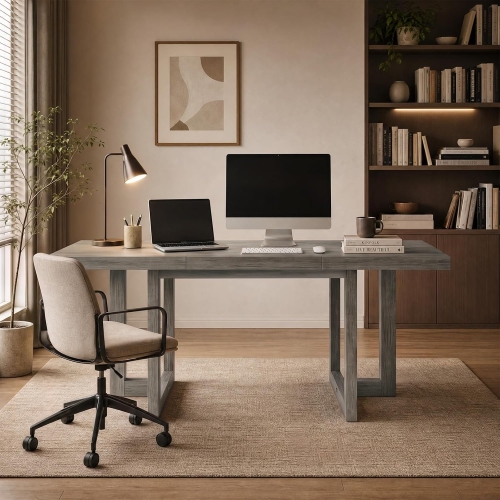
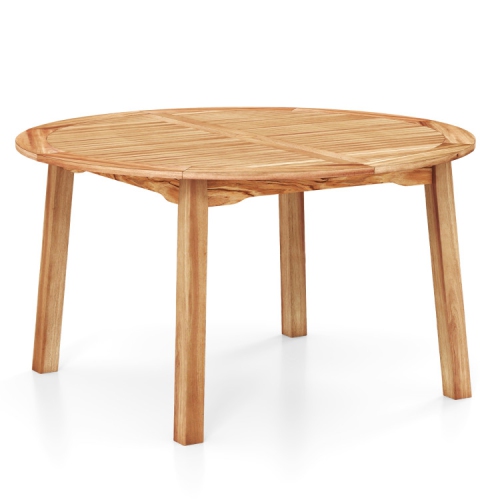
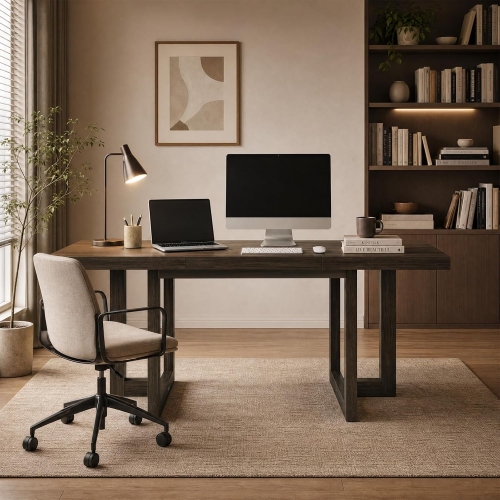
White wooden tables bring a light, versatile finish to furniture used for dining, working, entertaining, and keeping everyday essentials close at hand. The category includes dining tables, kitchen tables, coffee tables, side tables, and console tables, with proportions suited to different parts of the home. A white finish can make a substantial dining table feel less visually heavy, while a small white side table offers a quiet contrast beside a dark sofa or upholstered bed. The effect depends on both the shape and the shade: warm whites sit comfortably alongside cream textiles and honey-toned floors, while cooler whites pair well with grey upholstery, black hardware, and crisp wall colours. Turned legs and gently softened edges give a table a traditional character; straight legs, slim tops, and simple joinery create a cleaner, more understated look. Farmhouse styles often combine a painted white base with a natural wood top, whereas an all-white table creates a more uniform appearance. These distinctions matter when matching existing furniture, especially in an open-plan room where the table is visible from the kitchen and living area. Materials also deserve a closer look. A white wooden table may use solid wood, wood veneer over a core, engineered wood such as MDF, or a combination of these materials. Solid wood can show grain and natural variation beneath certain finishes, while MDF provides a smooth surface that suits an opaque painted finish. Veneer is a thin layer of real wood bonded to another material, so its care and refinishing options differ from those of a thick solid wood top. A white appearance alone does not reveal the construction or the type of surface coating. Painted, lacquered, and laminated surfaces can look similar from a distance but respond differently to heat, moisture, scratches, and cleaning products. Understanding those differences helps connect the look of a table with the way it will be used, whether that means daily family meals, occasional guests, or a lamp and a stack of books beside a favourite chair.
Size and shape determine how comfortably a white wooden table fits into daily routines. For a dining area, the useful footprint includes more than the tabletop: chairs need room to pull out, people need space to pass behind seated diners, and nearby drawers or cupboard doors still need to open. Around 90 cm between the table edge and a wall or other furniture is a useful starting point, with more room helpful along a busy walkway. Allowing roughly 60 cm of table edge per diner offers another starting point, although broad chairs, armrests, and the placement of table legs can increase the space required. A round table encourages conversation across the surface and removes projecting corners from a compact eating area, but its diameter still needs to suit the room. A pedestal base may give chairs more flexibility than four corner legs, provided the base itself leaves enough foot room. Square tables work naturally in smaller square rooms and breakfast nooks, while wooden rectangular tables suit longer dining spaces and layouts that follow the line of a kitchen or living area. Extension designs can serve a household on ordinary evenings and provide extra surface space for shared meals, though the fully extended dimensions and storage needs of removable leaves remain important. Table height should be considered alongside the intended seating, particularly when mixing a new table with existing chairs. An apron beneath the tabletop can limit thigh clearance even when the overall height seems suitable, and armchairs may not tuck underneath. The same attention to proportion applies beyond dining rooms. A coffee table should leave a comfortable route around the sofa and put drinks within easy reach without crowding knees. A side table works best when its surface is convenient to reach from the adjacent seat, while a narrow console can hold keys and a small tray without interrupting an entryway. In a multipurpose room, a dining table used for laptop work also benefits from unobstructed legroom and a position that keeps charging cables out of walking paths.
Durability comes from the combination of construction, finish, and everyday care rather than colour alone. A sturdy base, secure joints, suitable hardware, and a tabletop designed for its intended load all contribute to a table that feels steady during use. Families sharing meals, students spreading out coursework, and people working from home place different demands on the same surface. A table that mainly holds a reading lamp faces less daily wear than one used for breakfast, homework, crafts, and dinner. White finishes can make crumbs and spills easy to spot, but dark scuffs, ink marks, and chips may also stand out, particularly when the material beneath the finish is darker. Placemats, coasters, and heat-resistant trivets help protect the top from ordinary wear; a washable protective covering is useful for painting, glue, or other messy activities. Hot cookware should not be placed directly on a wooden tabletop unless the manufacturer expressly permits it. Spills are best wiped up promptly with a soft cloth, followed by drying rather than leaving moisture along seams or edges. Routine cleaning should follow the care directions for the particular finish, since abrasive pads, harsh cleaners, and excessive water can damage surfaces that otherwise appear hard-wearing. Solid wood also responds to changes in indoor humidity, making placement beside a radiator, heating vent, or strong direct sunlight worth avoiding where practical. For tables with extension mechanisms or assembled bases, following the operating instructions and checking accessible fasteners periodically can help maintain smooth use and stability. Felt pads beneath suitable feet can reduce scratching on hard floors, while lifting rather than dragging protects both the table and its joints. Styling can remain simple: white provides a neutral backdrop for colourful dishes, woven placemats, clear glass, or a wooden serving bowl. During the cooler months, a table near comfortable seating can become the setting for board games, a shared pot of tea, or an evening meal that lasts a little longer. The most useful white wooden tables balance that welcoming appearance with dimensions, materials, and care requirements that fit the household.
Top selling and popular products
-
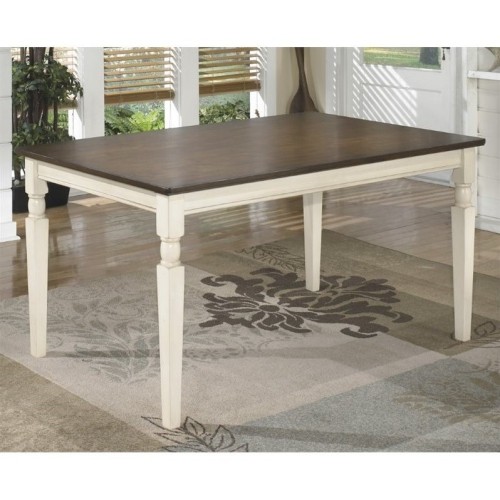 Your price for this item is $399
-
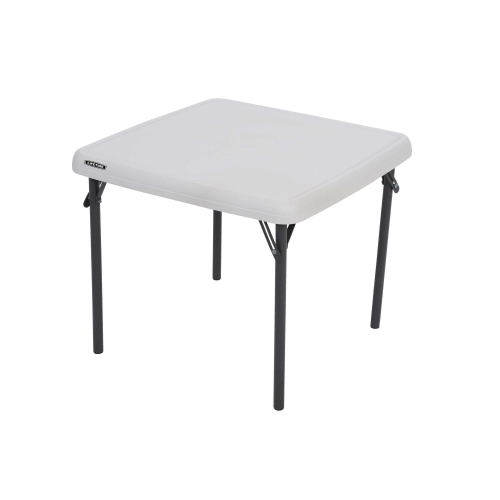 Your price for this item is $71.99
-
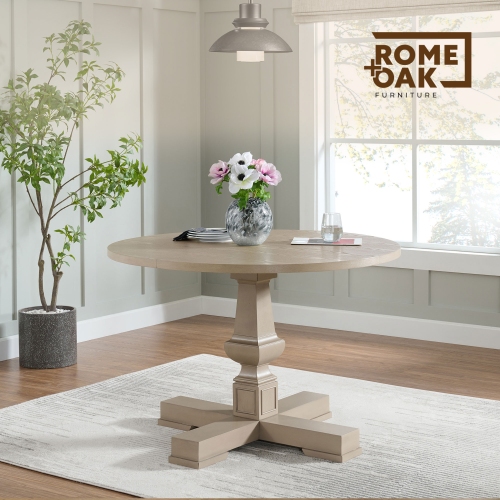 Your price for this item is $763.99
-
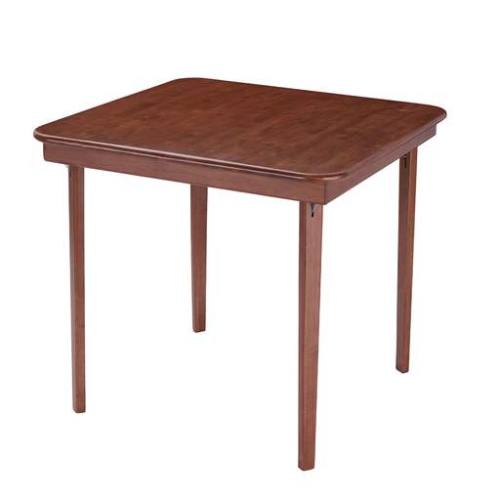 Your price for this item is $323.99
-
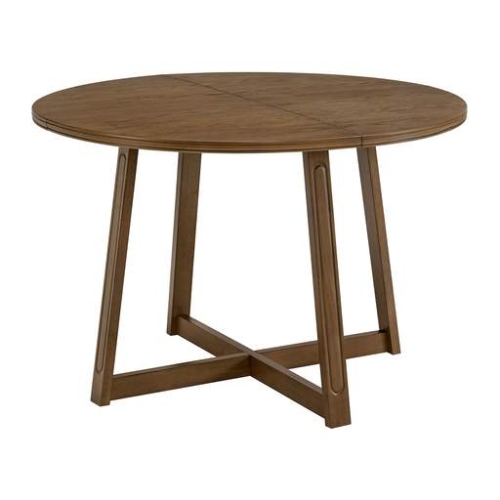 Your price for this item is $627.99
-
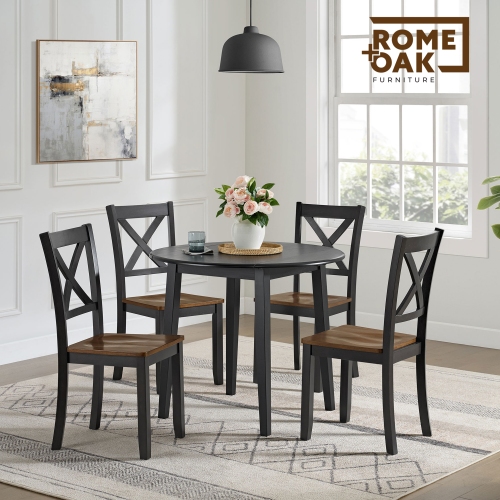 Your price for this item is $304.99
-
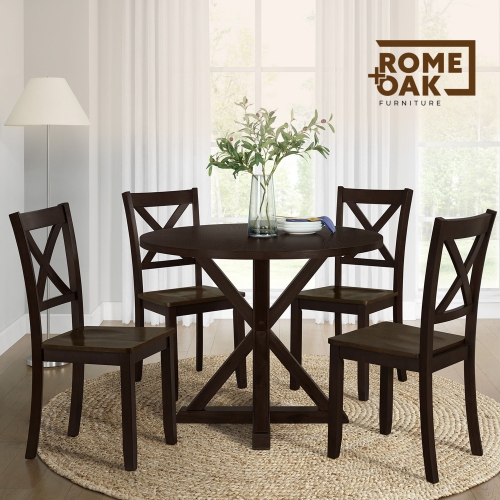 Your price for this item is $651.99
-
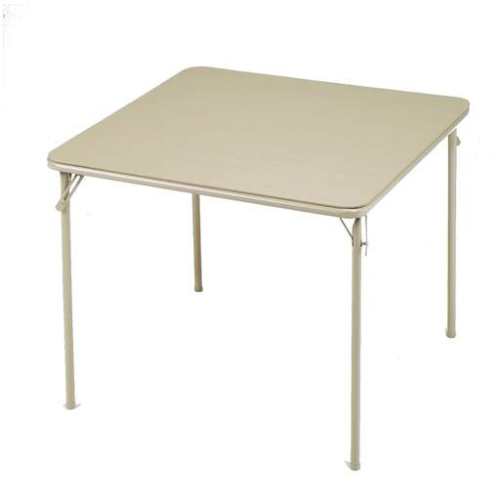 Your price for this item is $190.99
Discover more categories related to White Wooden Tables


Top Collections:
Pokemon Centers, Best Cameras for Sports Photography, Kindle Devices, Samsung Galaxy Phones, Canon G7X Cameras, Pokémon 30th Celebration Cards, Refurbished Apple Laptops, iPhone 15 Apple, Laptops for Students, Budget Smartphones
Some products may be subject to Environmental Handling Fees
(EHF) depending on your province.
Learn more about EHFs.