White Wood Filing Cabinets
Looking for a stylish and functional storage solution for your home or office? Look no further than our collection of white wood filing cabinets. These cabinets combine the timeless elegance of white wood with the practicality of a filing system, allowing you to keep your important documents organized and easily accessible. Here are some great options available.
Sort
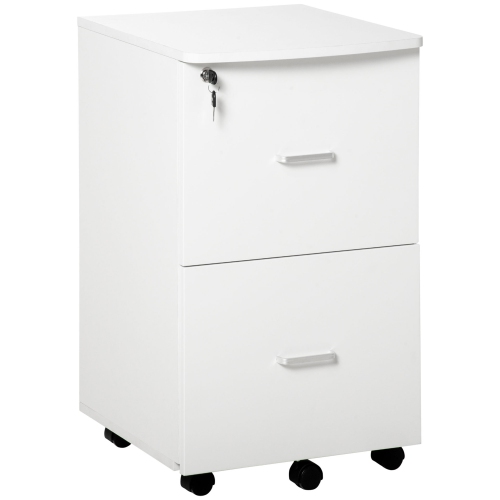
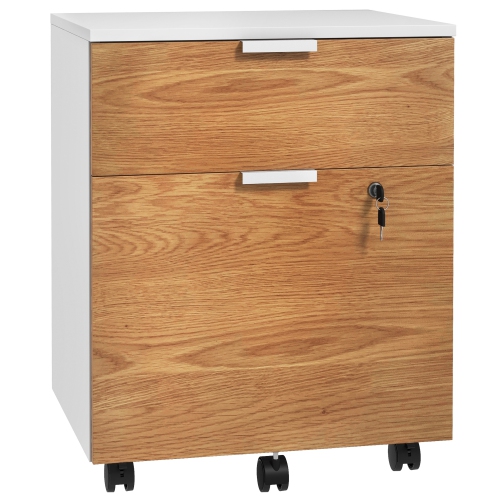
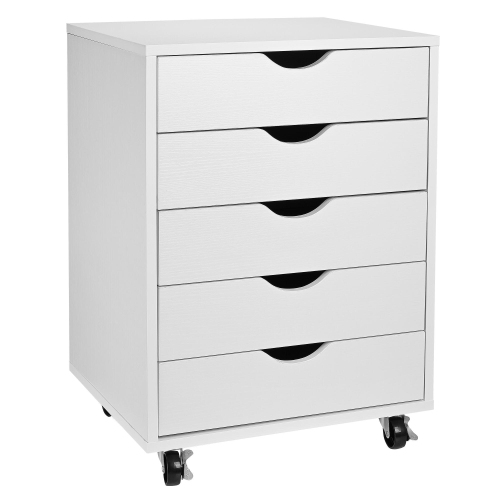
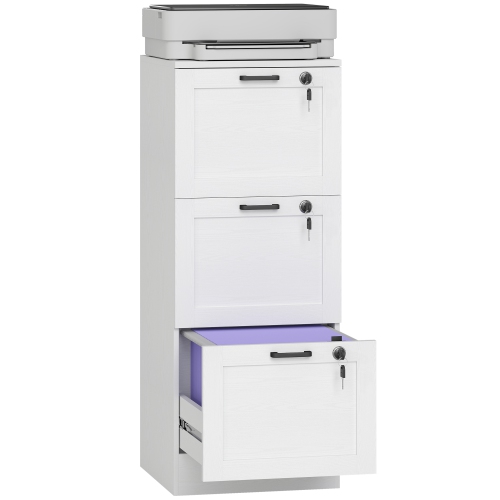
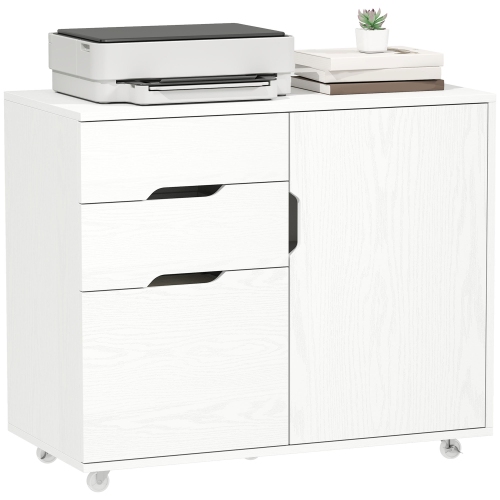
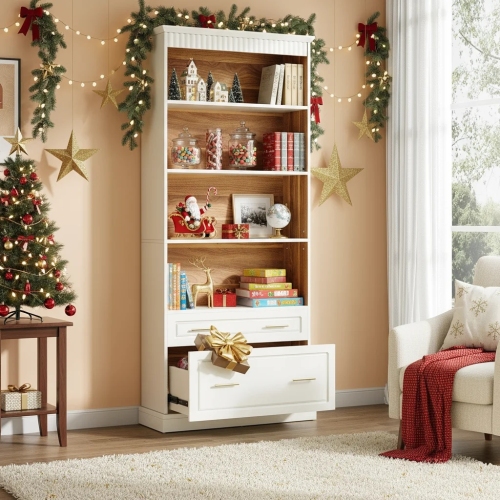
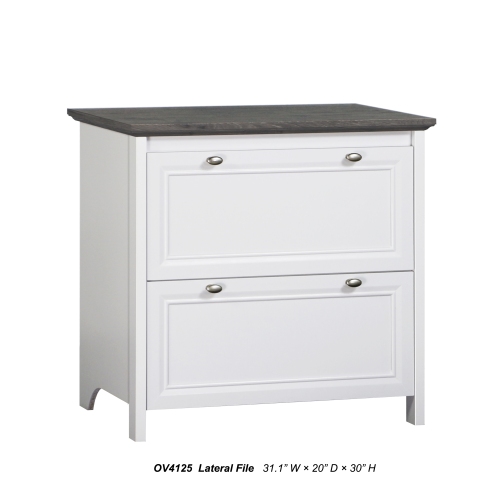
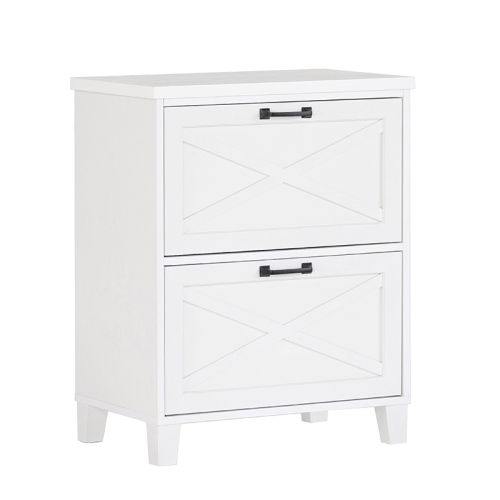
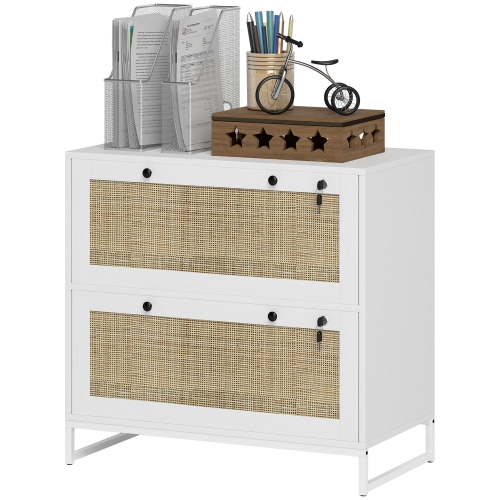
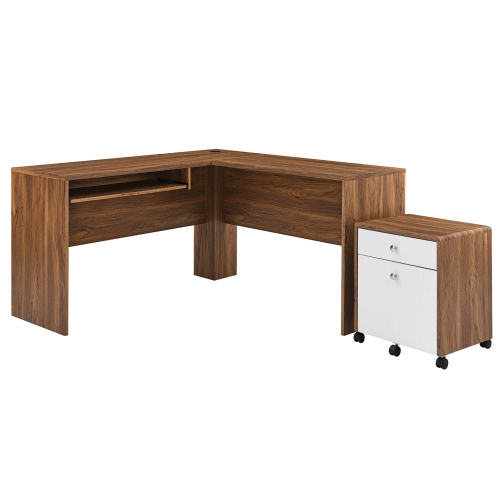
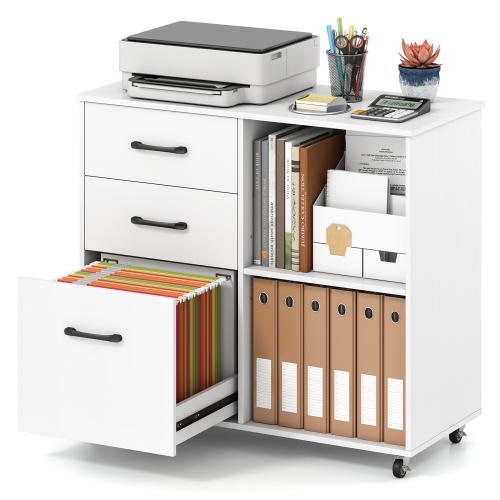
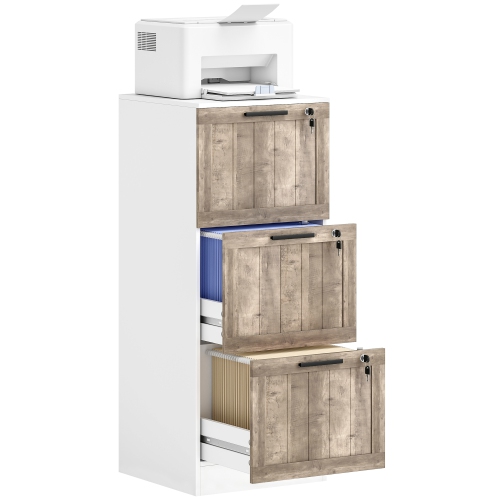
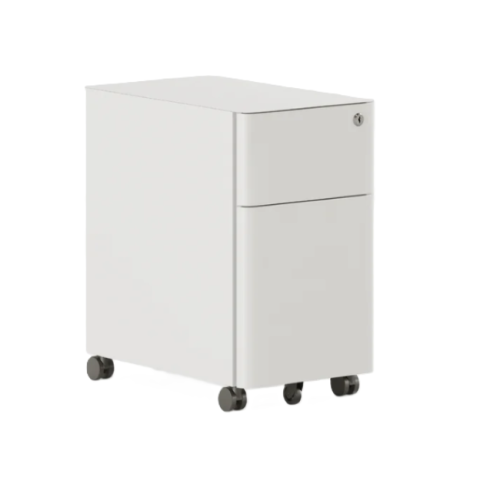
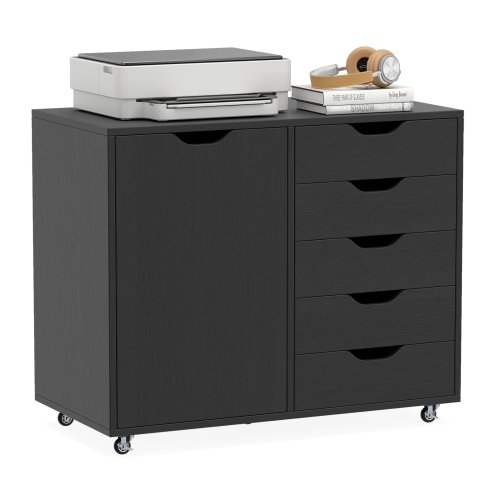
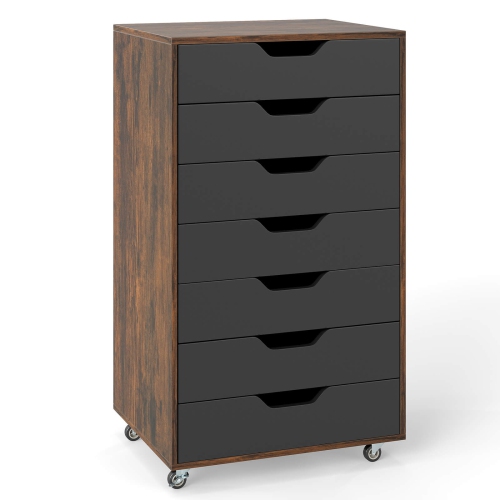
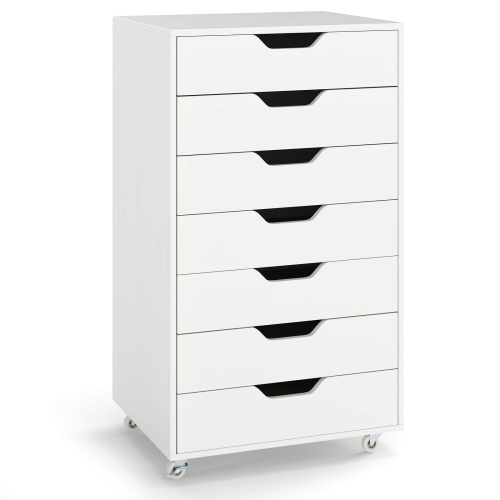
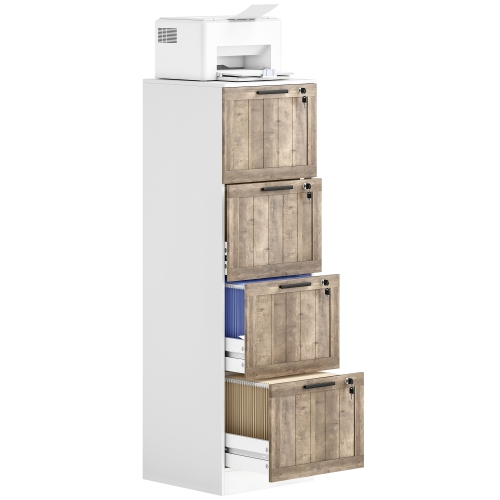
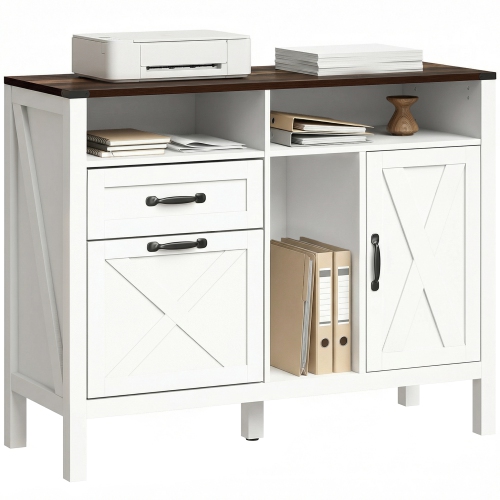
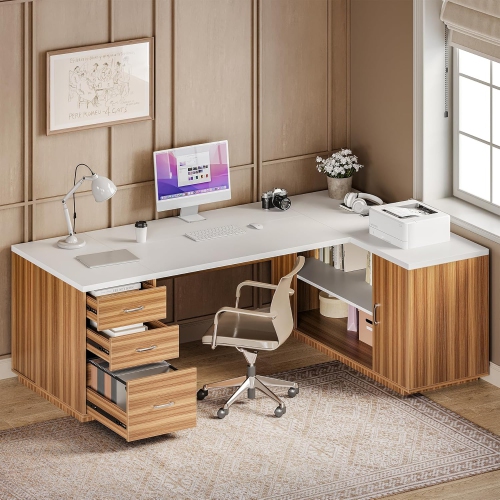
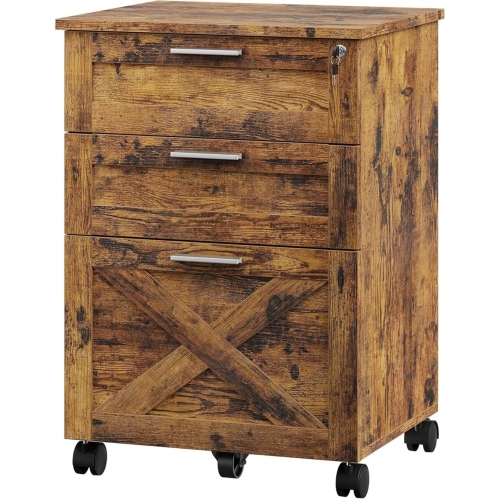
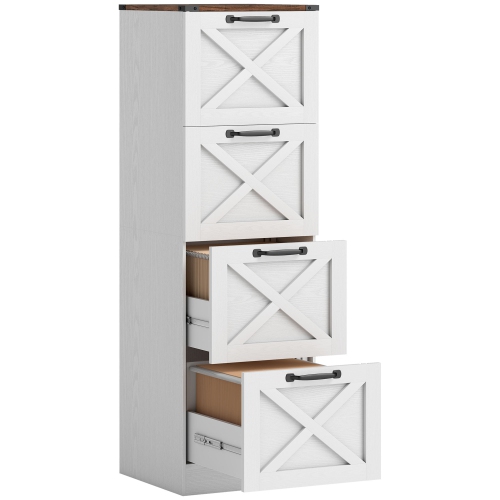
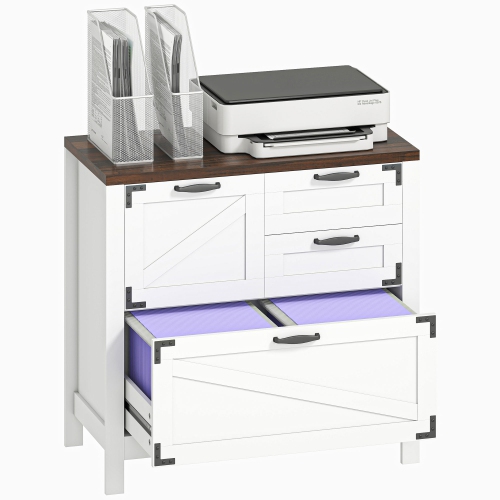
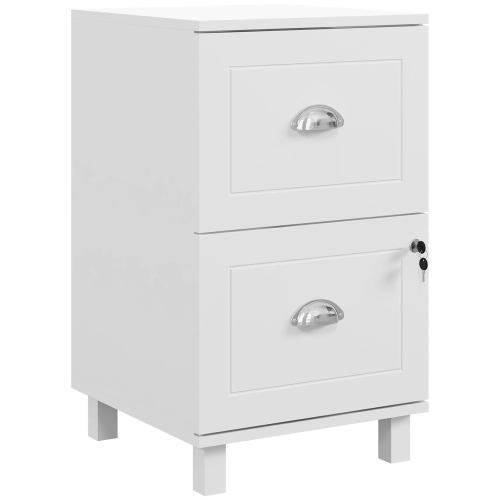
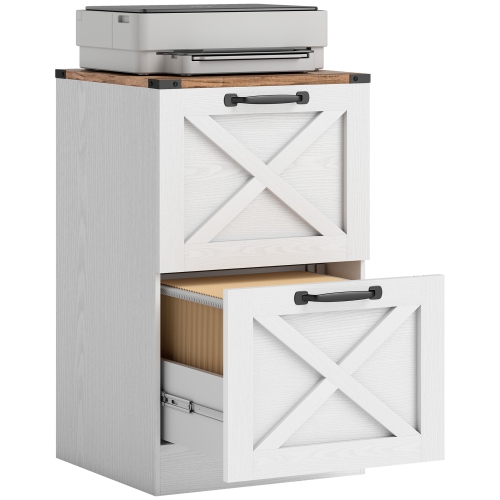



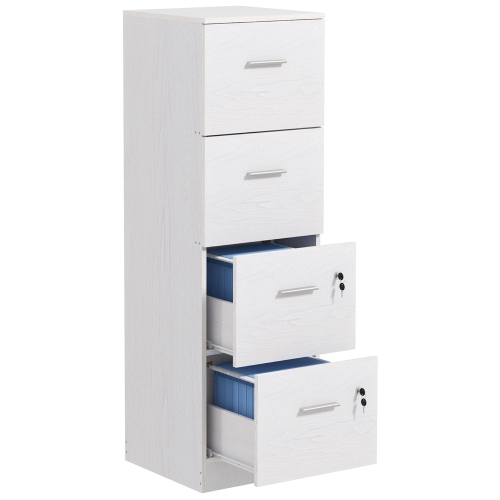
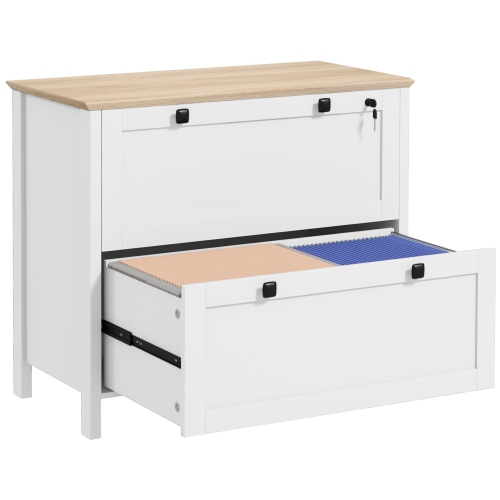

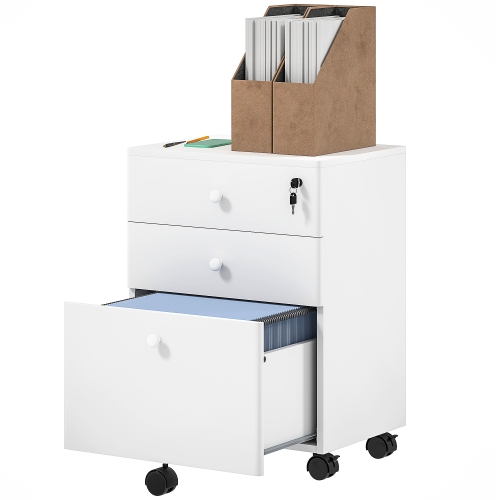
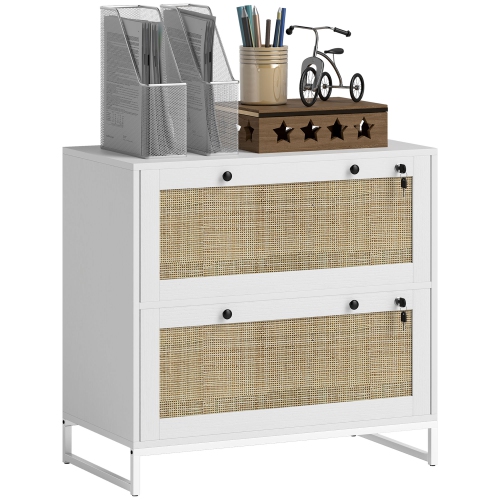

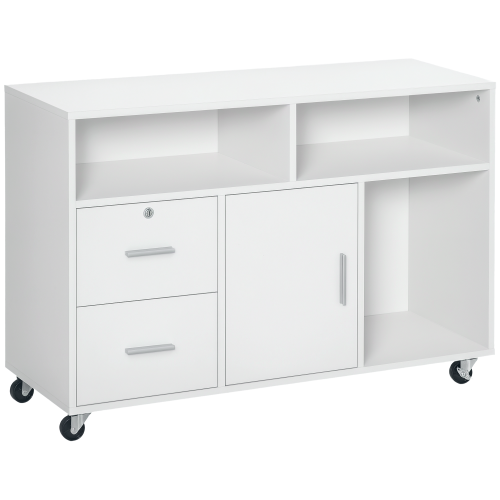
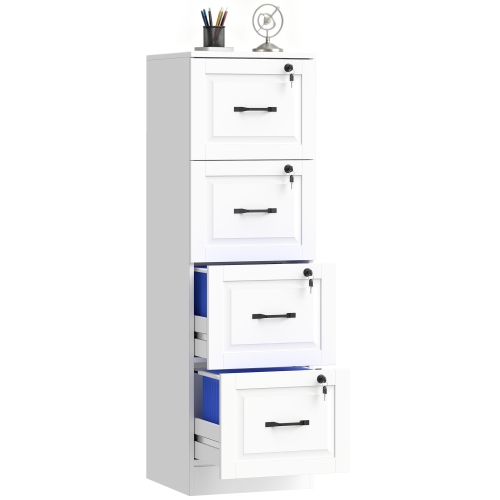

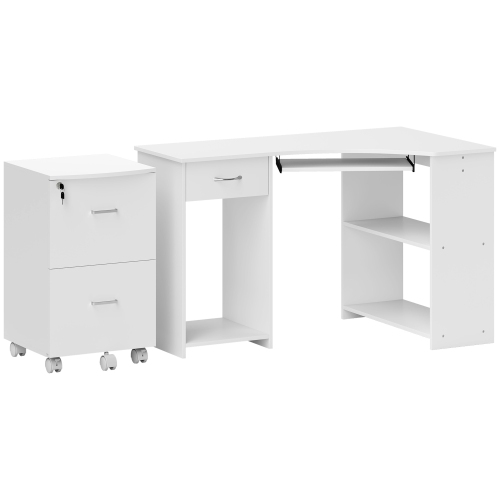
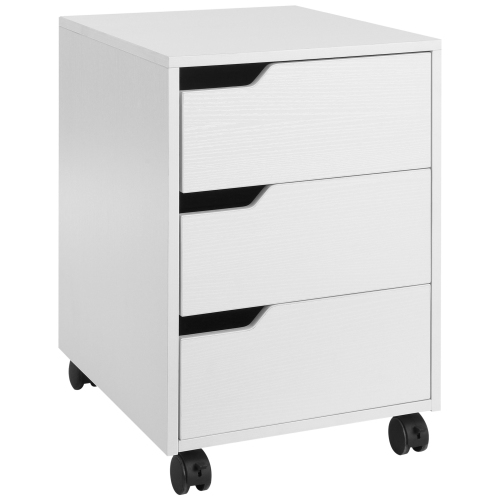


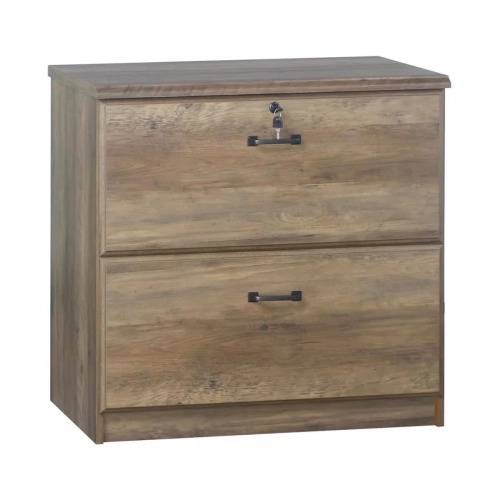
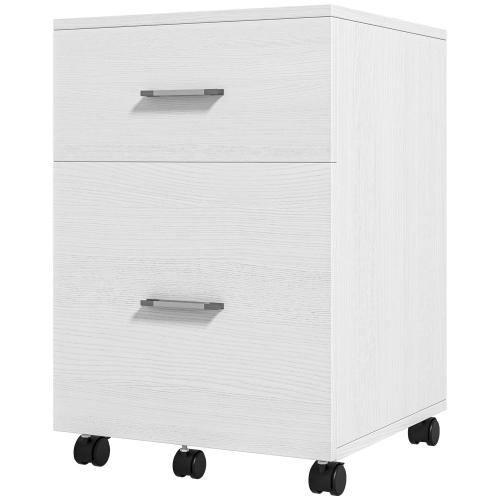
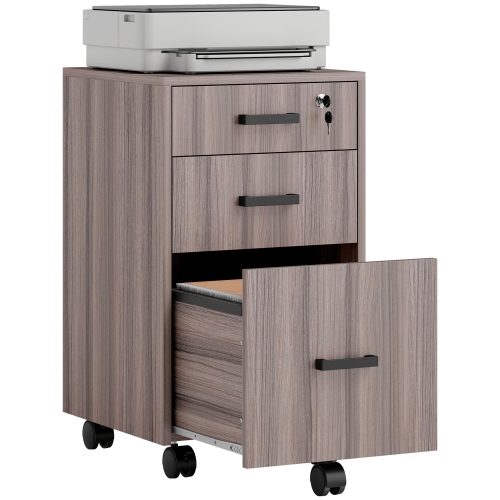
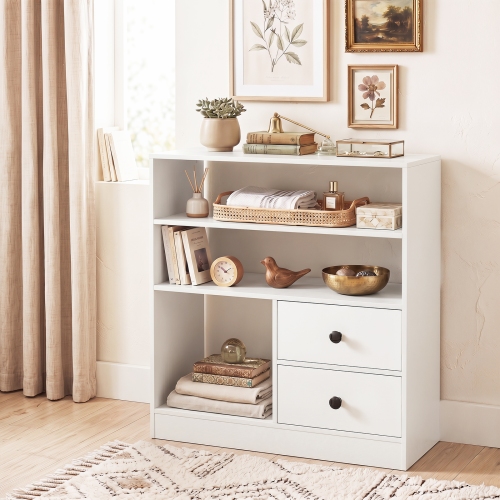
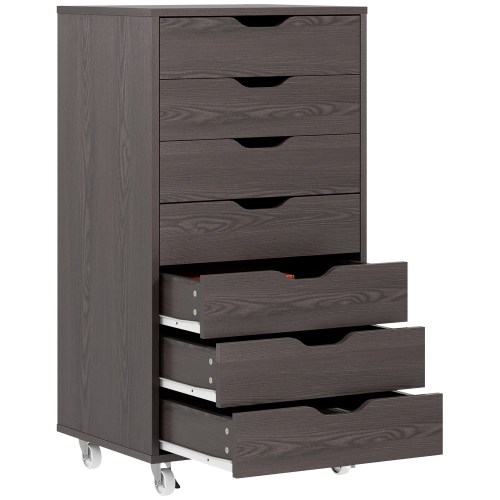
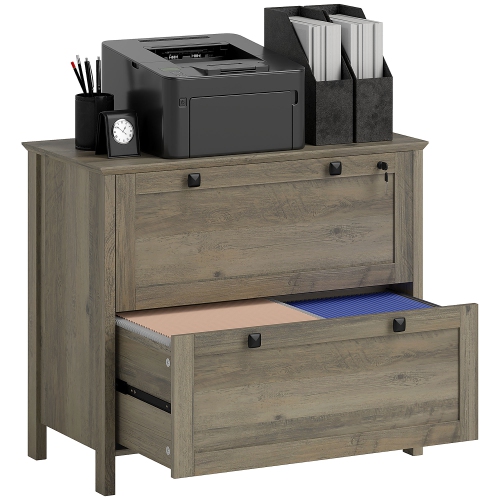
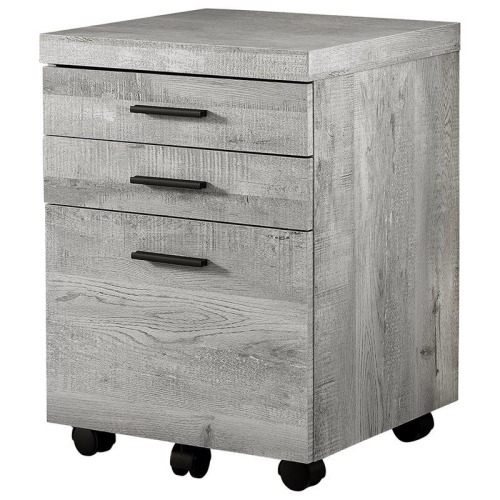
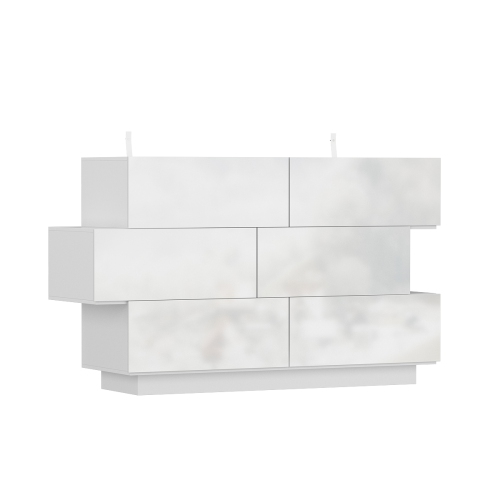
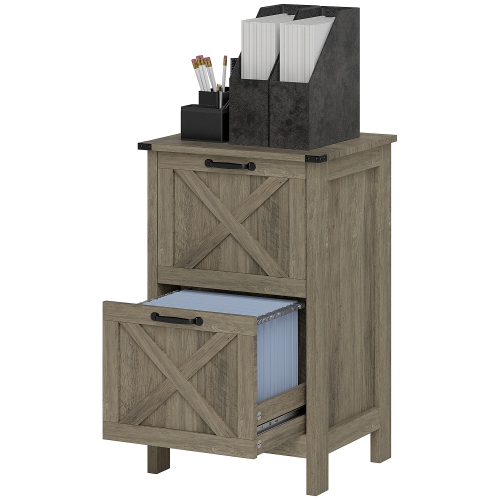
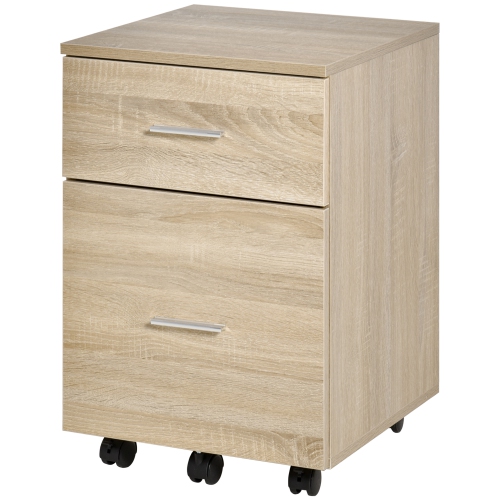
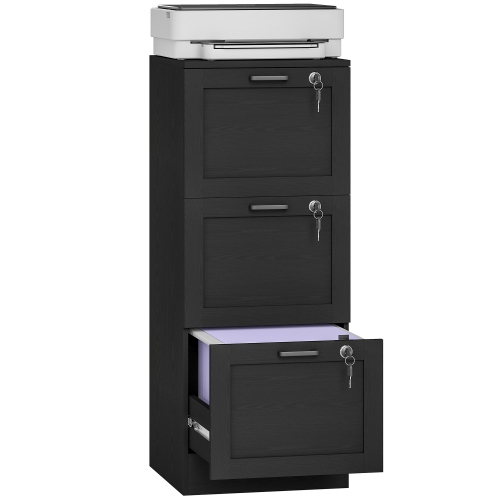
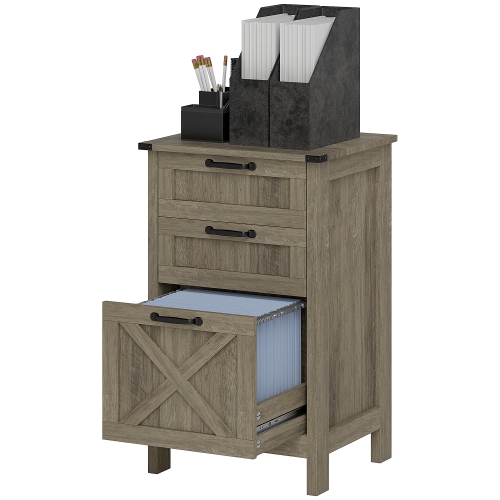
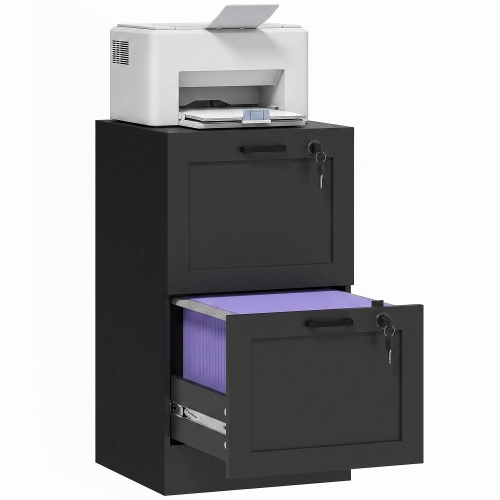
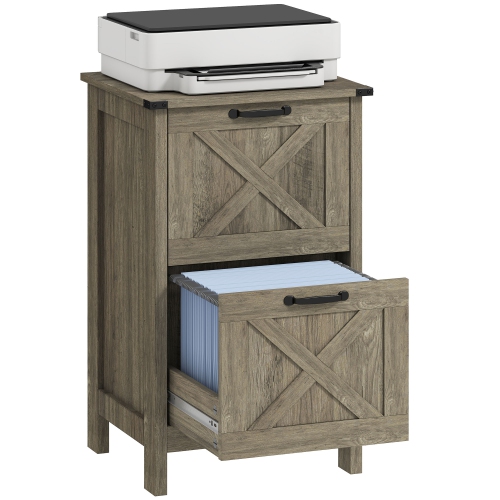
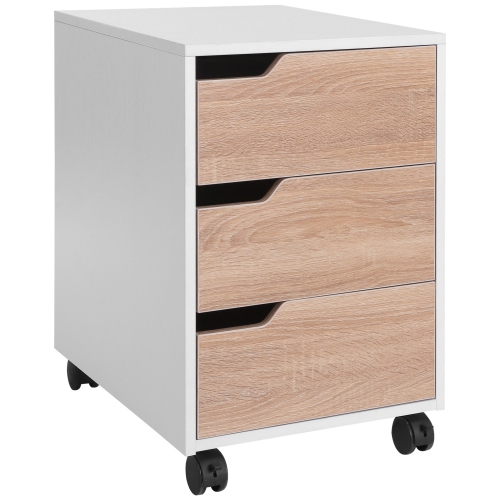
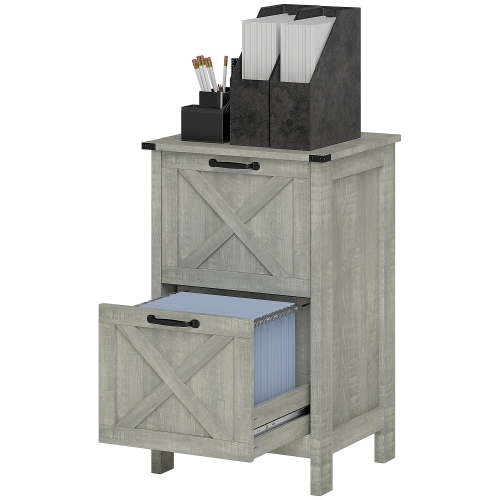
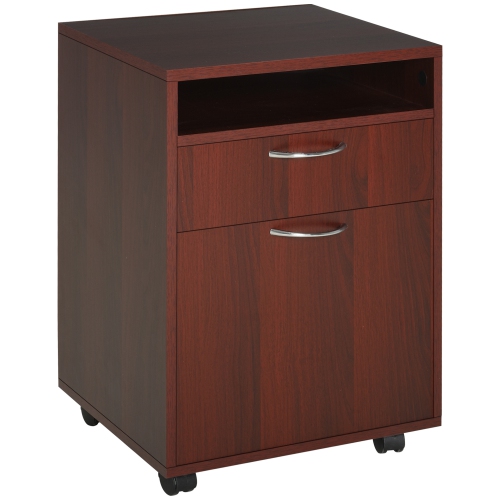
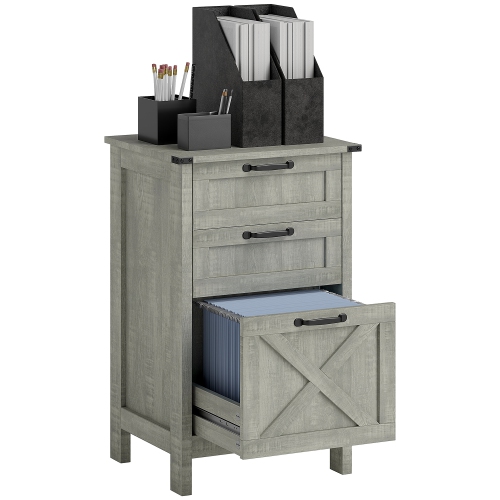
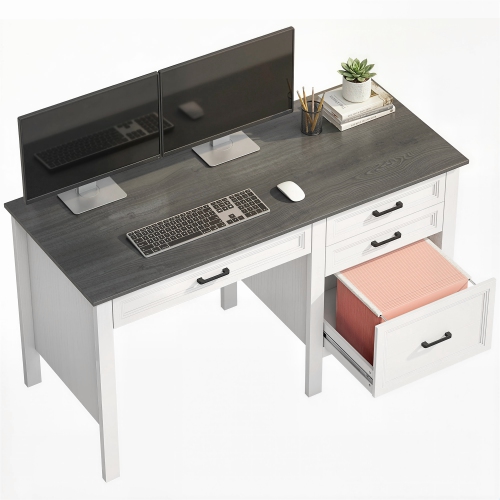
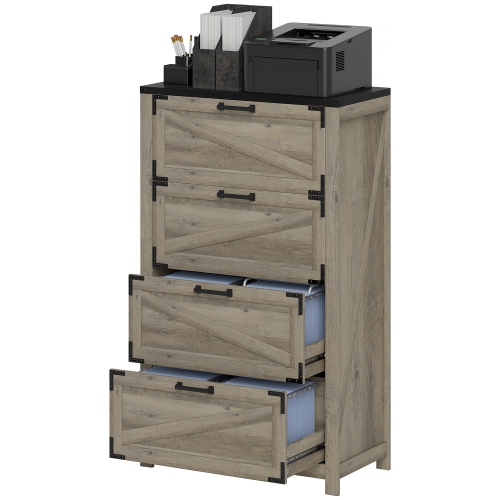
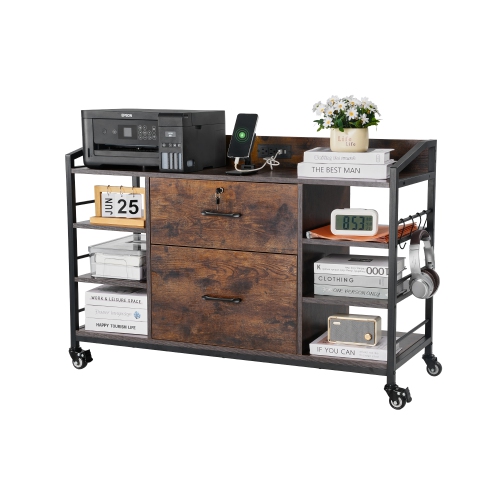
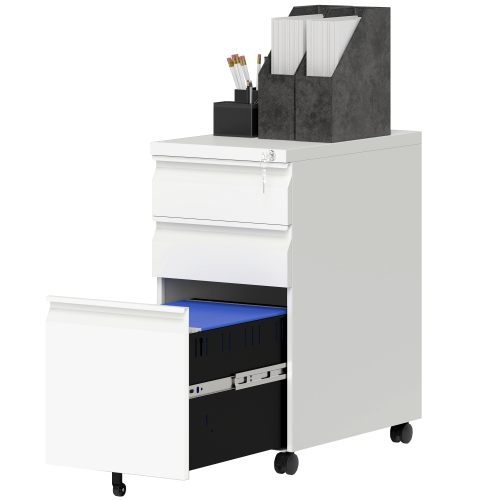
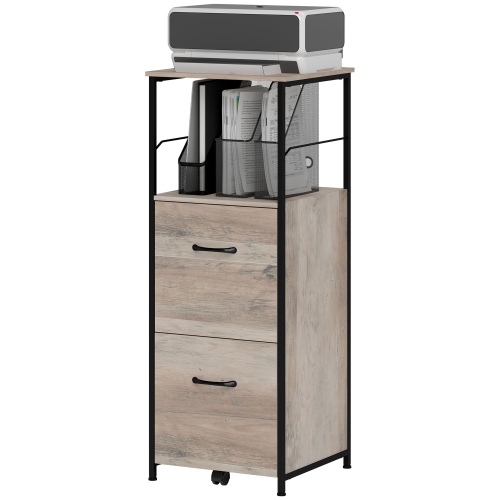
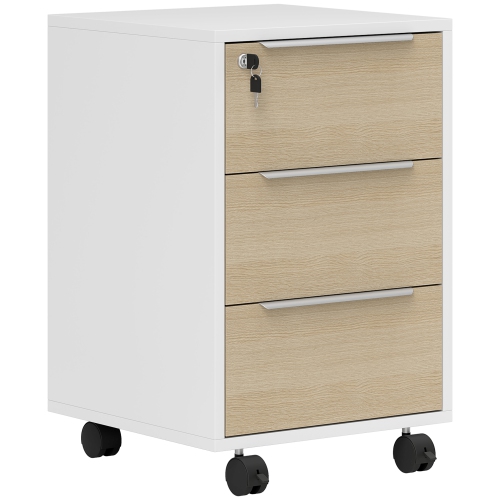
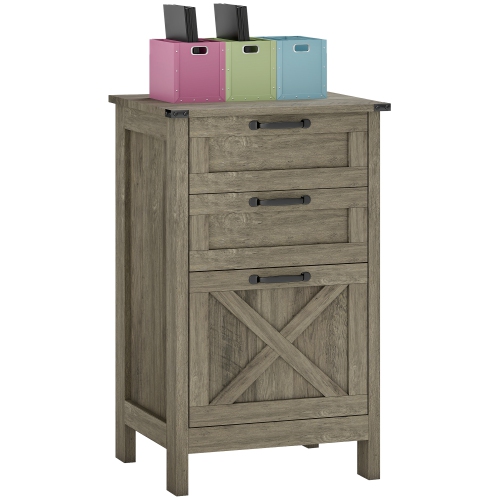
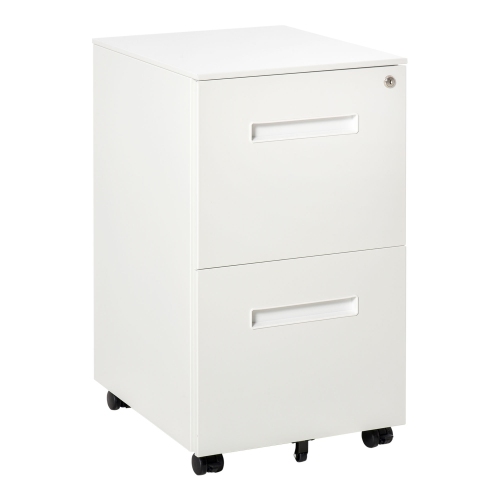
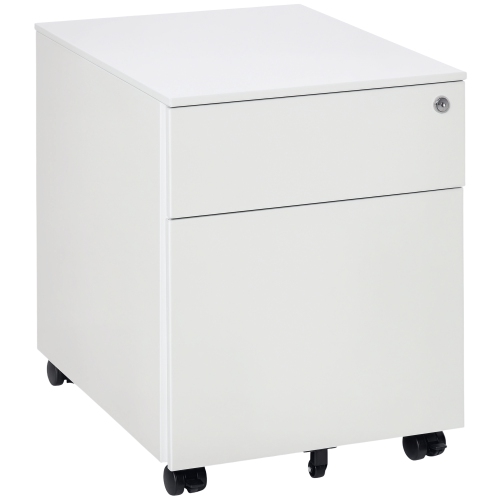
Document storage that feels at home beside your desk
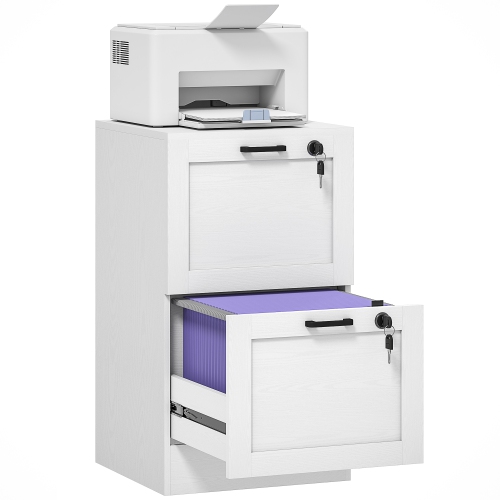
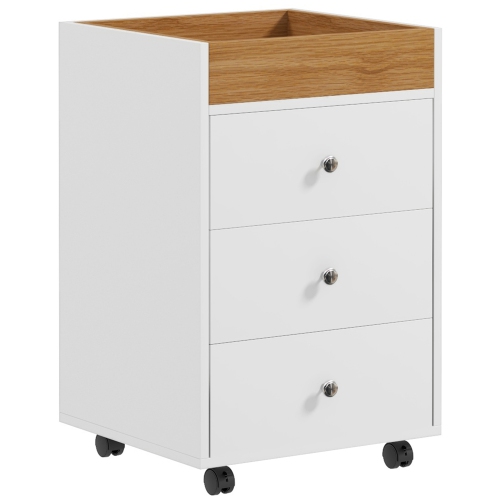
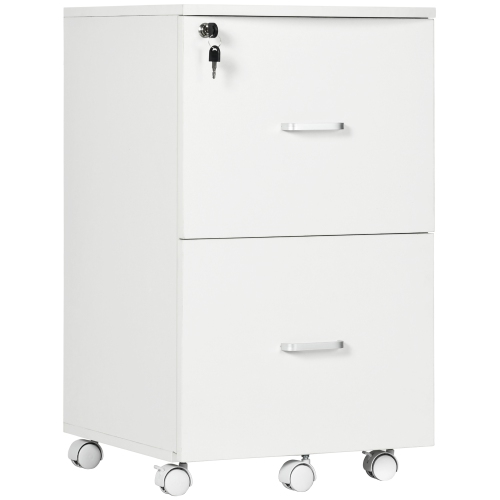
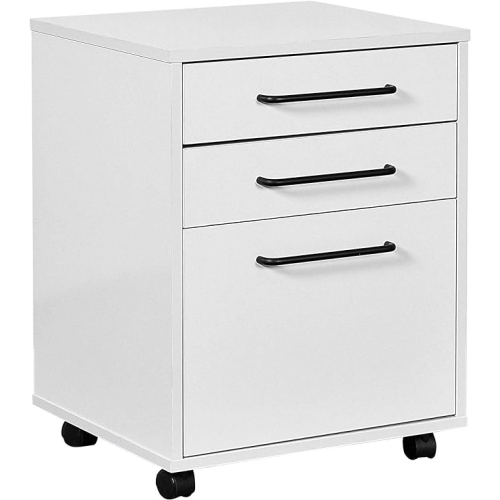
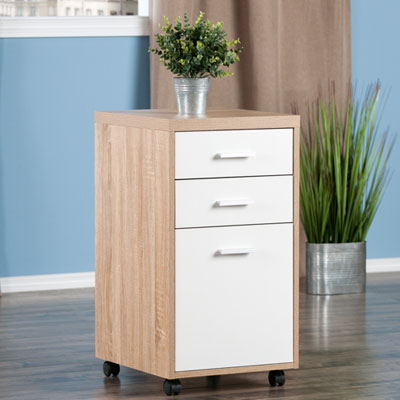
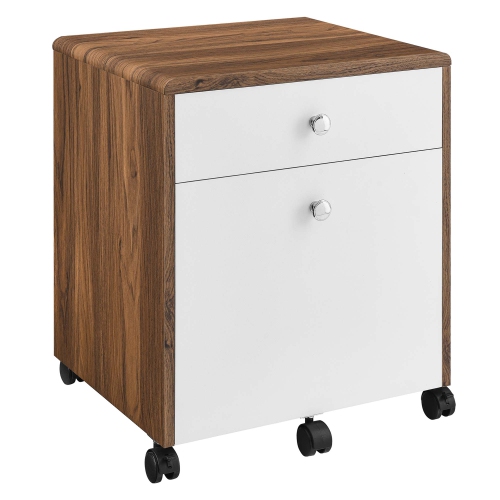
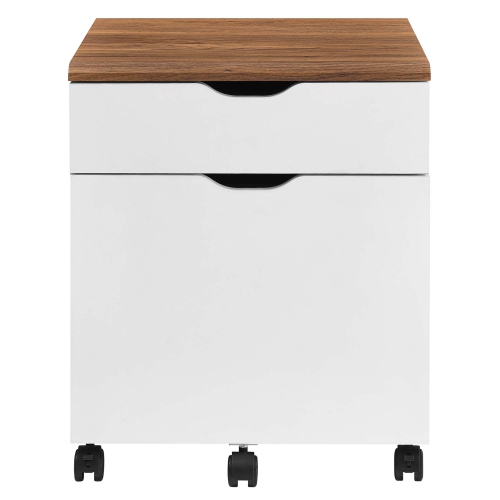
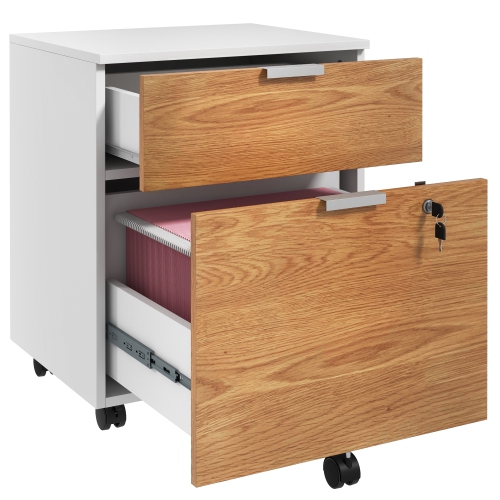
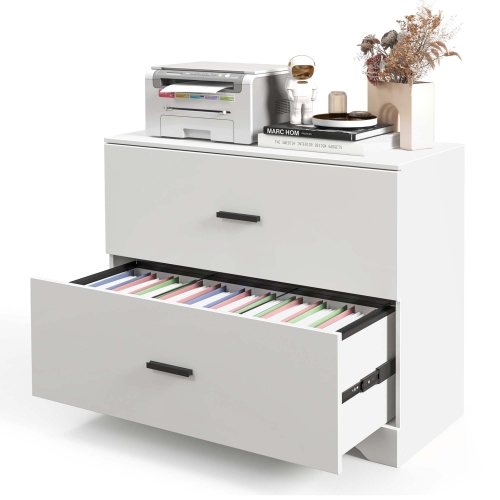
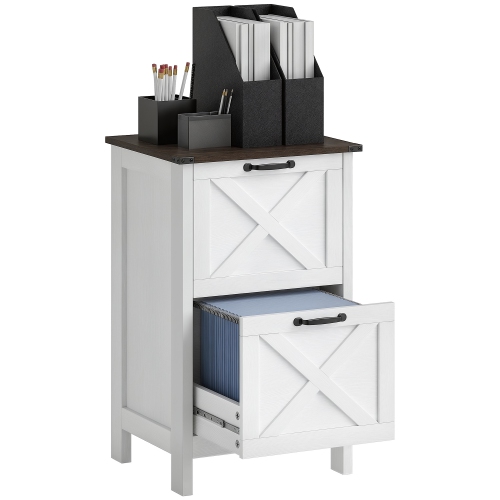
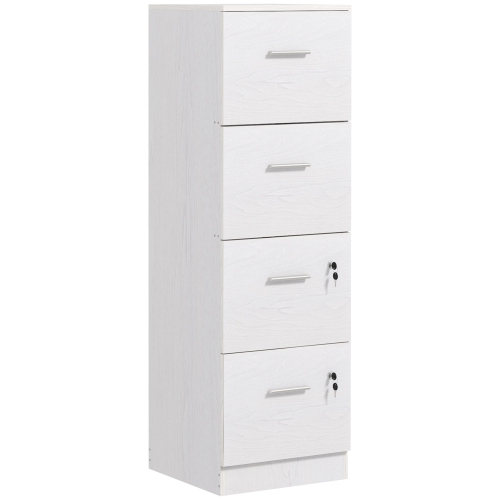
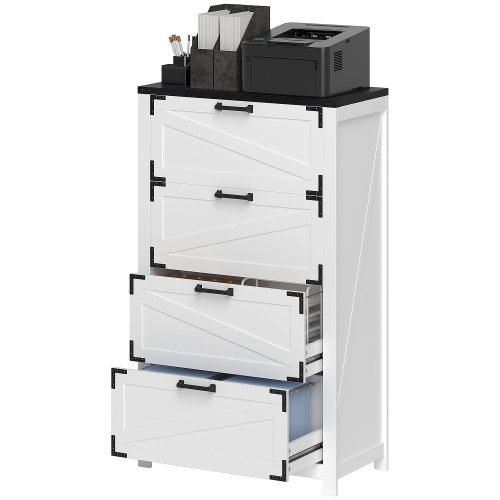
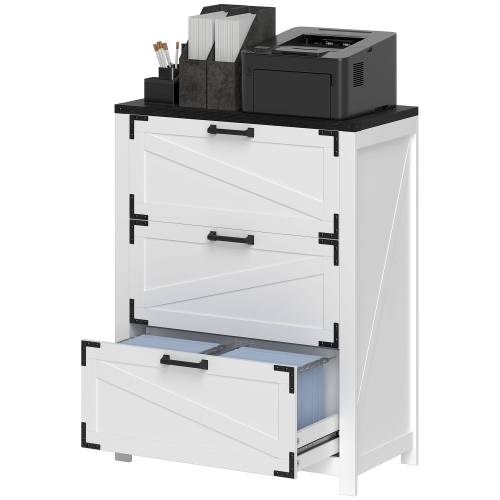
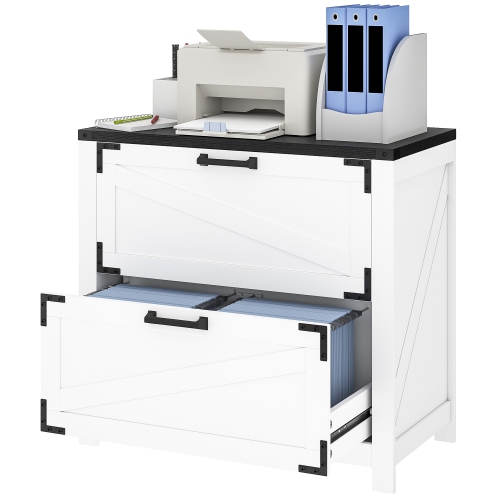
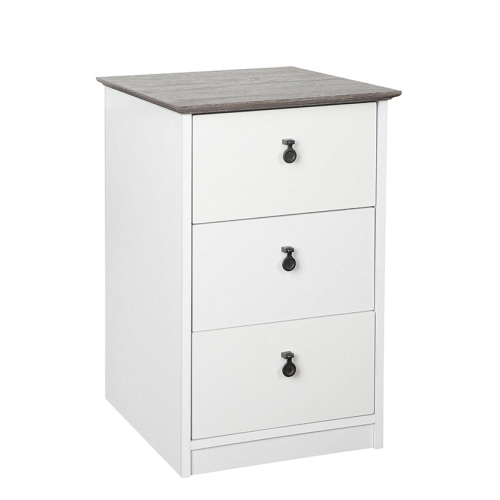
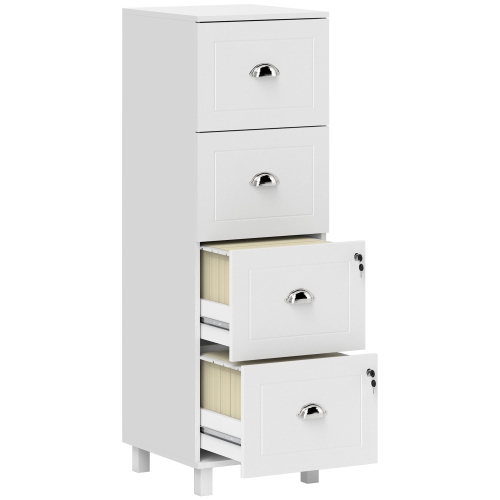
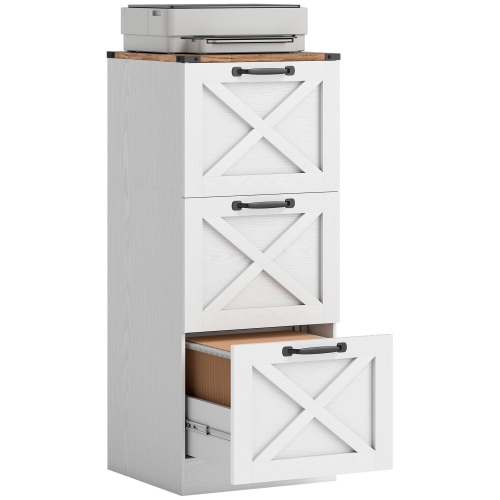
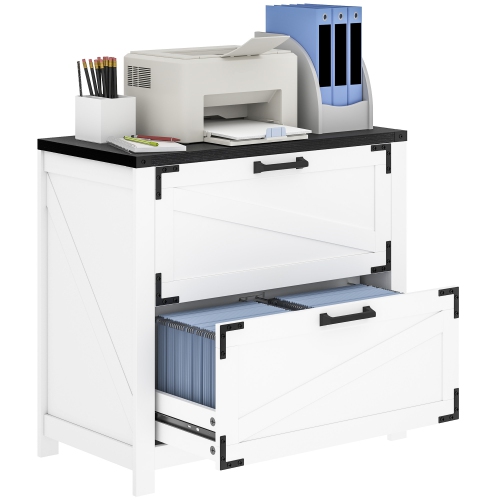
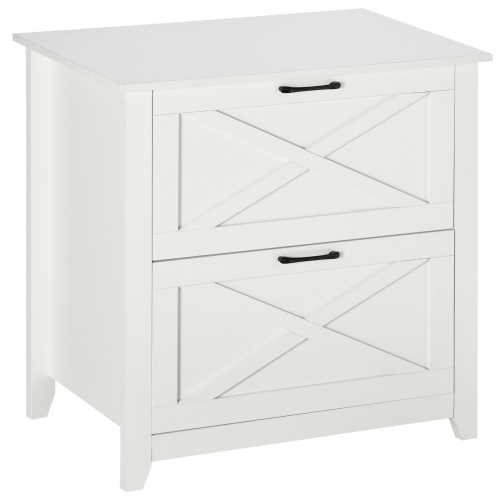
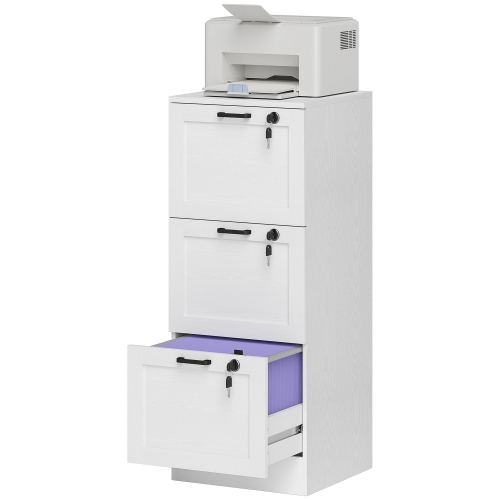
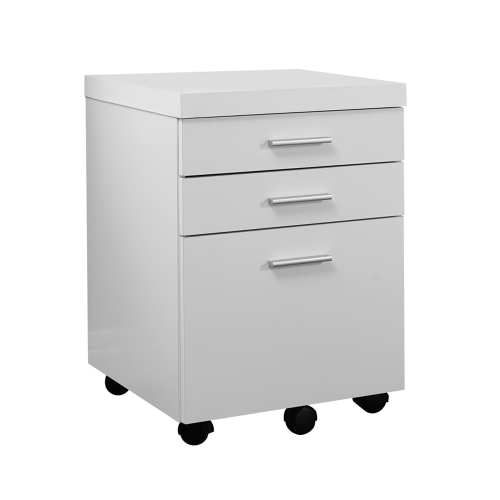
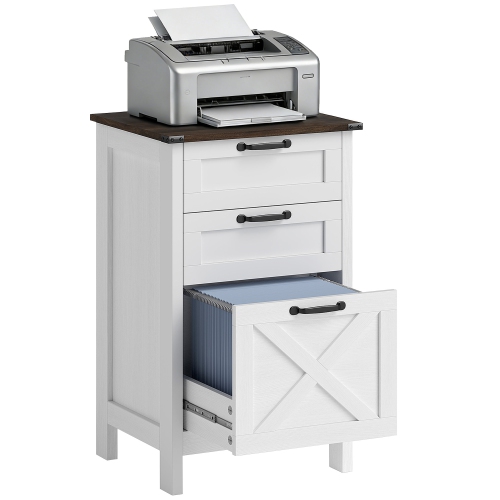
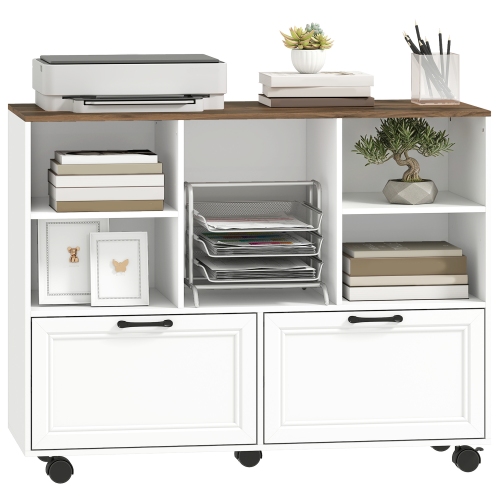
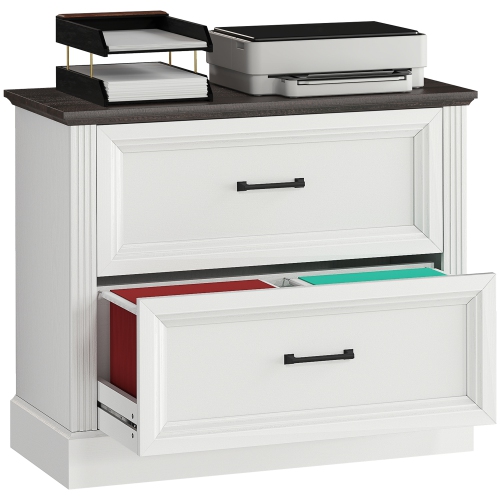
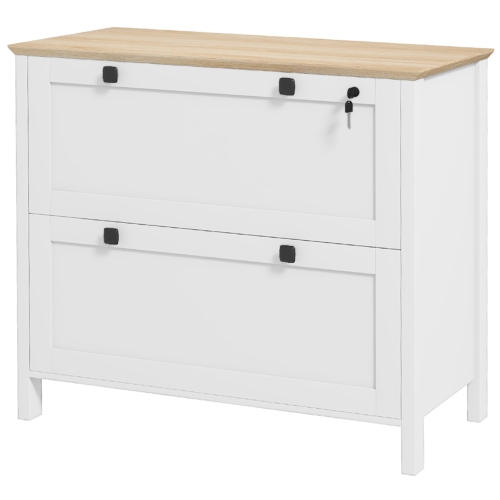
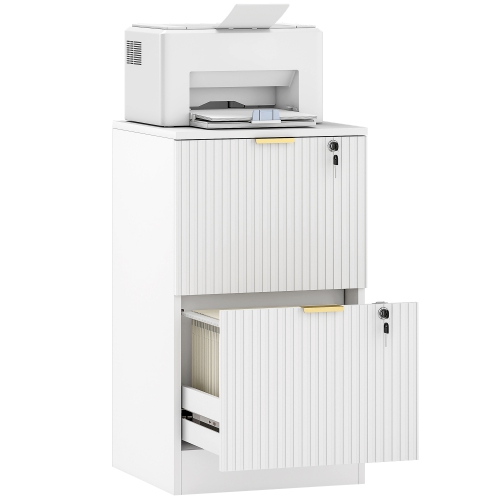
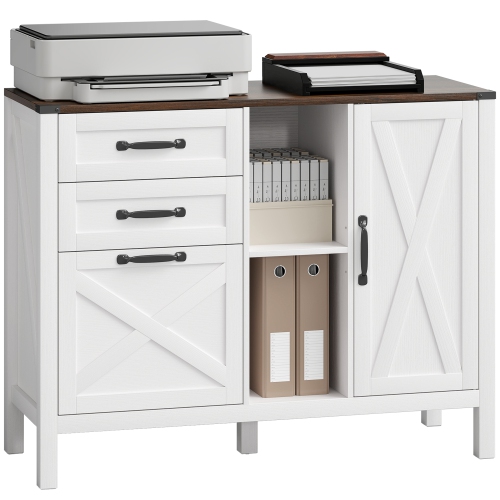
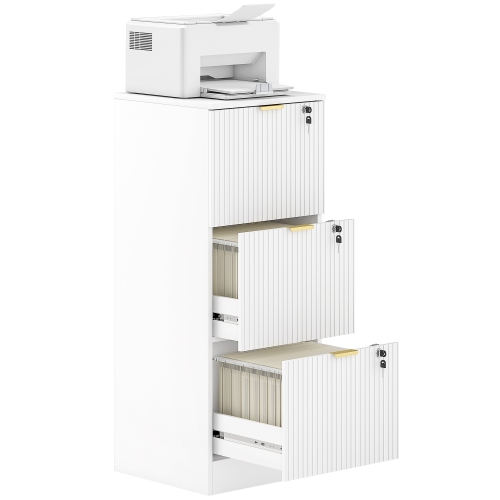
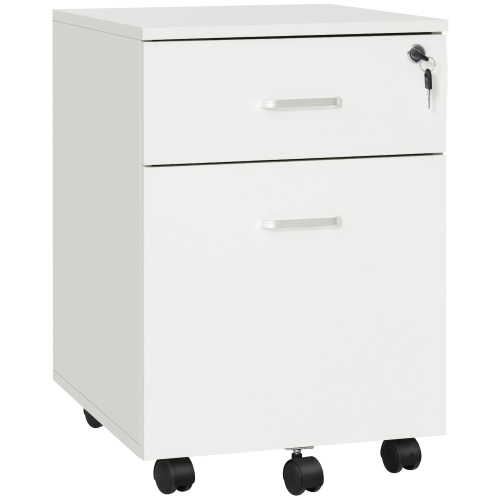
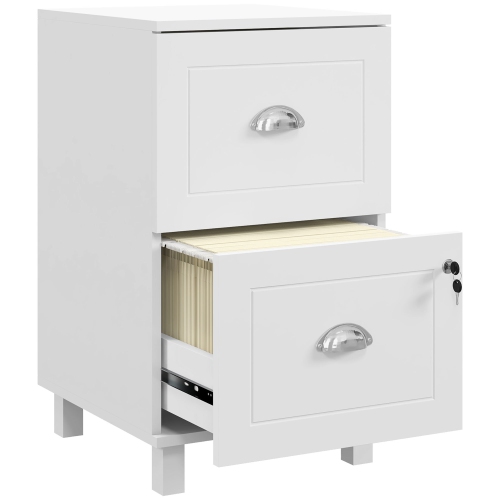
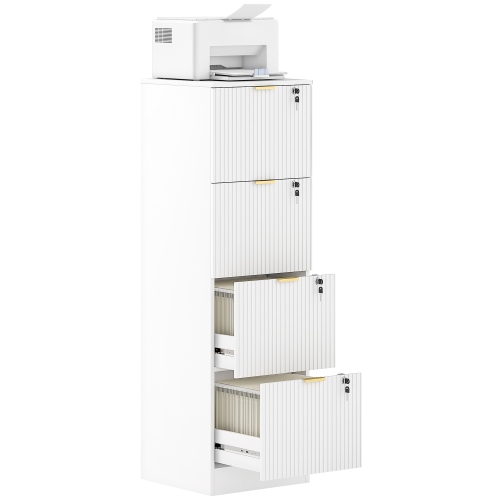
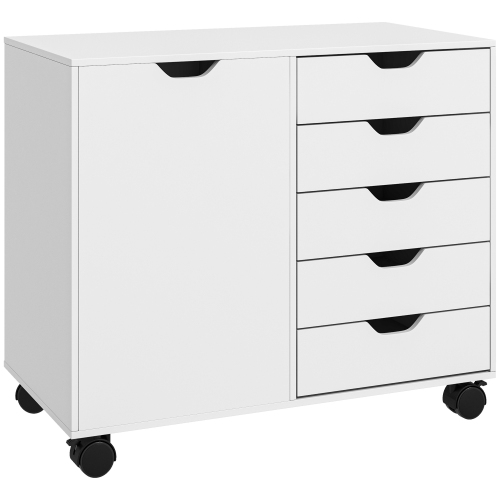
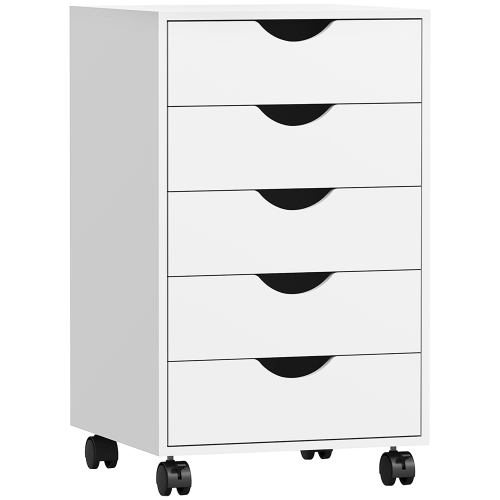
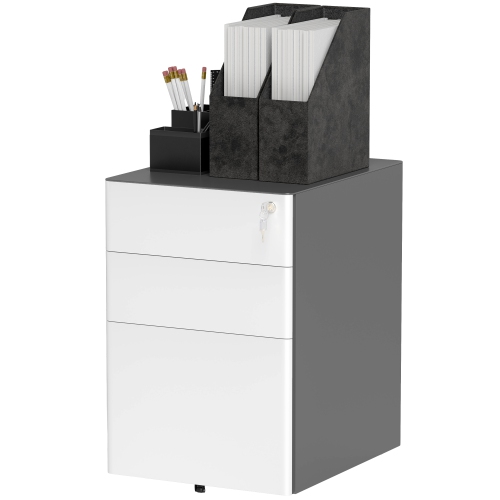
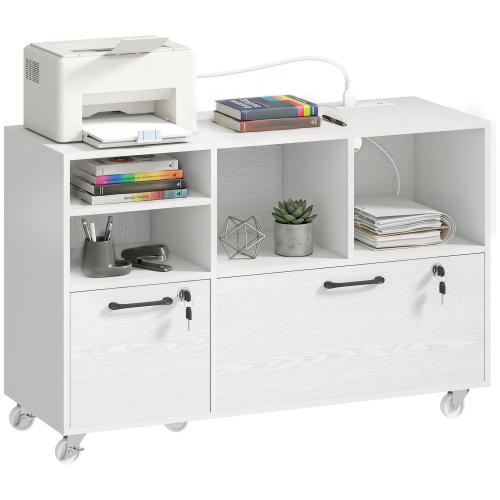
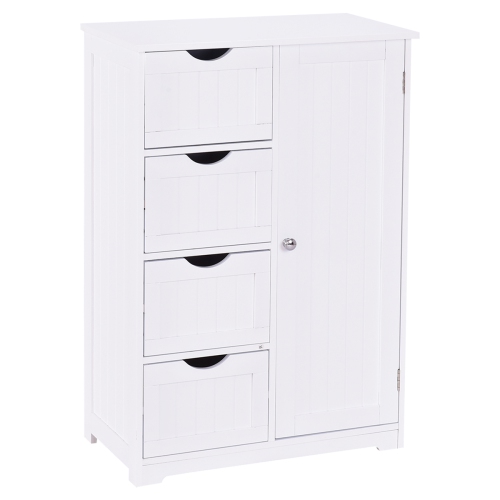
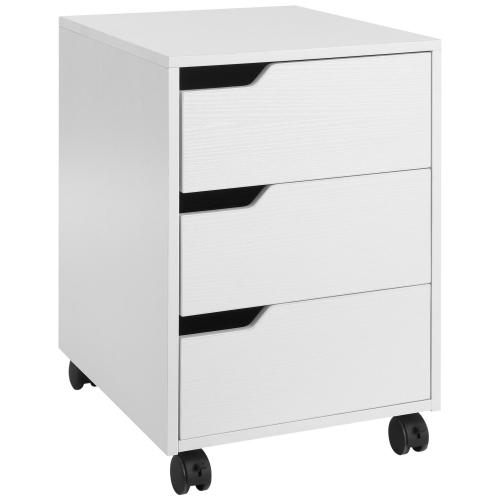
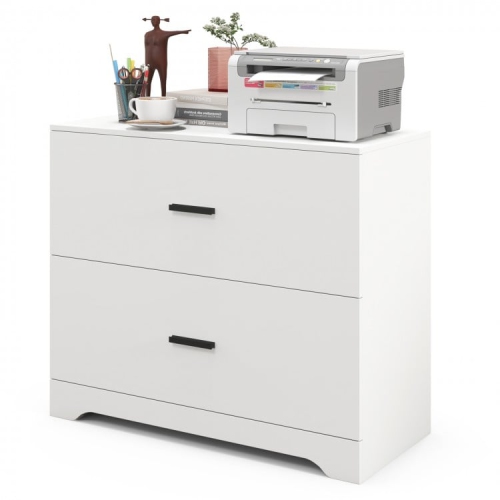
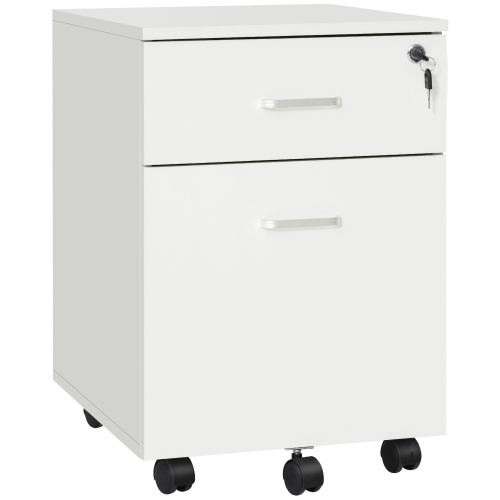
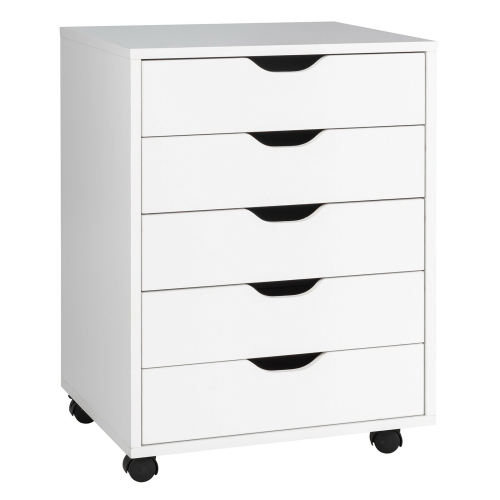
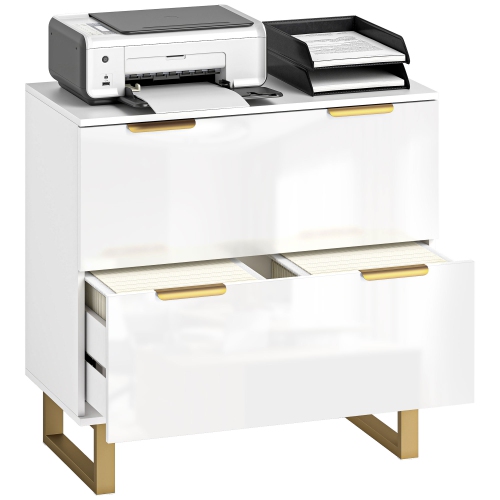
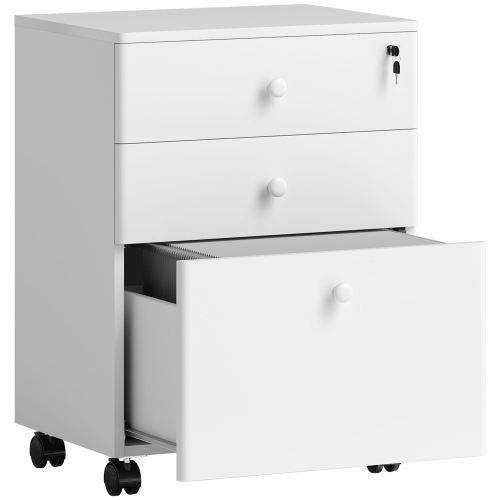
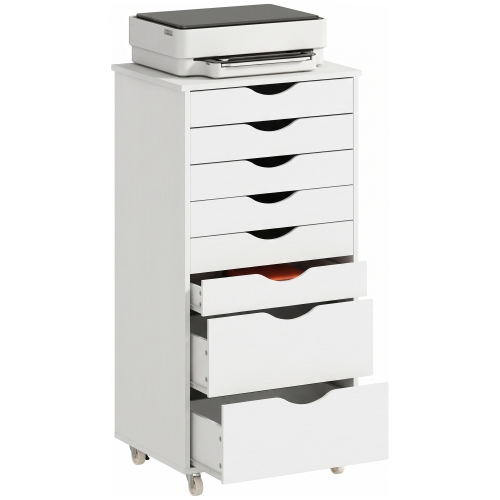
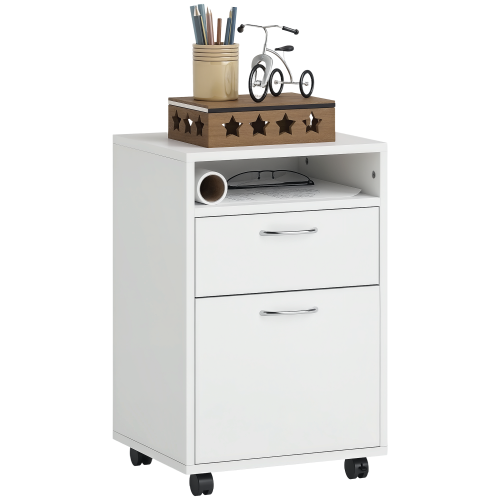
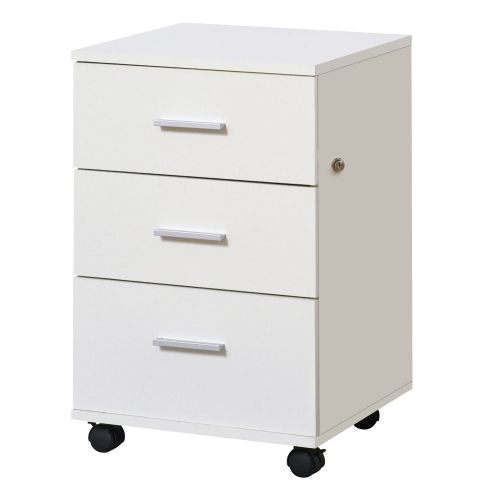
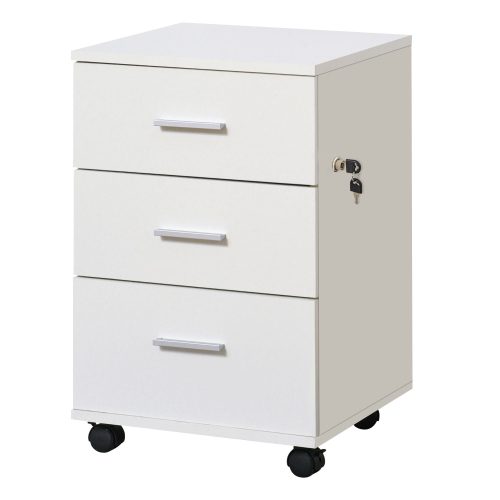
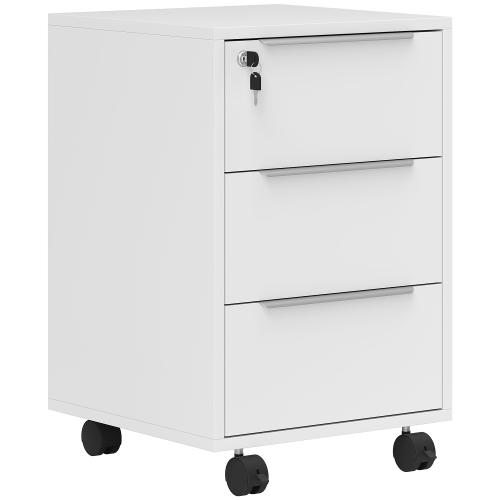
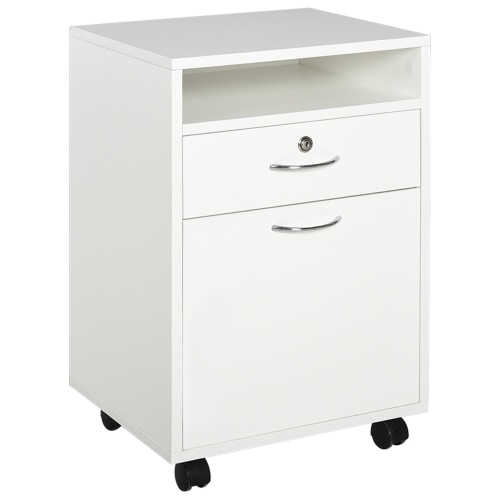
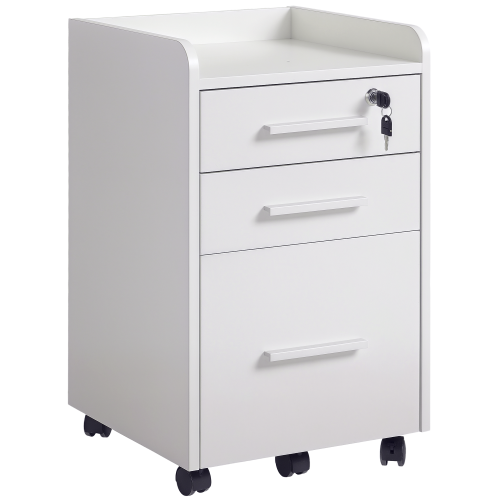
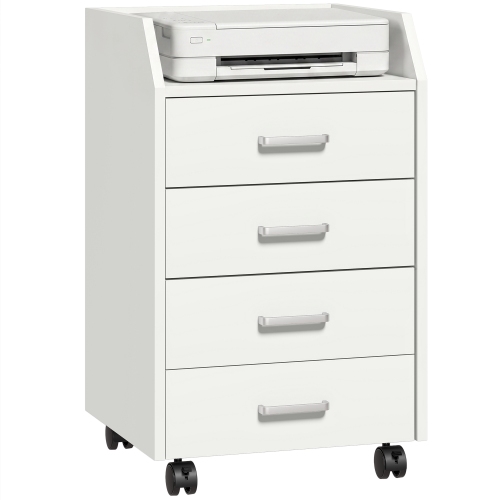
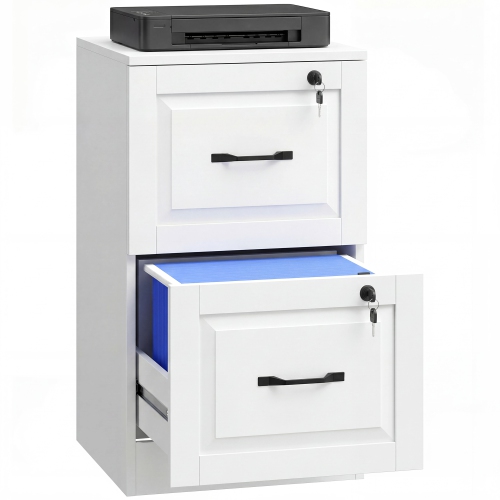
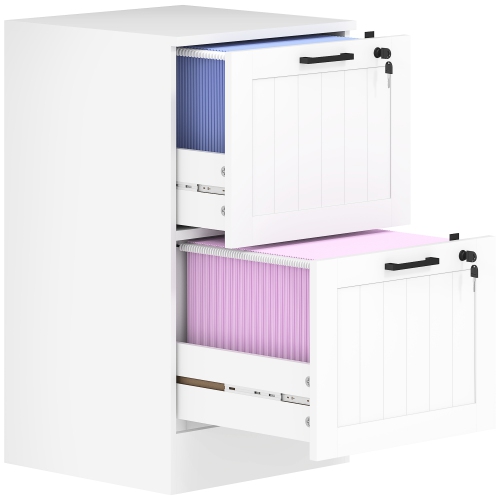
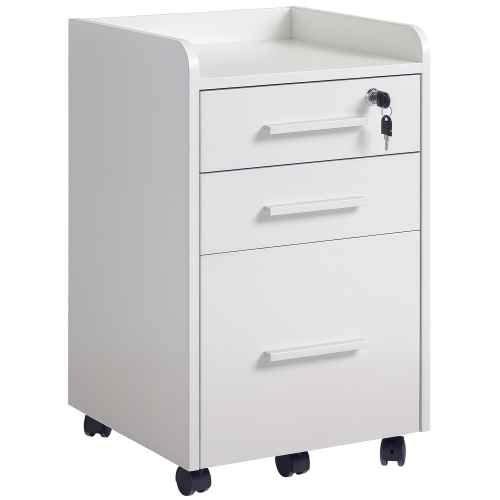
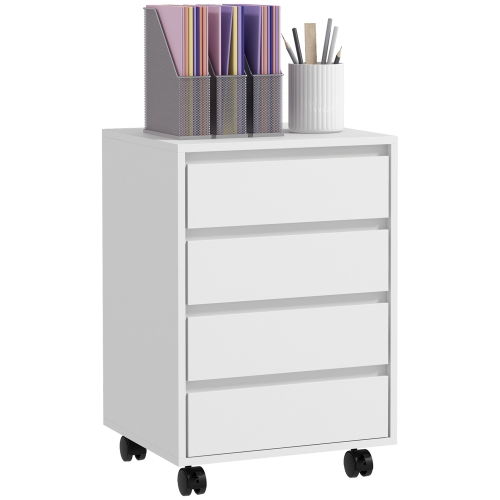
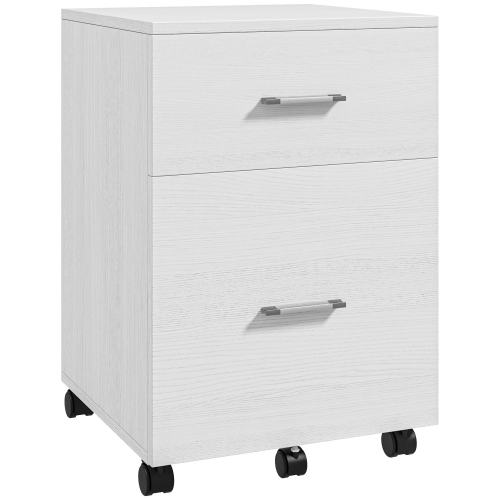
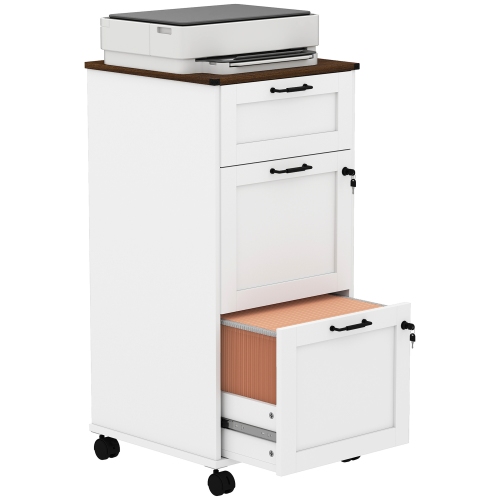
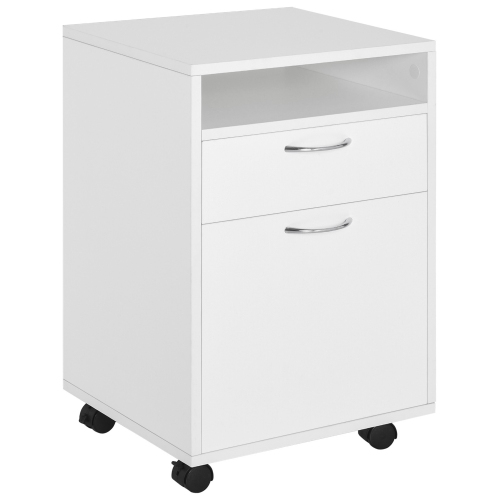
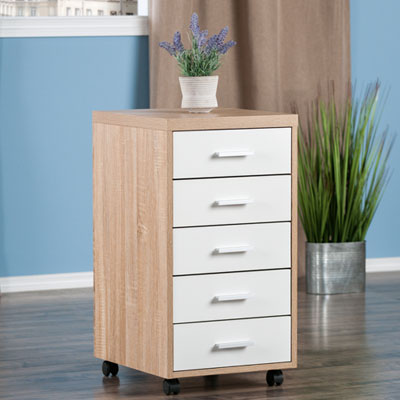
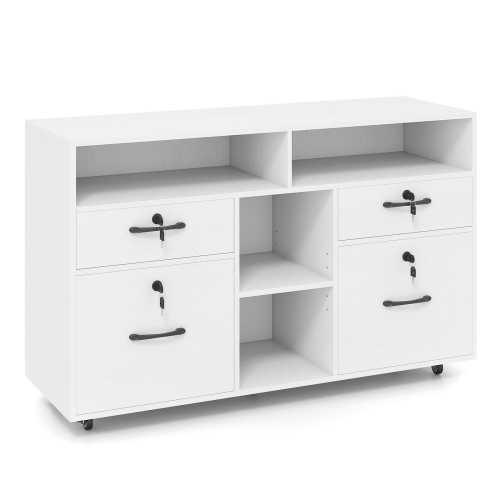
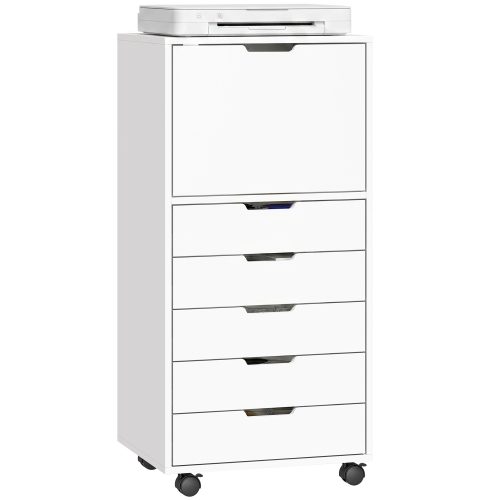
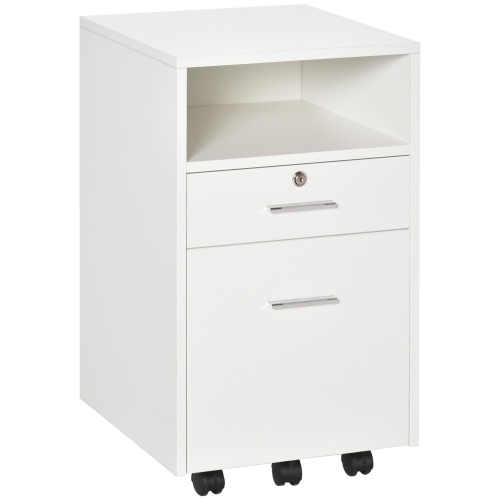
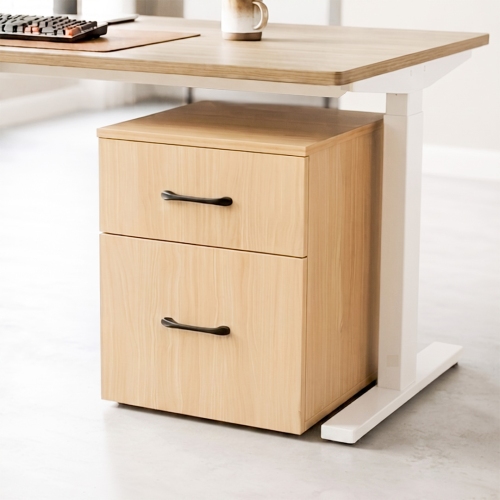
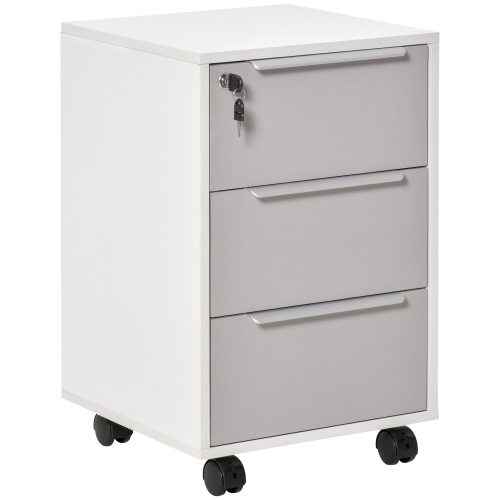
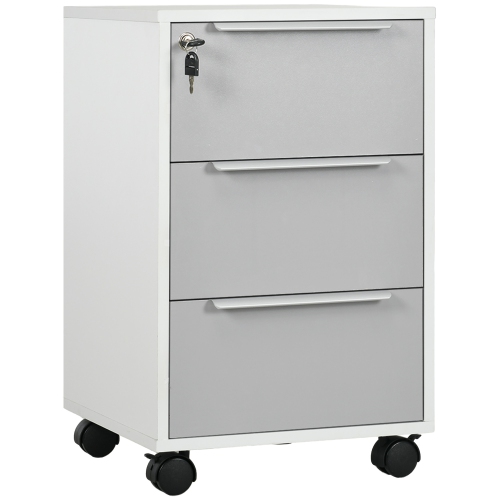
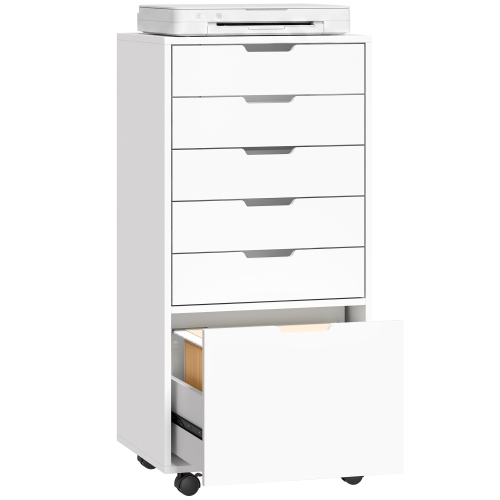
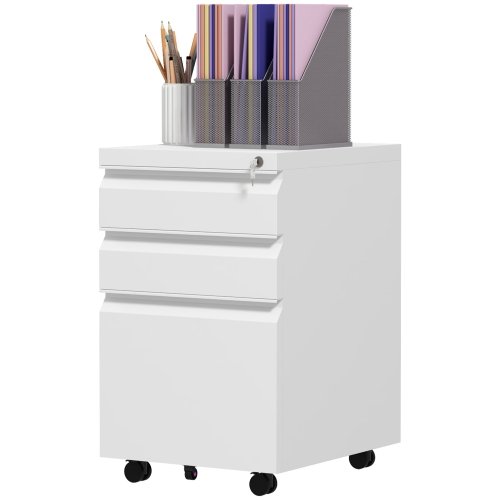
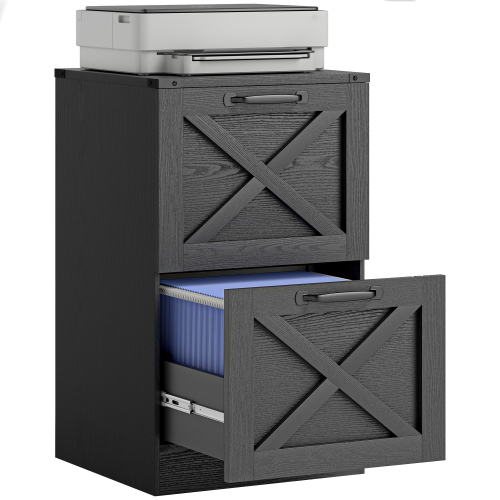
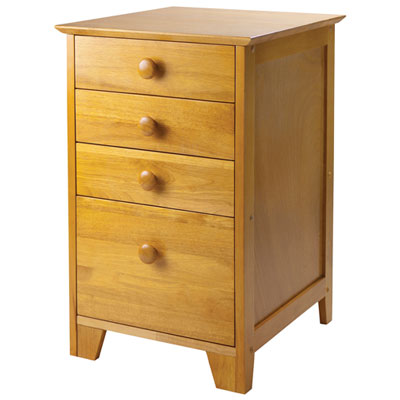
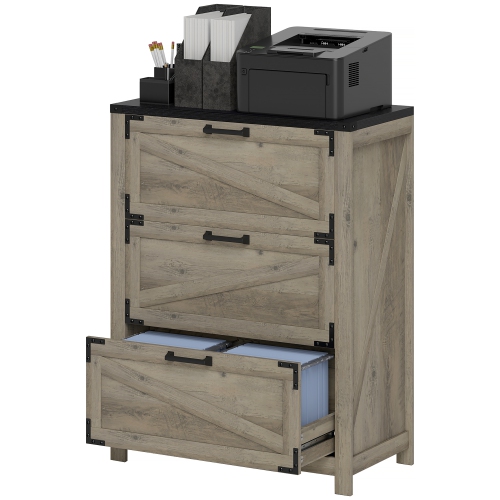
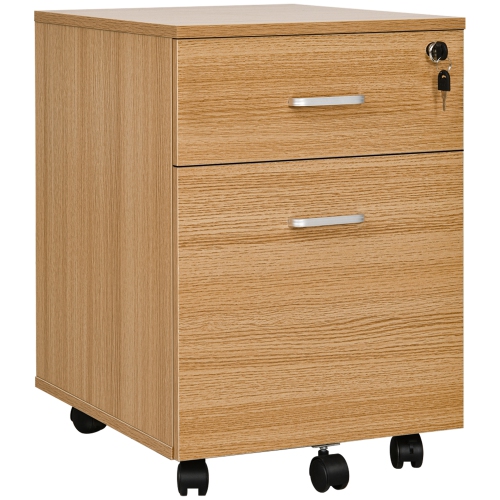
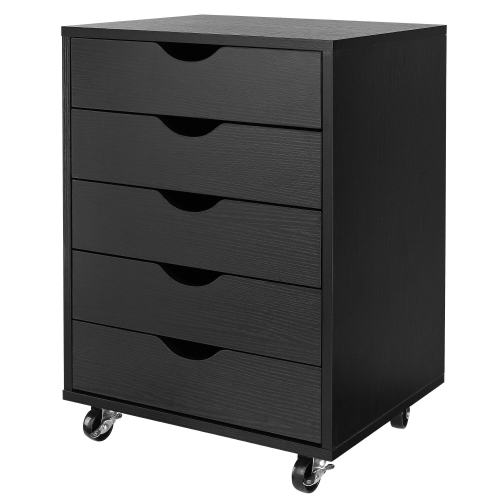
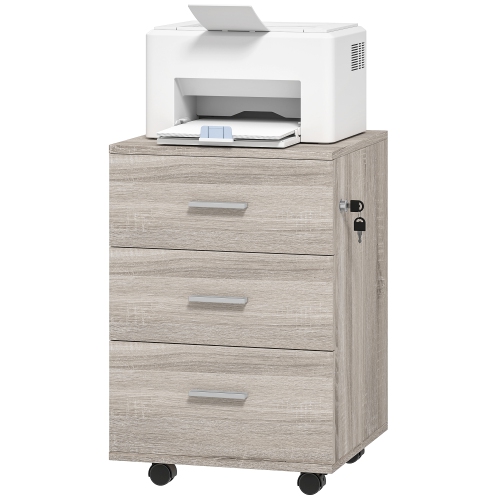
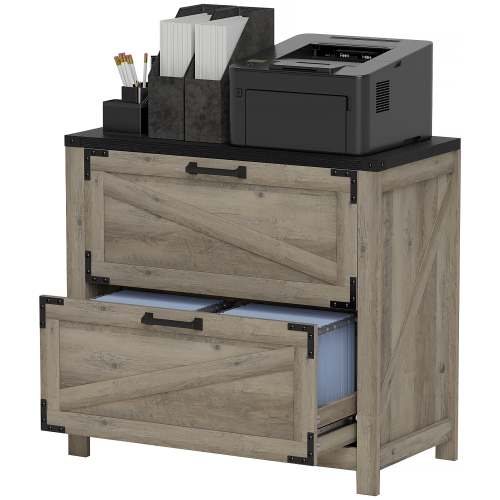
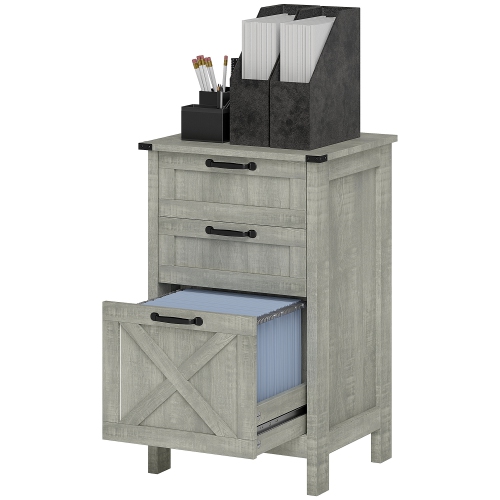
White wood filing cabinets combine dedicated document storage with the softer appearance of furniture, making them a practical fit for home offices, studies, and workspaces that share a room with everyday living. A white finish can sit quietly beside a pale desk, contrast with a dark desktop, or bring a consistent look to a room with mixed furniture. The effect depends on the details: flat drawer fronts and recessed pulls create a simple, streamlined appearance, while framed fronts, visible grain, and contrasting handles lend a more traditional feel. Smooth painted surfaces look different from textured woodgrain finishes, even when both are described as white. Undertones also matter, particularly beside existing furniture; a warm white may look creamy next to a bright white desk or bookcase. The construction beneath the finish is equally important. White wood file cabinets may use solid wood, engineered wood such as medium-density fibreboard or particleboard, or a combination of materials. A painted finish, laminate surface, and wood veneer each have different characteristics, so the material description offers more useful information than colour alone. Solid wood can show natural variations in grain and may respond to changes in indoor humidity. Engineered wood provides a uniform surface, while its long-term performance depends on factors such as panel thickness, edge protection, hardware, and assembly. A wood veneer is a thin layer of real wood over a supporting core, rather than solid wood throughout. For someone furnishing a small study or creating a paperwork station beside the dining area, these distinctions help explain how a cabinet will look, feel, and stand up to regular use. The most suitable choice balances the room’s style with the amount of filing needed, whether that means keeping a few household folders close at hand or organizing a larger collection of client records and reference documents.
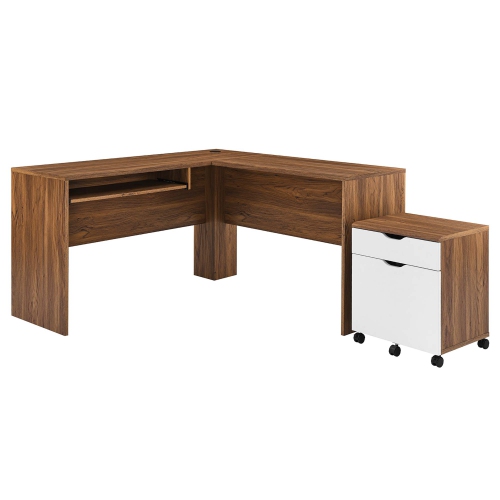
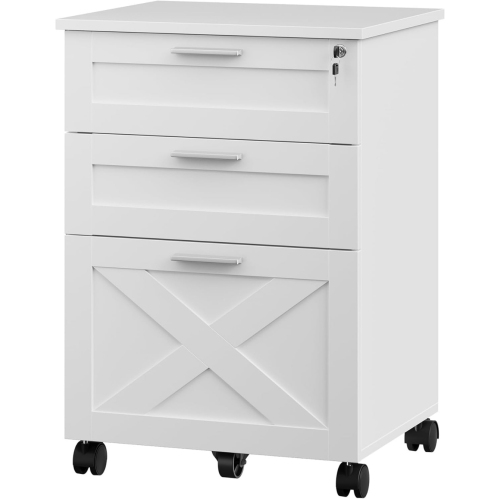
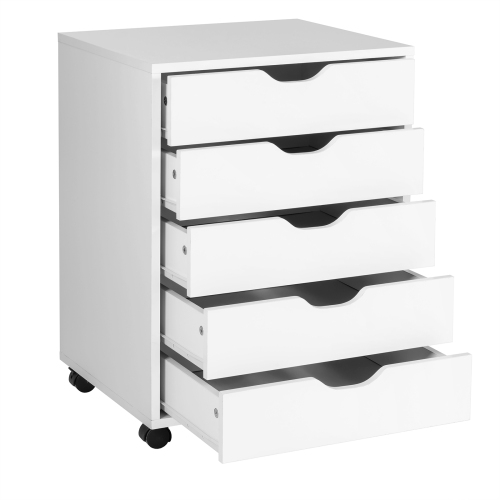
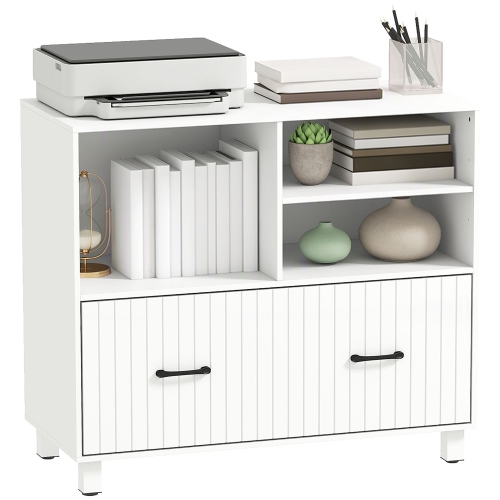
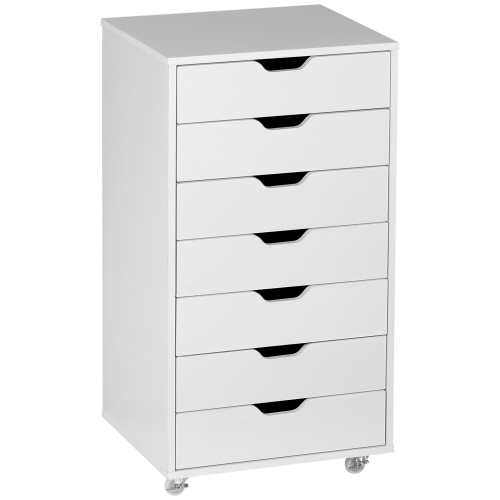
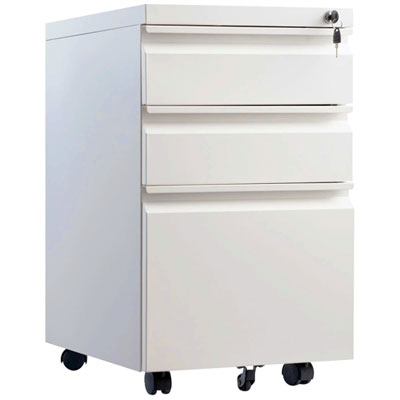
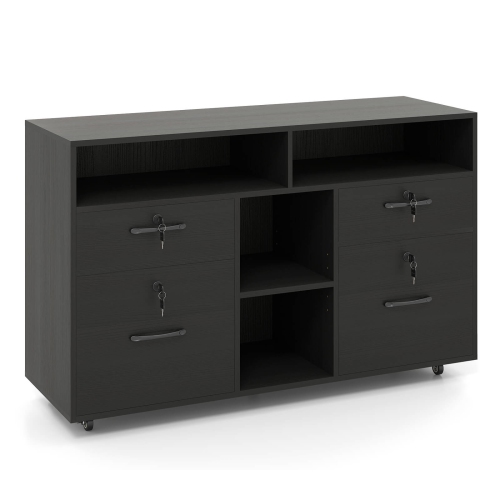
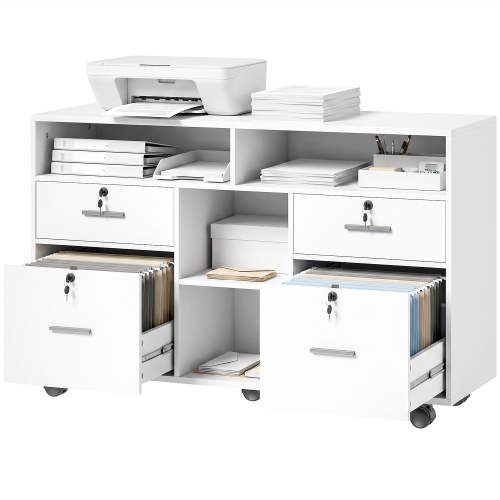
Layout determines how comfortably a filing cabinet fits into a working day. Vertical cabinets generally place file drawers one above another in a narrower footprint, making them useful beside a desk or along a short section of wall. Their drawers still need clearance to open fully, especially where a chair, doorway, or nearby furniture limits movement. Lateral cabinets have a wider profile and can provide a lower, broader surface, although drawer depth and filing direction vary by design. For workspaces where a wider format suits the room, White Wood Lateral File Cabinets bring the same light finish to a different storage layout. Exterior dimensions tell only part of the story: usable drawer space, hanging rails, and supported paper sizes determine what actually fits inside. Letter-size documents measure 8.5 by 11 inches, while legal-size documents measure 8.5 by 14 inches, and a cabinet should explicitly support the format being stored. Adjustable rails can provide flexibility, but not every deep drawer accepts hanging folders or accommodates both sizes. Drawer count also needs context. A cabinet with several shallow drawers may hold stationery and small office supplies while offering only one dedicated file drawer. For household use, separate folders for insurance, tax records, warranties, and school paperwork can make a modest filing space more useful than a larger drawer filled with loose sheets. In a shared office, clearly divided sections help keep different projects or people’s records apart. Under-desk placement requires attention to knee room, desk supports, and the height of any castors, rather than cabinet height alone. A mobile design can move between work areas, provided the flooring suits its wheels and locking castors are engaged when it is parked. A stationary cabinet may suit a permanent filing spot better. If the top will hold a printer, both its dimensions and stated weight capacity matter, with additional room needed for cables, paper trays, and access to controls.
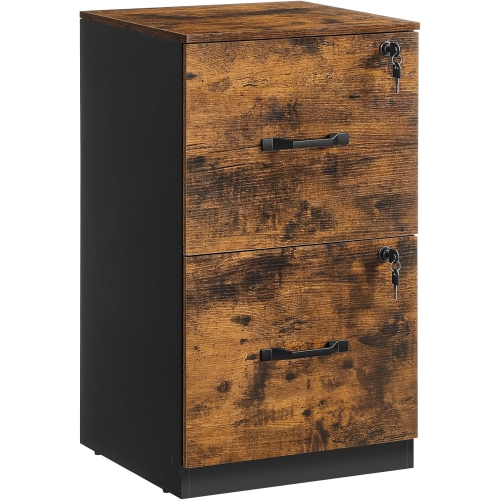
Everyday durability comes from the combination of cabinet construction, drawer hardware, appropriate loading, and care. Paper becomes heavy quickly, so drawer weight limits deserve particular attention when files are densely packed. Smooth-running slides make frequently used folders easier to reach, and full-extension drawers can improve access to documents at the back. Consistent gaps around drawer fronts and properly secured hardware help drawers operate as intended; careful assembly is especially important with flat-packed furniture. Where wall anchoring is specified, the cabinet should be secured using fixings suitable for the wall, following the supplied instructions. Opening one loaded drawer at a time and keeping heavier contents low can further support stable use, but these habits do not replace required anchoring. Locking drawers are useful for limiting casual access to personal paperwork in a shared room, though an ordinary lock should not be mistaken for protection against forced entry, fire, or water damage. Care is usually straightforward, with the manufacturer’s directions taking precedence over general cleaning advice. A soft cloth removes dust, and a lightly dampened cloth can address marks on many sealed finishes when followed by prompt drying. Excess moisture around seams, abrasive pads, and strong cleaning products can damage surfaces or edges. A protective pad beneath desktop accessories can help prevent scratches, while avoiding overloaded drawers reduces strain on slides and fasteners. White finishes make ink marks and scuffs easier to notice, so a pen holder and a clear place for incoming mail can help keep the cabinet looking tidy. For remote workers, students, small-business owners, and households managing shared paperwork, the lasting value of a filing cabinet lies in making documents easy to put away and retrieve. A well-proportioned cabinet keeps working files near the desk without taking over the room, while its white wood appearance allows practical storage to feel like part of the furnishing rather than an afterthought.
Top selling and popular products
-
 Your price for this item is $369.99
-
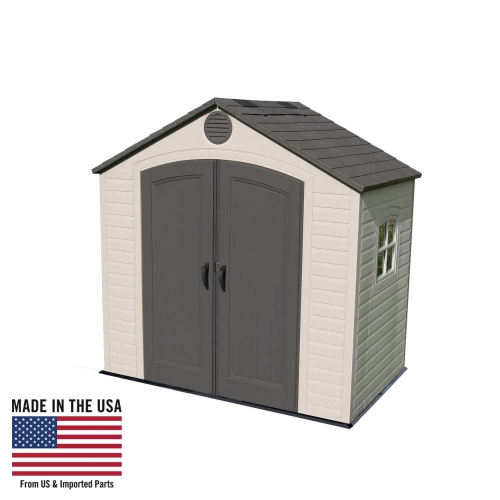 Your price for this item is $2249
-
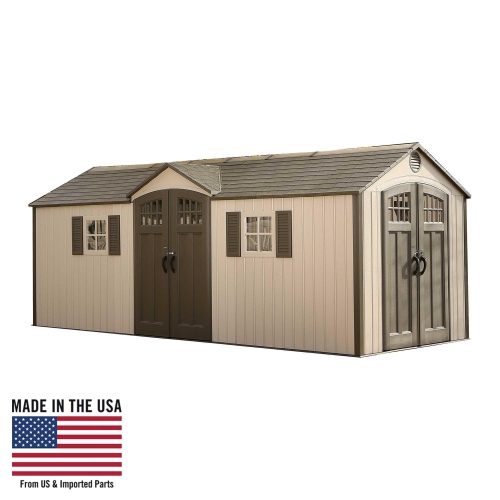 Your price for this item is $5999.99
-
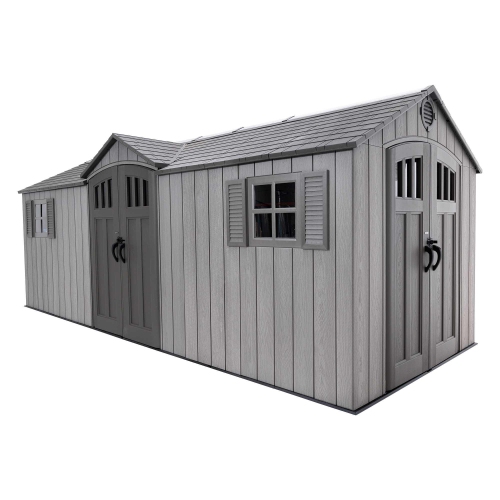 Your price for this item is $5999.99
-
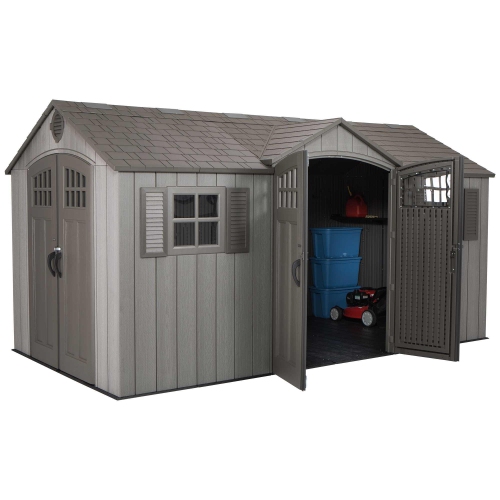 Your price for this item is $4499.99
-
 Your price for this item is $629.99
-
 Your price for this item is $369.99
-
 Your price for this item is $119.99
Discover more categories related to White Wood Filing Cabinets
Top Collections:
Best Black Friday Deals This Year, Best Black Friday Deals On Electronics, Kindle Devices, Dyson Airwrap, Best Cameras for Sports Photography, Best Budget Office Chairs, Canon G7X Cameras, PS5 Pro Consoles, Best Black Friday Deals On Apple Products, XBOX One S Consoles
Some products may be subject to Environmental Handling Fees
(EHF) depending on your province.
Learn more about EHFs.