Window Sun Shades
Looking to beat the heat and shield your car's interior from harmful UV rays? Our collection of Window Sun Shades offers a practical solution to keep your vehicle cool and protected during scorching summer days. These shades are designed to fit various window sizes, providing a custom-like fit for a wide range of vehicles. With easy installation and durable materials, our Window Sun Shades are the perfect accessory to enhance your driving experience while keeping your car comfortable and safeguarded from the sun's intense glare.
Sort
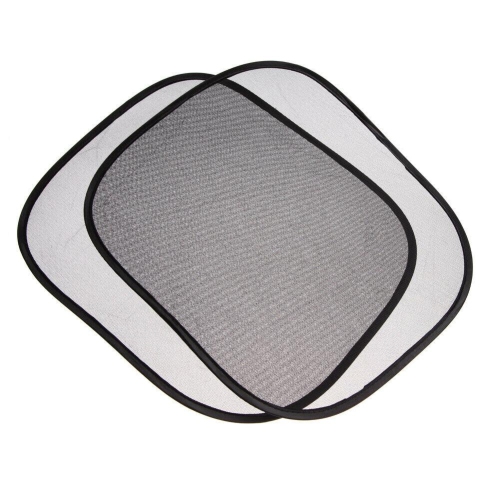

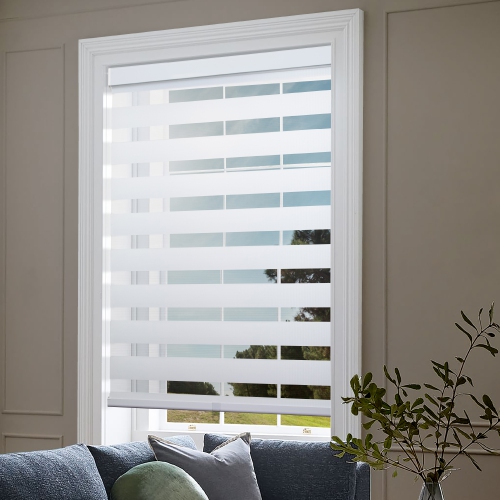
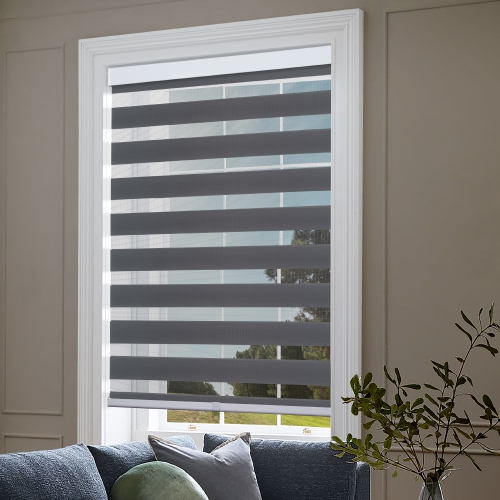
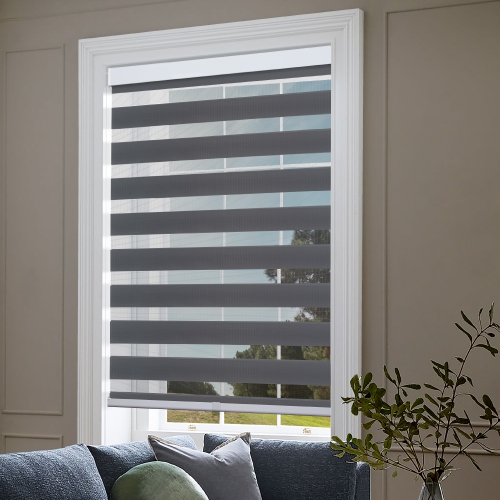
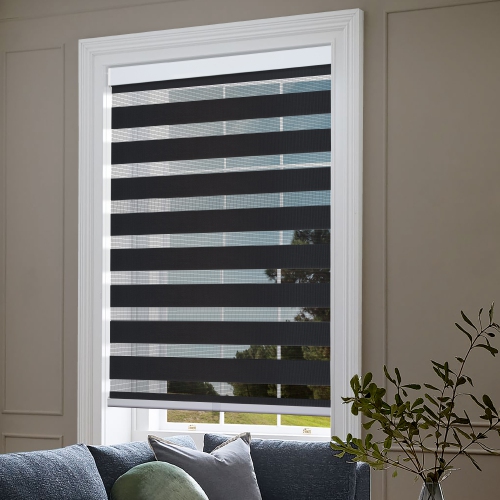
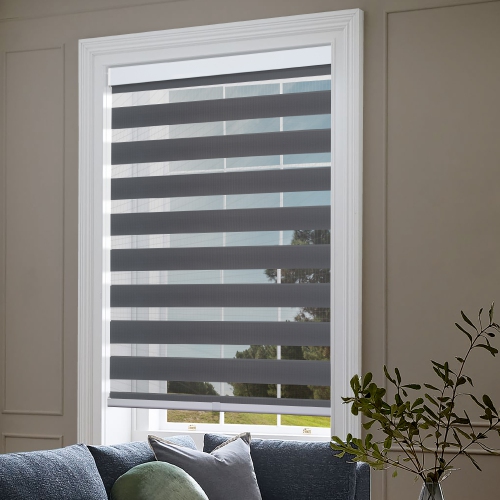
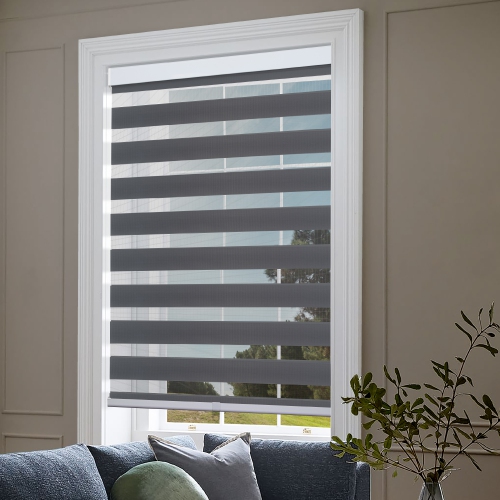
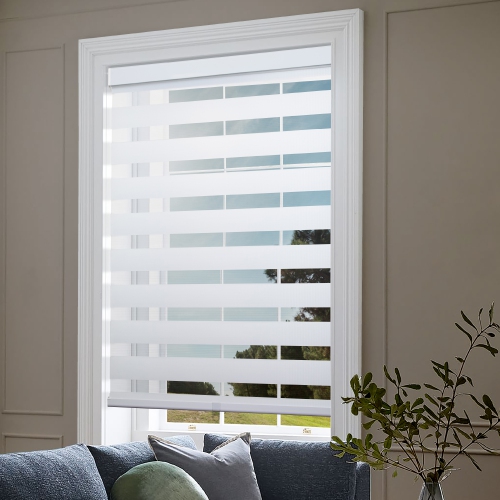
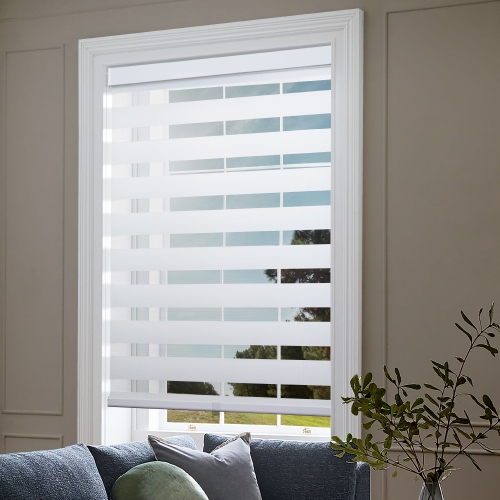

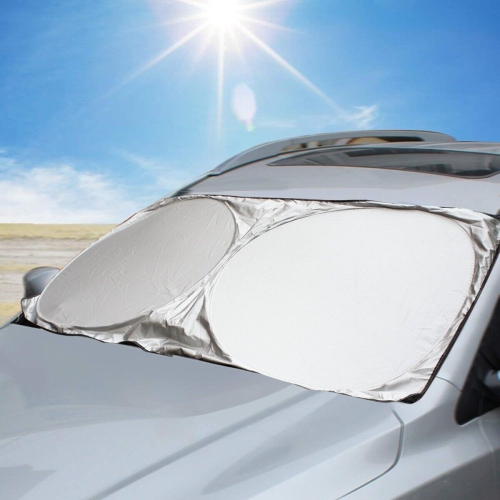

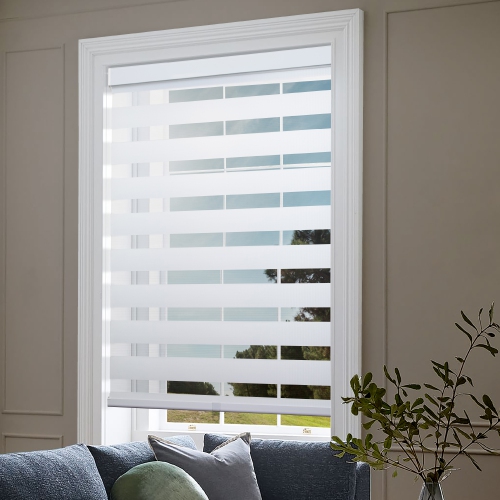
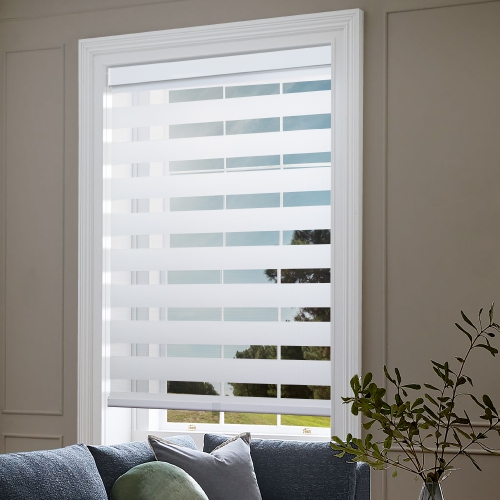
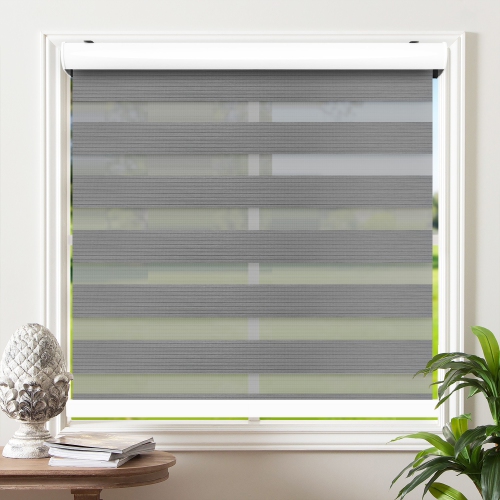
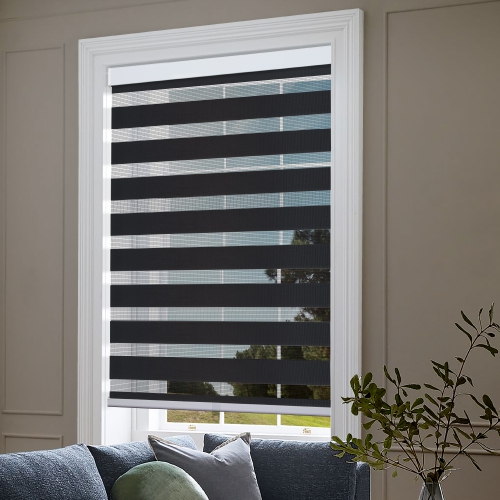
![YELLOW-PRICE 59” X 31” Car Windshield Sun Shade - Blocks Uv Rays Sun Visor Protector [1-Pack]](https://multimedia.bbycastatic.ca/multimedia/products/500x500/163/16397/16397657.jpeg)
![YELLOW-PRICE [2-Pack] Car Windshield Sun Shade Blocks Uv Light Sun Rays (Classic 59X31 In) Ca](https://multimedia.bbycastatic.ca/multimedia/products/500x500/166/16613/16613279.jpeg)
Managing glare, heat and privacy across home and vehicle windows
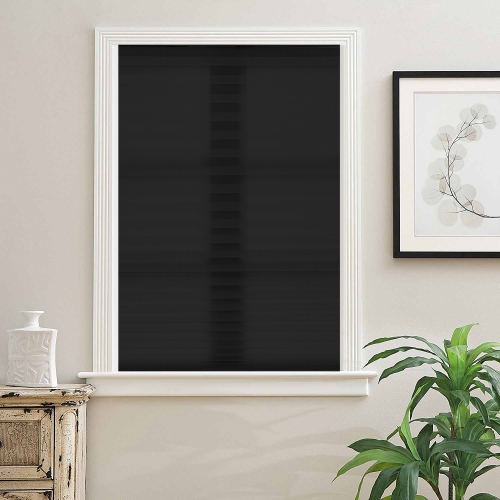
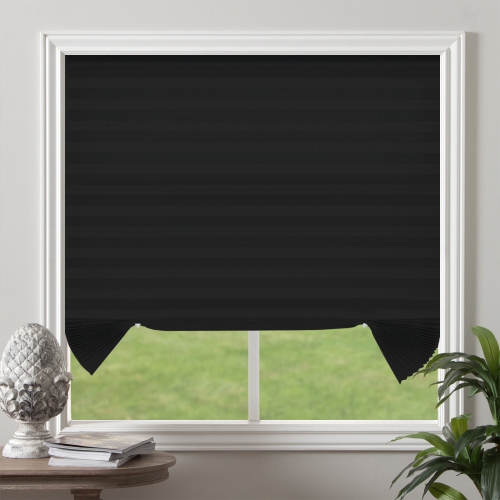
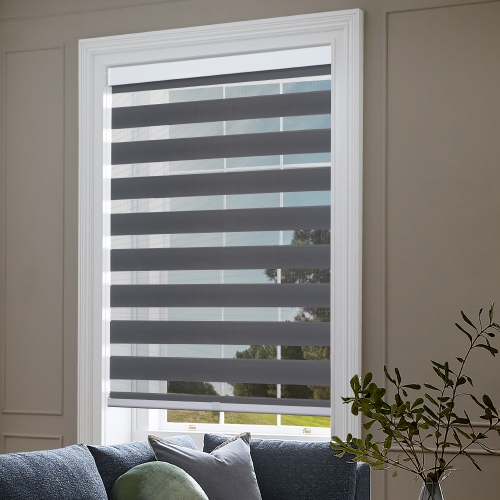
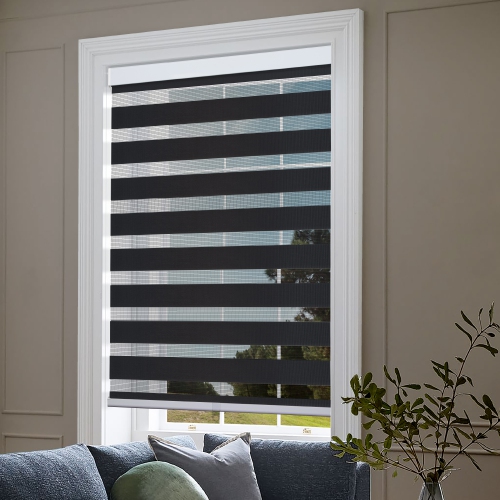
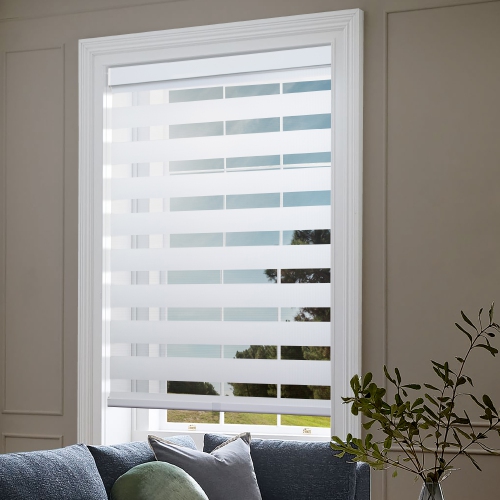
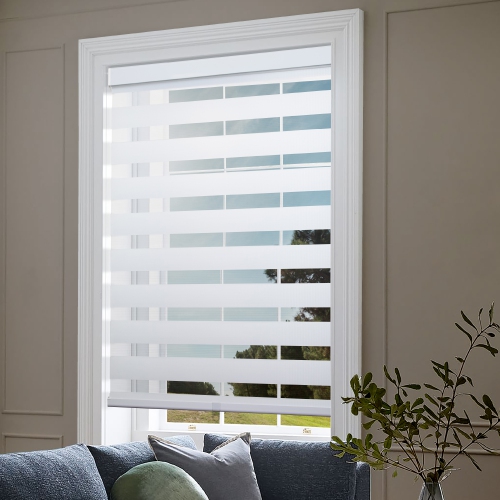
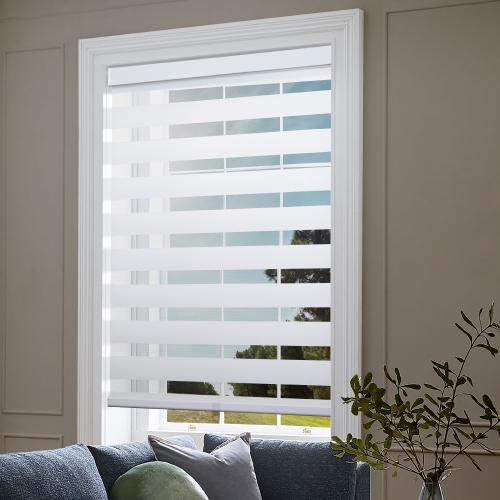
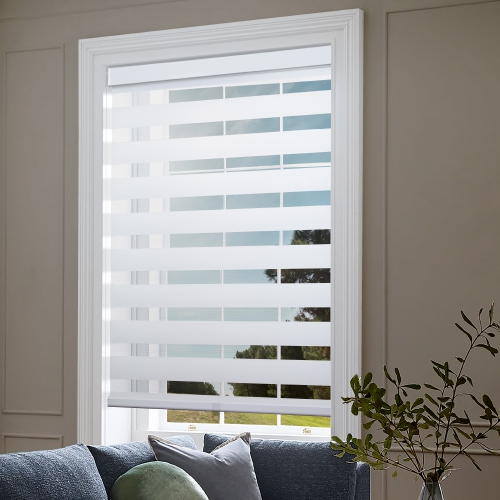
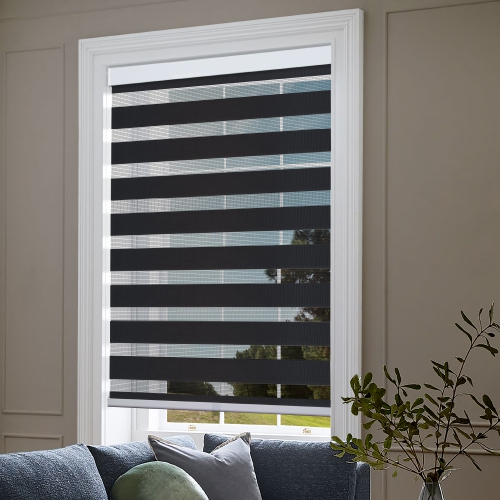
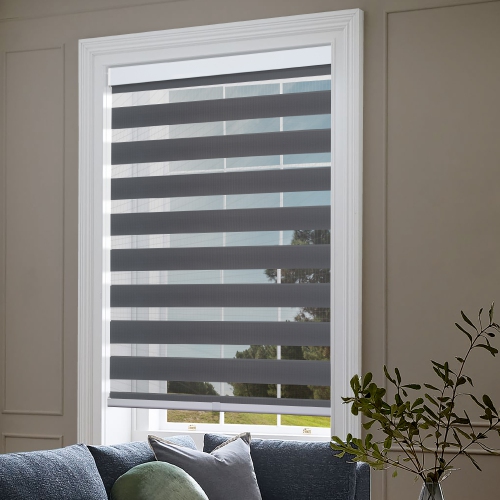
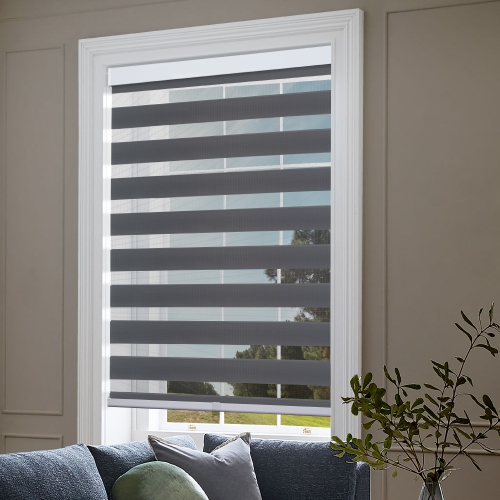
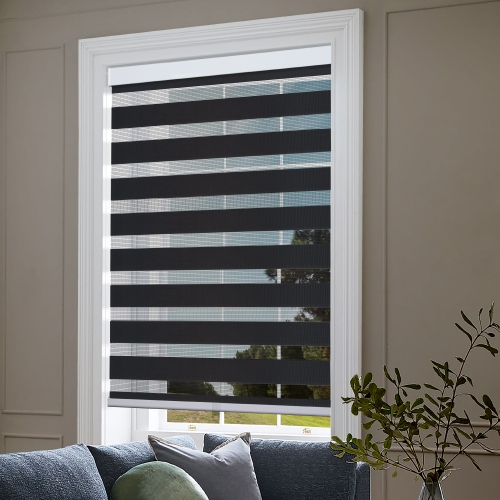
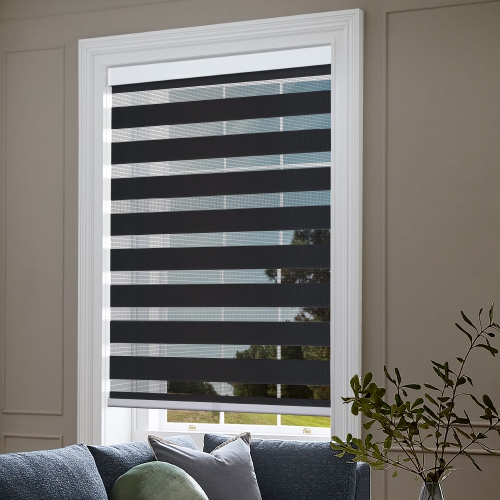
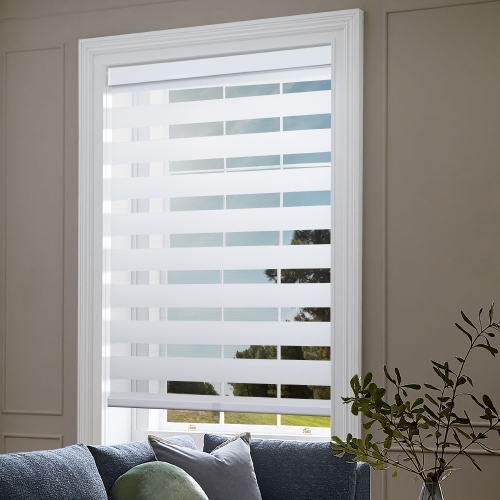
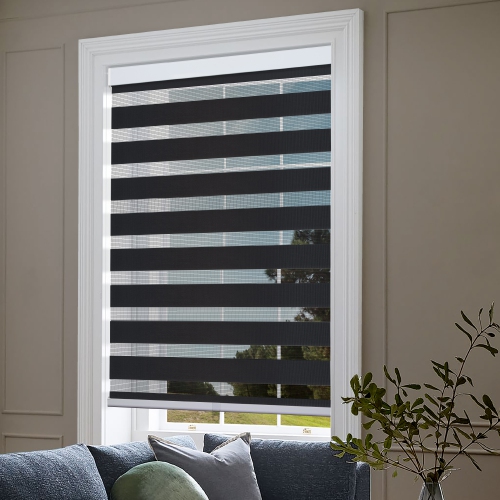
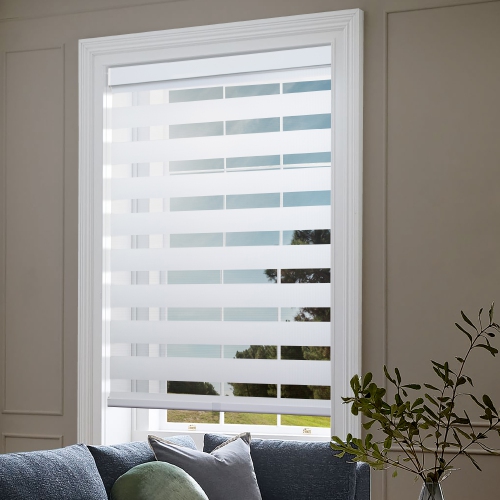
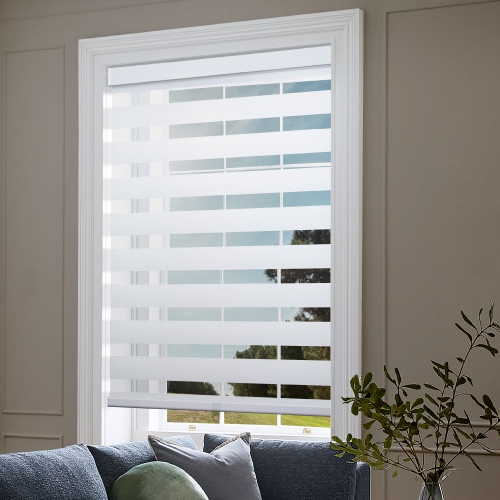
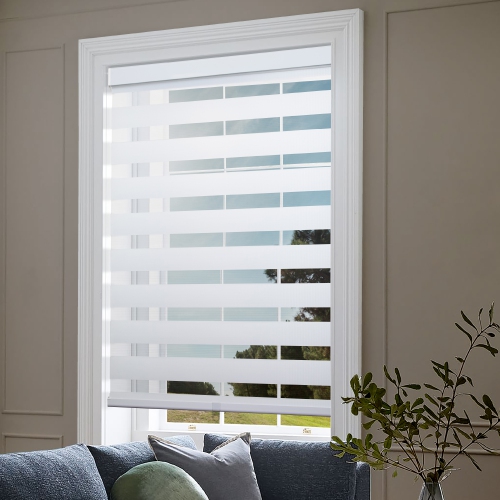
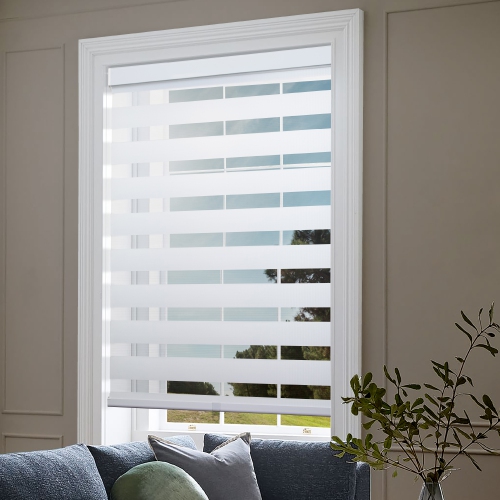
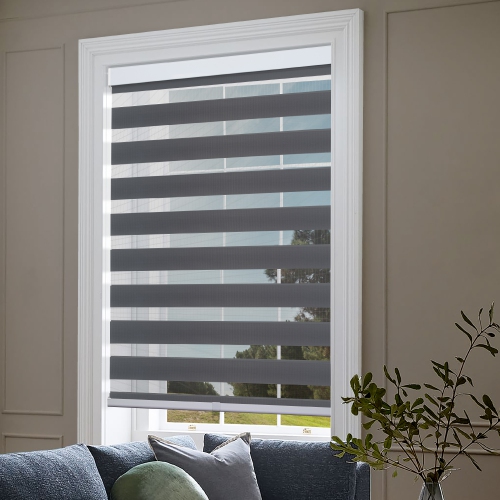
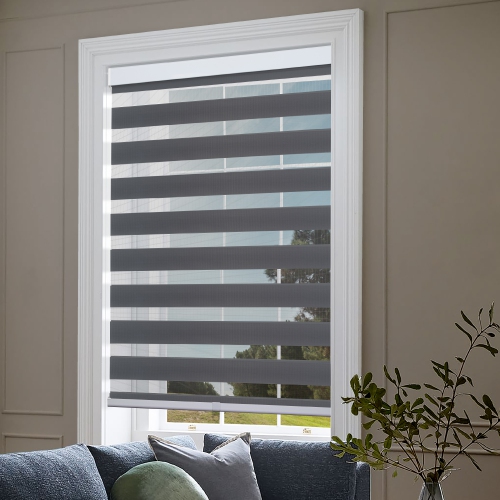
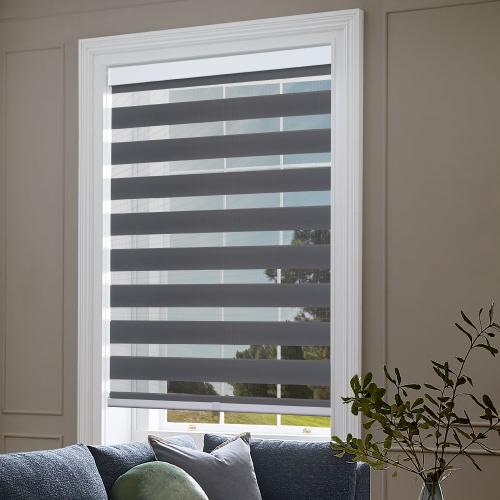
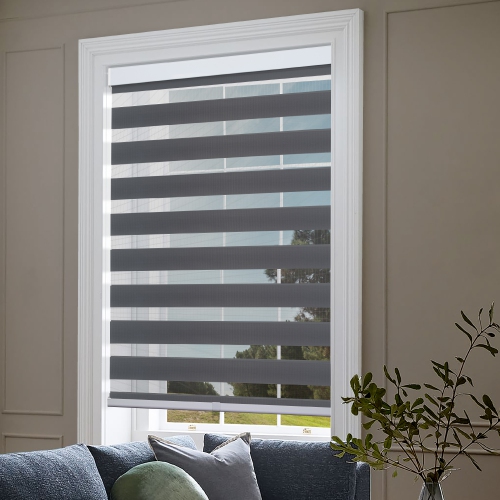
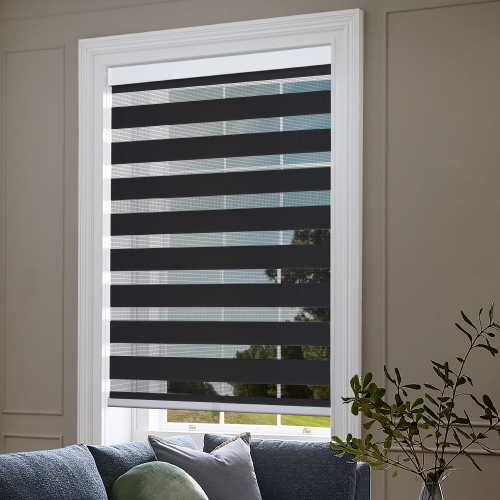
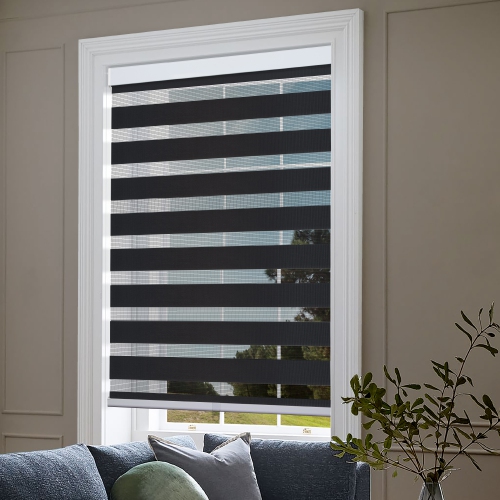
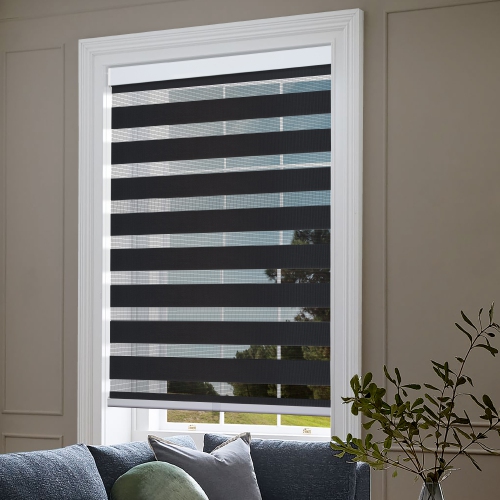
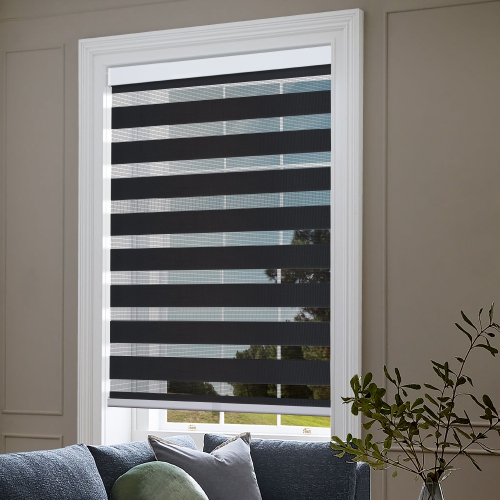
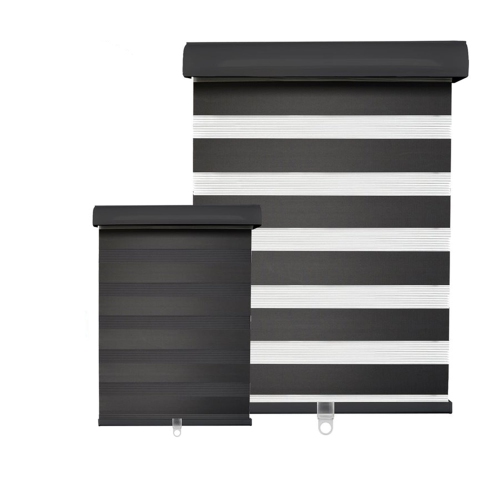
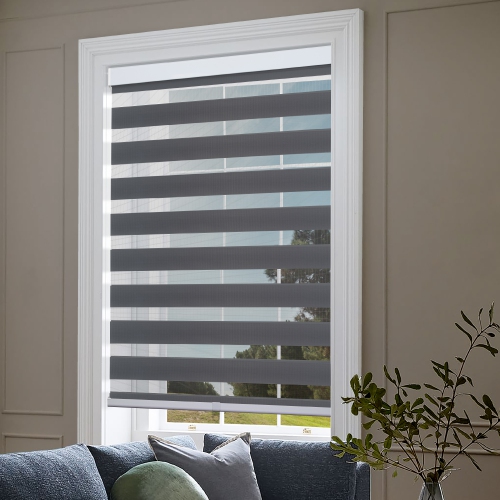
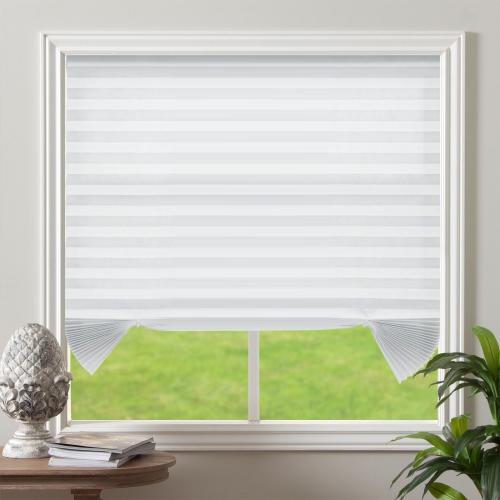
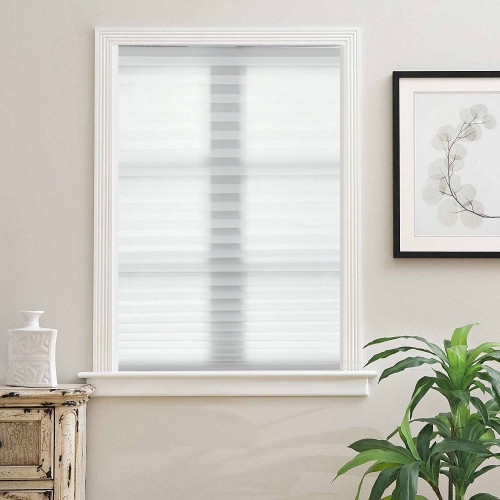
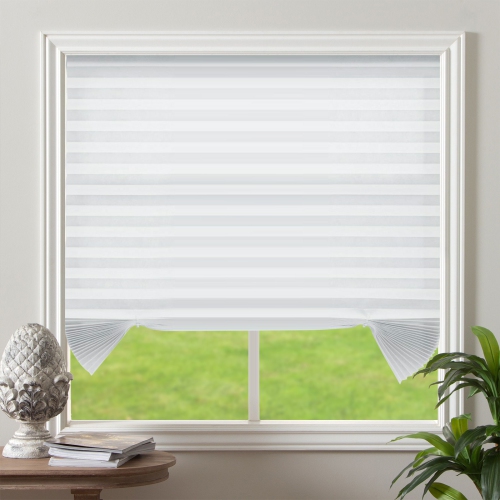
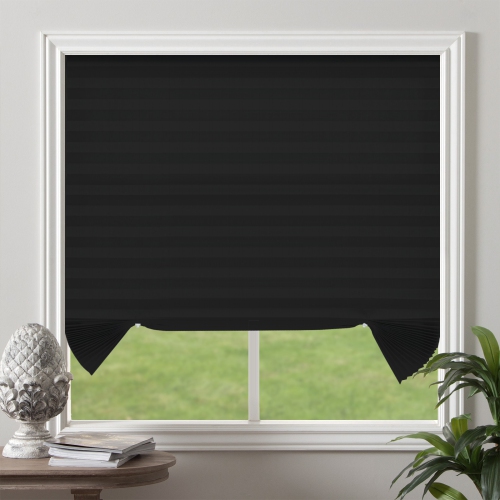
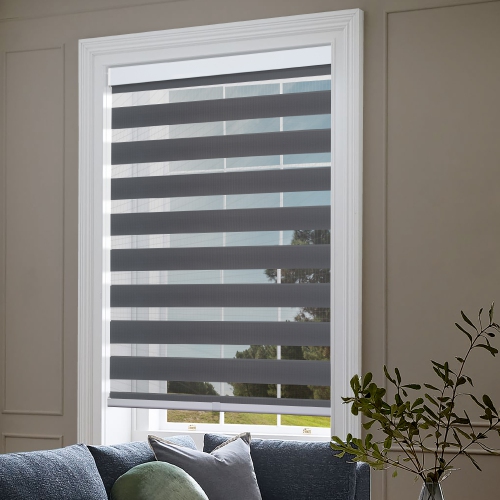
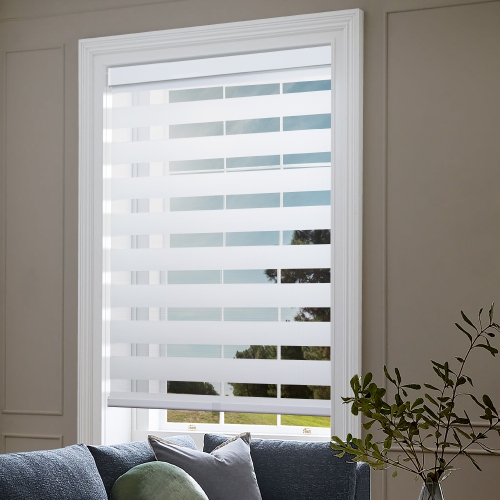
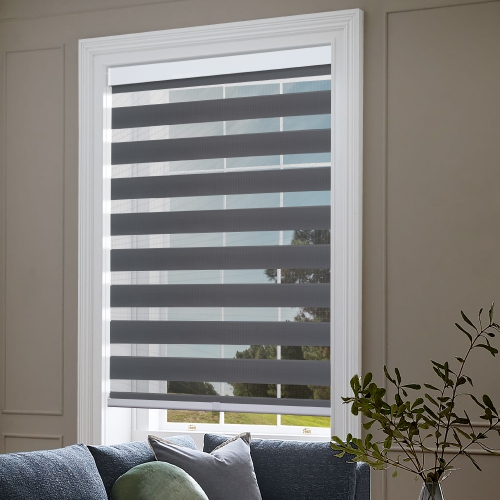
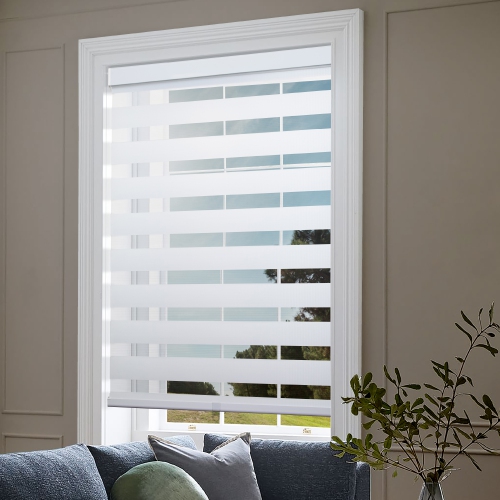
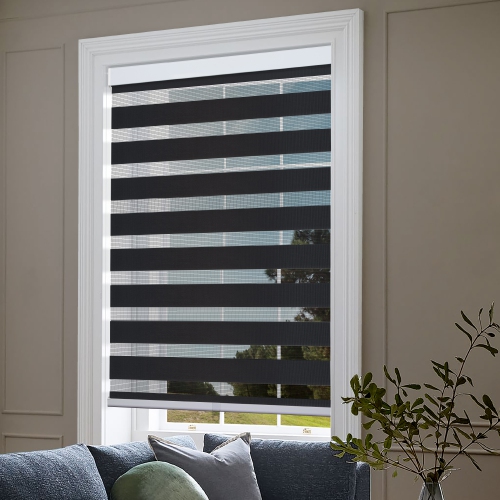
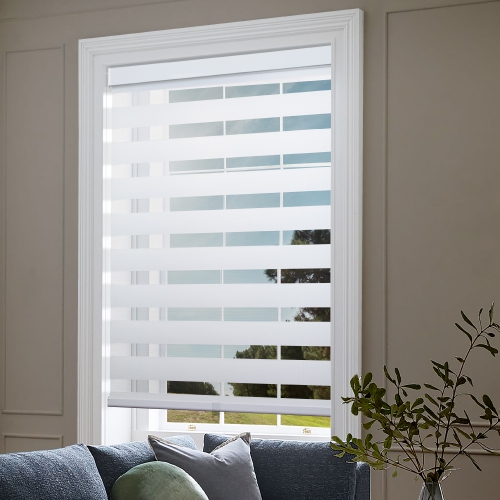
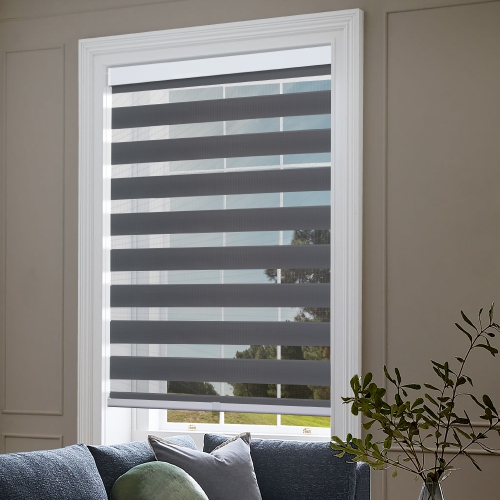
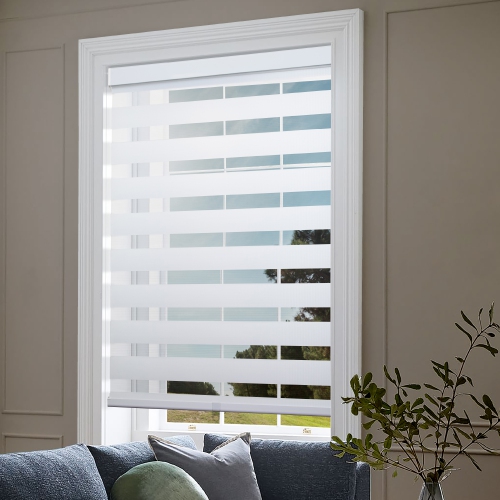
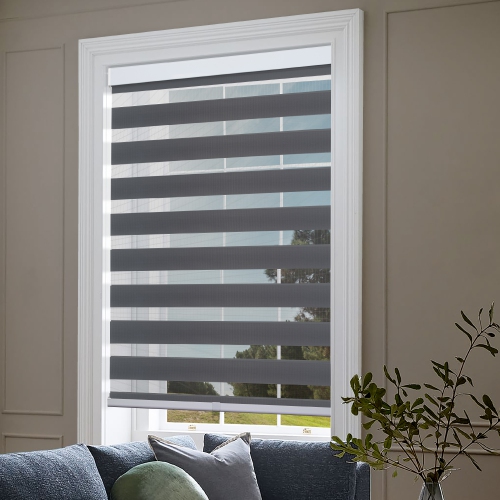
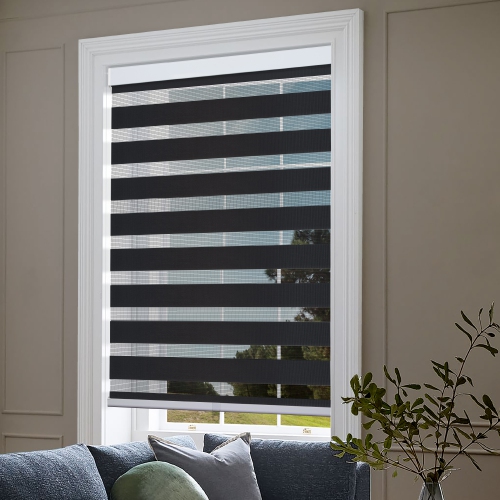
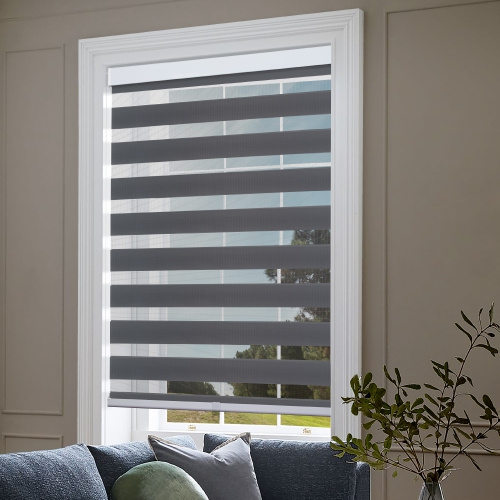
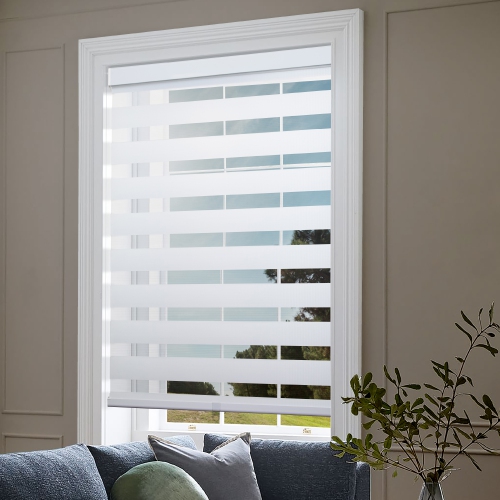
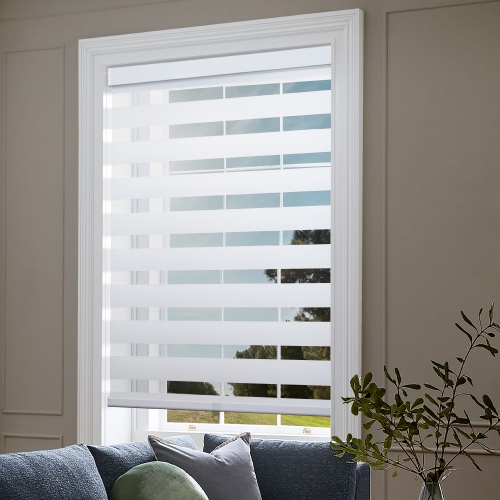
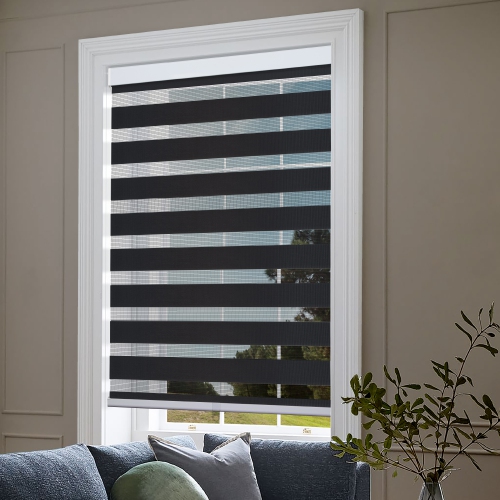
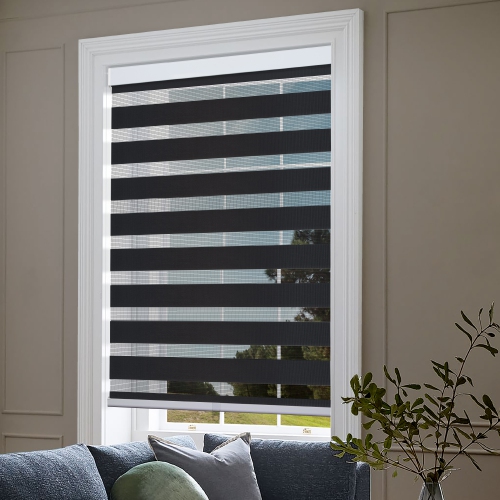
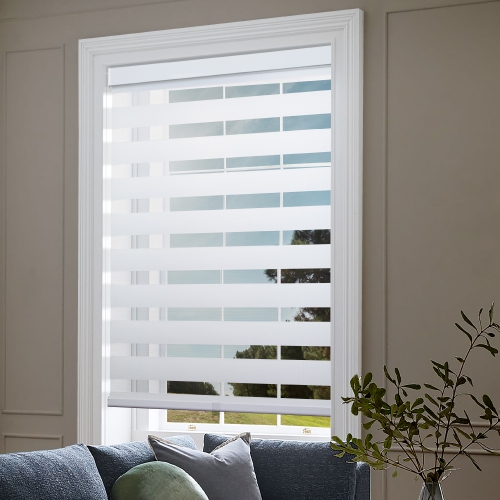
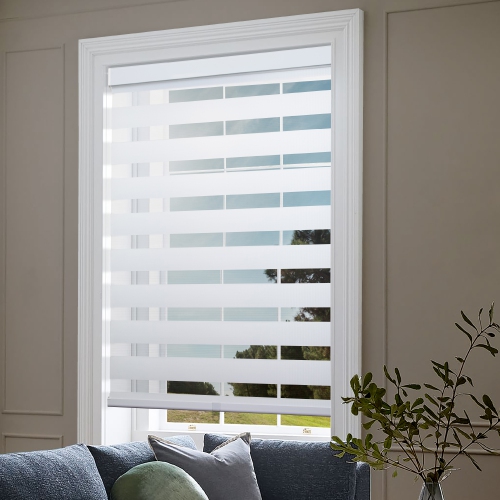
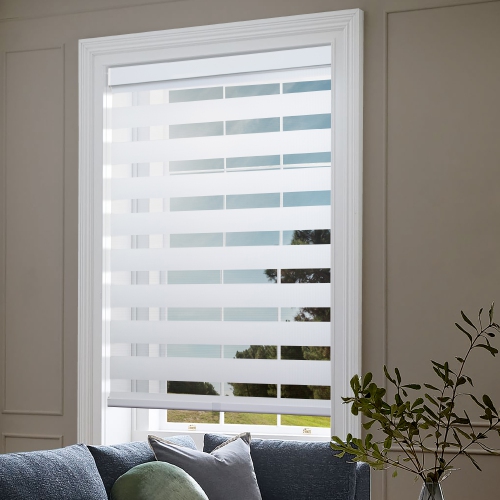
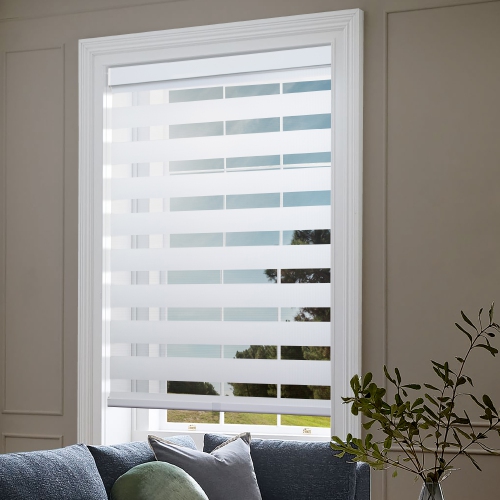
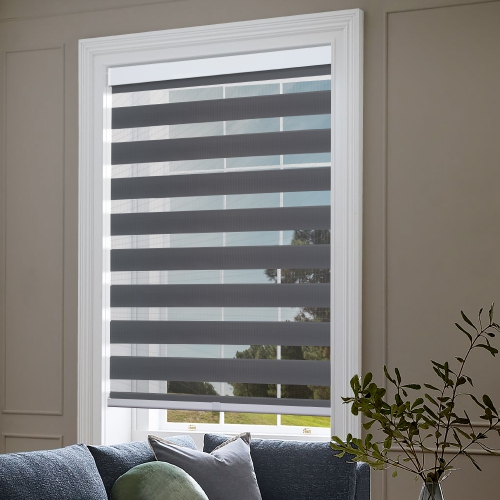
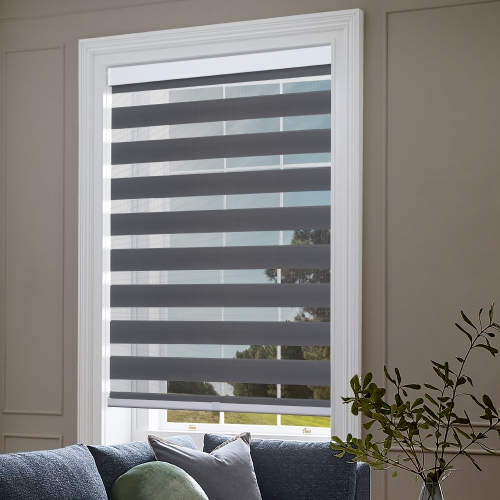
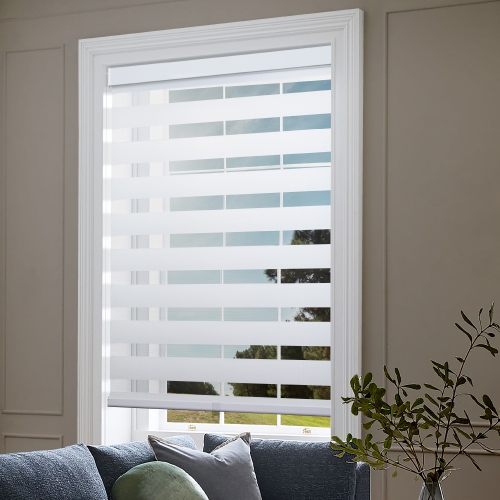
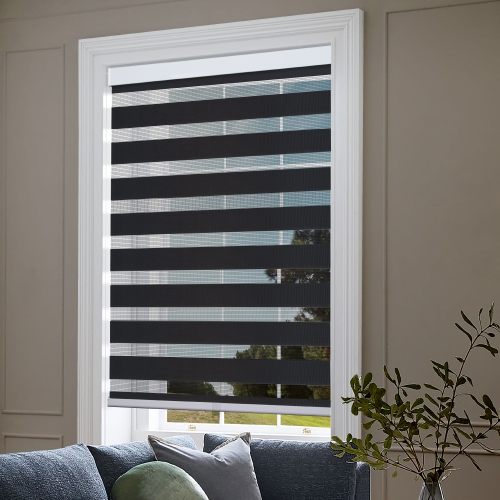
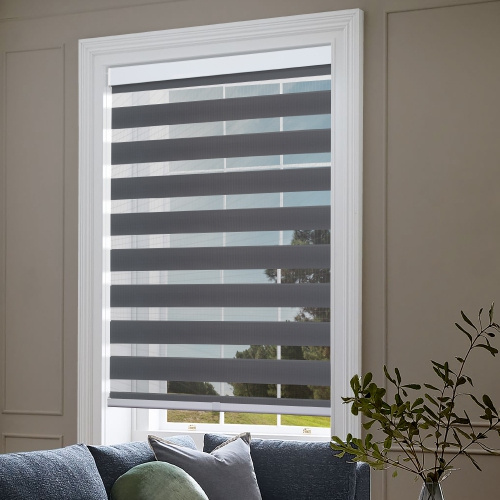
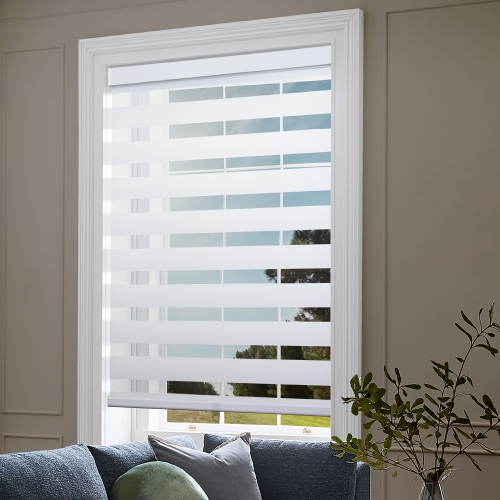
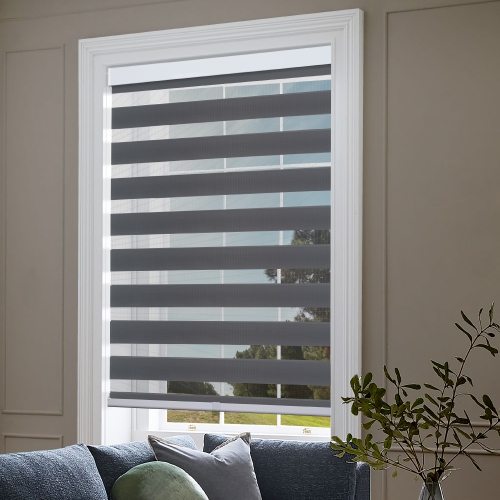
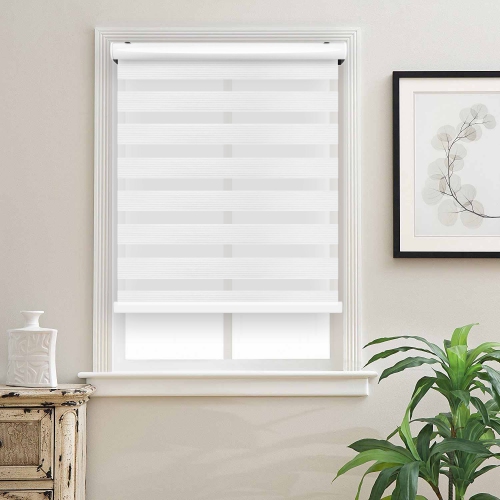
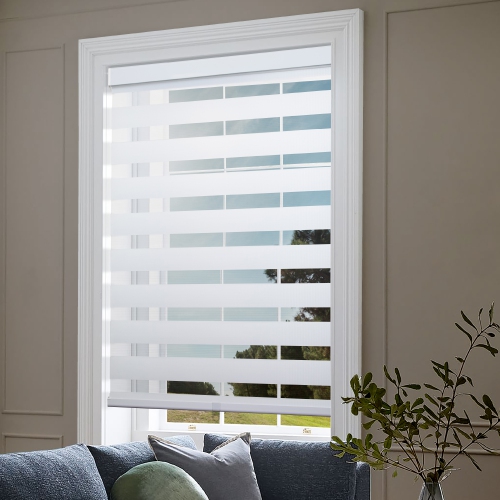
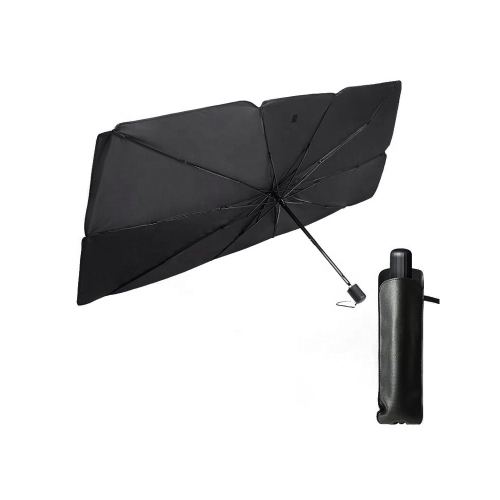
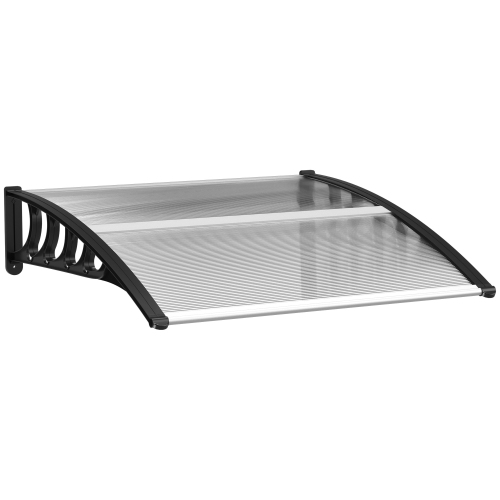
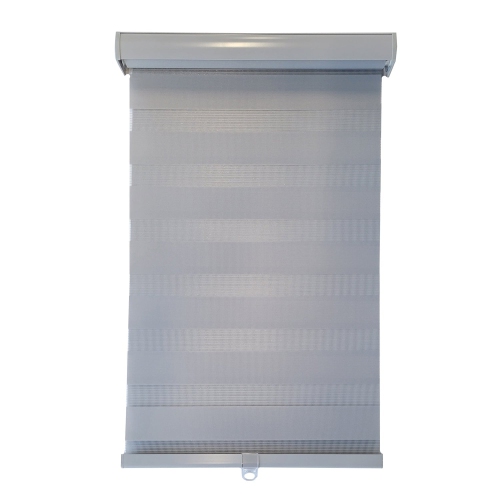
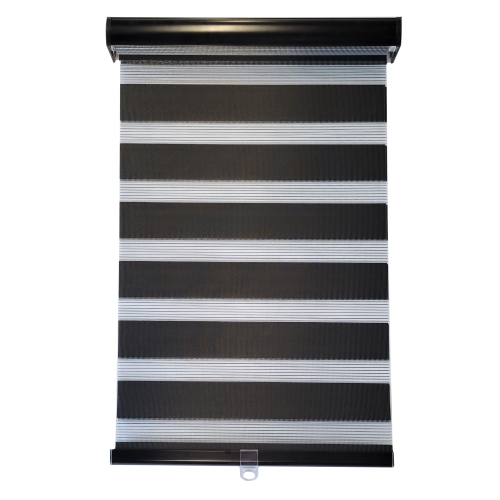
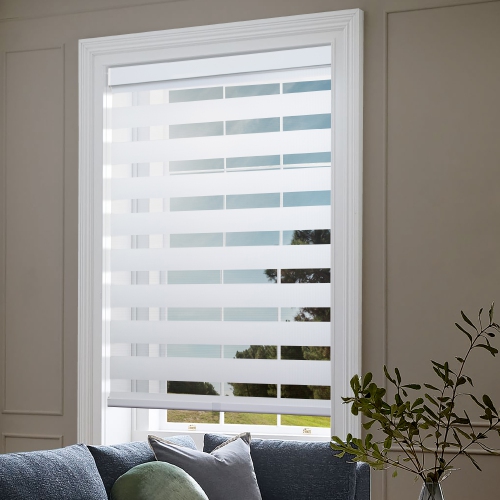
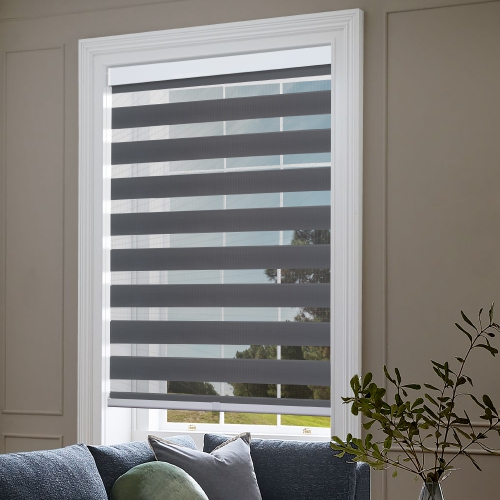
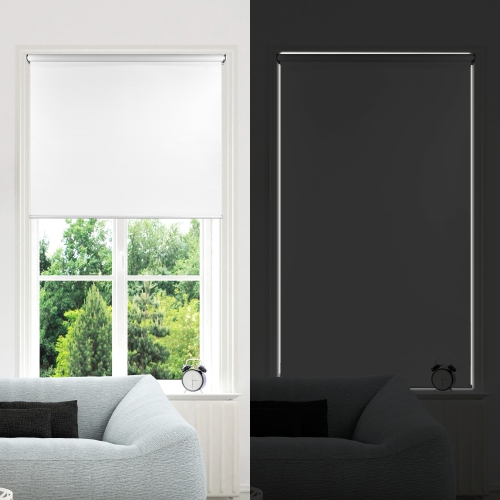
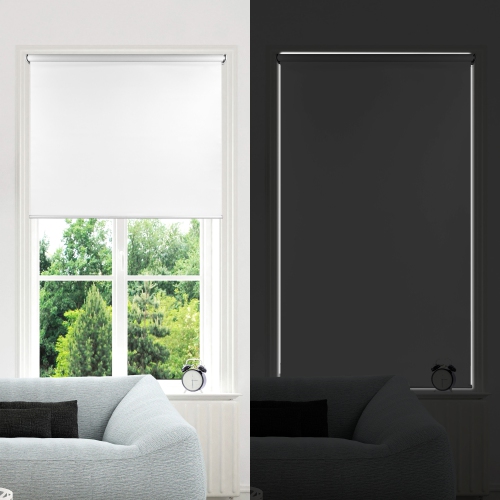
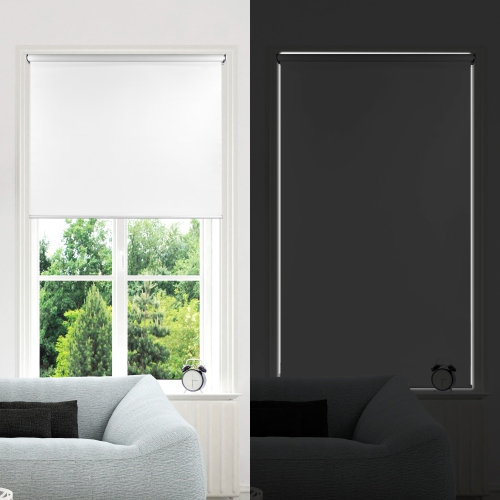
Window sun shades are designed to make bright spaces more comfortable by reducing direct sunlight, glare and the heat that builds up near glass. They can be used on household windows, patio doors and vehicle windows, with each style suited to a different setting. Exterior window sun shades are installed on the outside of the glass and help stop solar heat before it reaches the window surface. In strong sunlight, exterior screens can block a substantial portion of solar heat—some designs reduce heat gain by up to 90%—which can help rooms feel cooler during the warmer part of the day. Interior solar shades sit inside the window frame or above it, filtering harsh light while maintaining a view outdoors. They are a practical choice for living rooms, home offices, bedrooms and media rooms where glare can make screens difficult to see. Many have a light-filtering weave that softens sunlight without leaving a room completely dark, while blackout-style options are better suited to bedrooms, nurseries and spaces where controlling brightness is a priority. For vehicle windows, sun shades help limit the amount of sunlight entering the passenger area, reducing glare and helping the cabin feel less hot after the vehicle has been parked. They are especially useful for families travelling with young children, passengers who are sensitive to bright light and anyone who spends time on the road during sunny conditions. A well-chosen shade can also help protect seats, dashboards, carpets and other interior surfaces from fading caused by ultraviolet exposure. Sun shades are not a replacement for safe driving practices or proper ventilation, but they are a simple way to improve comfort while parked or travelling.
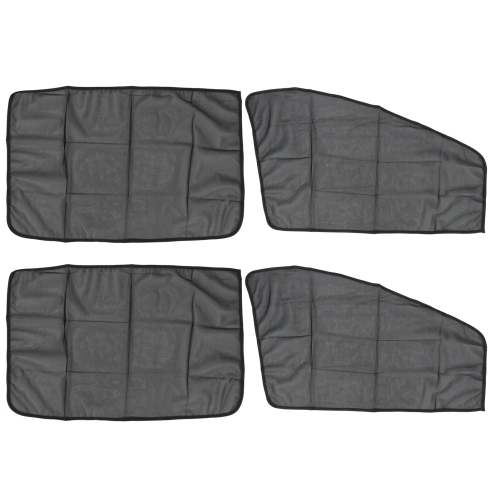
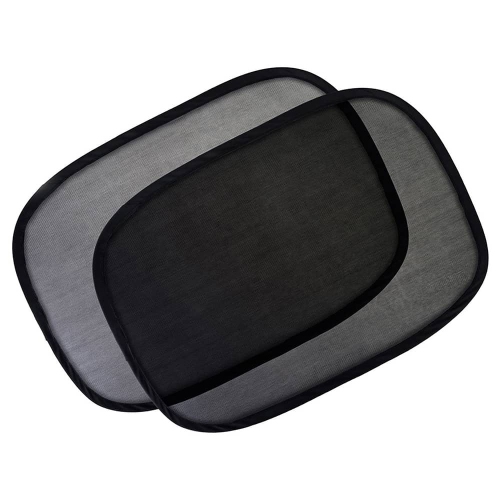
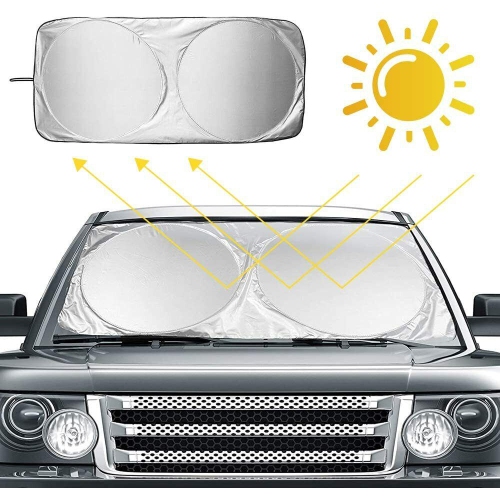
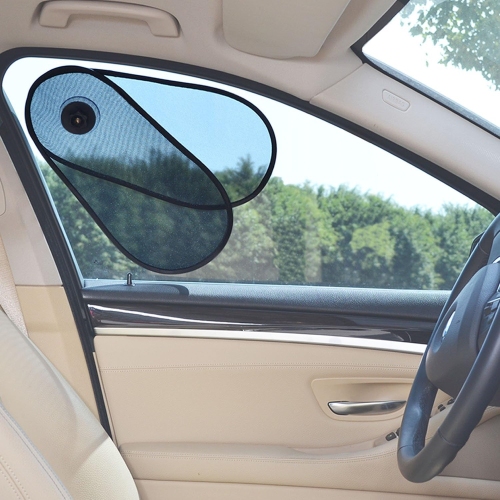
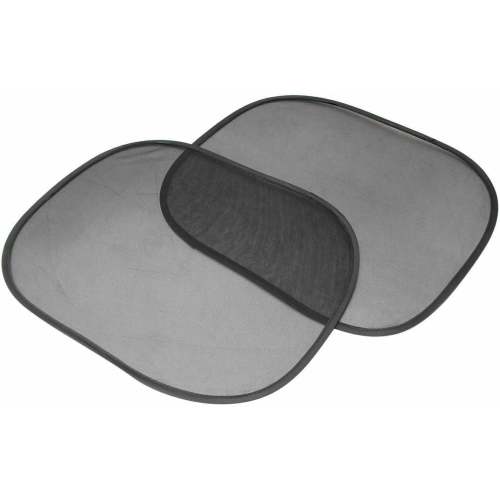
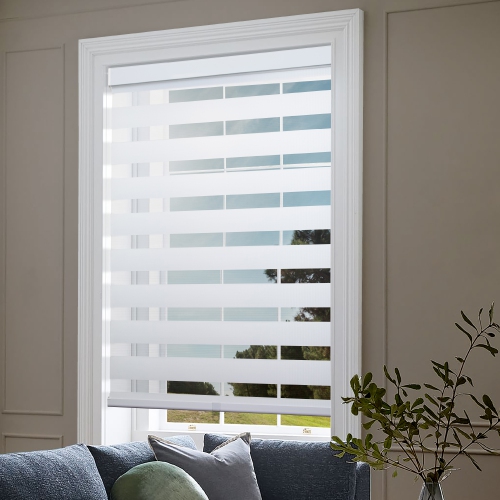
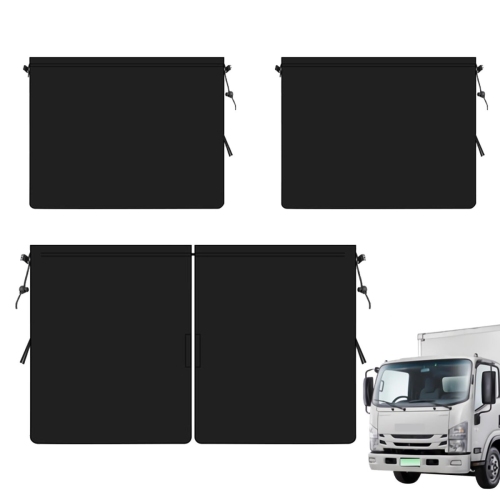
The best window sun shade depends on where it will be used, the size and shape of the window, and the type of light control you want. Start by measuring the glass carefully, including the width at the top, middle and bottom if the window is not perfectly square. For inside-mount shades, check the available depth inside the frame and allow enough clearance for handles, locks and window hardware. Outside-mount shades need sufficient space around the frame for brackets or other mounting components, and the installation surface should be sturdy and level. In a vehicle, compare the shade dimensions with the exact window area, since rear side windows, quarter windows and windshields can vary considerably between vehicle models. Suction, static-cling and mesh styles are convenient when you want temporary coverage or easy removal, while fitted screens and retractable designs can offer a more finished appearance and dependable positioning. Consider how the shade attaches, particularly if it will be used frequently or moved between vehicles. Mesh shades are helpful when you want to reduce glare while keeping some visibility, whereas opaque or reflective materials provide stronger light and heat control. A darker shade is not automatically the most effective choice; the weave, coating, fit and placement all affect performance. Reflective surfaces can redirect sunlight, while woven fabrics diffuse it and help preserve an outdoor view. For windows facing strong afternoon sun, a shade with higher heat and glare reduction may be worthwhile. For a bedroom or nursery, privacy and darkness may matter more than maintaining a clear view. People furnishing a new home, preparing a nursery, upgrading a home office or putting together a travel kit may also find window sun shades to be useful and practical gifts. Drivers looking for additional coverage for rear passenger windows can explore Side Window Shades for options intended for those areas.
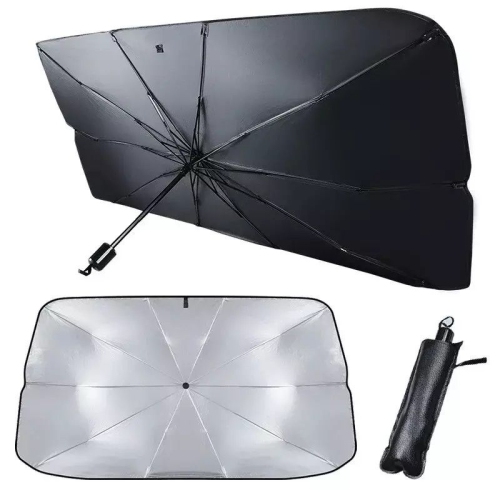
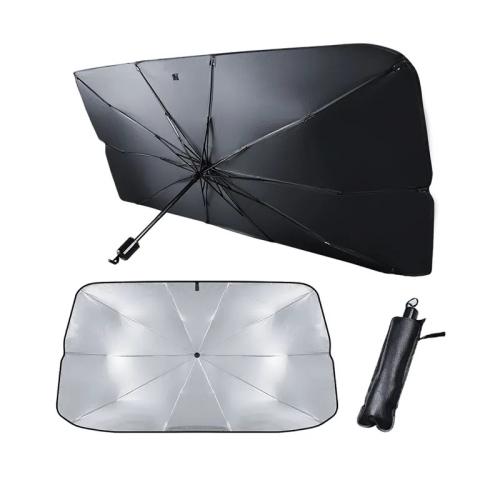
Installation and everyday use also deserve attention. A shade should sit flat and securely without interfering with window operation, door movement, visibility or safety equipment. For home applications, follow the included mounting instructions and use hardware appropriate for the wall, frame or trim material. Exterior shades should be checked periodically for signs of loosening, especially after strong wind or heavy precipitation. Keep cords and chains arranged safely and out of reach of young children, and avoid placing any accessory where it could obstruct a vehicle’s view of the road. In cars, windshield shades are generally intended for use while parked; remove them before driving unless the design is specifically made for safe in-use visibility. Rear passenger shades should not block the driver’s sightlines, mirrors or required lighting. When selecting coverage for a child’s seating area, make sure the shade does not interfere with a properly installed car seat or prevent the child from being secured correctly. Cleaning is usually straightforward: a soft, dry cloth or gentle wipe can remove dust from mesh and fabric, while a damp cloth may be suitable for compatible coated surfaces. Avoid abrasive cleaners that could scratch reflective layers or weaken the material. During cooler months, a window shade can still be useful for managing low, bright sunlight that enters at a sharp angle, reducing reflections on televisions and computer screens and adding privacy after dark when interior lights are on. With the right size, attachment method and level of light control, window sun shades can make a room, vehicle or passenger area feel more comfortable throughout changing conditions.
The best window sun shade depends on where it will be used, the size and shape of the window, and the type of light control you want. Start by measuring the glass carefully, including the width at the top, middle and bottom if the window is not perfectly square. For inside-mount shades, check the available depth inside the frame and allow enough clearance for handles, locks and window hardware. Outside-mount shades need sufficient space around the frame for brackets or other mounting components, and the installation surface should be sturdy and level. In a vehicle, compare the shade dimensions with the exact window area, since rear side windows, quarter windows and windshields can vary considerably between vehicle models. Suction, static-cling and mesh styles are convenient when you want temporary coverage or easy removal, while fitted screens and retractable designs can offer a more finished appearance and dependable positioning. Consider how the shade attaches, particularly if it will be used frequently or moved between vehicles. Mesh shades are helpful when you want to reduce glare while keeping some visibility, whereas opaque or reflective materials provide stronger light and heat control. A darker shade is not automatically the most effective choice; the weave, coating, fit and placement all affect performance. Reflective surfaces can redirect sunlight, while woven fabrics diffuse it and help preserve an outdoor view. For windows facing strong afternoon sun, a shade with higher heat and glare reduction may be worthwhile. For a bedroom or nursery, privacy and darkness may matter more than maintaining a clear view. People furnishing a new home, preparing a nursery, upgrading a home office or putting together a travel kit may also find window sun shades to be useful and practical gifts. Drivers looking for additional coverage for rear passenger windows can explore Side Window Shades for options intended for those areas.
Installation and everyday use also deserve attention. A shade should sit flat and securely without interfering with window operation, door movement, visibility or safety equipment. For home applications, follow the included mounting instructions and use hardware appropriate for the wall, frame or trim material. Exterior shades should be checked periodically for signs of loosening, especially after strong wind or heavy precipitation. Keep cords and chains arranged safely and out of reach of young children, and avoid placing any accessory where it could obstruct a vehicle’s view of the road. In cars, windshield shades are generally intended for use while parked; remove them before driving unless the design is specifically made for safe in-use visibility. Rear passenger shades should not block the driver’s sightlines, mirrors or required lighting. When selecting coverage for a child’s seating area, make sure the shade does not interfere with a properly installed car seat or prevent the child from being secured correctly. Cleaning is usually straightforward: a soft, dry cloth or gentle wipe can remove dust from mesh and fabric, while a damp cloth may be suitable for compatible coated surfaces. Avoid abrasive cleaners that could scratch reflective layers or weaken the material. During cooler months, a window shade can still be useful for managing low, bright sunlight that enters at a sharp angle, reducing reflections on televisions and computer screens and adding privacy after dark when interior lights are on. With the right size, attachment method and level of light control, window sun shades can make a room, vehicle or passenger area feel more comfortable throughout changing conditions.
Top selling and popular products
-
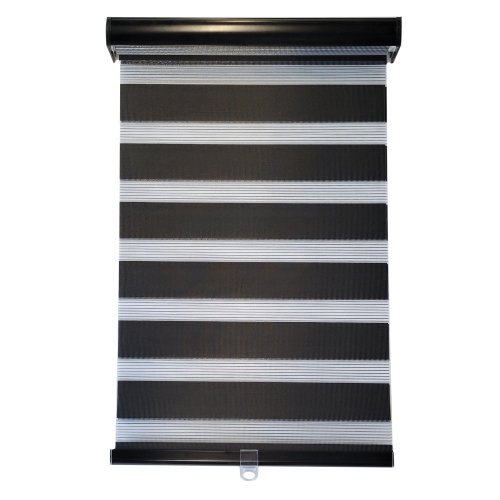
 Your price for this item is $57.97
 -
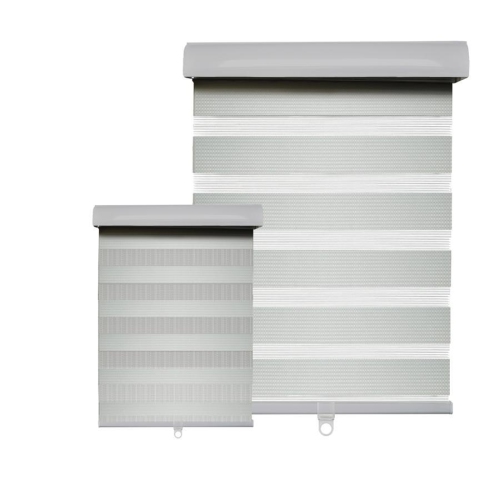
 Your price for this item is $119.97
 -
 Your price for this item is $134.97
 -
 Your price for this item is $61.99
 -
 Your price for this item is $75.99
 -
 Your price for this item is $33.99
 -
 Your price for this item is $46.99
 -
 Your price for this item is $46.99
Discover more categories related to Window Sun Shades
Top Collections:
Pokemon Centers, Kindle Devices, Best Budget Office Chairs, Apple iPhones 16, Canon G7X Cameras, iPhone 15 Apple, Alarm Clock, Refurbished Apple Laptops, Flip Phones, Best Laptops for Writers
Some products may be subject to Environmental Handling Fees
(EHF) depending on your province.
Learn more about EHFs.