Side Window Shades
Enhance your driving comfort and protect your vehicle's interior with side window shades. These versatile accessories are designed to shield you and your passengers from harsh sunlight, reducing glare and helping to keep the cabin cool. Ideal for road trips or daily commutes, side window shades provide a layer of privacy while adding a touch of style to your car's windows. Discover a variety of designs and materials that cater to different preferences and needs, ensuring you find the perfect fit for your vehicle.
Sort
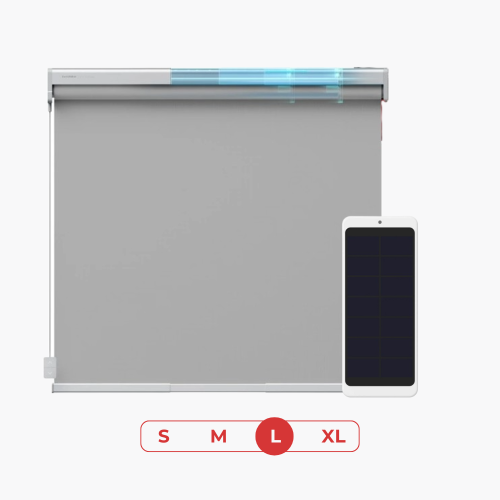
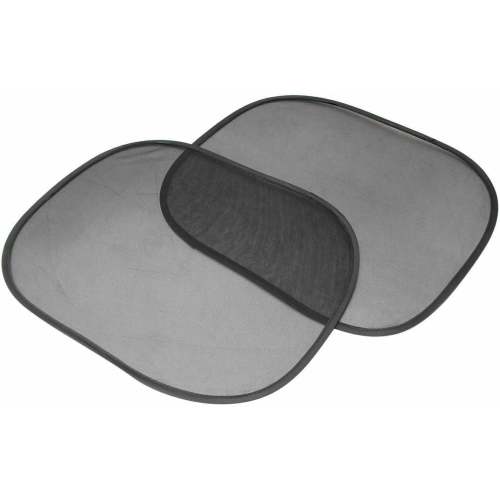
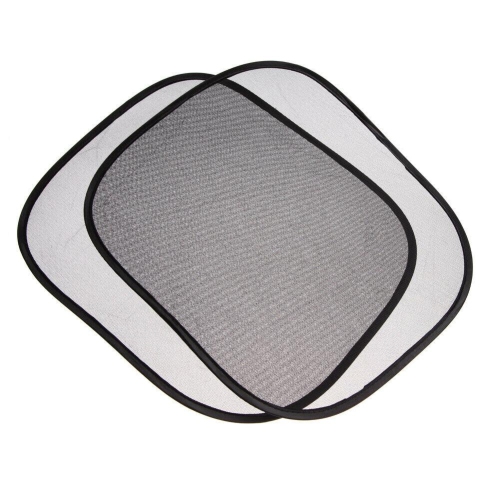
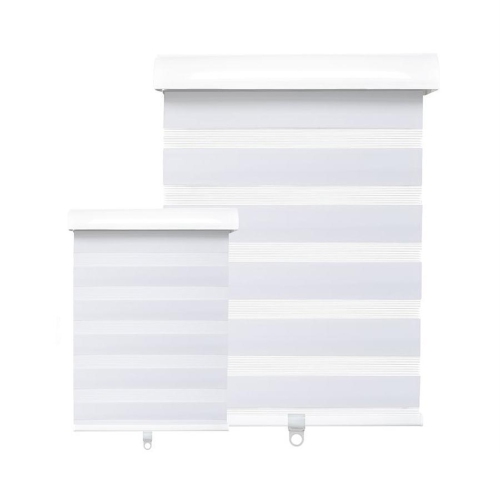
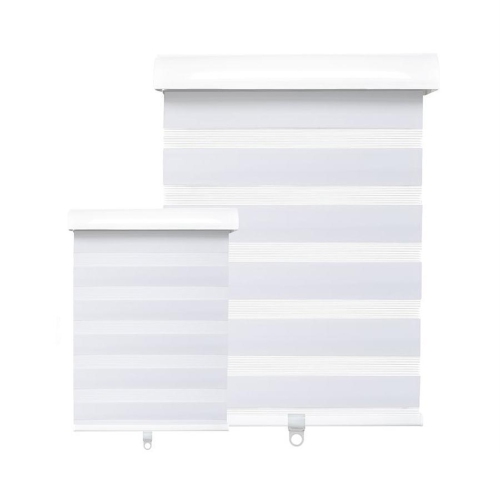
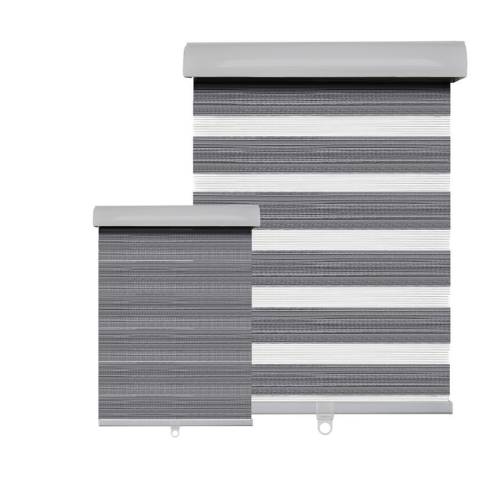
Comfort, privacy, and glare control for everyday driving
Side window shades are a practical way to make time on the road more comfortable for drivers and passengers. By reducing direct sunlight, they can help limit glare on bright days, soften the heat that builds up near the glass, and provide added privacy when the vehicle is parked. They are especially useful for families with children, passengers who nap during longer drives, and anyone who spends time travelling in a car, van, or SUV. A rear-seat passenger sitting beside an unshaded window can quickly become overheated or distracted by harsh sunlight, while a properly fitted shade creates a calmer, more comfortable space. These shades can also help reduce exposure to ultraviolet rays that may fade upholstery and affect fabrics over time. For households preparing for road trips, daycare runs, camping weekends, or everyday commuting during the warmer and brighter parts of the year, side window shades are a simple accessory that can be stored in the vehicle and used whenever conditions change. They may also make a thoughtful gift for new parents, frequent travellers, campers, rideshare drivers, or anyone who regularly drives with passengers. When shopping, consider the number of windows that need coverage, the size and shape of each window, and whether the shade will be used while the vehicle is moving, while parked, or for both purposes. Rear side windows often need different coverage from front side windows, and a universal design may not sit as neatly as one made for a particular vehicle. A helpful starting point for comparing styles and coverage is this Car Window Shade selection, where shoppers can look for options suited to passenger comfort and everyday vehicle use.
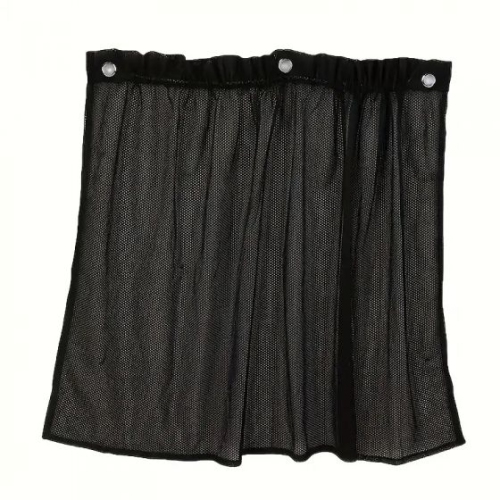
The most common side window shade designs offer different advantages depending on how quickly they need to be installed and how much airflow is important. Stretchable mesh sock-style shades fit over the outside of the door frame and can allow the window to be opened while the mesh remains in place. This makes them useful for parked vehicles, road trips, and situations where ventilation and insect protection matter, such as stopping at a campsite or resting in a shaded parking area. Magnetic shades attach to the metal frame around the window and are generally quick to put on or remove, while cling and static designs adhere to the glass without requiring permanent hardware. These styles are convenient for occasional use and can be folded or stored when the sun moves to another side of the vehicle. Custom-fit magnetic shades are shaped for particular makes and models, offering more complete coverage and a closer fit around the edges. They can be a good choice when appearance, privacy, and consistent coverage are priorities. Reflective insert-style shades are often selected for parked vehicles because they are designed to reflect sunlight and provide a more enclosed interior, although they usually need to be removed before driving and may take up more storage space. Mesh options generally provide the best balance of visibility and airflow, while denser or reflective materials can provide stronger glare reduction and privacy. Before choosing a style, check whether the shade is intended for front or rear windows, whether it attaches to the glass or frame, and whether the vehicle’s window controls, door seals, and side curtain airbags could be affected. Shades should never obstruct the driver’s view, interfere with safe operation, or be installed in a way that prevents an emergency exit. For families, look for smooth edges, secure fasteners, and a design that will not become loose when a child touches or adjusts it. A shade that can be installed in seconds is more likely to be used regularly than one that requires tools or complicated adjustments.
The right size and material can make a noticeable difference in daily use. Measure the visible glass area where possible, paying attention to curved corners and the amount of frame surrounding the window. Universal shades can be flexible and affordable, but gaps may appear around irregularly shaped windows. A close-fitting design typically offers more even protection from glare and sunlight, particularly in rear passenger areas where the sun can shift from one side of the vehicle to the other during a drive. Consider whether the shade needs to remain in place while the window is lowered, since some designs are intended only for closed windows. If ventilation is a priority, breathable mesh can allow air to circulate and may help keep insects out when the vehicle is stationary. If the main goal is privacy or reducing heat while parked, a more opaque or reflective style may be preferable. During cooler months, shades can still be useful when low-angle sunlight shines directly into the cabin, creates reflections on the glass, or makes it difficult for passengers to see comfortably. They are also handy when a vehicle is parked outdoors and the interior needs a little extra protection from bright conditions. Keep shades clean according to the care instructions, allow damp mesh to dry before storing it, and fold or roll each piece carefully to help maintain its shape. Store them in a door pocket, seat-back organizer, or carrying pouch so they remain easy to reach. With the right fit and intended use in mind, side window shades can add comfort, privacy, glare control, and practical convenience to everyday driving without requiring a complicated installation.
The most common side window shade designs offer different advantages depending on how quickly they need to be installed and how much airflow is important. Stretchable mesh sock-style shades fit over the outside of the door frame and can allow the window to be opened while the mesh remains in place. This makes them useful for parked vehicles, road trips, and situations where ventilation and insect protection matter, such as stopping at a campsite or resting in a shaded parking area. Magnetic shades attach to the metal frame around the window and are generally quick to put on or remove, while cling and static designs adhere to the glass without requiring permanent hardware. These styles are convenient for occasional use and can be folded or stored when the sun moves to another side of the vehicle. Custom-fit magnetic shades are shaped for particular makes and models, offering more complete coverage and a closer fit around the edges. They can be a good choice when appearance, privacy, and consistent coverage are priorities. Reflective insert-style shades are often selected for parked vehicles because they are designed to reflect sunlight and provide a more enclosed interior, although they usually need to be removed before driving and may take up more storage space. Mesh options generally provide the best balance of visibility and airflow, while denser or reflective materials can provide stronger glare reduction and privacy. Before choosing a style, check whether the shade is intended for front or rear windows, whether it attaches to the glass or frame, and whether the vehicle’s window controls, door seals, and side curtain airbags could be affected. Shades should never obstruct the driver’s view, interfere with safe operation, or be installed in a way that prevents an emergency exit. For families, look for smooth edges, secure fasteners, and a design that will not become loose when a child touches or adjusts it. A shade that can be installed in seconds is more likely to be used regularly than one that requires tools or complicated adjustments.
The right size and material can make a noticeable difference in daily use. Measure the visible glass area where possible, paying attention to curved corners and the amount of frame surrounding the window. Universal shades can be flexible and affordable, but gaps may appear around irregularly shaped windows. A close-fitting design typically offers more even protection from glare and sunlight, particularly in rear passenger areas where the sun can shift from one side of the vehicle to the other during a drive. Consider whether the shade needs to remain in place while the window is lowered, since some designs are intended only for closed windows. If ventilation is a priority, breathable mesh can allow air to circulate and may help keep insects out when the vehicle is stationary. If the main goal is privacy or reducing heat while parked, a more opaque or reflective style may be preferable. During cooler months, shades can still be useful when low-angle sunlight shines directly into the cabin, creates reflections on the glass, or makes it difficult for passengers to see comfortably. They are also handy when a vehicle is parked outdoors and the interior needs a little extra protection from bright conditions. Keep shades clean according to the care instructions, allow damp mesh to dry before storing it, and fold or roll each piece carefully to help maintain its shape. Store them in a door pocket, seat-back organizer, or carrying pouch so they remain easy to reach. With the right fit and intended use in mind, side window shades can add comfort, privacy, glare control, and practical convenience to everyday driving without requiring a complicated installation.
Top selling and popular products
-
 Your price for this item is $134.97
 -
 Your price for this item is $119.97
 -
 Your price for this item is $57.97
 -
 Your price for this item is $84.99
 -
 Your price for this item is $94.99
 -
 Your price for this item is $95.99
 -
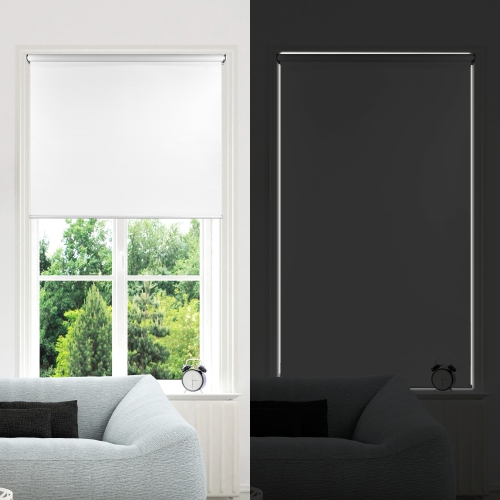 Your price for this item is $33.99
 -
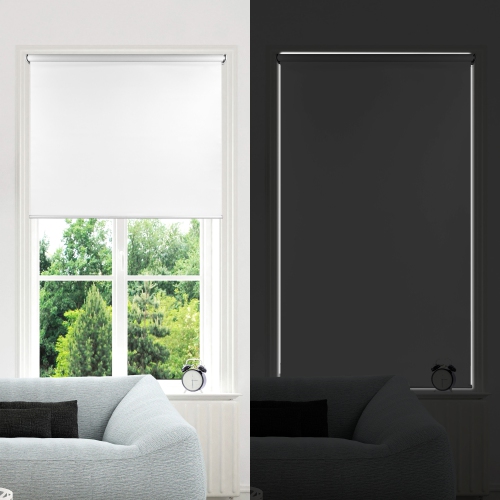 Your price for this item is $46.99
Discover more categories related to Side Window Shades
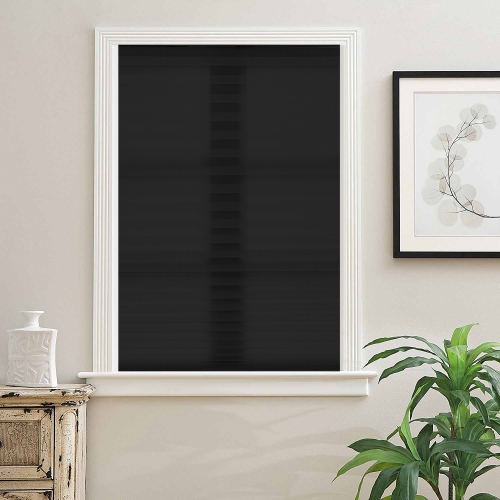
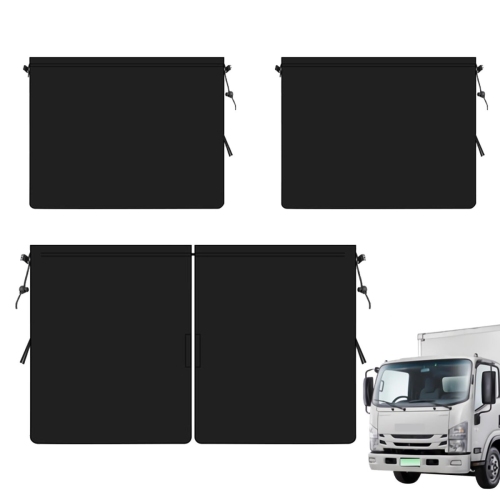
Top Collections:
Pokemon Centers, Budget 4K TVs, Kindle Devices, Canon G7X Cameras, Apple iPhones 16, iPhone 15 Apple, Laptops for Business Work, Flip Phones, Xiaomi Phones, Refurbished Apple Laptops
Some products may be subject to Environmental Handling Fees
(EHF) depending on your province.
Learn more about EHFs.