Wine Glass Shelves
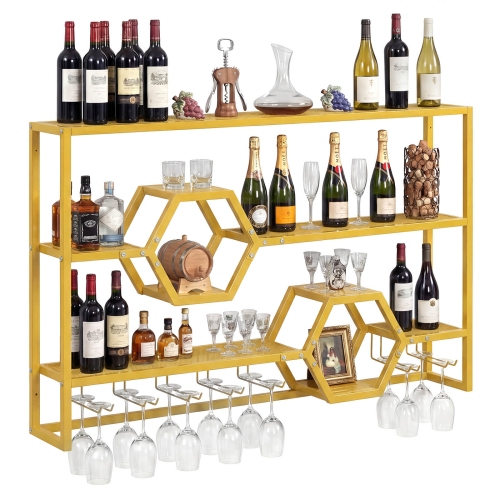
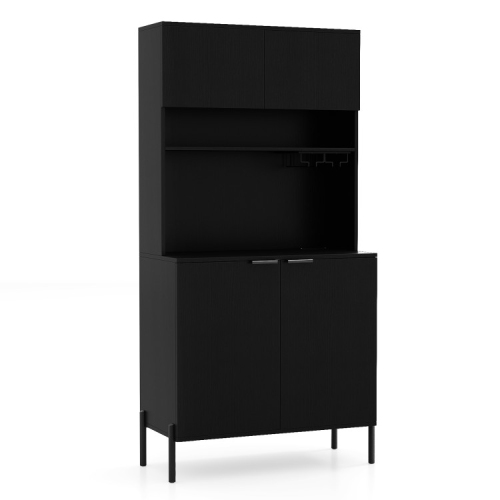
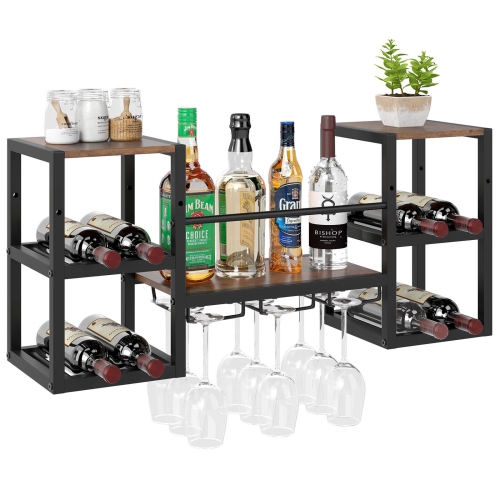
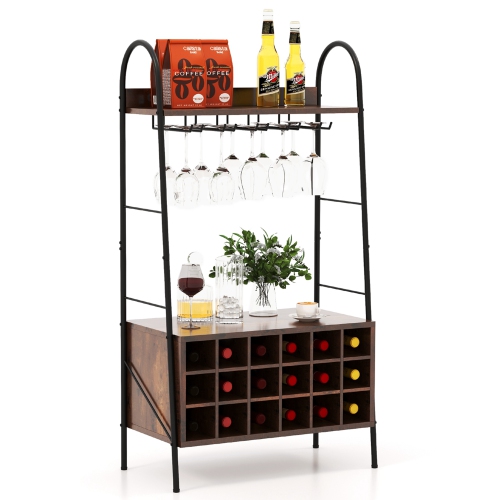
Organize and display your wine glasses in style with wine glass shelves. Designed to maximize space and add a touch of elegance to your home bar or kitchen, these versatile storage solutions are perfect for wine enthusiasts and entertainers alike. Whether you're hosting a dinner party or simply enjoying a glass of your favorite vintage, wine glass shelves offer a practical and visually appealing way to keep your stemware within easy reach. Here are some great options available.
Sort
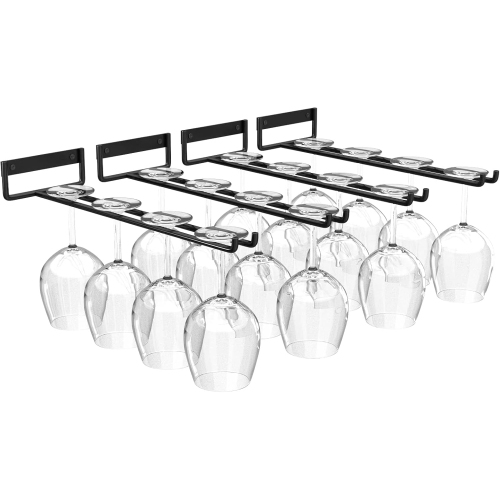

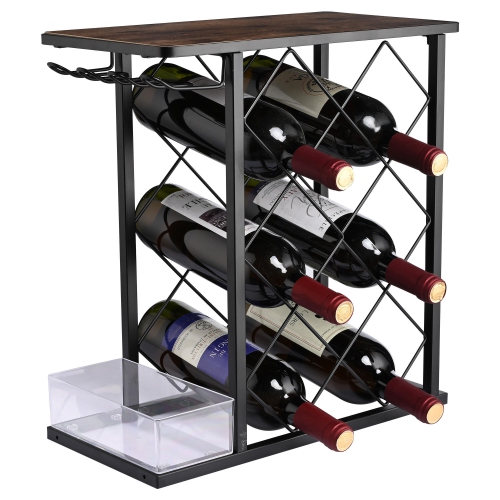
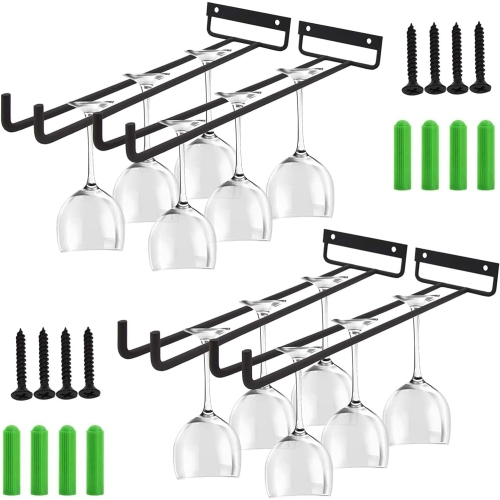
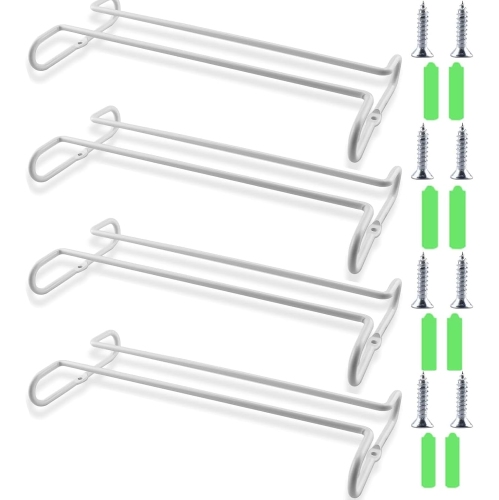
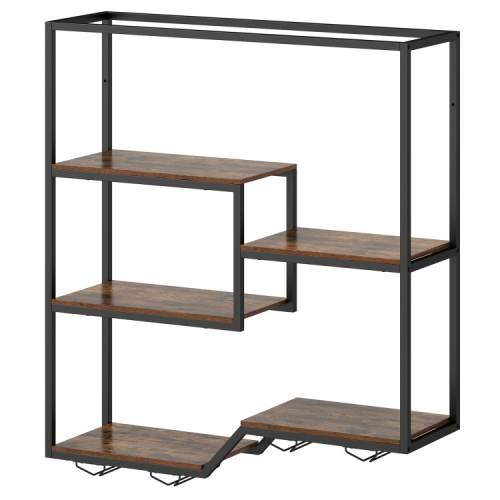
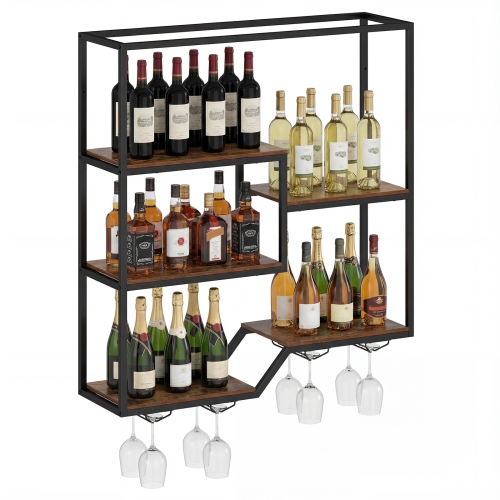
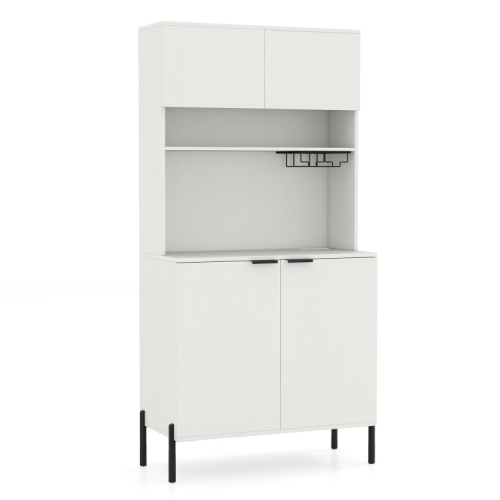
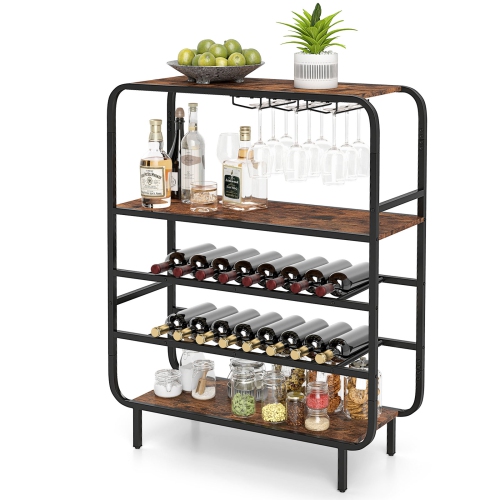
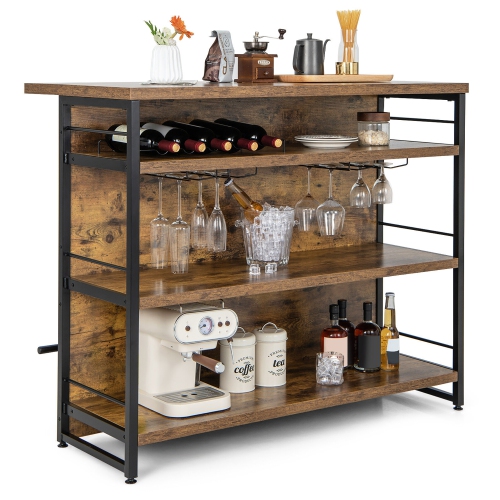
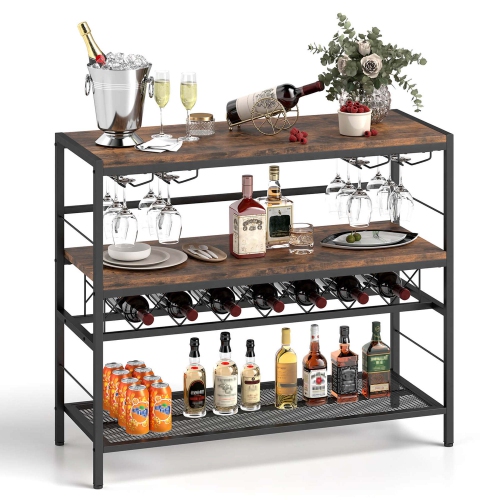
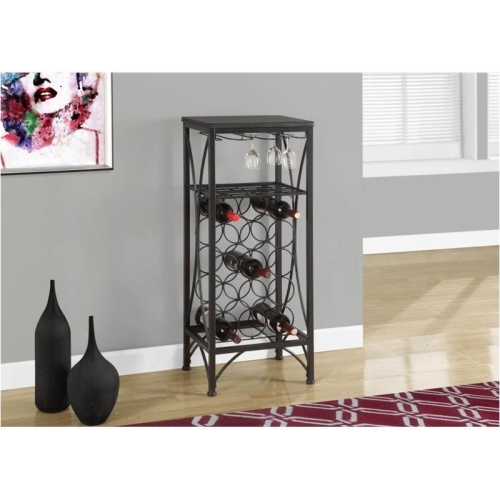
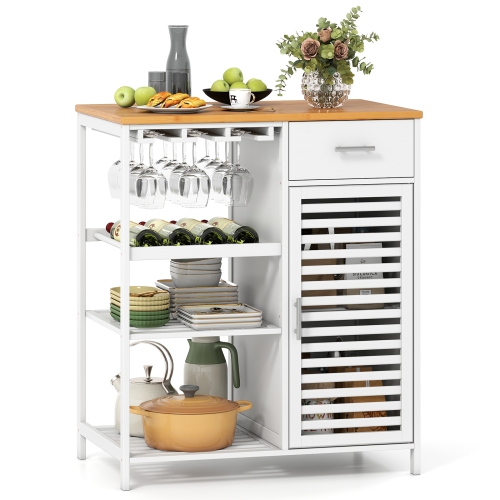
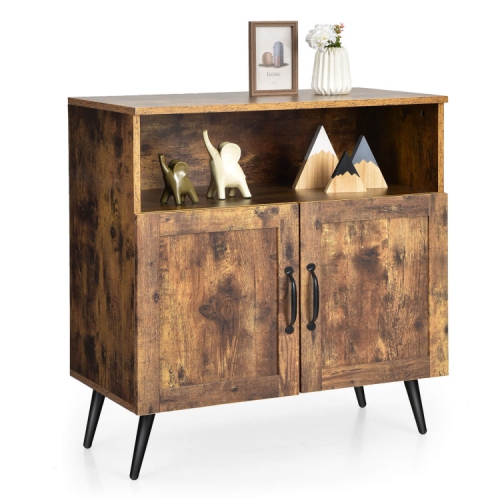
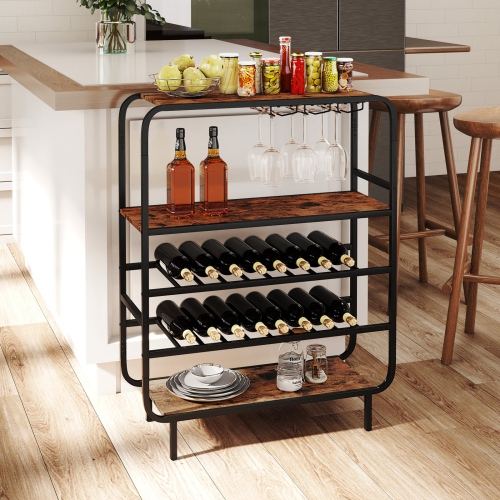
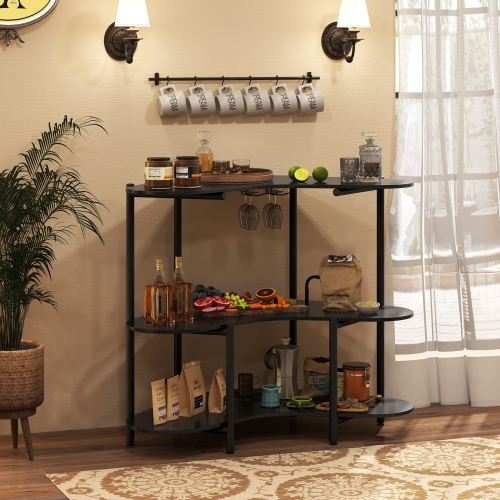
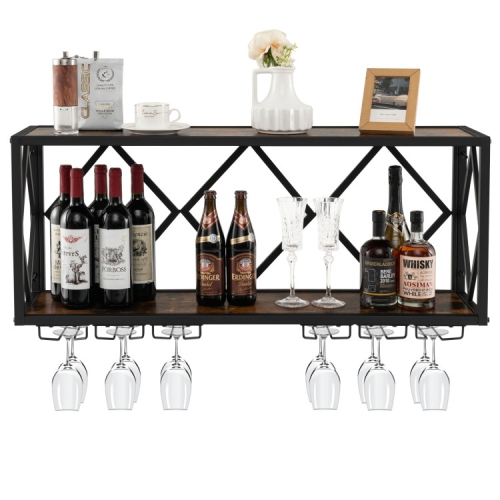
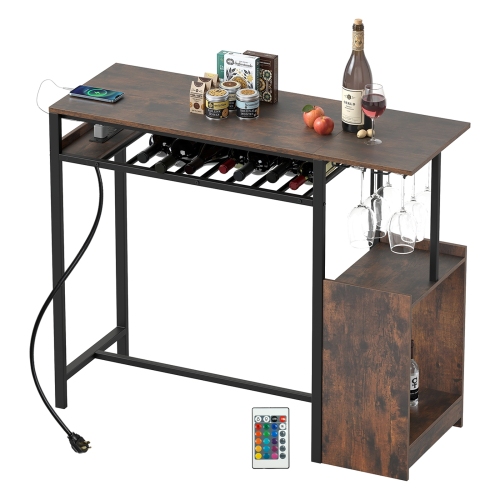
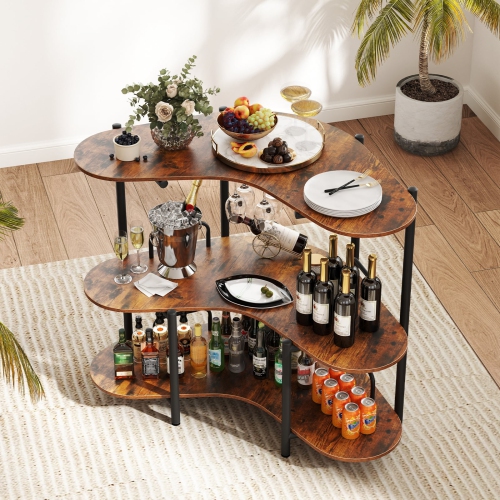
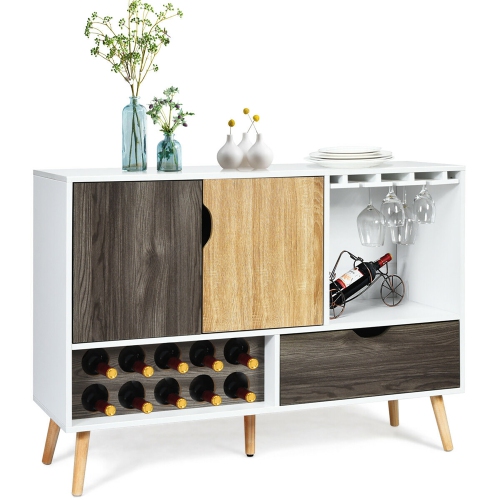
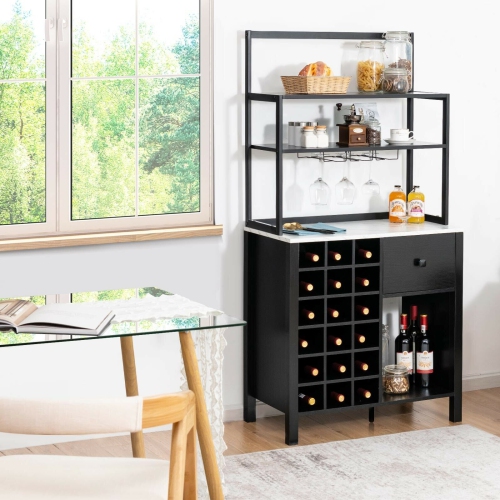
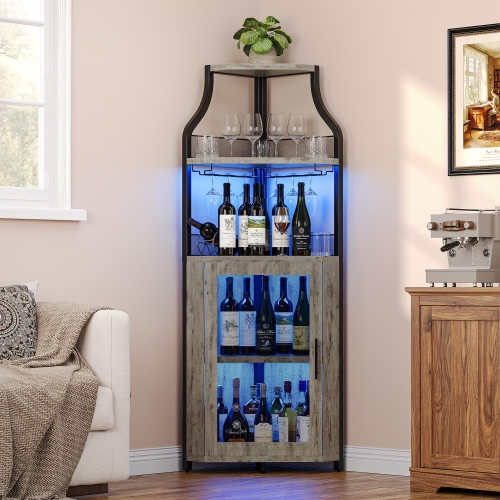
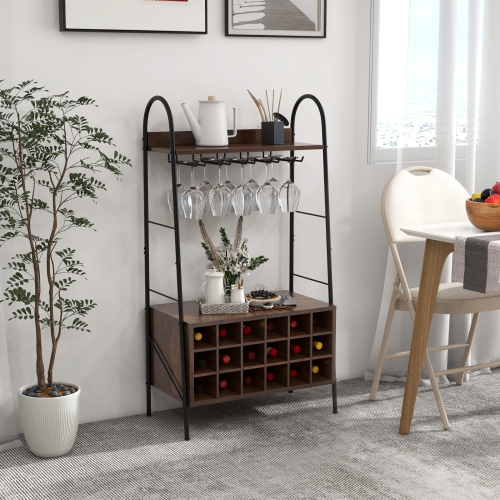
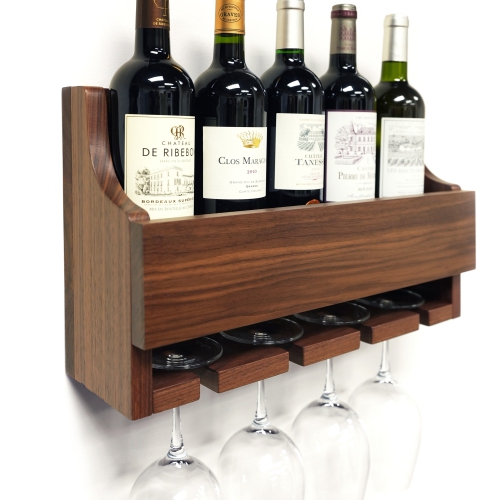
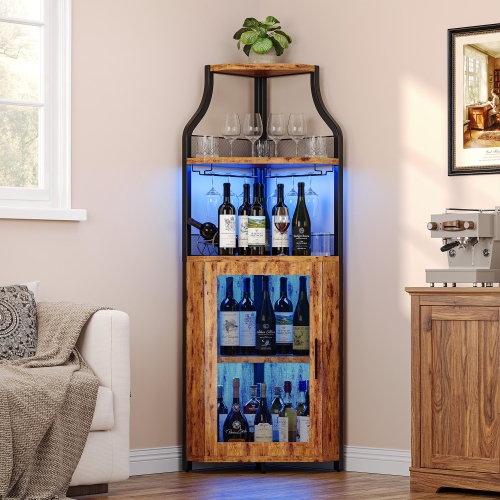

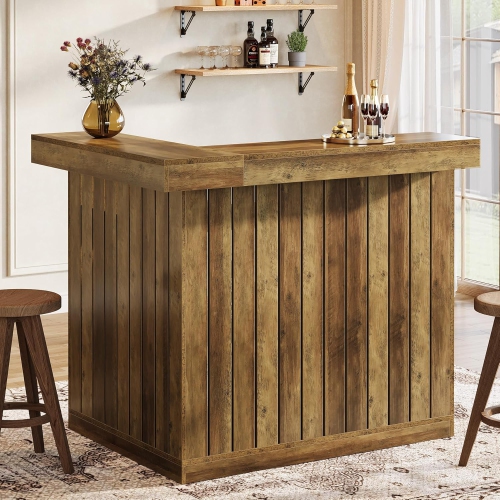
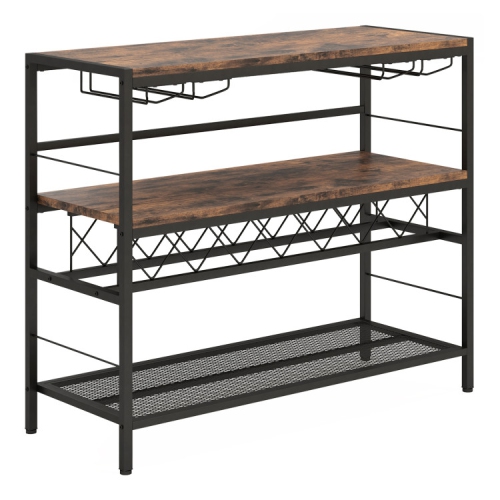
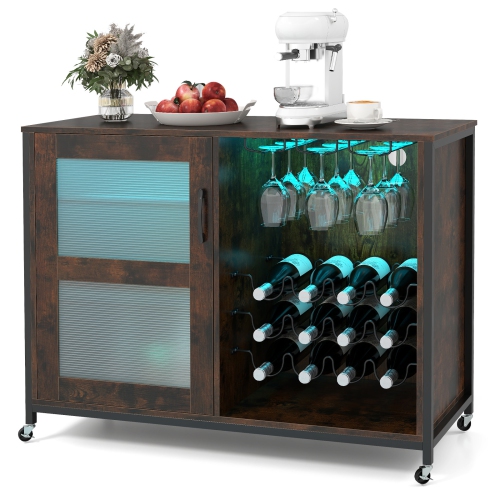
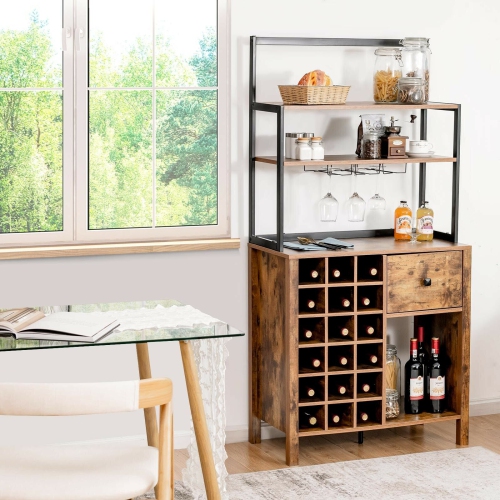
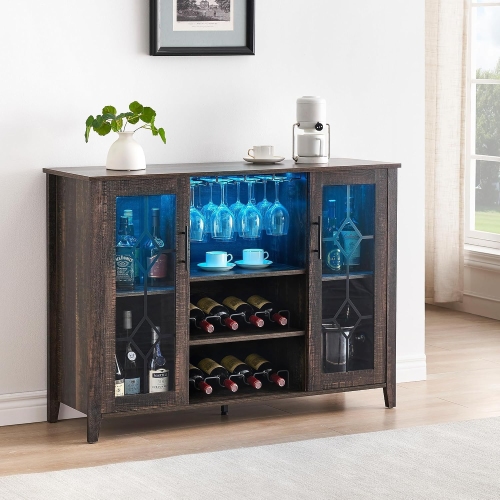
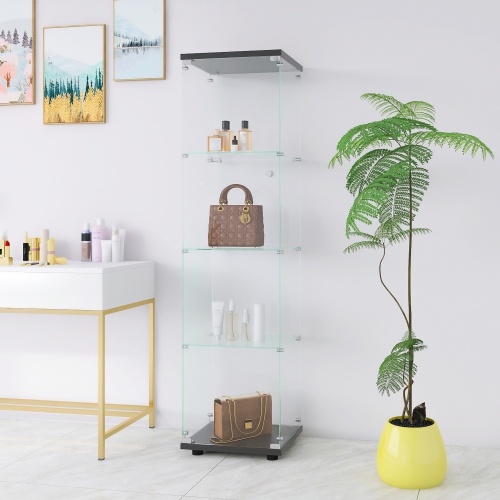
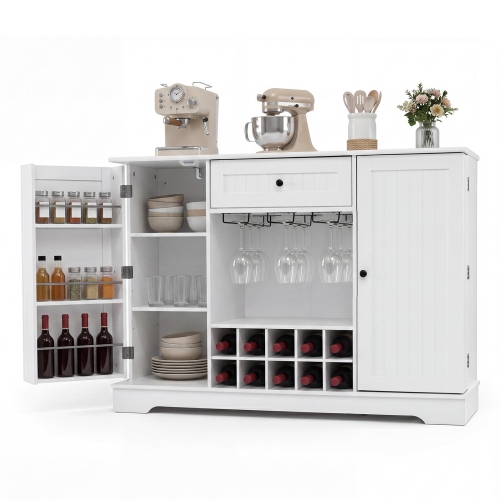
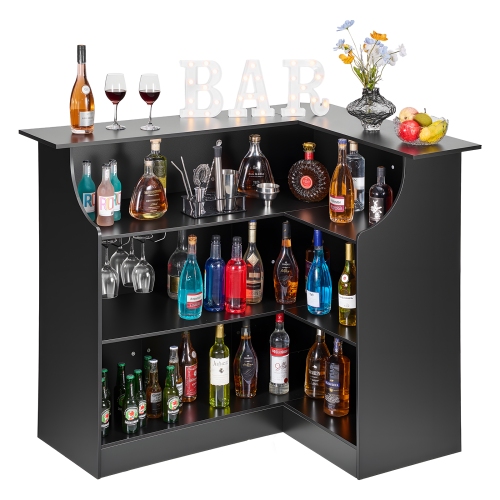
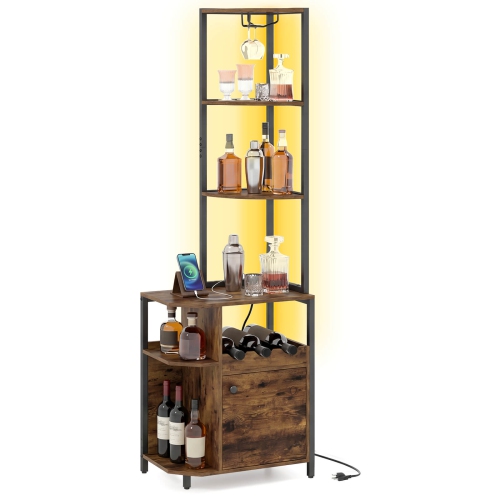
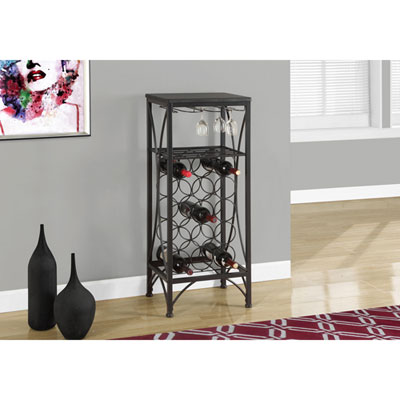
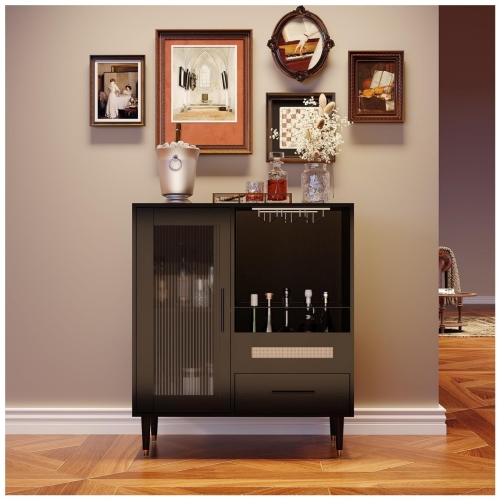
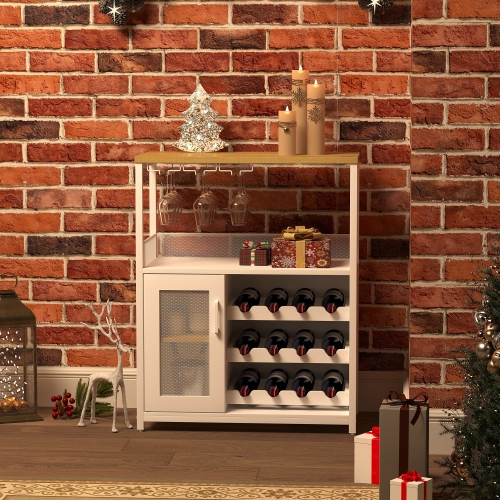
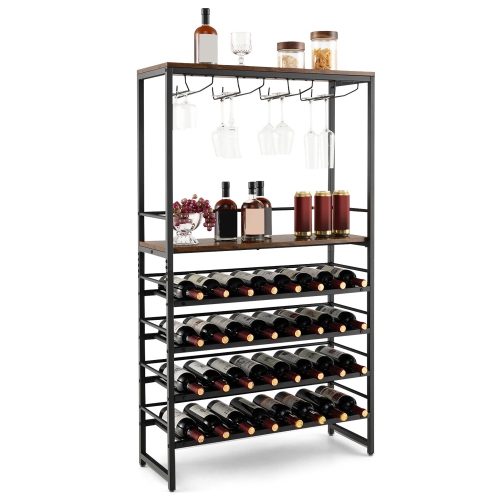
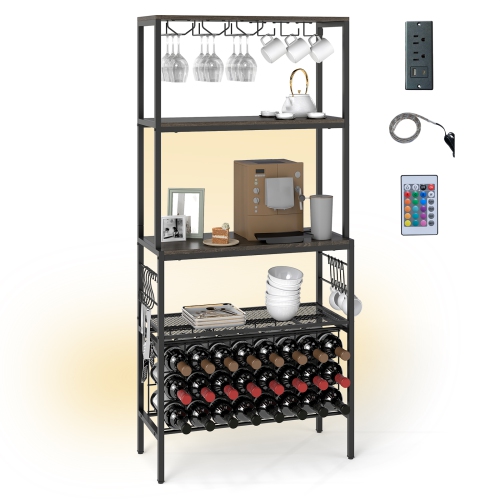
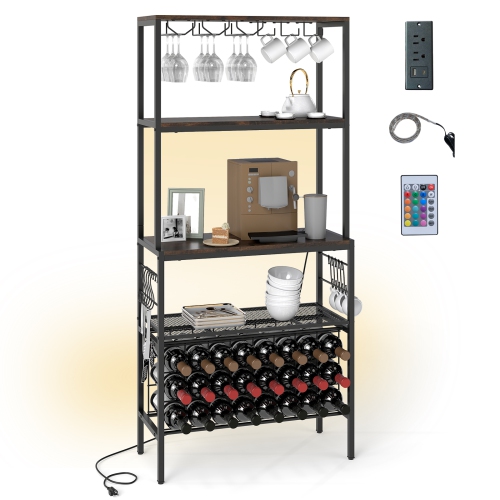
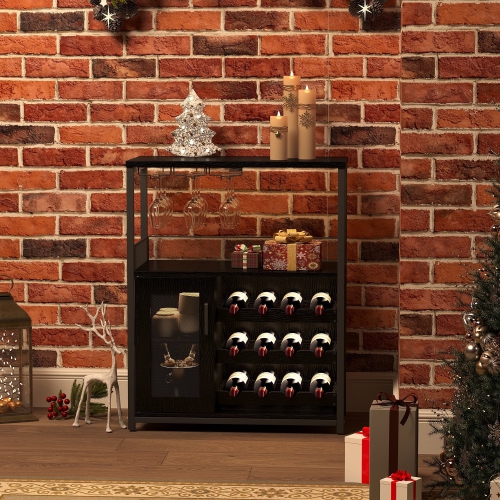
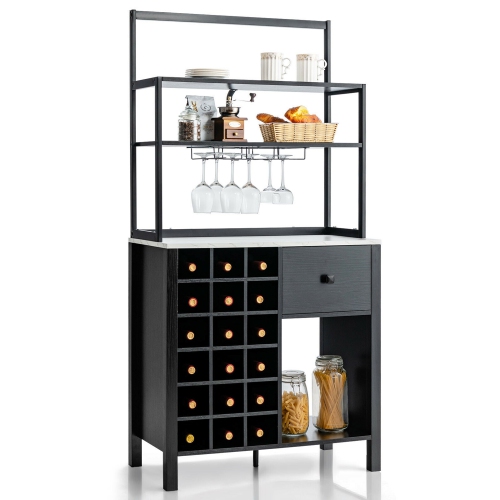
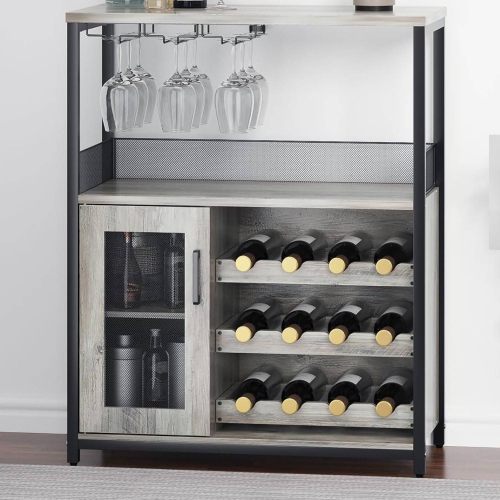
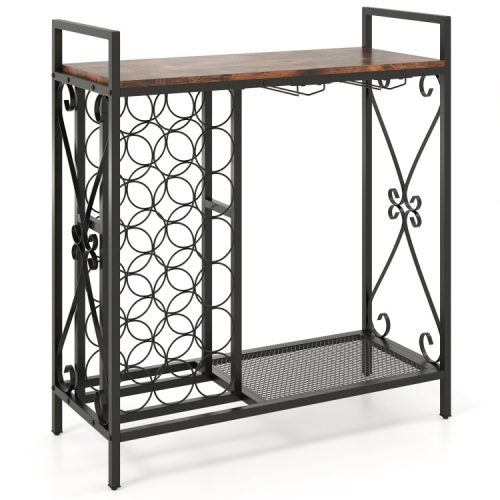
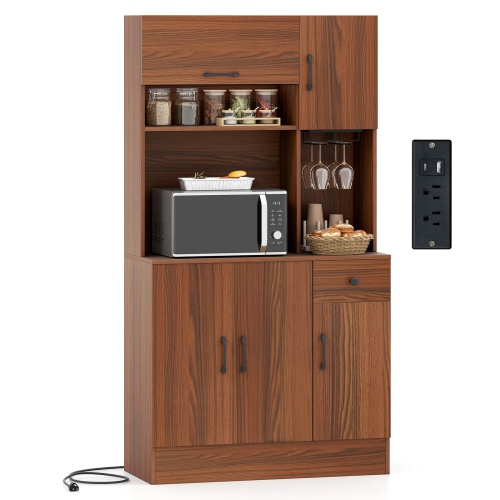
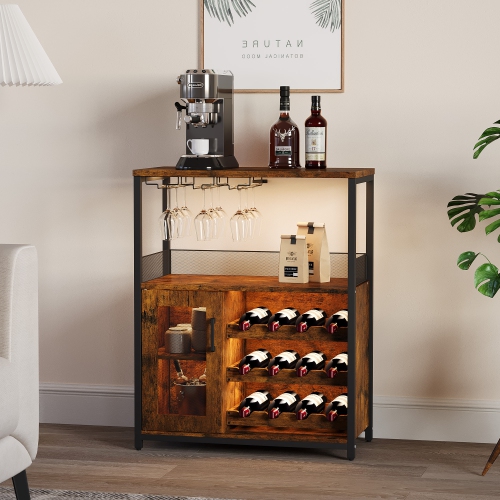
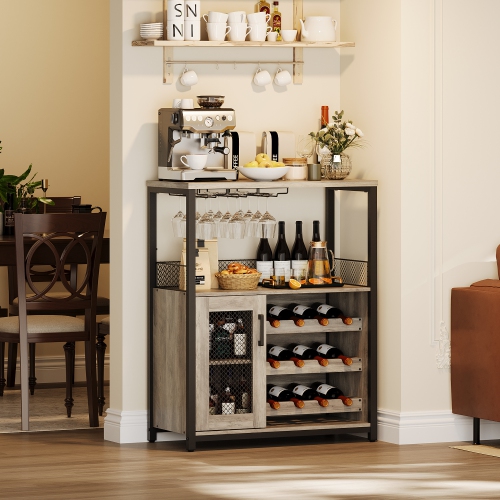
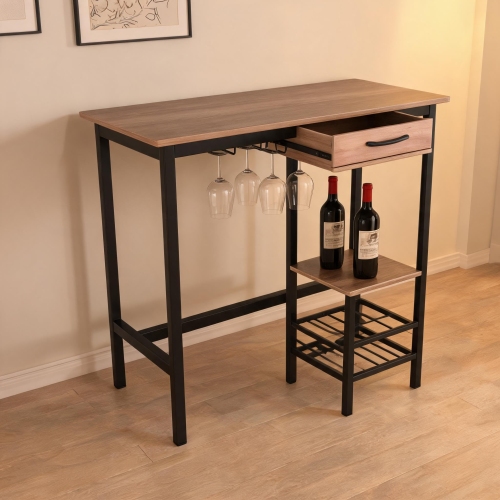
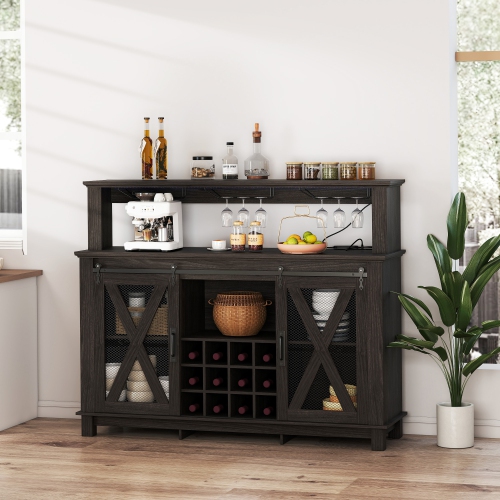
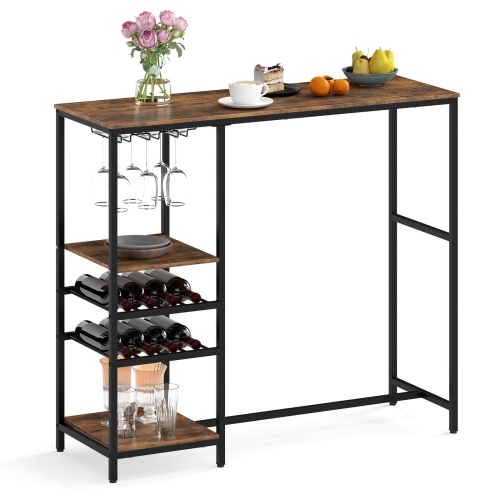
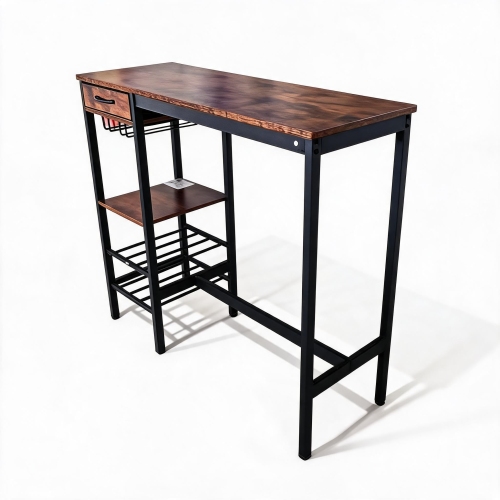
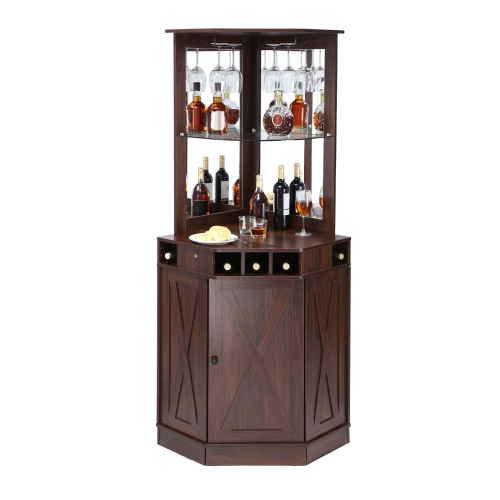
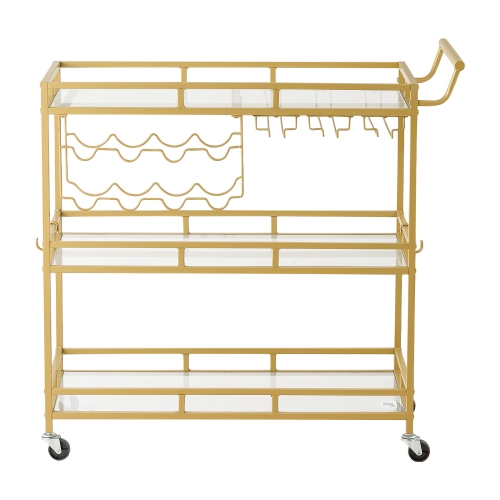
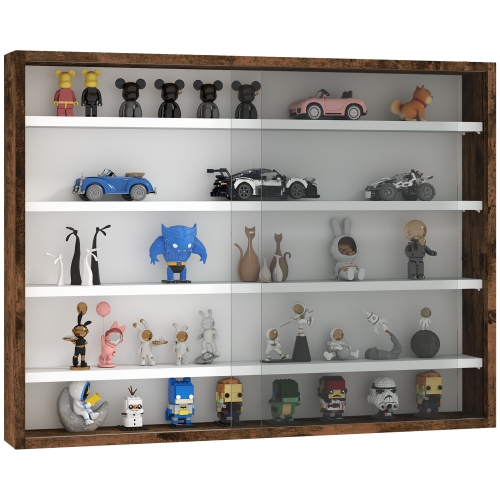
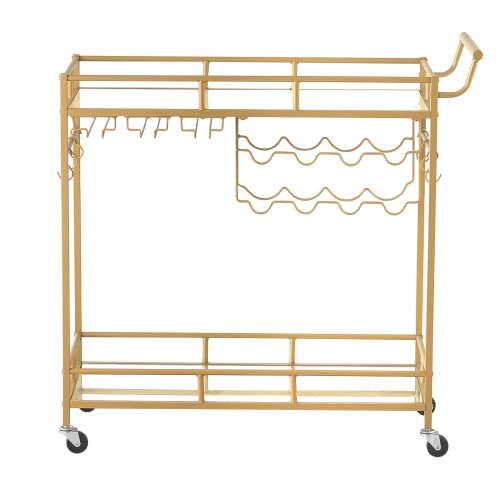
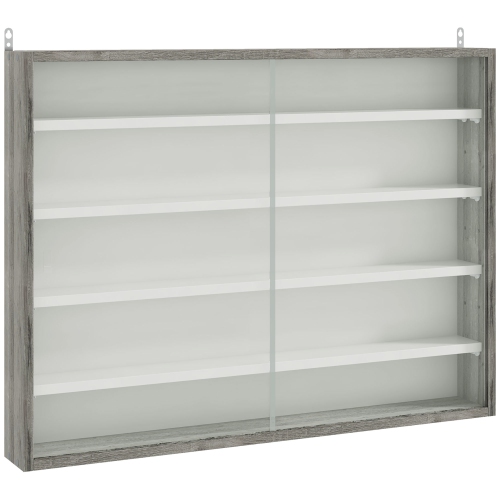
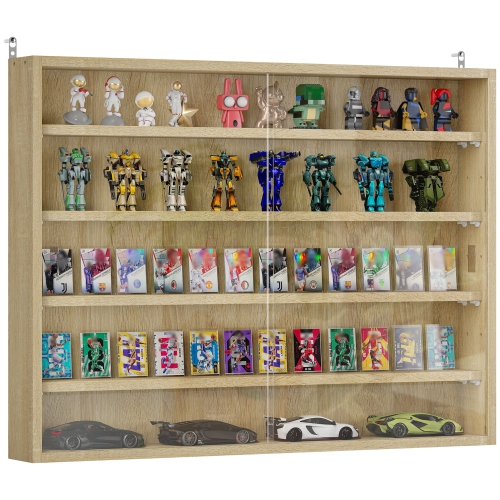
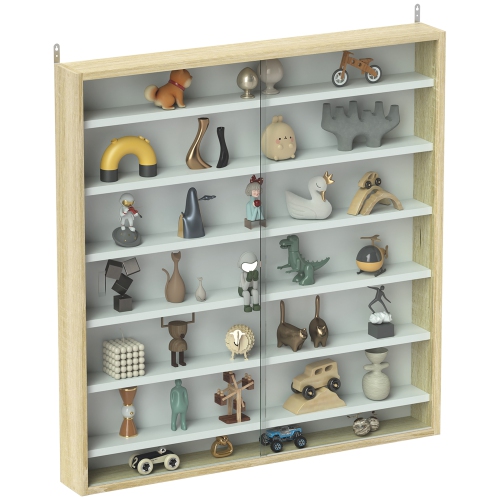
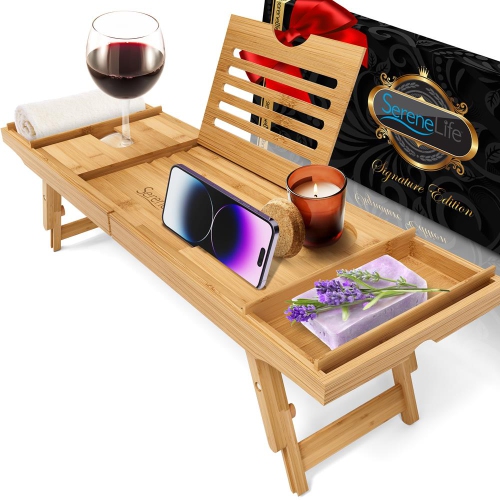
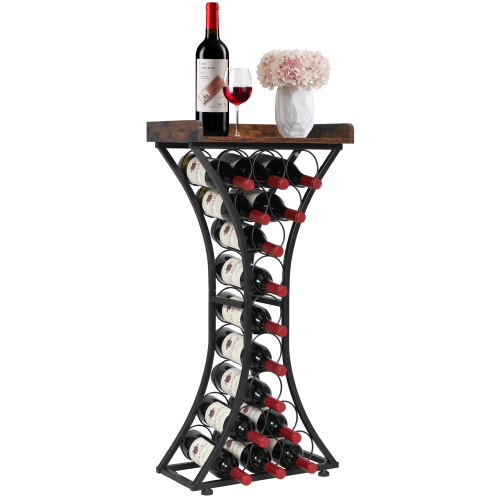
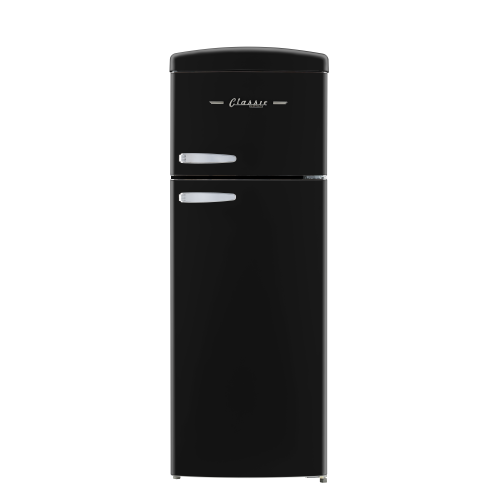
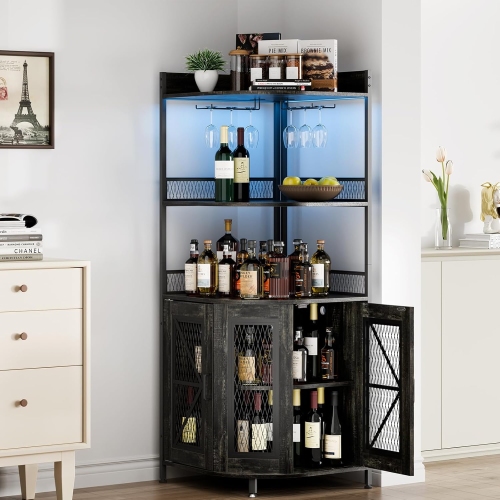
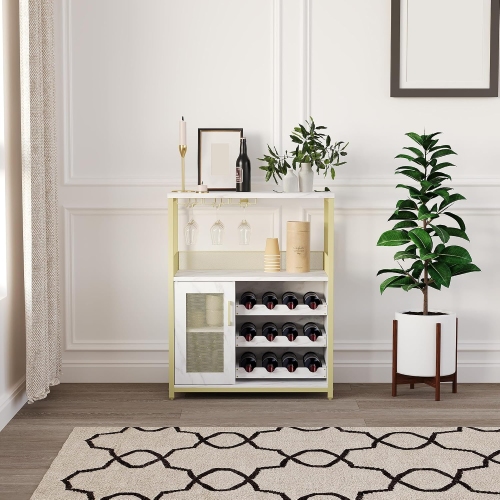
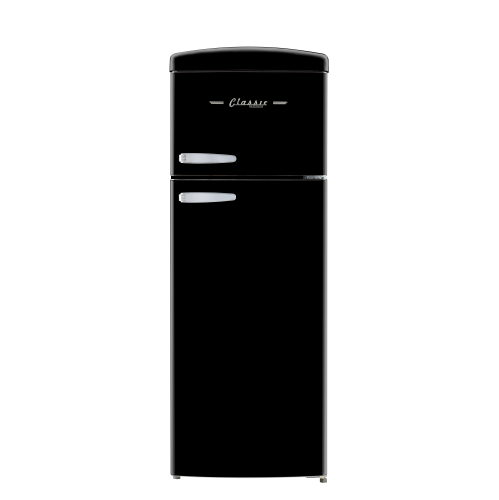
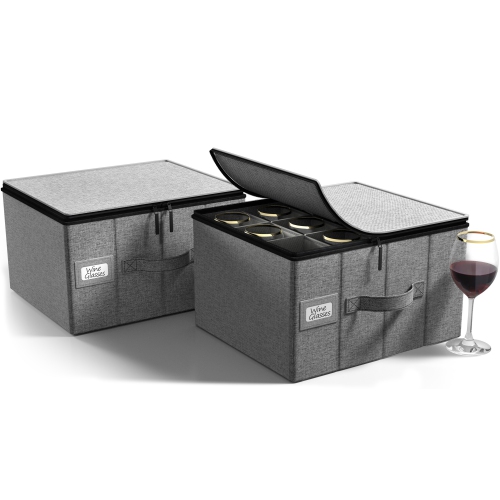
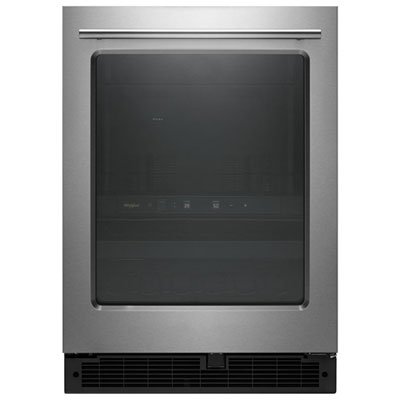
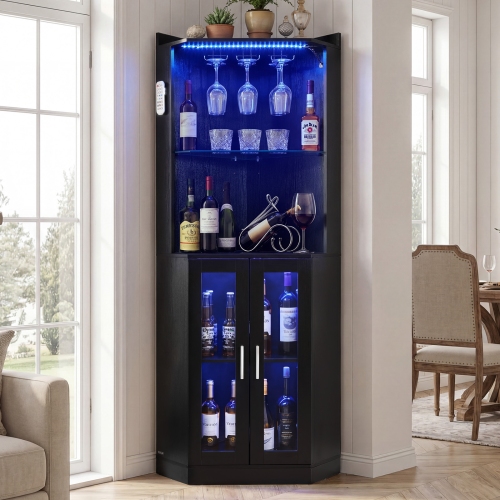
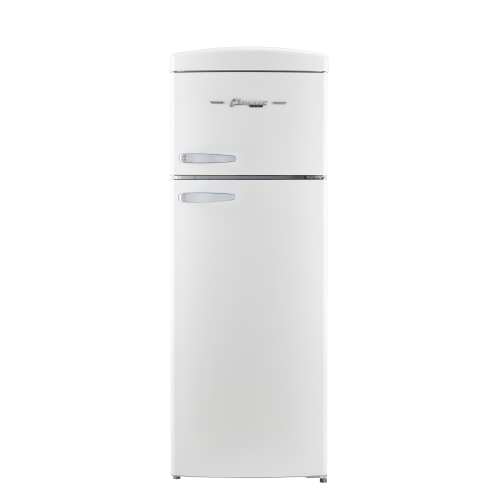

Why glass shape matters as much as shelf space
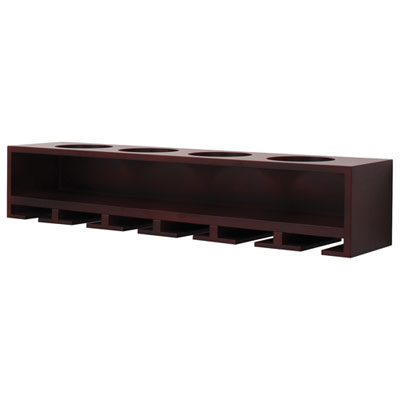
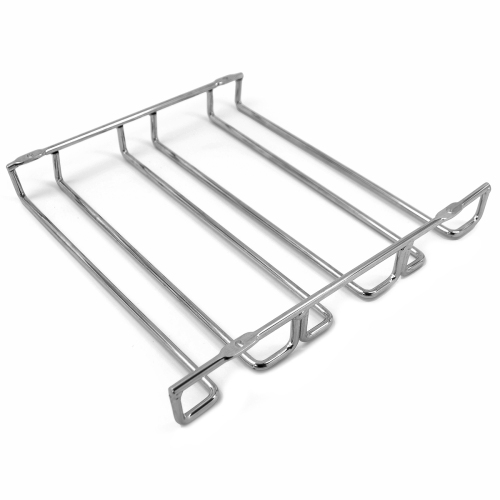
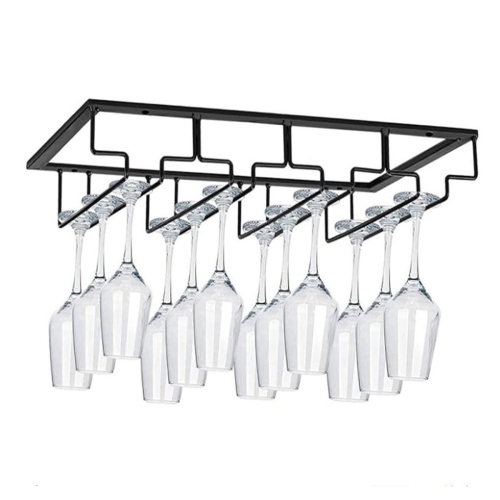
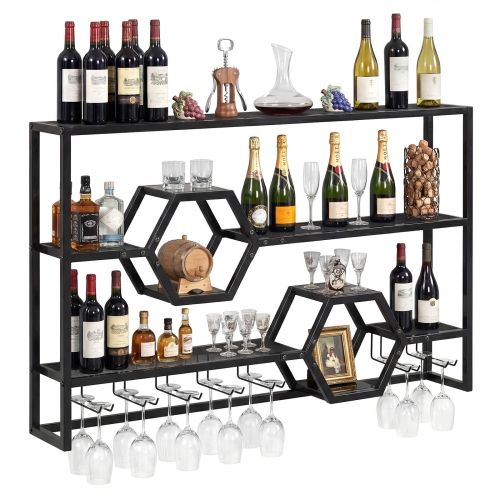
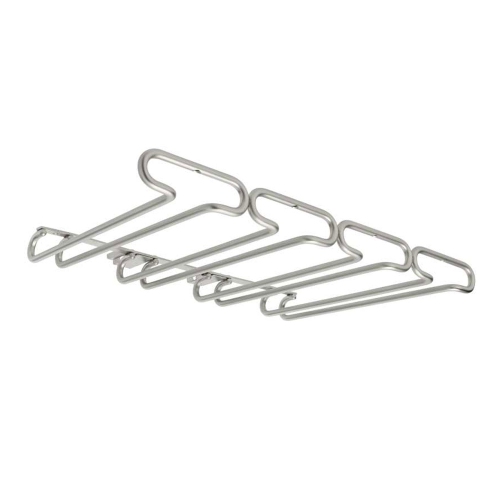
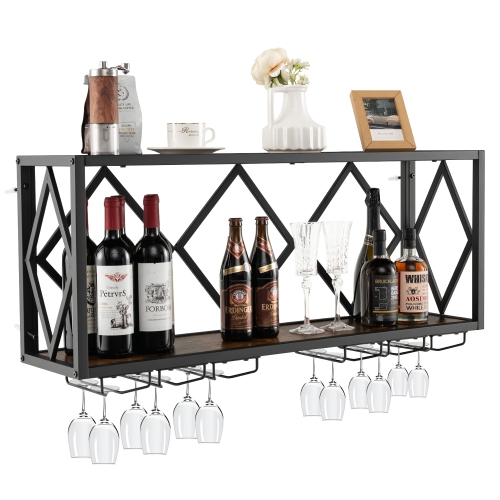
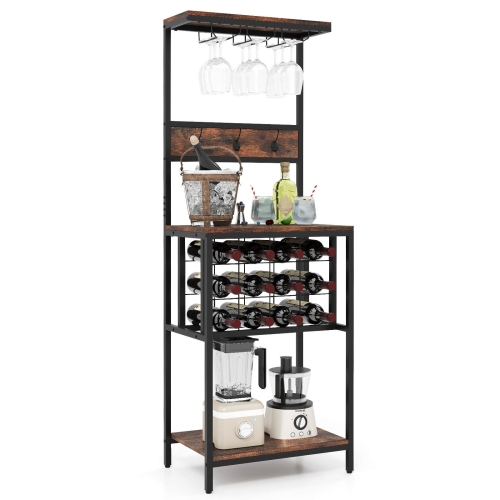
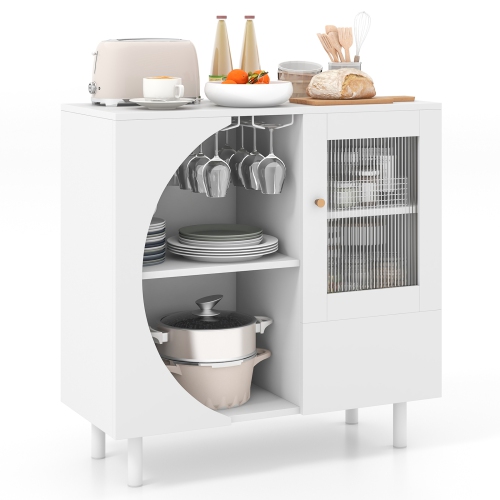
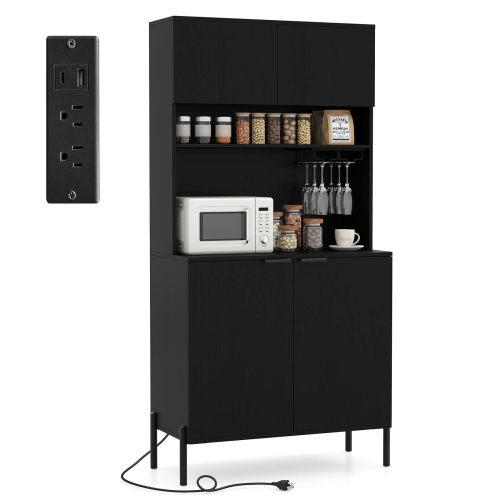
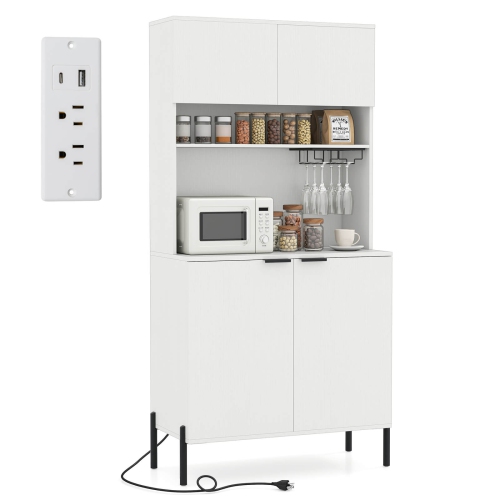
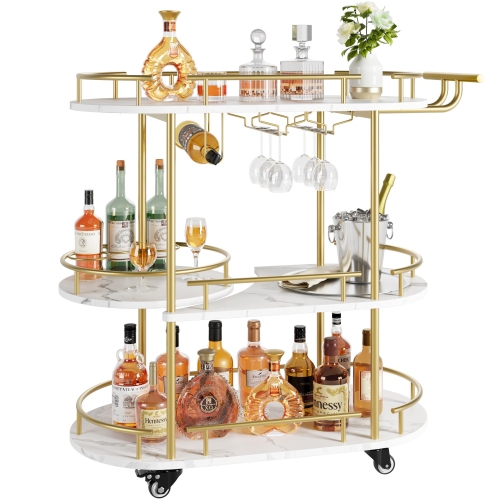
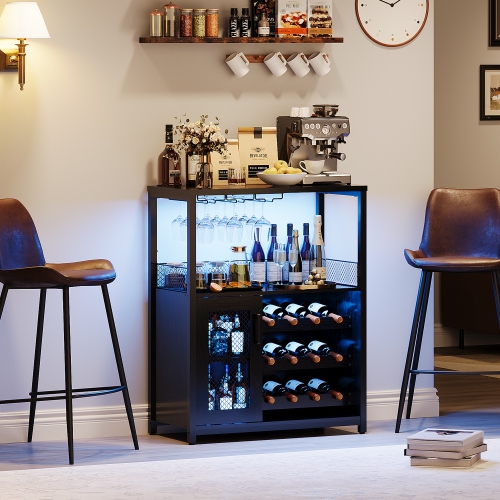
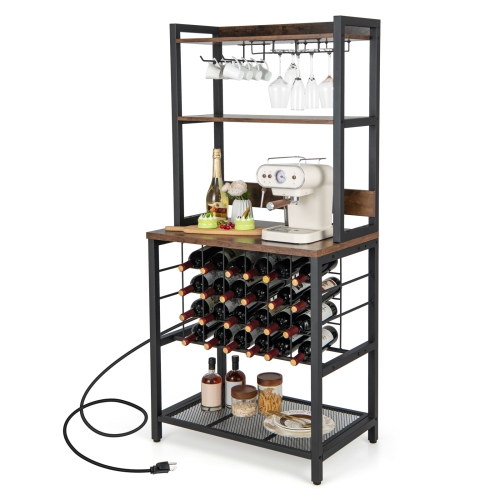
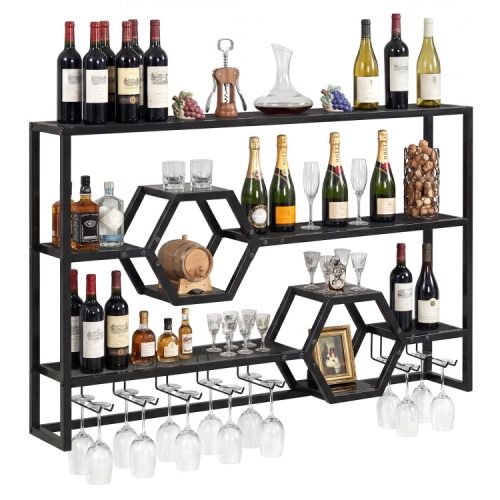
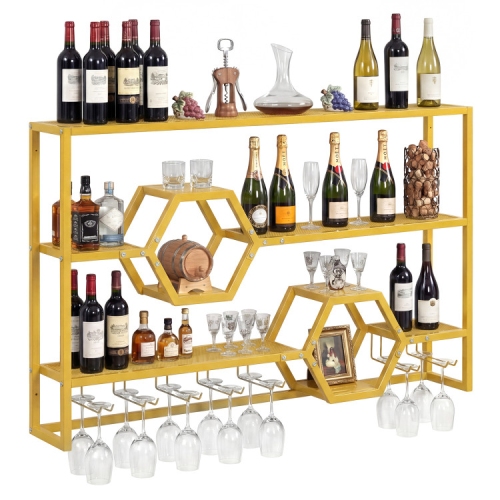
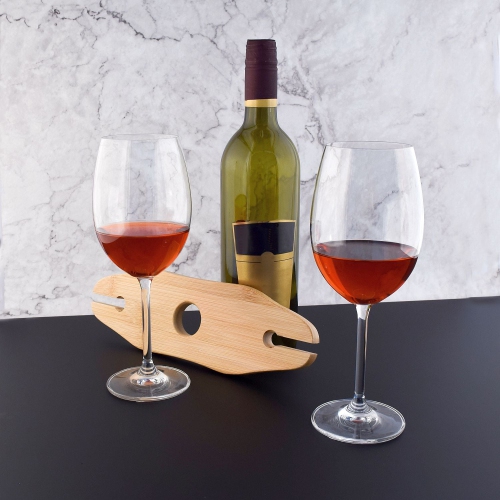
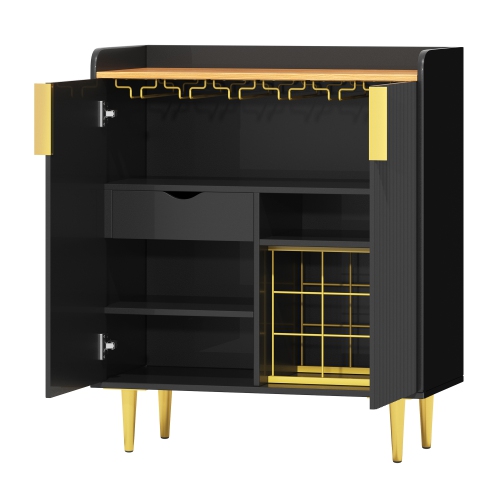
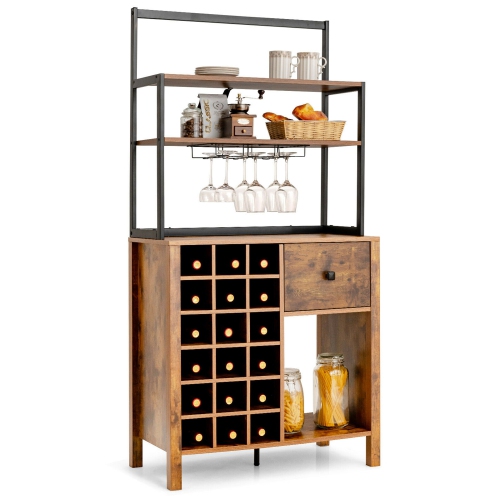
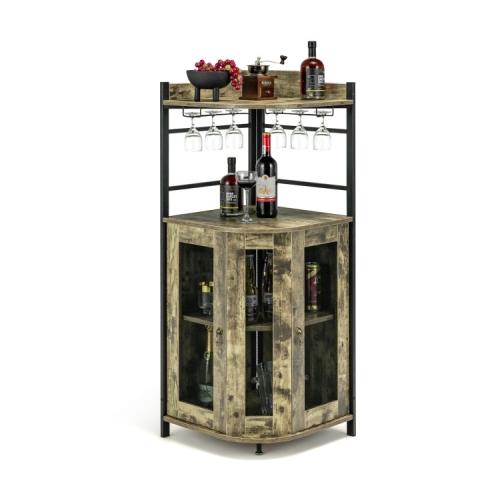
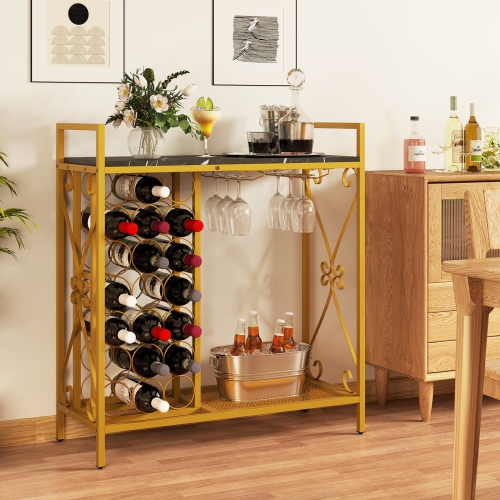
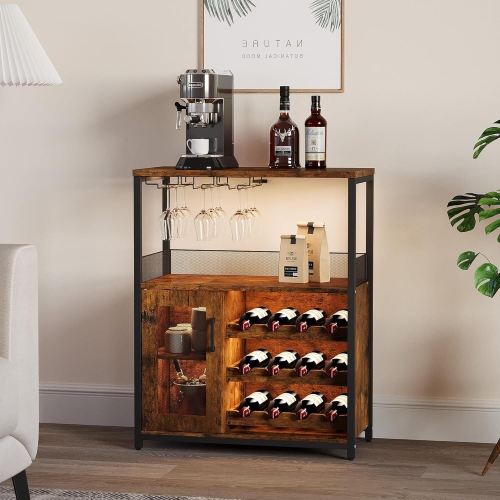
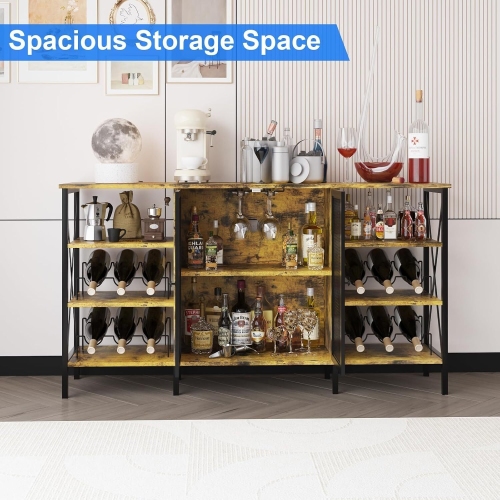
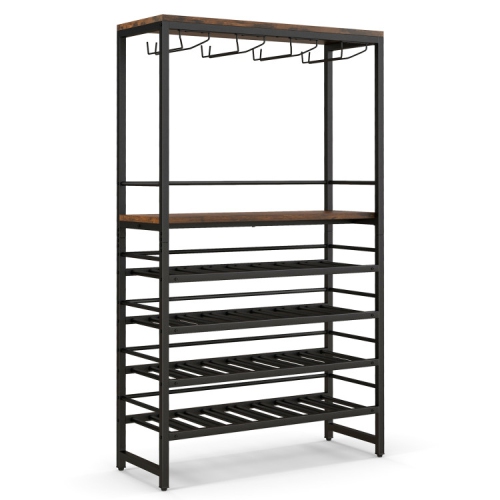
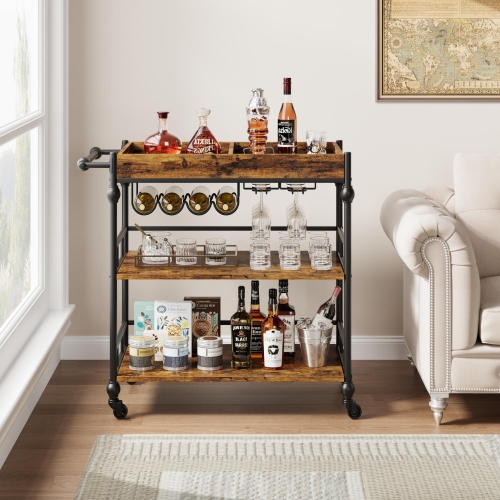
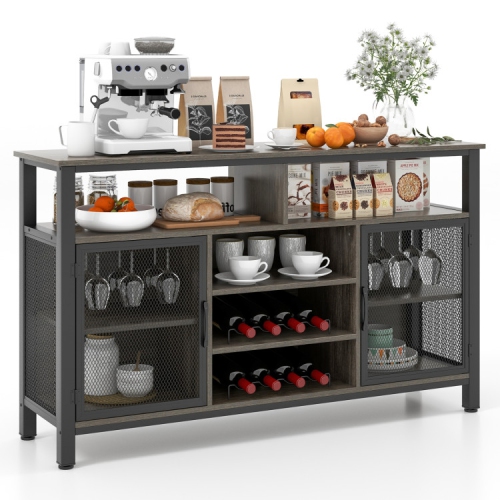
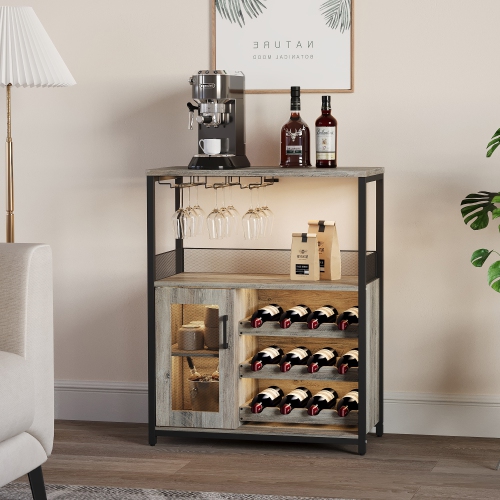
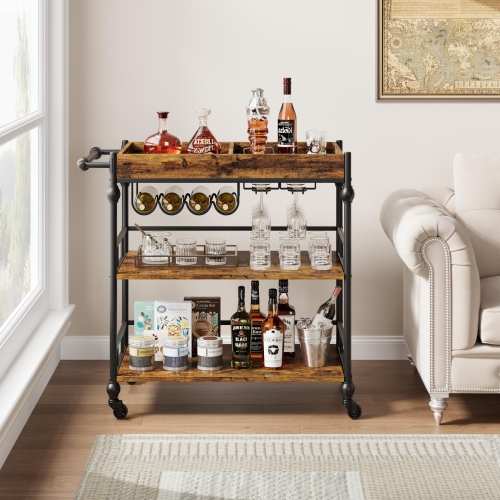
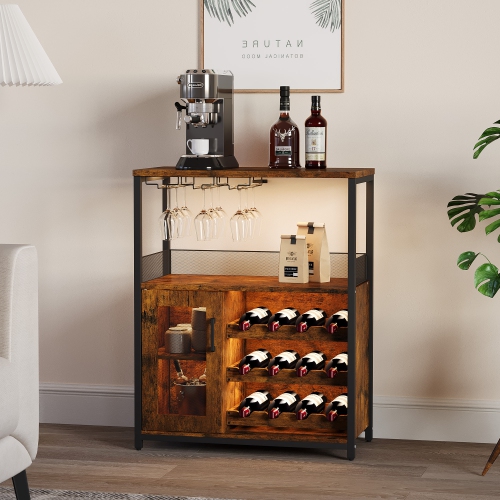
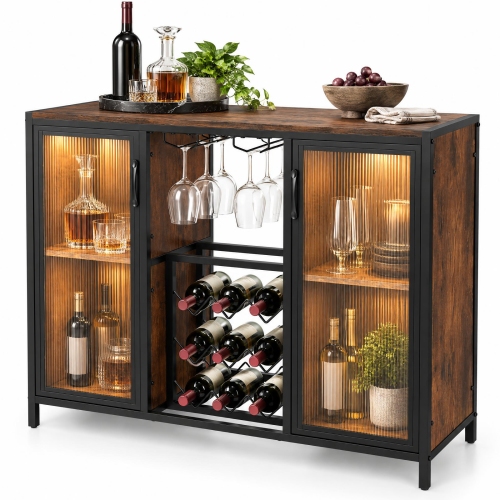
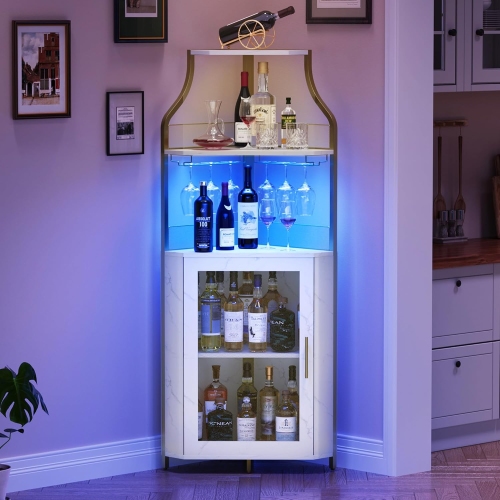
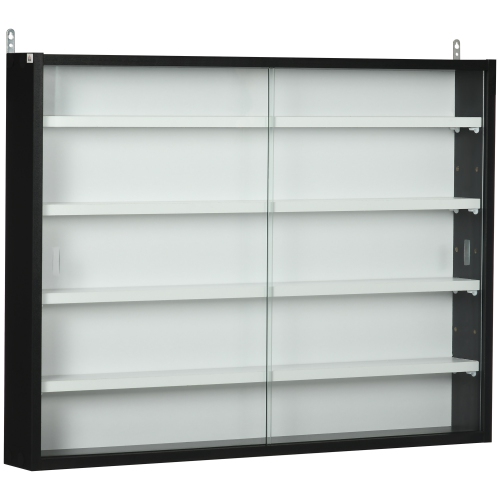
Wine glass shelves organize stemware on an open shelf, beneath a cabinet, or as part of a wall-mounted display. Some designs hold glasses upright on a flat surface, while others combine a shelf with hanging rails that support each glass by its base, leaving the bowl suspended below. Under-cabinet racks make use of space beneath upper cupboards, and wall-mounted shelf-and-rack combinations can bring glass storage closer to a dining table, sideboard, or home bar. Freestanding shelf units offer another option where permanent installation is not suitable, provided their dimensions and stability suit the space. The most useful format depends on the glasses being stored and how often they are used. A small set of everyday wine glasses may fit neatly beneath a kitchen cabinet, while a collection of broad red wine bowls, narrow flutes, and stemless tumblers needs more varied spacing. Stemless glasses require a flat shelf rather than a hanging stemware rail. For hanging storage, compatibility involves more than the number of glasses: the stem must pass through the slot, the base must rest securely on the rails, and neighbouring bowls need enough room to avoid touching. Wide bowls can reduce usable capacity, so a stated glass count is best considered alongside the dimensions of the actual glassware. Shelf depth matters for upright storage, particularly when larger bases would otherwise sit close to the front edge. Vertical clearance is equally important. Tall glasses need room above an upright shelf, while suspended glasses need unobstructed space below the rack and enough room to slide out without striking a backsplash or countertop appliance. In a compact kitchen, these details can make the difference between storage that looks tidy and storage that feels comfortable to use every day. An open arrangement also makes it easier to see which glass shapes are within reach when setting a table or serving drinks.
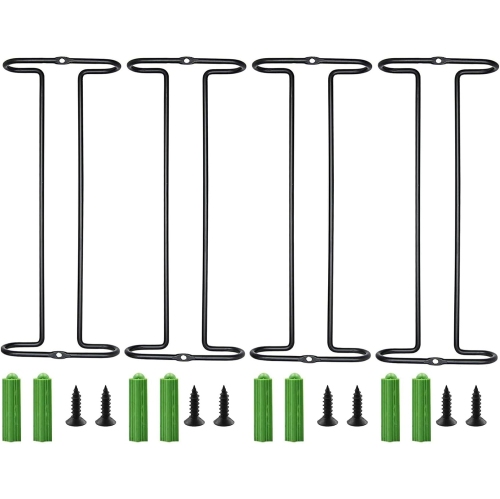
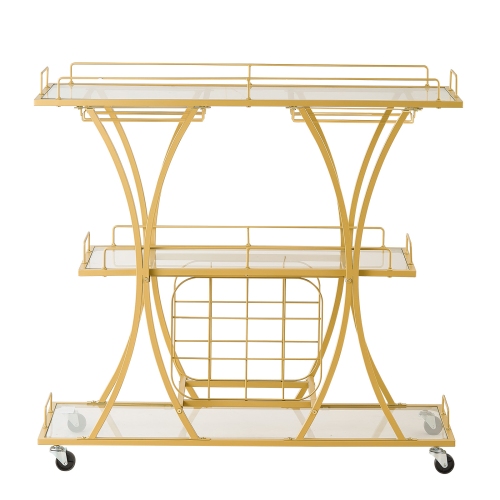
Materials and construction influence both the appearance of wine glass shelves and how well they stand up to regular handling. Wood brings warmth to a dining area and can coordinate with cabinetry, a sideboard, or a bar cart; its finish helps determine how readily marks and spills can be wiped away. Engineered wood offers a range of surface finishes, although exposed edges and joints deserve attention wherever moisture may linger. Metal frames and rails can create a slim profile, with finishes ranging from understated black to brighter metallic tones. Smooth contact points are especially important where glass bases slide along a track, since rough edges or projecting fasteners can catch during use. Glass shelving offers a visually light surface, but its load rating, edge condition, and support system remain essential considerations. A shelf that holds both bottles and stemware needs sufficient strength for the combined weight, not just enough room to arrange them. Wall-mounted designs, including Wine Glass Wall Racks, are particularly dependent on appropriate mounting for the wall material and the intended load. Under-cabinet designs likewise need a suitable cabinet base and fasteners that match the installation requirements without extending into the cupboard above. Bracket spacing, shelf projection, and the position of nearby cabinet doors all affect fit. A shallow profile may suit a narrow dining nook, while a deeper shelf can accommodate larger glass bases but extends farther into the room. Placement near a doorway or busy walkway calls for particular care, since projecting shelves and suspended bowls should not sit where shoulders or carried bags are likely to brush against them. In a kitchen, steam, cooking splashes, and airborne grease can add cleaning work, so a position away from the cooktop often makes everyday upkeep simpler. The best fit feels integrated with the room rather than creating an obstacle around it.
Wine glass shelves can support a range of routines, from keeping a few glasses handy for dinner to organizing a dedicated entertaining area. Above a sideboard, a shelf with hanging stemware can leave the serving surface free for plates, water glasses, and a carafe. Near a home bar, separate spaces for glassware and accessories help prevent a corkscrew or bottle stopper from knocking against a delicate rim. In a shared household, grouping glasses by shape can make setting the table more straightforward, while leaving a little space between them helps reduce accidental contact when one is removed. Open storage also puts the glassware on display, so the shelf finish and proportions become part of the room’s appearance. A narrow frame can keep attention on the glasses, whereas a more substantial wood shelf may complement furniture with a heavier profile. Day-to-day care is usually straightforward when the materials and layout are well matched to their purpose. Glassware should be clean and fully dry before storage, and shelves benefit from regular dusting so grit does not collect beneath bases or along rails. A soft cloth and a cleaner suitable for the shelf’s finish help protect surfaces; abrasive pads can scratch coatings, metal, or glass. Hanging storage still leaves glasses exposed to dust, so pieces used less often may need a rinse before serving. Removable racks or accessible rail openings can make it easier to clean around the supports. Over time, secure fittings, an intact finish, and smooth rails matter more than appearance alone, particularly in a spot used every day. For someone furnishing a first home, refreshing a dining space, or building a modest glassware collection, a wine glass shelf can also be a thoughtful housewarming or wedding gift. Its usefulness depends on matching the recipient’s space, glass shapes, and installation preferences, especially when drilling into walls or cabinetry would be required. A well-proportioned shelf gives glassware a defined place while keeping it easy to reach, clean, and return after use.
Top selling and popular products
-
 Your price for this item is $67.15
-
 Your price for this item is $151.53
-
 Your price for this item is $177.99
-
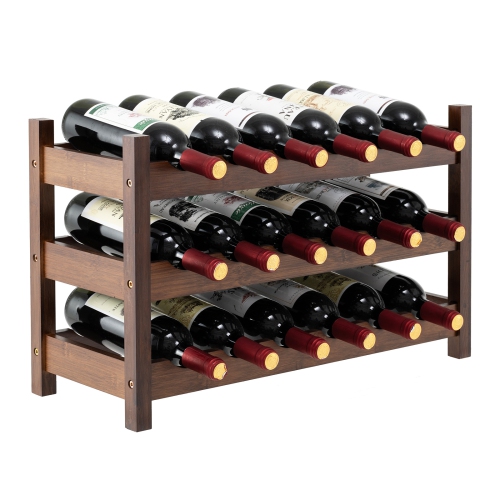 Your price for this item is $74.99
-
 Your price for this item is $189.99
-
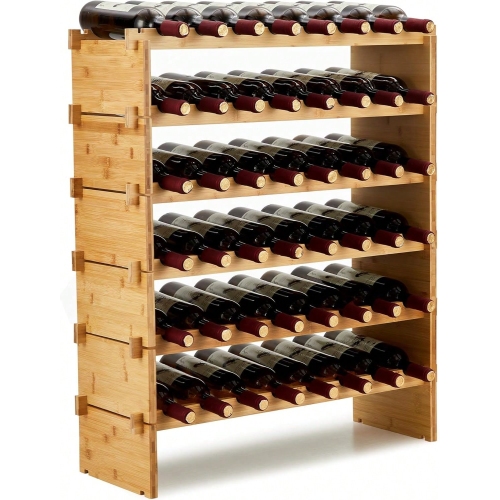 Your price for this item is $123.99
-
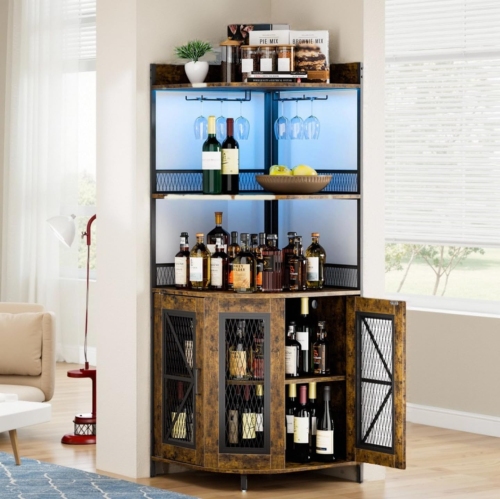 Your price for this item is $318.99
-
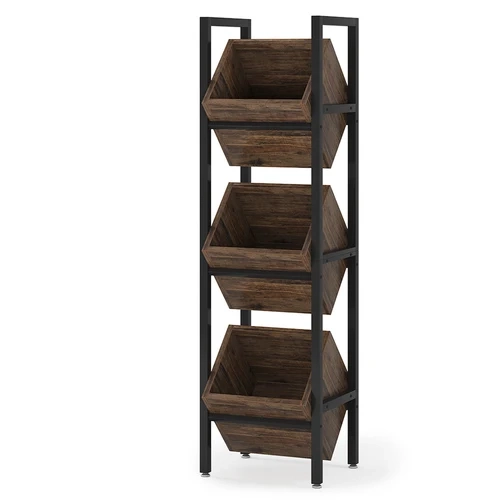 Your price for this item is $112.99
Discover more categories related to Wine Glass Shelves
Top Collections:
Best Black Friday Deals This Year, Best Black Friday Deals On Electronics, Kindle Devices, Dyson Airwrap, Best Cameras for Sports Photography, Best Black Friday Deals On Apple Products, PS5 Pro Consoles, Portable Snow Blowers, Canon G7X Cameras, Pokémon 30th Celebration Cards
Some products may be subject to Environmental Handling Fees
(EHF) depending on your province.
Learn more about EHFs.