Winter Covers
As the chilly season approaches, safeguarding your pool becomes a top priority, and a winter cover is your first line of defense. These essential accessories are designed to protect your swimming pool from harsh winter elements, keeping out debris and reducing maintenance efforts when spring arrives. Whether you have an in-ground or above-ground pool, finding the right winter cover can help extend the life of your pool while ensuring it remains in pristine condition. Explore our selection of durable and reliable options to keep your pool secure and ready for the warmer months ahead.
Sort

Seasonal protection from snow, debris and freezing conditions
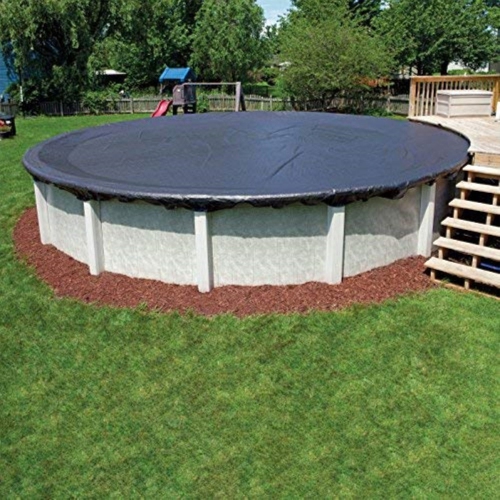
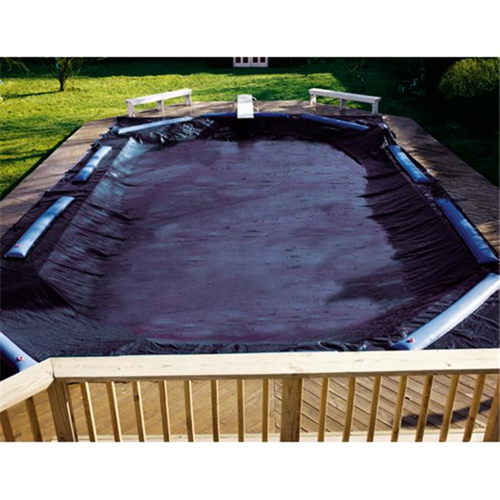
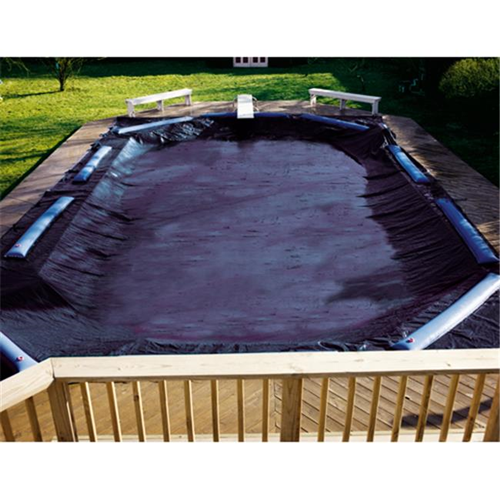
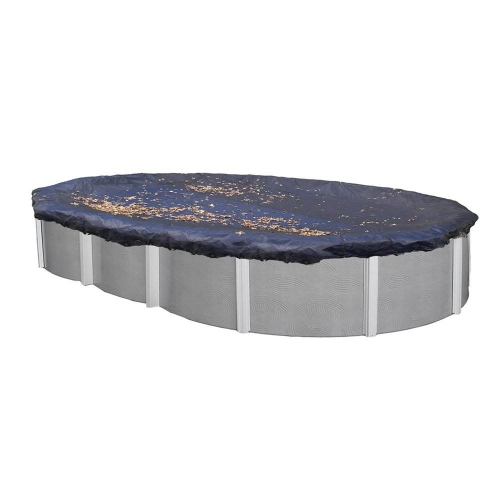
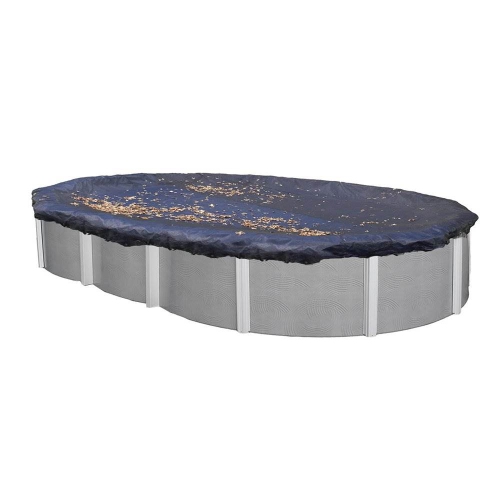
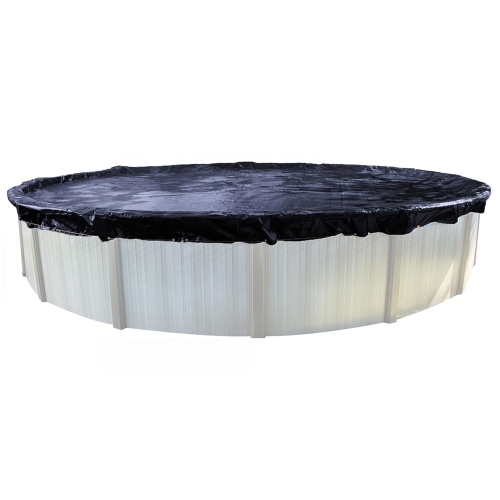
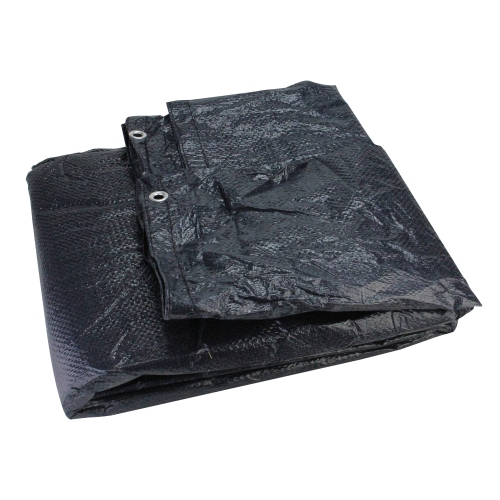
Winter pool covers help protect an outdoor pool during the off-season, when cooler weather, falling leaves, snow and freezing conditions can make an uncovered pool difficult to maintain. A properly fitted cover limits the amount of debris that enters the water, reduces exposure to sunlight and helps make spring opening more manageable. The right choice depends first on the type of pool you have. Above-ground pools generally use lightweight polyethylene covers secured around the pool wall with a perimeter cable and winch, while in-ground pools typically require a cover held in place with water tubes or heavy-duty water bags. Before choosing a cover, measure the pool carefully, including its length, width, diameter, corners and any unusual angles. A round or oval pool needs a different fit from a rectangular pool, and an in-ground pool with steps, a raised edge or attached spa may require additional allowance. Pool dimensions listed by the manufacturer should be compared with the actual outside measurements of the pool, not just the size of the swimming area. A cover that is too small may pull away from the edges, while one that is excessively oversized can collect water, shift in strong wind or become difficult to secure. The selection of Pool Winter Covers includes options for different pool styles and seasonal protection needs, making it easier to compare materials, sizing and fastening methods in one place.
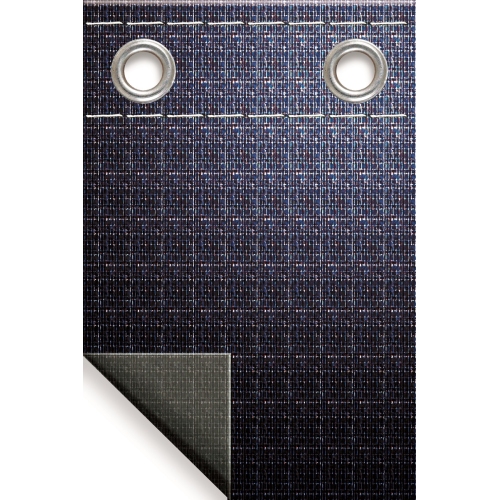
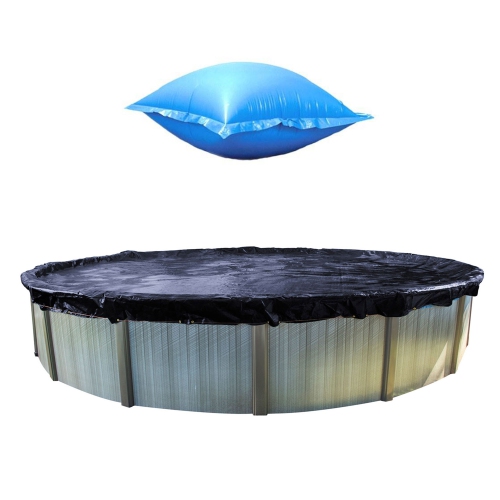
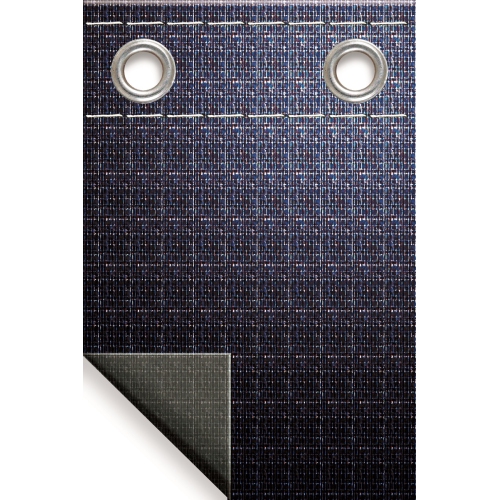
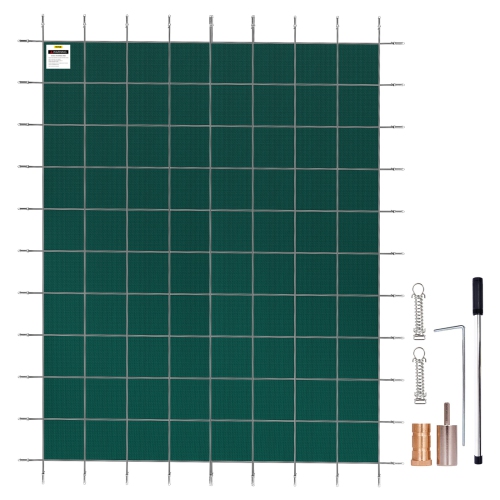
The cover material also affects how the pool is protected and how it should be maintained. Solid covers block sunlight and help prevent leaves and other debris from entering the water, which can be useful for pool owners who want to limit algae growth during the closed season. Because rain and melted snow cannot pass through a solid cover, a cover pump may be needed to remove standing water from the surface. Mesh covers allow precipitation to drain through while catching much of the larger debris, which can reduce the amount of water that needs to be pumped away. Some fine debris may still reach the pool through the mesh, so the water may require more attention when the pool is opened. Safety covers are designed to provide a stronger barrier than a basic winter cover and are typically anchored into the surrounding concrete, pavers or deck with hardware installed at regular points. They must be fitted and installed according to the manufacturer’s instructions, with the correct anchors, springs or tensioning components for the pool and surrounding surface. A safety cover should not be treated as an invitation to walk across the pool, and no pool cover should replace suitable supervision, barriers and local safety requirements. For above-ground pools, an air pillow placed beneath the cover can help reduce the pressure caused by expanding ice and may help keep the cover from pressing directly against the pool wall. It is important to choose an air pillow sized for the pool rather than inflating a large cushion until it touches every side. The pillow is not intended to support people or animals, and it should be positioned before the cover and cable are secured.
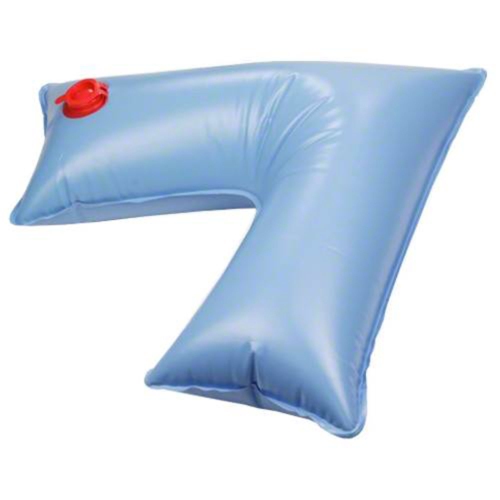
Preparing the pool before covering it is just as important as selecting the cover itself. Clean the pool thoroughly, remove leaves and floating debris, and brush the walls and floor so residue does not remain trapped beneath the cover for months. Test and balance the water according to the pool manufacturer’s recommendations, then lower the water level slightly below the skimmer box without draining more than advised for the pool structure. Disconnect, drain and store hoses, filters, pumps and other equipment that is not designed to remain outside through freezing conditions. For an in-ground pool, install water tubes or water bags evenly around the perimeter, leaving enough room for movement caused by freezing and thawing. Do not use bricks, rocks or other sharp objects as weights, as they can damage the cover or fall into the pool. For an above-ground pool, centre the cover so the overhang is even, then tighten the cable gradually around the pool rather than pulling one section extremely tight. Check the cover after windy weather and remove accumulated snow or water using equipment intended for that purpose. Dragging heavy snow across the surface, cutting holes into the cover or placing sharp tools against it can cause permanent damage. During the cooler months, occasional checks can identify loose fasteners, torn seams, displaced water bags or excessive weight before a small problem becomes a larger one. Winter pool covers can be practical gifts for new homeowners, families with an outdoor pool or anyone taking responsibility for seasonal pool care, particularly when paired with appropriate storage and maintenance accessories. At the end of the season, clean and dry the cover fully before folding it loosely and storing it in a dry area away from rodents, sharp edges and direct sunlight. With accurate measurements, secure installation and regular checks, a winter pool cover can help keep the pool protected until warmer weather returns.
The cover material also affects how the pool is protected and how it should be maintained. Solid covers block sunlight and help prevent leaves and other debris from entering the water, which can be useful for pool owners who want to limit algae growth during the closed season. Because rain and melted snow cannot pass through a solid cover, a cover pump may be needed to remove standing water from the surface. Mesh covers allow precipitation to drain through while catching much of the larger debris, which can reduce the amount of water that needs to be pumped away. Some fine debris may still reach the pool through the mesh, so the water may require more attention when the pool is opened. Safety covers are designed to provide a stronger barrier than a basic winter cover and are typically anchored into the surrounding concrete, pavers or deck with hardware installed at regular points. They must be fitted and installed according to the manufacturer’s instructions, with the correct anchors, springs or tensioning components for the pool and surrounding surface. A safety cover should not be treated as an invitation to walk across the pool, and no pool cover should replace suitable supervision, barriers and local safety requirements. For above-ground pools, an air pillow placed beneath the cover can help reduce the pressure caused by expanding ice and may help keep the cover from pressing directly against the pool wall. It is important to choose an air pillow sized for the pool rather than inflating a large cushion until it touches every side. The pillow is not intended to support people or animals, and it should be positioned before the cover and cable are secured.
Preparing the pool before covering it is just as important as selecting the cover itself. Clean the pool thoroughly, remove leaves and floating debris, and brush the walls and floor so residue does not remain trapped beneath the cover for months. Test and balance the water according to the pool manufacturer’s recommendations, then lower the water level slightly below the skimmer box without draining more than advised for the pool structure. Disconnect, drain and store hoses, filters, pumps and other equipment that is not designed to remain outside through freezing conditions. For an in-ground pool, install water tubes or water bags evenly around the perimeter, leaving enough room for movement caused by freezing and thawing. Do not use bricks, rocks or other sharp objects as weights, as they can damage the cover or fall into the pool. For an above-ground pool, centre the cover so the overhang is even, then tighten the cable gradually around the pool rather than pulling one section extremely tight. Check the cover after windy weather and remove accumulated snow or water using equipment intended for that purpose. Dragging heavy snow across the surface, cutting holes into the cover or placing sharp tools against it can cause permanent damage. During the cooler months, occasional checks can identify loose fasteners, torn seams, displaced water bags or excessive weight before a small problem becomes a larger one. Winter pool covers can be practical gifts for new homeowners, families with an outdoor pool or anyone taking responsibility for seasonal pool care, particularly when paired with appropriate storage and maintenance accessories. At the end of the season, clean and dry the cover fully before folding it loosely and storing it in a dry area away from rodents, sharp edges and direct sunlight. With accurate measurements, secure installation and regular checks, a winter pool cover can help keep the pool protected until warmer weather returns.
Top selling and popular products
-
 Your price for this item is $49.99
 -
 Your price for this item is $79.99
 -
 Your price for this item is $39.99
 -
 Your price for this item is $64.99
 -
 Your price for this item is $109.99
 -
 Your price for this item is $79.99
 -
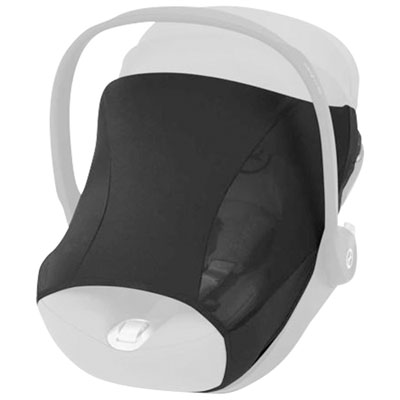 Your price for this item is $49.99
 -
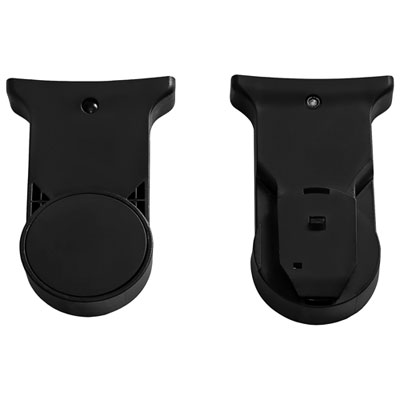 Your price for this item is $79.99
Discover more categories related to Winter Covers
Top Collections:
Pokemon Centers, Kindle Devices, Best Budget Office Chairs, Apple iPhones 16, Best Laptops for Writers, iPhone 15 Apple, Canon G7X Cameras, Refurbished Apple Laptops, Alarm Clock, Motorola Razr Phones
Some products may be subject to Environmental Handling Fees
(EHF) depending on your province.
Learn more about EHFs.