Winter Power Outage Supplies
When cold weather hits, being prepared is key to staying comfortable and safe during unexpected outages. Winter power outage supplies help ensure you have everything you need to keep your home running smoothly when the lights go out. From keeping your space warm to maintaining communication and providing essential lighting, the right gear can make all the difference. Explore a wide selection of winter power outage supplies designed to help you face any storm with confidence.
Sort

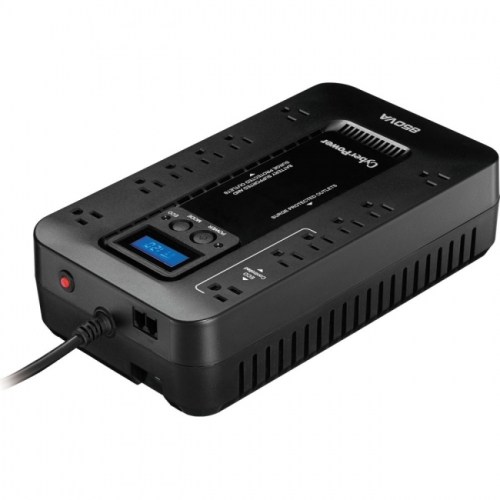
A charged phone is only part of outage preparedness
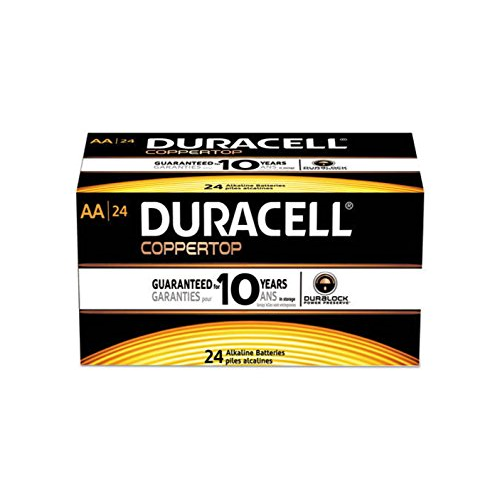
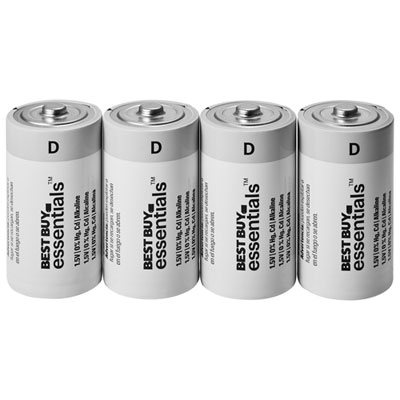
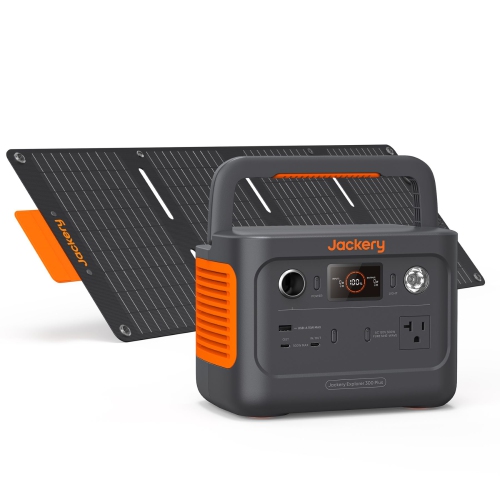
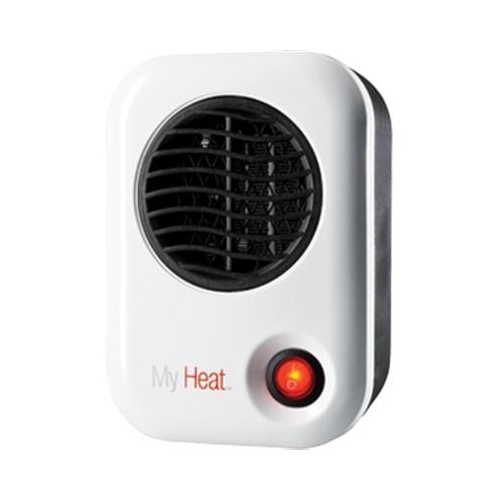
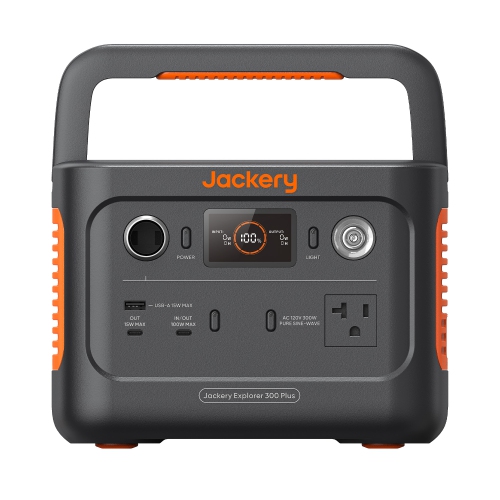
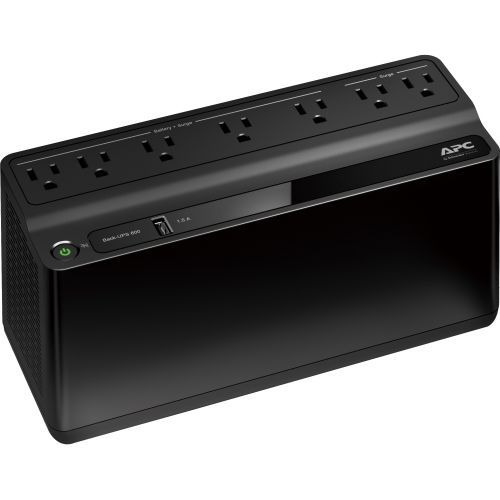
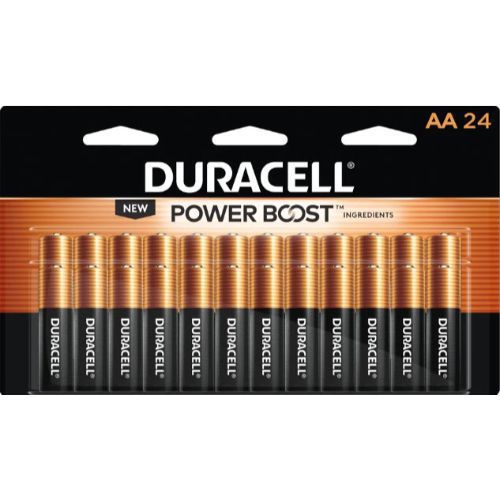
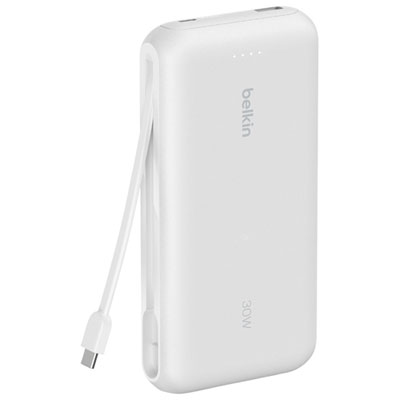
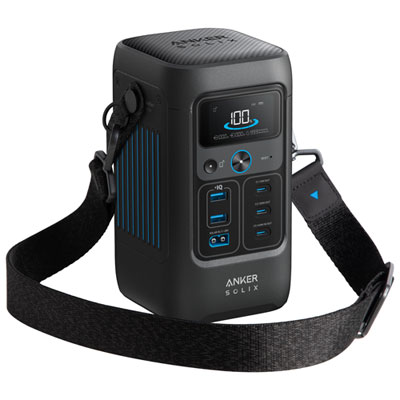
Winter power outage supplies support lighting, communication, warmth, and everyday needs when a storm interrupts electricity. A useful assortment covers more than a dark room: it accounts for a phone that needs charging, a hallway without overhead lights, and family members settling into one part of the home while waiting for updates. Portable lighting is central to that setup, with different formats suited to different tasks. A broad, diffused beam can illuminate a shared living area, while a focused beam is useful for finding a latch or checking a stairway. Hands-free lighting leaves both hands available for carrying supplies or helping a child. Features such as stable bases, easy-to-find switches, adjustable brightness, and secure battery compartments make a difference when equipment is used in the dark. Runtime matters alongside brightness, since the highest setting generally drains batteries faster. Battery compatibility also affects convenience, particularly for households keeping spare cells for several devices. For communication, battery-powered or hand-crank radios provide access to broadcasts without relying on a home internet connection. Portable charging equipment can help keep compatible phones and other small electronics powered, although a charged phone still depends on a functioning cellular network for calls and mobile data. Capacity, charging ports, cable compatibility, and operating temperature are useful points of comparison. Larger portable power sources have both an energy capacity and an output limit; those ratings determine how long they may run a device and whether they can power it at all. Electric heaters and cooking appliances can draw much more power than phone chargers or small lights, so their suitability should never be assumed. Rechargeable equipment also needs periodic attention between uses, with charging and storage following the manufacturer's directions. For anyone who depends on powered medical equipment, backup power needs to be matched to the equipment provider's requirements and supported by an emergency plan rather than treated as ordinary device charging.
Warmth-related supplies are intended to help retain body heat when a home's heating system is unavailable, not to replace safe indoor heating indefinitely. Blankets, sleeping bags, and comfortable layers each serve a slightly different purpose. A generously sized blanket can cover someone sitting in a chair, while a sleeping bag helps keep bedding close around the body during rest. Wool offers warmth and can remain insulating when damp, though its weight, texture, and care requirements vary. Fleece is often lighter, dries quickly, and is easy to layer, while insulated bedding offers different balances of warmth, packability, and washability depending on its fill and construction. A sleeping bag's temperature rating needs context: comfort depends on clothing, the surface underneath, individual needs, and the rating system used. Washable covers and durable stitching are practical details for supplies that may spend long periods stored away before being used repeatedly during an outage. Thermal clothing works best when the fit allows comfortable layering without restricting movement. Socks should leave room inside footwear, and hats and mittens should be easy to put on without fiddly adjustments. For children and older adults, soft fabrics, manageable fastenings, and suitable sizing can matter as much as thickness. Wearable warming accessories require attention to age restrictions, skin-contact directions, and use limits, particularly for anyone with reduced sensation. Infant warmth requires a different approach from adult bedding; loose blankets and adult sleeping bags are not suitable substitutes for an infant's safe sleep space. Around the home, removable draft barriers can reduce discomfort near doors, but exits, ventilation openings, and appliance vents must remain clear. Compact, clearly organized storage helps keep these supplies accessible rather than buried behind seasonal belongings. Dry storage is especially important for textiles, and clean, fully dried fabrics are less likely to develop musty odours while packed away. If indoor temperatures become unsafe, extra layers are not a substitute for moving to a heated location.
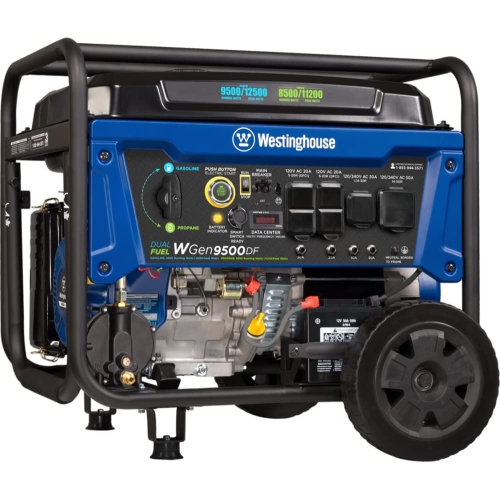
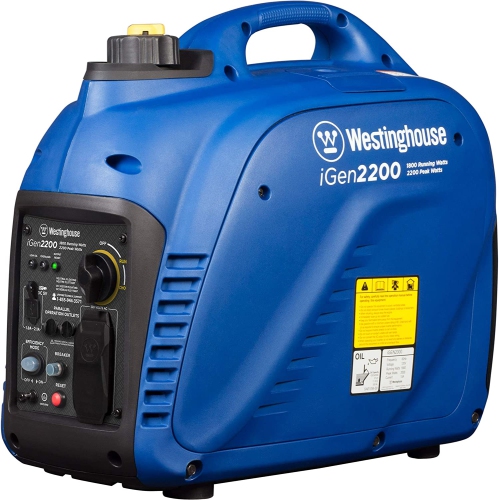
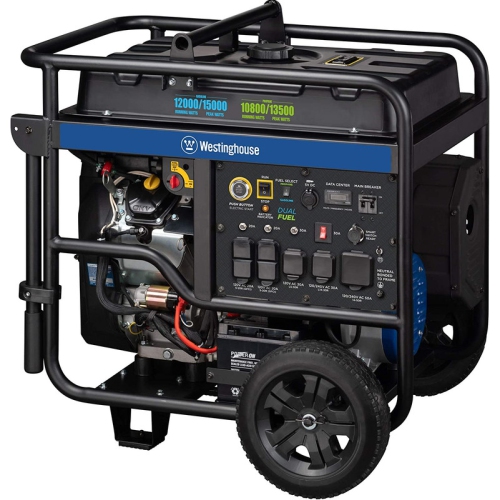
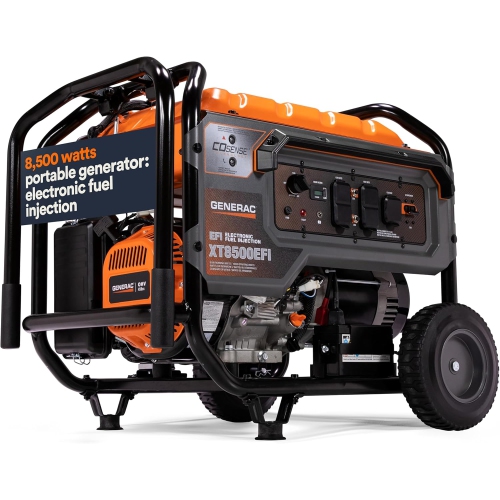
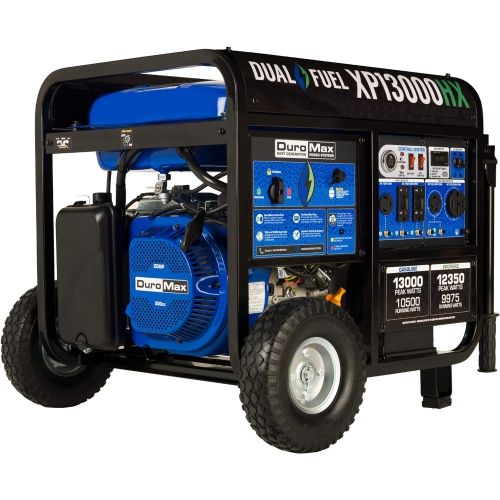
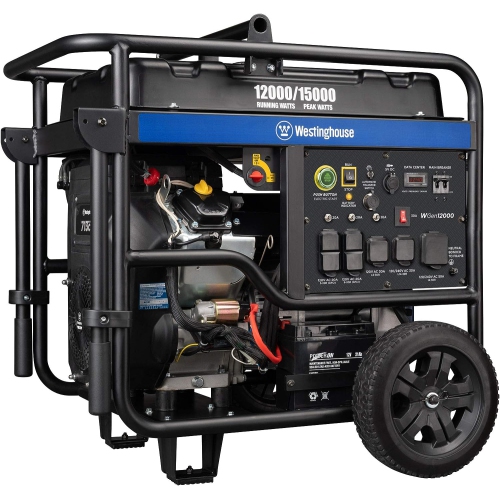
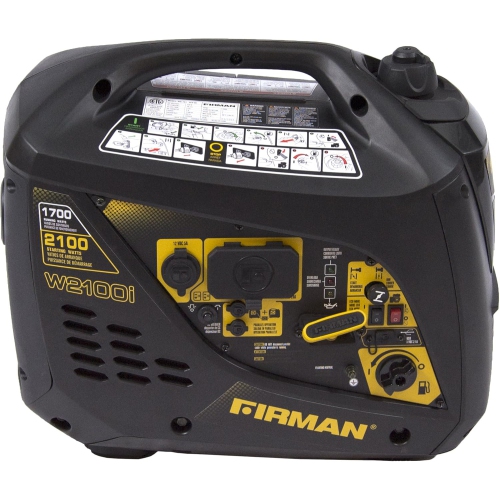
Food, water, hygiene, and household safety round out a winter blackout setup. Canadian emergency preparedness guidance generally recommends having enough supplies to be self-sufficient for at least 72 hours. Drinking water needs start at a minimum of two litres per person per day, with additional water for food preparation and hygiene and additional provisions for pets. Food that can be eaten without heating is particularly useful when the kitchen has no power; familiar choices that suit allergies, dietary needs, and different ages can make an unsettled day more manageable. Packaging matters, too. Easy-open containers simplify access, while a manual opener is needed for tins without pull tabs. Durable, food-safe water containers with secure closures are suited to storage, provided they are cleaned and used according to their care instructions. First-aid supplies, essential prescription medications, and personal hygiene necessities help cover needs that continue regardless of the weather. Households with infants, mobility limitations, or refrigerated medications may need more specialized arrangements. An appliance thermometer can help assess food storage conditions, and keeping refrigerator and freezer doors closed helps retain cold air; food safety depends on measured temperatures and elapsed time, not smell or appearance alone. Battery-powered carbon monoxide alarms and smoke alarms with battery backup remain important when household routines change during an outage. Fuel-burning generators must operate outdoors, at least six metres from the home and away from doors, windows, and vents, never inside a garage, even with the door open. Barbecues and camping stoves are not indoor heating or cooking solutions. Portable battery equipment also needs dry placement and use within its stated limits. For a broader selection of related household essentials, Winter Storm Emergency Supplies brings together categories relevant to storm-related disruptions. The most useful supplies suit the people, space, and routines of the household: easy-grip handles for someone with limited dexterity, compact storage for an apartment, or separate lighting within reach of each sleeping area. Clearly marked containers, readable instructions, and periodic checks of batteries, expiry dates, and fabric condition help keep a thoughtfully chosen assortment ready for use.
Warmth-related supplies are intended to help retain body heat when a home's heating system is unavailable, not to replace safe indoor heating indefinitely. Blankets, sleeping bags, and comfortable layers each serve a slightly different purpose. A generously sized blanket can cover someone sitting in a chair, while a sleeping bag helps keep bedding close around the body during rest. Wool offers warmth and can remain insulating when damp, though its weight, texture, and care requirements vary. Fleece is often lighter, dries quickly, and is easy to layer, while insulated bedding offers different balances of warmth, packability, and washability depending on its fill and construction. A sleeping bag's temperature rating needs context: comfort depends on clothing, the surface underneath, individual needs, and the rating system used. Washable covers and durable stitching are practical details for supplies that may spend long periods stored away before being used repeatedly during an outage. Thermal clothing works best when the fit allows comfortable layering without restricting movement. Socks should leave room inside footwear, and hats and mittens should be easy to put on without fiddly adjustments. For children and older adults, soft fabrics, manageable fastenings, and suitable sizing can matter as much as thickness. Wearable warming accessories require attention to age restrictions, skin-contact directions, and use limits, particularly for anyone with reduced sensation. Infant warmth requires a different approach from adult bedding; loose blankets and adult sleeping bags are not suitable substitutes for an infant's safe sleep space. Around the home, removable draft barriers can reduce discomfort near doors, but exits, ventilation openings, and appliance vents must remain clear. Compact, clearly organized storage helps keep these supplies accessible rather than buried behind seasonal belongings. Dry storage is especially important for textiles, and clean, fully dried fabrics are less likely to develop musty odours while packed away. If indoor temperatures become unsafe, extra layers are not a substitute for moving to a heated location.
Food, water, hygiene, and household safety round out a winter blackout setup. Canadian emergency preparedness guidance generally recommends having enough supplies to be self-sufficient for at least 72 hours. Drinking water needs start at a minimum of two litres per person per day, with additional water for food preparation and hygiene and additional provisions for pets. Food that can be eaten without heating is particularly useful when the kitchen has no power; familiar choices that suit allergies, dietary needs, and different ages can make an unsettled day more manageable. Packaging matters, too. Easy-open containers simplify access, while a manual opener is needed for tins without pull tabs. Durable, food-safe water containers with secure closures are suited to storage, provided they are cleaned and used according to their care instructions. First-aid supplies, essential prescription medications, and personal hygiene necessities help cover needs that continue regardless of the weather. Households with infants, mobility limitations, or refrigerated medications may need more specialized arrangements. An appliance thermometer can help assess food storage conditions, and keeping refrigerator and freezer doors closed helps retain cold air; food safety depends on measured temperatures and elapsed time, not smell or appearance alone. Battery-powered carbon monoxide alarms and smoke alarms with battery backup remain important when household routines change during an outage. Fuel-burning generators must operate outdoors, at least six metres from the home and away from doors, windows, and vents, never inside a garage, even with the door open. Barbecues and camping stoves are not indoor heating or cooking solutions. Portable battery equipment also needs dry placement and use within its stated limits. For a broader selection of related household essentials, Winter Storm Emergency Supplies brings together categories relevant to storm-related disruptions. The most useful supplies suit the people, space, and routines of the household: easy-grip handles for someone with limited dexterity, compact storage for an apartment, or separate lighting within reach of each sleeping area. Clearly marked containers, readable instructions, and periodic checks of batteries, expiry dates, and fabric condition help keep a thoughtfully chosen assortment ready for use.
Top selling and popular products
-
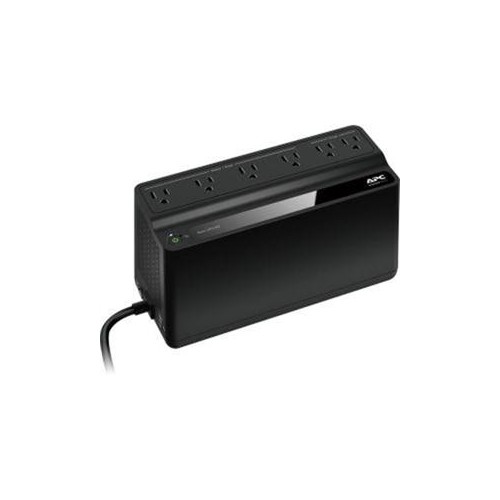 Your price for this item is $121.68
 -
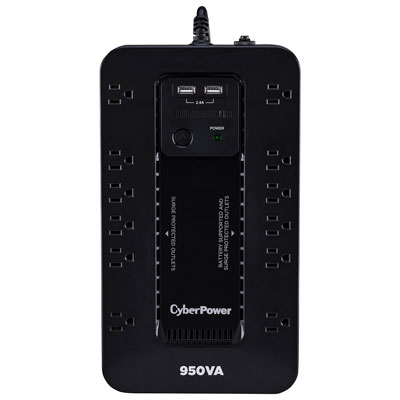 Your price for this item is $149.99
 -
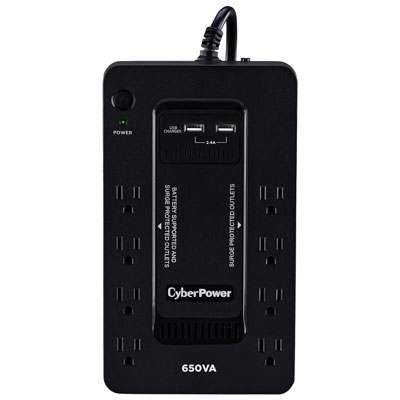 Your price for this item is $99.99
 -
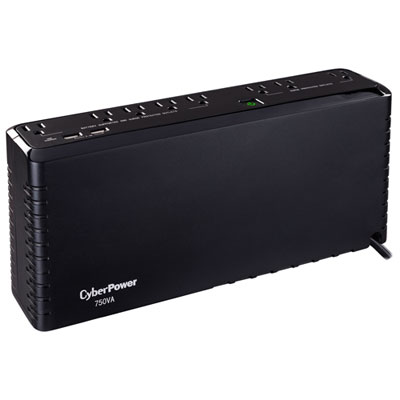 Your price for this item is $119.99
 -
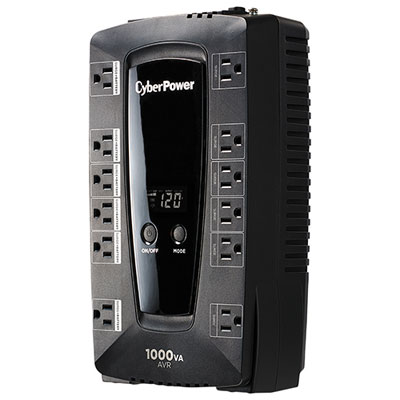 Your price for this item is $149.99
 -
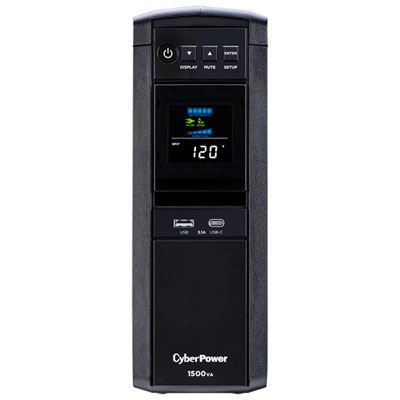 Your price for this item is $299.99
 -
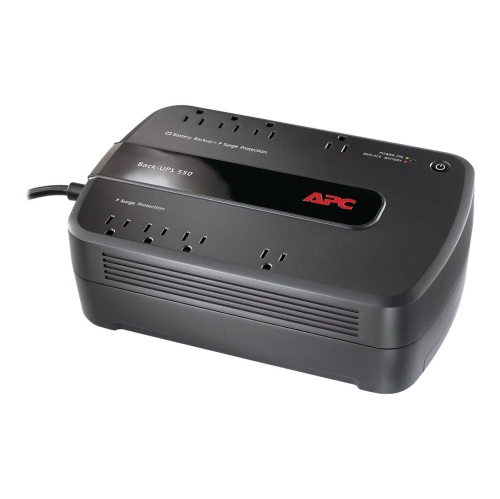 Your price for this item is $170.69
 -
 Your price for this item is $171.53
Discover more categories related to Winter Power Outage Supplies
Top Collections:
Pokemon Centers, Kindle Devices, Best Budget Office Chairs, Apple iPhones 16, Canon G7X Cameras, iPhone 15 Apple, Alarm Clock, Refurbished Apple Laptops, Flip Phones, Best Laptops for Writers
Some products may be subject to Environmental Handling Fees
(EHF) depending on your province.
Learn more about EHFs.