Winter Survival Tools
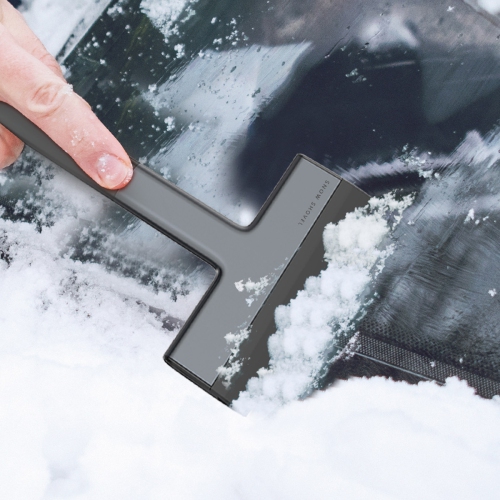
Prepare yourself for the winter season with our wide selection of winter survival tools. From snow shovels and ice scrapers to portable heaters and emergency kits, we have everything you need to stay safe and comfortable during the colder months. Whether you're facing heavy snowfall, icy roads, or power outages, our collection of essential tools and equipment will help you navigate through any winter challenge. With durable construction and innovative features, our winter survival tools are designed to withstand harsh conditions and provide reliable performance when you need it most. Don't let the winter weather catch you off guard – shop our selection of winter survival tools today and be prepared for whatever Mother Nature throws your way.

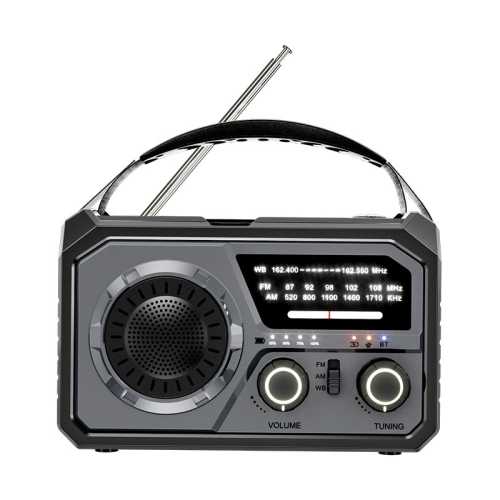

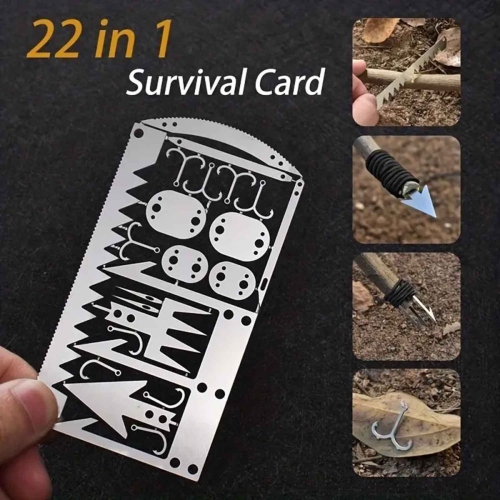
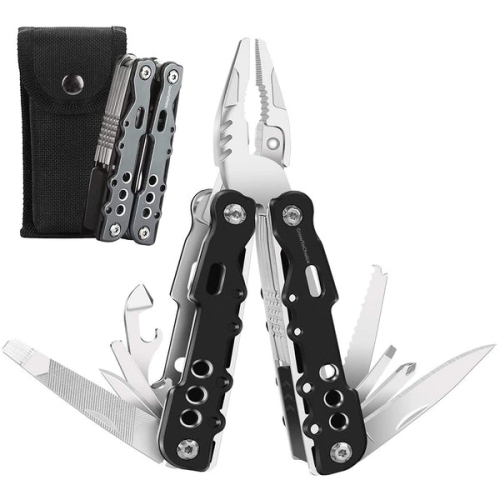
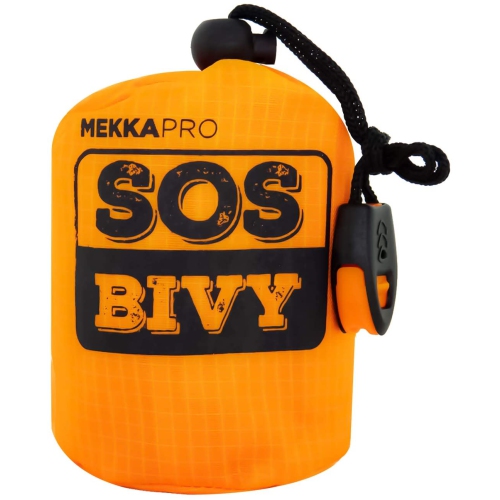
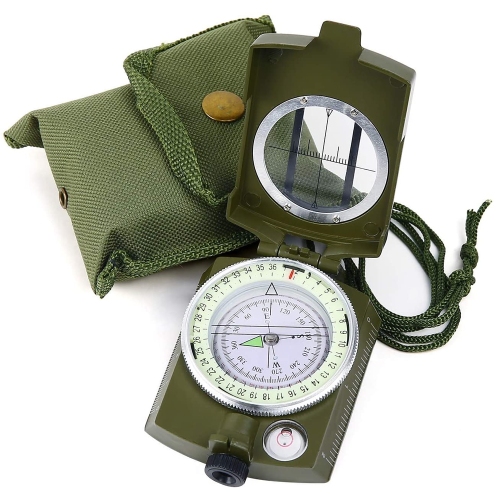
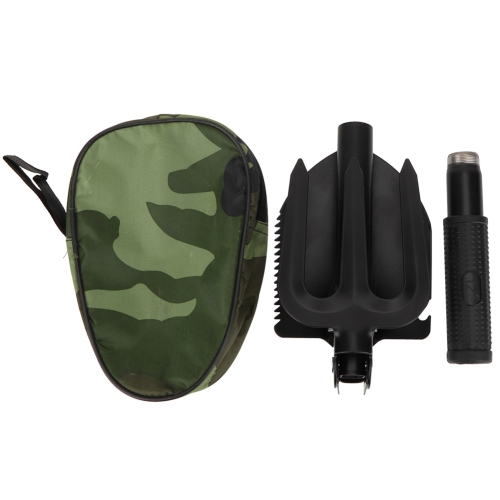
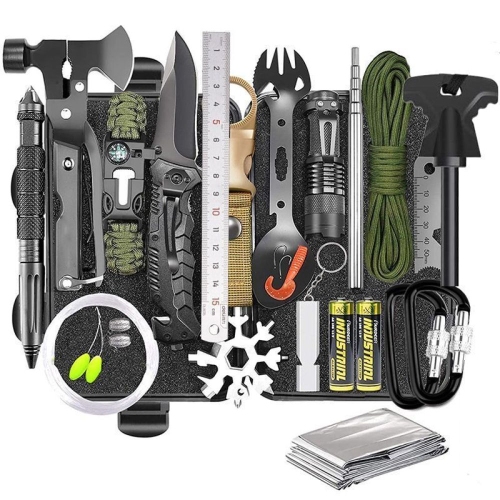
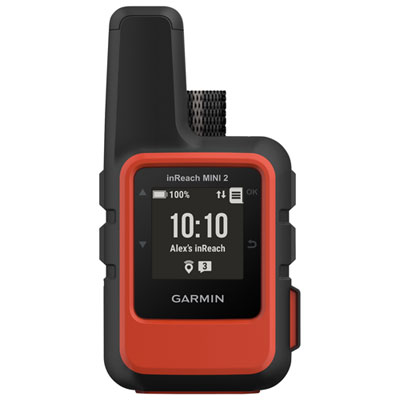
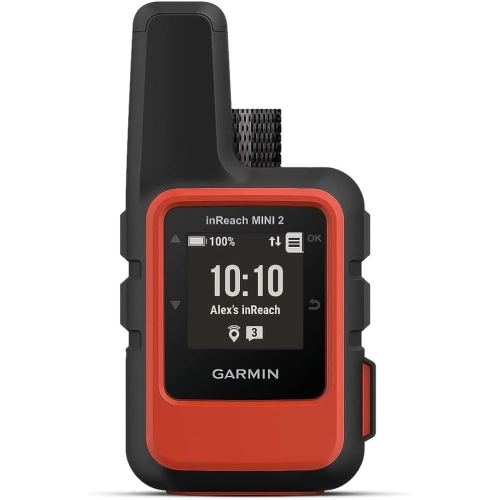
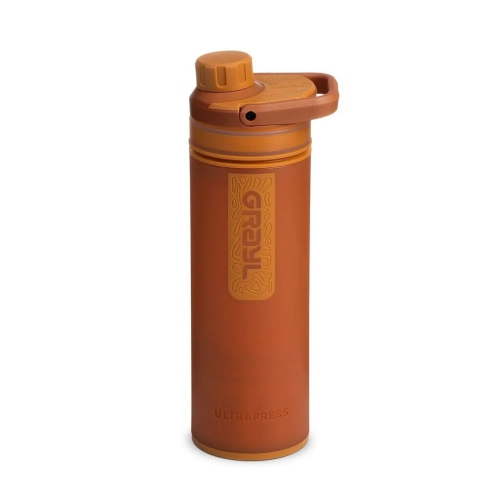

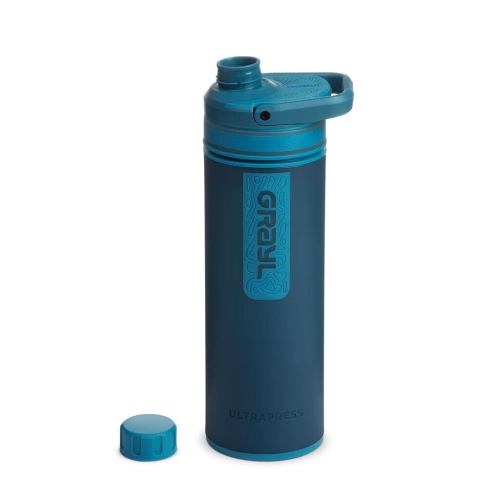
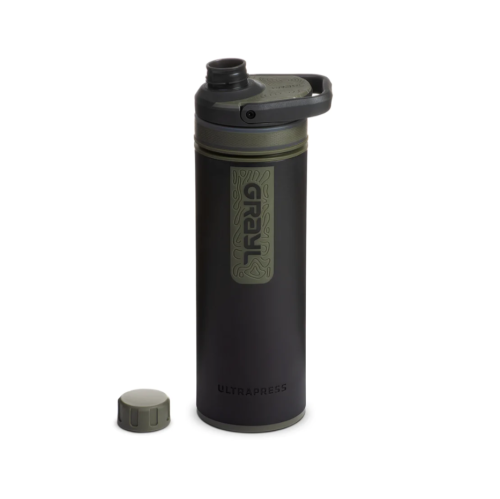
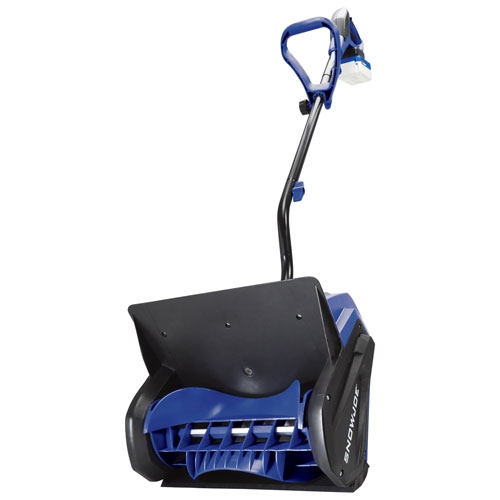

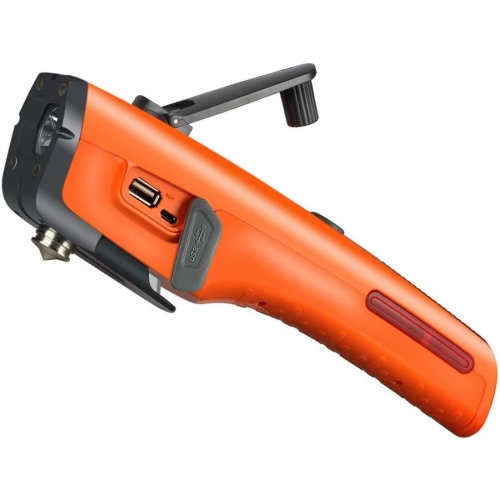
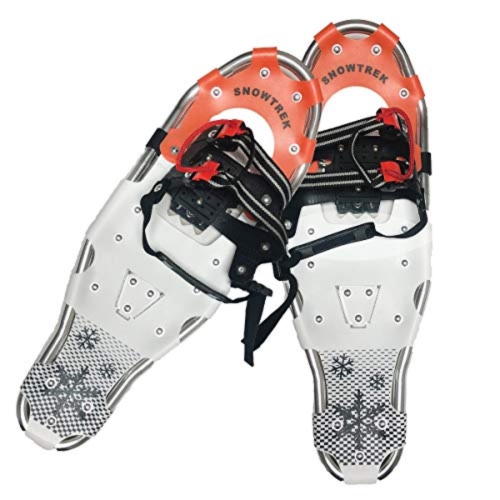

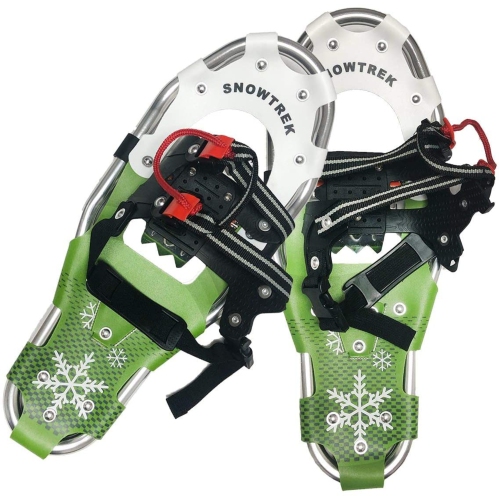
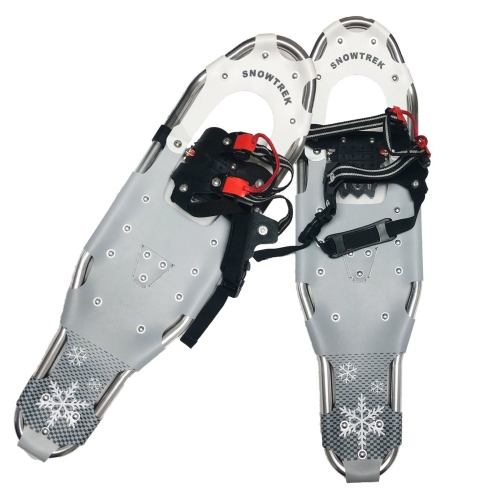
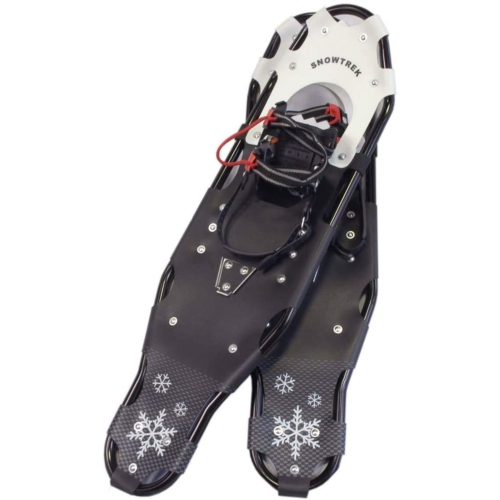
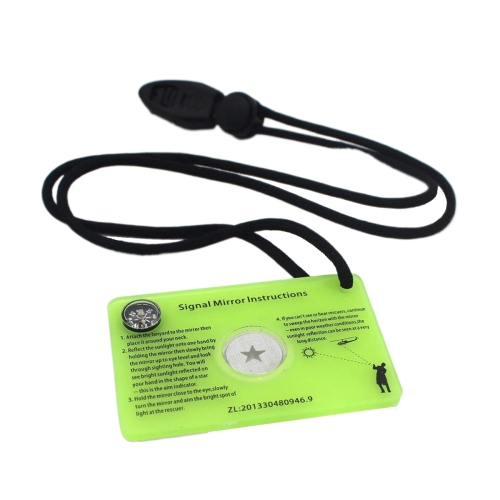
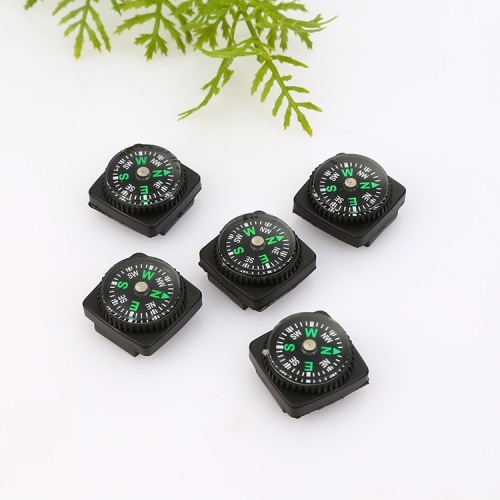
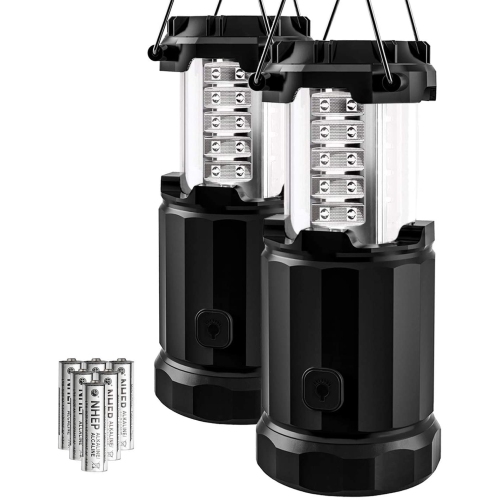
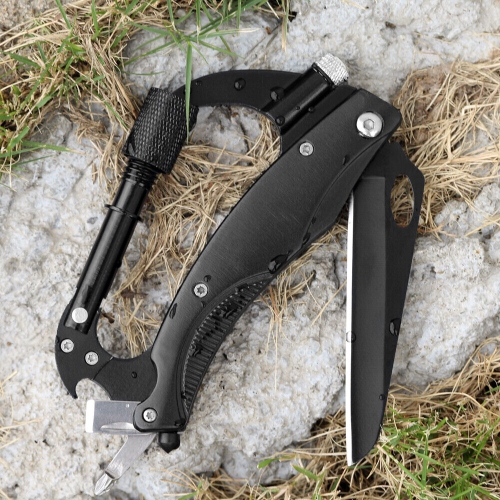
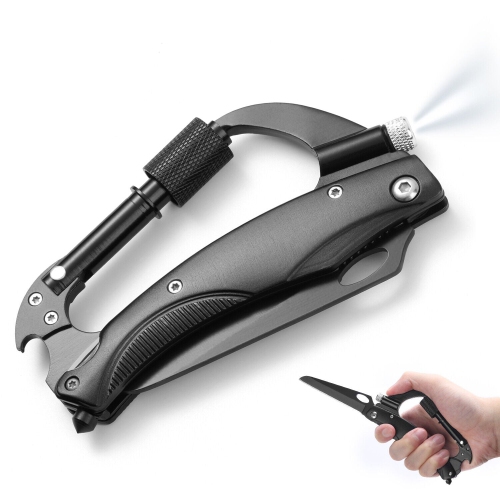
Practical essentials for warmth, visibility, traction, and roadside delays
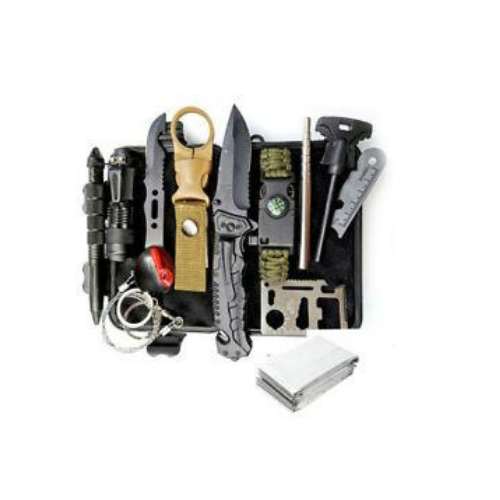
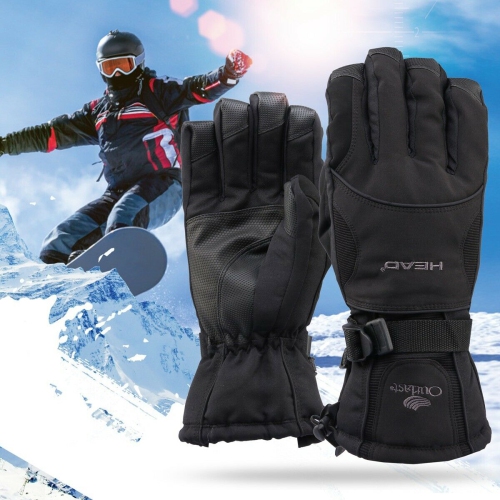
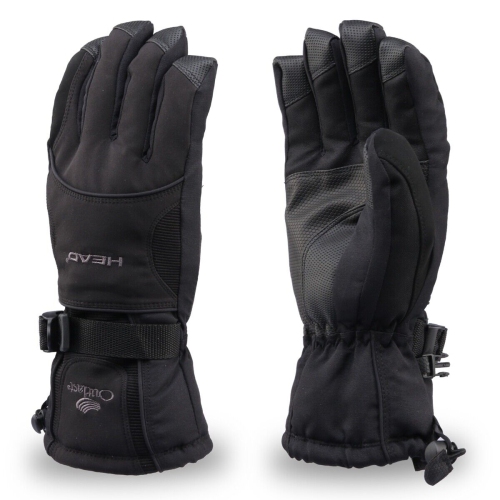
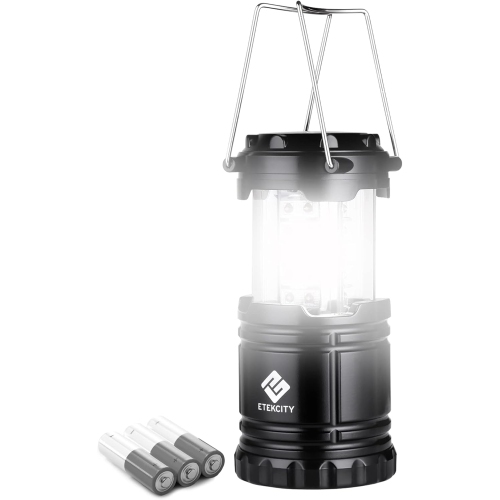
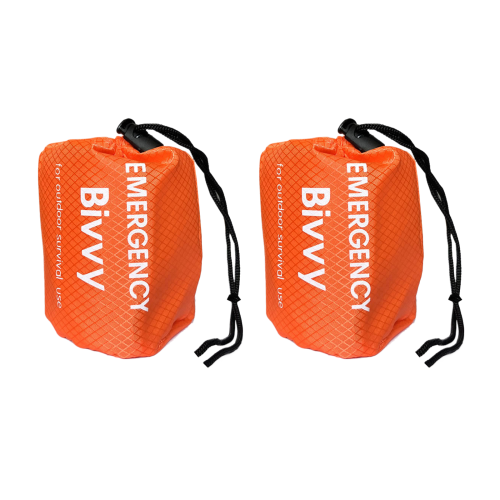
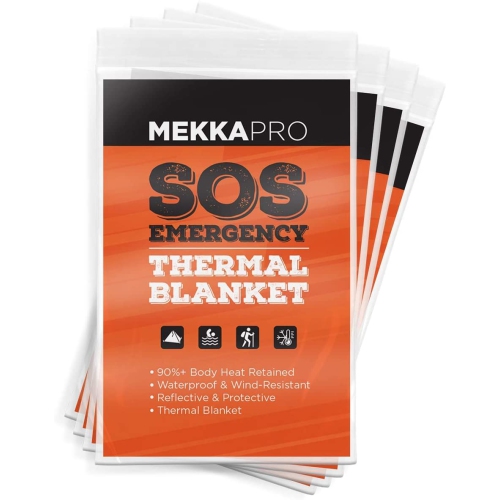
Warmth and shelter are central considerations when selecting winter survival tools. Thermal reflective blankets and emergency bivvy-style shelters are designed to help retain body heat and create a protective layer against wind, damp ground, and exposure. They take up little room and can be carried in a day pack, stored in a glove compartment, or added to a larger emergency kit. Warm gloves, hand warmers, insulated layers, and weather-resistant coverings can make a significant difference when a short delay stretches into an hour or more. A small whistle is useful for drawing attention over wind or snowfall, particularly in wooded areas or when visibility is poor. A dependable flashlight or headlamp supports hands-free work while changing a tire, fitting traction devices, searching for dropped equipment, or navigating a dark path. Extra batteries should be stored with the light and protected from extreme cold when possible, since low temperatures can reduce battery performance. Fire-starting tools may be appropriate for camping and backcountry use where fires are permitted and safe to build; compact spark-producing tools can work in challenging conditions when matches or lighters become damp. Anyone carrying fire-starting equipment should also pack a way to contain and extinguish a fire, follow local restrictions, and avoid using an open flame inside a vehicle, tent, or enclosed shelter. For outdoor trips, combine warmth, shelter, light, signalling, and fire-starting equipment rather than relying on a single item to solve every problem. Practise using unfamiliar tools before heading out, because dexterity can decrease quickly when fingers are cold and gloves are bulky.
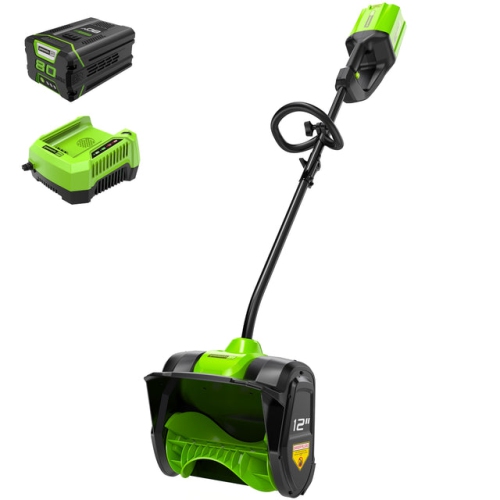
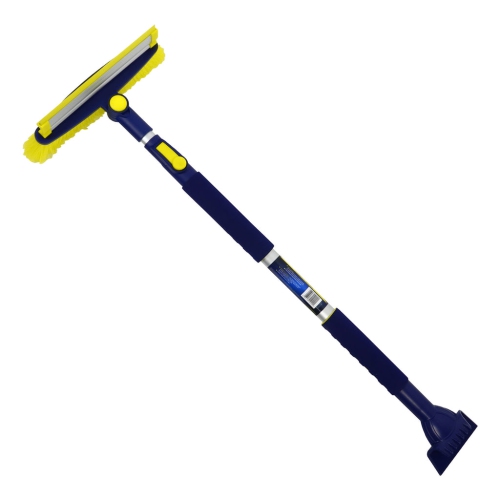
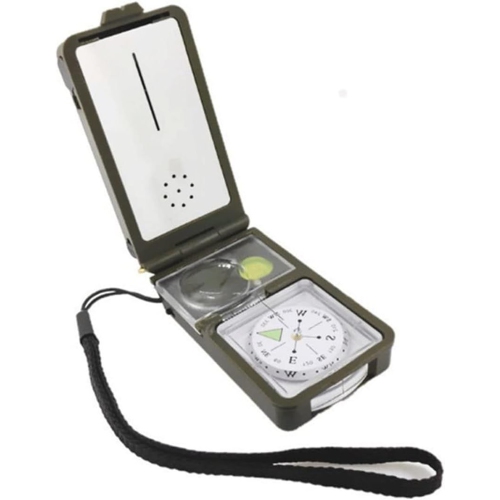
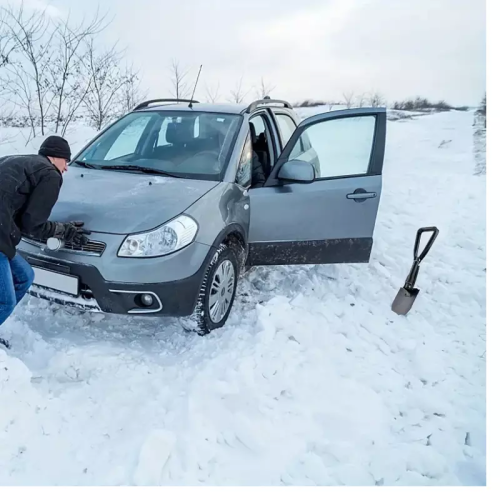
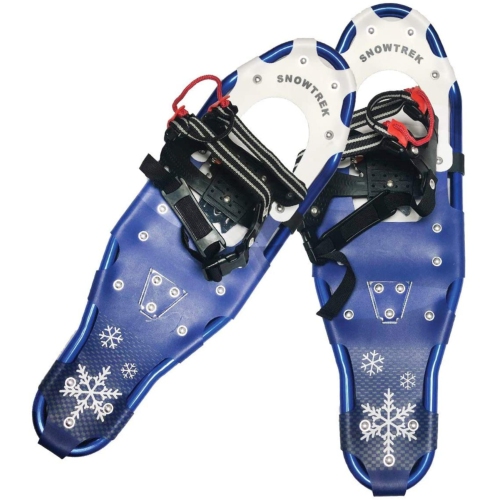
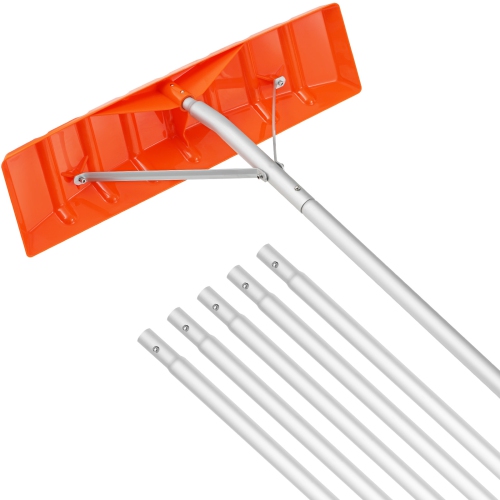
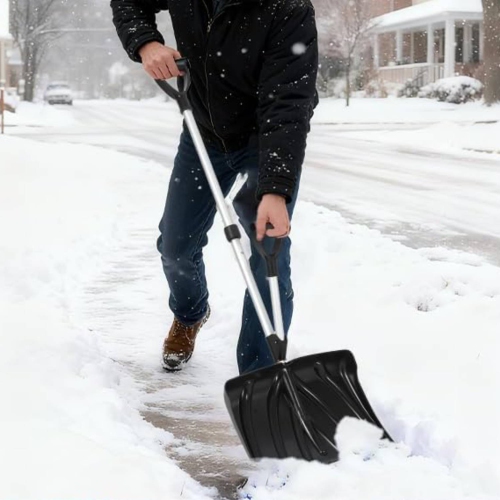
Winter survival tools can be selected for everyday drivers, commuters, hikers, campers, families, property owners, and people who spend long hours outdoors for work or recreation. A commuter may appreciate a compact kit that fits beneath a seat, while someone travelling on rural roads may need a larger shovel, heavier-duty cables, additional insulation, and more visible signalling equipment. Hikers and snowshoers should give particular attention to weight, packability, grip, navigation, and the ability to stay warm if a route takes longer than expected. Boot traction devices can help improve footing on icy sidewalks, stairs, trails, and driveways, but they should be fitted correctly and removed before walking across surfaces where metal points could cause damage or reduce stability. When choosing a snow shovel, look at handle length, blade shape, storage size, and whether it is intended for light clearing or heavier packed snow. For lights, compare brightness, beam coverage, controls, water resistance, and how easily the unit can be operated while wearing gloves. Emergency blankets and shelters should be folded and stored so they can be opened without unnecessary struggle, while gloves and other fabric items should be kept dry. These practical items also make thoughtful gifts for new drivers, university students travelling between home and school, outdoor enthusiasts, cottage owners, and anyone preparing a vehicle for changing road conditions. A useful winter kit is not about collecting the largest number of tools; it is about covering the essentials for warmth, visibility, communication, traction, fire safety, and snow clearing in a format that can be carried and used confidently. Before travelling, tell someone your route when appropriate, charge communication devices, check road conditions, and keep the kit accessible rather than buried beneath luggage.
Top selling and popular products
-
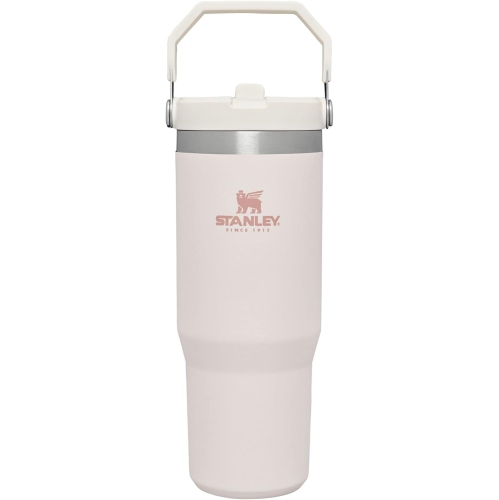 Your price for this item is $49.89
 -
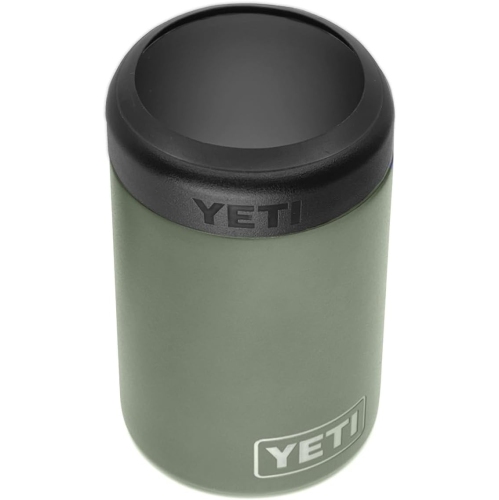 Your price for this item is $64.99
 -
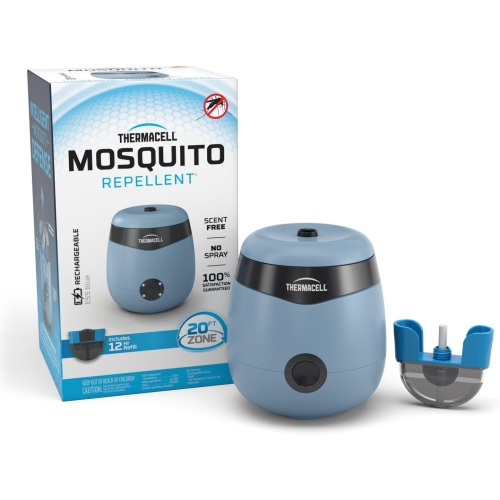 Your price for this item is $109.99
 -
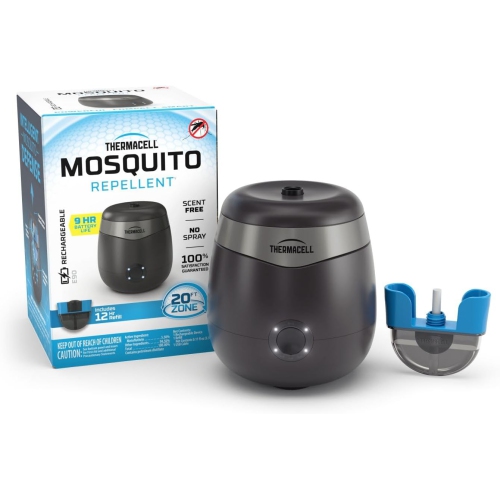 Your price for this item is $87.99
 -
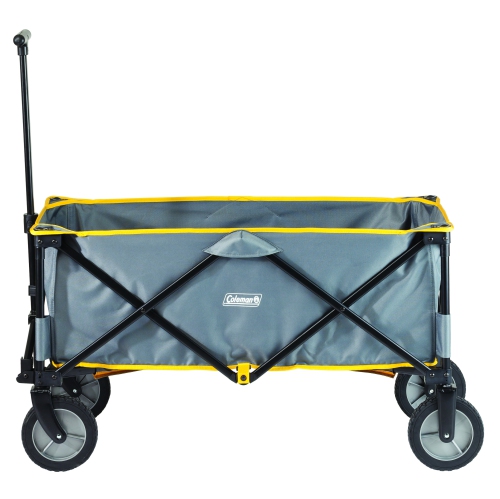 Your price for this item is $199
 -
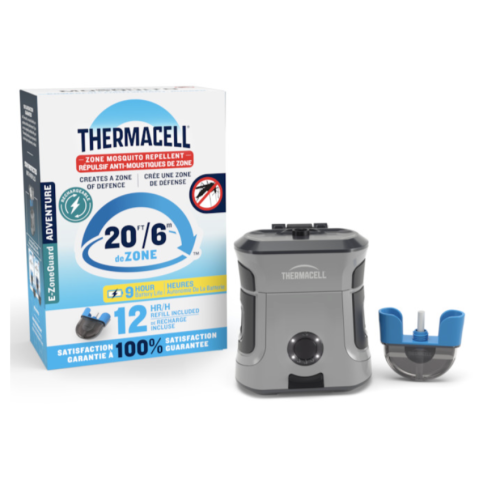 Your price for this item is $64.99
 -
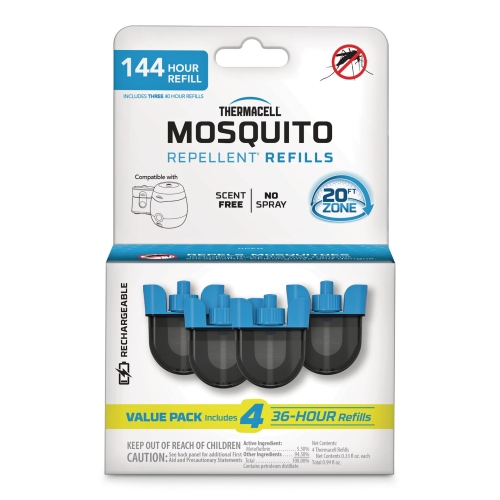 Your price for this item is $69
 -
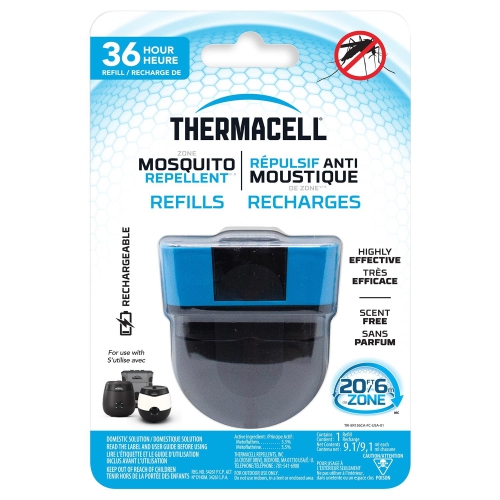 Your price for this item is $34.99