Winter Survival Gear
Prepare for the chilly season with our curated selection of winter survival gear. From cozy heated blankets to durable snow shovels, we have everything you need to stay warm, safe, and prepared for whatever Mother Nature throws your way. Whether you're braving the great outdoors or simply looking to stay snug at home, our collection of essential winter items will help you tackle the cold with confidence. Browse through our assortment of reliable gear designed to make this winter season a breeze.
Sort


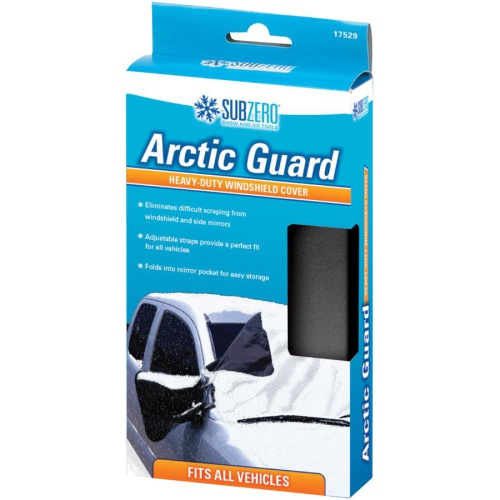
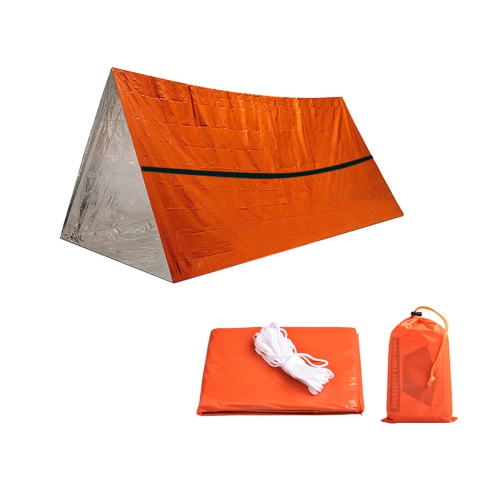
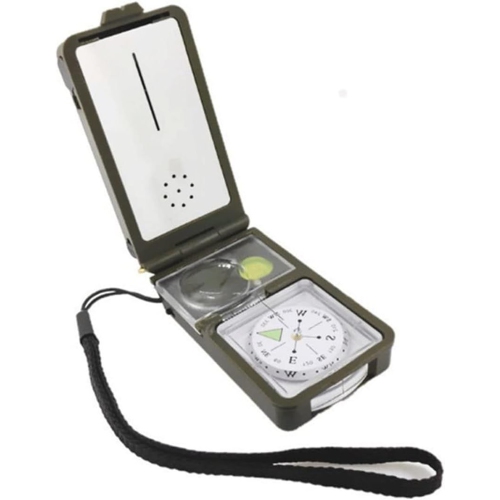
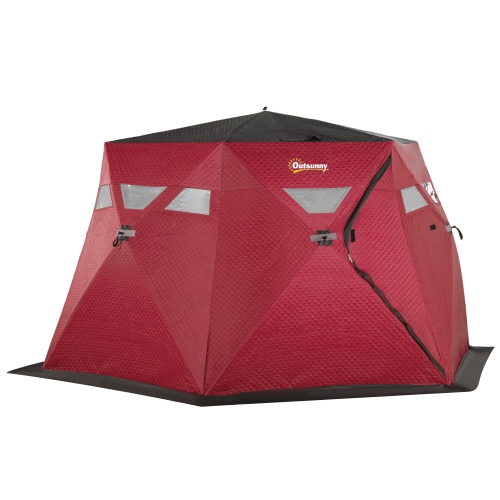
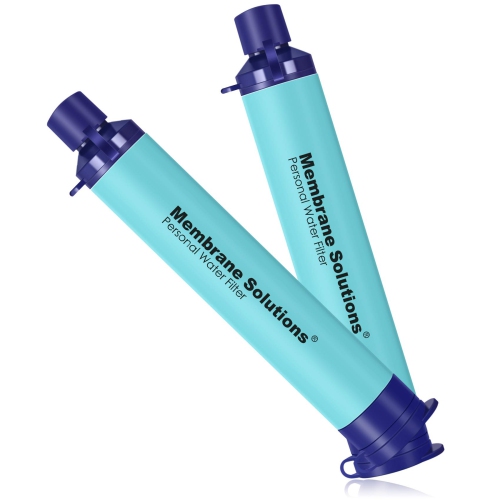
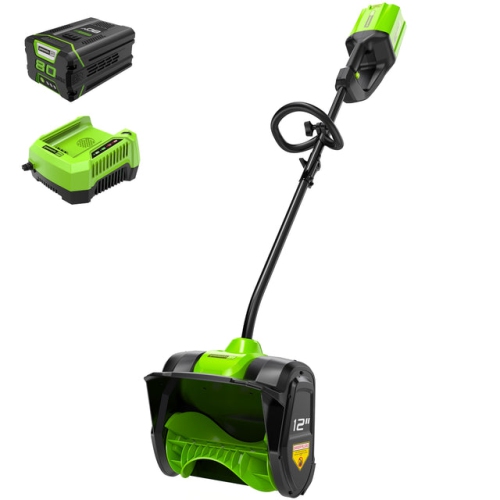
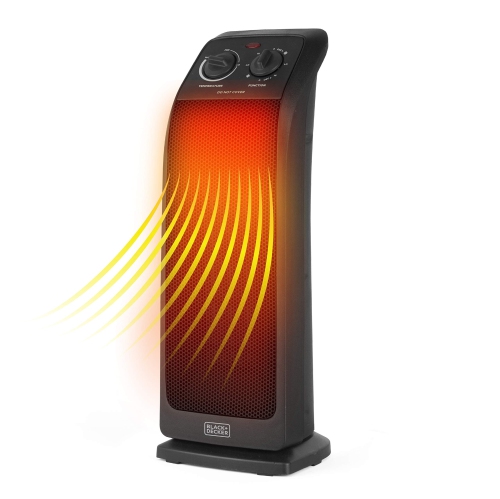
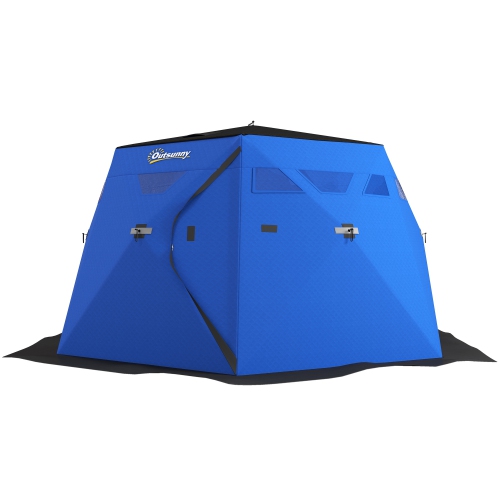
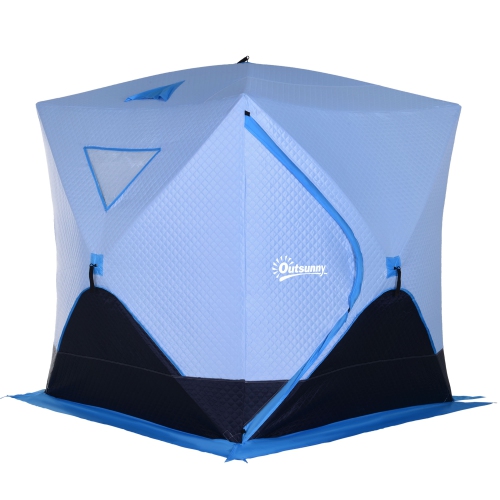

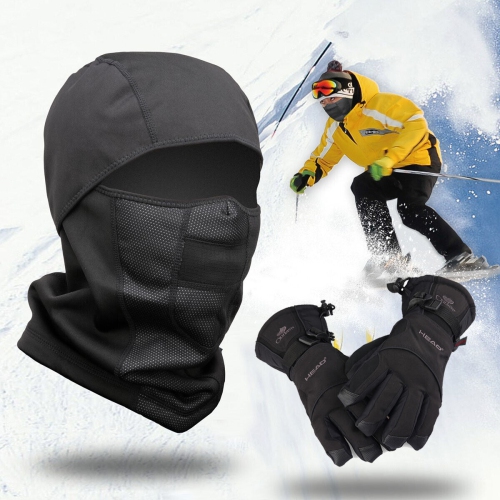
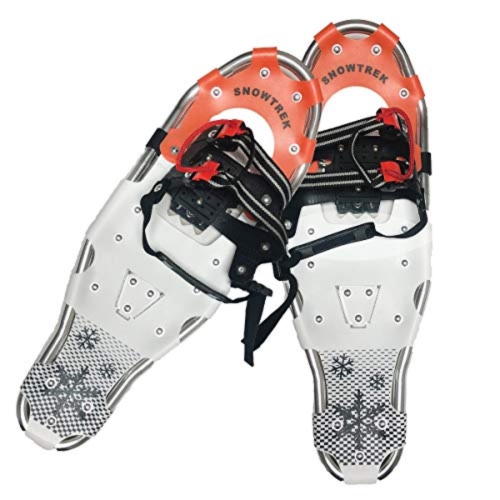
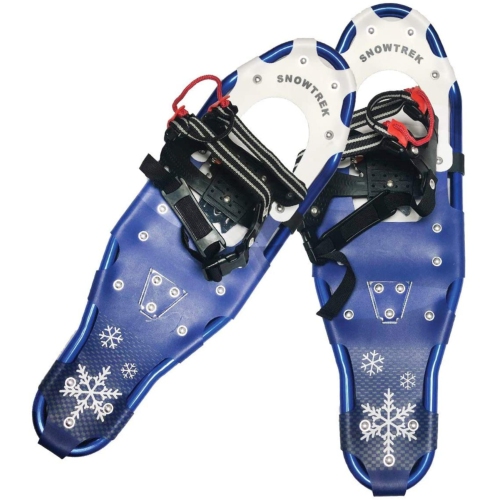
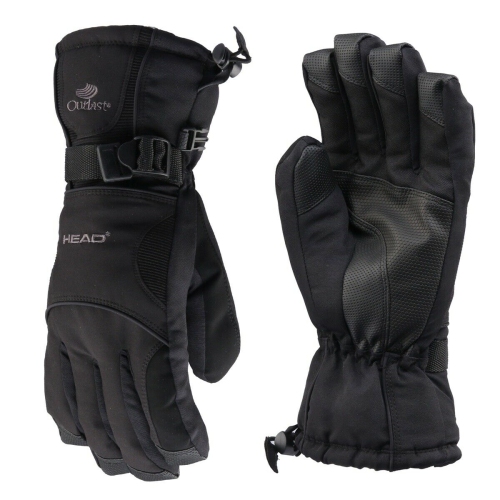
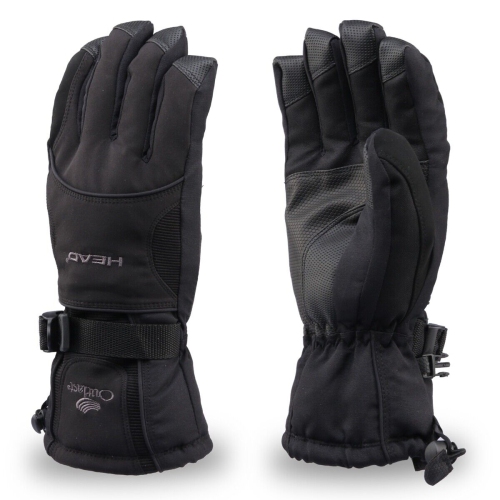
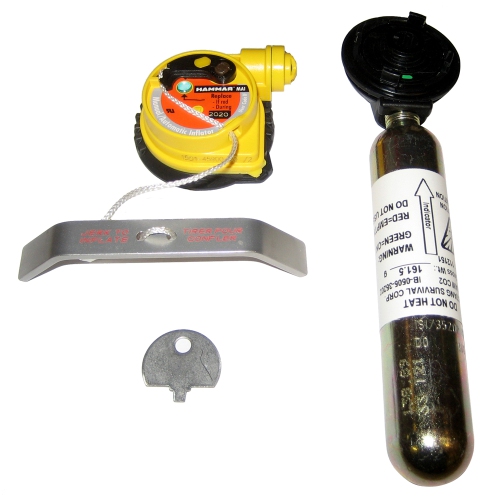
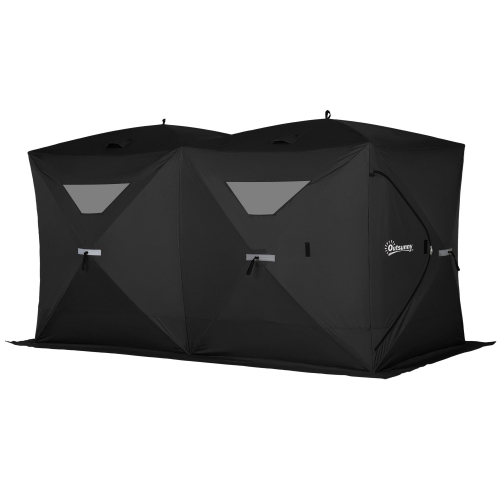
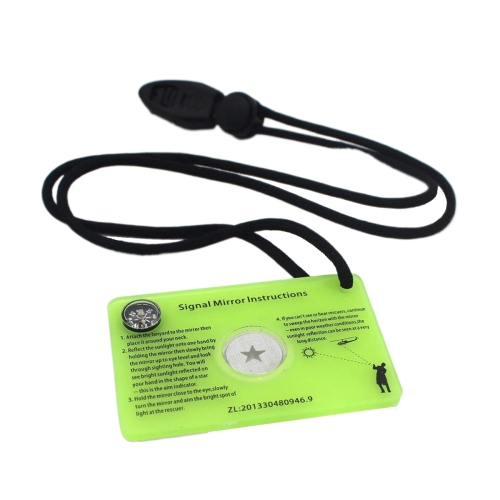
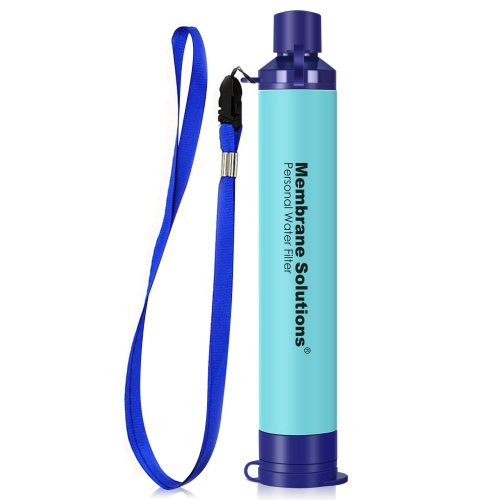
Practical essentials for staying warm, safe, and prepared
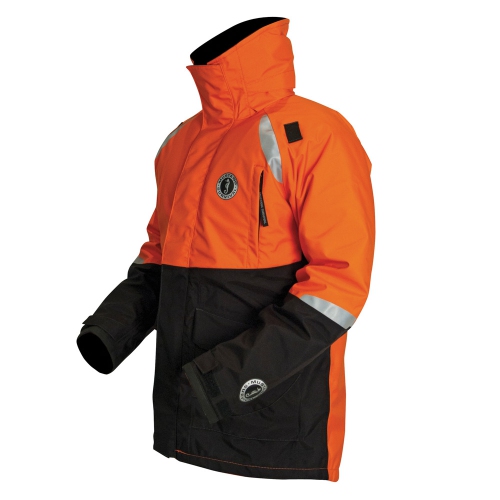
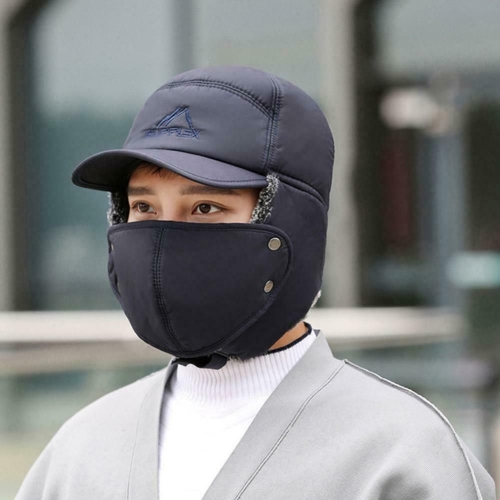
Winter survival gear helps you prepare for the practical challenges of cold weather, whether you are travelling through snowy roads, spending time in the backcountry, working outdoors, or assembling an emergency kit for home. The right equipment can make a difficult situation more manageable by helping you stay warm, dry, hydrated, visible, and mobile. Start with the conditions you are most likely to face, including expected temperatures, wind, snowfall, terrain, trip length, and access to shelter. Clothing is one of the most important parts of any cold-weather setup. Moisture-wicking base layers help move perspiration away from the skin, while fleece or wool mid-layers add insulation without creating unnecessary bulk. A windproof and waterproof outer layer helps protect against blowing snow, freezing rain, and sharp wind that can quickly cut through damp clothing. Warm socks, insulated gloves or mittens, a toque, and a neck gaiter can help protect the areas that lose heat quickly. Pack extra layers rather than relying on a single heavy garment, since conditions can change rapidly and wet clothing loses much of its insulating ability. Avoid cotton for the innermost layers when you will be active outdoors, as it can hold moisture close to the body. Chemical hand and foot warmers can provide useful supplemental heat during long waits, roadside emergencies, outdoor work, or winter activities, but they should complement proper clothing rather than replace it. For anyone walking over packed snow or ice, traction cleats or microspikes can improve footing and add confidence on frozen paths, sloped driveways, and uneven trails. They are especially useful for older adults, commuters, dog walkers, and anyone who needs to move carefully after a storm.
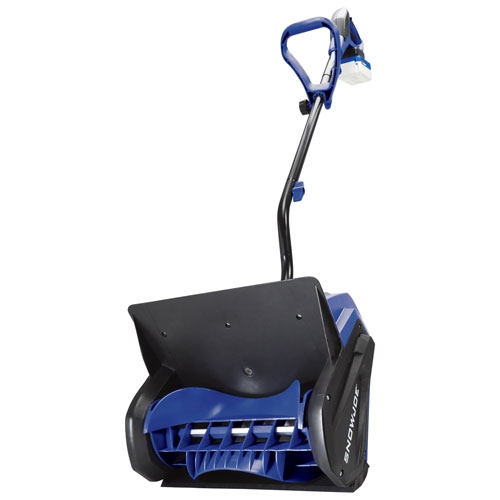
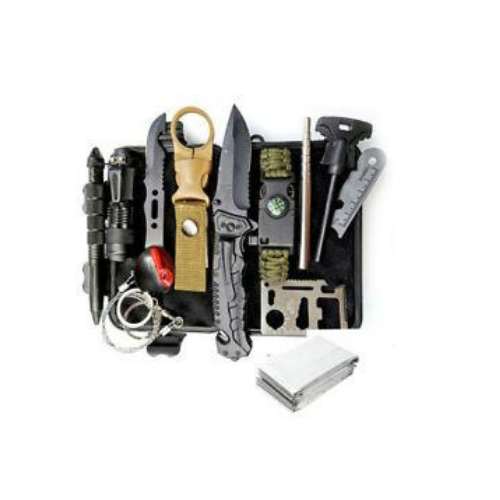
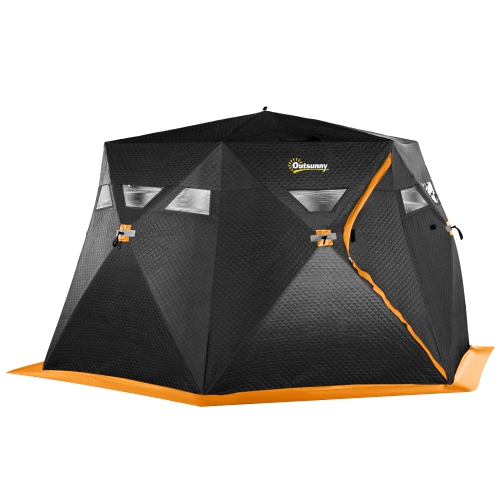
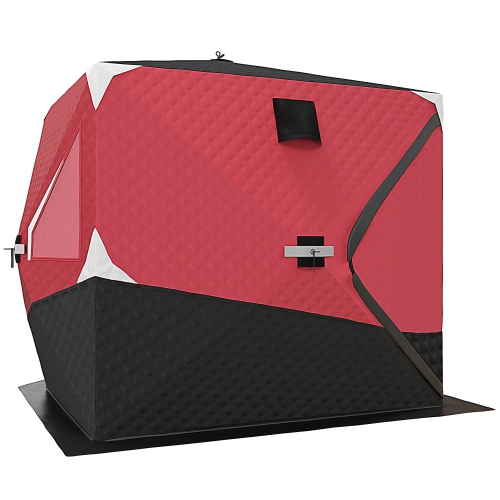
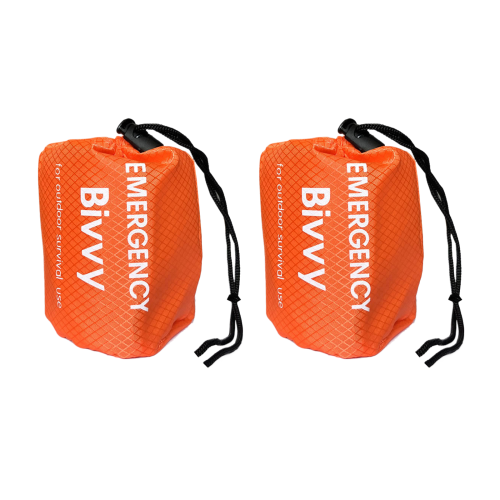
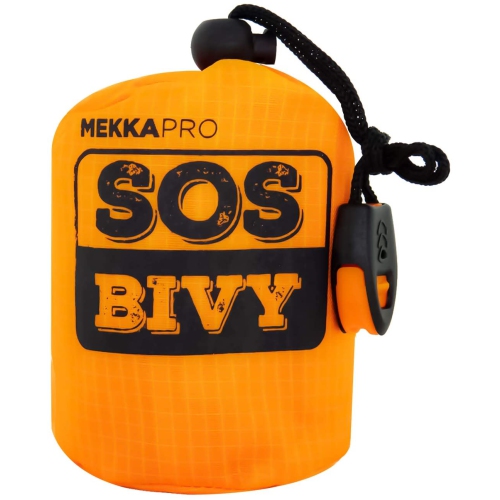
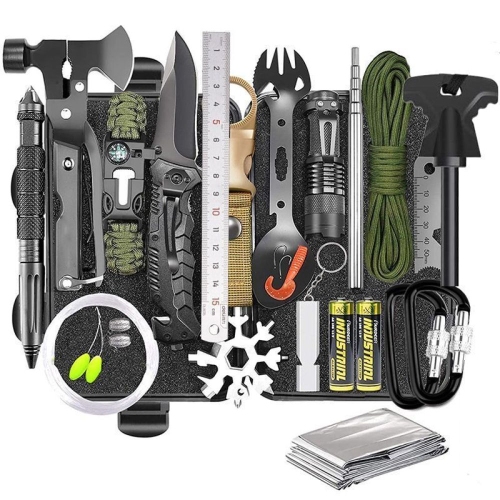
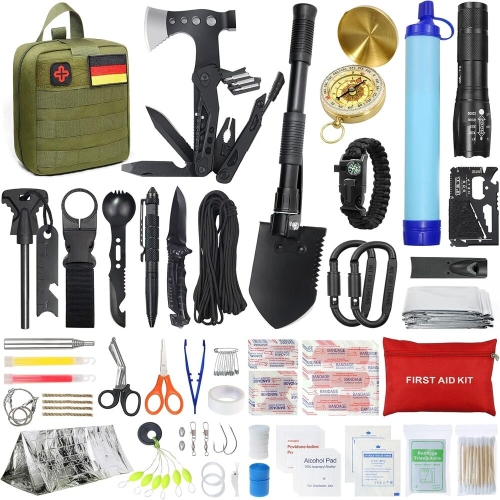
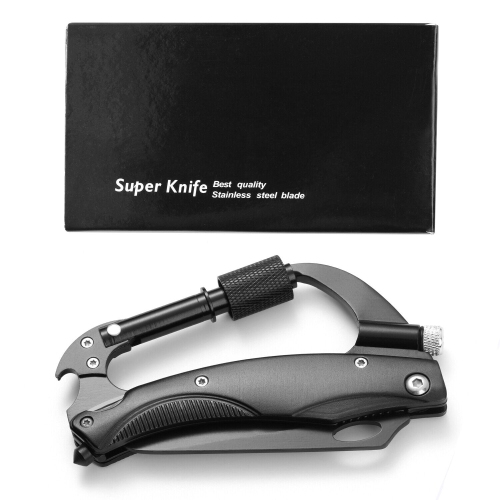
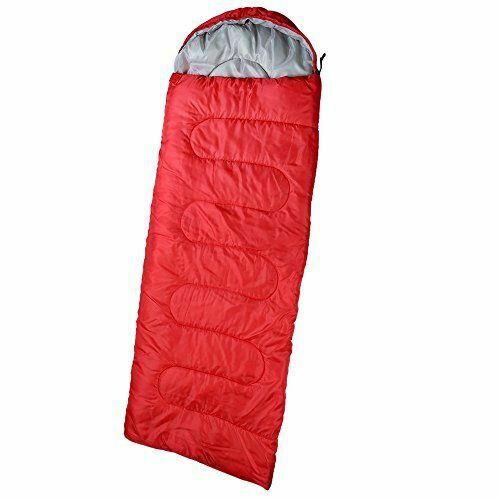
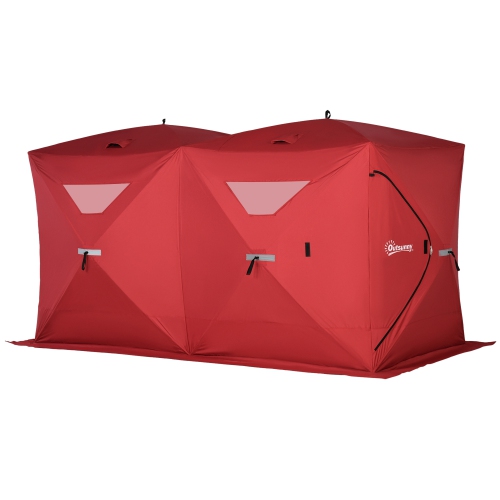
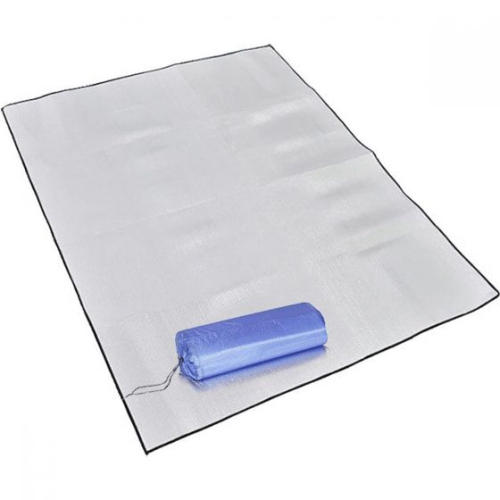
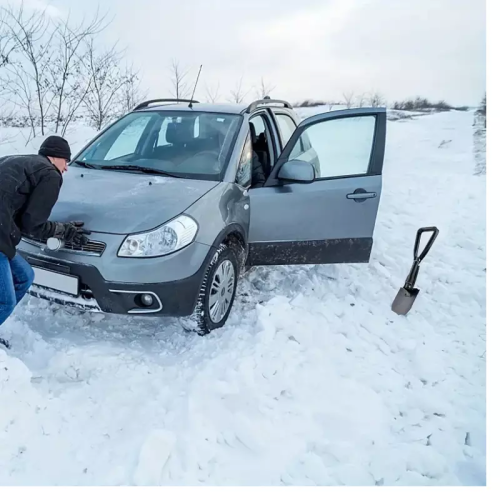
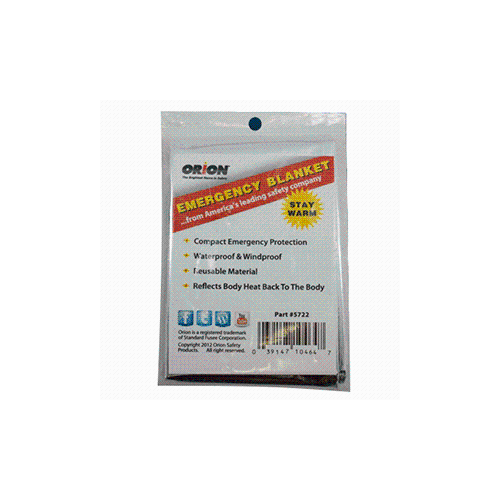
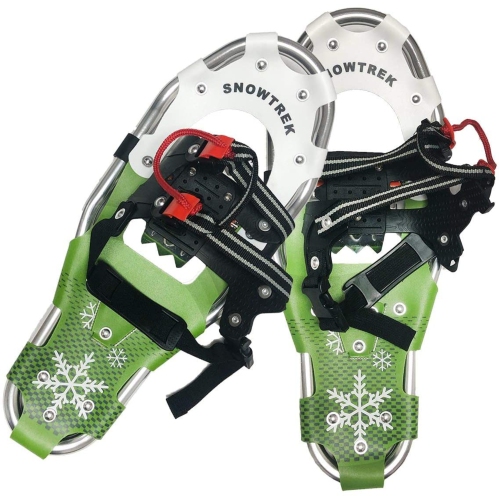
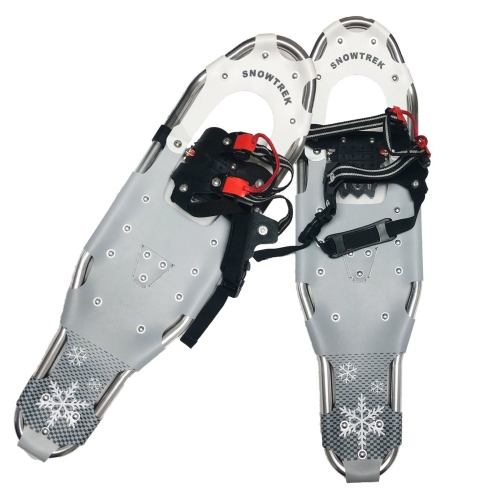
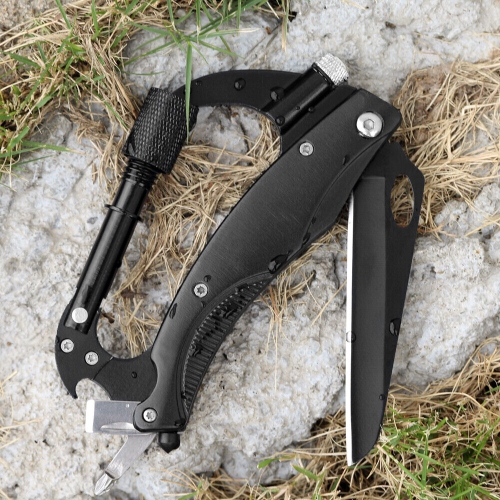
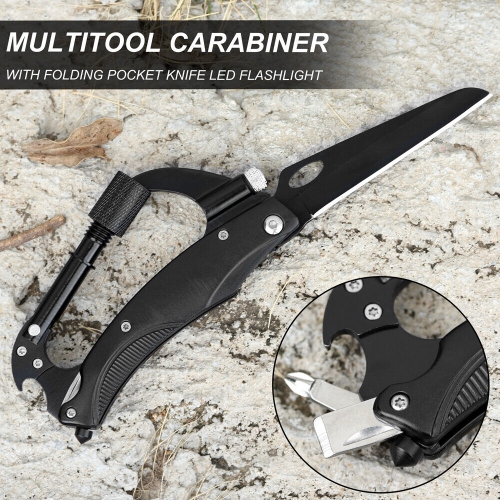
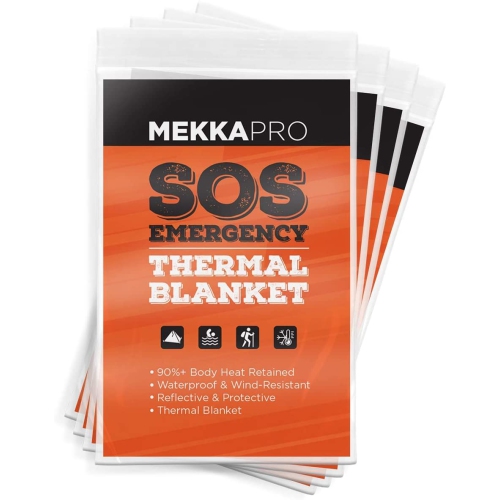
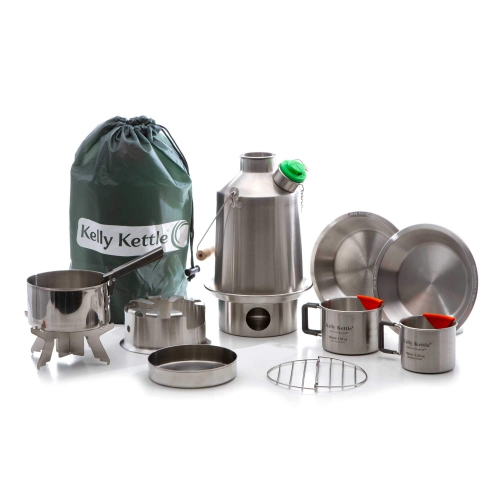
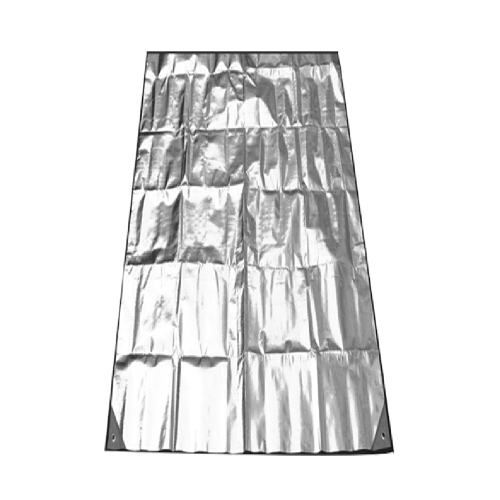
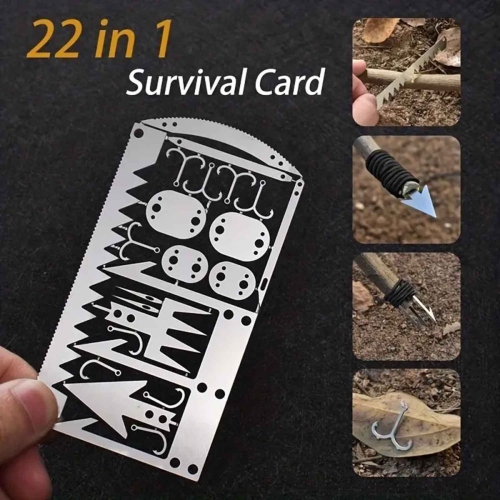
Shelter, fire, water, and food form the foundation of a well-rounded winter survival kit. A heat-reflective emergency bivvy or lightweight tarp can help block wind and snow if you are delayed away from a building, while an insulated sleeping pad provides an important barrier between your body and frozen ground. Even a short rest on cold surfaces can draw away heat, so insulation underneath you matters almost as much as insulation over you. If your plans include overnight travel, choose a sleeping bag rated for the lowest temperatures you reasonably expect in your region, and keep it dry in a protective bag. Fire-starting supplies should include more than one method, such as waterproof matches, a striker, and dry tinder or fire plugs stored in a sealed container. Practise using them before heading out, particularly when wearing bulky gloves or working in wind. A compact snow shovel can clear a vehicle, open a tent area, dig around buried equipment, or help create a windbreak, and a sturdy multi-tool or folding saw can assist with basic camp tasks. Water management deserves equal attention. Snow must be melted and treated safely before drinking, and a wide-mouth metal container is useful for heating water when appropriate. Never assume that clean-looking snow is automatically safe to consume, and avoid placing a sealed container directly over a heat source unless it is designed for that use. Pack high-calorie, non-perishable snacks that can be eaten with little or no preparation; foods with a balance of carbohydrates, fats, and protein can provide energy when the cold makes every task feel more demanding. In a vehicle kit, add a blanket, extra clothing, a flashlight or headlamp, spare batteries, reflective signalling equipment, and supplies that can help you remain visible while waiting for assistance.
Winter survival gear can serve many different people and purposes, so the best assortment is the one that matches how it will be carried and used. A backcountry traveller may prioritize a bivvy, sleeping pad, fire starter, shovel, water container, and compact cooking or shelter supplies, while a family preparing for winter driving may focus on traction, warm blankets, snacks, lighting, a shovel, and an extra set of gloves and hats for every passenger. Home emergency kits can benefit from layered clothing, lighting, batteries, water storage, shelf-stable food, and supplies for staying warm during a power interruption. Outdoor workers, anglers, photographers, campers, and winter sports enthusiasts may appreciate lightweight gear that fits neatly into a pack without limiting movement. These items can also make thoughtful gifts for someone who has recently moved to a colder region, bought a new vehicle, started exploring local trails, or enjoys spending time outdoors during the cooler months. A compact set of warm accessories may suit a daily commuter, while more technical shelter, traction, and water-management equipment may be better for someone who regularly travels beyond maintained roads. For additional cold-weather trip planning and outdoor equipment, explore Winter Camping Gear. Before each outing, inspect batteries, fuel, fasteners, straps, and waterproof storage, and replace anything damaged or past its useful life. Keep essential items accessible rather than buried beneath clothing or equipment, and let someone reliable know your route, expected return time, and contingency plan. A thoughtfully packed winter survival kit does not need to be complicated; it needs to be dependable, suited to the conditions, and familiar enough that you can use it calmly when cold, darkness, snow, or an unexpected delay changes your plans.
Shelter, fire, water, and food form the foundation of a well-rounded winter survival kit. A heat-reflective emergency bivvy or lightweight tarp can help block wind and snow if you are delayed away from a building, while an insulated sleeping pad provides an important barrier between your body and frozen ground. Even a short rest on cold surfaces can draw away heat, so insulation underneath you matters almost as much as insulation over you. If your plans include overnight travel, choose a sleeping bag rated for the lowest temperatures you reasonably expect in your region, and keep it dry in a protective bag. Fire-starting supplies should include more than one method, such as waterproof matches, a striker, and dry tinder or fire plugs stored in a sealed container. Practise using them before heading out, particularly when wearing bulky gloves or working in wind. A compact snow shovel can clear a vehicle, open a tent area, dig around buried equipment, or help create a windbreak, and a sturdy multi-tool or folding saw can assist with basic camp tasks. Water management deserves equal attention. Snow must be melted and treated safely before drinking, and a wide-mouth metal container is useful for heating water when appropriate. Never assume that clean-looking snow is automatically safe to consume, and avoid placing a sealed container directly over a heat source unless it is designed for that use. Pack high-calorie, non-perishable snacks that can be eaten with little or no preparation; foods with a balance of carbohydrates, fats, and protein can provide energy when the cold makes every task feel more demanding. In a vehicle kit, add a blanket, extra clothing, a flashlight or headlamp, spare batteries, reflective signalling equipment, and supplies that can help you remain visible while waiting for assistance.
Winter survival gear can serve many different people and purposes, so the best assortment is the one that matches how it will be carried and used. A backcountry traveller may prioritize a bivvy, sleeping pad, fire starter, shovel, water container, and compact cooking or shelter supplies, while a family preparing for winter driving may focus on traction, warm blankets, snacks, lighting, a shovel, and an extra set of gloves and hats for every passenger. Home emergency kits can benefit from layered clothing, lighting, batteries, water storage, shelf-stable food, and supplies for staying warm during a power interruption. Outdoor workers, anglers, photographers, campers, and winter sports enthusiasts may appreciate lightweight gear that fits neatly into a pack without limiting movement. These items can also make thoughtful gifts for someone who has recently moved to a colder region, bought a new vehicle, started exploring local trails, or enjoys spending time outdoors during the cooler months. A compact set of warm accessories may suit a daily commuter, while more technical shelter, traction, and water-management equipment may be better for someone who regularly travels beyond maintained roads. For additional cold-weather trip planning and outdoor equipment, explore Winter Camping Gear. Before each outing, inspect batteries, fuel, fasteners, straps, and waterproof storage, and replace anything damaged or past its useful life. Keep essential items accessible rather than buried beneath clothing or equipment, and let someone reliable know your route, expected return time, and contingency plan. A thoughtfully packed winter survival kit does not need to be complicated; it needs to be dependable, suited to the conditions, and familiar enough that you can use it calmly when cold, darkness, snow, or an unexpected delay changes your plans.
Top selling and popular products
-
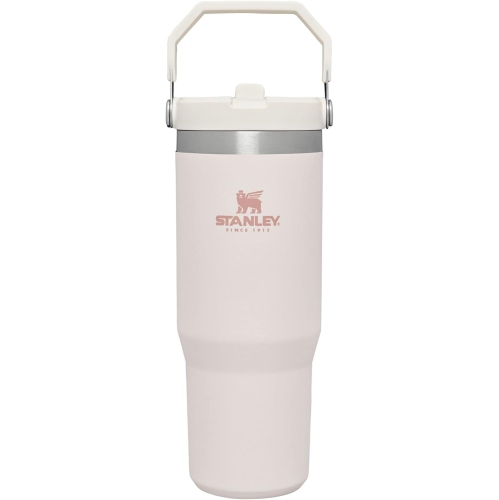 Your price for this item is $49.89
 -
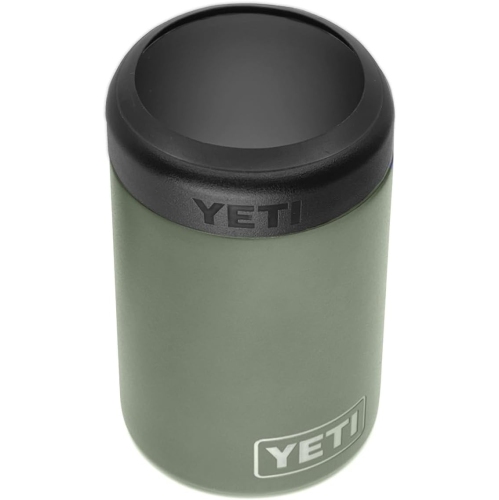 Your price for this item is $64.99
 -
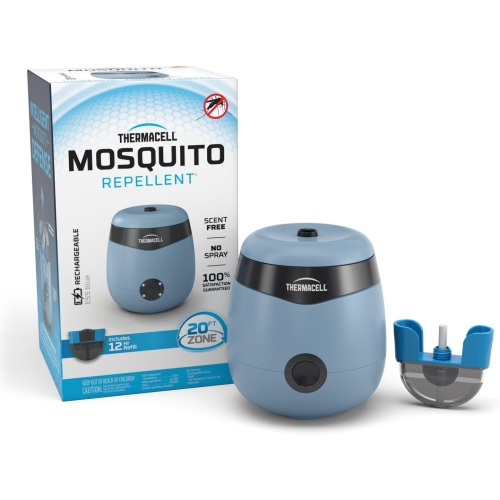 Your price for this item is $109.99
 -
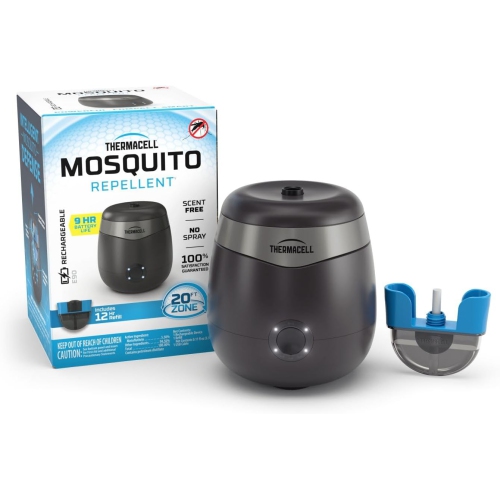 Your price for this item is $87.99
 -
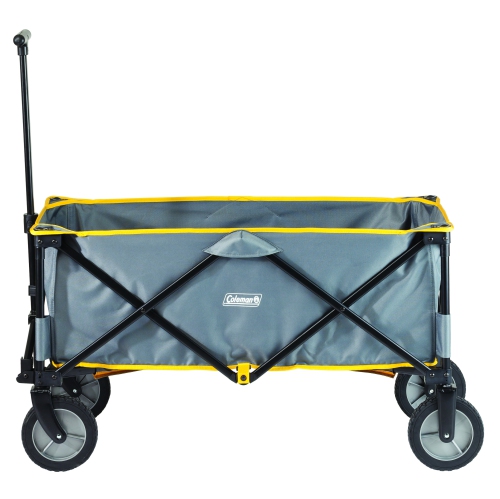 Your price for this item is $199
 -
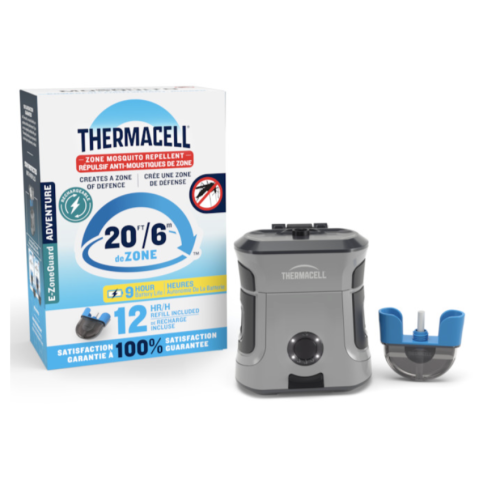 Your price for this item is $64.99
 -
 Your price for this item is $69
 -
 Your price for this item is $34.99
Discover more categories related to Winter Survival Gear

Top Collections:
Pokemon Centers, Kindle Devices, Best Budget Office Chairs, Apple iPhones 16, Best Laptops for Writers, iPhone 15 Apple, Canon G7X Cameras, Refurbished Apple Laptops, Alarm Clock, Motorola Razr Phones
Some products may be subject to Environmental Handling Fees
(EHF) depending on your province.
Learn more about EHFs.