Wired Controllers for Switch
Wired controllers for switches are an ideal choice for gamers who want to enjoy their favorite video games with the highest level of accuracy and responsiveness. These controllers offer the same level of precision and control as wireless controllers, but without the need for batteries or recharging. Here are some great options available.
Sort
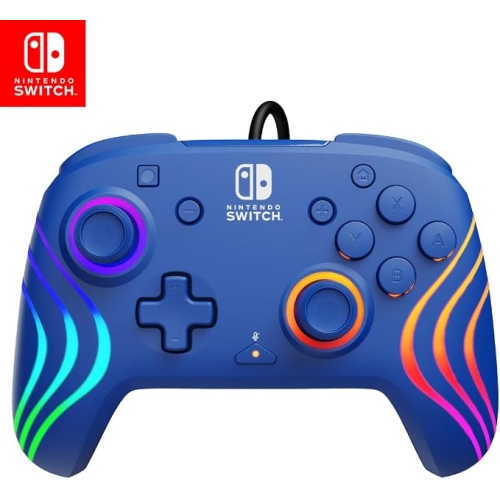
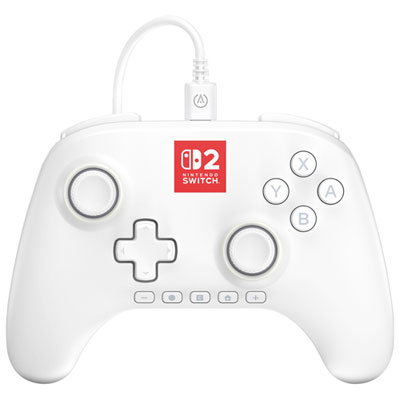
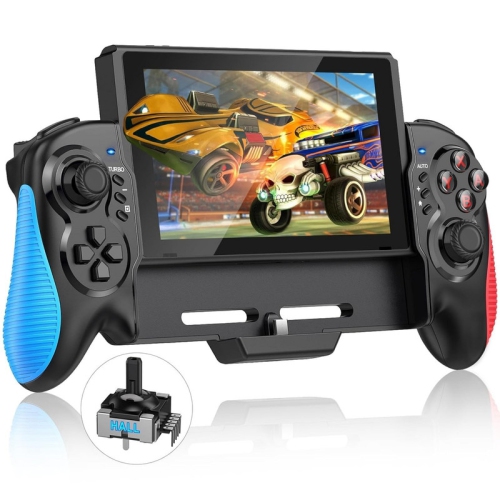

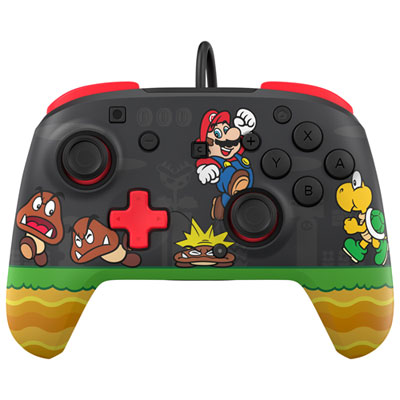

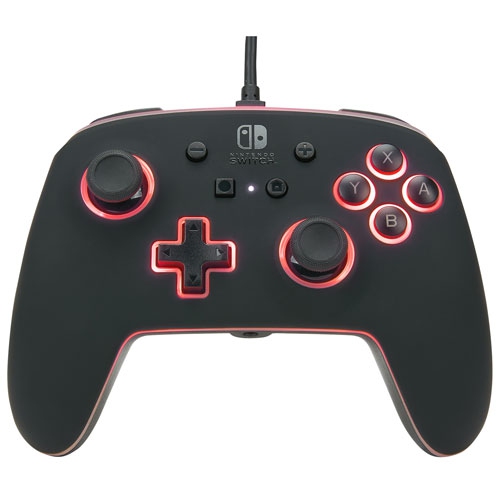
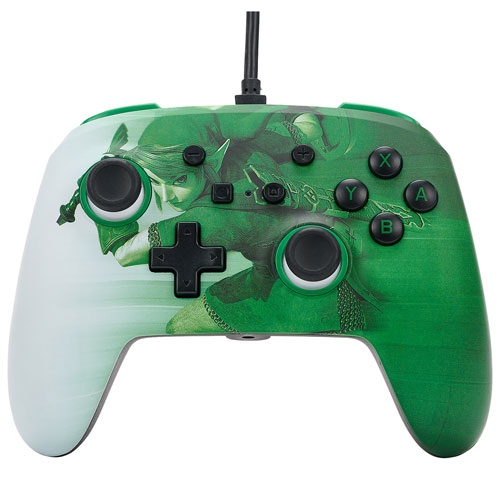
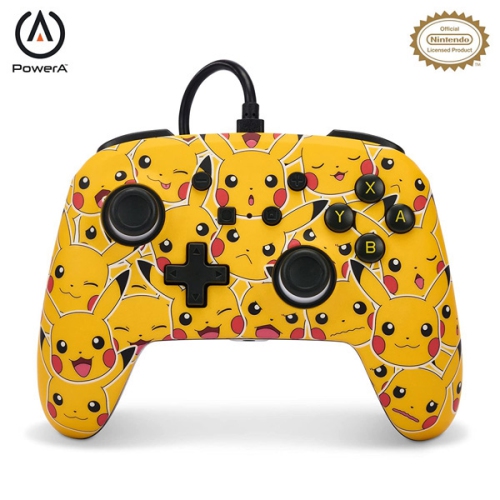


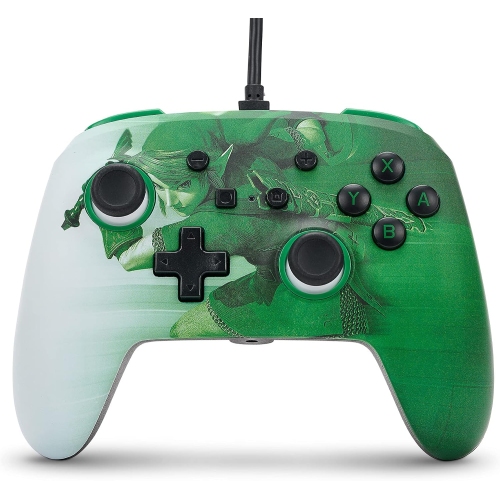
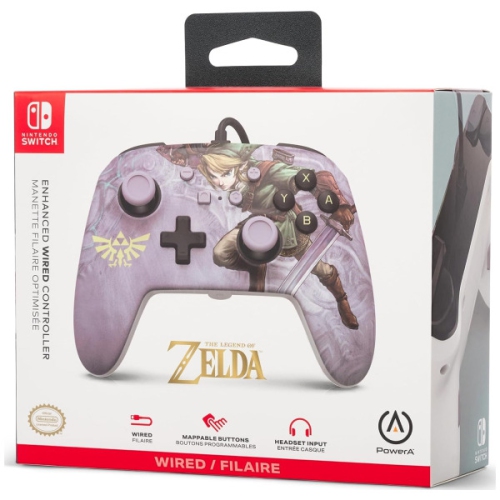
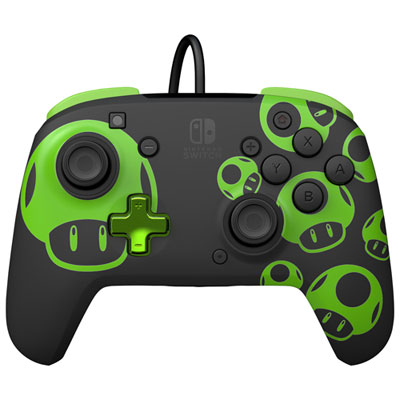
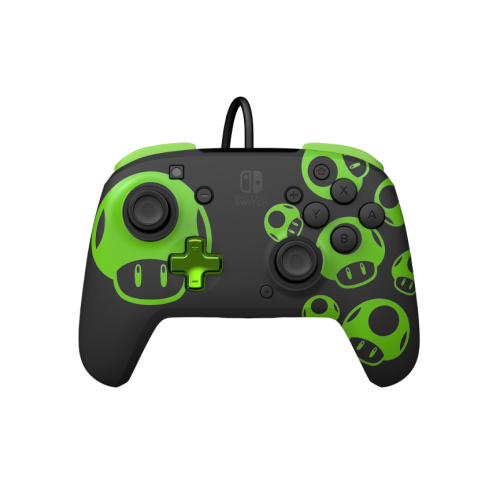

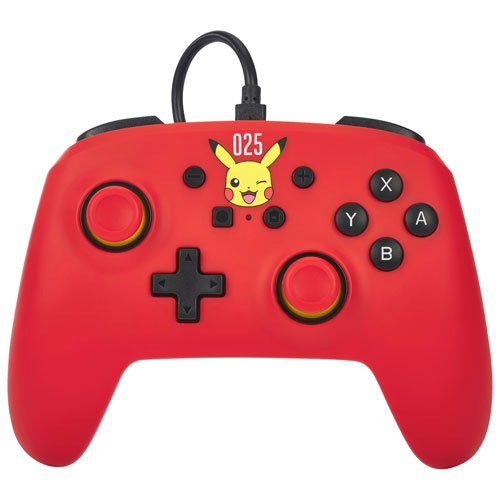

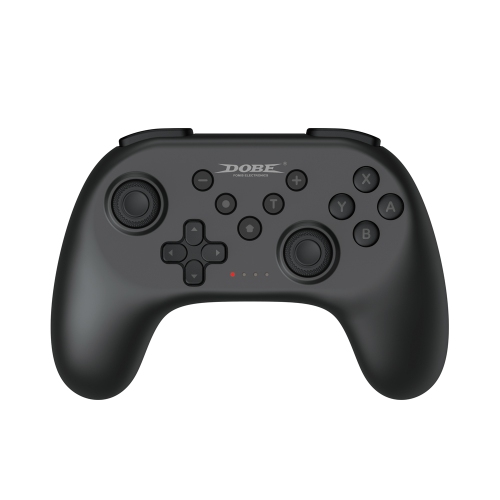
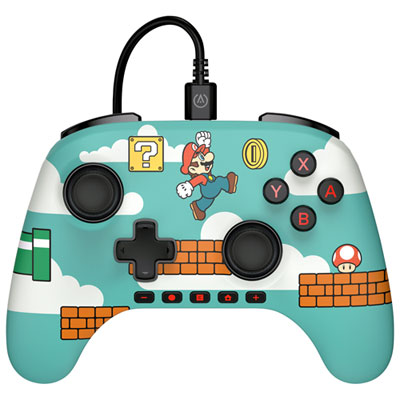
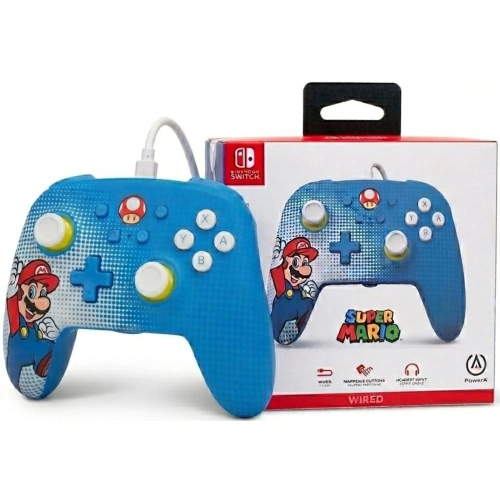
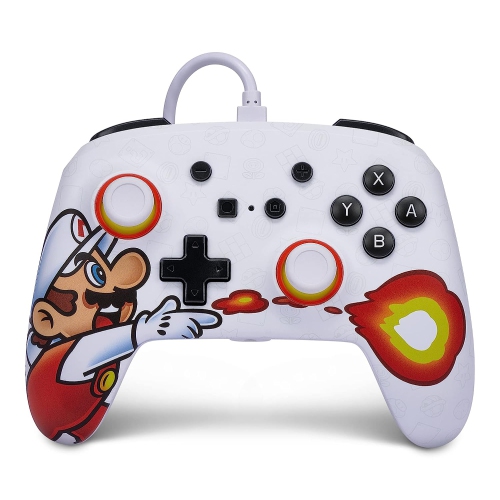


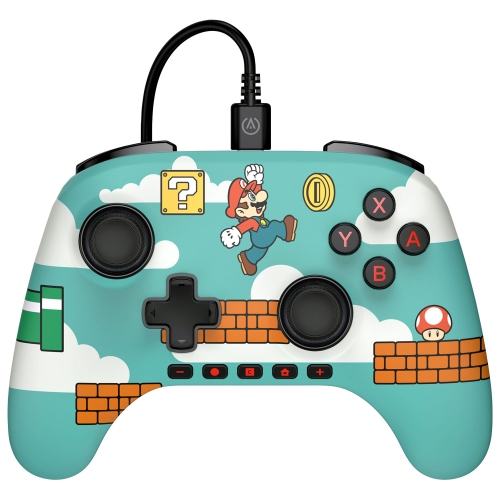
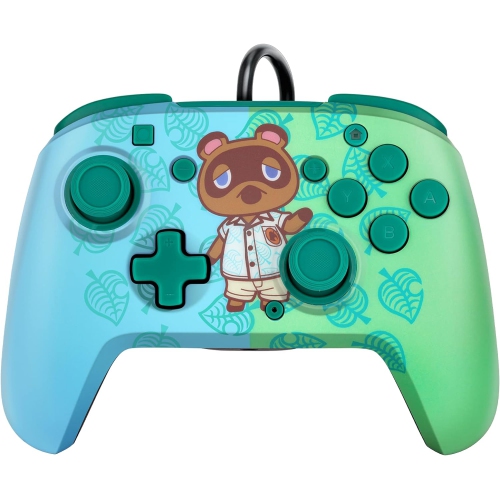

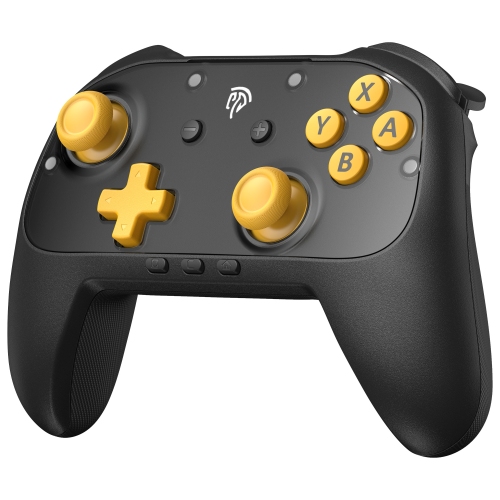
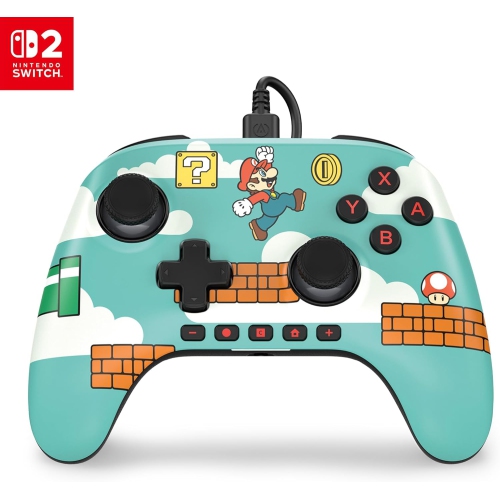
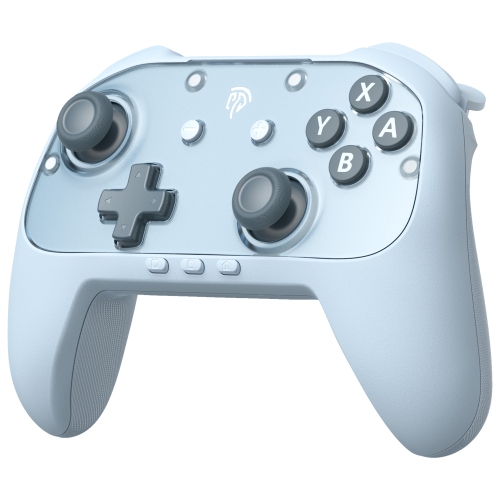

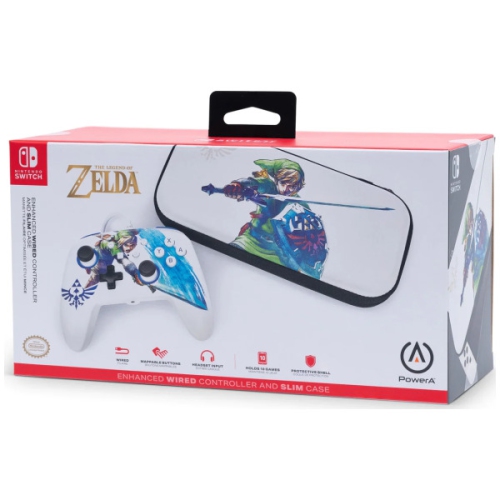

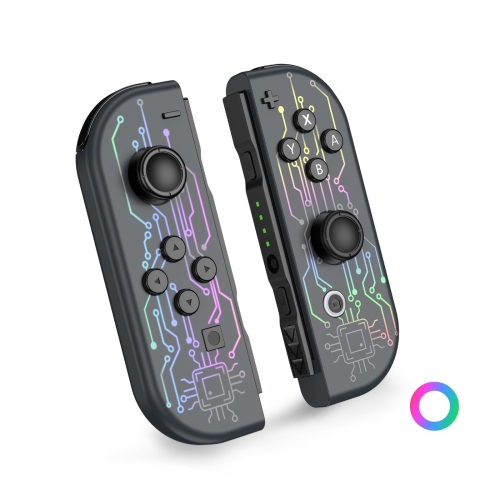
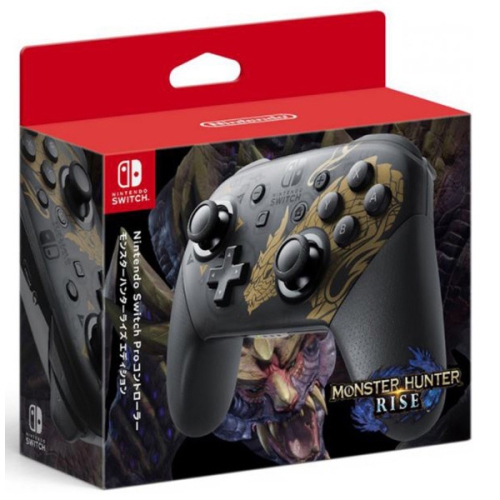
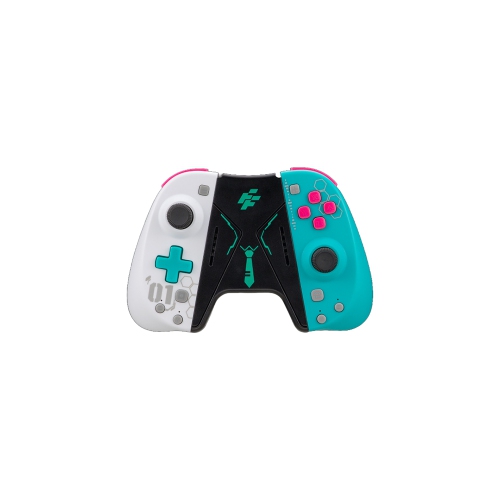
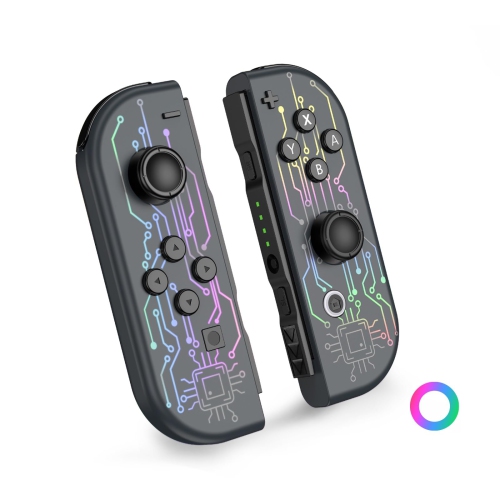
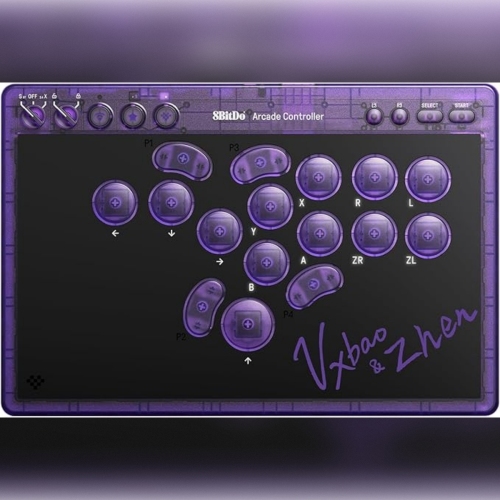
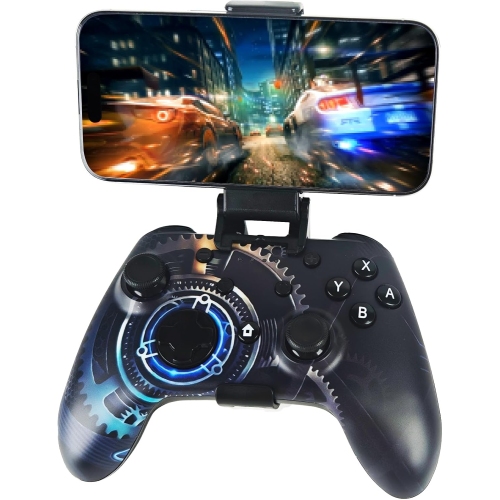
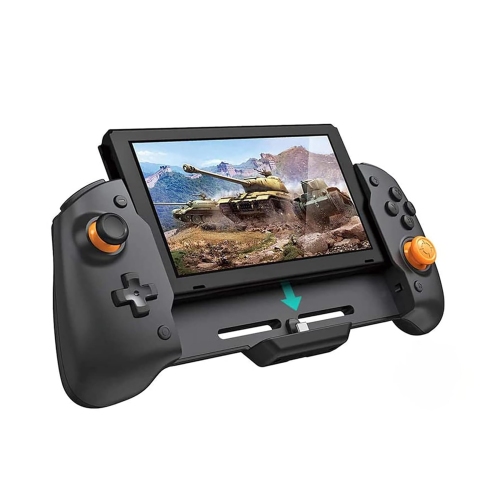
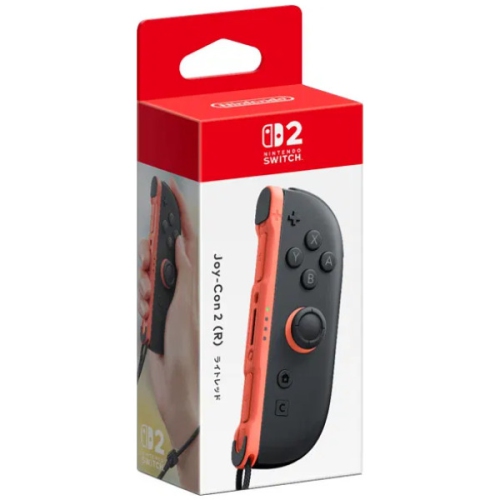
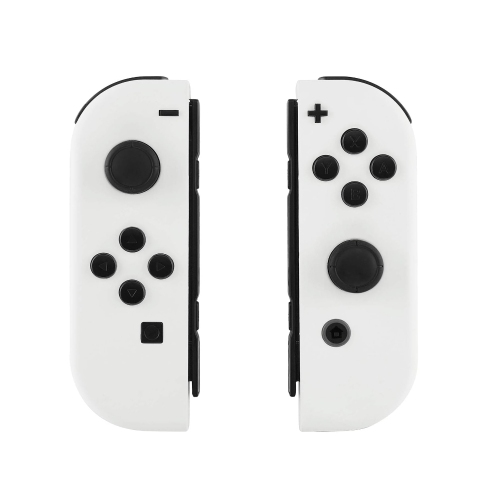
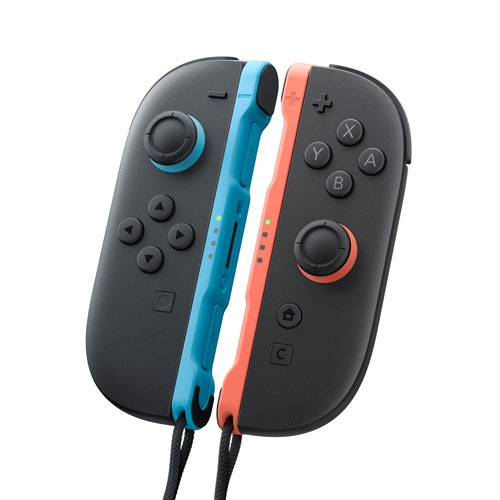
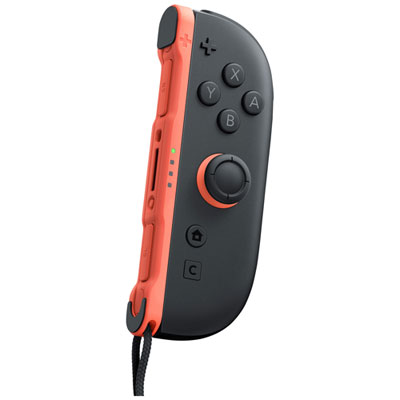
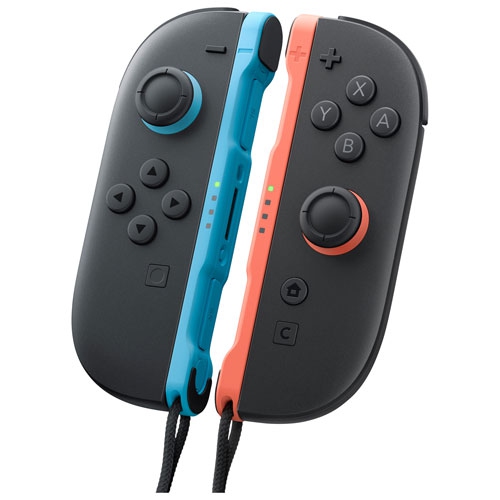
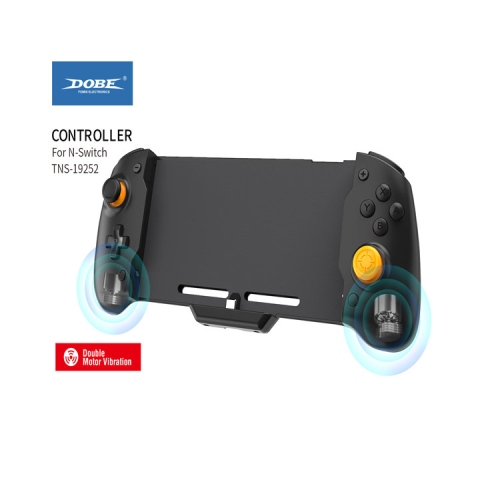


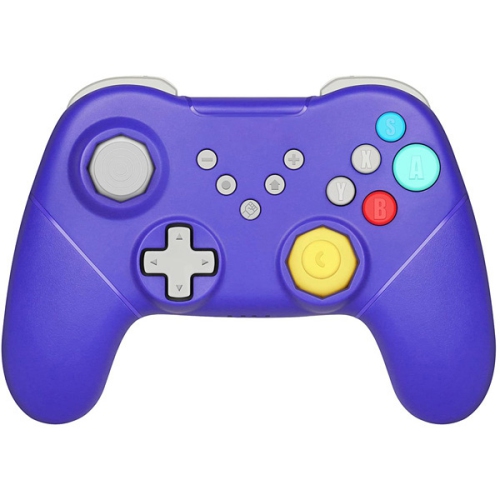
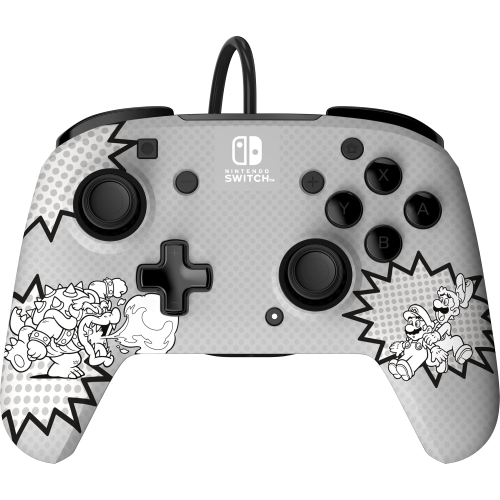
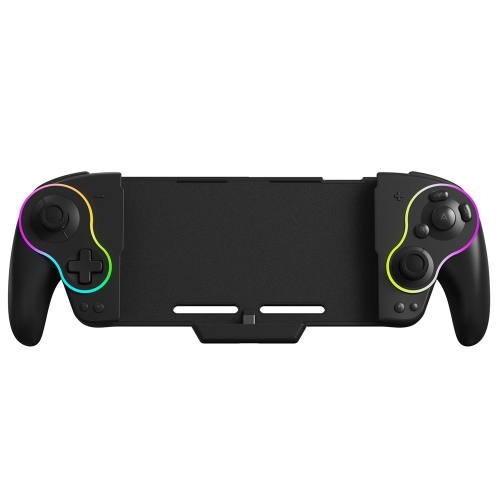
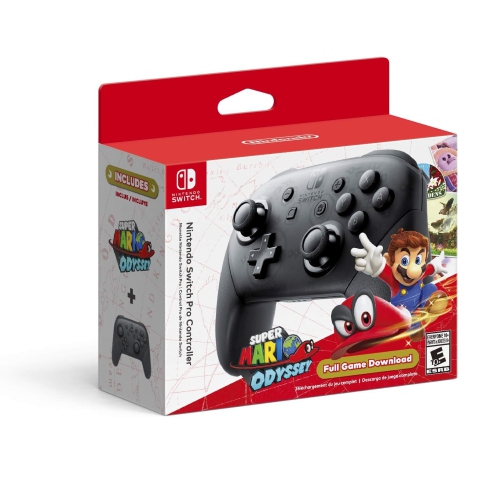
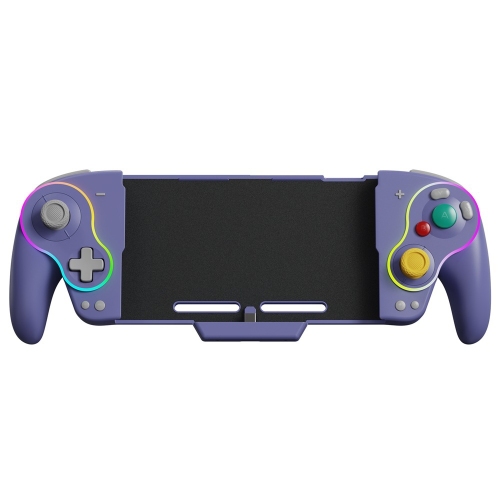
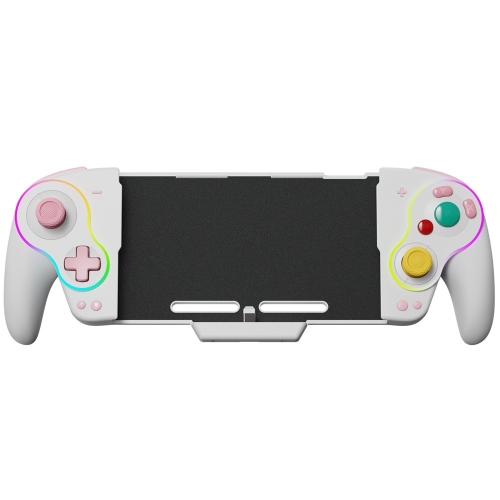
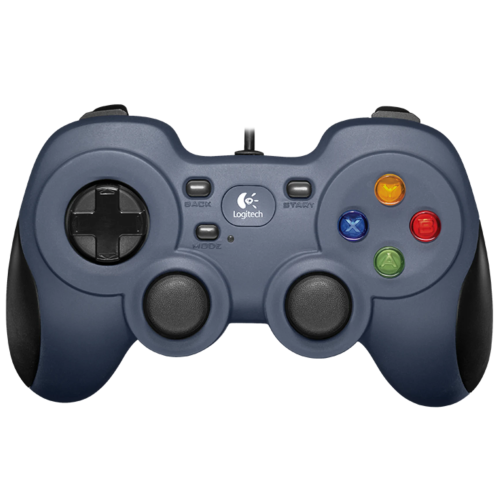
Docked play without another controller battery to recharge
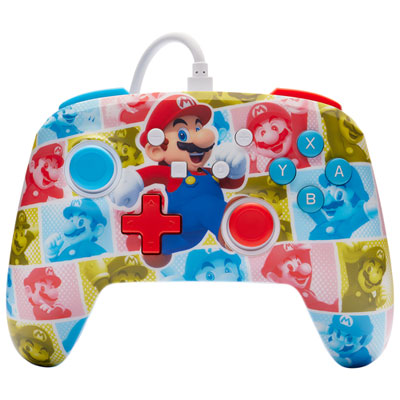
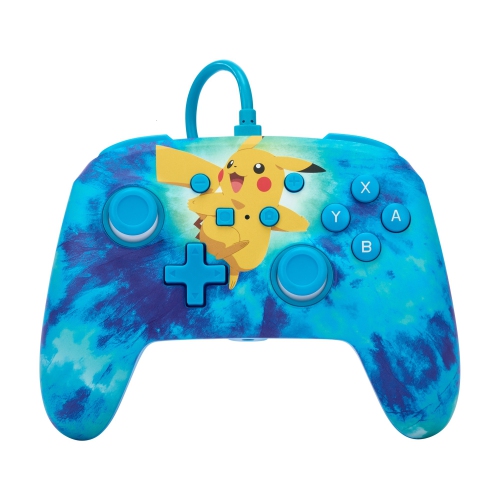
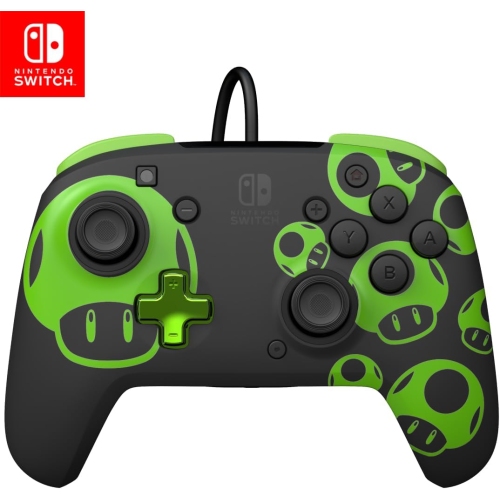
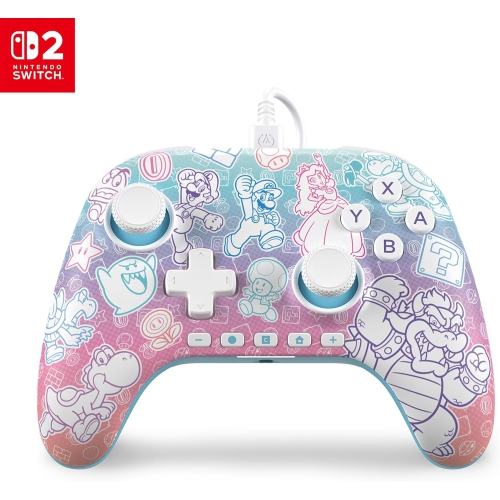
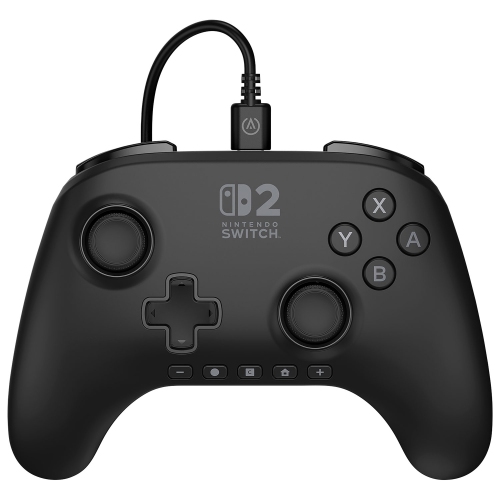
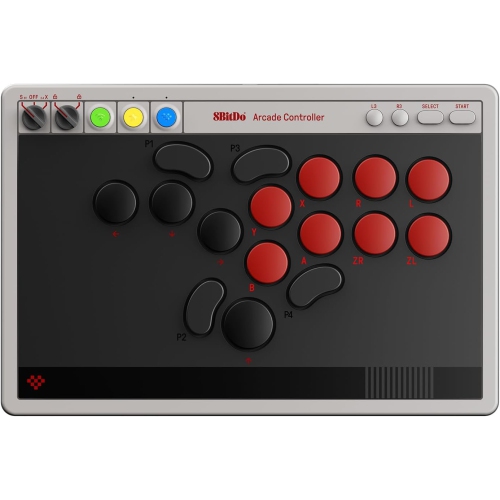
Wired controllers for Switch connect to the console through a USB cable, providing a physical connection for button inputs and power. Dedicated wired designs draw power through that connection, so there is no controller battery to recharge between sessions. They are a practical choice for players who usually sit in the same spot, share a television, or want an extra controller for local multiplayer without managing another wireless connection. Many are designed primarily for docked TV play and plug into a USB port on a compatible Switch dock. Handheld use requires closer attention to compatibility: a suitable adapter may be needed, and not every controller supports every console configuration. A USB-C connector alone does not confirm that a controller will work with a particular setup. The cable also removes dependence on a wireless controller connection, although overall response time still depends on the controller, game, and display. For platformers, racing games, puzzle games, and competitive matches, predictable button response can matter more than a long list of extras. Cable length is equally important in everyday use. A desk setup may need only a short reach, while a television across the room calls for enough length to reach the seat without pulling against the dock. The useful distance is the route the cable actually takes around furniture, not simply the straight line between the screen and the sofa. Local multiplayer adds another consideration, since each wired controller needs a supported connection and enough space for its cable. Console limits, dock ports, and accessory compatibility all affect how that arrangement works. A detachable cable can make storage and replacement easier, provided the replacement supports data as well as power and fits the controller’s connector. An attached cable keeps the connection point simple but needs sufficient room in a drawer or carrying case. Both designs suit regular play when the cable route stays clear of walking paths and leaves some slack at each end.
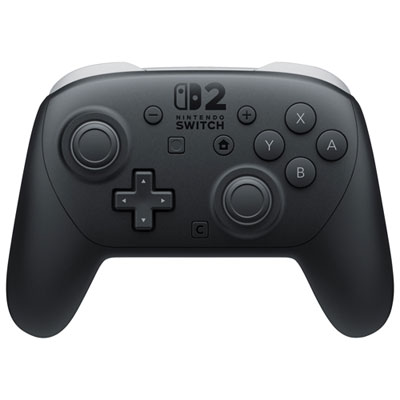
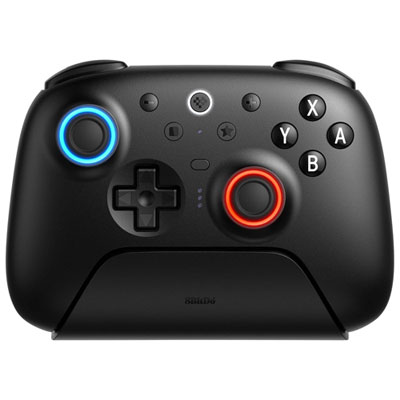
The shape and layout of a wired Switch controller influence how it feels throughout a match or a longer adventure. Moulded plastic housings are common, with smooth surfaces, textured grips, or a combination of finishes that change how securely the controller rests in the hands. Rounded handles can support the palms, while the spacing of the sticks, directional pad, and shoulder buttons affects how far the thumbs and fingers need to stretch. Smaller hands may find a compact shape easier to manage; larger hands may benefit from fuller grips and more room around the controls. Weight is a preference rather than a simple measure of quality. A lighter controller can be comfortable to hold for extended play, while a heavier design may feel more substantial. Button feel matters just as much. Distinct directional inputs can help with precise movement in side-scrolling games, and responsive shoulder buttons are useful when actions need to happen without lifting a thumb from a stick. Stick height, surface texture, and resistance also affect control, particularly when making small camera adjustments or steering through a tight corner. Some designs include extra rear buttons that can duplicate selected inputs, allowing certain actions to stay within reach while both thumbs remain on the sticks. Mapping options vary, and extra buttons do not necessarily support custom sequences or every function in a game. Headset connections are another model-dependent feature. A built-in audio socket may support game sound, but microphone and chat functions depend on the controller, headset, game, and console setup. Vibration, motion controls, and NFC scanning are not standard across wired controllers, so those functions deserve attention when they are important to the games being played. A controller can handle conventional button-based play well without supporting every feature used by a particular title. Colour, lighting, and decorative finishes add personality, but the most useful combination is one that pairs a comfortable grip with the controls and functions the player actually uses.
Durability comes from the whole design, including the housing, buttons, sticks, cable, and the points where the cable enters the controller or connector. Reinforced cable entries and a secure plug fit are useful details for a controller that moves between a desk, television stand, and storage drawer. A braided covering may resist some surface wear, but it does not make a cable immune to sharp bends, crushing, or repeated pulling. Leaving a loose coil for storage puts less strain on the cable than wrapping it tightly around the handles. When disconnecting it, holding the plug rather than tugging the cord helps protect the connection. Routine care is generally straightforward: a soft, dry cloth removes dust and fingerprints, while cleaning around buttons and sticks should follow the manufacturer’s directions. Liquid should not be sprayed into seams or ports, and abrasive cleaners can damage finishes or printed markings. Clean, dry hands also help keep textured grips and stick surfaces comfortable to use. For shared households, an easy-to-wipe housing and a recognisable colour can be useful practical details, especially when several people keep controllers in the same place. Wired controllers can make thoughtful gifts for players who enjoy local multiplayer, spend most of their gaming time at a desk, or prefer not to keep track of battery levels. The recipient’s console version, usual seating distance, hand size, and favourite game features are more helpful considerations than appearance alone. A spare controller for visiting friends may need a familiar layout, while a regular player may place greater value on grip shape or rear-button access. For seating arrangements where a cable would cross a busy part of the room, the Wireless Controllers for Nintendo Switch collection offers a different connection style. Wired options are particularly well suited to a fixed gaming spot where the cable can rest comfortably, the controls feel natural, and play can begin without a separate charging routine.
Top selling and popular products
-
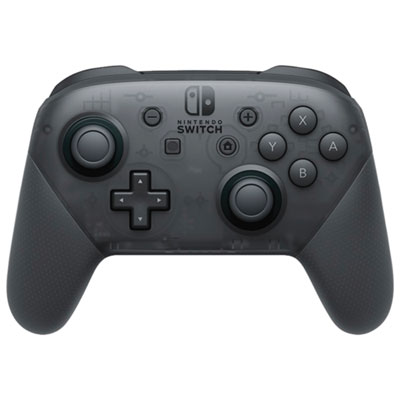 Your price for this item is $99.99
-
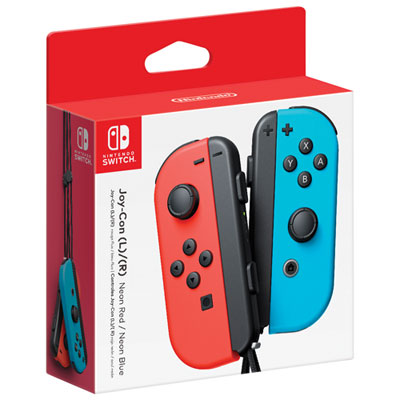 Your price for this item is $109.99
-
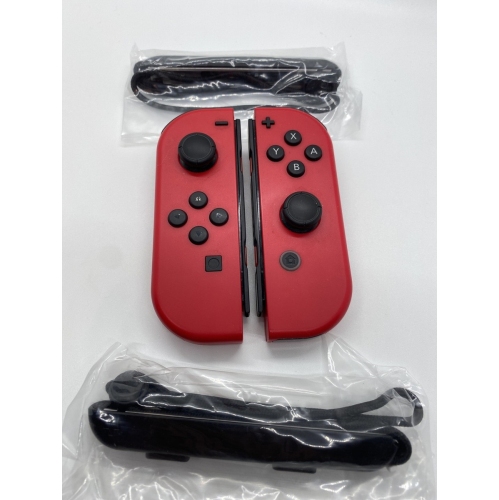 Your price for this item is $79.99
-
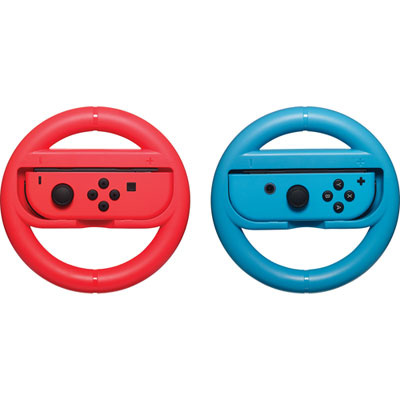 Your price for this item is $16.99
-
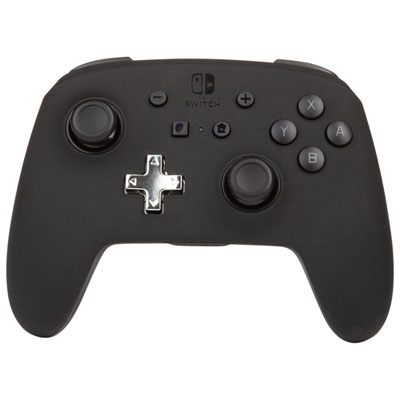 Your price for this item is $79.99
-
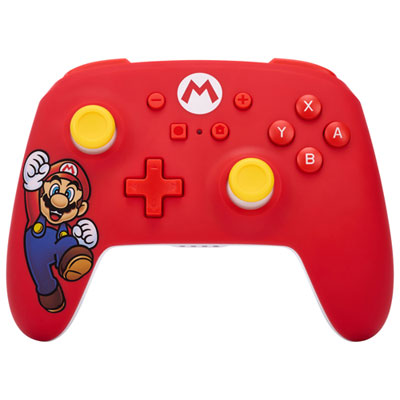 Your price for this item is $58.97
-
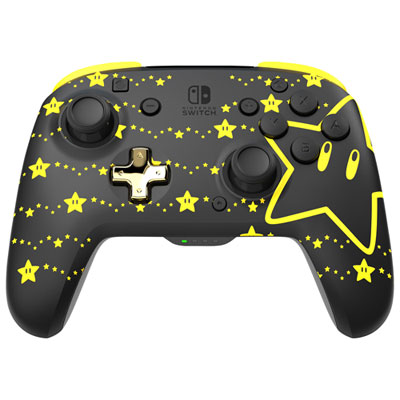 Your price for this item is $64.99
-
 Your price for this item is $51.68
Discover more categories related to Wired Controllers for Switch
Top Collections:
Best Black Friday Deals This Year, Best Black Friday Deals On Electronics, Kindle Devices, Pokemon Centers, Best Black Friday Deals On Apple Products, Best Cameras for Sports Photography, Dyson Airwrap, Pokémon 30th Celebration Cards, Apple iPhone 17 Pro, Canon G7X Cameras
Some products may be subject to Environmental Handling Fees
(EHF) depending on your province.
Learn more about EHFs.