Wood Accent Tables
A wood accent table is a great way to add a rustic touch to your living room, dining room, or den. It can also be used as an alternative to a coffee table, or as an accent piece in a larger room. The possibilities are endless with this versatile piece of furniture. Here are some of our favorites.
Sort
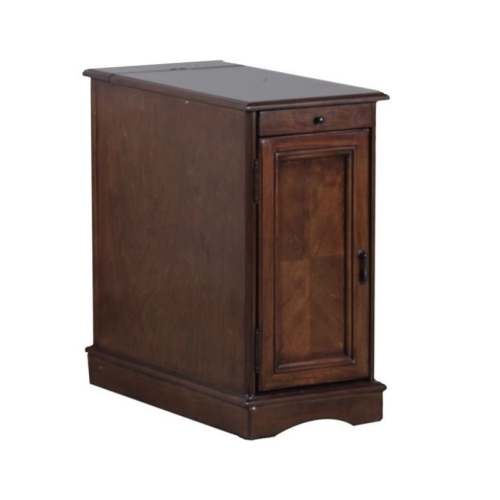
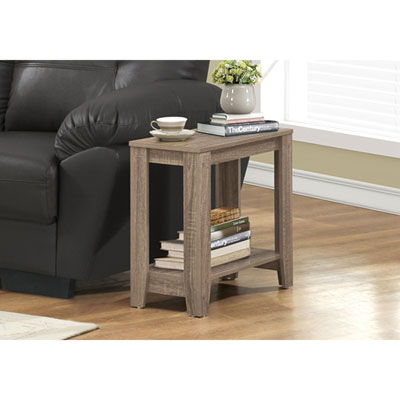
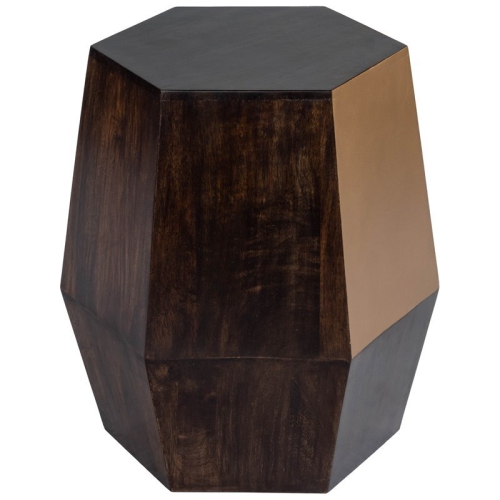
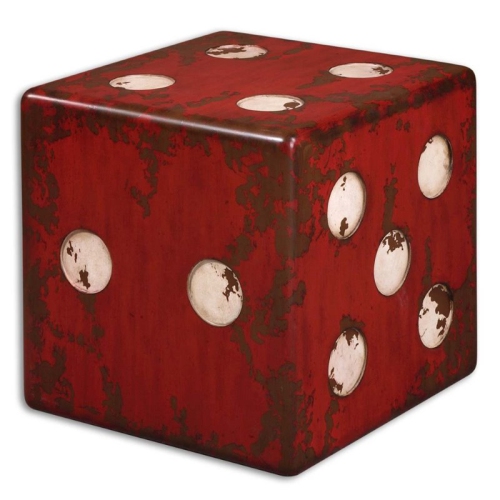
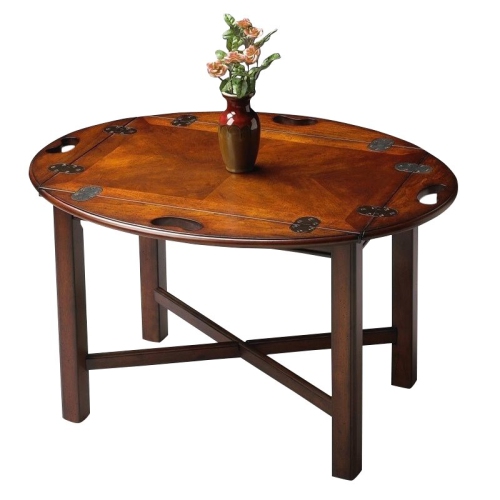
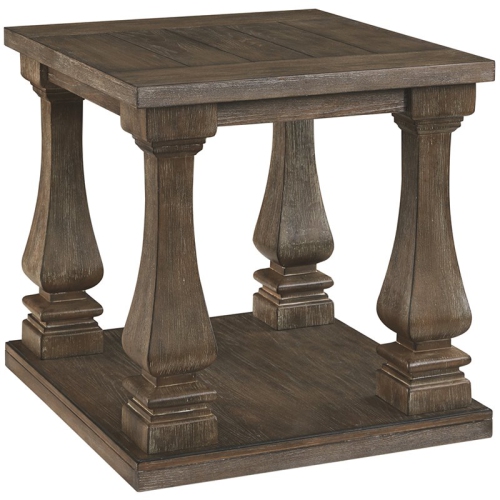
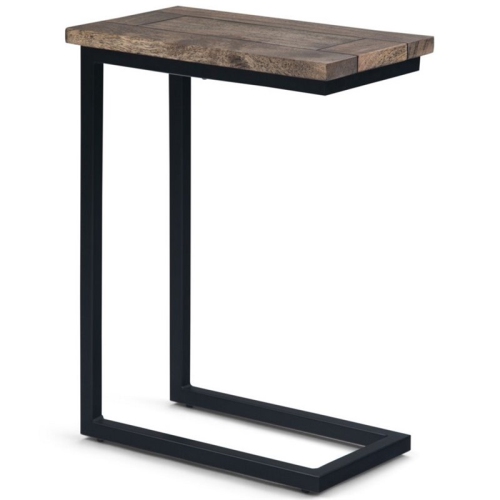
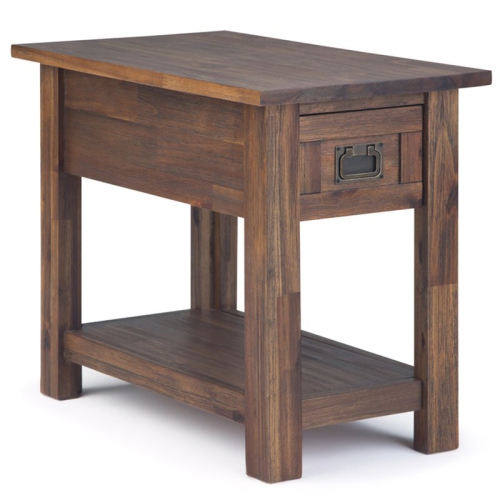



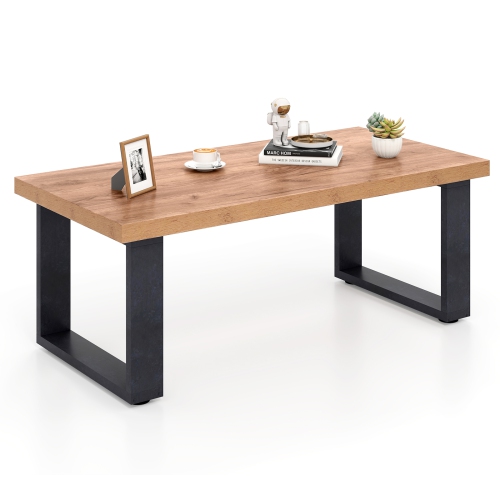
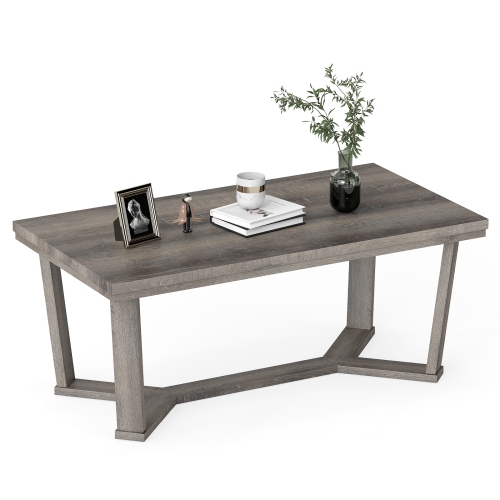
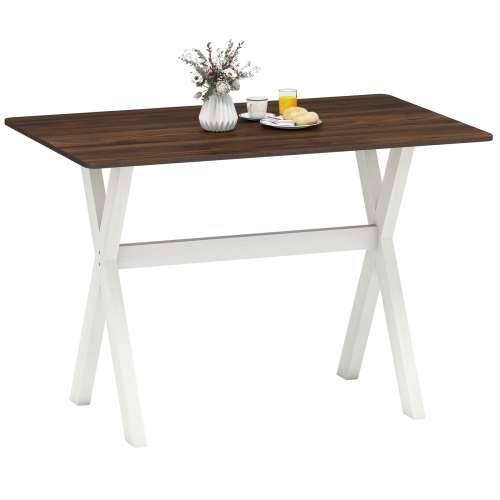
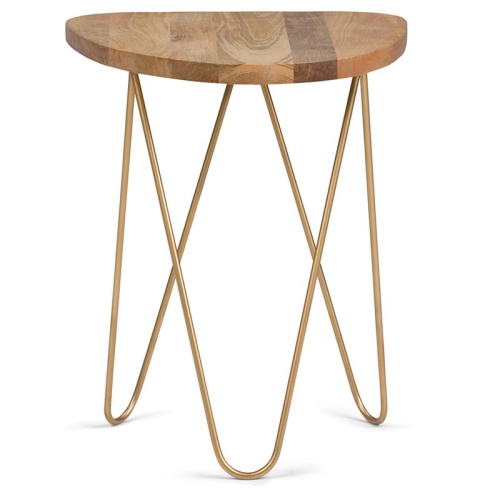

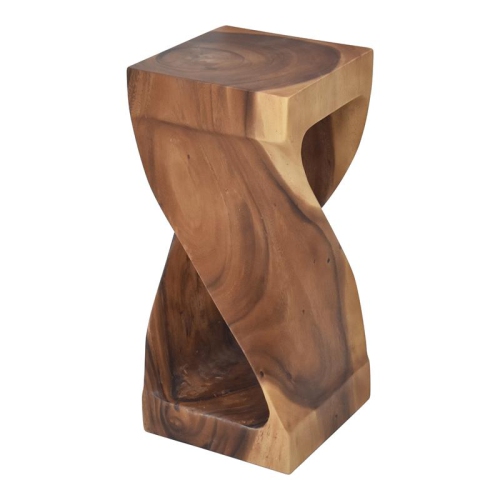
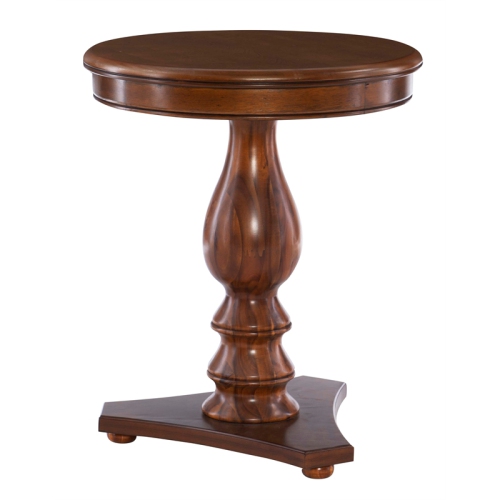
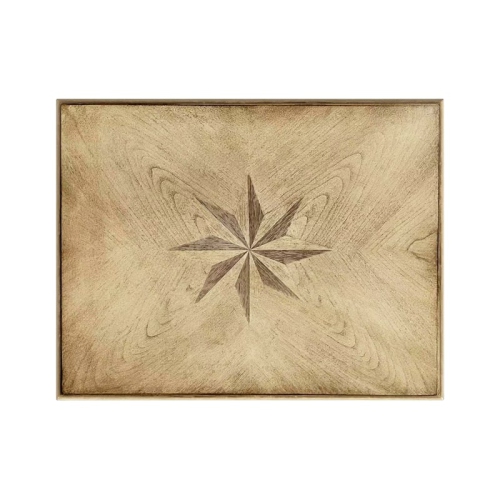
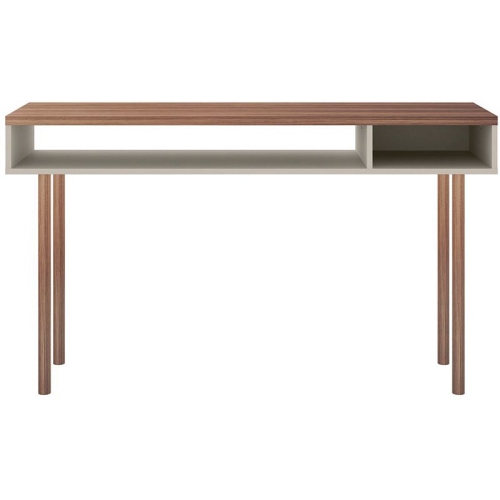

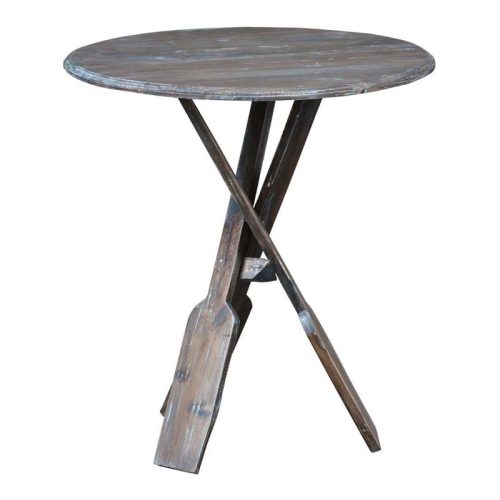
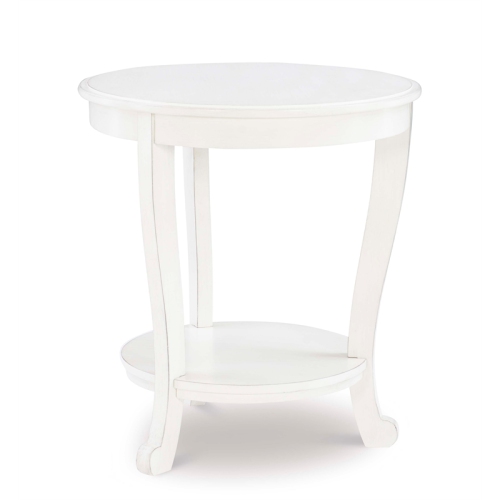
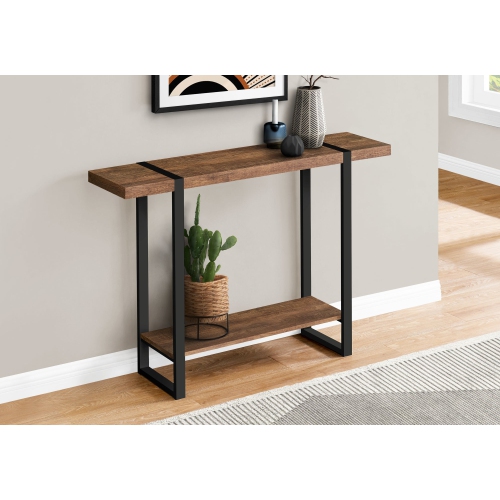
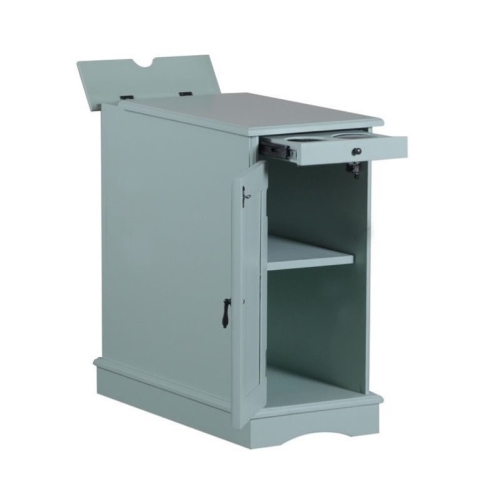
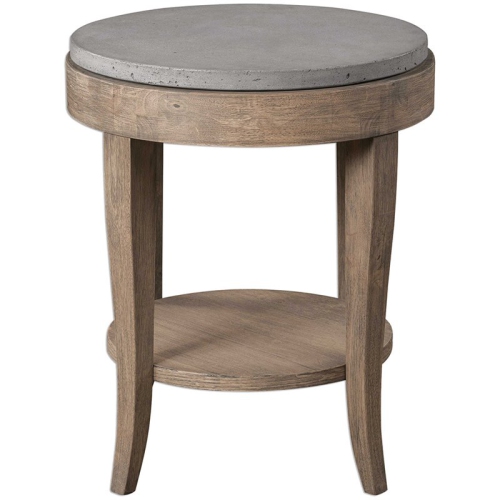
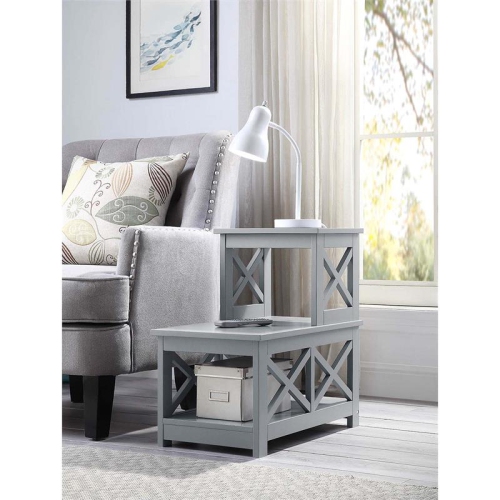
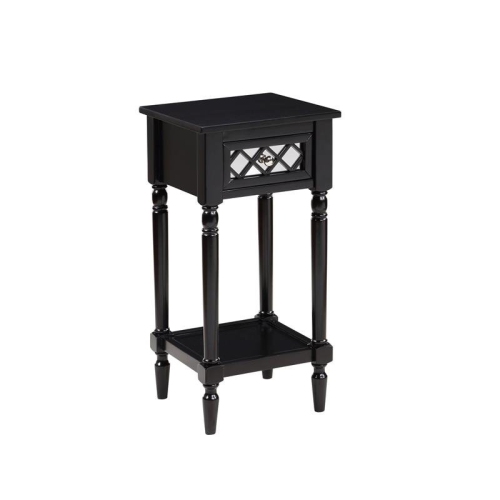
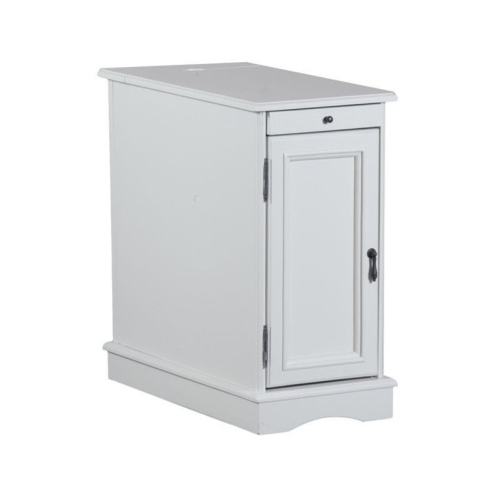
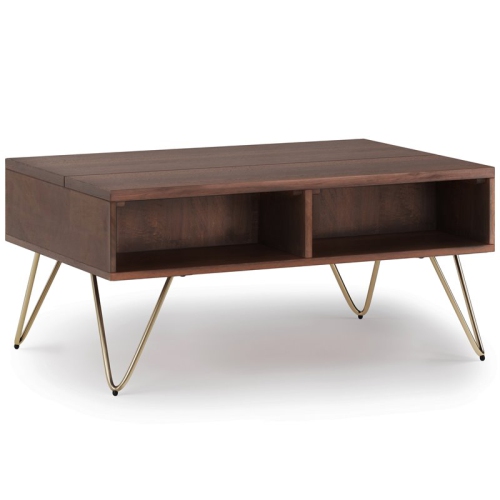

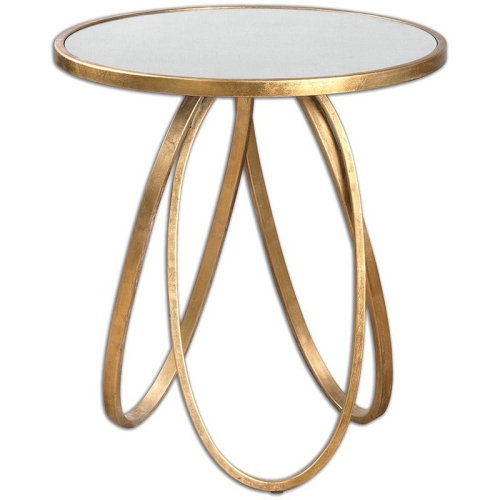
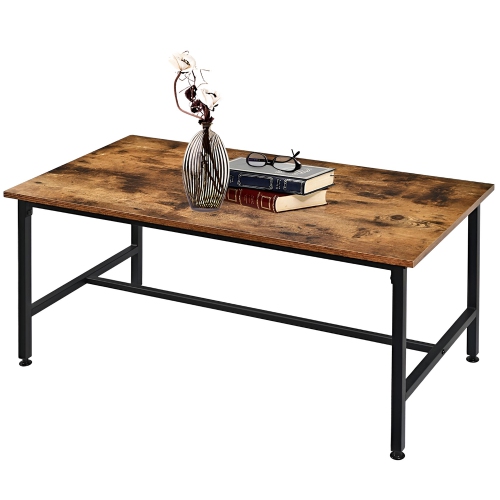
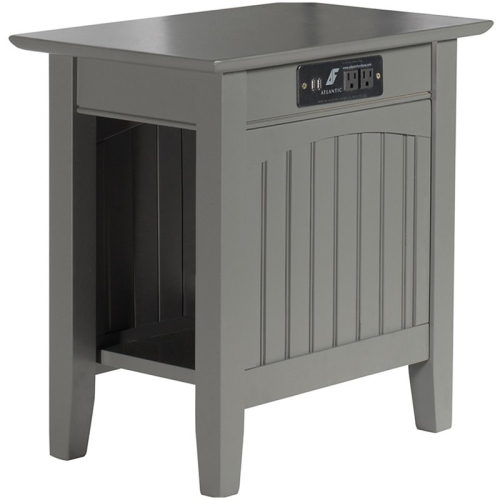

How placement, proportions, and care shape your choice
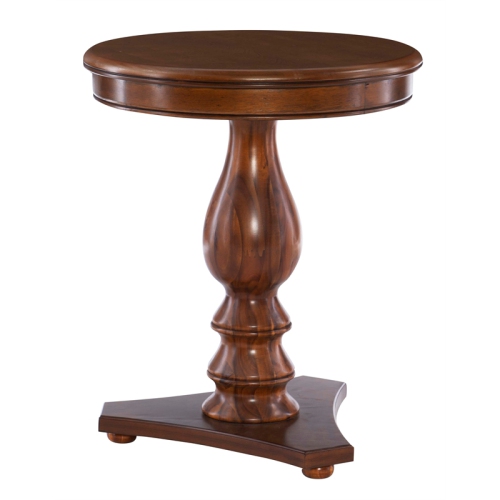
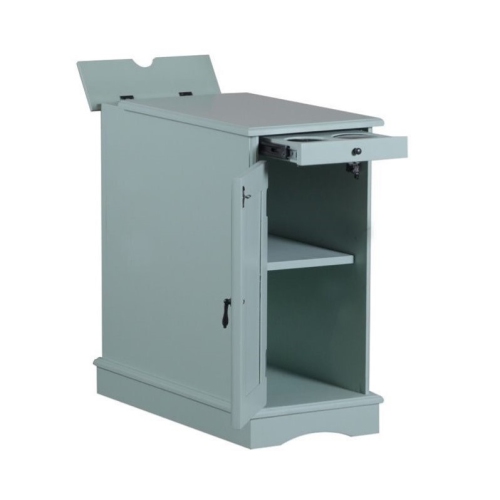
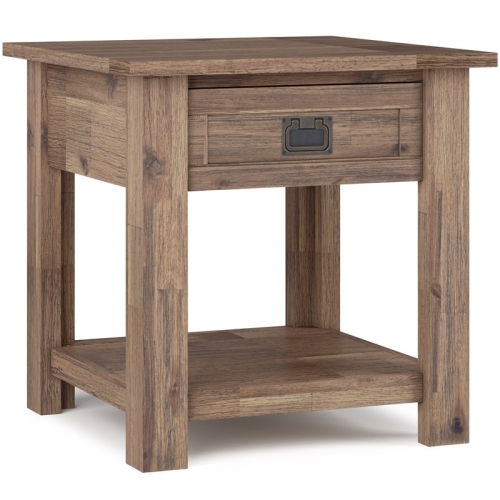
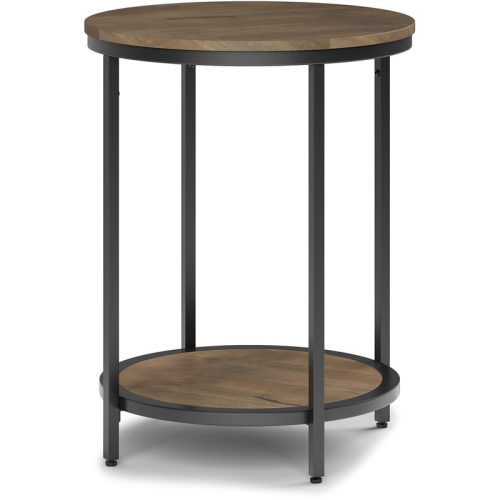
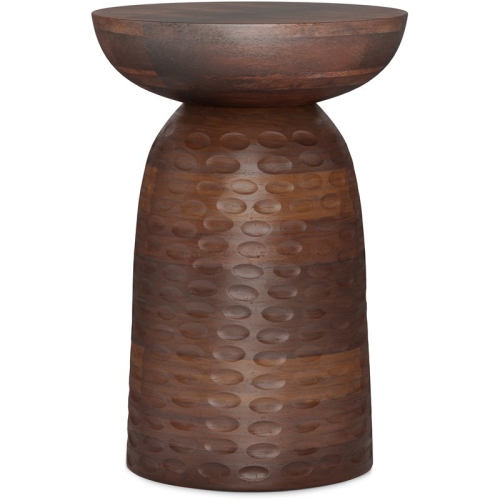
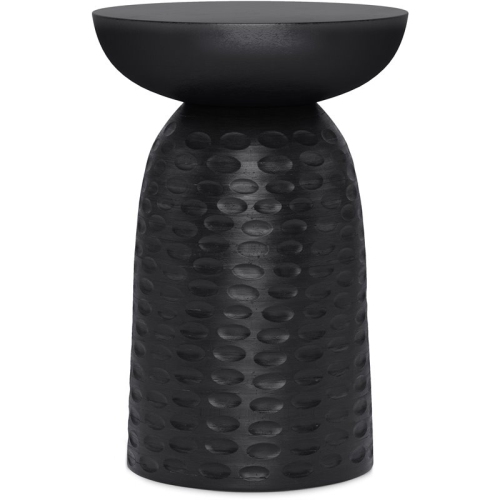
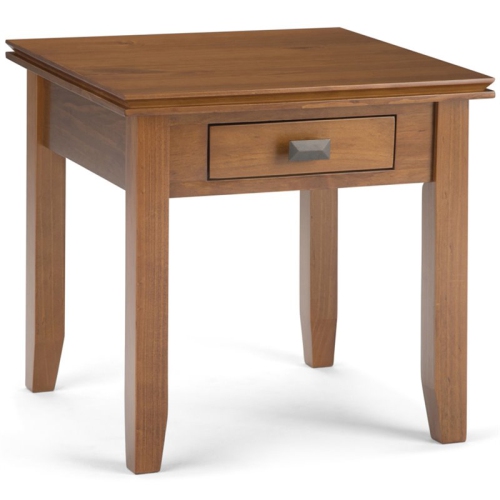
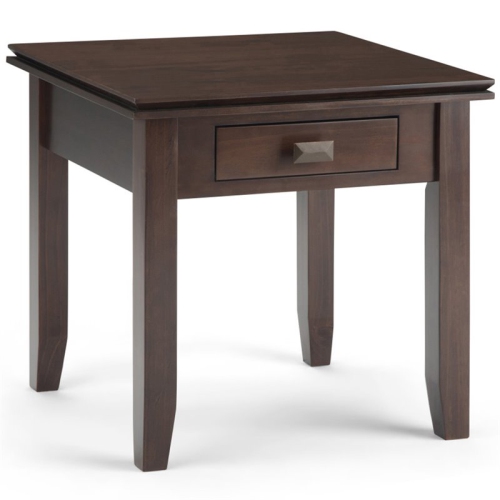
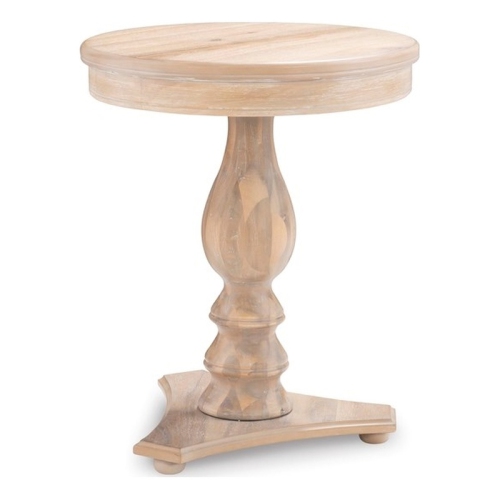
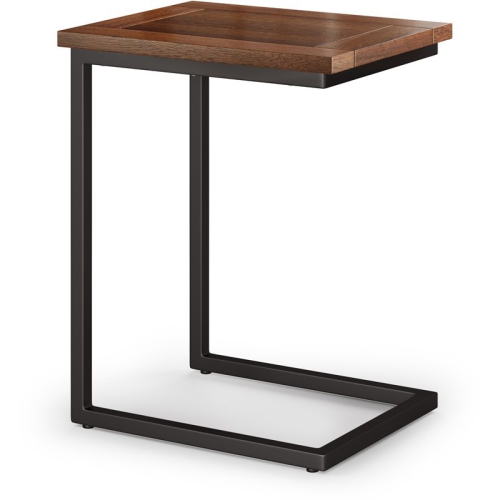
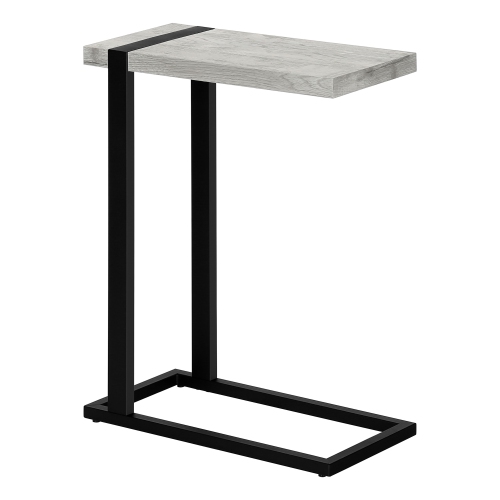
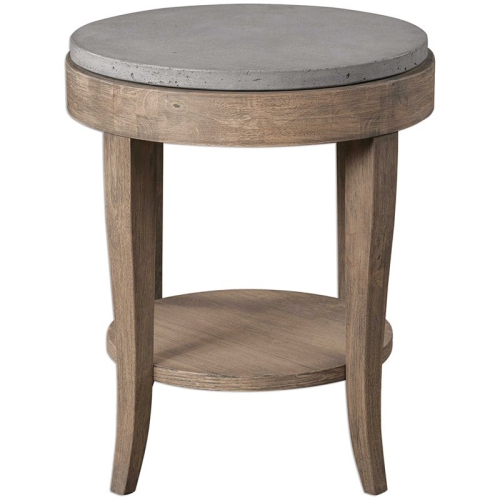
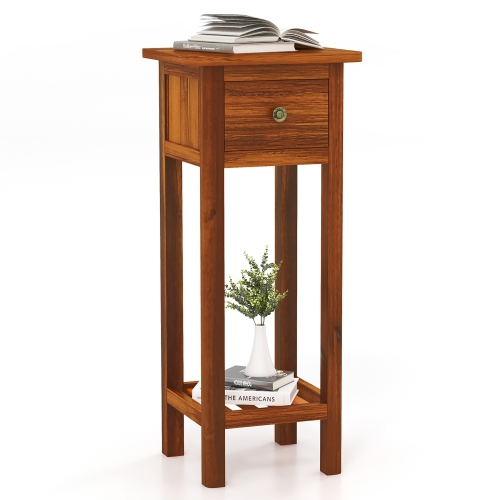
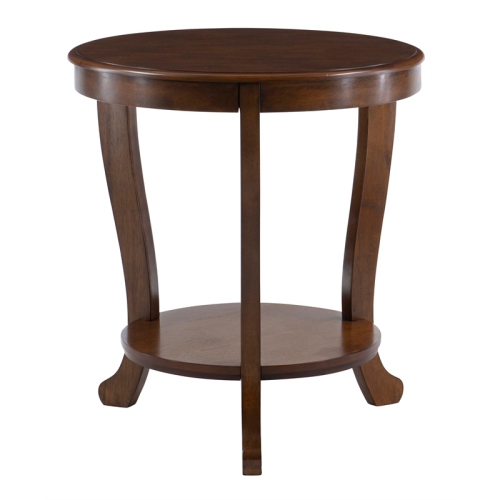
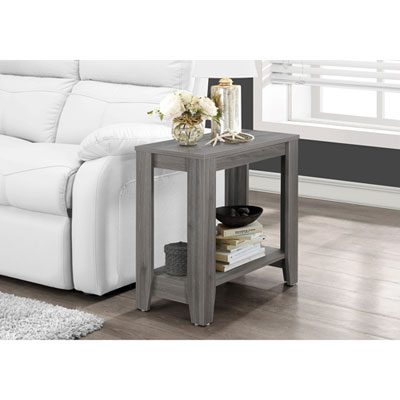
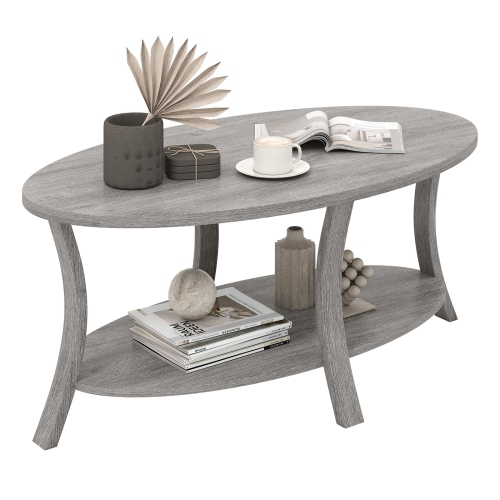
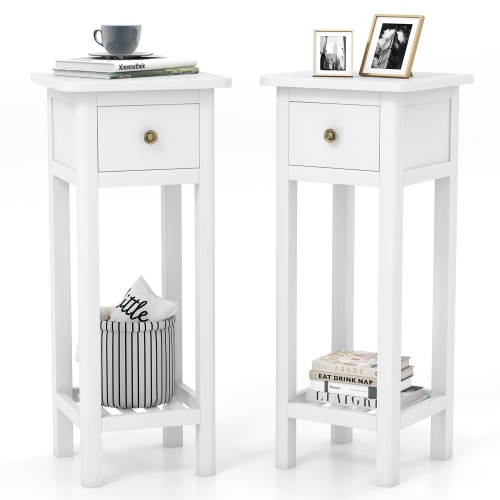
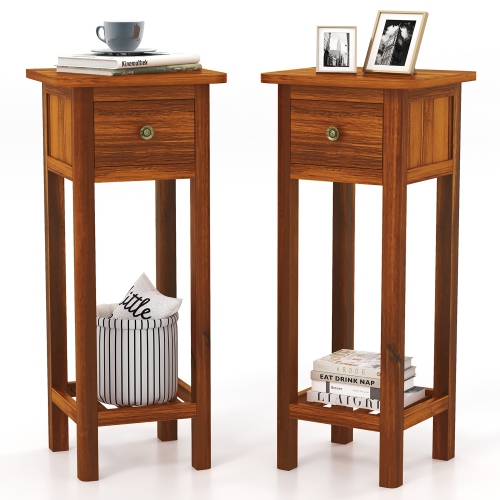
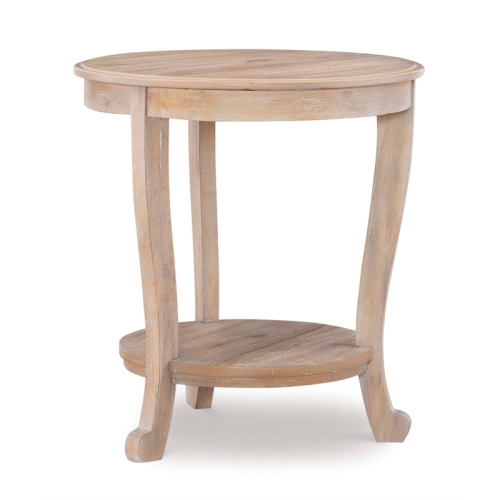
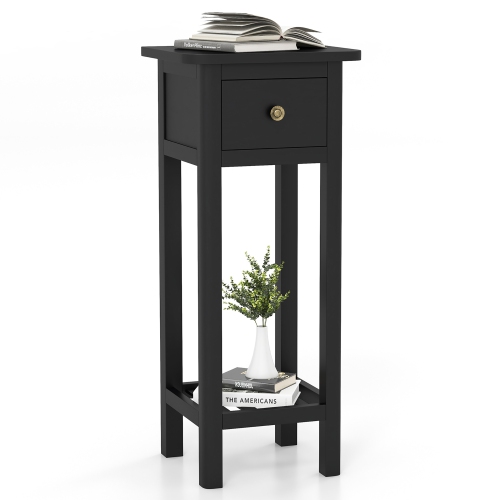
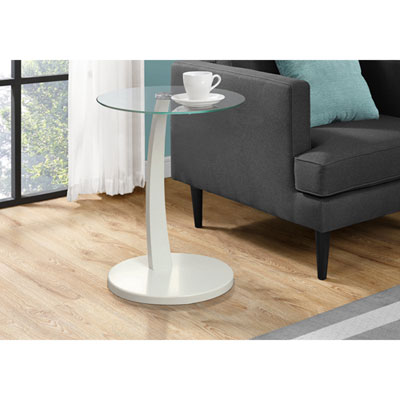
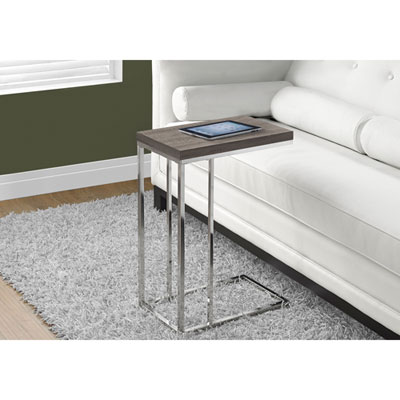
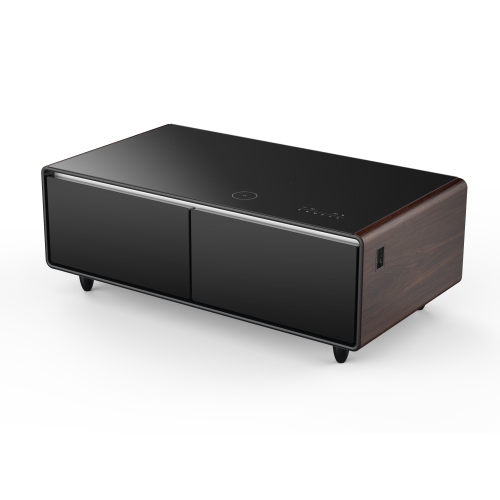
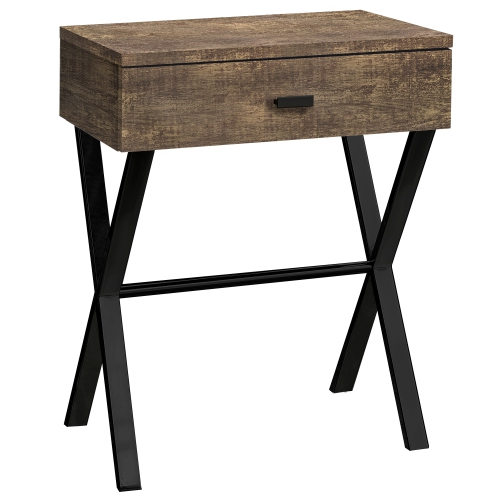
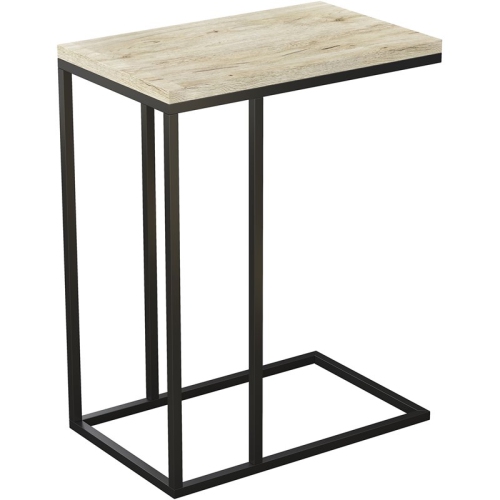
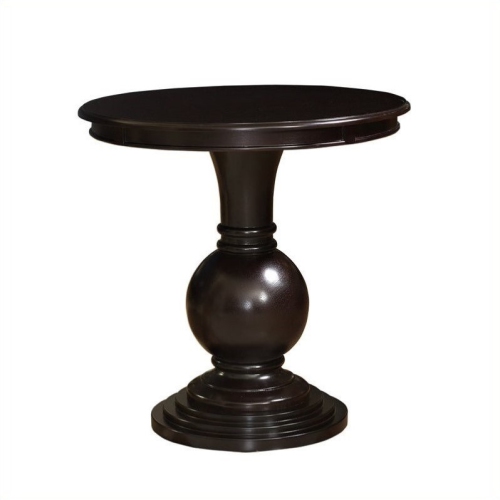
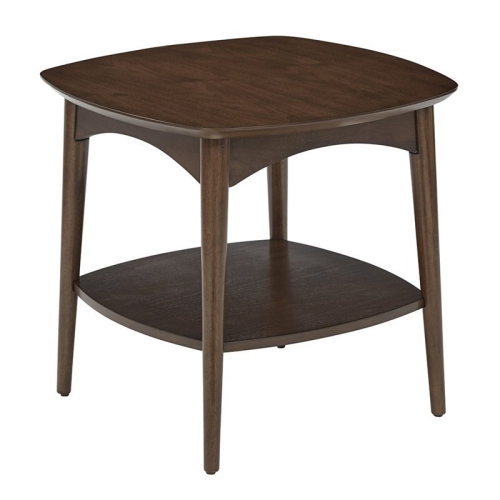
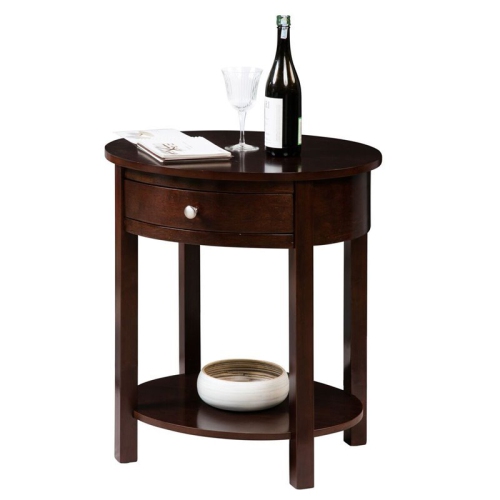
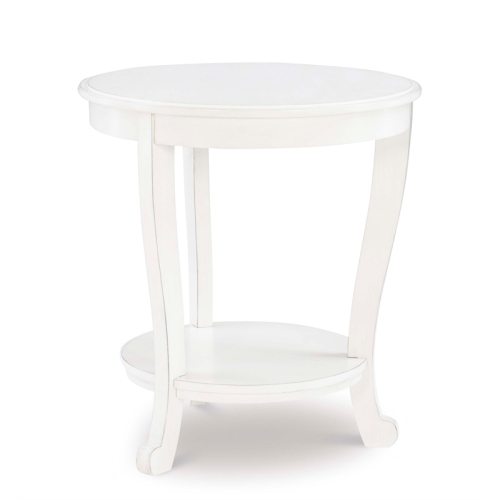
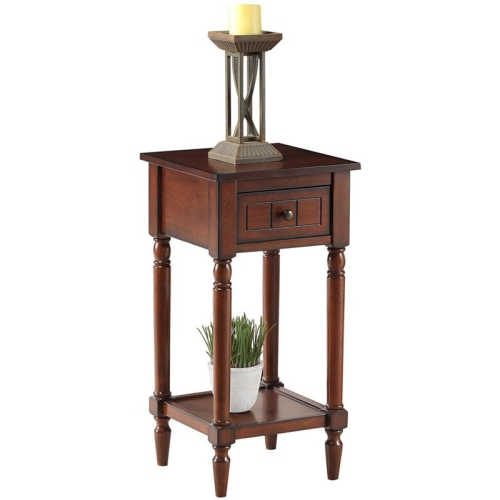
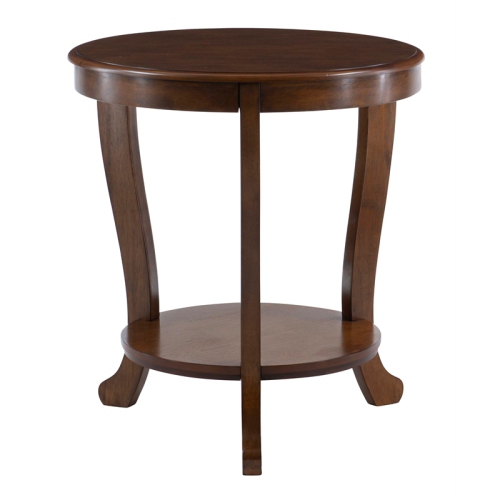
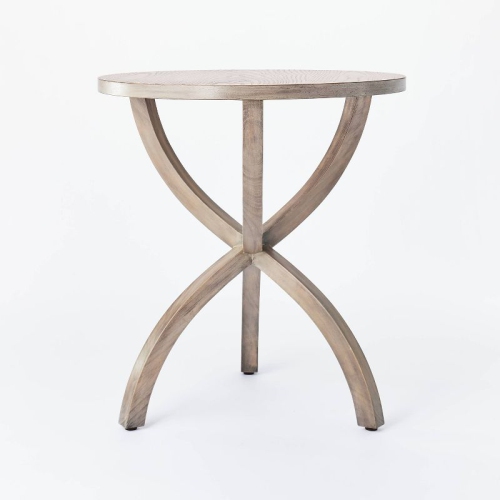
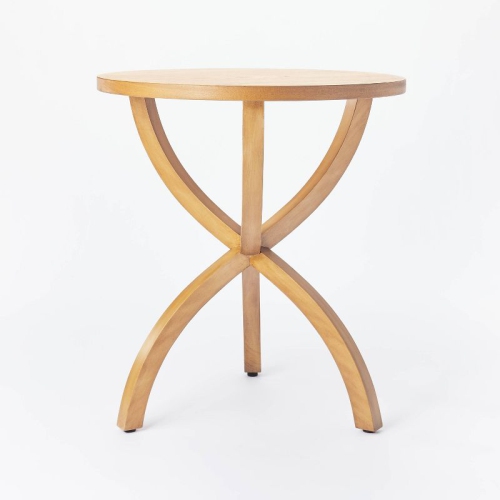
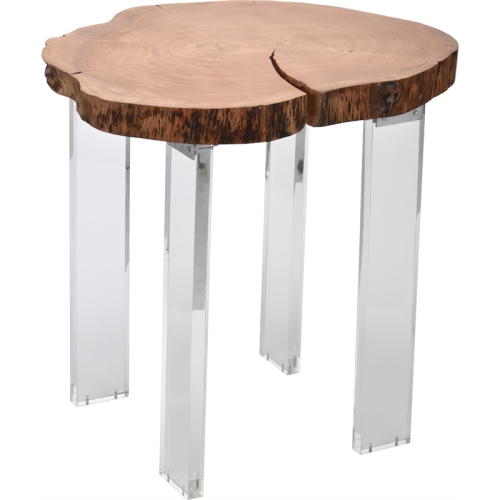
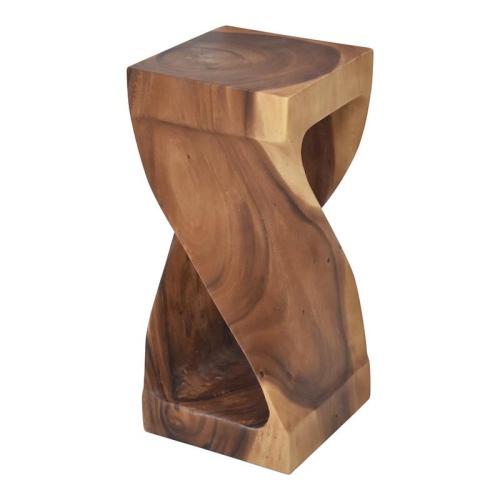
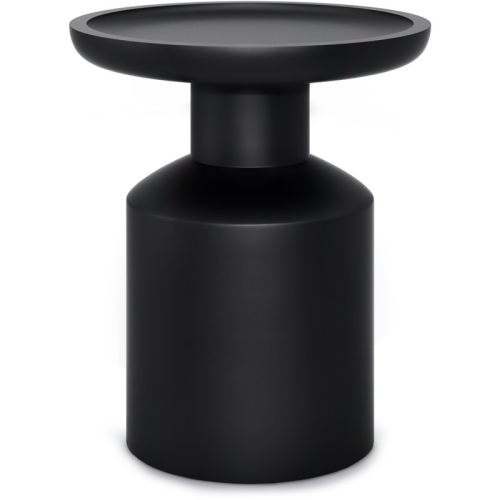
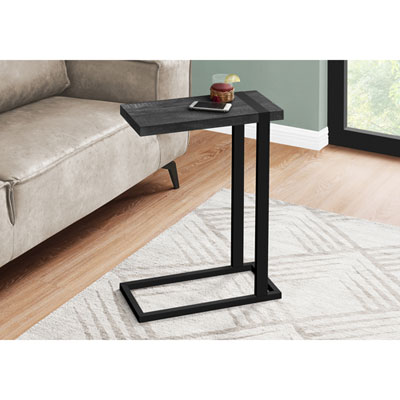
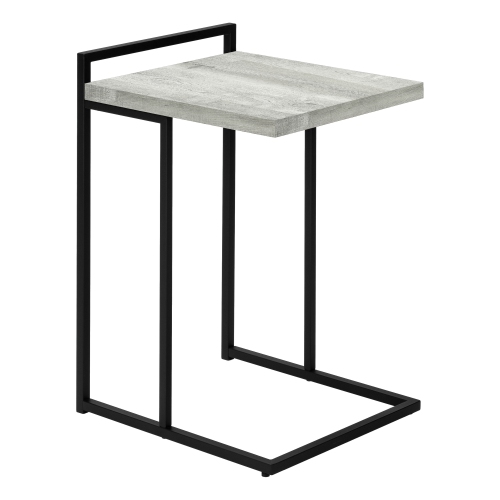
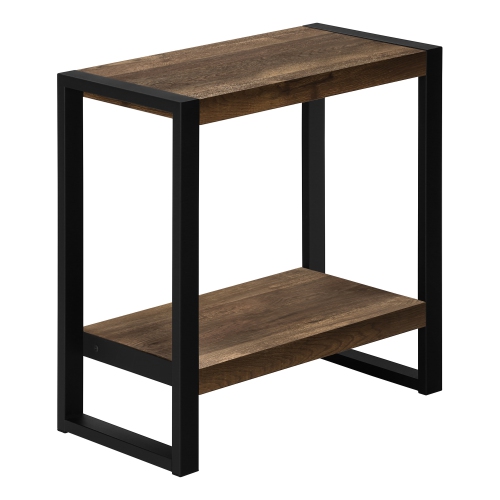
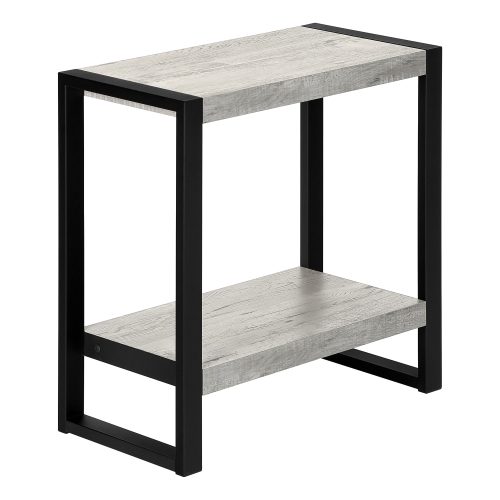
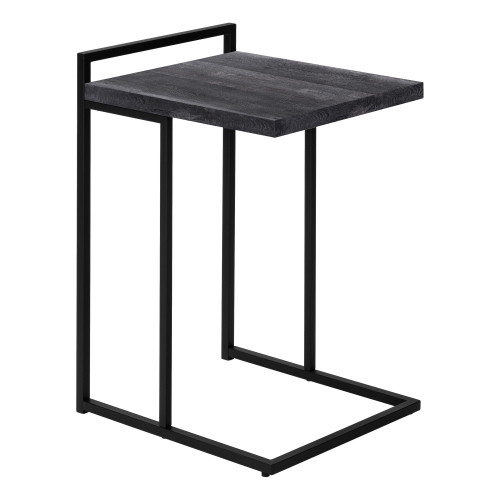
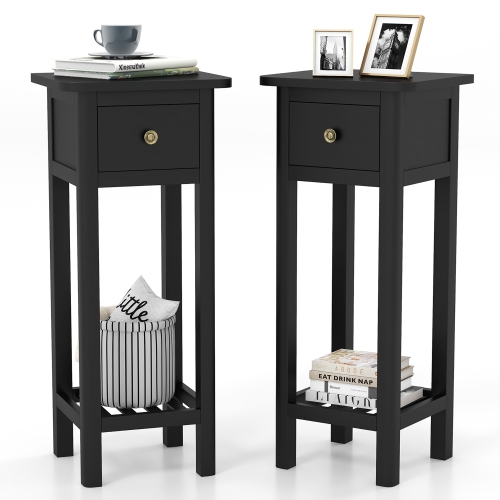
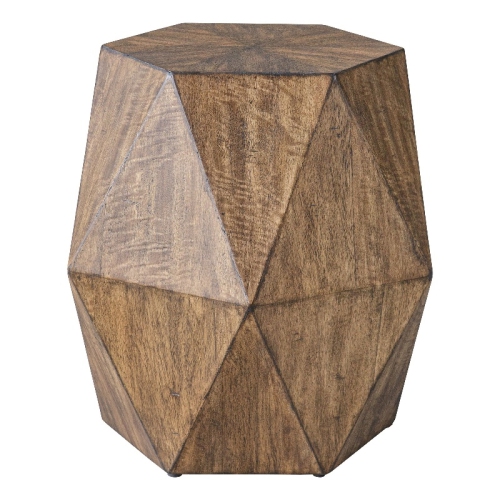
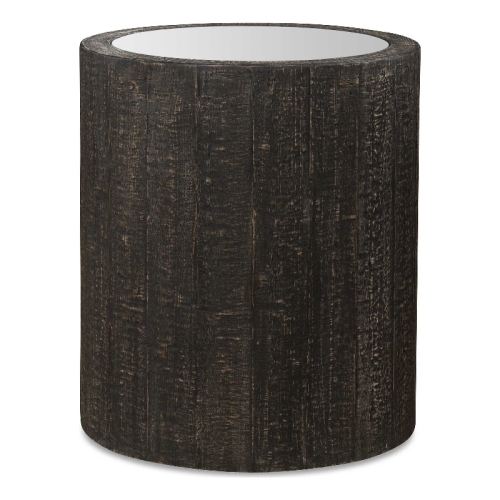
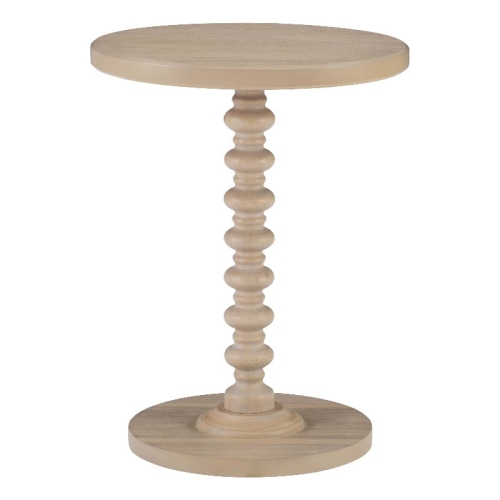
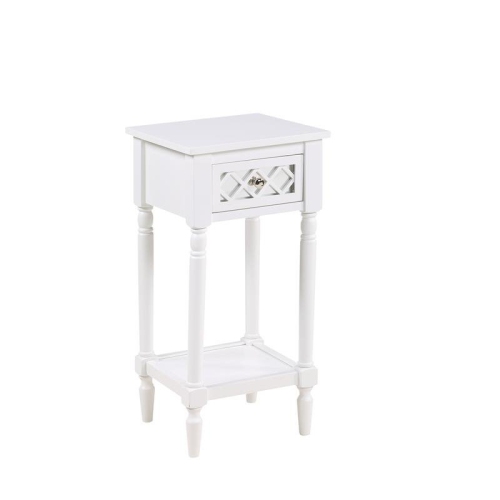
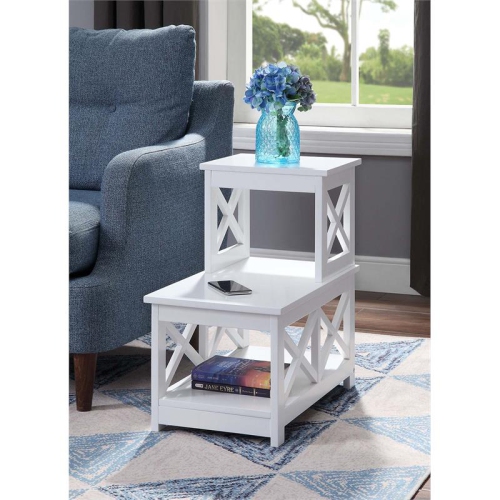
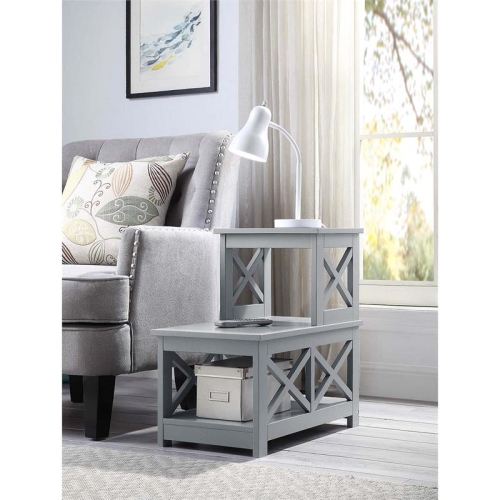
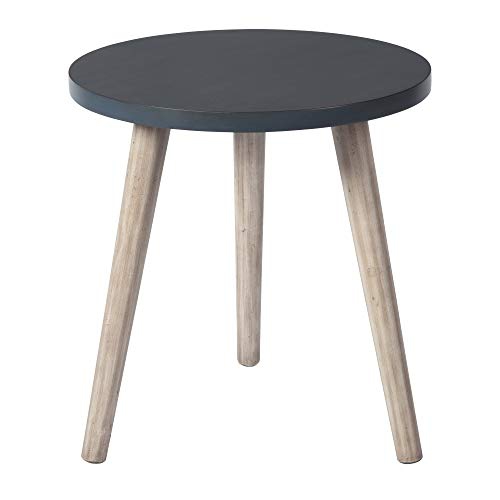
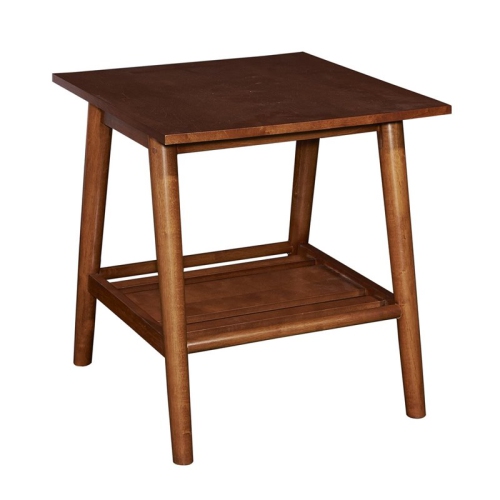
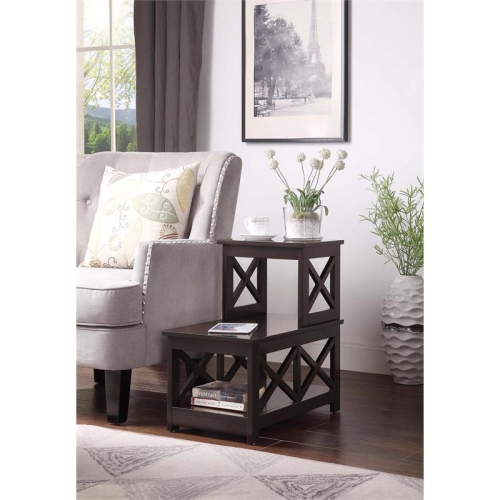
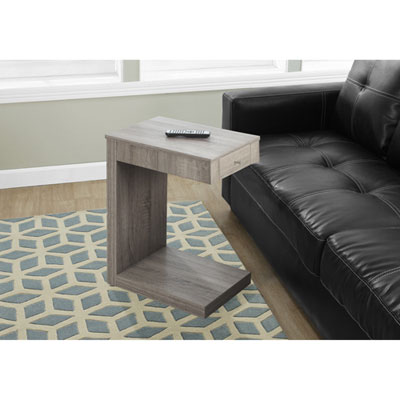
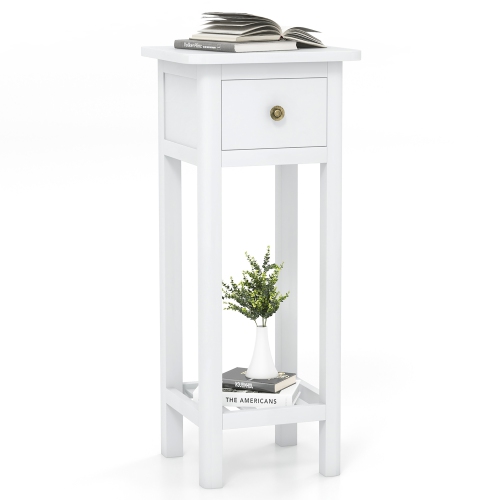
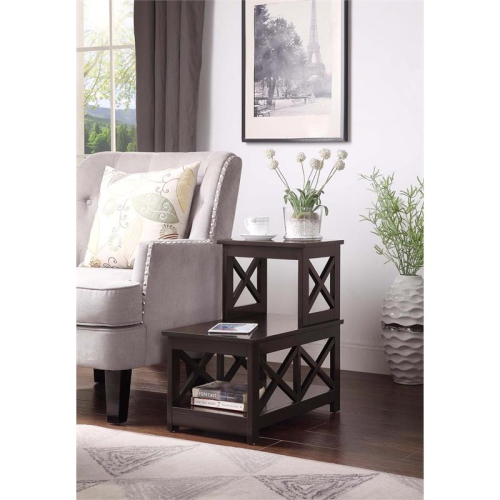
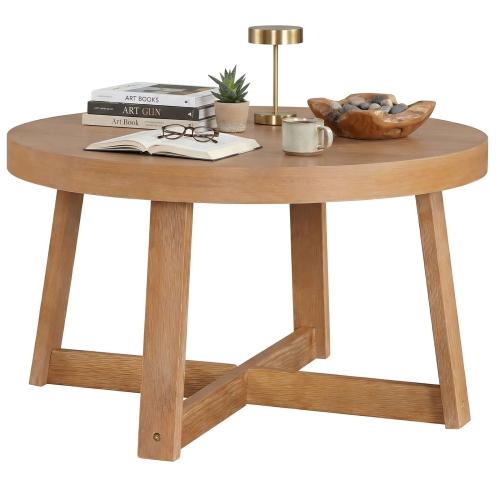
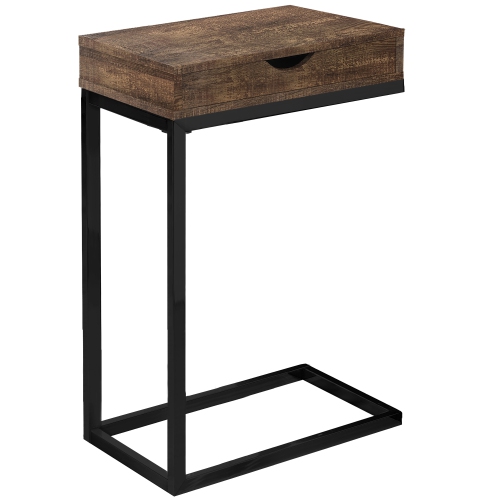
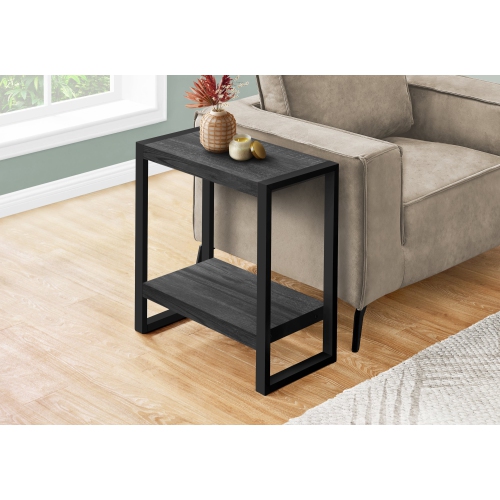
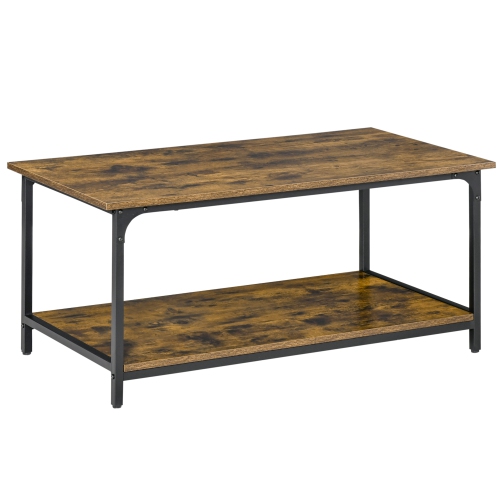
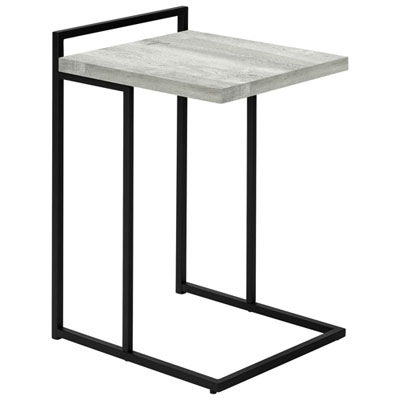
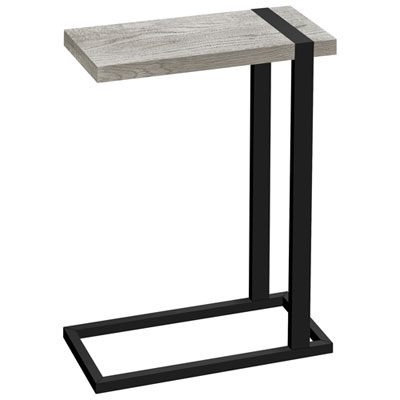
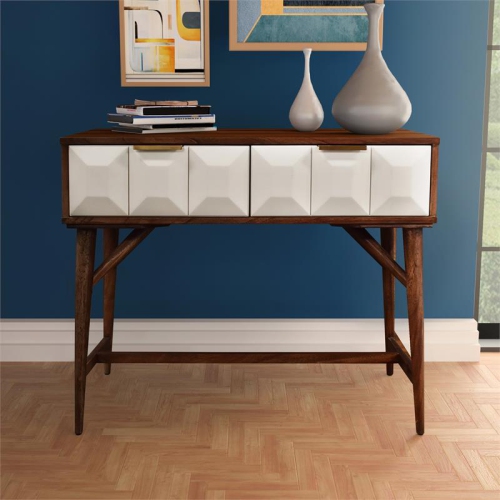
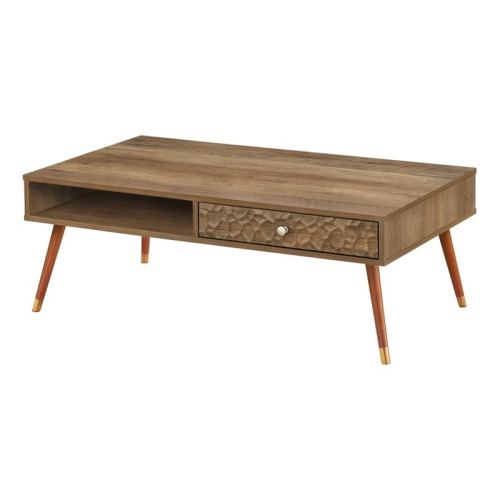
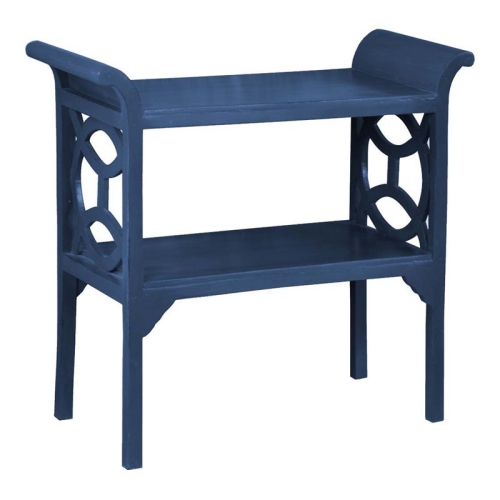
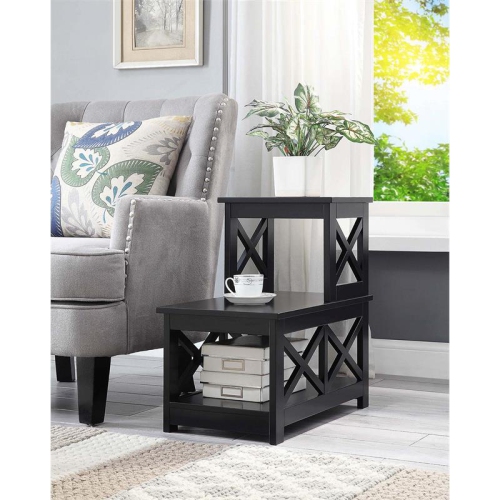
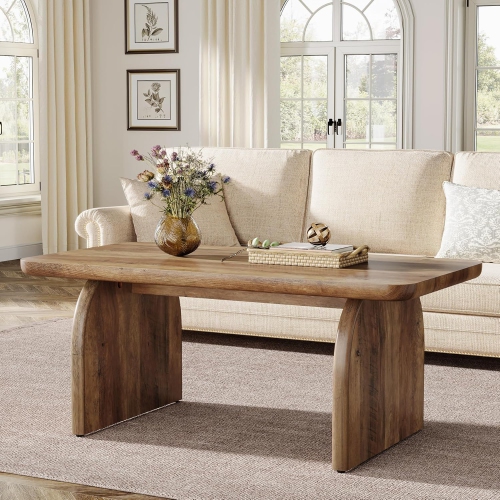
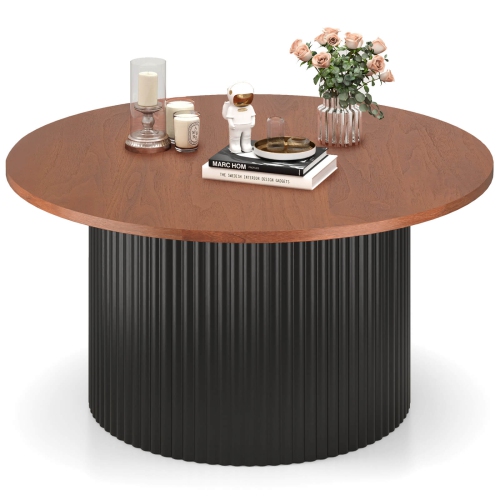
Wood accent tables bring warmth, texture, and useful surface space to rooms that need a finishing touch. Their compact size makes them easy to place beside a sofa, reading chair, bed, or entryway bench, while the natural grain adds visual interest without overwhelming the rest of the décor. Depending on the design, a wood accent table can hold a mug, lamp, book, plant, remote controls, or decorative objects, helping everyday essentials stay close at hand. Light oak and pale wood tones can make a smaller room feel open and airy, while walnut, espresso, and medium brown finishes create a richer, more traditional atmosphere. Natural variations in grain, knots, colour, and texture can make each piece look distinctive, particularly when the finish is designed to showcase the character of the wood. When comparing tables, consider the room’s existing furniture, flooring, and lighting. A table with clean lines can complement contemporary seating, while turned legs, distressed details, or a more substantial profile may suit a farmhouse, rustic, or classic interior. It is also worth checking the table’s height in relation to nearby seating: a side table generally works best when its surface sits close to the height of the sofa or chair arm, making it comfortable to reach without leaning or stretching. For a bedroom, measure the space beside the bed and consider whether the table needs room for a lamp, alarm clock, glasses, or a book. In an entrance, a narrow profile can provide a convenient landing spot for keys and mail while keeping the walkway clear. Browse related styles in Decor Accent Tables when you want to compare wood finishes with other shapes and materials.
The layout of the room can help determine which type of wood accent table will be most useful. Nesting tables are a practical choice for apartments, condos, and flexible living spaces because two or three surfaces can be spread around the room when guests arrive and tucked together when floor space is needed. A round table can soften a room filled with straight lines and is often easier to move around in a busy seating area, while a square or rectangular design may fit neatly against a wall, beside a sofa, or between two chairs. Tables with a lower shelf offer a place for baskets, magazines, blankets, or display pieces, and a drawer can keep smaller items out of sight. If the table will be used beside a recliner or frequently moved from one room to another, look for a manageable weight and a stable base that will not wobble on the floor. Mixed-material designs, such as a wood top with metal legs, can add contrast and suit interiors that combine soft furnishings with modern architectural details. A substantial pedestal base may provide a grounded look, whereas tapered or open legs can create a lighter appearance. Before making a choice, measure the available width, depth, and clearance around the table, including space for doors, drawers, reclining furniture, and foot traffic. Think about how the surface will be used during an ordinary evening: a generous top is helpful for a lamp and refreshments, while a smaller table may be preferable when the priority is preserving open floor space. Wood accent tables can also make thoughtful gifts for a housewarming, wedding, graduation, or someone settling into a new apartment. A well-chosen table is useful without requiring the recipient to know the exact dimensions of a room, especially when the design has a versatile finish and a compact footprint.
Proper placement and simple care help a wood accent table remain attractive through changing indoor conditions. Keep the table away from strong, direct sunlight and place it at least 30 centimetres from radiators, fireplaces, heating vents, and air-conditioning outlets whenever possible. Concentrated heat, cool air, and pronounced changes in humidity can cause wood to expand, contract, crack, or develop gaps over time. Indoor humidity between 45% and 60% is generally comfortable for many wood furnishings, particularly during the drier heating season. Use coasters beneath drinks, mats beneath hot dishes, and felt pads beneath lamps, ornaments, or other objects that may scratch the finish. Wipe spills promptly with a soft, slightly damp cloth, then dry the surface rather than allowing moisture to sit around seams or edges. Dust with a clean, soft cloth and follow the care instructions supplied for the specific finish; harsh chemical cleaners, abrasive sponges, excess water, and silicone-based sprays can leave marks or affect the surface. Periodic application of a suitable wood oil or wax may help maintain the appearance of some finishes, but products should only be used when recommended by the manufacturer. Inspect the table’s feet and hardware from time to time, especially if it is moved often, and tighten fasteners carefully if they become loose. With the right proportions, finish, and placement, wood accent tables can make a room feel more complete while providing the small, dependable surfaces that support daily routines during warm days and cooler months alike.
The layout of the room can help determine which type of wood accent table will be most useful. Nesting tables are a practical choice for apartments, condos, and flexible living spaces because two or three surfaces can be spread around the room when guests arrive and tucked together when floor space is needed. A round table can soften a room filled with straight lines and is often easier to move around in a busy seating area, while a square or rectangular design may fit neatly against a wall, beside a sofa, or between two chairs. Tables with a lower shelf offer a place for baskets, magazines, blankets, or display pieces, and a drawer can keep smaller items out of sight. If the table will be used beside a recliner or frequently moved from one room to another, look for a manageable weight and a stable base that will not wobble on the floor. Mixed-material designs, such as a wood top with metal legs, can add contrast and suit interiors that combine soft furnishings with modern architectural details. A substantial pedestal base may provide a grounded look, whereas tapered or open legs can create a lighter appearance. Before making a choice, measure the available width, depth, and clearance around the table, including space for doors, drawers, reclining furniture, and foot traffic. Think about how the surface will be used during an ordinary evening: a generous top is helpful for a lamp and refreshments, while a smaller table may be preferable when the priority is preserving open floor space. Wood accent tables can also make thoughtful gifts for a housewarming, wedding, graduation, or someone settling into a new apartment. A well-chosen table is useful without requiring the recipient to know the exact dimensions of a room, especially when the design has a versatile finish and a compact footprint.
Proper placement and simple care help a wood accent table remain attractive through changing indoor conditions. Keep the table away from strong, direct sunlight and place it at least 30 centimetres from radiators, fireplaces, heating vents, and air-conditioning outlets whenever possible. Concentrated heat, cool air, and pronounced changes in humidity can cause wood to expand, contract, crack, or develop gaps over time. Indoor humidity between 45% and 60% is generally comfortable for many wood furnishings, particularly during the drier heating season. Use coasters beneath drinks, mats beneath hot dishes, and felt pads beneath lamps, ornaments, or other objects that may scratch the finish. Wipe spills promptly with a soft, slightly damp cloth, then dry the surface rather than allowing moisture to sit around seams or edges. Dust with a clean, soft cloth and follow the care instructions supplied for the specific finish; harsh chemical cleaners, abrasive sponges, excess water, and silicone-based sprays can leave marks or affect the surface. Periodic application of a suitable wood oil or wax may help maintain the appearance of some finishes, but products should only be used when recommended by the manufacturer. Inspect the table’s feet and hardware from time to time, especially if it is moved often, and tighten fasteners carefully if they become loose. With the right proportions, finish, and placement, wood accent tables can make a room feel more complete while providing the small, dependable surfaces that support daily routines during warm days and cooler months alike.
Top selling and popular products
-
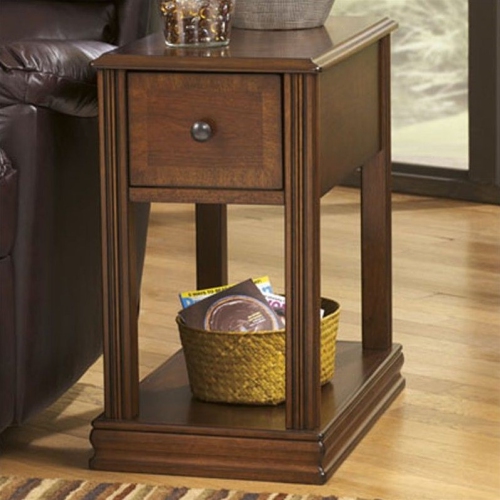 Your price for this item is $380.94
 -
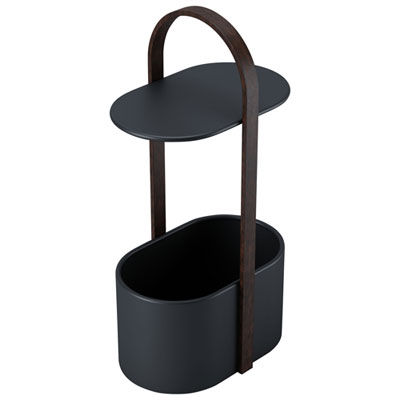 Your price for this item is $93.98
 -
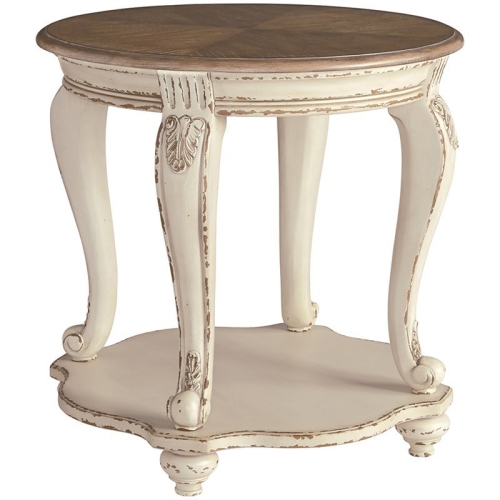 Your price for this item is $369
 -
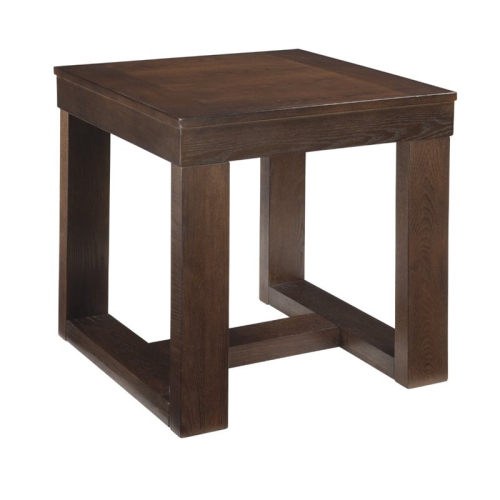 Your price for this item is $199
 -
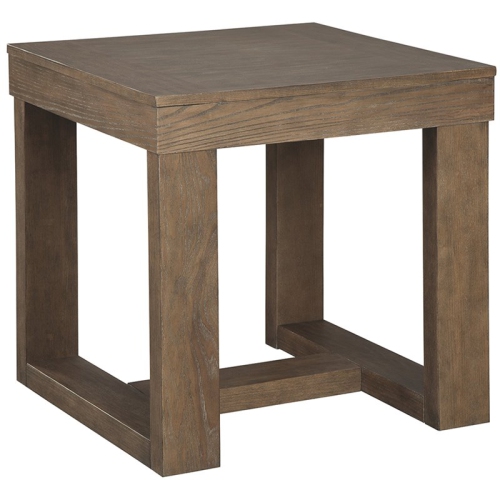 Your price for this item is $414.29
 -
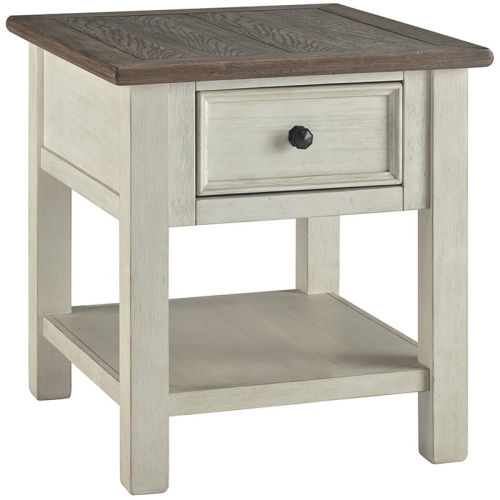 Your price for this item is $399
 -
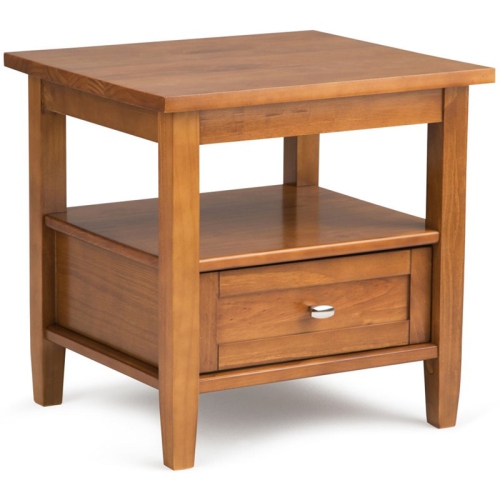 Your price for this item is $377.95
 -
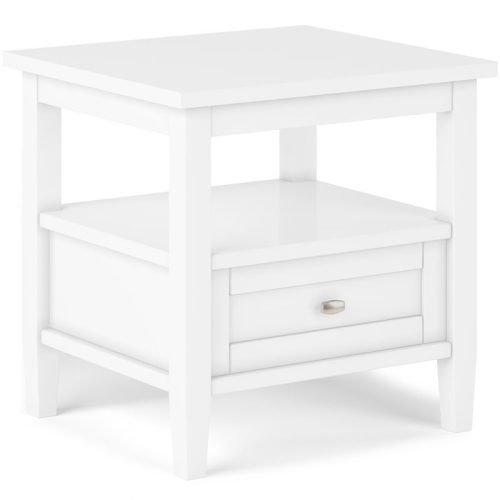 Your price for this item is $390.61
Discover more categories related to Wood Accent Tables
Top Collections:
Pokemon Centers, Budget 4K TVs, Kindle Devices, Canon G7X Cameras, Apple iPhones 16, iPhone 15 Apple, Laptops for Business Work, Flip Phones, Xiaomi Phones, Refurbished Apple Laptops
Some products may be subject to Environmental Handling Fees
(EHF) depending on your province.
Learn more about EHFs.