Wood Base Floor Lamps
Enhance the ambiance of any room with our stunning collection of wood base floor lamps. Crafted with elegance and sophistication, these floor lamps effortlessly combine functionality with style. Whether you're looking to add a warm glow to your living room, create a cozy reading nook, or simply elevate the overall aesthetic of your space, our wood base floor lamps are the perfect choice. With a variety of designs and finishes to suit every taste and decor, you'll find the ideal lighting solution to illuminate your home in a truly captivating way.
Sort
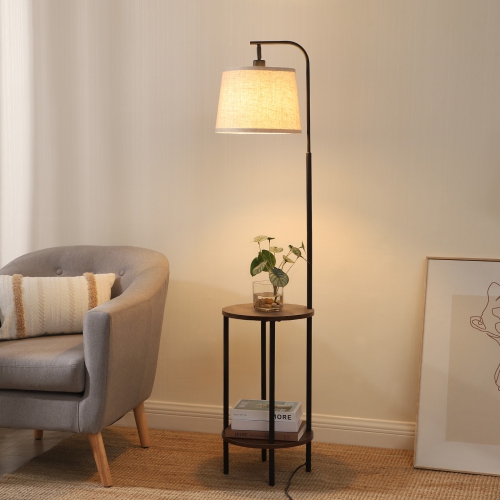
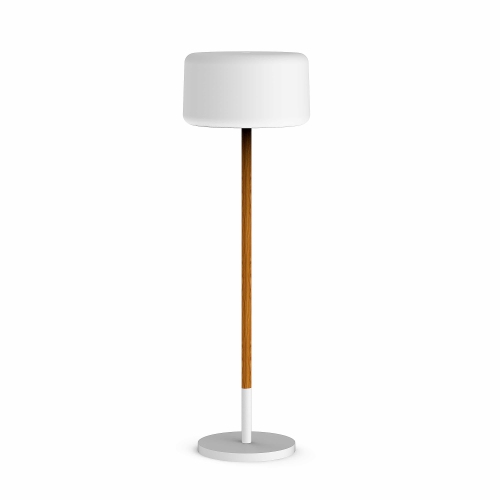
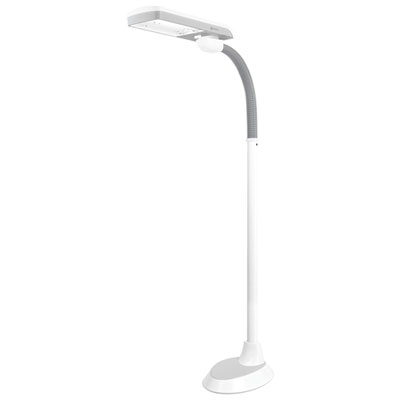
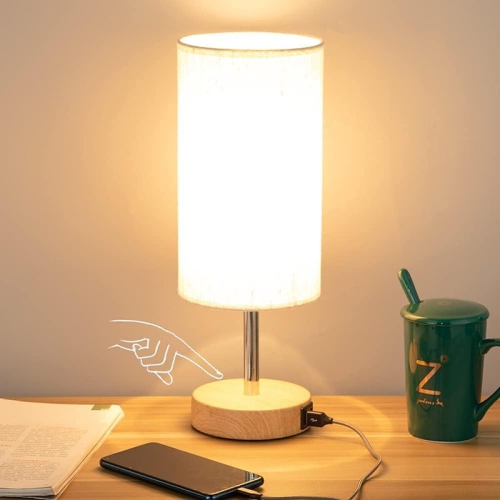
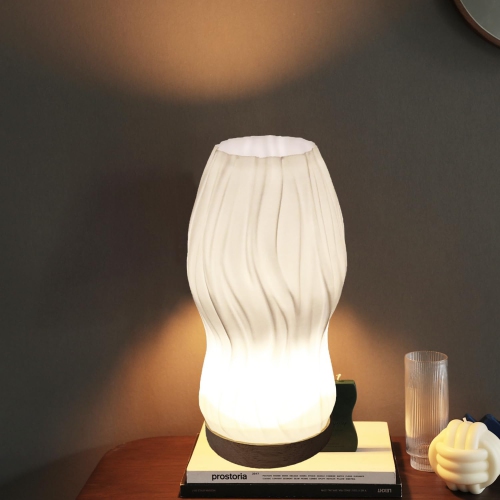

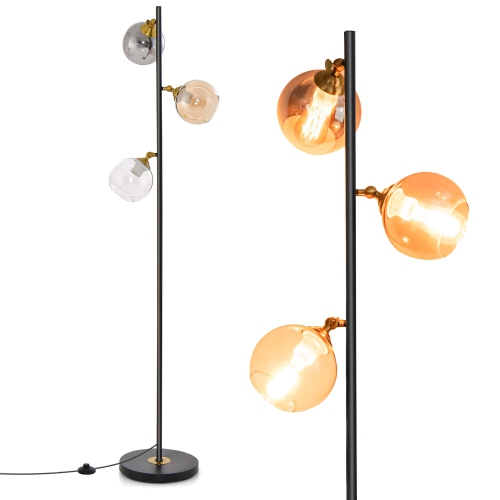
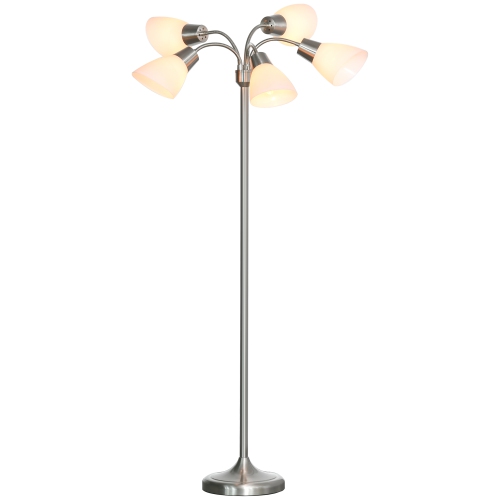
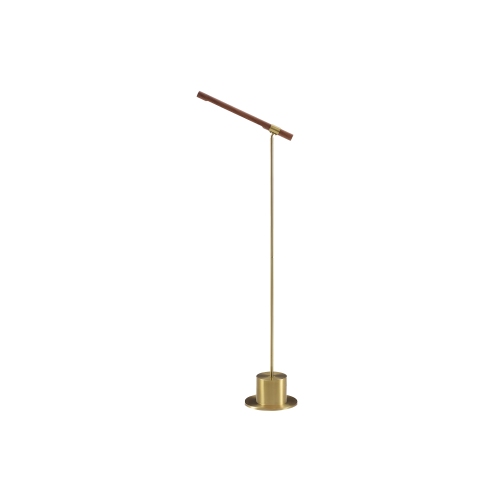
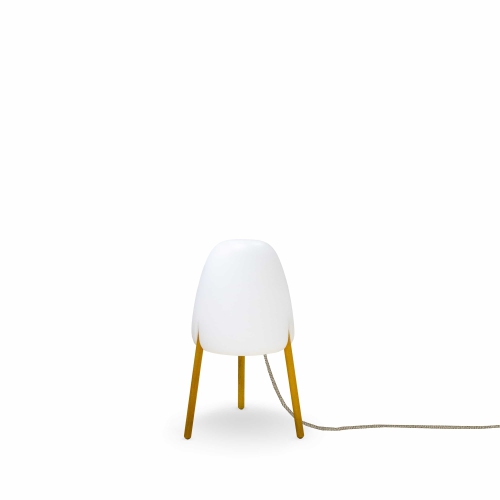
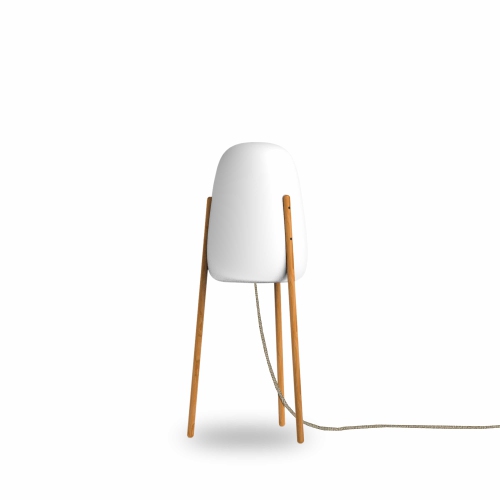
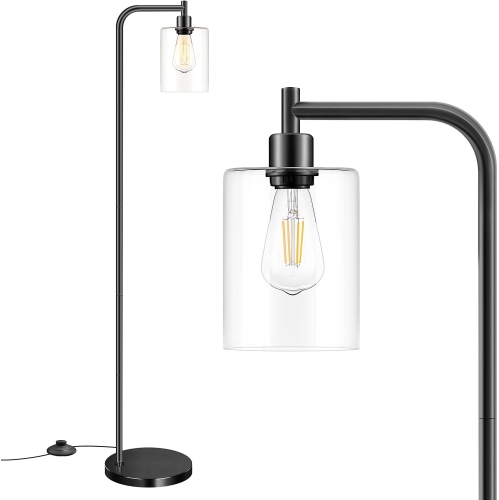
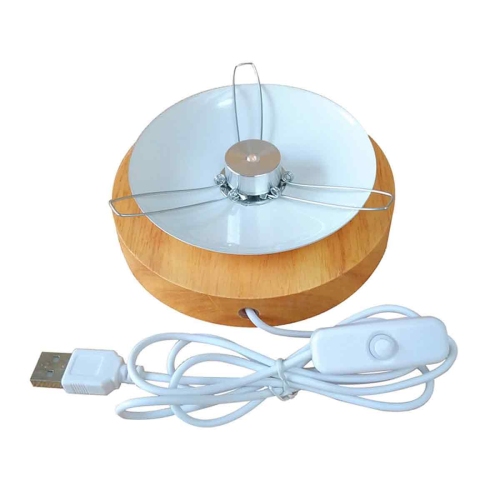
How wood grain and light shape a seating area
Wood base floor lamps bring the texture of wood into a room while adding light where ceiling fixtures may leave gaps. Beside a sofa, behind an armchair, or along the edge of a bedroom seating area, they can make a space feel more settled without taking up the surface of a side table. Their appeal comes partly from the contrast between materials: visible grain beneath a smooth fabric shade, a rounded timber base paired with a slender metal stem, or a broad wooden foot supporting a simple column. The wood component may be limited to the base or extend through much of the lamp’s structure, so both the silhouette and the material description help establish the overall look. Pale finishes tend to sit comfortably with light upholstery and understated furniture, while deeper brown tones can draw out the richness of leather, patterned rugs, and darker cabinetry. A painted or stained finish creates a different impression from a clear finish that leaves grain variations visible. Those variations are part of the character of real wood; two surfaces may share a finish colour without having identical markings. Matching every wooden piece in a room is rarely necessary. A lamp can relate to a coffee table through a similar undertone, or echo the curved legs of a chair rather than duplicate its finish. Straight-sided shades and clean supports suit pared-back interiors, while turned details and tapered shades offer a more classic profile. For spaces built around rolled-arm seating, detailed millwork, or antique-inspired furniture, Traditional Floor Lamps provide another closely related style direction. A wood base can also bridge different furnishings, giving a metal-framed chair or glass-topped table a softer visual counterpoint. The result depends as much on proportion as ornament: a substantial base can anchor a spacious seating arrangement, while a slimmer form leaves a compact reading corner feeling open.
The way a floor lamp distributes light matters just as much as its finish. A translucent fabric shade generally spreads a gentle glow through the surrounding area, whereas a more opaque shade directs more light through its openings. Shade colour and lining also influence the effect, so a shade that looks appealing unlit may create a different mood once illuminated. For reading beside an armchair, the useful consideration is where the light falls when someone is seated, not simply how tall the lamp appears beside the furniture. A shade positioned to keep the bulb out of a reader’s direct line of sight can help reduce glare, while adequate illumination across the page makes the corner more practical. Near a television, placement deserves similar attention: a lamp reflected in the screen can be distracting even if its light feels comfortable elsewhere in the room. In a bedroom, soft, diffused light may be preferable for winding down, though a separate bedside reading light may still be useful. Where a lamp accepts replaceable bulbs, check the specified bulb base, maximum permitted wattage, and any restrictions on bulb shape or size. Brightness is expressed in lumens, while colour temperature describes whether the light appears warmer or cooler; these are separate characteristics. A warm white bulb often complements brown wood and cream textiles, while a more neutral light may suit a multipurpose sitting area. Dimming depends on compatibility between the lamp’s controls and the bulb, rather than on the bulb alone. Switch placement is another everyday detail worth considering. A foot switch may be convenient alongside a sofa but awkward if it ends up behind a cabinet, while a switch near the socket needs to be reachable from the intended position. For a room without much overhead lighting, a wood base floor lamp can form one part of a layered arrangement with table lamps or wall lighting, rather than being expected to illuminate every corner by itself.
Fit starts at floor level, but the full footprint includes the shade and any projecting arm. A base that slips neatly beside a chair may still leave a wide shade extending into a walkway or touching a curtain. Comparing the lamp’s overall height, base dimensions, and shade diameter with the surrounding furniture helps avoid that mismatch. Tripod forms need enough room for all three legs, while a compact round or square base may be easier to position in a narrower gap. Neither shape alone guarantees stability; weight distribution, assembly, and the surface beneath the lamp all matter. A level location outside the main walking route is especially important in homes with children or pets, and the cord should run clear of doorways and moving chair legs without becoming taut. Material construction affects care and durability, too. Solid wood, wood veneer, and wood-look finishes can have different cleaning requirements, and a wood base may contain other materials that provide support or weight. The listed construction details are more informative than appearance alone. For routine care, a soft, dry cloth is often suitable for removing dust from finished wood, with any additional cleaning carried out according to the manufacturer’s directions. Excess moisture, abrasive cleaners, and an unsuitable polish can damage a finish rather than improve it. Fabric shades may need gentle dusting or careful vacuuming if their care instructions permit it, and the lamp should be unplugged before cleaning or replacing a bulb. Moving it by the base or designated structural support, rather than lifting it by the shade, helps protect the fittings. Once assembled, connections should feel secure without being overtightened. These practical details make wood base floor lamps useful for readers, apartment dwellers, and anyone furnishing a comfortable seating area. They can also make a thoughtful housewarming gift when the recipient’s space and taste are known, particularly when the finish works with furniture already in the room. A well-proportioned lamp earns its place through both its daytime presence and the light it brings to everyday activities.
The way a floor lamp distributes light matters just as much as its finish. A translucent fabric shade generally spreads a gentle glow through the surrounding area, whereas a more opaque shade directs more light through its openings. Shade colour and lining also influence the effect, so a shade that looks appealing unlit may create a different mood once illuminated. For reading beside an armchair, the useful consideration is where the light falls when someone is seated, not simply how tall the lamp appears beside the furniture. A shade positioned to keep the bulb out of a reader’s direct line of sight can help reduce glare, while adequate illumination across the page makes the corner more practical. Near a television, placement deserves similar attention: a lamp reflected in the screen can be distracting even if its light feels comfortable elsewhere in the room. In a bedroom, soft, diffused light may be preferable for winding down, though a separate bedside reading light may still be useful. Where a lamp accepts replaceable bulbs, check the specified bulb base, maximum permitted wattage, and any restrictions on bulb shape or size. Brightness is expressed in lumens, while colour temperature describes whether the light appears warmer or cooler; these are separate characteristics. A warm white bulb often complements brown wood and cream textiles, while a more neutral light may suit a multipurpose sitting area. Dimming depends on compatibility between the lamp’s controls and the bulb, rather than on the bulb alone. Switch placement is another everyday detail worth considering. A foot switch may be convenient alongside a sofa but awkward if it ends up behind a cabinet, while a switch near the socket needs to be reachable from the intended position. For a room without much overhead lighting, a wood base floor lamp can form one part of a layered arrangement with table lamps or wall lighting, rather than being expected to illuminate every corner by itself.
Fit starts at floor level, but the full footprint includes the shade and any projecting arm. A base that slips neatly beside a chair may still leave a wide shade extending into a walkway or touching a curtain. Comparing the lamp’s overall height, base dimensions, and shade diameter with the surrounding furniture helps avoid that mismatch. Tripod forms need enough room for all three legs, while a compact round or square base may be easier to position in a narrower gap. Neither shape alone guarantees stability; weight distribution, assembly, and the surface beneath the lamp all matter. A level location outside the main walking route is especially important in homes with children or pets, and the cord should run clear of doorways and moving chair legs without becoming taut. Material construction affects care and durability, too. Solid wood, wood veneer, and wood-look finishes can have different cleaning requirements, and a wood base may contain other materials that provide support or weight. The listed construction details are more informative than appearance alone. For routine care, a soft, dry cloth is often suitable for removing dust from finished wood, with any additional cleaning carried out according to the manufacturer’s directions. Excess moisture, abrasive cleaners, and an unsuitable polish can damage a finish rather than improve it. Fabric shades may need gentle dusting or careful vacuuming if their care instructions permit it, and the lamp should be unplugged before cleaning or replacing a bulb. Moving it by the base or designated structural support, rather than lifting it by the shade, helps protect the fittings. Once assembled, connections should feel secure without being overtightened. These practical details make wood base floor lamps useful for readers, apartment dwellers, and anyone furnishing a comfortable seating area. They can also make a thoughtful housewarming gift when the recipient’s space and taste are known, particularly when the finish works with furniture already in the room. A well-proportioned lamp earns its place through both its daytime presence and the light it brings to everyday activities.
Top selling and popular products
-
 Your price for this item is $164.99
 -
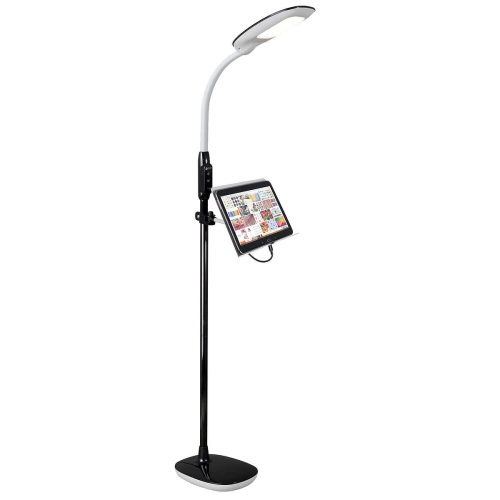 Your price for this item is $165
 -
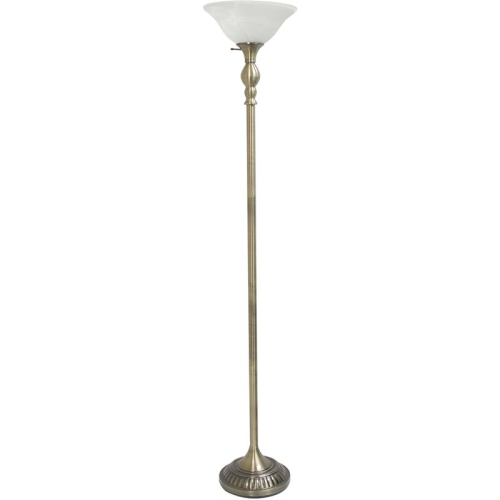 Your price for this item is $144.56
 -
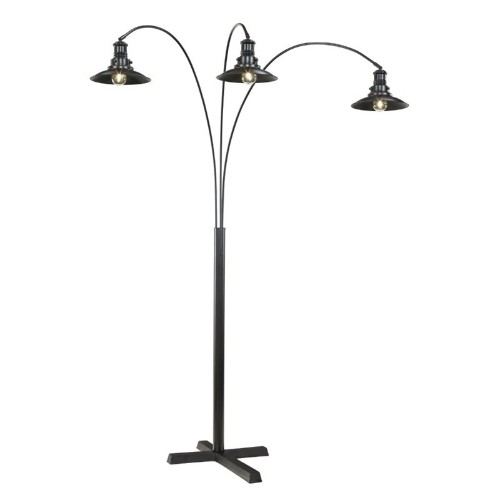 Your price for this item is $637.1
 -
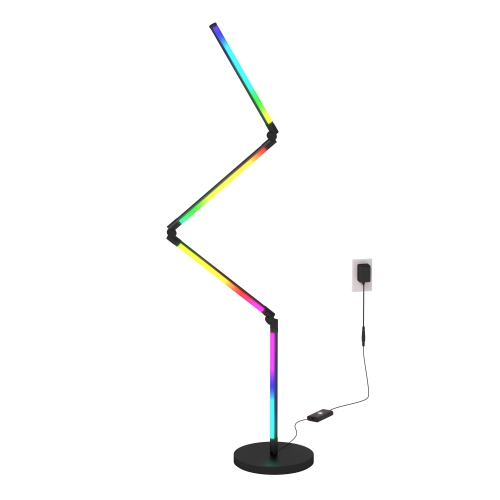 Your price for this item is $79.99
 -
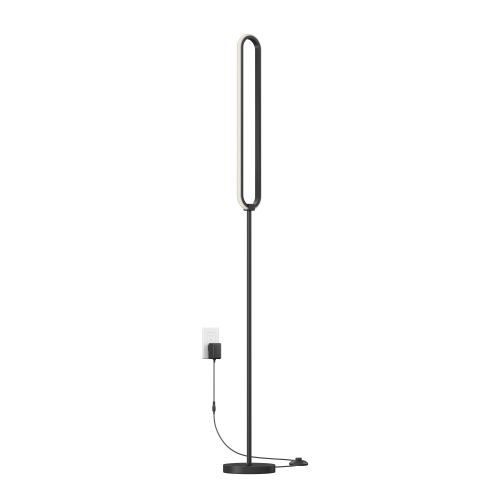 Your price for this item is $69.99
 -
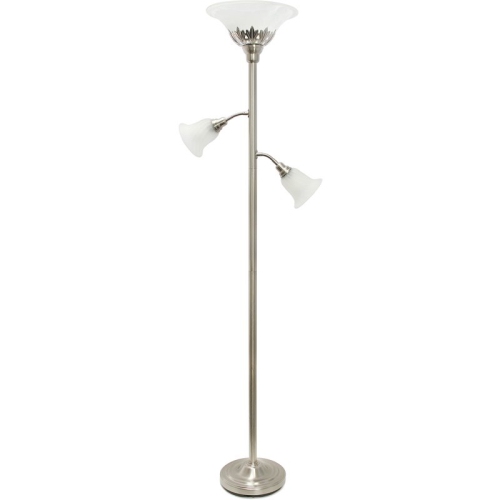 Your price for this item is $158.56
 -
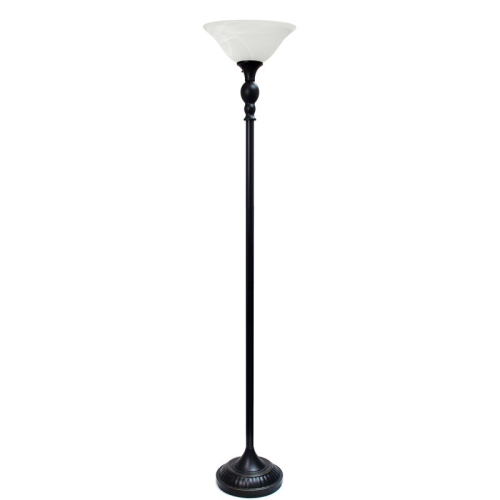 Your price for this item is $136.56
Discover more categories related to Wood Base Floor Lamps
Top Collections:
Pokemon Centers, Kindle Devices, Best Budget Office Chairs, Apple iPhones 16, Best Laptops for Writers, iPhone 15 Apple, Canon G7X Cameras, Refurbished Apple Laptops, Alarm Clock, Motorola Razr Phones
Some products may be subject to Environmental Handling Fees
(EHF) depending on your province.
Learn more about EHFs.