Wood Benches With Cushion
Add a touch of warmth and style to your home with our selection of wood benches with cushions. These versatile pieces of furniture are not only functional but also add a cozy and inviting feel to any room. Whether you're looking for extra seating in your living room, a stylish accent piece for your entryway, or a comfortable spot to sit at the foot of your bed, our wood benches with cushions are the perfect choice. With a variety of styles, colors, and finishes to choose from, you're sure to find the perfect bench to complement your decor and enhance your space.
Sort
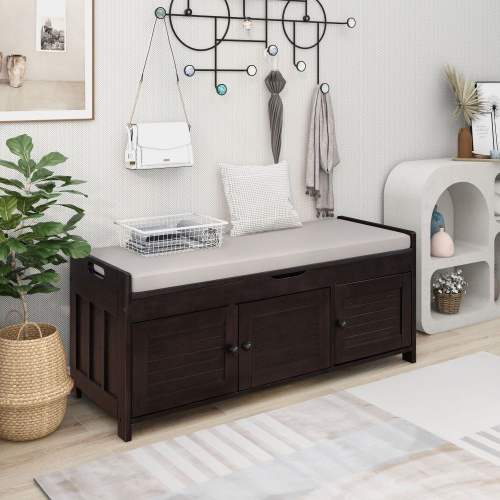
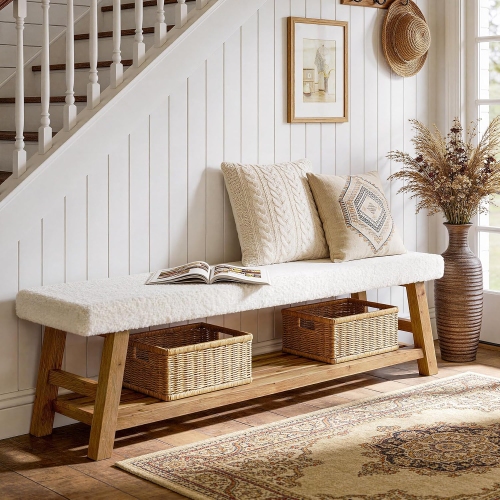
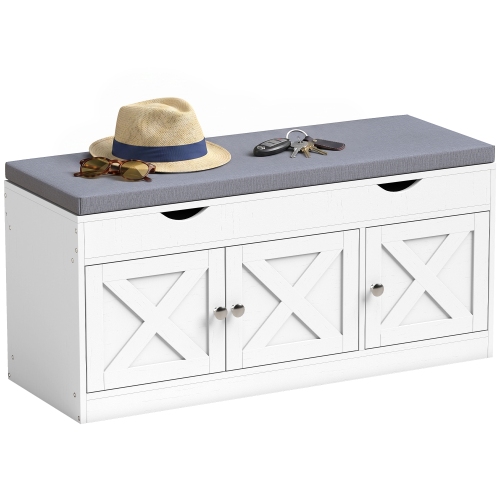
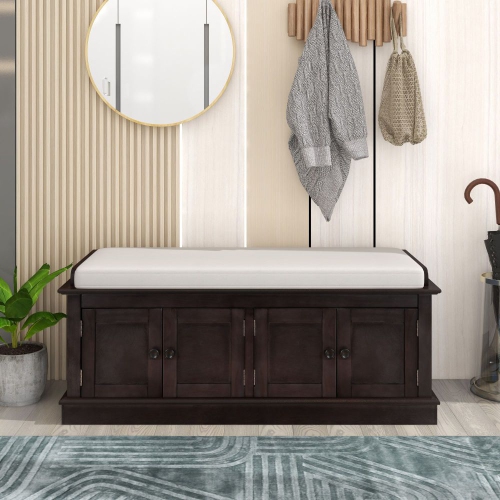
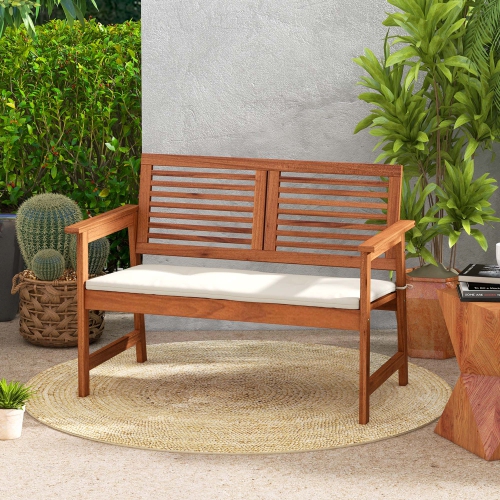
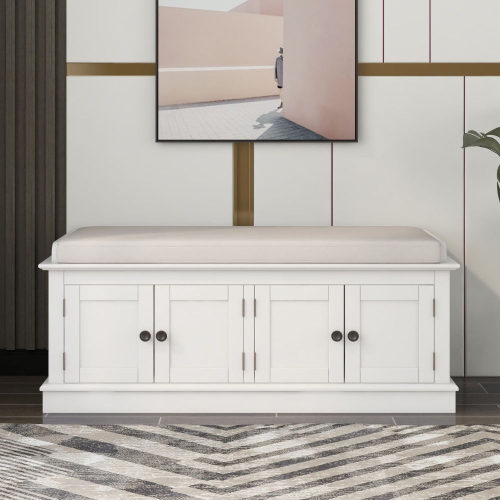
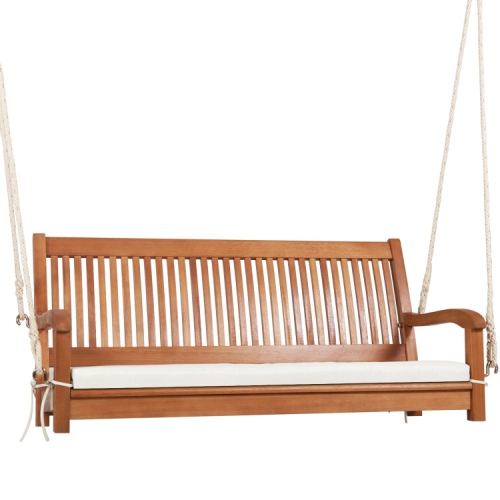
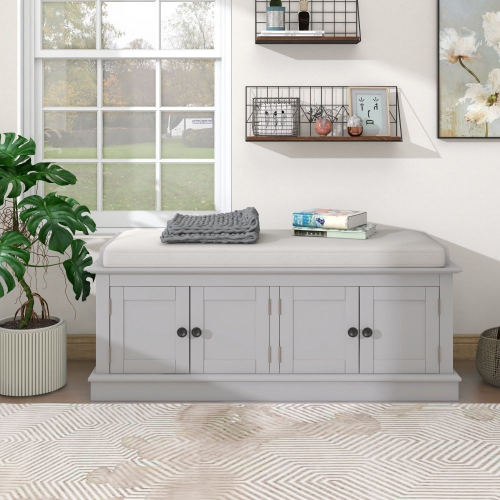


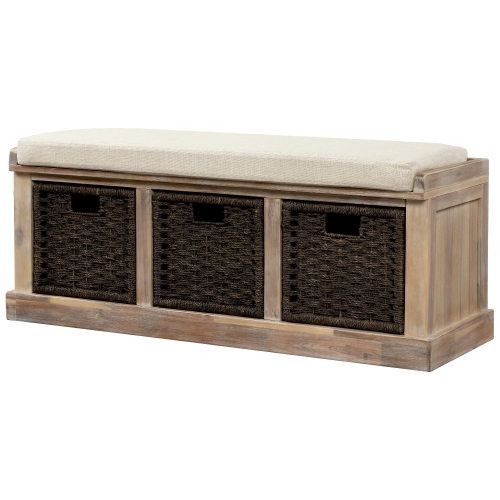
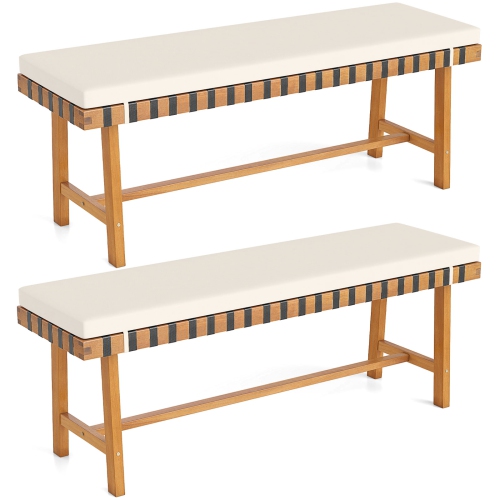
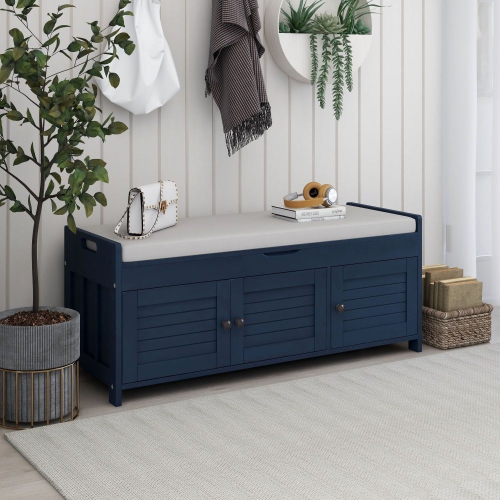
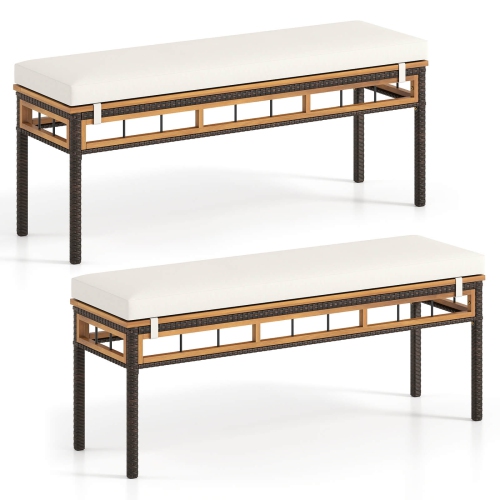
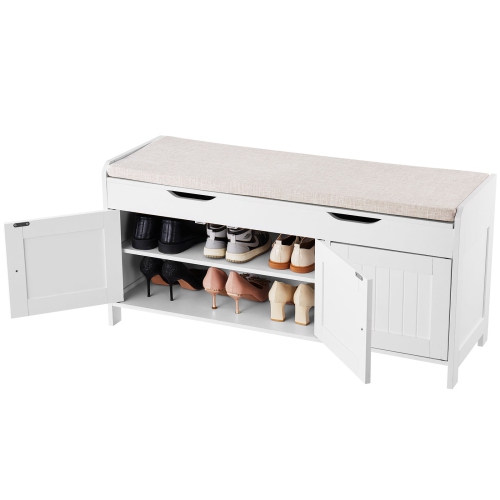
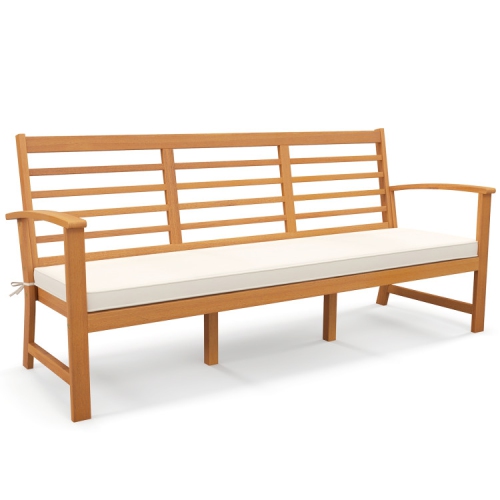
A comfortable bench takes more than soft cushioning
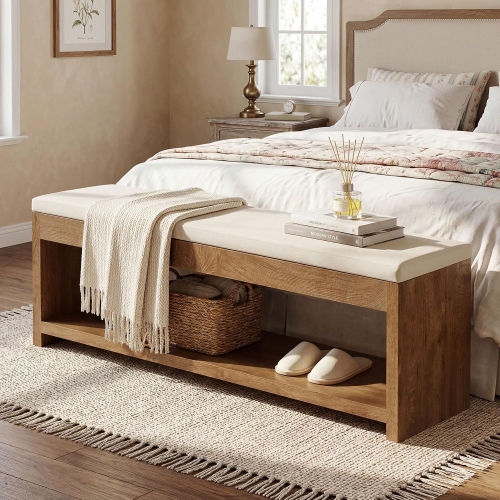
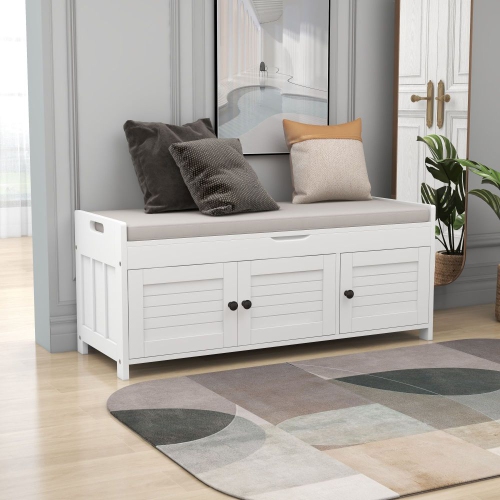
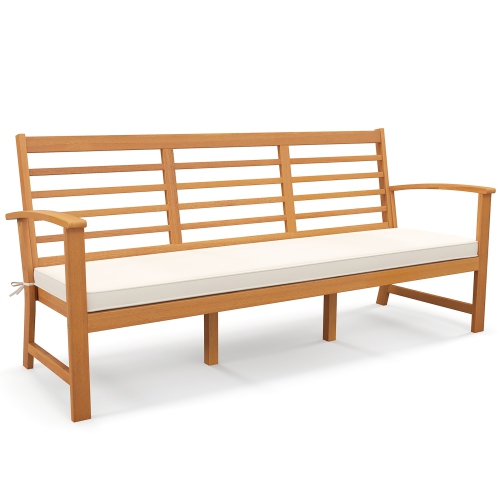
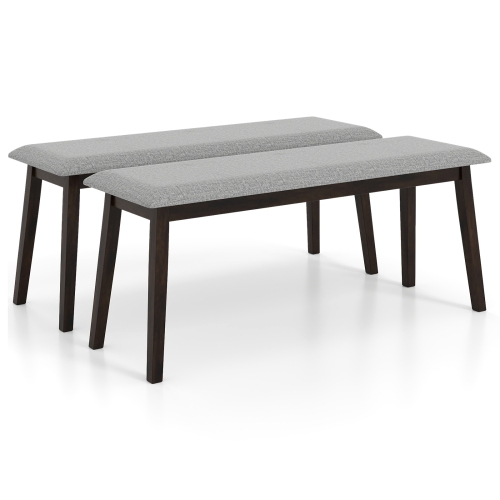
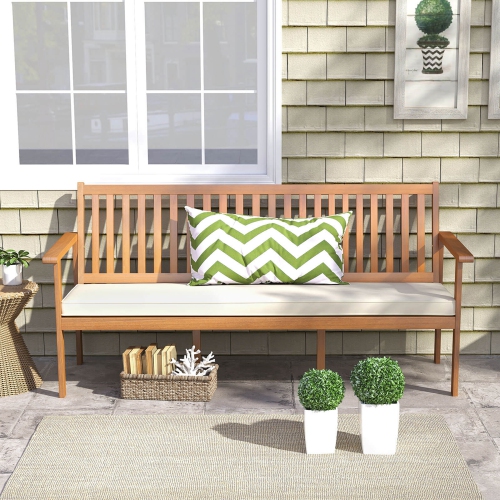
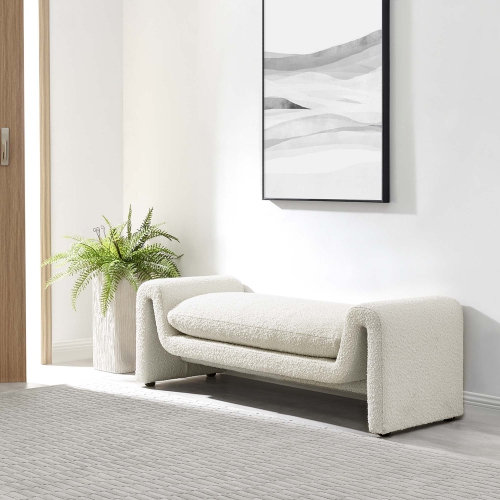
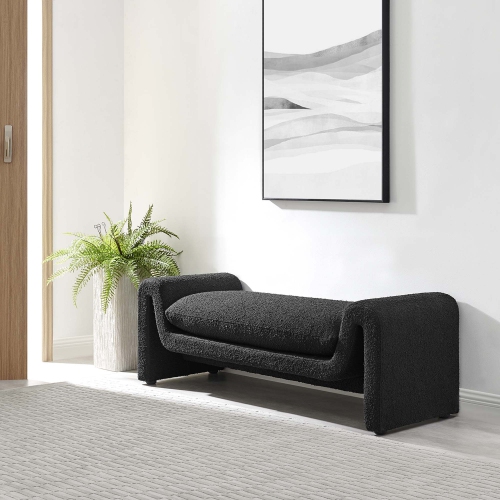
Wood benches with cushions combine the structure and character of wood with a padded seating surface, making them a practical addition to entryways, bedrooms, dining areas, and other shared spaces. A cushioned wooden bench beside the front door gives someone a place to sit while fastening shoes, while a bench at the foot of a bed provides a spot to get dressed or lay out clothing. In a dining nook, a bench can bring several seats together along one side of a table without the visual separation of individual chairs. The right configuration depends on how that space is used: an open frame keeps the floor visible and leaves room beneath the seat, while a storage base puts otherwise unused space to work. Wood also brings considerable variety to the appearance of a bench. Oak often has a pronounced grain, pine commonly shows knots and a more informal character, and rubberwood can offer a relatively even surface beneath painted or stained finishes. Solid wood, wood veneers, and engineered wood each have different construction and care requirements, so the material description matters as much as the finish colour. A wood veneer provides a real wood surface over another core material, rather than indicating that every component is solid timber. Across these constructions, sturdy joints, well-supported seating, and a balanced base contribute more to everyday usefulness than appearance alone. Pale wood and a light cushion can keep a narrow hallway looking open, while a darker frame with textured upholstery creates a stronger visual anchor against a plain wall. Slatted shelves, panelled fronts, tapered legs, and gently rounded edges further distinguish the look without changing the bench’s basic purpose. A backless design can sit neatly beneath a window or against a bed, whereas a bench with a backrest offers additional support for longer periods of sitting. Armrests may provide a comfortable resting place, although they also reduce the unobstructed seating space.
The fit of a cushioned bench involves more than its overall width. Seat height includes both the wooden base and the cushion, and the cushion may compress noticeably once someone sits down. For an entryway, a comfortable position generally allows feet to rest on the floor without the front edge pressing into the backs of the legs. At a dining table, the relationship between the finished seat height and the underside of the tabletop is especially important; a thick cushion or raised armrest can make a bench difficult to tuck away. Depth matters just as much in a passageway, where a generous seat should not block doors, drawers, or the main walking route. The usable sitting area can also be smaller than the bench’s outer dimensions, particularly when arms, raised sides, or a backrest occupy part of the frame. Cushion construction shapes how the bench feels over time. Firmer foam offers a more supported perch for putting on shoes, while softer padding may feel more inviting for reading or conversation. Thickness alone does not establish comfort or durability, since the foam’s density, the supporting surface, and the upholstery all contribute. A removable cushion is easier to reposition and access for cleaning, while an attached upholstered seat keeps the padding integrated with the frame. Ties, straps, or a suitable non-slip underside can help a loose cushion stay aligned, provided these features are part of its intended design. Upholstery brings another set of considerations. Woven fabrics add texture, tightly woven surfaces may be easier to vacuum, and smooth coated upholstery can simplify wiping away minor marks when its care instructions permit. Light colours show some spills readily, while darker colours can make pale lint and pet hair more noticeable. For households with children or pets, accessible seams, securely fastened fabric, and clear cleaning instructions are useful details. A removable cover is not automatically machine washable, so the stated care method remains important even when a zipper is present.
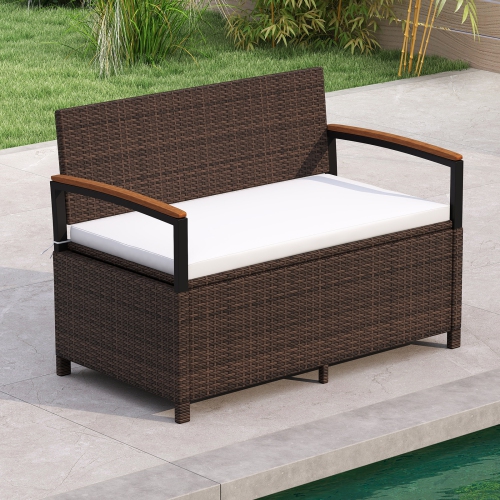
Storage changes how a wooden bench functions in daily life. An open lower shelf keeps frequently worn footwear visible and within reach, while cubbies separate pairs, small bags, or storage baskets. Drawers hide loose accessories but need enough clearance to open fully, and cabinet doors should not interfere with nearby furniture. A lift-top seat provides concealed space for blankets or other household belongings, although the cushion and anything resting on top may need to be moved before opening it. Where a hinged lid is involved, the hinge mechanism and any stated safety features deserve attention, especially in a family space. Storage capacity and seating capacity are separate specifications: a roomy compartment does not establish how much weight the seat can support. The stated weight limit, intended number of occupants, and assembly requirements help clarify whether a bench suits an individual dressing area or shared seating. For a housewarming gift or a first apartment, a cushioned wood bench can be useful when the recipient’s measurements, preferred finish, and storage needs are already known. Placement also determines the appropriate materials. Indoor furniture should not be assumed suitable for outdoor use simply because it has a wooden frame. For seating designed for an outdoor living area, Patio Benches With Cushions offers a related category where the frame, cushion fabric, and care requirements should be considered together. Indoors, routine care usually centres on removing dust, vacuuming upholstery with a suitable attachment, and addressing spills promptly according to the manufacturer’s directions. Wood finishes can be damaged by harsh cleaners or excess moisture, and fabric cleaners should be checked against the upholstery instructions before use. Lifting rather than dragging the bench helps protect its joints and the floor beneath it. Properly fitted floor protectors and occasional checks of assembly hardware can also support everyday use, keeping the bench ready for its next purpose, whether that is a quiet seat beside a window or a practical landing spot near the door.
Top selling and popular products
-
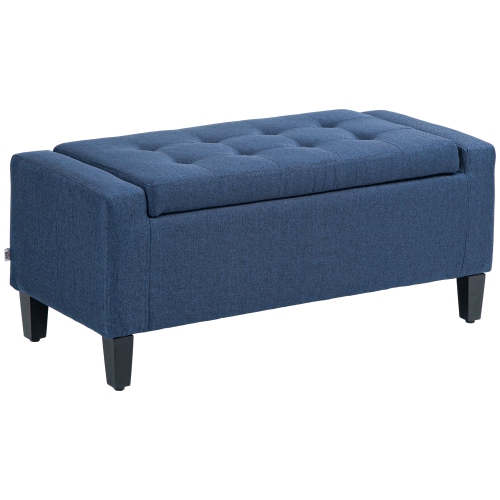 Your price for this item is $139.99
-
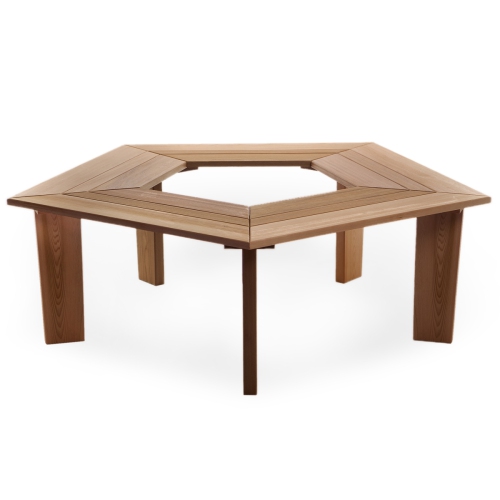 Your price for this item is $516.99
-
 Your price for this item is $73.99
-
 Your price for this item is $73.99
-
 Your price for this item is $73.99
-
 Your price for this item is $275.99
-
 Your price for this item is $898.42
-
 Your price for this item is $898.42
Discover more categories related to Wood Benches With Cushion


Top Collections:
Best Black Friday Deals This Year, Best Black Friday Deals On Electronics, Kindle Devices, Dyson Airwrap, Best Cameras for Sports Photography, Best Budget Office Chairs, Canon G7X Cameras, PS5 Pro Consoles, Best Black Friday Deals On Apple Products, XBOX One S Consoles
Some products may be subject to Environmental Handling Fees
(EHF) depending on your province.
Learn more about EHFs.