Wood Drill Bits
Whether you're a seasoned professional or a DIY enthusiast, having the right drill bits at your disposal can make all the difference in achieving flawless results. From crafting furniture to constructing cabinets, these versatile tools are designed to deliver exceptional performance and durability. With a wide range of sizes and styles available, you'll be able to find the perfect wood drill bits to suit your specific needs. So, let's dive into the world of wood drill bits and discover how they can elevate your woodworking game to new heights.
Sort


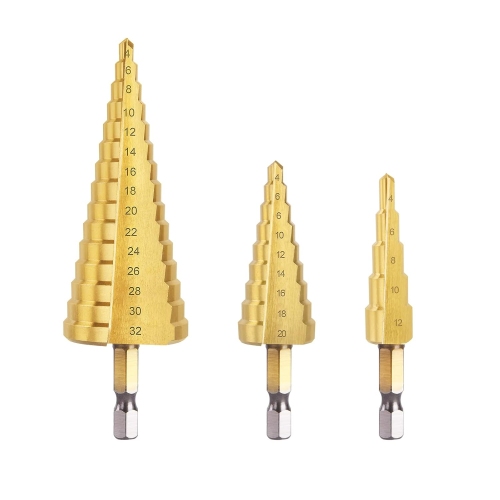
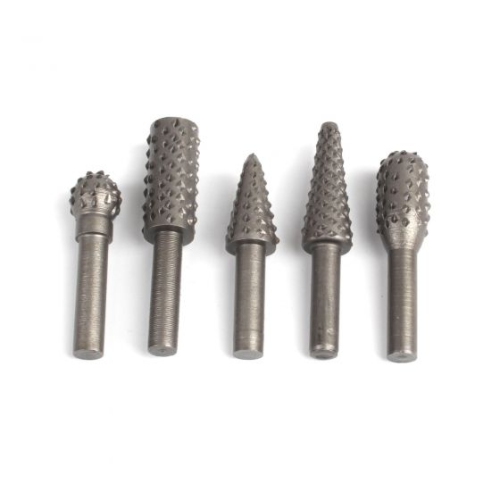
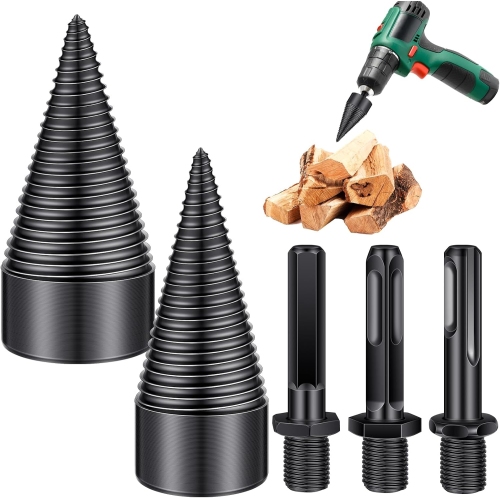

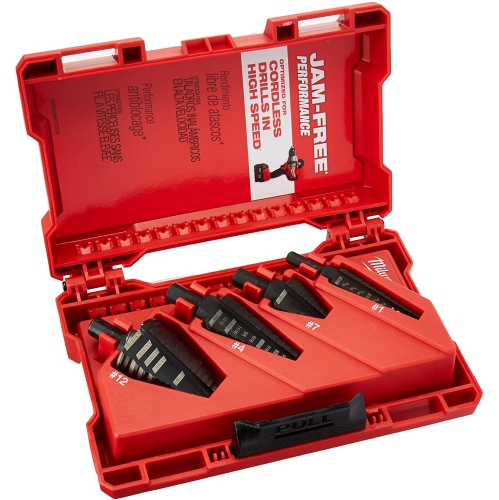


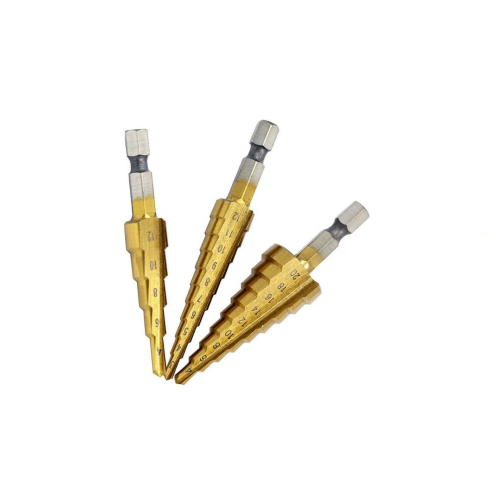
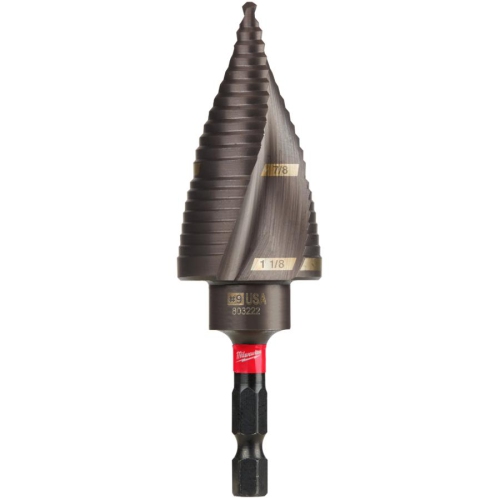
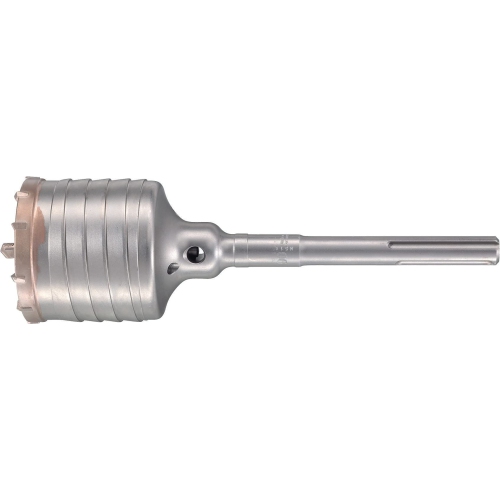
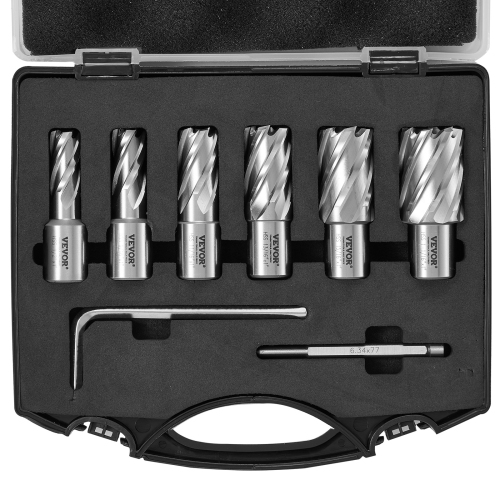
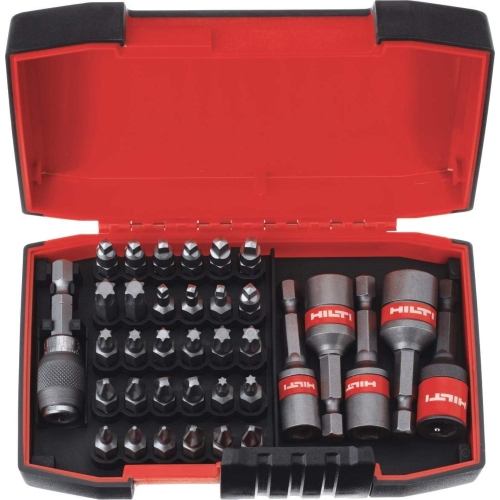
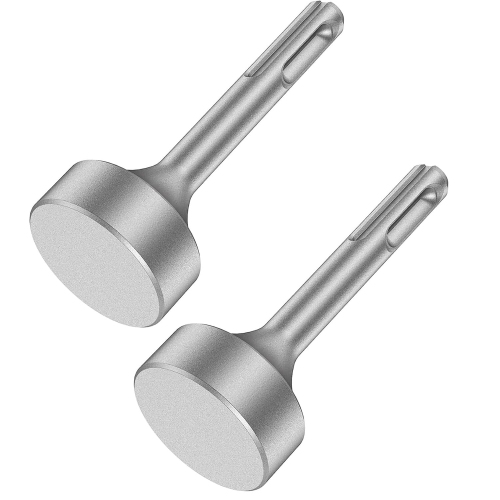
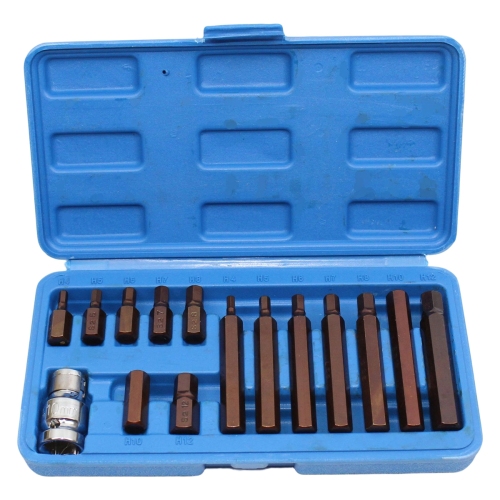
Why cutting shape matters as much as hole size
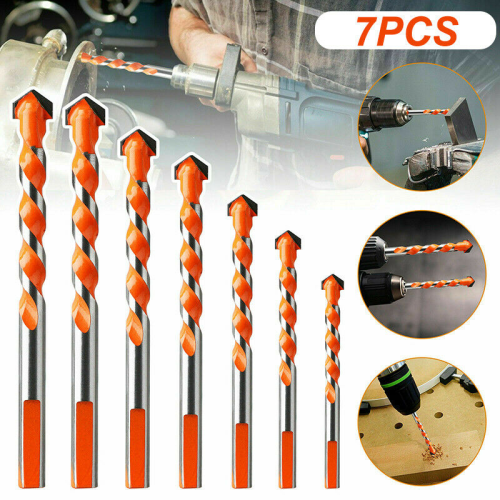
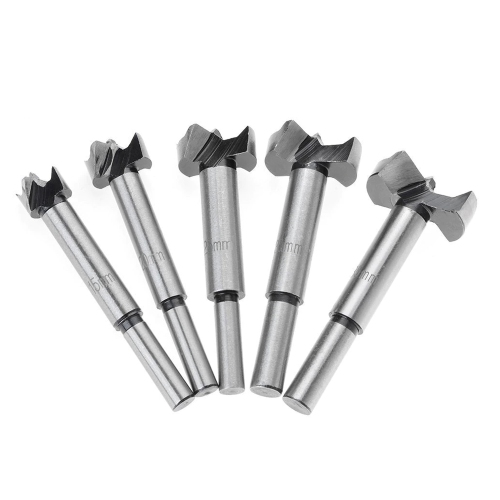
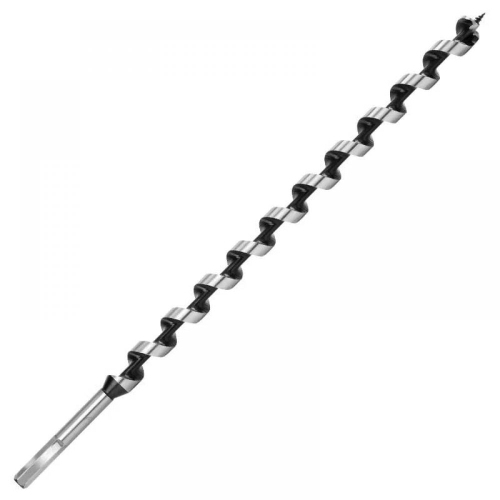
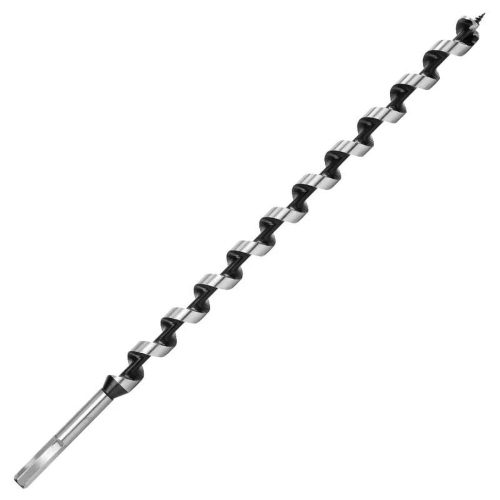
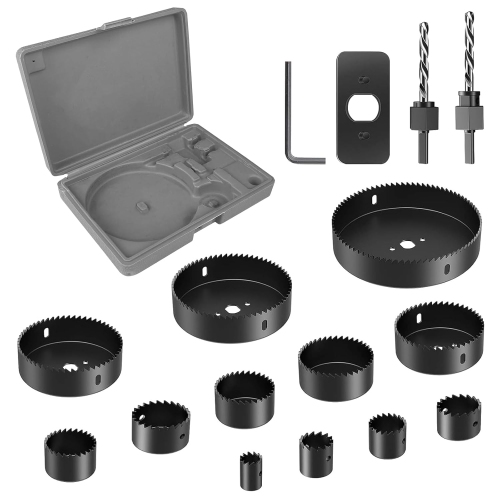
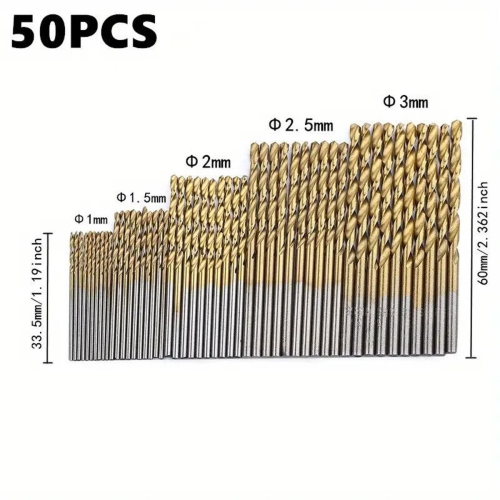
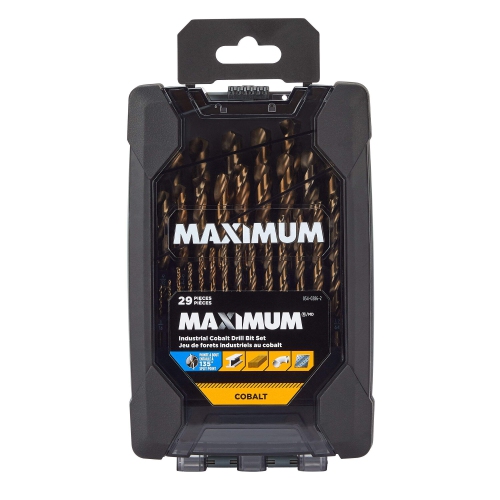
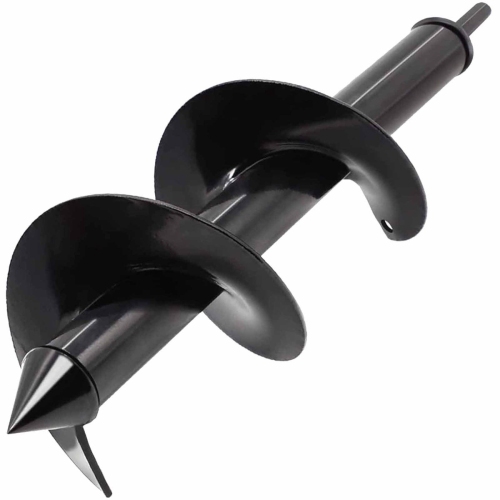
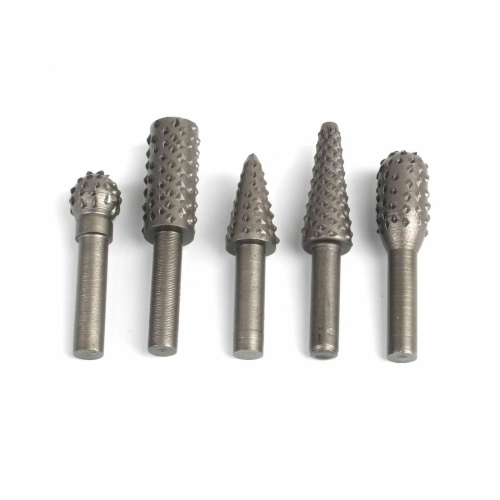
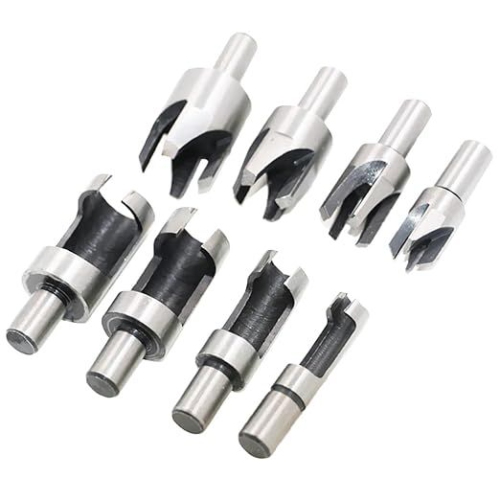
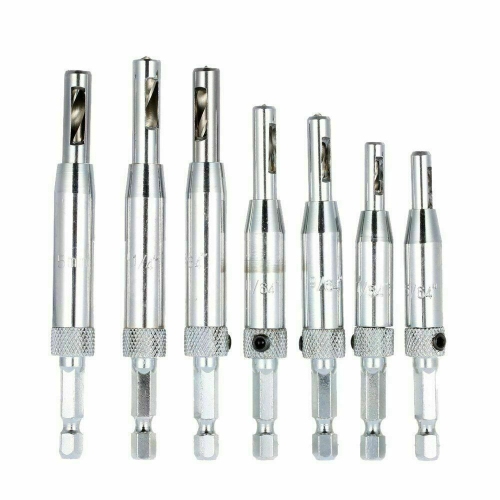
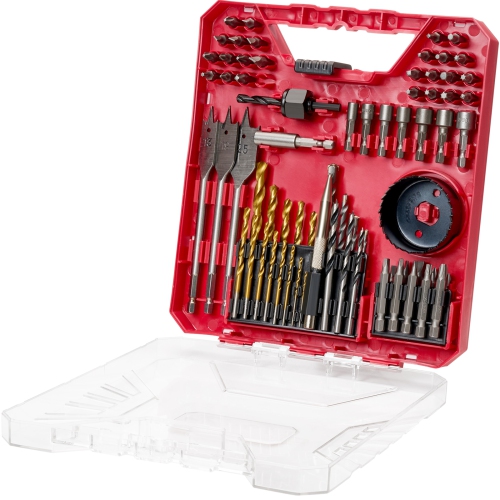
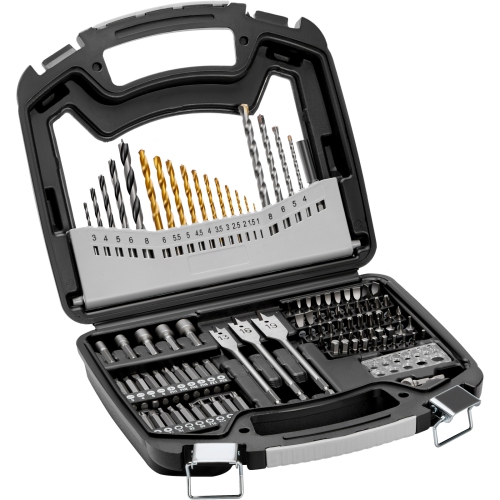
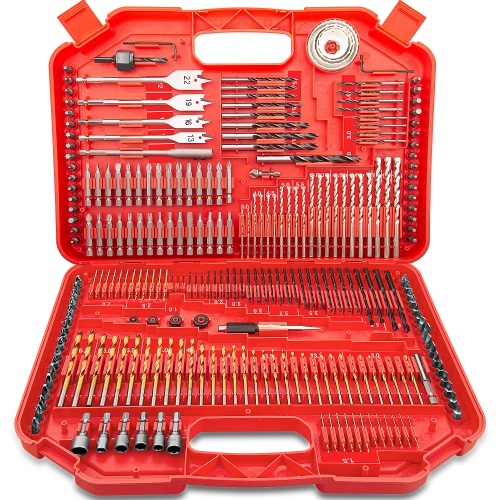
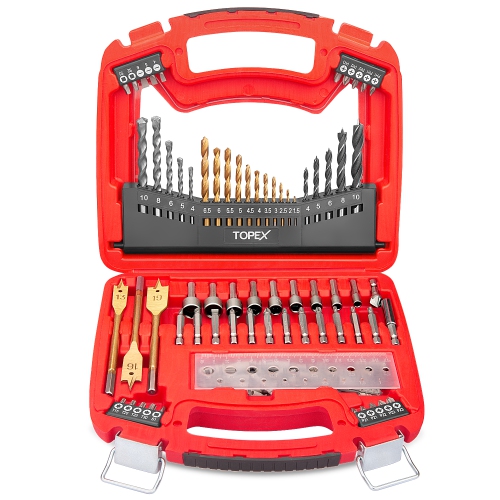
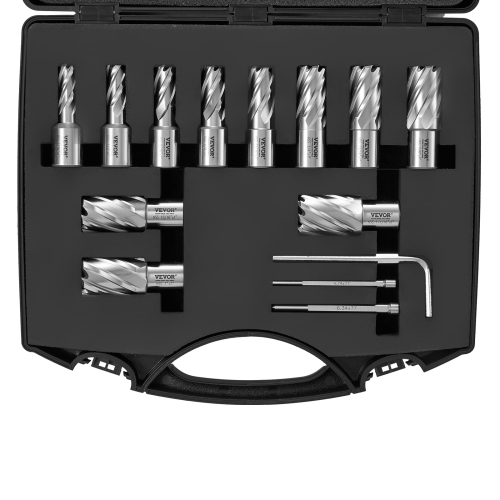
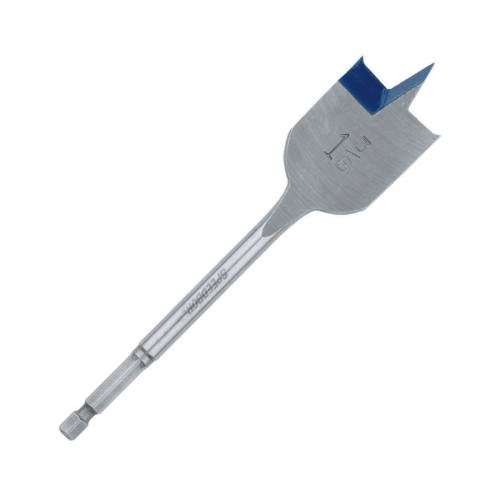
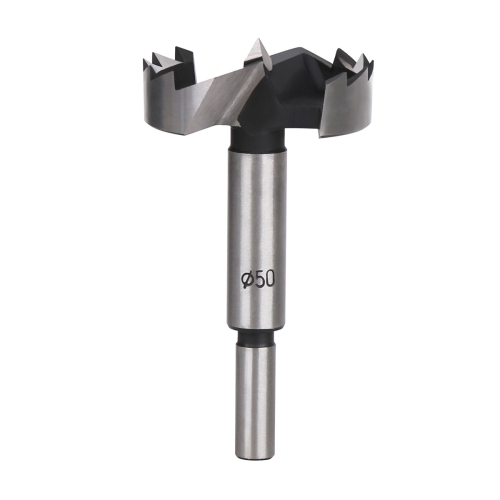
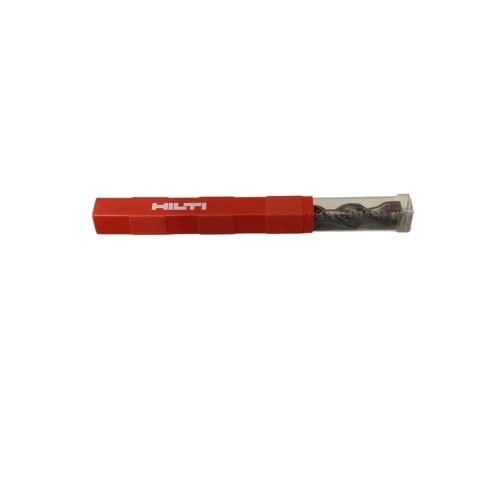
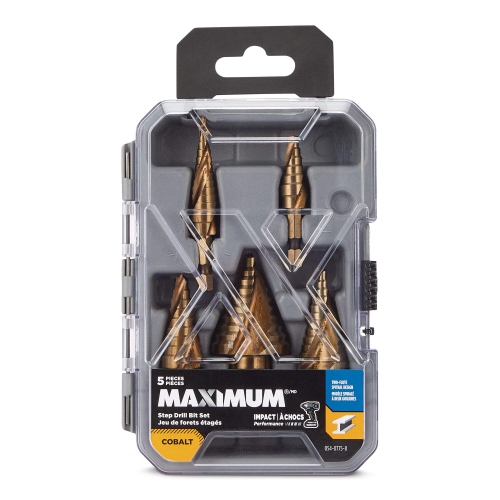
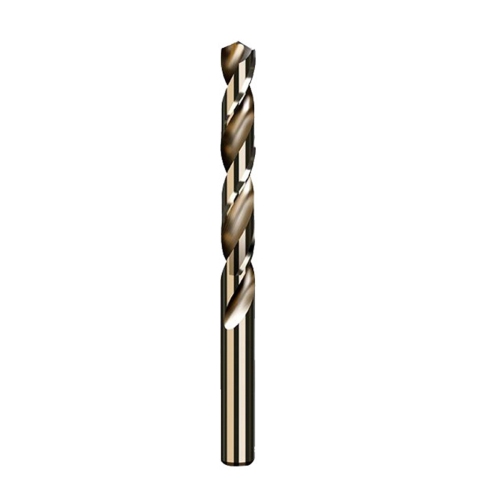
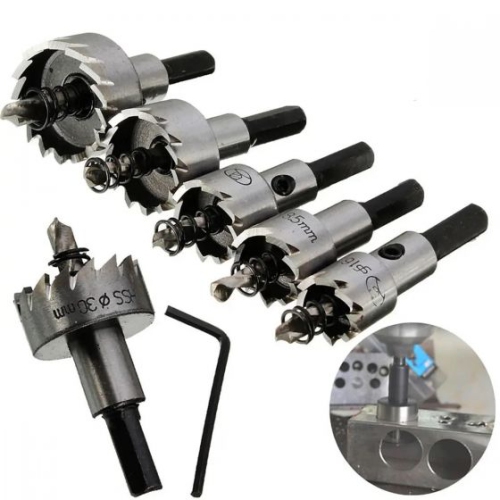
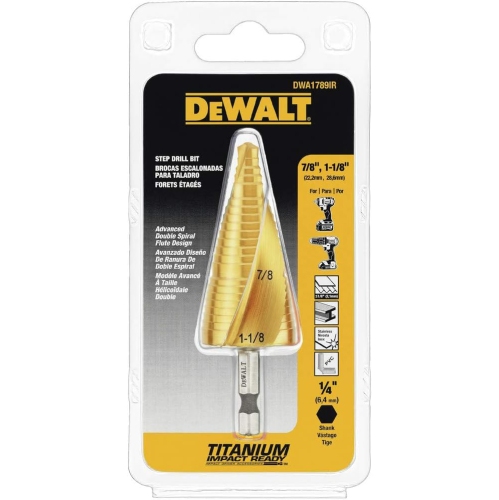
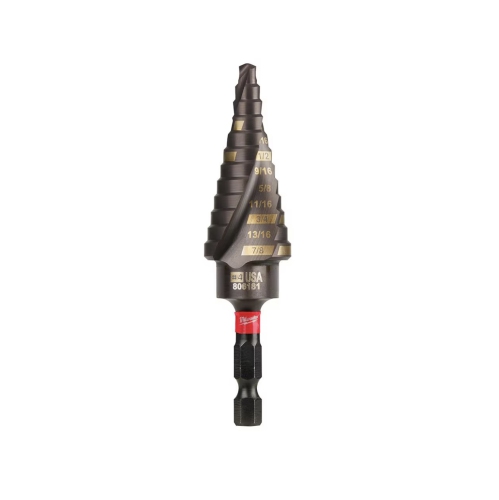
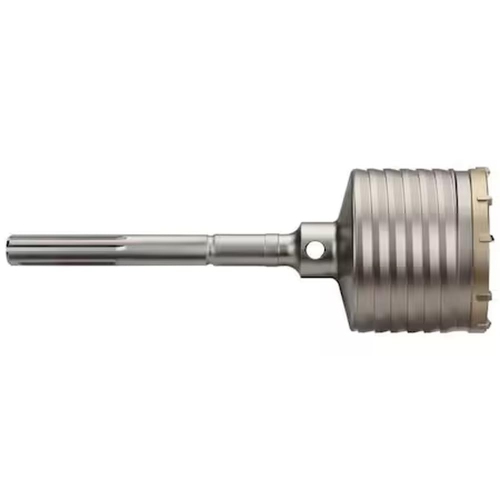
Wood drill bits are designed to make holes for fasteners, joinery, fittings, and access through timber and wood-based panels. The best match depends on the hole’s diameter and depth, the material being drilled, and how much of the finished surface will remain visible. A small pilot hole for a cabinet screw calls for different cutting geometry than a broad recess for a hinge or a deep opening through a framing member. Brad point bits have a sharp centre point that helps locate the hole accurately, with outer cutting spurs that score the wood fibres before the main edges remove material. This design suits furniture making, dowel holes, shelving, and other work where a neat opening matters. A backing board can help protect the exit surface, particularly on plywood or thin panels. Forstner bits make accurately sized holes with largely flat bottoms, apart from the small recess left by the centre point. They are useful for concealed hinge cups, shallow recesses, and overlapping holes, with a drill press offering especially good control when the cut is not supported around its full circumference. Spade bits have a flat, paddle-shaped cutting head and suit larger holes where speed matters more than a furniture-quality finish, such as openings for cables through timber framing. Their centre points help position the cut, while some designs also have threaded tips that draw the bit into the wood. Auger bits use deep spiral flutes to carry chips out of longer holes, often with a screw tip that feeds the cutting edge forward. They suit thick timber and deeper drilling, although their self-feeding action requires a drill capable of handling the load. Conventional twist bits can also make holes in wood, especially smaller pilot holes, but generally do not score the surface fibres as cleanly as purpose-made brad point bits. These differences make cutting shape just as important as diameter when comparing wood drill bits for a particular job.
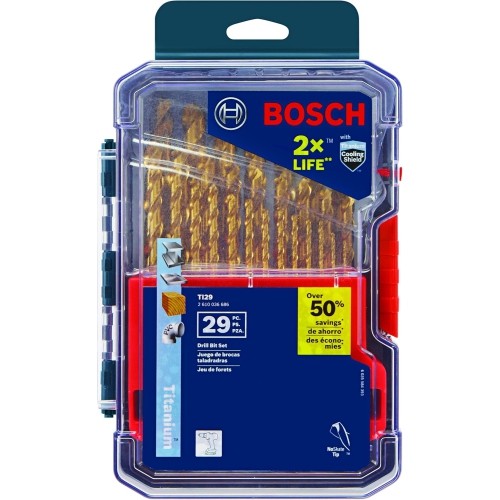
Materials and construction affect how a wood drill bit holds its edge, handles repeated use, and responds to different substrates. High-carbon steel is common in woodworking bits, while high-speed steel offers toughness and resistance to heat; some designs use carbide cutting edges for longer wear in demanding applications. A coating may help reduce friction or protect the surface, but it does not replace suitable cutting geometry or make a bit appropriate for every material. Softwood, hardwood, plywood, and medium-density fibreboard place different demands on an edge. Pine can produce long chips and collect resin on the cutting surfaces, dense hardwood benefits from a sharp edge and controlled cutting speed, and abrasive manufactured panels can wear cutting edges more quickly. Veneered plywood adds another consideration: a hole that is sound beneath the surface may still look untidy if the thin face layer splinters. For exposed furniture panels, cutting spurs, stable support, and a clean backing surface all contribute to a better result. Size markings also deserve attention, since metric and inch measurements are not always interchangeable when fitting dowels, hinge cups, or other hardware. A bit’s overall length includes its shank, so its usable drilling depth may be shorter than the full measurement suggests. Shank shape and diameter determine whether the bit fits the drill chuck or bit holder. Round shanks suit compatible chucks, while hex shanks can provide a secure grip and may fit quick-change holders of the matching size. A hex shank alone does not establish that a bit is rated for impact use. Larger cutting diameters also require more torque, even when a reduced shank fits a smaller chuck. For broad Forstner cuts or deep auger holes, the drill’s capacity, speed range, and handling matter alongside the bit itself. Manufacturer specifications help establish whether a particular design suits a handheld drill, a drill press, or a more specialized application.
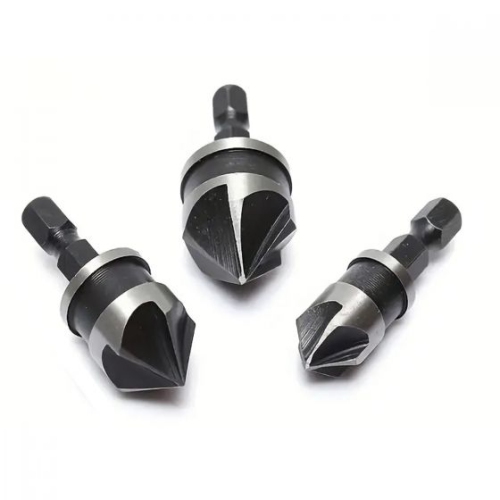
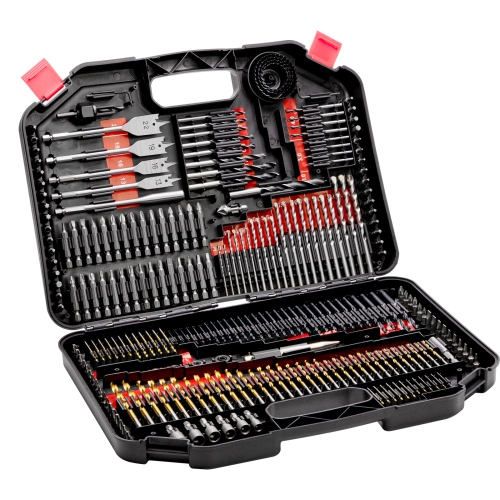
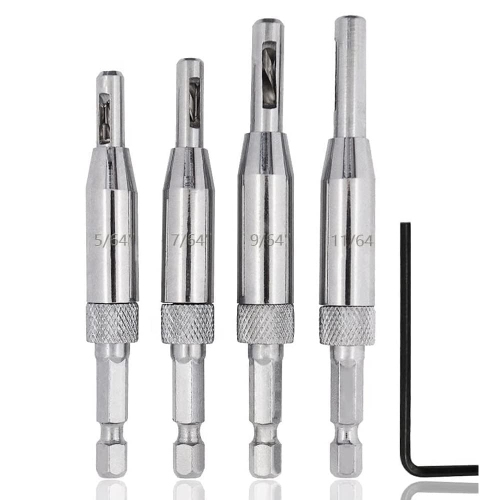
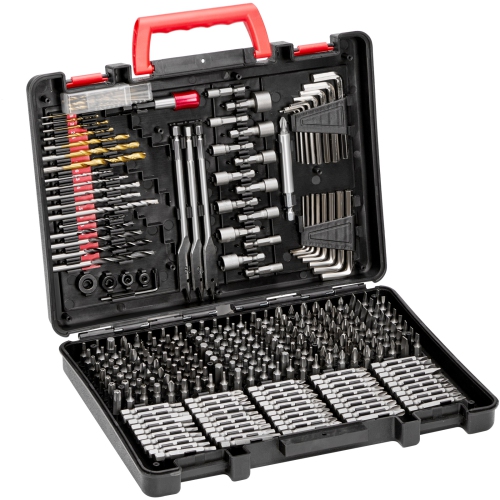
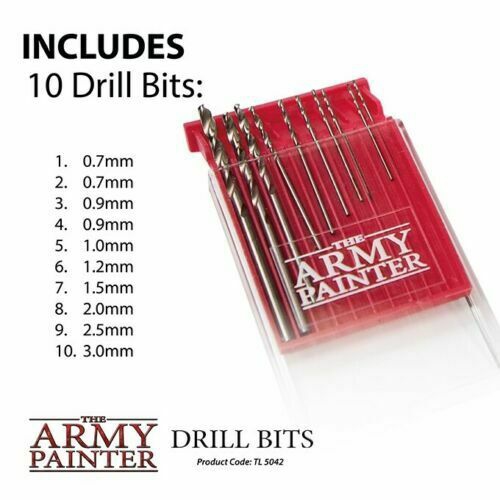
A useful assortment of wood drill bits reflects the work that happens most often, rather than simply covering the widest possible range of sizes. Furniture repairs and small household projects tend to involve pilot holes, clearance holes, and occasional recesses, while cabinetmaking places greater emphasis on repeatable dimensions and clean edges. A pilot hole gives a screw a controlled path into the wood and helps reduce splitting, particularly near the end of a narrow rail or the edge of a hardwood board. A clearance hole serves a different purpose, allowing the screw to pass through the first piece without gripping it so the fastener can draw the joint together. Countersinking creates space for a suitable screw head to sit flush or below the surface, and combination drilling accessories can bring these functions together when their dimensions match the fastener. For projects that combine drilling with fastening, drill and driver bit sets can complement dedicated wood bits; the included bit types and sizes determine their usefulness for each task. Organized storage helps keep small diameters identifiable and prevents sharp cutting edges from knocking together in a drawer. Care also affects durability: accumulated resin and packed chips can increase friction, while a dull edge may leave torn fibres or require noticeably more pressure. Appropriate cleaning, dry storage, and sharpening suited to the bit’s geometry help preserve performance; bent shanks or damaged cutting edges call for replacement rather than extra force. Secure workholding is especially important with self-feeding bits and large cutting heads, and suitable eye protection and dust control remain relevant even for a few holes. For a woodworking enthusiast, a homeowner building shelves, or someone setting up a first workshop, a thoughtfully chosen set can also make a practical gift. Matching the selection to their drill, preferred materials, and familiar projects makes it more useful than an assortment chosen only for its size.
Top selling and popular products
-
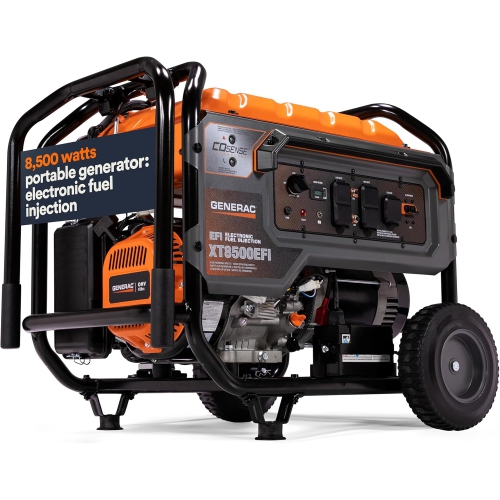 Your price for this item is $3000
-
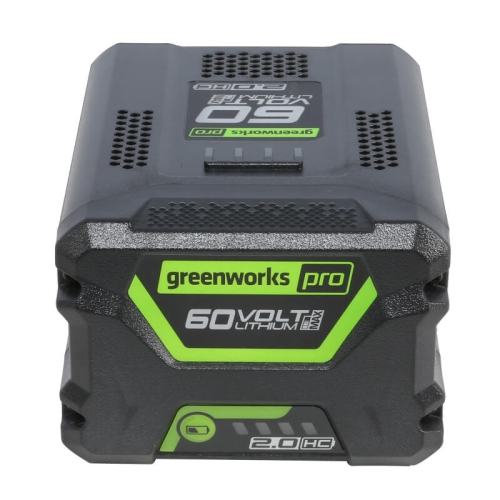 Your price for this item is $152.99
-
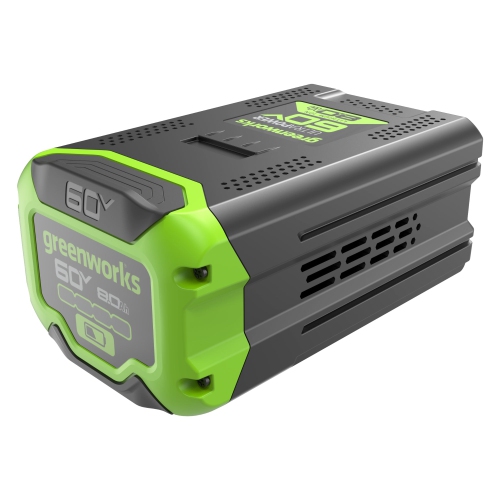 Your price for this item is $329.99
-
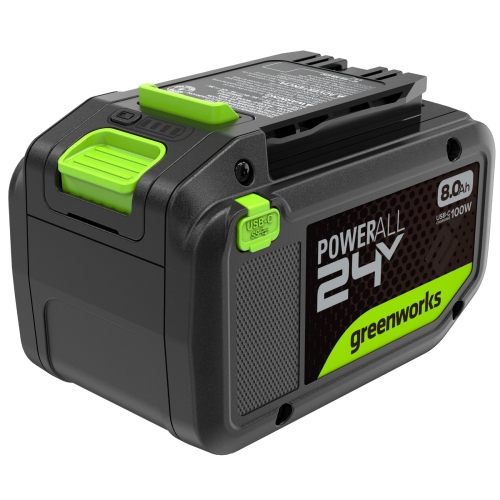 Your price for this item is $144.49
-
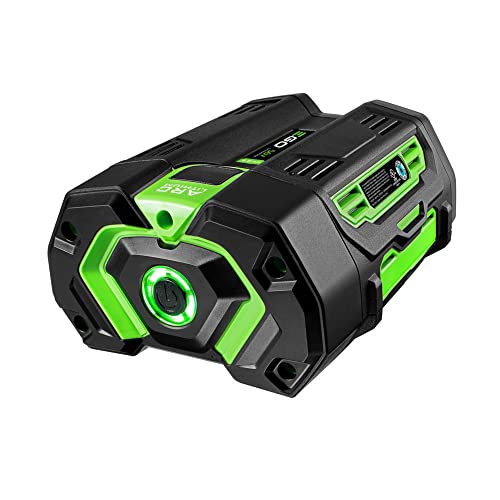 Your price for this item is $255
-
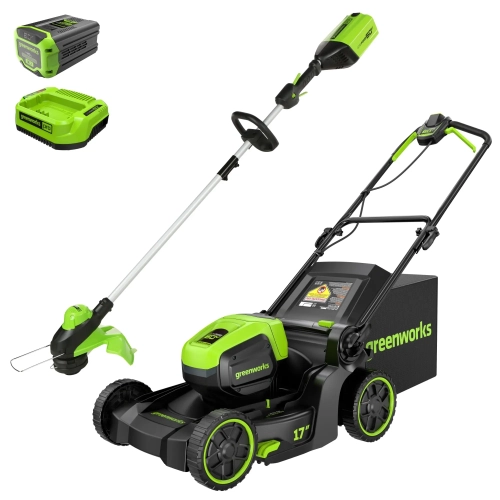 Your price for this item is $779.99
-
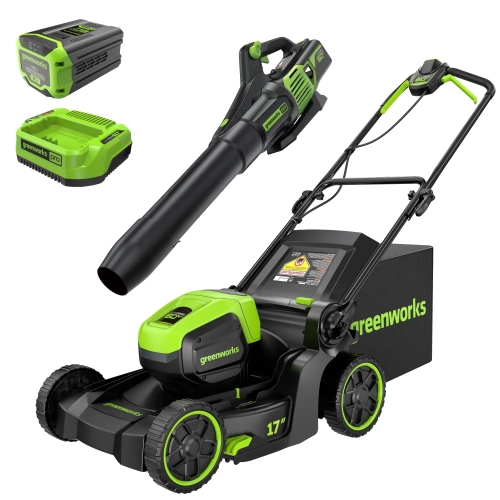 Your price for this item is $659.99
-
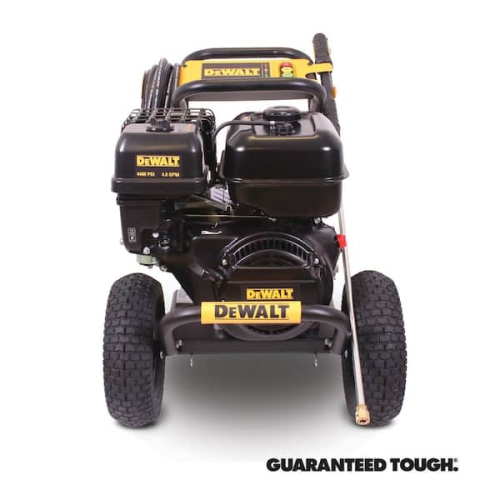 Your price for this item is $999.99
Discover more categories related to Wood Drill Bits
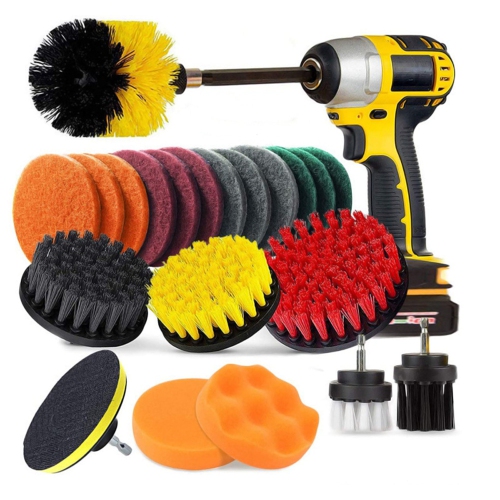
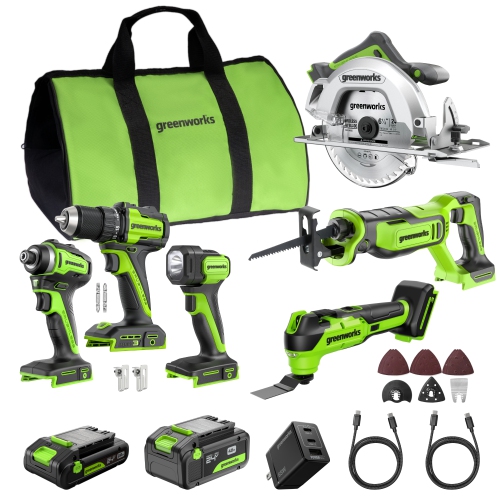
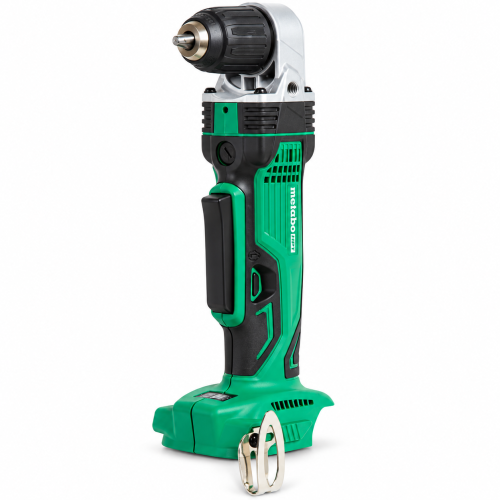
Top Collections:
Best Black Friday Deals This Year, Best Black Friday Deals On Electronics, Kindle Devices, Pokemon Centers, Best Black Friday Deals On Apple Products, Best Cameras for Sports Photography, Dyson Airwrap, Pokémon 30th Celebration Cards, Apple iPhone 17 Pro, Canon G7X Cameras
Some products may be subject to Environmental Handling Fees
(EHF) depending on your province.
Learn more about EHFs.