Wooden Arches
Transform your space with the timeless elegance of wooden arches. Whether you're looking to enhance your garden, create a stunning entryway, or add architectural interest to your interiors, wooden arches offer a versatile and stylish solution. Their natural beauty and classic design make them an ideal choice for any décor, seamlessly blending with both modern and traditional aesthetics. Discover the perfect wooden arch to elevate your environment, adding a touch of sophistication and charm that will leave a lasting impression.
Sort

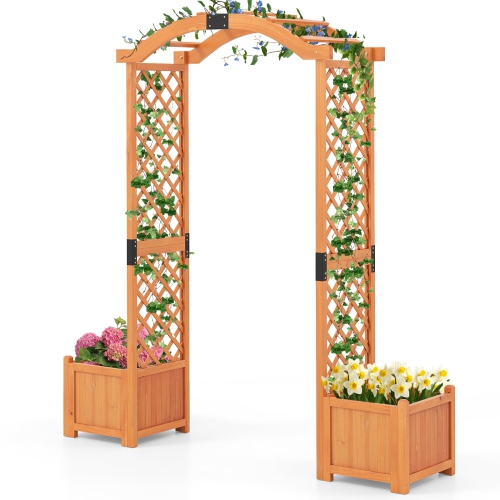

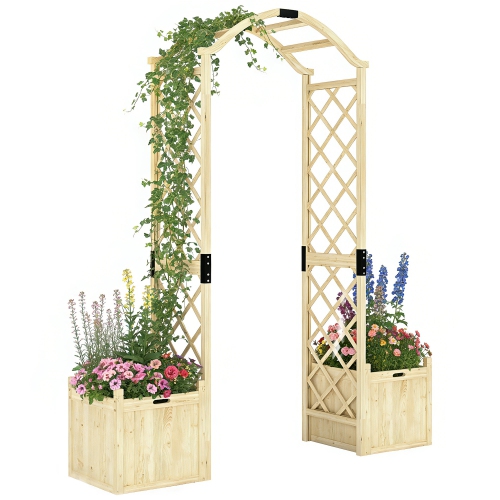
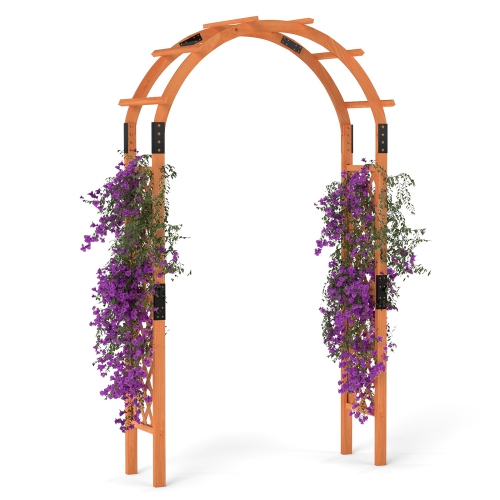
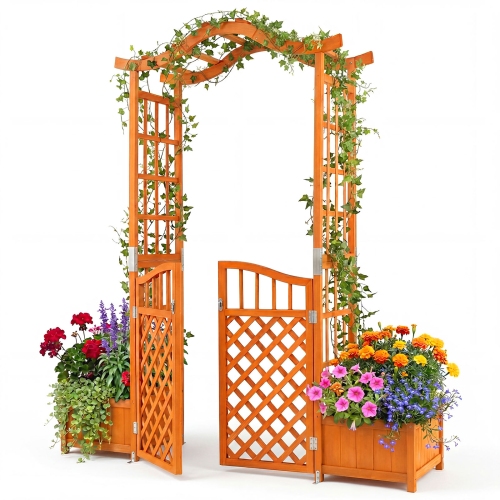
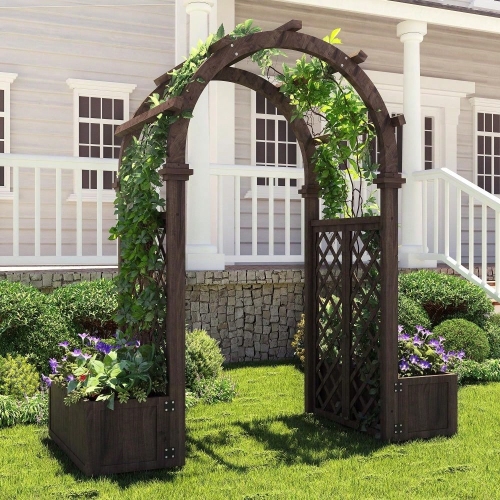
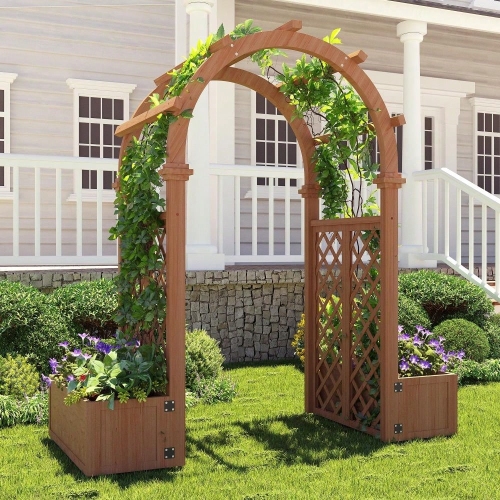
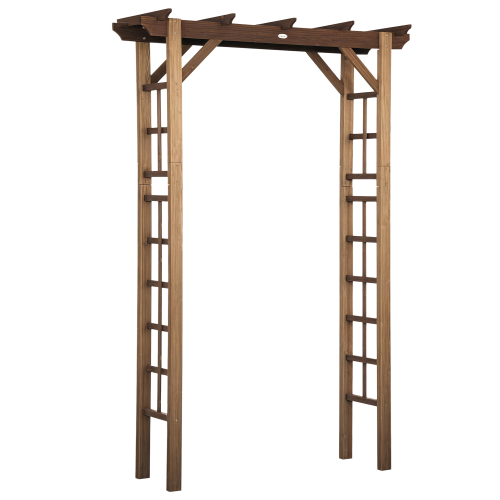

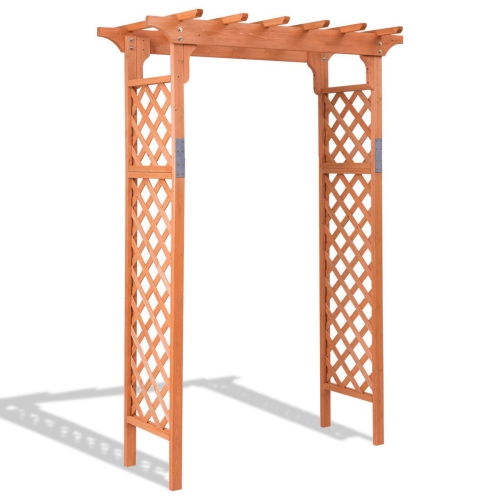

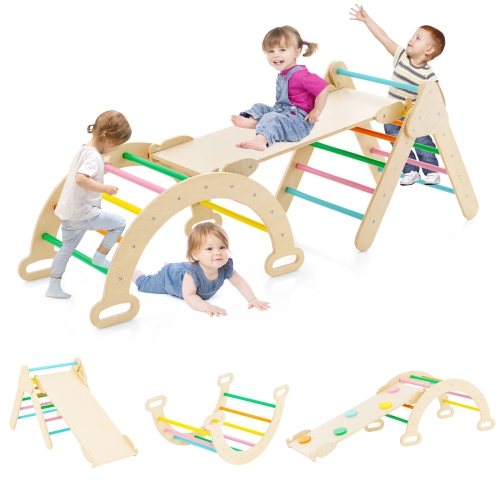
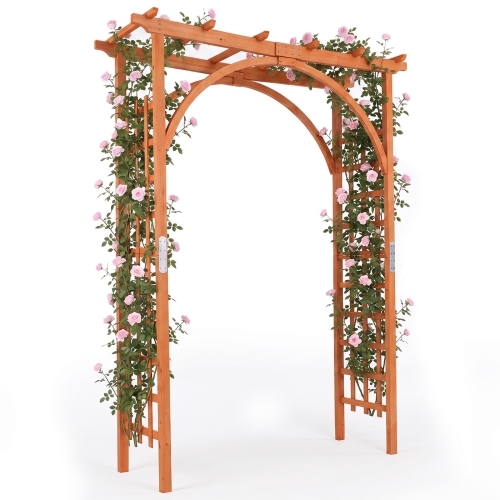

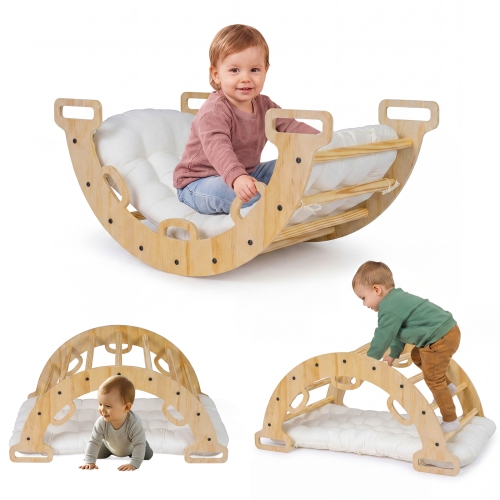
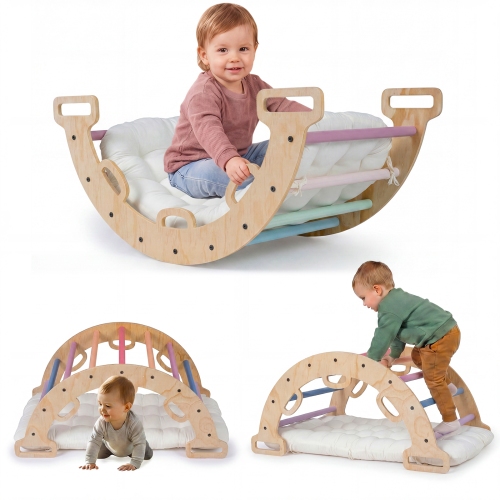
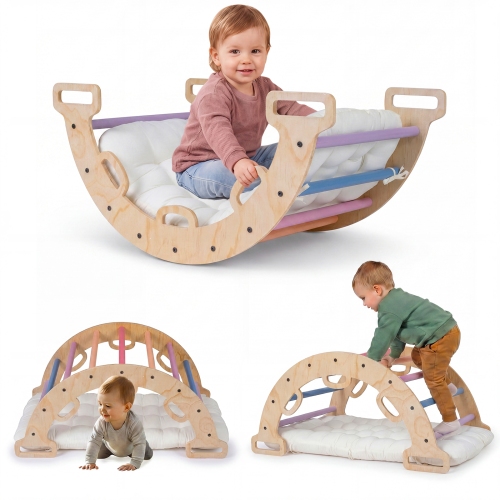

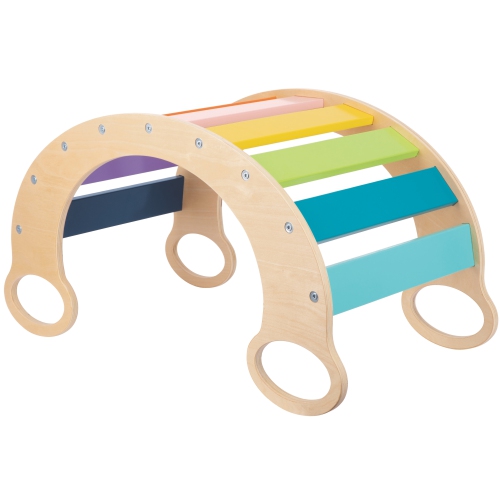

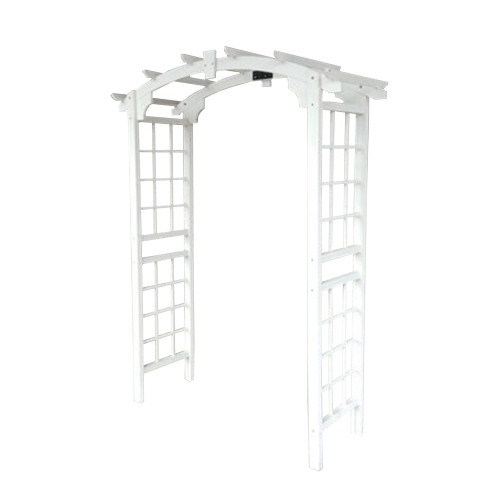

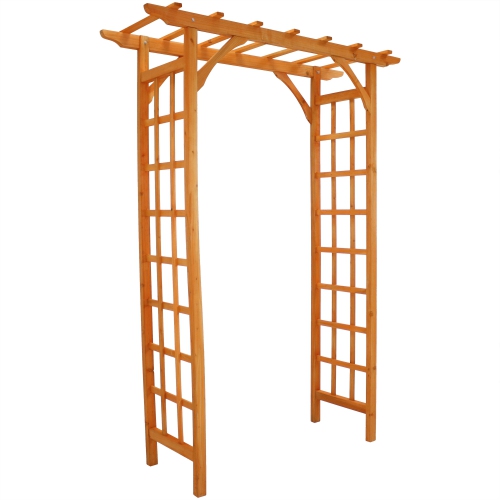

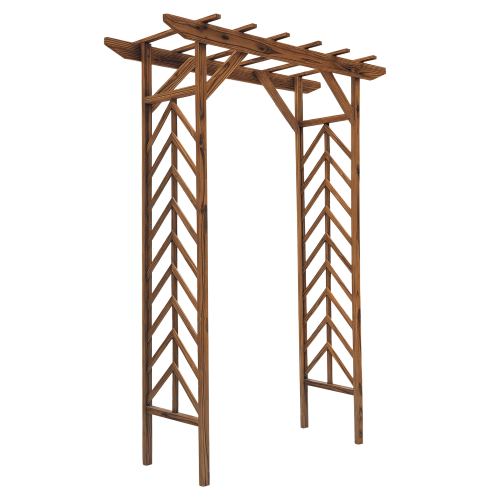
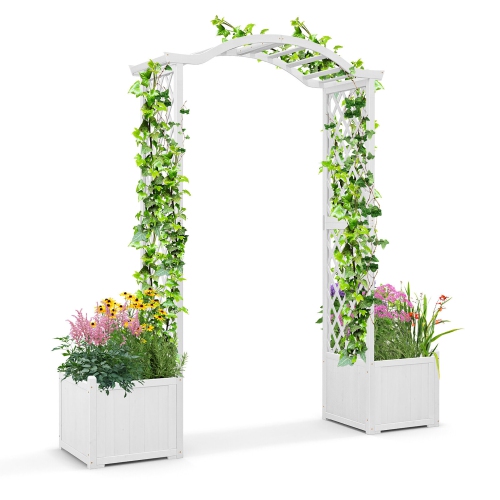
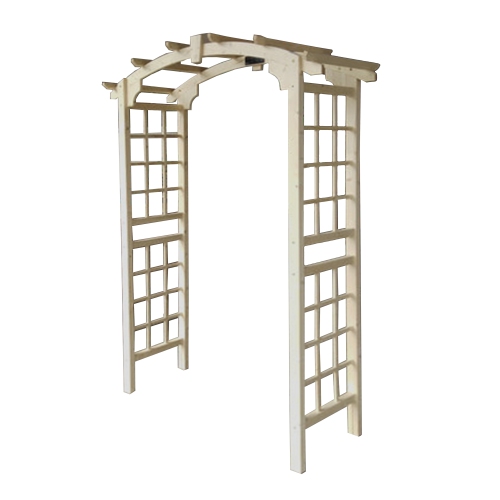
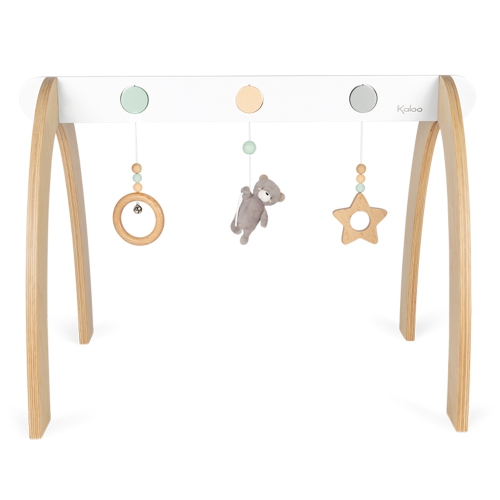
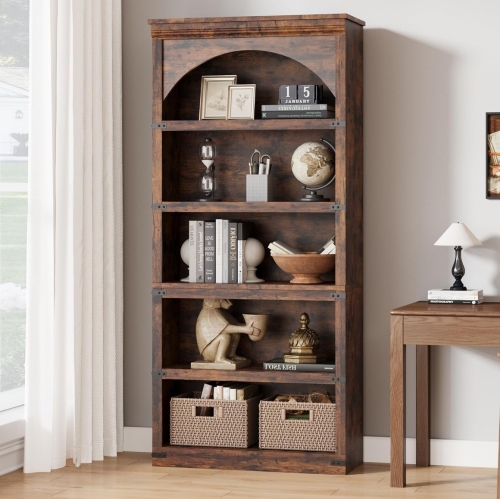

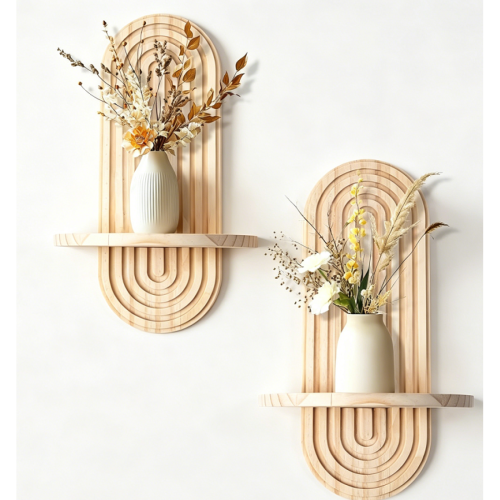
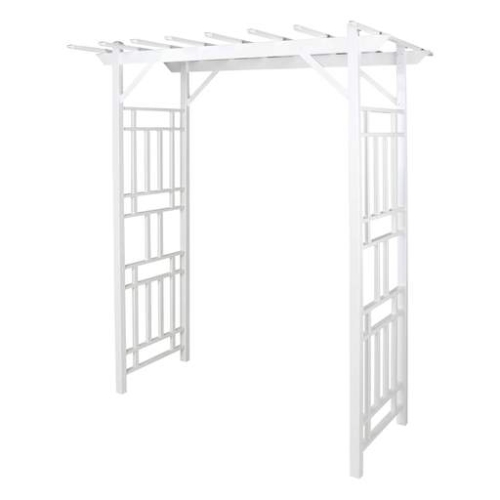


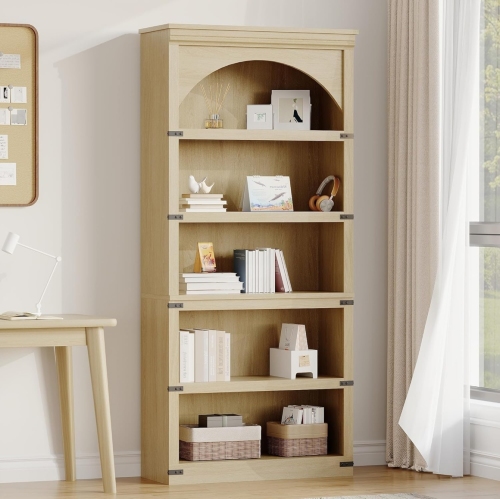
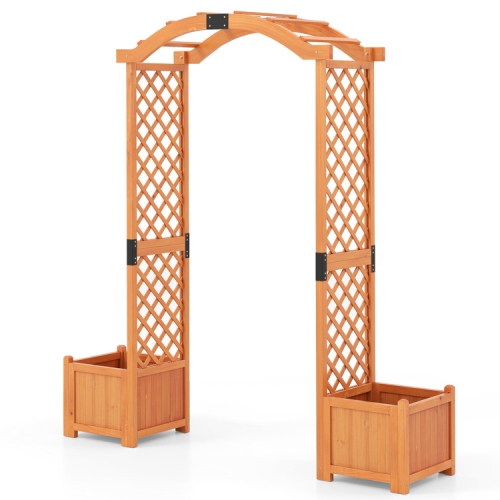
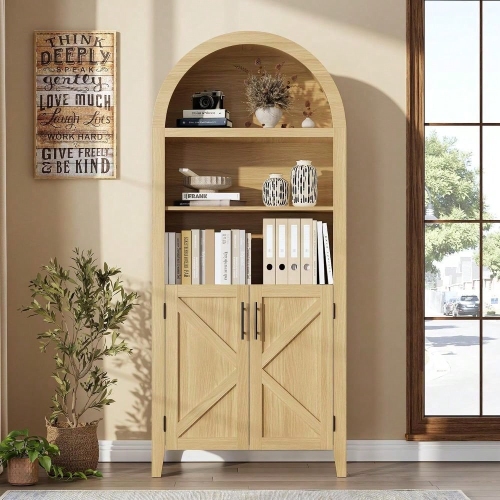

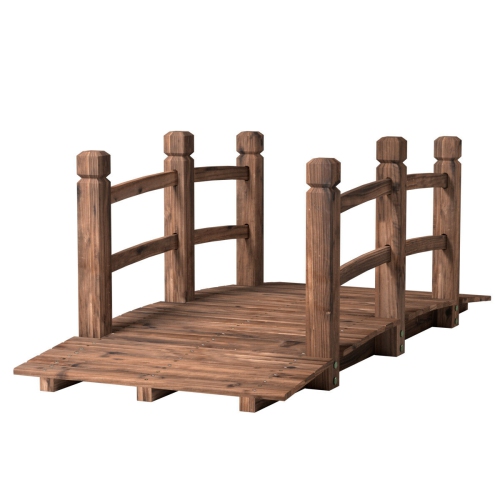
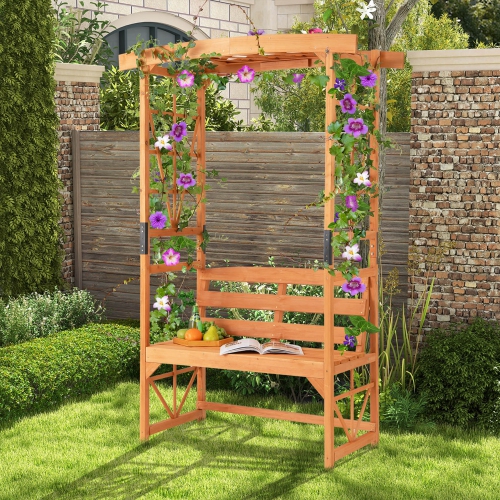


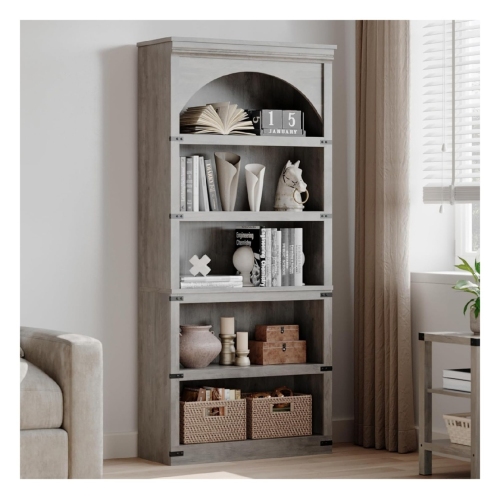

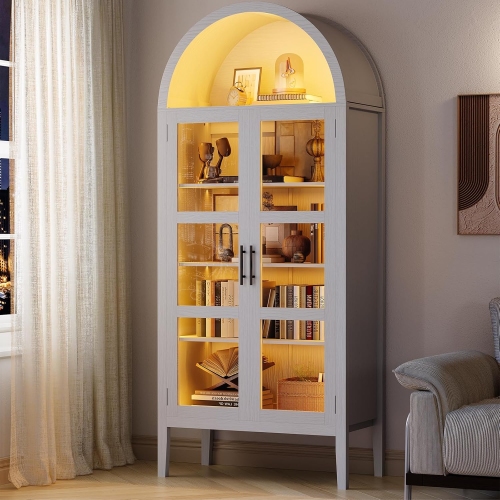
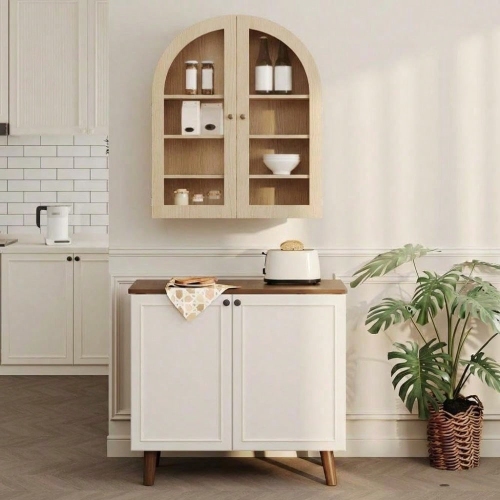
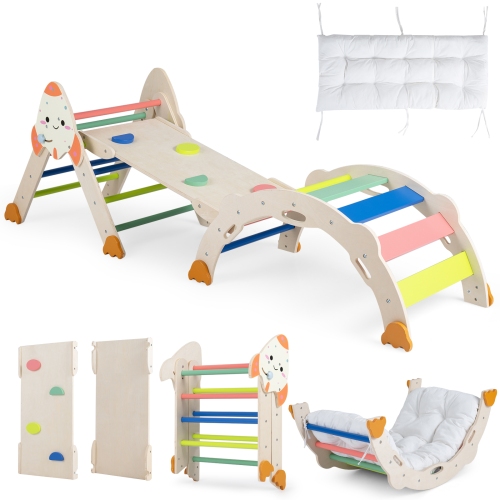


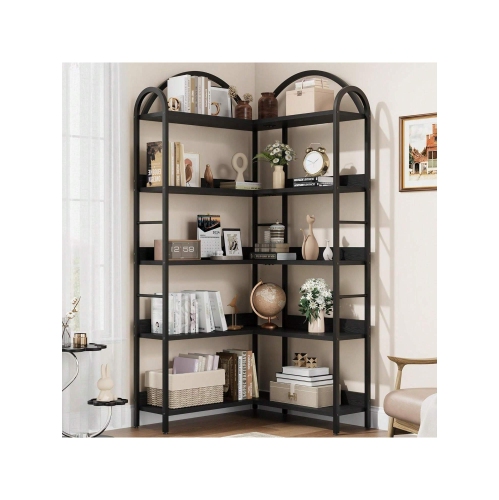
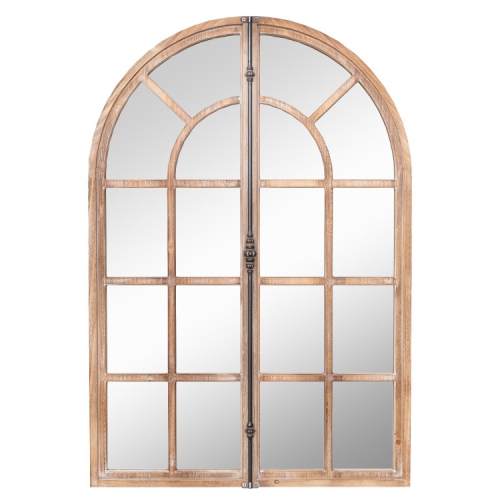
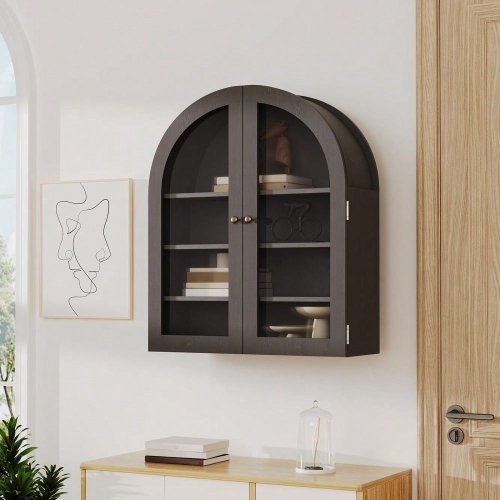


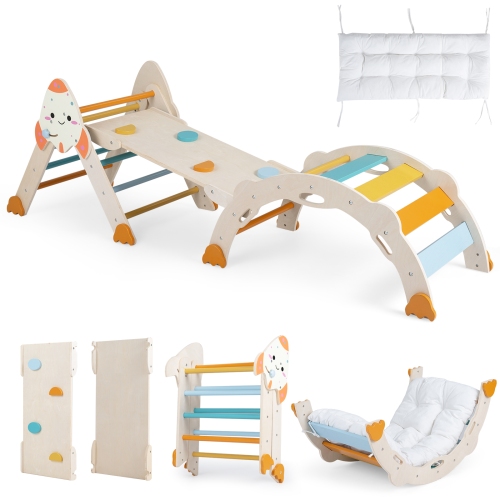

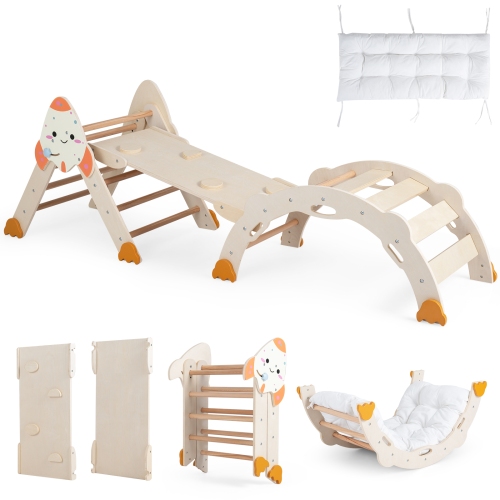
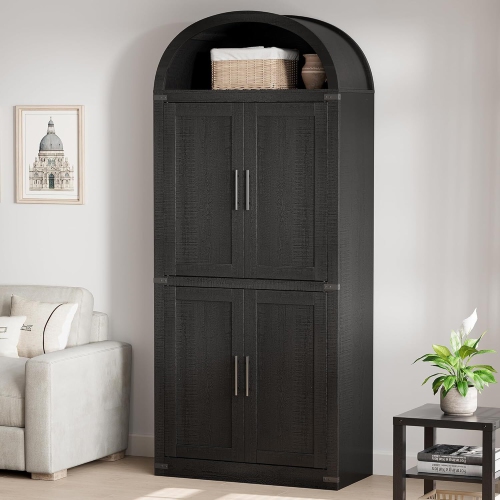
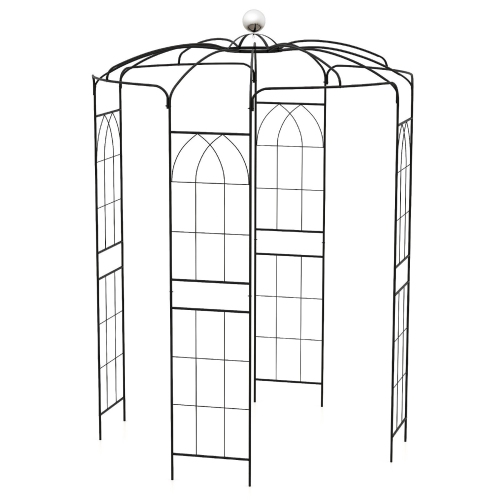


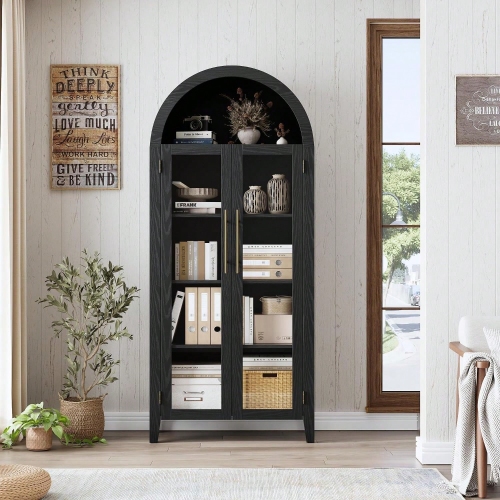


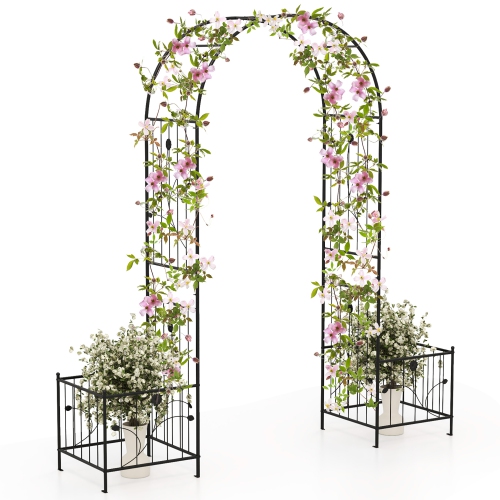
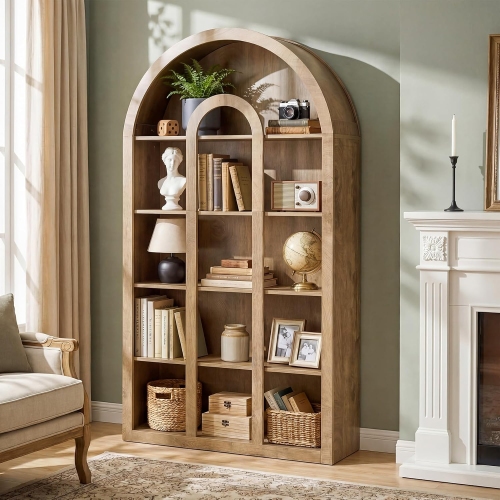
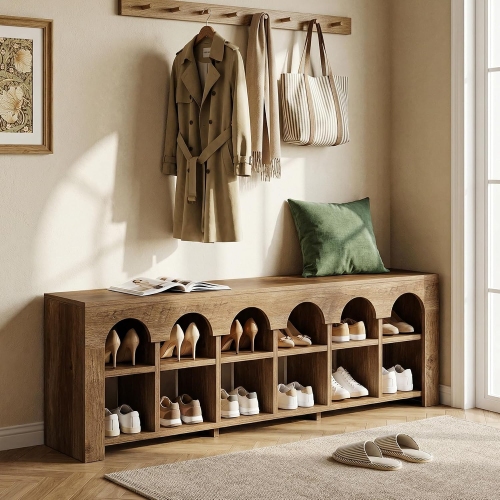


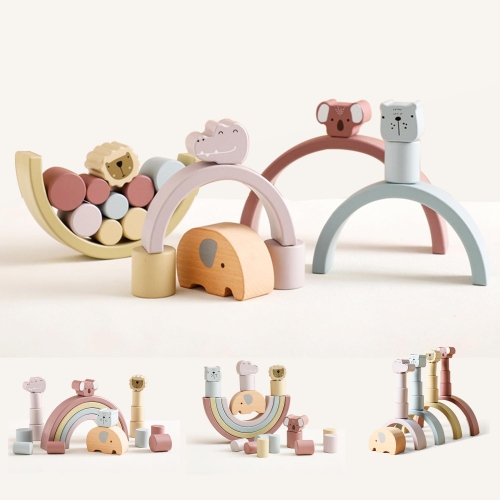

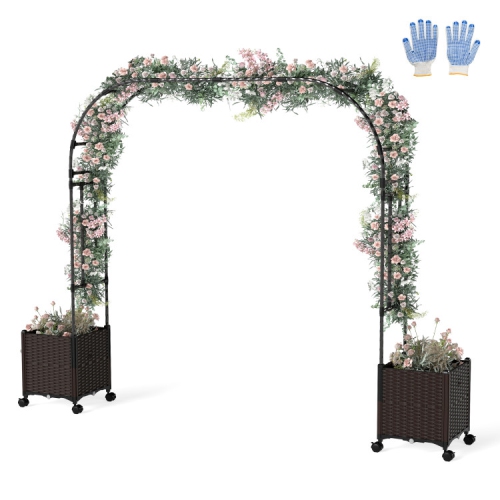


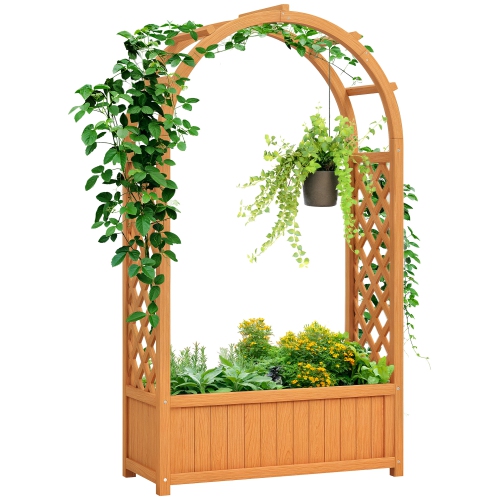


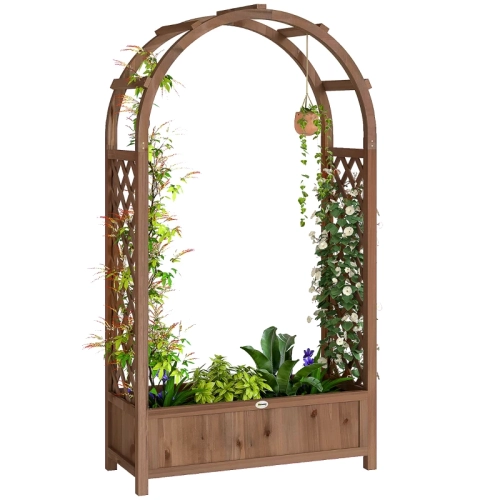
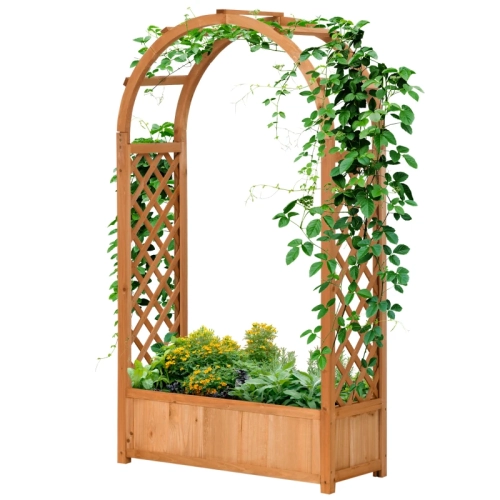


Warm wood frames a space without closing it off
Wooden arches bring shape and definition to a space without closing it off, creating a focal point that still lets light, views, and movement pass through. Their appeal comes from the combination of a clear outline and the natural variation of wood: a visible grain, a warm honey tone, or a darker stain can give the same basic form a very different character. A gently curved arch feels soft and traditional, while a squared frame has a simpler, more architectural presence. Angled and asymmetrical designs can suit celebrations or interiors where a less formal silhouette fits the setting. These differences matter beyond appearance. A broad opening can frame two people standing together, while a narrower structure may be better suited to marking a garden entrance or highlighting a display. For couples planning a ceremony, wooden wedding arches offer a focused way to explore that particular use, whether the backdrop is a bright indoor venue or an outdoor setting with trees beyond it. Wooden arches can also serve as a visual centre for anniversary gatherings, family celebrations, photography sessions, and business events, provided the structure is intended for the location and setup. At home, an outdoor-rated arch can mark the transition from a patio to a planted area, giving even a modest yard a sense of arrival. Indoors, a freestanding frame can help define a celebration area without requiring anything to be attached to the wall. The most convincing arrangements usually leave some of the wood visible rather than covering every surface. A small cluster of flowers at one corner, a length of fabric secured along an upright, or a restrained string of suitable lights can highlight the shape without obscuring it. The result can feel relaxed or polished depending on the finish and surrounding furnishings, making the arch a useful framing element rather than simply another object occupying the room.
Material and construction influence how a wooden arch looks, feels, and holds up over time. Solid wood brings distinct grain patterns and may develop small changes in colour or surface texture with age. Softwoods such as pine tend to show knots clearly and can be more susceptible to dents, while hardwood properties vary by species; the type of wood alone does not establish how strong a finished structure will be. The thickness of the frame, the quality of the joints, and the design of its feet or anchors all contribute to stability. Engineered wood components can provide a smooth, consistent surface for painted finishes, but moisture resistance depends on their composition and treatment. An indoor display frame should not be assumed suitable for a damp lawn simply because it looks similar to a garden arch. For outdoor use, the stated weather suitability, protective finish, hardware, and installation requirements deserve close attention. A stain may enhance the grain without providing all the protection needed for prolonged exposure, and a painted surface still needs care wherever scratches or worn edges expose the material beneath. Fit is equally important. Overall height and width describe the outer footprint, but the clear opening determines how comfortably people can stand or walk beneath the frame. Base supports may extend beyond the uprights, taking up space near chairs, doorways, or a narrow path. In a room with a low ceiling, allow space above the frame for assembly and any attached accents, not just the finished arch itself. At a venue, the route from the entrance to the setup area matters too: a structure that fits beautifully once assembled may still be awkward to move through a stairwell or lift. For repeated use, labelled sections, manageable component sizes, and accessible fasteners can make packing and assembly less cumbersome. The weight of fabric, flowers, and other attachments must remain within the manufacturer’s stated limits. Even light fabric can catch a breeze outdoors, so anchoring must follow the instructions for the structure and surface rather than relying on appearance or weight alone.
The intended use of a wooden arch should shape its care and the amount of setup it requires. For a one-day celebration, straightforward assembly and a finish that looks good in photographs may take priority; for a garden entrance, weather exposure, secure installation, and ongoing maintenance become central considerations. Event planners, photographers, and venue teams may value a frame that can be taken apart for transport and dressed differently between occasions. A household using an arch for family gatherings may prefer something that stores neatly, with hardware kept together and finished surfaces protected from rubbing during a move. Before each setup, check for loose connections, splits near fasteners, rough edges, and damage to the base. Position freestanding arches on a level surface, keep their supports out of walking routes, and follow any venue rules about floor protection and attachment methods. They should not be treated as climbing structures or used to suspend swings or other loads unless expressly designed for that purpose. Where children or pets will be nearby, accessible cords, trailing fabric, and tempting low-hanging attachments also need thoughtful placement. Routine cleaning is often simple: remove dust with a soft cloth and use only cleaning methods compatible with the finish, avoiding excess water on joints and exposed edges. Let any damp components dry fully before packing them away. During the cooler months, indoor storage can help protect temporary-use frames from wet conditions, while permanent outdoor structures need care suited to their wood, finish, and local weather. Snow, ice, and climbing plants can introduce loads that a lightweight event frame was never designed to carry. For an outdoor arch intended to support plants, consider the mature growth and maintenance needs of the planting alongside the structure’s stated capacity. A wooden arch can be a thoughtful gift for keen gardeners or someone who regularly hosts celebrations, though its size, storage needs, and installation requirements make it worth discussing beforehand. Matched carefully to its purpose, it can become a familiar feature: the entrance guests pass through, the frame behind a family photograph, or the simple outline that gives a gathering its centre.
Top selling and popular products
-
 Your price for this item is $412.99
-
 Your price for this item is $1530.99
-
 Your price for this item is $234.68
-
 Your price for this item is $365.38
-
 Your price for this item is $320.99
-
 Your price for this item is $295.84
-
 Your price for this item is $227.8
-
 Your price for this item is $127.99
Discover more categories related to Wooden Arches
Top Collections:
Pokemon Centers, Best Cameras for Sports Photography, Kindle Devices, Samsung Galaxy Phones, Canon G7X Cameras, Pokémon 30th Celebration Cards, Refurbished Apple Laptops, iPhone 15 Apple, Laptops for Students, Budget Smartphones
Some products may be subject to Environmental Handling Fees
(EHF) depending on your province.
Learn more about EHFs.