Wooden Furniture Tables
Elevate your living space with our exquisite collection of wooden furniture tables. Crafted with precision and attention to detail, these tables are designed to add warmth and sophistication to any room in your home. From sleek and modern designs to timeless classics, our selection offers a variety of styles to suit your taste and decor preferences. Whether you're looking for a sturdy dining table, a stylish coffee table, or a functional side table, our range of wooden furniture tables is sure to impress with its quality craftsmanship and durability.
Sort
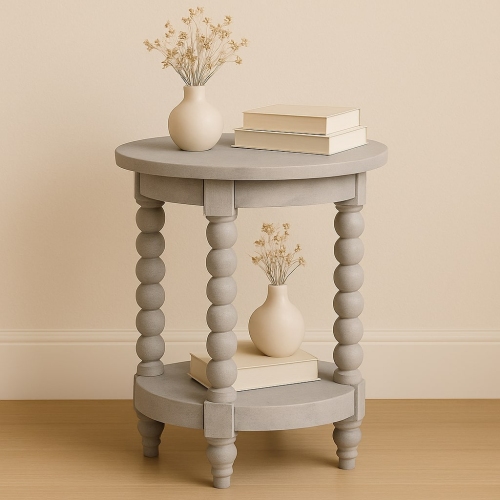
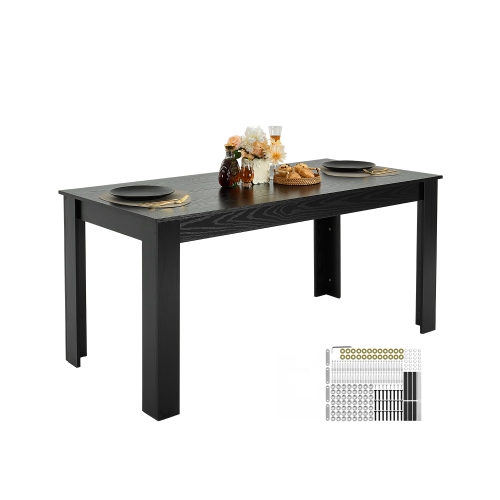

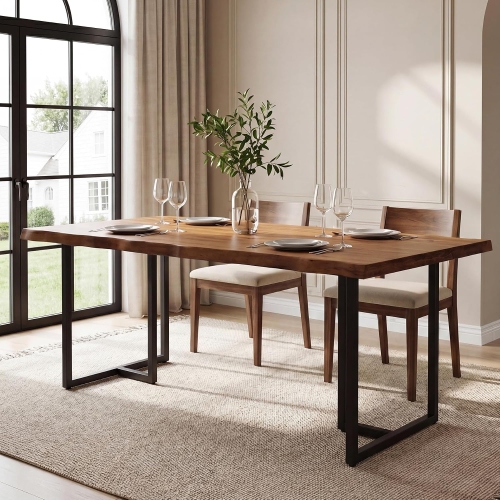


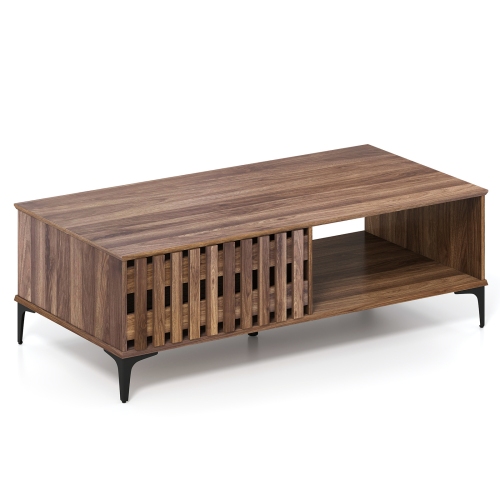




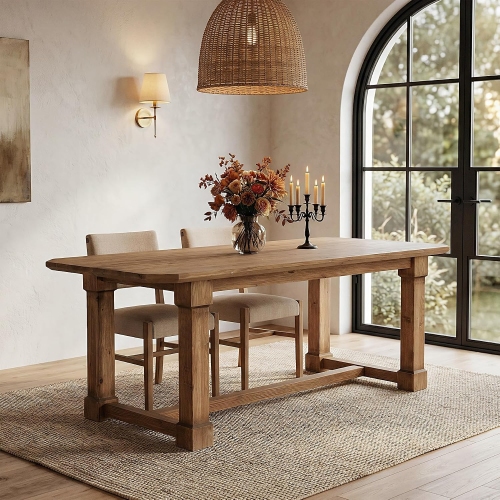

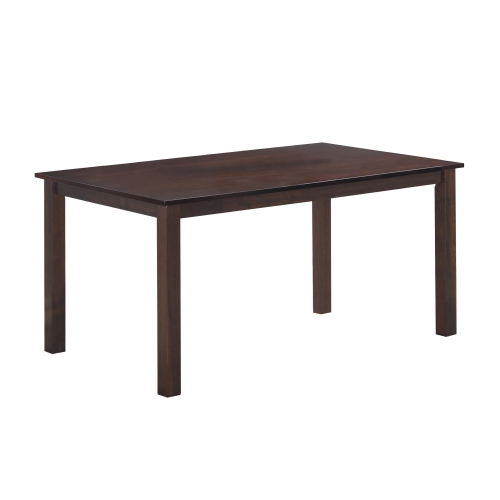
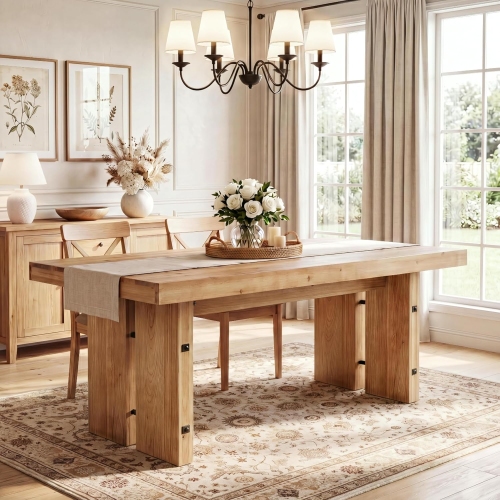
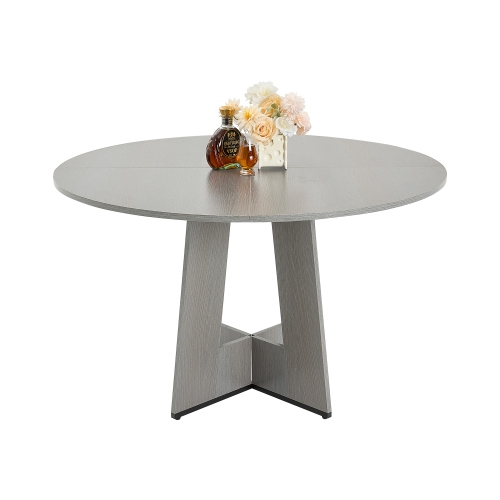


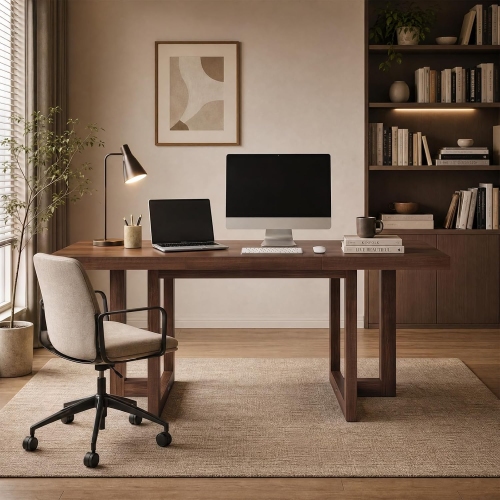


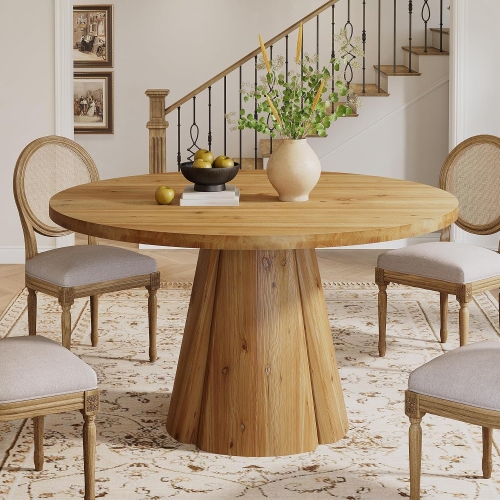

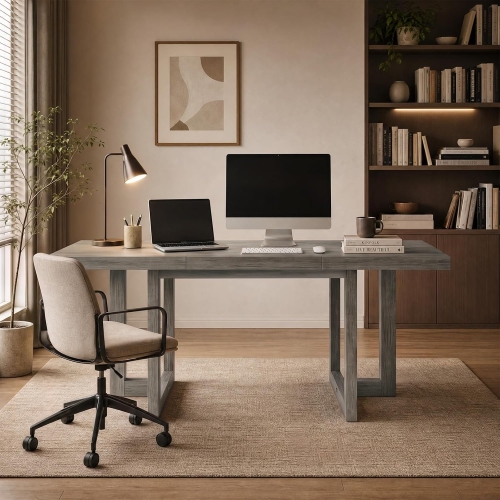


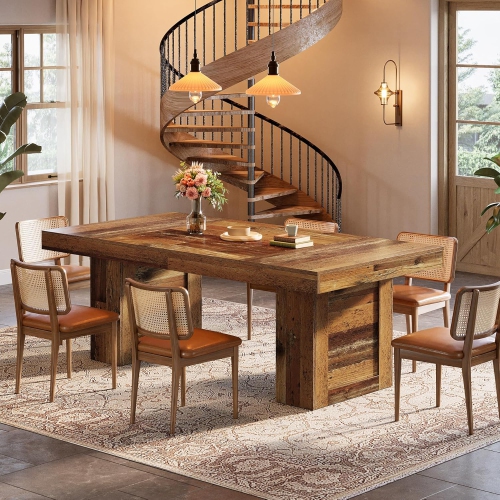
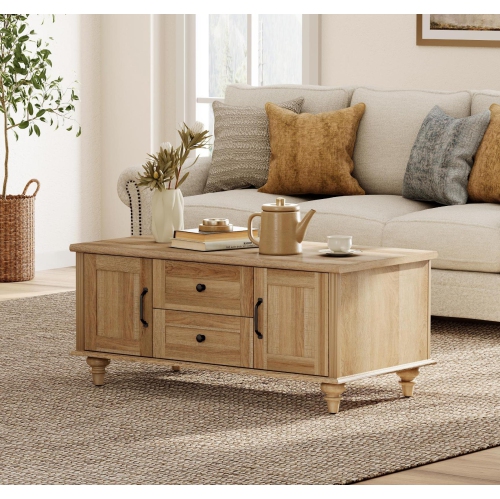


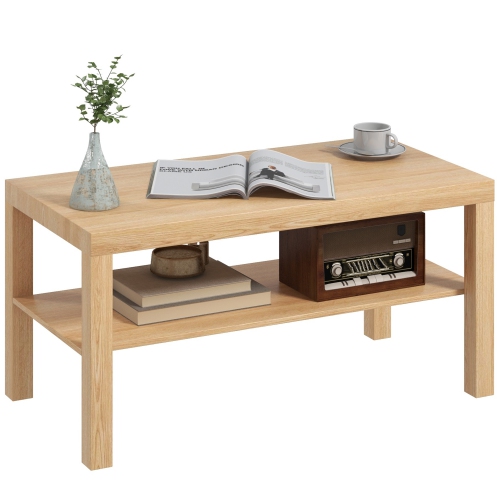
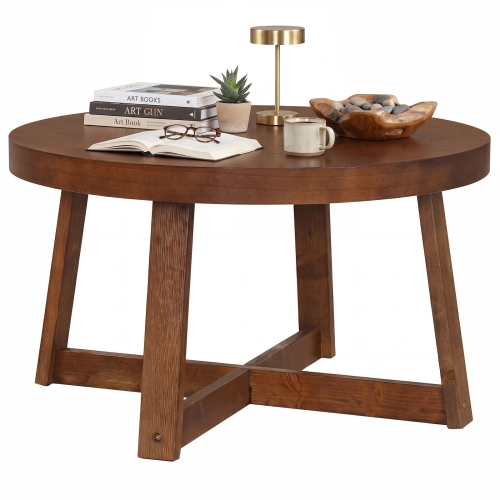

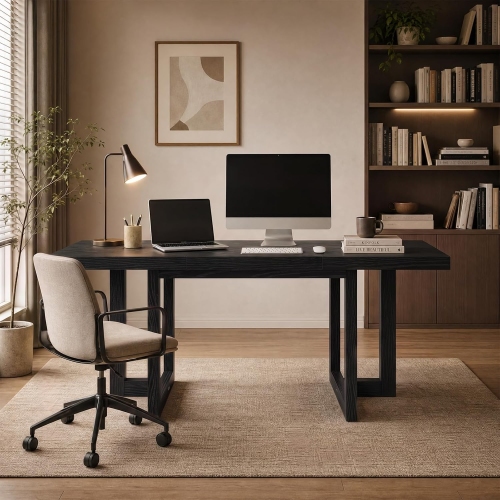

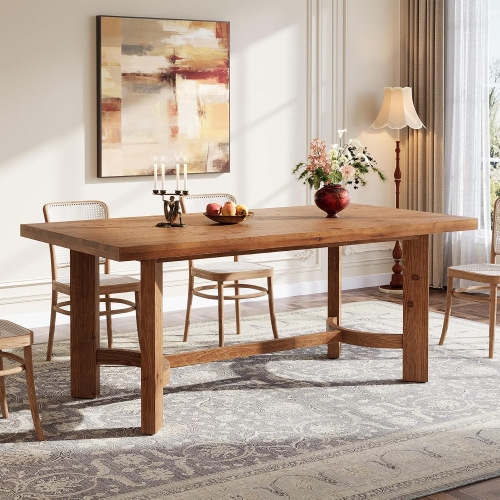


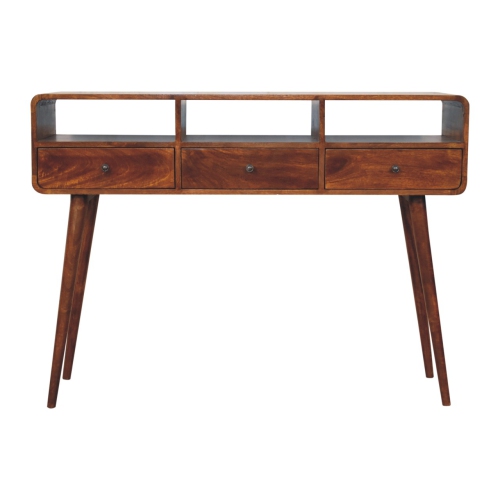


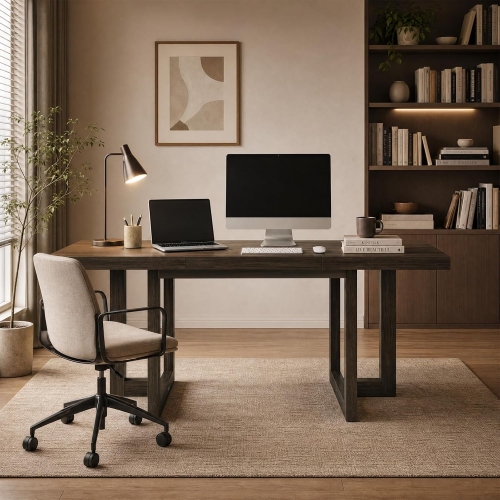


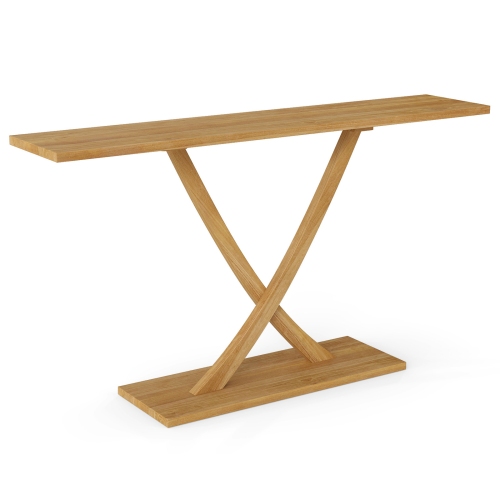


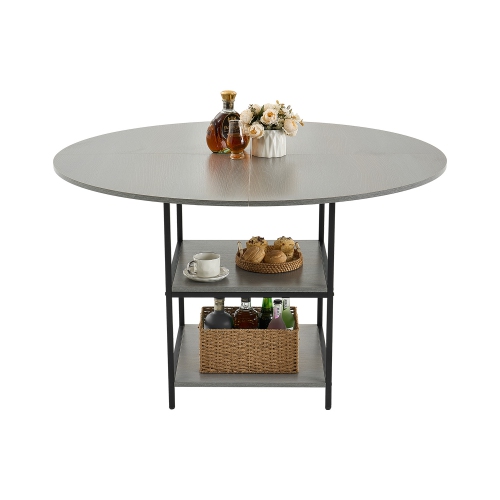

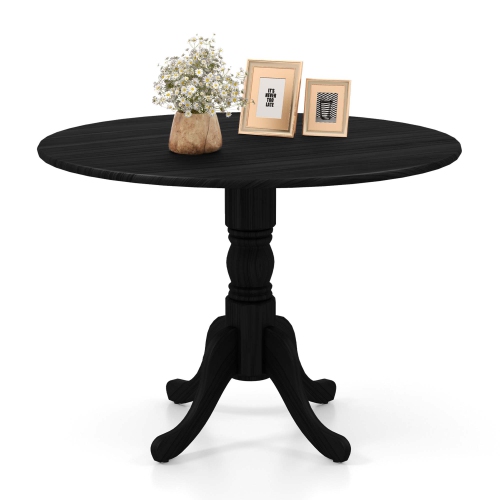


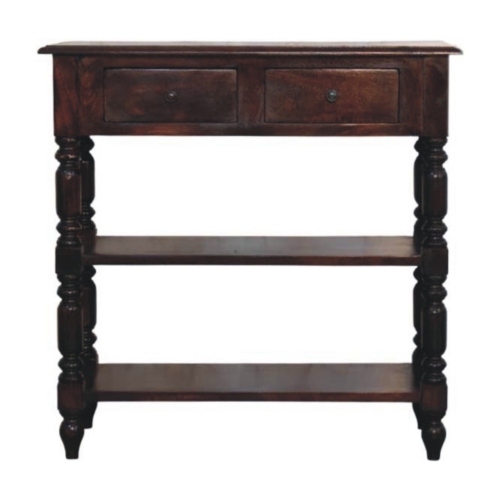

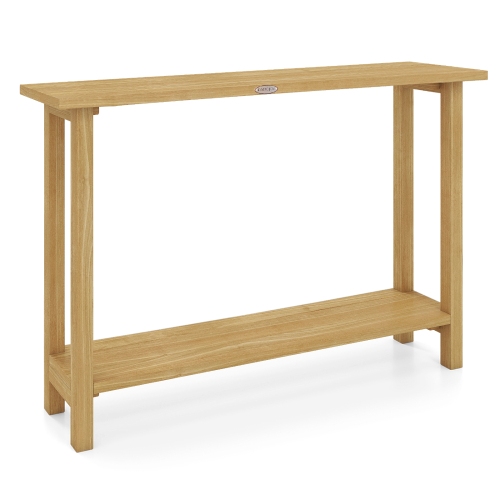
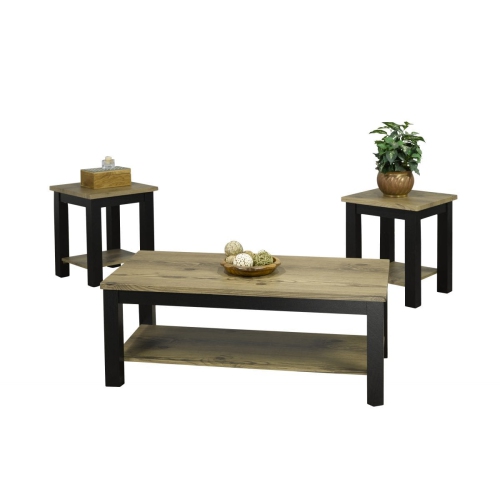
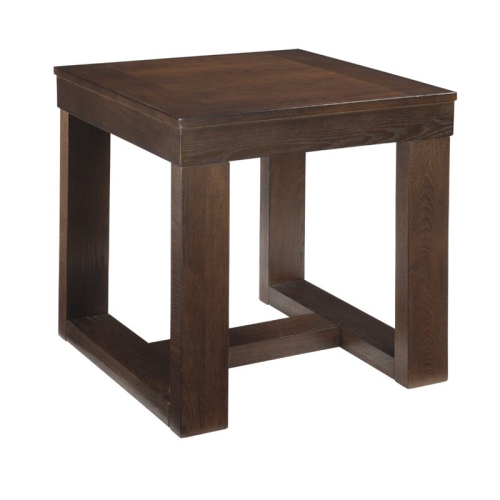
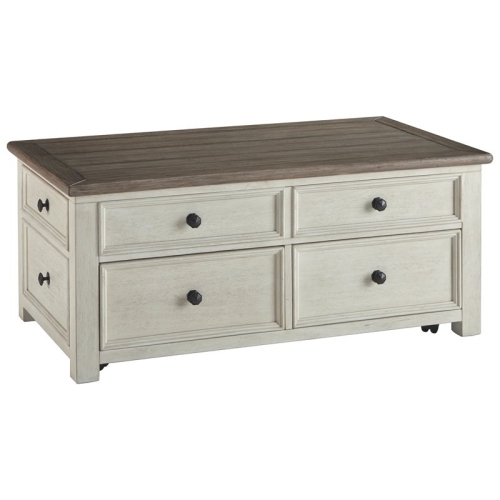
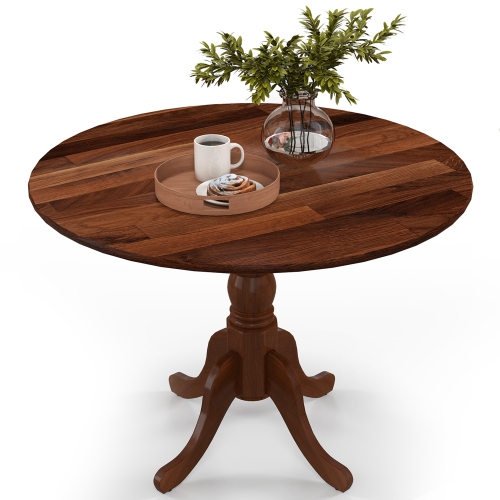








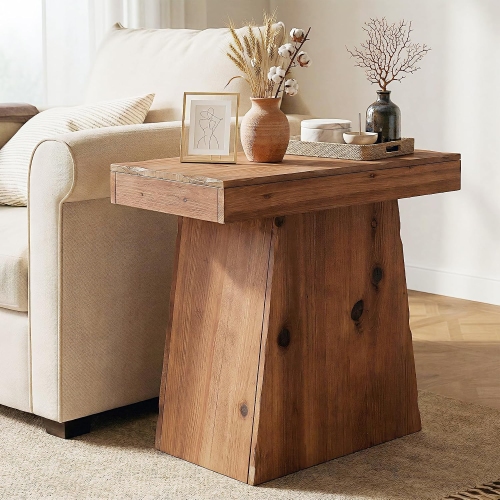


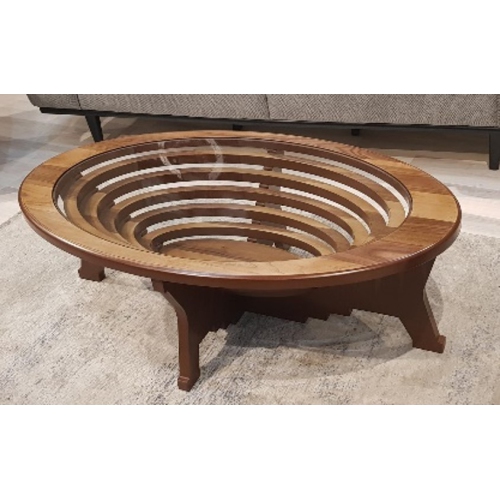


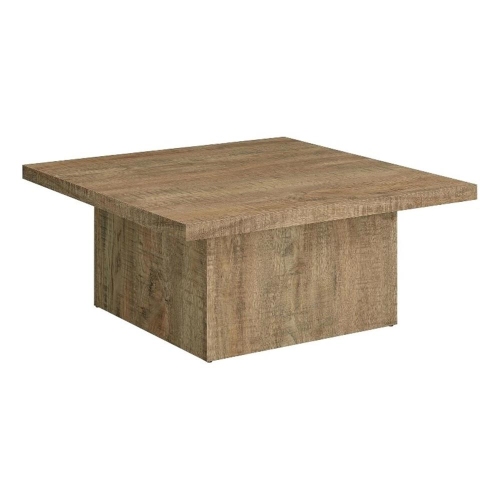
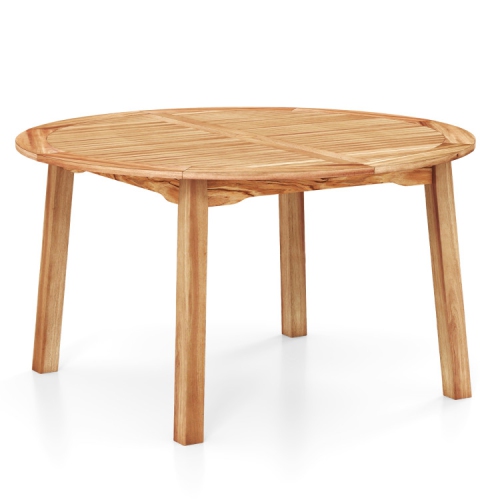

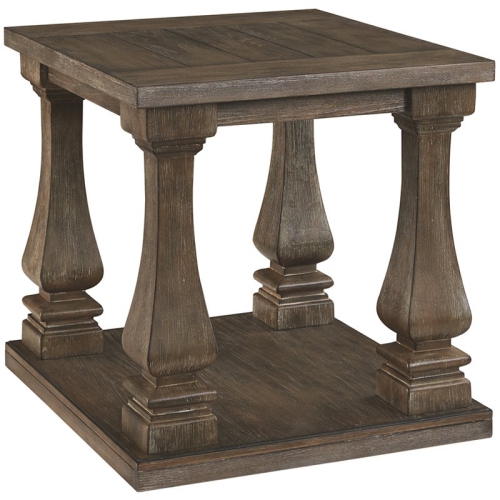
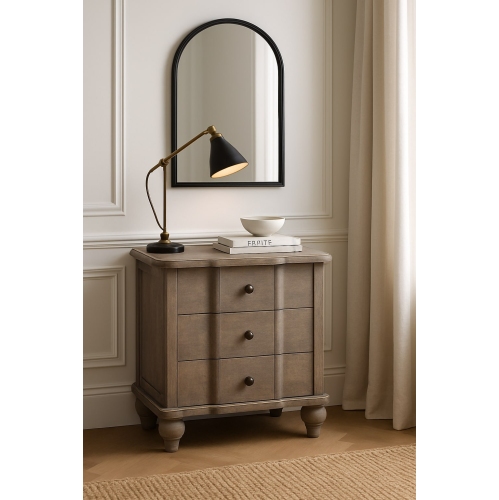

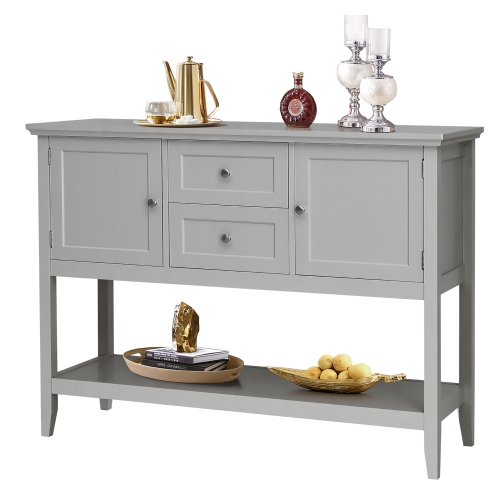
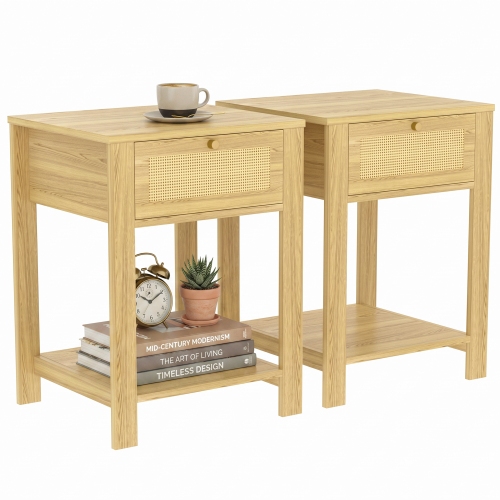
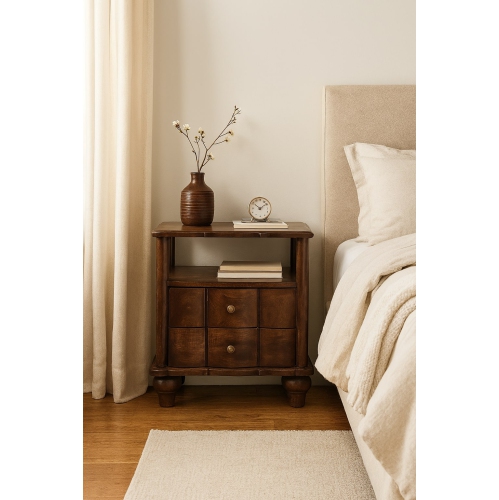
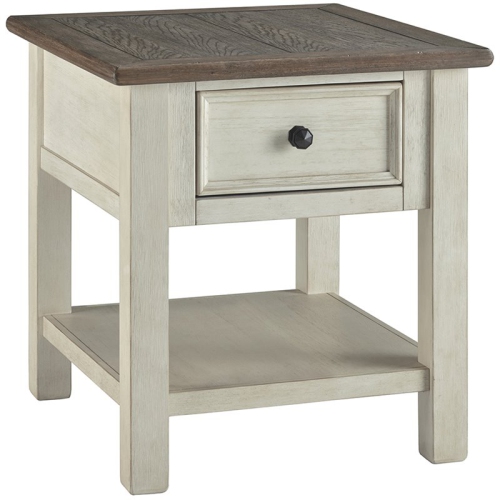

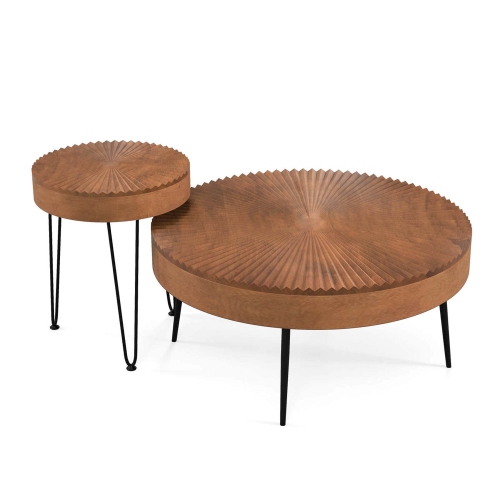


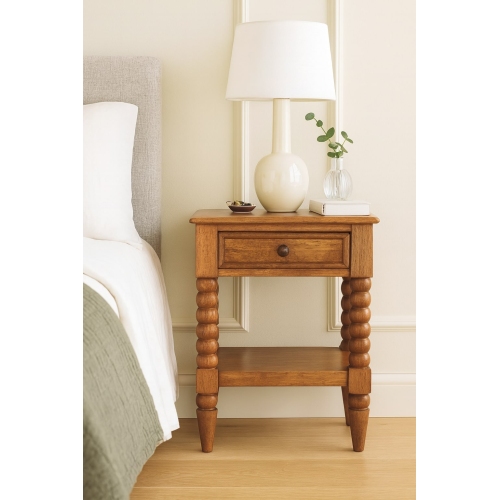








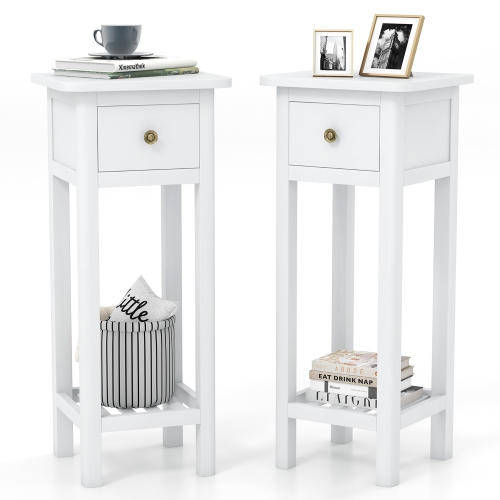
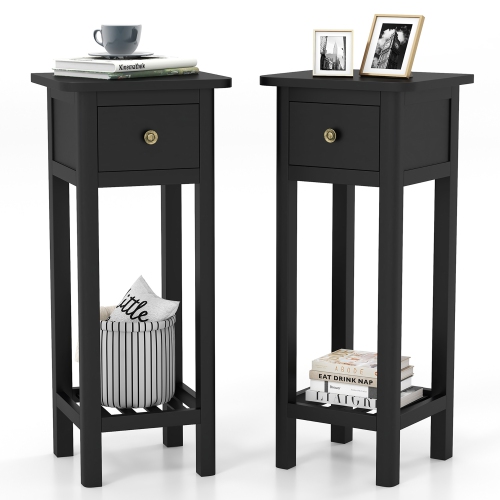


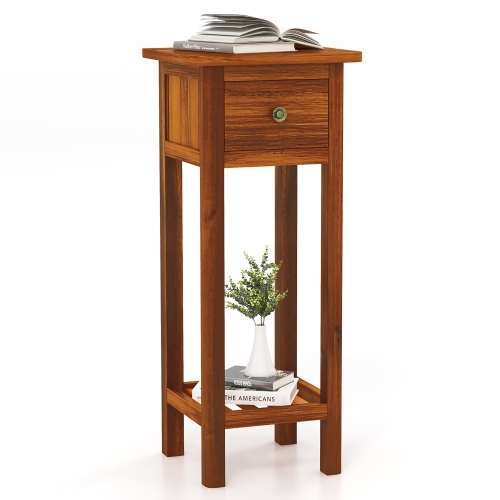
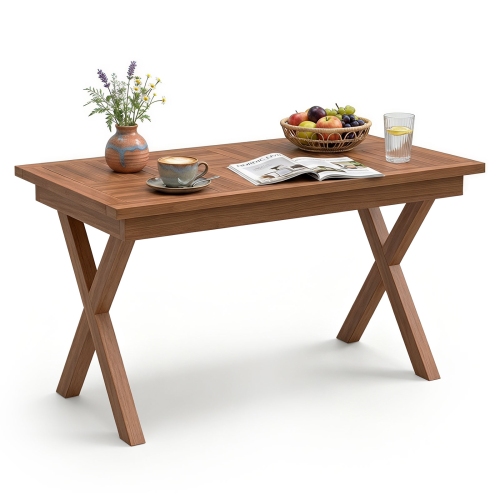

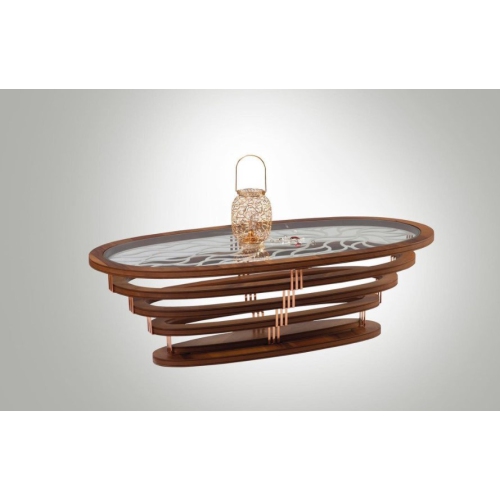
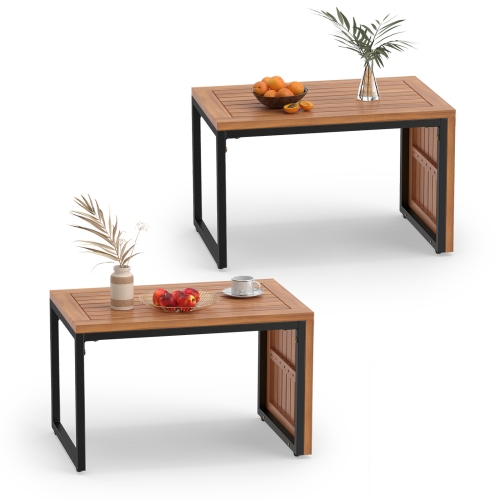


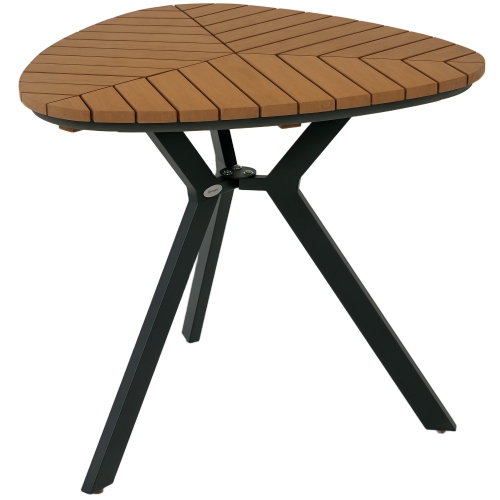


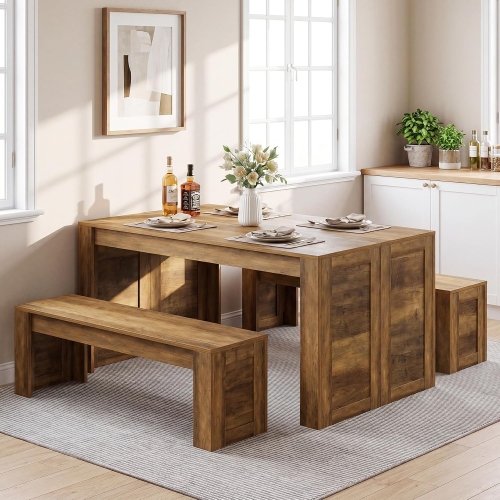
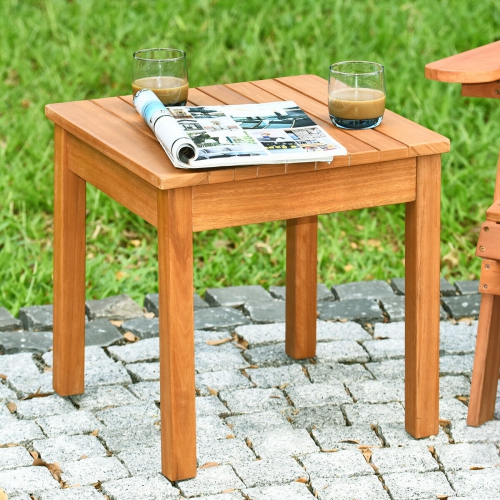

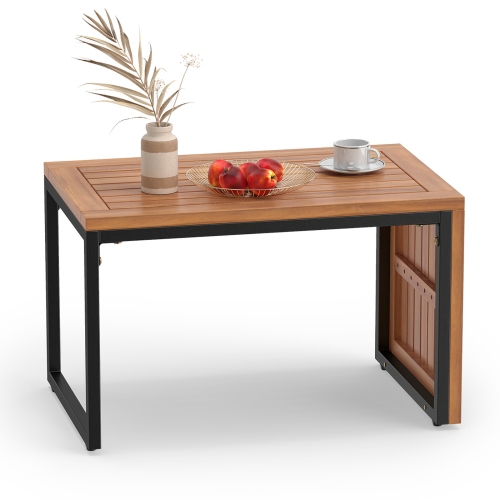
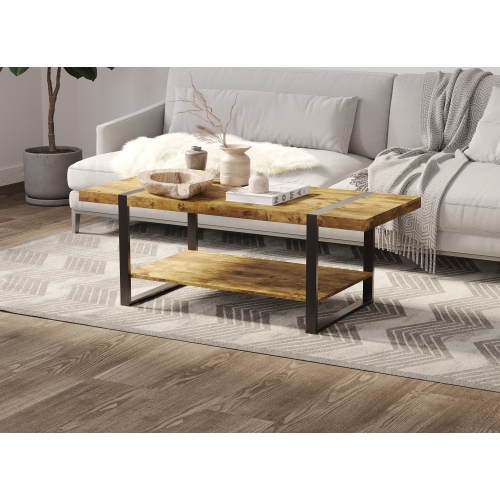

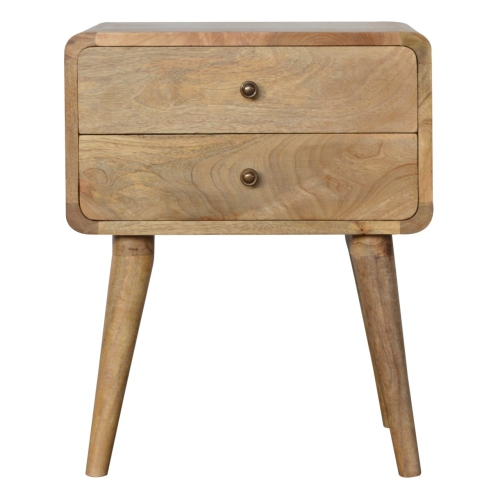









How wood grain and table proportions shape a room
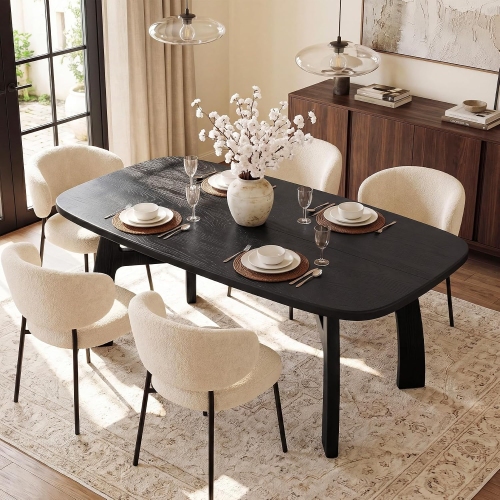
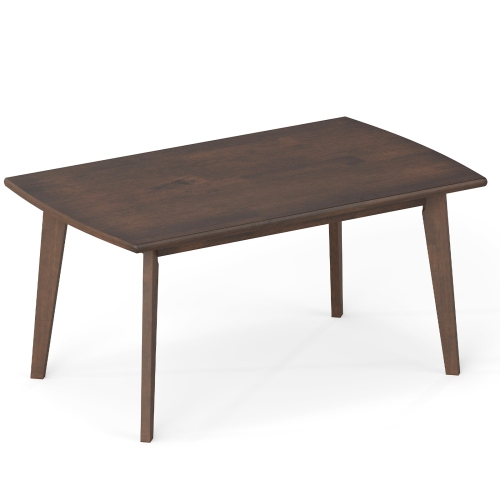
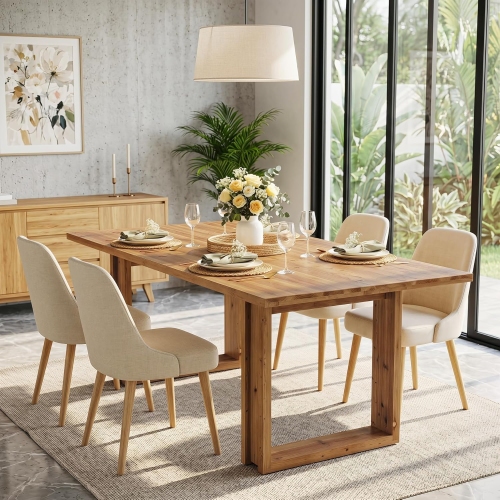
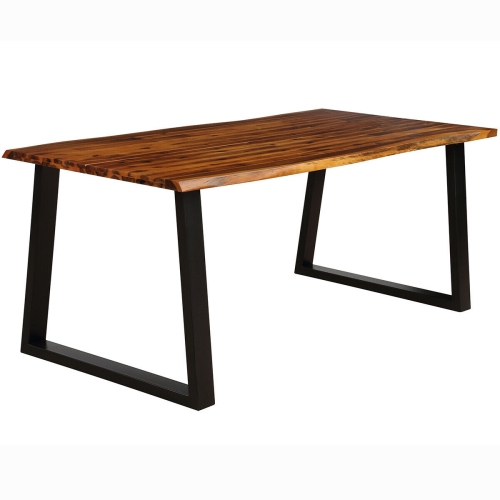
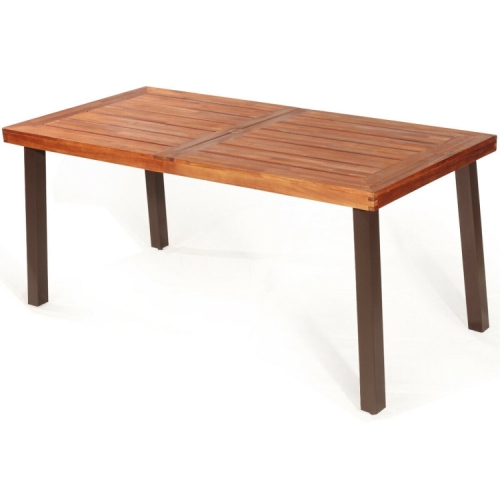
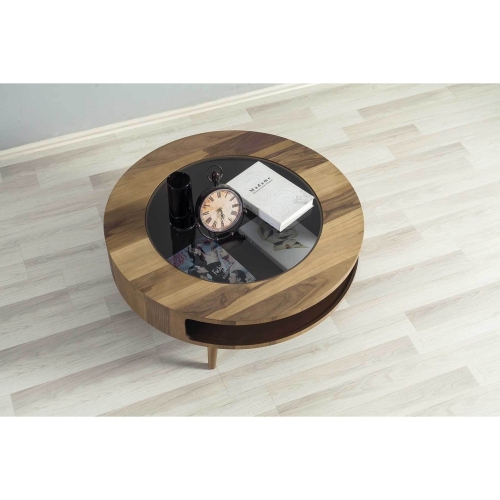
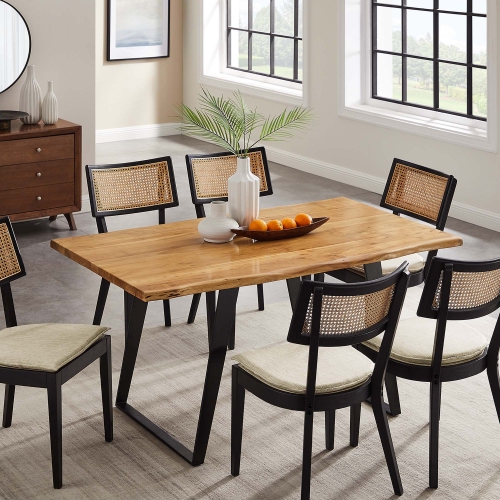
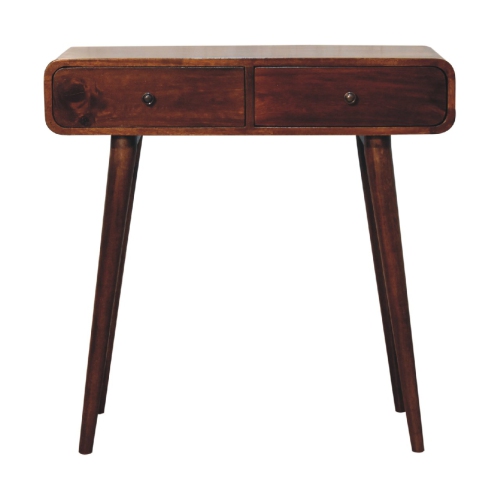
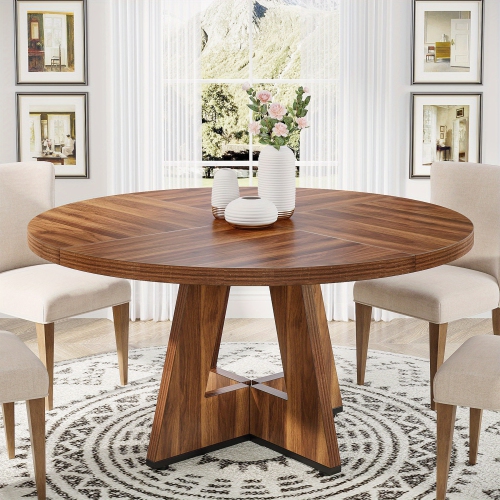
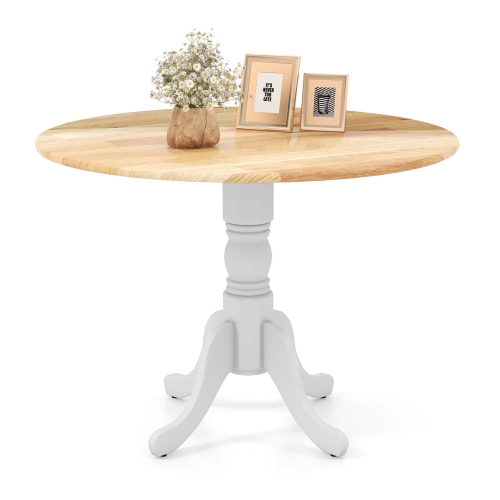
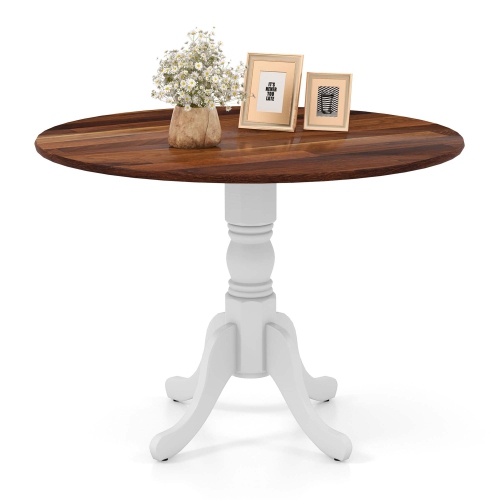
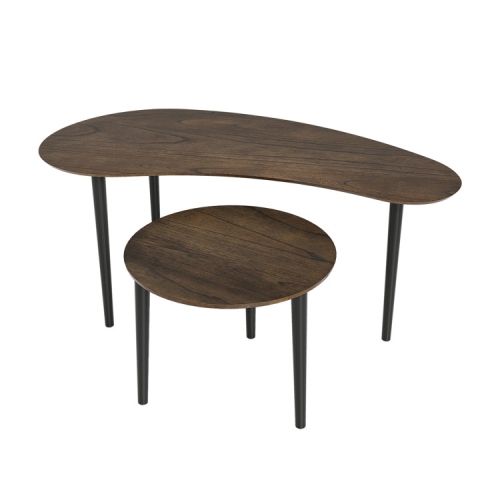
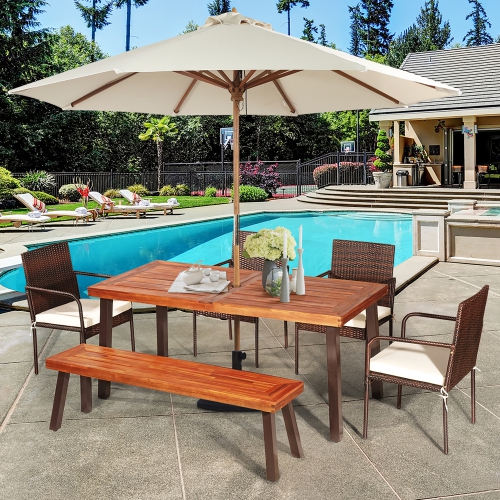
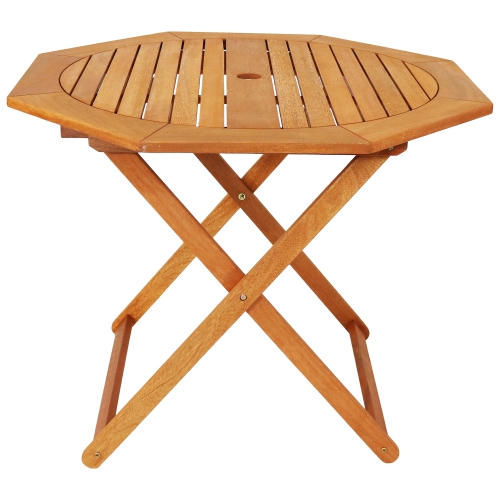
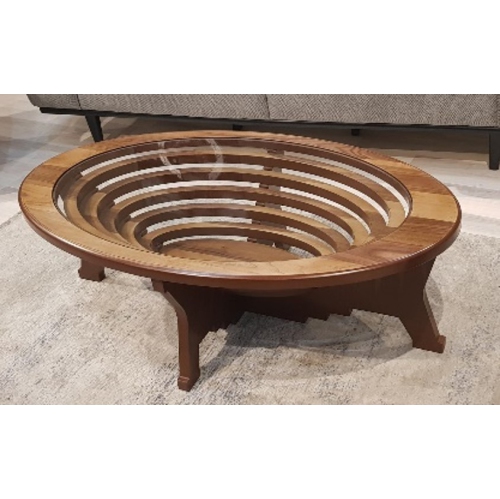
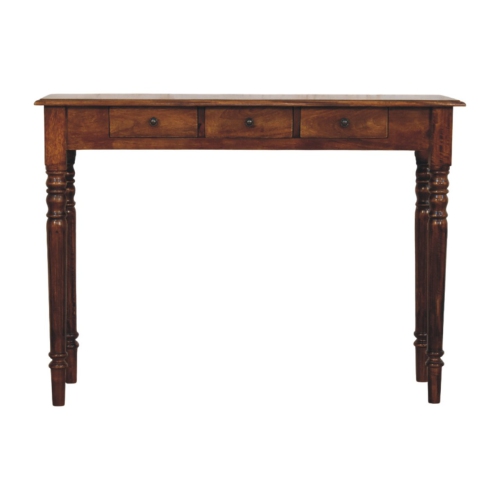
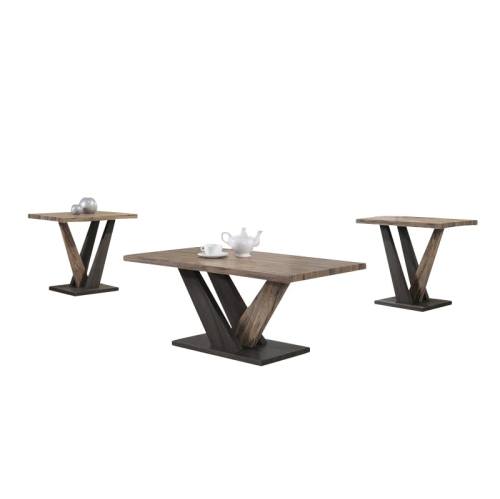
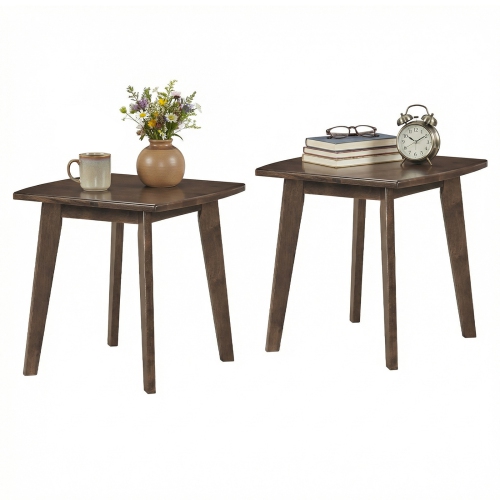
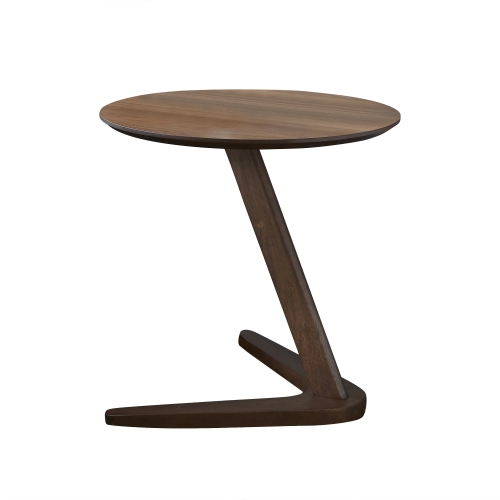
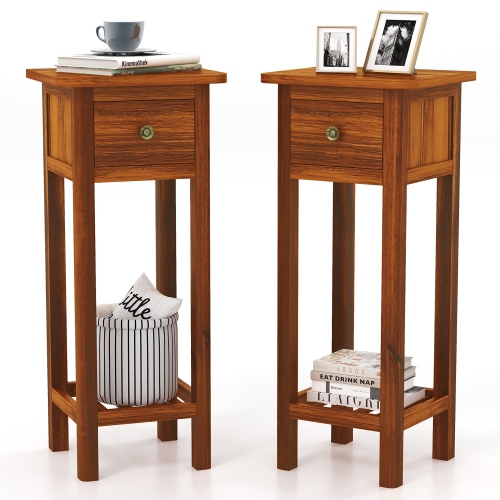
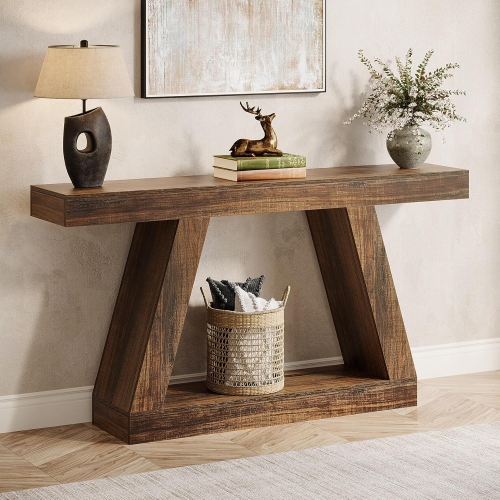
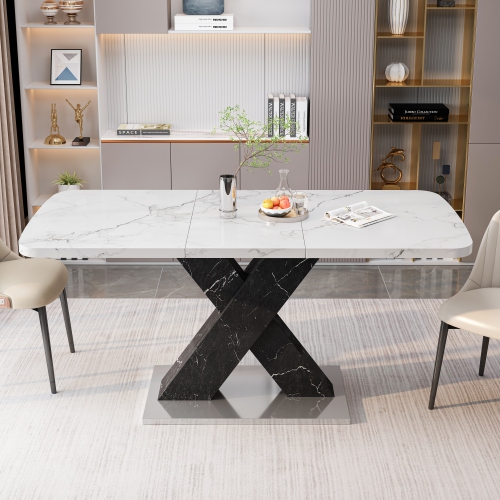
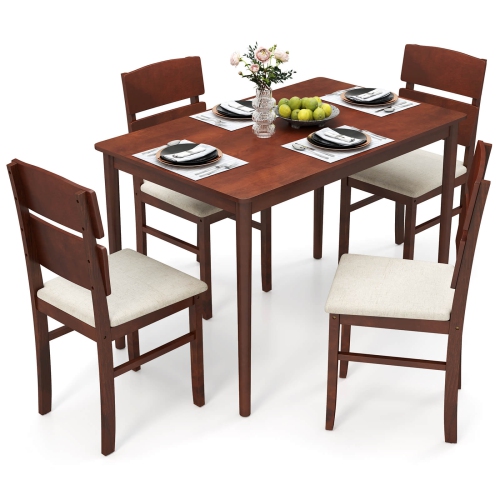
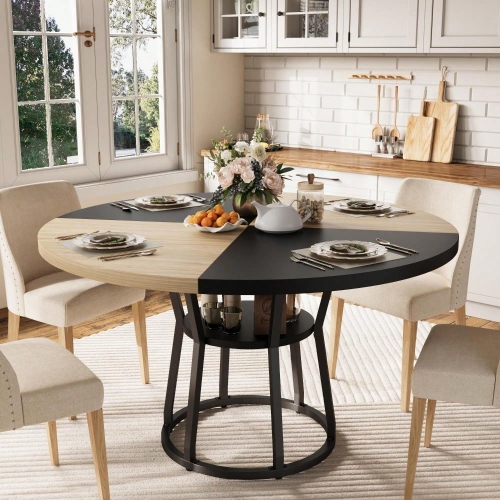
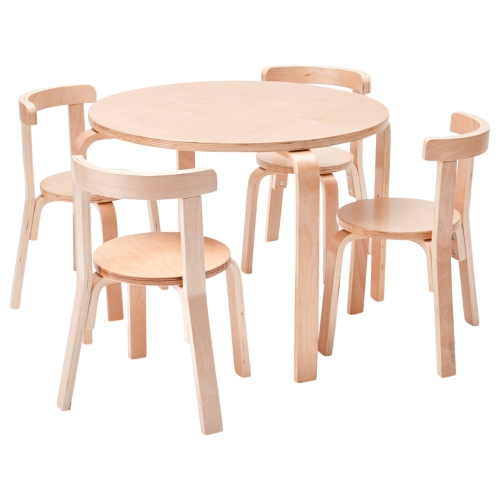
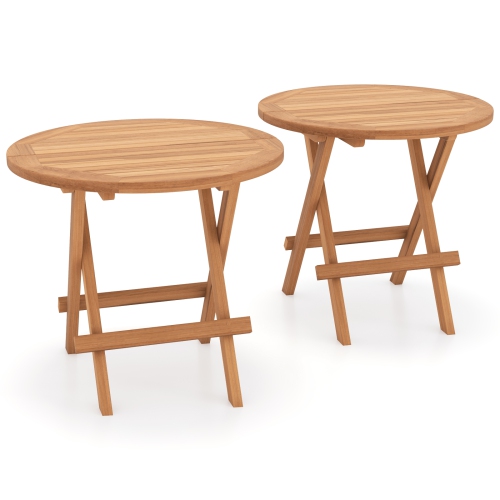
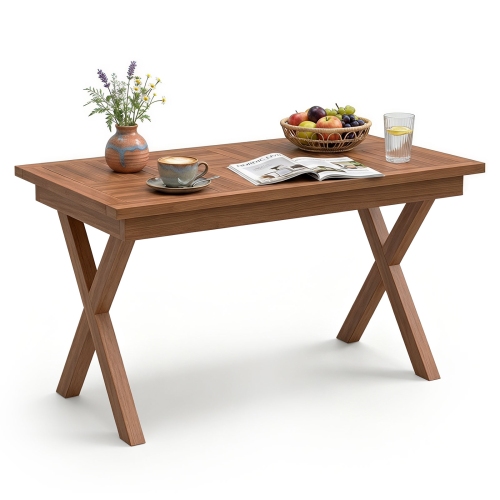
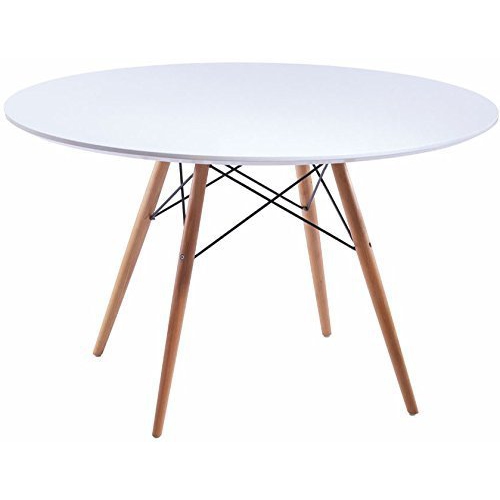
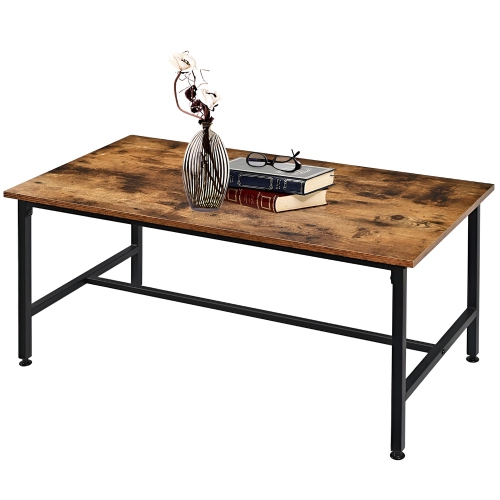
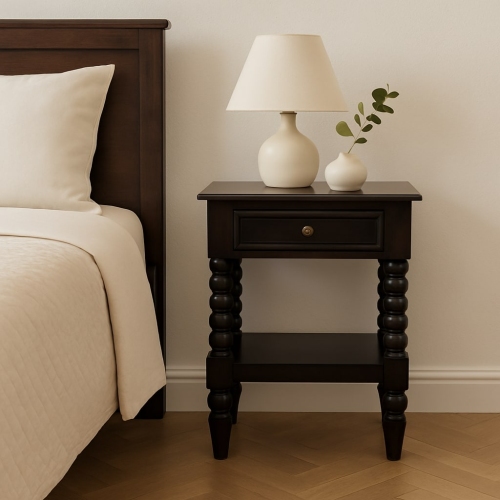
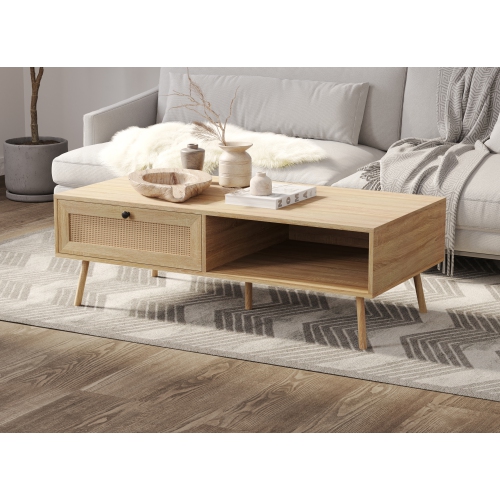
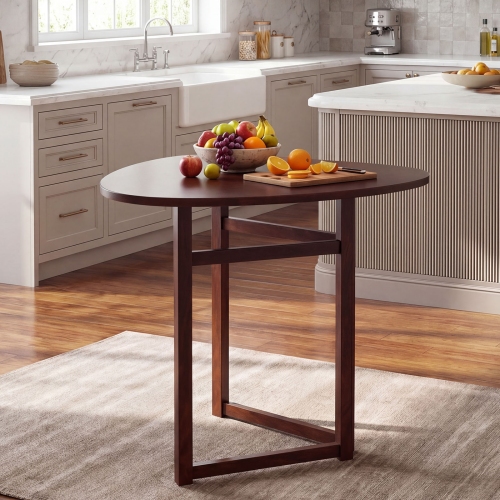
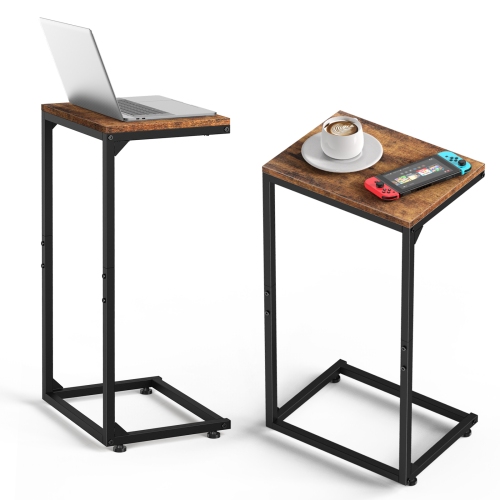
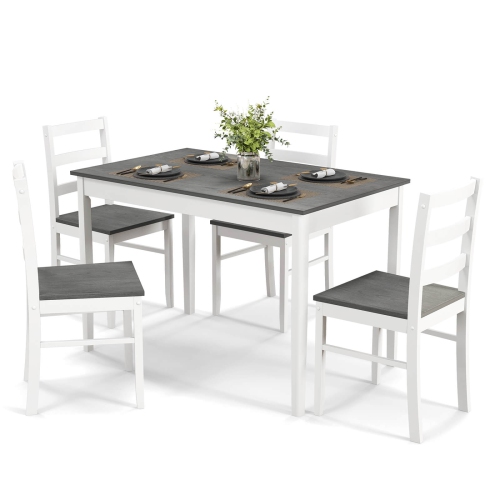
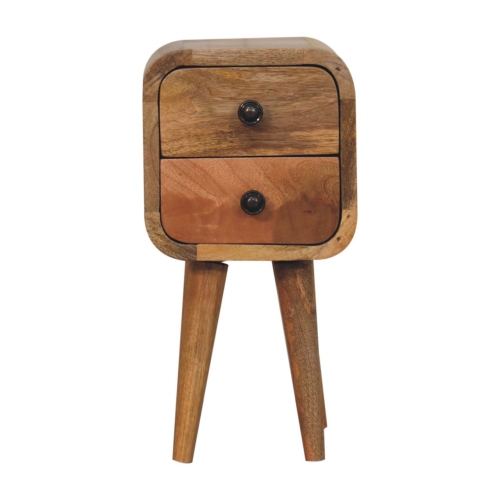
Wooden furniture tables bring a useful surface and a distinct sense of character to dining rooms, living rooms, kitchens, and entryways. Their appeal comes from the combination of everyday function and visual texture: a visible grain pattern can soften a room with metal shelving, complement upholstered seating, or give a simple dining area a more finished appearance. Dining tables provide space for shared meals, homework, and board games, while coffee tables keep the centre of a seating area practical. Side tables put a reading lamp or drink within reach, and narrow console tables make use of the space behind a sofa or along a hallway. Materials influence both appearance and performance. Solid wood tables have natural variation throughout their wooden components, with grain, knots, and colour differences that make each surface distinctive. Oak often has a pronounced grain, walnut is known for its rich brown tones, and pine commonly shows prominent knots and a more relaxed character. The stain and finish can change those appearances considerably, so a walnut-coloured table is not necessarily made from walnut. Wood veneer consists of a thin layer of real wood bonded to a supporting core, allowing a natural wood surface to be used over engineered panels. Other tables use laminate or decorative finishes that reproduce a woodgrain appearance rather than exposing real wood at the surface. These constructions have different care requirements, and their durability depends on the quality of the core, surface, edges, and assembly rather than the material name alone. Mixed-material designs add further possibilities: wooden tops with metal legs can suit a clean-lined room, while turned wooden legs or softly rounded edges create a more traditional look. A pale finish can keep a compact space visually light, whereas a darker finish can give a large table greater presence. The most comfortable arrangement does not need every wooden surface to match exactly; repeating a similar undertone or leg shape can connect different pieces without making the room feel overly uniform.
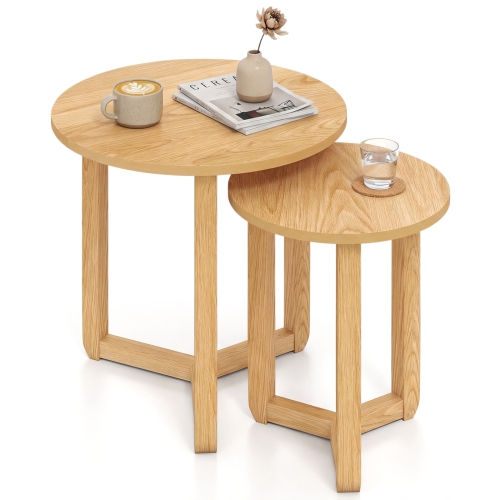
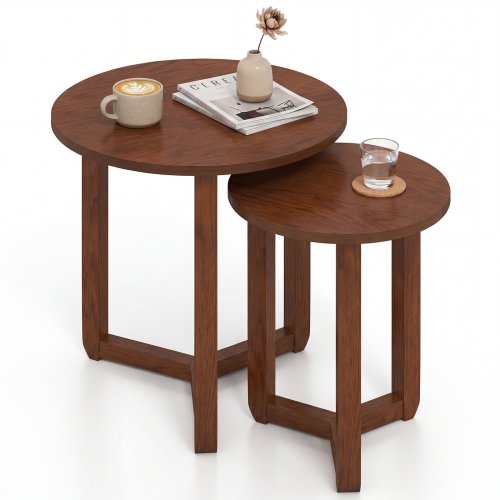
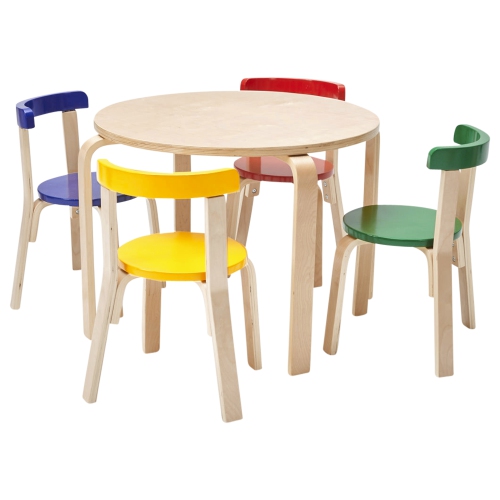
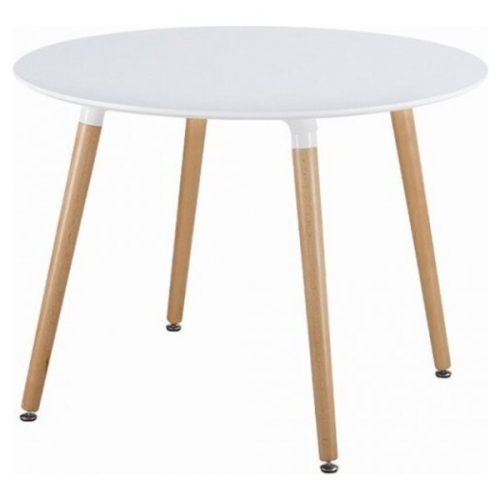
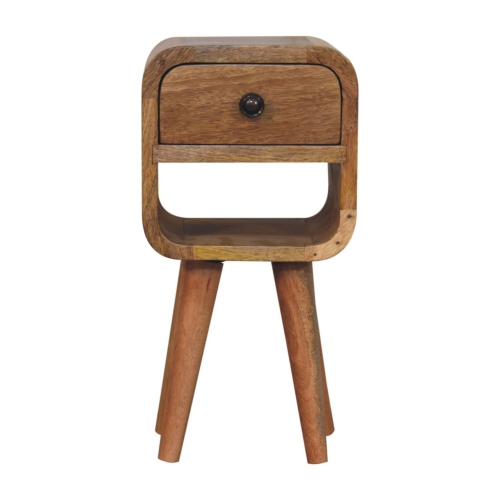
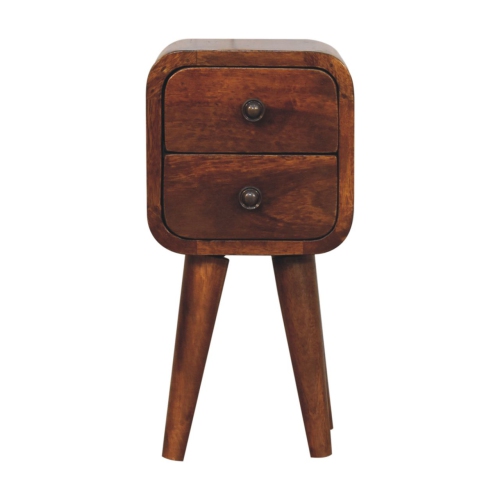
Size and shape determine how comfortably a wooden table fits into daily life. A rectangular dining table gives longer rooms a clear gathering point and can accommodate several place settings along each side. Round tables make conversation easy and remove sharp corners from the route around the tabletop, although their overall footprint still needs careful consideration. Square tables can work well in evenly proportioned dining areas, while oval designs combine an elongated surface with curved ends. As a general planning allowance, roughly 60 cm of table edge per diner provides space for a place setting, though wider chairs and generous serving arrangements may need more. About 90 cm between a dining table and a wall or other furniture often allows room to pull out a chair; a busy passage behind seated diners benefits from additional clearance. The position of the legs matters as much as the tabletop dimensions. A broad apron, closely spaced legs, or a large pedestal base can affect where chairs fit and how much knee room remains. Extendable tables offer flexibility for households that alternate between everyday meals and larger gatherings, provided there is enough room for the extended surface and any extra chairs. In living areas, a coffee table works best when its height relates comfortably to the sofa cushions and its footprint leaves an easy route through the room. A gap of approximately 35 to 45 cm between the sofa and table is a useful starting point for balancing reach and legroom. Side tables need enough surface for their intended purpose without crowding an armchair, while console tables should leave doorways and drawers free to open. Coordinated arrangements, including Wooden Table Sets, can bring related finishes and proportions into the same space. For a first apartment, a multipurpose dining area, or a family room used throughout the day, practical details such as a lower shelf, storage drawer, or nesting design can make a noticeable difference without requiring a larger footprint.
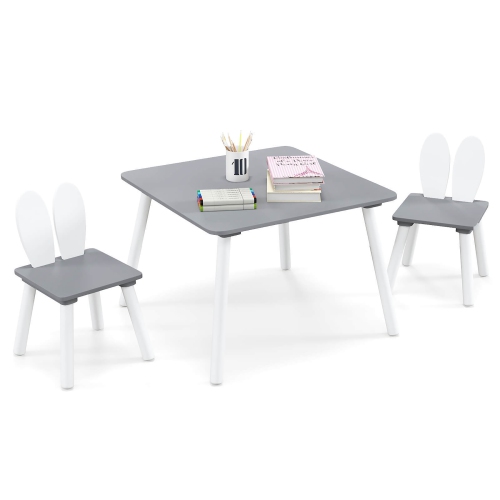
Construction and care help determine how well a wooden table handles years of use. Secure joints, a stable base, and a finish suited to the intended activity are particularly important for surfaces that see frequent meals, writing, or play. A substantial tabletop alone does not guarantee stability; the connection between the top, legs, and supporting frame matters too. Softer woods can develop dents more readily than harder species, although even a hard wooden surface can scratch when grit or rough objects slide across it. Some households appreciate the marks that develop on a frequently used dining table, while others prefer a more uniform surface with fewer visible signs of wear. A textured or varied grain may make small marks less noticeable, but no finish removes the need for sensible protection. Coasters help keep drink rings at bay, placemats reduce contact with cutlery and dishes, and heat-resistant trivets protect the finish from hot cookware. Felt pads beneath decorative objects can prevent scratches when those objects are moved. Everyday cleaning usually begins with a soft cloth and prompt attention to spills, followed by drying rather than leaving moisture on the surface. Cleaning products should suit the table’s finish, since abrasive cleaners, strong solvents, and excess water can damage coatings or exposed edges. Solid wood responds naturally to changes in indoor humidity, so appropriate care also includes avoiding prolonged dampness and direct exposure to strong heat sources. Veneered surfaces need particular care around edges, and sanding is not suitable for every construction or finish. Refinishing may be possible for some solid wood tables, but the existing coating and manufacturer’s care information determine the appropriate approach. For homes with young children, rounded corners and a stable base can be useful considerations, alongside seating that fits properly beneath the table. A well-proportioned wooden table can become the place where groceries are set down, puzzles take shape, and friends settle in for dinner. Its lasting usefulness comes from that balance of comfortable dimensions, suitable materials, thoughtful construction, and care that fits the household’s routine.
Top selling and popular products
-
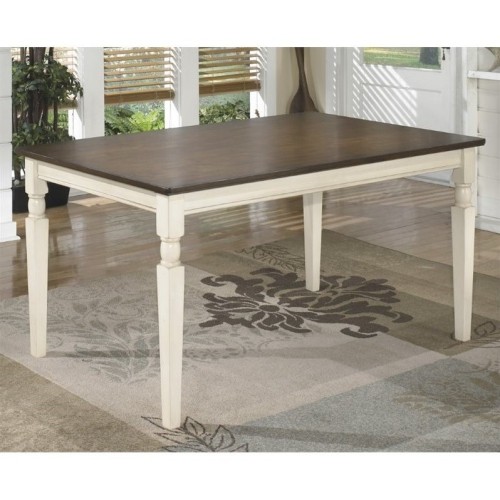 Your price for this item is $399
-
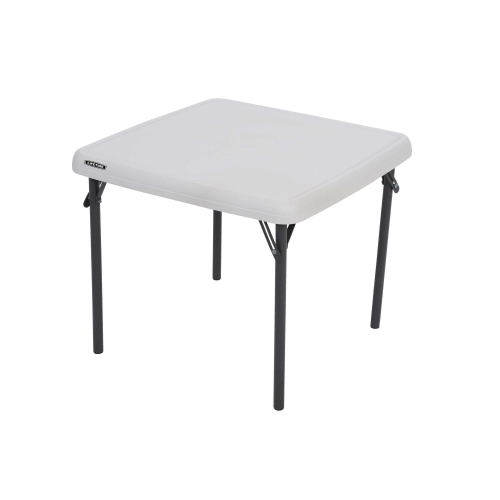 Your price for this item is $71.99
-
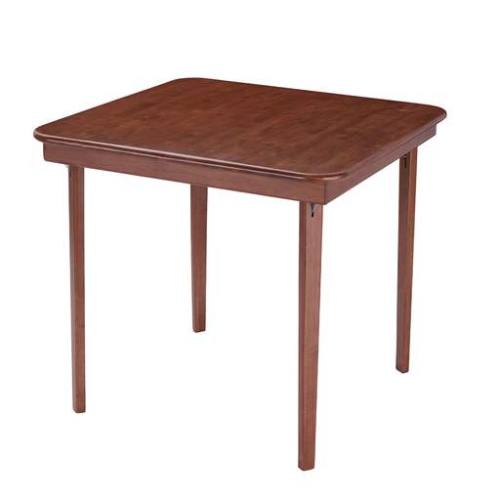 Your price for this item is $323.99
-
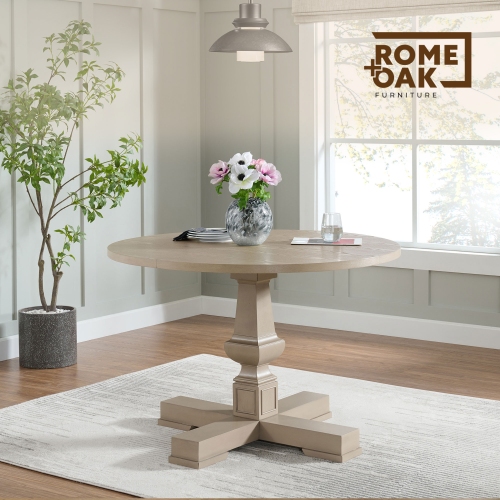 Your price for this item is $763.99
-
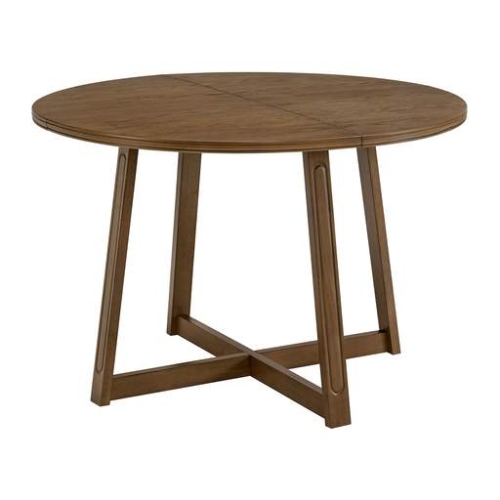 Your price for this item is $627.99
-
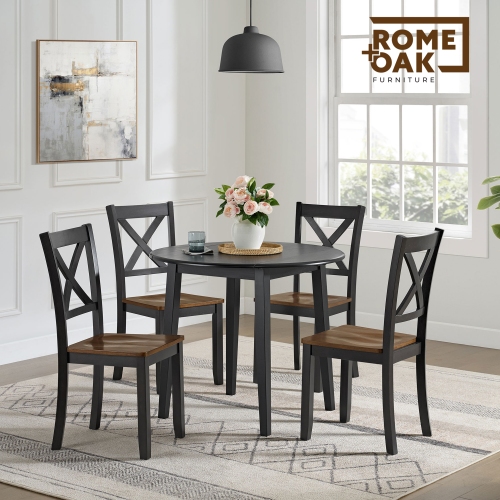 Your price for this item is $304.99
-
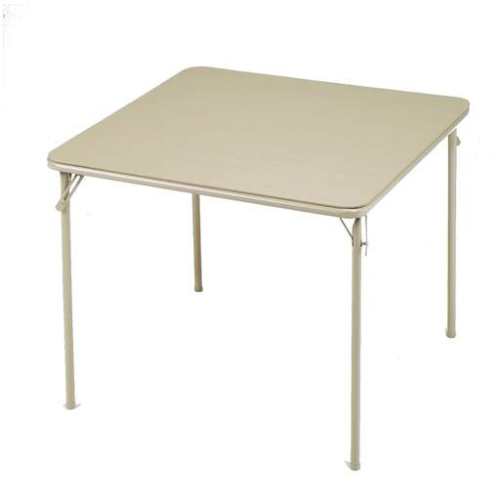 Your price for this item is $190.99
-
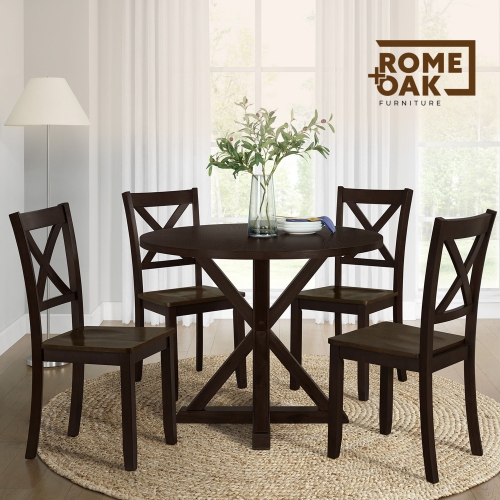 Your price for this item is $651.99
Discover more categories related to Wooden Furniture Tables

Top Collections:
Pokemon Centers, Kindle Devices, Best Cameras for Sports Photography, Pokémon 30th Celebration Cards, Apple iPhones 16, Canon G7X Cameras, iPhone 15 Apple, Flip Phones, Samsung Galaxy Phones, Alarm Clock
Some products may be subject to Environmental Handling Fees
(EHF) depending on your province.
Learn more about EHFs.