Wooden Headboards
Enhance the elegance and charm of your bedroom with our collection of wooden headboards. Crafted with precision and attention to detail, these headboards exude a timeless appeal that effortlessly complements any decor style. From sleek and modern designs to rustic and vintage-inspired pieces, our wooden headboards offer a wide range of options to suit your personal taste. Whether you're looking to add a touch of warmth or create a focal point in your bedroom, these headboards are the perfect choice to elevate your sleeping space to new heights. Explore our selection today and find the perfect wooden headboard that speaks to your unique style.
Sort
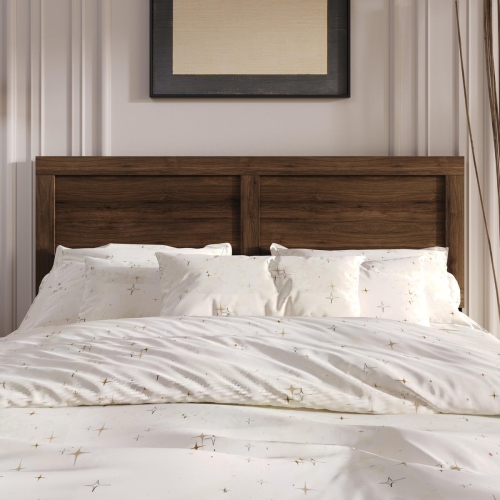
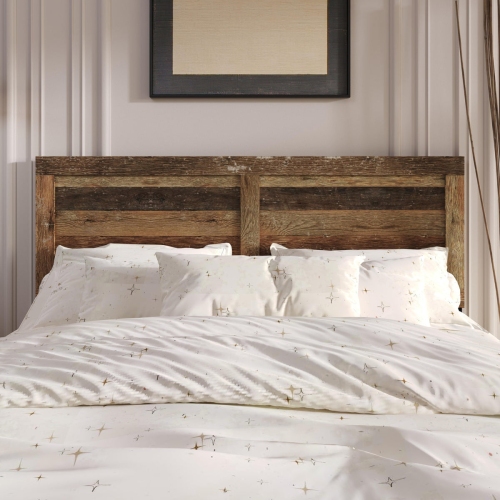
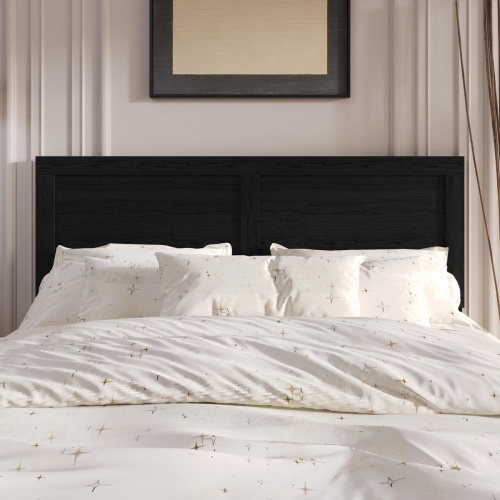
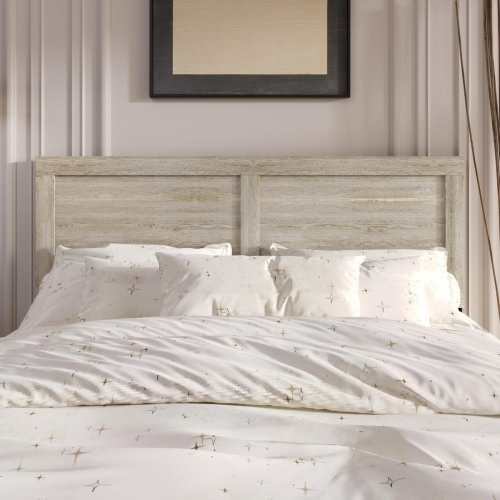
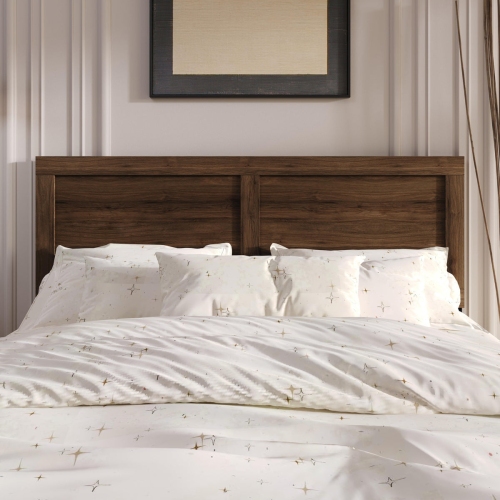
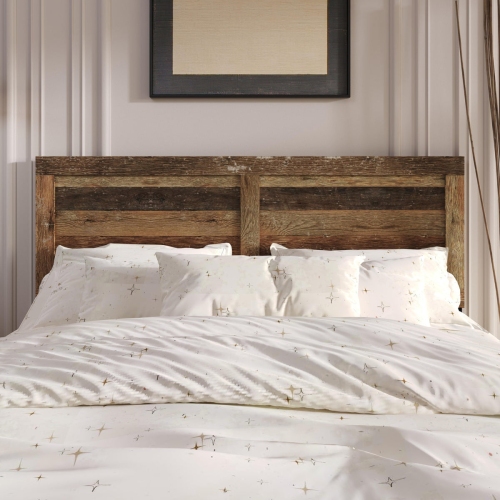
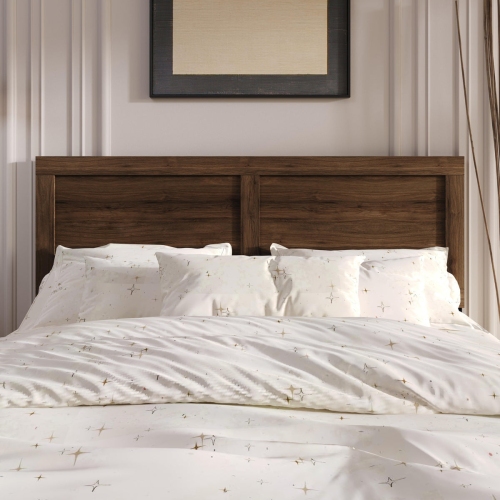
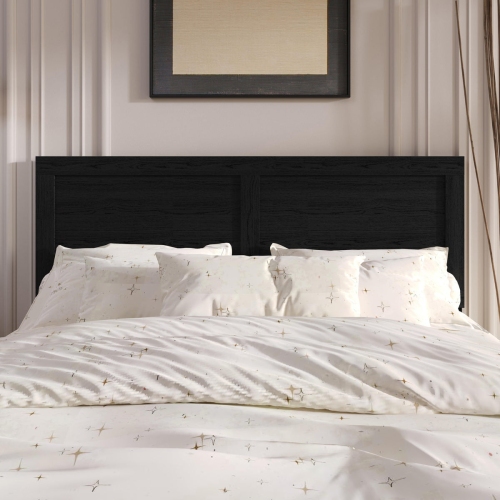
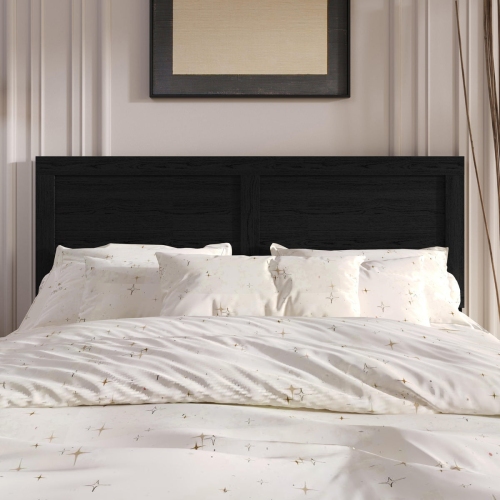
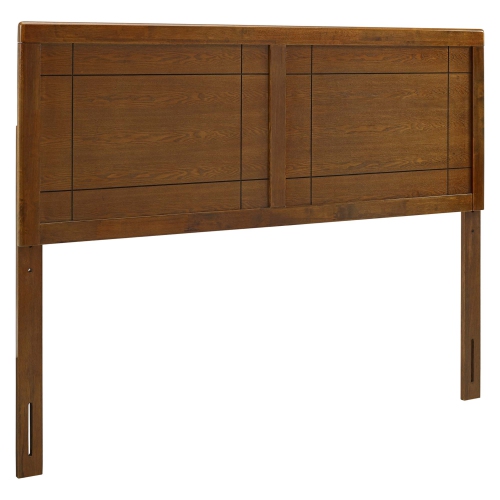
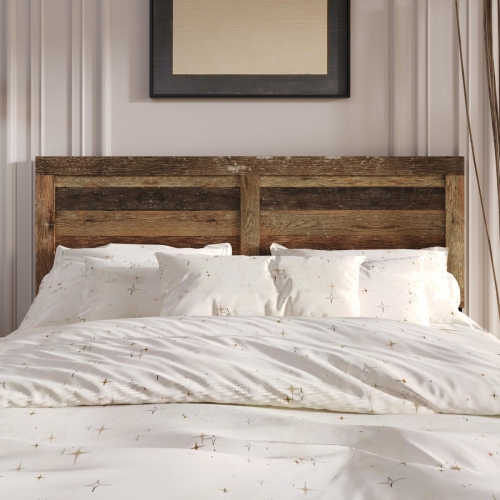
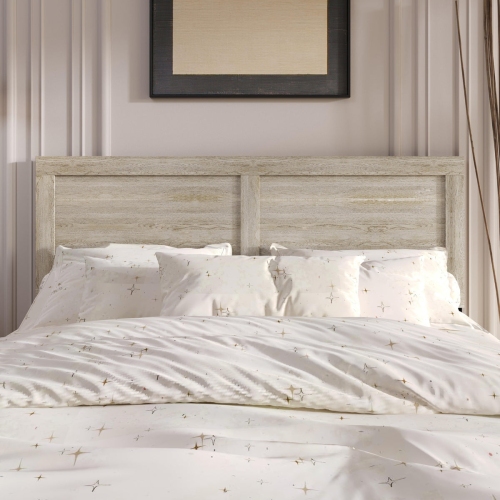
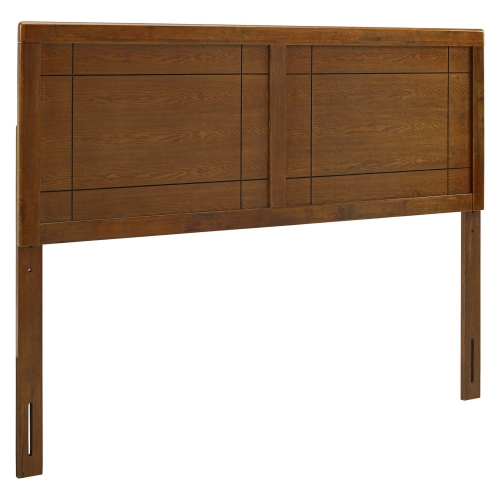
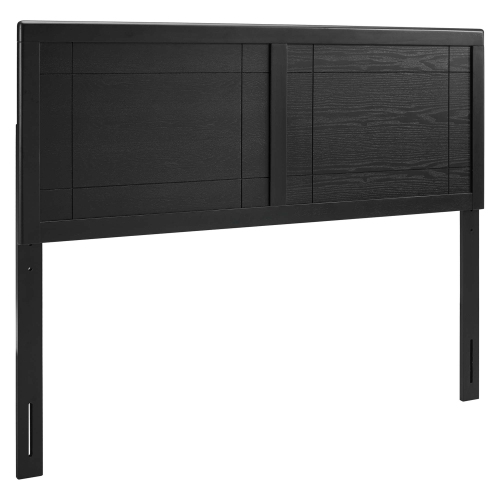
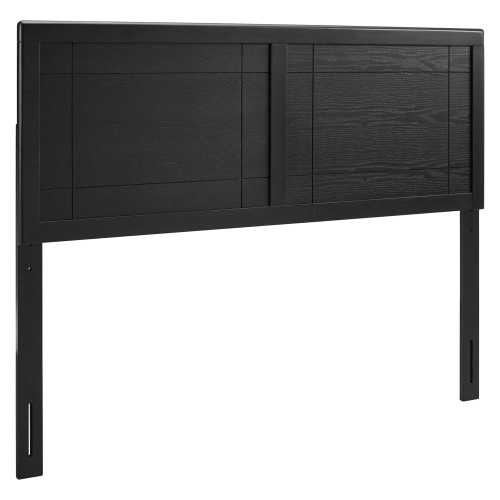
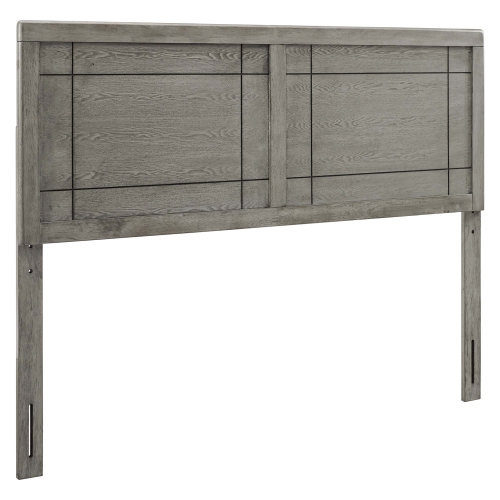
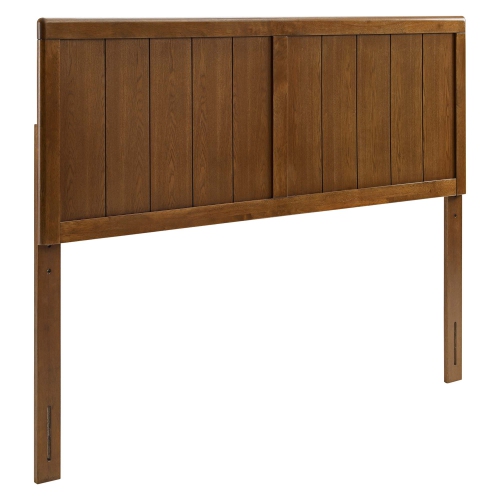
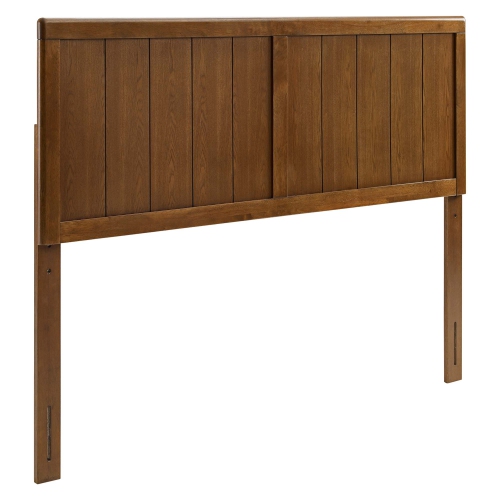
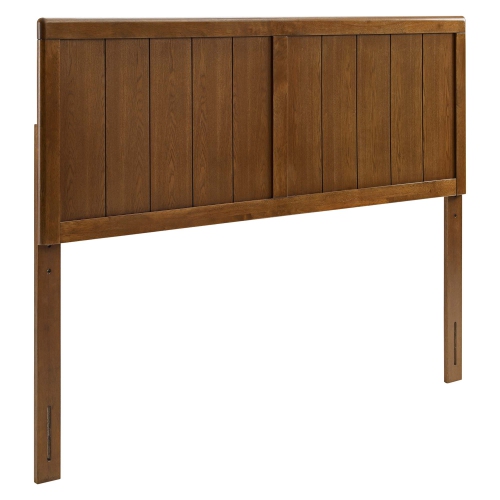
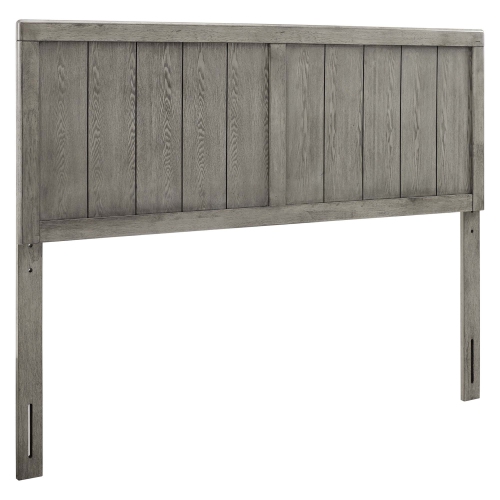
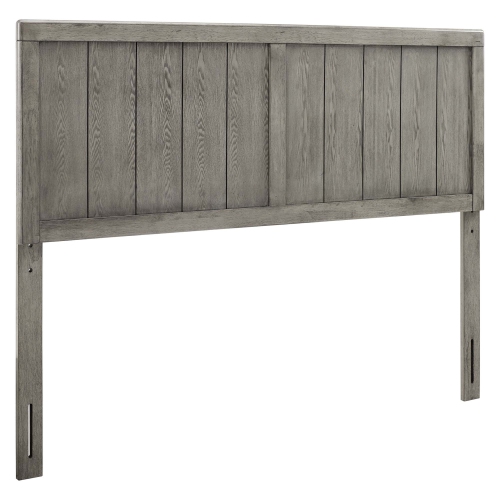
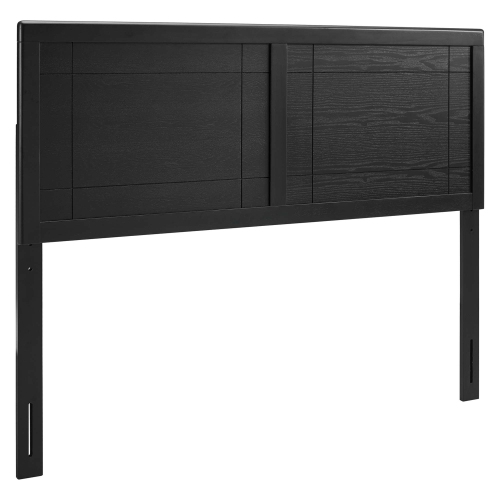
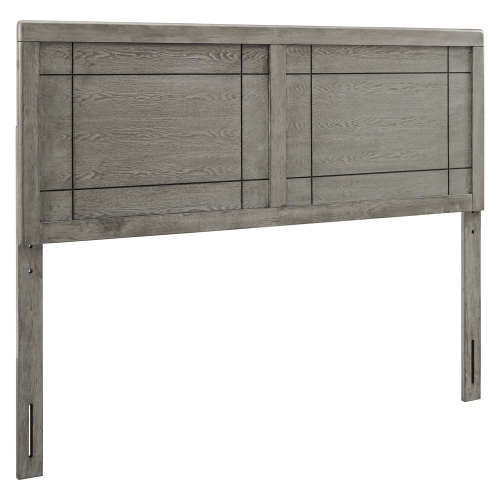
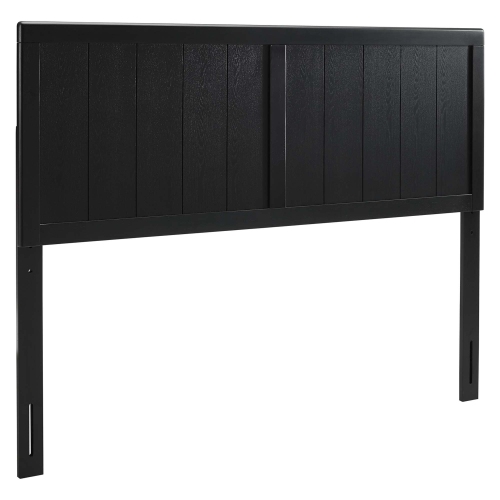
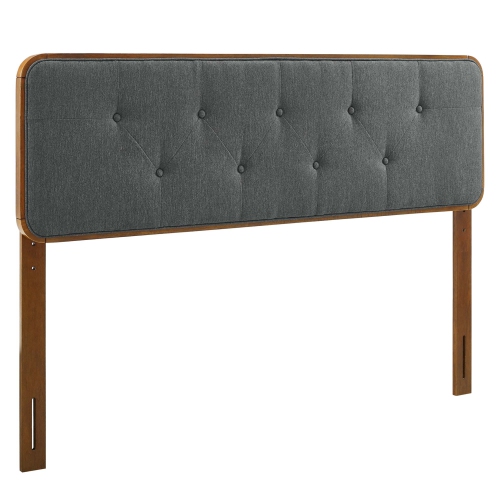
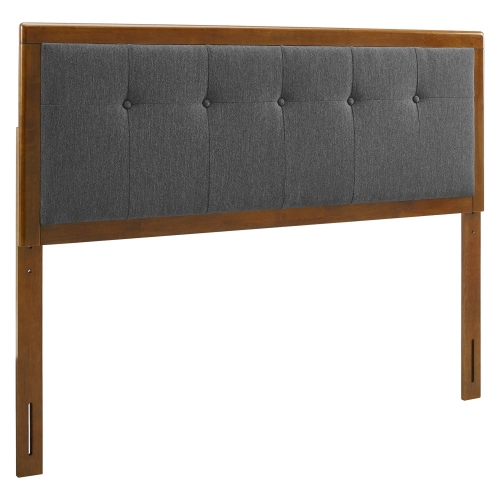
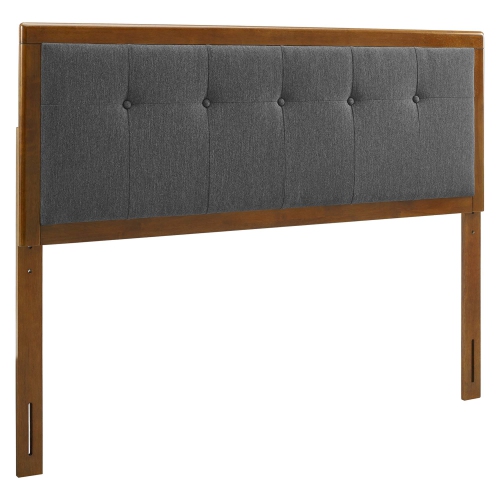
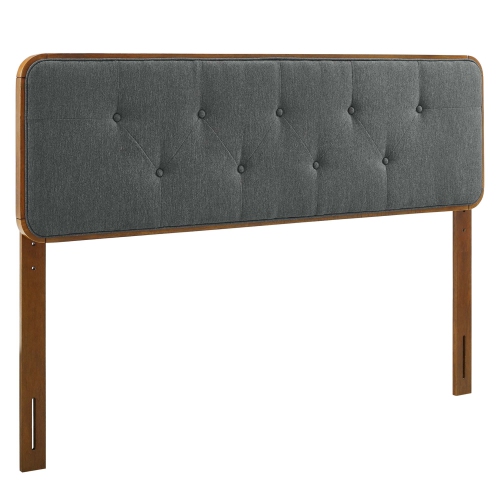
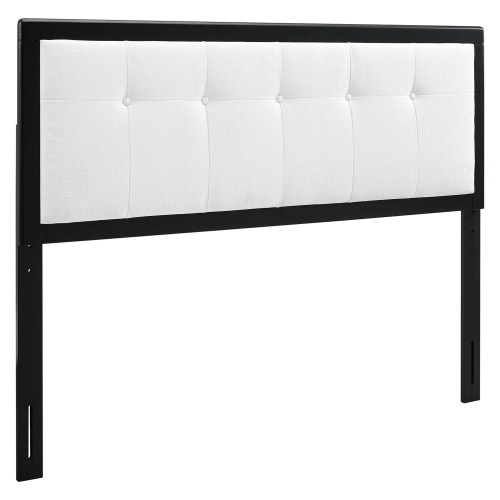
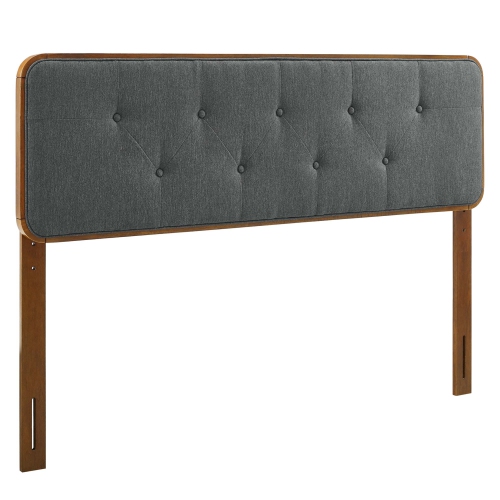
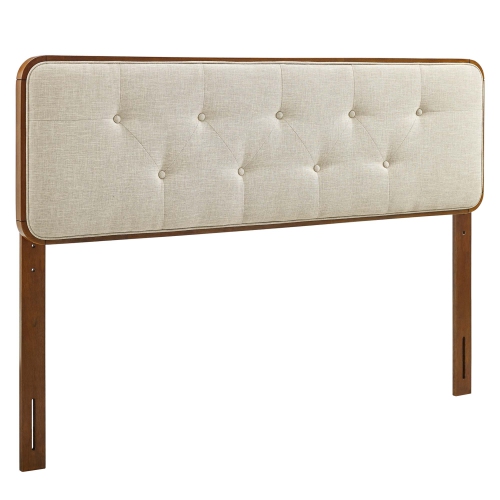
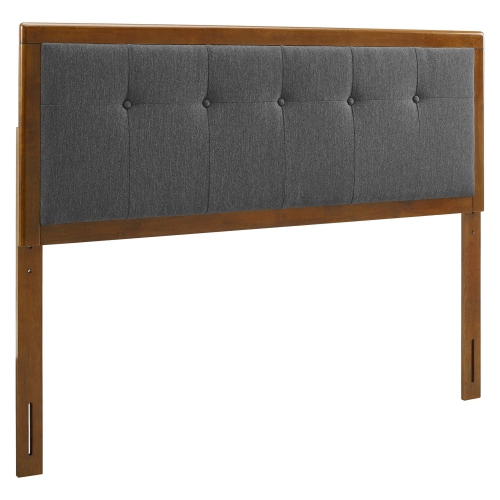
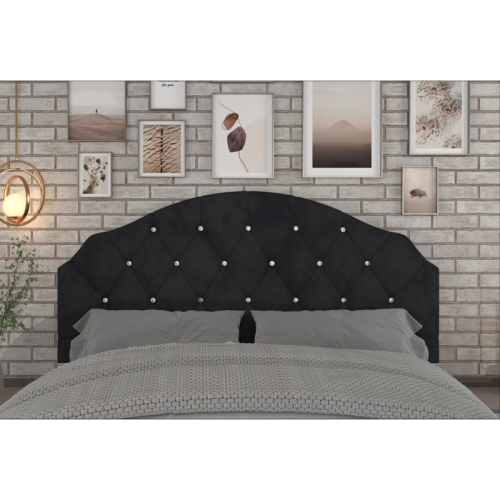
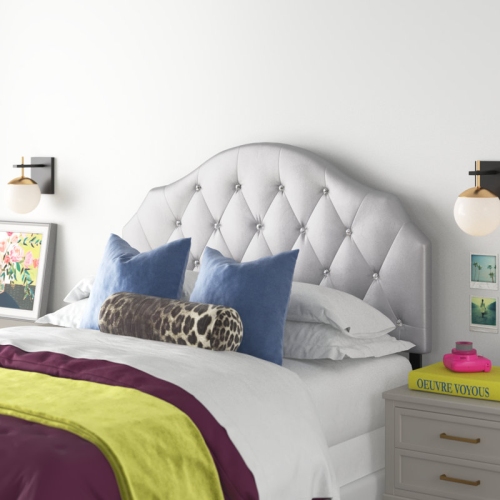
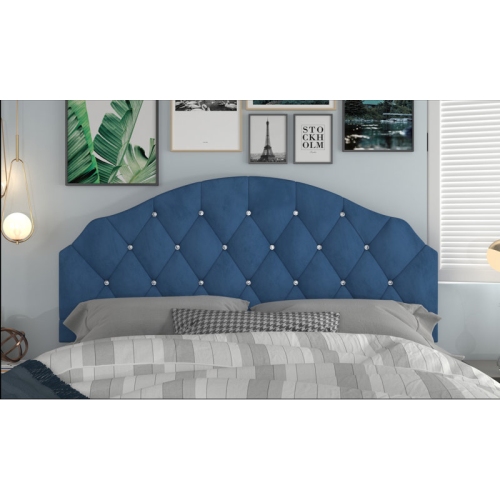
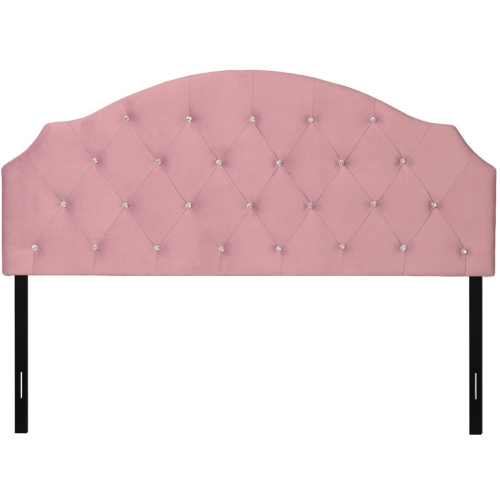
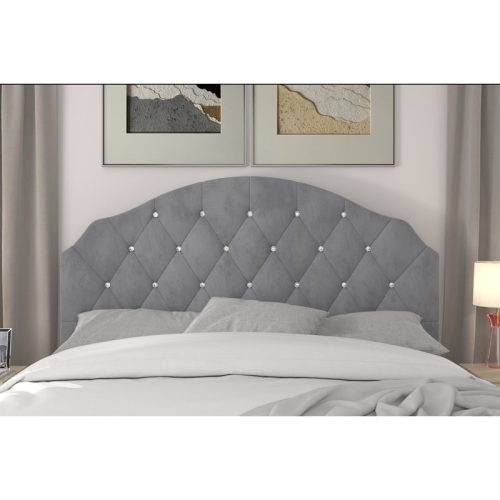
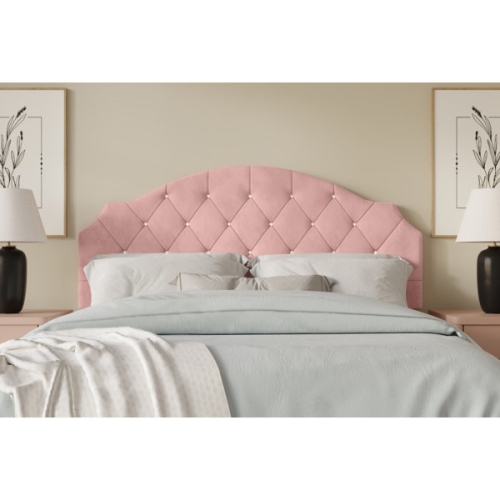
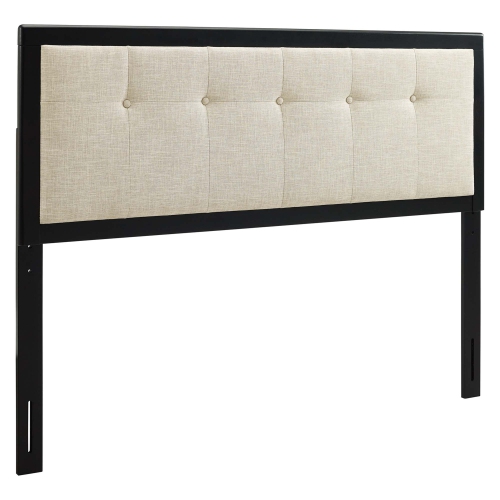
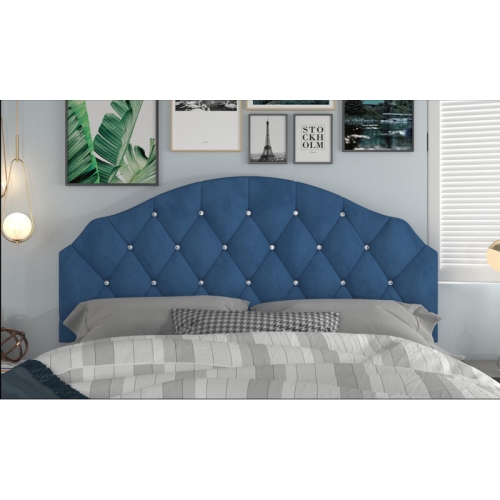
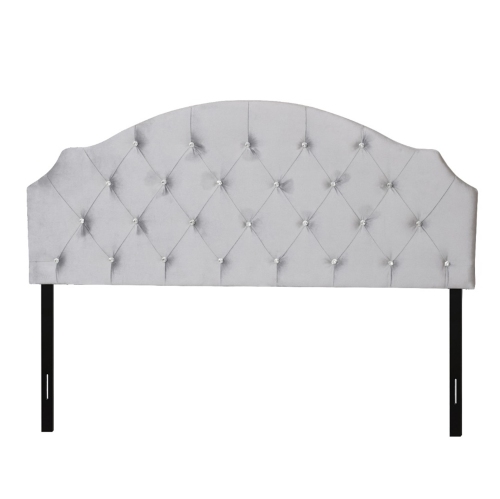
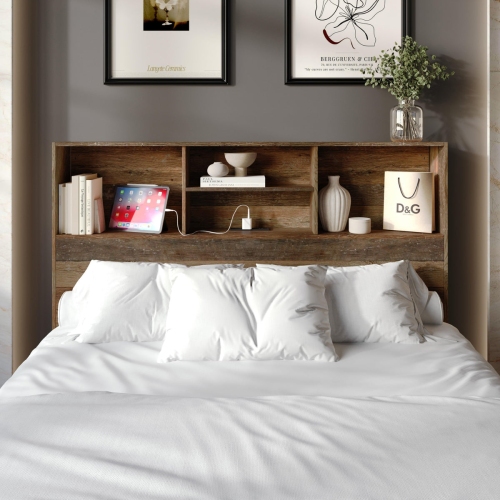
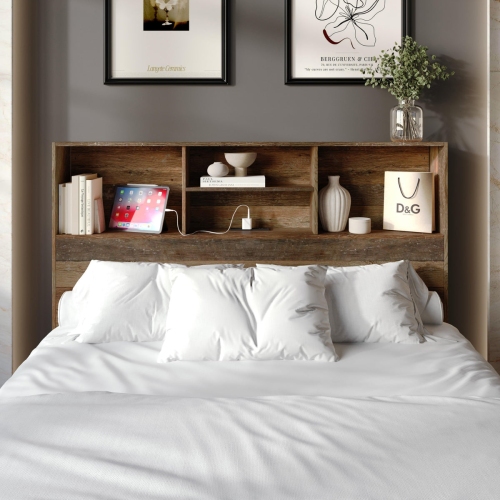
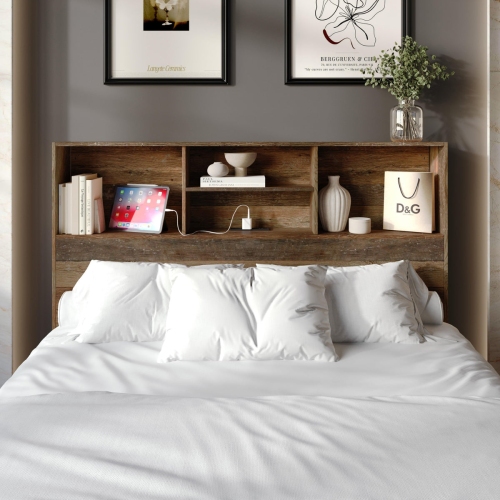
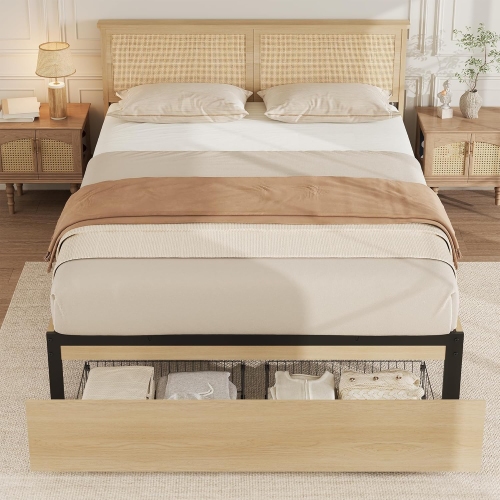
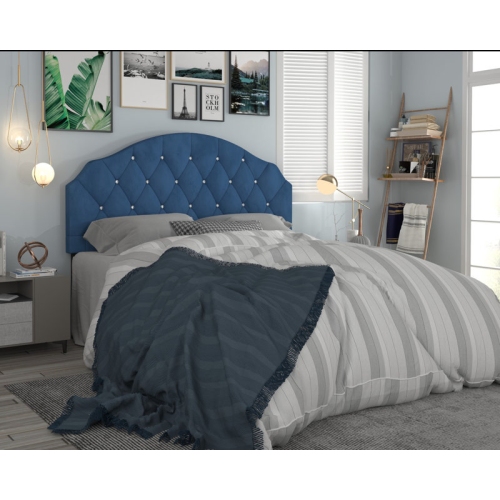
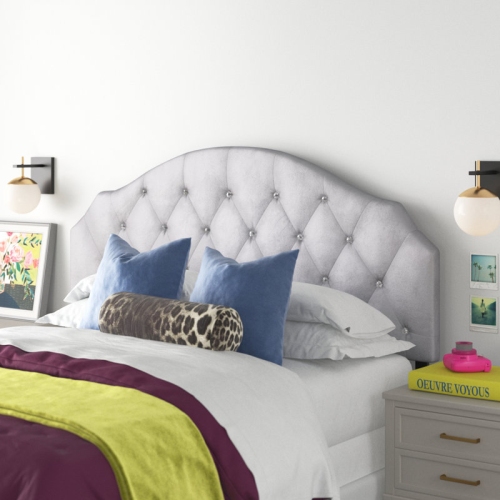
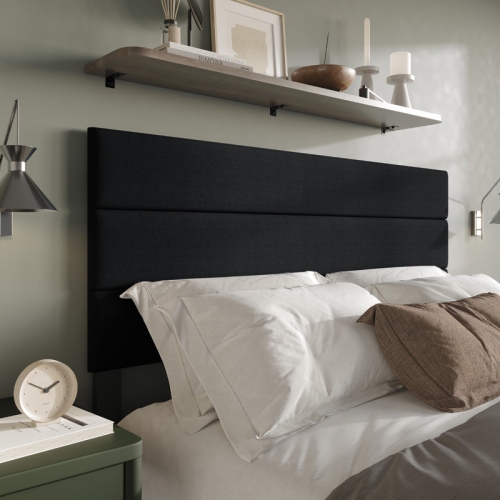
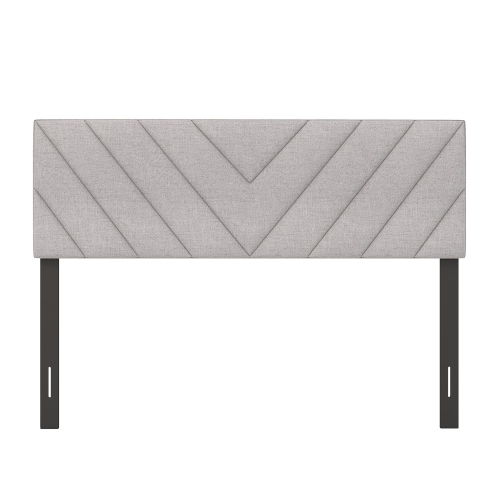
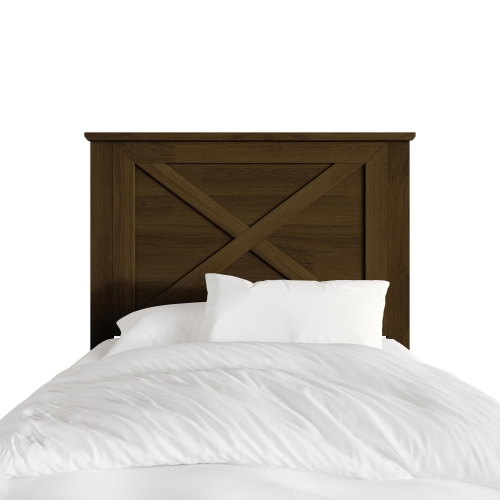
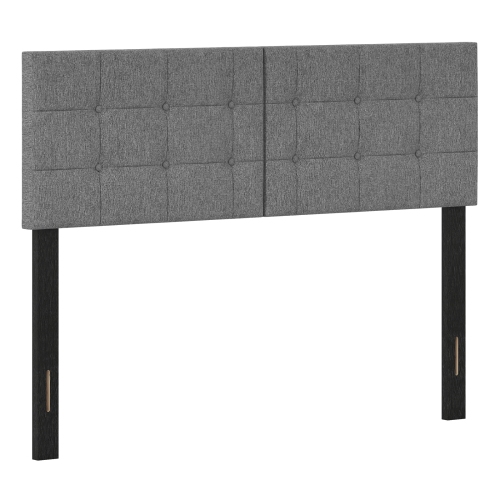
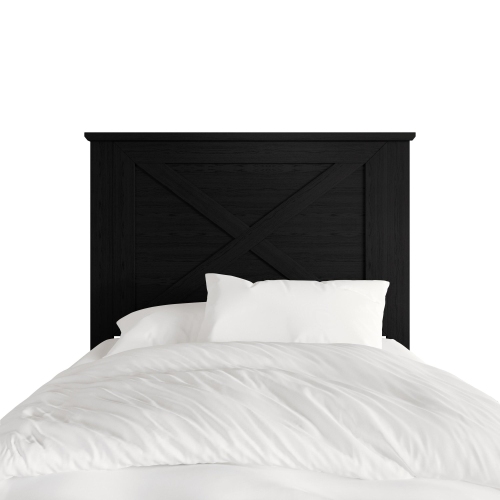

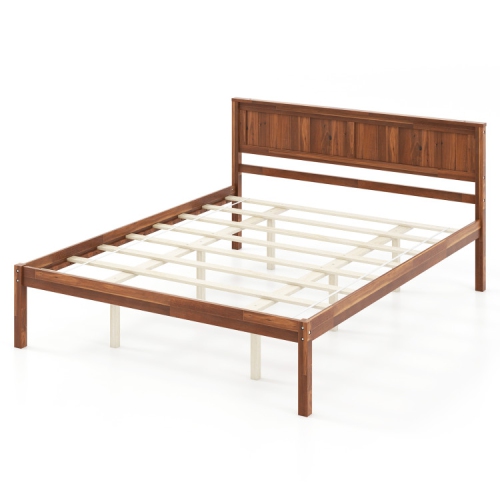
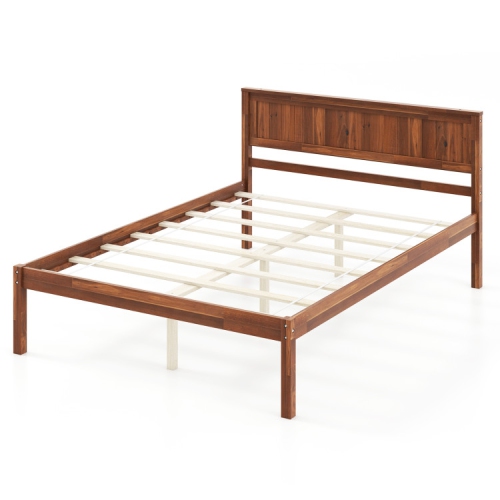
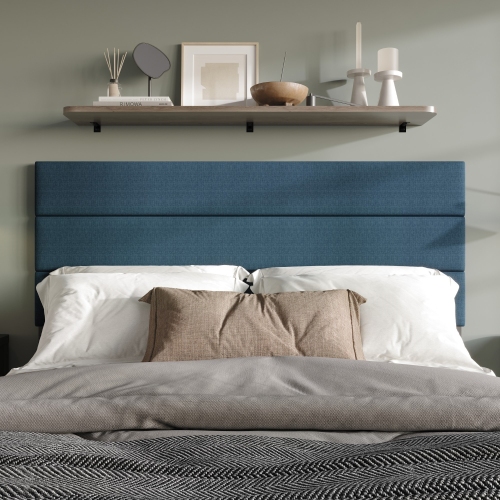
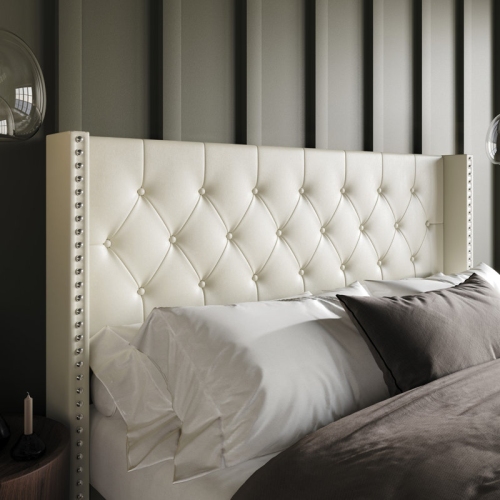
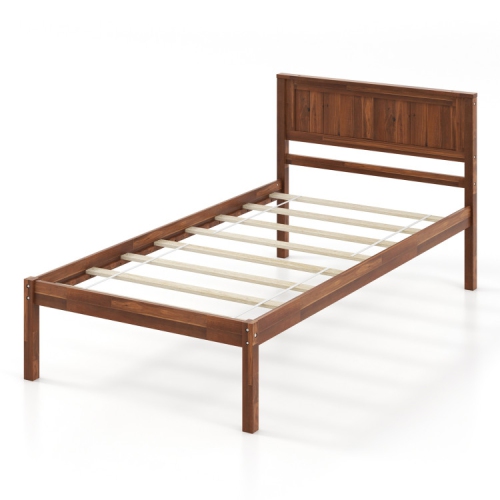
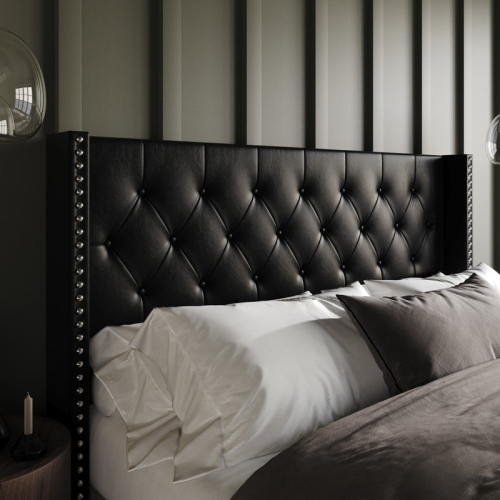
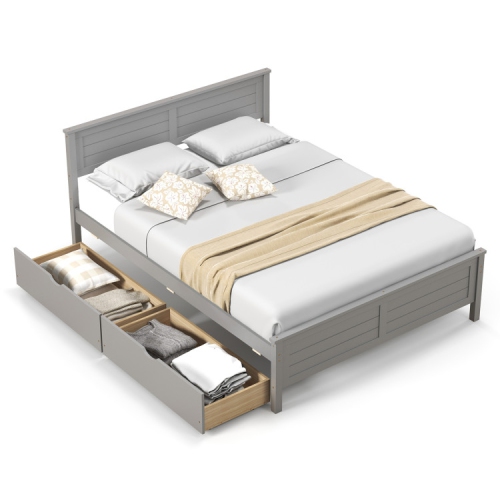
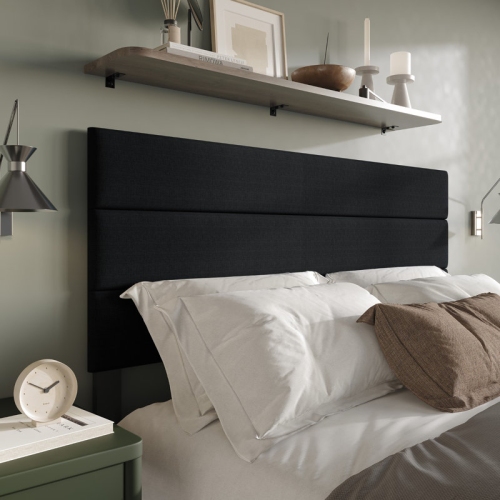
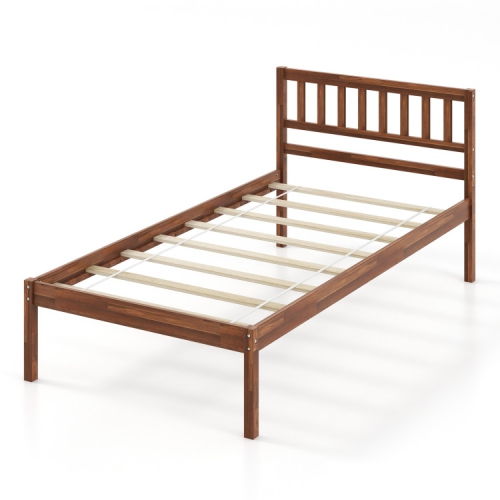
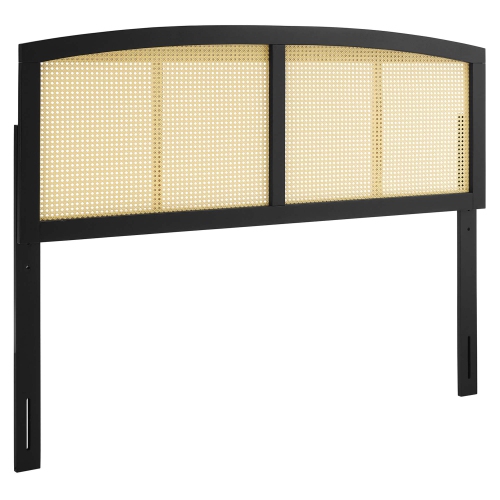
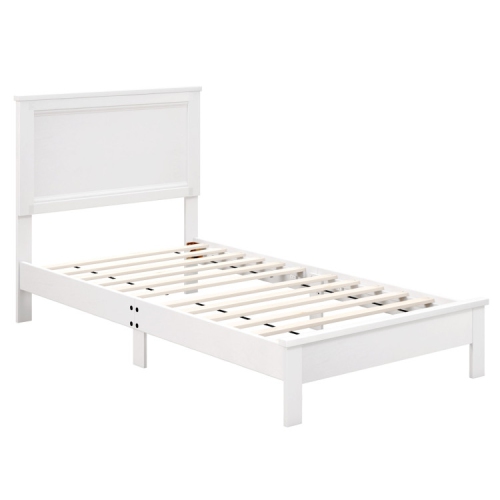
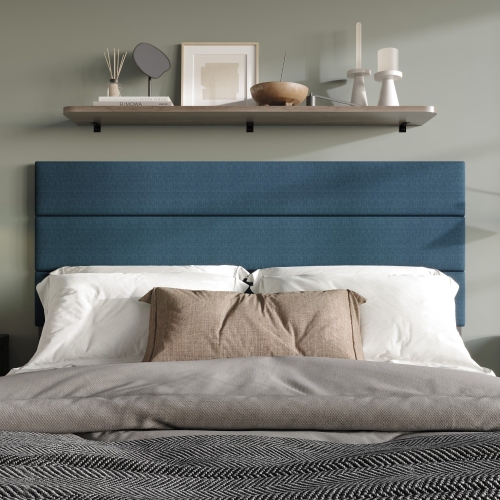
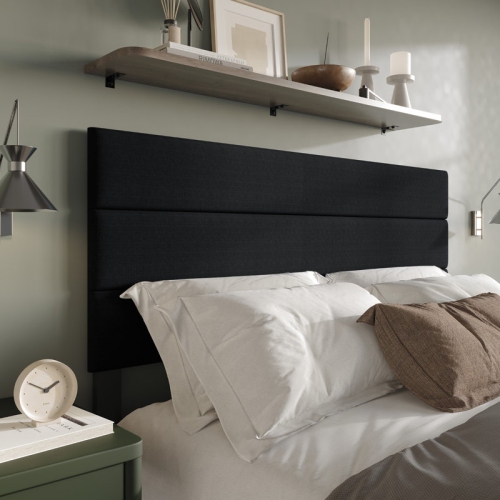
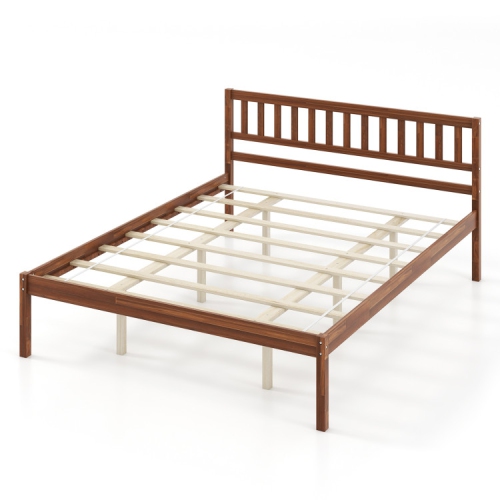
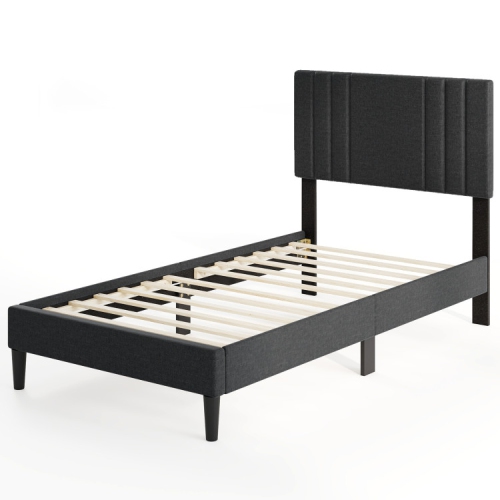
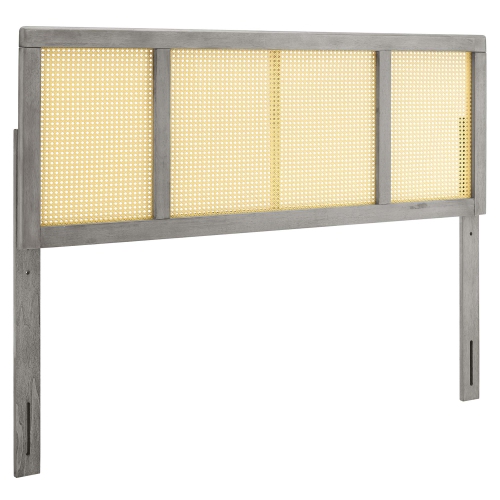
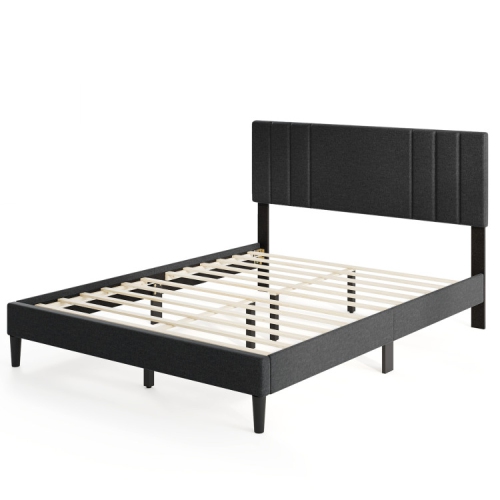
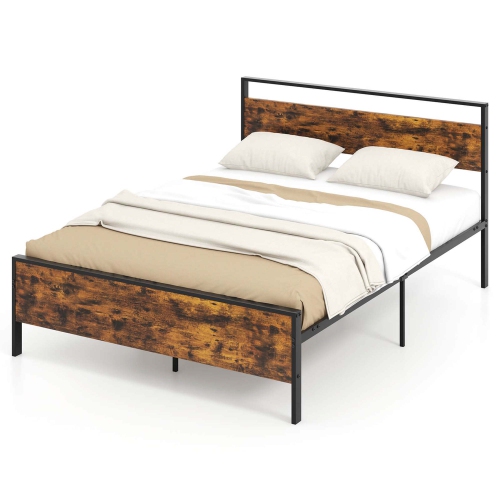
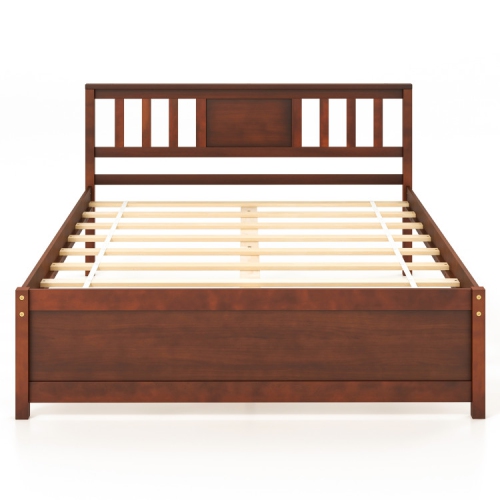
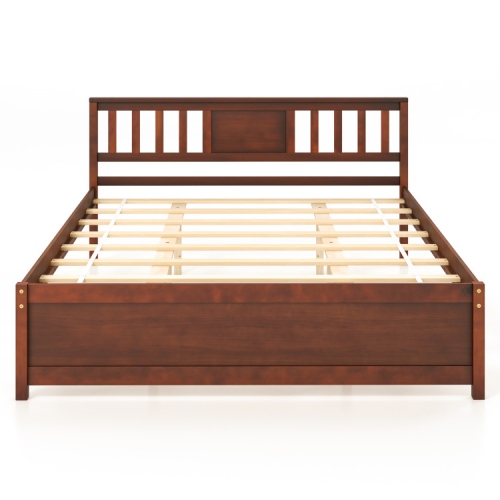
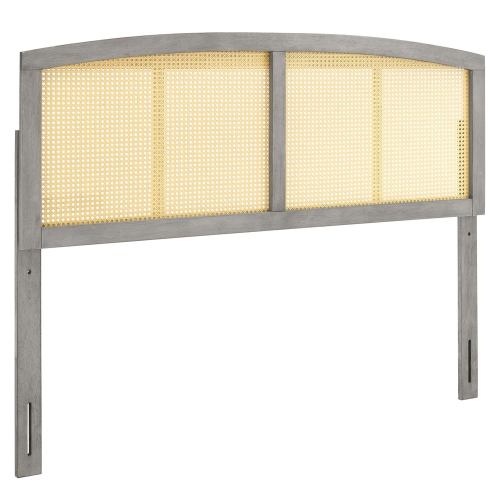
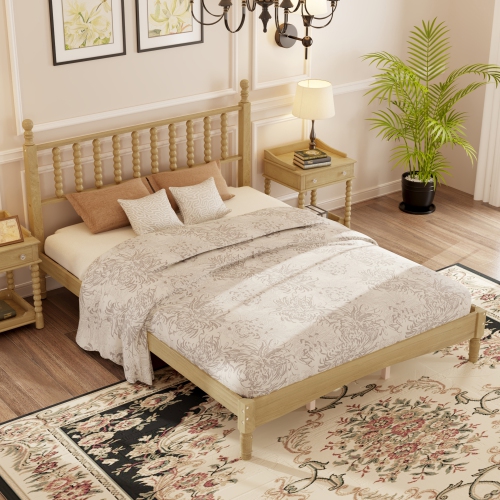
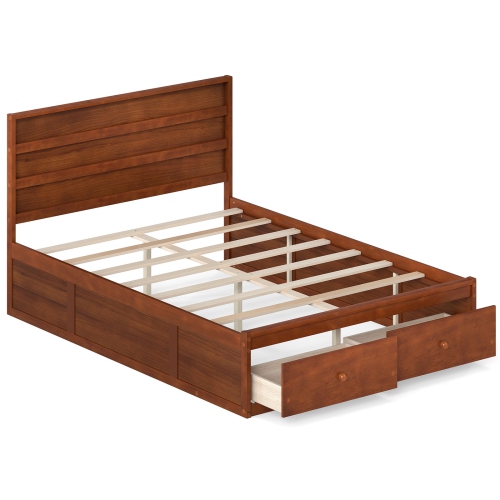
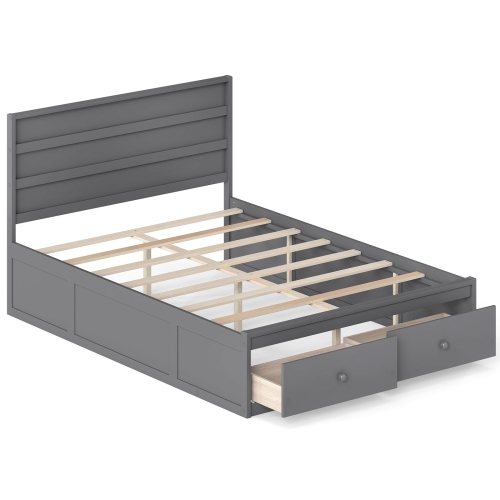
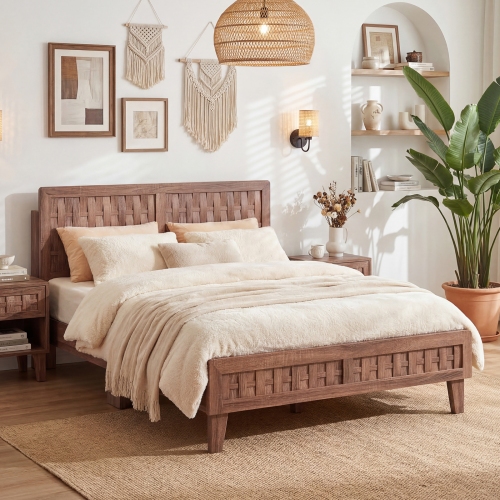
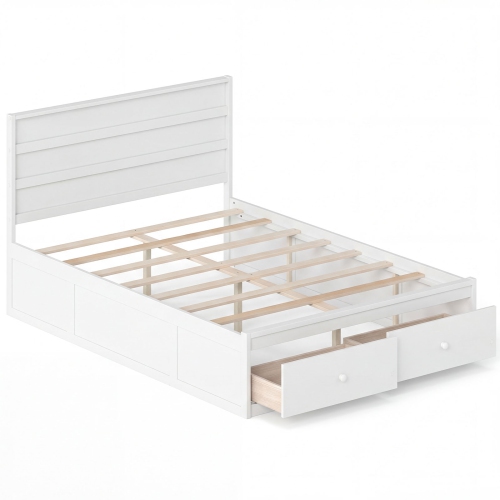
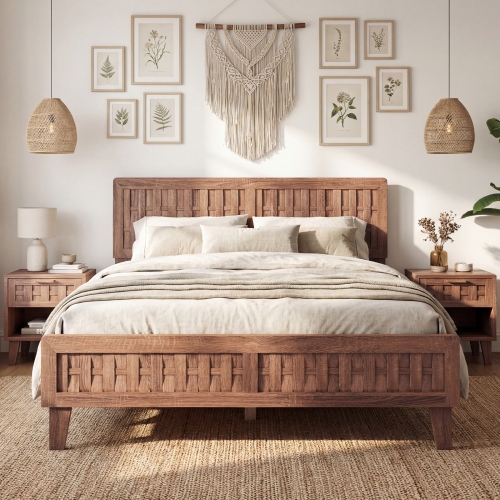
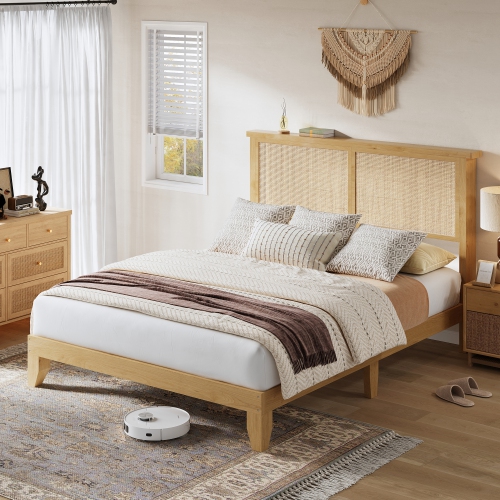
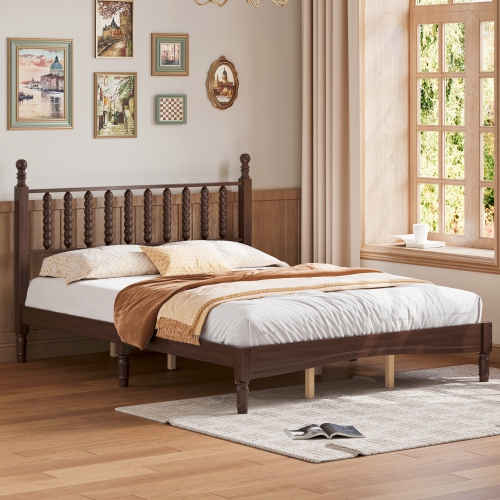
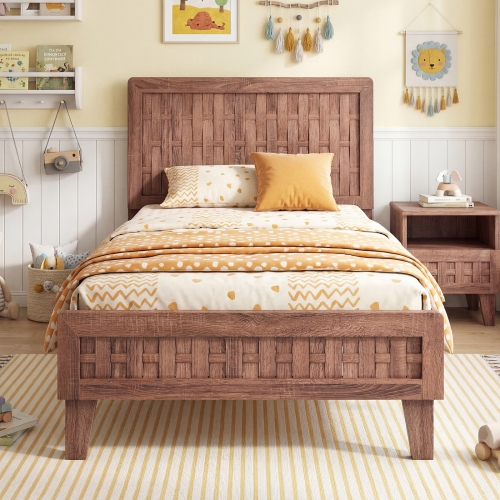
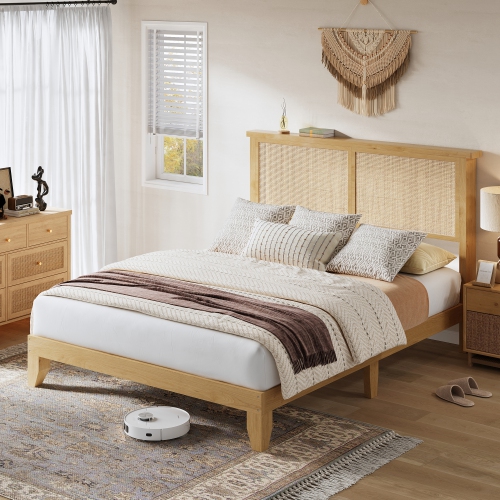
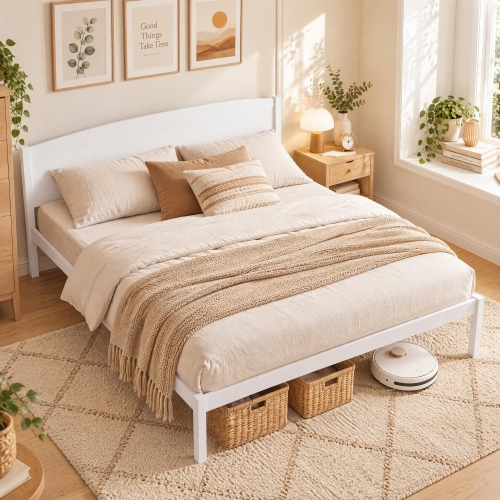
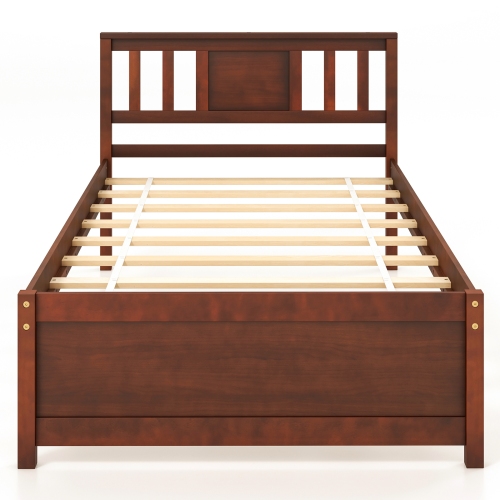
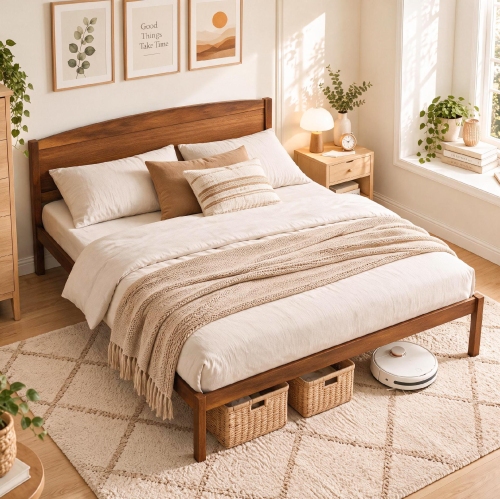
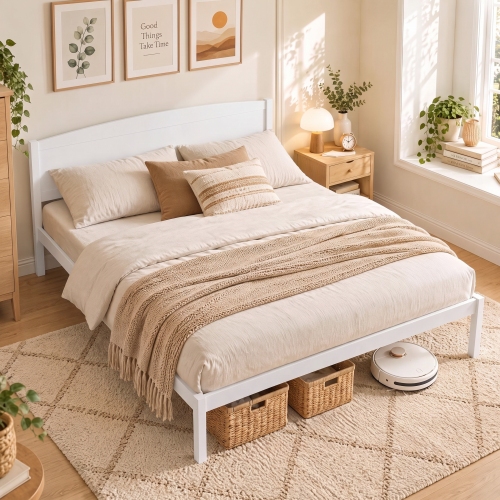
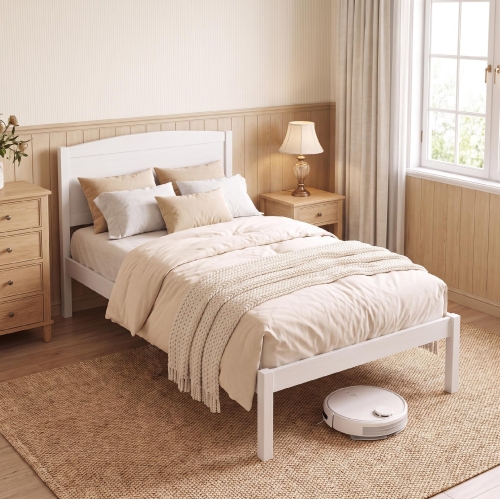
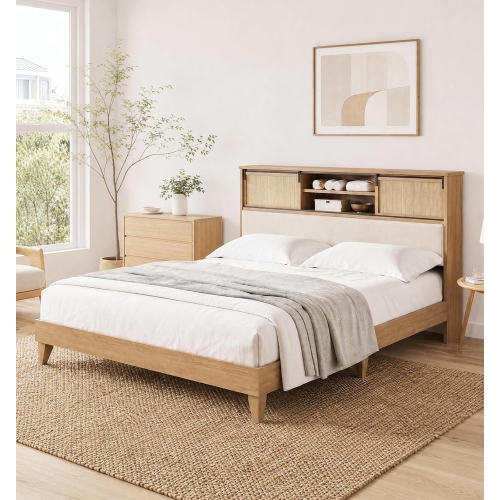
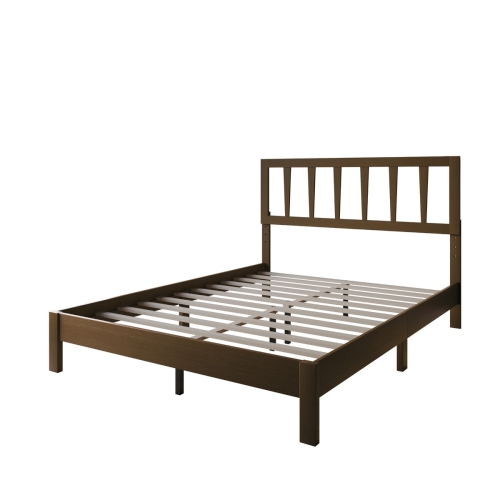
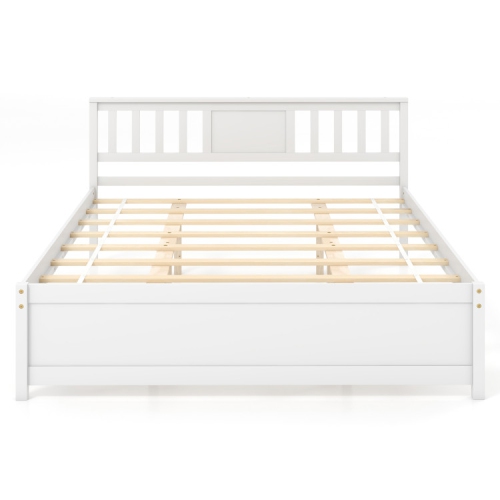
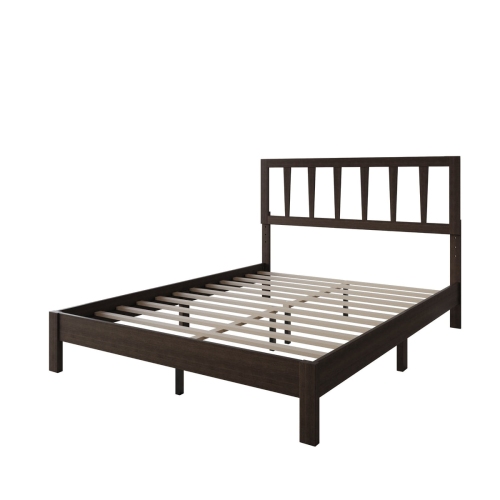
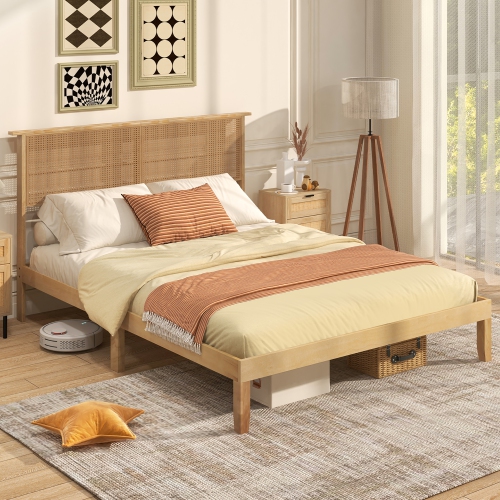
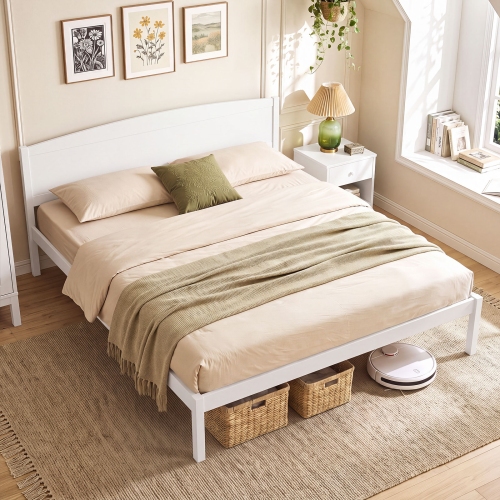
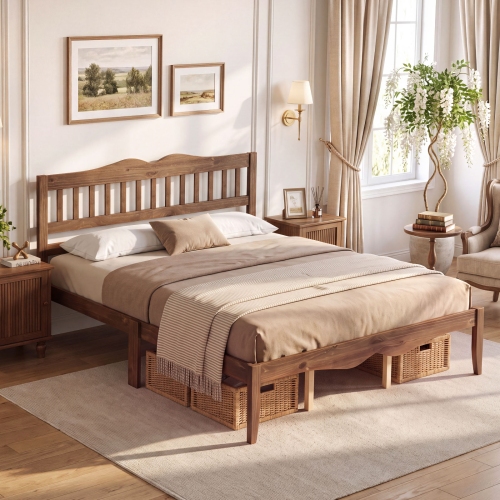
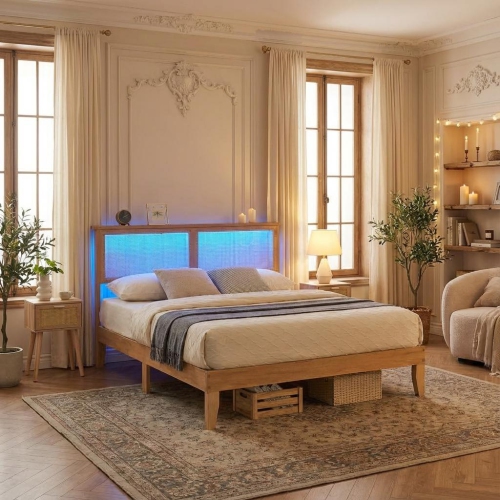
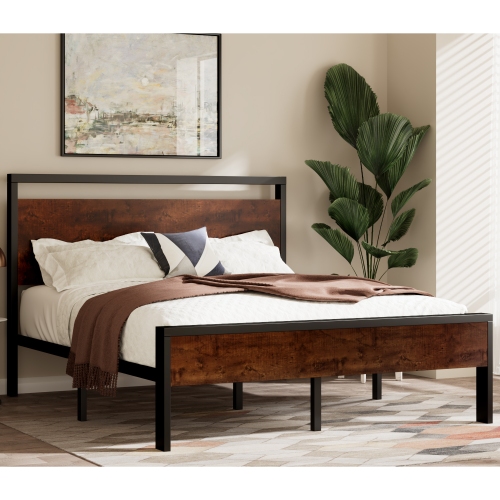
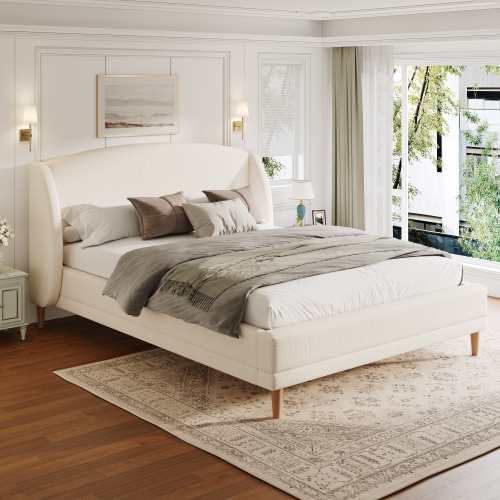
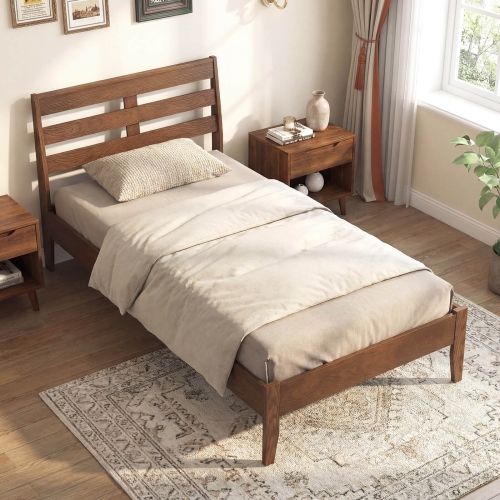
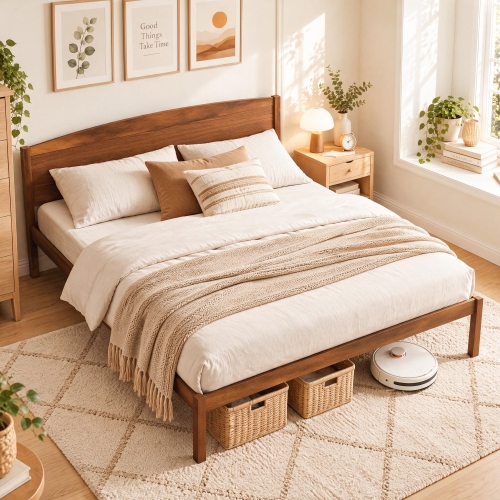
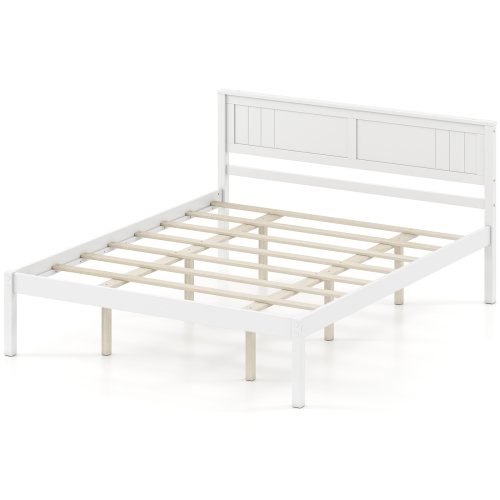
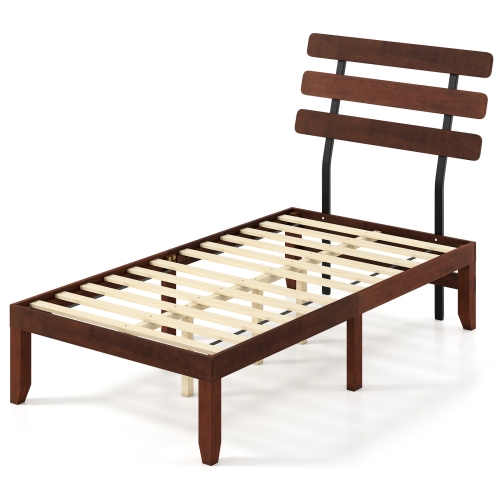
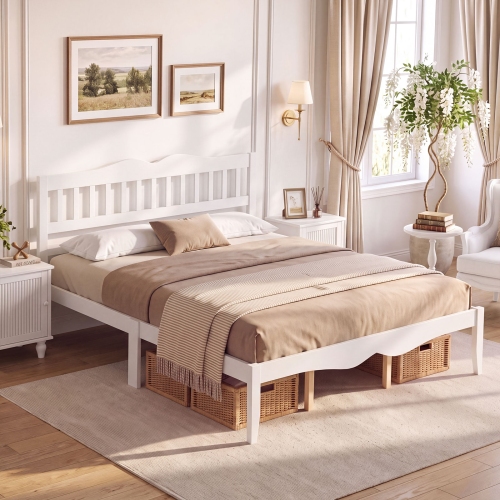
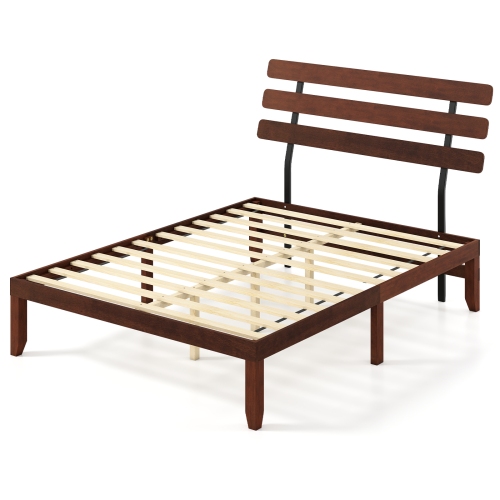
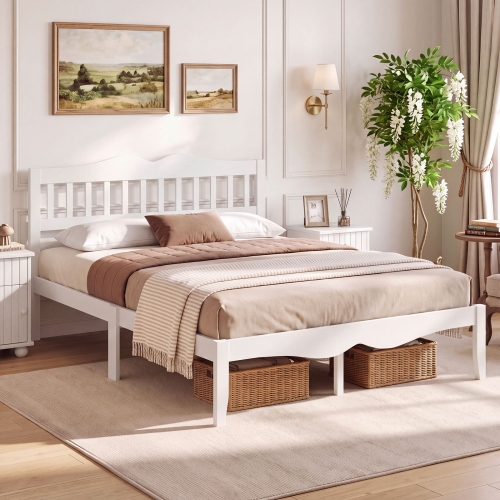
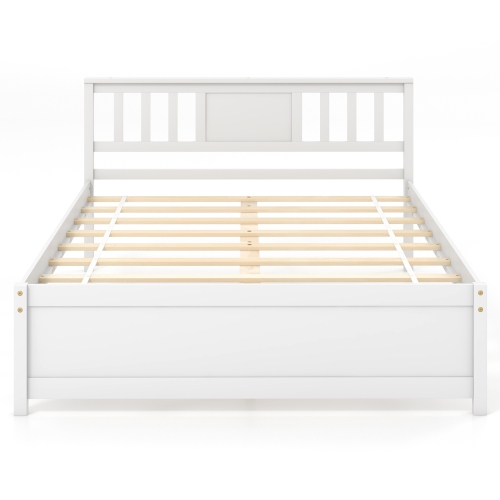
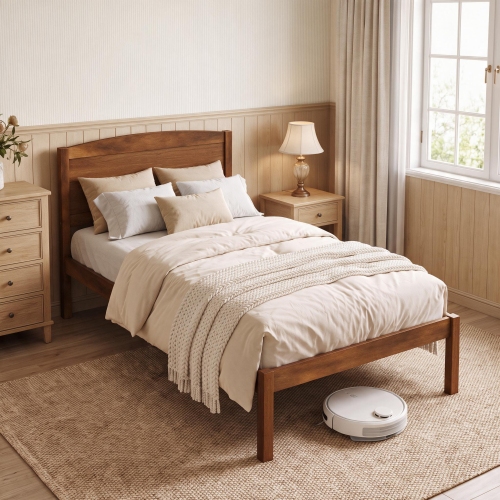
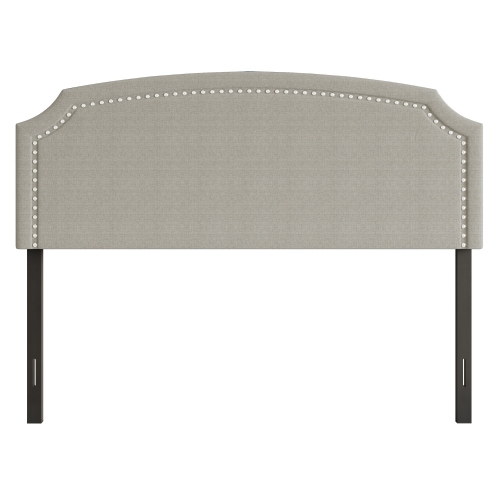
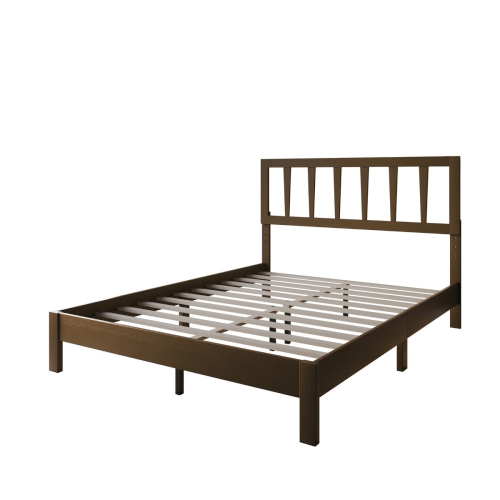
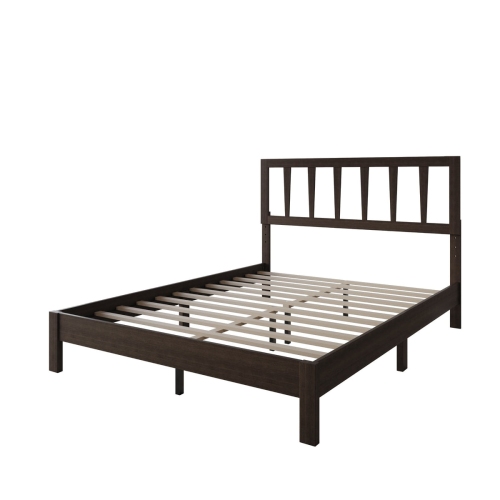
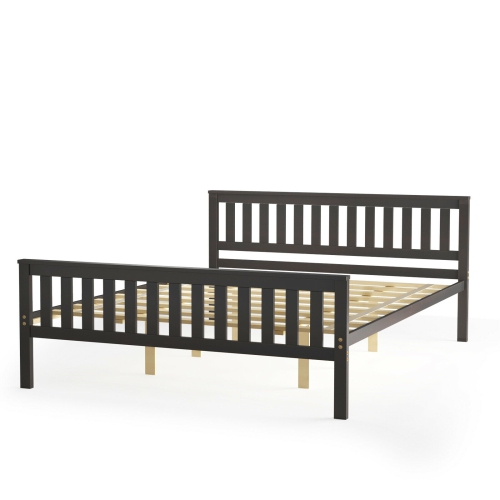
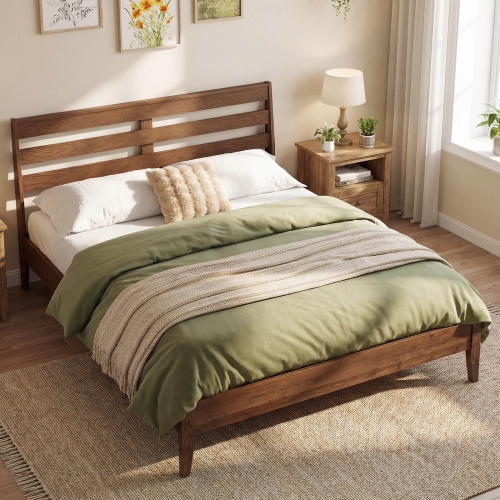
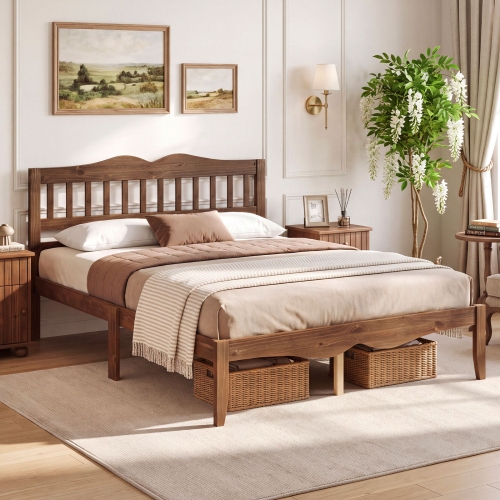
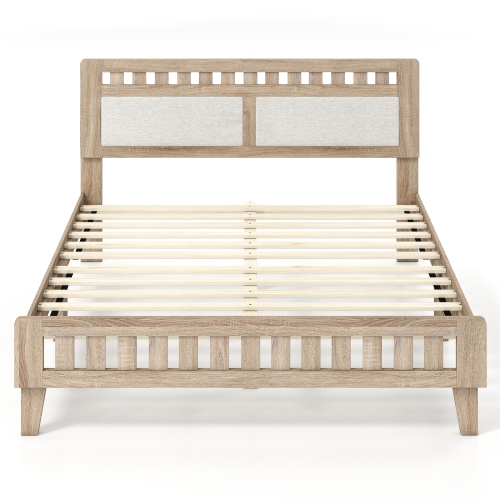
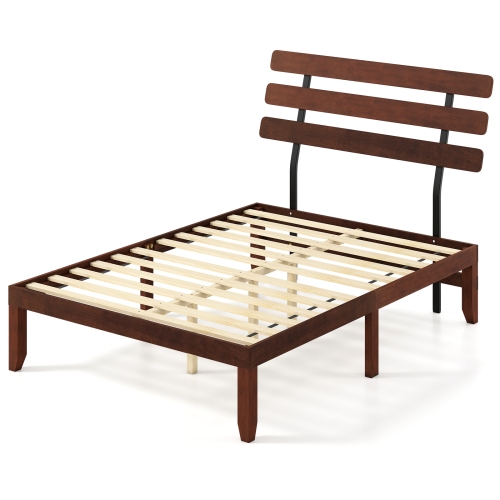
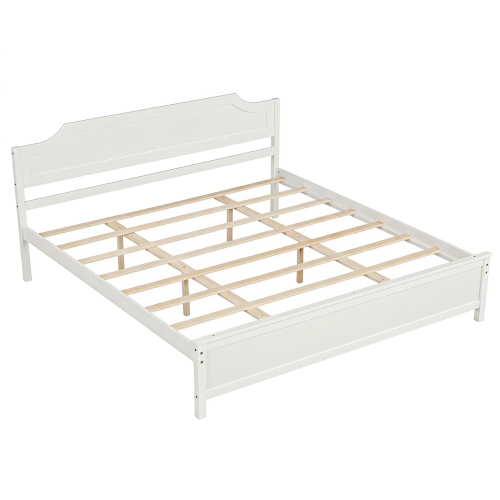
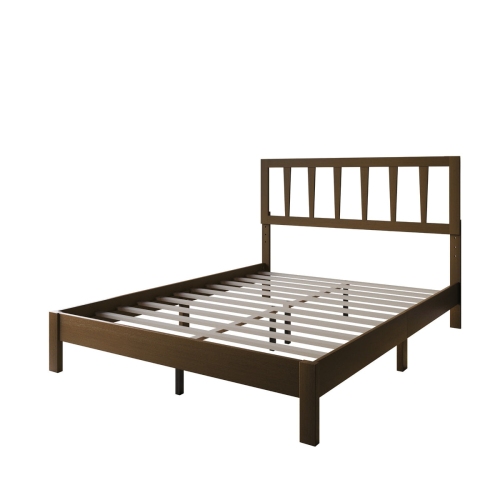

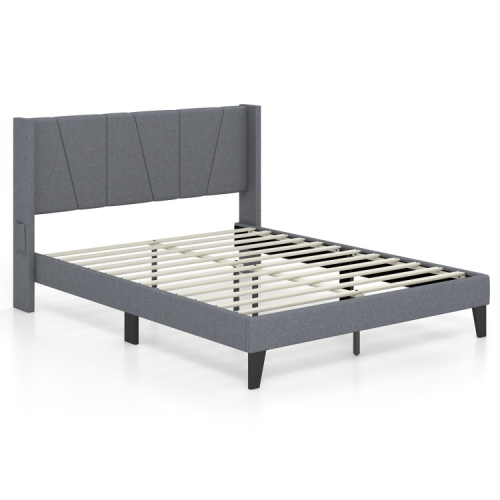
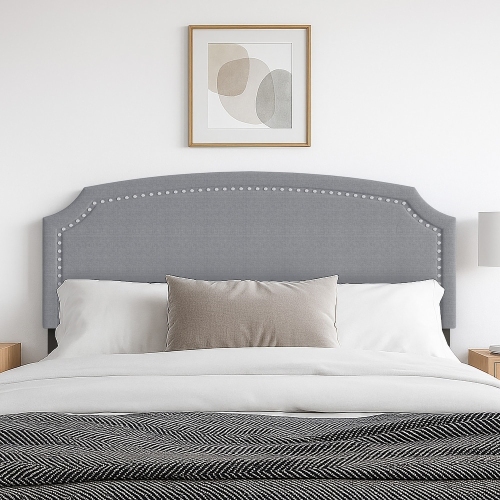
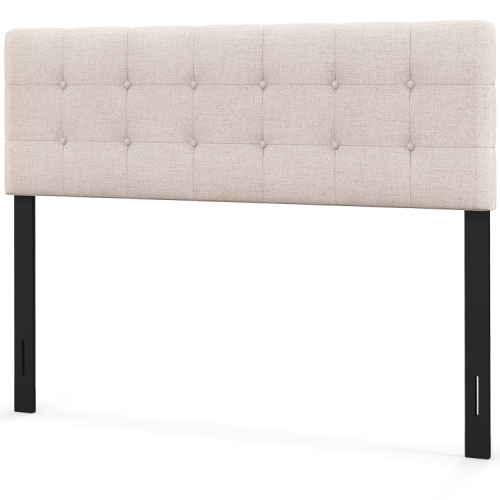
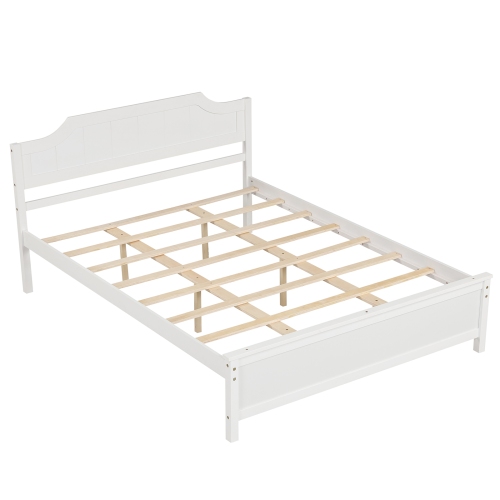
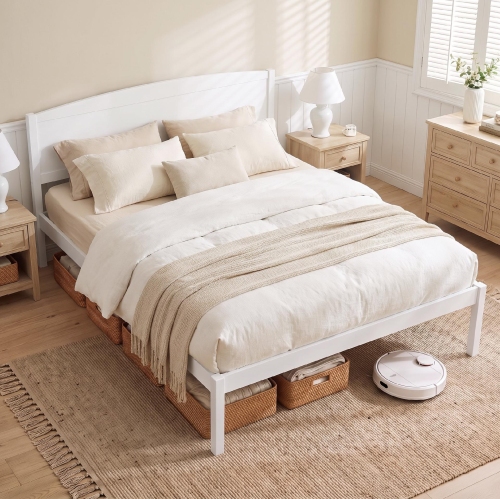
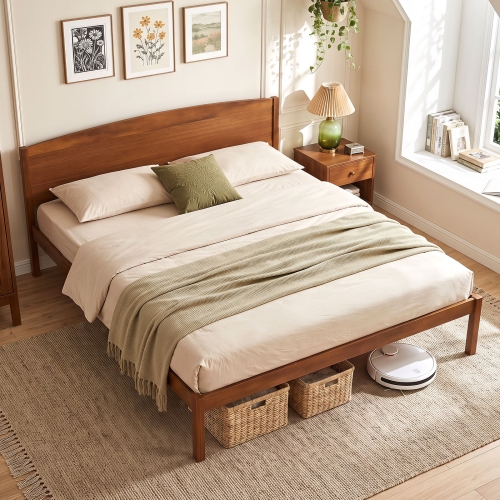


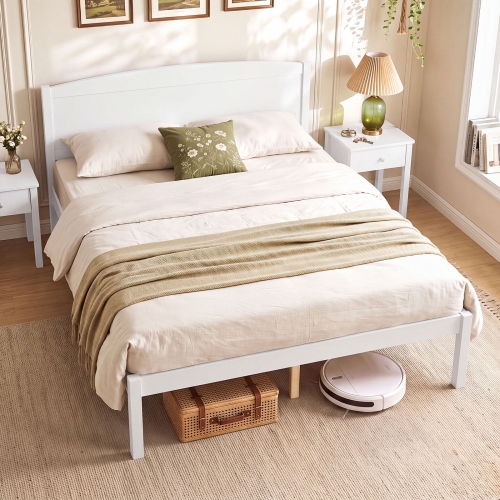
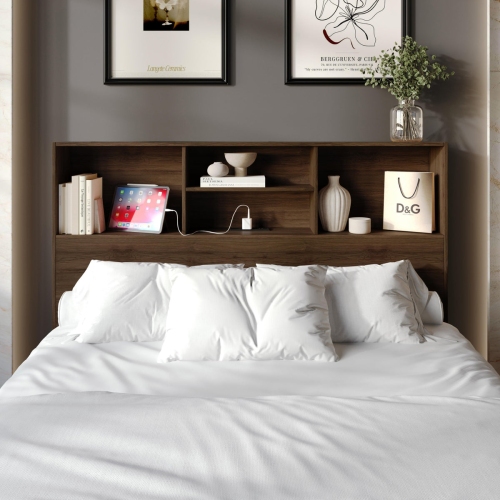
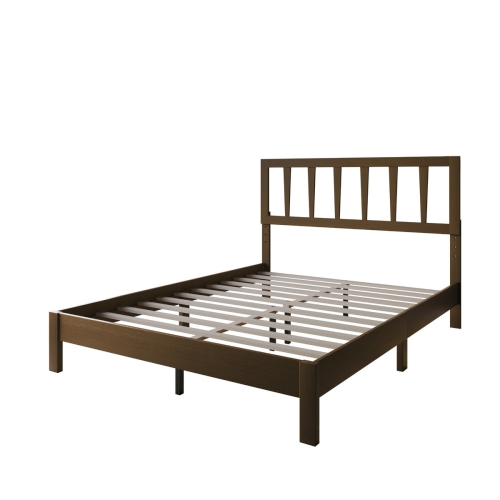
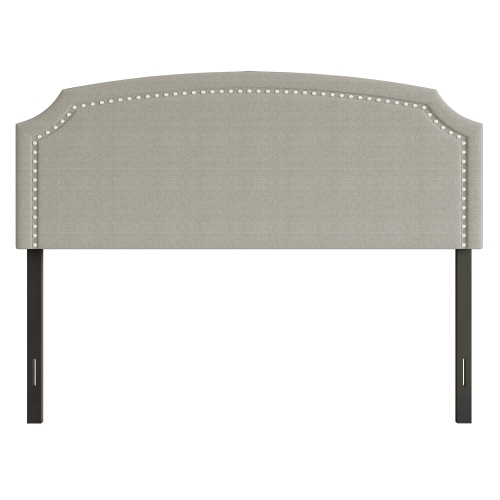
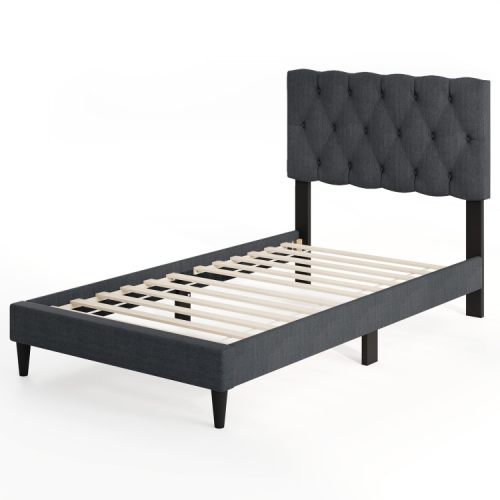
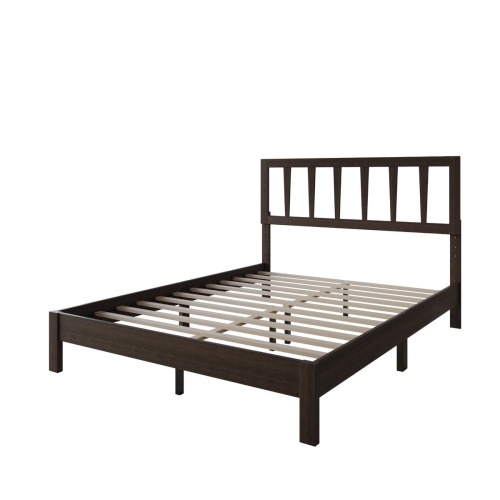
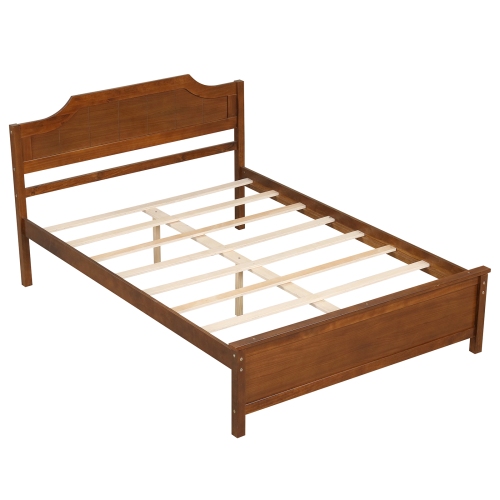


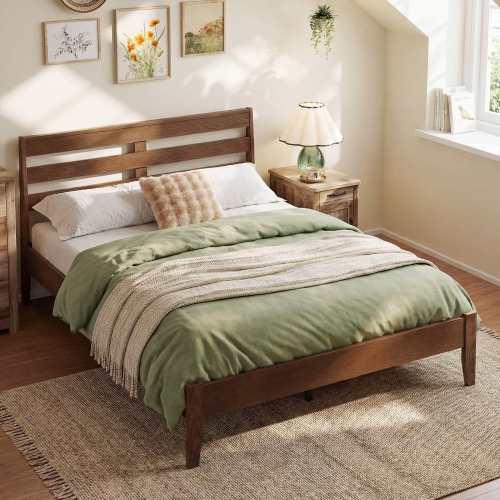
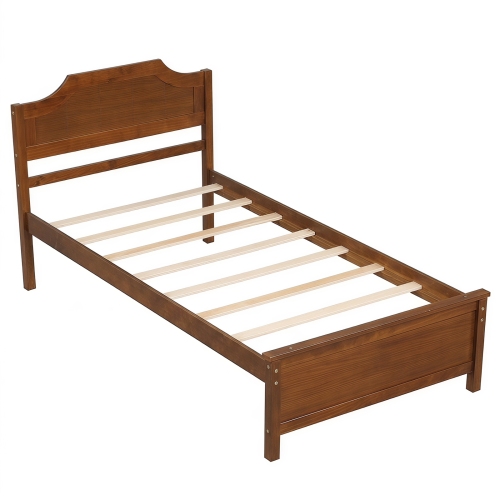
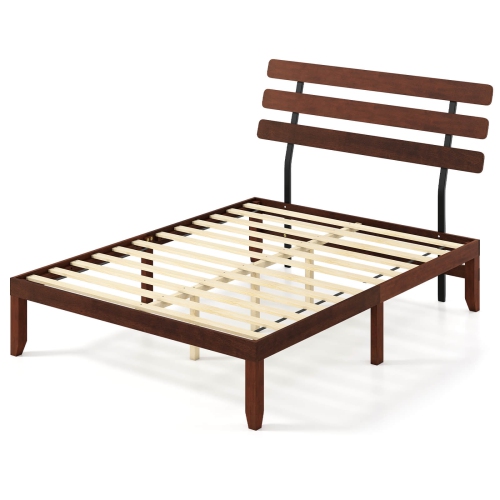
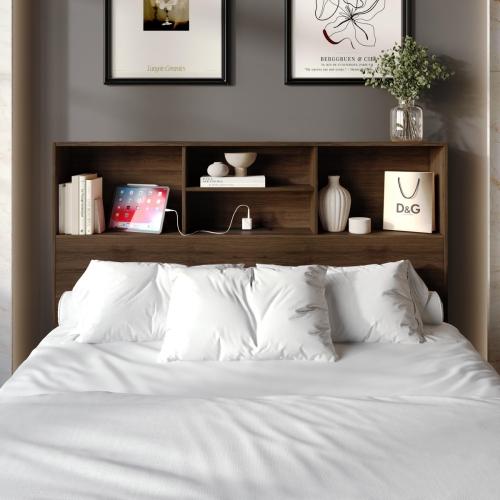
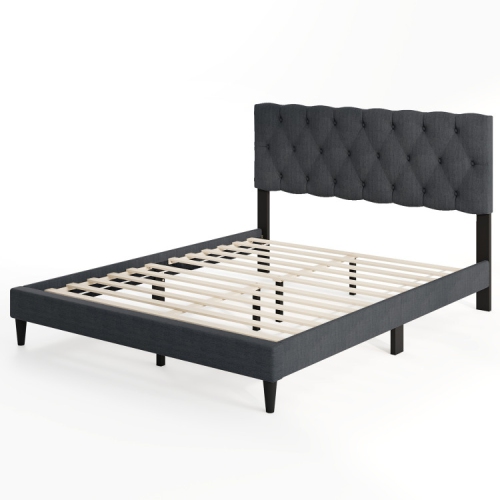

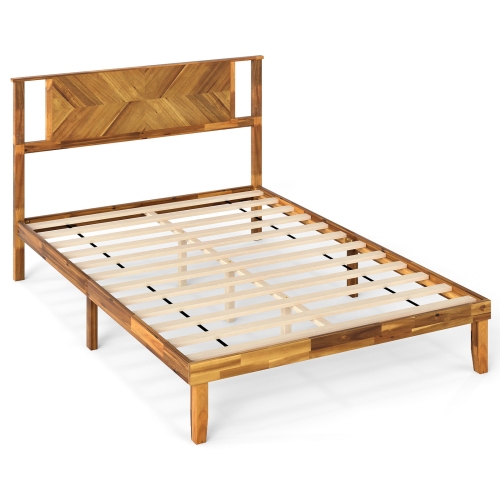
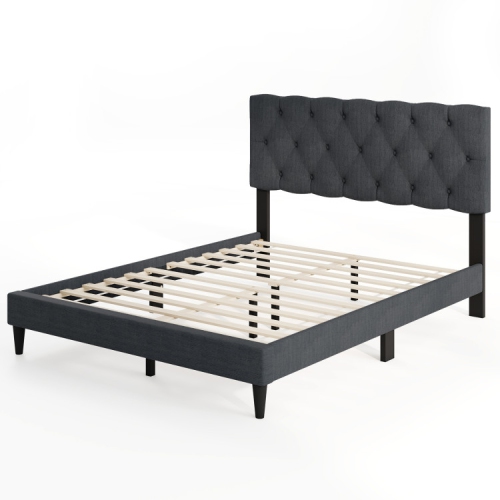
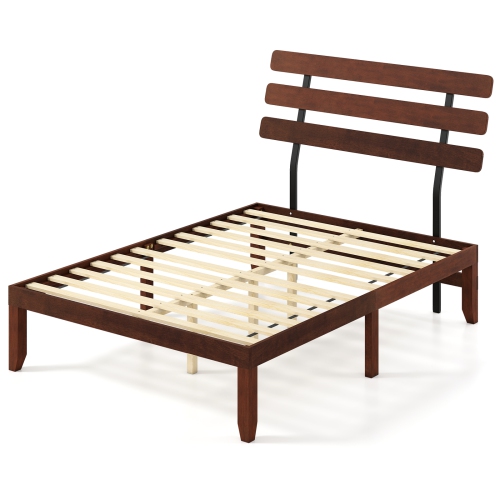
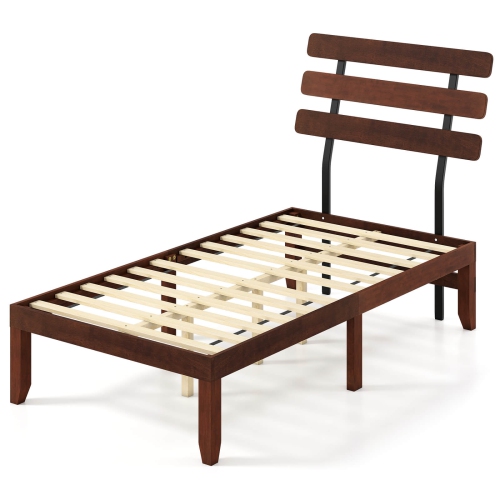

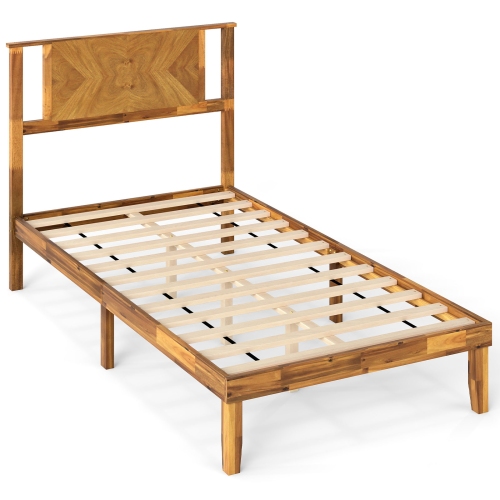
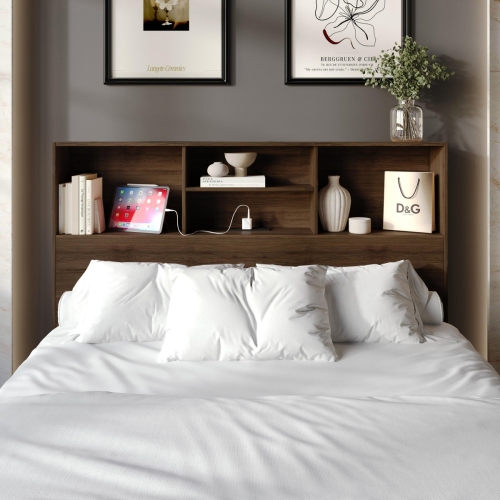
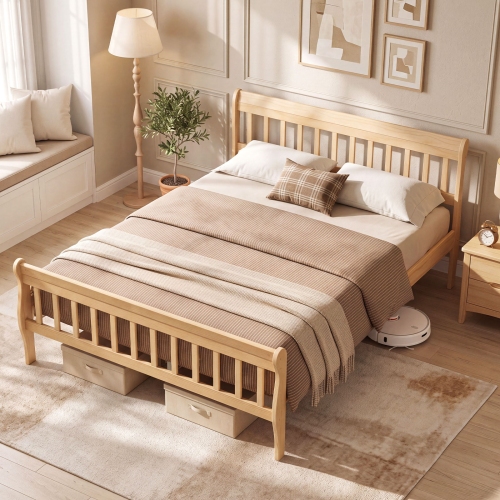
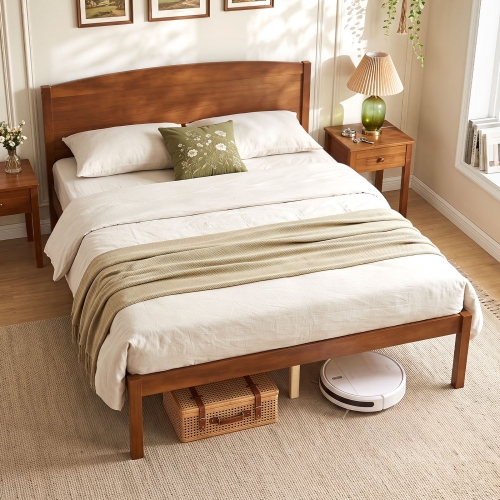
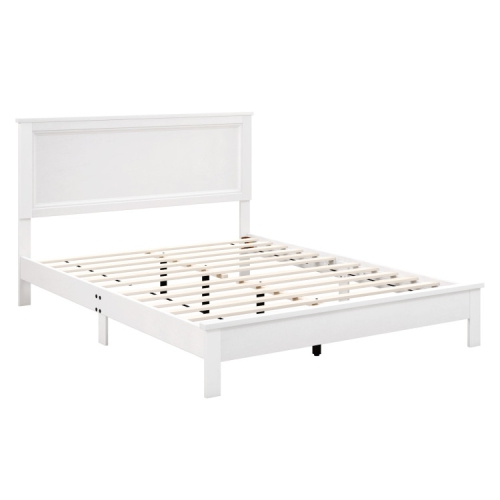
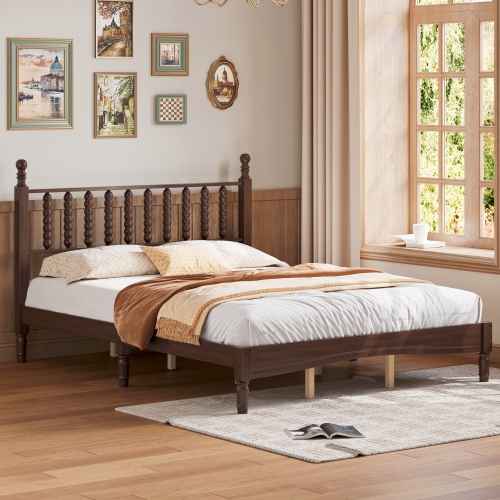
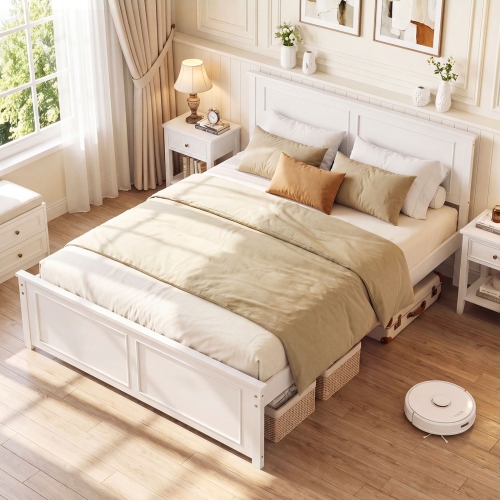
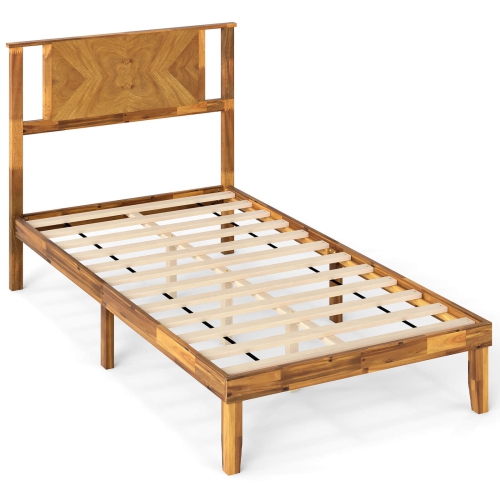
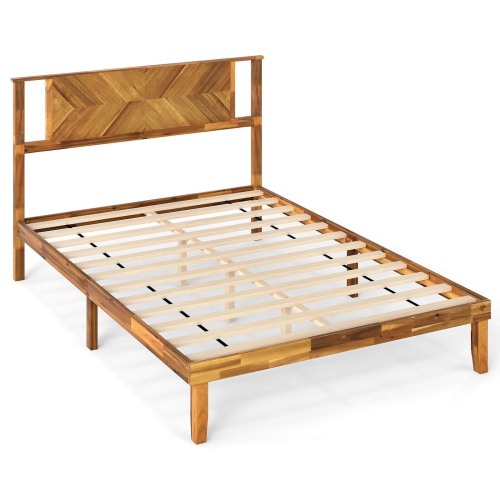
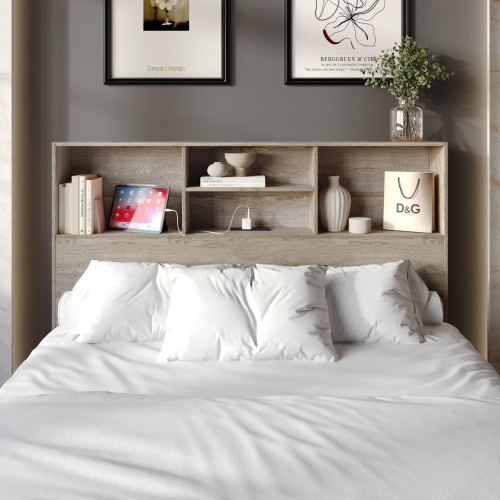
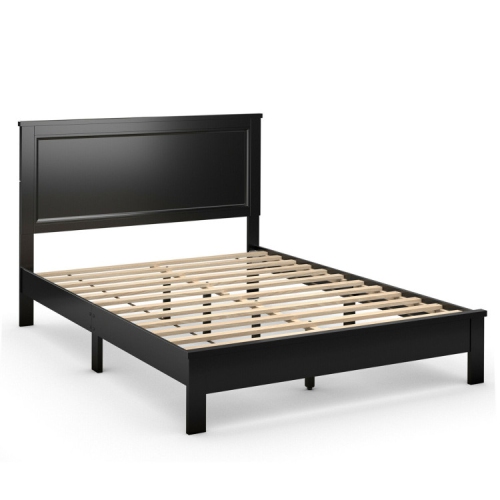
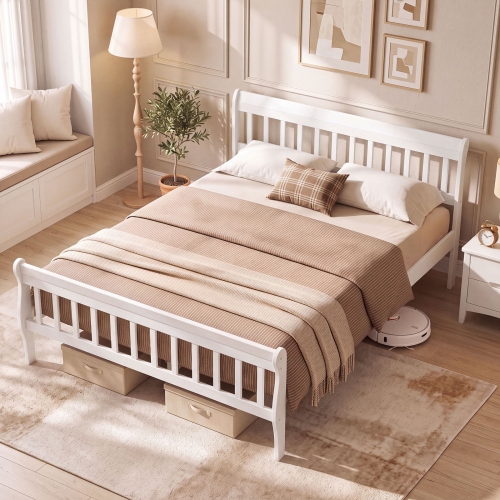
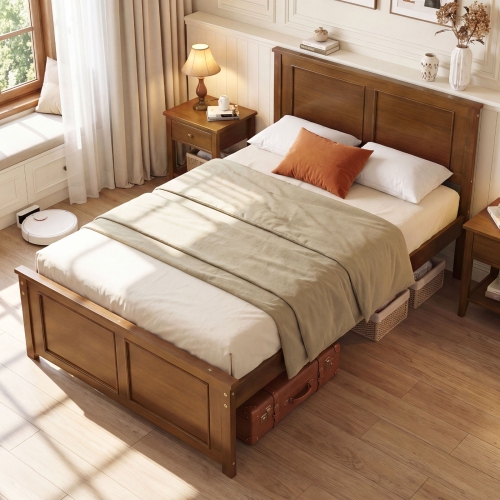
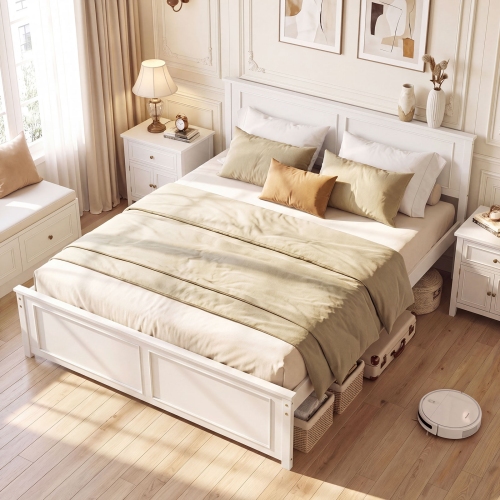
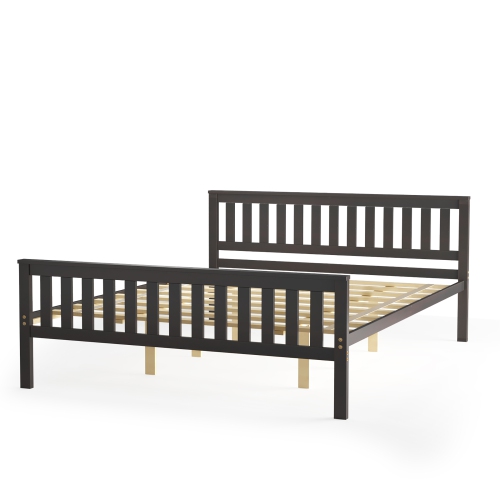
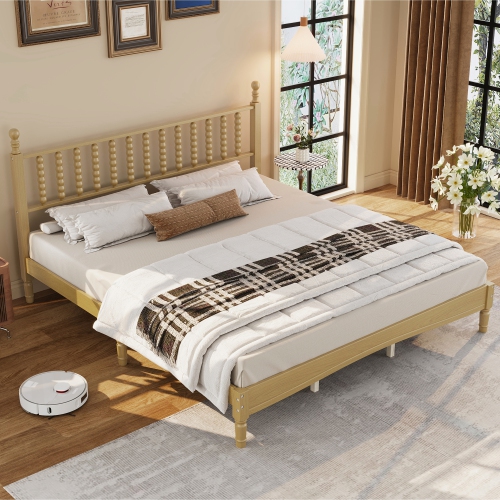
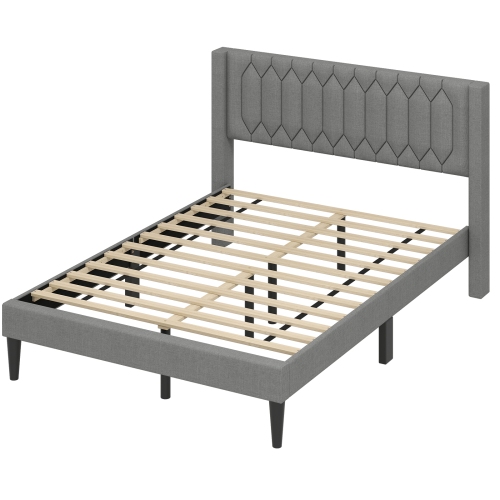
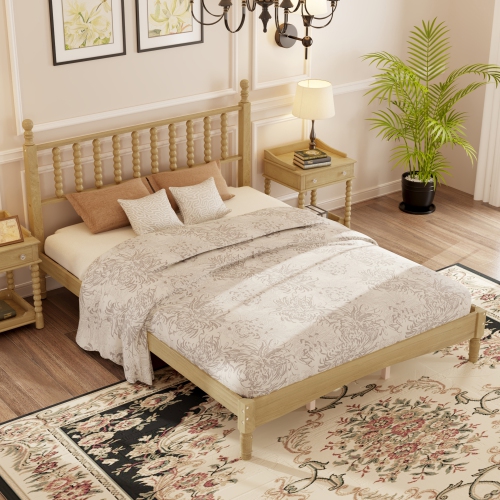
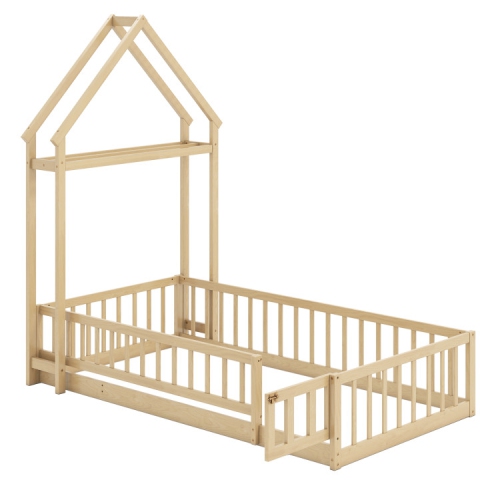
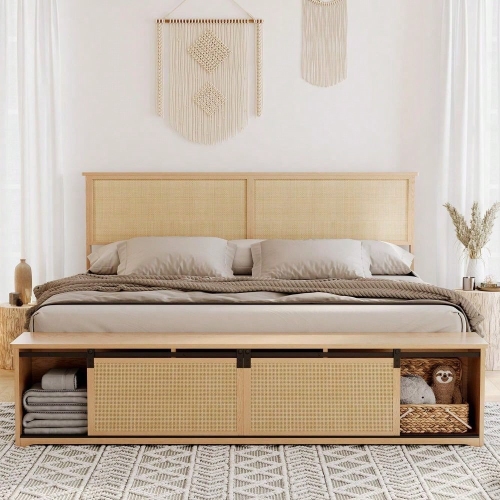
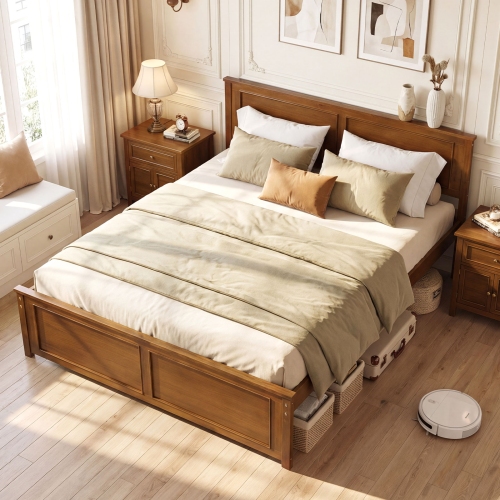
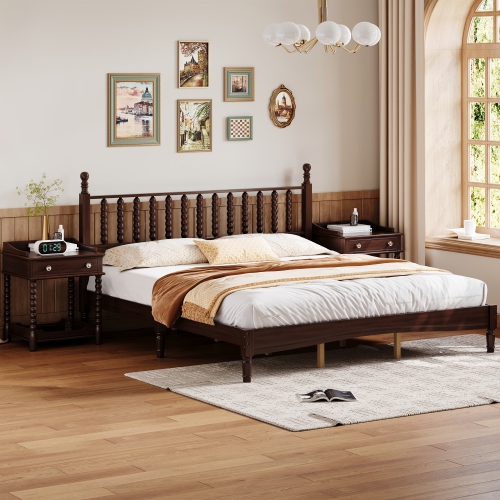
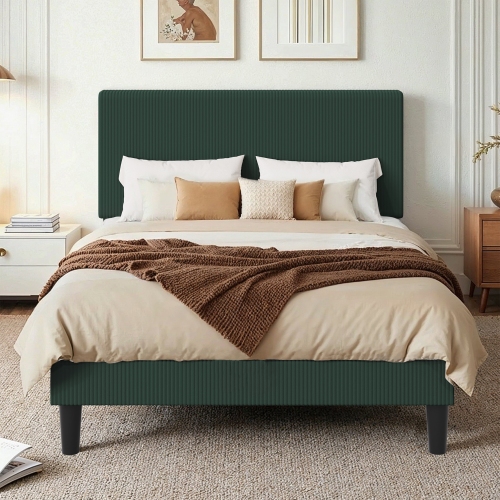
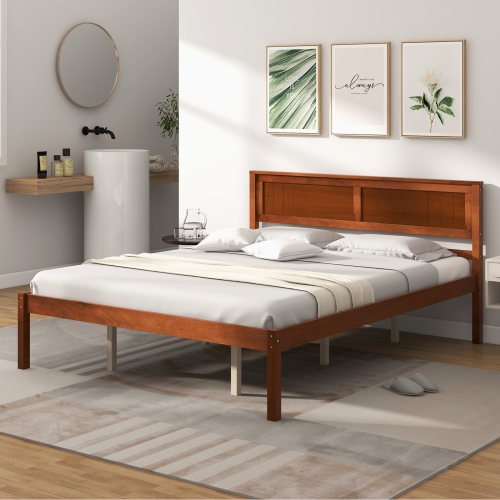
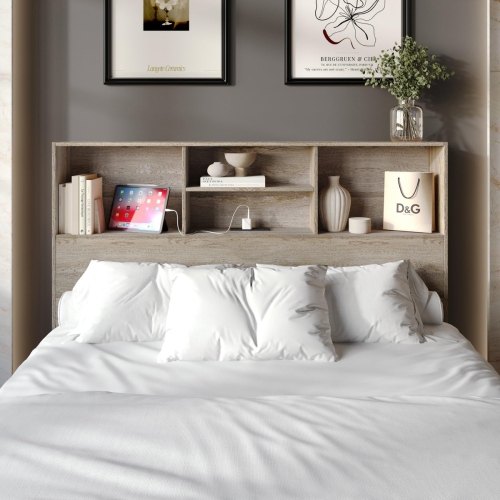
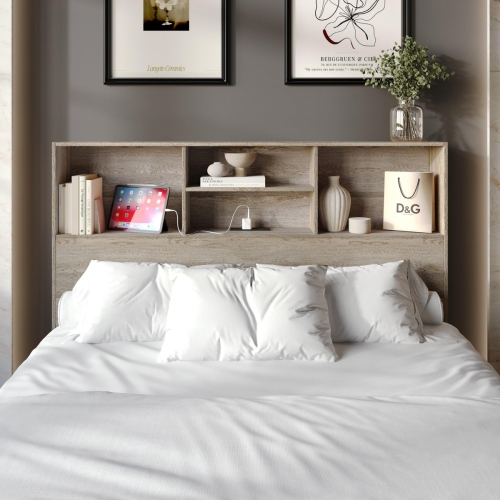
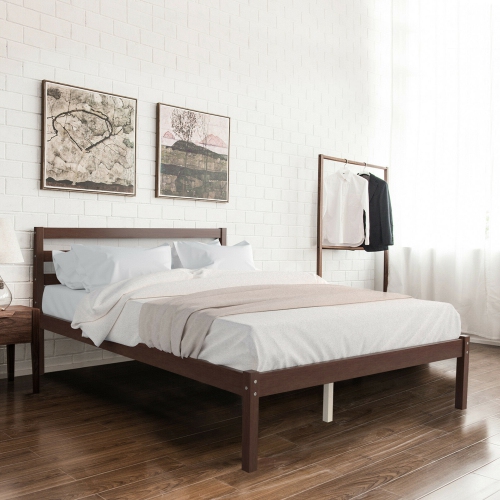
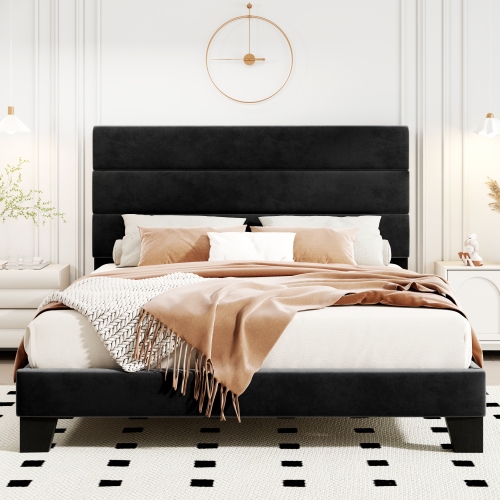


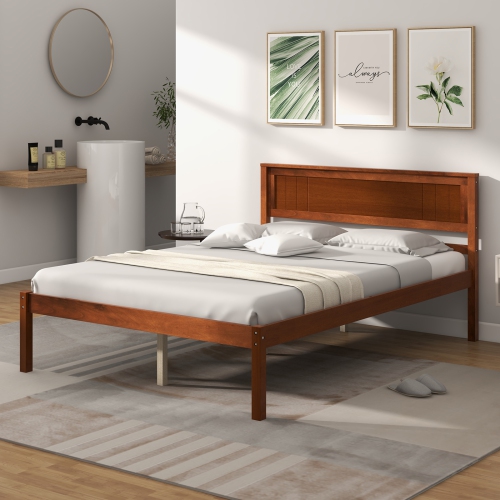
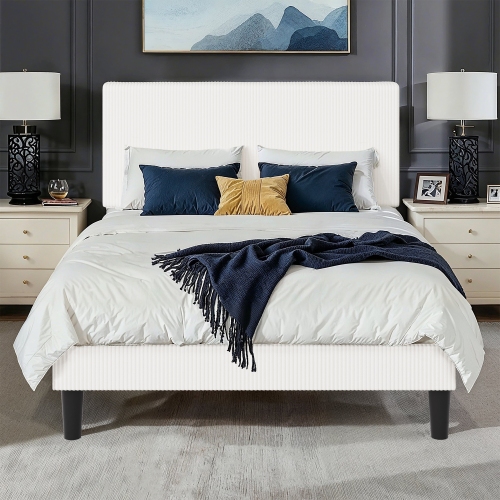
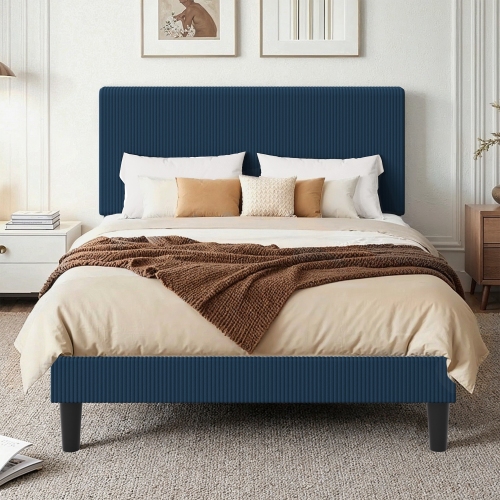
How wood grain and proportions shape your bedroom
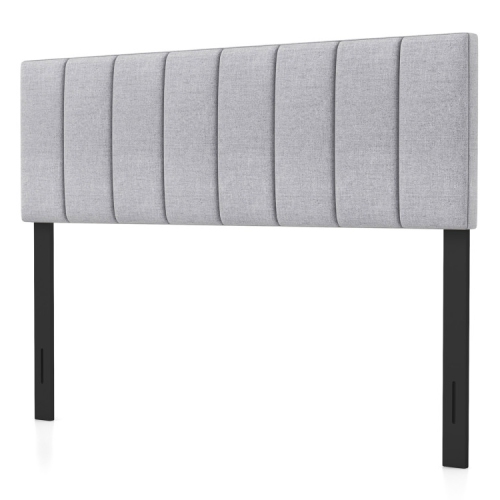
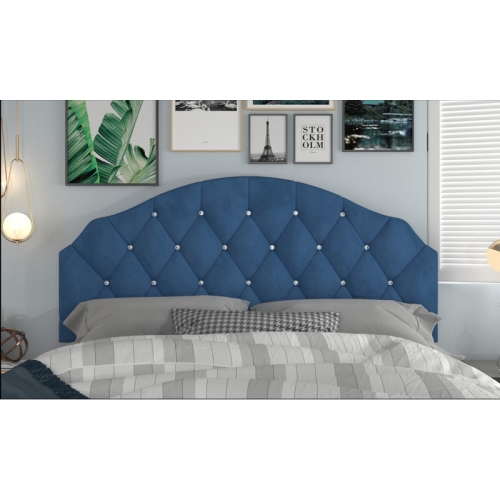
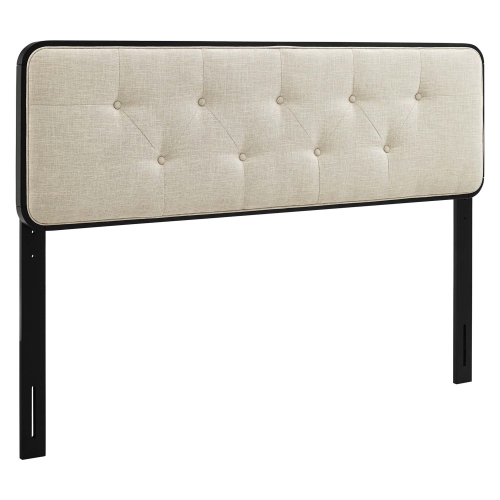
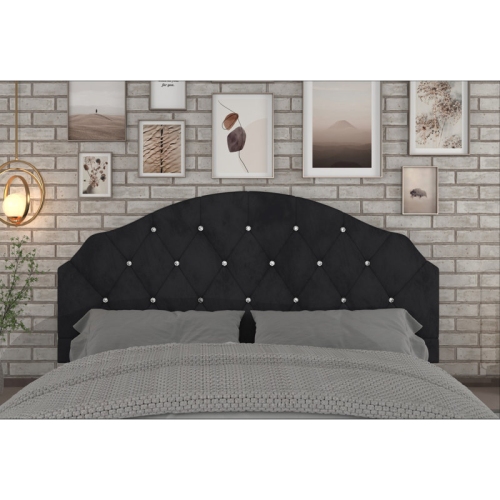
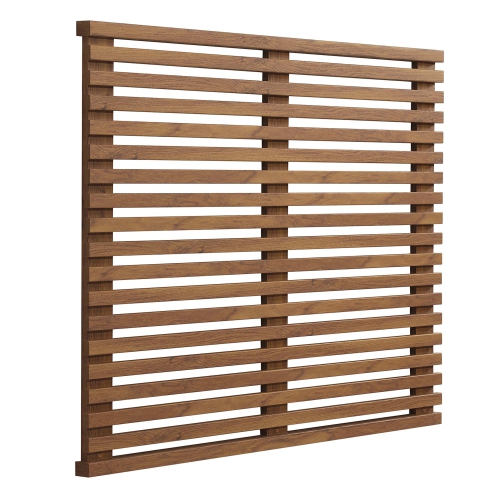
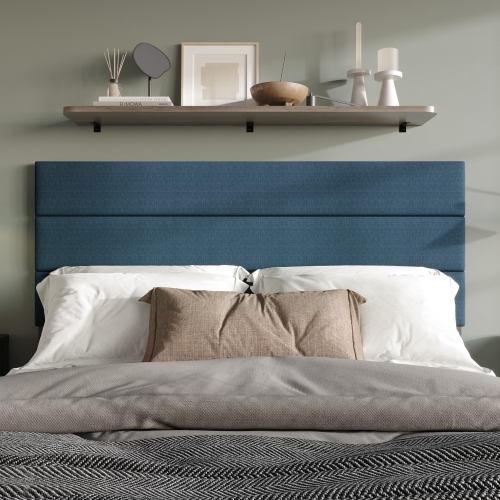
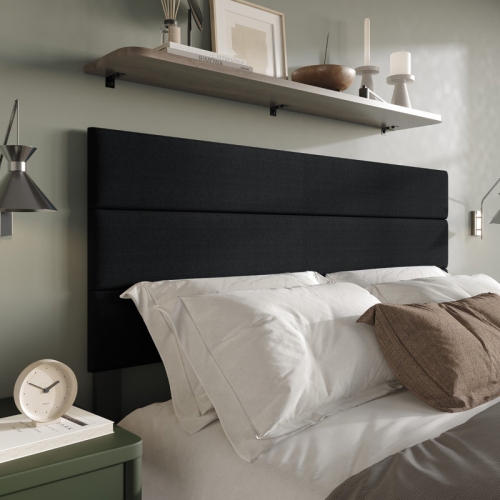
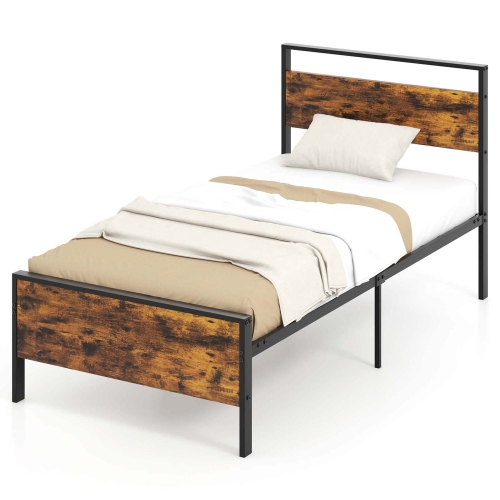
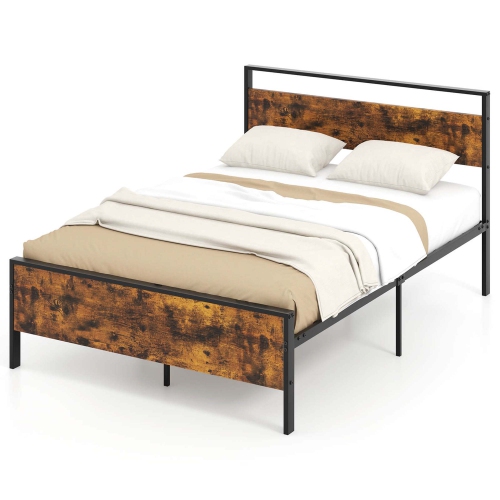
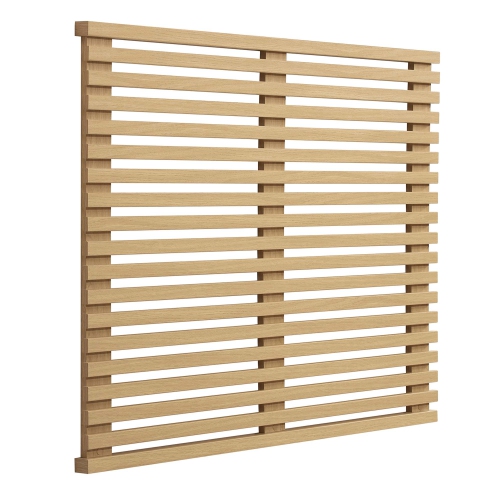
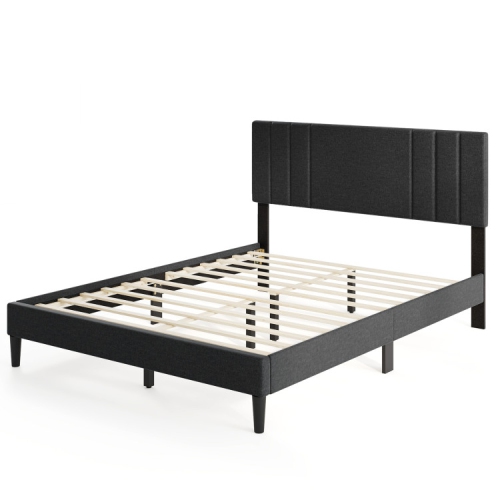
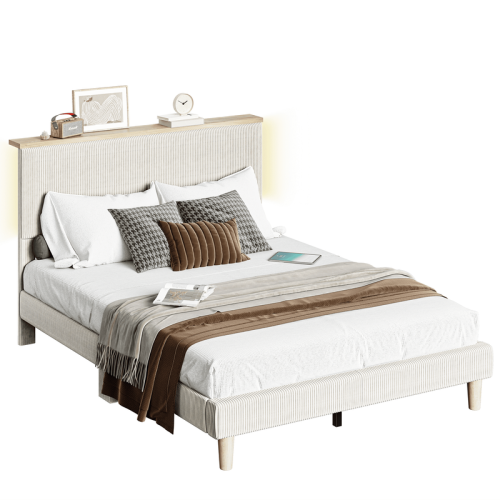
Wooden headboards give a bed a defined backdrop, adding grain, texture, and shape without relying on upholstery. They can anchor a simple bedroom, bring warmth to painted walls, or connect a bed with nearby dressers and bedside tables. Their appearance depends on both the wood and the construction: oak often has a pronounced grain, maple generally has a finer, more even look, and pine may feature visible knots that suit a relaxed setting. Walnut is associated with deeper brown tones, while lighter finishes can keep a substantial headboard from looking too heavy. Solid wood, wood veneer, and engineered wood are distinct options rather than interchangeable descriptions. Solid wood has natural variation throughout the material, and some finishes allow minor surface marks to be repaired or refinished. Veneer places a thin layer of real wood over a supporting core, providing visible grain with construction that can offer dimensional stability. Engineered wood with a printed or laminated finish can create a more uniform appearance, though its surface usually requires a different approach to repairs. The finish, edge treatment, joinery, and quality of the mounting points all contribute to how a headboard holds up in everyday use. Style also changes the impression of the same material. Vertical slats create an open outline, broad panels offer a more continuous backdrop, and framed panels add depth through their borders and proportions. Curved tops and turned details lend a traditional character, while straight edges and restrained profiles work well with contemporary furniture. A wood finish does not need to match every other piece exactly. Similar undertones can bring a room together even when the bed and nightstands differ in colour. A pale oak-style finish beside cream bedding feels quite different from a dark brown panel against a light wall. Visible grain and knots also mean that real-wood surfaces may differ slightly from one section to another, which is part of their individual character.
Fit involves more than selecting the same size name as the mattress. Wooden headboards may be designed for twin, double, queen, or king beds, but their overall width, mounting positions, and intended attachment method can vary. A headboard can sit close to the width of the mattress or extend beyond it to create a broader furniture arrangement. For a larger bed, King Wooden Headboards can provide a substantial backdrop that balances a wide mattress and bedding. The actual dimensions matter, particularly when a bed sits between windows, beside a closet, or along a wall with limited space for nightstands. Headboard height is equally important because the mattress, foundation, and bed frame determine how much of the design remains visible. A tall mattress can cover lower panels, while a low platform may reveal more of the headboard than expected. Pillows add another layer, especially when a bed is arranged with larger cushions. Frame-mounted headboards attach to compatible brackets or connection points, whereas wall-mounted designs rely on suitable wall fixings and secure installation. Freestanding designs have their own placement and support requirements; these attachment types should not be assumed to work in the same way. Bolt spacing, hardware requirements, and the relationship between the headboard and bed base are more useful compatibility details than size labels alone. Adjustable bases need particular attention because moving sections require clearance and may need dedicated headboard brackets. Baseboards can also affect how closely a headboard sits against a wall. In an apartment, the route into the bedroom matters as much as the finished arrangement: a wide, one-piece panel needs enough clearance through doors, hallways, and stair turns. Assembly requirements vary, and securely tightened connections help limit movement and noise. Designs with shelves or small ledges introduce another consideration, since their depth can shift the bed farther into the room. Those details affect walking space, access to outlets, and whether a bedside lamp remains comfortably within reach.
In daily use, a wooden headboard is primarily a finishing element for the bed, though it can also provide a backdrop for pillows while reading or watching television. A smooth panel feels different behind a cushion than an open slatted design, and rounded edges may be more comfortable where hands or shoulders brush against the surface. Wood is firm rather than padded, so pillows supply the cushioning for anyone who regularly sits upright in bed. In a main bedroom, the headboard may be chosen to coordinate with existing storage furniture; in a guest room, a straightforward shape can work with several bedding colours and patterns. For a smaller bedroom, a shallow profile can define the sleeping area without the depth of built-in shelving. Care depends on the material and finish rather than appearance alone. Routine dusting with a soft cloth helps prevent grit from building up along ledges, slats, and moulding. When cleaning is needed, the manufacturer’s directions take priority; many finished surfaces tolerate a lightly dampened cloth followed by prompt drying, but excess water can affect joints, edges, or the core beneath a veneer or laminate. Abrasive pads and harsh cleaners can dull or scratch a finish. Oils, waxes, and polishes are not suitable for every surface, and using them without checking the care information can leave residue or alter the sheen. Spills from a bedside drink are best wiped away promptly, especially around seams and exposed edges. Regularly checking accessible fasteners can help keep an attached headboard steady, while lifting rather than dragging the bed reduces strain on its connections. Natural wood may gradually change in colour with light exposure, and surface wear will depend on the finish and how the furniture is used. A headboard with well-finished edges, sound connections, and proportions suited to the bed can remain a useful part of the room even as bedding, wall colours, and other furnishings change.
Top selling and popular products
-
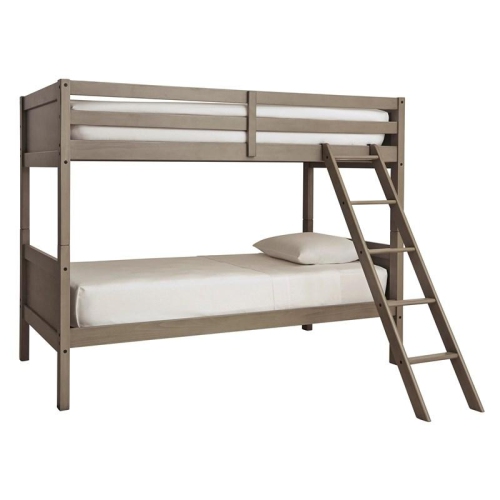 Your price for this item is $799.99
-
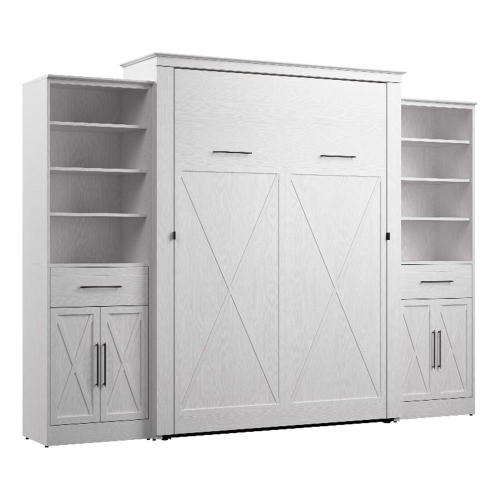 Your price for this item is $3519.99
-
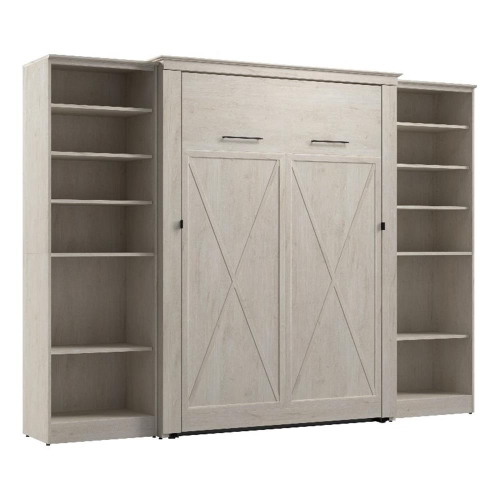 Your price for this item is $3099.99
-
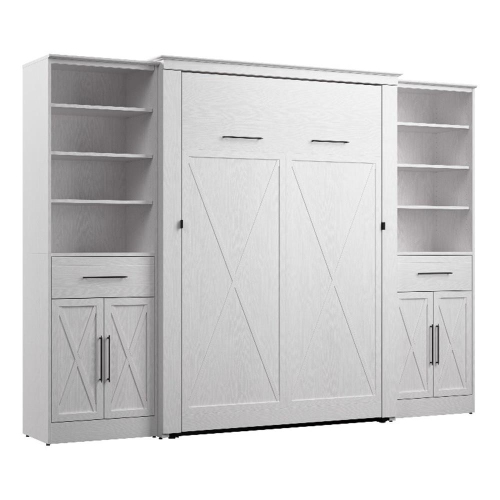 Your price for this item is $3349.99
-
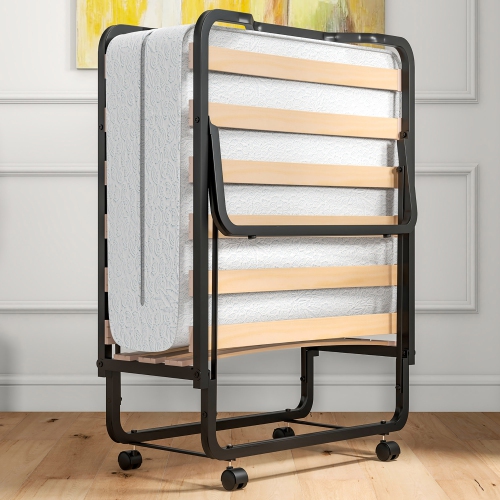 Your price for this item is $235.99
-
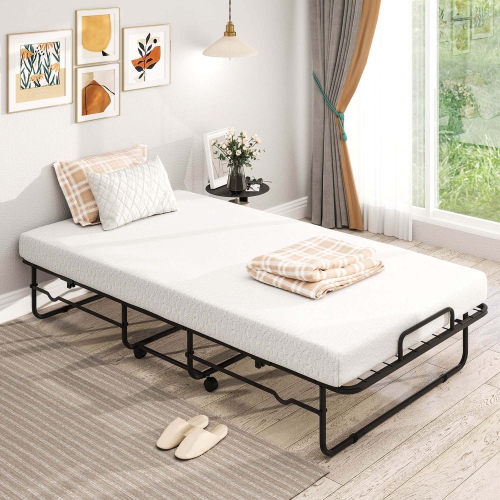 Your price for this item is $243.99
-
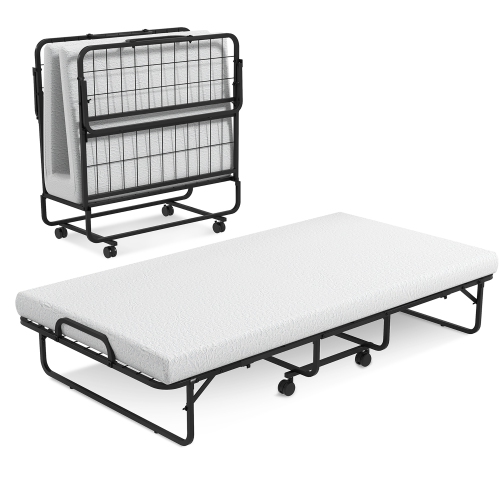 Your price for this item is $233.99
-
 Your price for this item is $364.99
Discover more categories related to Wooden Headboards
Top Collections:
Best Black Friday Deals This Year, Best Black Friday Deals On Electronics, Kindle Devices, Best Black Friday Deals On Apple Products, Best Budget Office Chairs, Best Cameras for Sports Photography, Dyson Airwrap, Canon G7X Cameras, Best Laptops for Writers, Samsung Galaxy Phones
Some products may be subject to Environmental Handling Fees
(EHF) depending on your province.
Learn more about EHFs.