Wooden Porch Chairs
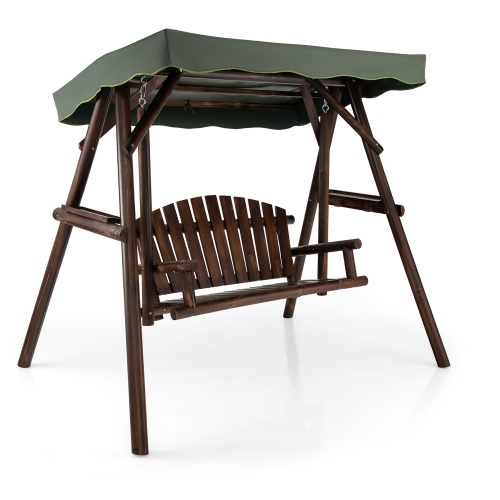
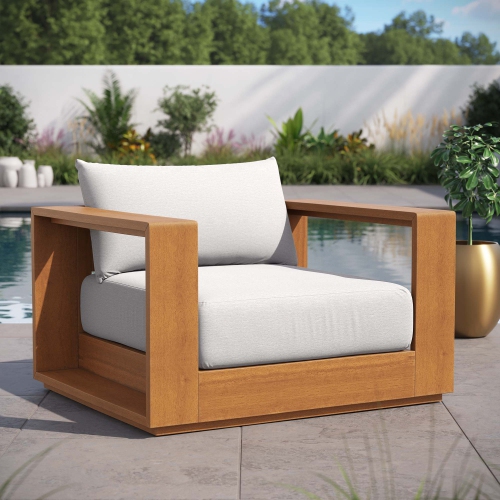
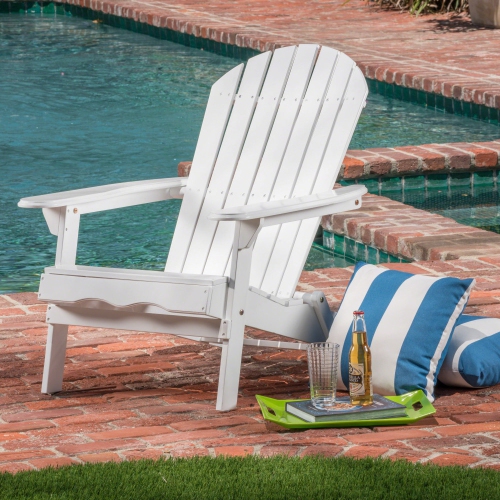
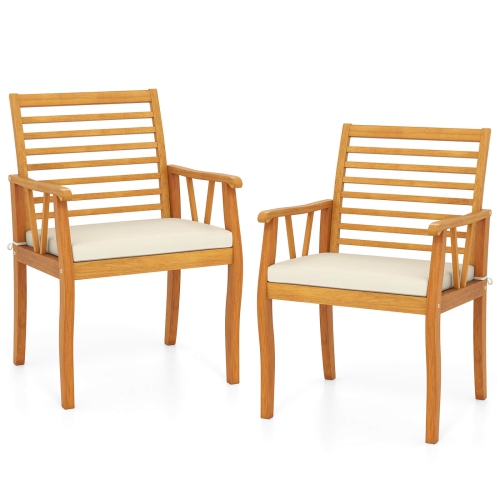
Create the perfect outdoor oasis with our wide selection of wooden porch chairs. Crafted with both style and durability in mind, these chairs are designed to enhance your outdoor living space and provide a comfortable spot for relaxation. Whether you're sipping your morning coffee, enjoying a good book, or entertaining guests, our wooden porch chairs offer the ideal blend of functionality and charm. Here are some great options available.
Sort







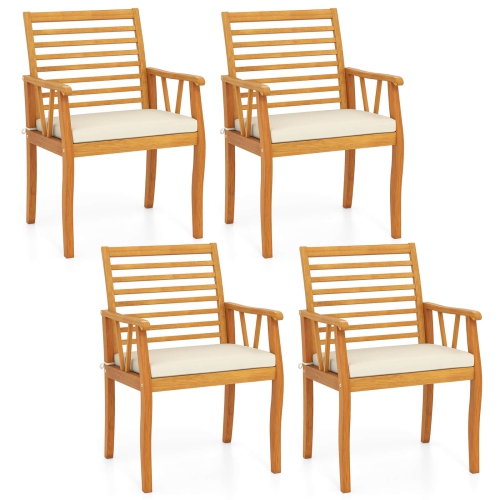


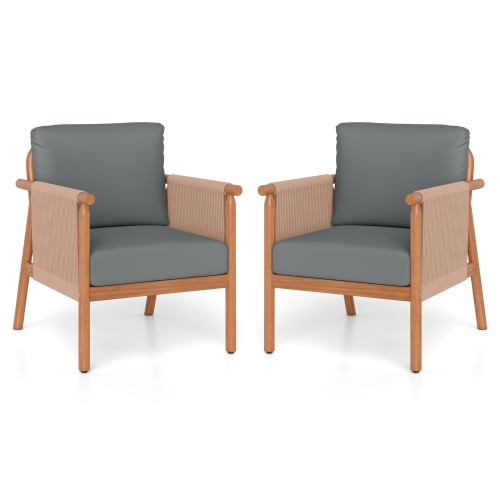
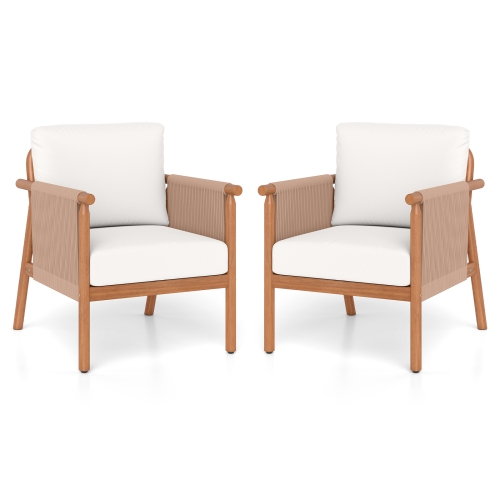


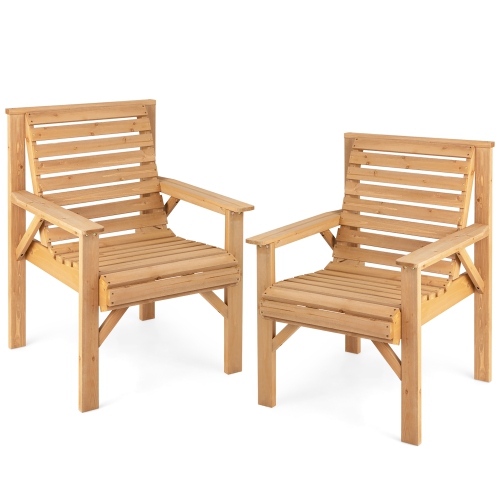





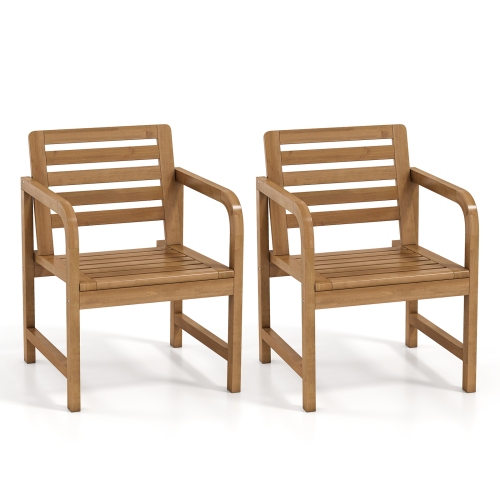


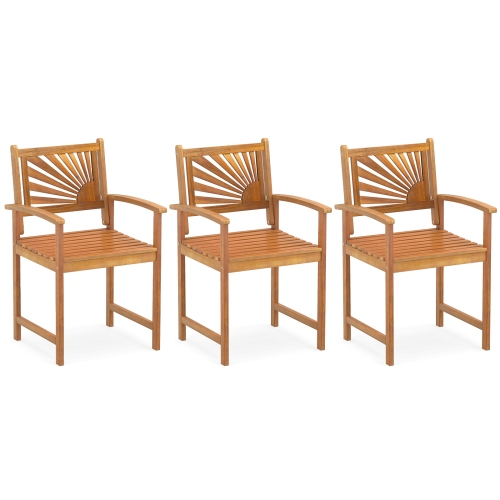


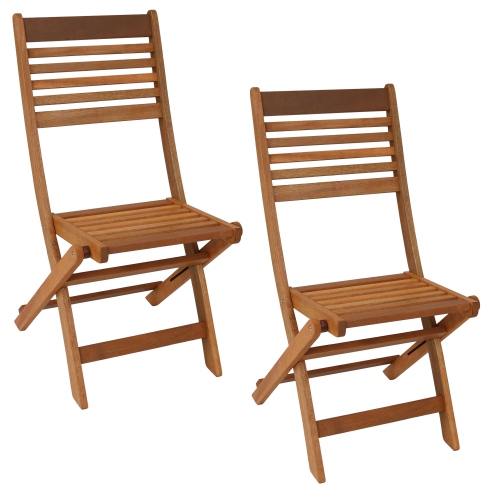
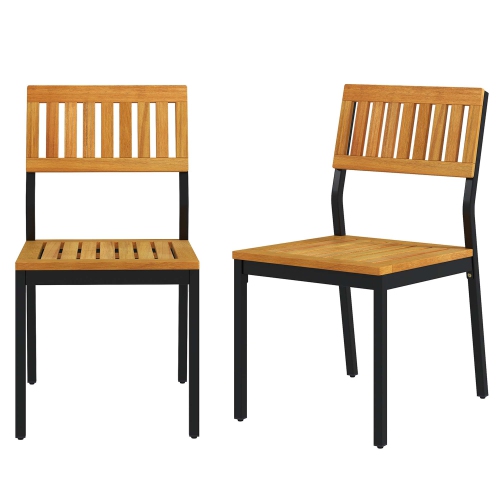
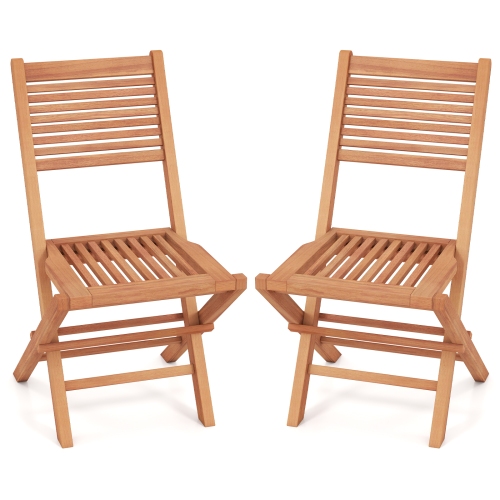
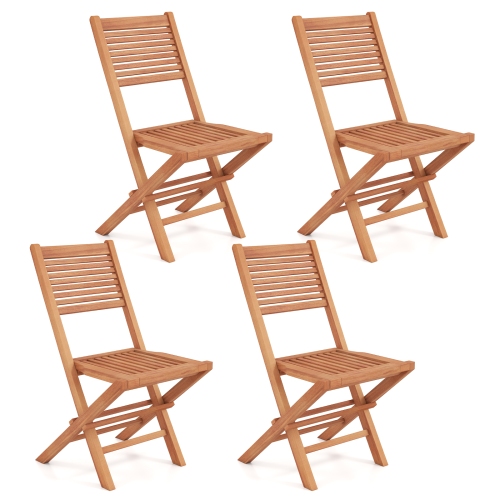
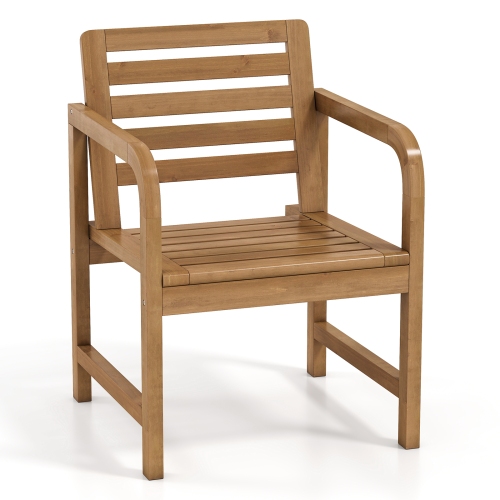


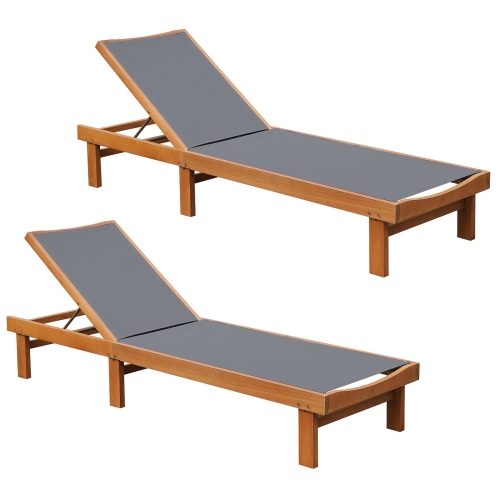







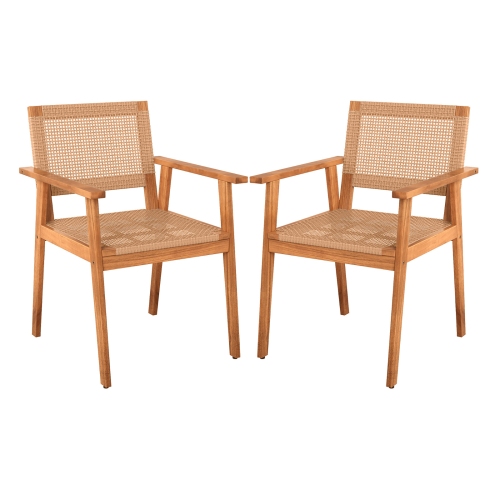

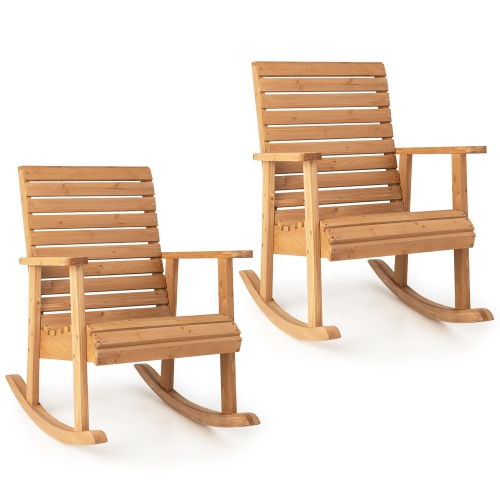
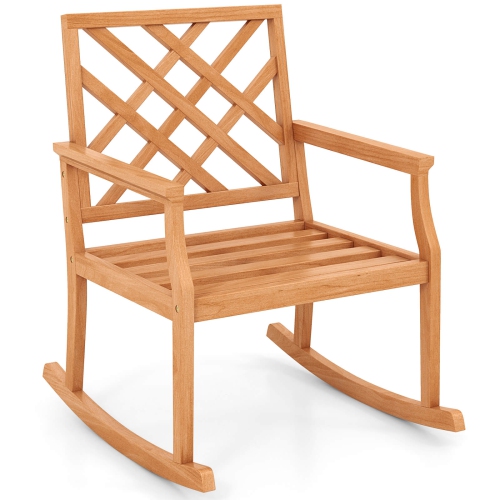


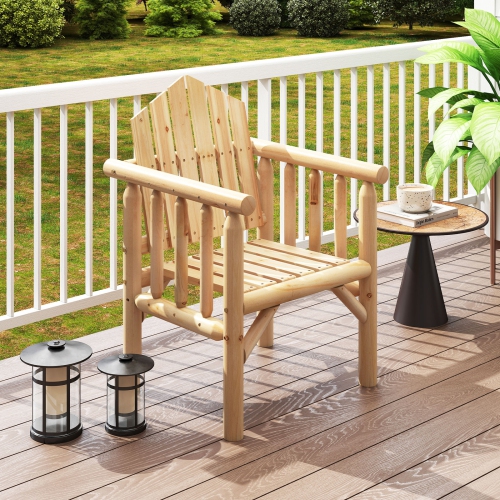


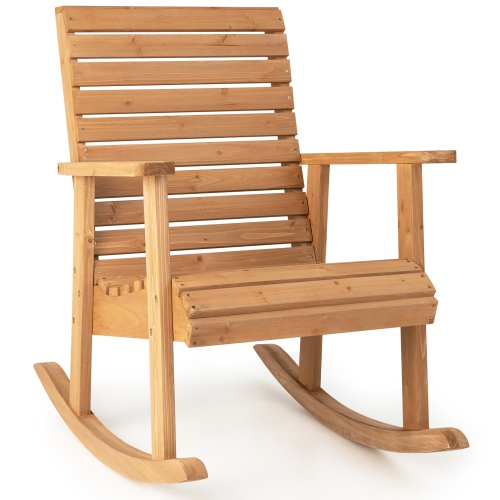


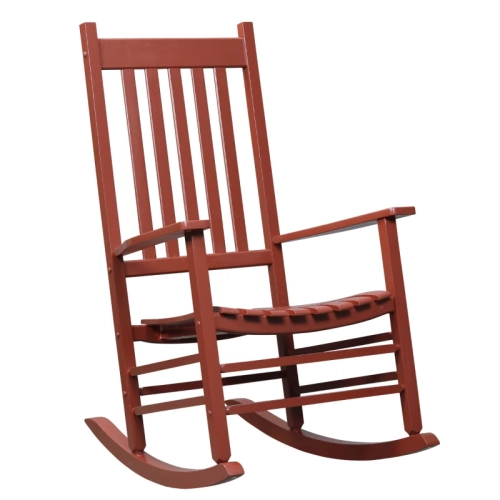


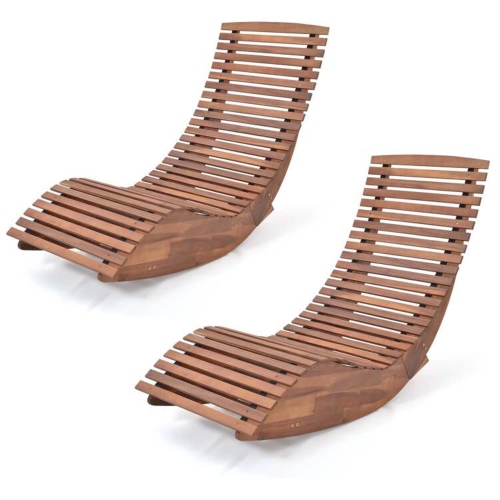


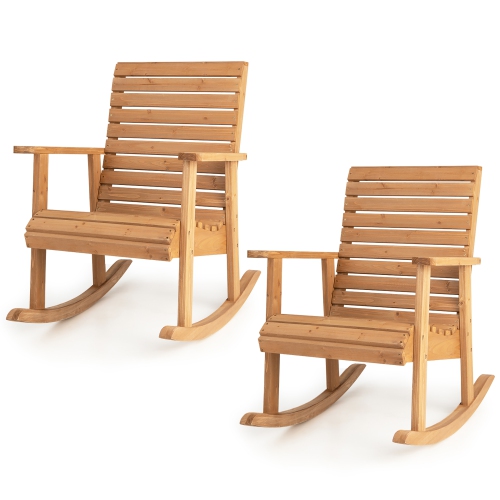










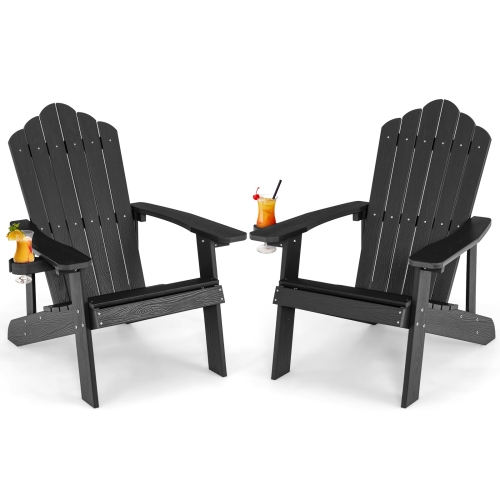
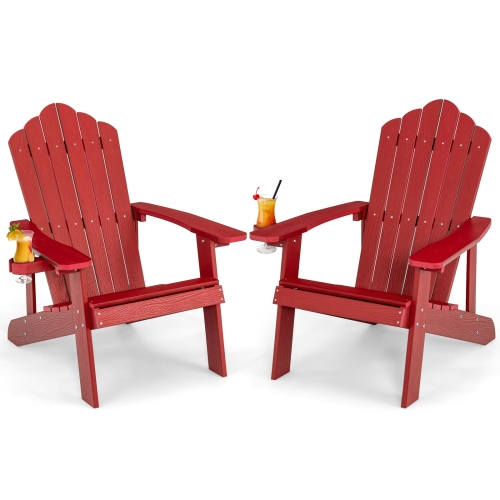

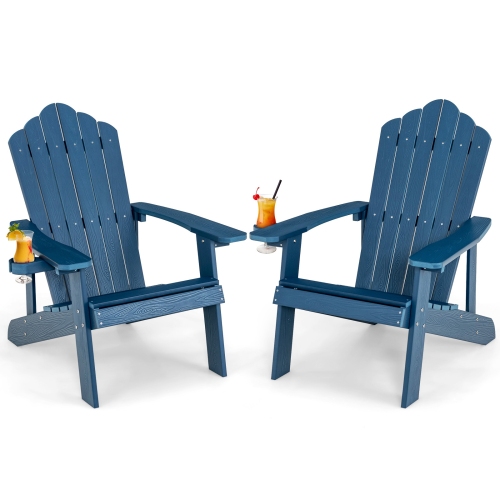
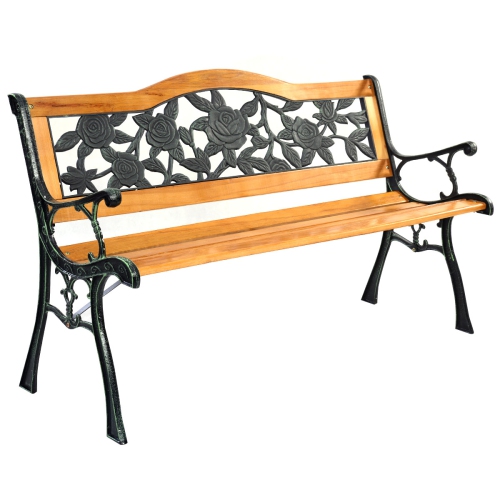








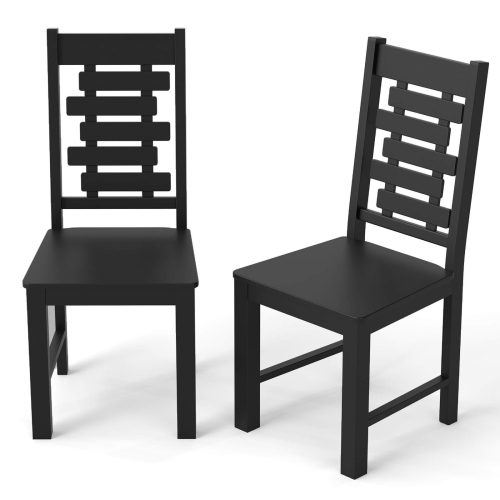
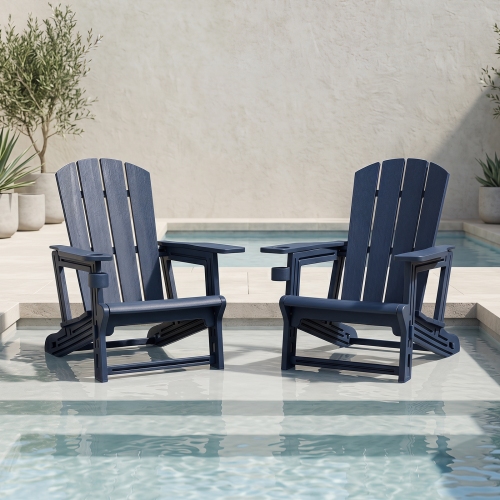


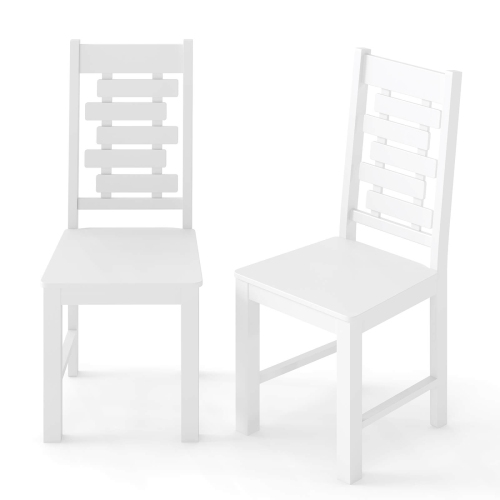
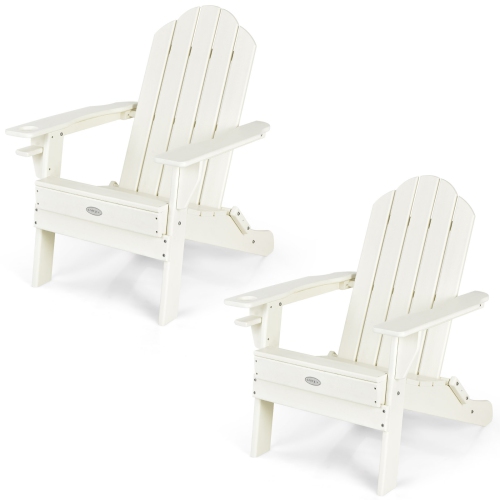

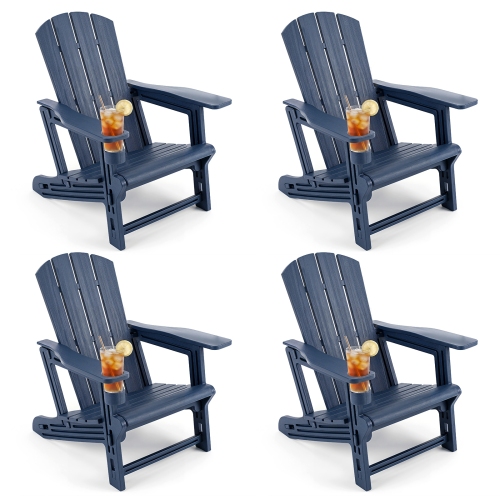
A comfortable porch seat starts with the right fit
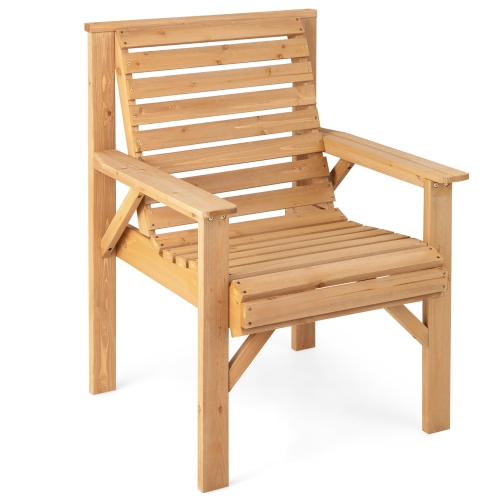
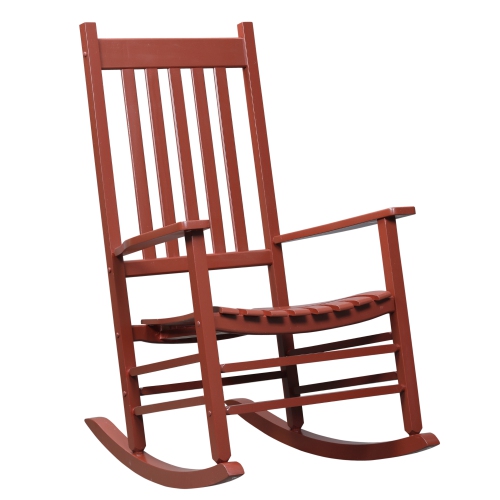
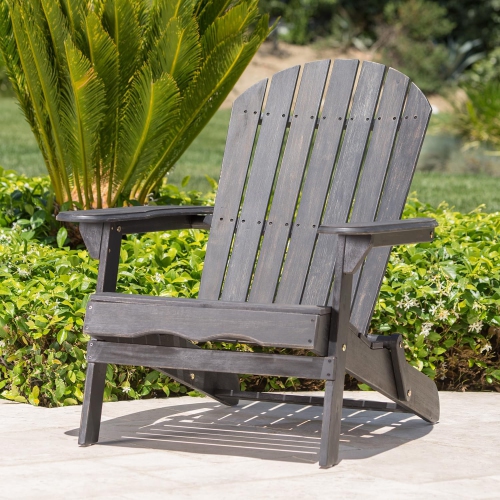
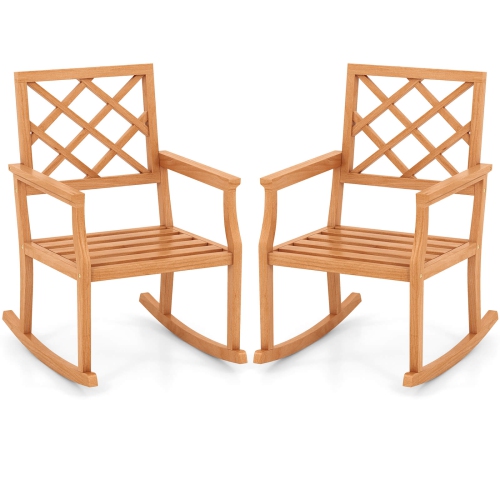
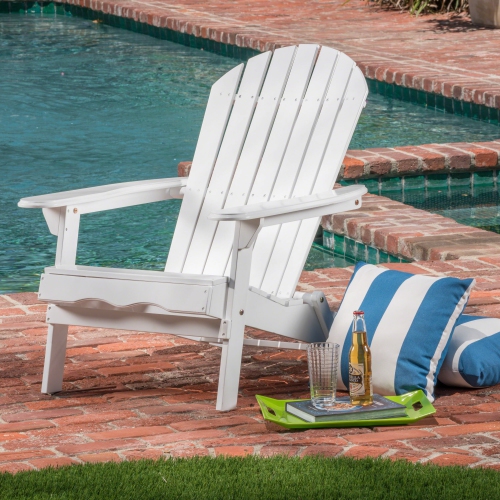
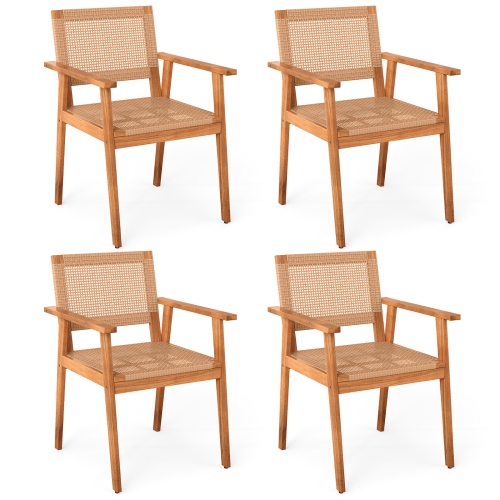
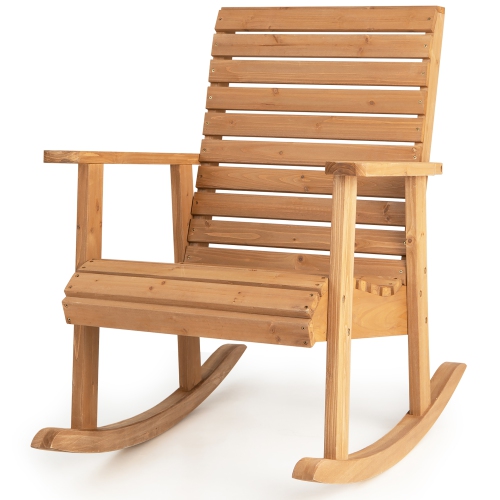
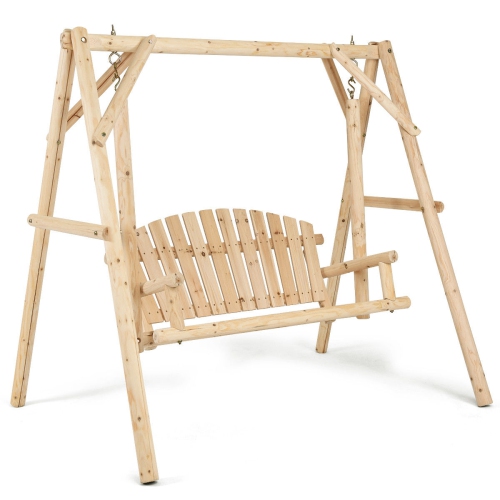
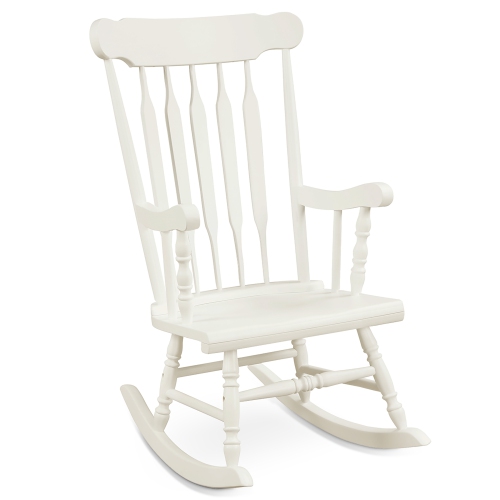
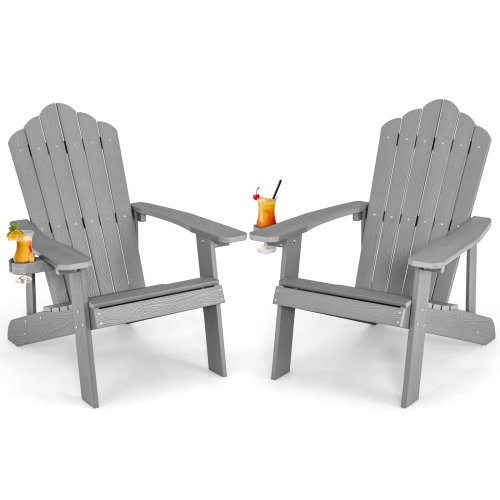
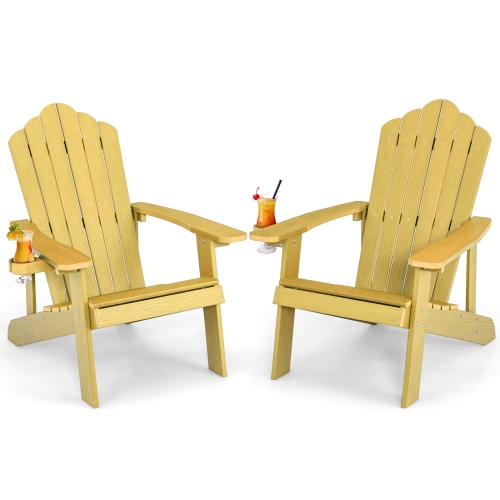
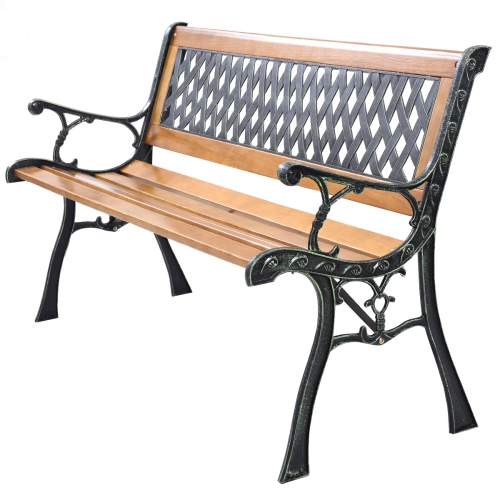
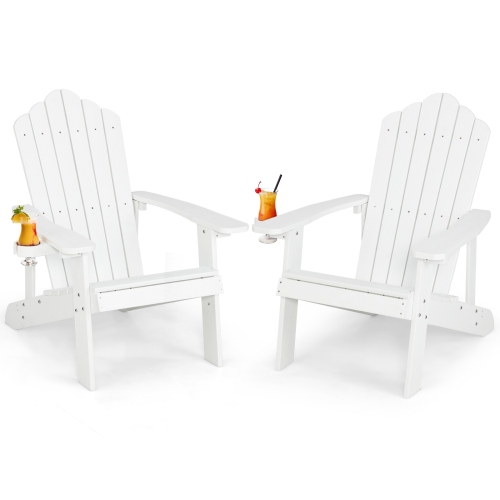
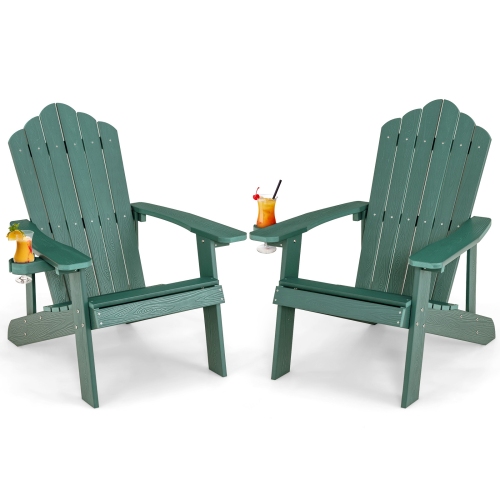
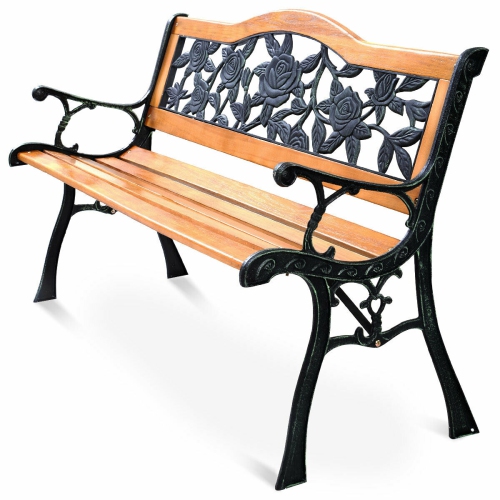
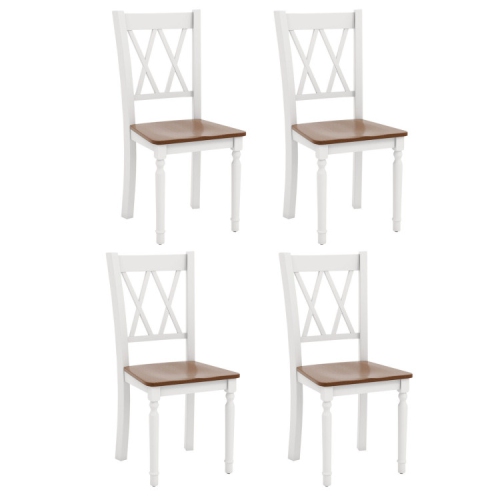
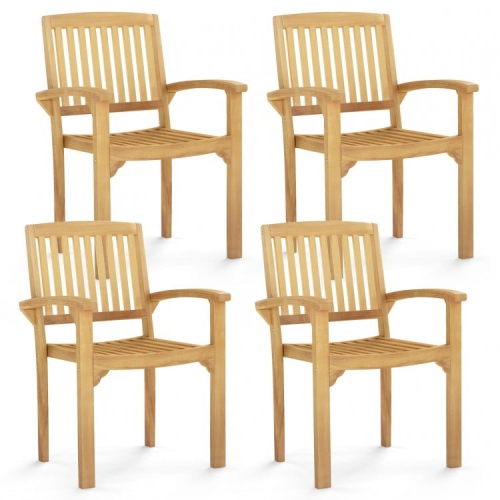
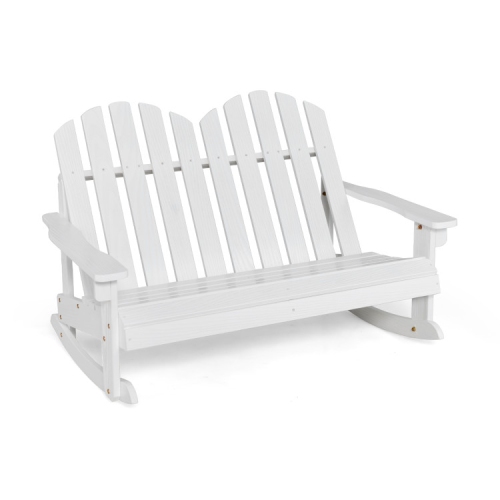
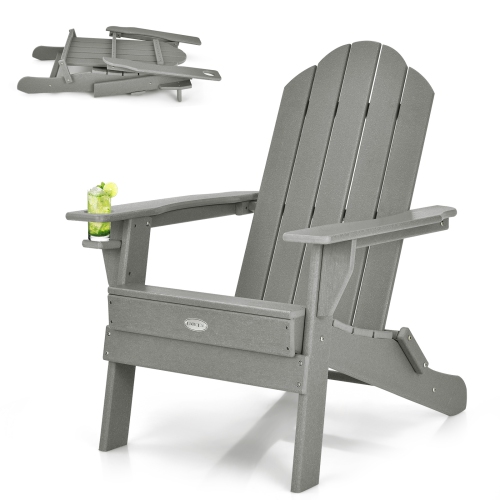
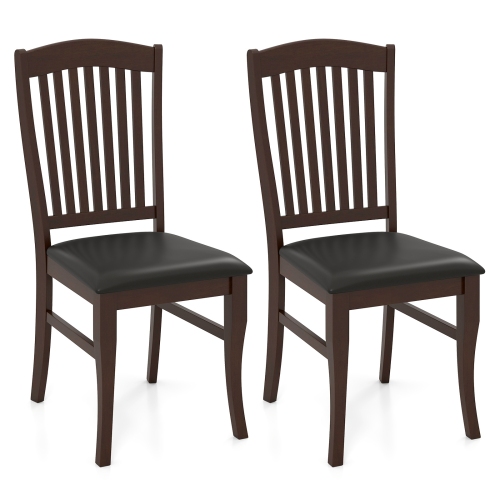
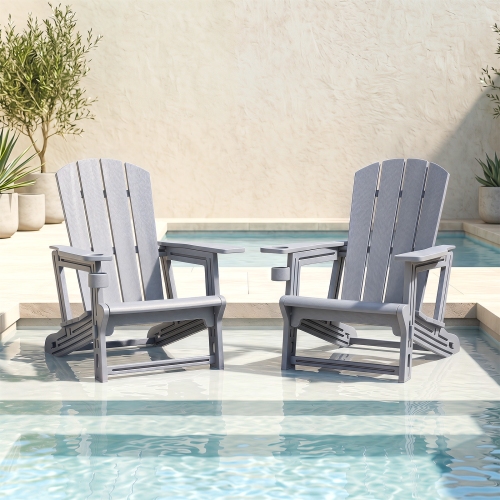
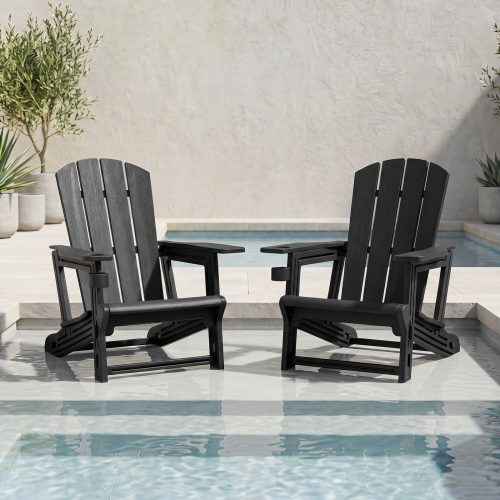
Wooden porch chairs give an entrance somewhere to pause, whether that means settling in with a book, sharing a conversation beside the front door, or taking a seat while a family member gets ready to leave. Their appeal comes partly from the material itself: visible grain, subtle differences in tone, and the solid feel of a shaped wooden armrest bring character to a space without requiring much decoration. On a porch with painted railings, a natural wood finish can create a gentle contrast; against brick or stone, a painted chair can pick up a colour from the door or trim. The shape of the chair matters just as much as the finish. Straight-backed armchairs support a more upright sitting position and work well beside a small table, while deep, sloped seats invite longer periods of lounging. Adirondack-style seating has a relaxed profile with wide arms, though its low seat and reclined back may not suit someone who prefers an easier transition to standing. Rocking chairs add movement and a familiar porch silhouette, but they need clear space behind and in front of the runners. A stationary chair is often a simpler fit near an entrance where people regularly pass with bags, parcels, or a stroller. A pair of chairs angled towards each other can make a narrow porch feel conversational rather than crowded, while a single chair beside a compact side table can turn an unused corner into a comfortable place to sit. For spaces that extend beyond the entrance, Wooden Garden Chairs offer a related seating category for arranging other outdoor areas. Keeping a shared wood tone or similar backrest shape can help separate seating areas feel connected, without requiring every piece to match. Wooden porch seating can also make a thoughtful housewarming or anniversary gift when the recipient’s space, preferred sitting position, and willingness to maintain a wood finish are already known.
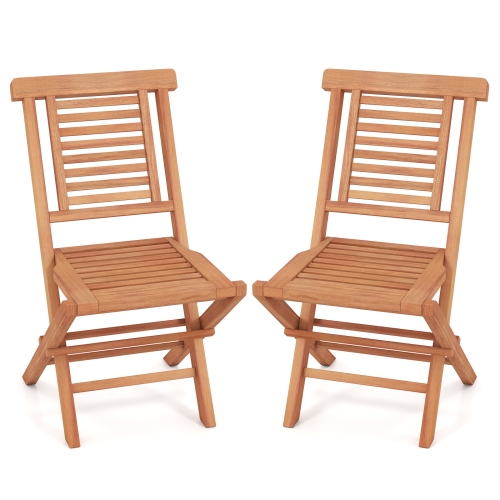
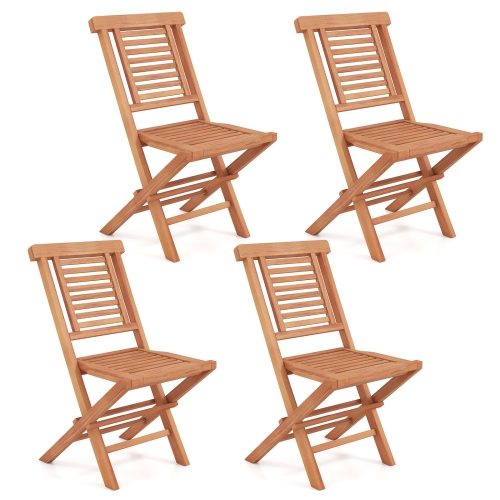
The best fit starts with the usable floor area, not simply the distance between the porch walls or posts. Door swing, steps, railings, and the route to the entrance all affect where a chair can sit comfortably. Overall width includes the arms, and overall depth may be considerably greater than the seat itself, particularly on reclined designs. Leaving room to approach the chair, turn, and stand up makes a small porch easier to use. If a table will sit between two chairs, its height should allow a mug or book to be reached without an awkward lean; broad chair arms can otherwise get in the way. Seat height and depth deserve close attention because two chairs with similar outlines can feel quite different. A deeper seat may suit a taller adult but leave a shorter person sitting forward without back support. A seat that allows feet to rest securely on the floor, together with firm armrests, can make everyday sitting and standing more comfortable. For anyone with limited mobility, a stable, upright design may be more practical than a low lounge chair or rocker, depending on individual needs. Contoured seats, rounded front edges, and gently angled backs can improve comfort without relying entirely on cushions. Slatted construction gives wooden chairs their familiar rhythm of lines, and spacing between the slats allows water to drain rather than collect across a broad seat surface. Cushions soften the feel but also change the effective seat height and depth, so their thickness should be considered alongside the chair’s dimensions. Secure ties can help keep a cushion in place, and removable covers make routine cleaning more manageable. Weight capacity, assembly requirements, and the manufacturer’s stated outdoor-use suitability are important details to check before choosing. Folding chairs can be useful where seating needs to move aside, although the hinges and locking mechanism should feel secure when the chair is open. Heavier chairs may feel more substantial, while lighter designs are easier to reposition for cleaning or storage.
Wood species, construction, and finish all influence how porch chairs look and perform over time. Cedar is relatively lightweight and has natural resistance to decay, while teak is a dense wood with natural oils that contribute to its suitability for outdoor furniture. Acacia is often chosen for its distinctive grain and rich colour variation, though its performance depends on the particular wood, construction, finish, and care it receives. Pine can offer a familiar painted or stained appearance, but appropriate treatment and a maintained protective finish are especially important for outdoor use. No species name alone tells the whole story: well-fitted joints, smooth edges, secure fasteners, and even finishing also matter. Hardware specified for outdoor use helps reduce corrosion, and a chair should rest evenly without rocking unintentionally on a level surface. A covered porch offers some shelter, but wind-driven rain, direct sunlight, and moisture near the floor can still affect wood. Checking that a chair is suitable for the exposure it will receive is more useful than assuming all wooden seating can be left outdoors without attention. Painted finishes provide a more uniform colour, while stains generally leave more of the grain visible. Some unfinished or oiled woods gradually develop a grey surface patina; preserving the original tone may require periodic maintenance according to the manufacturer’s directions. Routine care usually begins with removing loose dirt and wiping surfaces with a soft cloth and an approved mild cleaner, followed by drying as directed. Harsh abrasives and pressure washing can damage fibres or finishes, so they are best avoided unless expressly permitted. Pay particular attention to armrests, seat edges, joints, and the bottoms of legs, where wear or retained moisture may first become noticeable. Tightening hardware as instructed and addressing a rough patch or damaged finish promptly can help keep a chair comfortable and serviceable. When chairs are covered or stored, clean, dry surfaces and adequate airflow help prevent trapped moisture. With the right proportions and a manageable care routine, wooden porch chairs become useful everyday seating that feels at home beside the entrance.
Top selling and popular products
-
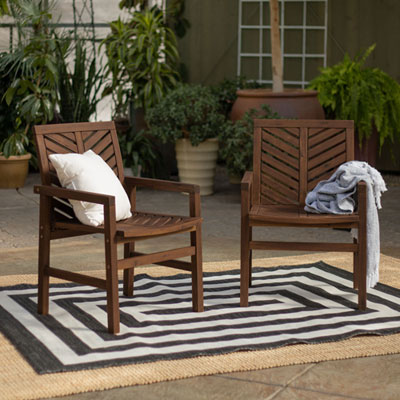 Your price for this item is $604.99
-
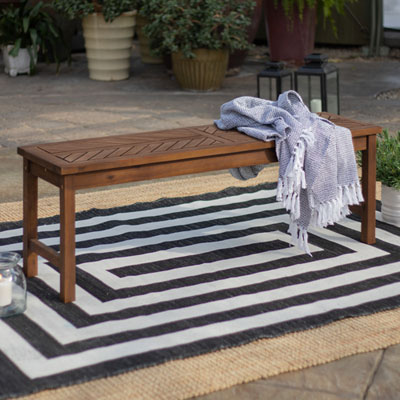 Your price for this item is $371.99
-
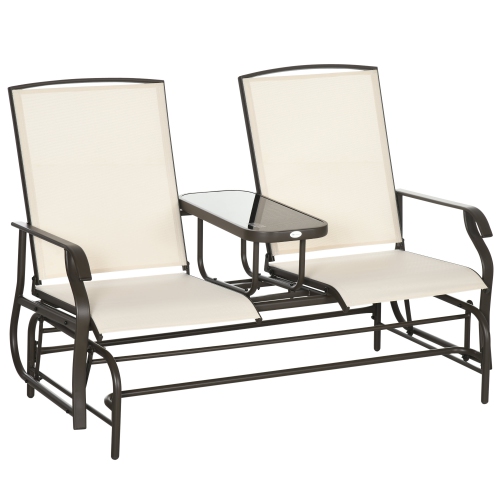 Your price for this item is $209.99
-
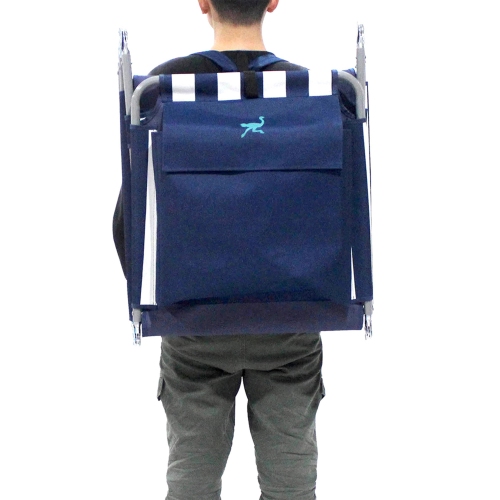 Your price for this item is $174.99
-
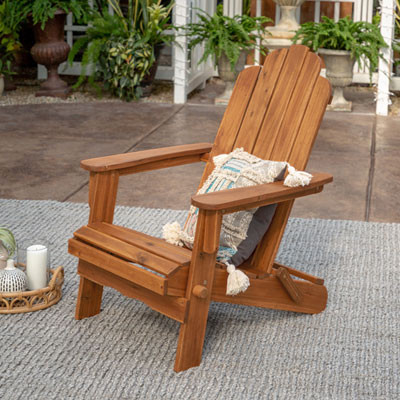 Your price for this item is $461.99
-
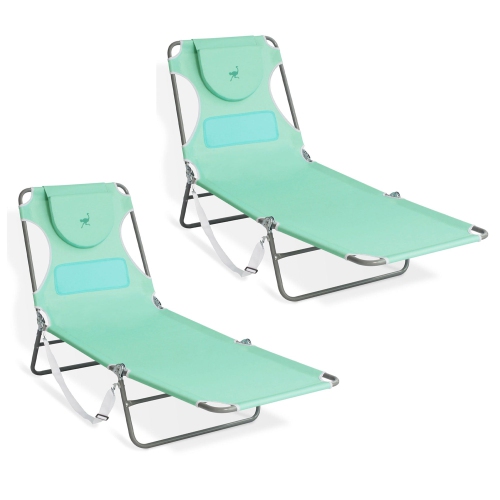 Your price for this item is $335.99
-
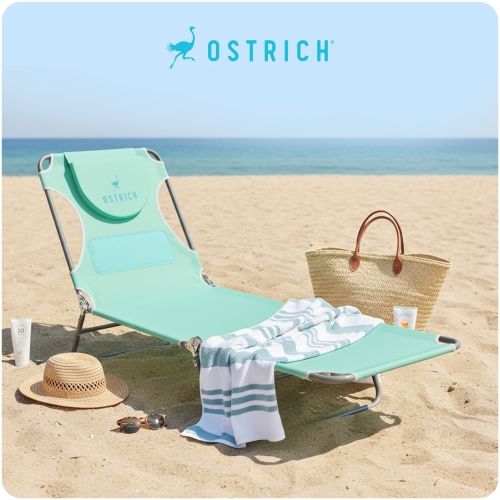 Your price for this item is $170.99
-
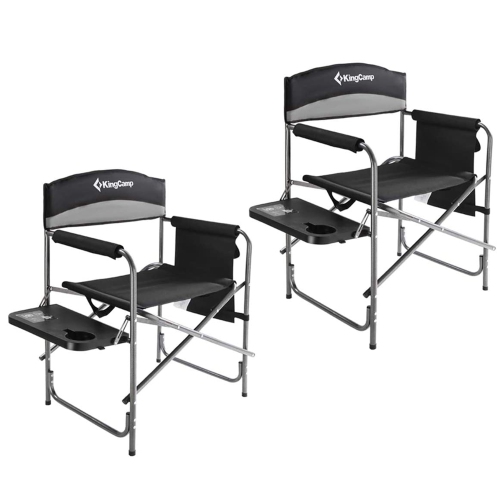 Your price for this item is $205.99
Discover more categories related to Wooden Porch Chairs

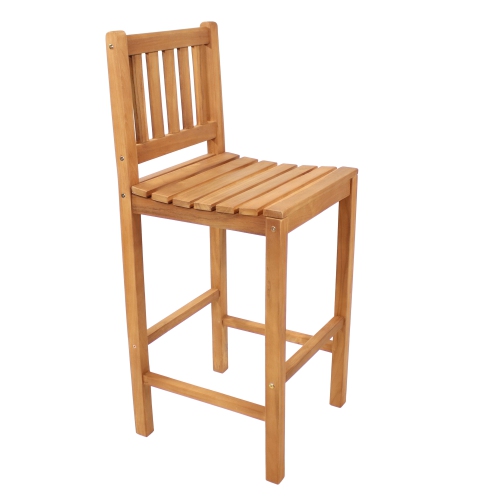
Top Collections:
Pokemon Centers, Best Cameras for Sports Photography, Kindle Devices, Samsung Galaxy Phones, Canon G7X Cameras, Pokémon 30th Celebration Cards, Refurbished Apple Laptops, iPhone 15 Apple, Laptops for Students, Budget Smartphones
Some products may be subject to Environmental Handling Fees
(EHF) depending on your province.
Learn more about EHFs.