Wooden Patio Chairs
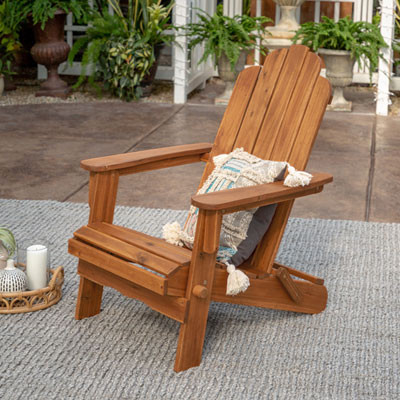
If you're looking for a new patio chair, you've got options. These wooden patio chairs are a great choice for almost any outdoor space. Not only do they look great, but they are also incredibly sturdy and long-lasting. Wooden patio chairs can be found in a variety of styles, from classic designs to more modern looks. Here are some of the best options available on the market to choose from.
Sort

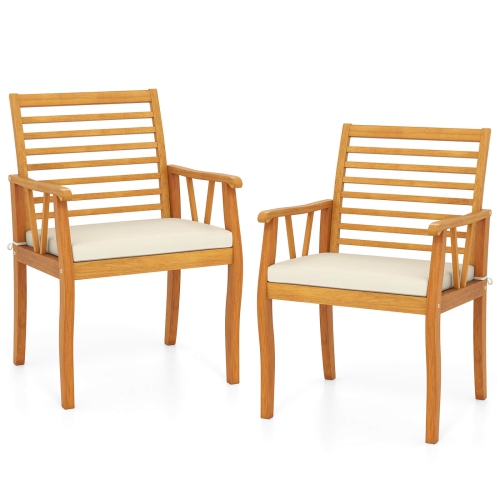

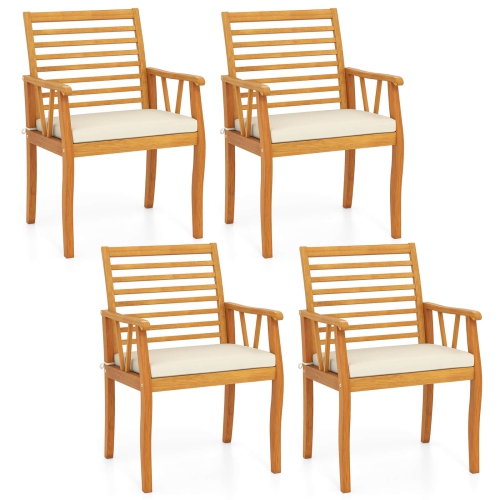


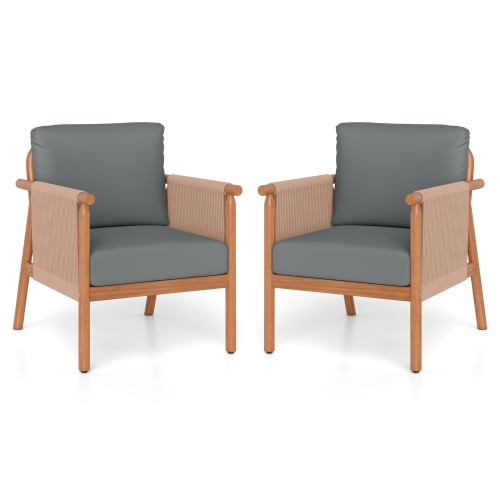
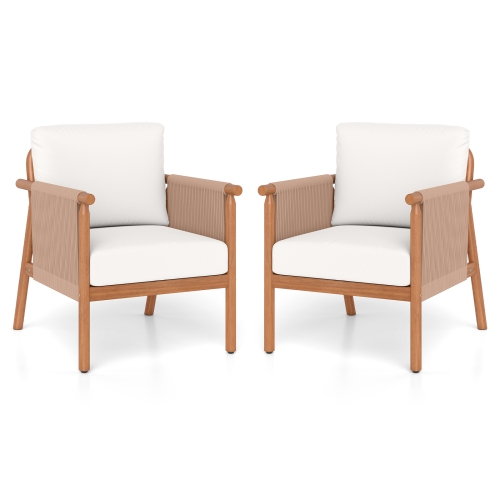
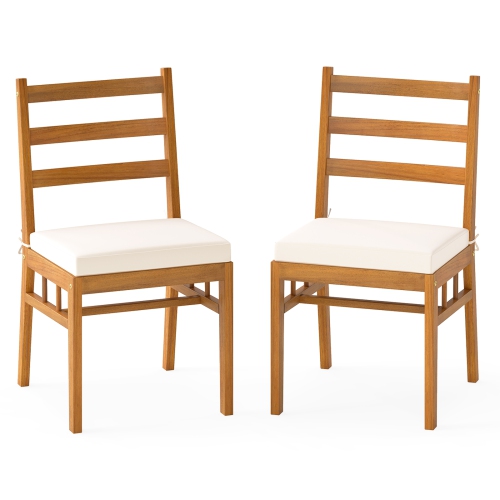


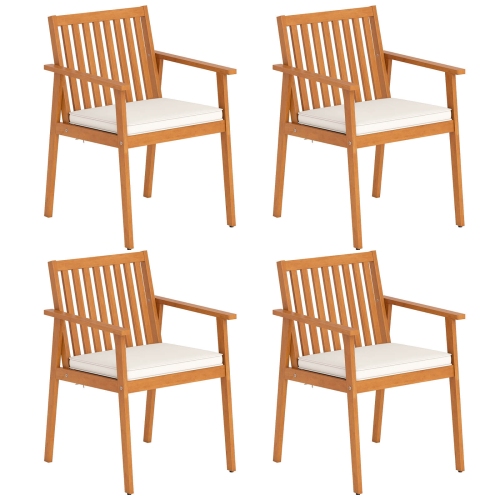
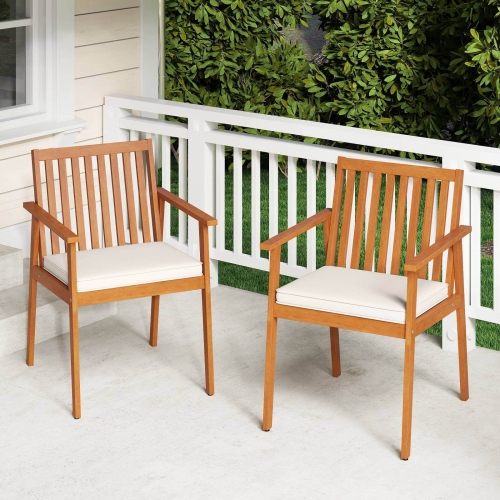


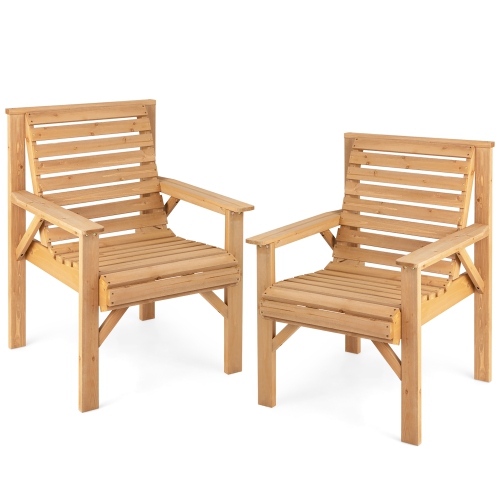

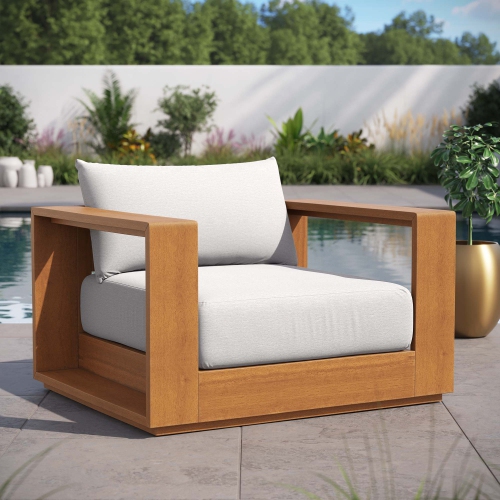


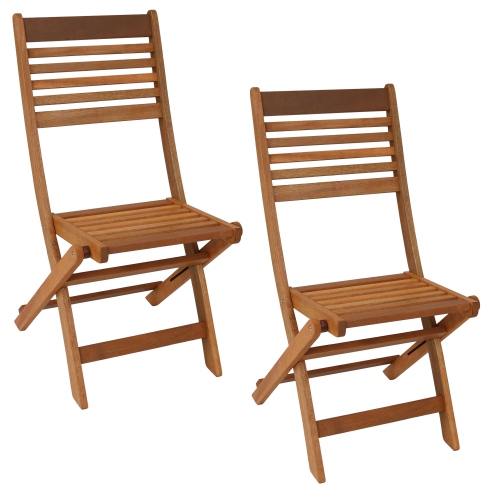

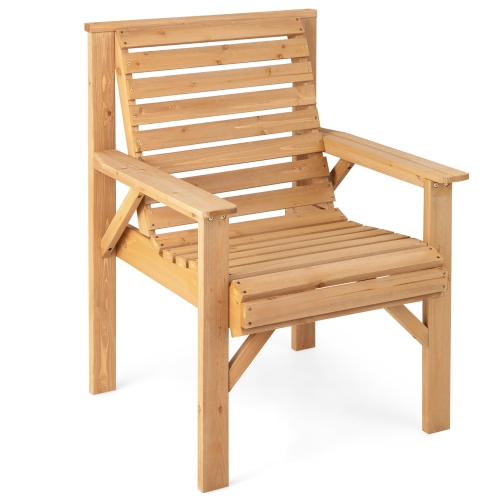


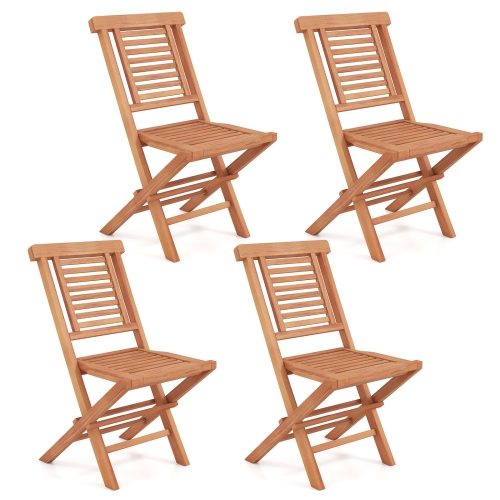


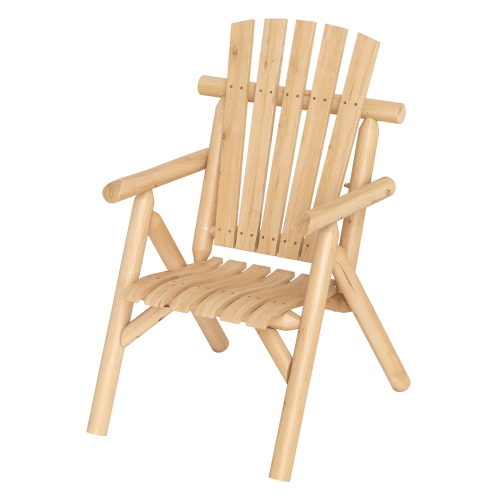
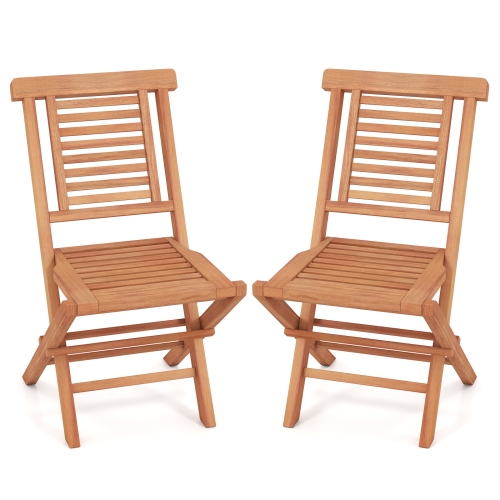

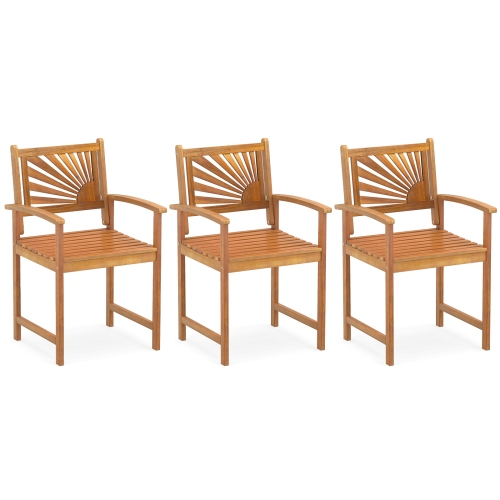


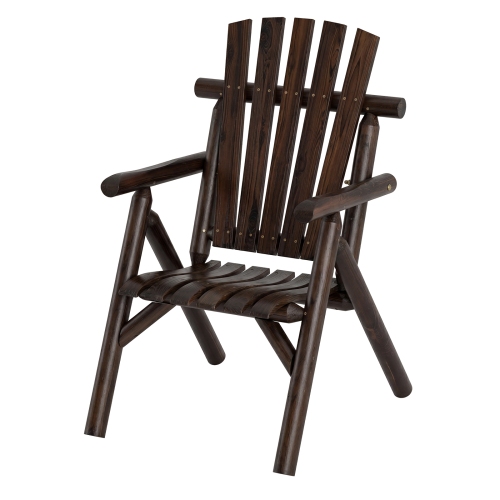


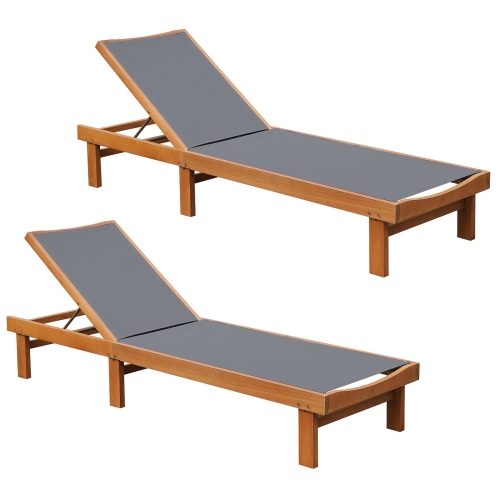


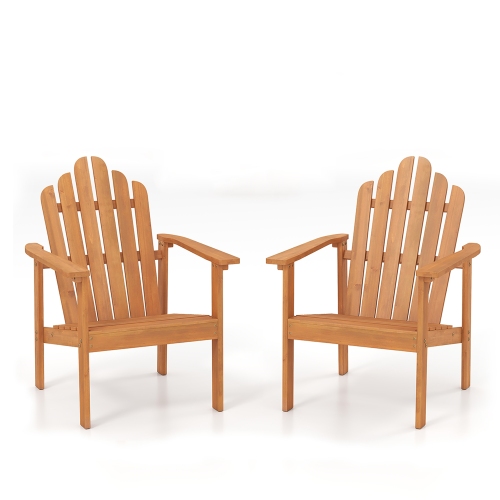

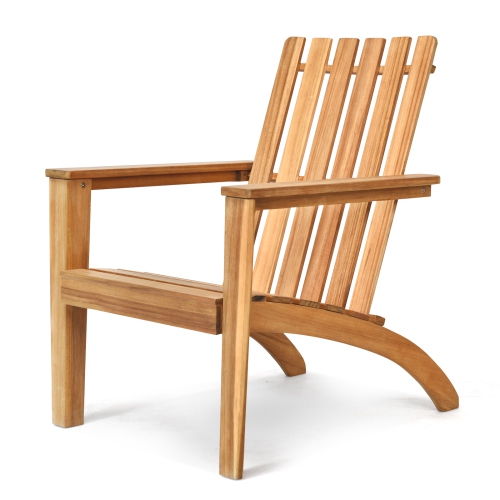


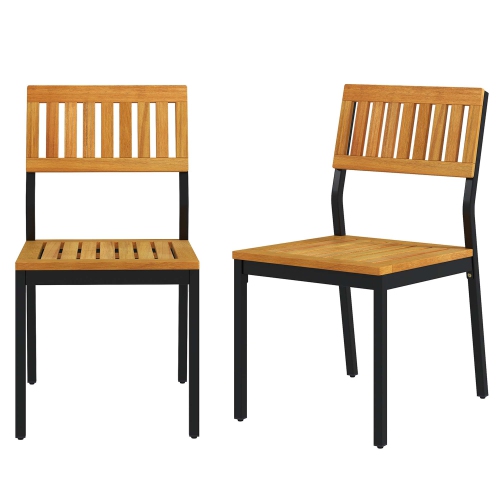
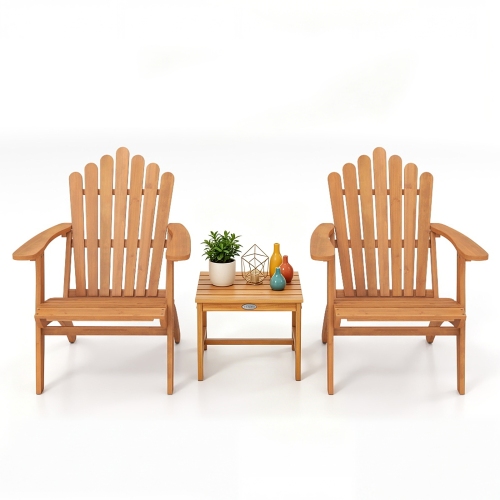


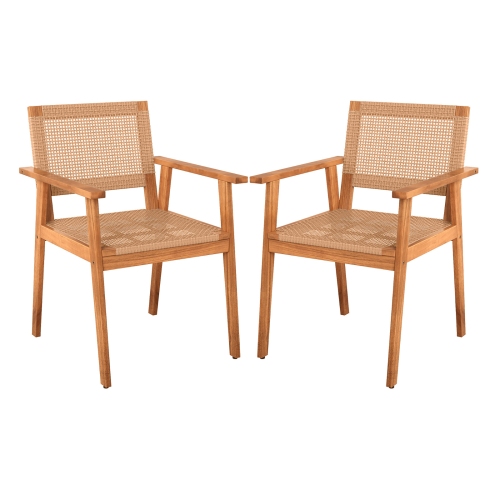


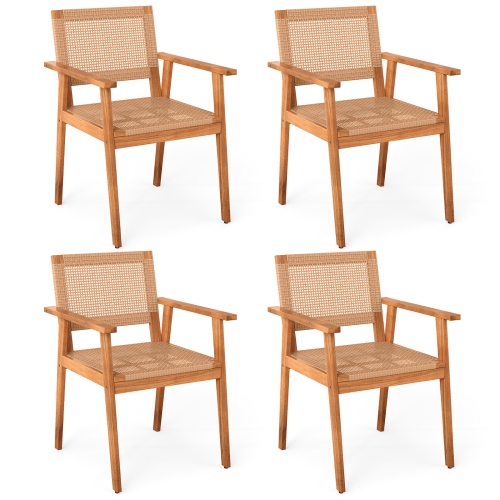
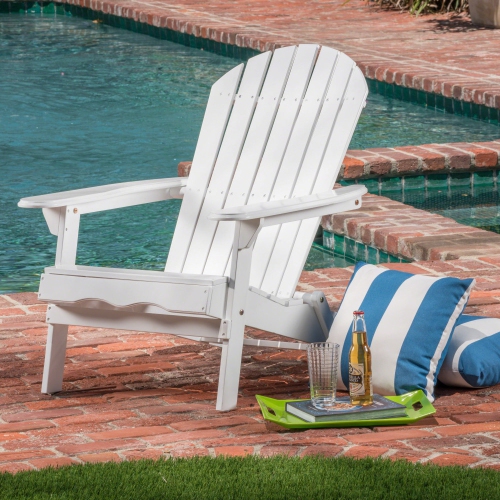


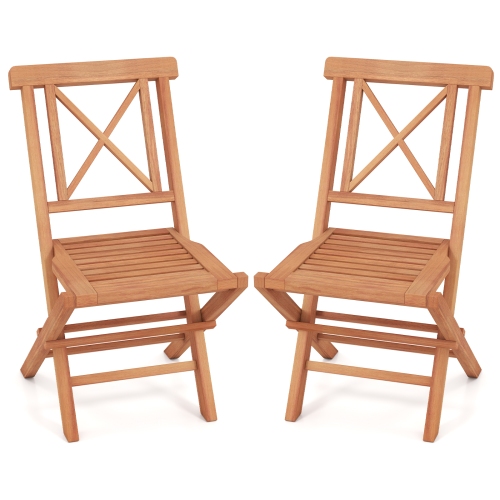
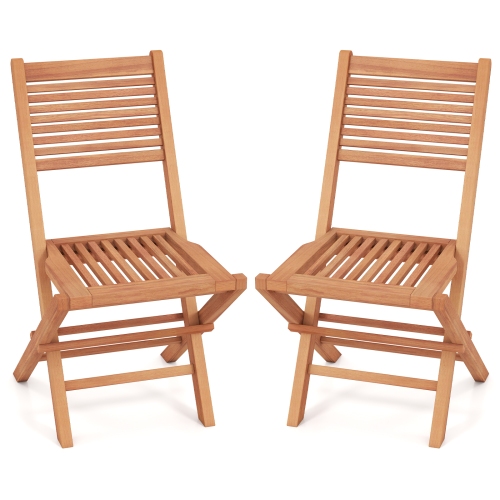


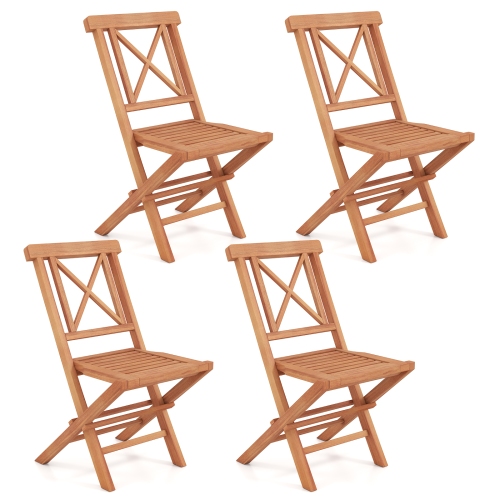


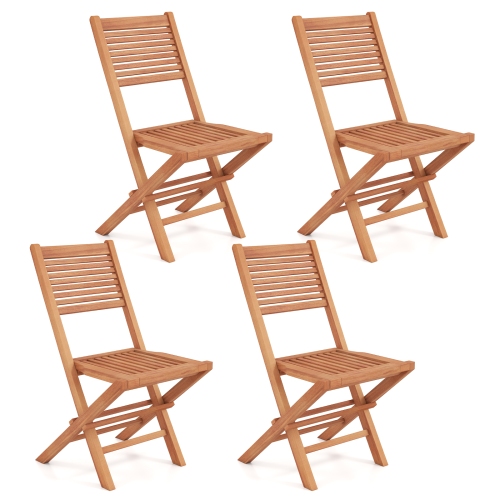


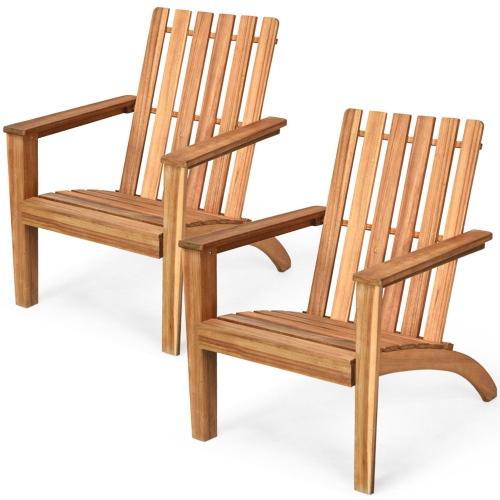
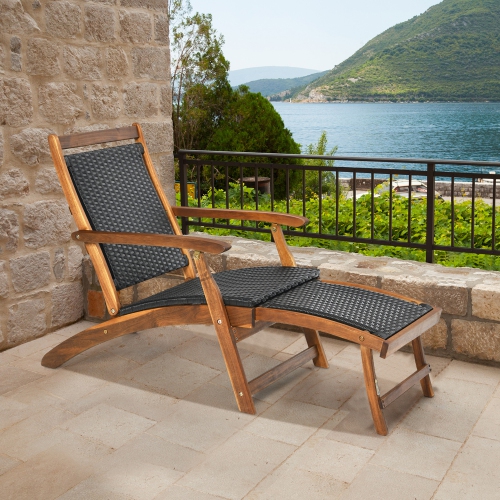
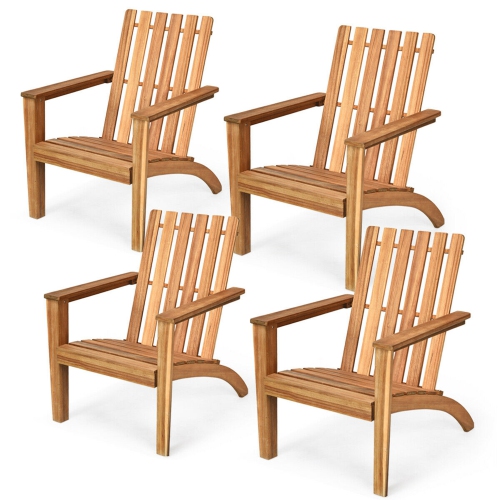


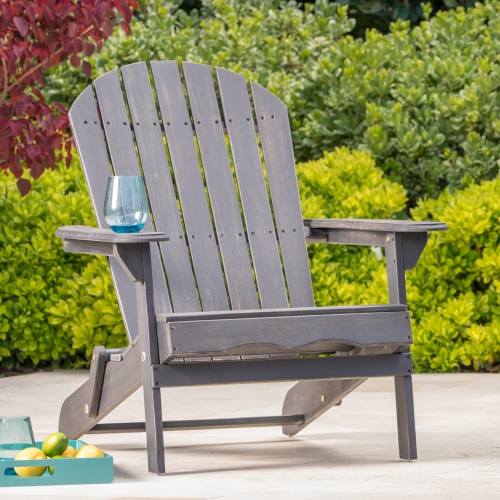


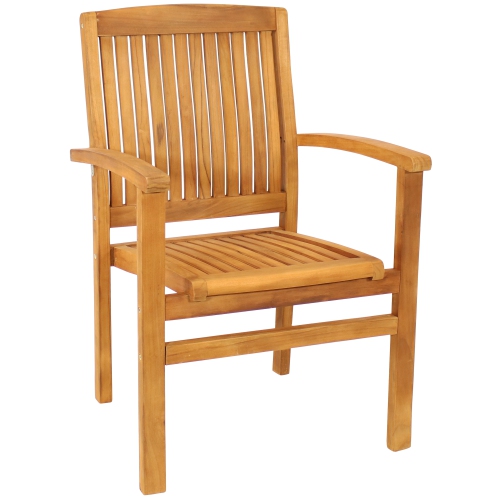
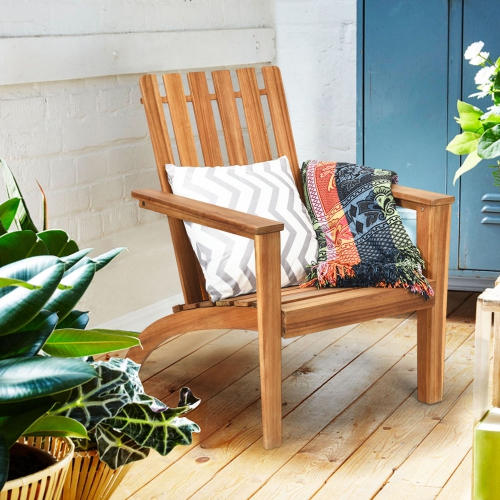
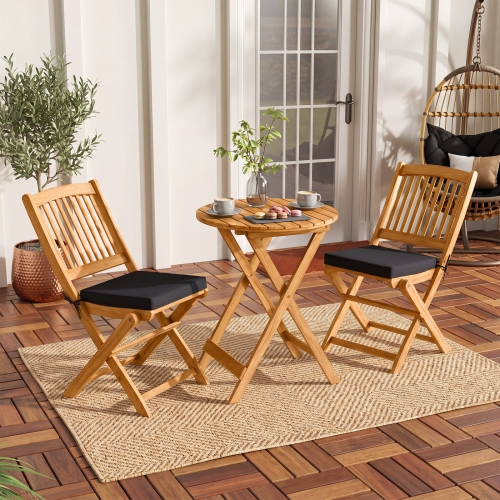
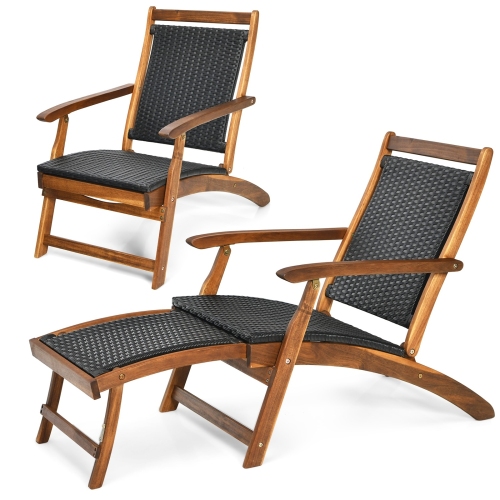


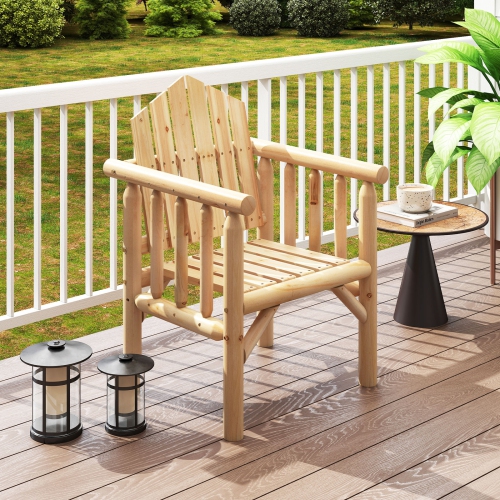

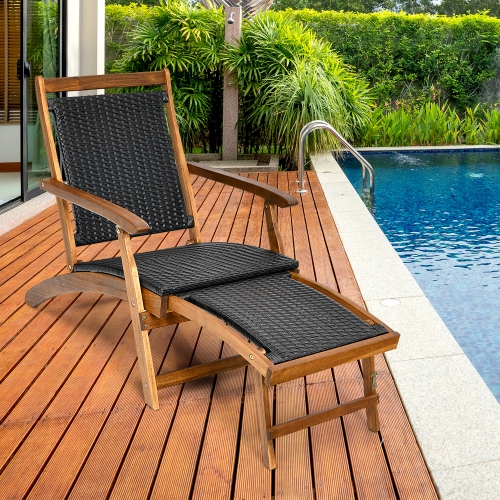
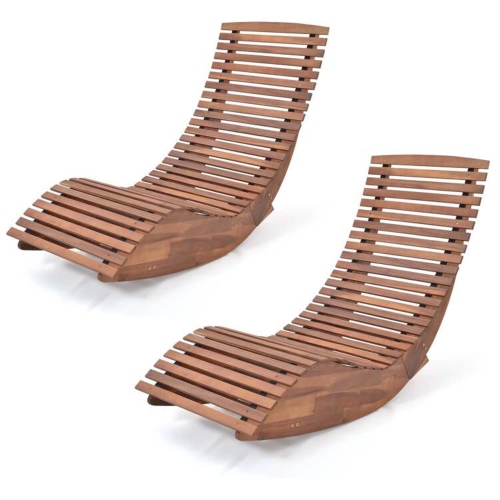


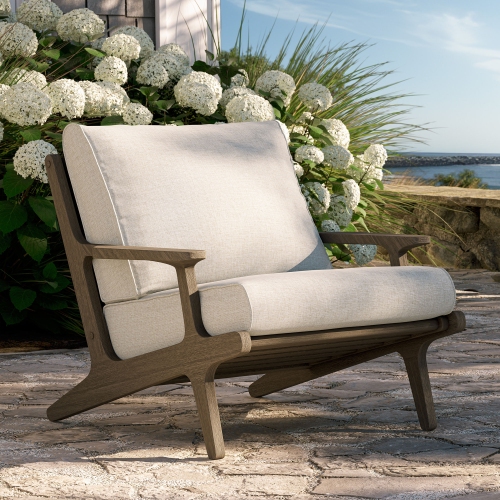


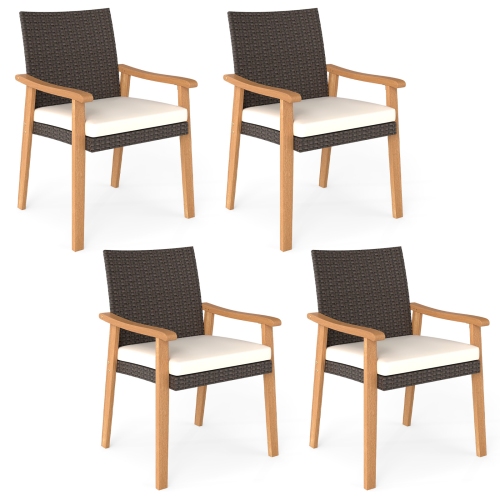

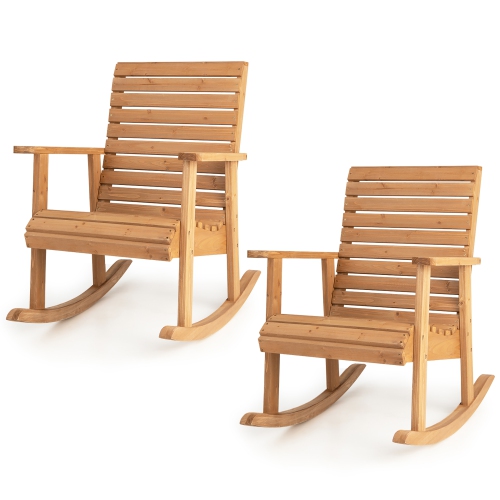


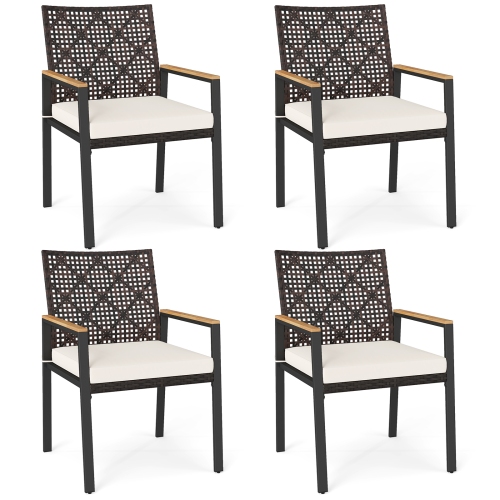

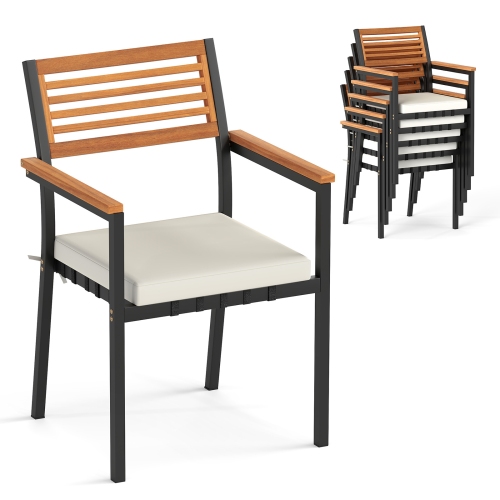


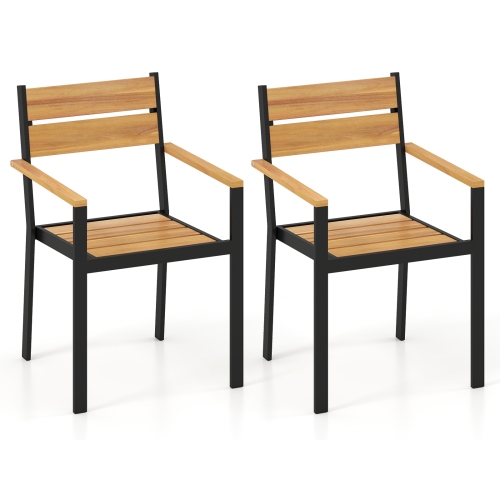


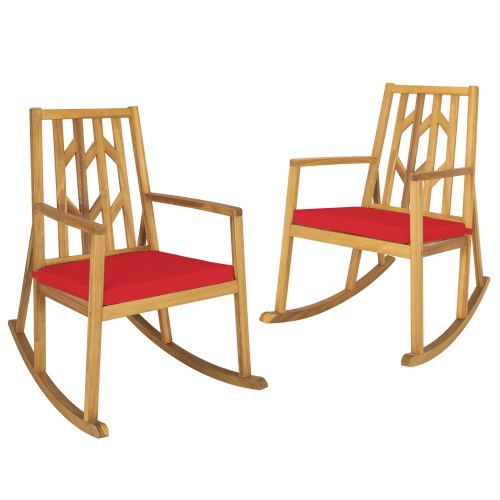
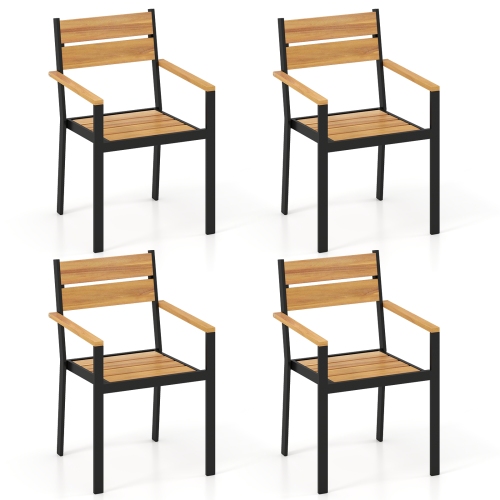
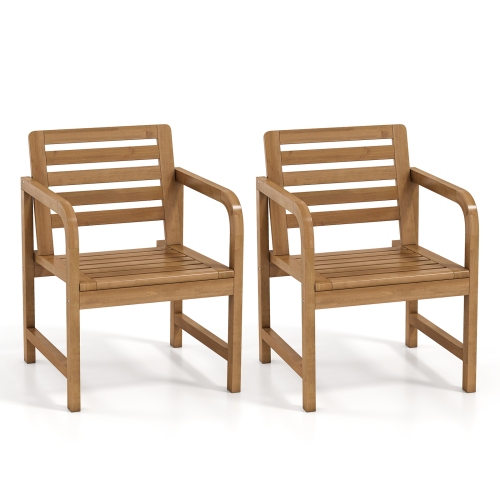




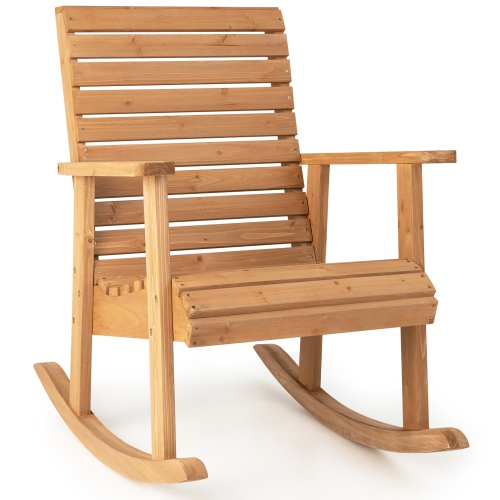


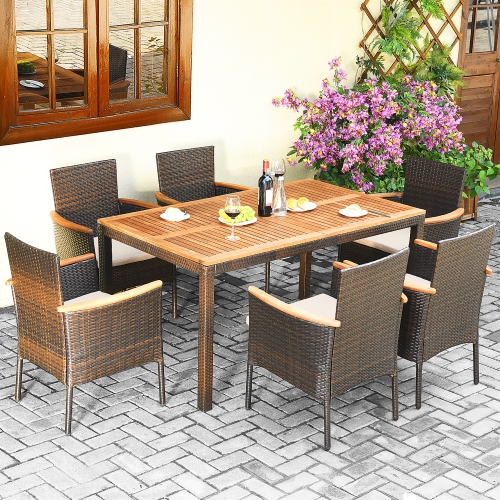
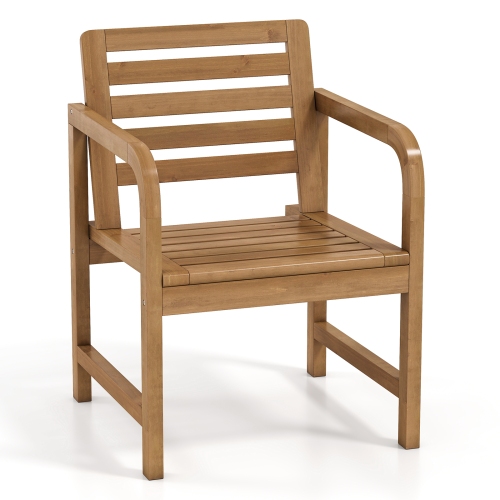


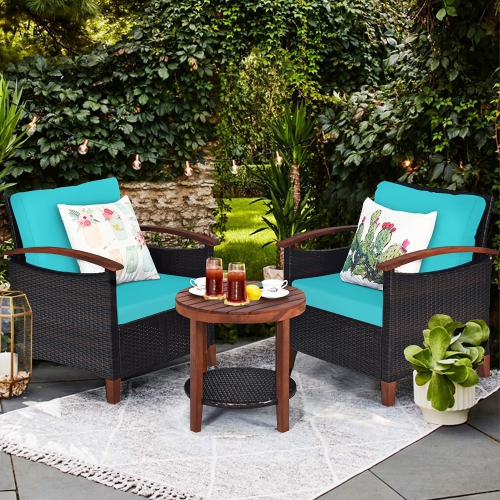


Outdoor comfort starts with the wood and the fit
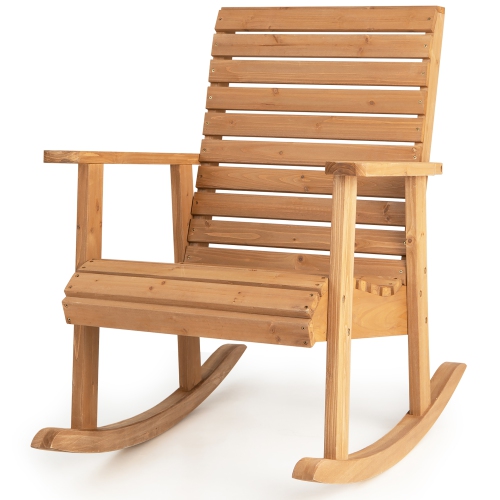
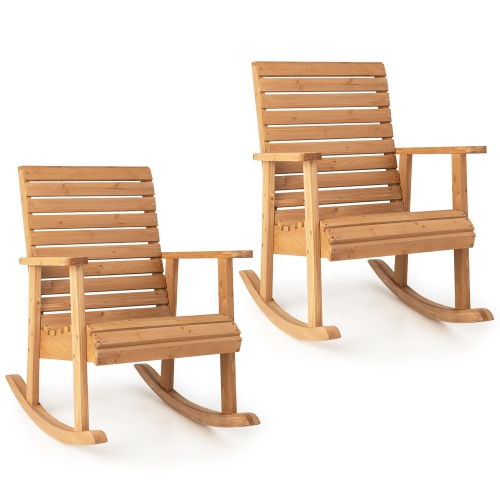
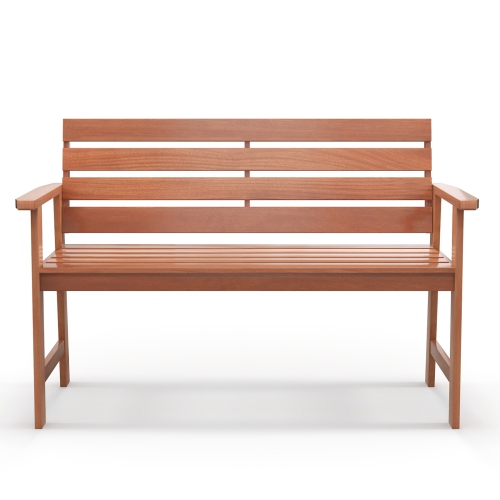
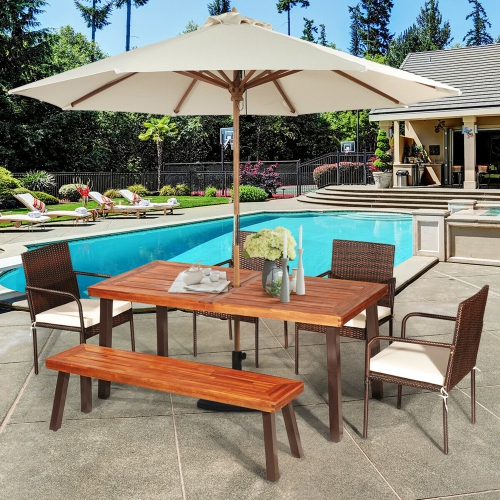
Wooden patio chairs bring the warmth of visible grain and the solidity of timber to outdoor seating, whether the setting is a small balcony, a sheltered front porch, or a spacious backyard deck. Their appeal is as practical as it is visual: wood can sit comfortably alongside brick, stone, metal railings, and planted containers without making the space feel overly matched. A pair of upright chairs can turn a quiet corner into a place for morning coffee, while deeper seats arranged around a low table lend themselves to longer conversations. The type of wood makes a difference to both appearance and upkeep. Teak contains natural oils and is often chosen for its resistance to moisture, though it still benefits from cleaning and appropriate care. Acacia typically has distinctive grain patterns and warm colour variations, with performance depending on its construction, finish, and exposure. Cedar is generally lighter in weight than many hardwoods and has natural resistance to decay, but its softer surface can show dents more easily. No wood is immune to the effects of prolonged dampness, strong sunlight, or repeated freezing and thawing. Finished surfaces may look smooth and uniform, while more visible grain gives each chair a slightly different character. For an understated look that lets the timber take the lead, natural wooden patio chairs can complement neutral cushions, woven textiles, and simple outdoor tables. A natural-looking finish does not necessarily mean bare or untreated wood, so finish details matter when considering care requirements. Colour can also shift with age: some woods develop a silvery patina outdoors, while others need periodic treatment to maintain their original tone. These changes are worth considering alongside the initial appearance, especially when chairs will share a space with an existing wooden table or bench. Coordinating undertones and similar proportions often creates a more relaxed arrangement than trying to match every grain pattern exactly.
Comfort depends on more than the width of a wooden patio chair. Seat height, usable seat depth, backrest angle, and arm placement all influence how it feels during a quick break or a leisurely meal. Upright dining chairs support sitting close to a table, whereas low, reclined styles encourage stretching out and can be harder to rise from. A generous seat may suit someone who likes extra room, but a very deep seat can leave a shorter person sitting forward without back support. For shared seating, a moderate depth and a supportive back often work well across a range of users. Contoured seats and gently shaped back slats can make firm timber feel more comfortable, while an outdoor cushion adds softness without changing the chair’s basic structure. Cushion thickness affects the sitting height and the position of the armrests, so it belongs in the fit calculation rather than being treated solely as a finishing touch. At a dining table, allow room for thighs beneath the apron and check whether chair arms can slide under the tabletop. On a narrow balcony, the chair’s full footprint matters as much as its seat dimensions; angled legs and sloping backs can occupy more space than expected. There should also be enough room to pull a chair out without blocking a doorway or crowding a walkway. Folding designs can make occasional seating easier to store, while stackable chairs need adequate overhead clearance and a suitable storage area. A rocking chair requires additional space in front and behind, plus a level surface appropriate for its runners. Heavier construction may feel reassuring on an exposed deck, but weight alone does not make a chair safe in high winds. For someone furnishing a first patio or receiving outdoor seating as a housewarming gift, the most useful choice is usually one that suits the space, the person’s mobility, and how often the chairs will need to be moved.
Construction and routine care have a lasting effect on how wooden patio chairs look and perform. Neatly fitted joints, smooth edges, and securely attached slats are useful details to check, along with the stated weight capacity and whether the chair is intended for outdoor use. Rust-resistant fasteners help limit corrosion and staining, although their suitability still depends on exposure and maintenance. Wood naturally expands and contracts as moisture levels change, so occasional checks for loose hardware, rough patches, or movement at the joints are sensible. Tightening should follow the manufacturer’s directions; overtightening can damage the wood or hardware. Assembly also deserves a level working surface and careful alignment, since an uneven frame can make a chair rock even on a flat patio. For everyday cleaning, a soft brush or cloth and a mild cleaning solution approved for the finish are usually a gentler starting point than abrasive tools. Remove fallen leaves and other debris before they sit against damp wood, and let washed surfaces dry thoroughly. Pressure washing can raise the grain or strip a coating, so it should not be assumed suitable. Oiling, sealing, or refinishing requirements vary by wood species and existing finish, and applying an incompatible treatment can create more work later. Pay particular attention to exposed end grain, joints, and areas where water can collect. Outdoor cushions should be cared for separately and stored dry when not in use for extended periods. During the cooler months, a covered storage space can help reduce exposure to snow, ice, and persistent moisture. Where indoor storage is not practical, a properly fitted furniture cover with ventilation can offer protection without holding damp air tightly against the chair. Covers should allow water to run off rather than pool over the seat, and chairs should be dry before being covered. Keeping wooden feet out of standing water also helps protect vulnerable contact points. With seating suited to the setting and maintenance matched to the material, wooden patio chairs can remain a comfortable part of everyday outdoor life, from a sheltered spot for an afternoon drink to a welcoming place for guests around the table.
Top selling and popular products
-
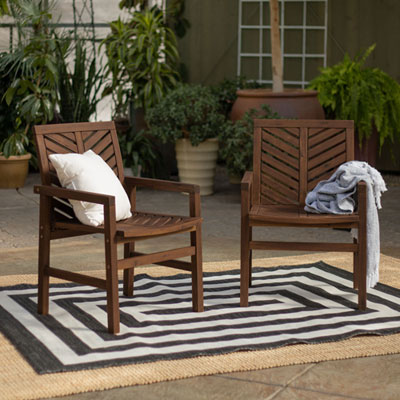 Your price for this item is $604.99
-
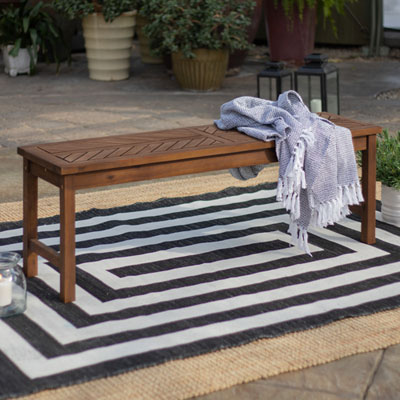 Your price for this item is $371.99
-
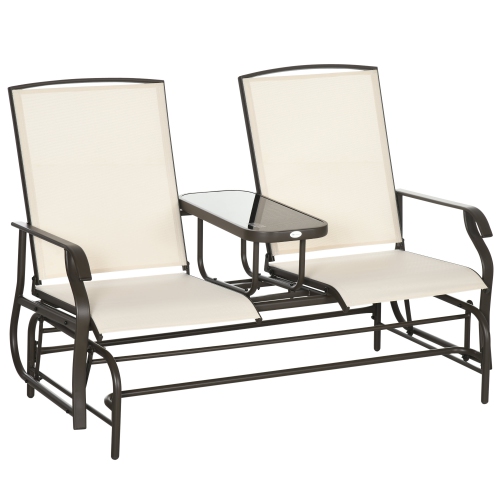 Your price for this item is $209.99
-
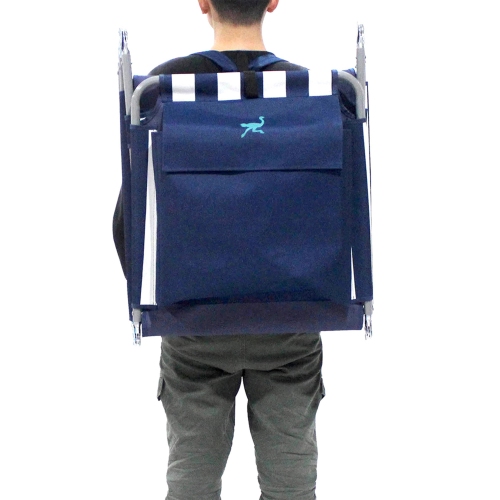 Your price for this item is $174.99
-
 Your price for this item is $461.99
-
 Your price for this item is $335.99
-
 Your price for this item is $170.99
-
 Your price for this item is $205.99
Discover more categories related to Wooden Patio Chairs
Top Collections:
Pokemon Centers, Best Cameras for Sports Photography, Kindle Devices, Samsung Galaxy Phones, Canon G7X Cameras, Pokémon 30th Celebration Cards, Refurbished Apple Laptops, iPhone 15 Apple, Laptops for Students, Budget Smartphones
Some products may be subject to Environmental Handling Fees
(EHF) depending on your province.
Learn more about EHFs.