Wooden Chair Furniture
Wood chairs are a classic. They're durable, attractive, and comfortable. And they can be made in a variety of styles to suit any decor. Whether you're looking for a simple wooden chair or something more ornate, here are some excellent options on the market today.
Sort
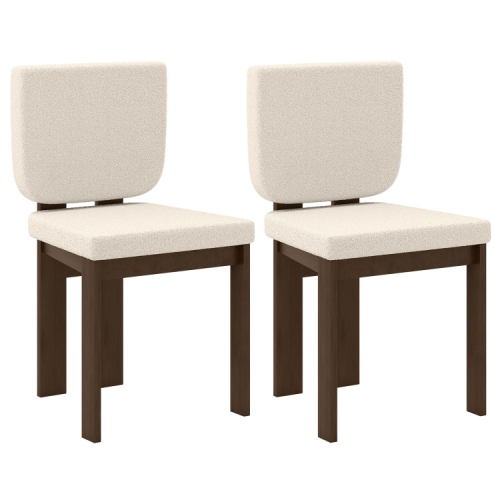
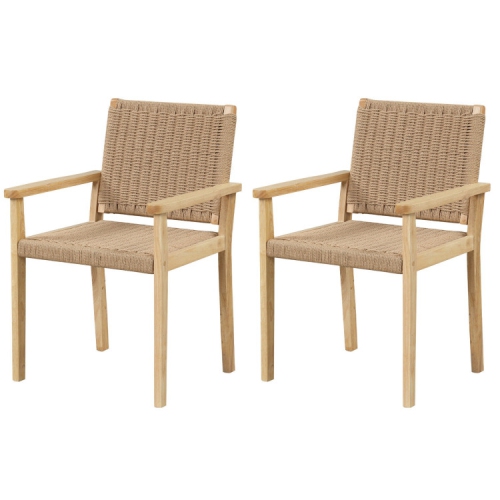
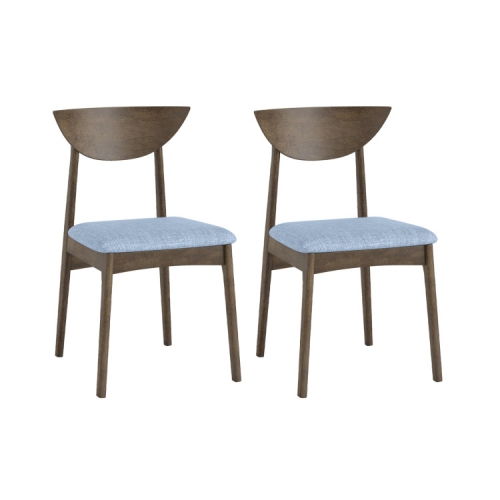
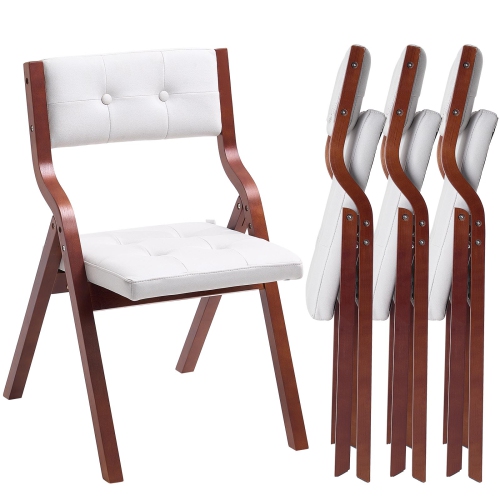

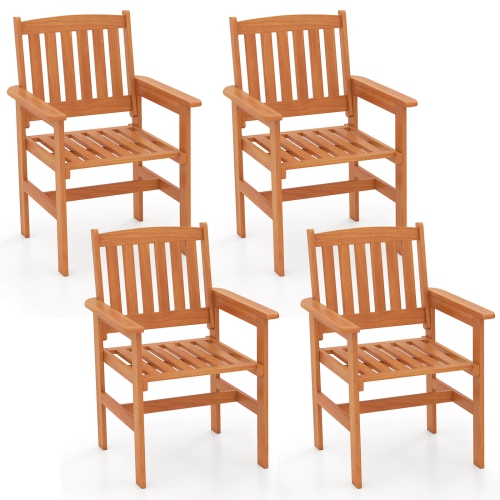
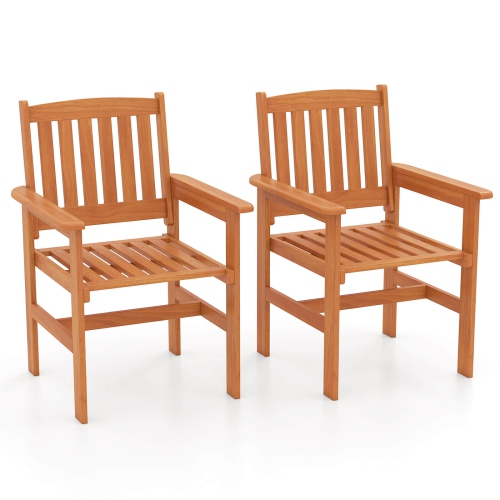
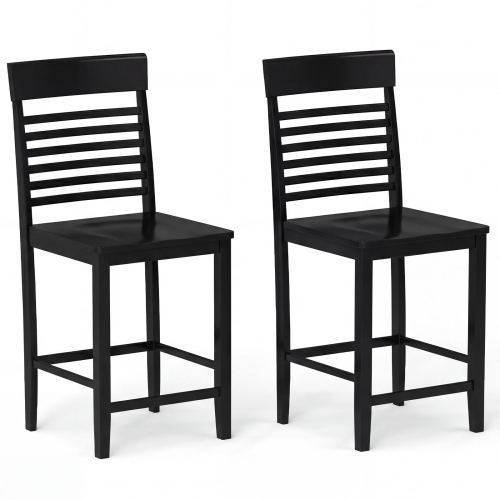
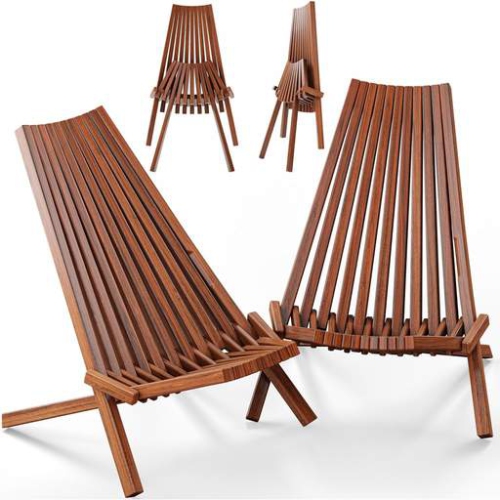
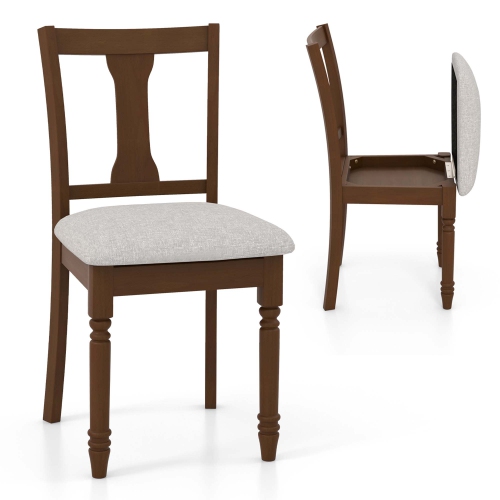

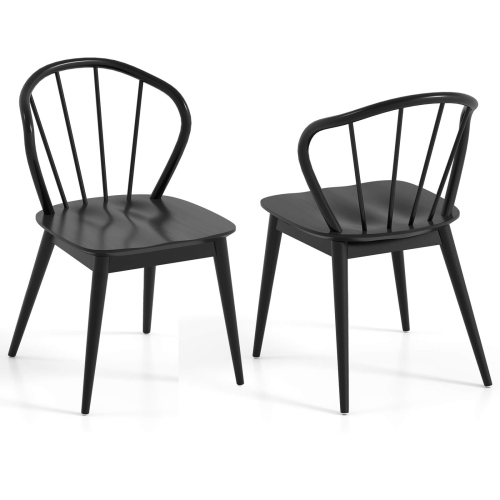
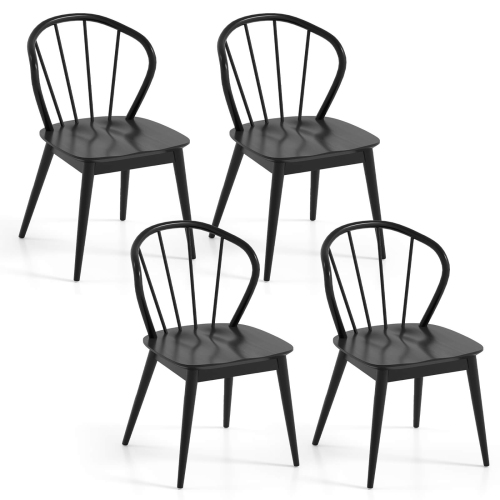
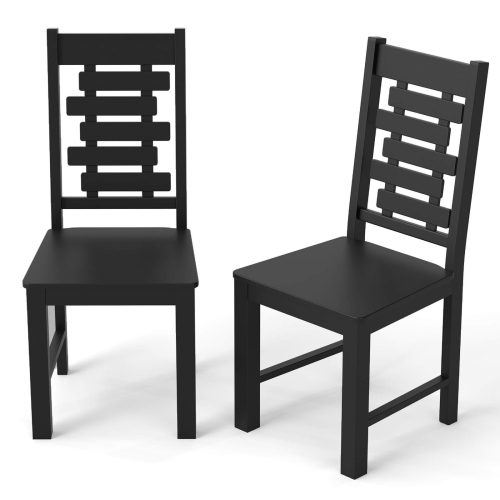
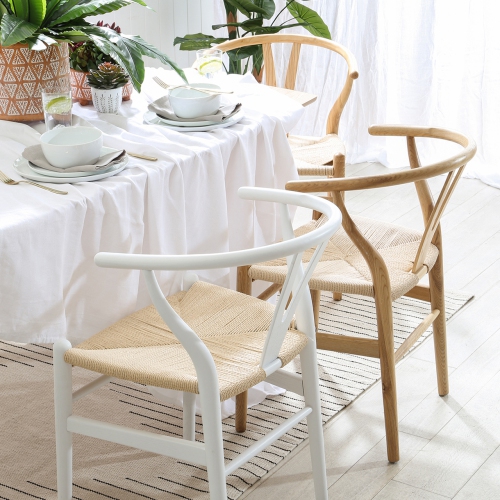
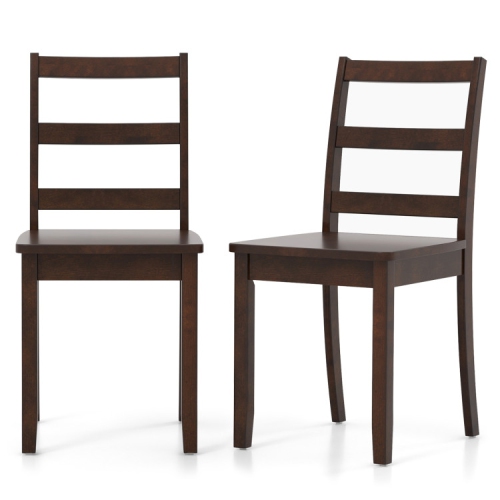
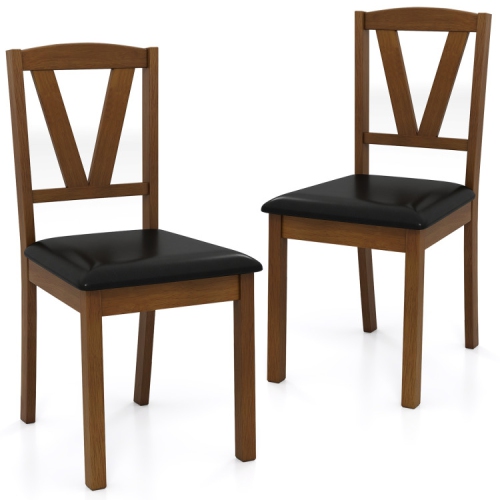
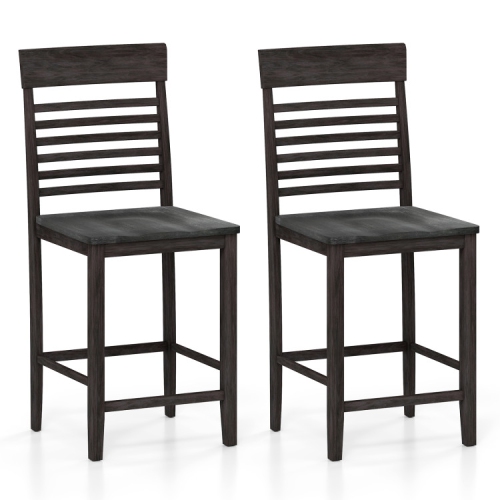
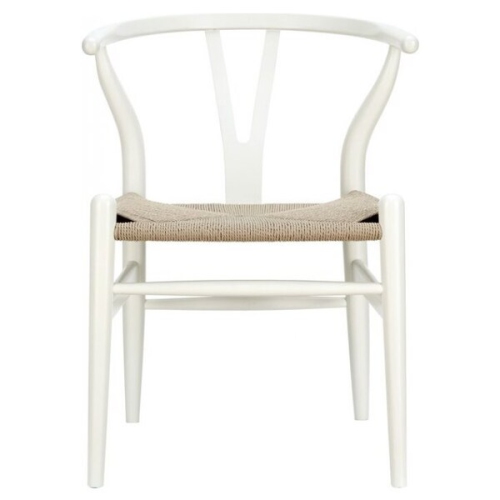
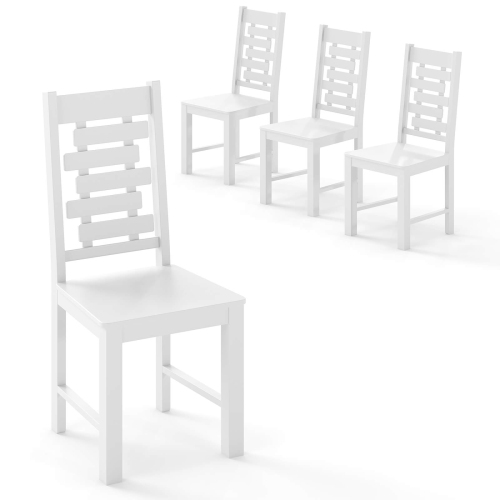
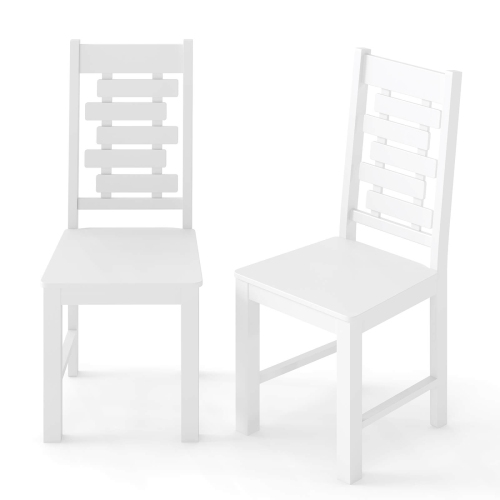

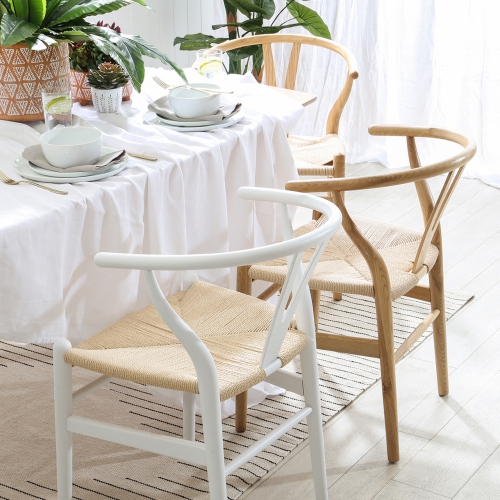
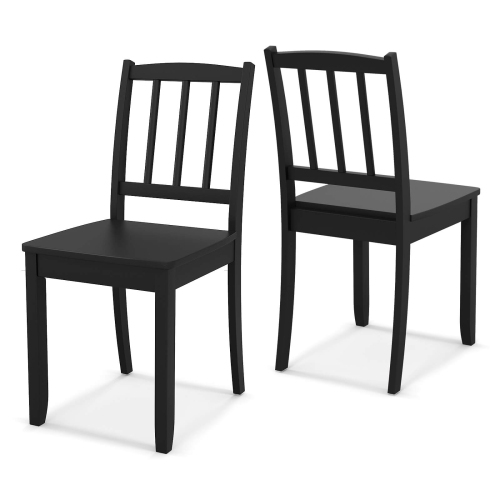
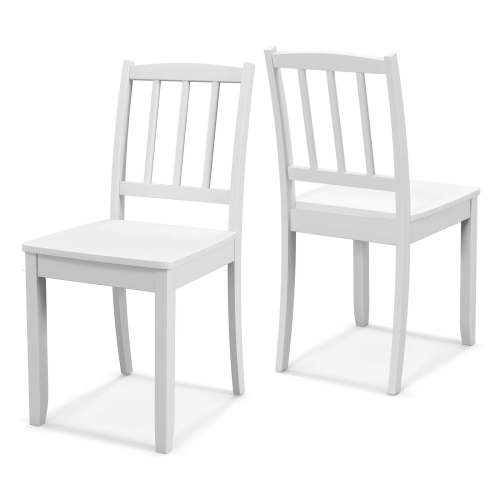
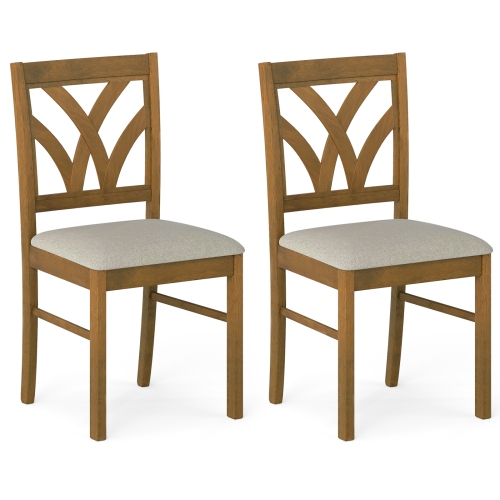
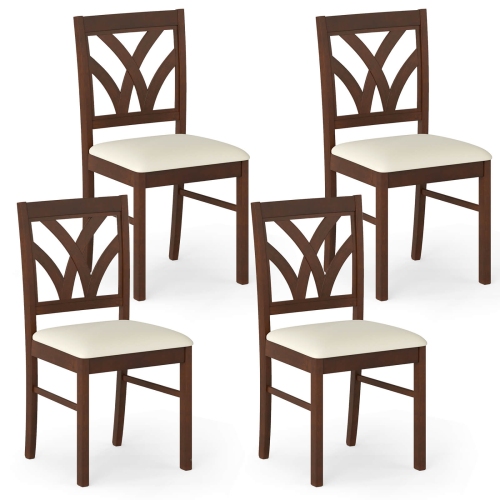
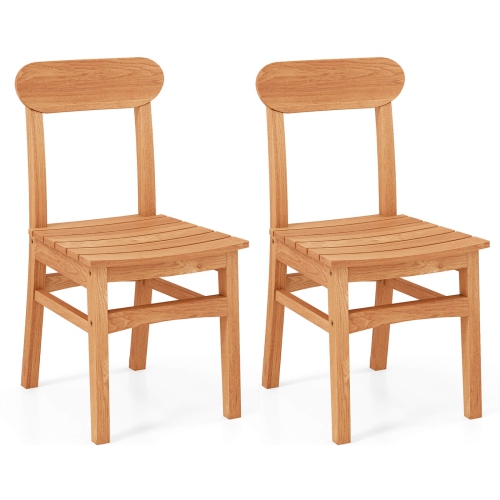
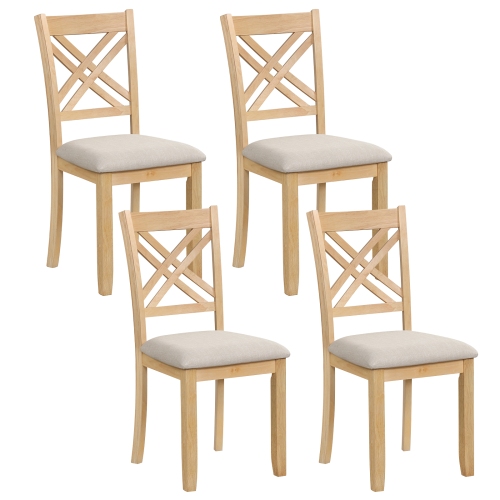
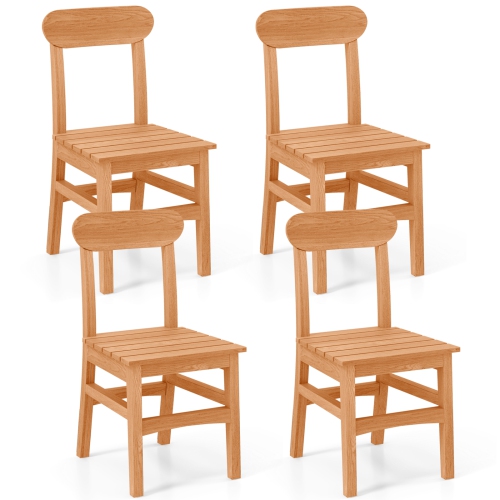
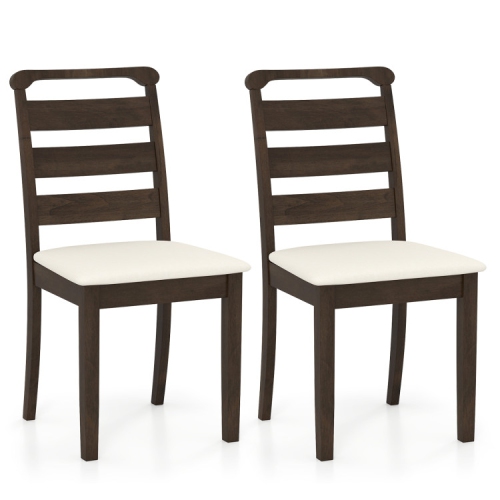
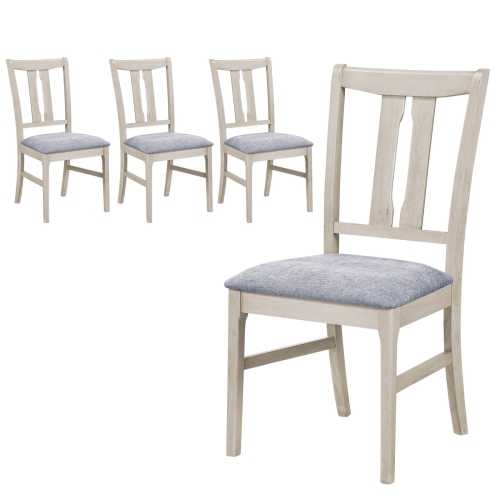
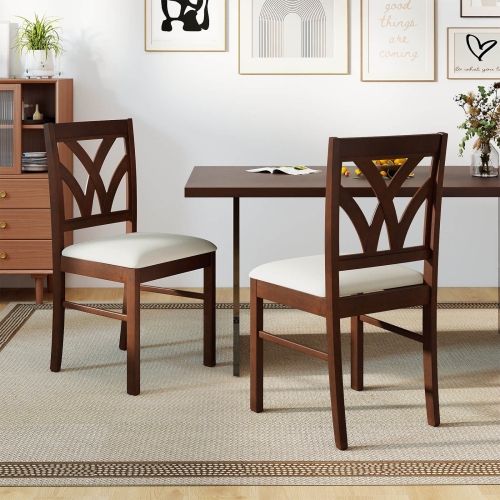
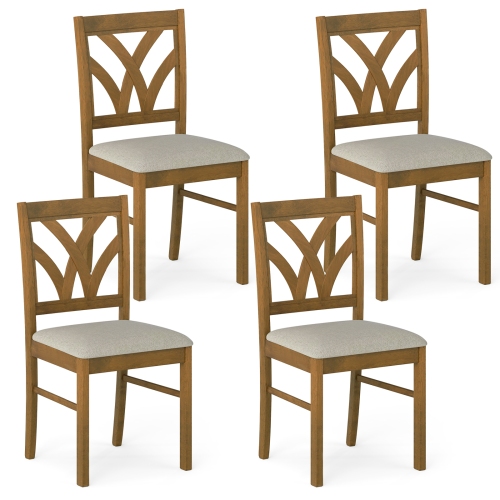
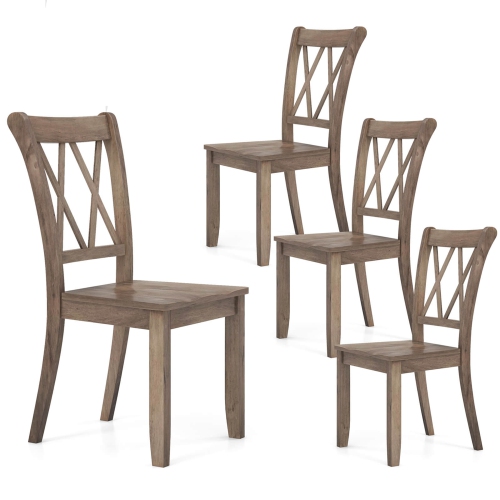
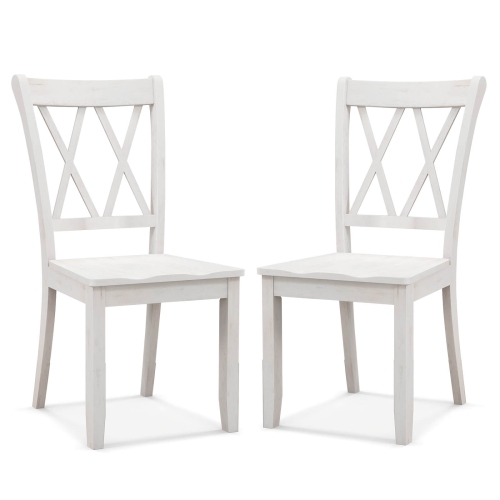
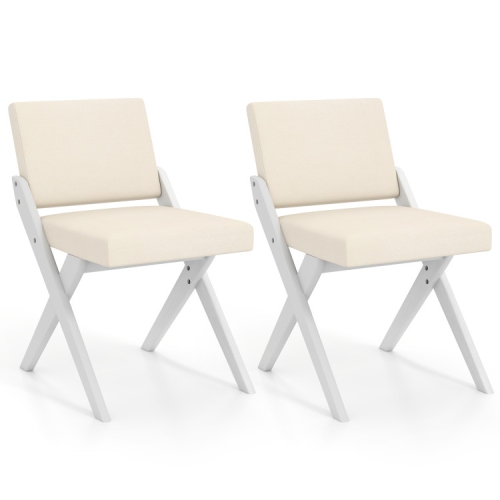


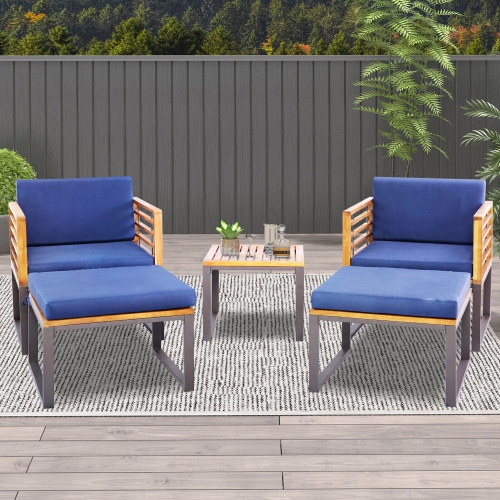
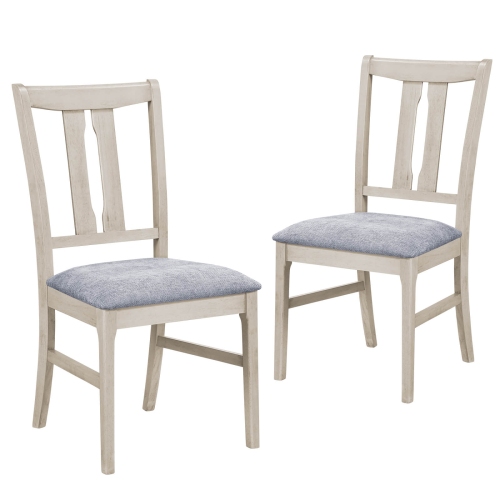
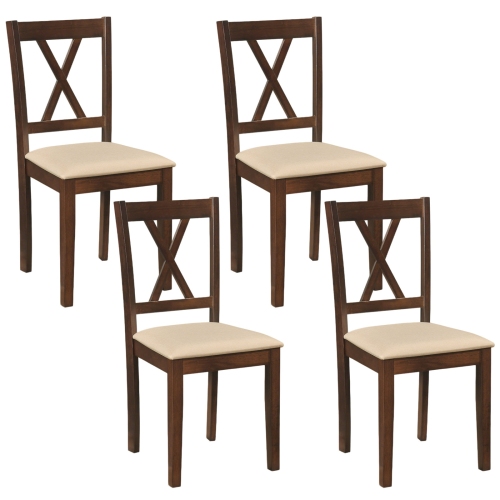
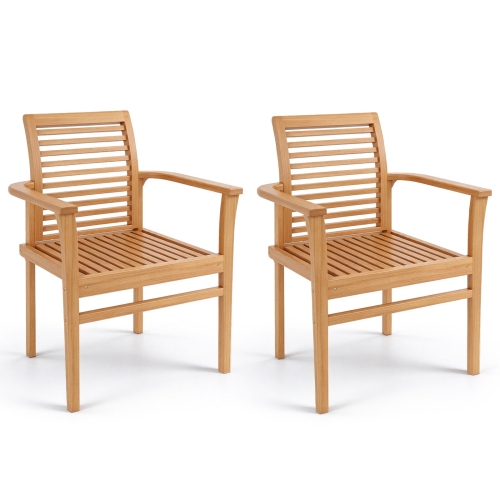
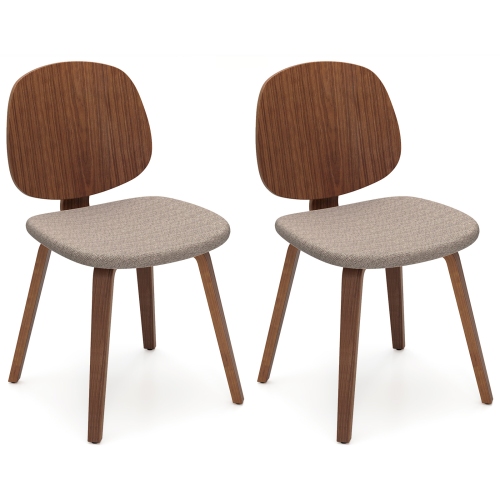
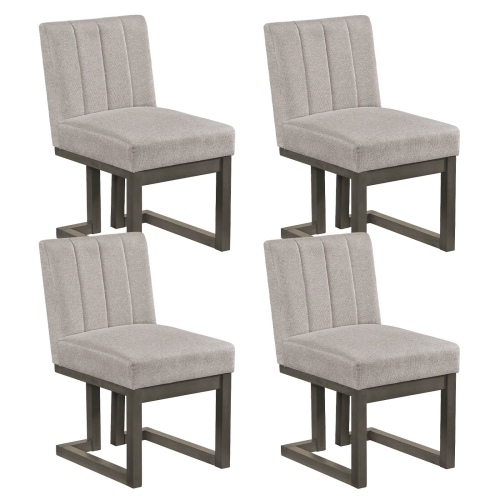
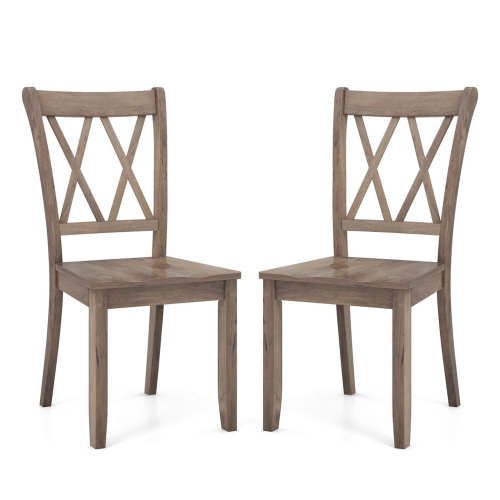
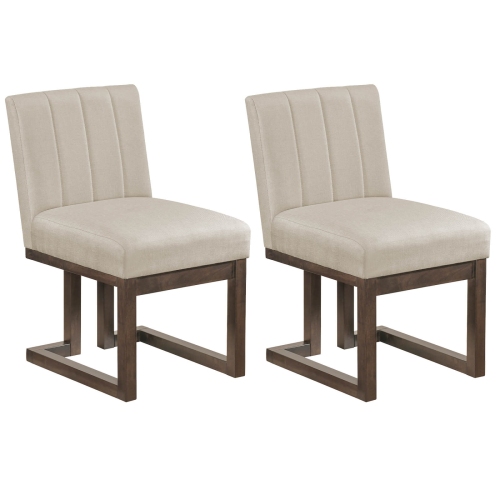
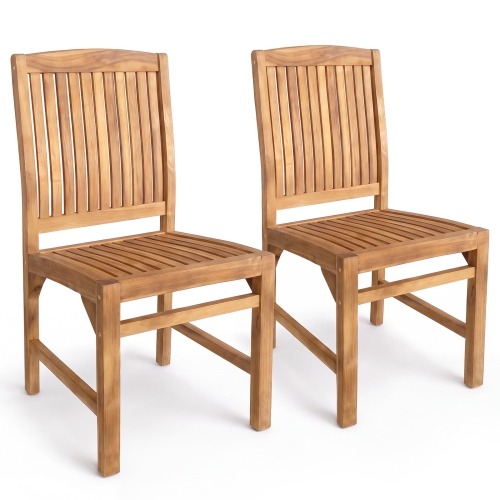
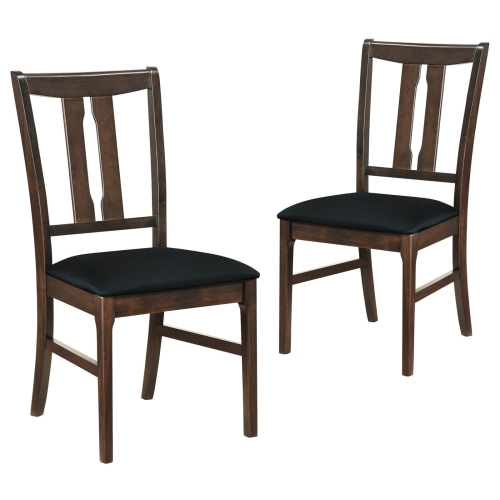
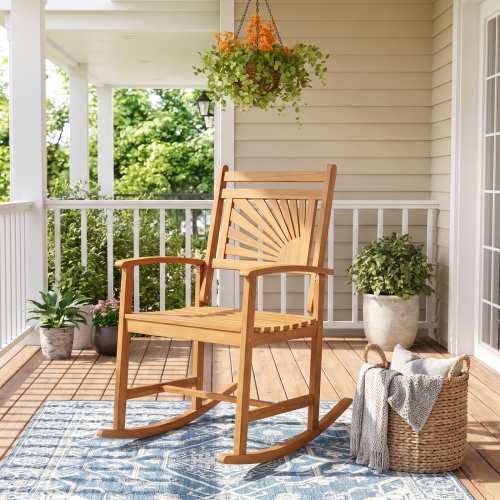
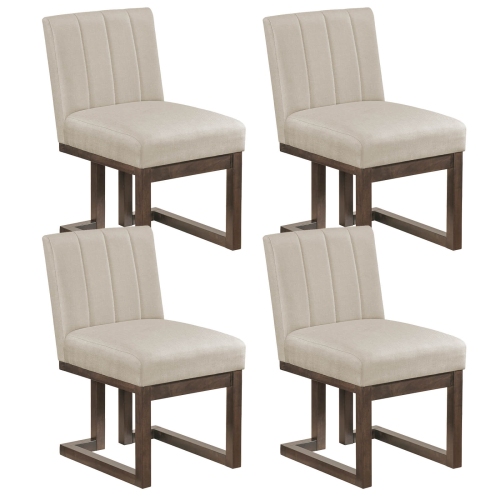
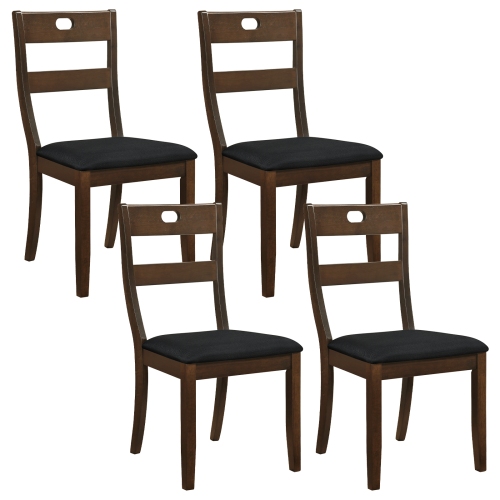

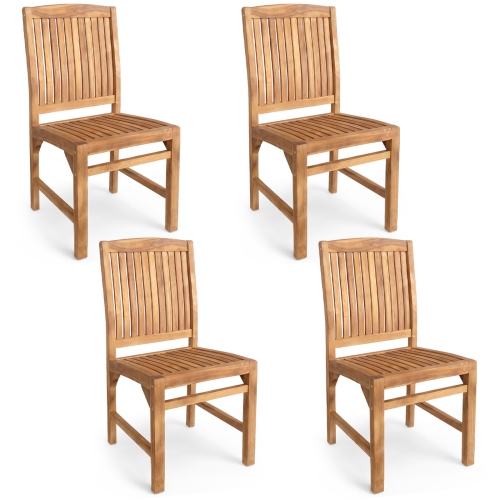
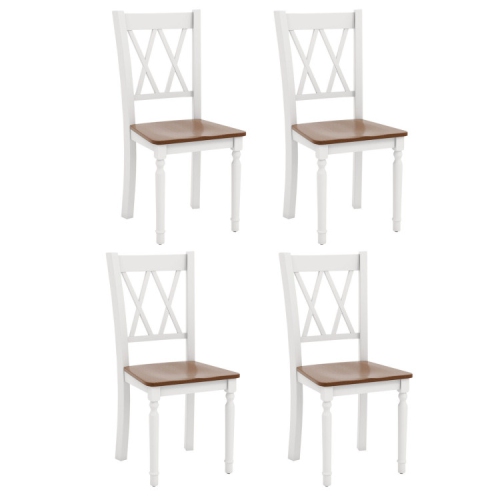
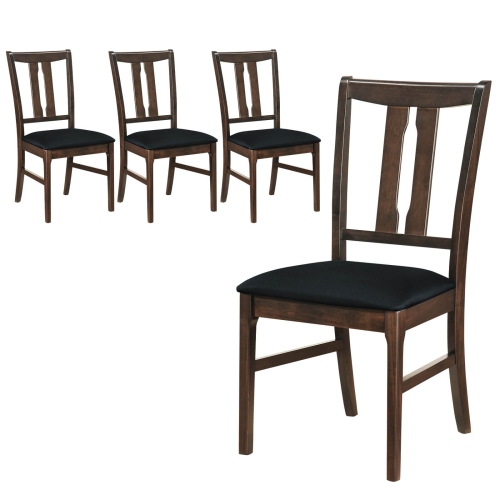
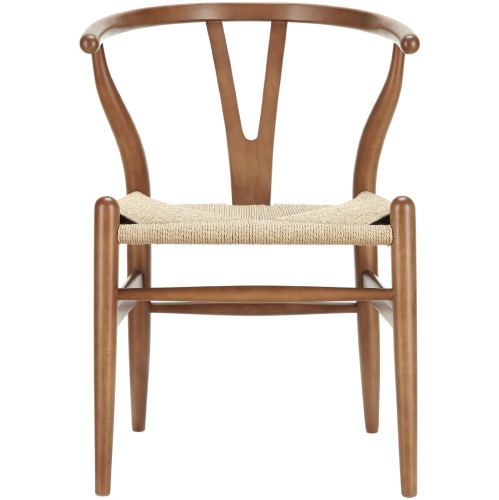
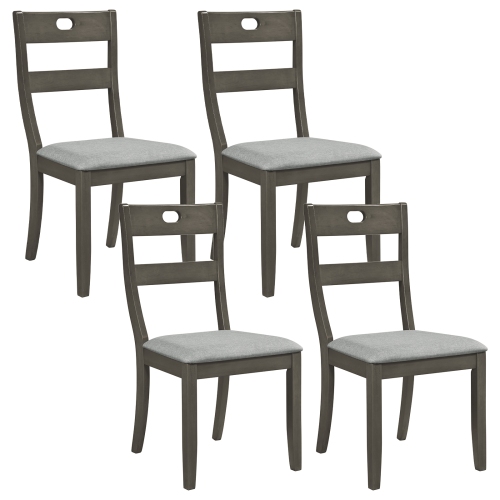
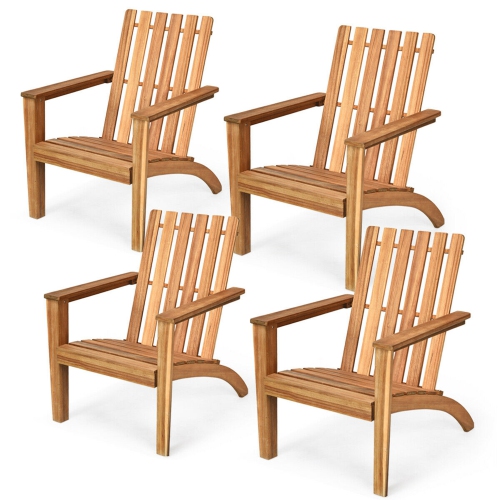
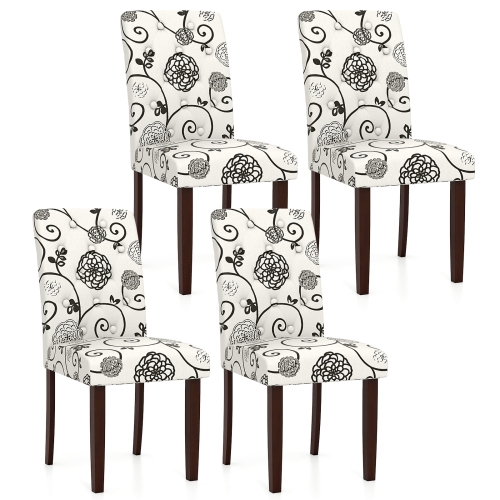
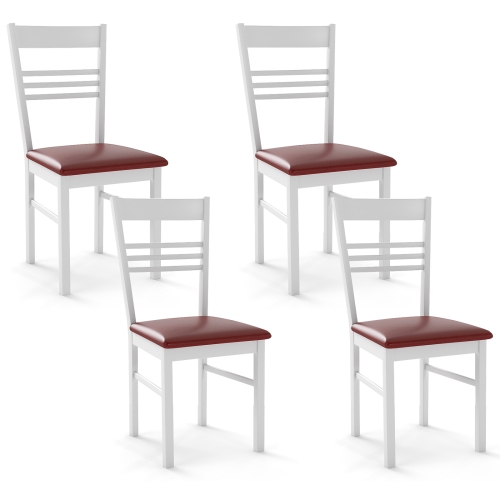
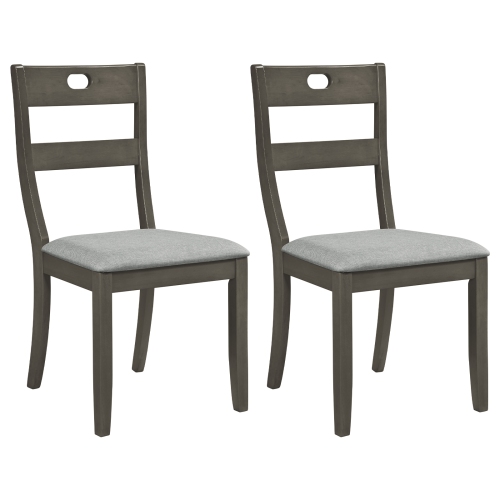
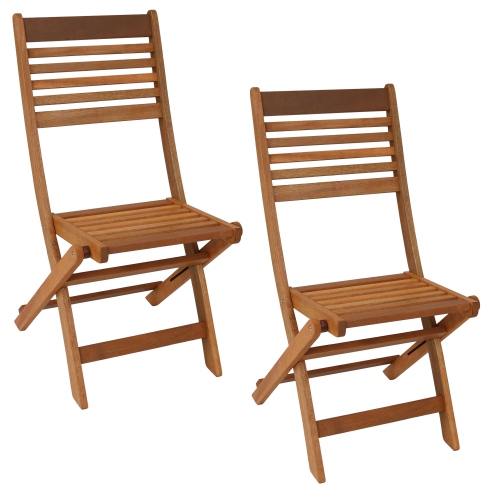
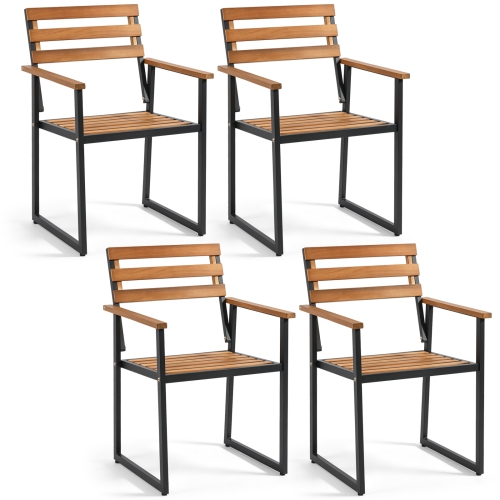
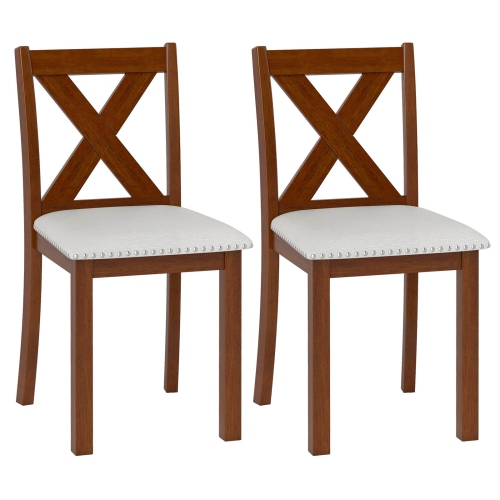
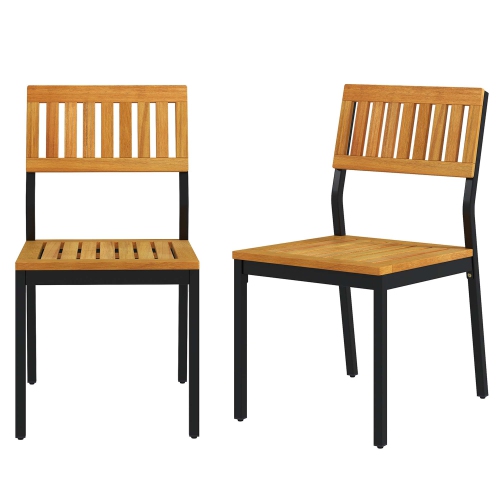
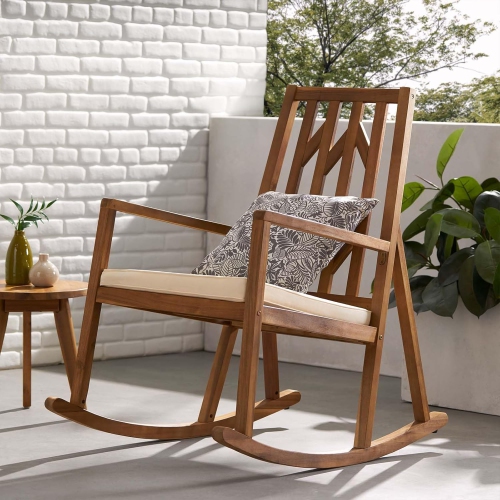
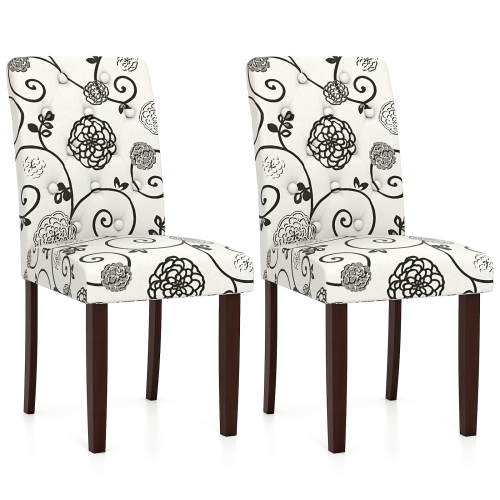
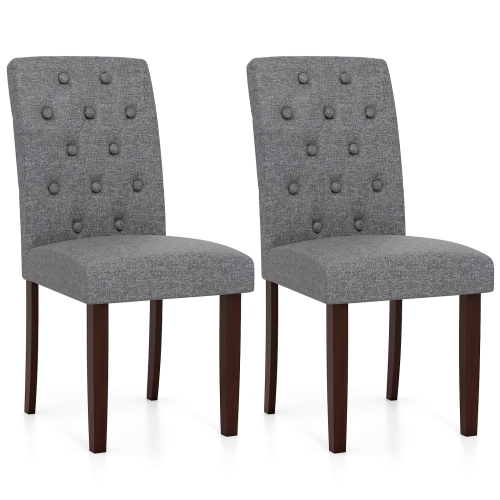
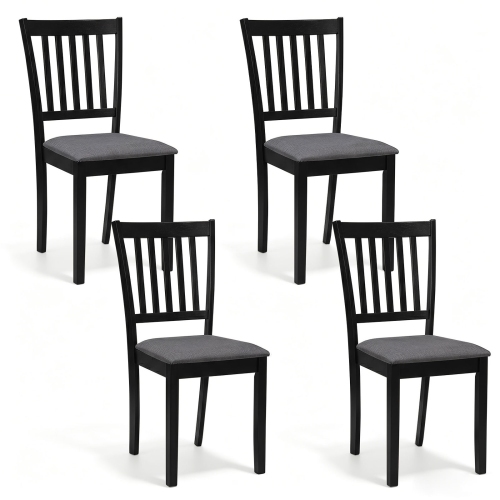
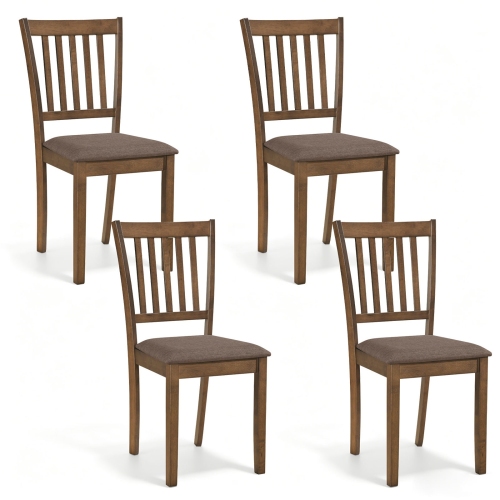

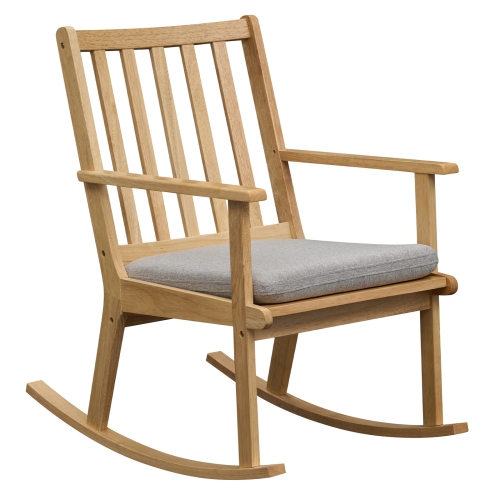
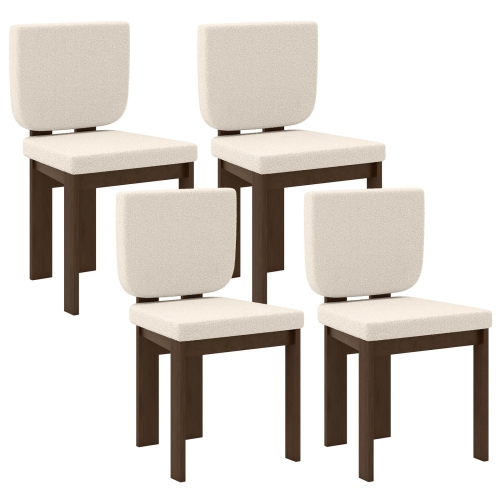
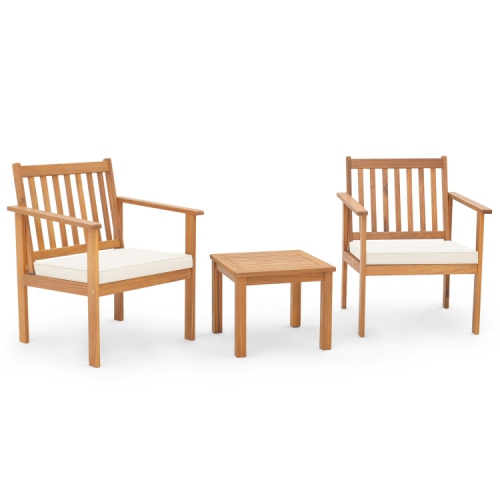
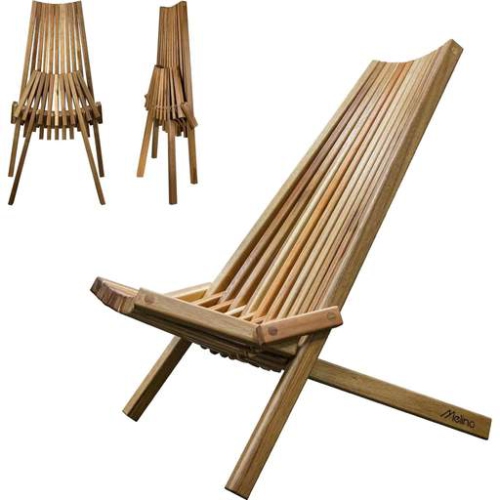

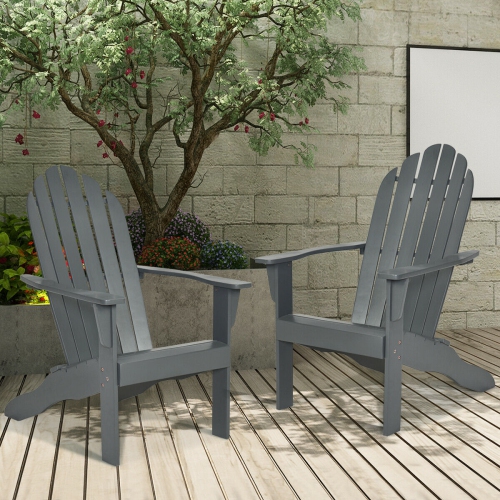
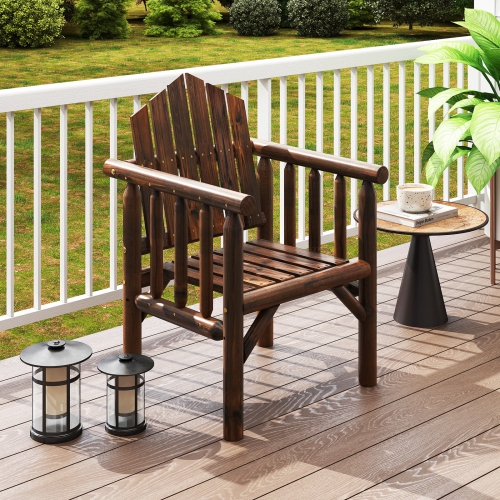
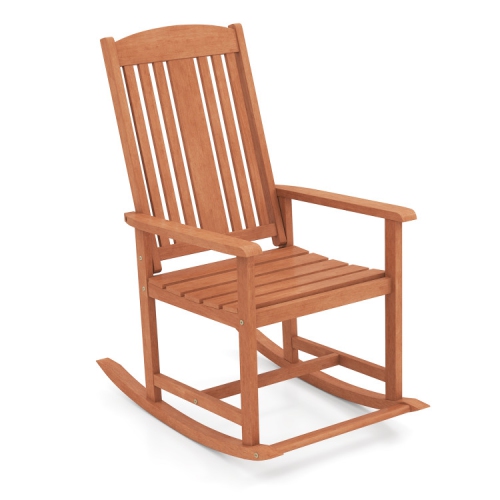

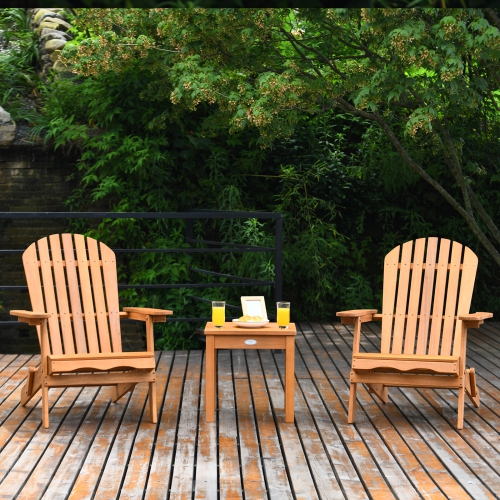
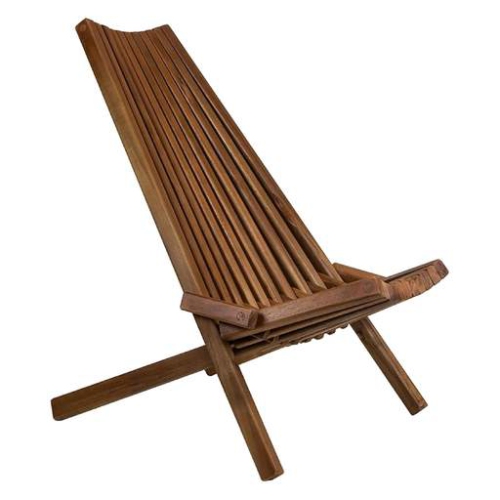
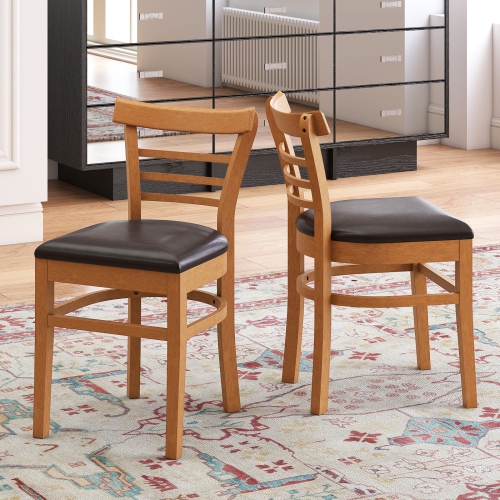
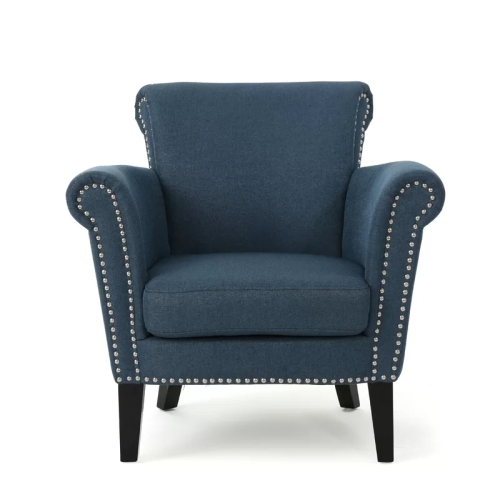
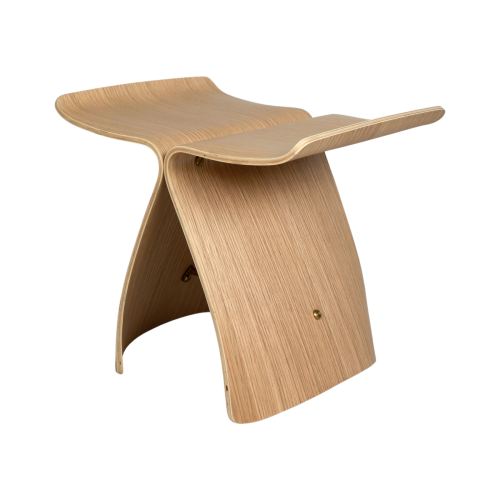
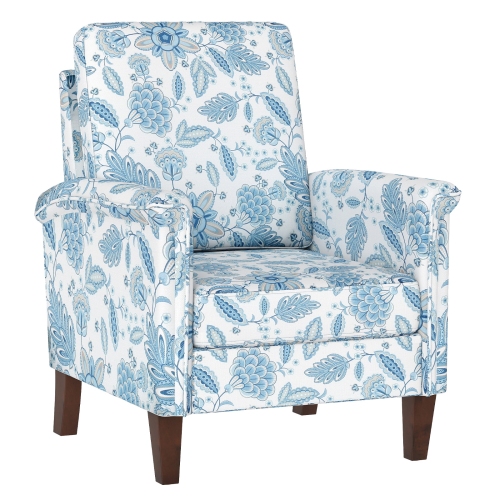
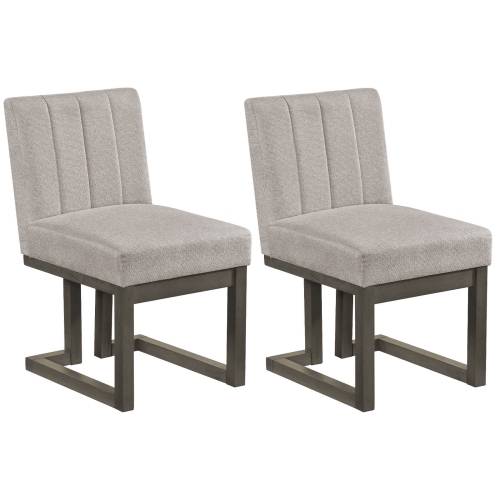
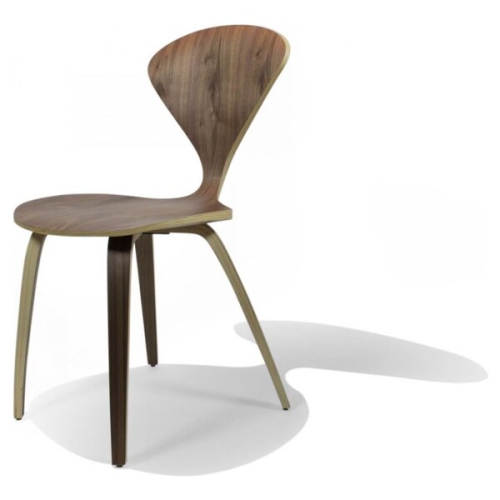
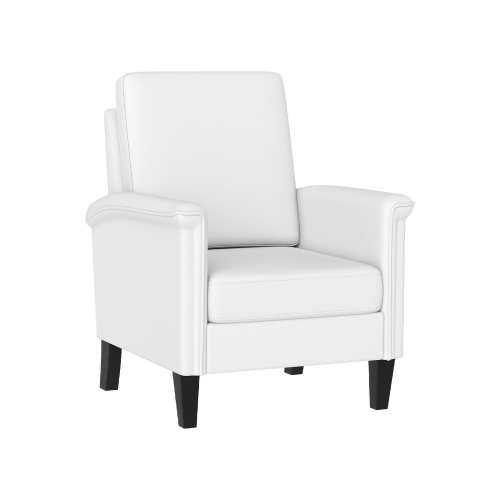
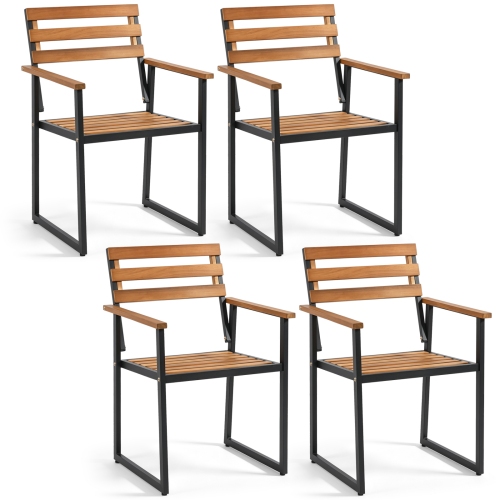
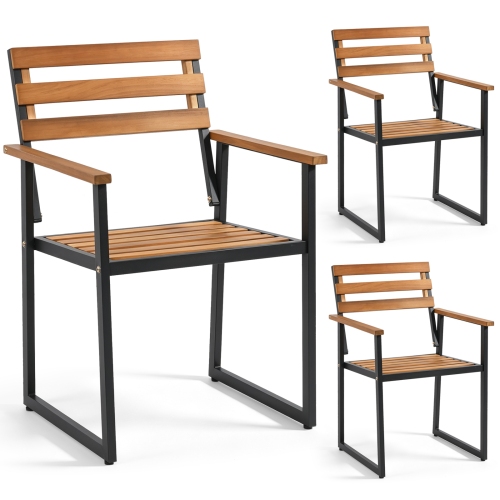
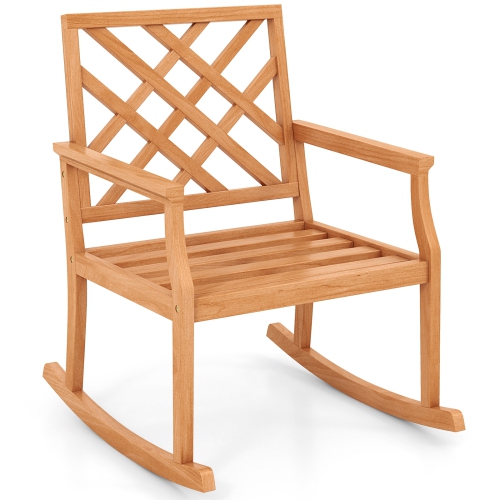
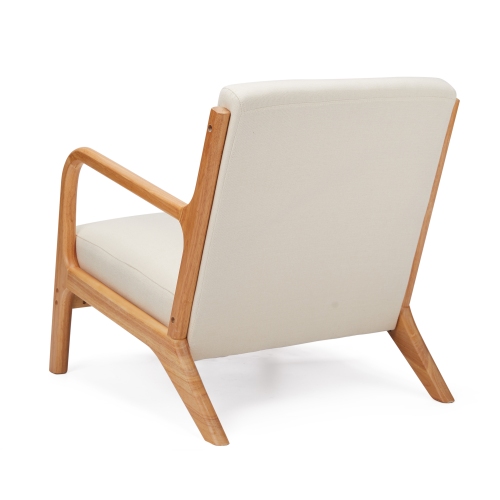
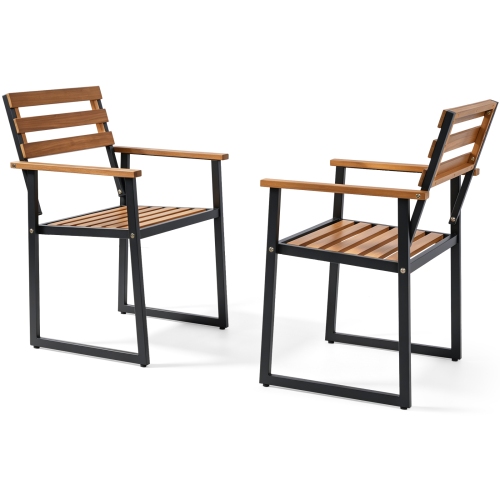
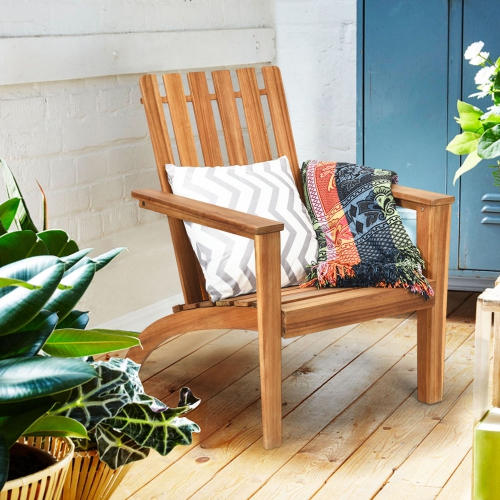
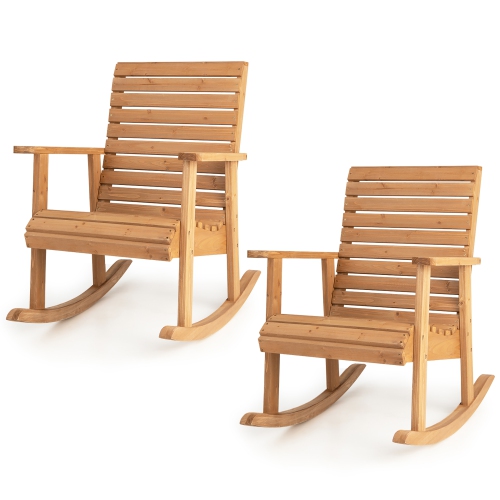
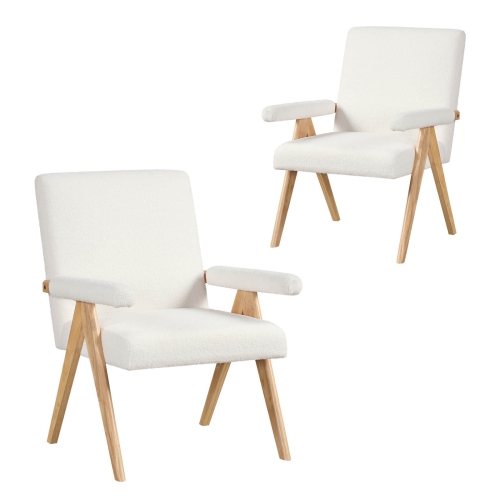
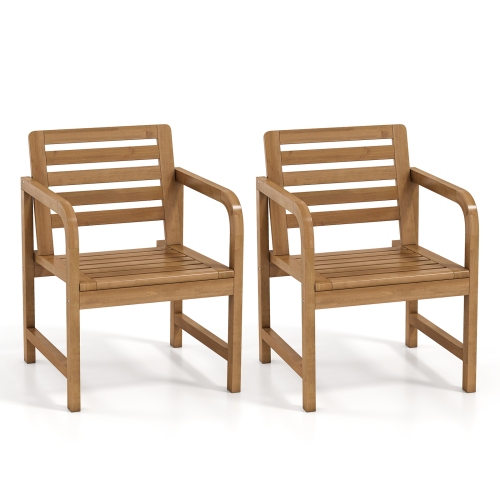
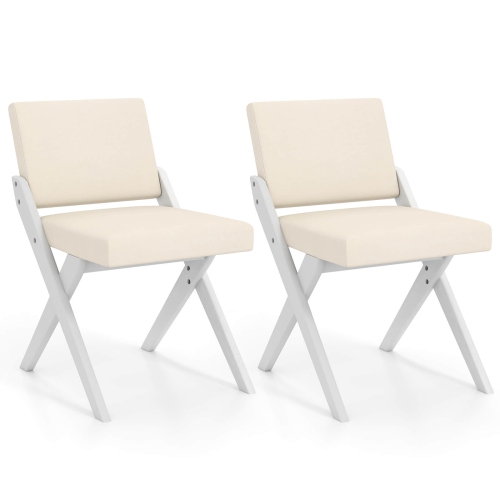
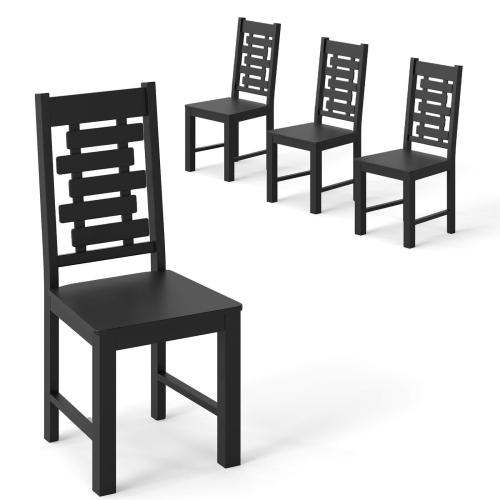
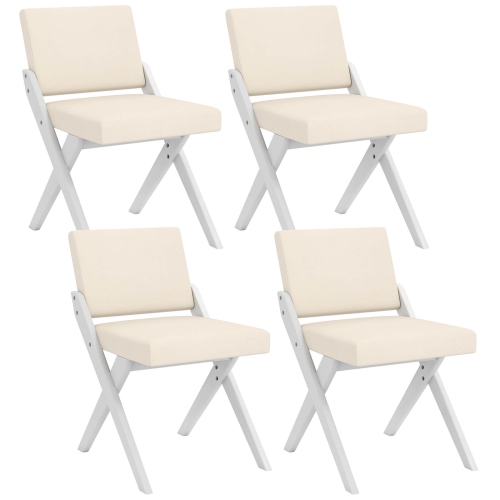
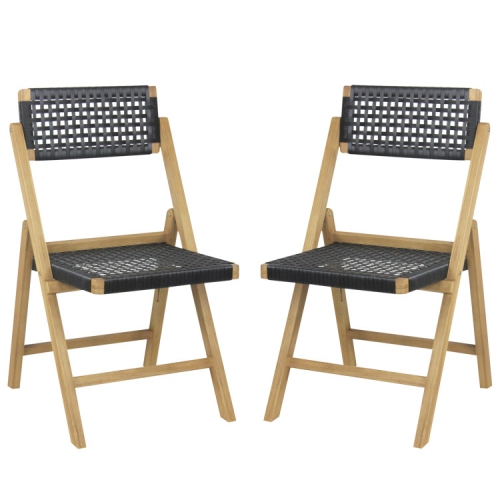
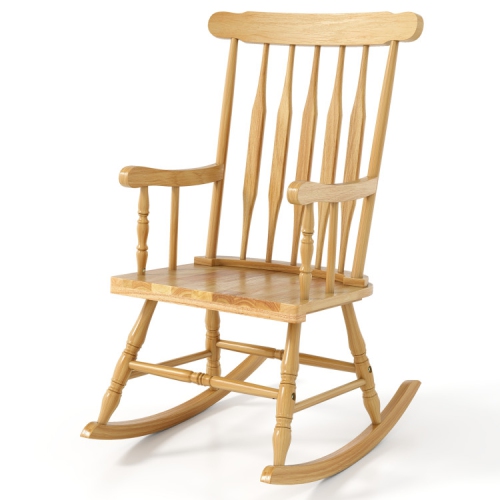
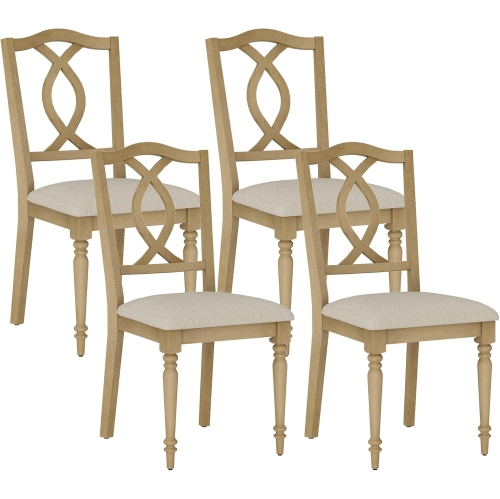
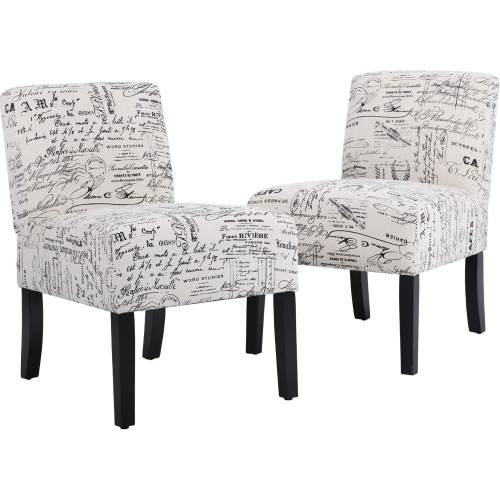
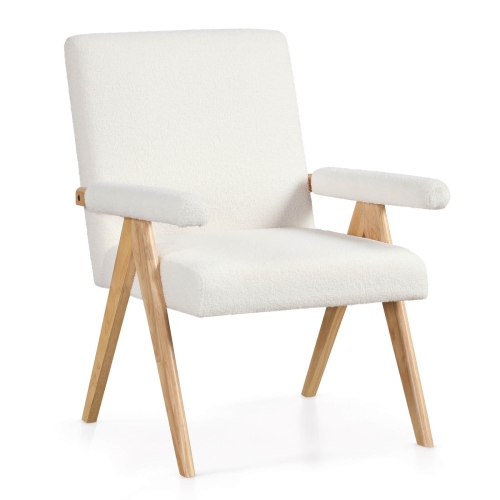
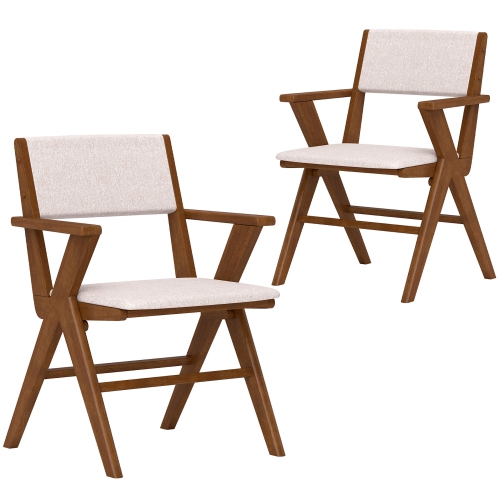
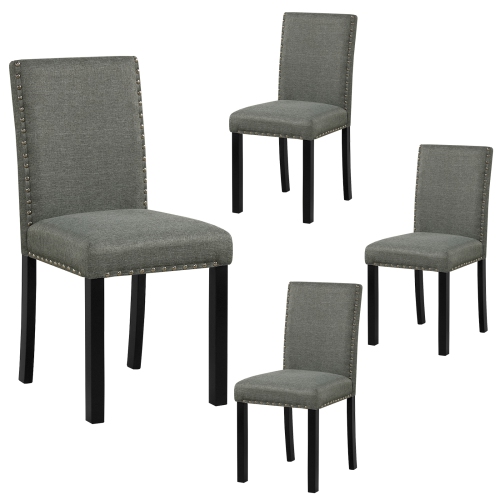
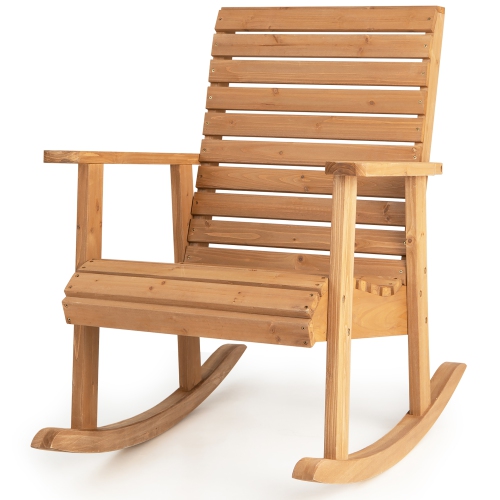


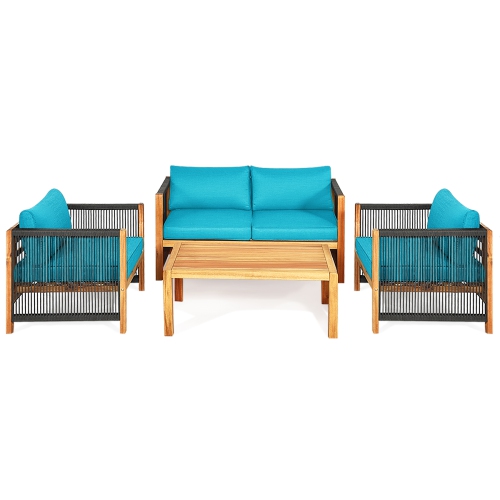

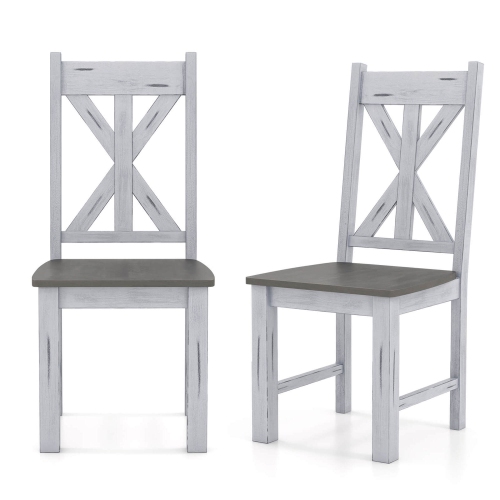
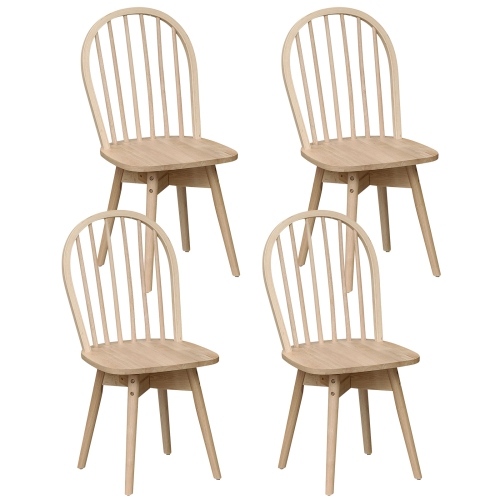
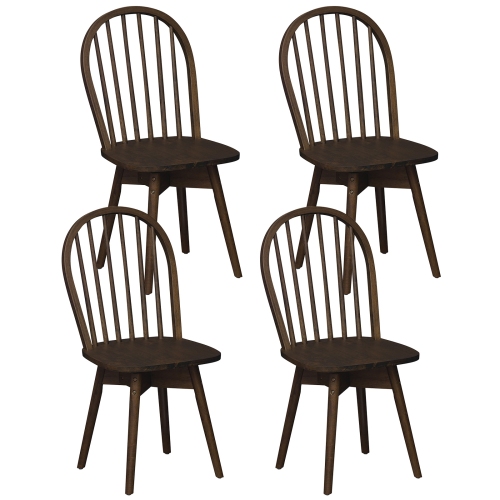
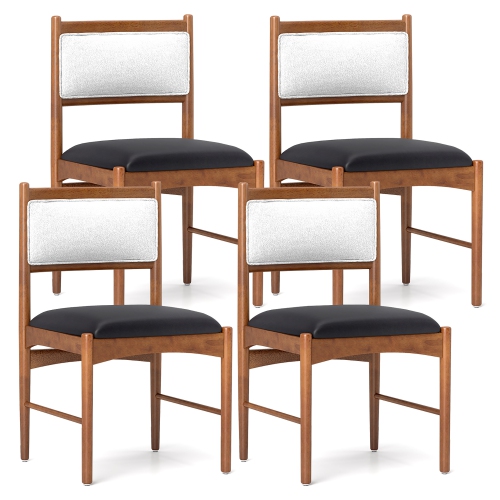
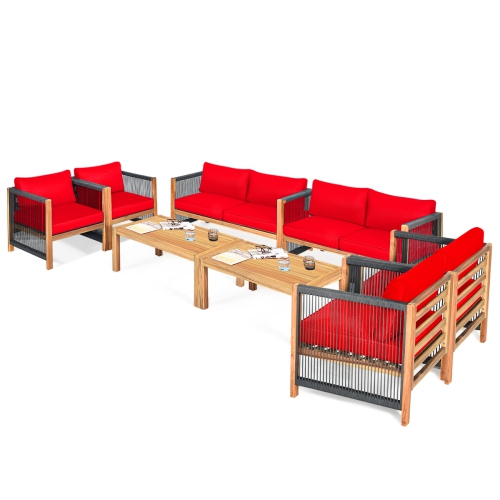
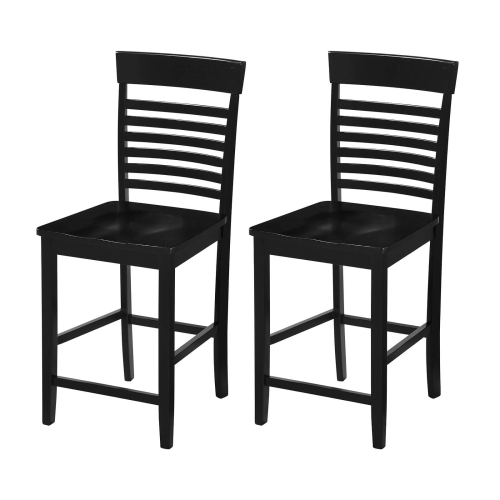
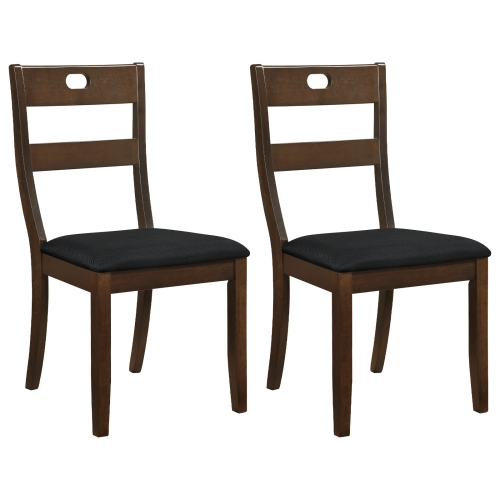

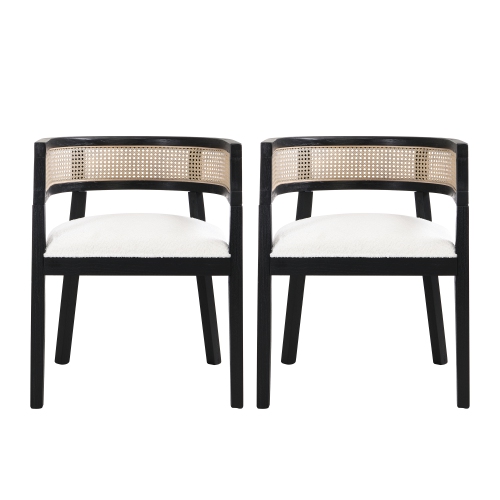
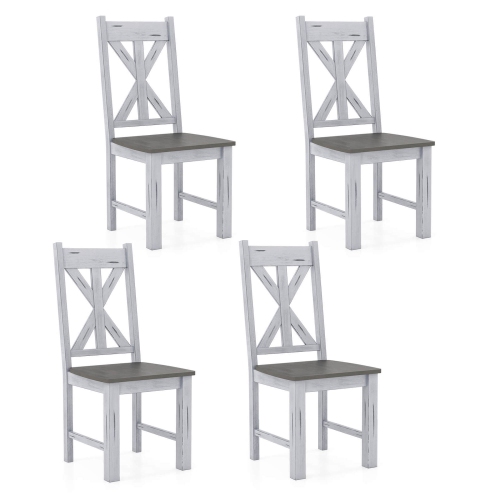
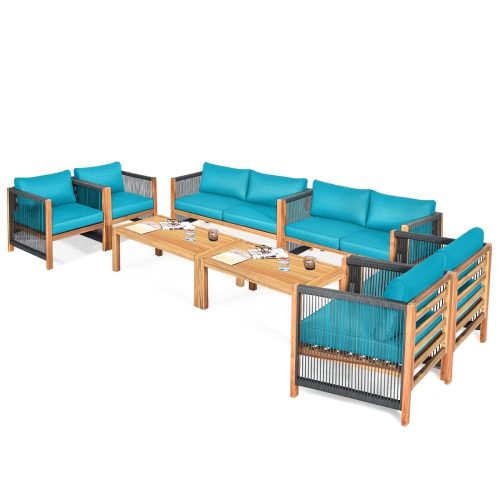
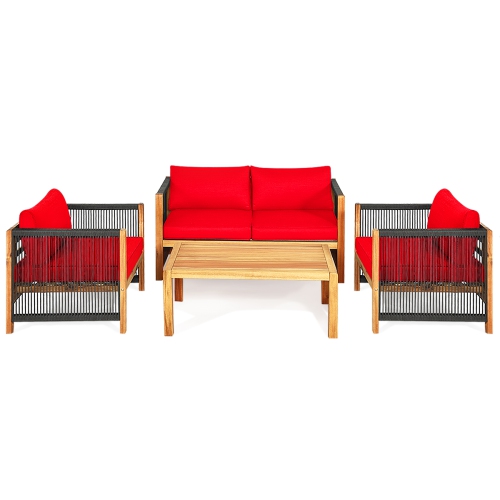
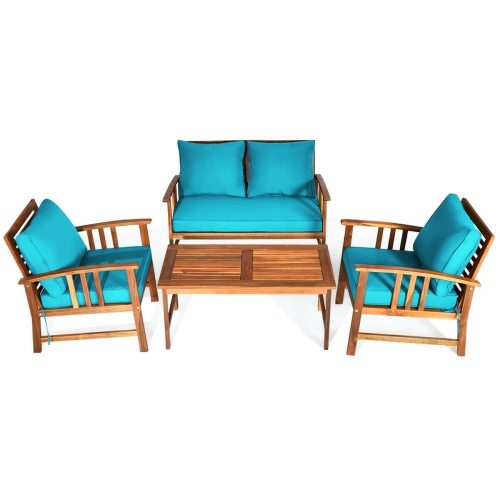
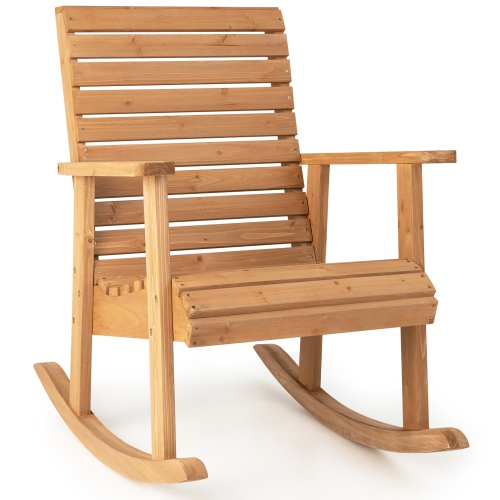
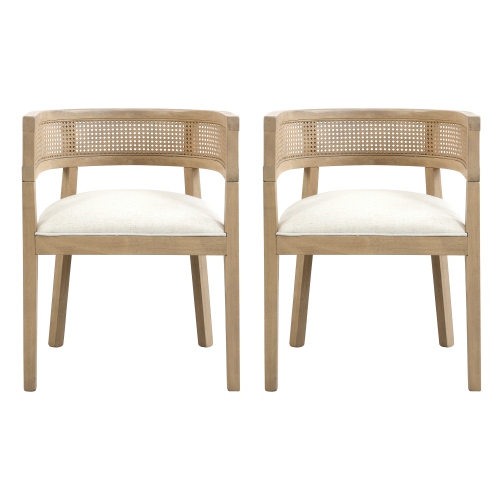

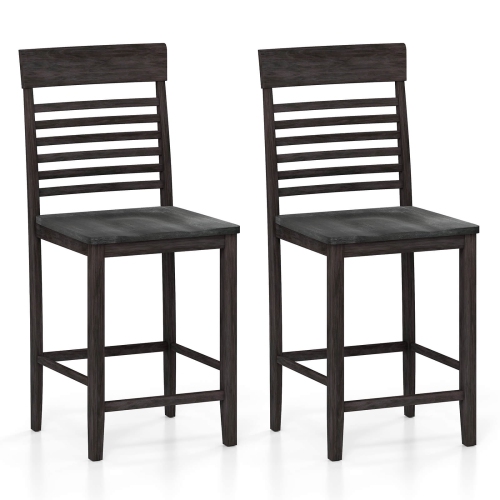
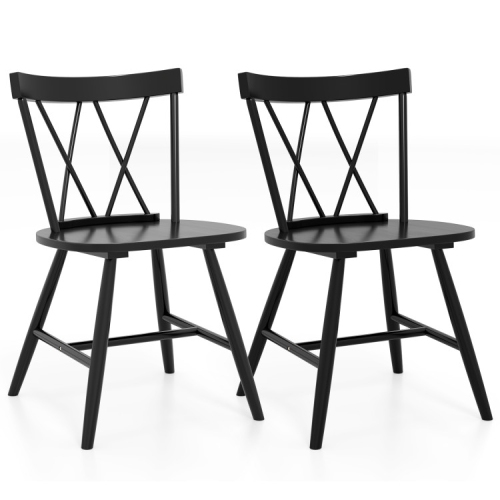
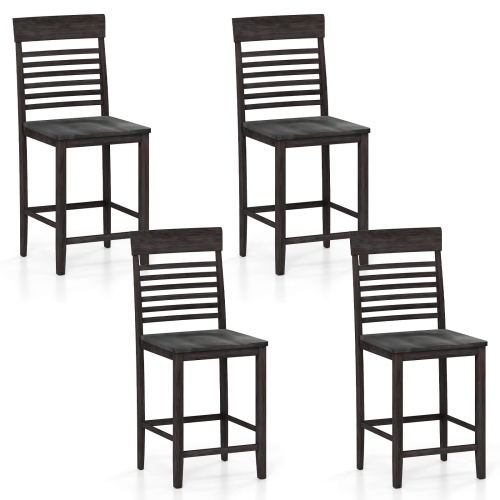
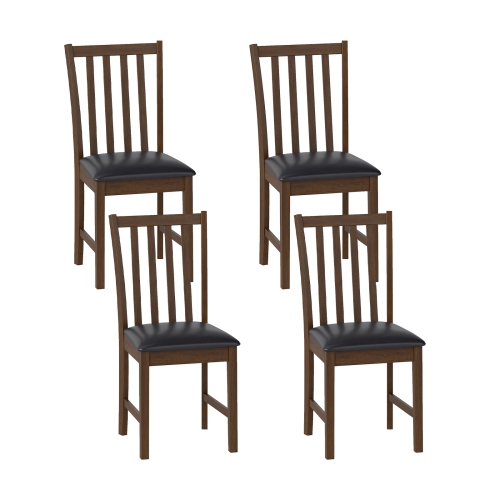
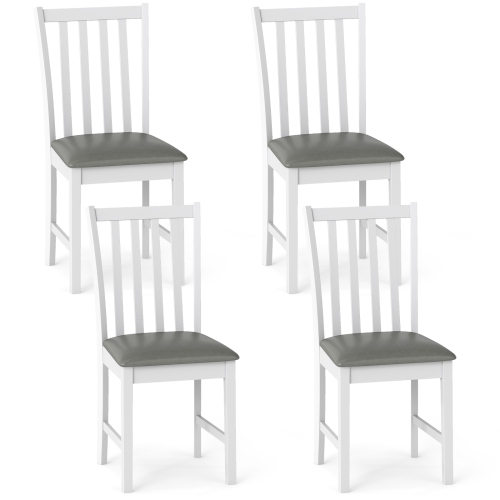

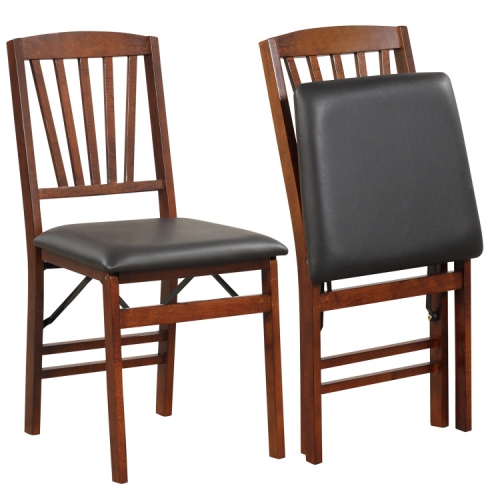
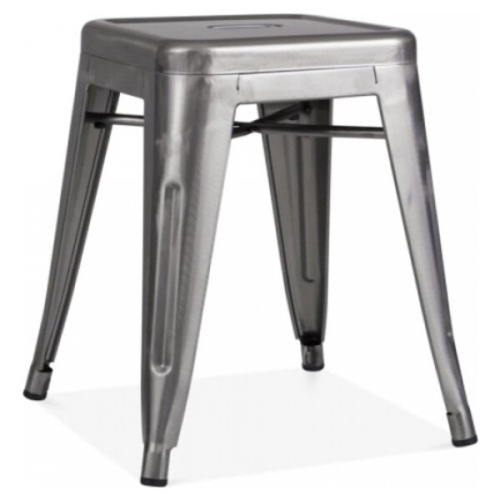
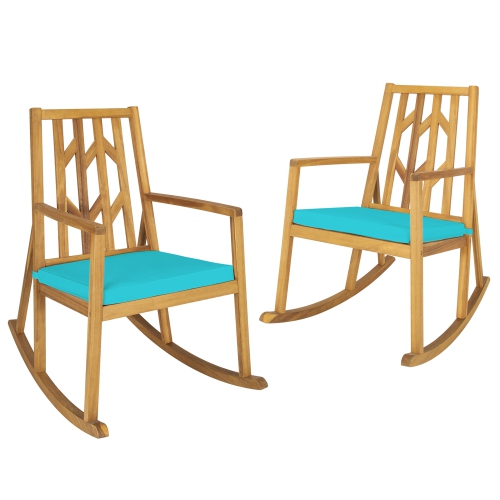
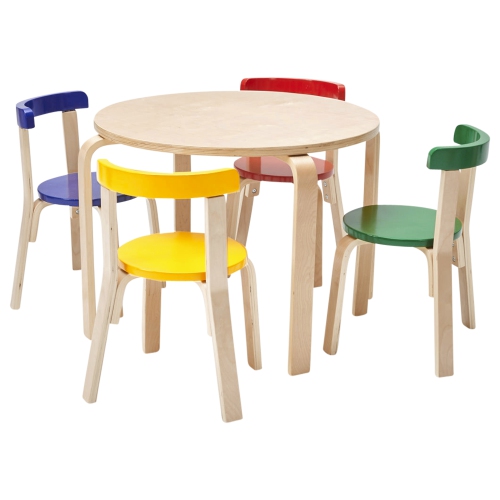
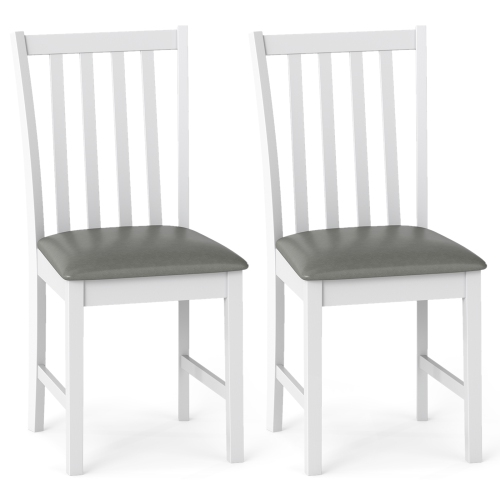
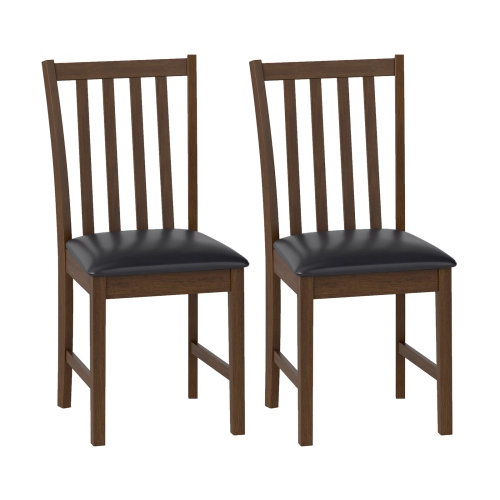
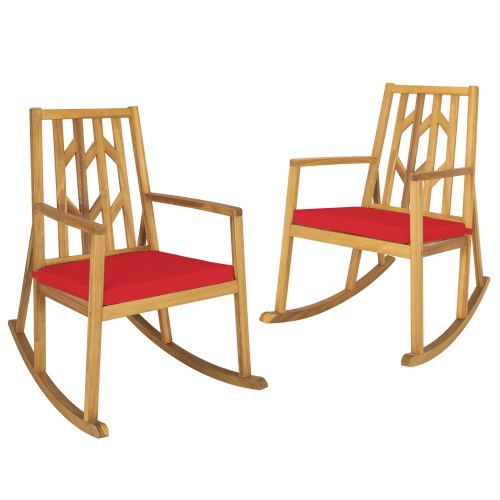
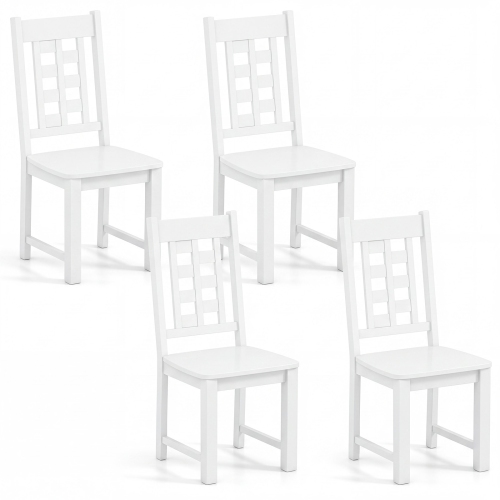


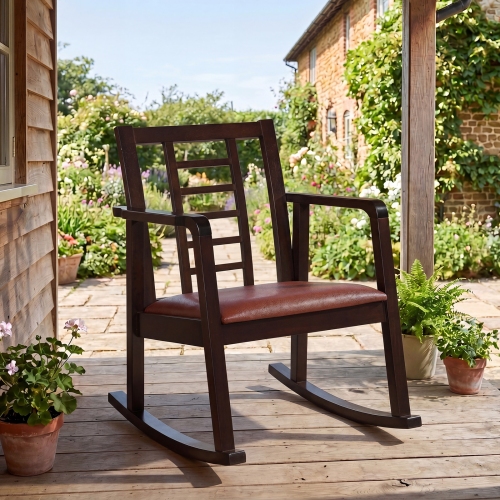
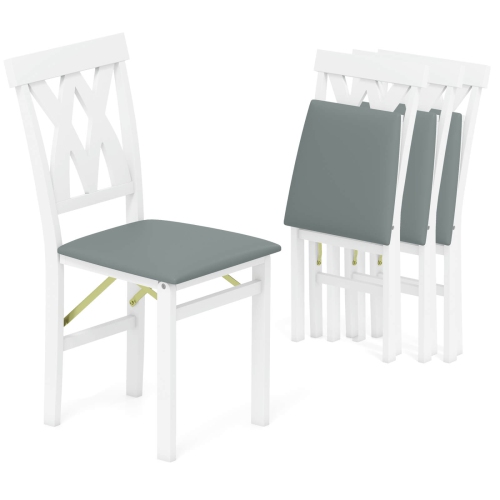
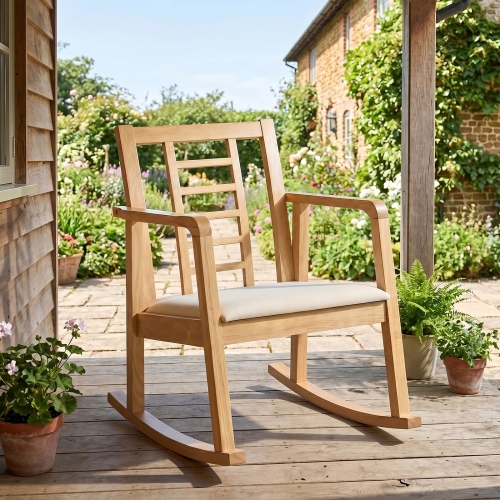
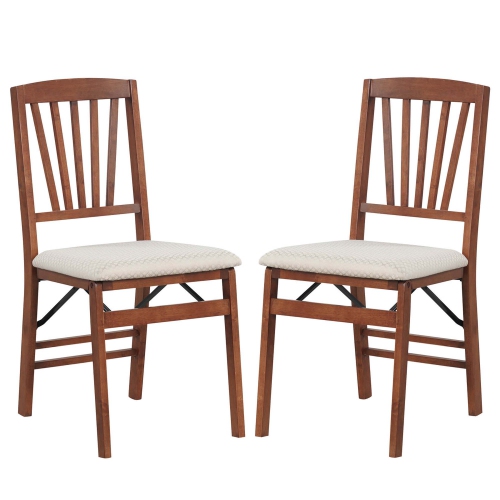
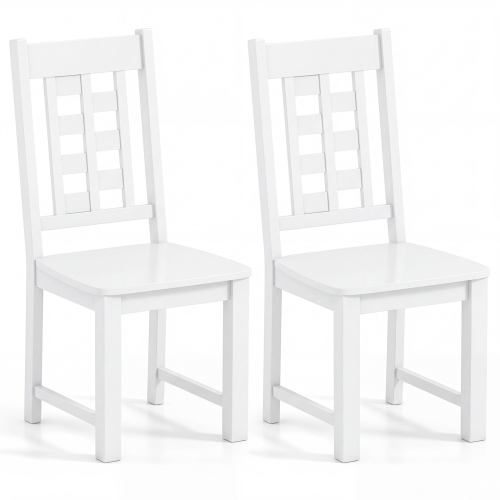
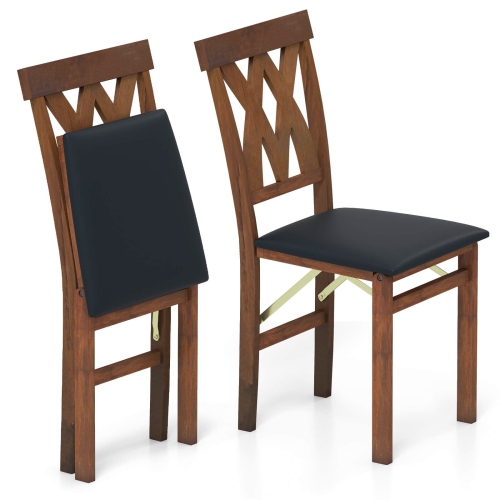
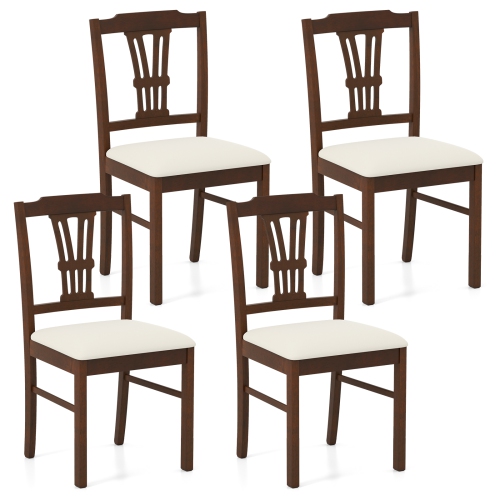
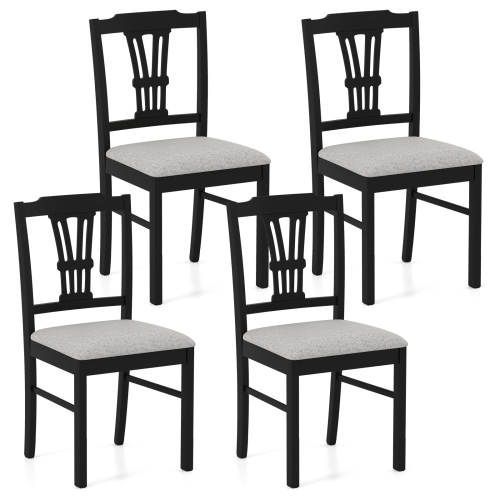
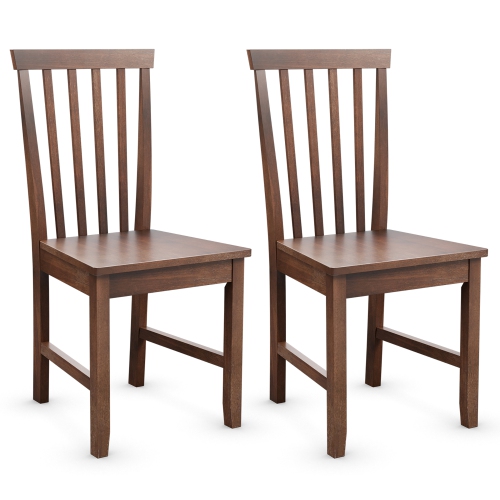
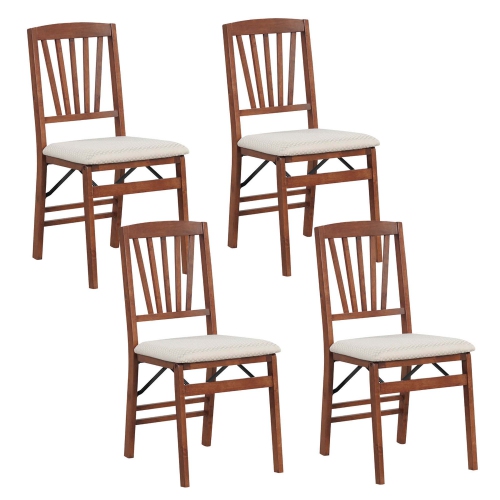
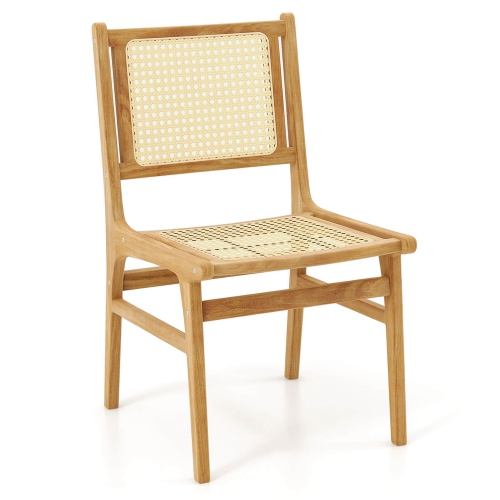
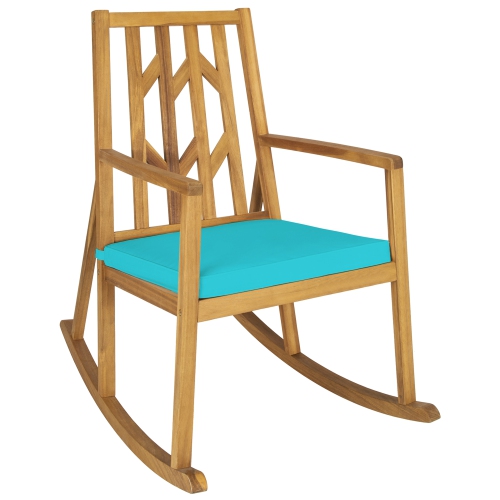
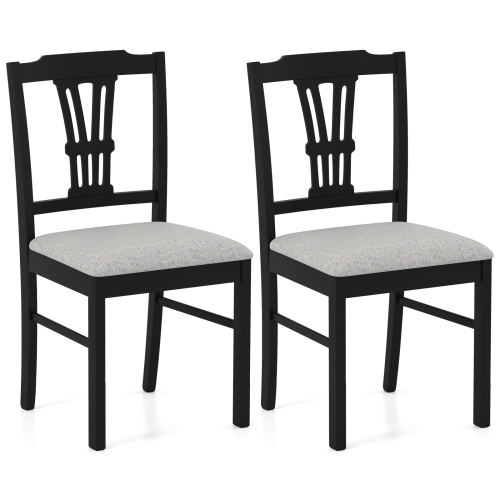
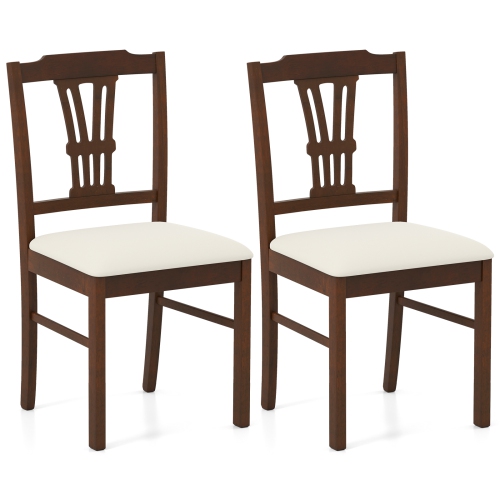

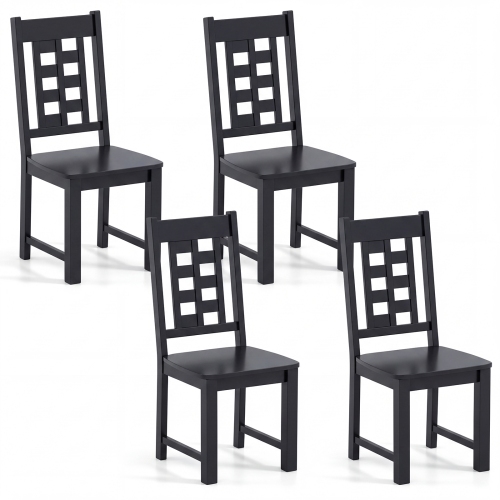
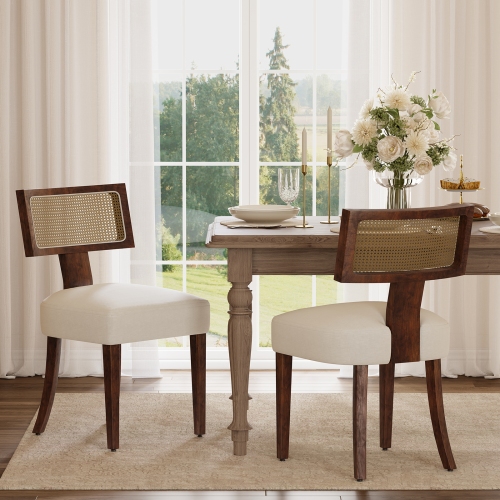

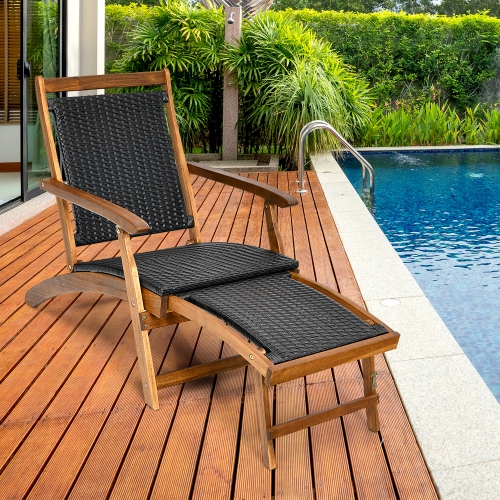
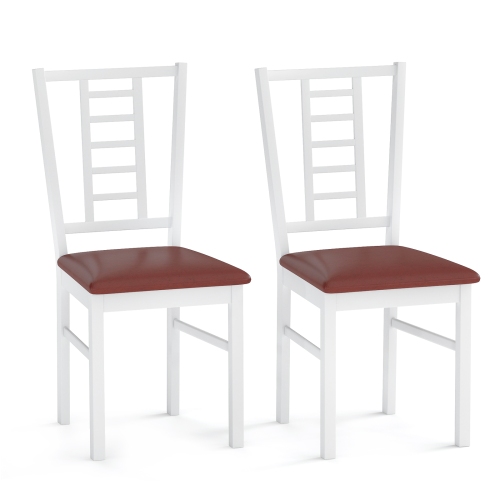



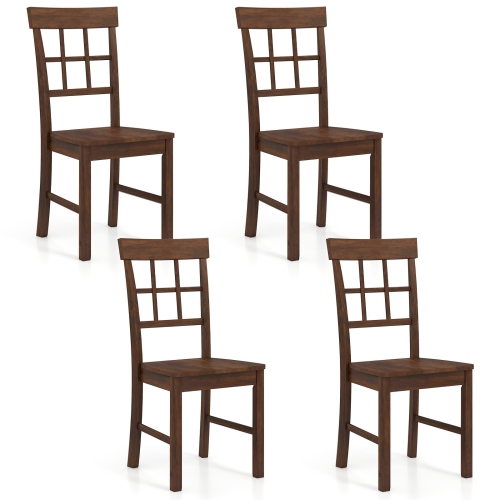
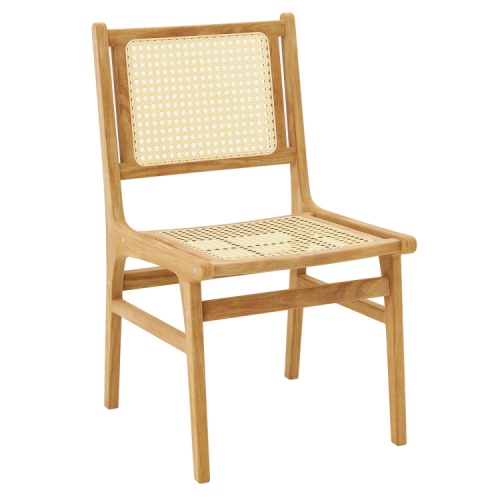
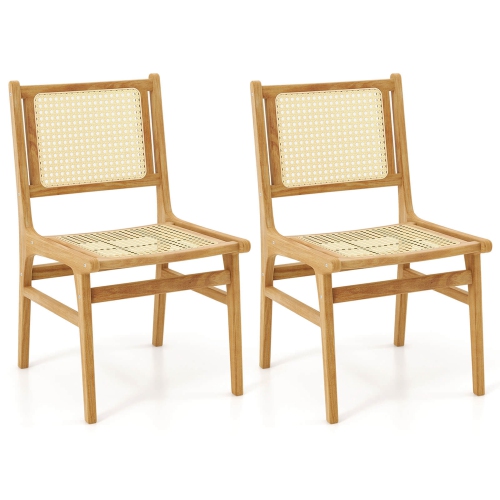
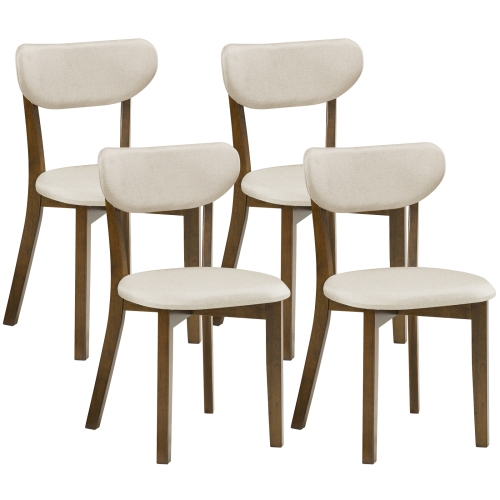
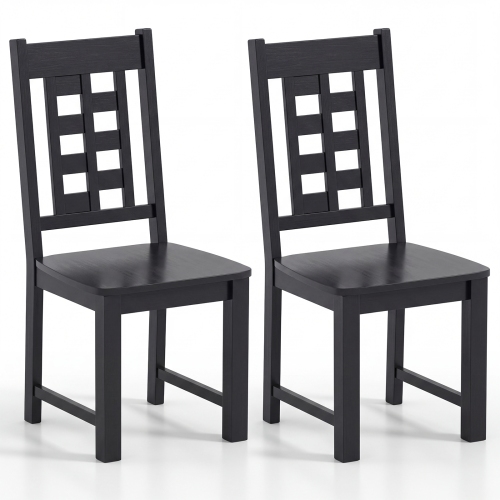
How grain and shape give wooden chairs their character
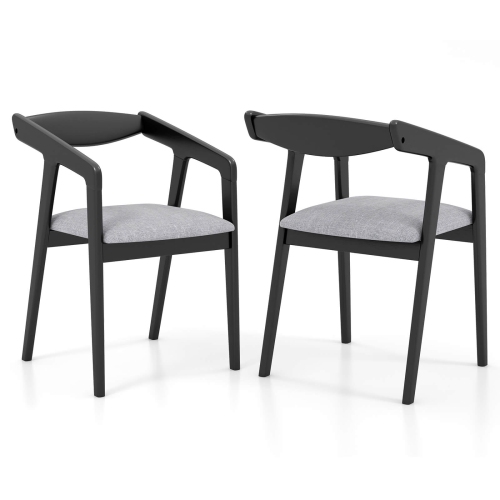
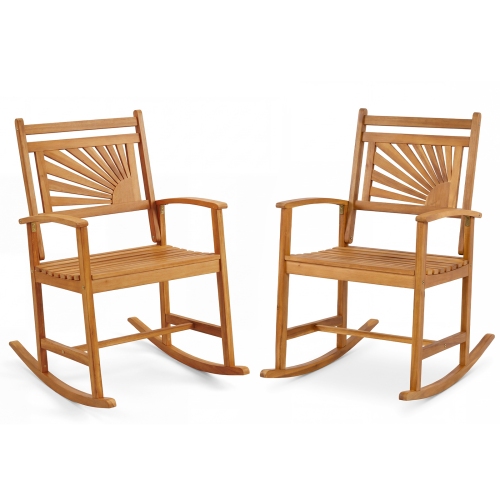
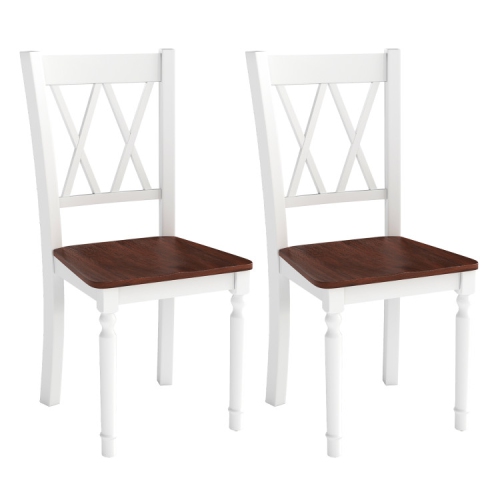
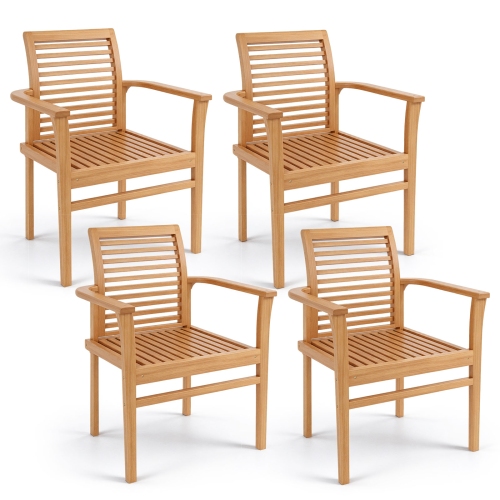
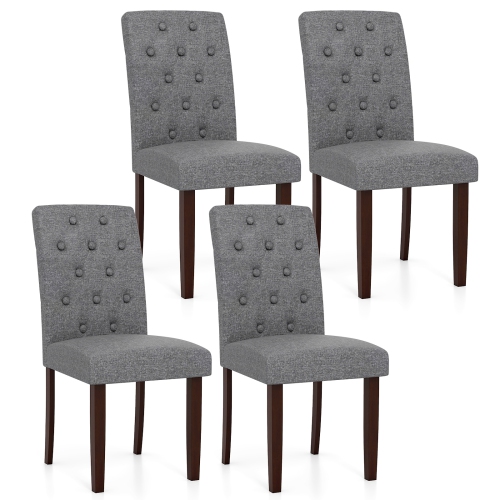
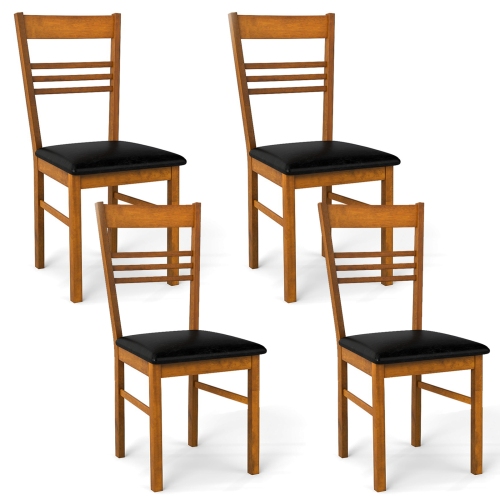
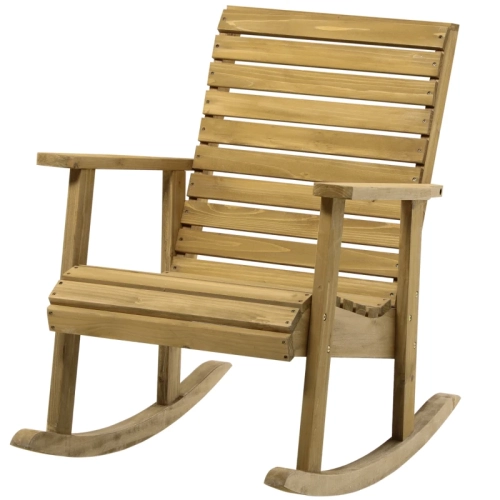
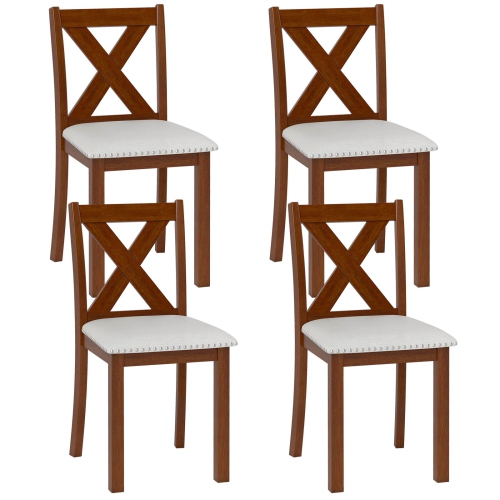
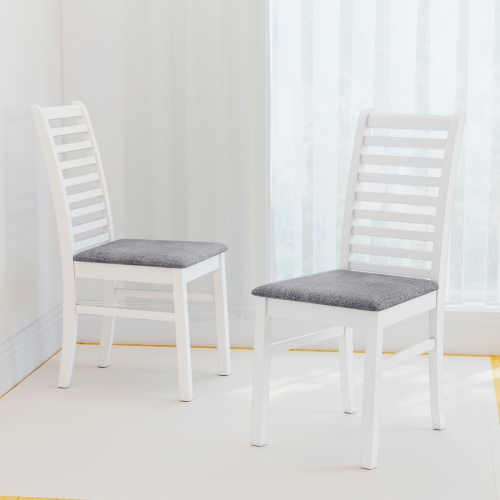
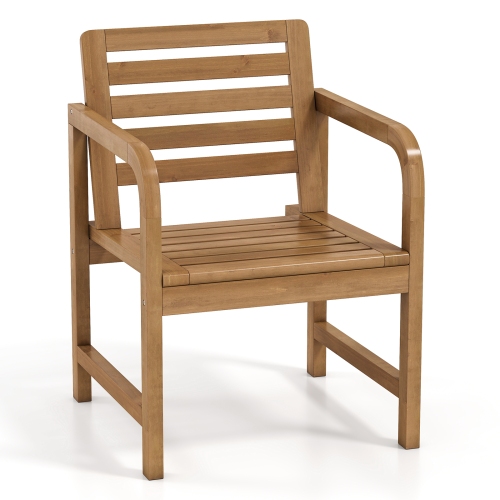
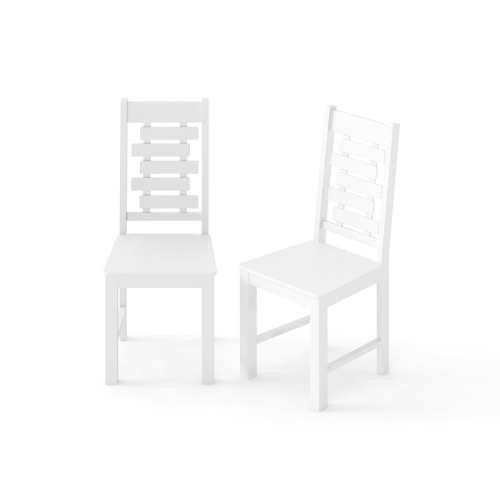
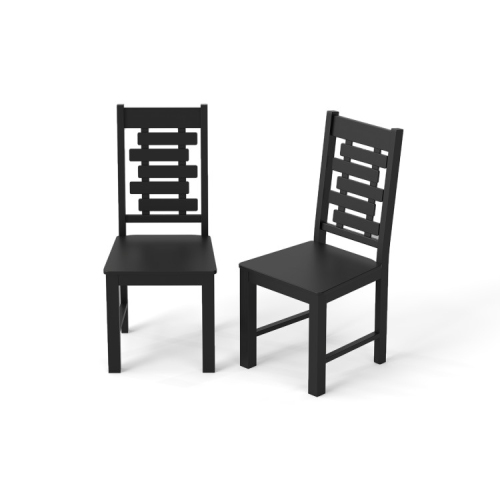
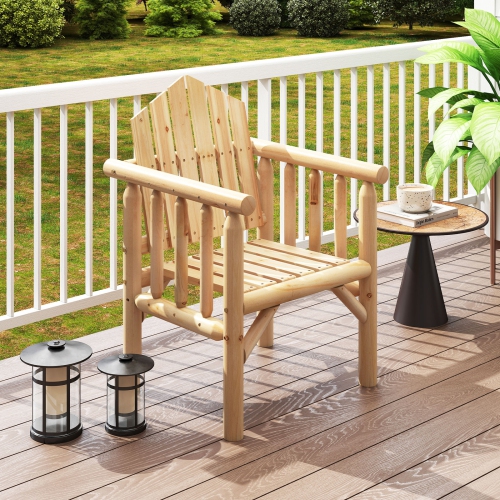
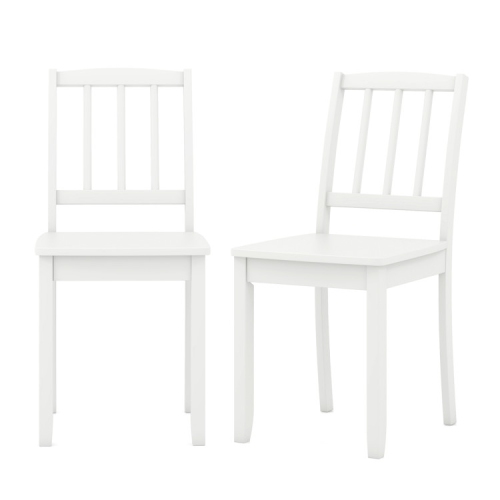
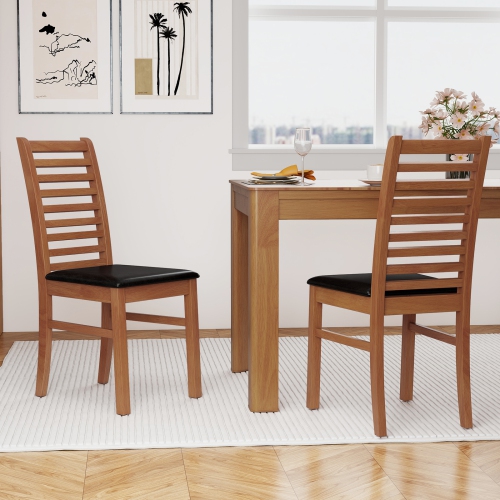
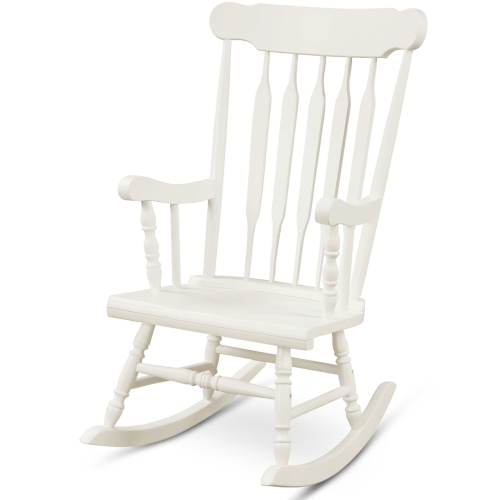
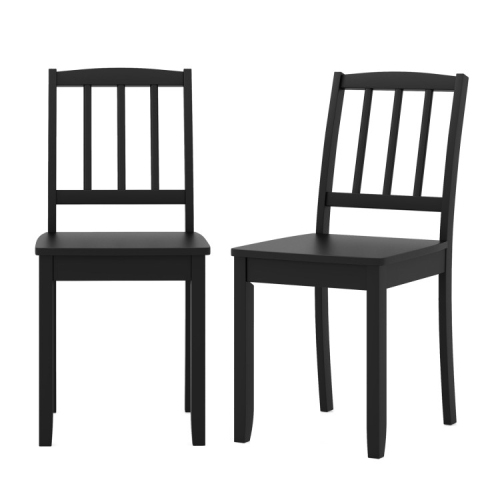
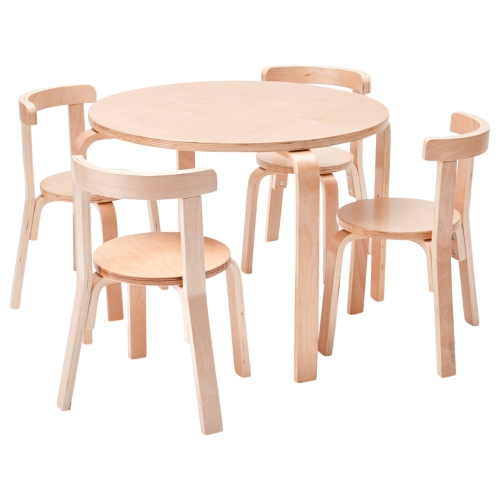
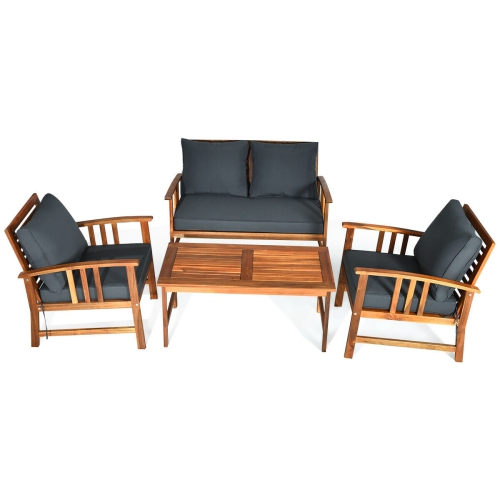
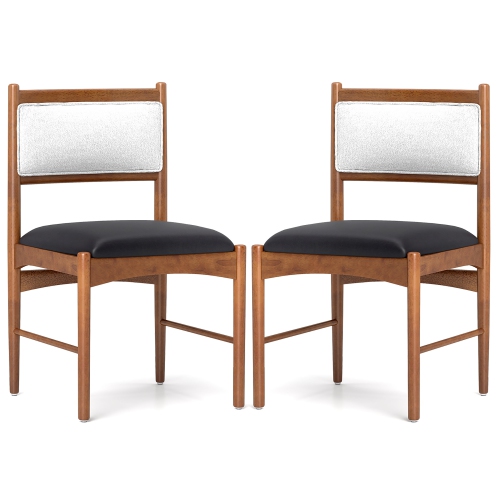
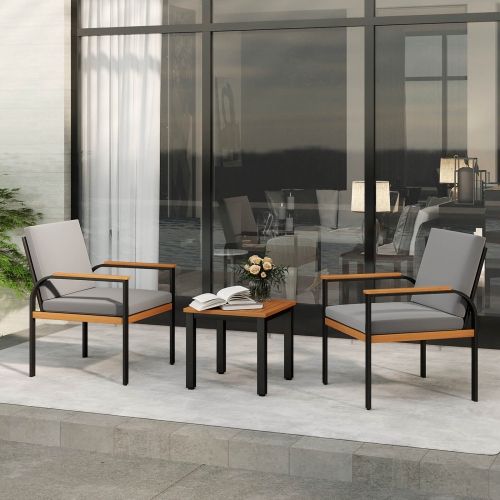
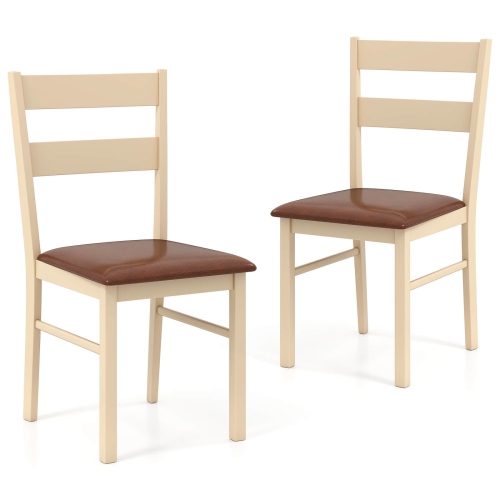
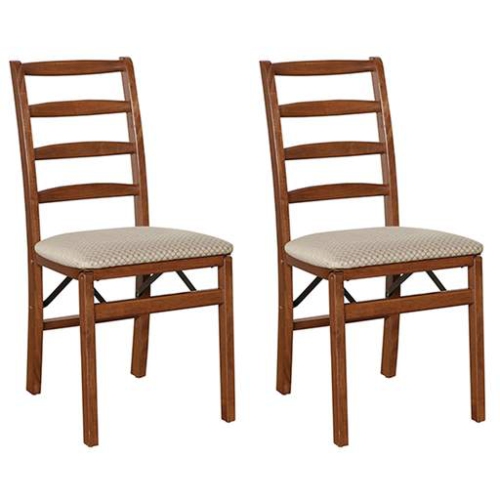
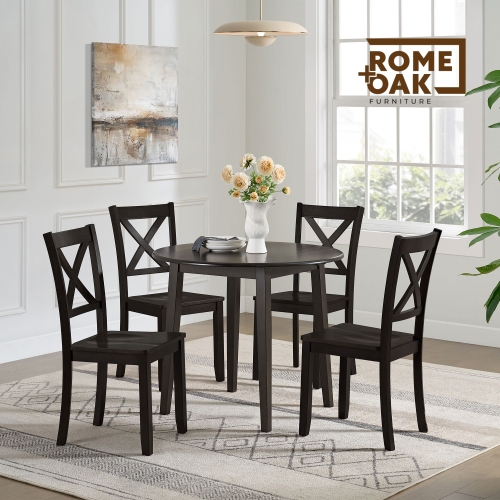
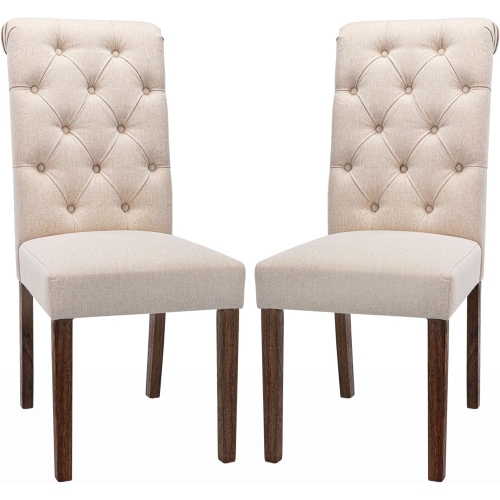
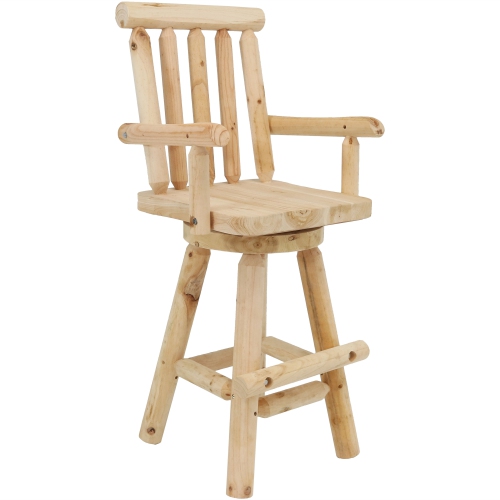
Wooden chair furniture brings visible grain, texture, and a sense of substance to dining rooms, kitchens, living areas, and workspaces. A chair may be a practical seat for everyday meals, a comfortable place beside a bookcase, or an accent that gives an otherwise simple room more character. Its shape matters as much as its finish: a slender spindle back leaves sightlines open, a broad ladder back has a more substantial presence, and curved arms can make a corner feel inviting without adding a large upholstered piece. Oak often has a pronounced grain that suits both traditional and contemporary interiors, while maple and beech generally offer a finer, more understated appearance. Walnut is known for its rich brown tones, and pine commonly shows knots and grain variation that work well with casual or rustic furnishings. These characteristics vary with the timber, stain, and finish, so the wood species alone does not determine a chair’s final appearance. Solid wood, wood veneer, and combinations of wood with other materials can all feature in chair construction. A veneered surface has a thin layer of real wood over a supporting core, whereas a solid-wood component is wood throughout; neither description, on its own, tells the whole story about comfort or build quality. Painted finishes can create a crisp contrast against a wood table, while clear finishes keep the grain prominent. Matching every piece is not essential. Chairs in a lighter wood can sit comfortably around a darker table when their proportions and lines feel related, and an upholstered seat can soften the look of an otherwise all-wood dining arrangement. Fabric adds texture, while smooth, wipeable upholstery may be more practical where meals and craft projects share the same table. For smaller rooms, an open back and narrow frame can keep the furniture from looking crowded, even when several chairs are grouped together.
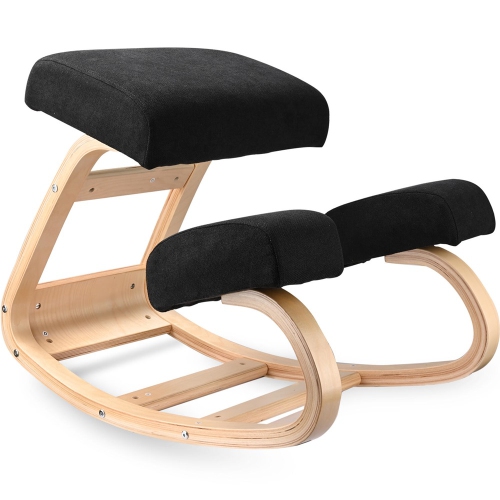
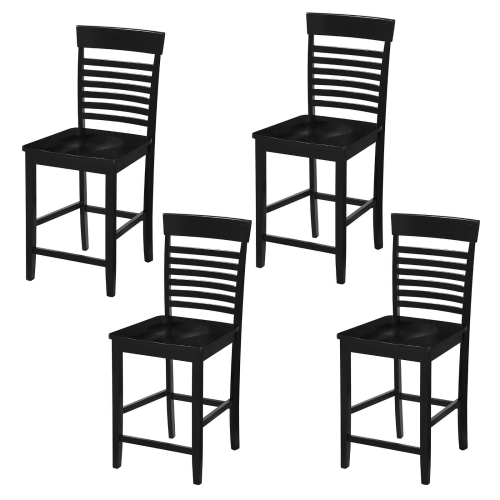
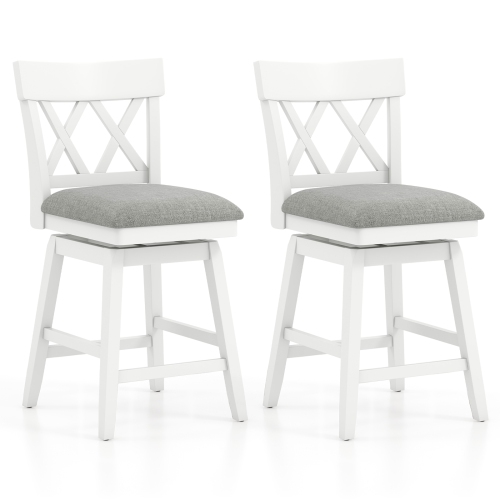
Comfort and fit depend on how wooden chairs relate to the people using them and the furniture around them. At a dining table, seat height needs to leave comfortable room for thighs beneath the tabletop and any apron below it. Armrests introduce another consideration: a chair that looks neatly proportioned may still be unable to slide under the table if its arms sit too high. Seat width, depth, and back angle also affect how naturally someone can settle in, whether for a quick breakfast or a long conversation over dinner. A deeply curved seat can provide support without a cushion, but a seat that is too deep for its user may make it difficult to sit against the backrest with feet resting comfortably on the floor. Cushions add softness and raise the sitting position, so their thickness becomes part of the overall fit. The space behind each chair matters, too. A dining arrangement needs enough clearance for someone to pull out a seat and stand up without blocking a doorway, cabinet, or frequently used walkway. Armless chairs can help accommodate tighter layouts, while armchairs offer a useful resting place for elbows where space permits. Kitchen islands and raised eating surfaces call for a different seating height from a standard dining table; Wooden Stool Chairs suit these settings when their seat height, foot support, and clearance match the counter or table. A wooden chair at a writing desk can be suitable for occasional correspondence or homework, but extended computer use places greater emphasis on back support, positioning, and adjustability. In a reading corner, the relationship between the seat, side table, and lighting helps determine whether the arrangement feels genuinely comfortable rather than simply attractive. For shared households, a versatile chair often needs to accommodate several users. Children need seating appropriate to their size and intended use, while anyone who finds low seats difficult may prefer a firmer chair with supportive arms and a height that makes sitting down and standing up easier.
Durability comes from the complete construction, not simply the thickness of the wood or the weight of the chair. Legs, seat supports, back rails, and joints all work together as the chair carries weight and moves through everyday use. Well-fitted connections help keep the frame steady, and crosspieces between the legs can reinforce some designs. A chair intended for occasional use in a bedroom may have different demands placed on it than dining seating that is pulled out several times a day. Weight limits, assembly requirements, and care directions are useful details when considering how furniture will serve a household. Wood hardness affects its resistance to dents, but even a harder timber can develop marks from sharp objects, repeated knocks, or rough handling. Finish quality and appropriate care also influence how the surface wears. For routine cleaning, a soft cloth can remove dust without scraping the finish; a lightly dampened cloth may be suitable for everyday marks when permitted by the care instructions, followed by drying. Spills are best wiped up promptly rather than left around seat joints or upholstery edges. Abrasive cleaners, excessive water, and treatments intended for a different finish can damage the surface, and oil or polish is not appropriate for every wooden chair. Felt pads or suitable floor protectors can reduce scraping when chairs are moved, provided they remain clean and securely attached. Lifting a chair rather than dragging it also avoids unnecessary strain on the frame. Where assembly hardware is used, checking it periodically according to the manufacturer’s directions can help address loosening before it becomes a larger problem. Removable cushions may offer easier maintenance, although their cleaning method depends on the fabric and filling. Wooden chairs can also make thoughtful gifts for someone furnishing a first home, creating a reading space, or replacing seating that no longer suits their needs. The most useful choice reflects the recipient’s room dimensions, comfort preferences, and existing furnishings. A chair that fits beneath the table, supports its user comfortably, and has a finish suited to daily life earns its place through regular use, not appearance alone.
Top selling and popular products
-
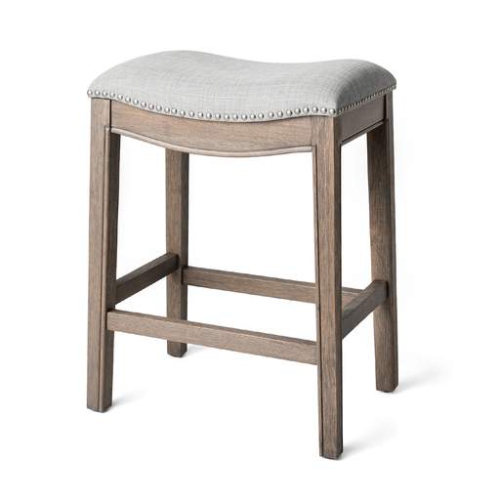 Your price for this item is $227.99
-
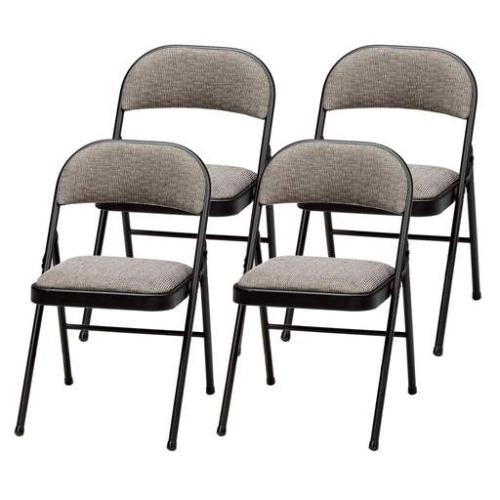 Your price for this item is $363.99
-
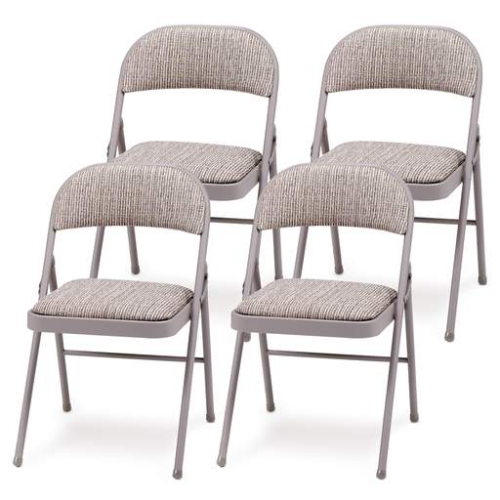 Your price for this item is $398.99
-
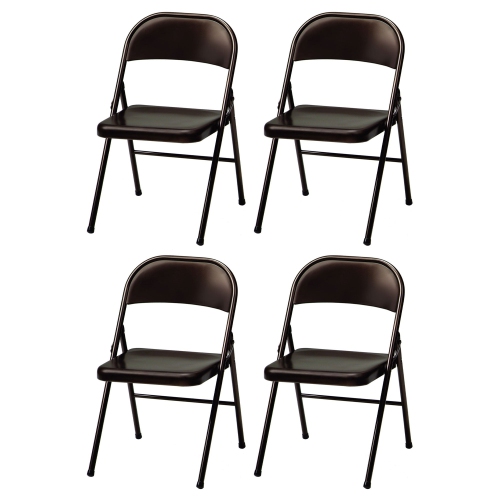 Your price for this item is $212.99
-
 Your price for this item is $364.99
-
 Your price for this item is $376.99
-
 Your price for this item is $403.99
-
 Your price for this item is $210
Discover more categories related to Wooden Chair Furniture
Top Collections:
Best Black Friday Deals This Year, Best Black Friday Deals On Electronics, Kindle Devices, Pokemon Centers, Best Black Friday Deals On Apple Products, Best Cameras for Sports Photography, Dyson Airwrap, Pokémon 30th Celebration Cards, Apple iPhone 17 Pro, Canon G7X Cameras
Some products may be subject to Environmental Handling Fees
(EHF) depending on your province.
Learn more about EHFs.