Workspace Accessories for Students
Workspace accessories for students can help create a more organized and productive study area at home or in a dorm room. Whether setting up a dedicated desk space or enhancing what you already have, the right accessories can make it easier to stay focused and comfortable throughout the school year. Explore a wide selection of workspace accessories for students, designed to support daily tasks, manage supplies, and keep everything within reach. Find options that fit any style or budget to make studying and completing assignments more enjoyable.
Sort
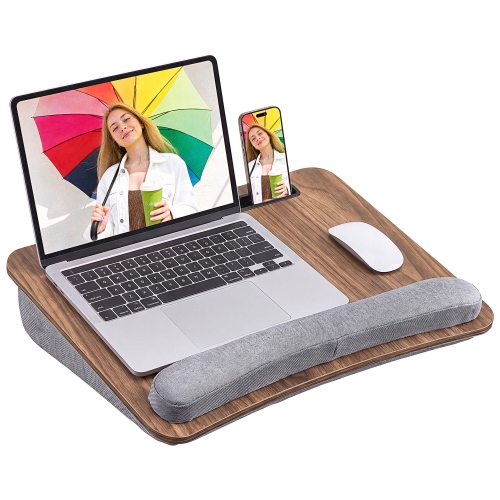
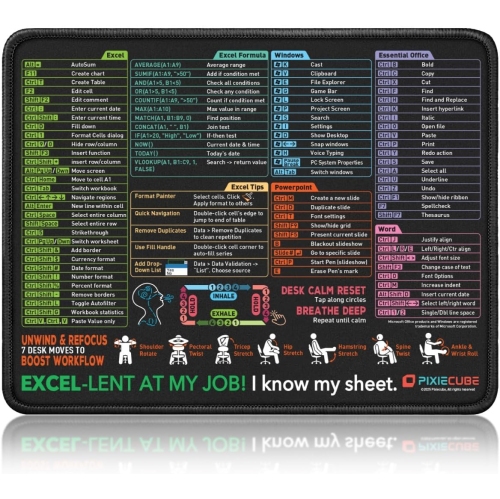
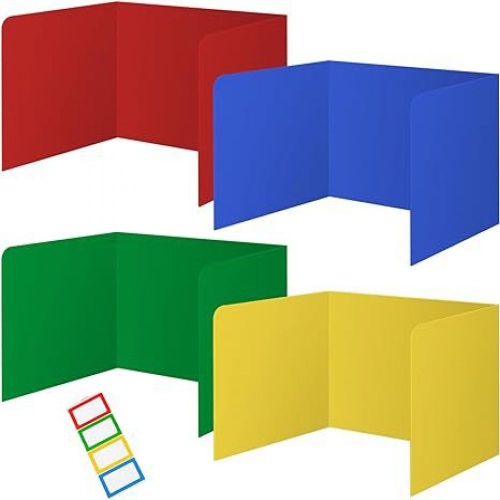
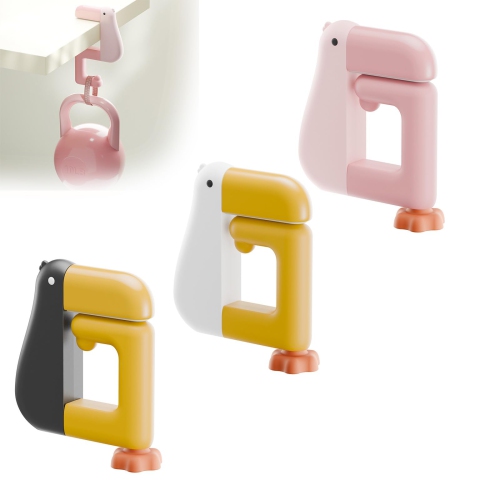
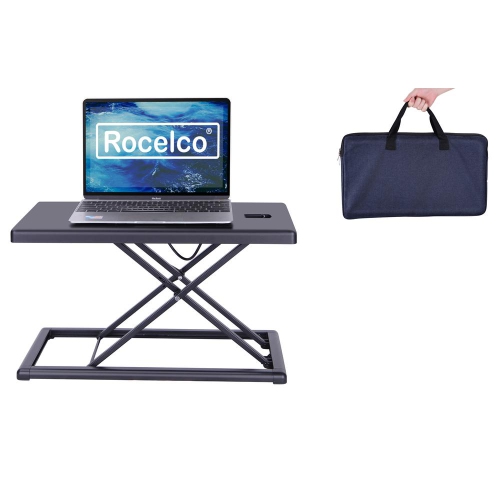
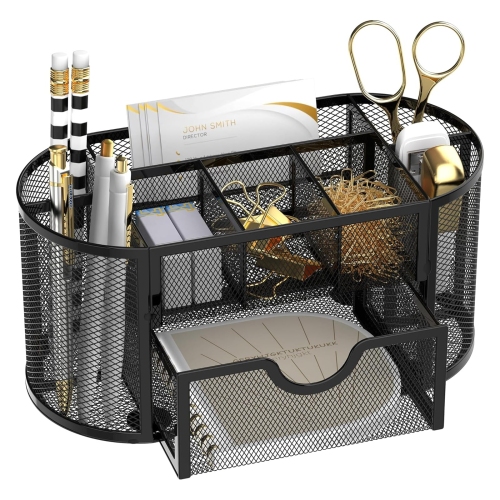
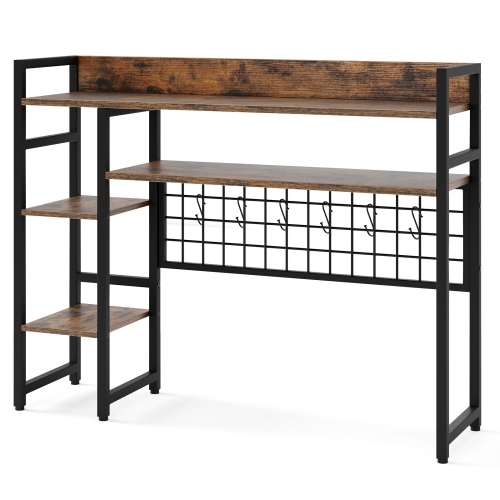
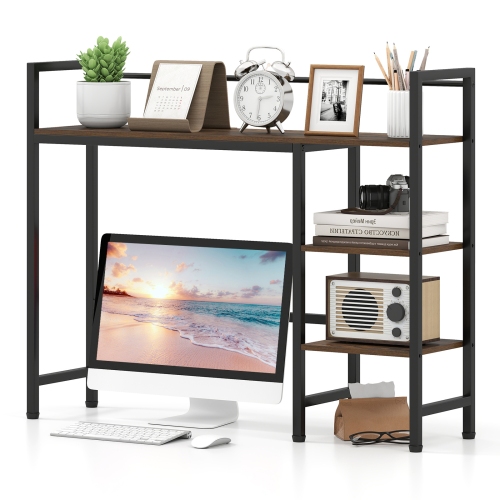
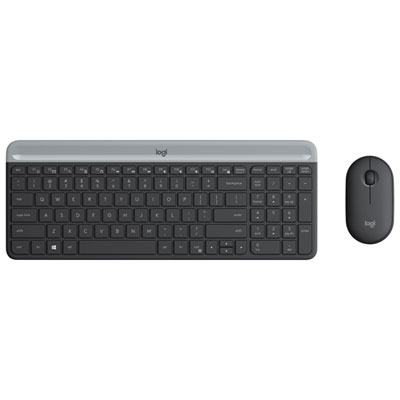

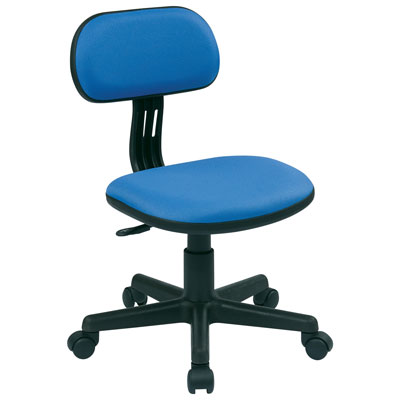
Desk essentials that adapt to changing study routines
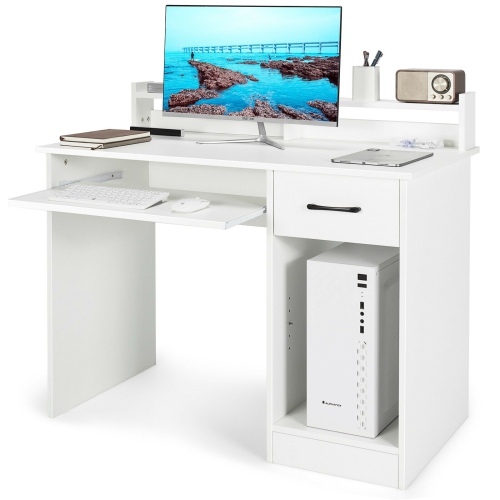
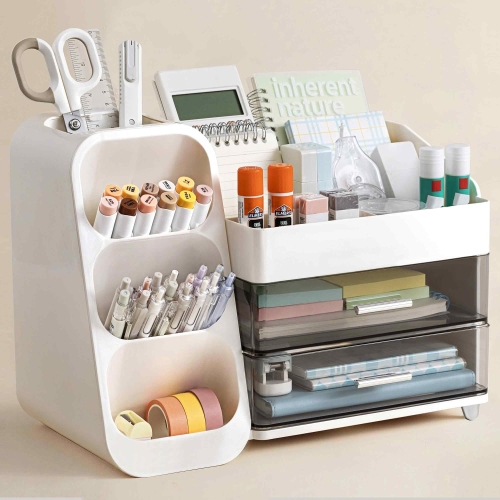
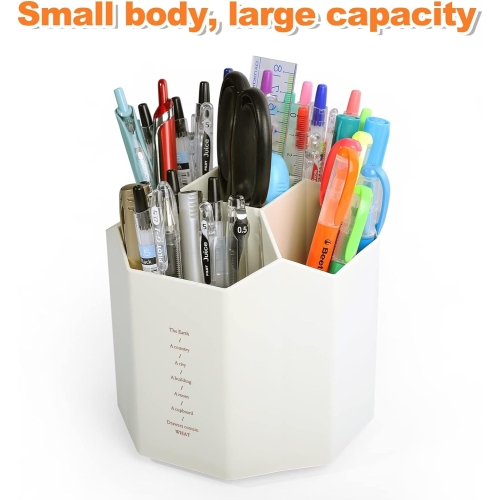
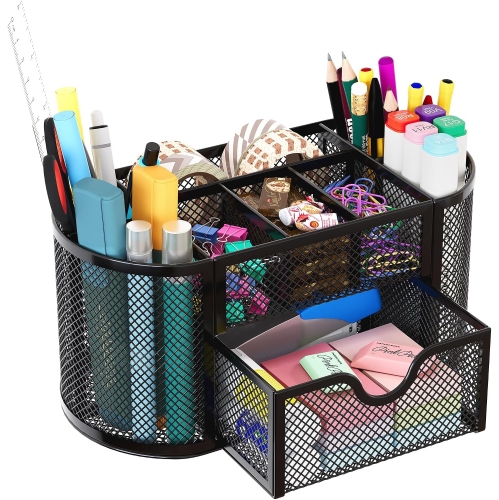
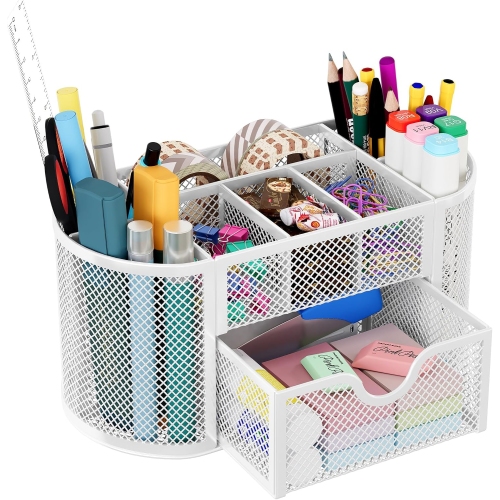
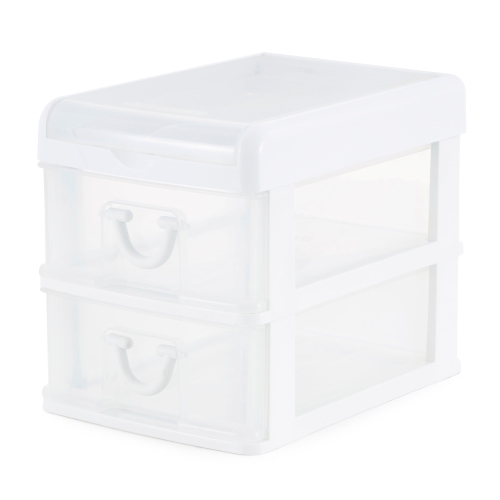
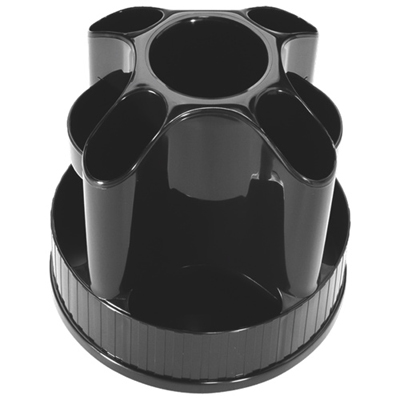
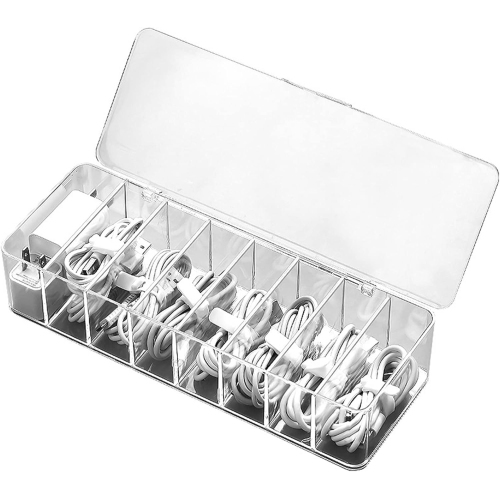
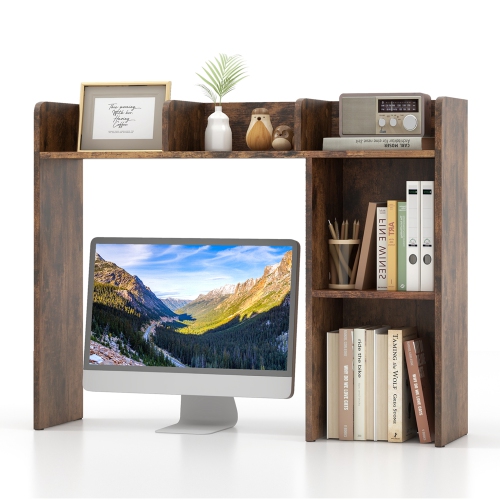
Workspace accessories for students bring order, comfort, and flexibility to the places where reading, writing, research, and online coursework happen. Desk organizers, pen holders, document trays, cable clips, device stands, desk mats, and task lighting each serve a different purpose, from keeping revision notes within reach to creating room for a textbook beside a laptop. The most useful combination depends on the student's routine and the space itself. A compact bedroom desk may benefit from upright storage that keeps papers off the main work surface, while a shared dining table calls for accessories that are easy to gather up when homework is finished. For students moving between handwritten calculations and digital assignments, clearly separated storage helps keep pencils, chargers, sticky notes, and loose pages from getting mixed together. Compartments with different depths accommodate both tall writing tools and smaller supplies, while removable dividers allow the layout to change as coursework changes. Shallow trays can hold frequently used materials without hiding them beneath a pile of notebooks. Fit matters just as much as storage capacity: an organizer should leave enough room to open a binder, move a mouse, and rest forearms comfortably. Its height also needs to work with any shelves above the desk. Materials influence how an accessory feels and how it handles daily use. Rigid plastic is generally lightweight and easy to wipe clean, metal mesh keeps contents visible, and wood or bamboo can add a warmer finish to a study area. Fabric organizers offer a softer structure that can suit portable setups, although they may need more careful cleaning after spills. Smooth edges, stable bases, secure seams, and drawers that move freely are useful signs of practical construction. For a student who reaches for the same supplies throughout the day, a layout that makes everything easy to see and return can matter more than having extra compartments. Leaving a little open space also makes it easier to spread out a map, sketch, or assignment without first having to clear the entire desk.
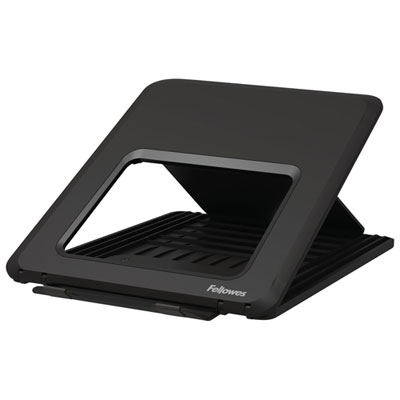
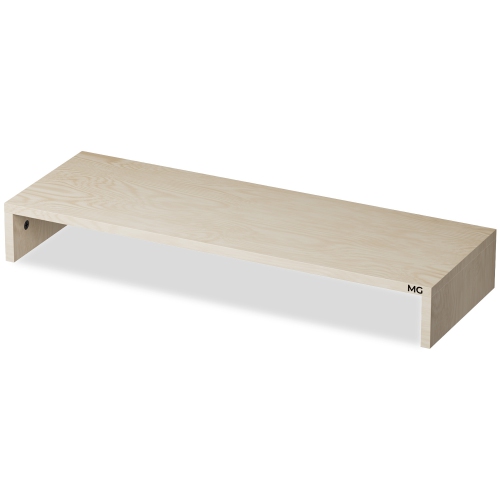
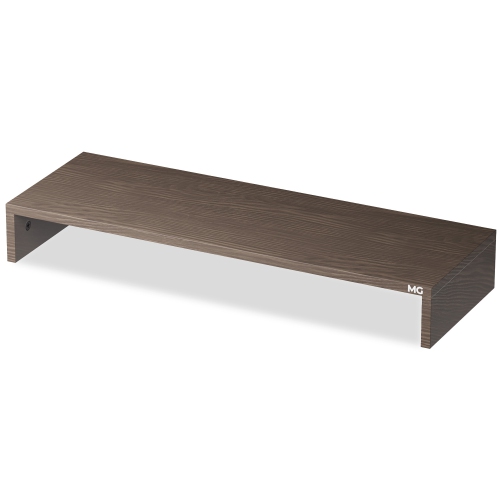
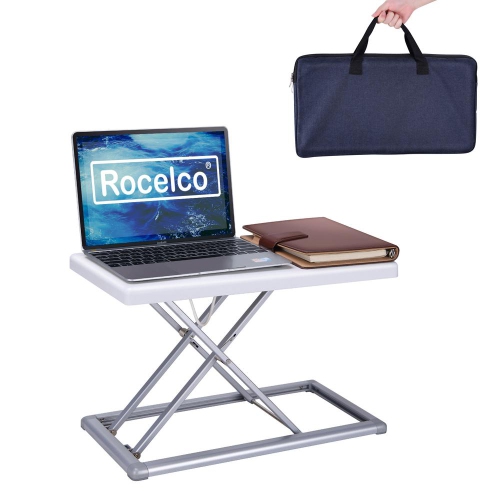
Comfort-focused workspace accessories support the different tasks that fill a study session, whether that means reading a long chapter, annotating lecture slides, or joining a group video call. A laptop stand or monitor riser can position a screen closer to a comfortable viewing height, but the right arrangement depends on the student's height, seating, and work surface. Raising a laptop for extended typing generally works best with a separate keyboard and mouse so the screen and hands do not have to share the same position. Stands need to suit the device's dimensions and weight, remain steady during use, and leave ventilation openings clear. Adjustable designs offer flexibility when more than one person uses the same space, while folding formats are easier to put away between sessions. A document holder or book stand can keep reference material upright beside a screen, reducing the need to repeatedly look down at pages lying flat. Task lighting is another practical part of a student workspace, particularly when a ceiling light leaves the page in shadow. An adjustable lamp can direct light towards a notebook without shining straight into the student's eyes or reflecting across a display. Brightness settings provide flexibility for different activities, although placement remains important; positioning the light opposite the writing hand can help reduce shadows on paper. Desk mats create a defined area for typing, writing, or mouse movement, with surface texture and thickness affecting how they feel under the hands. A smooth, firm surface is useful for handwriting, while a softer mat may feel more comfortable beneath a keyboard. Non-slip backing helps limit movement, provided it is suitable for the desk finish. Cable management accessories keep charging leads from sliding behind the desk and help separate power cables from the space used for books. Charging accessories and hubs should match the connected devices' ports and power requirements. Connections also need enough slack for normal movement, without loose loops crossing a walkway or pulling against a device when it is repositioned.
Student workspace accessories also need to suit life beyond a single desk. A secondary school student may carry supplies from a bedroom to a family table, while a college or university student might alternate between a residence room, library, and shared study space. Portable organizers with comfortable handles, secure compartments, and a stable base make that transition simpler, especially when small supplies need to travel together. Fold-flat accessories and compact storage are useful where the work surface serves more than one purpose. The packed size matters as much as the size in use: a stand that fits neatly on a desk still needs to fit safely into a bag without pressing against a screen or catching on a notebook. Durability becomes especially important when accessories are handled repeatedly, packed beside textbooks, or shared with siblings. Reinforced corners, well-attached handles, and finishes that tolerate regular handling can help them hold up to everyday routines. Care requirements should match how the space is used. Washable fabric sections can be helpful where cleaning instructions permit, while wipeable surfaces simplify removing pencil marks or the occasional drink ring. Cleaning should follow the manufacturer's directions, particularly for coated wood, electronic accessories, and materials that can swell or discolour with excess moisture. Personal preferences matter too. A favourite colour can make an organizer easier to identify in a shared room, and coordinated finishes can give a small workspace a calmer appearance without requiring everything to match. For gifting, practical accessories often suit students starting a new course, moving into a residence, or creating their first dedicated study corner. Neutral colours and adjustable formats leave room for changing tastes and equipment. Students setting up a dedicated desk or refreshing a shared study area can explore Student Workspace Essentials to connect these details with the rest of their workspace. The strongest setup is one that supports familiar habits: notes stay easy to find, devices have a secure place, and packing up does not mean untangling the whole desk.
Top selling and popular products
-
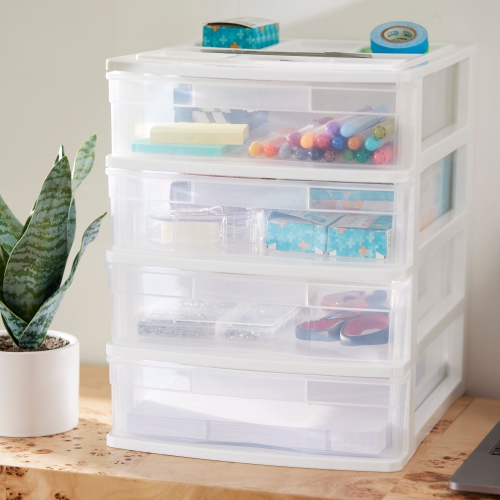 Your price for this item is $171.99
-
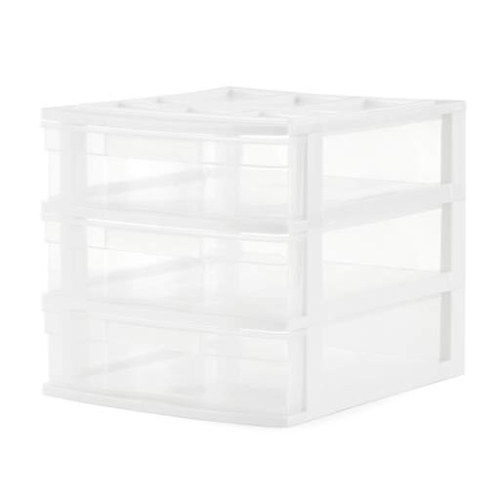 Your price for this item is $78.99
-
 Your price for this item is $77.99
-
 Your price for this item is $309.99
-
 Your price for this item is $19.99
-
 Your price for this item is $129.99
-
 Your price for this item is $47.99
-
 Your price for this item is $24.38
Discover more categories related to Workspace Accessories for Students
Top Collections:
Best Black Friday Deals This Year, Best Black Friday Deals On Electronics, Kindle Devices, Dyson Airwrap, Best Cameras for Sports Photography, Best Budget Office Chairs, Canon G7X Cameras, PS5 Pro Consoles, Best Black Friday Deals On Apple Products, XBOX One S Consoles
Some products may be subject to Environmental Handling Fees
(EHF) depending on your province.
Learn more about EHFs.