School Workspace Accessories for Students
Create an organized and inspiring area for learning with school workspace accessories for students. Find a variety of options designed to help keep study spaces tidy, comfortable, and efficient. Whether setting up a dedicated homework station or enhancing a dorm room desk, these accessories support productivity and focus throughout the school year. Explore solutions that make it easy to personalize any workspace and help students stay on track with their studies.
Sort
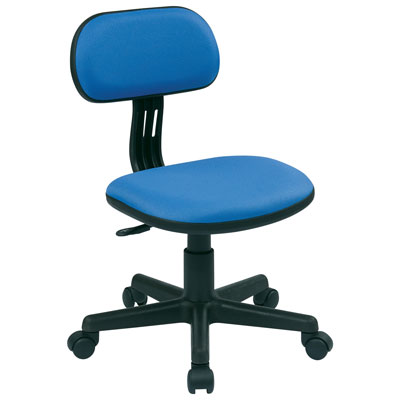
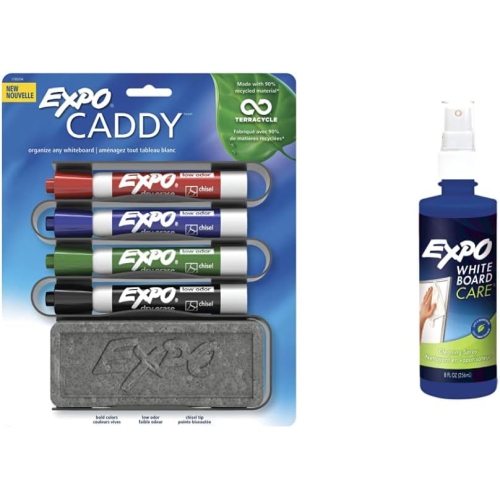
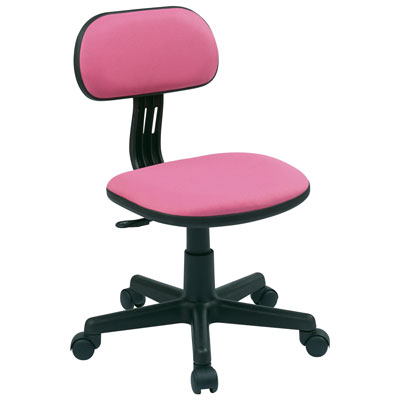
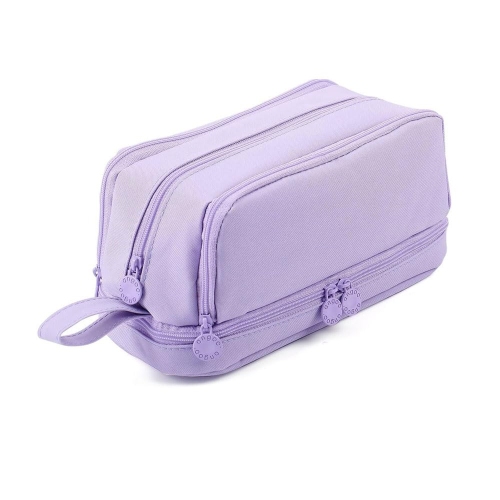







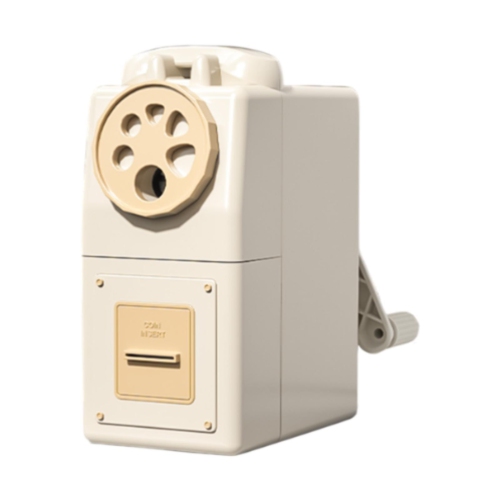
Less desktop clutter and more room for homework
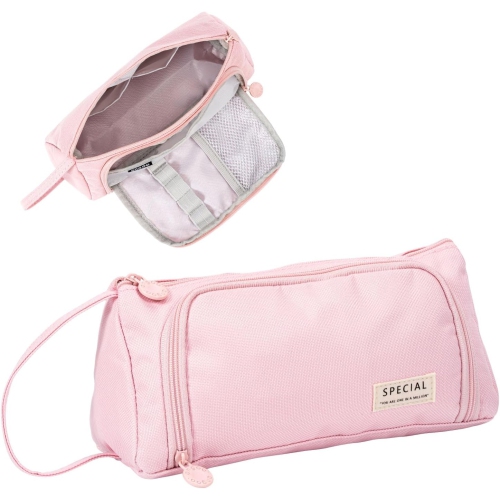
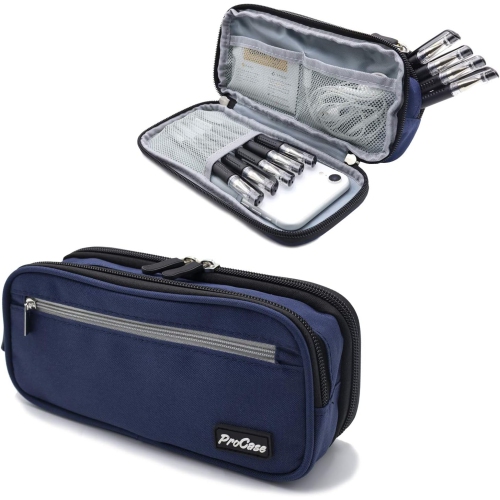
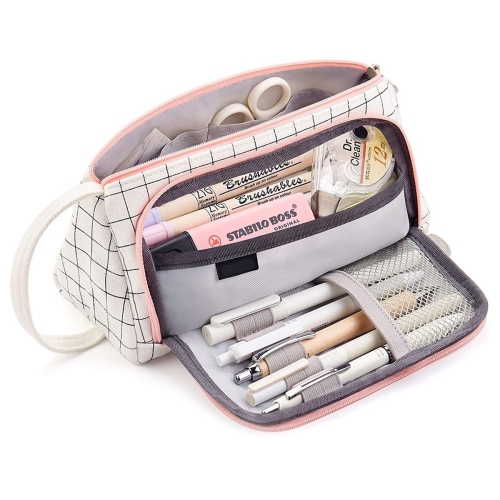
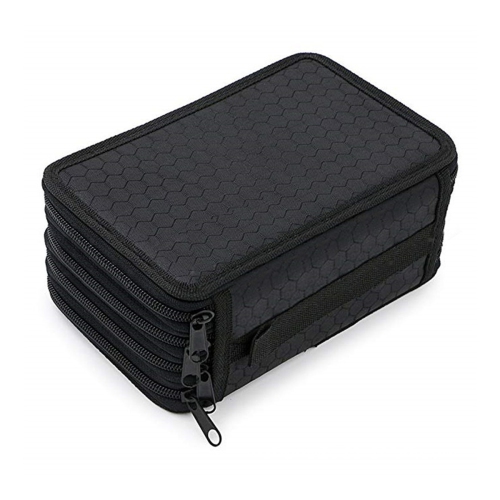
School workspace accessories for students help keep study materials organized, daily stationery within reach, and screens and reading materials positioned for comfortable use. Desktop organizers, document holders, task lighting, device stands, and cable management accessories each serve a different purpose, but they work best when they leave enough clear space for the actual assignment. A student solving equations needs room to spread out a workbook, while someone preparing a presentation may move between handwritten notes and a computer throughout the evening. Useful storage makes those transitions easier without turning the entire desktop into a supply shelf. Open compartments keep frequently used writing tools visible, shallow trays give loose papers a designated place, and upright storage separates notebooks without taking up much width. The right arrangement depends on the size of the work surface and how the student uses it. A compact bedroom desk may benefit from storage that uses vertical space, while a shared family table calls for accessories that can be gathered and moved between study sessions. Portable organizers can keep a student's supplies together when homework happens in more than one room. On a deeper desktop, accessible storage prevents small essentials from disappearing behind larger equipment. Fit involves more than checking whether an organizer sits within the edges of a desk: drawer clearance, shelving height, access to outlets, and the space needed to open a notebook all affect everyday usefulness. Storage should also suit the contents, with compartments deep enough for longer stationery and sections that keep papers from slumping or curling. For younger students, simple layouts with clearly separated spaces can make putting supplies away more manageable. Older students may need room for course notes, charging cables, and materials for several subjects. In either case, a useful setup keeps the next task easy to begin, whether that means finding a pencil quickly or opening a textbook without clearing a pile of unrelated belongings first.
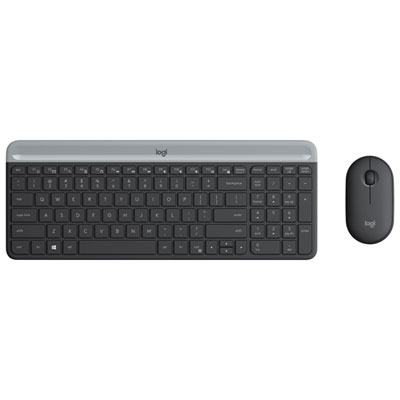
Comfort and visibility matter just as much as organization, particularly when a student alternates between reading, typing, and handwritten work. Screen stands can raise a display toward a more comfortable viewing position, while document supports hold reference pages upright beside the work area. Their usefulness depends on how they fit with the desk, chair, and student's height; no single accessory can make every workstation comfortable on its own. A raised laptop also changes the position of its keyboard, so arrangements that include a separate keyboard and mouse need enough space for relaxed hand placement. Stable bases, suitable weight capacities, and dimensions that match the device are important details for stands and supports. Adjustable components add flexibility when siblings share a workspace or when the same surface serves different activities. Task lighting brings light closer to the page, making it easier to see small print, pencil marks, and detailed diagrams without relying entirely on overhead lighting. An adjustable lamp head can direct light toward a workbook rather than a screen, while a compact base leaves more room for writing. Brightness settings offer flexibility for different tasks, and the position of the light can help limit distracting reflections or shadows cast by a writing hand. Cable organization is another practical part of a student workspace, especially when several devices need charging. Clips, sleeves, and cable holders can keep cords from slipping behind the desk or crossing the writing area. They are most useful when cables still have enough slack for normal movement and remain accessible when a device needs to be unplugged. Charging accessories need connections and power ratings that suit the intended devices, rather than simply fitting the nearest open space. A desktop mat can define a writing and mouse area, although its dimensions should leave room for other essentials. These details become especially noticeable during longer assignments, when a wobbling stand, a cord caught beneath a notebook, or a light reflected across a screen can repeatedly interrupt concentration.
Materials, construction, and care influence how well school workspace accessories stand up to daily use. Smooth plastic surfaces are often lightweight and straightforward to wipe, while coated metal can provide structure for document storage and device supports. Fabric compartments offer a softer finish but may collect dust or marks differently from hard surfaces. Wood and wood-based finishes bring a different texture to the desktop, with care requirements that vary according to the surface treatment. Rounded edges, secure joints, sturdy dividers, and bases that resist sliding are useful qualities wherever accessories are handled frequently. Hinges and adjustment points deserve attention on pieces that will be repositioned often, while handles and seams matter for organizers carried between rooms. Care directions help distinguish surfaces suitable for a lightly damp cloth from those that need a different approach, and powered accessories require particular care around connections and controls. Durability also means matching the accessory to its intended use: a stationary paper tray faces different demands from a portable organizer packed into a bag every day. Colours and finishes can help students personalize a workspace without adding more objects to it. A restrained palette may suit a shared room, while a few colourful accents can make a dedicated study corner feel more individual. For a coordinated look, back to school modern workspace accessories can complement the storage and device support already in place. These accessories can also make practical gifts for students moving into residence, beginning a new program, or taking on more independent coursework. The most useful choices reflect the recipient's actual routine, including whether they work mainly with paper, use several devices, or pack everything away after each session. A well-fitted addition does not need to fill the desk; it earns its place by keeping necessary materials accessible and leaving the student room to work.
Top selling and popular products
-
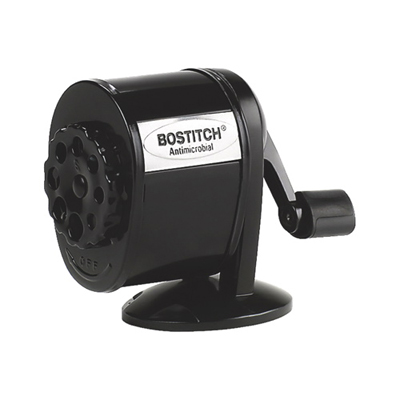 Your price for this item is $22.99
-
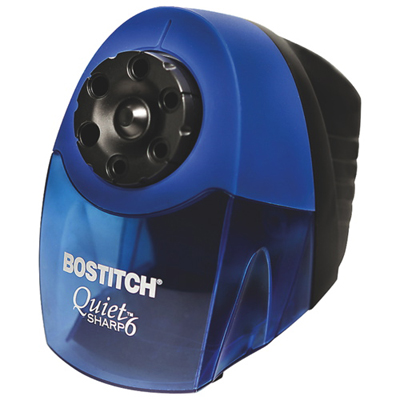 Your price for this item is $62.99
-
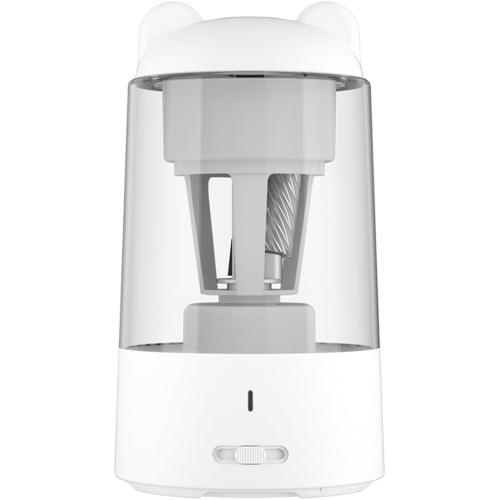 Your price for this item is $58.99
-
 Your price for this item is $1.99
-
 Your price for this item is $1.99
-
 Your price for this item is $34.99
-
 Your price for this item is $34.99
-
 Your price for this item is $34.99
Discover more categories related to School Workspace Accessories for Students


Top Collections:
Best Black Friday Deals This Year, Best Black Friday Deals On Electronics, Kindle Devices, Dyson Airwrap, Best Cameras for Sports Photography, Best Budget Office Chairs, Canon G7X Cameras, PS5 Pro Consoles, Best Black Friday Deals On Apple Products, XBOX One S Consoles
Some products may be subject to Environmental Handling Fees
(EHF) depending on your province.
Learn more about EHFs.