Wrench Tools
Wrench tools are essential for any toolkit, offering versatility and reliability for a wide range of tasks. Whether you're a professional mechanic, a DIY enthusiast, or simply need to tackle everyday repairs around the house, having the right wrench tools can make all the difference. From tightening bolts to loosening nuts, these indispensable tools provide the grip and leverage needed to get the job done efficiently. Explore our selection of high-quality wrench tools designed to meet your needs and help you achieve precision in every project.
Sort
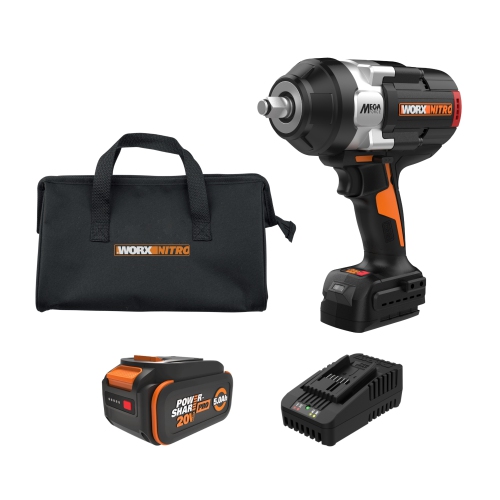
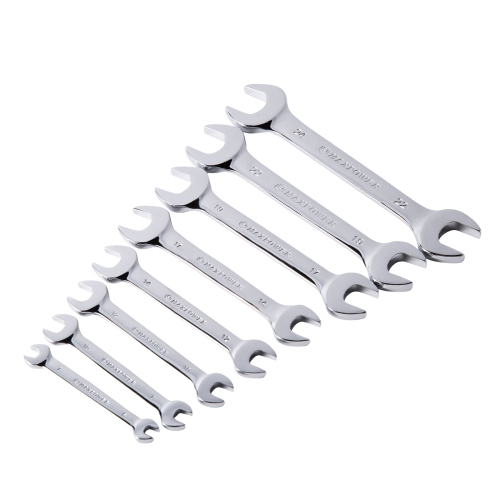

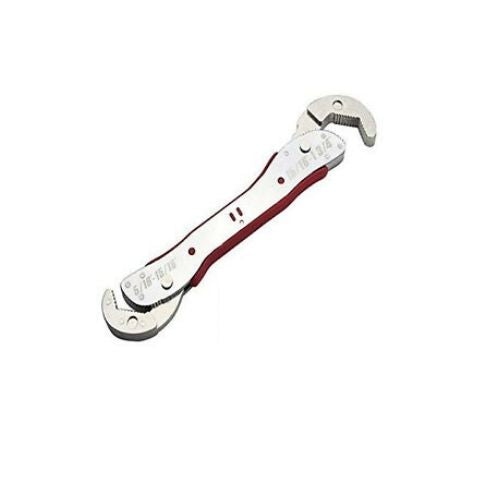


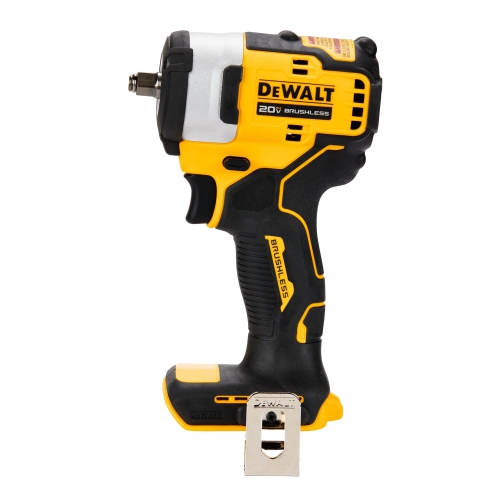

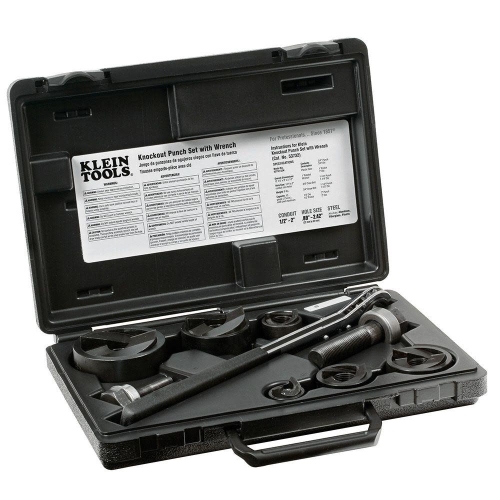

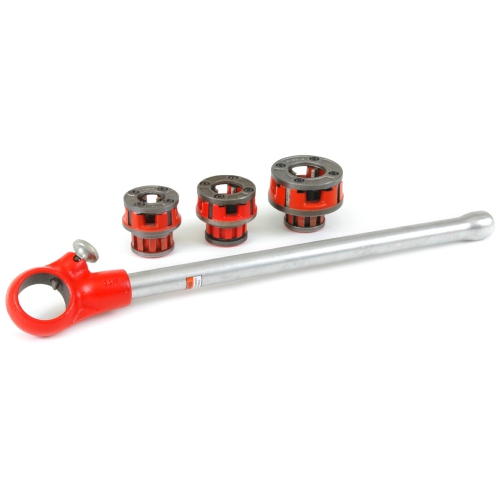
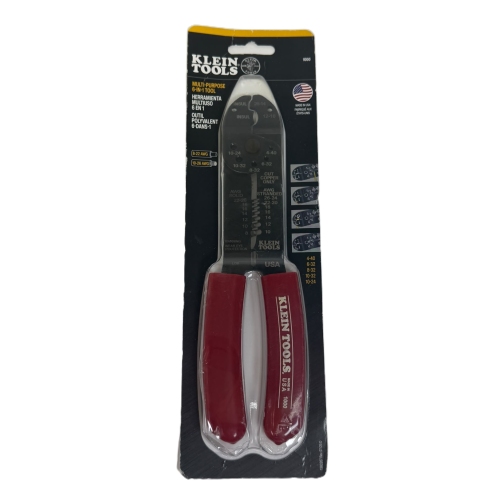



Match the right wrench to every repair job
Wrench tools are dependable hand tools for gripping, turning, tightening, and loosening threaded fasteners in the home, garage, workshop, and on the job site. They are useful for everything from assembling furniture and maintaining bicycles to working on vehicles, appliances, outdoor equipment, plumbing fixtures, and general household hardware. The right wrench creates a secure connection with a nut, bolt, screw, or pipe fitting, helping you apply controlled force without relying on improvised objects that may slip or damage the fastener. A well-rounded collection often includes combination wrenches, with an open end on one side and a box end on the other, along with adjustable wrenches for handling a range of sizes. Open-end wrenches are convenient when a fastener is difficult to access from the side, while box-end styles usually provide more contact around the fastener and can be a better choice when additional grip is needed. Socket wrenches use interchangeable sockets that fit over fasteners, making them especially useful when working in recessed areas or when several sizes are needed for one task. A ratcheting handle allows the socket to turn without being removed after every partial rotation, which can make a noticeable difference when working in a tight engine bay or beneath a sink. Hex keys, also called Allen keys, are shaped for fasteners with hexagonal openings and are commonly used for bicycles, hardware, furniture, machinery, and equipment. Pipe wrenches have toothed jaws designed to grip round pipe, but they should not be used on ordinary nuts or finished fittings because their teeth can leave marks or deform the surface. Understanding these differences helps match the tool to the job instead of treating every wrench as interchangeable.
Size is one of the most important considerations when choosing wrench tools. A wrench that is too large may round the corners of a fastener, while one that is too small may not seat properly and can slip under pressure. Many collections include both metric and SAE sizes, since hardware may use millimetres or fractions of an inch depending on the equipment and where it was manufactured. Sets can be a practical choice for a home workshop because they keep common sizes together and reduce the need to stop halfway through a repair to search for another tool. For occasional maintenance, a compact selection of frequently used sizes may be enough; for automotive, mechanical, construction, or trade work, a broader assortment can provide better coverage. Adjustable wrenches offer flexibility through a movable jaw, but the jaw should be fitted snugly to the fastener before force is applied. They are convenient for quick repairs and plumbing adjustments, although a correctly sized fixed wrench or socket is generally preferred when a fastener is under heavy load. For jobs that require a precise tightening specification, a Torque Wrench can help apply a measured amount of turning force, which is important for applications such as engine components, bicycle parts, wheels, and other assemblies where overtightening or undertightening can cause problems. Look for durable construction, clearly marked sizes, smooth-moving mechanisms, and handles that feel secure without creating sharp pressure points in the palm. A polished surface can make tools easier to wipe clean, while a textured or contoured grip may be more comfortable during extended work. Storage also matters: trays, cases, rails, or organized drawers can keep matching sizes together and make it easier to spot a missing tool.
Wrench tools can be useful for experienced tradespeople, enthusiastic do-it-yourselfers, new homeowners, renters handling basic repairs, and anyone who likes to keep essential equipment close at hand. They can also make a practical gift for someone setting up a first toolbox, restoring a vehicle, maintaining a bicycle, or learning basic mechanical skills. A carefully selected set is helpful for a student moving into a first home, a family member who enjoys weekend projects, or a hobbyist who spends cooler months working indoors on equipment and repairs. Before using any wrench, inspect it for cracks, worn jaws, bent handles, or damaged ratcheting parts, and choose a tool that is rated for the task. Seat the wrench fully on the fastener and keep your stance balanced. In many situations, pulling smoothly is safer than pushing, since a sudden slip is less likely to send your hand into a nearby surface; avoid adding extra pipe or other improvised extensions unless the tool is specifically designed for that use. Keep fingers clear of pinch points, wear eye protection when debris may fall or fly, and never strike a standard wrench with a hammer unless it is made for impact use. When working on a vehicle, appliance, or machine, follow the manufacturer’s instructions and make sure moving parts, electrical supplies, hot surfaces, and pressurized systems are safely isolated before beginning. After use, wipe away oil and moisture, return each wrench to its designated place, and keep tools dry and accessible. With the right type, size, and handling technique, wrench tools can turn a frustrating repair into a steady, satisfying job and provide reliable support for everyday maintenance throughout the year.
Top selling and popular products
-
 Your price for this item is $199.99
-
 Your price for this item is $129.99
-
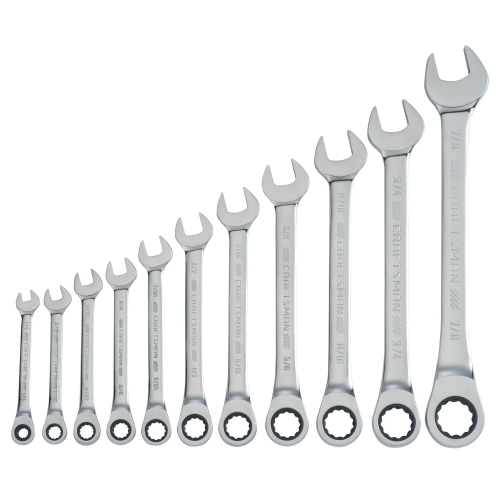 Your price for this item is $84.99
-
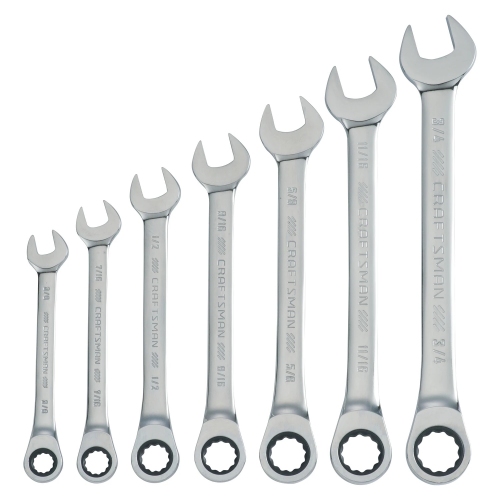 Your price for this item is $78.99
-
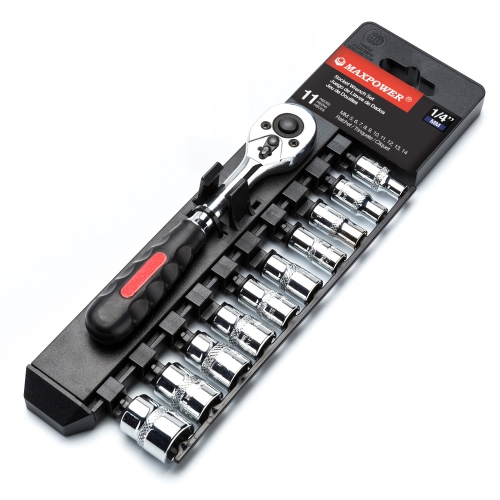 Your price for this item is $19.99
-
 Your price for this item is $61.99
-
 Your price for this item is $80.9
-
 Your price for this item is $61.99
Discover more categories related to Wrench Tools

Top Collections:
Pokemon Centers, Best Cameras for Sports Photography, Kindle Devices, Samsung Galaxy Phones, Canon G7X Cameras, Pokémon 30th Celebration Cards, Refurbished Apple Laptops, iPhone 15 Apple, Laptops for Students, Budget Smartphones
Some products may be subject to Environmental Handling Fees
(EHF) depending on your province.
Learn more about EHFs.