Writing Desks for Students
Writing desks for students provide a dedicated space for studying, homework, and creative projects. Whether setting up a room at home or outfitting a dorm, these desks are designed to help students stay organized and focused. With a variety of styles and sizes available, finding the right writing desk for students is simple, making it easier to support learning and productivity.
Sort

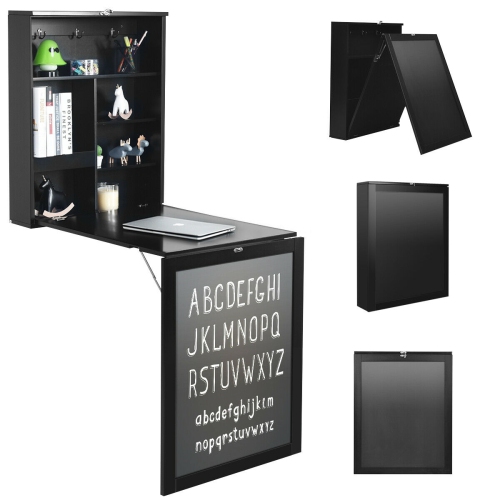
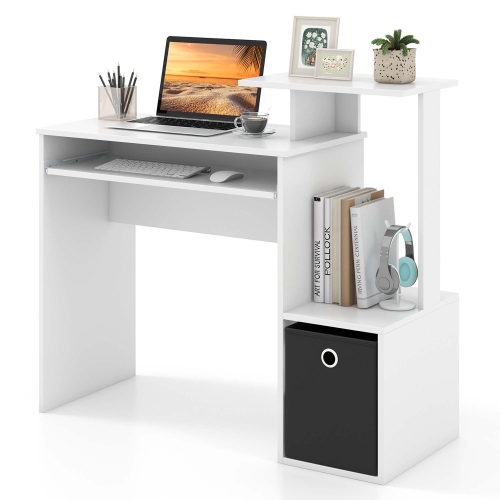
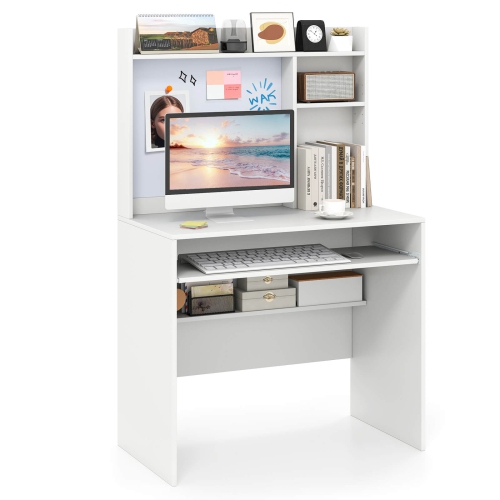
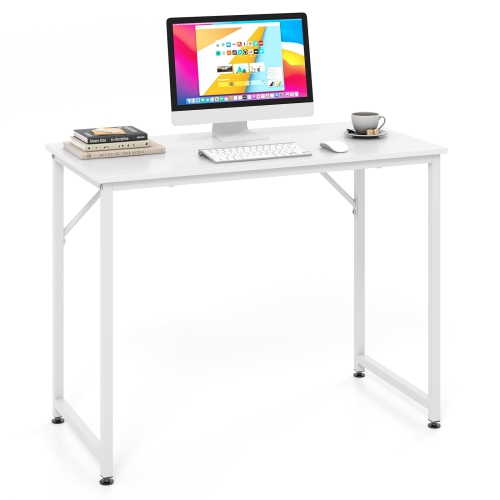
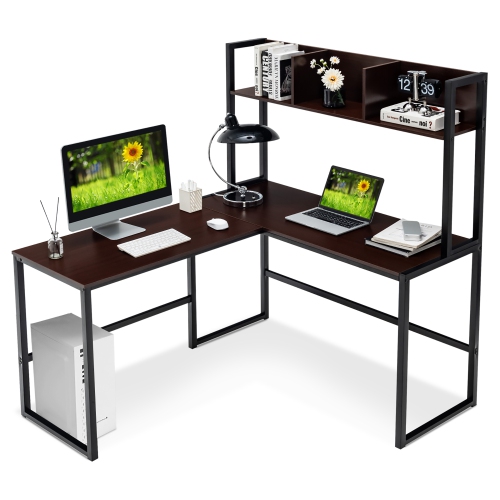
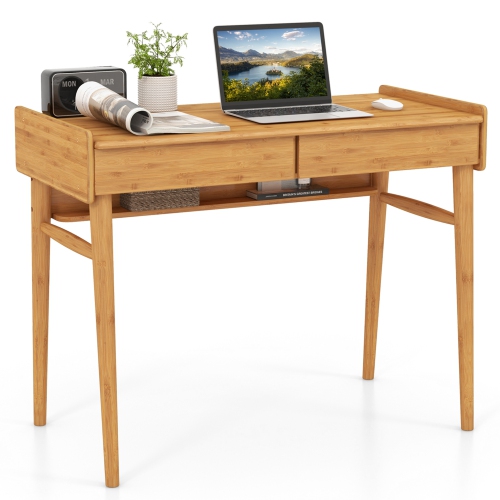

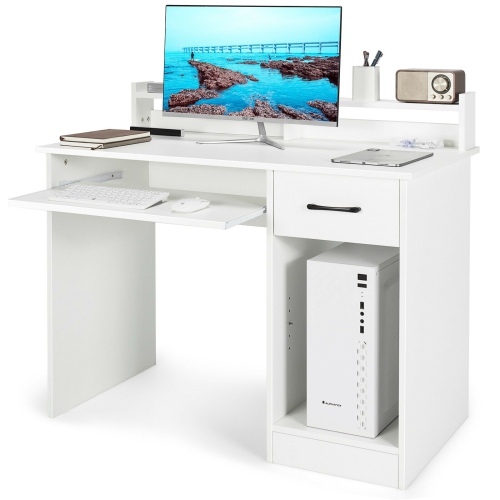

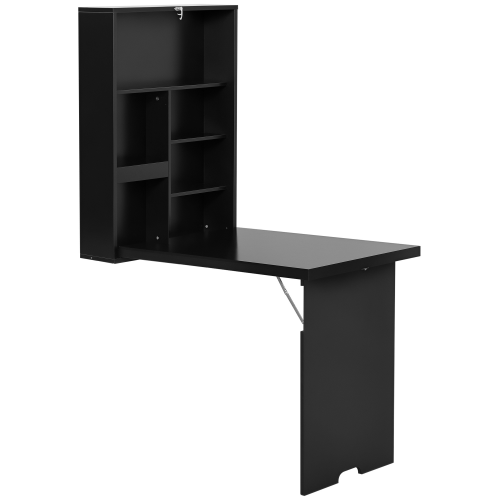

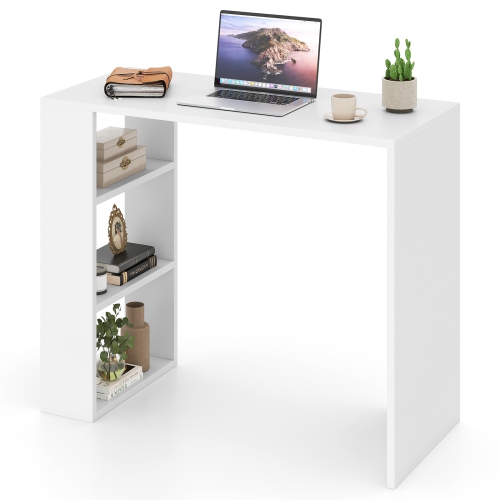
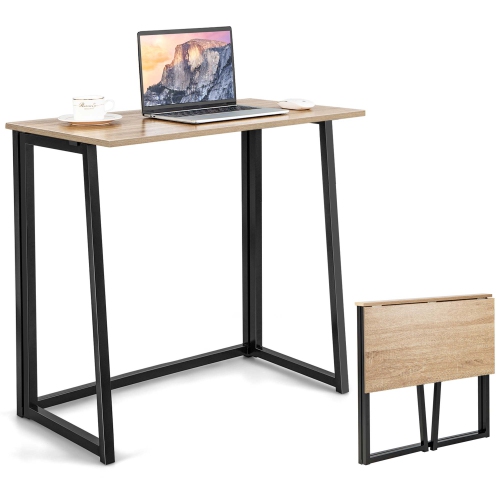

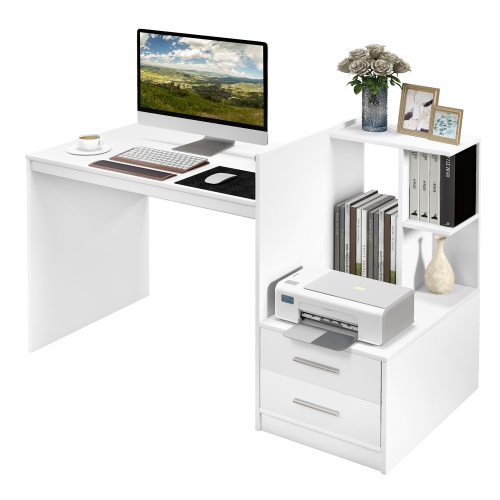
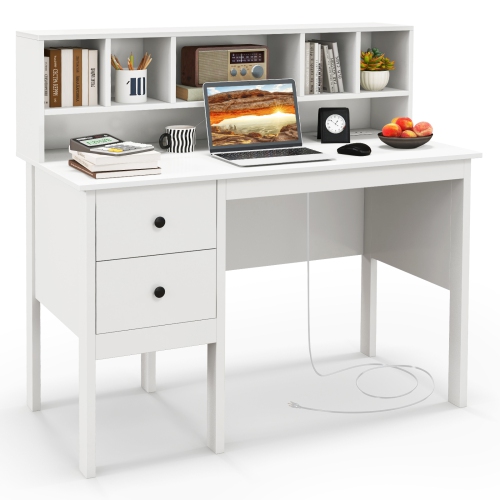
Desk space that fits how students actually study
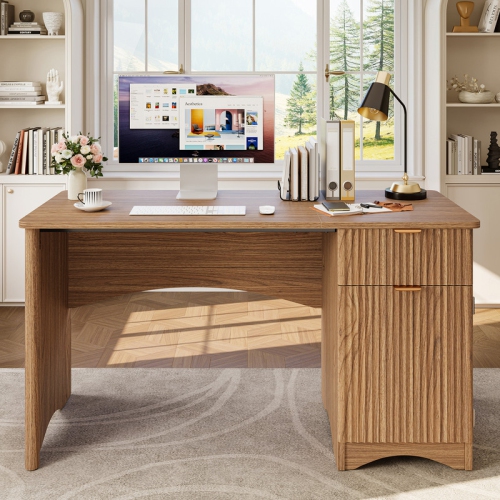
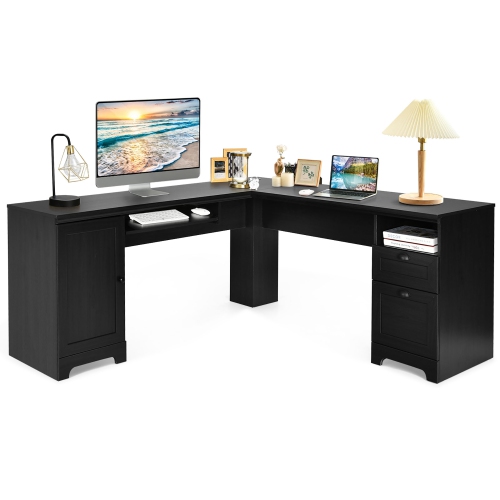
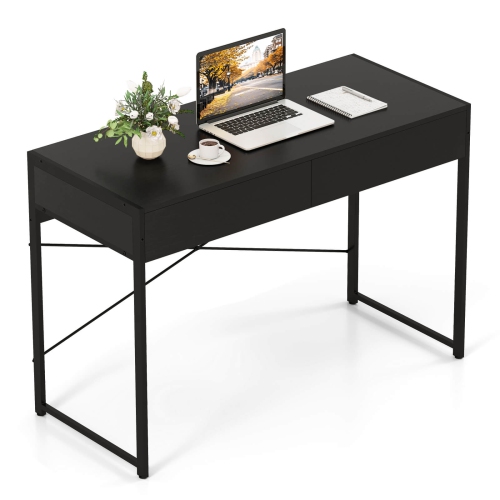
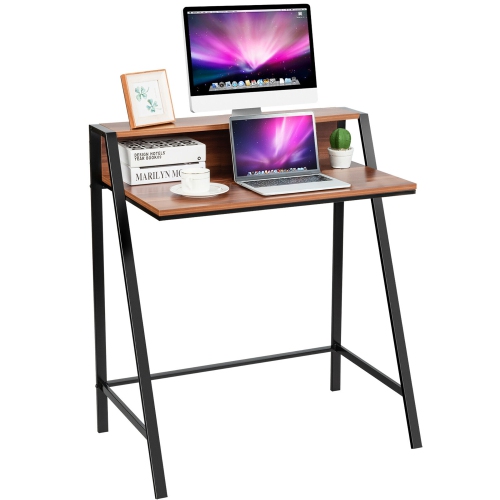
Writing desks for students provide a dedicated work surface for handwritten assignments, reading, laptop use, and the everyday spread of notebooks, pencils, and course materials. The right fit depends less on a student’s age alone than on how they study, what they need within reach, and how much room surrounds the desk. A child practising handwriting may need an uncluttered surface with space for an open workbook, while a secondary school student may regularly spread out a textbook, calculator, and binder. College and university students often need room for both a laptop and paper notes, especially when working through readings or preparing assignments. Compact writing desks suit bedrooms, residence rooms, and shared living areas where a larger workstation would interrupt the room’s layout. A shallow desktop can work well for handwriting or occasional laptop use, but its usable depth matters: an open textbook, a laptop, and forearm support can quickly fill a narrow surface. Width is equally important for students who prefer to keep reference materials beside their main work rather than stacked underneath it. Measurements should account for the whole setup, including the chair when pulled out, access to drawers, and enough passage space beside a bed or wardrobe. A slim frame and open base can keep a small room feeling less crowded, although crossbars and low shelves may reduce legroom. For students whose assignments depend on a desktop computer, a separate monitor, or several connected devices, Computer Desks for Students can be a useful related category to explore. Writing desks remain particularly suited to mixed paper-and-screen tasks, with simpler layouts that can transition from essay planning to sketching, language practice, or reviewing class notes. A desk placed in a shared room can also establish a recognizable study spot without requiring a separate home office. Keeping its footprint proportionate to the room helps preserve space for daily routines as well as schoolwork.
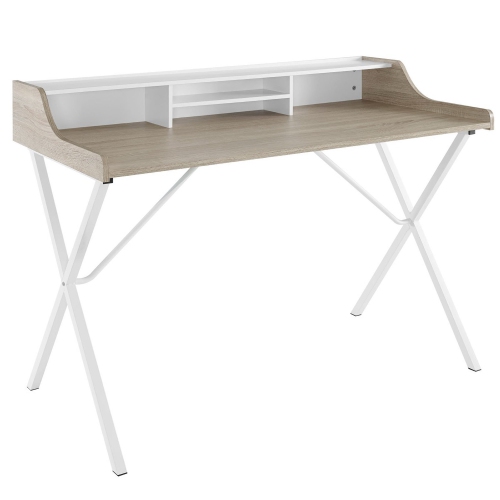
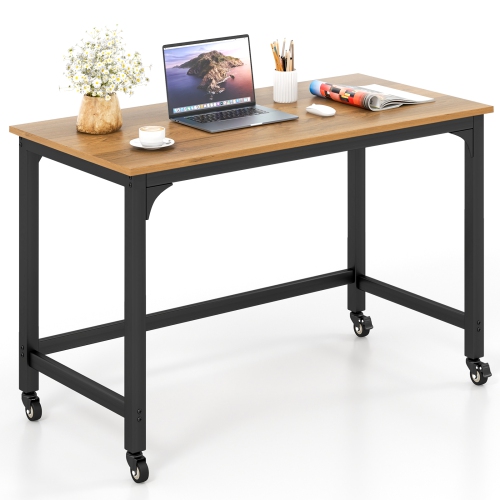
Materials and construction affect how a student writing desk feels in daily use, how it handles wear, and how much care it requires. Solid wood brings natural grain and variation, though its resistance to dents and scratches depends on the wood species and protective finish. Wood veneer offers a real-wood surface over a supporting core, while laminate and melamine surfaces provide a consistent finish that is often straightforward to wipe clean. Particleboard and medium-density fibreboard are common in desk construction; their durability depends on factors such as panel thickness, edge protection, hardware, and assembly quality rather than the material name alone. Exposed or damaged edges can be vulnerable to moisture, making prompt attention to spilled drinks especially useful. Metal frames can provide a slim supporting structure, but stability still depends on the design, connections, and floor contact. A steady desktop matters when a student is writing quickly, erasing pencil marks, or typing beside an open drink. Smooth, well-finished edges are comfortable against forearms, while a surface with pronounced texture may need a writing pad beneath a single sheet of paper. Rounded corners can be helpful where a desk sits close to a doorway or a busy route through a bedroom. Care is generally simplest when it follows the manufacturer’s directions: a soft cloth, prompt spill cleanup, and suitable cleaning products help protect the finish. Excess water, abrasive pads, and harsh cleaners can damage some surfaces. A desk mat can reduce marks from pens and everyday movement, while a coaster helps separate drinks from the desktop. Weight limits also deserve attention when heavy textbooks, storage accessories, or monitor stands are part of the setup. Drawers should move smoothly without pulling the desk off balance, and any supplied wall restraints should be installed as directed. For desks that will move between rooms or student homes, manageable weight and access to assembly instructions can be useful, though repeated disassembly may put extra wear on fasteners and panel joints.
Comfort and organization turn a suitably sized desk into a practical place to return to each day. A useful desk-and-chair combination lets the student sit with relaxed shoulders, supported feet, and enough clearance to move their knees without striking a drawer or support rail. When writing or typing, the work surface should allow the elbows to stay close to the body and the wrists to remain in a comfortable, neutral position. A fixed-height desk may work with an adjustable chair, although a footrest may be needed if raising the seat leaves the student’s feet unsupported. Height-adjustable writing desks offer another way to accommodate different users or changing needs, provided the adjustment range suits the intended student. Storage is most useful when it matches actual habits. A shallow drawer can hold pens, charging cables, and stationery without taking over the desktop; deeper compartments may suit exercise books or folders but need sufficient clearance to open fully. Open shelves make frequently used materials easy to reach, while enclosed storage can keep loose papers out of sight in a bedroom that also serves as a study space. Students who work best with a clear surface may prefer a simple desk paired with separate storage rather than a bulky built-in unit. Cable openings and accessible power connections can help keep cords away from feet and chair wheels, particularly when a laptop and task lamp share the space. Lighting placement matters too: a lamp positioned to avoid casting a hand’s shadow across the page makes handwritten work easier to see. For longer laptop sessions, a raised screen with a separate keyboard and mouse can offer more flexibility than relying on the laptop’s fixed screen-and-keyboard position. As a gift for a student beginning a new stage of school or setting up a study area, a writing desk is most personal when its dimensions, storage, and appearance reflect the recipient’s room and routines. Neutral finishes can blend with existing furniture, while a preferred colour can make the desk feel like a deliberate part of the room rather than an afterthought.
Top selling and popular products
-
 Your price for this item is $97.99
-
 Your price for this item is $89.99
-
 Your price for this item is $84.99
-
 Your price for this item is $97.99
-
 Your price for this item is $649
-
 Your price for this item is $749
-
 Your price for this item is $649
-
 Your price for this item is $649
Discover more categories related to Writing Desks for Students
Top Collections:
Best Black Friday Deals This Year, Best Black Friday Deals On Electronics, Kindle Devices, Pokemon Centers, Best Black Friday Deals On Apple Products, Best Cameras for Sports Photography, Dyson Airwrap, Pokémon 30th Celebration Cards, Apple iPhone 17 Pro, Canon G7X Cameras
Some products may be subject to Environmental Handling Fees
(EHF) depending on your province.
Learn more about EHFs.