Computer Desks for Students
Computer Desks For Students are designed to help create a productive and organized study space at home, in a dorm, or anywhere learning happens. Whether you need a compact desk for smaller rooms or a spacious workstation for multiple devices, there are plenty of options to suit different needs and styles. Find desks with various finishes, sizes, and storage solutions to match your study habits and fit seamlessly into your space. Explore Computer Desks For Students that support focus and comfort throughout the school year.
Sort

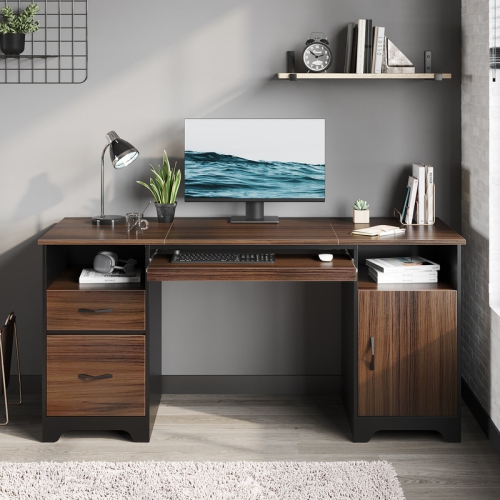
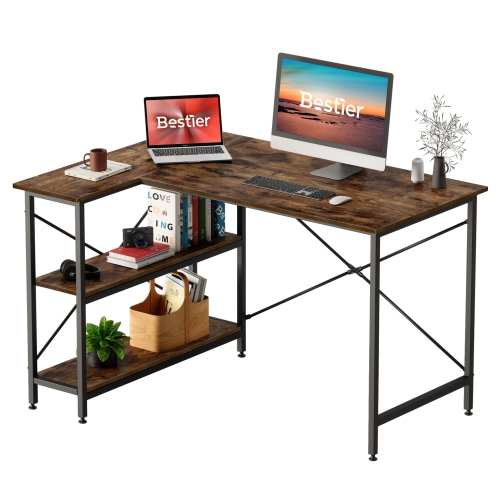
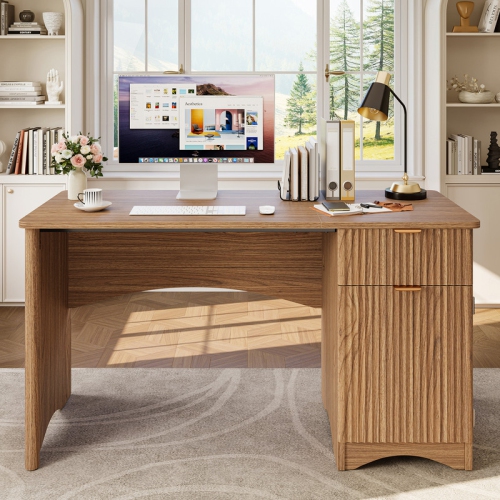
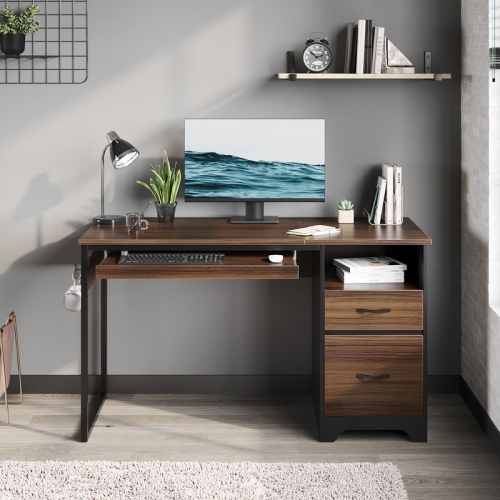
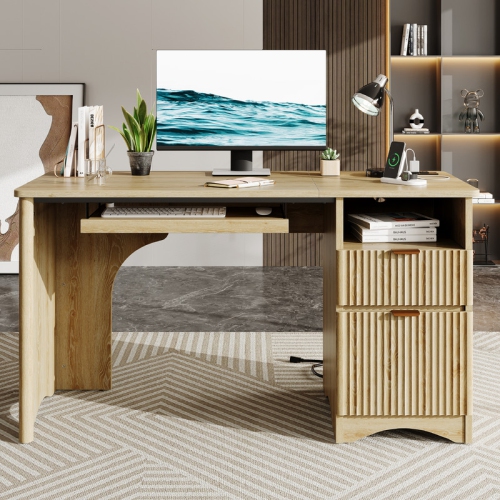
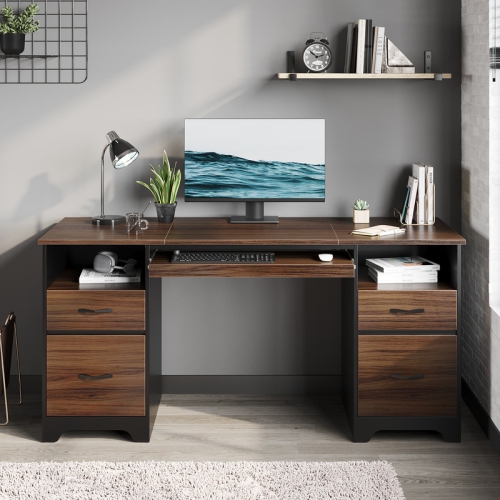
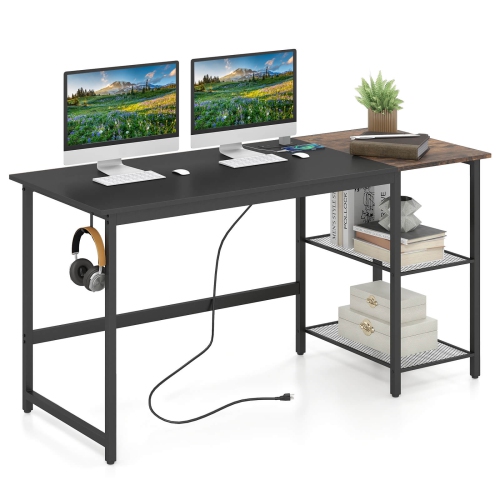
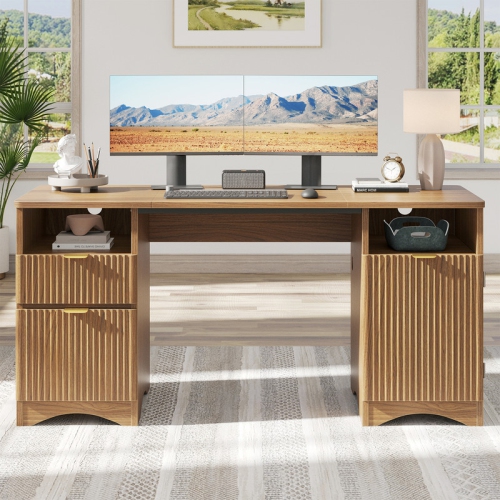
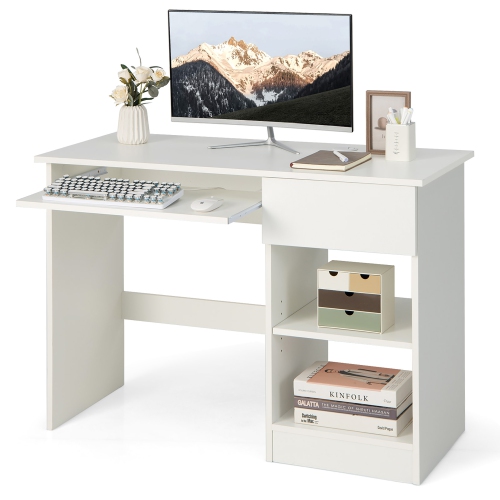
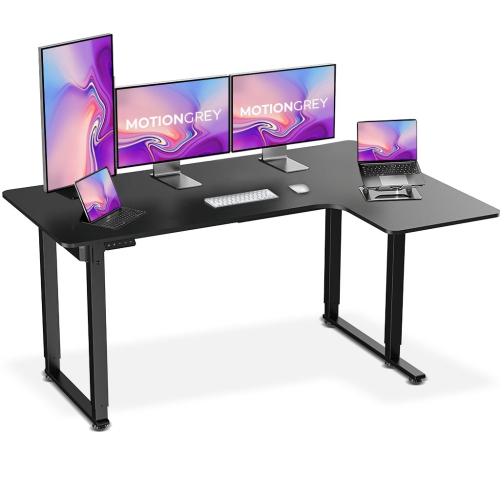
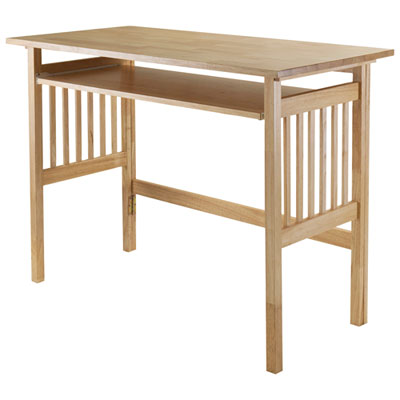
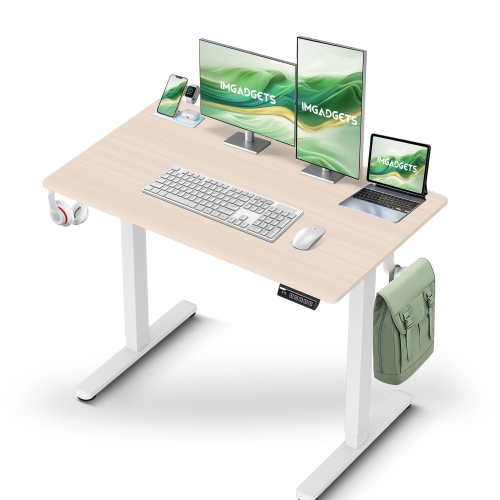
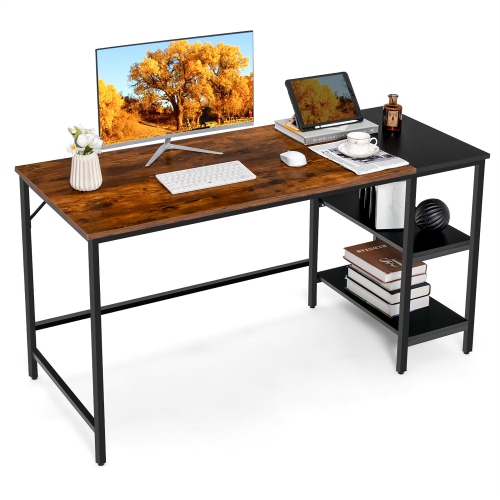
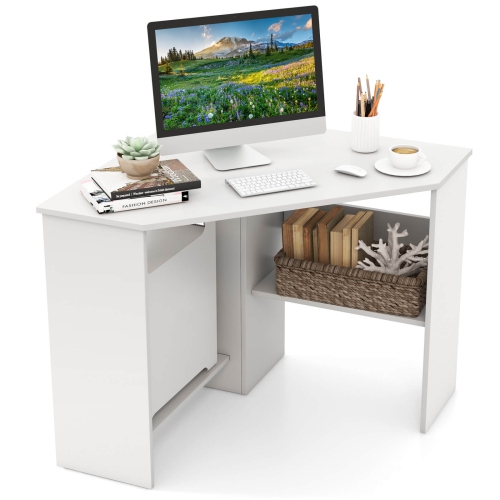
Study habits matter as much as desk dimensions
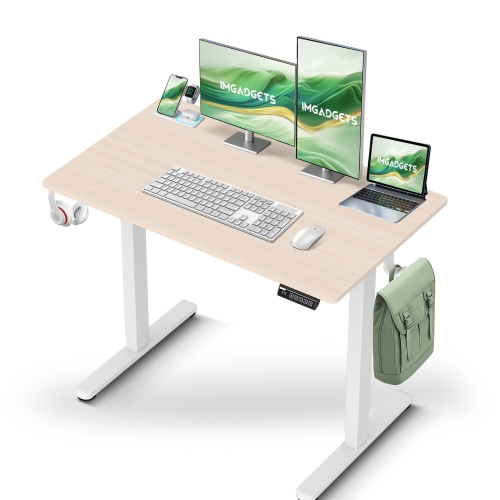
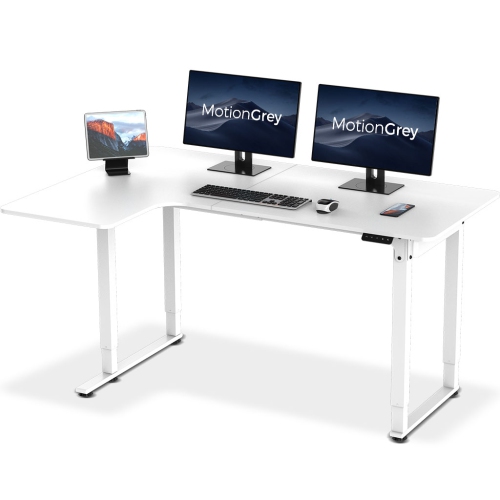
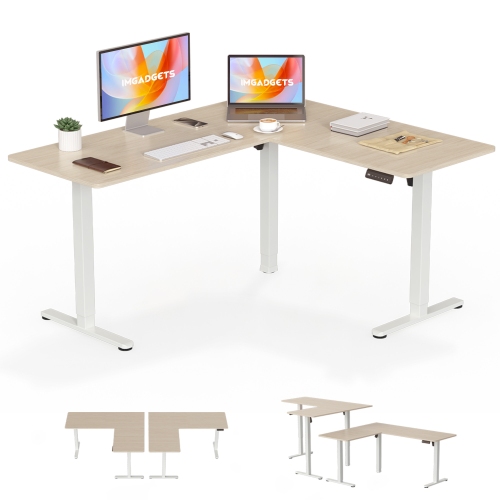
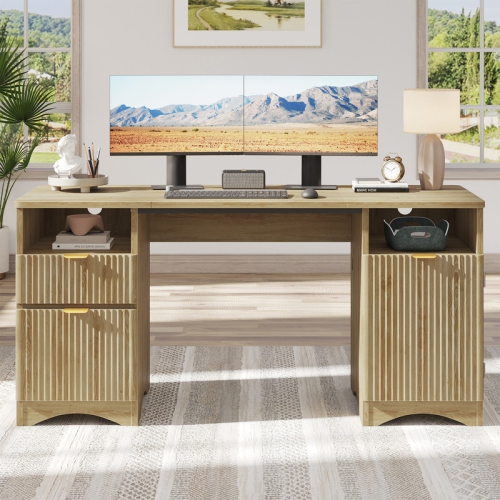
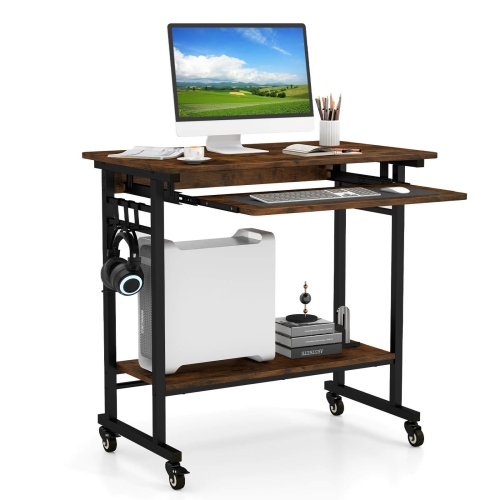
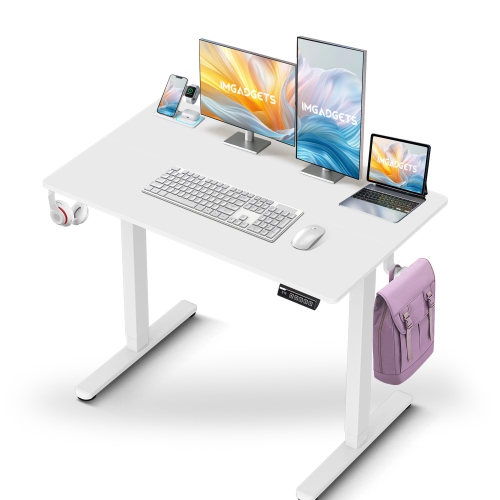
Computer desks for students provide a dedicated work surface for a computer, course materials and the everyday tasks that make up school life. The right layout depends on how a student studies as much as where the desk will sit. A laptop and a notebook can fit comfortably on a compact rectangular desk, while a desktop computer, separate monitor and open textbook need more usable surface area. Depth matters alongside width: a shallow desktop may hold a screen but leave little space for a keyboard, mouse and forearms. For handwritten calculations, sketching or comparing printed notes with an online lesson, an unobstructed section of the work surface is especially useful. Compact computer desks suit bedrooms, residence rooms and shared apartments where a bed, wardrobe and chair already occupy much of the floor. Corner desks make use of an otherwise awkward junction between walls, while L-shaped desks can separate computer work from reading and writing when the room has enough space. Their larger footprint also needs to account for doorways, drawers and the path through the room. A desk that fits along a wall still needs clearance behind the chair so the student can sit down and move without blocking a passage. Baseboards, wall outlets and nearby heaters can affect placement, and a window may introduce screen glare depending on the desk’s orientation. In a shared room, a clearly defined study area helps keep school supplies together without taking over the dining table. For younger students, that space may support supervised homework and educational activities; for secondary school, college and university students, it may become the setting for research, video calls, group projects and lengthy writing assignments. A useful student computer desk accommodates those daily routines without requiring every book, charger and accessory to remain on the desktop at once. Its proportions should make sense for both the equipment and the room, leaving enough open space for comfortable movement.
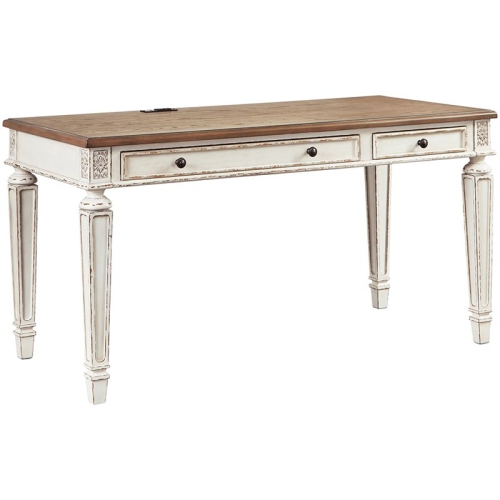
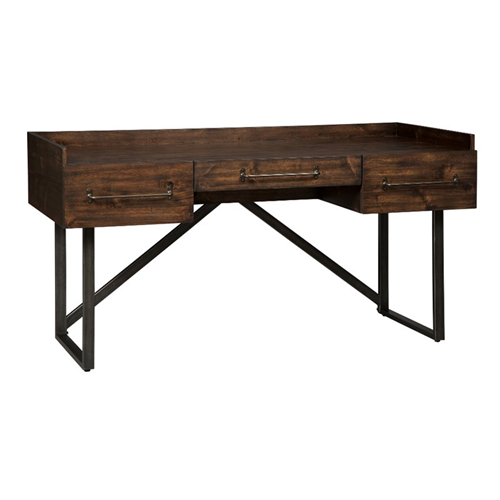
Materials and construction influence how a student desk feels in daily use and how it holds up to repeated activity. Solid wood brings natural grain and variation, although its care requirements depend on the finish. Wood veneer provides a real wood surface over a core material, while laminate and other finished engineered-wood surfaces offer a range of colours and textures. Metal frames can give a desk a visually open profile, but stability depends on the complete design, secure connections and correct assembly rather than the frame material alone. Glass desktops have a distinctive appearance and may show fingerprints readily; their suitability also depends on the household and the manufacturer’s stated use. Across materials, a smooth writing surface, neatly finished edges and firmly attached hardware contribute to everyday comfort. A desk used for note-taking should remain steady under normal pressure, and its stated weight capacity needs to account for the equipment placed on it. Monitor arms and other clamp-mounted accessories require particular attention to desktop thickness, construction and the accessory manufacturer’s requirements. Comfortable fit is just as important as surface finish. There should be room beneath the desk for the student’s legs, with drawers, shelves and support bars positioned so they do not crowd the seating area. Desk height, chair adjustment and screen placement work together: a student should be able to use the keyboard with relaxed shoulders and keep frequently used materials within easy reach. Height-adjustable desks can accommodate changes in working position when their adjustment range suits the user, though they still need an appropriate chair for seated tasks. Care is usually straightforward when it follows the manufacturer’s directions. A soft cloth, prompt attention to spills and protection from prolonged moisture help maintain many finishes, while abrasive cleaners can damage surfaces not designed for them. Coasters and desk mats can limit everyday marks, provided their backing is compatible with the finish. Keeping assembly hardware secure and avoiding loads beyond the stated capacity also support dependable use as schoolwork and equipment needs change.
Storage and cable management help determine whether a student computer desk stays practical after the first assignment. A drawer can keep pens, charging cables and small stationery supplies off the work surface, while shelves can hold reference books or notebooks that need to remain close by. Storage is most helpful when it matches the student’s actual materials: deep drawers are not always necessary for a mostly digital workload, and open shelving may be more convenient for frequently used folders. Built-in compartments also take up space, so their benefit needs to be balanced against legroom and usable desktop area. Cable openings, rear routing channels and accessible outlets can make a computer setup easier to organize without stretching cords across a walkway. Charging leads need enough slack for normal movement, especially with an adjustable-height desk. Desktop computers and other equipment should have the ventilation clearance specified by their manufacturers rather than being crowded into a closed compartment. For video classes or collaborative projects, a clear area for a webcam view, a headset and a small task light can be more useful than extra decorative shelving. Students whose work centres on essays, reading and handwritten notes may also find Writing Desks for Students relevant, particularly when they want a simpler surface without dedicated computer storage. Appearance matters in a space used for both studying and relaxing: lighter finishes can blend with pale bedroom furniture, darker wood tones can add contrast, and a slim frame can leave more of the surrounding room visible. A desk chosen as a gift for a student is most useful when its dimensions, storage and working height suit the recipient rather than an imagined setup. For students who expect to move between residences or apartments, the assembled size, weight and manufacturer’s disassembly instructions are practical considerations too. The strongest match is a desk that supports the student’s real workload, fits the available space and remains comfortable through reading, typing and the ordinary clutter of a school day.
Top selling and popular products
-
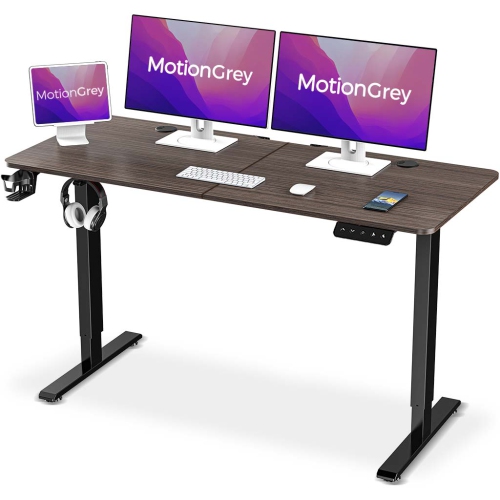 Your price for this item is $97.99
-
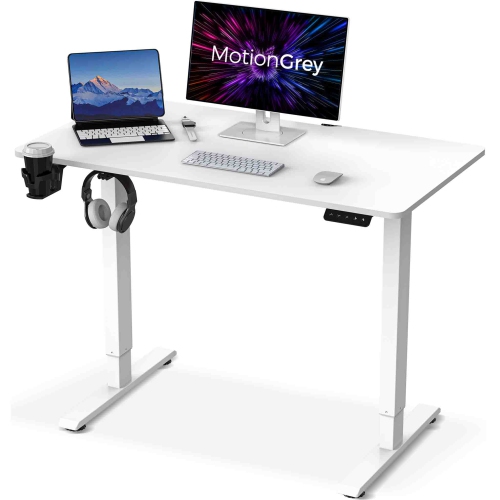 Your price for this item is $89.99
-
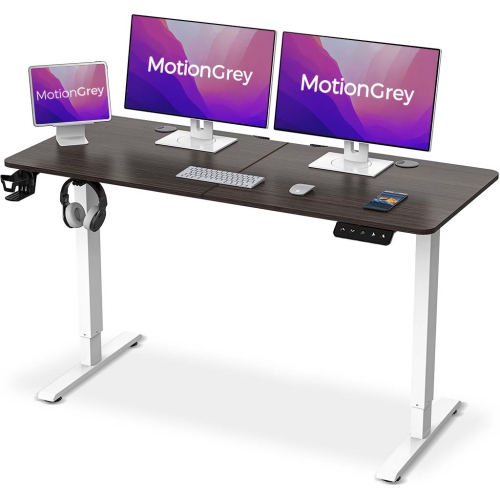 Your price for this item is $84.99
-
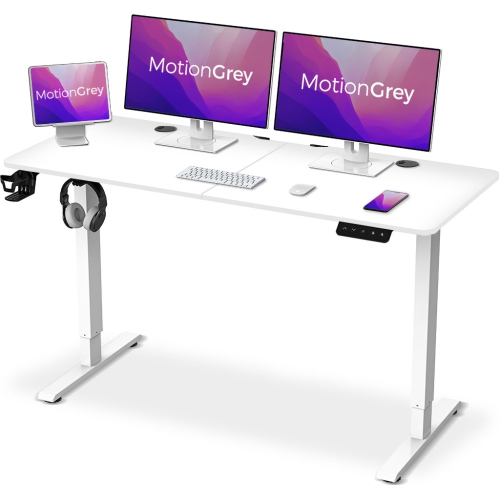 Your price for this item is $97.99
-
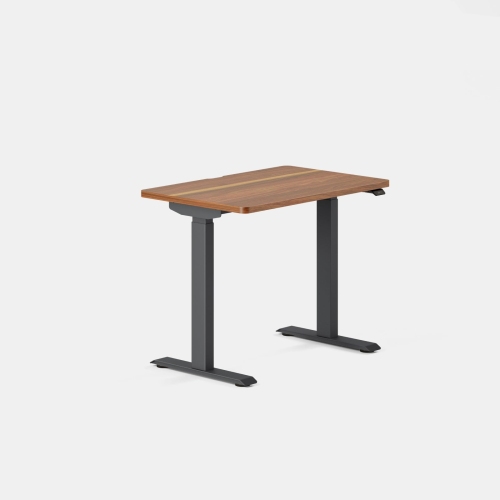 Your price for this item is $649
-
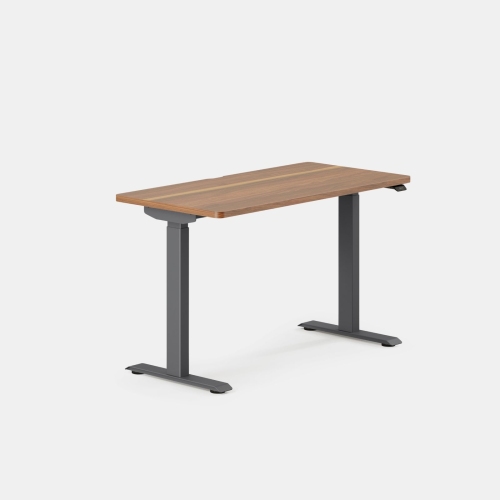 Your price for this item is $749
-
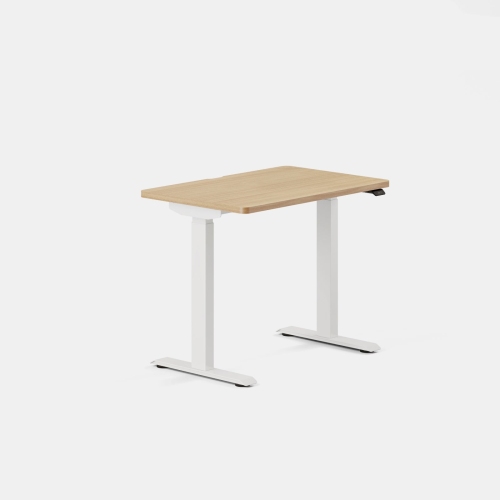 Your price for this item is $649
-
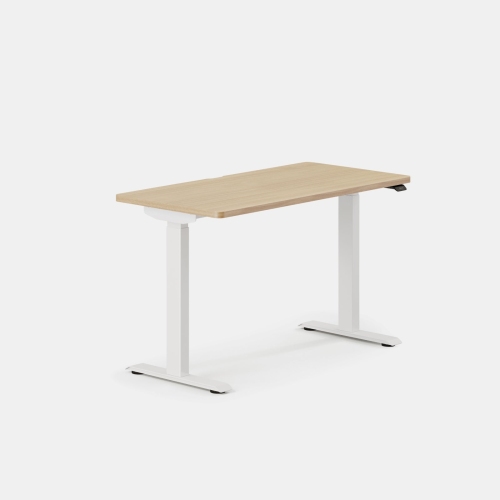 Your price for this item is $749
Discover more categories related to Computer Desks for Students
Top Collections:
Best Black Friday Deals This Year, Best Black Friday Deals On Electronics, Kindle Devices, Pokemon Centers, Best Black Friday Deals On Apple Products, Best Cameras for Sports Photography, Dyson Airwrap, Pokémon 30th Celebration Cards, Apple iPhone 17 Pro, Canon G7X Cameras
Some products may be subject to Environmental Handling Fees
(EHF) depending on your province.
Learn more about EHFs.