Zwilling Knife Block
Upgrade your kitchen setup with a Zwilling Knife Block, designed to keep your cutlery organized and easily accessible. Whether you're preparing everyday meals or experimenting with new recipes, a quality knife block helps you maintain a tidy countertop while ensuring your essential tools are always within reach. Explore a variety of options to find the Zwilling Knife Block that fits your culinary needs and complements your kitchen décor.
Sort
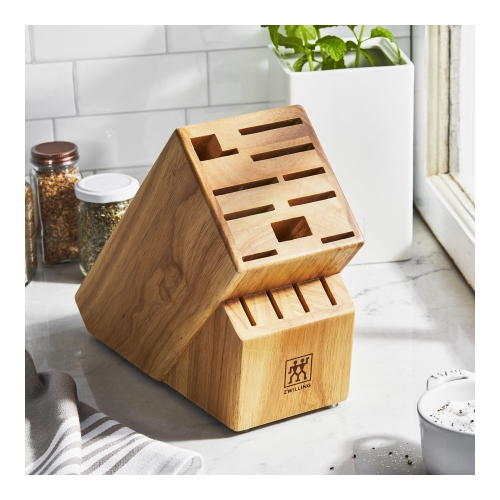
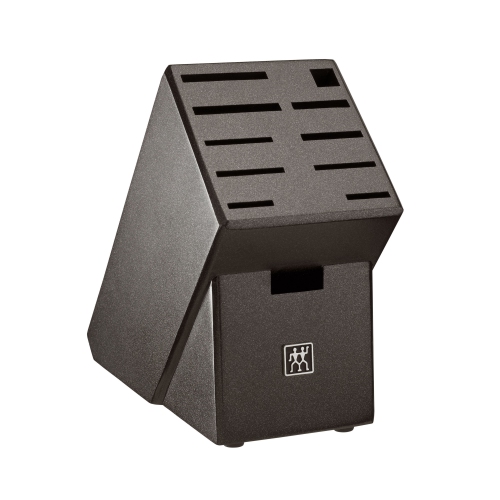
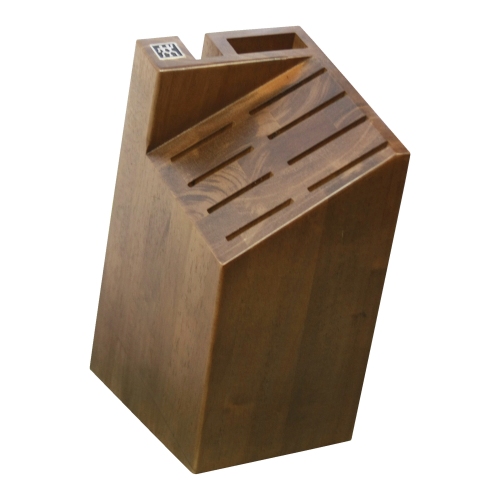


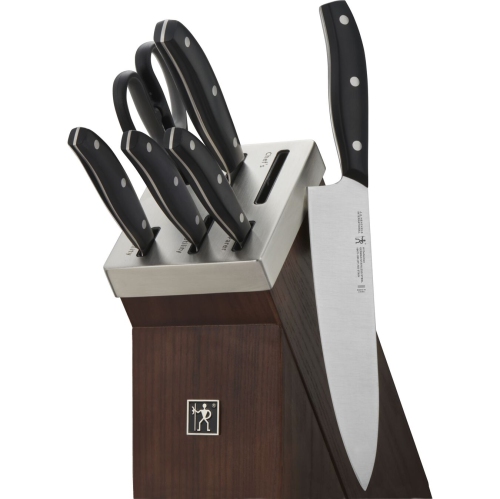
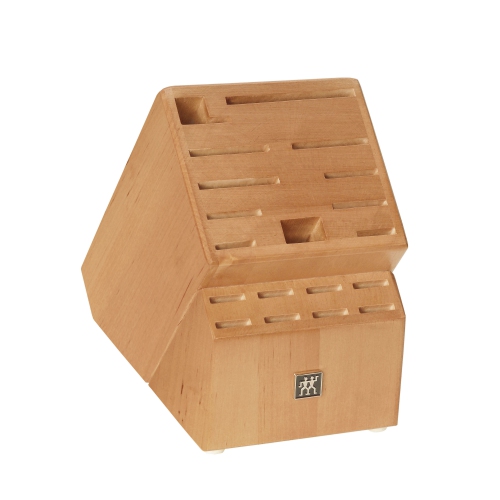
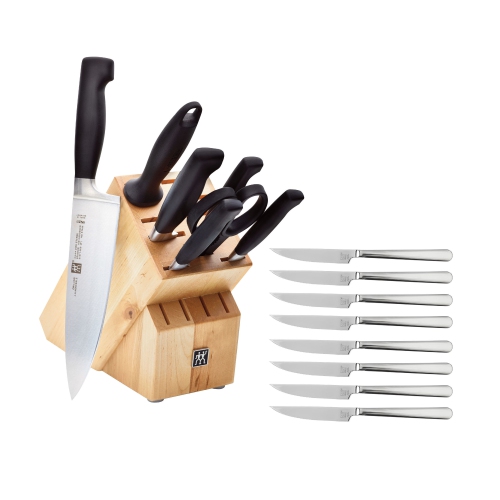
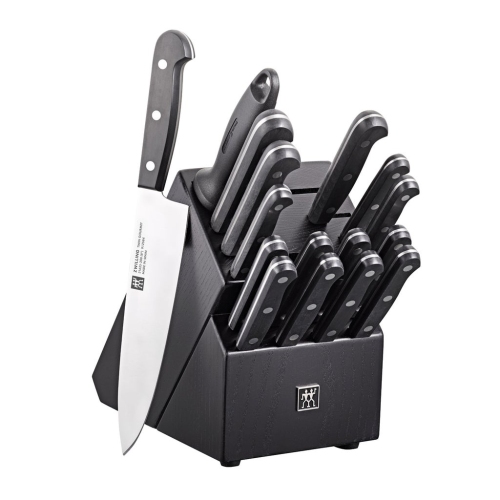
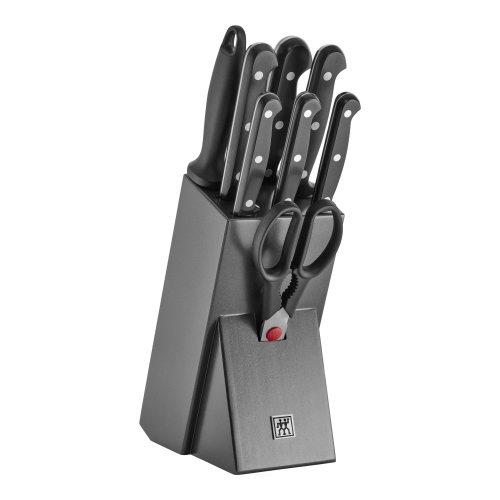
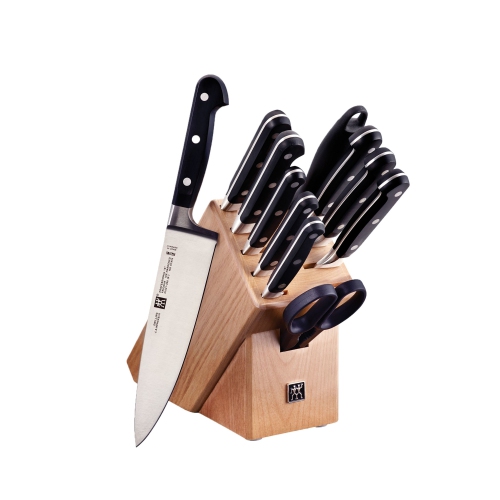
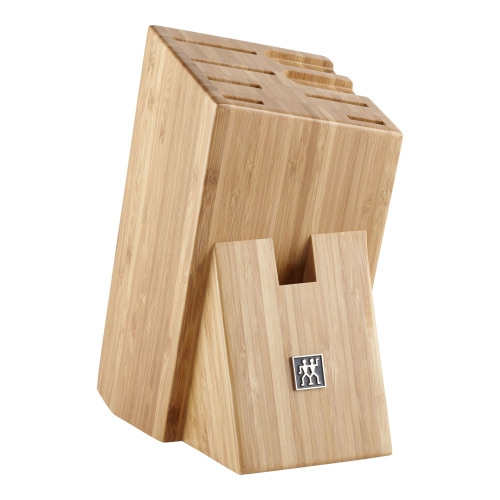
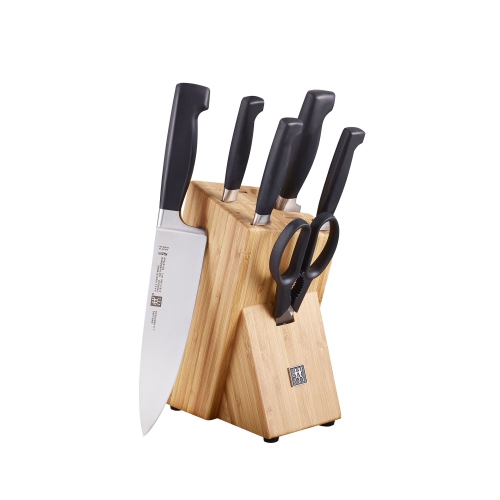
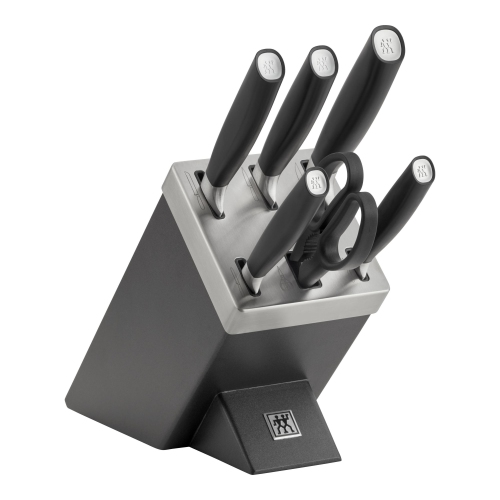
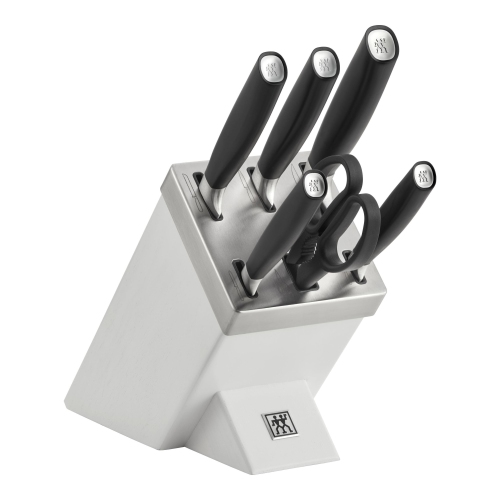
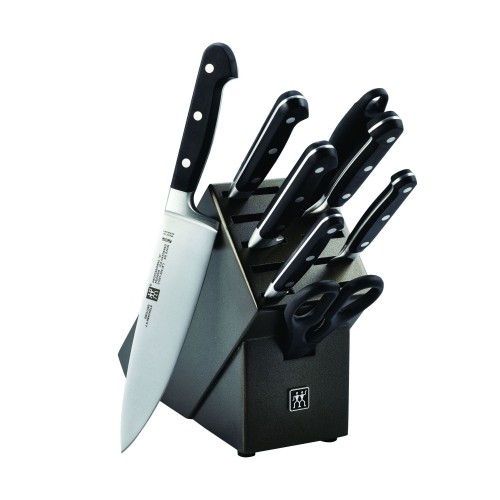
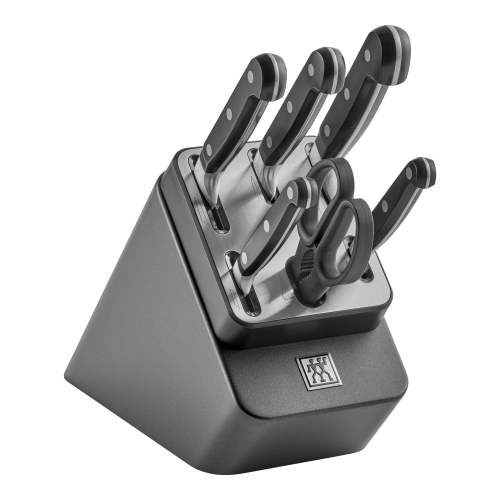
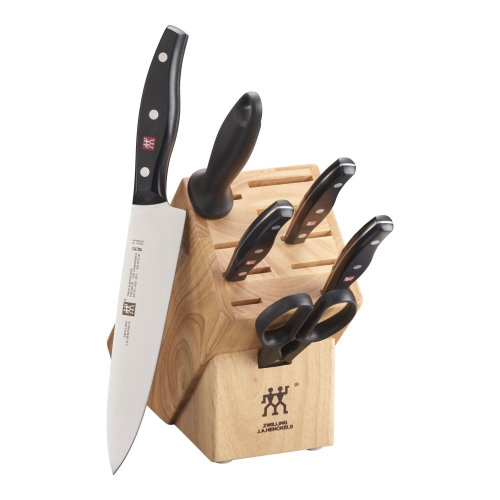
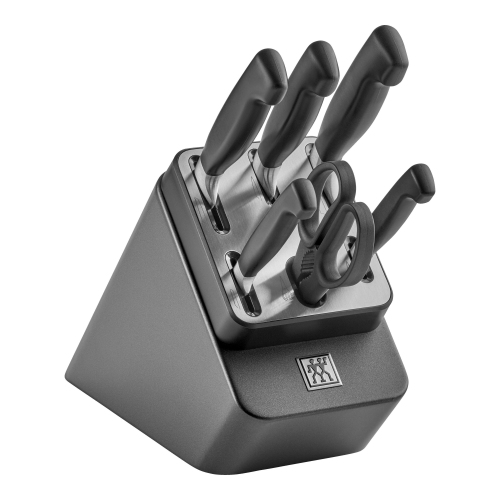
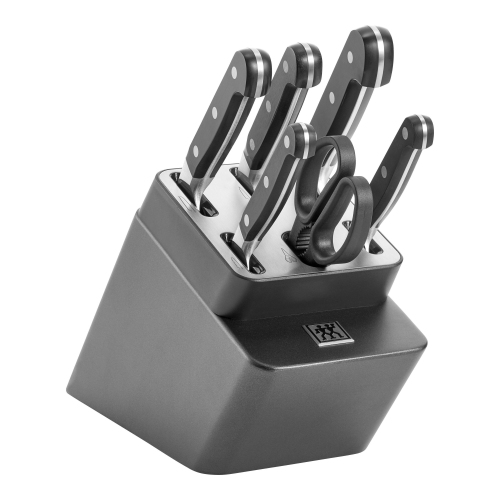
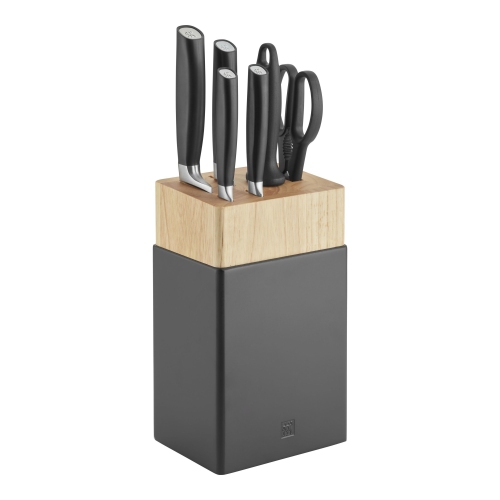
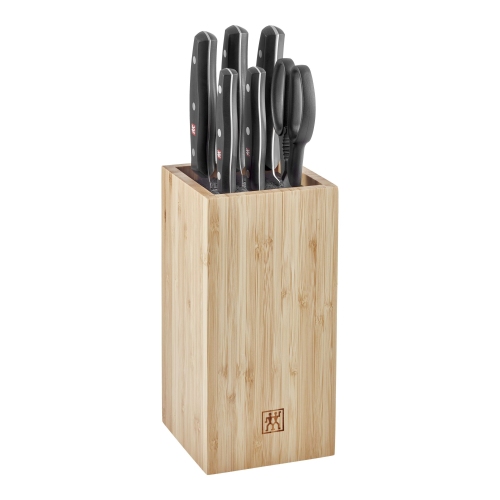
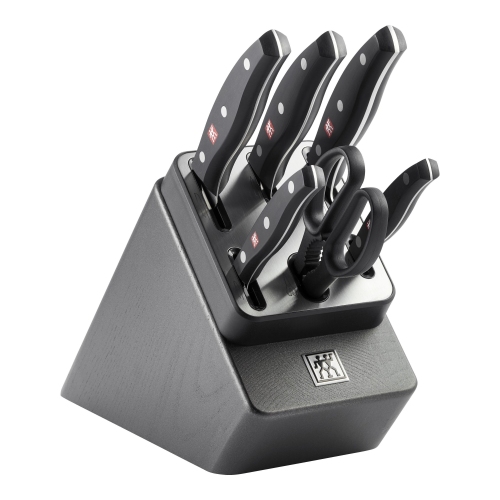
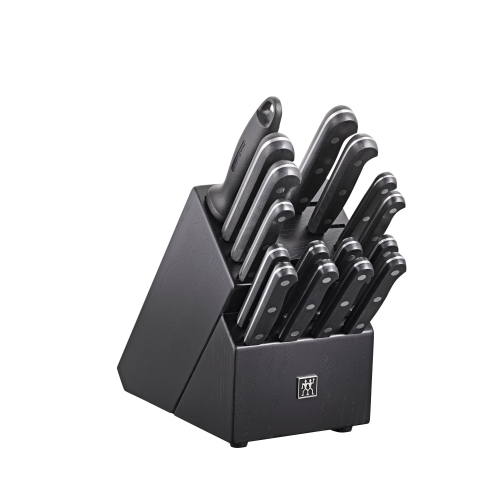
The right storage starts with the knives you use
A knife block gives everyday kitchen tools a defined place on the counter, keeping the knives used for chopping, slicing, and trimming close to the cutting board. Its value becomes especially clear during a familiar stretch of meal preparation: a chef’s knife handles onions and carrots, a smaller blade trims strawberries, and a serrated knife slices through a crusty loaf without flattening the soft centre. Keeping those tools separated in suitable slots helps protect their edges from contact with other utensils, while leaving handles visible and accessible. Knife blocks can be empty storage pieces or part of a set that includes knives and, in some cases, kitchen shears or a honing steel. That distinction matters when adding storage for an existing collection rather than furnishing a kitchen from the beginning. An empty block needs to accommodate the knives already in use, including their blade lengths, widths, and shapes. A coordinated set brings together tools intended to work with its storage layout, although the contents vary from set to set. For a household that cooks simple meals most evenings, a practical assortment may centre on a chef’s knife, a paring knife, and a serrated bread knife. More involved preparation can make room for additional shapes suited to fine slicing, detailed trimming, or larger ingredients. The number of slots alone does not describe how useful a block will be; the relationship between the storage space and the tools used regularly is more meaningful. For kitchens being equipped with a coordinated assortment, Zwilling Knife Sets are a related option to consider alongside storage needs. A well-matched block and knife assortment can suit a compact apartment kitchen, a busy family cooking space, or a countertop where keeping frequently used utensils organized is part of the daily routine.
Materials and construction influence how a knife block looks, feels, and fits into the kitchen. Wood brings visible grain and a warm finish that sits comfortably beside wooden cutting boards, painted cabinetry, or stone counters. Bamboo offers its own distinctive grain pattern, while designs incorporating metal or moulded components can create a more streamlined appearance. The finish is only one part of the fit, however. A block occupies a three-dimensional space, and the clearance needed to draw a long knife upward can be easy to overlook beneath low cupboards. Angled slots may make removal more comfortable in some layouts, while upright storage can suit a different counter arrangement. A broad base can offer stability, but it also takes up more worktop space; a narrower footprint leaves more room for a cutting board or small appliance. Slot dimensions deserve similar attention. A wide chef’s knife, a long bread knife, and a slim utility knife do not necessarily fit interchangeable openings, and a slot intended for kitchen shears may have a different shape altogether. Magnetic designs and blocks with flexible inserts use different holding methods, so compatibility depends on the particular storage system rather than appearance alone. In a shared kitchen, clearly visible handles and an orderly layout can make it easier to return each tool to its place after use. Position also matters: a stable, dry area away from the counter edge keeps storage separate from splashes and passing elbows. A block is convenient storage, not a childproof enclosure, and sharp tools still need to remain beyond children’s reach. Durability depends on everyday handling as much as the outer material. Repeated moisture exposure, rough insertion, and forcing an oversized blade into a narrow opening can affect the block or the knife. A suitable fit allows each blade to slide into place without pressure, with enough handle clearance for a comfortable grip when it is time to prepare the next meal.
The knives stored in a block should feel appropriate for the work they do, whether that means finely chopping herbs, portioning boneless meat, or slicing tomatoes for sandwiches. Blade shape, handle size, weight, and balance all contribute to that experience. A substantial handle may feel reassuring in one hand and cumbersome in another, while a lighter knife can feel nimble without necessarily being the preferred choice for every task. Stainless steel is common in kitchen cutlery because it combines useful corrosion resistance with practical everyday care, although it is not immune to staining or damage. Forged and stamped blades differ in how they are made, but neither description on its own establishes how comfortable or suitable a knife will be for a particular cook. Edge geometry, construction, and maintenance also matter. A wooden or suitable plastic cutting board is gentler on fine edges than glass, stone, or ceramic, and kitchen knives are not substitutes for tools intended to cut through bones or frozen food. After preparation, prompt handwashing with mild detergent and careful drying generally help protect both blades and handles, subject to the manufacturer’s care directions. Knives should be fully dry before returning to enclosed storage, and the block itself needs cleaning appropriate to its material and design rather than immersion by default. Removable inserts, open slots, and solid wood bodies can require different care. Edge upkeep is another part of long-term use: honing can help maintain some knife edges between sharpenings, but it does not replace sharpening when an edge has become dull. Any integrated maintenance feature needs to be used only with the knife types specified for it. For a housewarming, wedding, or someone establishing a kitchen, a knife block set can be a thoughtful gift when the recipient’s cooking habits and available counter space are considered. For an experienced home cook, storage that fits an existing collection may be more useful than adding extra blades. In either case, the lasting appeal lies in practical details: a comfortable handle, a suitable edge, a stable place to store it, and tools that earn their place through regular use.
Top selling and popular products
-
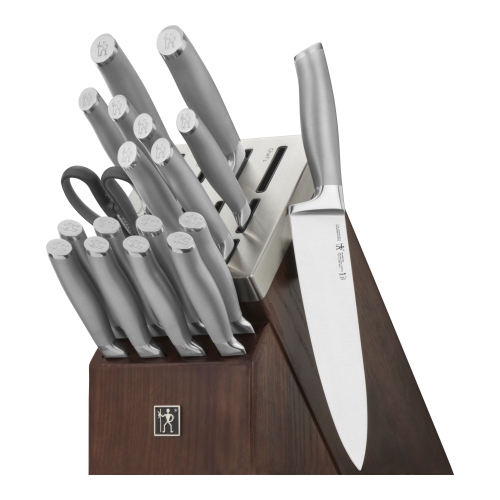 Your price for this item is $489.99
-
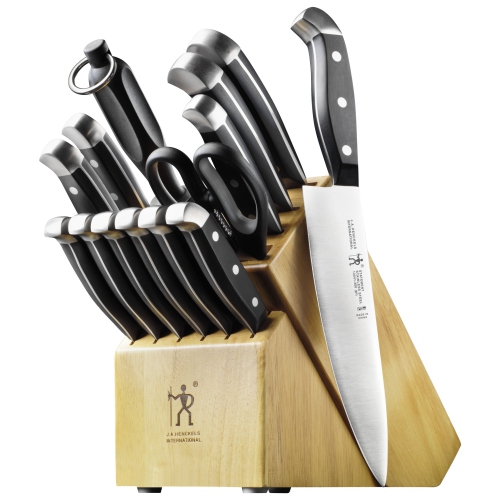 Your price for this item is $239.99
-
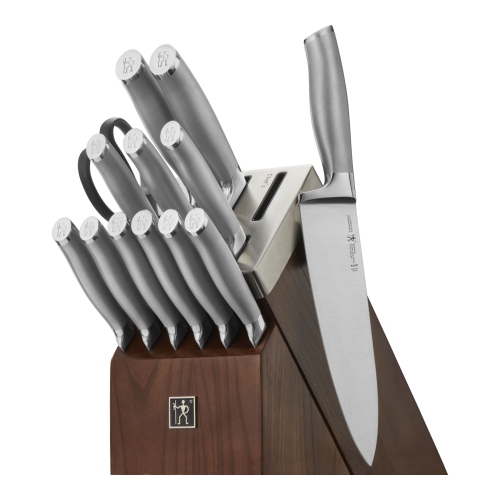 Your price for this item is $229.99
-
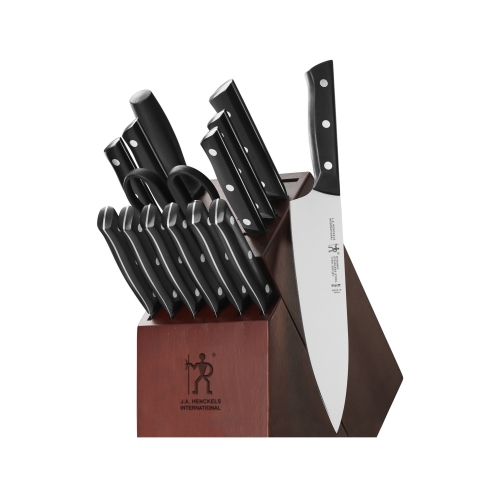 Your price for this item is $214.99
-
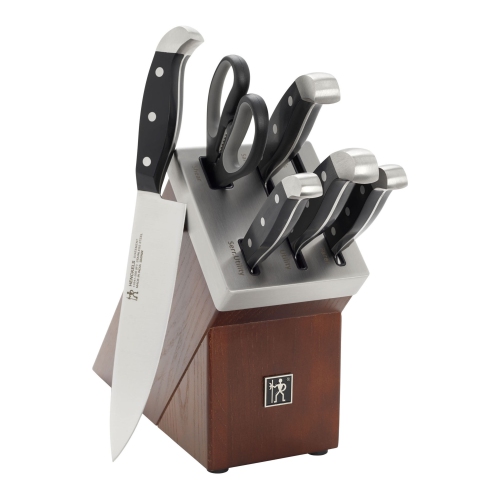 Your price for this item is $179.99
-
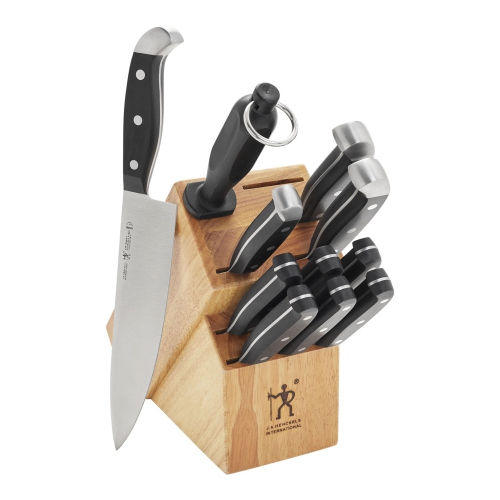 Your price for this item is $179.99
-
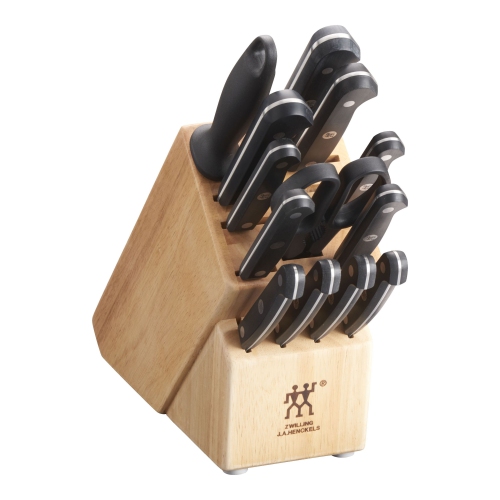 Your price for this item is $479.99
-
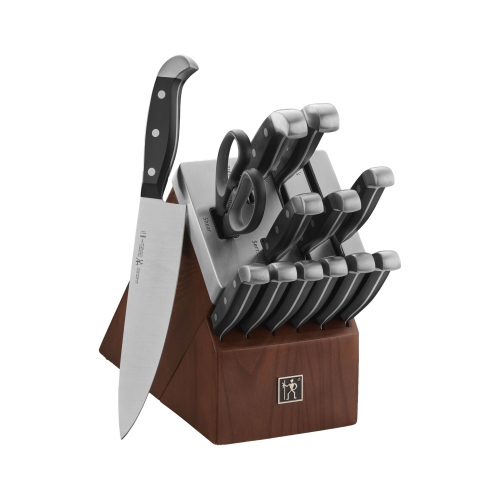 Your price for this item is $279.99
Discover more categories related to Zwilling Knife Block
Top Collections:
Best Black Friday Deals This Year, Best Black Friday Deals On Electronics, Kindle Devices, Pokemon Centers, Best Black Friday Deals On Apple Products, Best Cameras for Sports Photography, Dyson Airwrap, Pokémon 30th Celebration Cards, Apple iPhone 17 Pro, Canon G7X Cameras
Some products may be subject to Environmental Handling Fees
(EHF) depending on your province.
Learn more about EHFs.