Home Reverse Osmosis Water Filtration Systems

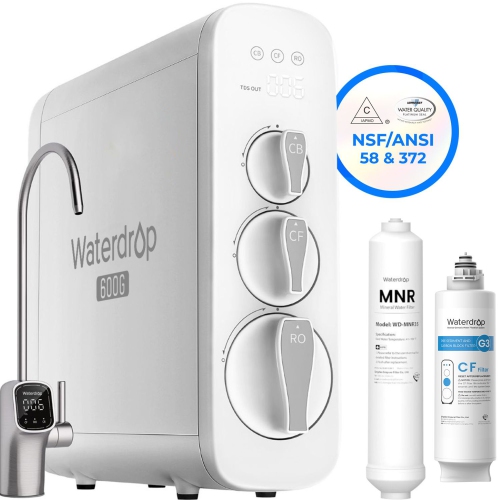
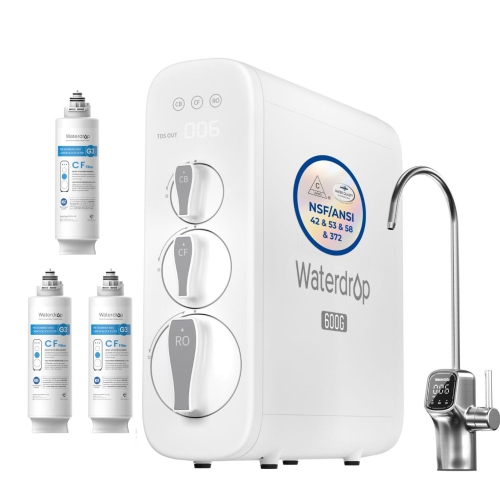
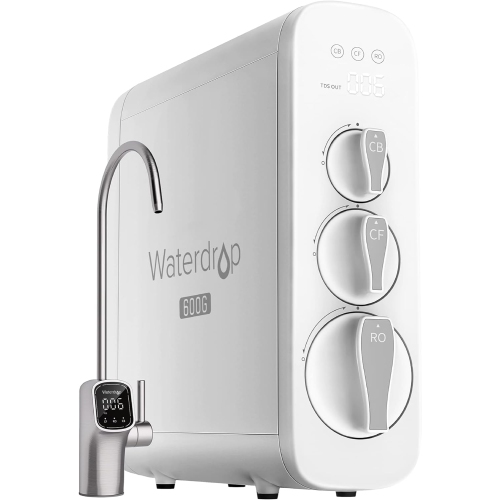
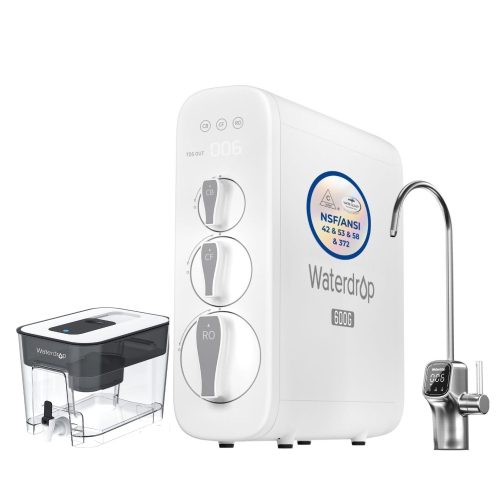
Home reverse osmosis water filtration systems offer a way to filter drinking water at home. Browse the selection and compare system dimensions, installation requirements, filtration stages, and replacement filter needs to find an option that fits your space and household water use.
Read More

Sort

What reverse osmosis can and cannot remove from water

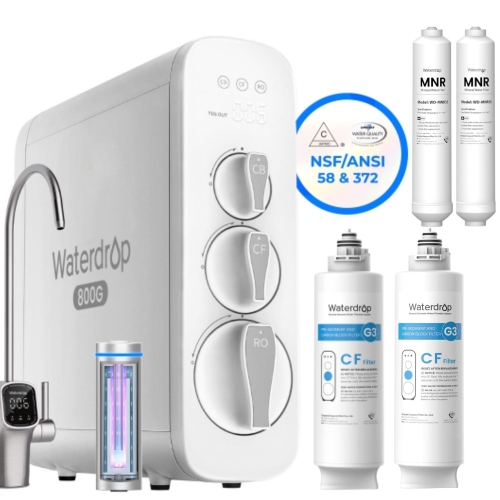
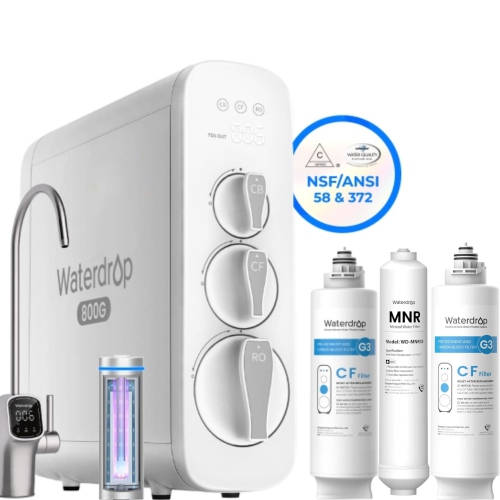
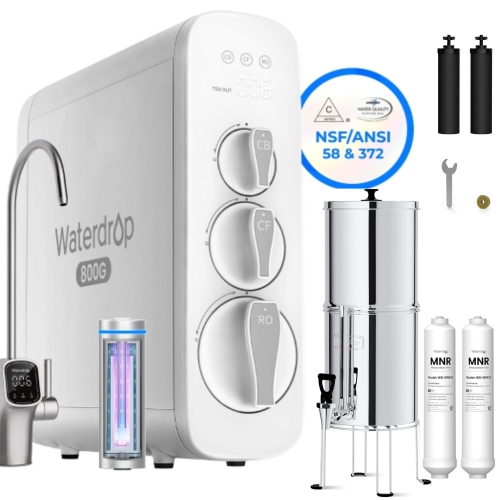
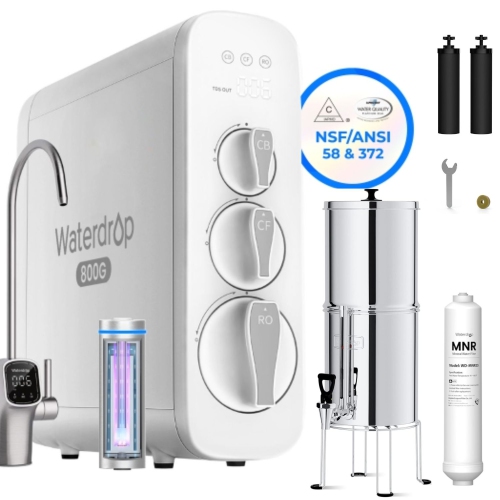
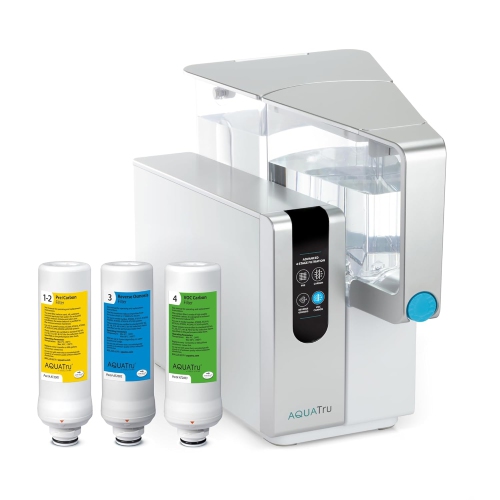
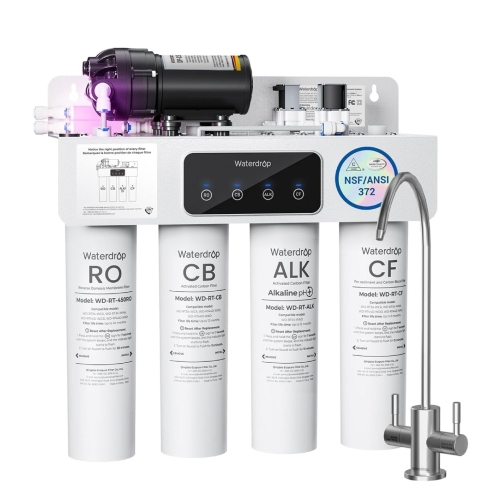
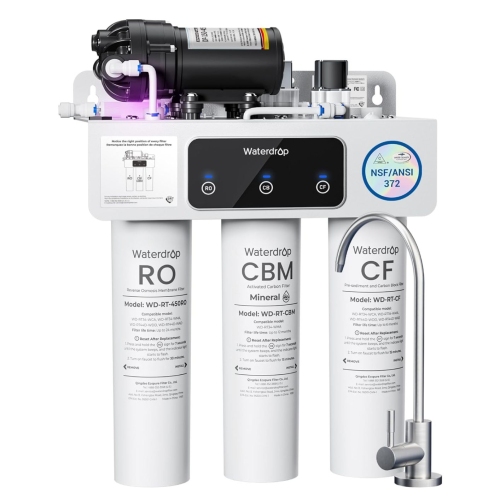
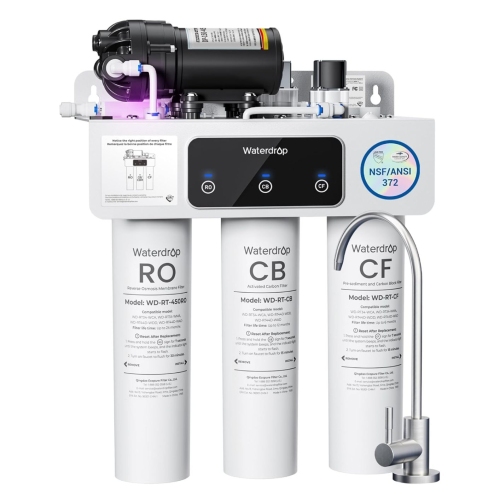
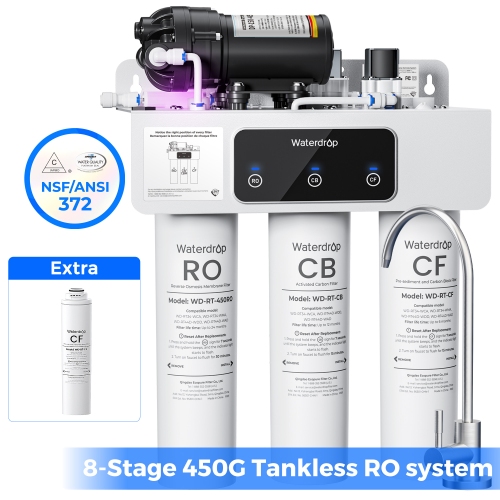
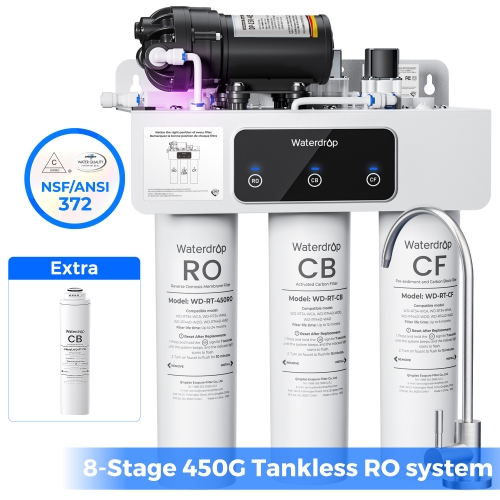
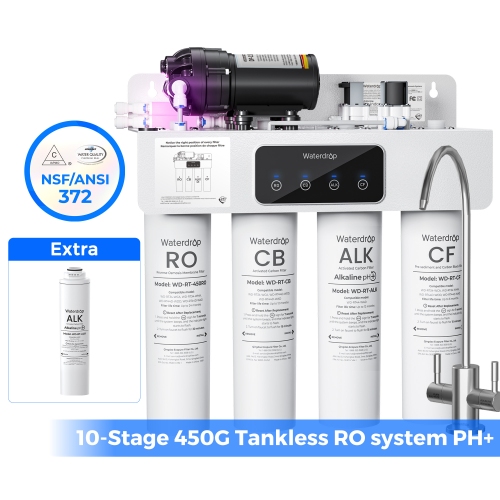
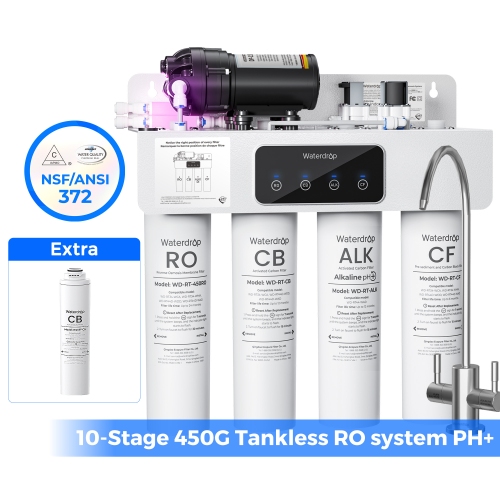
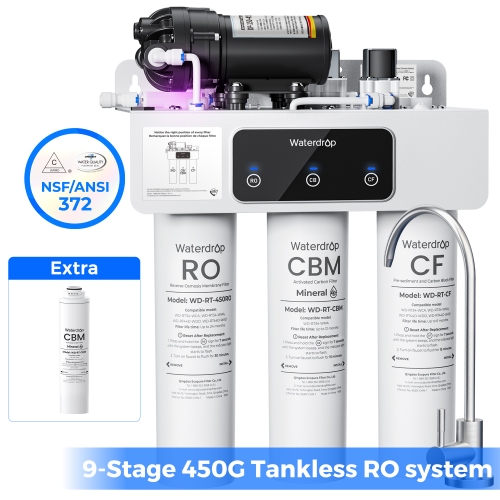
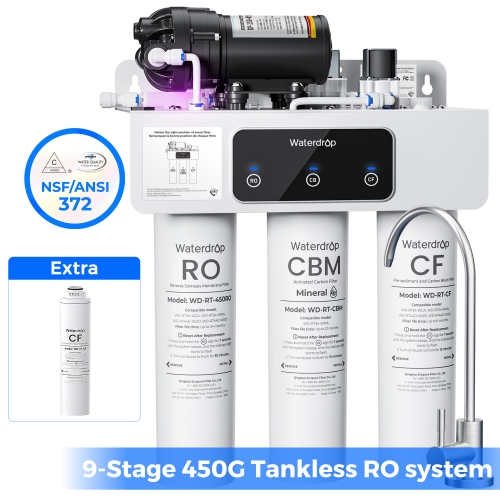
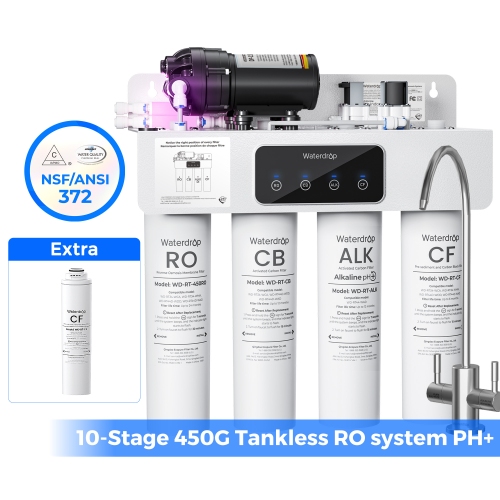
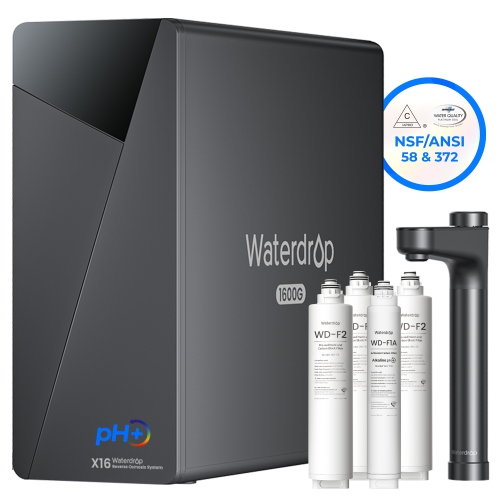
Home reverse osmosis water filtration systems treat drinking water by using pressure to move it through a semi-permeable membrane, separating filtered water from a stream that carries away rejected substances. Often called RO systems, they typically combine this membrane with sediment and carbon filters to address different aspects of water quality. A sediment filter captures particles such as sand and rust, while suitable carbon filtration can reduce chlorine taste and odour and help protect the membrane. Depending on the system and its verified performance, reverse osmosis can reduce dissolved salts and certain contaminants, including lead, arsenic and nitrates. Those capabilities are specific to the complete system: a high stage count or a low total dissolved solids reading does not, by itself, establish that water is safe to drink. Certification to NSF/ANSI 58 provides a useful reference for reverse osmosis drinking water systems, but the listed contaminant reduction claims still matter because not every certified system addresses the same substances. For a household supplied by municipal water, the main appeal may be a more neutral taste in a glass of water, ice cubes or a freshly filled kettle. For a home supplied by a private well, laboratory testing is an important starting point, since dissolved minerals and microbiological concerns require different treatment capabilities. An RO unit is not automatically a disinfecting system, and an added ultraviolet stage must be suited to the water conditions and properly maintained to perform its intended role. Most kitchen reverse osmosis systems treat water at a single point of use rather than supplying every tap in the house. That makes them particularly relevant to everyday drinking and cooking, from filling reusable bottles before work to measuring water for rice or soup. Some configurations include a remineralization cartridge that adds minerals such as calcium or magnesium after filtration, changing the taste of the finished water. This is a taste preference rather than a feature every household needs, and its effect depends on the cartridge and incoming water.

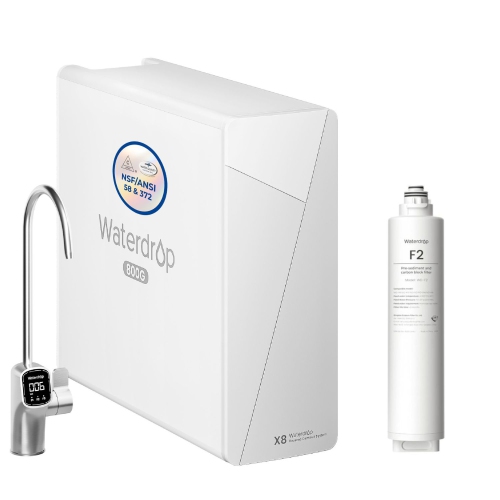
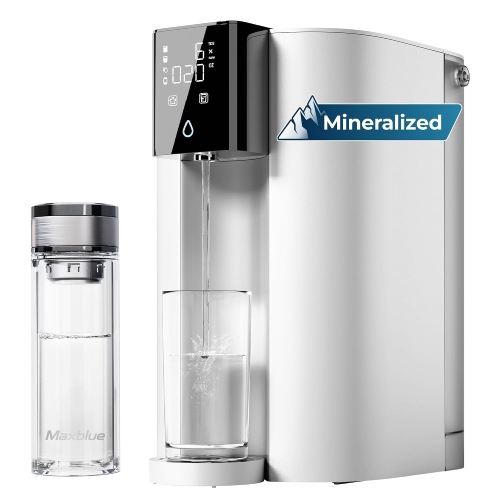
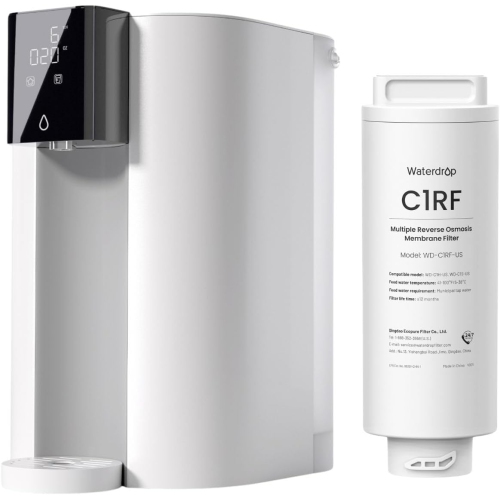
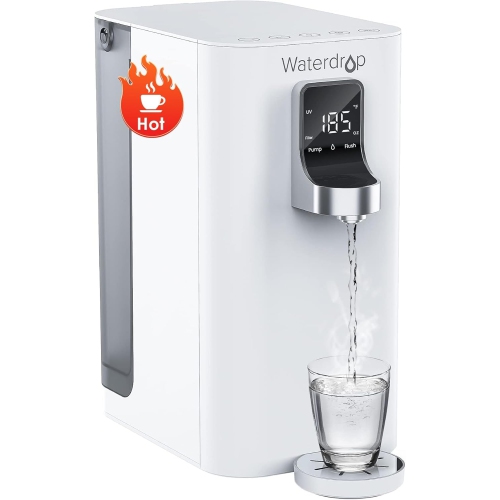
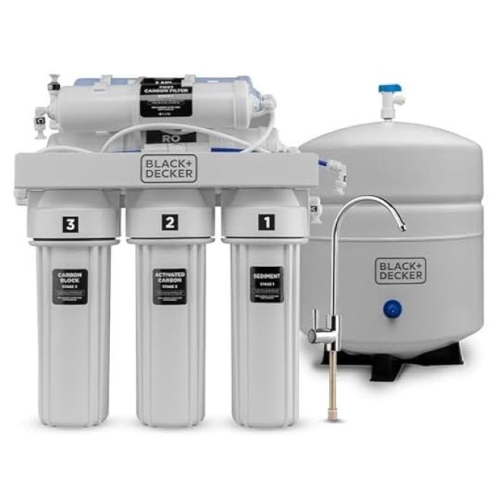
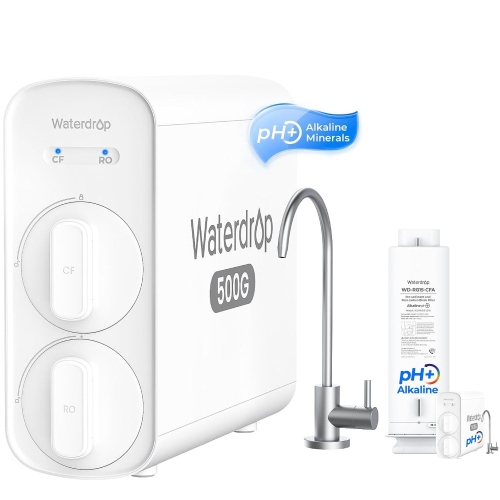
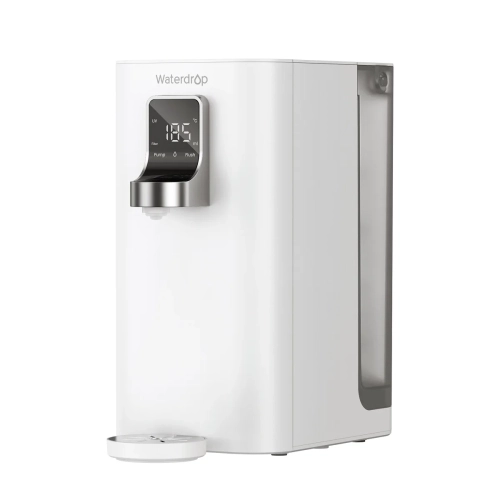
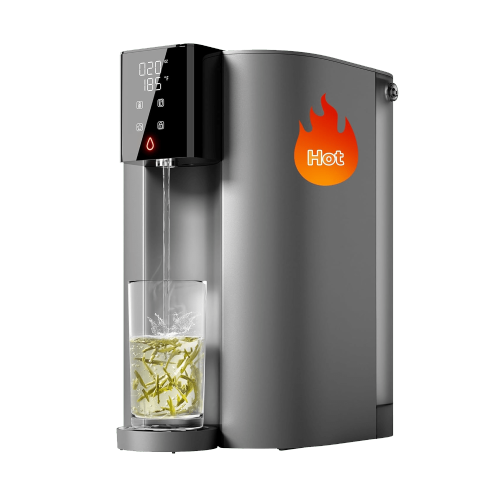
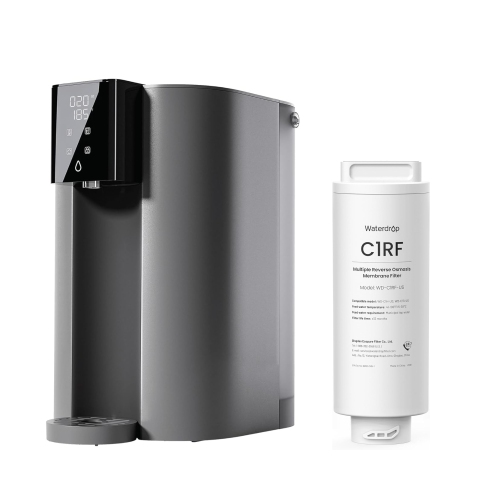
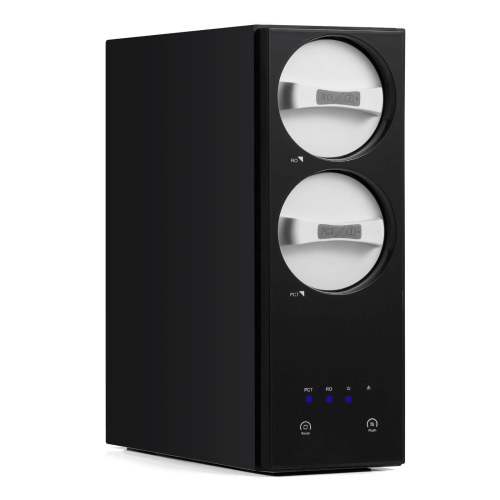
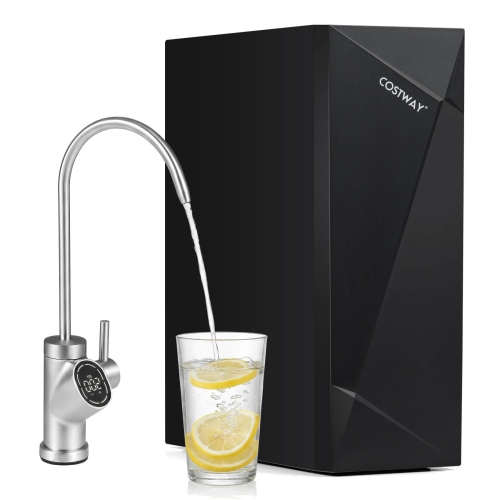
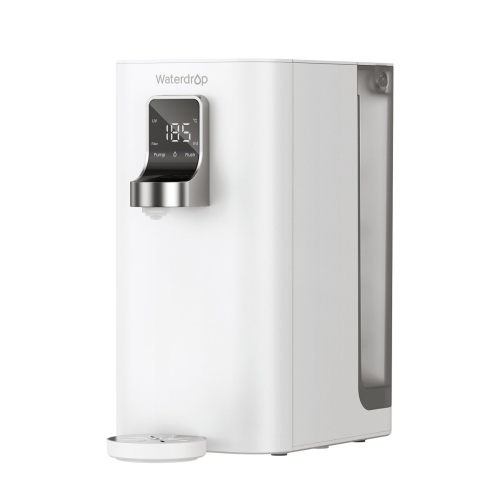
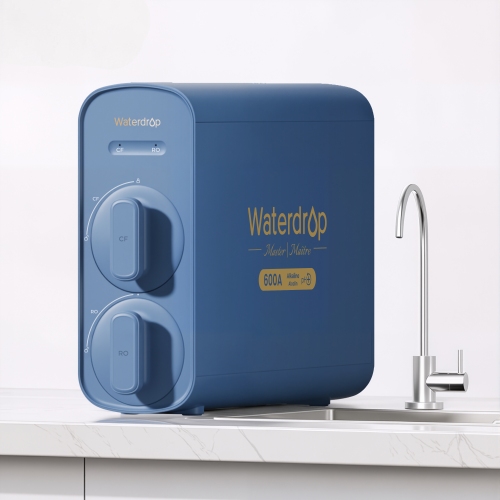
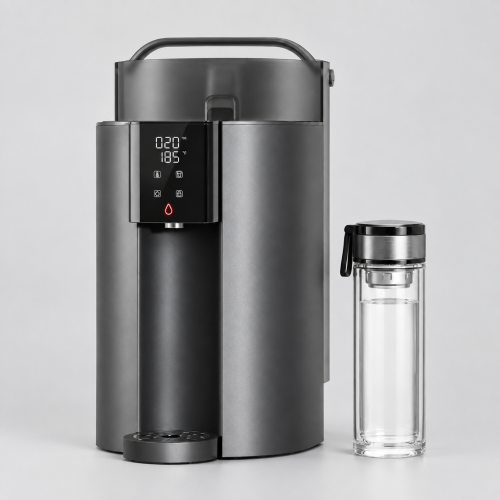
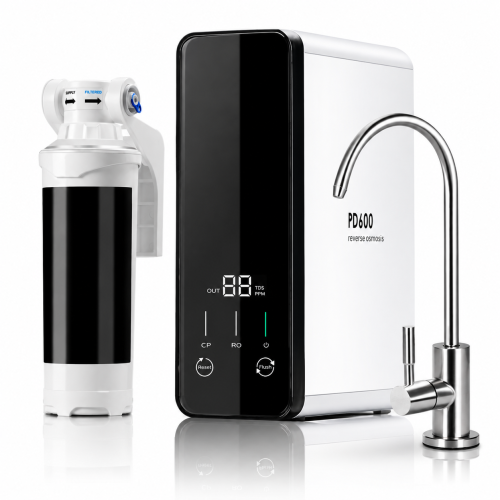
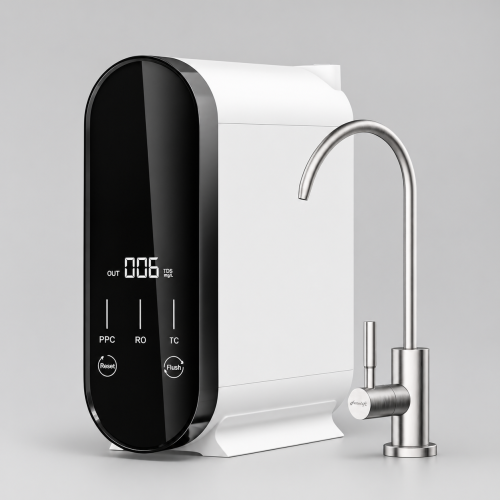
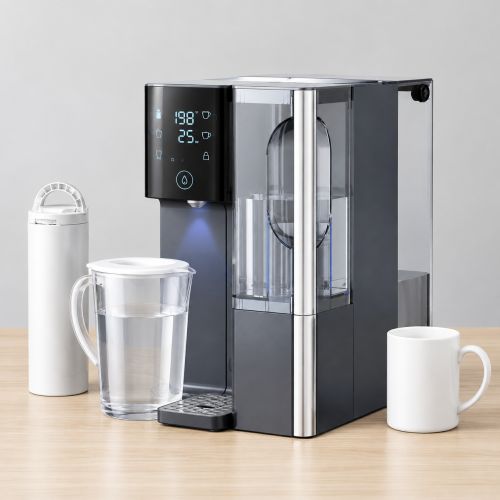
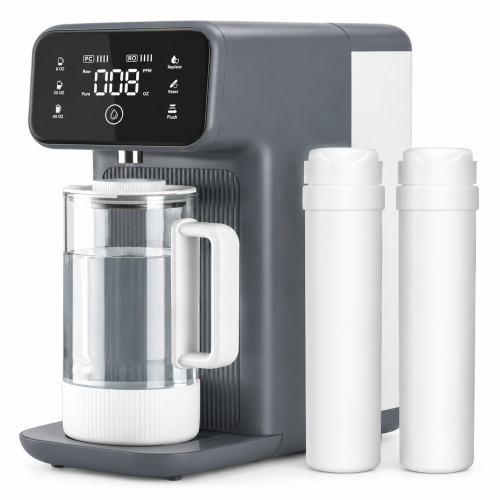
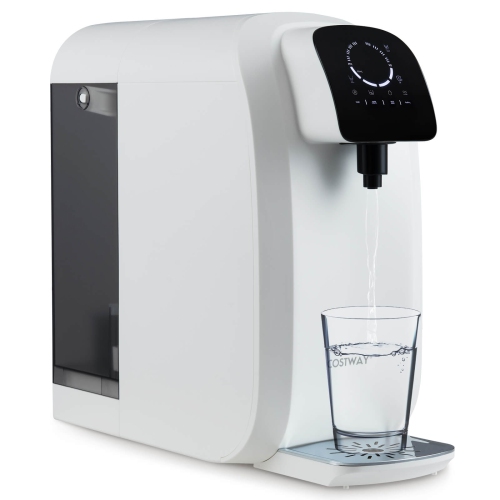
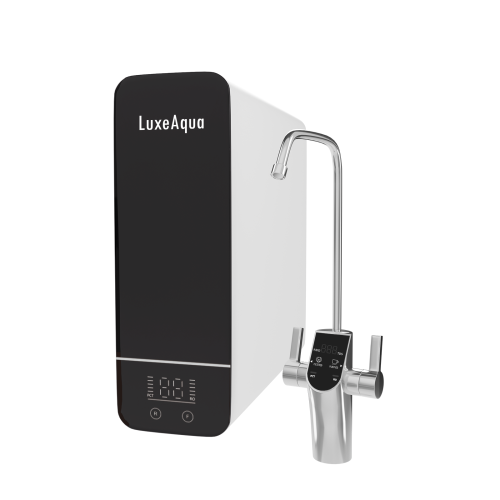
The main formats for home reverse osmosis systems are under-sink units with a storage tank, tankless under-sink units and countertop designs. A tank-based system holds treated water in a pressurized reservoir, providing a ready supply for ordinary kitchen tasks while the membrane gradually replenishes it. Its fit depends on more than the cabinet’s width: the tank, filter housings, shut-off valves and tubing all need room alongside the drainpipe, cleaning supplies and any pull-out bins. Usable tank capacity is generally lower than the tank’s total stated volume and varies with operating conditions. Tankless systems remove the separate storage reservoir and often use an electric pump to support on-demand filtration, so access to a suitable outlet can be as important as plumbing clearance. Their slimmer shape can suit a crowded cabinet, although space to remove cartridges and reach connections remains essential. Countertop designs may appeal to renters or households that cannot modify a sink, but arrangements differ: some use refillable reservoirs, while others require a compatible faucet connection. Under-sink installations commonly need a cold-water connection, an approved drain connection and a dedicated drinking-water faucet, which may require an existing sink opening or a suitable hole in the worktop. Durable housings rated for the intended water pressure, tubing suitable for drinking-water contact and securely fitted connectors all contribute to dependable daily use. Accessible shut-offs, leak detection and automatic shut-off features can also make a difference in a busy kitchen. For capacity, the distinction between daily production and dispensing speed is especially useful. A rating expressed in gallons per day describes production under specified test conditions, not necessarily how quickly a carafe fills at the faucet. A family filling several bottles in succession may place different demands on a system than one person drawing a glass at a time. Household water pressure, feed-water quality, storage capacity and pump design all affect how comfortably a system supports those routines.
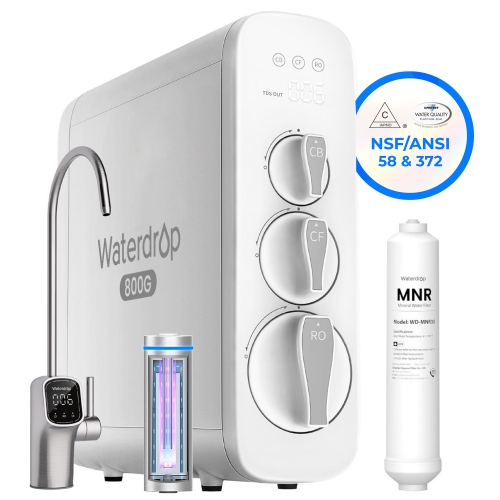
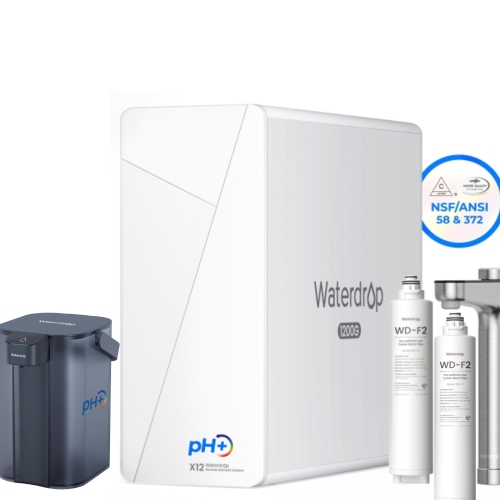
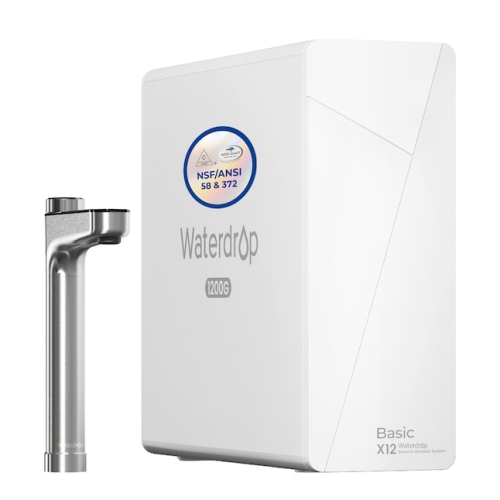
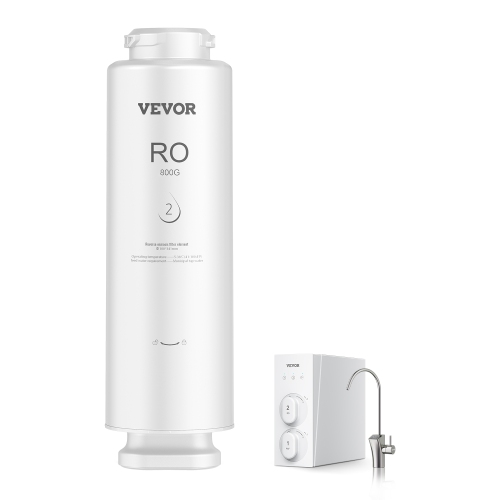
Long-term performance depends on matching the filtration system to the incoming water and keeping its serviceable parts accessible. Hard water contains dissolved calcium and magnesium, and although reverse osmosis can reduce these minerals in the treated drinking water, it does not replace a whole-home water softener. Mineral scale can also affect membrane performance, making feed-water hardness limits and any required pretreatment important details. For homes where mineral content is a central concern, Reverse Osmosis Filters for Hard Water brings that application into focus. The right arrangement depends on measured hardness and the system’s specifications, rather than the appearance of scale around a tap alone. Care usually involves replacing sediment and carbon cartridges, changing the membrane at the recommended interval and sanitizing components according to the manufacturer’s directions. These parts do not necessarily share the same replacement schedule; usage and water quality can shorten or extend their service intervals within the manufacturer’s guidance. Clear cartridge labels, straightforward release mechanisms and enough clearance beneath the housings make routine maintenance less awkward. Filter-life indicators can help track service, but some are timers rather than direct measurements of filter condition. A total dissolved solids meter can provide information about dissolved ion levels and changes in membrane performance, but it cannot identify individual contaminants or confirm microbiological safety. Reverse osmosis also produces reject water as part of normal operation, so a system’s stated filtered-water-to-drain-water ratio helps explain its water use, provided the comparison uses equivalent test conditions. For households hoping to connect filtered water to a refrigerator or ice maker, compatible tubing, sufficient delivery pressure and approval for that connection are important; not every kitchen RO system is designed for additional outlets. A well-matched setup leaves room for maintenance, provides enough treated water for the household’s usual routines and has documented performance relevant to the water being treated. Those practical qualities matter more in daily use than an impressive stage count alone, whether the faucet is filling a small saucepan or several drinking bottles before everyone heads out.
Read More

FAQ

Some products may be subject to Environmental Handling Fees (EHF) depending on your province. Learn more about EHFs.