Top Home Alarm Systems
Whether you're a homeowner who wants to protect your home and family, or a business owner who needs to ensure the safety of your employees and customers. There are plenty of options for home alarm systems. These days, you can even find wireless systems that will send alerts to your phone when the alarm is activated. Here are some of our favorites.
Sort
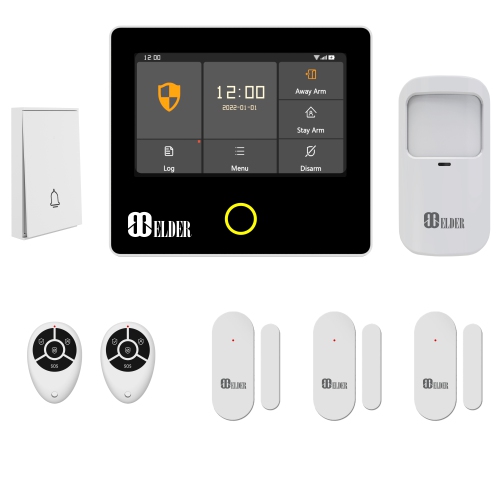
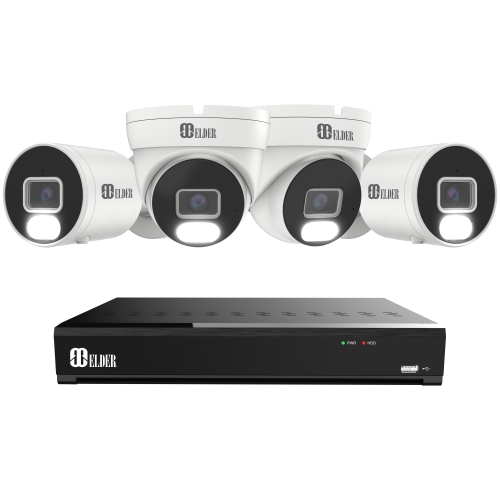
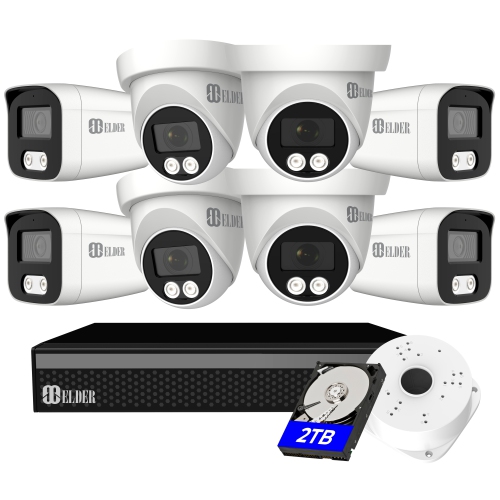
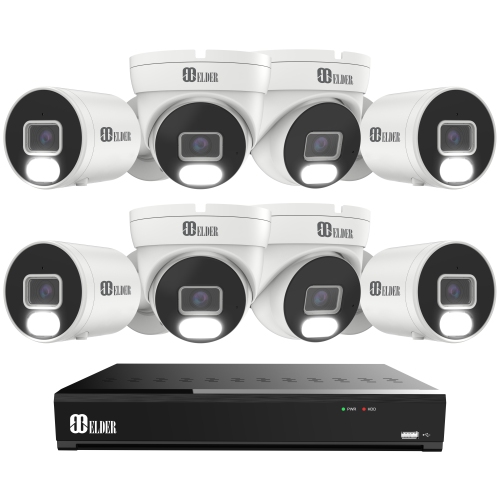
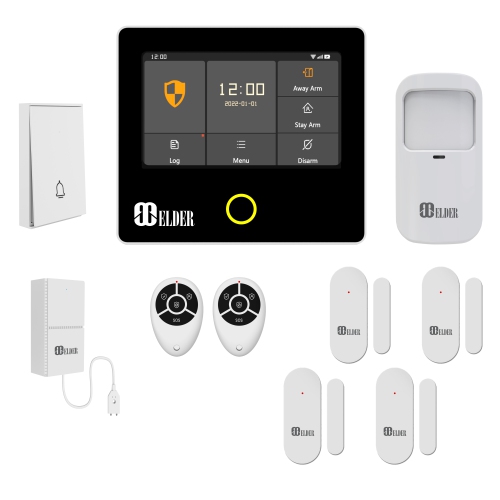
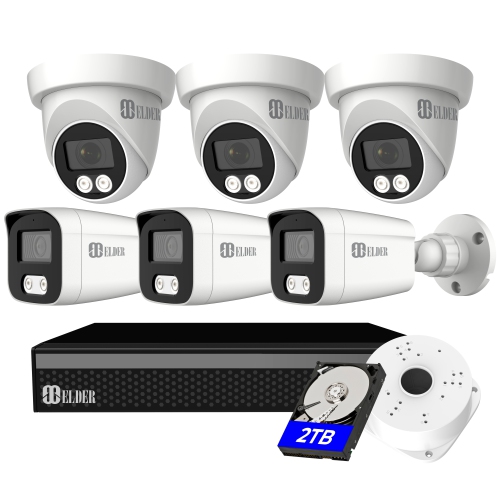
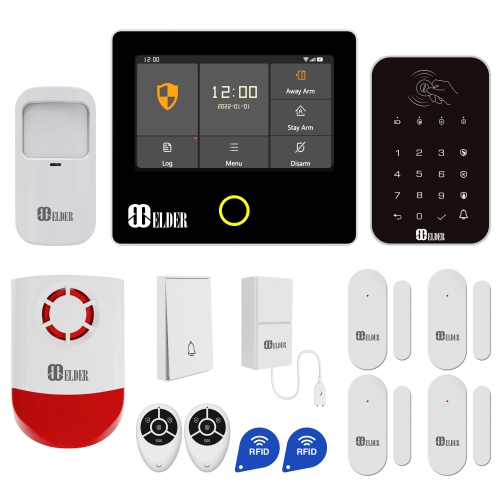
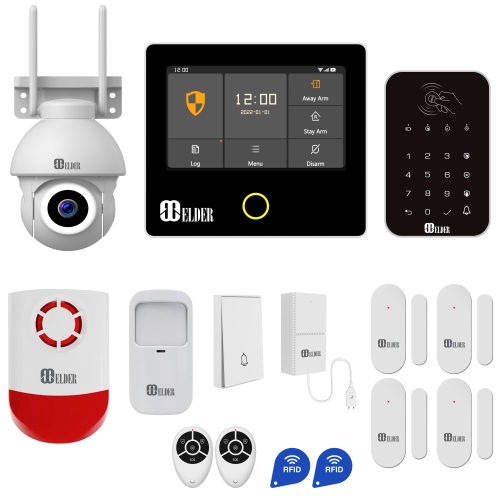
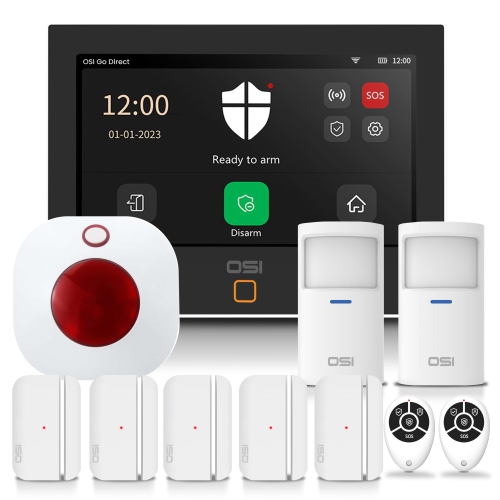
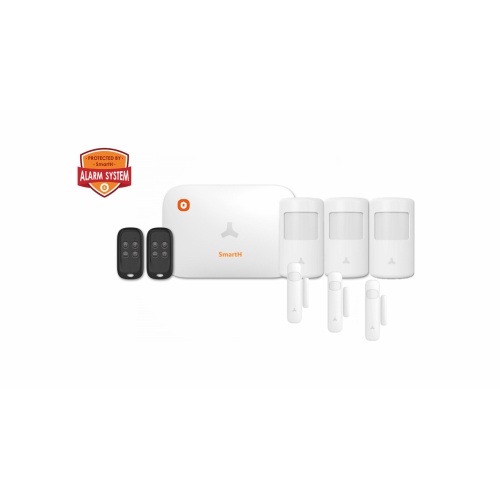
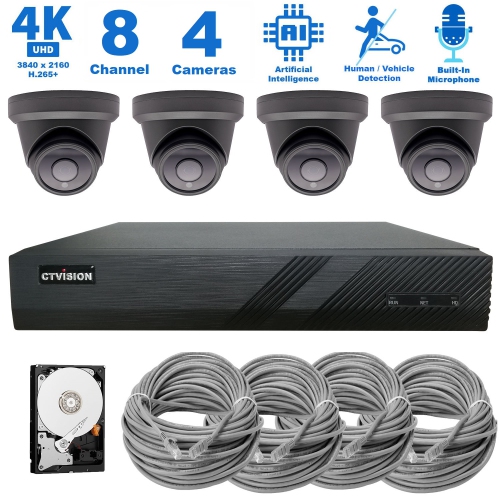
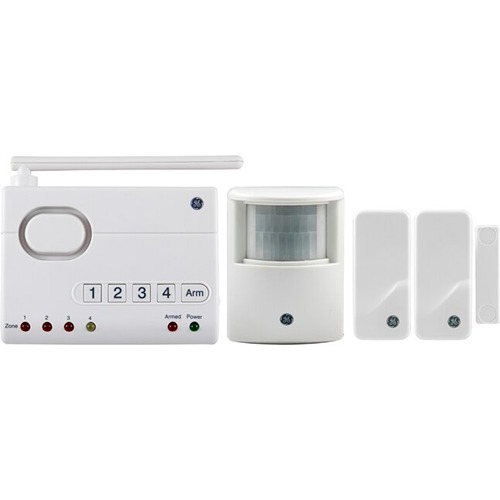
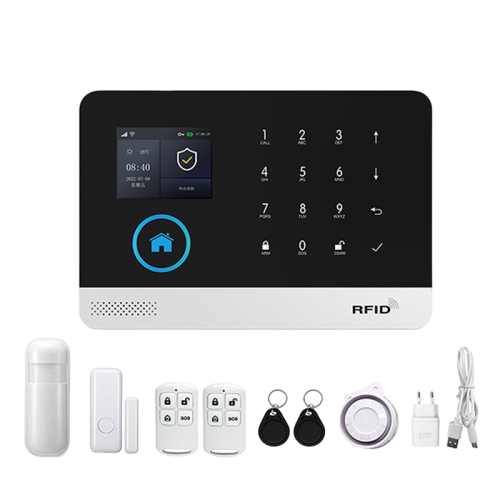
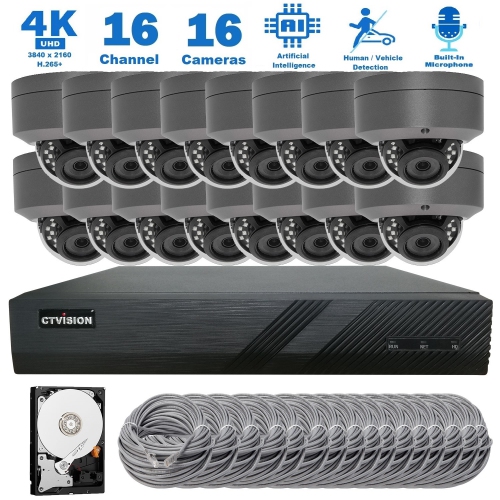
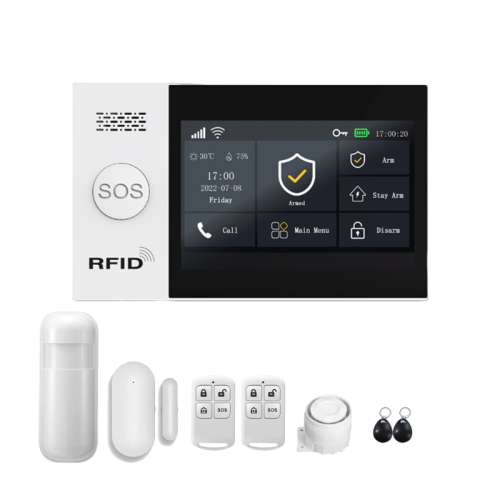
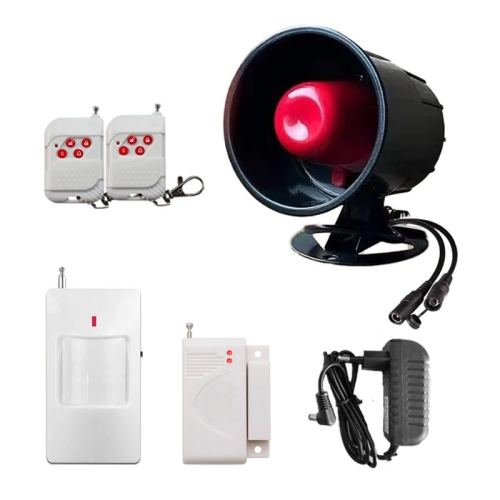
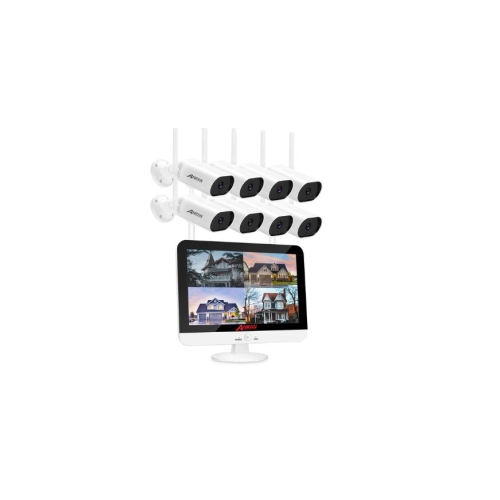
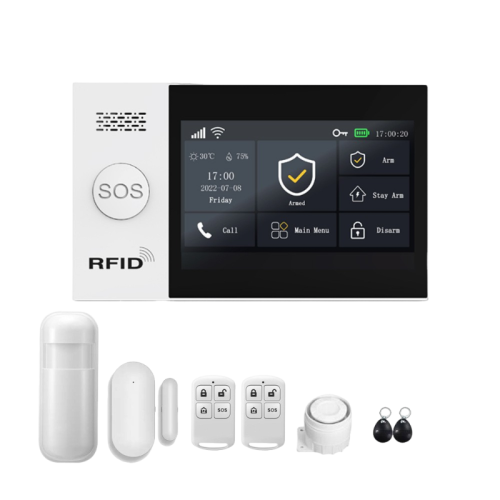

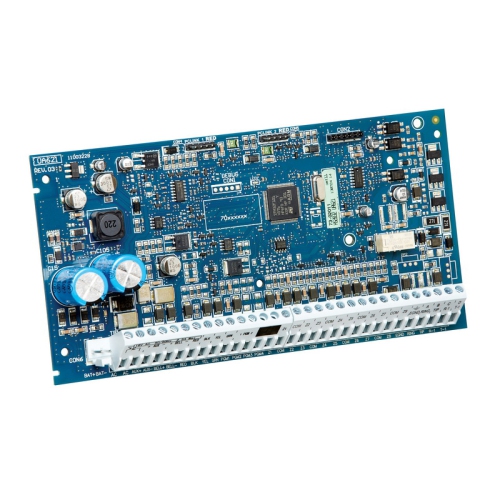
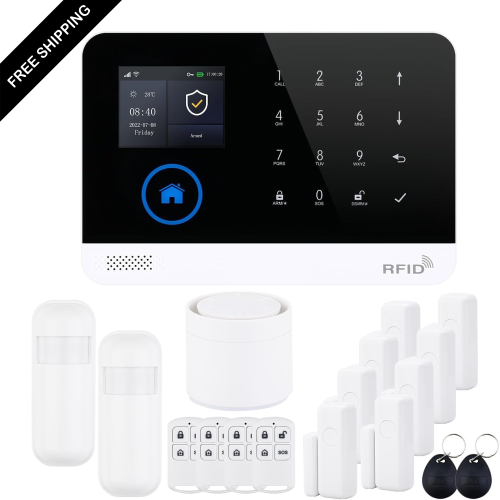
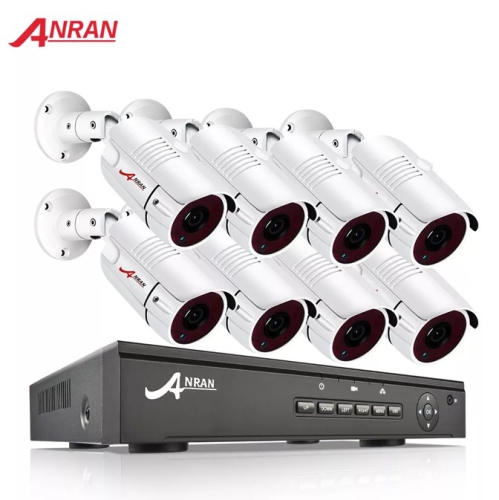
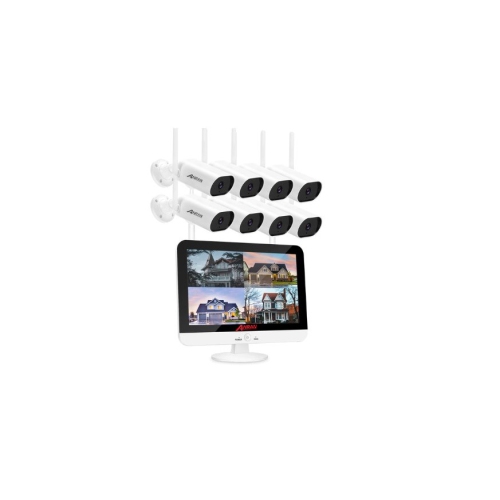
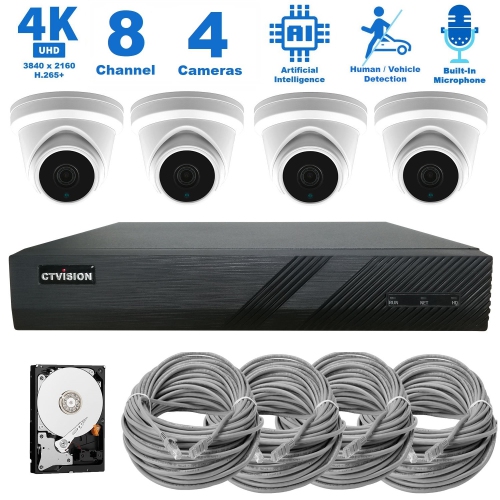
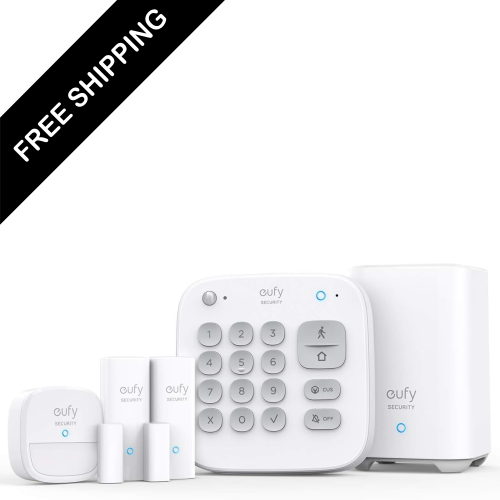
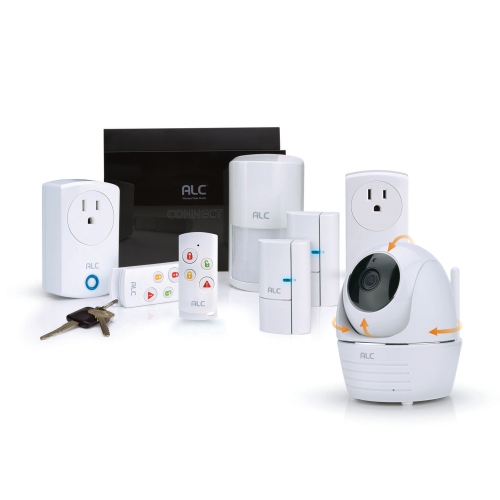
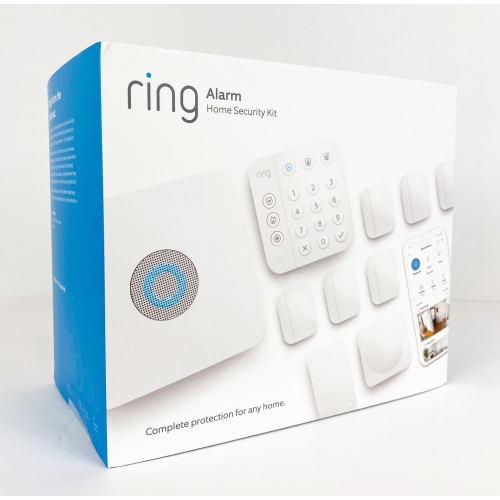
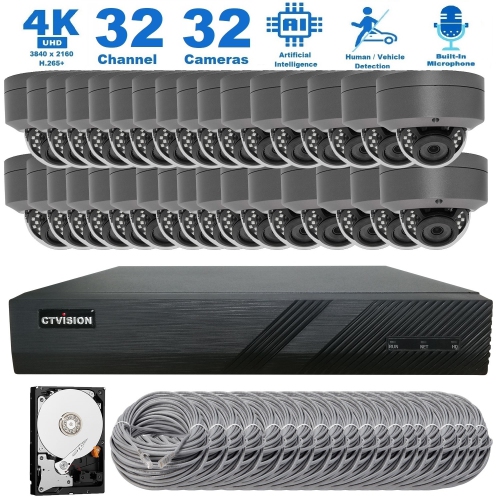
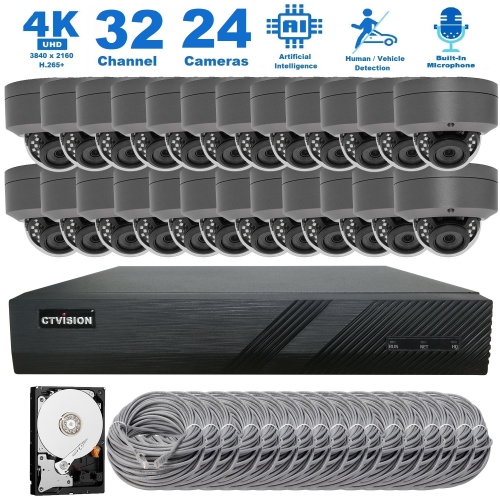
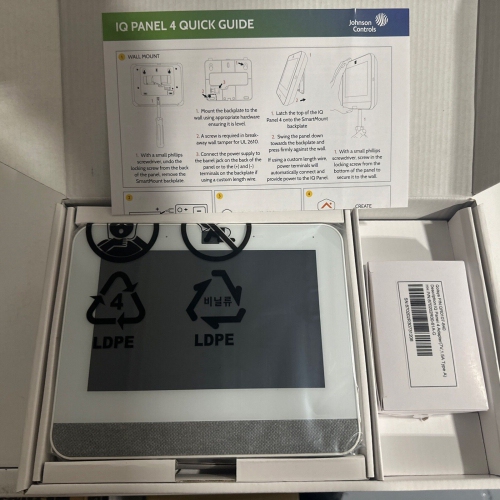
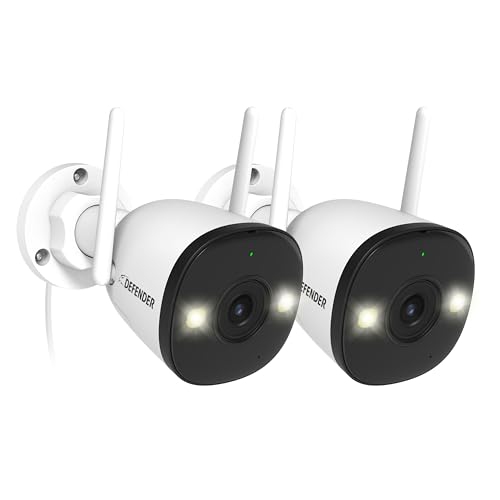
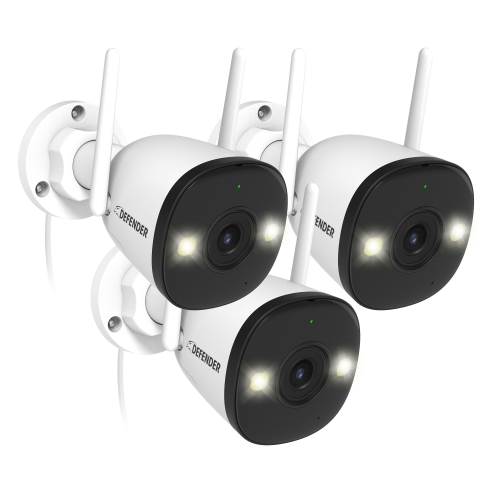
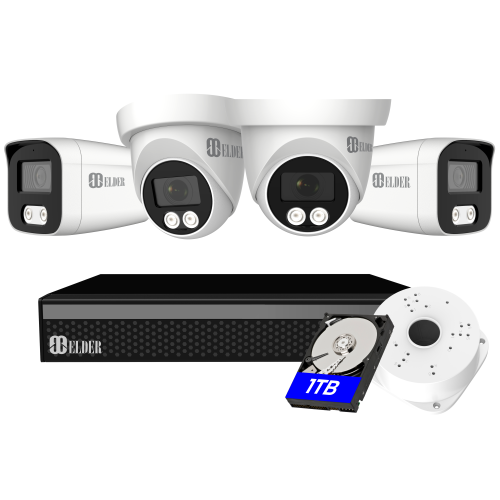
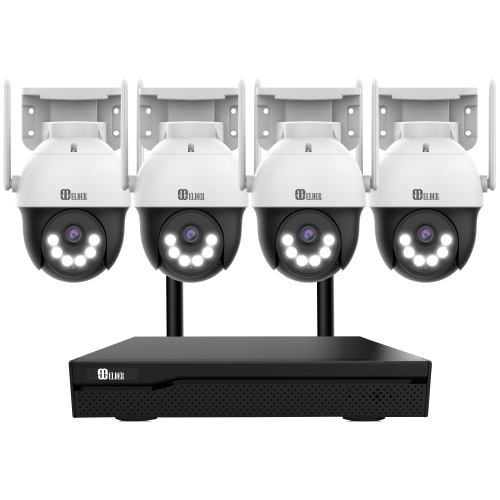
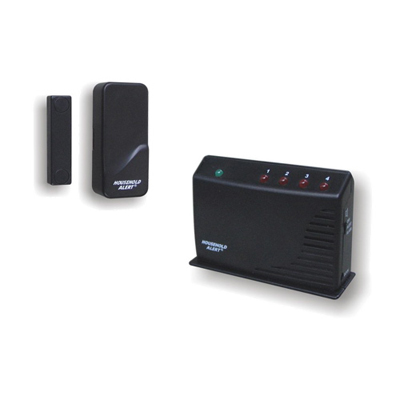
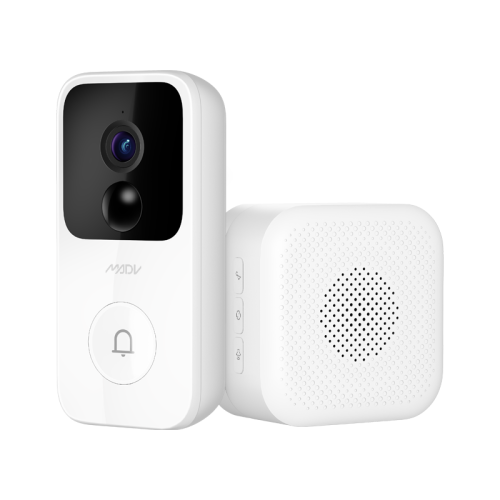
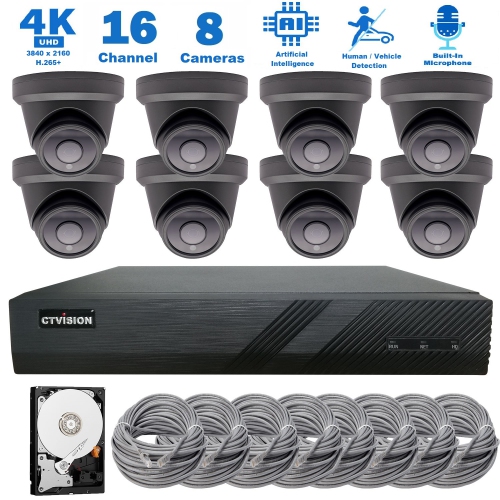
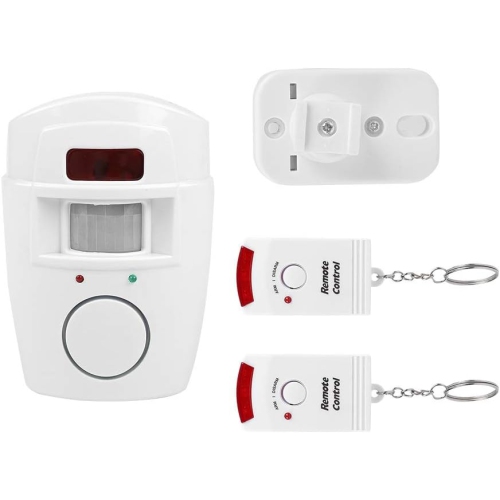
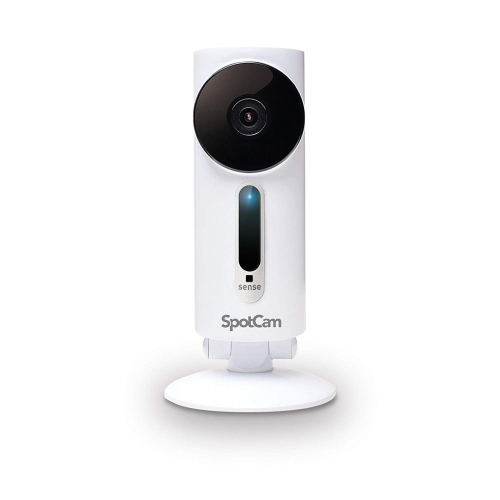
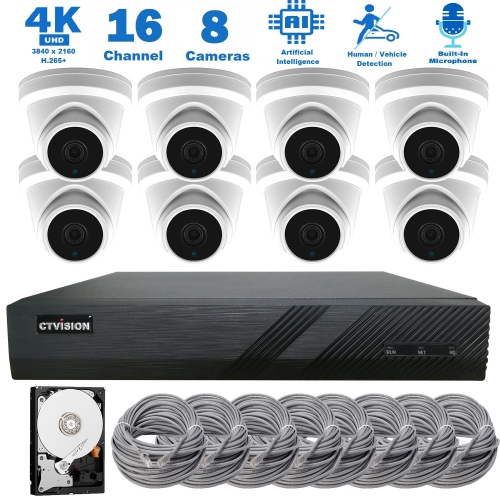
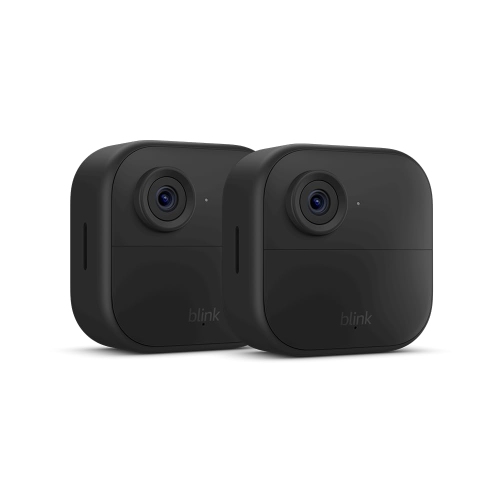
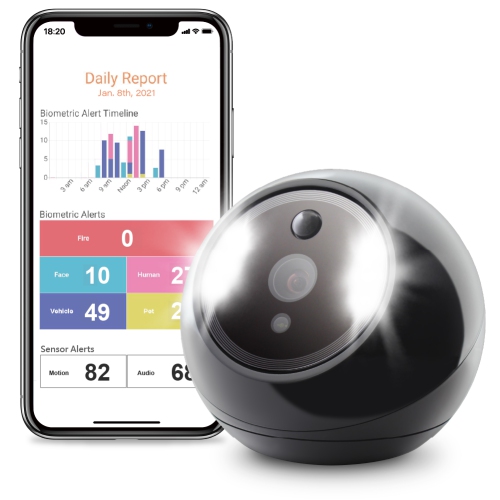
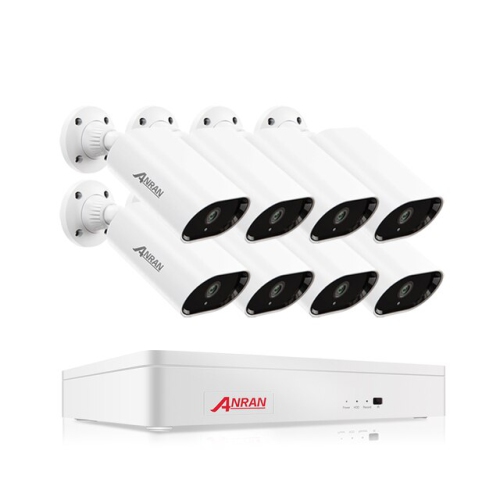
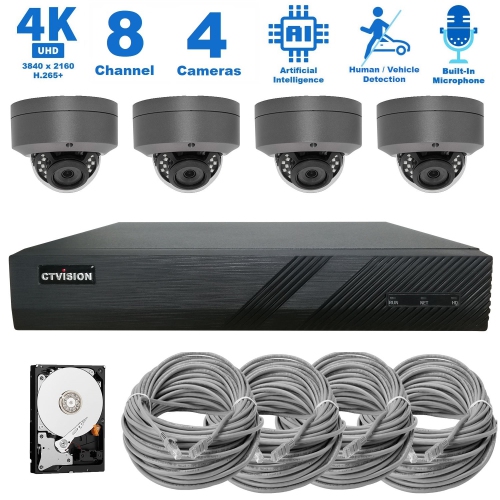
Coverage, installation, monitoring, and smart features shape the right setup
Top home alarm systems can help create a more aware, connected home by bringing together entry sensors, motion detection, alarms, cameras, and mobile alerts in one coordinated setup. The right system depends on the layout of your home, your daily routine, and how much involvement you want after installation. A compact apartment or condo may only need sensors for the main door, balcony access, and a hallway, while a detached home may benefit from coverage at several exterior doors, ground-floor windows, the garage, and shared living spaces. Consider how the system will fit into ordinary life: an alarm should be easy to arm when everyone leaves, simple to disarm when you arrive with full arms of groceries, and clear enough that guests, children, or house sitters can use it without confusion. Many systems include a central hub, keypad, door and window contacts, motion sensors, and a loud siren, with optional cameras, video doorbells, glass-break detection, water sensors, smoke or carbon monoxide monitoring, and other connected accessories. When comparing options, check the wireless range between sensors and the hub, battery life, backup power, cellular connectivity, and whether the equipment continues to provide useful alerts during an internet interruption. A system that suits your floor plan and feels natural to operate is more likely to be used consistently, whether you are stepping out for an evening, settling in during the cooler months, or leaving home for a longer trip.
Installation is one of the most important decisions when choosing among top home alarm systems. DIY kits are often designed for straightforward placement, with peel-and-stick or screw-mounted components and guided setup through a mobile app. They can be a practical choice for renters, people who move frequently, or anyone who wants to customize coverage without scheduling a technician. Before mounting sensors, walk through the home and identify the routes a person would most likely take from an exterior entry point to the main living areas. Keep motion sensors away from heat sources and places where pets may routinely pass, and position cameras to capture useful views without pointing directly into bright sunlight or a neighbour’s private space. Professional installation can be worthwhile in a larger or more complex home, particularly when you want advice on sensor placement, smart locks, cameras, or whole-home automation. It may also be helpful for anyone who prefers the reassurance of having the equipment tested and explained in person. Monitoring is a separate consideration. With self-monitoring, alerts go to your phone so you or another trusted contact can review activity and decide what action to take. Professional monitoring services can assess alarm signals and follow a response process, which may include contacting you or emergency services according to the plan and local requirements. Read the details carefully for monthly fees, activation charges, trial periods, equipment costs, cancellation terms, contract length, and what happens if your internet or power fails. A useful starting point for comparing features and planning a setup is Safe Home Security.
Smart-home compatibility can make an alarm system more convenient, but it is worth checking exactly what each device and platform can do before purchasing. Some systems can work with voice assistants, smart lighting, locks, thermostats, and cameras, allowing a single command or scheduled routine to turn off selected lights, lock doors, and arm the alarm as you leave. Geofencing and automation may help when household routines are predictable, while shared app access can let family members, dog walkers, or trusted neighbours receive appropriate permissions without handing over a master code. Look for separate user profiles, temporary PINs, activity logs, adjustable notification settings, and privacy controls. Camera features also deserve close attention: review video resolution, night vision, viewing angles, local or cloud storage, recording triggers, two-way audio, and any subscription requirements. Keep in mind that a camera is most useful when it is positioned to show a clear face or approach, rather than simply covering a wide area from too far away. Home alarm systems can be thoughtful gifts for new homeowners, condo owners, older family members who want added awareness, or relatives moving into a new neighbourhood, although the recipient’s comfort with technology and preferences around monitoring should guide the choice. They can also be useful for a student rental or a family cottage, provided the system’s connectivity and account setup suit the location. As the weather warms, sensors can help you keep track of doors and windows that are opened more often; during the cooler months, remote alerts can provide a convenient way to check on a property, delivery area, or unusual activity while you are away. The best choice balances coverage, installation, monitoring, smart features, privacy, and ongoing cost so the system supports peace of mind without complicating the routines it is meant to protect.
Installation is one of the most important decisions when choosing among top home alarm systems. DIY kits are often designed for straightforward placement, with peel-and-stick or screw-mounted components and guided setup through a mobile app. They can be a practical choice for renters, people who move frequently, or anyone who wants to customize coverage without scheduling a technician. Before mounting sensors, walk through the home and identify the routes a person would most likely take from an exterior entry point to the main living areas. Keep motion sensors away from heat sources and places where pets may routinely pass, and position cameras to capture useful views without pointing directly into bright sunlight or a neighbour’s private space. Professional installation can be worthwhile in a larger or more complex home, particularly when you want advice on sensor placement, smart locks, cameras, or whole-home automation. It may also be helpful for anyone who prefers the reassurance of having the equipment tested and explained in person. Monitoring is a separate consideration. With self-monitoring, alerts go to your phone so you or another trusted contact can review activity and decide what action to take. Professional monitoring services can assess alarm signals and follow a response process, which may include contacting you or emergency services according to the plan and local requirements. Read the details carefully for monthly fees, activation charges, trial periods, equipment costs, cancellation terms, contract length, and what happens if your internet or power fails. A useful starting point for comparing features and planning a setup is Safe Home Security.
Smart-home compatibility can make an alarm system more convenient, but it is worth checking exactly what each device and platform can do before purchasing. Some systems can work with voice assistants, smart lighting, locks, thermostats, and cameras, allowing a single command or scheduled routine to turn off selected lights, lock doors, and arm the alarm as you leave. Geofencing and automation may help when household routines are predictable, while shared app access can let family members, dog walkers, or trusted neighbours receive appropriate permissions without handing over a master code. Look for separate user profiles, temporary PINs, activity logs, adjustable notification settings, and privacy controls. Camera features also deserve close attention: review video resolution, night vision, viewing angles, local or cloud storage, recording triggers, two-way audio, and any subscription requirements. Keep in mind that a camera is most useful when it is positioned to show a clear face or approach, rather than simply covering a wide area from too far away. Home alarm systems can be thoughtful gifts for new homeowners, condo owners, older family members who want added awareness, or relatives moving into a new neighbourhood, although the recipient’s comfort with technology and preferences around monitoring should guide the choice. They can also be useful for a student rental or a family cottage, provided the system’s connectivity and account setup suit the location. As the weather warms, sensors can help you keep track of doors and windows that are opened more often; during the cooler months, remote alerts can provide a convenient way to check on a property, delivery area, or unusual activity while you are away. The best choice balances coverage, installation, monitoring, smart features, privacy, and ongoing cost so the system supports peace of mind without complicating the routines it is meant to protect.
Top selling and popular products
-
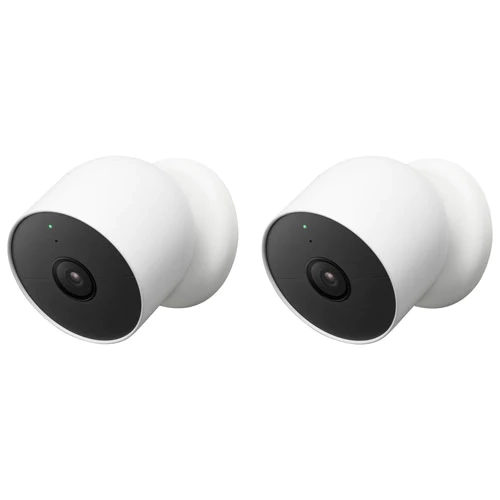 Your price for this item is $389.99
 -
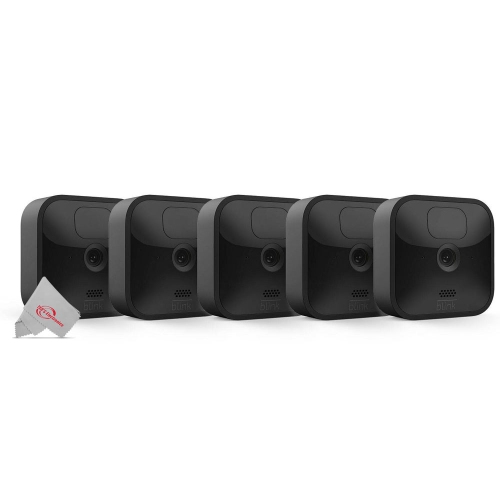 Your price for this item is $659.99
 -
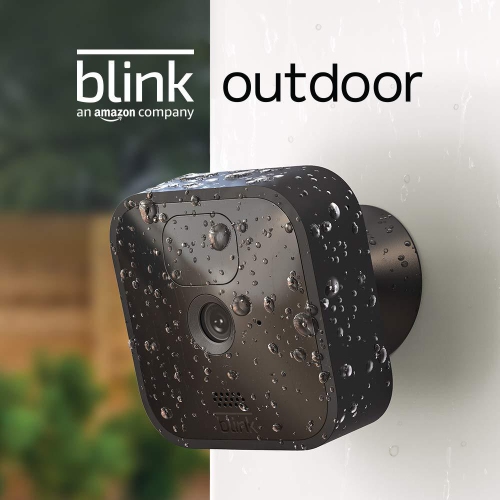 Your price for this item is $439.99
 -
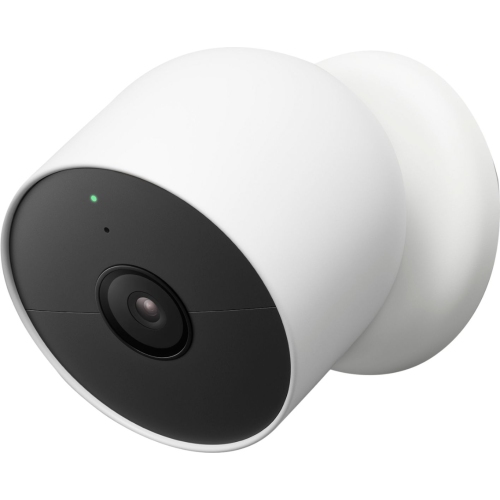 Your price for this item is $249.99
 -
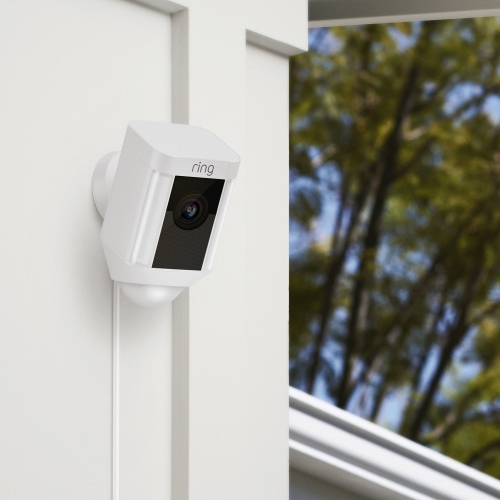 Your price for this item is $399.99
 -
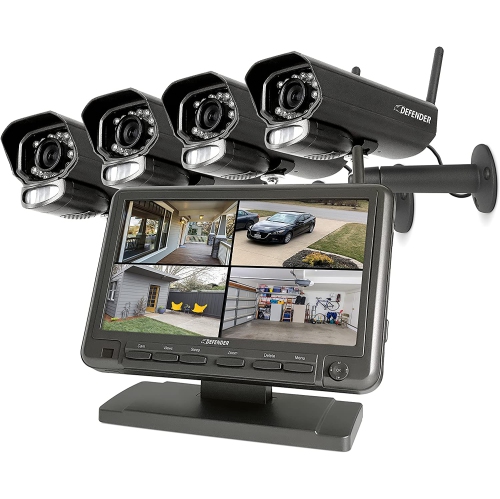 Your price for this item is $449.99
 -
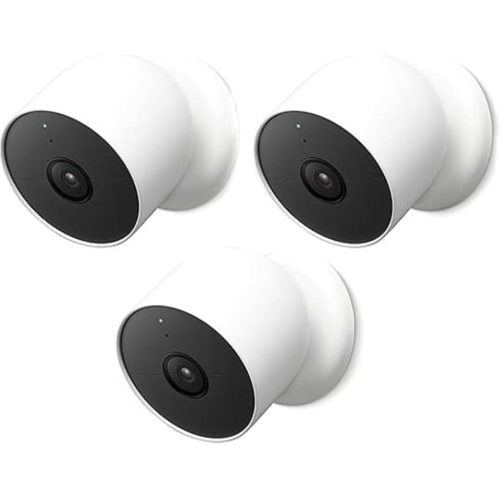 Your price for this item is $579.99
 -
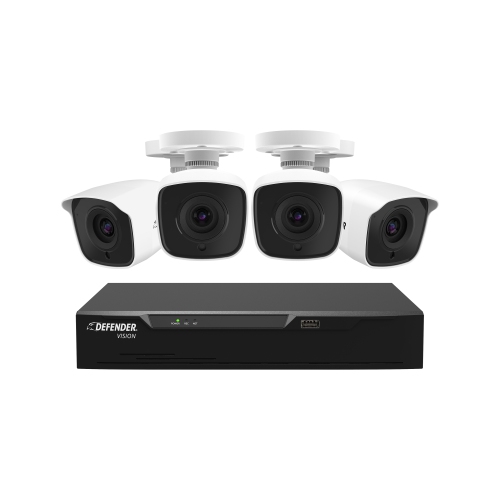 Your price for this item is $790.99
Discover more categories related to Top Home Alarm Systems
Top Collections:
Pokemon Centers, Kindle Devices, Best Budget Office Chairs, Apple iPhones 16, Best Laptops for Writers, iPhone 15 Apple, Canon G7X Cameras, Refurbished Apple Laptops, Alarm Clock, Motorola Razr Phones
Some products may be subject to Environmental Handling Fees
(EHF) depending on your province.
Learn more about EHFs.