Home Soft Serve Ice Cream Makers

Explore home soft serve ice cream makers for preparing soft, creamy frozen treats in your own kitchen. Compare batch capacity, countertop space requirements, preparation steps, and ease of cleaning to find a machine that suits your household and how often you plan to use it.

Read More

Sort

The details behind a smooth swirl at home

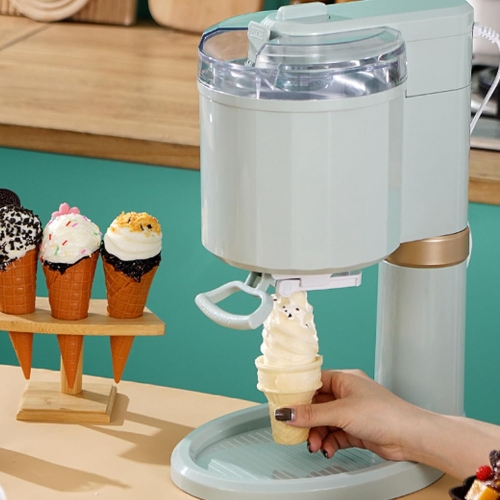
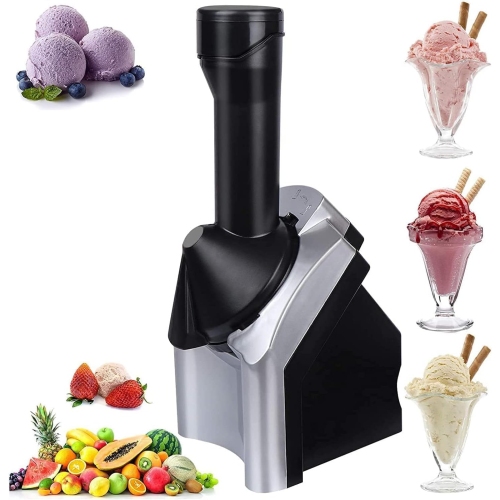
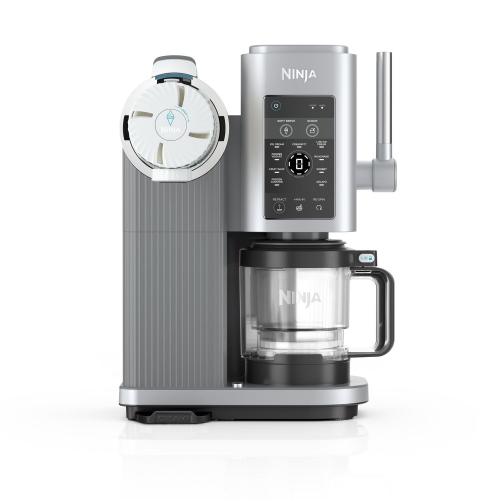
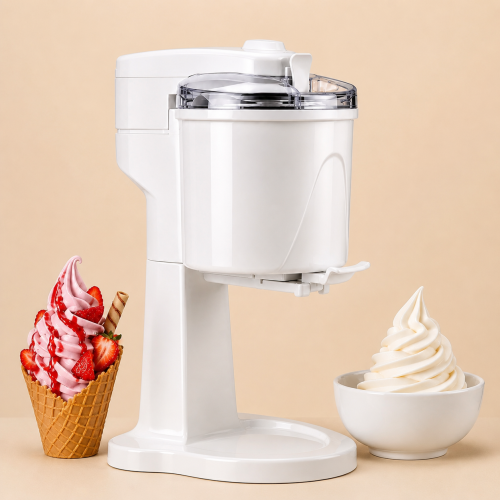
Home soft serve ice cream makers bring the smooth texture of a freshly swirled cone to the kitchen, with designs suited to family desserts, casual entertaining, and small batches of favourite flavours. Soft serve is a frozen dessert that is churned and served while it is still soft, rather than hardened in the freezer like scoopable ice cream. Its consistency depends on the recipe, the amount of air incorporated during mixing, and how thoroughly the mixture is chilled. Home machines take different approaches to achieving that texture. Some churn a liquid base in a bowl that must be frozen beforehand, while compressor machines provide their own refrigeration during preparation. Other frozen dessert makers process a base that has already been frozen solid in a compatible container. These styles involve different preparation routines, and not every ice cream maker dispenses a ribbon of soft serve directly into a cone. A dispensing mechanism is particularly relevant for anyone hoping to recreate that familiar swirl; machines without one generally require the finished dessert to be spooned into a bowl or cone. Even with a dispenser, results depend on using a suitable recipe and serving the mixture at the right consistency. A base that is too loose may run through the opening, while an overly firm mixture may be difficult to dispense. Batch capacity also affects how a machine fits into everyday use. A smaller batch can suit a couple sharing dessert after dinner, whereas a larger bowl may be more convenient for a family gathering. Stated bowl capacity is not necessarily the amount of liquid that can be added, since the mixture needs room to expand as it churns. For entertaining, the preparation time, required chilling steps, and ability to make another batch matter as much as the size of the first serving.

The practical appeal of a home soft serve ice cream maker extends beyond the finished cone to how comfortably it fits into a kitchen routine. Counter space needs to accommodate the machine’s footprint, clearance for ventilation where required, and access to lids, controls, and dispensing handles. Height is worth considering beneath upper cupboards, especially when ingredients are added through the top. A machine that stays on the counter may be easier to use regularly, while one stored in a cupboard needs a manageable weight and a shape that is comfortable to lift. Freezer-bowl designs also need space for the entire bowl to sit in the freezer for the specified preparation period. Construction varies, with plastic housings, metal exterior panels, removable mixing paddles, and food-contact bowls serving different purposes. A metal finish alone does not establish durability; stable feet, secure bowl placement, well-fitting components, and a paddle designed for the intended mixture all contribute to dependable use. Clear lids can make it easier to see the dessert thickening, while accessible controls and removable parts can simplify preparation and cleanup. Dispensing machines add components such as handles, seals, and spouts that need attention after each batch. Dairy mixtures can collect in narrow channels, so the ability to take those parts apart and reach them with a suitable cleaning brush is useful. Dishwasher compatibility varies by component, and motor bases generally need to be wiped rather than immersed. Following the appliance’s care directions helps protect bowl surfaces, seals, and moving parts. Abrasive tools can scratch surfaces, and forcing a paddle through an excessively firm mixture can strain the mechanism. Operating sound is another everyday consideration, particularly in an open kitchen where people may be talking or watching a film nearby. None of these details changes the flavour of vanilla or chocolate, but together they shape whether making soft serve feels like a simple dessert routine or a project that requires more planning.

Ingredients offer plenty of room for personal taste, from a straightforward vanilla base to chocolate, coffee, or fruit flavours that suit the machine’s recipe requirements. The balance of liquid, fat, sugar, and other ingredients affects how the dessert freezes and how smoothly it serves. Reducing sugar or replacing dairy is not always a direct substitution: a mixture can become icy, freeze too firmly, or remain too loose if its proportions no longer suit the preparation method. Recipes developed for the appliance or its style of operation provide a more reliable starting point, especially for plant-based bases. Different plant-based beverages have different fat and solid contents, so they do not necessarily produce identical results. Fruit purées can also change the balance by adding water and fibre. Smooth, well-blended bases are particularly helpful for dispensing designs, where large pieces may obstruct the opening. Chopped biscuits, nuts, sprinkles, and sauces are often easiest to add at serving time unless the machine specifically accommodates mix-ins. That approach also lets each person finish a portion differently: a small cup with berries, a cone with a chocolate drizzle, or a bowl beside a slice of cake. Anyone preparing food for a person with allergies needs to consider both ingredients and thorough cleaning between batches; using a different base does not by itself prevent cross-contact. Finished soft serve is generally best enjoyed promptly for its characteristic texture, and leftovers typically become firmer after freezer storage. It should not be treated as a dessert that can sit indefinitely in a dispenser. For households comparing soft serve with other frozen dessert styles, the Best Ice Cream Makers page offers a broader category to explore. A home soft serve machine can also be a thoughtful gift for someone who enjoys making desserts, provided its preparation steps, storage needs, and cleanup requirements match the way that person likes to cook and entertain.
Read More

FAQ

Some products may be subject to Environmental Handling Fees (EHF) depending on your province. Learn more about EHFs.