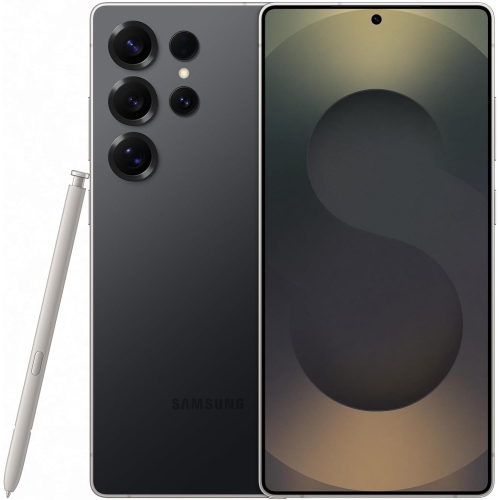
HTC Cell Phones

Browse HTC cell phones and compare available models to find a smartphone that fits your needs and budget. Check each listing for display size, storage, camera features and device condition, and confirm carrier compatibility before choosing.

Read More

Why phone comfort goes beyond screen size

Cell phones bring everyday communication, photography, entertainment, and organization together in a device that travels from a desk to a pocket. Their usefulness comes from how comfortably those functions fit into daily routines: a clear call on the way to an appointment, a readable transit map, a quick photo of a receipt, or a video conversation with family. Different generations of smartphones can offer quite different experiences, even when their basic shape looks similar. Screen size, weight, button placement, and the curve of the edges all affect how a phone feels during longer calls or one-handed typing. A larger display gives documents, captions, and video more room, while a narrower handset may be easier to hold and carry. The usable screen area matters alongside the overall dimensions, particularly when a protective case adds width. Construction also influences the feel in hand. Metal frames can provide rigidity, glass backs have a smooth finish, and plastic surfaces may feel lighter, although resistance to scratches and impacts depends on the complete design rather than the material alone. Display quality involves more than size: resolution affects fine detail, contrast helps distinguish darker scenes, and brightness adjustments support comfortable viewing under different lighting. For a closer look at phones centred on screen clarity, HD Cell Phones provide a related category to explore. A higher refresh rate can make scrolling and supported games look smoother, but it is separate from screen resolution and can affect battery use. Sound and controls deserve similar attention. Speaker placement, microphone performance, vibration strength, and accessible volume buttons influence calls, navigation prompts, and media playback. A headphone socket, where included, allows a direct wired connection; other phones use a compatible adapter or wireless headphones. These physical details can matter as much as a specification when a phone is used repeatedly throughout the day.

Reliable service in Canada depends on the exact phone variant and the carrier network, not simply on whether a handset is unlocked. An unlocked phone is not restricted to its original carrier, but it still needs compatible network bands and support for the carrier’s calling features. Support for voice over LTE, often called VoLTE, is especially important as older network technologies are retired. A phone may connect for mobile data without supporting every calling feature on a particular network. International variants can differ in supported frequencies, SIM arrangements, and software, even when their names appear similar. Physical SIM cards and embedded SIMs, or eSIMs, are also distinct options; support depends on both the handset and the service provider. Wi-Fi calling can be helpful inside buildings with a weak cellular signal, although it requires compatible hardware, software, and carrier service. Beyond connectivity, the operating system and its remaining update support influence how suitable a phone is for everyday use. Older devices may still place calls or take photos, yet no longer receive security fixes or run the latest versions of banking, messaging, and workplace applications. Software support is therefore a separate consideration from the condition of the screen or casing. Processing power, working memory, and storage also serve different purposes. The processor handles tasks, working memory helps keep applications active, and storage holds photos, downloads, and installed software. Someone moving between maps, messages, and video calls may notice responsiveness more than someone using a phone mainly for calls and texts. Downloaded music, large games, and frequent video recording can fill storage quickly, while expandable storage is useful only on devices that include a compatible card slot. Accessibility features such as text enlargement, screen reading, captions, and adjustable touch settings can make everyday tasks more manageable. Their usefulness depends on the software version and the needs of the person using the phone.

Camera and battery features shape many of the moments that make a phone worth carrying. Camera resolution describes image dimensions, but it does not, by itself, determine photo quality. Focus accuracy, lens quality, image processing, and stabilization also influence whether a moving pet looks sharp or a handwritten note remains legible. Multiple lenses may provide different perspectives, such as a wider view for a group photo, rather than simply improving every picture. Front-camera placement and microphone quality matter for video calls, especially when a phone doubles as a connection to distant relatives or a tool for remote appointments. Battery capacity is similarly only part of the picture. Screen settings, network signal, navigation, gaming, and background applications all affect the time between charges. On an older handset, battery condition can have a greater effect on daily use than the original capacity figure suggests. Fast charging requires a compatible phone, charger, and cable, while wireless charging is a separate feature that is not included on every device. A dependable charging routine and a suitable protective case help support regular use, but neither replaces careful handling. Raised case edges can help keep the screen from touching a flat surface, and a properly fitted screen protector adds a replaceable layer against everyday scratches. Neither makes a phone damage-proof. Water-resistance ratings, where specified, apply under defined test conditions and should not be treated as a promise against liquid damage; protection can also diminish with wear or repairs. Routine care is straightforward: a soft, lint-free cloth removes fingerprints, and charging ports benefit from being kept clear of debris without inserting metal objects. For a student, a phone may serve as a timetable, camera, and connection to home. For a commuter or someone coordinating family schedules, dependable calls, readable notifications, and comfortable handling may take priority. As a gift, a cell phone is most useful when its size, accessibility features, carrier compatibility, and charging connections suit the recipient’s existing habits. Familiar controls and reliable access to essential applications often matter more than an impressive specification that rarely gets used.
Read More

FAQ

Some products may be subject to Environmental Handling Fees (EHF) depending on your province. Learn more about EHFs.