In Wall Speakers White

White in-wall speakers add sound to your room while keeping floor and shelf space clear. For a built-in home audio or home theatre setup, compare cutout dimensions, mounting depth, and compatibility with your amplifier or receiver to choose speakers that fit your space and equipment.
Sort

Built-in sound that leaves your floor space clear

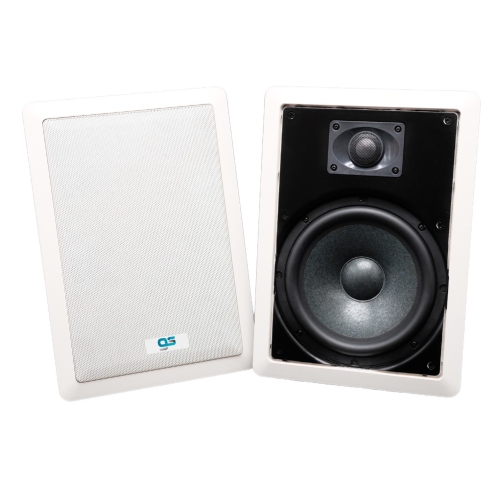
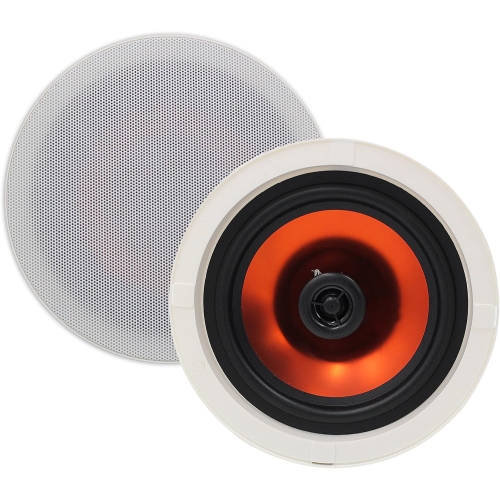
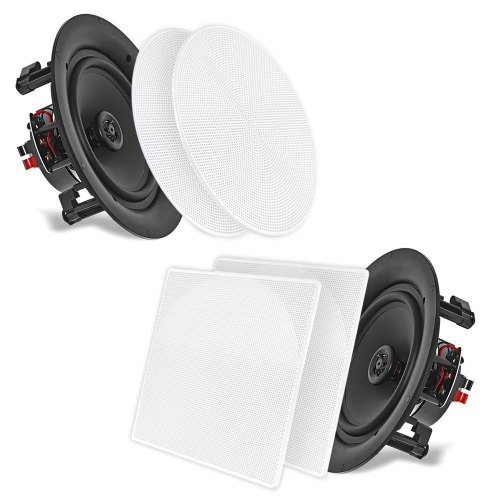
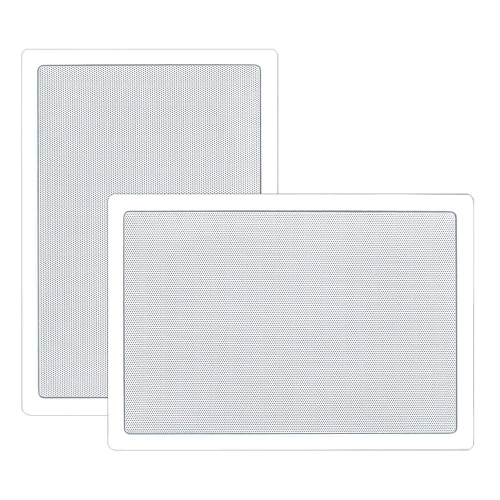
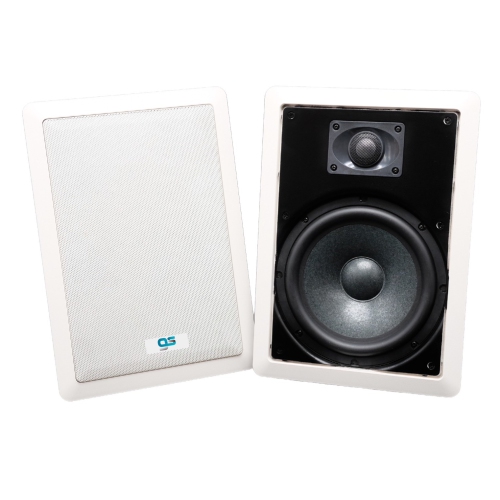
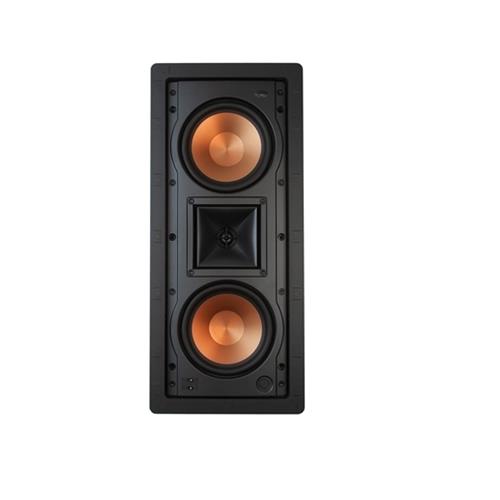
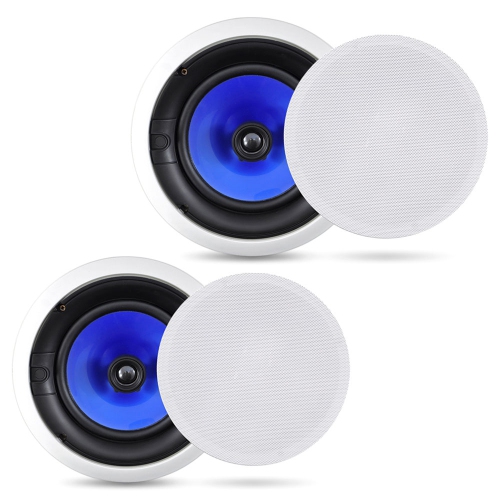
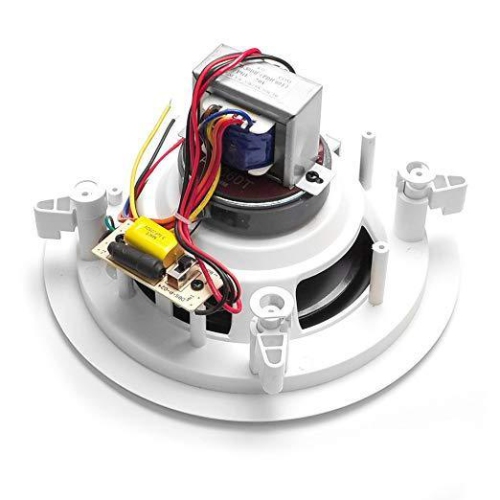
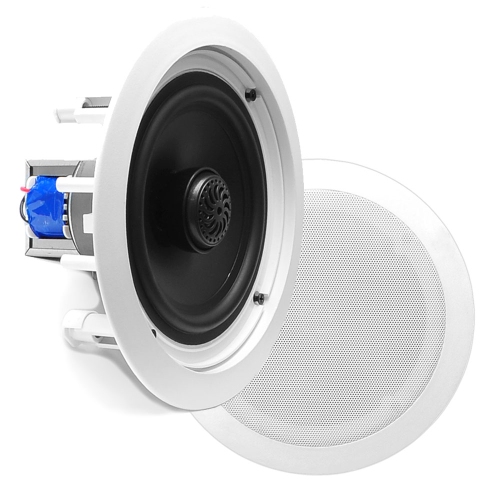
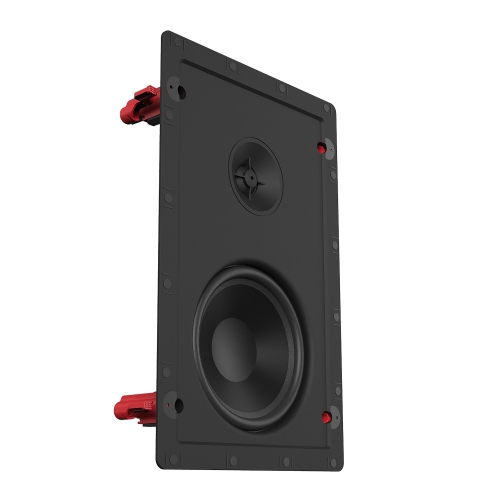
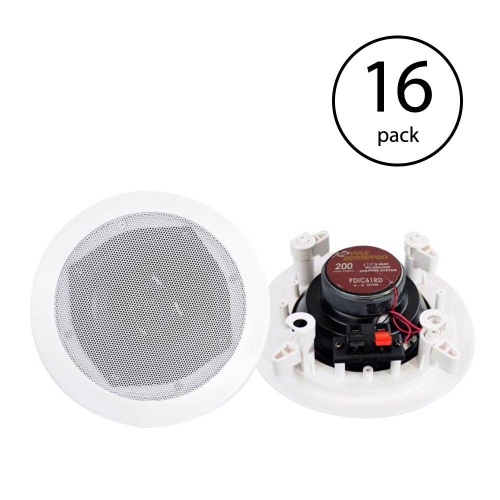
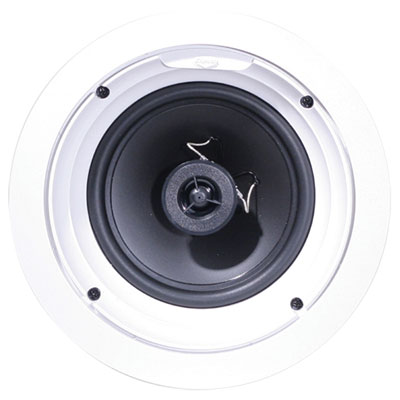
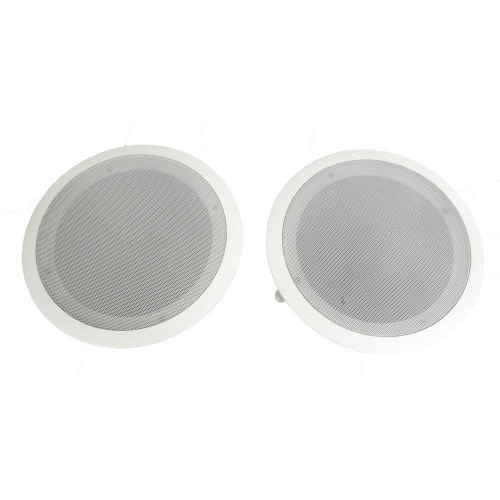
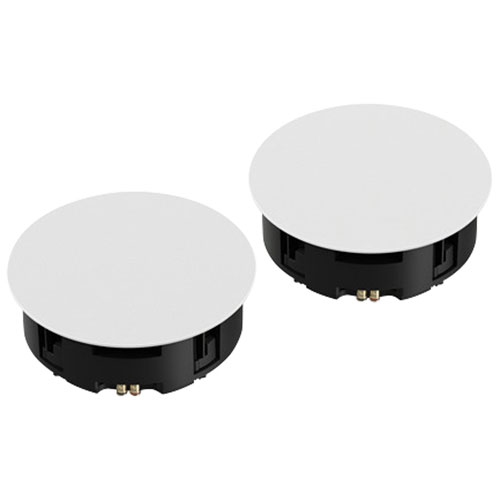
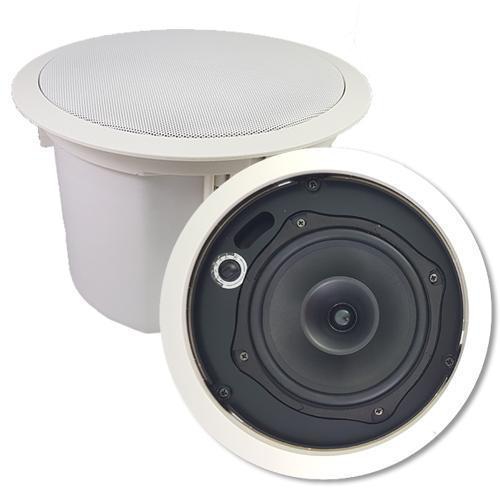
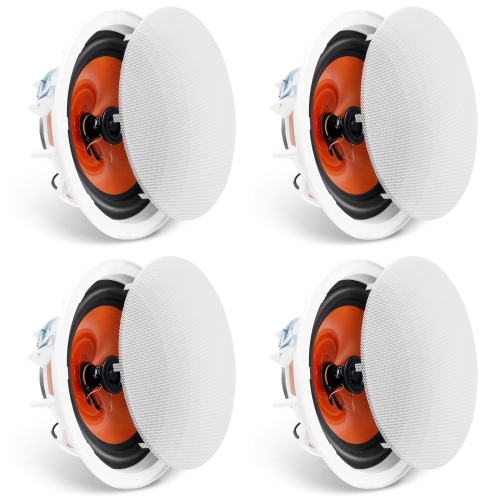
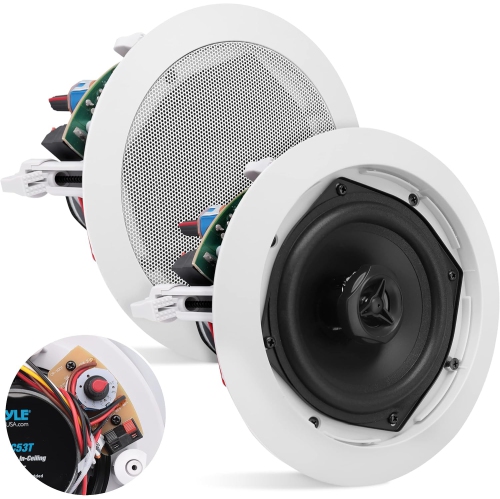
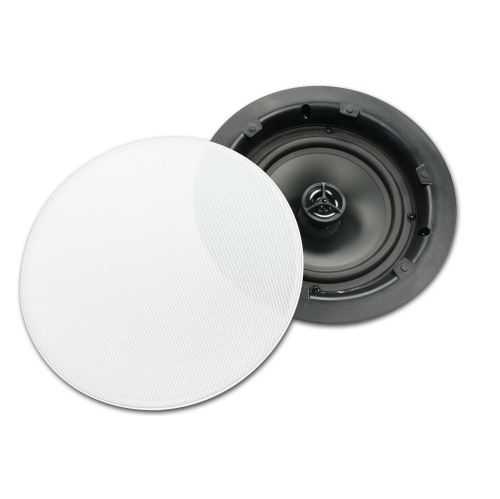
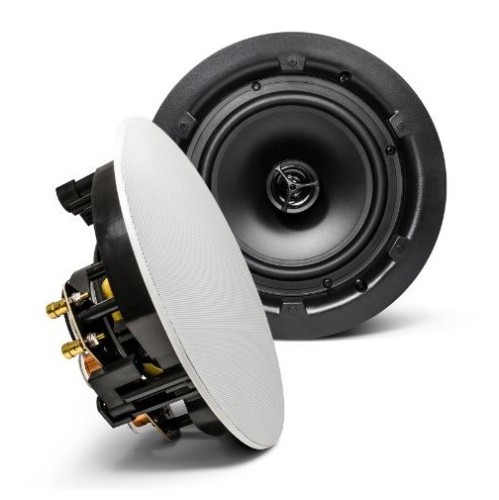
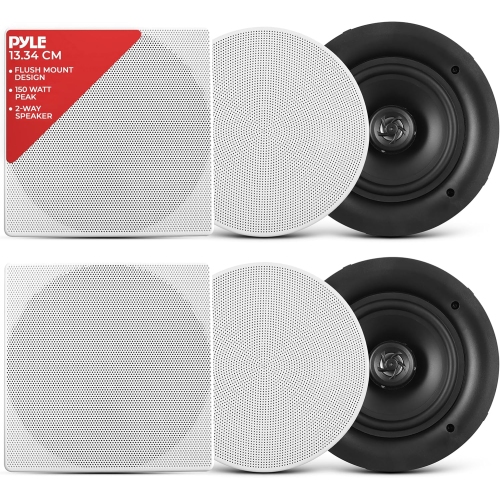
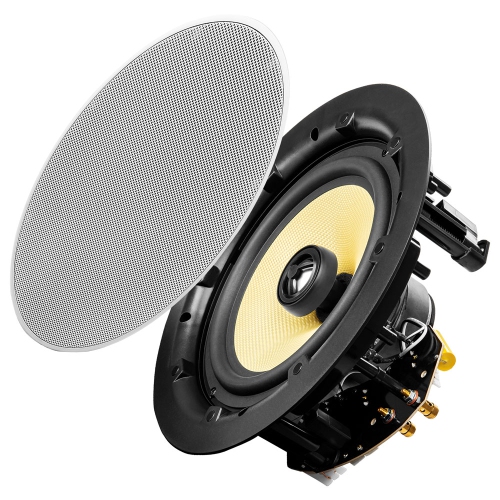
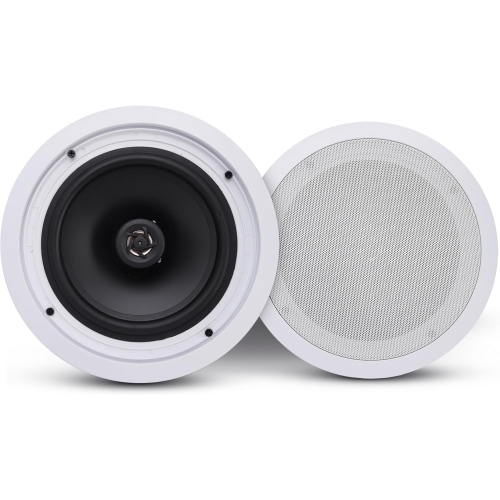
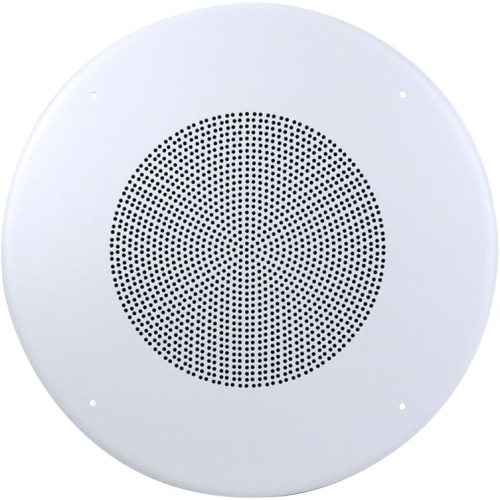
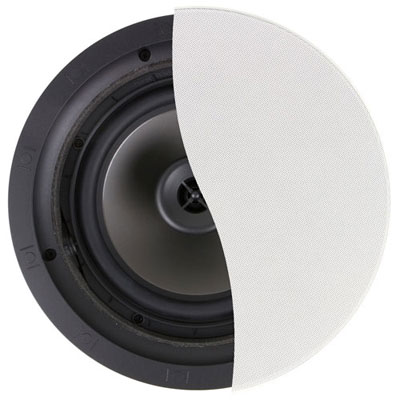
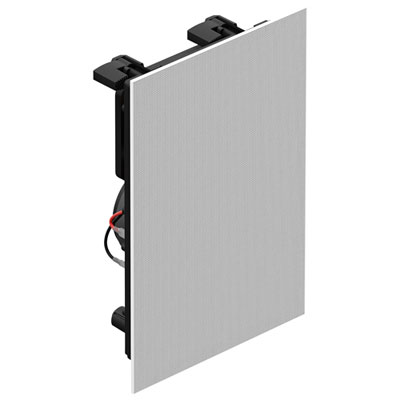
White in-wall speakers bring music, dialogue and film sound into a room without placing speaker cabinets on the floor or on furniture. Their speaker assemblies sit within the wall cavity, leaving a grille and, depending on the design, a narrow frame visible at the surface. Against a white wall, that finish can keep the focus on artwork, furnishings or a television rather than the audio equipment. White grilles also work with pale neutrals, although differences between warm white and bright white finishes may be noticeable under room lighting. Some grilles and frames are paintable according to the manufacturer’s directions, allowing a closer colour match without covering the sound openings or speaker components. This built-in approach suits living rooms, dedicated home theatres, bedrooms and shared spaces where clear surfaces matter. It can be particularly useful beside a wall-mounted television or in a room where freestanding speakers would interrupt a walkway. In-wall speakers differ from on-wall speakers: an in-wall design requires an opening and sufficient space behind the finished surface, while an on-wall enclosure projects into the room. Physical fit therefore involves more than the visible grille dimensions. Cutout measurements, mounting depth, wall thickness and clearance around the installation all affect compatibility. A nominal 6.5-inch driver, for example, does not indicate the size of the opening needed for the complete speaker. Studs, wiring, plumbing and insulation can also limit placement, especially when a preferred location falls beside a doorway or above a cabinet. Most passive in-wall speakers need speaker cable connected to an amplifier or receiver, so cable routing is part of the installation rather than an afterthought. Cable rated for the intended in-wall application and installation that respects applicable building requirements help support a dependable setup. For finished rooms, a qualified installer can assess access and identify obstacles before any wall openings are made. In a condominium or attached home, alterations to shared walls may also require approval.

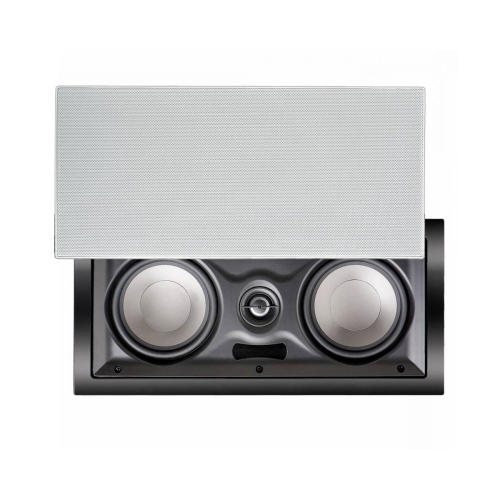
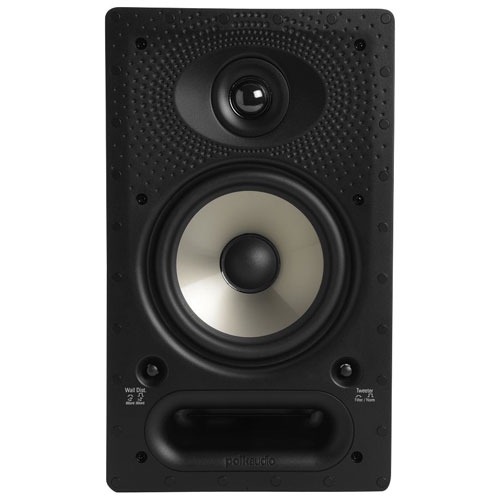
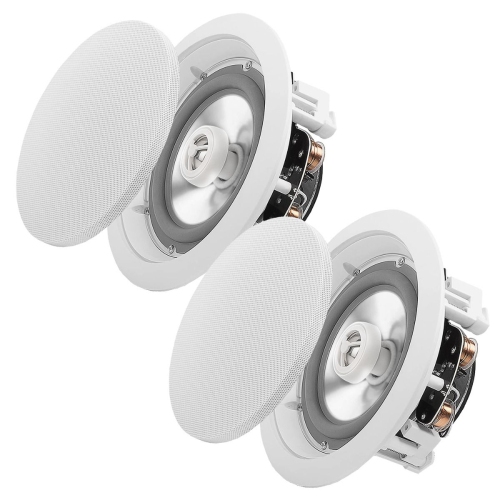
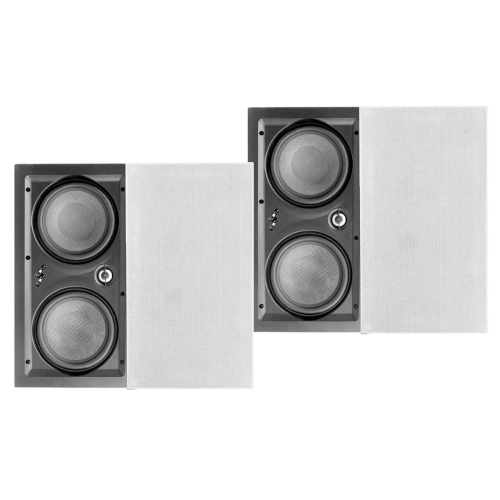
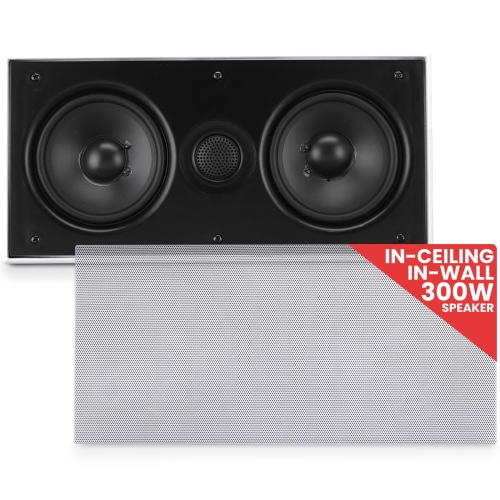
Sound performance depends on the speaker design, its placement and the equipment connected to it. Many white in-wall speakers use a woofer for lower and middle frequencies alongside a tweeter for higher frequencies, but driver size alone does not establish sound quality or output. Frequency response, sensitivity, nominal impedance and the manufacturer’s amplifier recommendations help describe how a speaker may work within a system. Compatibility matters when several speakers share an amplifier, since adding more speakers is not simply a matter of connecting extra wires. For television viewing, a balanced front soundstage can make dialogue easier to follow while keeping effects connected to the action on screen. Left and right speakers generally benefit from balanced placement around the display, while a suitable centre-channel speaker helps anchor voices near the picture. A speaker’s approved mounting orientation matters, particularly when a horizontal position is needed beneath a television. The In Wall Speakers for TV collection offers a related focus for rooms built around a screen. Surround speakers have a different role, adding effects and spatial detail from positions chosen for the seating layout and the sound format supported by the receiver. Some designs include adjustable tweeters or other placement features, which can help direct higher-frequency sound towards listeners when wall positions are constrained. For music, a stereo pair can provide separation between instruments and vocals, while a larger room may benefit from a thoughtfully planned distribution of speakers rather than one pair playing at excessive volume. Open doorways, hard flooring, upholstered seating and the distance to the listening position all influence what reaches the listener. A compatible subwoofer can supply deeper bass that smaller in-wall speakers may not reproduce with the same weight. Receiver calibration and appropriate crossover settings can help the speakers and subwoofer work together, but they cannot fully compensate for unsuitable placement. Built-in speakers also do not soundproof a room; vibration and sound can still travel through walls and neighbouring spaces.
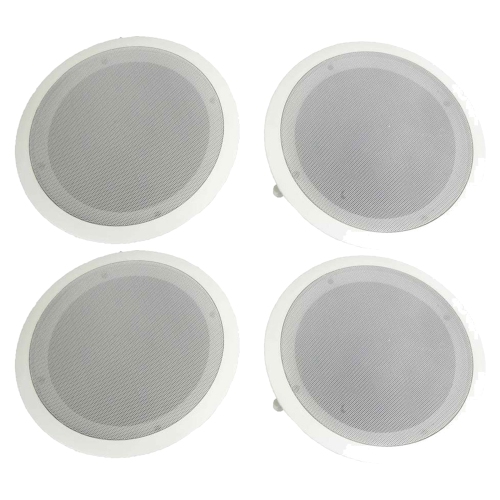
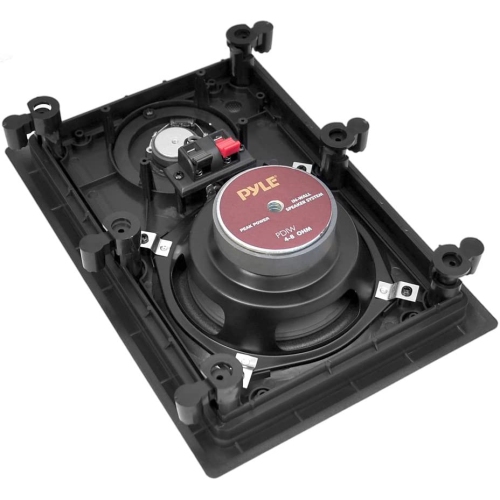
Materials and construction affect both the finished appearance and how white in-wall speakers hold up over time. Grilles commonly use perforated metal, while frames and mounting assemblies may combine moulded components with metal hardware. Driver cones can be made from treated paper, polypropylene, woven fibres or other materials, each used within a broader acoustic design. No single cone material guarantees better sound, so construction is best considered alongside the speaker’s intended use and published specifications. A grille should sit securely and evenly against the wall, whether it uses magnets, clips or another attachment method. Low-profile edges can create a discreet finish, but the surrounding wall still needs to be flat and properly prepared for a neat result. Behind the surface, some designs use an enclosure or a compatible back box to help control the space behind the driver. These components are not interchangeable, and an improvised enclosure can change performance or interfere with installation requirements. Location also affects durability. A kitchen or bathroom may expose a speaker to humidity or splashes, so only designs expressly rated for those conditions belong in such spaces. A white finish, metal grille or recessed installation does not by itself indicate moisture resistance. For everyday care, dust can usually be lifted from the grille with a soft, dry cloth or another method approved by the manufacturer. Spraying cleaner directly into the perforations can expose the driver and internal parts to liquid, while abrasive cleaning can mark the finish. Paintable grilles need similarly careful handling: excess paint can block openings, and any refinishing should follow the specified removal, coating and drying process. Keeping installation details, cable routes and model information accessible can make future servicing or room updates simpler. Because these speakers become part of the room, they are especially well suited to listeners planning a lasting audio setup, whether the goal is unobtrusive background music, focused stereo listening or a home theatre with fewer visible cabinets. The most satisfying result combines a restrained white finish with suitable placement, compatible electronics and construction matched to the space.

FAQ

Some products may be subject to Environmental Handling Fees (EHF) depending on your province. Learn more about EHFs.