Infant Convertible Car Seats And Strollers
Browse infant and convertible car seats and strollers for trips by car and outings on foot. Compare age, height and weight limits, and consider installation, folding and storage needs to find options that fit your child and daily routine. If you plan to pair an infant car seat with a stroller, confirm compatibility before buying.











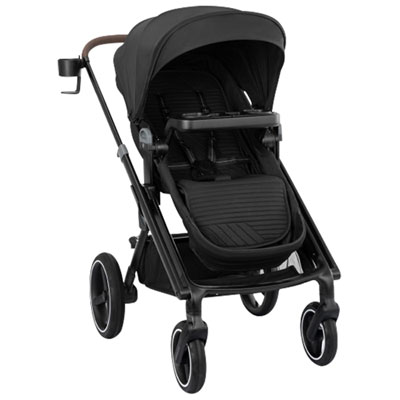
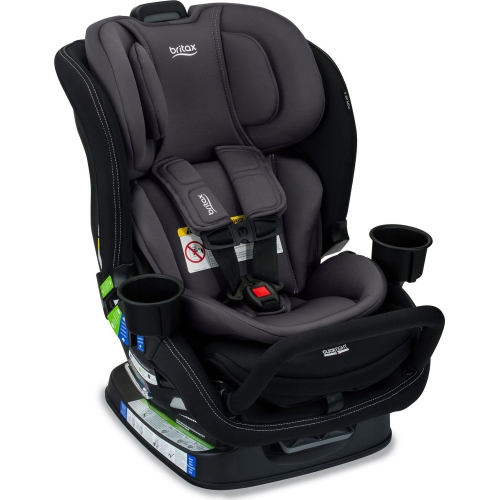
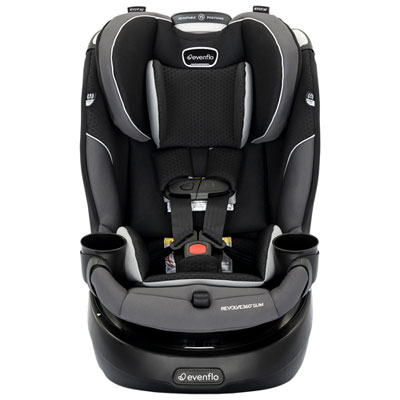
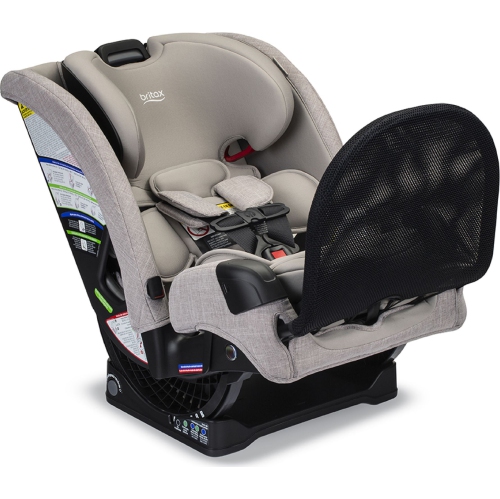




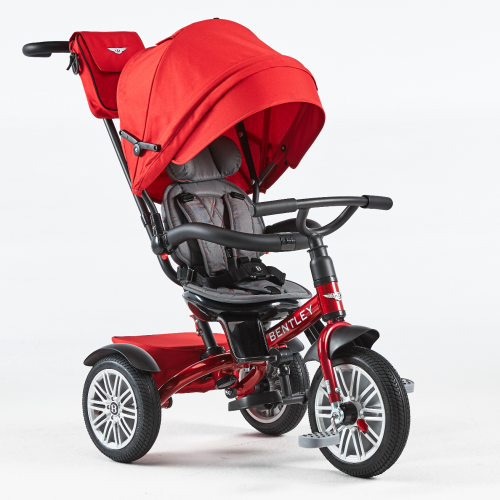
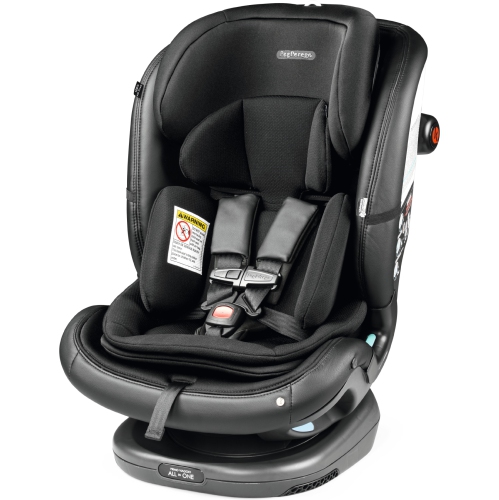
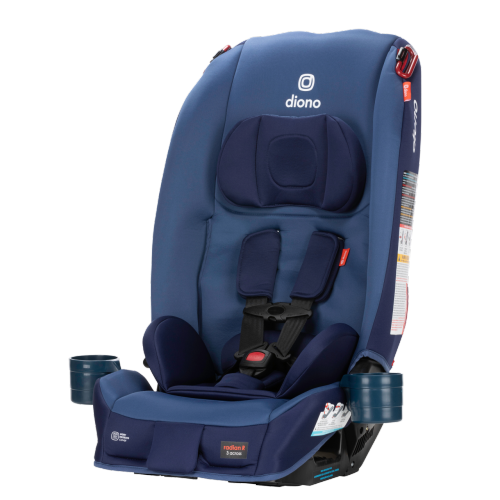
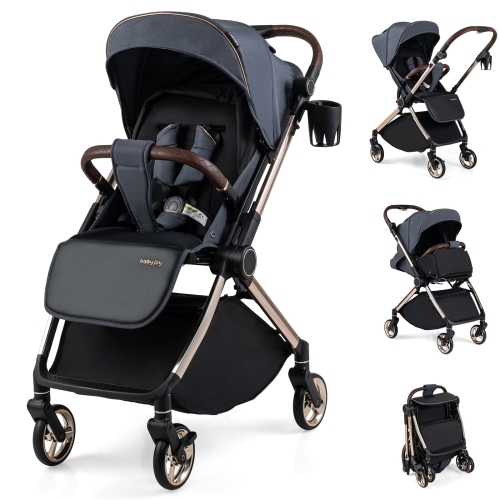

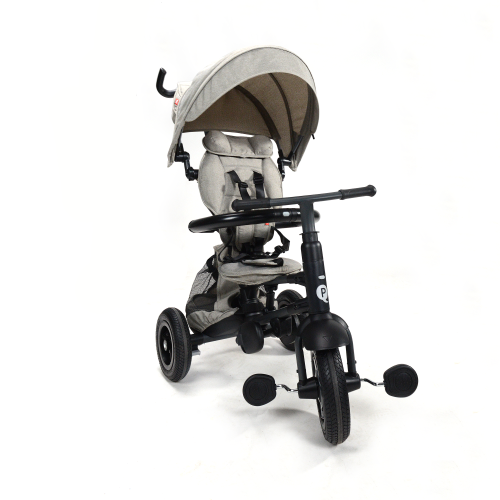
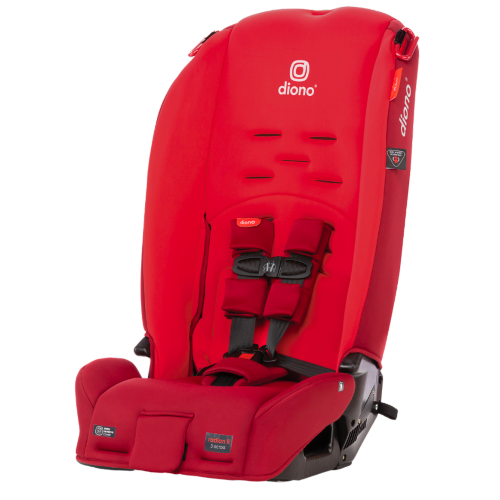
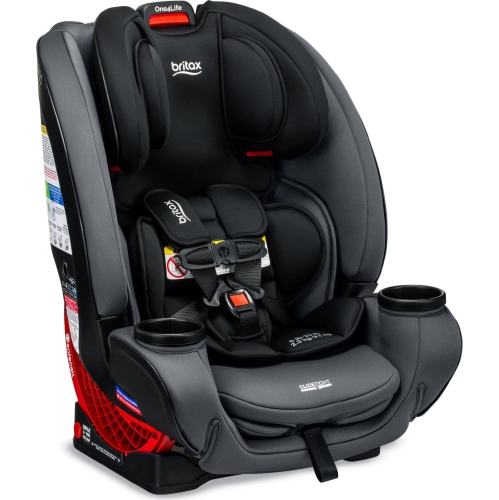
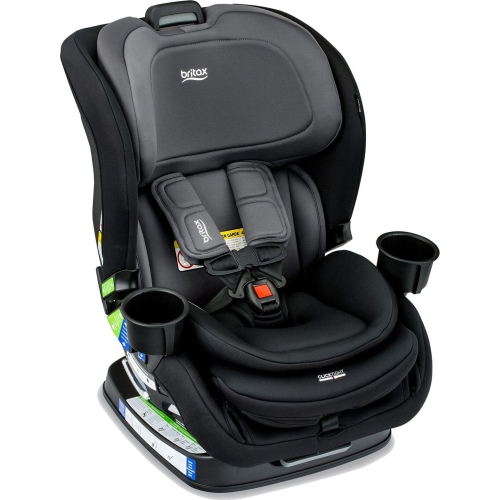



FAQ
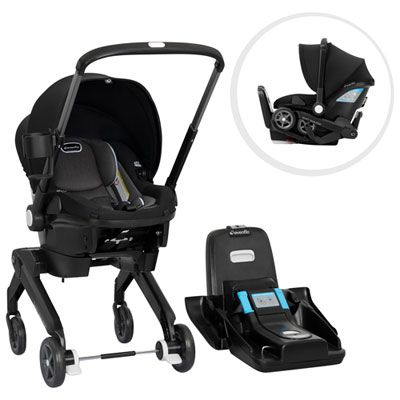
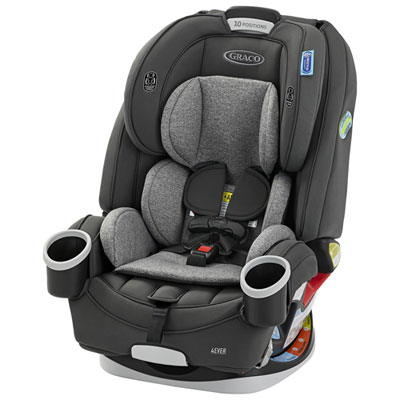
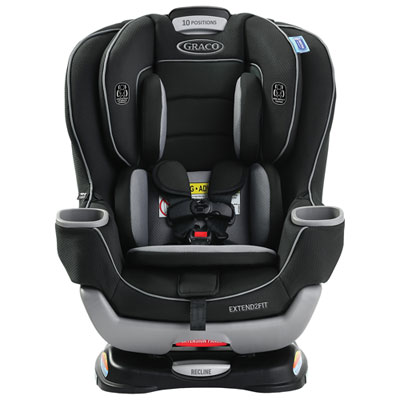
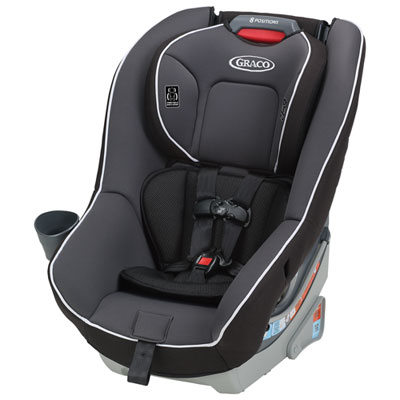
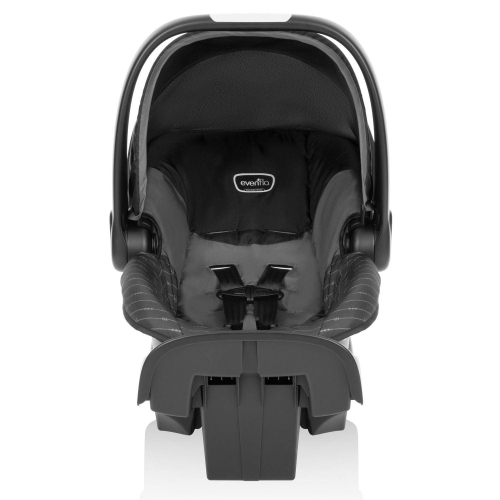
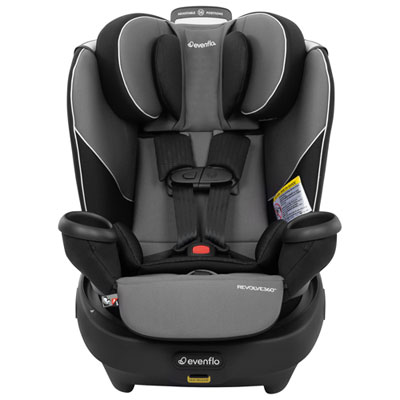
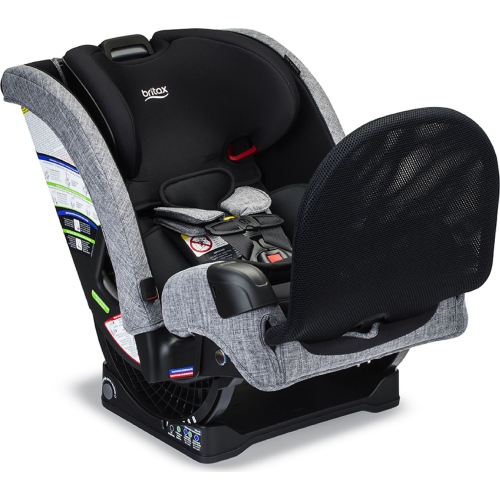
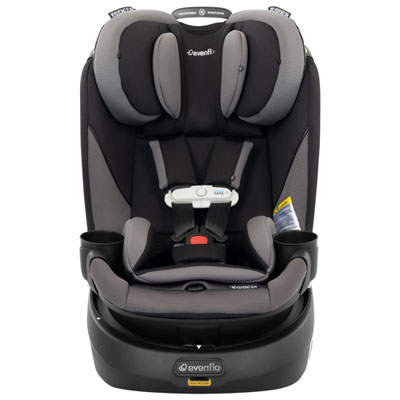
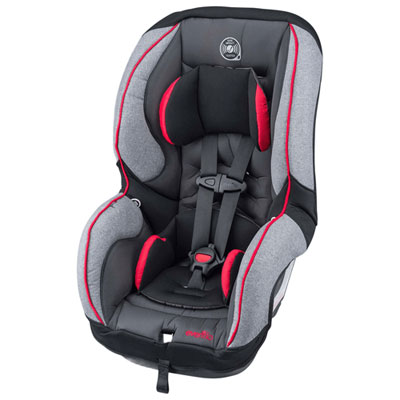
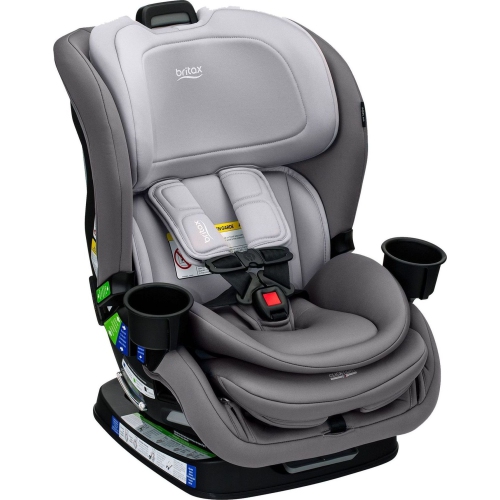
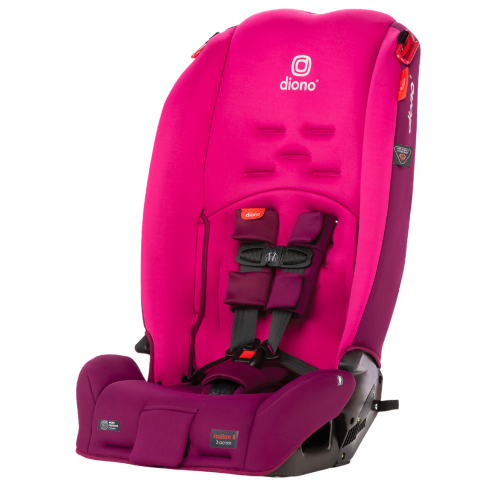
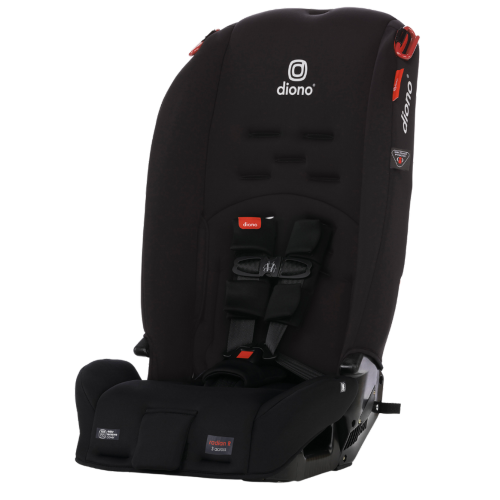
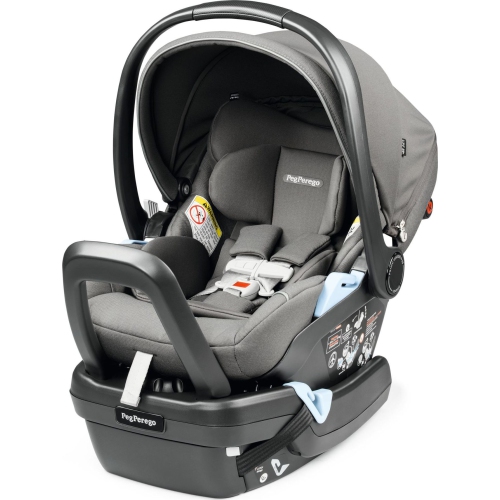
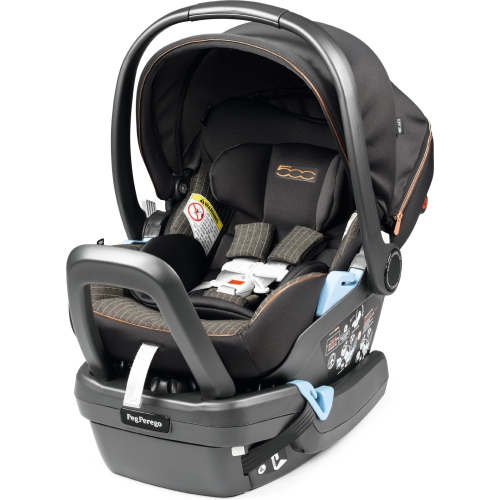
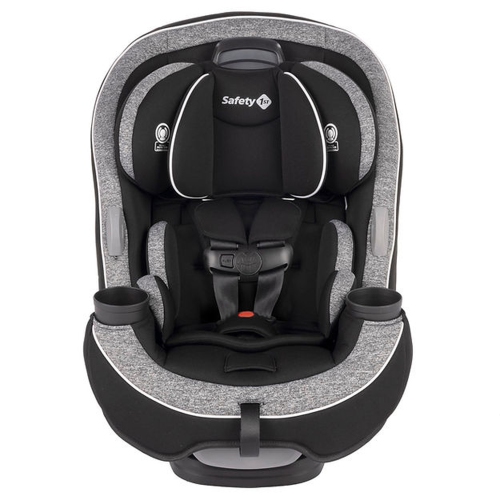
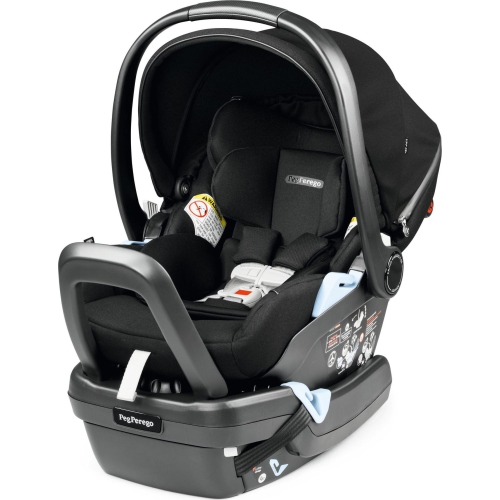
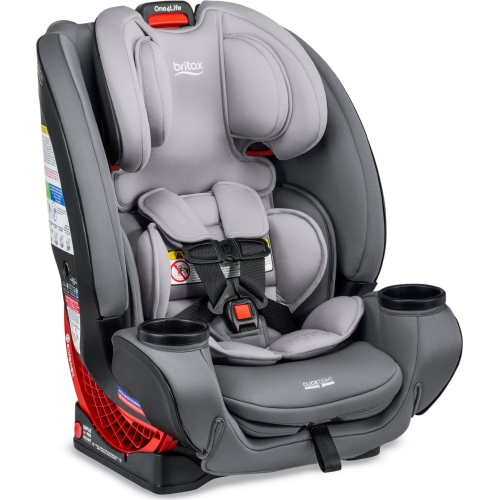
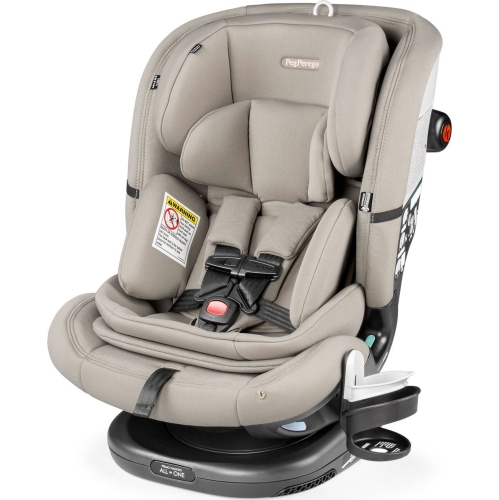
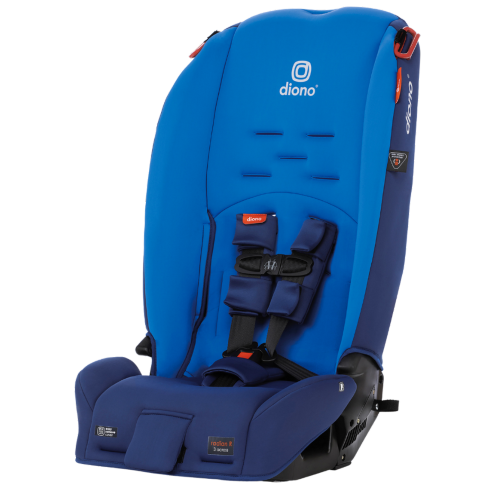
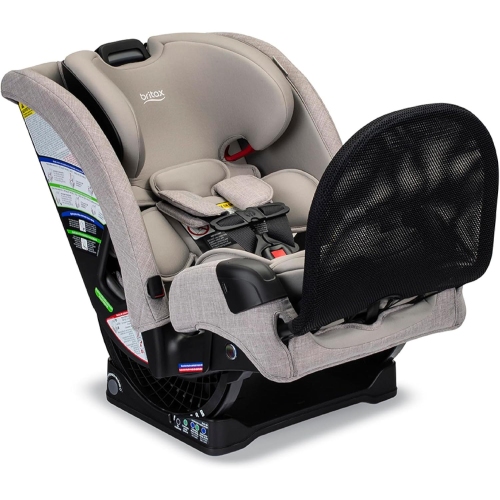
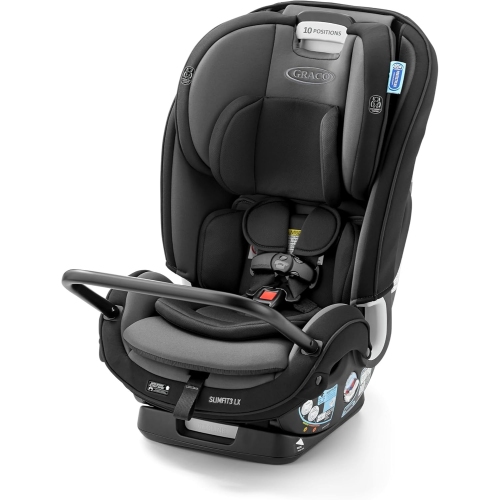
An infant car seat typically has a detachable carrier that can move between a vehicle base and a compatible stroller. A convertible car seat generally stays in the vehicle and changes between seating modes rather than functioning as a stroller attachment.
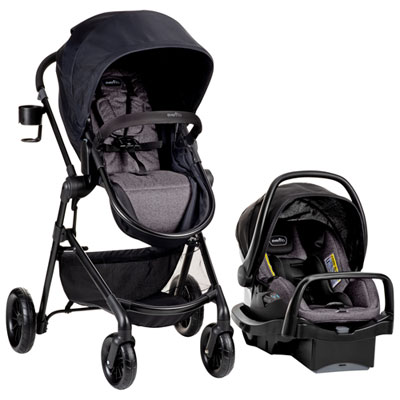
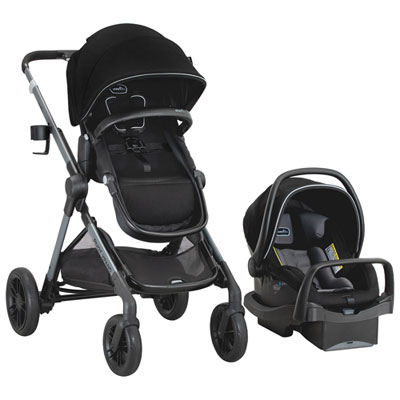
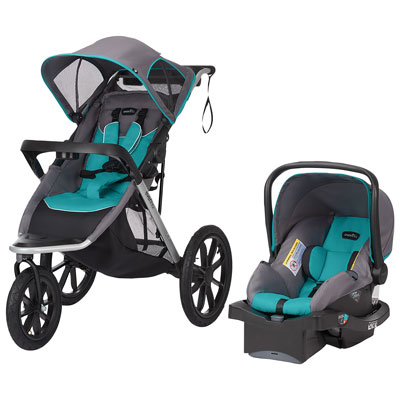
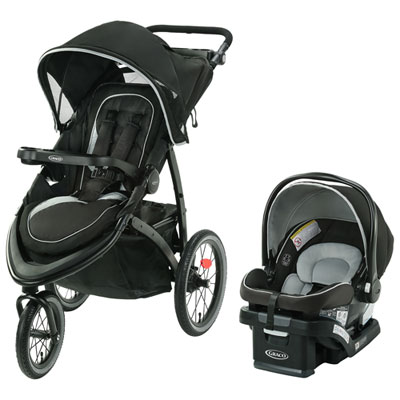
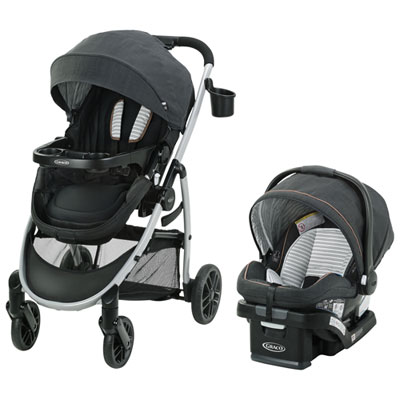
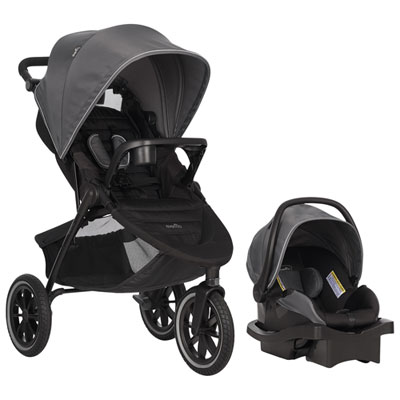
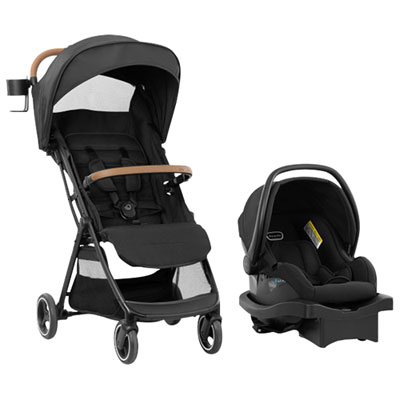
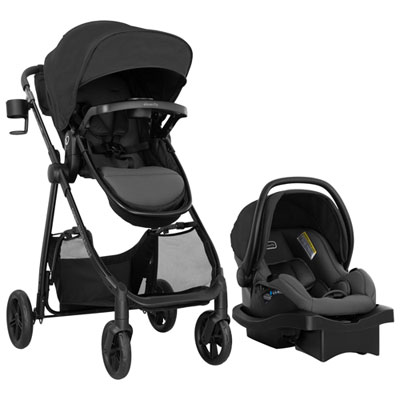
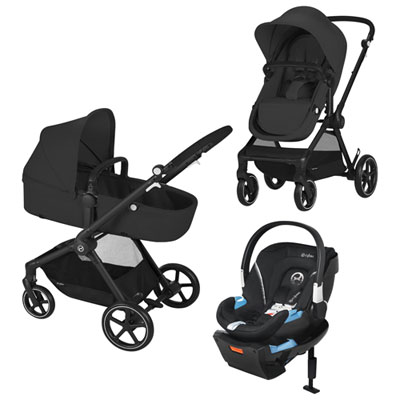
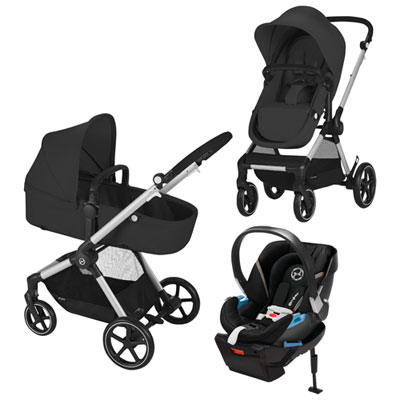
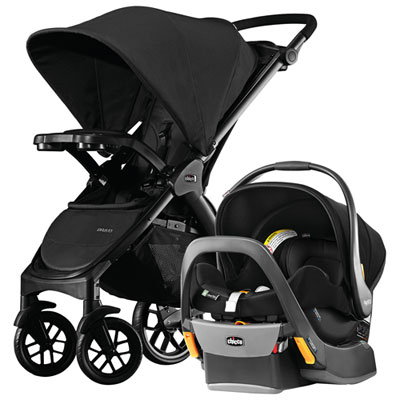
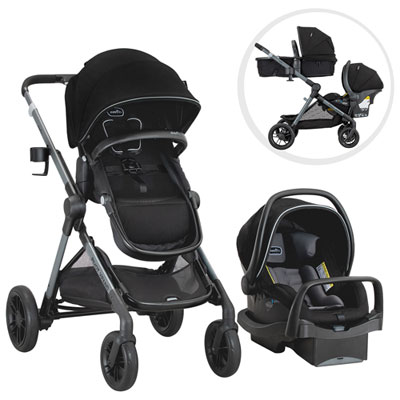
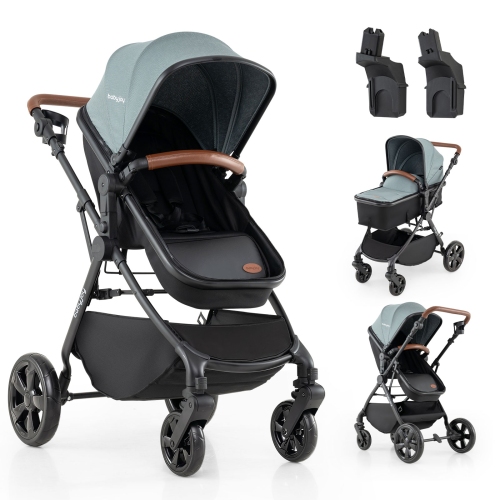
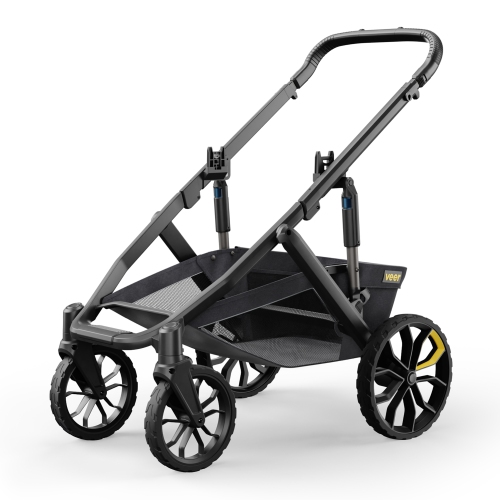
A travel system pairs a stroller with a compatible infant car seat, allowing the car seat to attach to the stroller frame. Some combinations connect directly, while others require adapters. Convertible car seats generally are not part of this setup.
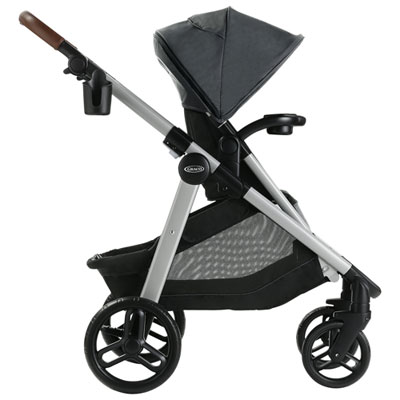
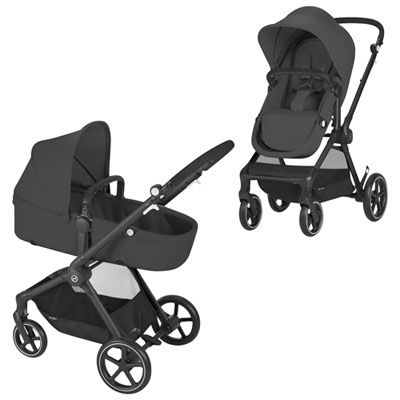
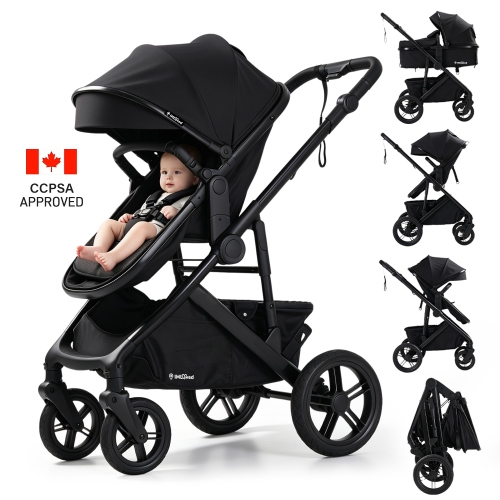
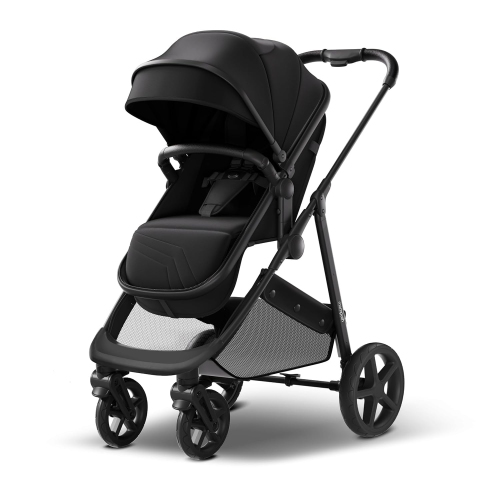
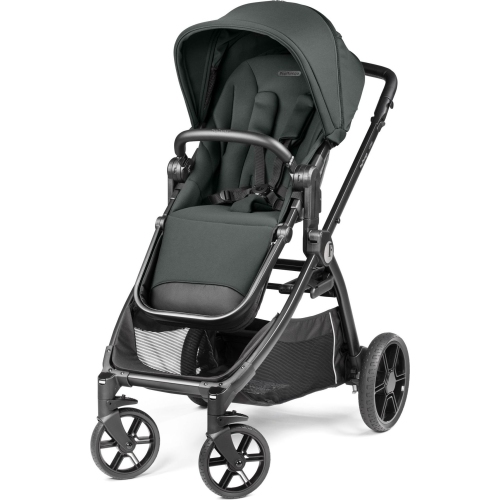
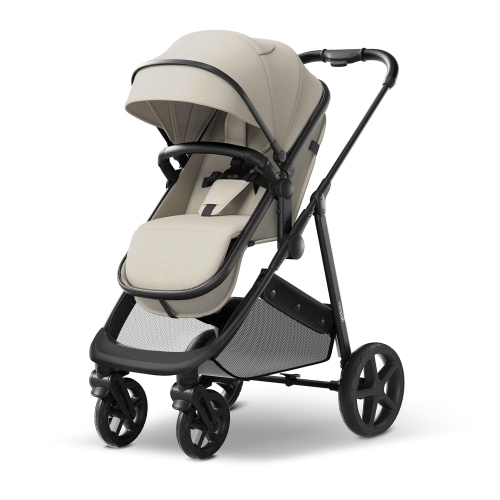
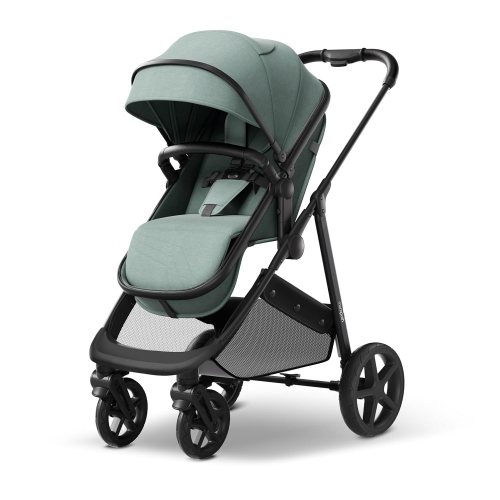
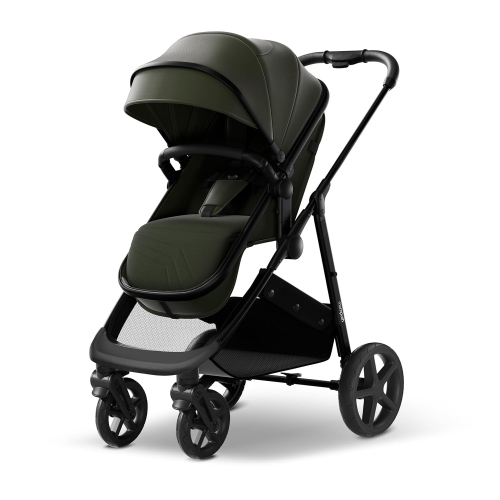
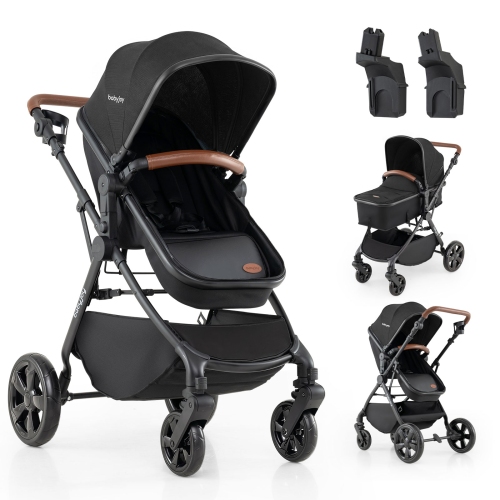
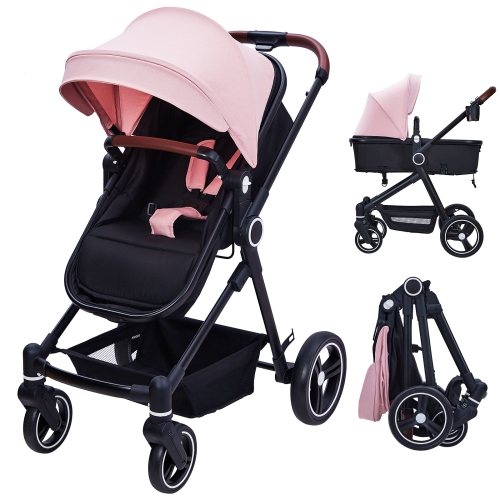
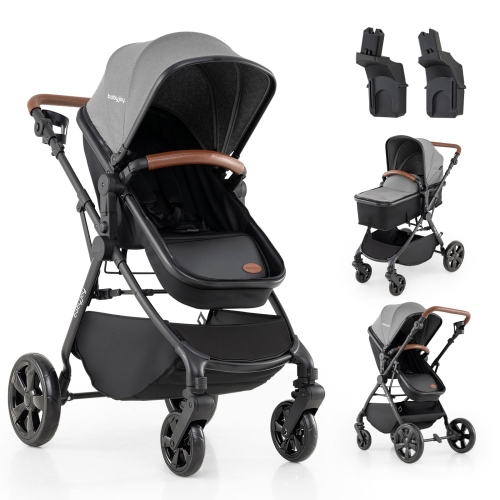
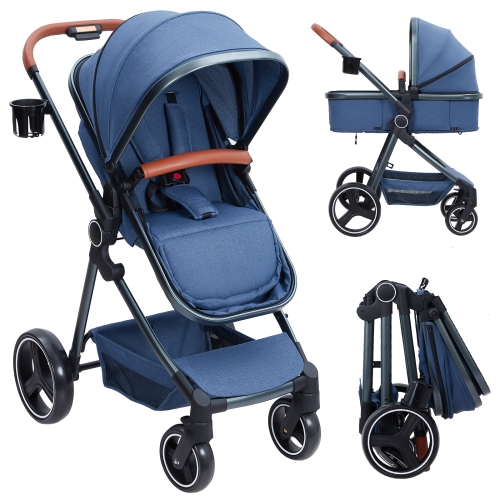
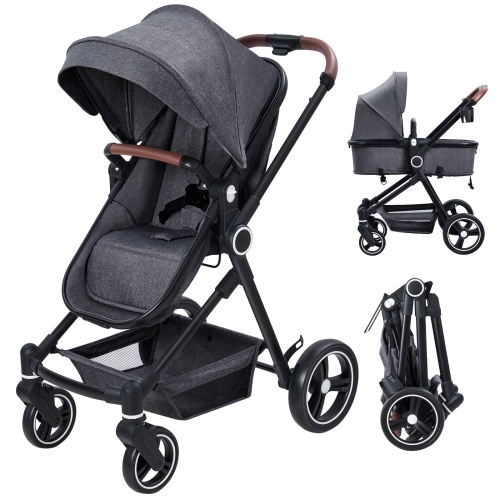
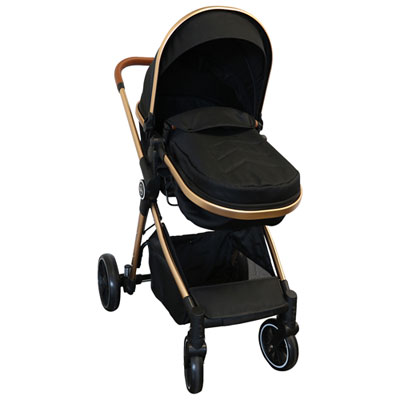
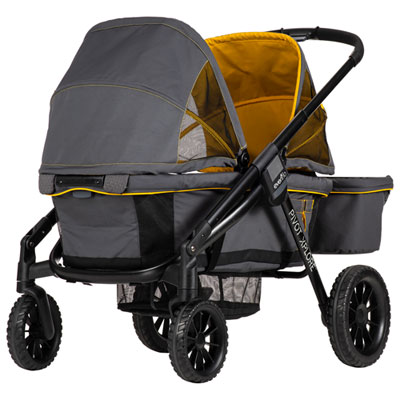
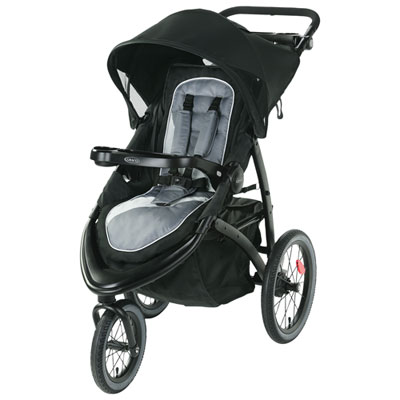
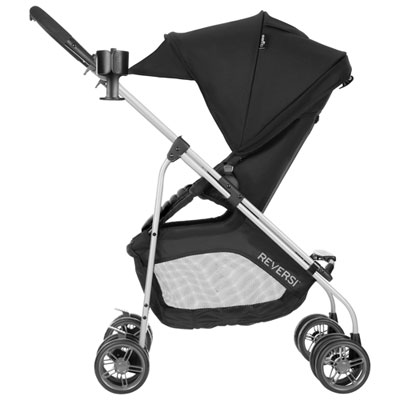
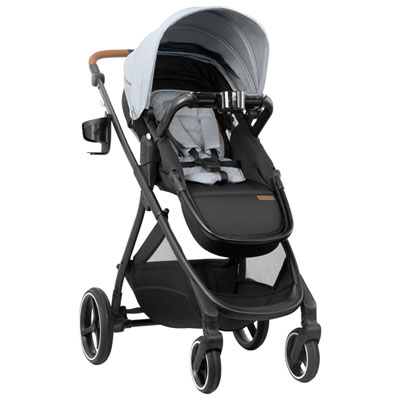
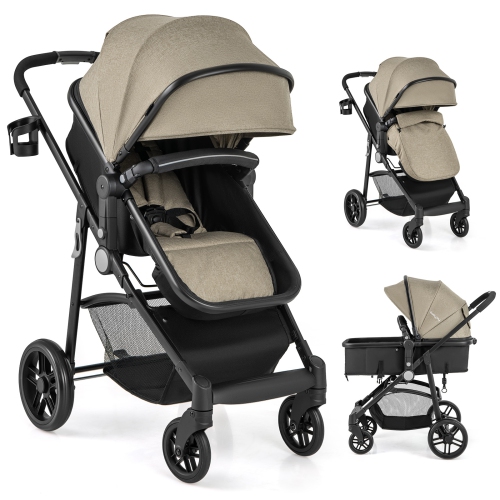
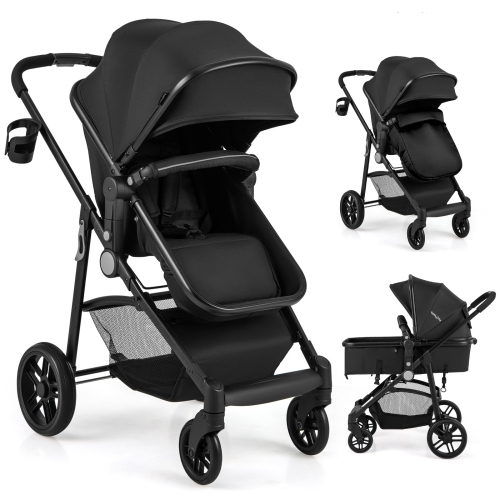
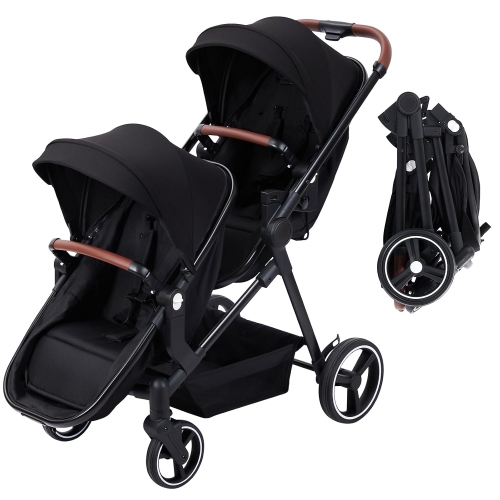
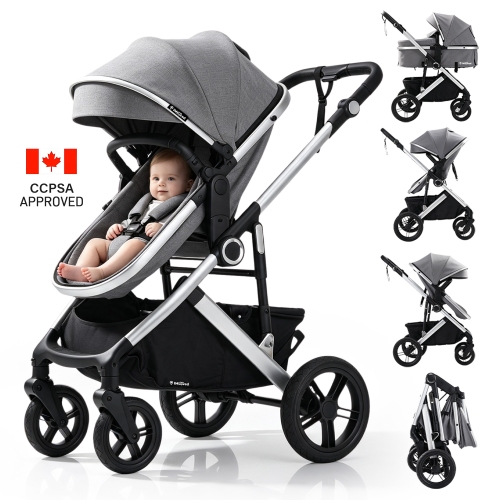
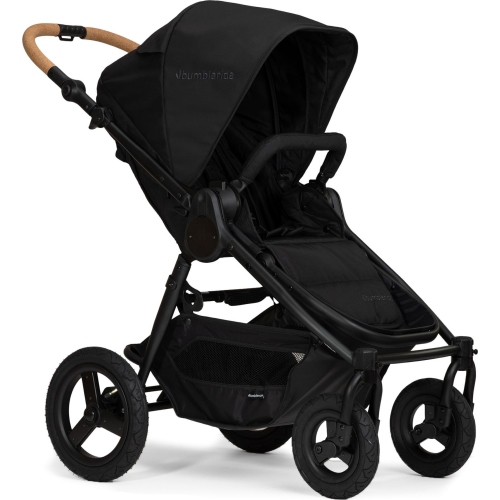
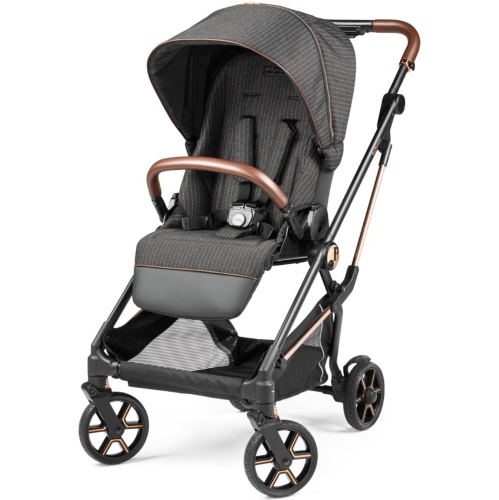
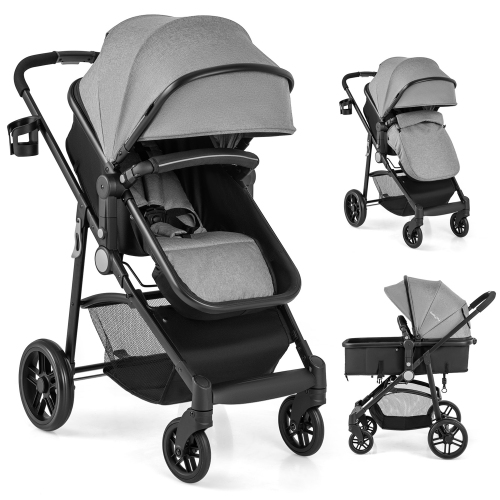
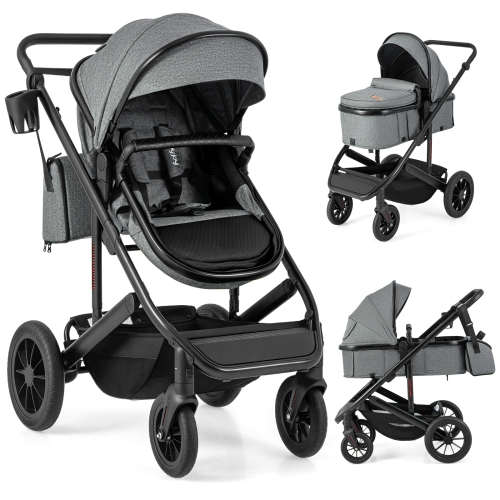
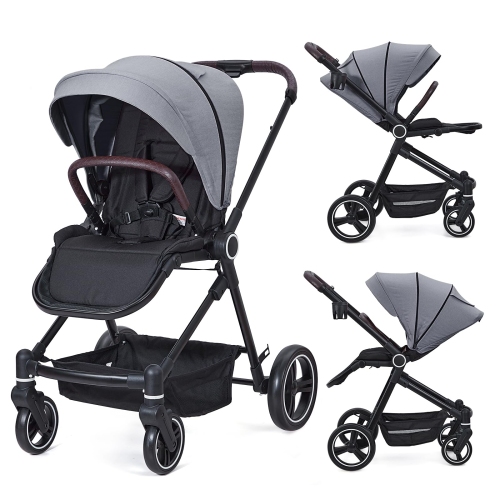
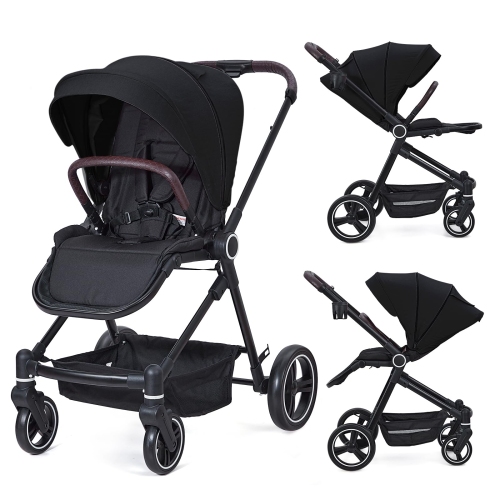
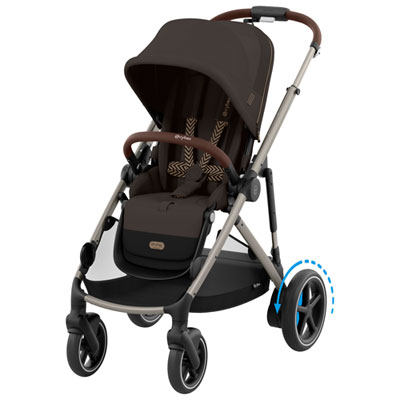
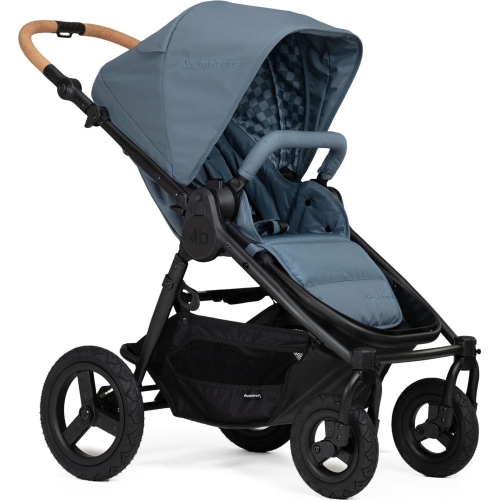
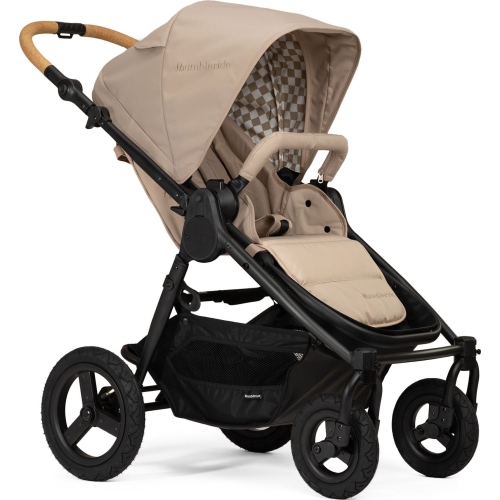
Depending on the model, strollers may offer parent-facing seats, outward-facing seats, or reversible seats that provide both options. Some modular strollers also accept a bassinet attachment or an additional seat. Available configurations and accessories vary by model.
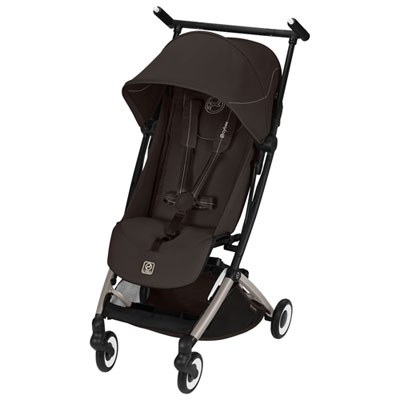
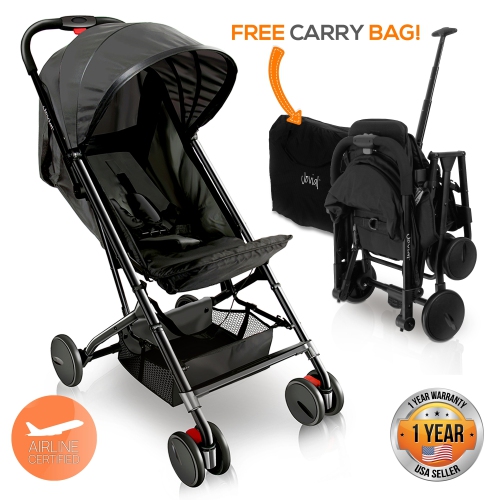
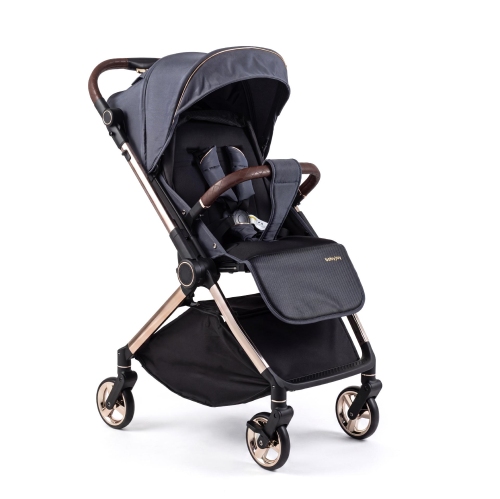
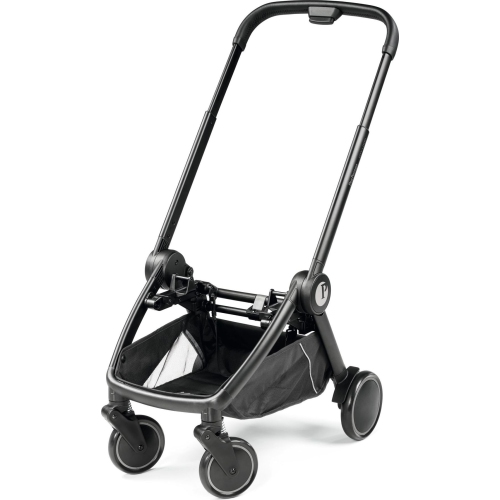
Stroller folding features may include one-hand folding, a self-standing fold, and a latch that holds the frame closed. Some models fold with the seat attached, while others require the seat to be removed first. Product descriptions typically explain the folding mechanism.
Care methods vary by model and component. Some fabric covers are removable and machine washable, while others require handwashing or spot cleaning. Follow the manufacturer’s care instructions for washing, detergent, and drying, and check separate directions for non-fabric parts.
Top selling and popular products
Discover more categories related to Infant Convertible Car Seats And Strollers
Some products may be subject to Environmental Handling Fees (EHF) depending on your province. Learn more about EHFs.